27 Presidential Firsts Few People Remember
The first president to do something rarely knows he is setting a precedent. These 27 presidential firsts range from the ceremonial to the technological, and most have slipped out of everyday memory.
Each one marks a moment when the office met something new, whether a telephone, a camera, a radio, or a crowded inauguration with nowhere to sit.
George Washington Collected Every Electoral Vote, Twice
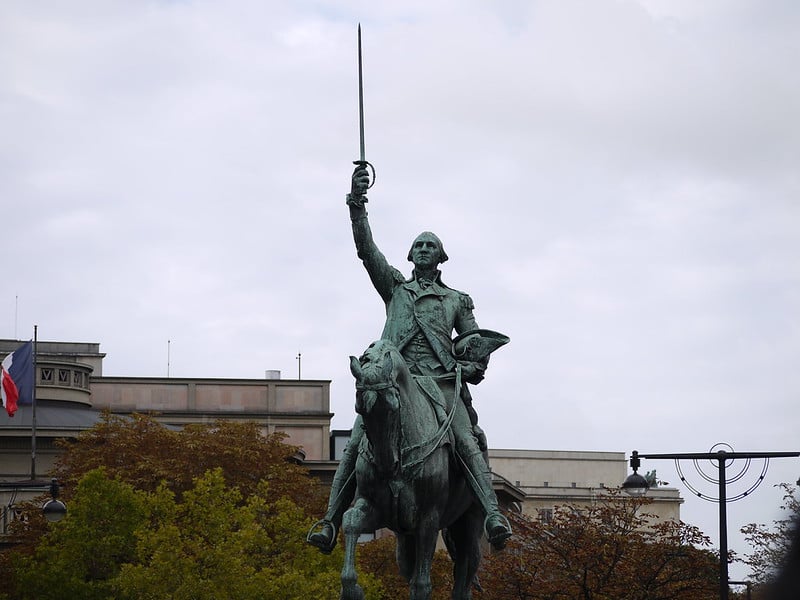
Washington received every electoral vote in both 1789 and 1792, a feat no later president has matched. James Monroe came closest in 1820, falling a single vote short of a unanimous result.
Political parties had not yet formed to contest the outcome.
John Adams Moved Into a Damp, Unfinished White House
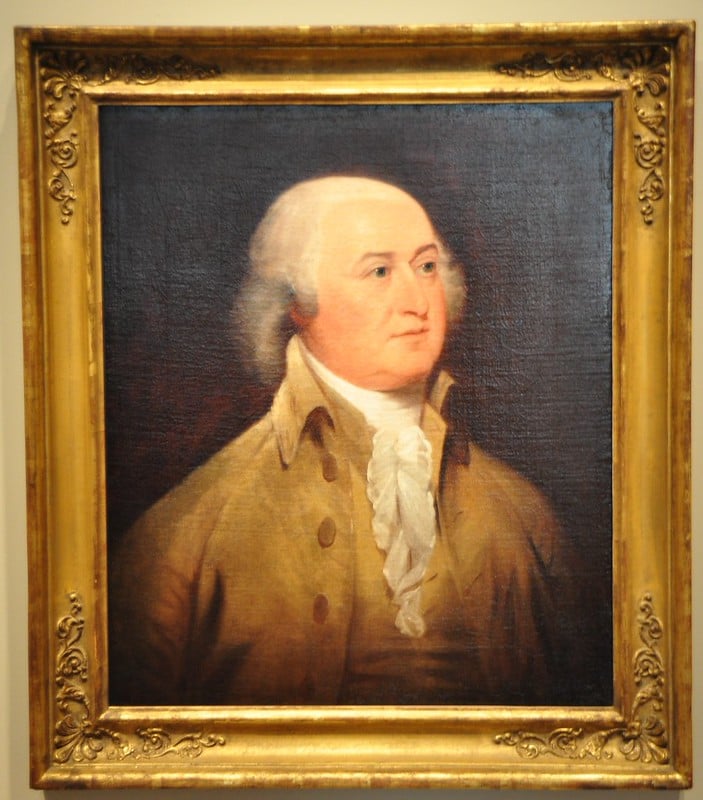
Adams became the first president to live in the White House when he moved in during November 1800, with the plaster still drying. His wife, Abigail, reportedly hung laundry in the unfinished East Room.
Adams wrote a blessing for the house that Franklin Roosevelt had carved into the State Dining Room mantel more than a century later.
Thomas Jefferson Was Inaugurated in the New Capital
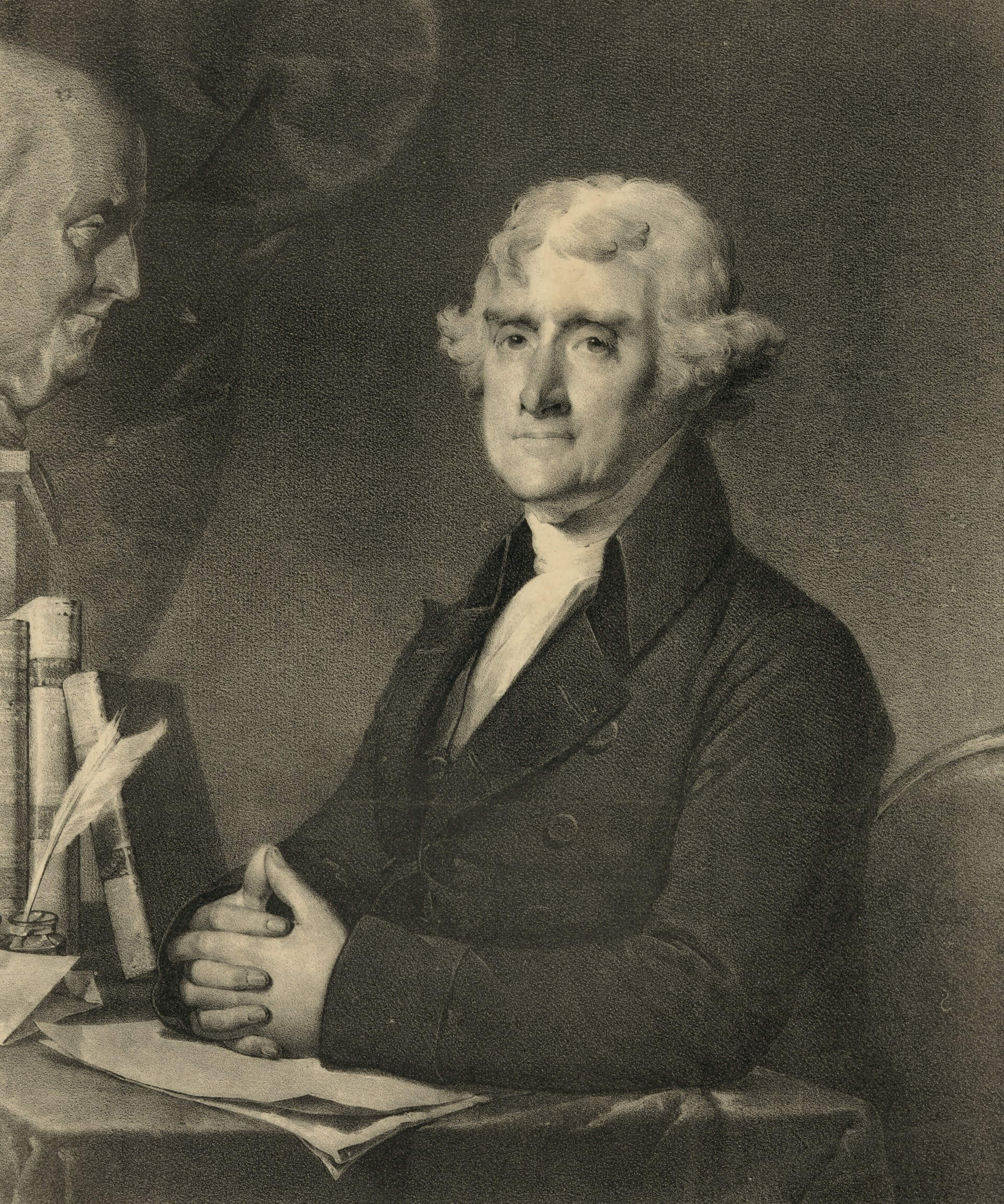
Jefferson took the oath on March 4, 1801, in the unfinished Capitol, the first inauguration held in Washington. Chief Justice John Marshall, a distant cousin and political rival, administered it.
Washington had been the capital for only a few months.
James Monroe Took the Oath Outdoors Because of a Chair Dispute
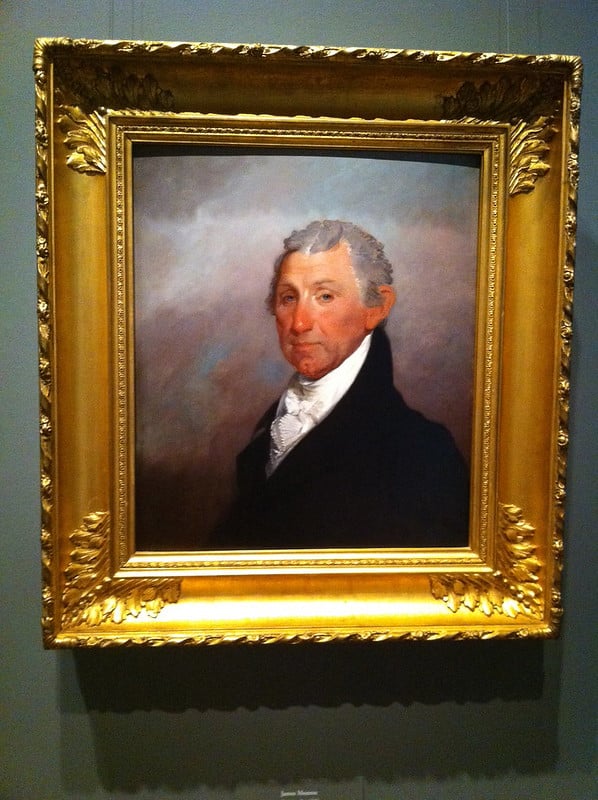
Monroe’s 1817 inauguration was the first held outdoors in Washington, after the House and Senate could not agree on arrangements for an indoor ceremony, including which chairs to use. A temporary portico was built for the event, and a crowd of about 8,000 people became the largest to gather in the city up to that point.
Henry Clay, angry at being passed over for a Cabinet post, stayed away.
John Quincy Adams Sat for the Earliest Surviving Presidential Photograph
In March 1843, Adams visited Philip Haas’s Washington studio and became the earliest surviving president to be photographed, nearly 15 years after leaving the White House. He complained in his diary that the walk there left his hands numb with cold.
The daguerreotype now hangs in the National Portrait Gallery.
Andrew Jackson Survived the First Attempt on a Sitting President
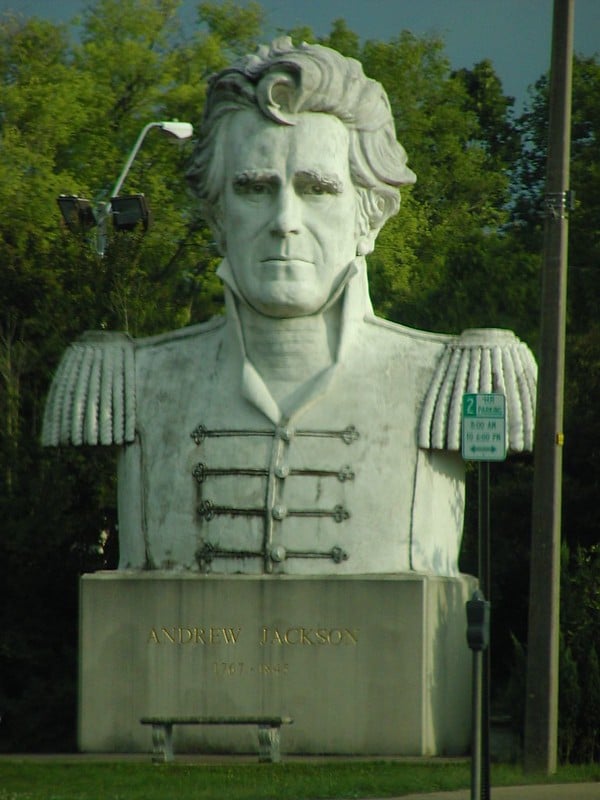
On January 30, 1835, Richard Lawrence aimed two pistols at Jackson outside the Capitol, and both misfired. Jackson charged his attacker with his cane.
It was the first attempted assassination of a sitting president.
Martin Van Buren Was Born an American Citizen
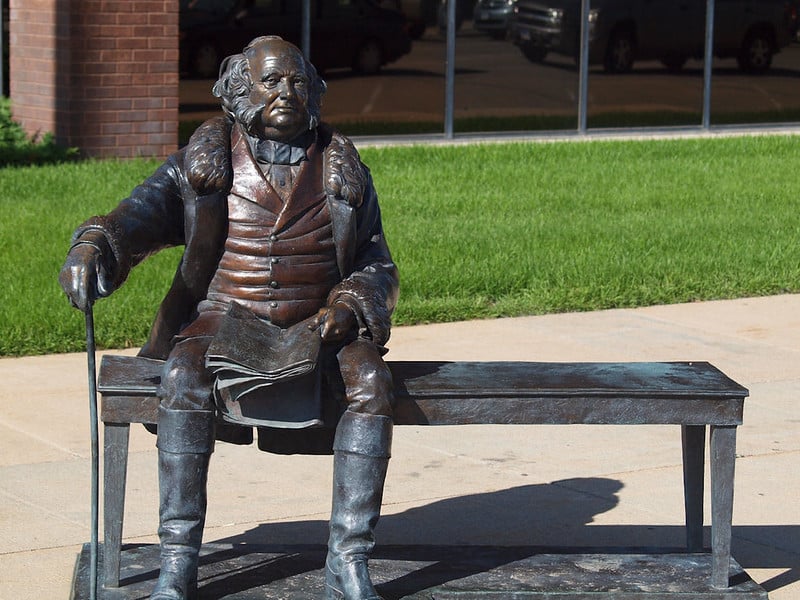
Born in Kinderhook, New York, in December 1782, Van Buren was the first president whose life began after the Declaration of Independence, which made him the first born a U.S. citizen rather than a British subject. He also grew up speaking Dutch at home.
No president before him had a first language other than English.
William Henry Harrison Gave the Longest Inaugural Speech and Died a Month Later
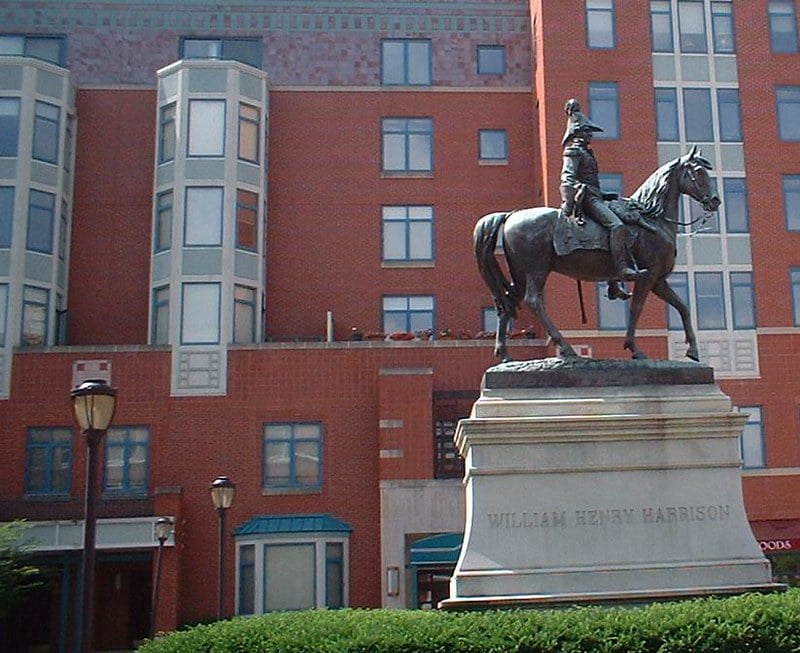
Harrison delivered an address of more than 8,000 words in March 1841, speaking for well over an hour in cold weather. He died 31 days into his term, becoming the first president to die in office and setting the record for the shortest presidency.
John Tyler Insisted He Was President, Not Acting President
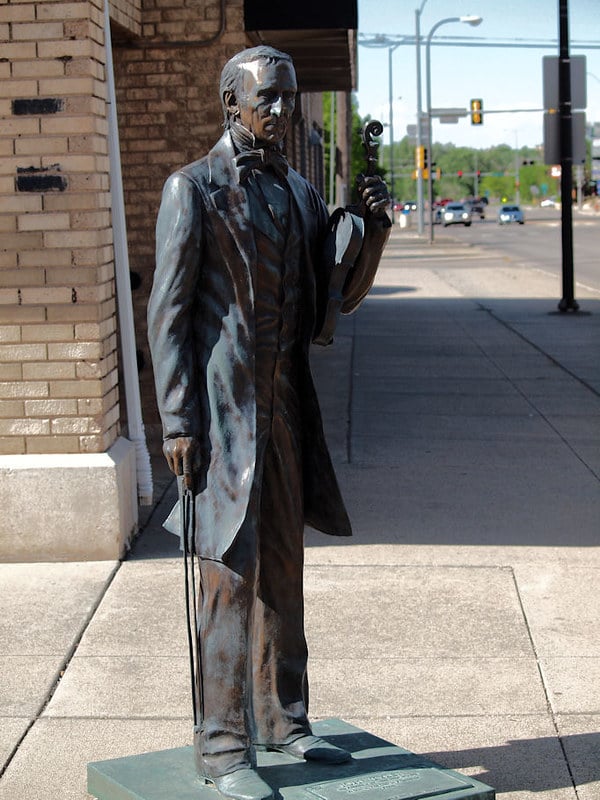
When Harrison died, Tyler became the first vice president to take over after a president’s death. Some in Washington argued that he should serve only as acting president, but Tyler took the oath and claimed the full office.
The precedent held until the 25th Amendment formally settled the matter in 1967.
Abraham Lincoln Grew a Beard After a Letter From an 11-Year-Old
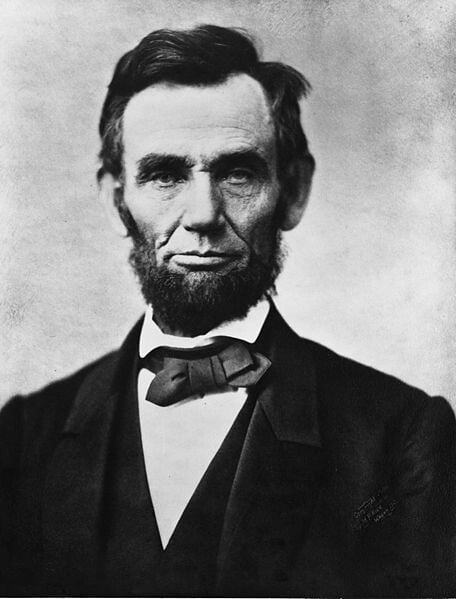
In October 1860, 11-year-old Grace Bedell of Westfield, New York, wrote to the candidate suggesting that whiskers would improve his looks and his chances. By the time he reached Washington in 1861, Lincoln had grown a beard, becoming the first president to wear one.
Lincoln met Bedell in person when his train stopped in Westfield in February 1861.
Andrew Johnson Was Impeached and Missed Removal by One Vote
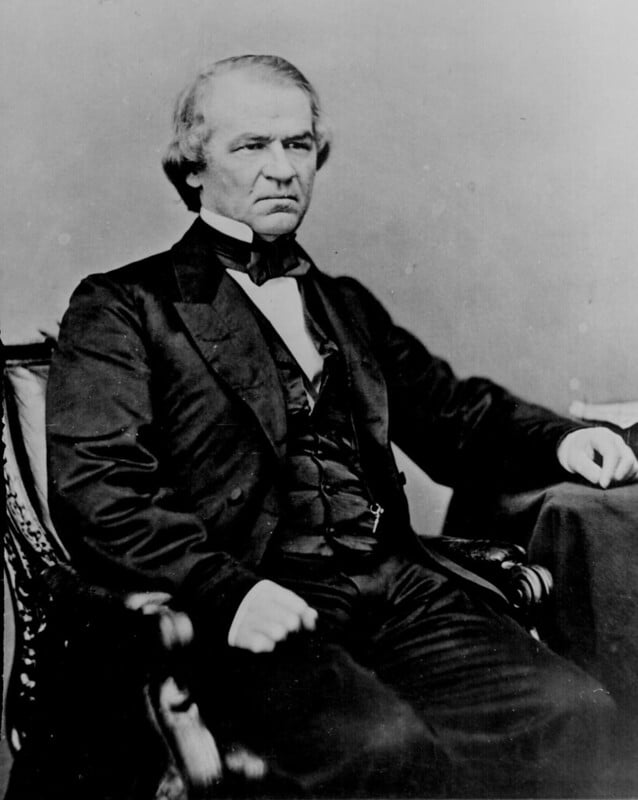
In 1868, the House made Johnson the first president to be impeached. The Senate fell one vote short of the two-thirds majority needed to convict him, so he finished his term. The final tally in the Senate was 35 to 19.
Rutherford B. Hayes Had the First White House Telephone
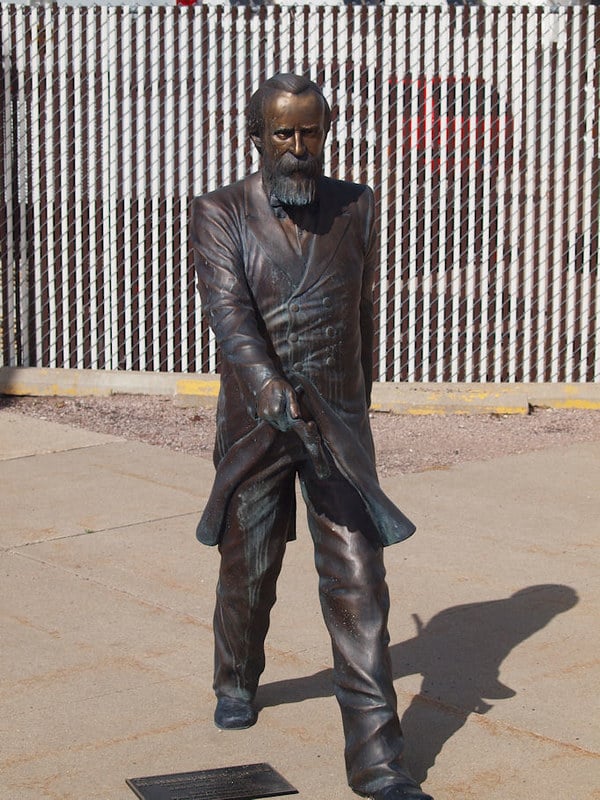
Hayes had a telephone installed in 1879, and its number was reportedly 1. It was rarely used, because so few people in Washington had a telephone to answer.
Hayes was also the first president to use a typewriter, and he invited Thomas Edison to demonstrate the phonograph.
Grover Cleveland Married in the White House
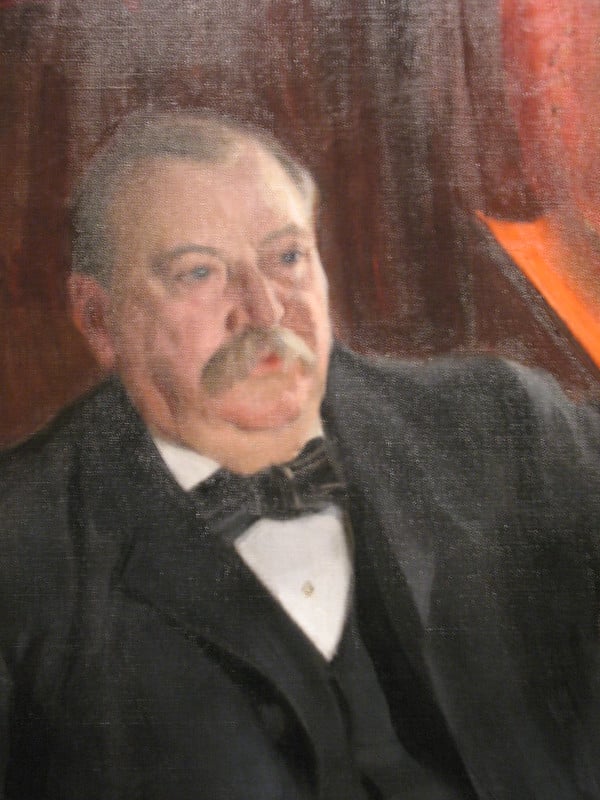
On June 2, 1886, Cleveland wed 21-year-old Frances Folsom in the Blue Room, making him the only president to marry in the White House. He was 49, and his bride’s youth drew intense press attention.
Cleveland is also the only president to serve two nonconsecutive terms.
Benjamin Harrison’s Voice Was Recorded on a Wax Cylinder
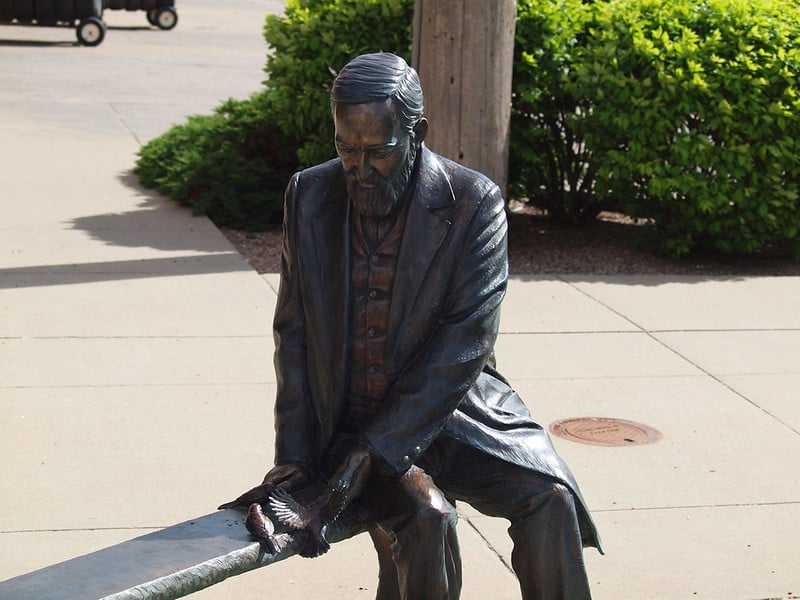
A recording of Harrison speaking, made on an Edison wax cylinder, is the earliest known recording of a U.S. president. In it, he refers to the first Pan-American conference held in Washington.
Harrison also had electricity installed in the White House, though he and his wife reportedly refused to touch the switches for fear of a shock.
Theodore Roosevelt Left the Country While in Office
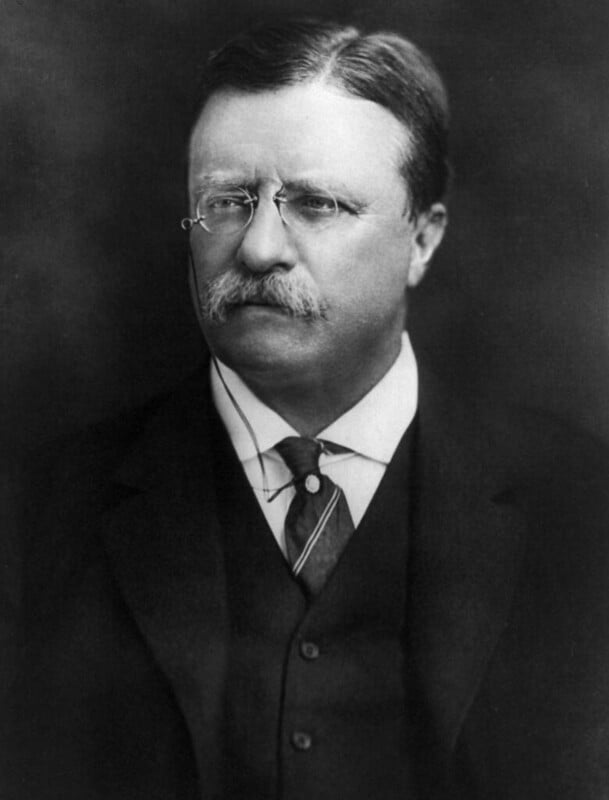
In November 1906, Roosevelt traveled to Panama to inspect construction of the canal, the first time a sitting president left the United States. He sailed aboard the battleship USS Louisiana.
A photograph of him at the controls of a giant steam shovel became one of the most famous images of his presidency.
William Howard Taft Threw the First Presidential Pitch
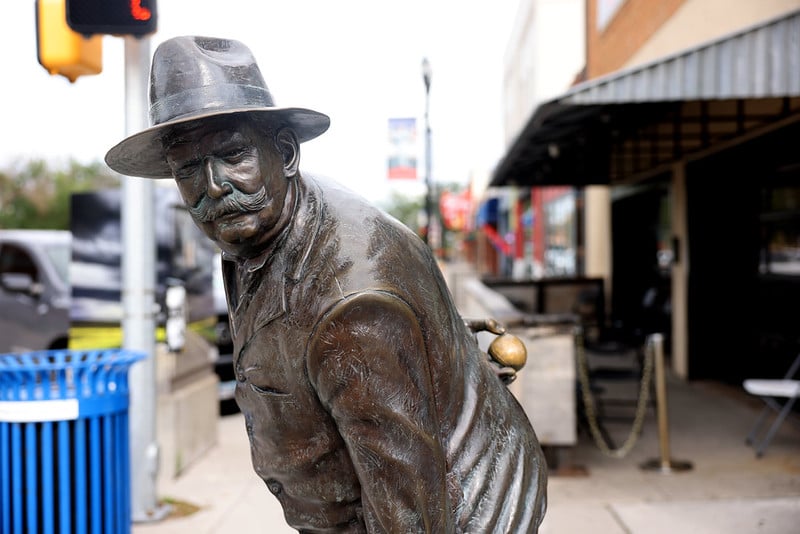
On April 14, 1910, Taft threw the ceremonial first pitch from the stands at the Washington Senators’ home opener, a tradition that nearly every president since has continued. Walter Johnson pitched for the Senators, who beat the Philadelphia Athletics 3-0, and the visitors managed only one hit.
The owner of the Senators had wanted a president to take part for years.
Woodrow Wilson Sailed to Europe While in Office
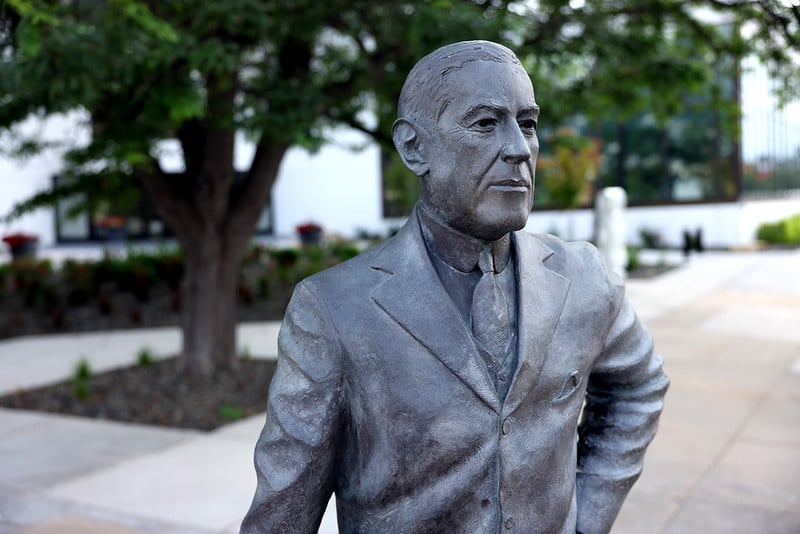
Wilson crossed the Atlantic in December 1918 to attend the Paris Peace Conference, making him the first president to travel to Europe during his term. He sailed aboard the SS George Washington and was greeted by enormous crowds in Paris, London, and Rome.
Warren G. Harding Brought Radio to the White House
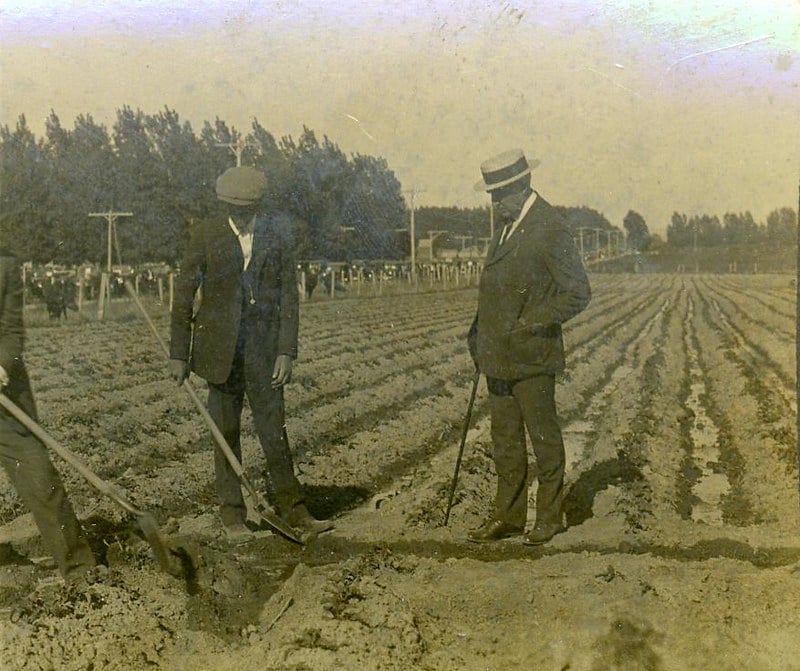
Harding had the first radio installed in the White House in 1922 and became the first president heard on the radio that same year. On December 8, 1922, his annual address to Congress was broadcast, and the first lady listened to it on a specially installed receiver at the White House.
His voice introduced many Americans to the idea of hearing their president.
Herbert Hoover Was Born West of the Mississippi
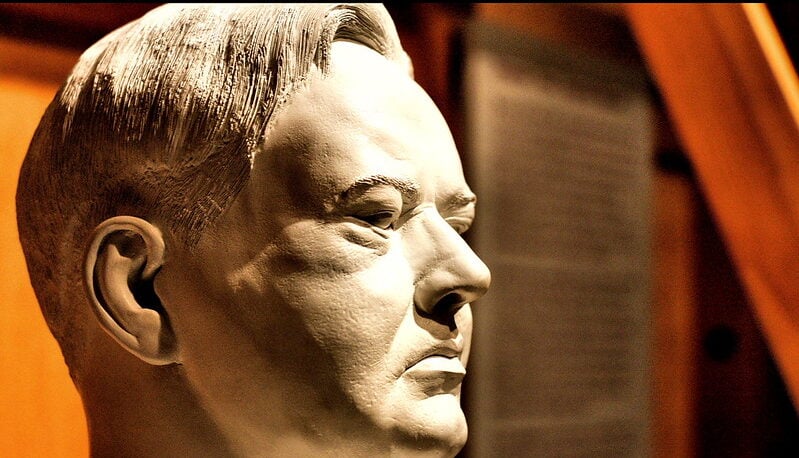
Hoover, born in West Branch, Iowa, in 1874, was the first president born west of the Mississippi River. As commerce secretary in the 1920s, he also appeared in an early long-distance television demonstration, an early glimpse of a medium that would reshape politics.
Franklin D. Roosevelt Appeared on Television
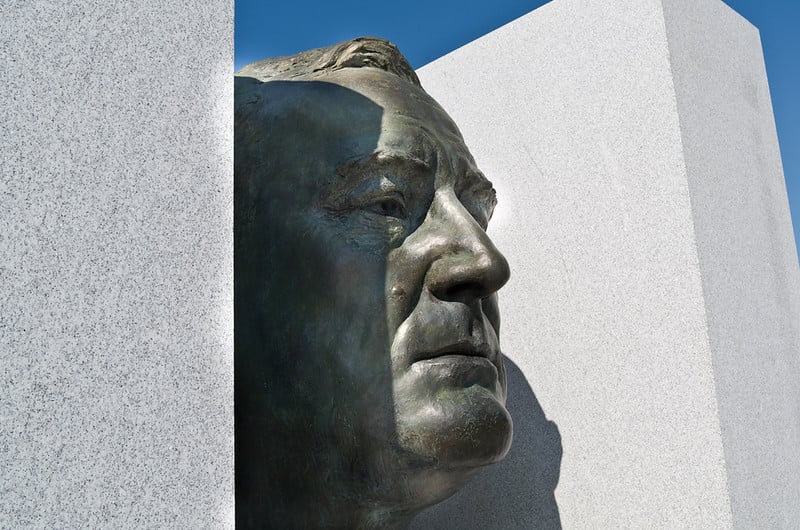
On April 30, 1939, Roosevelt opened the New York World’s Fair and became the first president to appear on television. Only receivers at the fairgrounds and at Radio City Music Hall carried the broadcast, so almost nobody saw it.
Regular television service for the public began the next day.
Franklin D. Roosevelt Flew While in Office
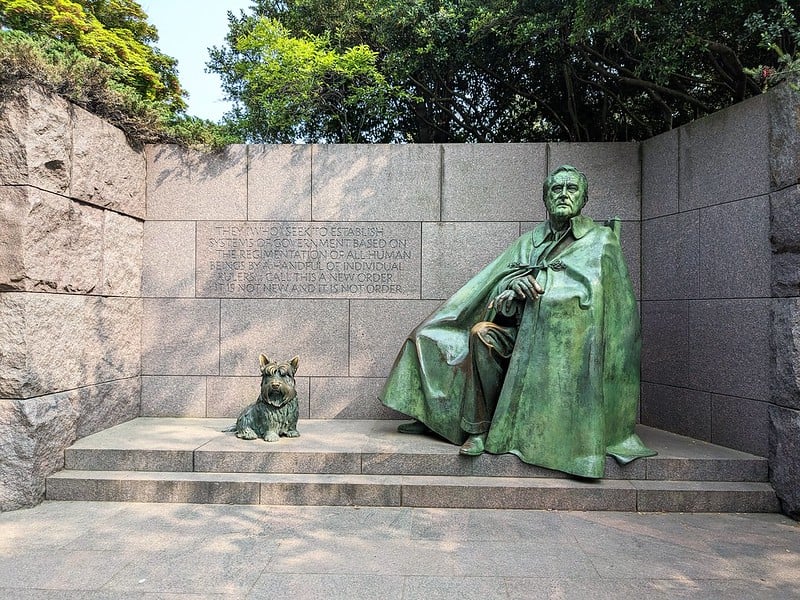
In January 1943, Roosevelt flew to the Casablanca Conference aboard a Pan American flying boat, the first time a sitting president traveled by airplane. The trip also made him the first president to visit Africa while in office.
Security concerns kept the journey secret until he had arrived.
Harry Truman Spoke on Television From the White House
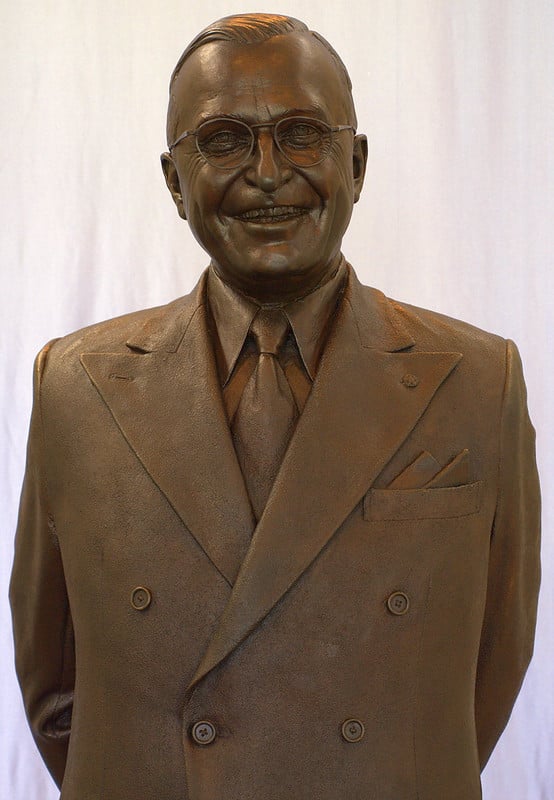
On October 5, 1947, Truman delivered the first televised presidential address from the White House, asking Americans to skip meat on Tuesdays and eggs and poultry on Thursdays to help feed Europe. Only about 44,000 television sets were in American homes at the time.
His later White House speeches, including his 1949 inauguration address, were televised too.
John F. Kennedy Was the First Catholic President
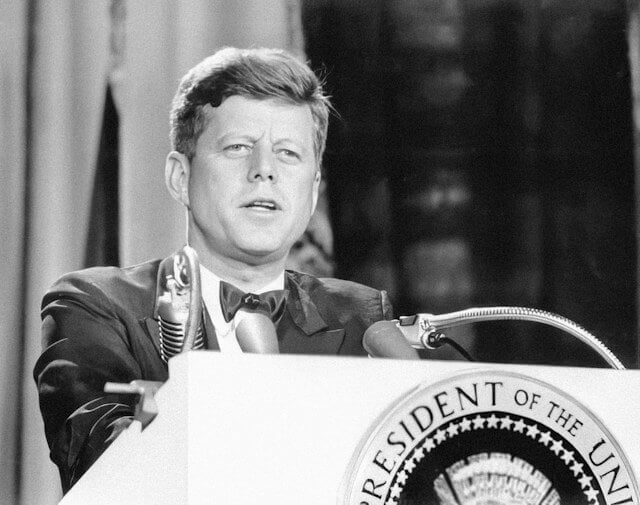
Kennedy won the 1960 election as the first Catholic president, after Al Smith’s defeat in 1928 had convinced many politicians that a Catholic could not win. In September 1960 he spoke to Protestant ministers in Houston to address fears that he would take orders from Rome.
Kennedy was also the first president born in the 20th century.
Lyndon Johnson Was Sworn In by a Woman
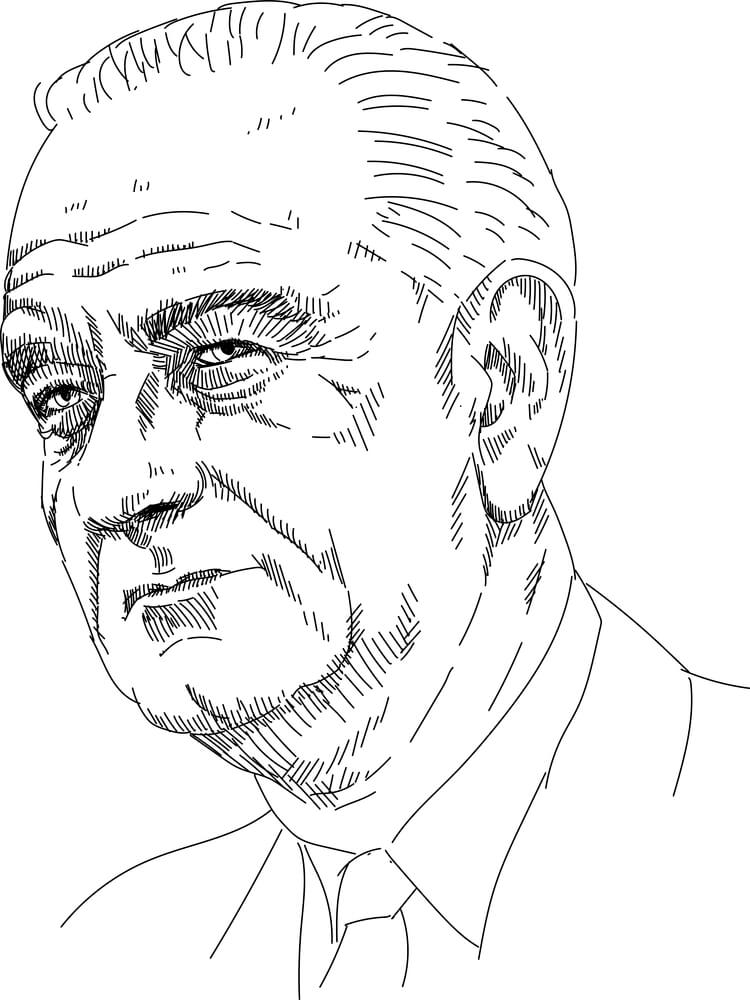
On November 22, 1963, Judge Sarah T. Hughes administered the oath to Johnson aboard Air Force One at Love Field in Dallas, the first time a woman swore in a president. Jacqueline Kennedy stood beside him, still wearing the suit she had worn in the motorcade.
The ceremony took place within hours of President Kennedy’s death.
Richard Nixon Resigned
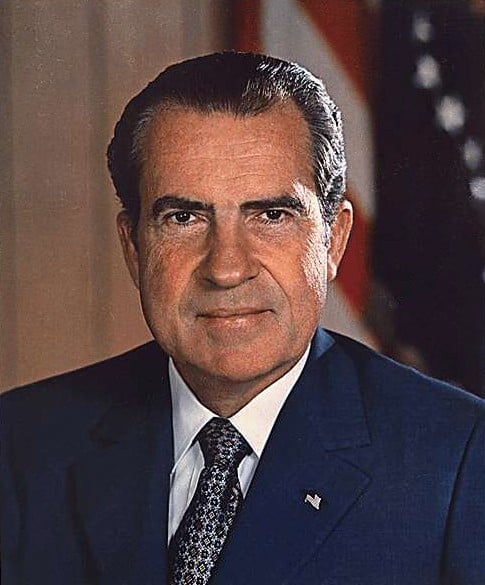
On August 9, 1974, Nixon became the first president to resign, leaving office as impeachment and removal over Watergate appeared likely. His vice president, Gerald Ford, took the oath that same day.
Nixon announced his decision on August 8, and it took effect at noon the next day.
Gerald Ford Was Never Elected to Either Office
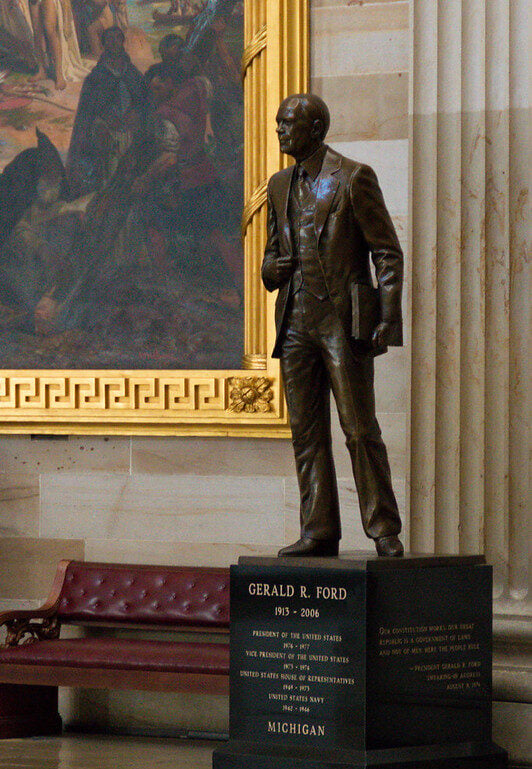
Ford became vice president in December 1973 under the 25th Amendment after Spiro Agnew resigned, then president in August 1974. He remains the only person to hold both offices without being elected to either on a national ticket.
The 25th Amendment had been ratified in 1967.
Jimmy Carter Was Born in a Hospital
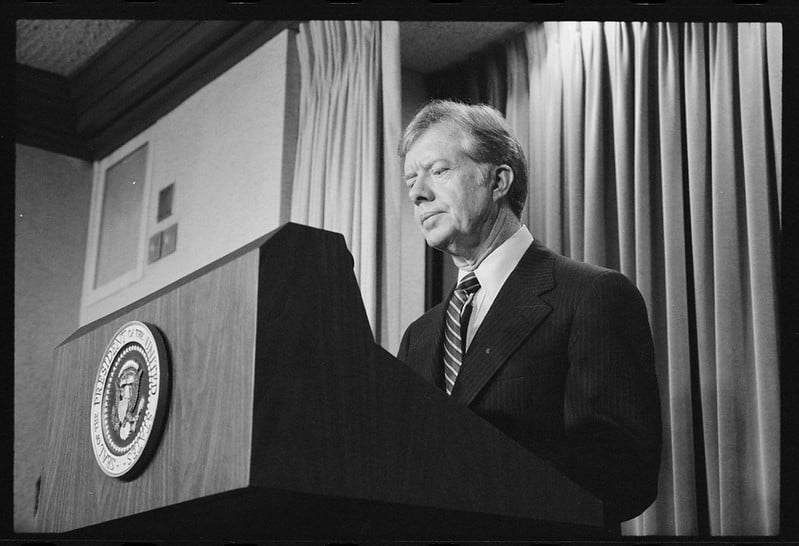
Carter, born in Plains, Georgia, in 1924, was the first president born in a hospital, at a time when most American births still took place at home. He later became the first president to live to 100, dying in December 2024.
His mother, a registered nurse, worked at the Plains hospital where he was born.
Every Precedent Was Once a Guess

Most of these firsts happened without much ceremony. A telephone arrived, a radio hummed, a camera clicked, and the next president simply did the same.
Only later did the rest of the country realize that the office had changed.
Others created rules by accident. Tyler’s refusal to be called acting president and Monroe’s chair dispute both left habits that outlasted the people involved.
Presidents rarely know which of their choices will be remembered as the first of many.
More from Go2Tutors!

- The Romanov Crown Jewels and Their Tragic Fate
- 13 Historical Mysteries That Science Still Can’t Solve
- Famous Hoaxes That Fooled the World for Years
- 15 Child Stars with Tragic Adult Lives
- 16 Famous Jewelry Pieces in History
Like Go2Tutors’s content? Follow us on MSN.