Practical Movie Effects That Were Not CGI
Long before computers could conjure entire worlds with a few clicks, filmmakers had to rely on pure ingenuity to make the impossible feel real. These weren’t just clever workarounds—they were full-blown feats of creativity, often involving enormous rotating sets, real explosions, and crews willing to put themselves on the line for a single shot.
The end results are so convincing that audiences often assume CGI was involved, but the truth is far more impressive.Here’s a look at some practical movie effects that prove sometimes old-school methods still create the most memorable magic.
Inception’s Rotating Hallway Fight
Christopher Nolan built a 100-foot rotating corridor inside a London airplane hangar for one of the most disorienting fight sequences in film history. Joseph Gordon-Levitt spent weeks training to perform his own stunts while the entire hallway spun around him like a giant hamster wheel.
The camera was fixed to the moving set, giving the illusion that Levitt was defying gravity by walking on walls and ceilings—when in fact, it was the whole room that was moving.
The Dark Knight’s Semi-Truck Flip
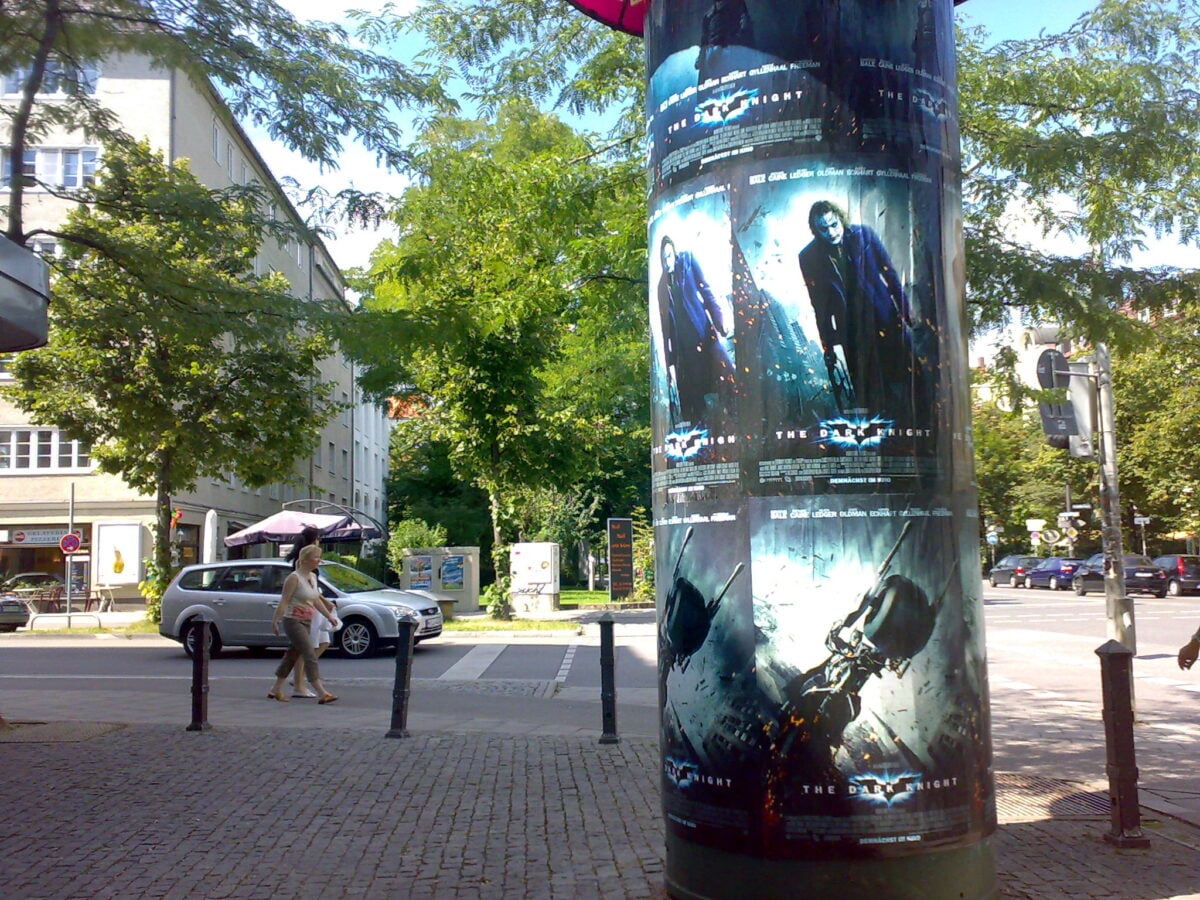
The scene where Batman flips an 18-wheeler in the middle of Chicago might look digitally crafted, but it wasn’t.Nolan’s team rigged a real semi-truck with an air piston underneath and triggered it to launch the vehicle into a genuine flip on a closed city street.
They had only one chance to get it right—because you can’t exactly flip another massive truck and hope for a better take.
Mad Max: Fury Road’s Flame-Throwing Guitar

The Doof Warrior’s guitar wasn’t a prop augmented later with fire effects—it really shot flames. George Miller insisted the instrument functioned as intended, so production designer Colin Gibson engineered a flamethrower guitar that could endure the desert heat.
The result is raw, dangerous, and unforgettable—because it actually was.
Apollo 13’s Weightless Scenes
Ron Howard didn’t fake zero gravity with harnesses. Instead, he took his cast and crew aboard NASA’s KC-135, famously called the “vomit comet.”
The plane’s parabolic flight created genuine zero-gravity conditions for about 25 seconds at a time. Over several weeks, they flew 612 parabolas to film roughly four hours of footage, while actors floated freely inside the spacecraft set, all under strict anti-nausea precautions.
An American Werewolf in London’s Transformation

The 1981 werewolf transformation took six months of preparation and a full week of shooting. Thirty technicians worked painstakingly to pull hair through rubber, stretch prosthetics, and manipulate every grotesque detail in real time.
The extending snout, sprouting fur, and cracking bones were all practical effects—so visceral that even decades later, CGI hasn’t quite matched its impact.
The Thing’s Alien Creature
John Carpenter’s 1982 horror masterpiece featured an alien that constantly mutated in horrifying ways—all achieved practically. Rob Bottin led a 40-person effects team, working 57 consecutive weeks on the creature, surviving on little more than candy and cola until he collapsed from exhaustion.
Puppets, stop-motion, and even animal organs from slaughterhouses were used to create some of the most disturbing transformations in cinematic history.
Independence Day’s White House Explosion
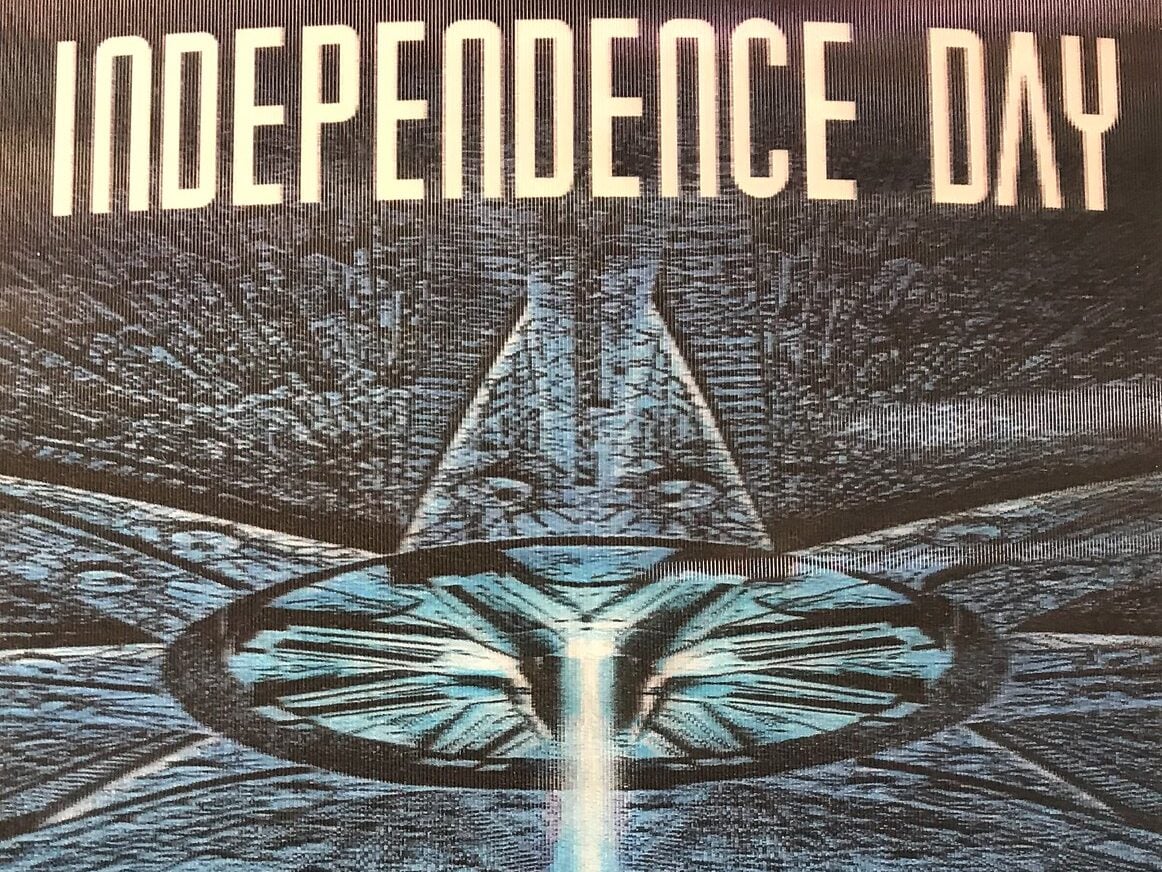
Roland Emmerich destroyed the White House using a detailed miniature model roughly human-sized, packed with explosives. The team matched every proportion to the real building, then obliterated it in a spectacular fireball.
The footage became iconic, even appearing in marketing campaigns, and likely helped fuel the film’s box office success.
Jurassic Park’s Velociraptor Costumes
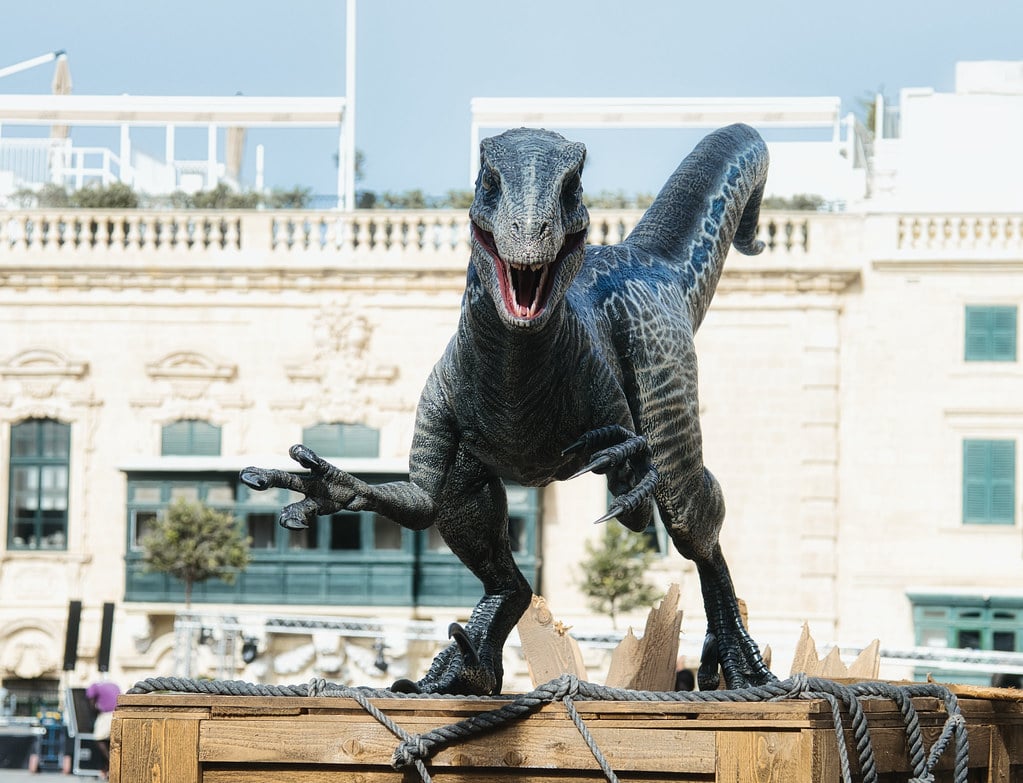
While the T-Rex relied on CGI, Velociraptors were often portrayed by human performers in full-scale suits. The dinosaurs were built much larger than their real-life counterparts to accommodate actors inside.
This mix of practical suits and digital effects allowed performers to interact with tangible threats, making scenes feel real.
Lord of the Rings’ Forced Perspective
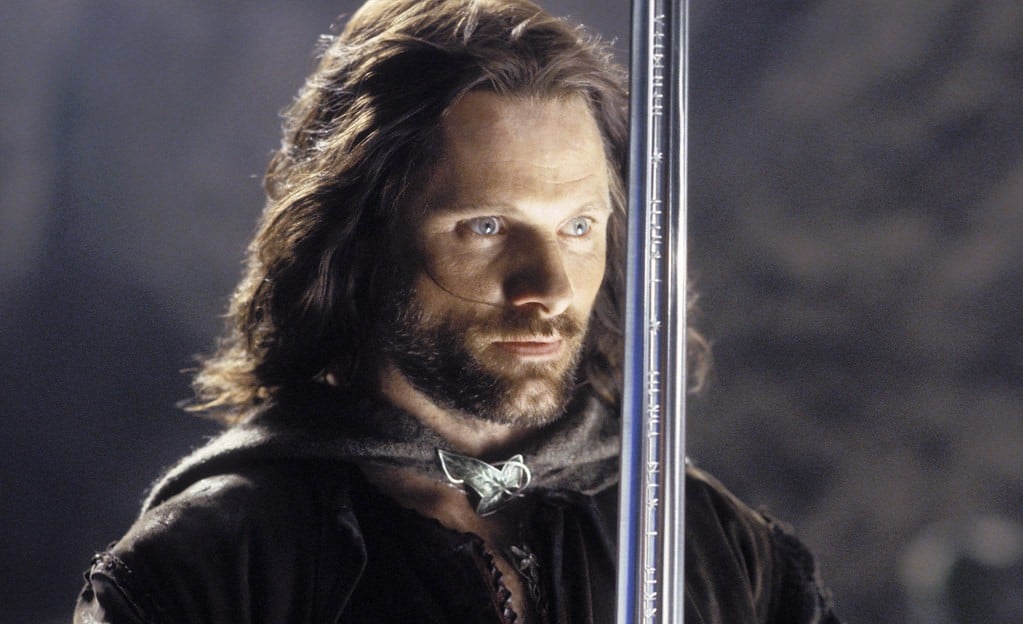
Peter Jackson didn’t shrink actors digitally to make Hobbits look smaller. Instead, he used forced perspective—positioning actors at different distances from the camera on carefully constructed sets.
Moving platforms, scaled props, and precise measurements created seamless size differences, turning each shot into a perfectly orchestrated optical illusion.
Alien’s Chestburster Scene

Ridley Scott deliberately kept the cast in the dark about what would happen. The effects team packed real animal organs into a prosthetic torso with small explosives.
Actor John Hurt only had his head exposed, and when the alien erupted, the other actors’ reactions were 100% genuine because they had no idea what was coming.
BB-8’s Rolling Droid
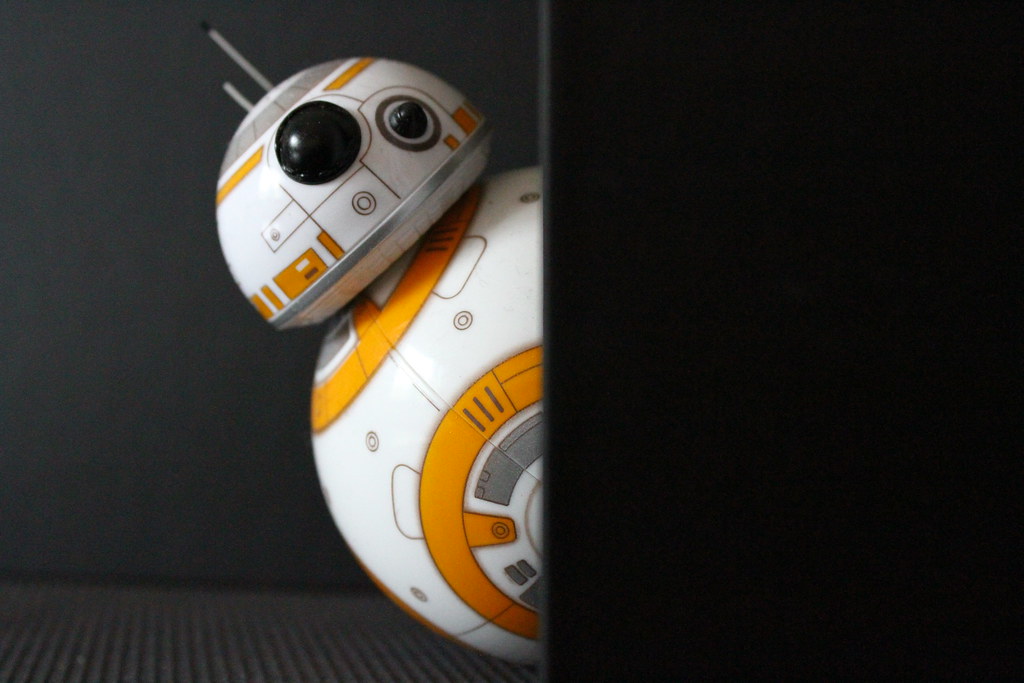
Star Wars: The Force Awakens’ BB-8 wasn’t just CGI. A practical droid was built with magnets and gyroscopes, allowing its head to remain stable as the body rolled through sand.
This functional puppet gave actors something real to react to and made the droid feel alive on screen.
Terminator 2’s Nuclear Explosion
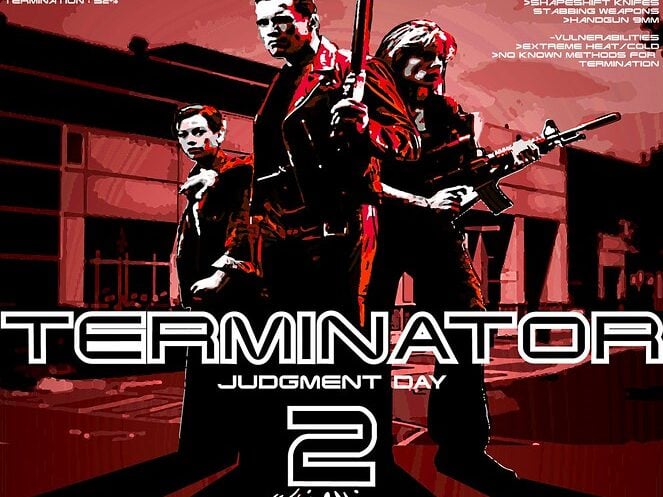
James Cameron wanted the nuclear destruction of Los Angeles to feel terrifyingly real. Miniature cityscapes were demolished with explosives and air cannons, with backgrounds painted to blend perfectly.
The effect captured the physics of a nuclear blast in miniature, creating a surreal but convincing vision of devastation.
Skyfall’s Train Fight
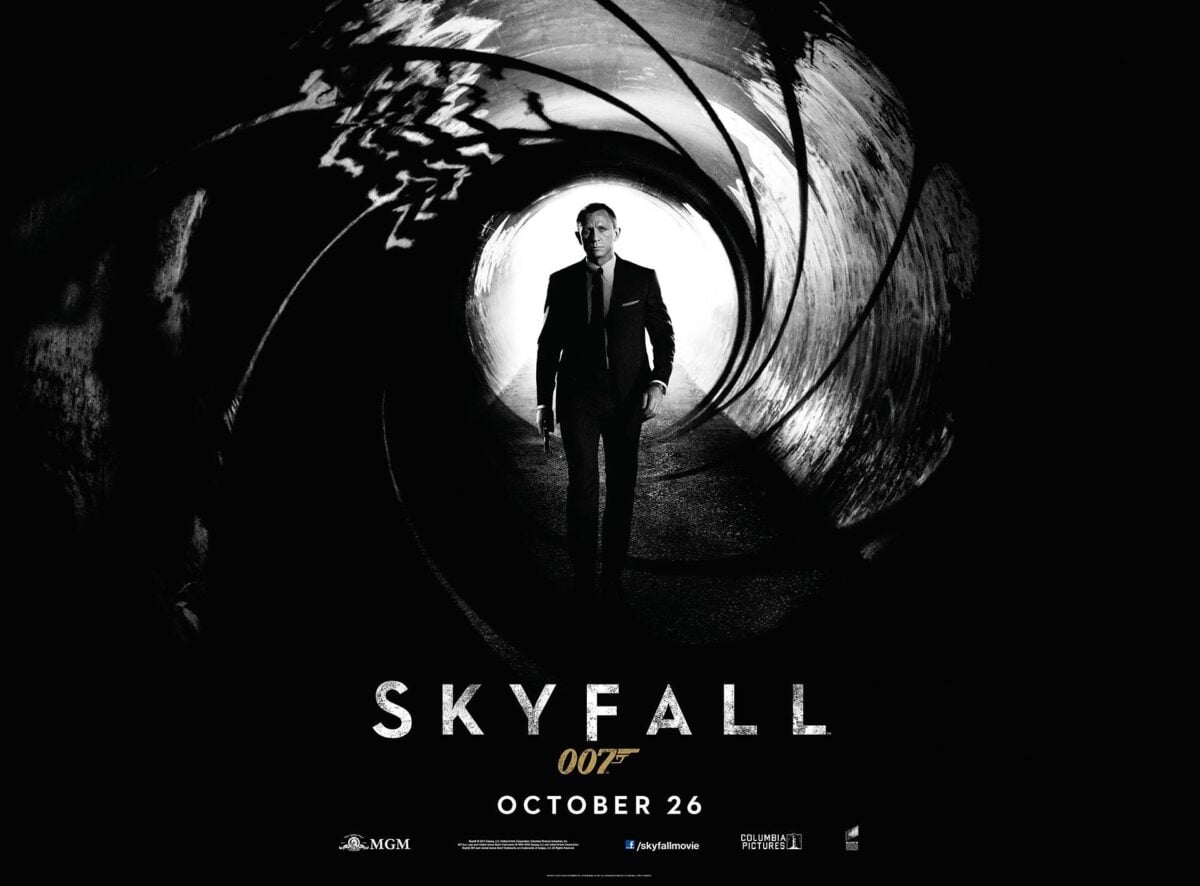
Daniel Craig performed much of his fight atop a moving train on real tracks for Skyfall’s opening sequence. While some stunts were handled by professionals, the actor’s physicality—and even improvised moments like straightening his cuffs—made the scene feel authentic in a way CGI could never replicate.
The Matrix’s Bullet Time
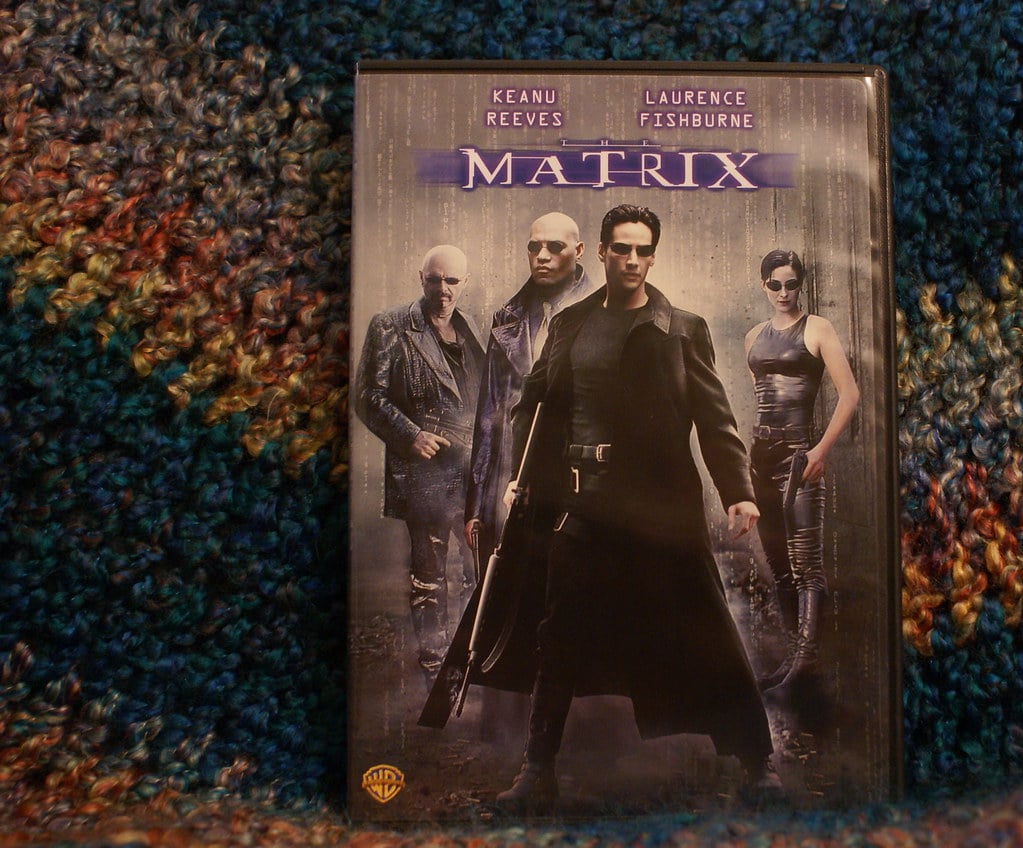
The iconic slow-motion bullet dodge wasn’t fully digital. A circle of 120 still cameras captured Keanu Reeves from every angle.
The images were then digitally blended to create the illusion of moving cameras in frozen time—a revolutionary approach that felt groundbreaking in 1999.
Metropolis’ Miniature City
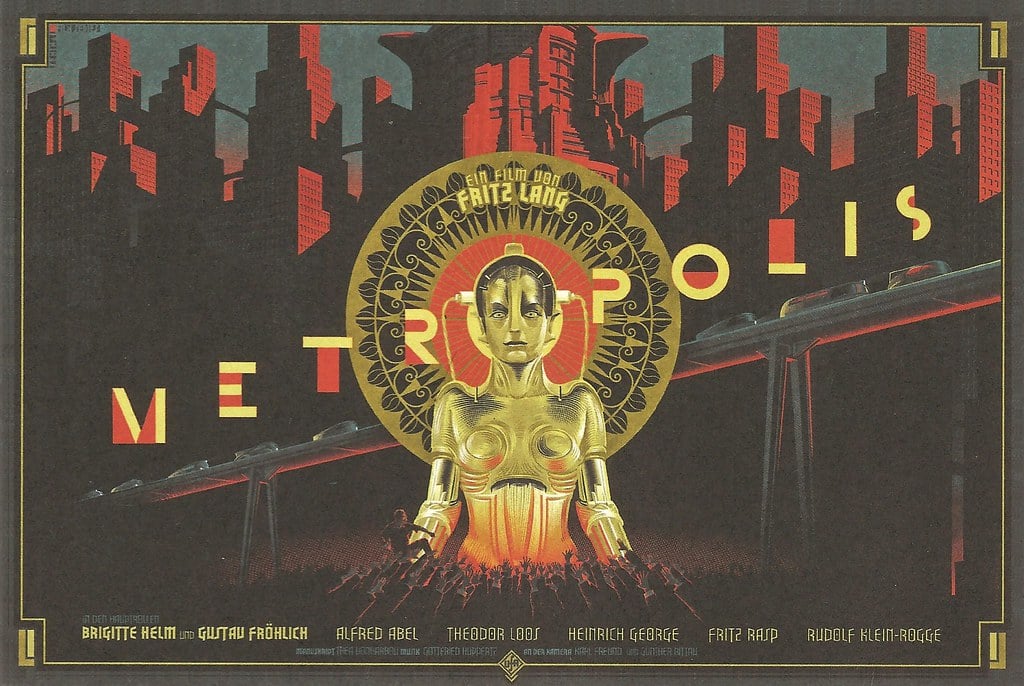
Fritz Lang’s 1927 classic built an entire futuristic city using miniatures and mirrors. A 45-degree mirror reflected the miniature set while allowing live actors to appear on screen simultaneously.
Lighting and perspective were carefully aligned, creating one of the earliest and most influential examples of practical visual effects.
Terminator 2’s Mirror Scene
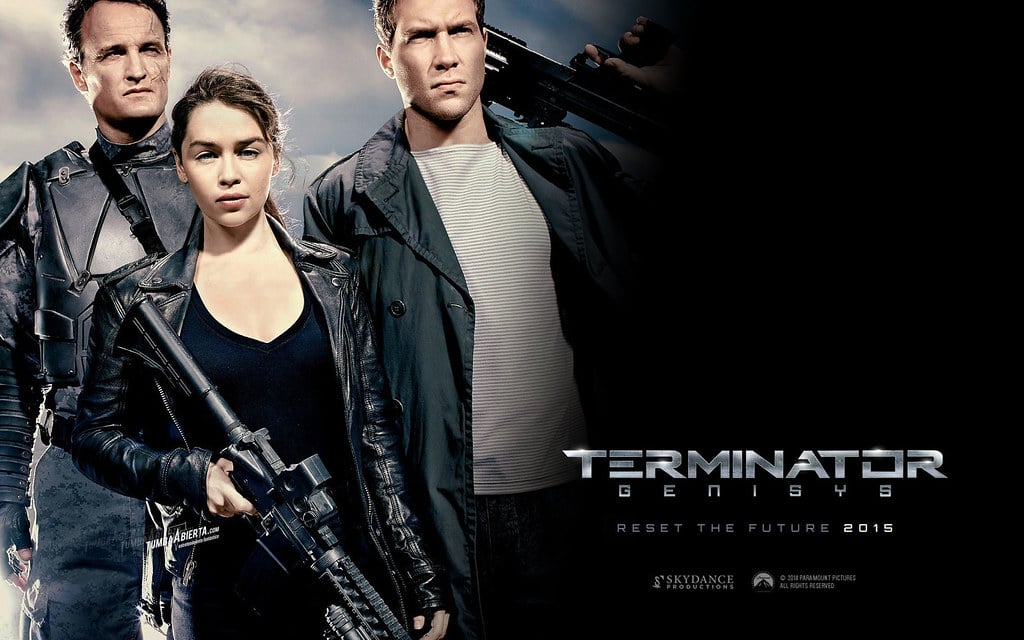
The shot of Sarah Connor removing a chip from the Terminator’s head looks simple, but it hides a clever trick. Filmed through a window instead of a mirror, a duplicate set and body doubles created the reflection.
The result fooled audiences into believing it was a straightforward mirror shot.
When Reality Beats Digital Fantasy
Practical effects aren’t just clever workarounds—they’re a testament to physical creativity. Actors respond better to tangible objects, and audiences sense the weight, texture, and danger of real materials.
These examples prove that sometimes the hardest way to achieve an effect is also the most rewarding, producing movie magic that outlives any digital trick.
More from Go2Tutors!

- The Romanov Crown Jewels and Their Tragic Fate
- 13 Historical Mysteries That Science Still Can’t Solve
- Famous Hoaxes That Fooled the World for Years
- 15 Child Stars with Tragic Adult Lives
- 16 Famous Jewelry Pieces in History
Like Go2Tutors’s content? Follow us on MSN.



