18 Unusual Extreme Sports From Around the World
While most people think extreme sports stop at bungee jumping and skydiving, there’s a whole universe of bizarre athletic adventures waiting to be discovered. From ironing shirts on mountaintops to racing down active volcanoes, creative thrill-seekers have turned the most unexpected activities into heart-pounding experiences that challenge both body and mind.
These unusual extreme sports prove that humans will find a way to make literally anything dangerous and exciting. Here is a list of 18 unusual extreme sports from around the world that will make your regular weekend activities seem incredibly tame.
Volcano Boarding
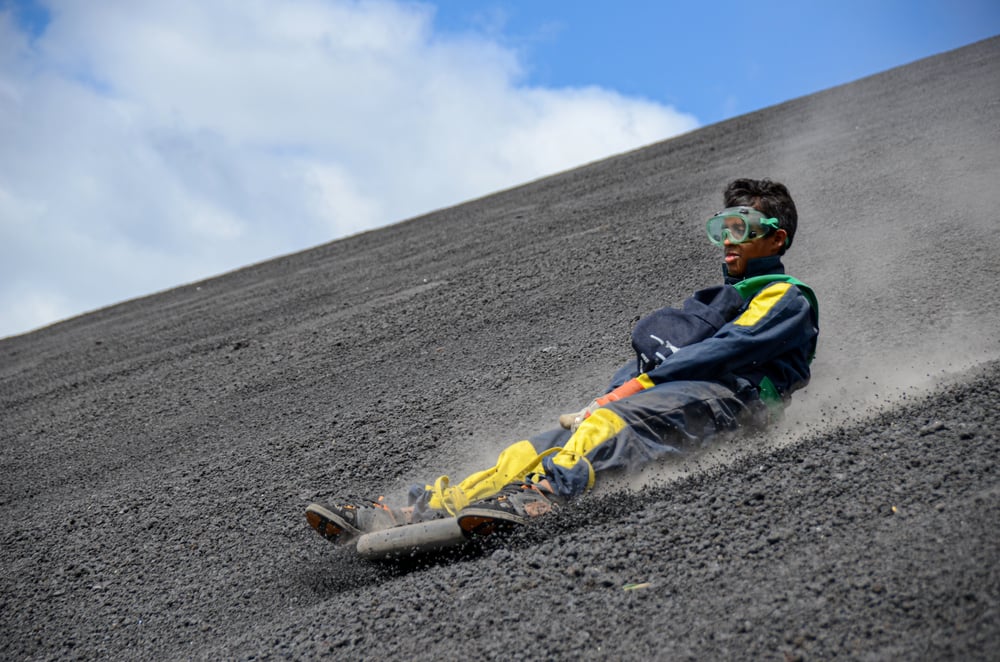
Volcano boarding involves sliding down the slopes of an active volcano on a thin plywood or metal board, reaching speeds up to 50 mph. The most popular destination is Nicaragua’s Cerro Negro mountain, where thousands of travelers visit annually to experience this thrilling sport.
Participants wear protective jumpsuits, helmets, and goggles to guard against jagged volcanic rocks and flying ash while racing down the 2,380-foot slope. The sport was invented in 2002 by journalist Zoltan Istvan on Mount Yasur in Vanuatu, though it gained massive popularity when it spread to Central America.
Think of it like snowboarding, except instead of snow, you’re sliding down an active volcano that could theoretically erupt at any moment.
Zorbing

Zorbing involves rolling downhill inside a transparent plastic orb, typically performed on gentle slopes but also possible on level surfaces. Originating in New Zealand in 1994, participants can reach speeds up to 35 mph while tumbling down slopes inside these giant human hamster orbs.
The orb features two layers with an air cushion between them, creating a safe but disorienting experience that leaves riders dizzy and laughing. New Zealand remains the zorbing capital with the original site in Rotorua, though the sport has spread globally.
You can zorb solo, with friends, or even try ‘hydrozorbing’ where water is added inside the orb for an extra slippery adventure.
Like Go2Tutors’s content? Follow us on MSN.
Extreme Ironing
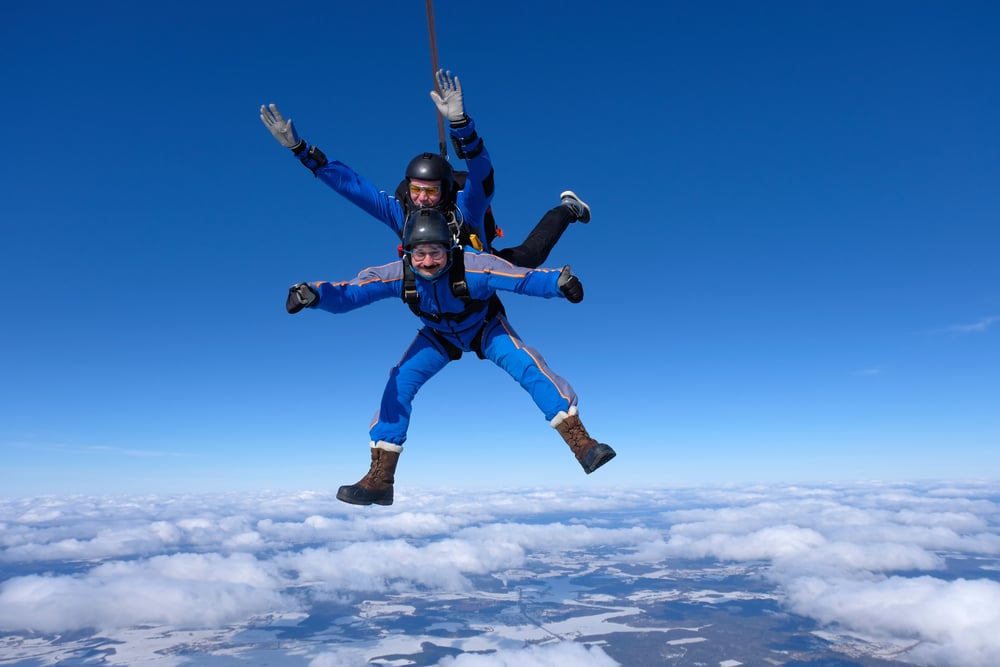
Extreme ironing combines the thrills of outdoor adventure with the satisfaction of a well-pressed shirt, involving people taking ironing boards to remote locations to iron clothing. The sport was invented in 1997 by Phil Shaw in Leicester, England, who decided to make his boring household chores more exciting by taking his ironing outside.
Participants have ironed clothes while skydiving, underwater, on mountaintops, and even hanging from cliffs. The sport has official competitions judged on creativity, speed, and the quality of wrinkle removal.
In 2011, a Dutch diving club set the world record with 173 divers ironing simultaneously underwater. Equipment requirements include a board at least one meter long with legs and a real iron (no plastic allowed).
Underwater Hockey
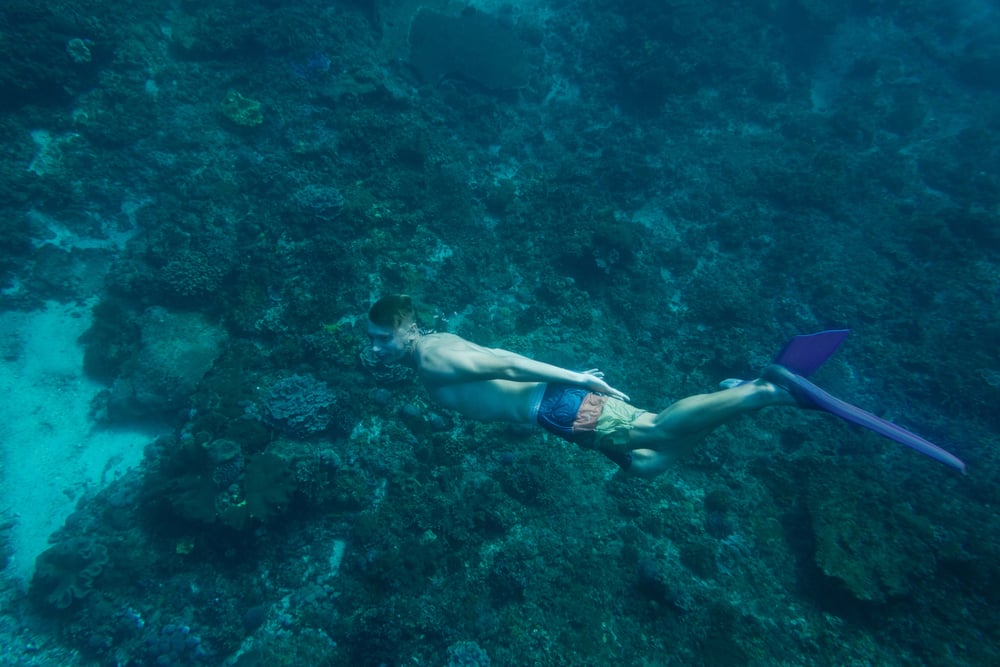
Underwater hockey was invented in the 1950s by Alan Blake and involves players pushing a puck into goals while submerged in a swimming pool. Players wear masks, snorkels, fins, and water polo caps while holding short sticks to maneuver the puck along the pool bottom.
Each team has 10 players with 6 in the water at any given time. The sport requires incredible lung capacity, swimming skills, and three-dimensional thinking since players must navigate in a weightless environment.
Games are fast-paced and require constant surfacing for air, making it one of the most physically demanding team sports in existence.
Wife Carrying

Wife carrying originated in Finland and involves men racing through a 253.5-meter obstacle course while carrying a female partner, with the prize being the wife’s weight in beer. The sport stems from Finnish folklore and has spawned international competitions worldwide.
Participants navigate through water obstacles, hills, and various terrain challenges while maintaining their grip on their ‘wife.’ Modern competitions don’t require actual marriage – any female partner over 17 years old and weighing at least 108 pounds can participate.
The sport has spread from its Finnish roots to countries including the United States, Estonia, and Australia.
Like Go2Tutors’s content? Follow us on MSN.
Cheese Rolling
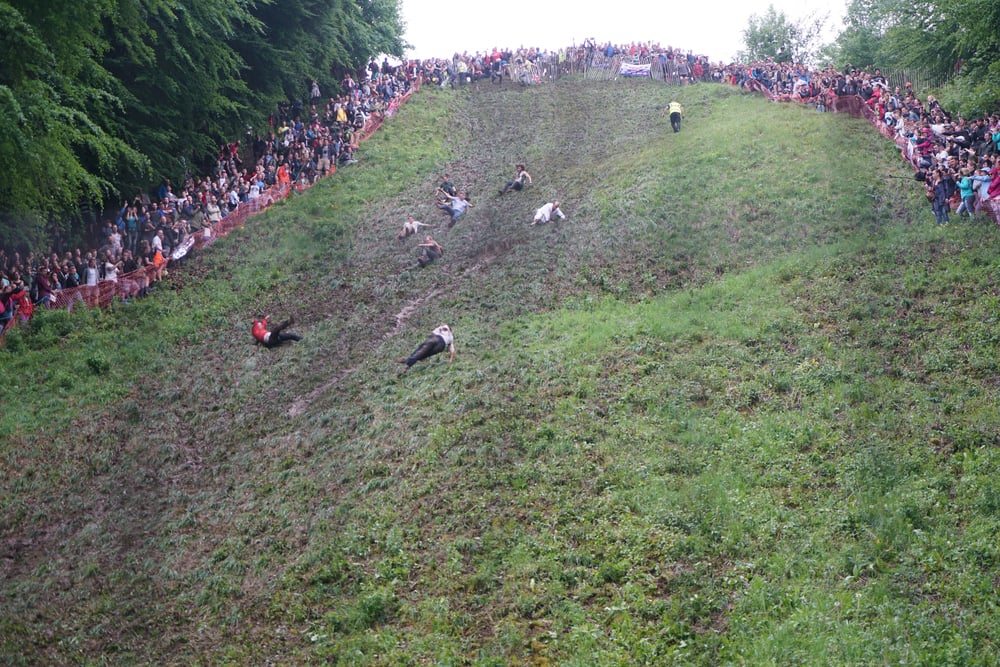
The annual cheese rolling festival in Gloucestershire, England, involves participants chasing a 9-pound Double Gloucester cheese down Cooper’s Hill, tumbling and often crash-landing in the process. The first person to cross the finish line wins the cheese and possibly a few bruises, with the event believed to mark the arrival of spring.
The hill has a near-vertical gradient that makes controlled running impossible. What started as a small rural tradition has grown into a globally recognized spectacle attracting daredevil cheese chasers from around the world.
The event continues despite numerous injuries, proving that some people really will risk life and limb for dairy products.
Limbo Skating
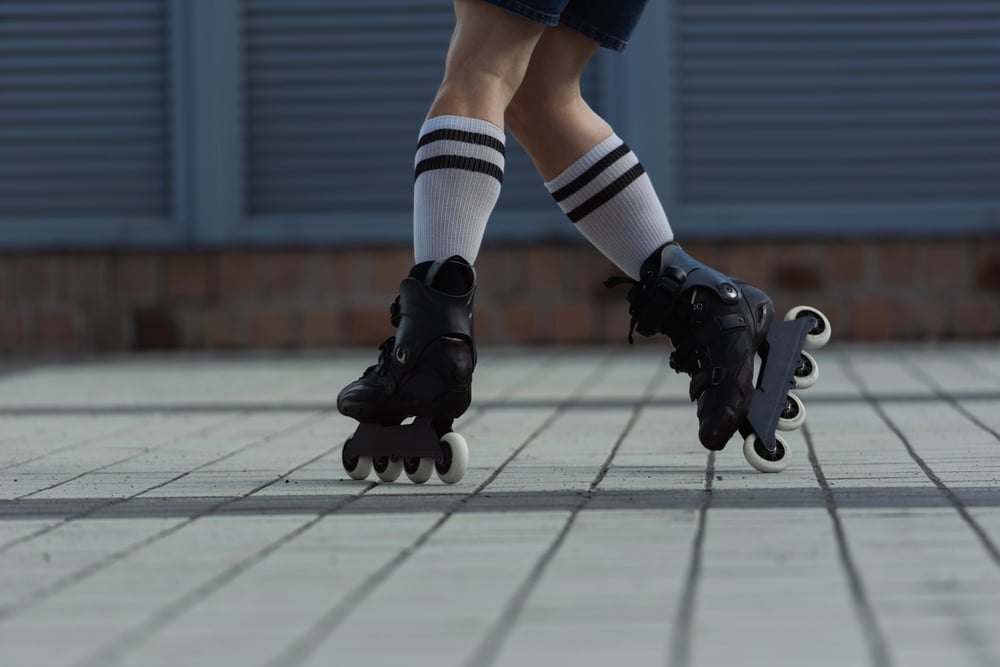
Hugely popular in India, limbo skating involves roller skating in a split position and passing underneath cars or low bars. Wonder-kid Aniket Chindak holds the unofficial world record for limbo-skating beneath 57 cars.
This sport requires incredible flexibility, strength, and balance comparable to professional gymnastics. Participants typically start training young to develop the necessary flexibility and core strength.
The sport demands precise timing and fearlessness, as skaters must maintain their low position while moving at considerable speed under moving or stationary vehicles.
Wing Walking
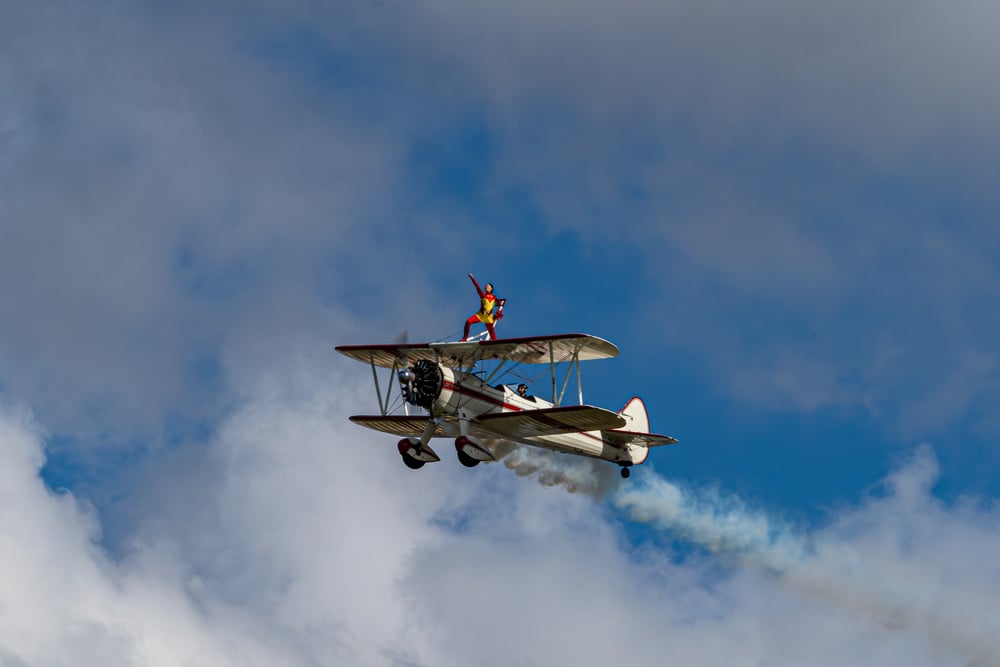
Wing walking involves participants being tied to airplane wings while the aircraft flies at speeds of 200 mph and performs various aerial tricks. This extreme sport takes something already hair-raising and amplifies it, with participants standing on fast-moving small planes performing turns and tricks at 300 km/200 mph.
Modern wing walkers use safety harnesses, but the experience still provides an unmatched adrenaline rush. The sport evolved from early aviation stunts in the 1920s and has experienced a revival with specialized aircraft designed for wing walking performances.
Participants must overcome both fear of heights and the intense wind forces that threaten to tear them from the aircraft.
Like Go2Tutors’s content? Follow us on MSN.
Cave Diving
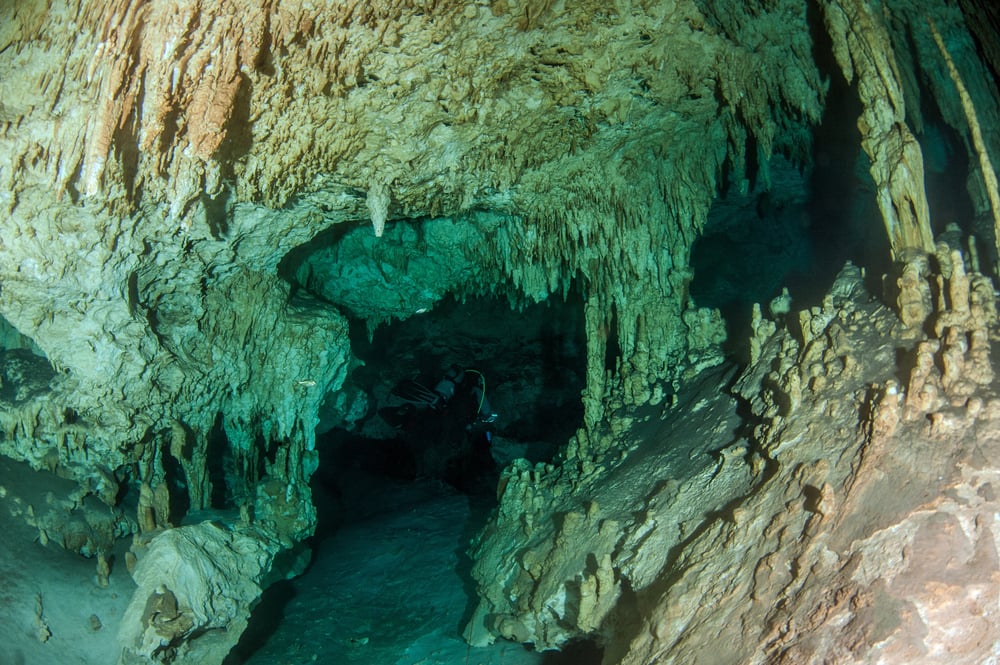
Cave diving is an unusual sport where participants explore underwater cave systems, and even excellent scuba divers encounter significant challenges during underwater caving. Mexico’s Yucatán Peninsula has the world’s largest concentration of cenotes or sinkholes, home to vast cave systems, tunnels, and stalactites.
The sport combines the dangers of both caving and deep-water diving. Cave divers navigate through pitch-black underwater passages where getting lost could be fatal.
The activity can become claustrophobic with chances of getting lost in deep underwater caves, making it one of the most dangerous forms of exploration. Specialized training and equipment are absolutely essential for survival.
Free Solo Climbing

Free solo climbing involves rock climbers tackling challenging summits without any safety equipment, where death is the only plausible outcome if they fall. This obscurely extreme sport requires every element to be perfectly calculated as there’s a high probability of injuries including strained muscles, broken bones, and frostbite.
Climbers rely entirely on their skill, strength, and mental fortitude. The sport gained mainstream attention through documentaries, but remains one of the most dangerous activities humans can attempt.
Free solo climbers spend years perfecting routes with safety equipment before attempting them without protection, yet one small mistake can be fatal.
Highlining

Highlining involves tightrope walking on a one-inch wide line suspended around 1,000 feet above safe ground between mountains, buildings, or fixed points. While many highliners wear safety harnesses, the most famous practitioners go without any safety equipment, relying only on their agility and balance to avoid a fatal fall.
The mental challenge often exceeds the physical demands. Modern highlining evolved from traditional tightrope walking but takes place at extreme heights over spectacular landscapes.
The sport requires incredible focus and mental discipline, as fear and doubt can be more dangerous than physical limitations.
Like Go2Tutors’s content? Follow us on MSN.
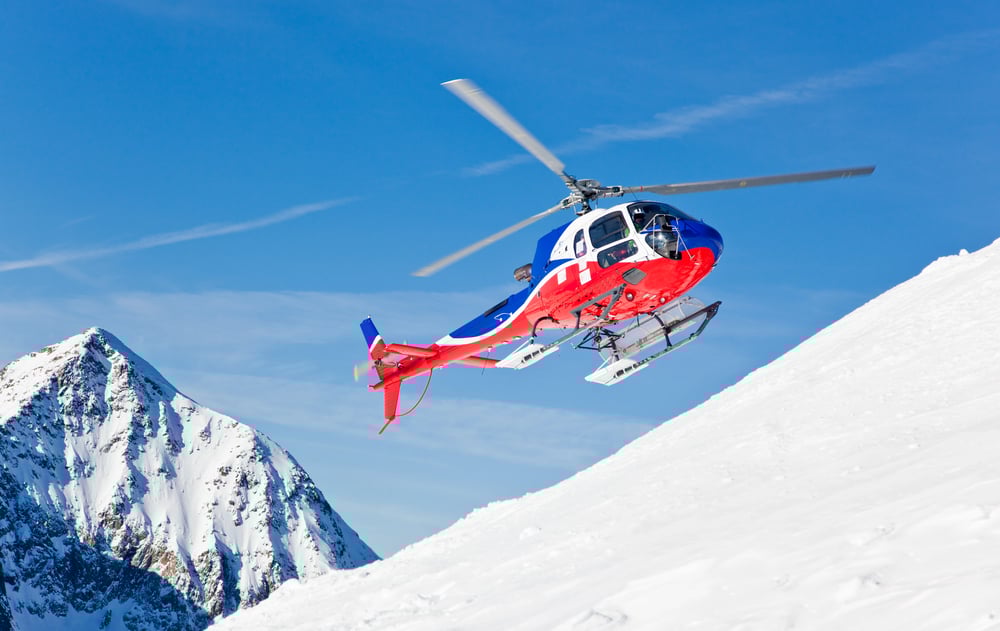
Heli-Skiing

Heli-skiing involves skiers being flown by helicopter to remote mountain slopes that are very difficult to access, featuring untouched snow far from human habitation. This sport drops skiers from helicopters on some of the world’s most challenging and remote slopes, creating a concoction of pure adrenaline.
Participants ski down virgin powder in areas unreachable by traditional ski lifts. The remoteness that makes heli-skiing exciting also makes it dangerous, with greater possibilities of weather changes and avalanches.
Even the helicopter rides become hazardous in these unknown mountain territories, adding multiple layers of risk to an already extreme activity.
Bungee Jumping with Crocodiles

Popular in Australia and Africa, this unusual sport involves bungee jumping over crocodile-infested waters where the reptiles rank among the most dangerous animals. Participants are put in huge glass containers face-to-face with some of the world’s largest saltwater crocodiles, with the only protection being acrylic barriers.
The sport combines the traditional thrill of bungee jumping with the added terror of predatory reptiles below. While safety measures are in place, the psychological impact of dangling above hungry crocodiles creates an unmatched fear factor.
The sport has had its share of tragedies, making it one of the most controversial extreme activities in the world.
Skyaking
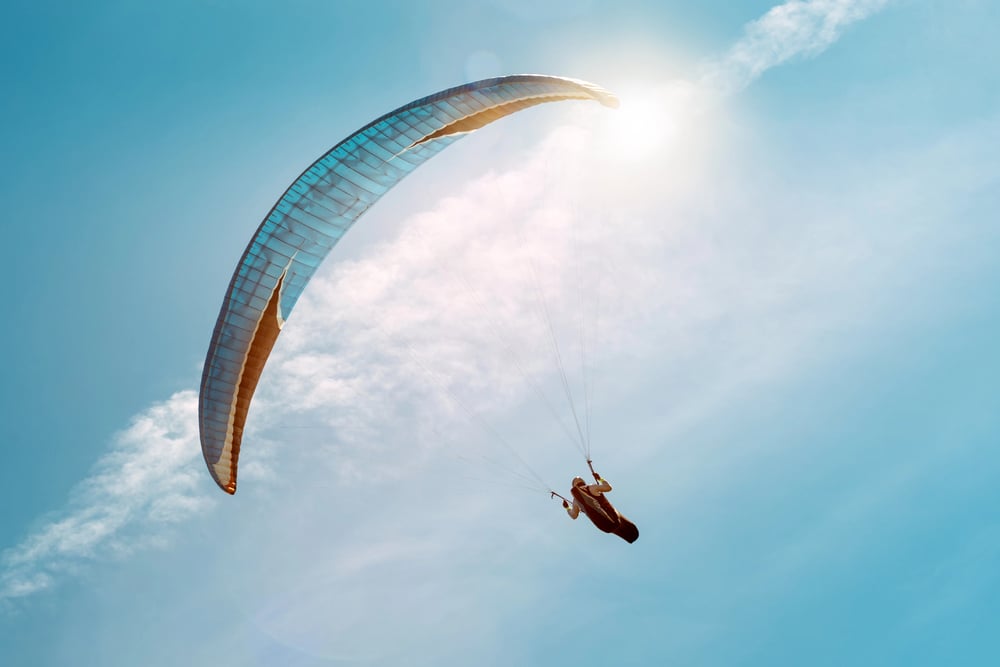
Skyaking involves parachute jumping with a kayak that ends with landing on water, invented by Miles Daisher whose stunt can be viewed online. This bizarre combination sport requires participants to master both skydiving and kayaking skills simultaneously.
The challenge lies in controlling both the parachute descent and preparing the kayak for water landing. Participants must coordinate their parachute deployment while maintaining control of their kayak, then execute a smooth transition from aerial descent to water paddling.
The sport represents the ultimate fusion of air and water extreme sports.
Like Go2Tutors’s content? Follow us on MSN.
Bog Snorkeling

Bog snorkeling involves crossing channels of mud while fully submerged, wearing masks and diving equipment but swimming blindly because mud limits visibility. Participants must navigate water-filled trenches cut through peat bogs using only their swimming skills and stamina.
The sport requires excellent swimming abilities, balance, coordination, endurance, and mental resilience. World championships take place annually in Wales, where competitors race through 60-yard trenches filled with muddy bog water.
The sport demands incredible breath control and the ability to swim efficiently while essentially blind, making it one of the most disorienting aquatic sports.
Train Surfing

Train surfing involves riders climbing or ‘surfing’ on the outside of moving trains or subways, and is usually an illegal sport. Participants attempt to ride on train rooftops, sides, or between cars while the train is in motion.
The sport combines the thrill of speed with the constant danger of electrocution, falling, or collision with trackside objects. While illegal in most countries, train surfing maintains underground popularity among urban thrill-seekers.
The activity requires incredible balance and timing, with even minor mistakes resulting in serious injury or death.
Fierljeppen

Modern Fierljeppen involves sprinting towards a long pole planted in a canal, vaulting up, and scrambling to control the pole’s movement before landing as far from the starting point as possible, ideally on solid ground rather than in water. This traditional Dutch sport evolved from practical canal-crossing methods into a competitive athletic event.
The sport now has official competitions, dedicated training facilities, and athletes who take pole-vaulting-without-a-mat to new extremes. Competitors sprint up to 20 mph before grabbing the pole and attempting to climb as high as possible before swinging across.
Success requires perfect timing, upper body strength, and the courage to trust a single pole over water obstacles.
Like Go2Tutors’s content? Follow us on MSN.
Human Tower Building

In Catalonia, Spain, human tower building involves constructing breathtaking formations that rise above crowds through trust and human strength. Known locally as ‘castells,’ these human towers can reach heights of up to 10 people and require incredible coordination, strength, and courage.
Teams spend months training to perfect their balance and timing. The sport combines elements of gymnastics, teamwork, and engineering as participants must calculate weight distribution and structural integrity.
Base-level participants support the weight of multiple people above them, while those at the top must climb over other humans to reach the peak position.
The Legacy Lives On
These unusual extreme sports prove that human creativity knows no bounds when it comes to finding new ways to challenge ourselves and push physical limits. From the volcanic slopes of Nicaragua to the canals of the Netherlands, people continue to transform everyday activities and natural environments into extraordinary adventures.
While safety gear and proper training remain essential, these sports offer unique ways to experience adrenaline rushes that traditional activities simply cannot match.
More from Go2Tutors!

- 16 Historical Figures Who Were Nothing Like You Think
- 12 Things Sold in the 80s That Are Now Illegal
- 15 VHS Tapes That Could Be Worth Thousands
- 17 Historical “What Ifs” That Would Have Changed Everything
- 18 TV Shows That Vanished Without a Finale
Like Go2Tutors’s content? Follow us on MSN.