25 Inventions That Were Ignored for Decades
History remembers inventors as visionaries, but many inventions were created well before the world was ready to use them. An inventor could be years or decades ahead of the market, the infrastructure, or the public imagination.
These inventions languished in obscurity until circumstances—improvements in related technology, cultural shifts, or simple persistence—made their moment arrive.
The Television

Philo Farnsworth, a 21-year-old inventor in Idaho, created a working television in 1927, transmitting the first television image. However, television remained a laboratory curiosity for years.
The technology existed; transmission, receivers, and content infrastructure did not. Not until the late 1930s and 1940s did television begin to find commercial viability.
Farnsworth’s invention preceded its adoption by nearly a decade and a half, and he struggled financially while others commercialized the technology.
The Microwave Oven

Percy Spencer, a Raytheon employee, discovered the heating properties of microwaves in 1945 while working on radar. The microwave oven was developed shortly after, but the first commercial microwave was enormous, expensive, and impractical for home use.
Not until the 1960s and 1970s did microwave ovens become affordable, compact, and widely adopted. Spencer’s discovery preceded mass adoption by at least 15 years.
The Shopping Cart

Sylvan Goldman, a grocery store owner, invented the shopping cart in 1937 to make it easier for customers to carry items. Shoppers initially resisted the carts, seeing them as undignified or unnecessary. Not until World War II, when labor shortages made it impossible to hire bagboys, did shopping carts gain acceptance.
Goldman’s invention preceded widespread adoption by nearly a decade.
Xerography (Photocopying)
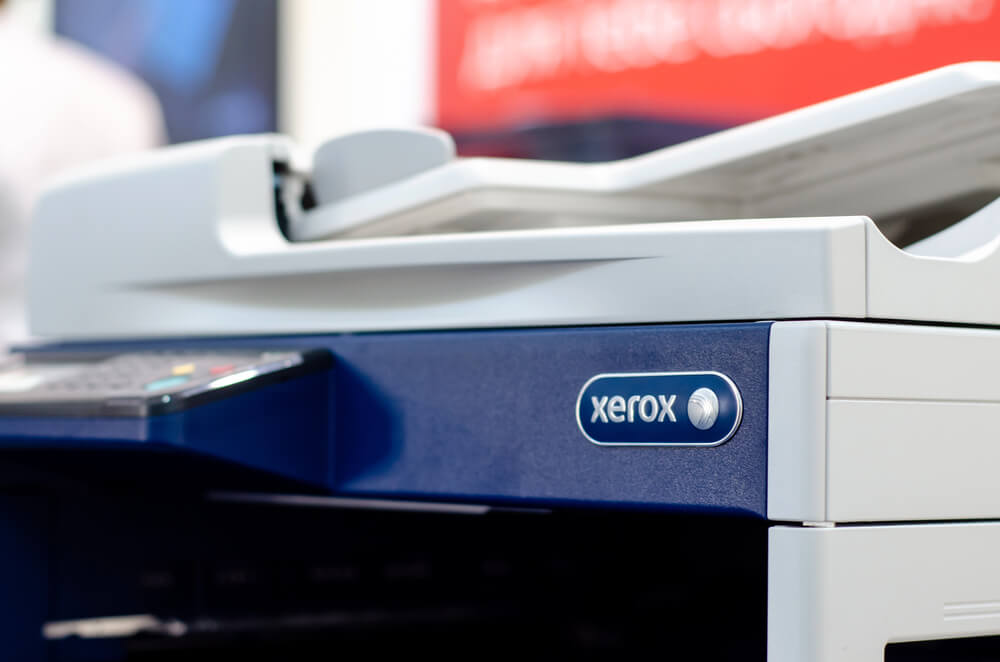
Chester Carlson invented xerography in 1938, but no company was interested in the technology for nearly a decade. Xerox did not commercialize the process until 1959 with the Xerox 914, which became a massive success.
Carlson’s invention sat largely unused for over 20 years before transforming how offices worked. The delay was partly technical but largely commercial; no one could envision the demand.
The Fax Machine
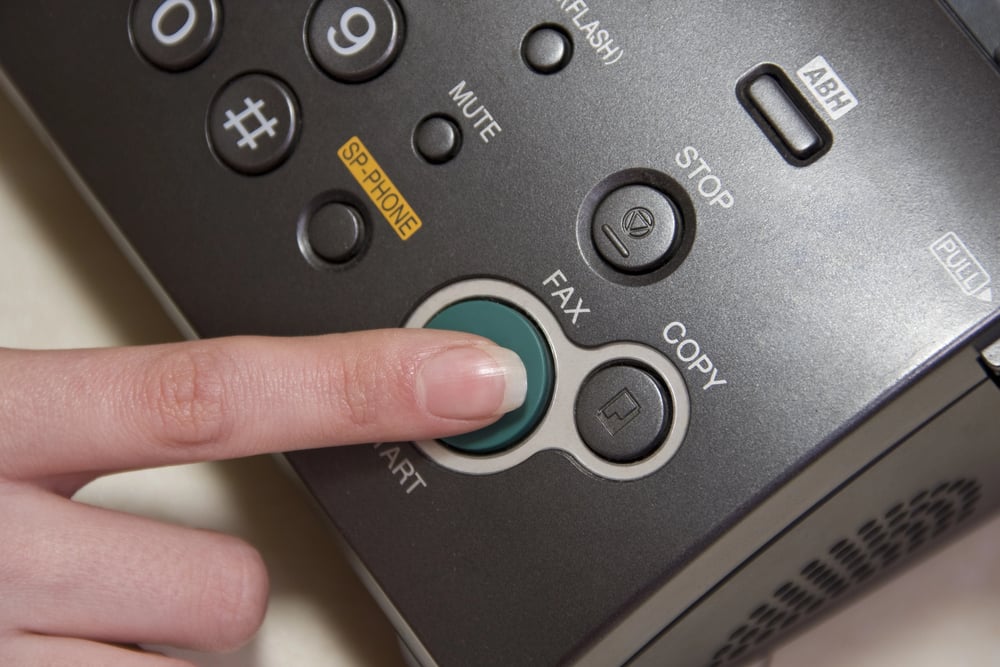
Alexander Bain patented a facsimile machine (fax) in 1843, transmitting images through telegraph wires. The technology existed for over a century before finding commercial use. Not until the 1970s and 1980s did fax machines become commonplace in offices.
The invention preceded mass adoption by more than a century because the infrastructure and need did not align until much later.
The Ballpoint Pen
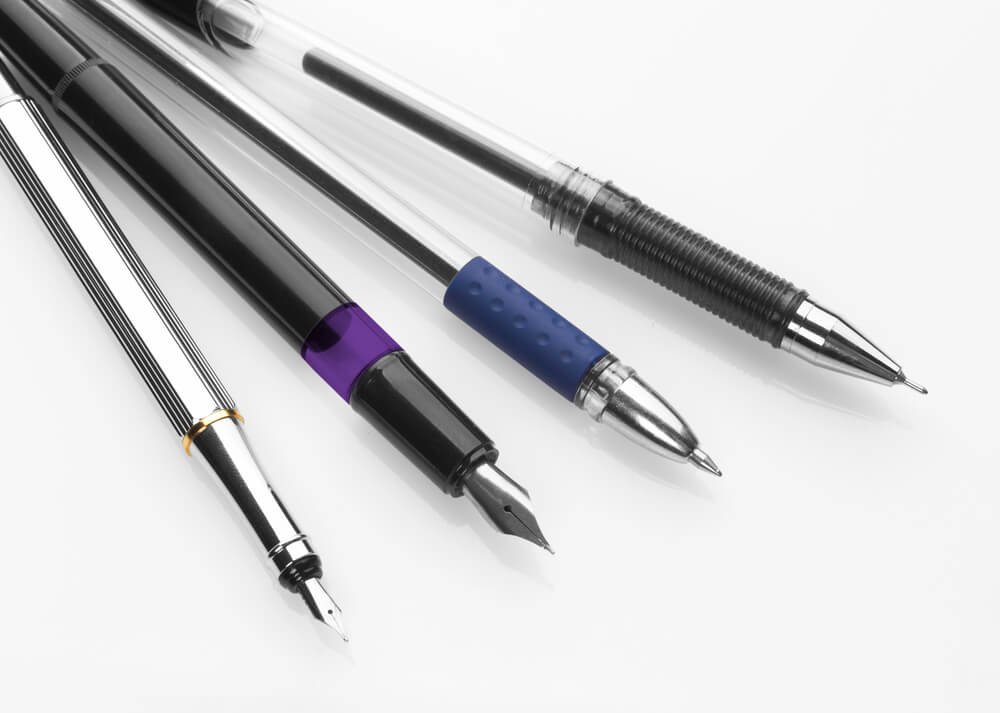
László Bíró invented the ballpoint pen in 1938 to write on surfaces where fountain pens did not work well. Ballpoints already existed but were unreliable.
Bíró’s design was superior, but ballpoint pens did not become widespread until after World War II. His invention preceded mass adoption by several years; the market needed better manufacturing and marketing before pens became ubiquitous.
The Artificial Heart

Dr. Robert Jarvik developed an artificial heart in the 1980s, and the first artificial heart transplant occurred in 1982. However, the technology remained experimental for decades; artificial hearts did not become a viable alternative to transplantation until the 2010s.
Jarvik’s invention preceded practical adoption by nearly 30 years, requiring advances in materials and surgical technique.
Video Recording Technology
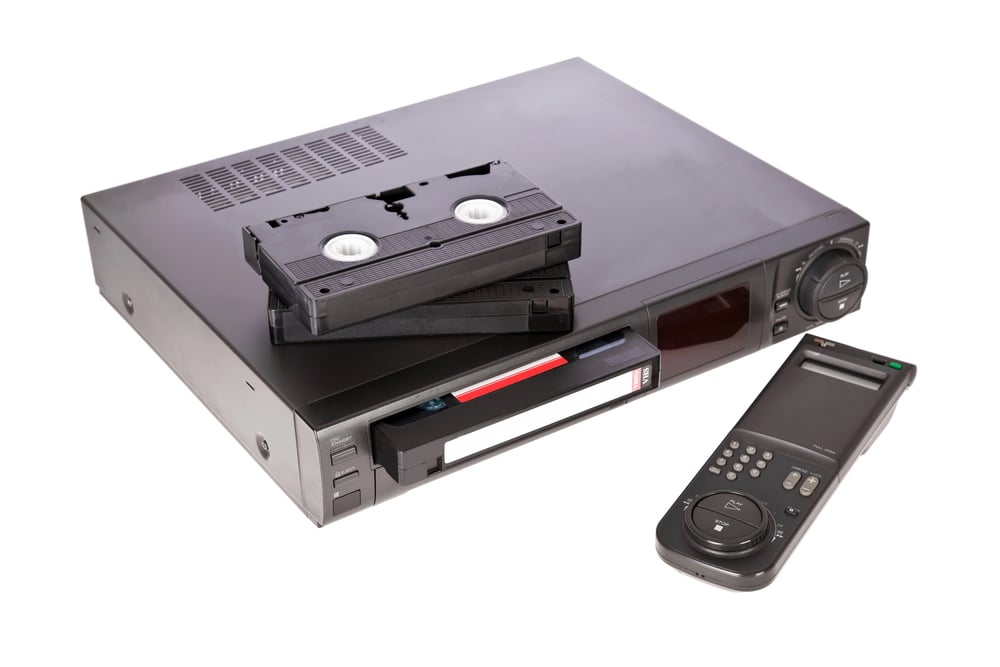
Charles Ginsburg and the Ampex Corporation developed videotape recording in the 1950s, but the technology was expensive, bulky, and limited to professional use. Not until decades later did VCRs become affordable for home use.
The invention preceded consumer adoption by 20-30 years; manufacturing improvements and content availability had to catch up.
The Digital Camera

Steven Sasson, a Kodak engineer, invented the digital camera in 1975. Kodak recognized its potential but chose to protect its film business rather than commercialize the technology. Digital cameras remained expensive and limited until the 1990s.
Sasson’s invention preceded mass adoption by nearly 20 years, partly because Kodak deliberately slowed development to protect film profits.
The Barcode

Norbert Wiener conceptualized machine-readable codes in the 1940s, but the technology was not practical until the 1970s when scanning technology improved. The first supermarket barcode was scanned in 1974.
The invention preceded widespread adoption by 30 years because the supporting technology and standardization took decades to develop.
Lithium-Ion Batteries

John Goodenough and colleagues developed lithium-ion battery technology in the 1980s, but the technology remained expensive and limited to specialized applications for years. Not until the 1990s and 2000s did lithium-ion batteries become affordable and reliable enough for consumer electronics.
The invention preceded mass adoption by 10-20 years.
The Tablet Computer

Alan Kay conceptualized the tablet computer in the 1970s, even sketching designs that resembled the iPad. However, the technology to realize his vision did not exist.
Not until touch screens, miniaturized processors, and wireless networks matured in the 2000s did tablets become viable. Kay’s concept preceded practical invention by 30 years.
The Printing Press
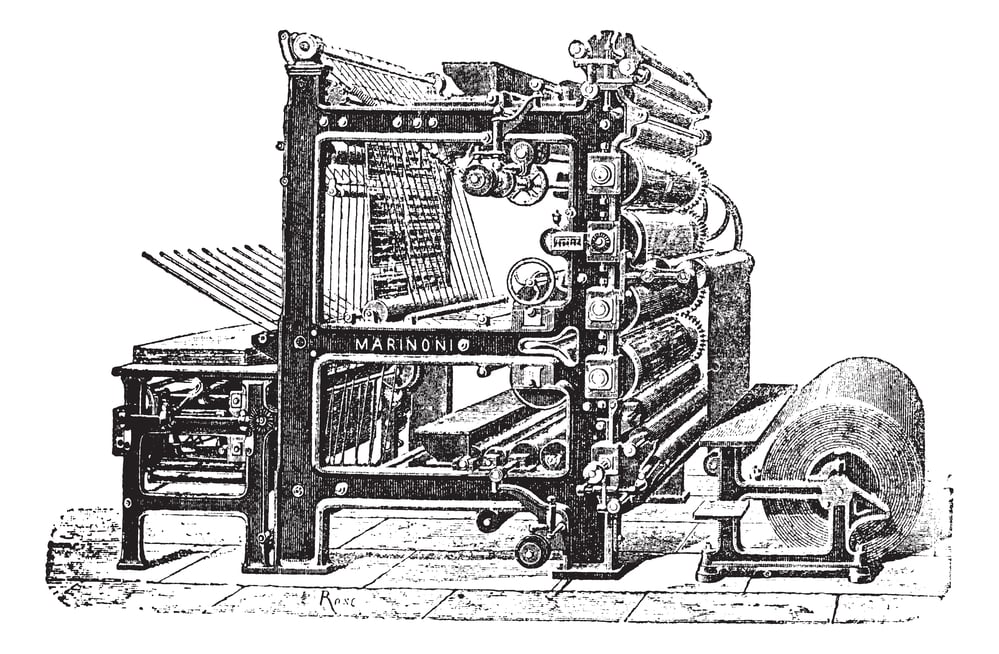
Johannes Gutenberg invented the printing press in the 1450s, but widespread literacy and demand for printed materials took centuries to develop. Not until the 19th century did printing presses transform society.
Gutenberg’s invention preceded its social impact by hundreds of years because literacy and publishing infrastructure had to evolve.
The Rubber Band

In the 1840s, rubber bands were invented, but they remained a curiosity because rubber deteriorated and was not reliable. Not until vulcanization improved rubber’s durability did rubber bands become useful and ubiquitous.
The invention preceded practical adoption by decades because the material science had to catch up.
The Submarine

The submarine was invented and experimented with in the 16th and 17th centuries, but remained impractical for warfare. Not until the 20th century, with advances in engines, materials, and tactics, did submarines become strategically significant.
Early submarine concepts preceded practical military use by centuries.
The Airplane

Hot-air balloons preceded airplanes by over a century, demonstrating that humans could fly. However, powered, controlled flight remained a problem until the Wright Brothers solved it in 1903.
Even then, airplanes remained curiosities for years before military interest drove development. The concept preceded practical, widespread aviation by decades.
The Escalator

The escalator was invented in the late 1800s and patented, but remained a fairground attraction. Not until the mid-20th century did escalators become standard in shopping malls and transportation hubs.
The invention preceded widespread adoption by 50+ years because retailers and designers had not envisioned the need.
The Airbag

John Paul Fisher invented the automotive airbag in the 1950s, but automakers showed little interest because safety was not a regulatory concern. Not until crash safety became a regulatory requirement and public concern in the 1970s-80s did airbags find adoption.
Fisher’s invention preceded mass use by 20-30 years.
The Credit Card

The concept of a credit card existed in the early 1900s, but practical implementation required infrastructure (magnetic strips, verification systems) that did not exist. Not until the 1950s-60s did credit cards become commonplace.
The concept preceded practical adoption by decades.
The Touch Screen

George Samuel Hurst invented the touch screen in 1975, but the technology was slow, inaccurate, and limited. Not until capacitive touch screens were developed in the 2000s did touch screens become responsive enough for consumer electronics like smartphones.
Hurst’s invention preceded its revolutionary impact by 30 years.
The Bullet Train (High-Speed Rail)

The bullet train concept was developed in Japan in the 1960s (the Shinkansen opened in 1964), but remained a Japanese novelty for decades. Not until the 1980s-90s did other countries invest in high-speed rail.
The technology preceded widespread international adoption by 20+ years.
The Flat-Screen Display

Flat-panel display technology was developed in the 1970s and 1980s, but remained expensive and limited. Not until the 2000s did flat screens become affordable and ubiquitous in homes and offices.
The invention preceded mass adoption by 20-30 years.
Wireless Power Transmission
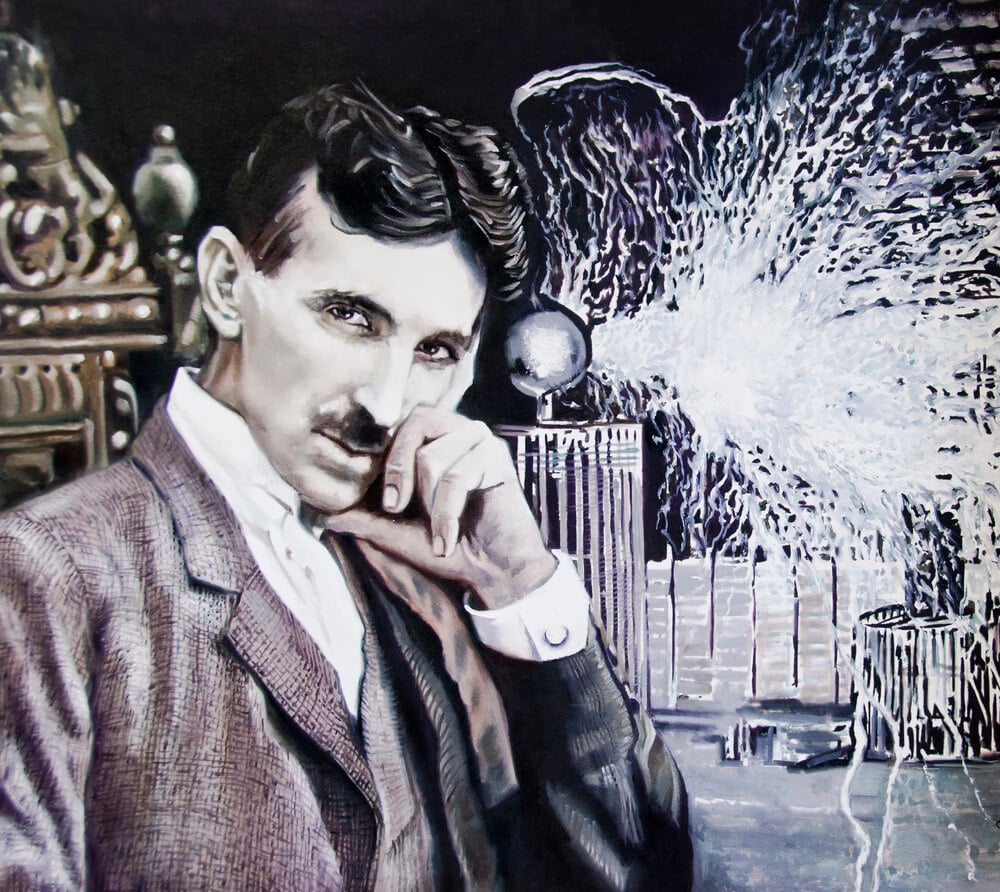
Nikola Tesla experimented with wireless power transmission in the early 1900s, but the technology never proved practical for large-scale power distribution. Modern wireless charging has resurrected the concept for small devices, but large-scale wireless power remains unfeasible.
Tesla’s concept preceded practical application by over a century.
The Zoom Lens
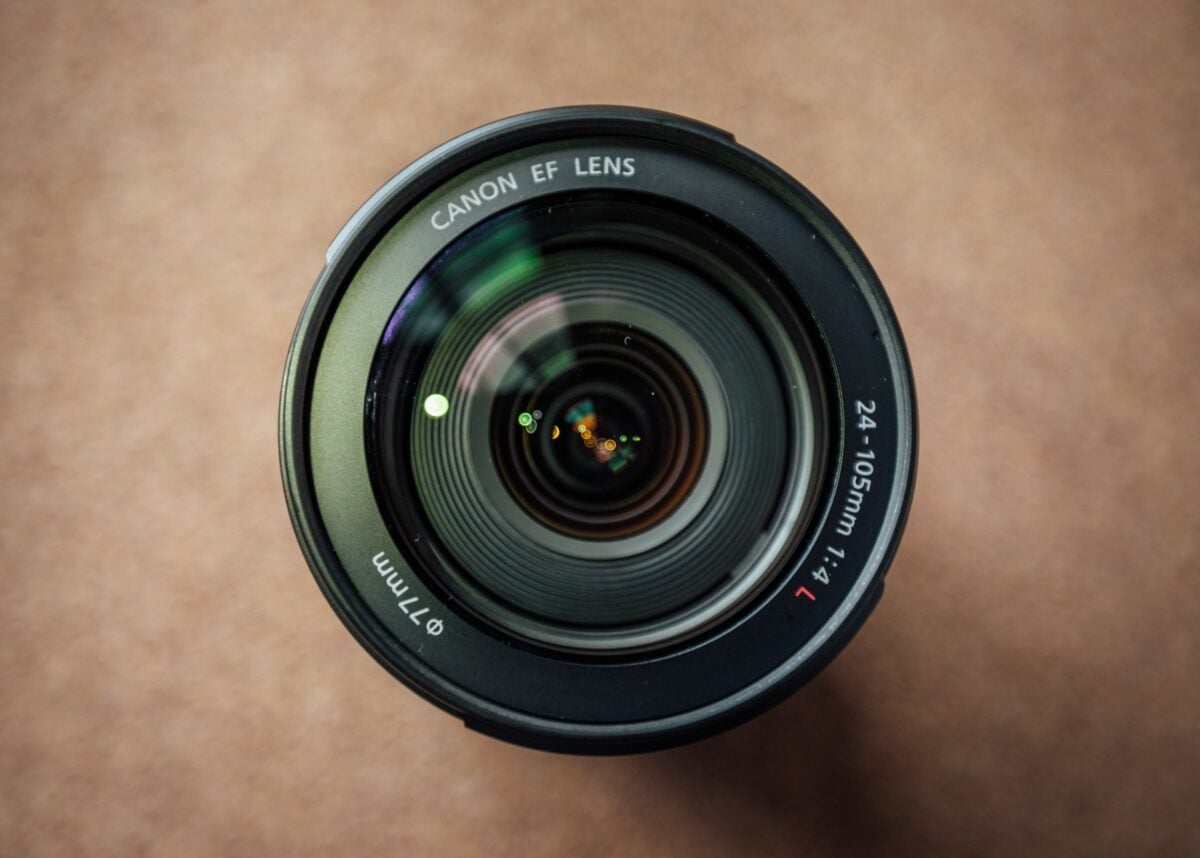
The zoom lens was invented in the early 1900s, but remained impractical and limited to professional cinematography for decades. Not until quality, compact zoom lenses were developed did they become standard on consumer cameras.
The invention preceded widespread adoption by 50+ years.
Electric Vehicles
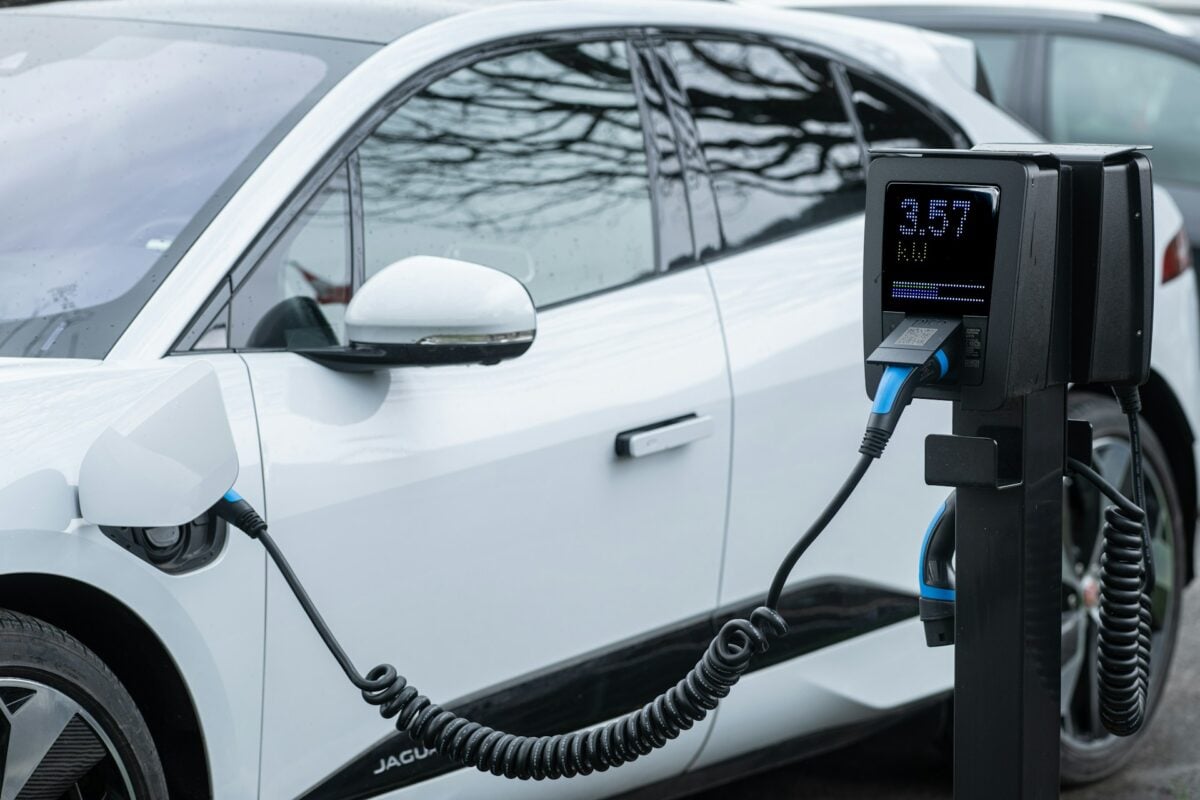
Electric cars were invented in the late 1800s and competed with gasoline cars. However, improvements in internal combustion engines, cheaper gasoline, and better infrastructure for gasoline cars made them dominant.
Not until battery technology improved and environmental concerns arose did electric vehicles return to prominence in the 21st century. The electric car concept preceded its resurgence by 100+ years.
When Invention Outpaces the World

An inventor ahead of the market is not celebrated; he is forgotten. The history of invention is written by those who successfully commercialize, not those who first imagine.
The gap between invention and adoption reveals how much of progress depends on infrastructure, supporting technology, regulatory environment, and cultural readiness rather than mere novelty. The inventions that languished are as instructive as those that succeeded, showing the constraints within which all new ideas must navigate.
More from Go2Tutors!

- The Romanov Crown Jewels and Their Tragic Fate
- 13 Historical Mysteries That Science Still Can’t Solve
- Famous Hoaxes That Fooled the World for Years
- 15 Child Stars with Tragic Adult Lives
- 16 Famous Jewelry Pieces in History
Like Go2Tutors’s content? Follow us on MSN.