Retro Gaming Peripherals That Changed Play
Gaming was once straightforward. Plug in the machine, pick up the pad, off you go.
Then firms began trying tricks to pull players deeper making action feel alive, almost tangible. A few attempts crashed hard. Some? They went down in history.
The gadgets that actually worked weren’t about extra bells or whistles. Instead, they reshaped the way games felt, shifted how folks experienced digital spaces, yet redefined a developer’s sense of limits.
Some odd ones even showed when players latch on, expectations can flip overnight.
The Light Gun Revolution

The NES Zapper looked like a toy, which made sense because it was marketed alongside a console disguised as a VCR. Point at the screen, pull the trigger, and the game registered where you aimed.
Duck Hunt became a household phenomenon because of this simple plastic gun.
The technology worked through a clever trick. When you pulled the trigger, the screen flashed black except for the target area, which turned white.
A sensor in the gun detected the light. This meant you had to play on a CRT television.
Modern flat screens don’t work with these old light guns, which is why the Zapper became a relic almost overnight when everyone switched to new TVs.
When Controllers Got a Second Screen

The Dreamcast VMU was ahead of its time by at least a decade. This memory card had a small LCD screen and buttons built in.
You could play mini games on it when it wasn’t plugged into the controller. Some games used it to display private information during multiplayer sessions, like your hand of cards in a poker game.
Sega packed so much functionality into a device that nobody asked for. The VMU became a tiny handheld console, a memory card, and a controller extension all at once.
When the Dreamcast failed, the VMU concept disappeared with it. Nintendo would revisit similar ideas years later with the Wii U gamepad, proving Sega had the right instinct but the wrong timing.
The Wheel That Defined Racing Games
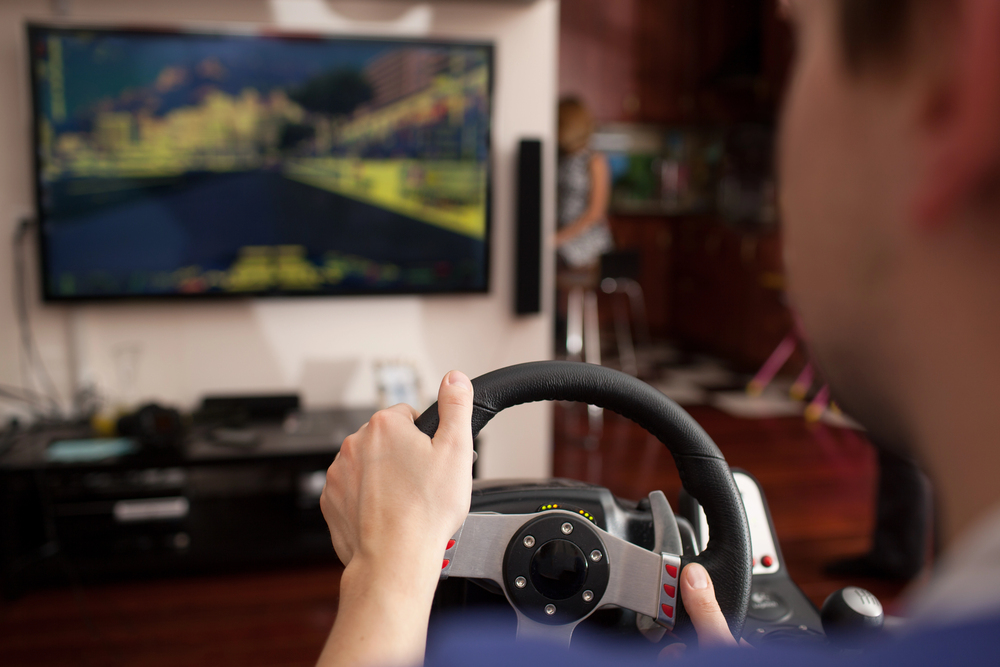
Racing games on controllers always felt wrong. You tapped left or right on a D pad, and your car jerked around the track.
The racing wheel changed that completely. Suddenly you could feel the road, make smooth turns, and actually steer instead of just guessing.
The force feedback made the difference. When you hit a wall or drove over rough terrain, the wheel pushed back against your hands.
This physical response connected you to the game in a way that button presses never did. Racing game developers started designing for wheels, building in subtle details that only mattered if you could feel them through the hardware.
Motion Control Before the Wii
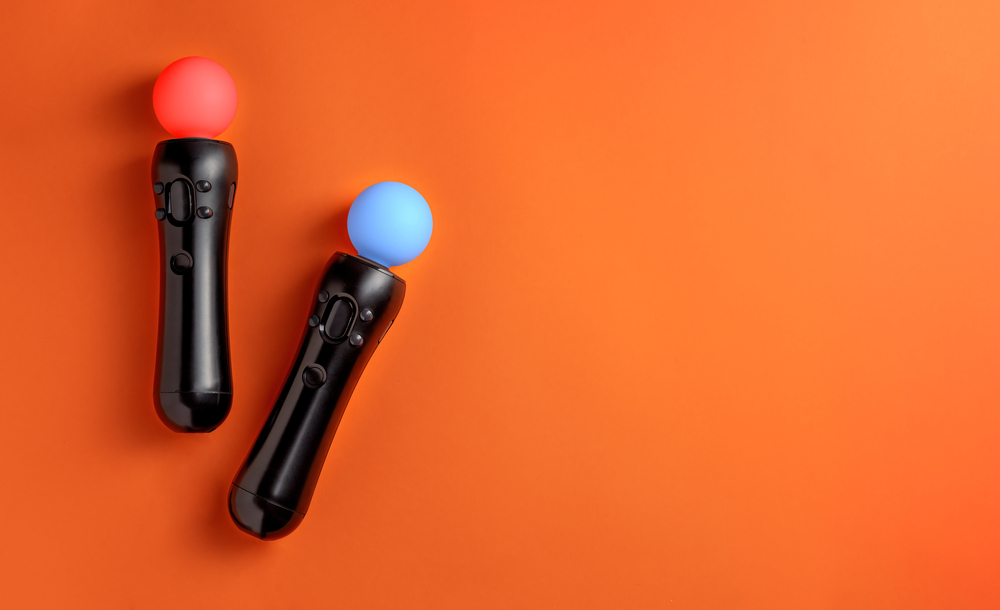
The Power Glove tried to bring gesture control to gaming in 1989. Nintendo licensed the technology, Mattel manufactured it, and kids everywhere begged their parents for one after seeing it in The Wizard.
The reality didn’t match the marketing.
The glove barely worked. Games struggled to recognize gestures accurately, and the whole setup felt clunky.
But the Power Glove became iconic anyway, living on as a symbol of ambitious failure and retro cool. It proved that players wanted motion control, even if the technology wasn’t ready yet.
Nintendo would eventually get it right with the Wii, nearly two decades later.
Dance Pads Transform Living Rooms

Dance Dance Revolution arcade machines drew crowds, but the home version needed something special. The dance pad turned your floor into the controller.
You stepped on arrows in time with the music, and suddenly gaming became exercise.
Parents bought DDR for their kids because it got them moving. Players discovered they could actually get fit while playing a video game.
The pads were cheap plastic mats that slid around on carpet, but that didn’t matter. DDR created a whole new genre of rhythm games and proved that peripherals didn’t need to be high tech to be effective.
The Peripheral That Saved Guitar Hero

Guitar Hero shipped with a plastic guitar controller that looked ridiculous. Five colored buttons on the neck, a strum bar, and a whammy bar.
The whole thing felt like a toy from a discount store. Then you played the game, and everything clicked.
The guitar controller made you feel like a rock star even though you were just pressing colored buttons. The physical act of holding a guitar shaped object and moving your hands separately created an illusion of actual musicianship.
Guitar Hero became a cultural phenomenon because the controller bridged the gap between pressing buttons and feeling like you were performing.
Fishing Controllers Catch On
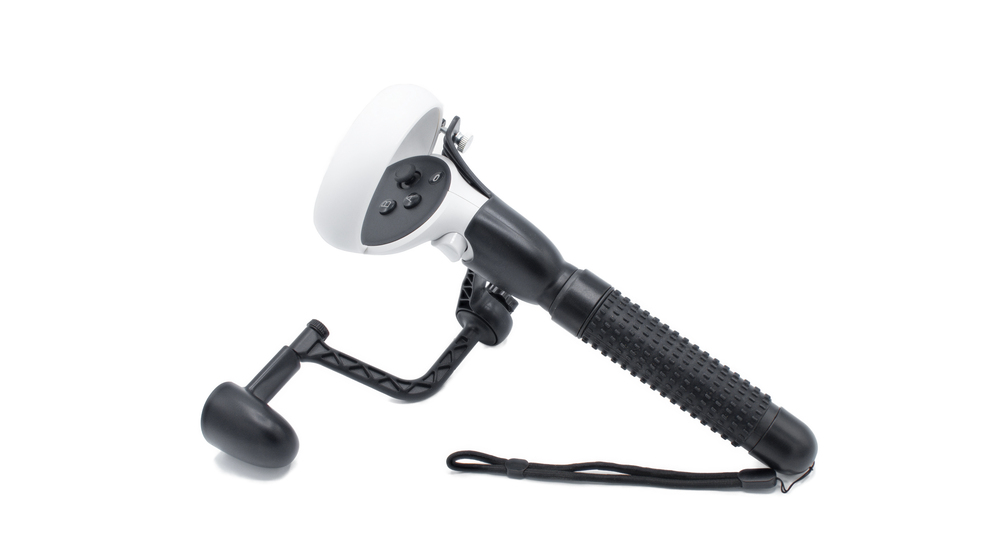
Sega’s fishing controller for Bass Fishing seemed like a joke at first. A plastic rod and reel for one specific game.
But the controller added something essential to the fishing experience the actual motion of casting and reeling.
You swung the rod to cast, then turned the reel handle to bring in the line. The simple mechanics made fishing games engaging instead of boring.
Other companies tried to replicate the success with their own fishing controllers, but Sega’s version remained the standard. Sometimes the most niche peripheral ideas work because they commit fully to the simulation.
The Mouse and Keyboard Invasion

Console gaming mostly ignored the mouse and keyboard combination for decades. PC gamers had the precision of a mouse for aiming and the versatility of a keyboard for commands, while console players made do with analog sticks.
The Dreamcast tried to change this by supporting keyboard and mouse for several games.
First person shooters suddenly felt natural on a console. Quake III Arena on Dreamcast with a mouse and keyboard gave players the accuracy they’d been missing.
The peripheral support didn’t save the console, but it planted the idea that consoles could accommodate different control schemes. Modern consoles now widely support mouse and keyboard input, validating what Sega attempted years earlier.
Maracas Make Music
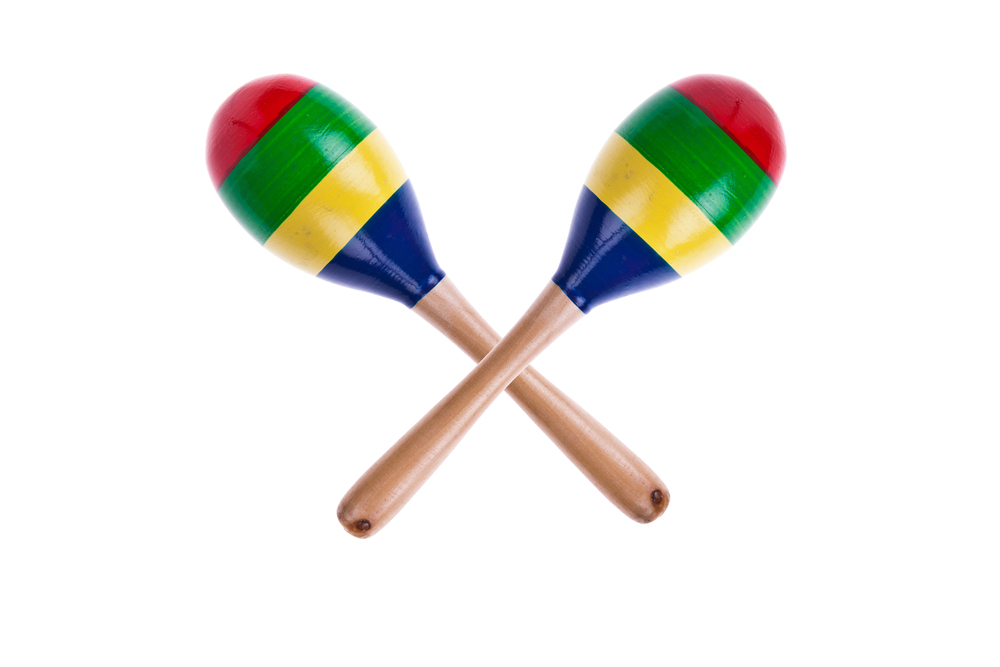
Samba de Amigo shipped with maraca controllers. Two plastic maracas with sensors that tracked their position and shaking motion.
You shook them in time with the music, hitting high, middle, and low positions marked on screen.
The maracas turned your living room into a dance party. Playing felt more like performing than gaming.
The controllers were expensive and the game had a limited audience, but everyone who tried it remembered the experience. Samba de Amigo proved that sometimes the most absurd peripheral ideas create the most memorable gameplay.
The DK Bongos Experiment
Nintendo released bongo controllers for Donkey Konga. Two plastic drums with sensors that detected hits and claps.
You pounded the bongos and clapped your hands to match rhythm prompts on screen. The game sold well enough that Nintendo released two sequels and even used the bongos as an optional controller for Donkey Kong Jungle Beat.
The bongos worked because they were simple. Hit left, hit right, or clap.
No complicated button combinations or gestures. Kids could pick them up immediately, and the physical drumming motion made rhythm games accessible to players who found regular controllers intimidating.
The bongos disappeared after the GameCube era, but they left an impression on anyone who tried them.
The Balance Board Innovation
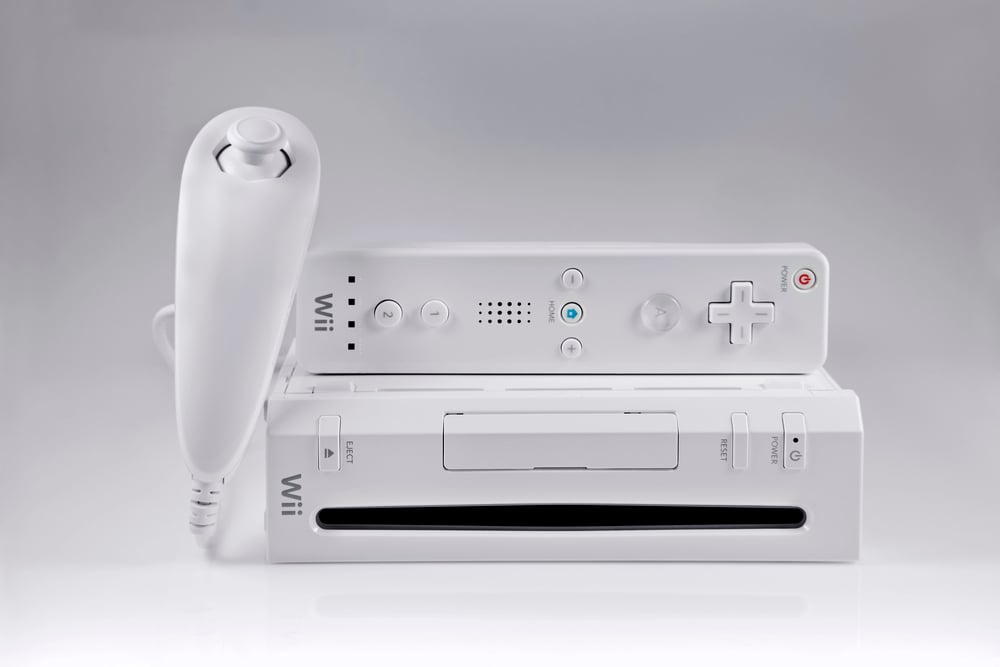
Nintendo’s Wii Balance Board seemed like a gimmick when it launched with Wii Fit. A white platform that measures your weight and center of balance.
Early adopters worried it would become another forgotten peripheral gathering dust. Then developers figured out creative uses for it.
The board worked as a scale, a balance trainer, and eventually a controller for various games. Some snowboarding games used it for more natural movement controls.
The technology wasn’t fancy, but the board gave developers a new input method to experiment with. Millions of boards sold, mostly to people who wanted a gentler introduction to fitness tracking.
Steel Battalion’s Ridiculous Controller
Capcom released Steel Battalion with a controller that looked like it belonged in an actual mech cockpit. Forty buttons, three foot pedals, and dual control sticks.
The peripheral cost $200. Only the most dedicated players bought it.
The controller transformed the game from a typical mech sim into something that felt real. Every button had a purpose.
Starting your mech required flipping switches in sequence. Ejecting before your mech exploded meant hitting the eject button under a protective cover.
Steel Battalion’s controller represented the extreme end of peripheral design expensive, impractical, but unforgettable for those who owned it.
The Microphone Arrives

Karaoke games brought microphones to gaming consoles. SingStar on PlayStation 2 shipped with two USB microphones and a library of licensed songs.
Players sang along while the game scored their pitch and timing. Karaoke games had existed before, but SingStar made them mainstream.
The microphone opened up a new category of party games. Rock Band added singing to its band simulation.
Other music games followed. The humble USB microphone became a standard peripheral that most gaming households owned, turning consoles into entertainment systems that went beyond traditional gaming.
Where Controllers Meet Reality
Those gadgets worked since they cut the gap between gamer and gameplay. Hitting keys on a regular pad’s okay for plenty of titles yet now and then, you’d rather turn an actual steering wheel, riff on a fake guitar, or smack some bongo drums instead.
That tangible link makes a difference.
The top gadgets just fade into the background. Instead of noticing the gear, you get caught up in playing.
Some tries failed but the hits shifted how games were made and felt. Those weird plastic tools showed something surprising the way you play can matter just as much as what you’re playing.
More from Go2Tutors!

- The Romanov Crown Jewels and Their Tragic Fate
- 13 Historical Mysteries That Science Still Can’t Solve
- Famous Hoaxes That Fooled the World for Years
- 15 Child Stars with Tragic Adult Lives
- 16 Famous Jewelry Pieces in History
Like Go2Tutors’s content? Follow us on MSN.



