28 Demolished Ballparks Fans Still Mourn
Ballparks are supposed to outlast the people who fill them. Yet many of baseball’s most beloved parks are now gone, replaced by apartment towers, parking lots, churches and, in at least one case, a home improvement store.
Fans of every era can name the one they miss. Some were cramped and quirky, while others were round, concrete multipurpose bowls, but each left behind a crowd of people who still describe a particular seat, smell or sound as if it were yesterday.
Ebbets Field, Brooklyn
Jackie Robinson made his Major League debut here on April 15, 1947, breaking the sport’s color barrier in front of a Brooklyn crowd. The park also had a clothier’s sign beneath the right-field scoreboard promising a free suit to any batter who hit it, and a rotunda floored in Italian marble.
The Dodgers played their last game there in September 1957 before moving to Los Angeles. The wrecking crew arrived in 1960, and the Ebbets Field Apartments rose on the site.
Polo Grounds, Manhattan
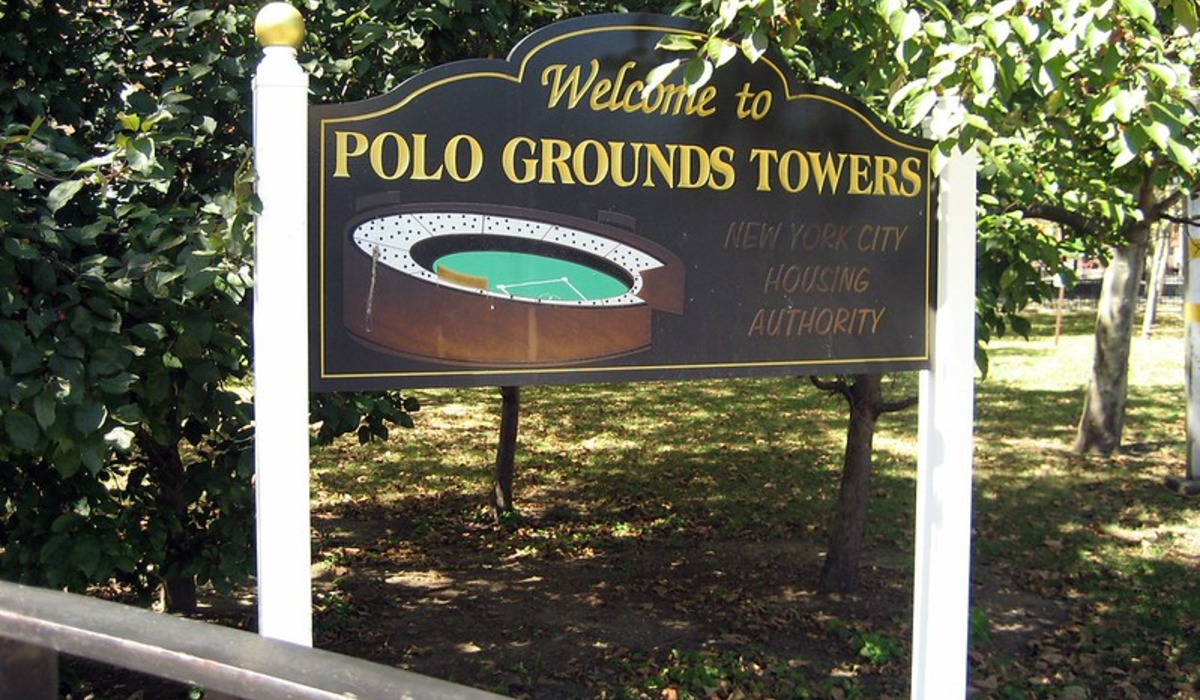
Few parks were shaped so oddly: the foul lines were remarkably short, roughly 280 feet down the left-field line and under 260 feet in right, while straightaway center field stretched about 480 feet. That geometry helped make Willie Mays’s famous over-the-shoulder catch in the 1954 World Series possible, while the short foul lines made home runs easier to hit in those directions.
The expansion Mets played their first two seasons here, in 1962 and 1963, losing 120 games in the first of them. Demolition began in 1964, and public housing towers now stand where the grandstand once curved.
Forbes Field, Pittsburgh
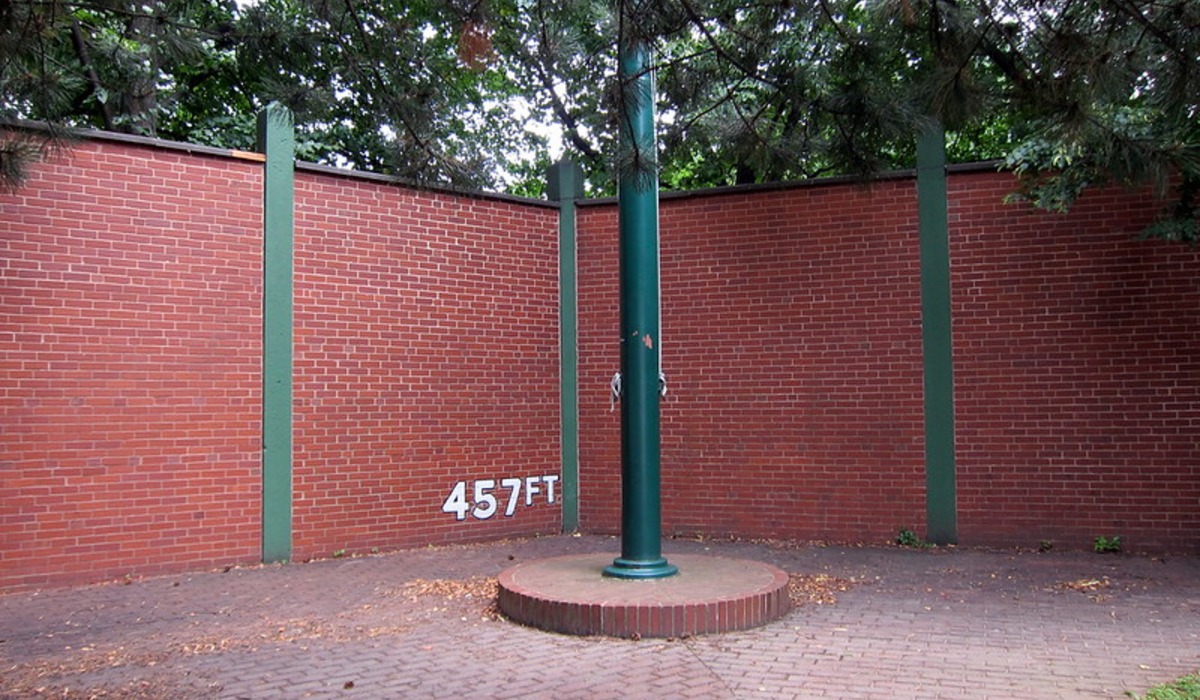
Bill Mazeroski ended the 1960 World Series here on October 13, hitting a leadoff home run in the bottom of the ninth inning of Game 7 to beat the Yankees. The park opened in 1909 and closed after a doubleheader in June 1970, and it was demolished the following year.
The University of Pittsburgh built on the land, and the location of home plate is marked inside Posvar Hall. A stretch of the brick outfield wall still stands on campus, and fans gather there every October to remember Mazeroski’s homer.
Crosley Field, Cincinnati
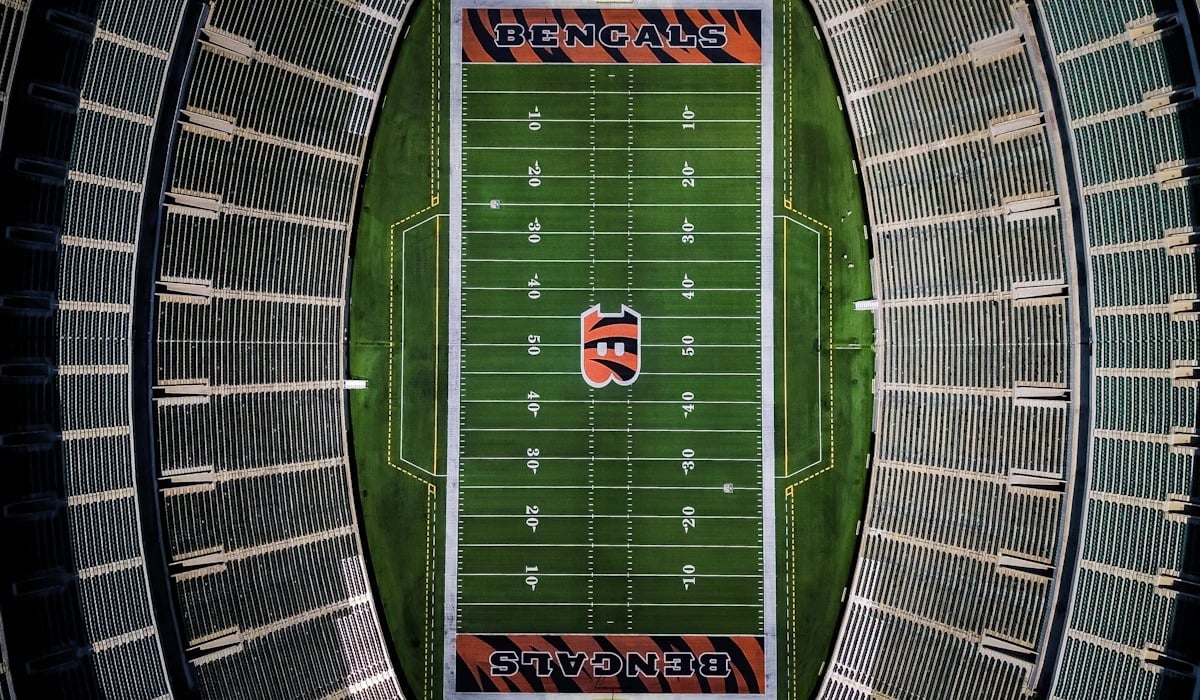
On May 24, 1935, President Franklin D. Roosevelt pressed a telegraph key at the White House to help switch on the lights at Crosley Field, and the first Major League night game began against the Phillies.
The park’s left-field terrace, a grassy slope that rose toward the wall, forced outfielders to run uphill to chase drives. The Reds left for Riverfront Stadium in 1970, and the old park was torn down in 1972.
The land was redeveloped after the demolition.
Shibe Park, Philadelphia
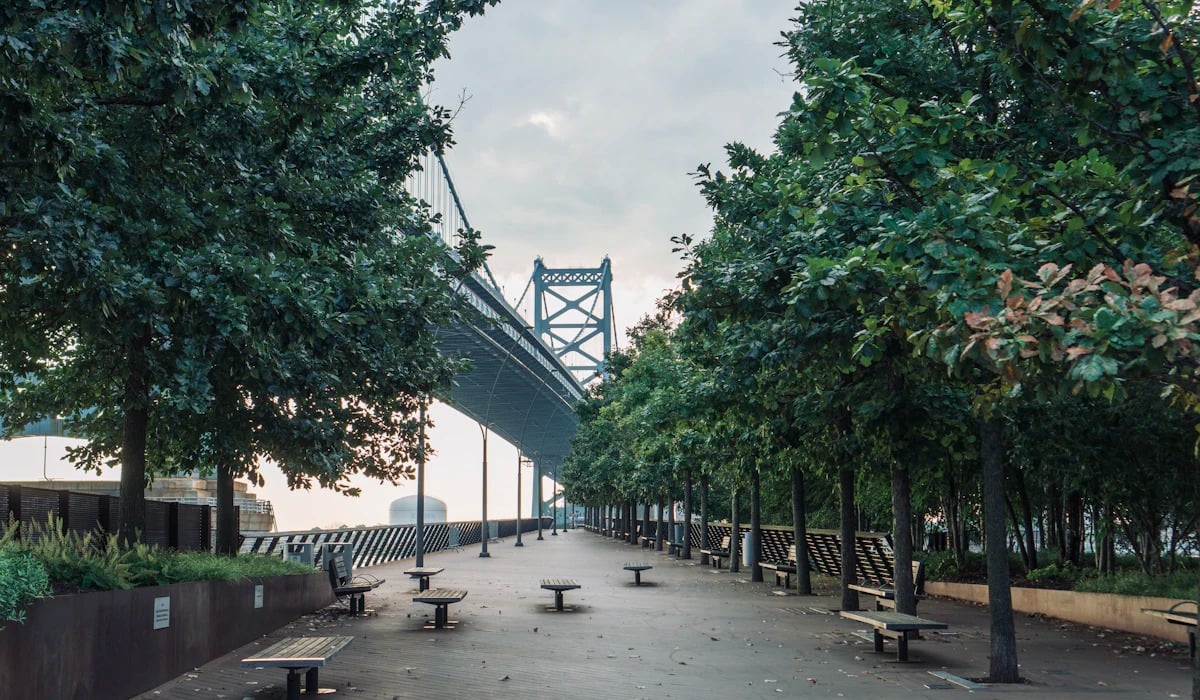
Opened in 1909, Shibe Park was among the first ballparks built from steel and concrete, with a domed French Renaissance tower at the corner. It was renamed Connie Mack Stadium in 1953, and it was the setting for the Athletics’ ten-run seventh inning in Game 4 of the 1929 World Series, which erased an 8-0 deficit against the Cubs.
The Phillies played their last game there in 1970, a fire damaged the empty park in 1971, and the structure was demolished in 1976. A church now occupies the site at 21st Street and Lehigh Avenue.
Tiger Stadium, Detroit
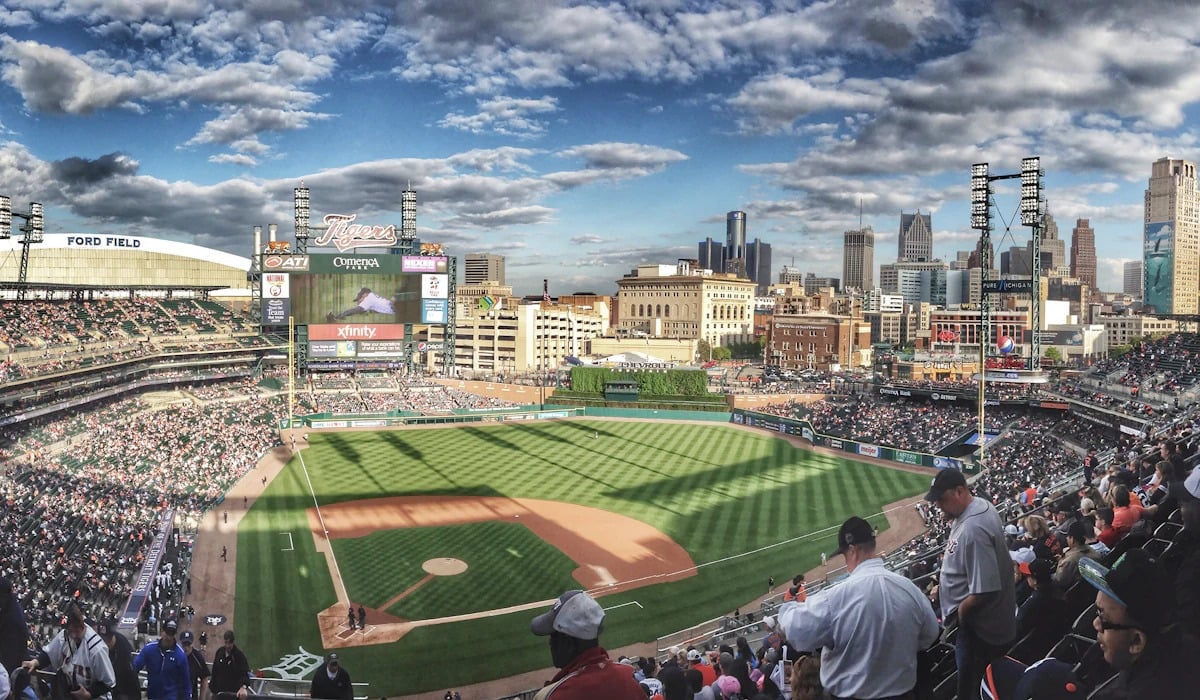
Professional baseball was played at the corner of Michigan and Trumbull for more than a century, and the grandstand there was wrapped so tightly around the field that upper-deck fans seemed to hover over the outfield. The final game on September 27, 1999, ended with a Robert Fick grand slam in a win over the Royals.
The park sat empty for years before demolition wrapped up in 2009. The site later became home to The Corner Ballpark, a youth baseball and softball complex that incorporates the historic field’s location.
Fans can still visit the ground where Ty Cobb once patrolled.
Original Comiskey Park, Chicago
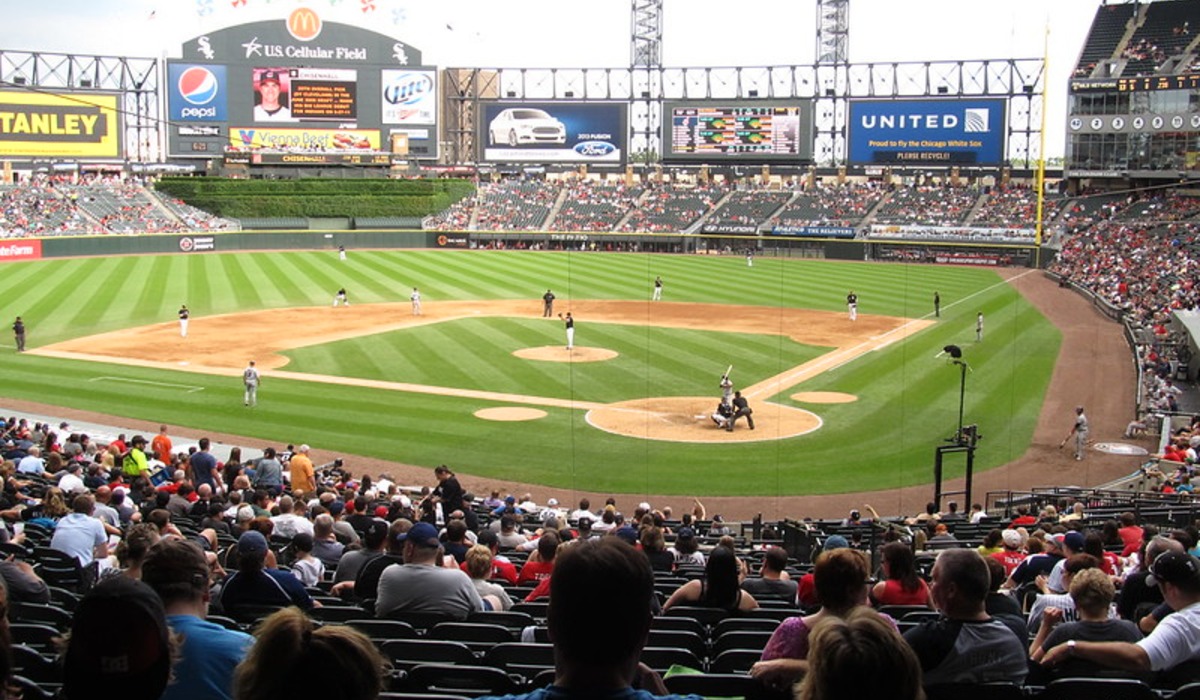
Bill Veeck installed an exploding scoreboard in 1960 that shot fireworks and spun pinwheels whenever a White Sox player homered, and it became one of baseball’s most memorable stadium attractions. The park opened in 1910 and hosted the White Sox until the final game on September 30, 1990.
It was torn down in 1991, and its footprint became a parking lot for the new park built across the street. Painted field markings and a plaque identify where the old diamond and home plate once stood.
Griffith Stadium, Washington
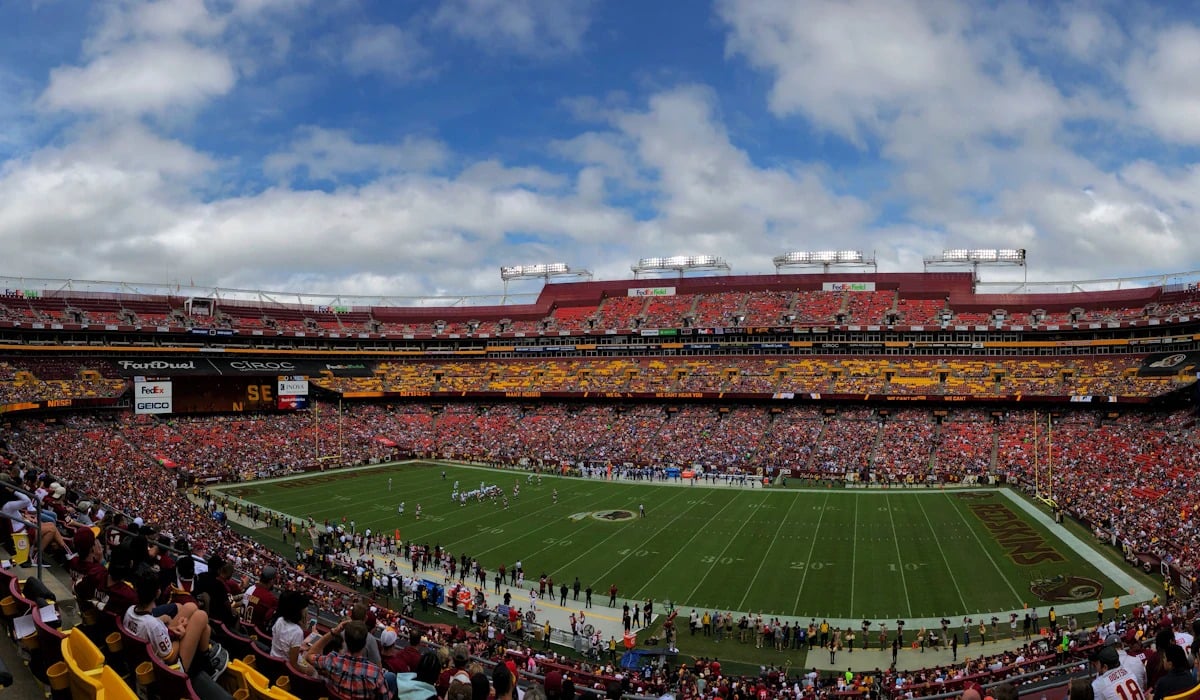
On April 17, 1953, Mickey Mantle launched a pitch from Chuck Stobbs over the left-field bleachers. A Yankees publicist later estimated the distance at 565 feet after finding where it landed, though that figure remains disputed because the measurement was not scientifically precise.
The park also had a famously crooked outfield: the center-field wall angled inward to avoid five row houses and a large tree. The Senators won their only World Series here in 1924.
Griffith Stadium was torn down in 1965, and Howard University Hospital now covers the site.
Metropolitan Stadium, Bloomington
When Harmon Killebrew crushed a home run into the upper deck in left field on June 3, 1967, it landed in a seat that became famous for being 520 feet from home plate. The park hosted the Twins from 1961 to 1981 and the Vikings through 1981 as well, long enough to earn a reputation for brutally cold football afternoons.
It was demolished in 1985, and the Mall of America opened on the site in 1992. A red seat inside the mall’s amusement park commemorates the spot associated with Killebrew’s famous home run.
Seals Stadium, San Francisco
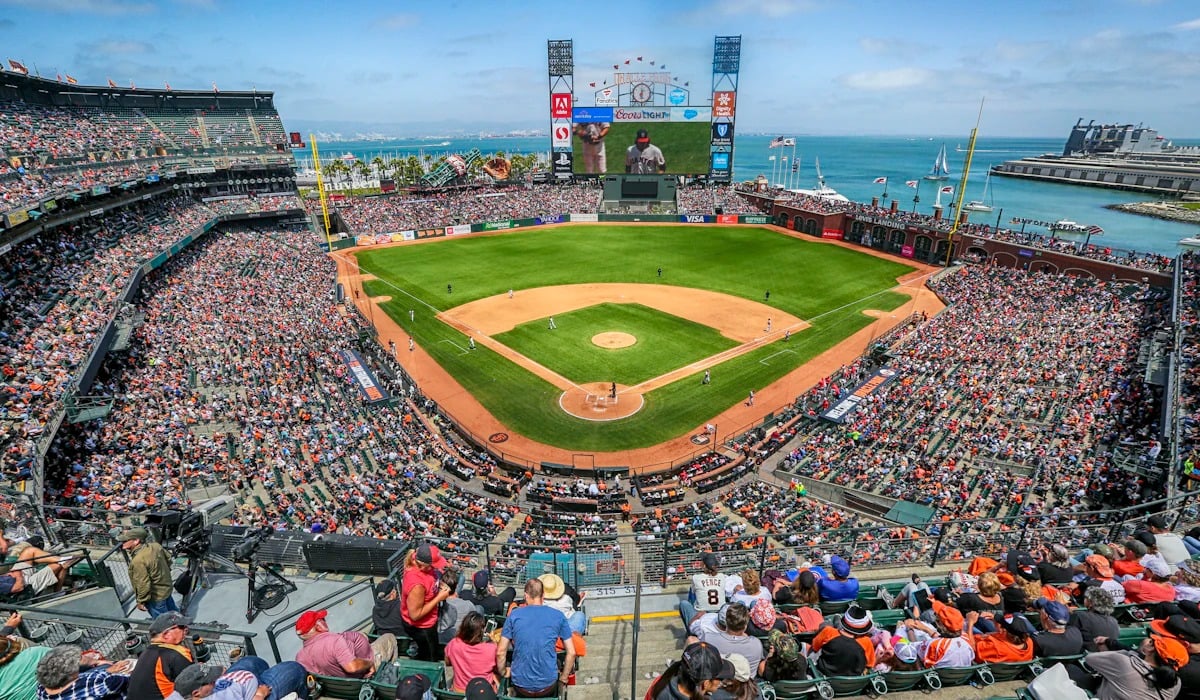
The Giants arrived from New York in 1958 and played their first West Coast home games here, beating the Dodgers 8-0 on April 15 in the first regular-season Major League game on the West Coast. The small park had previously been the home of the Pacific Coast League’s San Francisco Seals, and its snug dimensions kept fans close to the action.
The Giants stayed two seasons before Candlestick Park opened, and Seals Stadium was torn down in 1959. A shopping center with a supermarket now covers the Potrero Hill site.
Candlestick Park, San Francisco
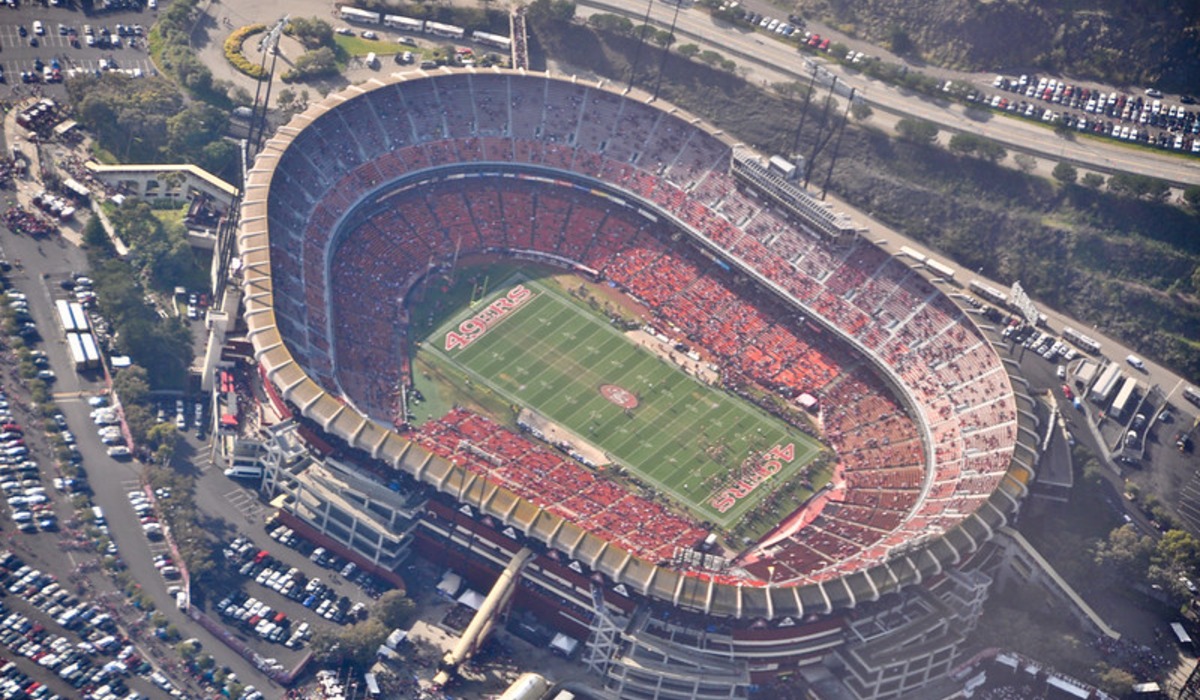
Few parks were as famous for their weather: swirling wind and summer fog made even a routine pop-up unpredictable. The Beatles played their final paid concert here on August 29, 1966, and an earthquake rocked the park before Game 3 of the 1989 World Series, postponing the game for 10 days.
Paul McCartney closed the building with a show in August 2014. Demolition began in 2015, and the stadium that once held the Giants and the 49ers was taken down over the following months.
Kansas City Municipal Stadium
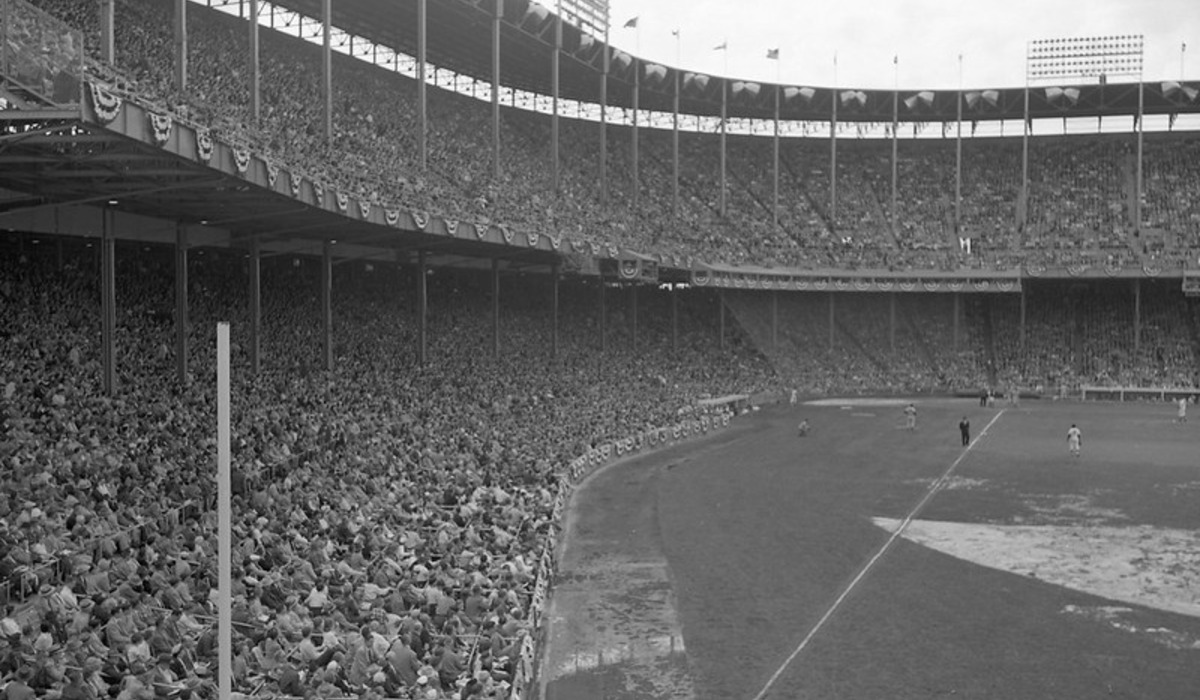
Owner Charlie Finley treated the Athletics’ home as a petting zoo, with sheep grazing beyond the outfield wall and a mule named Charlie O serving as mascot. The stadium also hosted the Negro leagues’ Kansas City Monarchs, one of the most celebrated teams in Black baseball history.
Satchel Paige’s famous 1965 return to the Major Leagues came at Fenway Park in Boston, not at Municipal Stadium. The Athletics left for Oakland after 1967, and the stadium was demolished in 1976.
A community garden now occupies the site.
Sick’s Stadium, Seattle
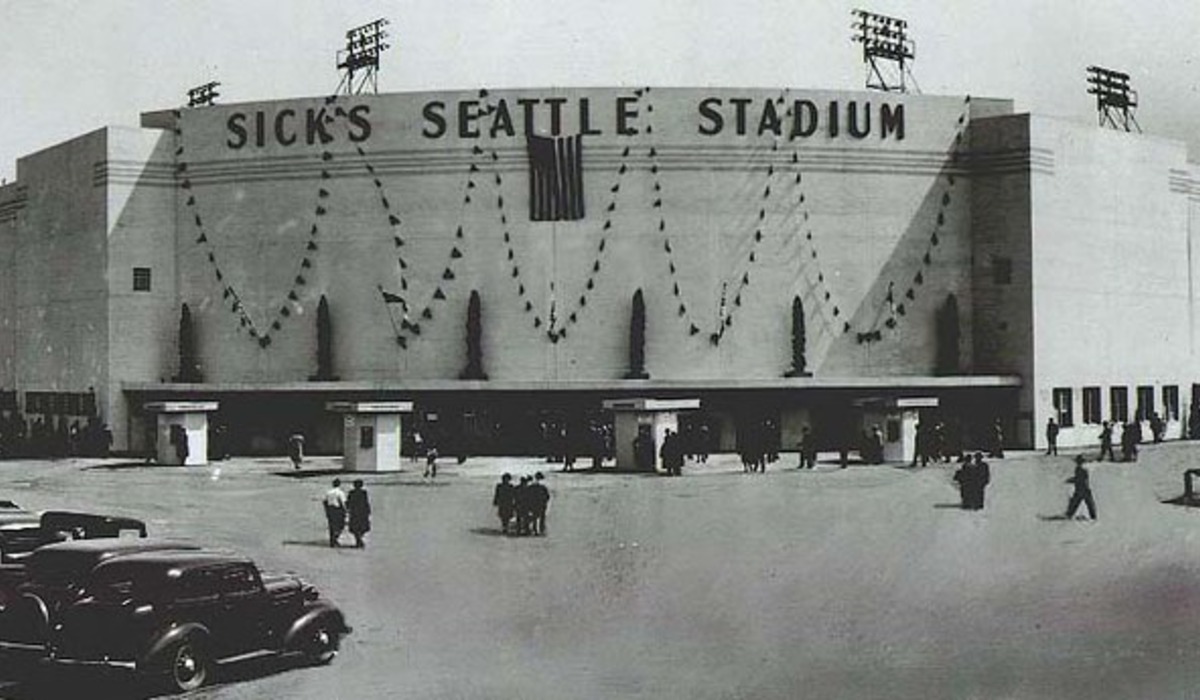
The Seattle Pilots lasted exactly one season, 1969, and played every home game at this converted minor-league park. The stadium had been built in 1938 for the Rainiers and was expanded in a hurry, so the Major League version was patched together from temporary seating.
The Pilots moved to Milwaukee and became the Brewers before the next spring. Sick’s Stadium was torn down in 1979, and a Lowe’s home improvement store now sits on the site.
A sign, a replica home plate and other displays preserve reminders of the ballpark’s history.
Three Rivers Stadium, Pittsburgh
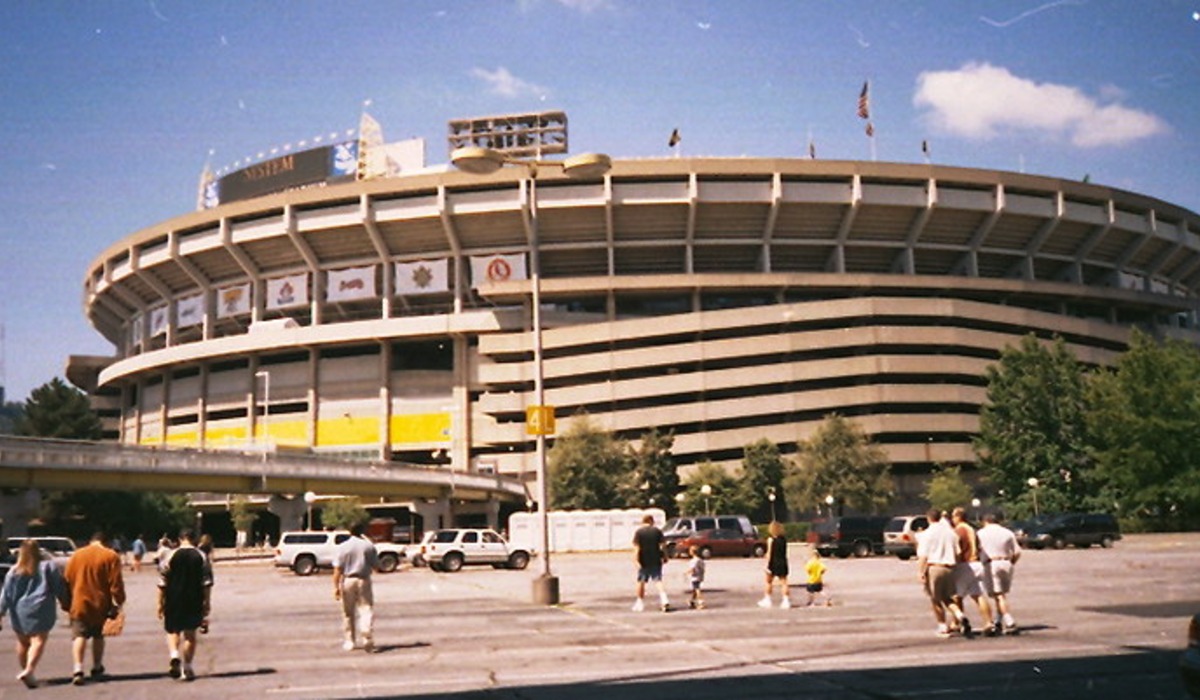
Roberto Clemente collected the 3,000th hit of his career here on September 30, 1972, only a few months before his death in a plane crash on a relief mission. The same stadium hosted the Immaculate Reception on December 23, 1972, plus Pirates championship runs in 1971 and 1979.
Three Rivers was imploded on February 11, 2001, after the Pirates moved out following the 2000 season. Its footprint is now part of the area around the city’s newer football and baseball stadiums.
Riverfront Stadium, Cincinnati
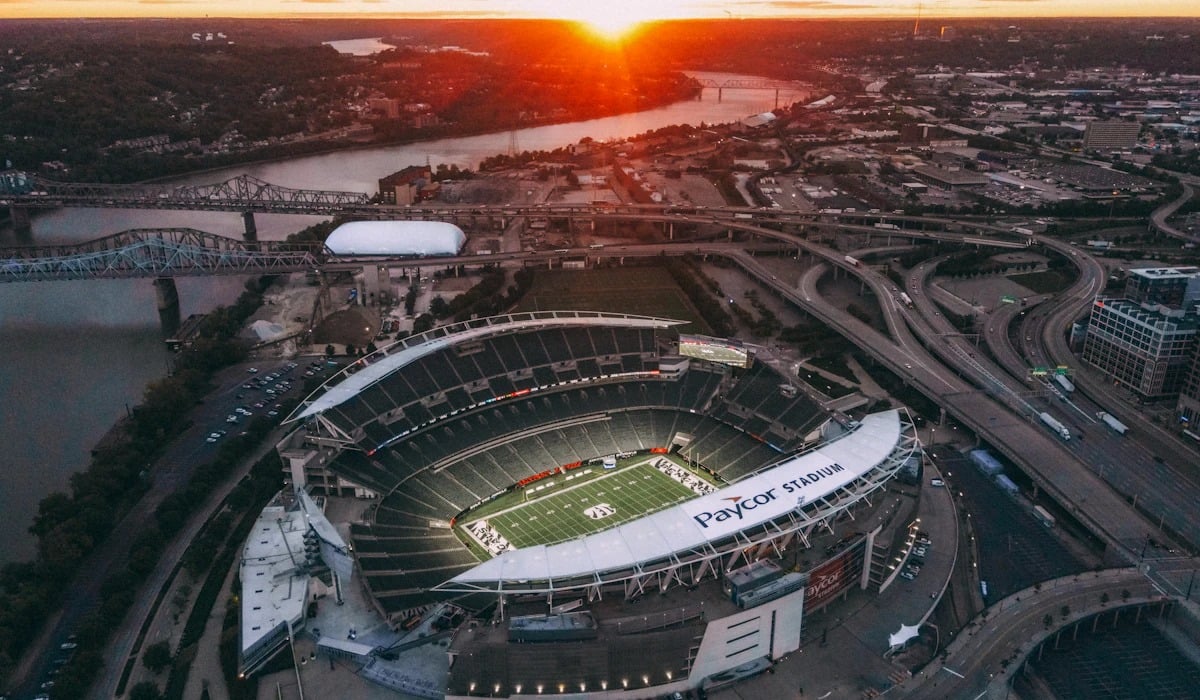
Pete Rose passed Ty Cobb on September 11, 1985, with hit number 4,192, and the crowd’s roar went on for minutes. Riverfront, later renamed Cinergy Field, was the home of the Big Red Machine of the 1970s and its two straight championships in 1975 and 1976.
The round, concrete bowl was imploded on December 29, 2002. Great American Ball Park and the Reds’ riverfront district now occupy the surrounding area.
Veterans Stadium, Philadelphia
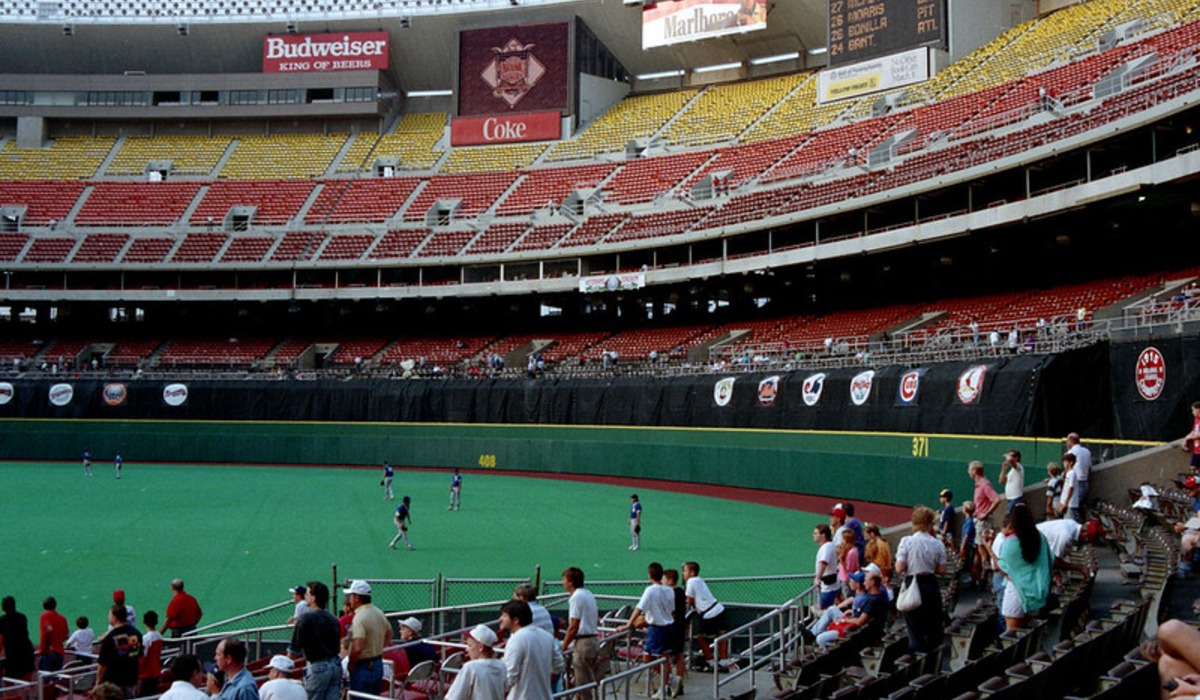
The Vet was so rowdy that it had its own municipal court and holding cells in the stadium during the late 1990s, a setup built to handle the Eagles crowd. Philadelphia nonetheless remembers it fondly for the Phillies’ 1980 World Series title, the franchise’s first, and for the infamous 700 Level in the upper deck.
The concrete saucer was imploded on March 21, 2004. Its site is now a parking lot in the South Philadelphia sports complex, with markers where the diamond once sat.
Shea Stadium, Queens
Shea sat directly in the flight path of nearby LaGuardia Airport, and players and broadcasters regularly paused for jets overhead. The Beatles played to a crowd of around 55,000 here on August 15, 1965, and the Mets won their championships at Shea in 1969 and 1986.
The stadium closed in September 2008 and was torn down over the following months. Today the site is a parking lot beside Citi Field, with painted markers showing where the bases sat.
Original Yankee Stadium, the Bronx
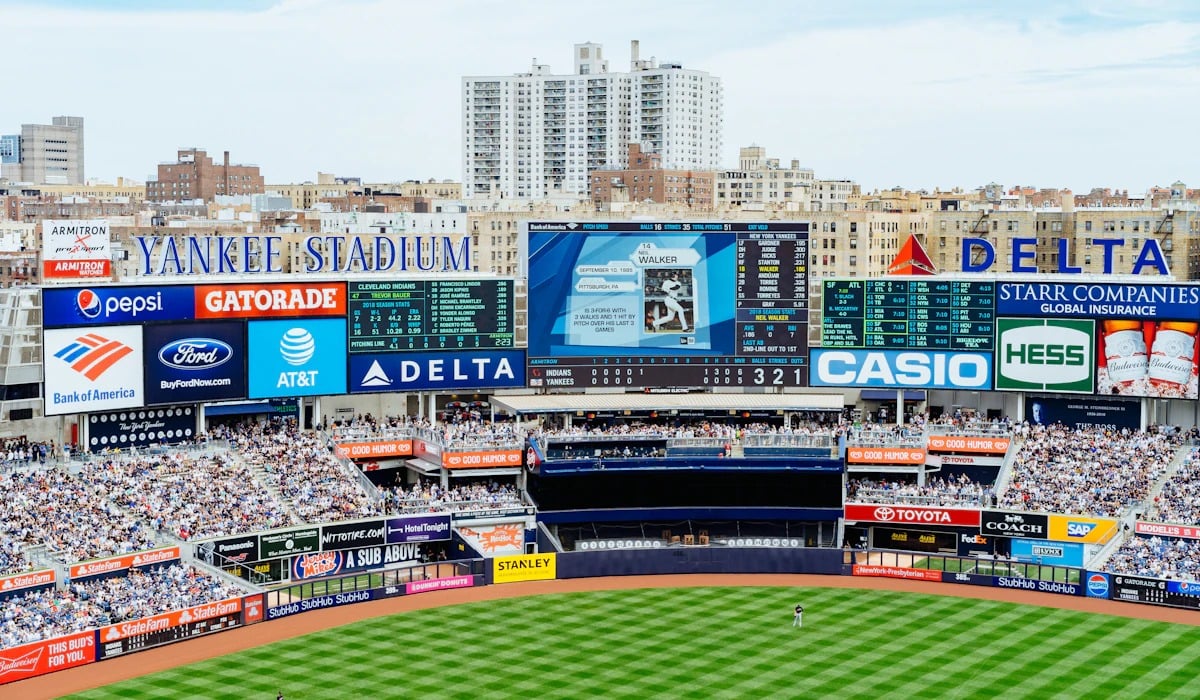
Babe Ruth christened the new ballpark on opening day, April 18, 1923, with a three-run home run against Boston. Lou Gehrig gave his famous farewell speech here on July 4, 1939.
The building closed in 2008, and demolition took place over the following two years. Heritage Field, a public park with ballfields, now occupies the ground where the old stadium stood.
Sportsman’s Park, St. Louis
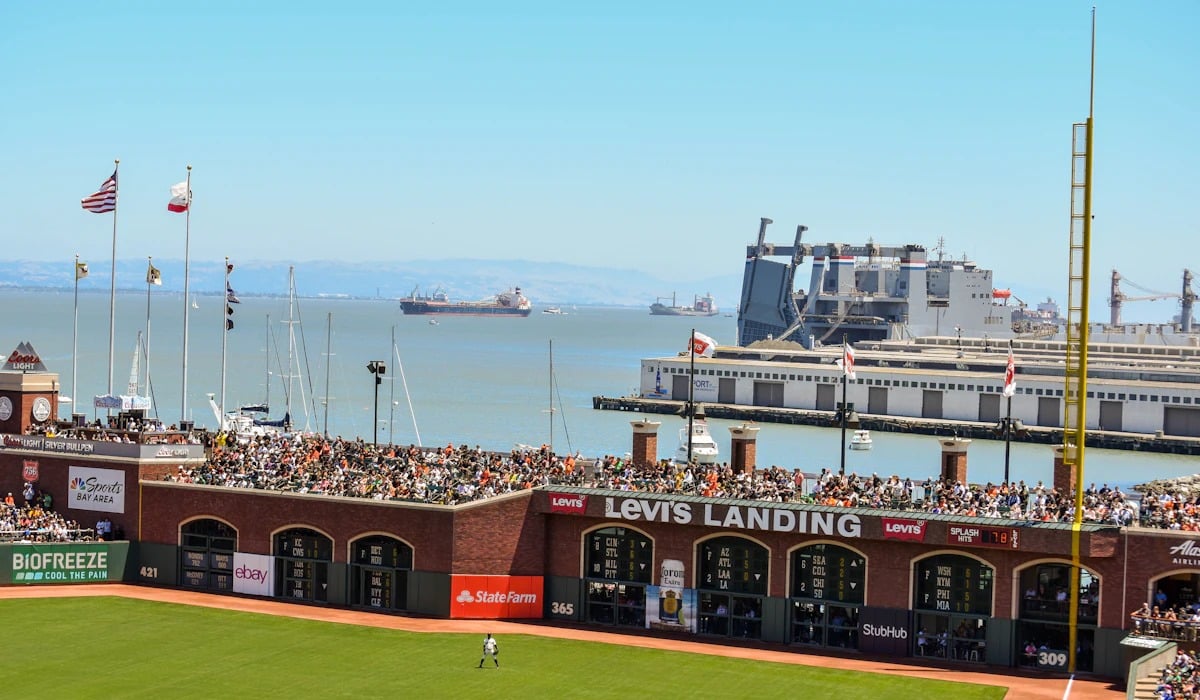
For decades both the Cardinals and the Browns called this park home, an unusual arrangement that gave St. Louis a Major League game almost every day of the summer.
On August 19, 1951, the Browns sent 3-foot-7 Eddie Gaedel to bat, wearing the number 1/8, and he drew a walk on four pitches. The park was renamed Busch Stadium in 1953 and was last used in May 1966.
A local boys and girls club and a baseball diamond now occupy the former ballpark site.
Kingdome, Seattle
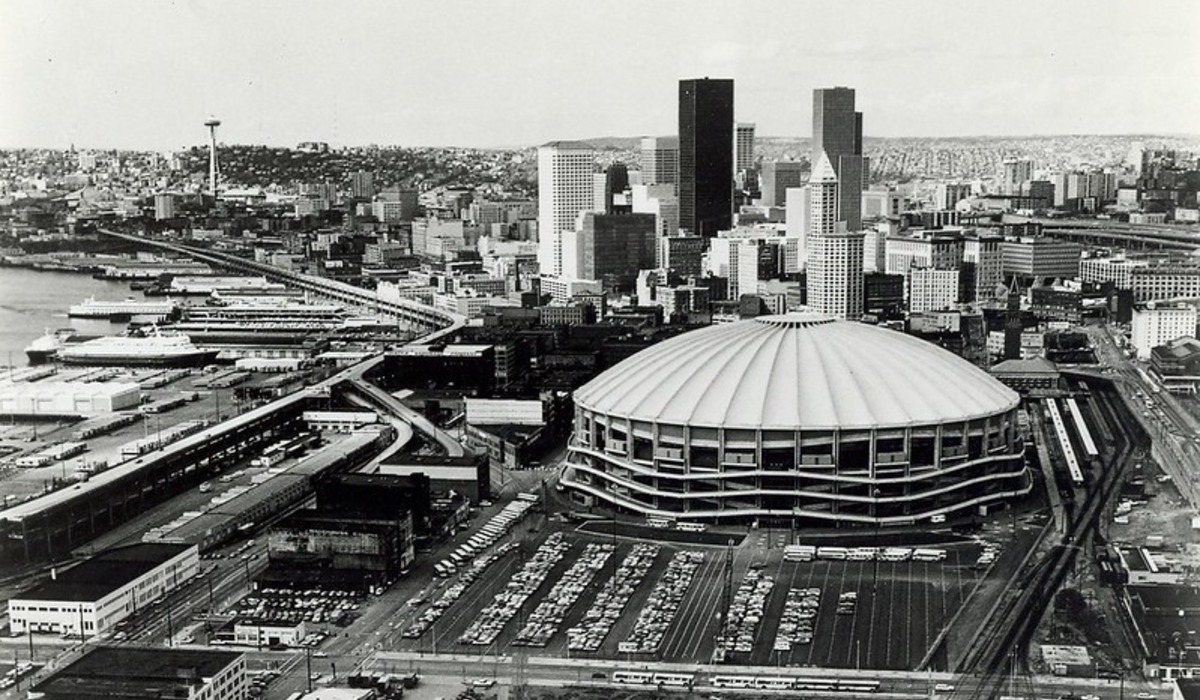
A few hours before a Mariners game on July 19, 1994, several ceiling tiles dropped from the domed roof onto empty seats, and the game was called off. That near miss helped renew calls for a new ballpark, although the Mariners continued playing at the Kingdome and reached the playoffs in 1995.
The stadium was imploded on March 26, 2000, in one of the largest planned demolitions of its day. Lumen Field and its surrounding parking areas now occupy the site.
Mile High Stadium, Denver
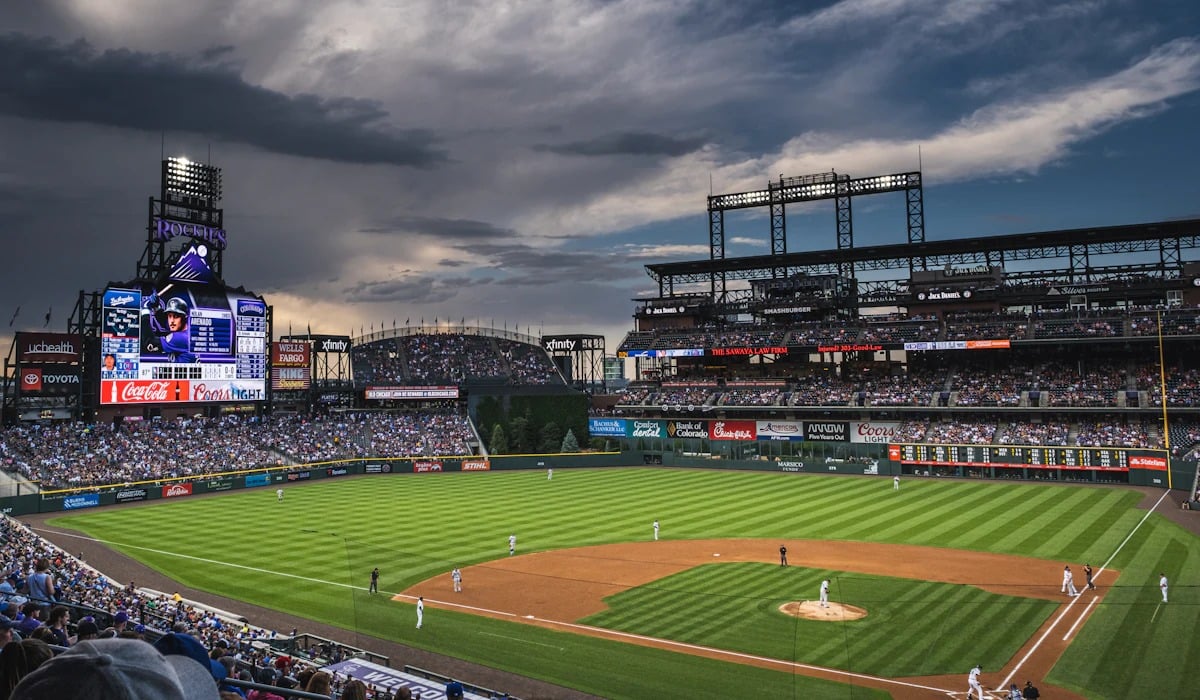
The Rockies played their first two seasons here in 1993 and 1994, and more than 4.4 million people passed through the gates in 1993 alone, setting a single-season Major League attendance record at the time. The thin air turned routine flies into home runs, and the name itself nodded to Denver’s elevation.
The stadium had been built in 1948 for minor-league baseball, and it was torn down in 2002. Parking areas near the Broncos’ newer stadium now cover the former site.
Atlanta-Fulton County Stadium
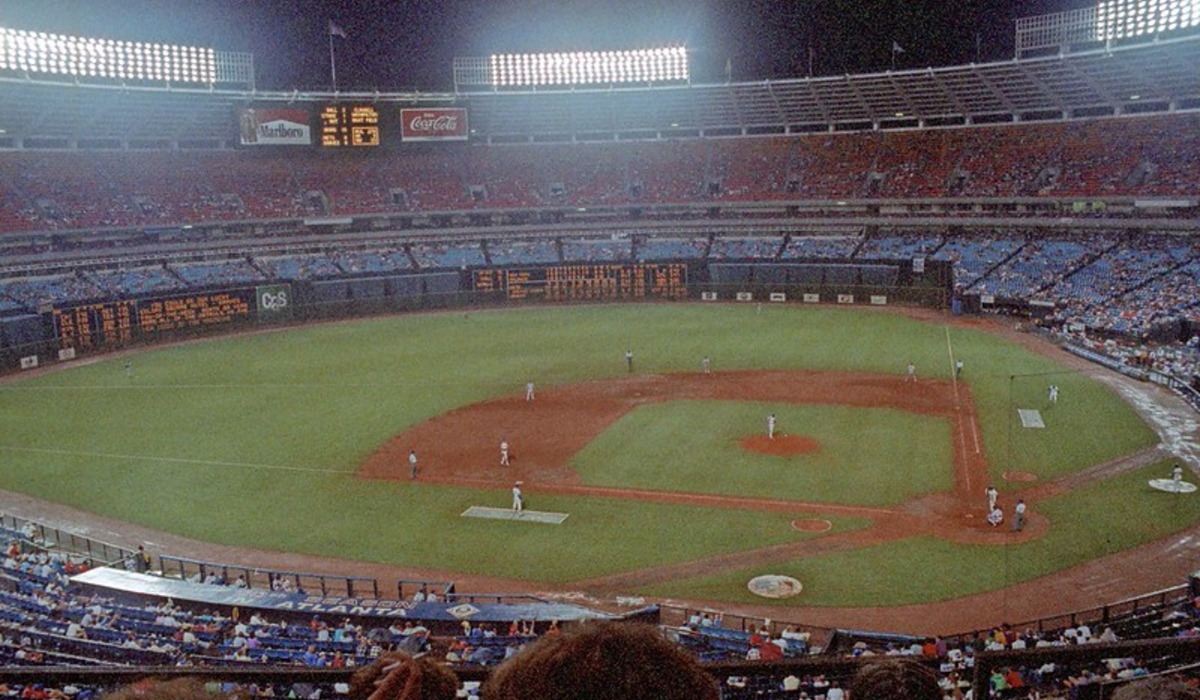
Hank Aaron hit his 715th career home run here on April 8, 1974, off Al Downing of the Dodgers, passing Babe Ruth. The park also hosted the Braves’ clinching victory in the 1995 World Series, Atlanta’s first World Series title, a 1-0 win in Game 6 over Cleveland.
The stadium was torn down in 1997 after Turner Field opened beside it. A marker in the parking area commemorates the spot where Aaron’s historic home run cleared the fence.
Milwaukee County Stadium
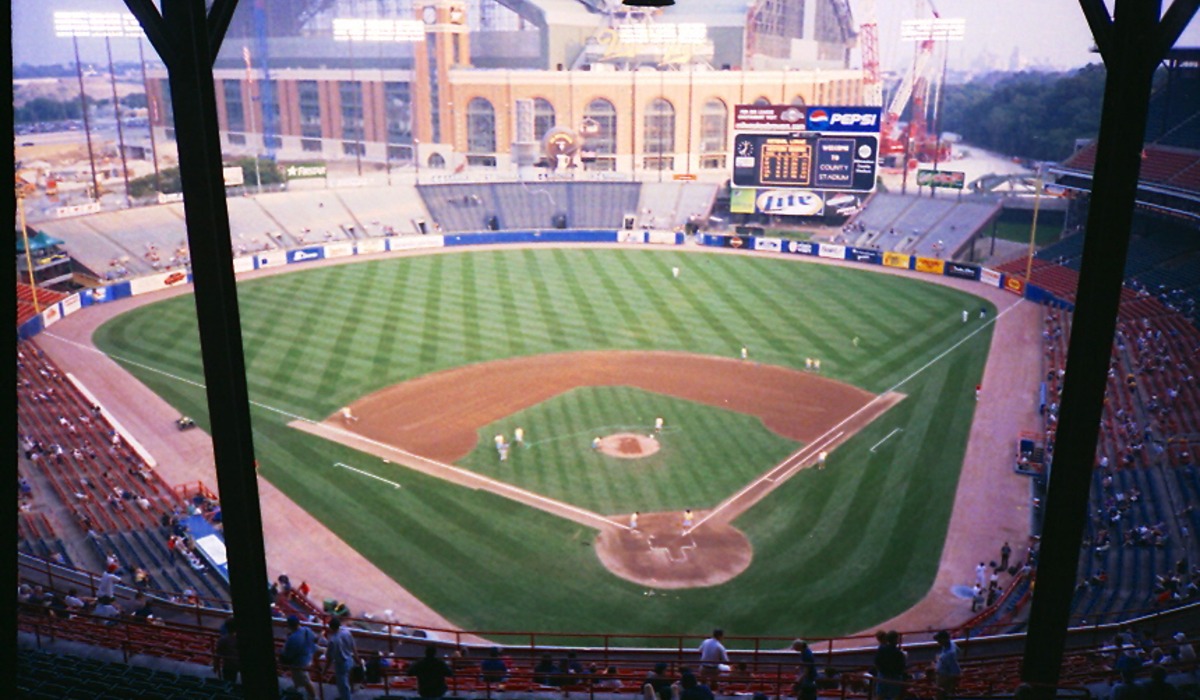
The Braves won the 1957 World Series here, and the Brewers returned to play in the park from 1970 through 2000, including the 1982 pennant run. The stadium was known for tailgating before games, with fans grilling bratwurst in the parking lot in a ritual that gave the experience its personality.
The stadium was demolished in 2001 after Miller Park opened next door. Helfaer Field, a youth baseball facility, now sits on part of the former stadium site.
Baker Bowl, Philadelphia
The park’s right-field wall stood roughly 280 feet from home plate but rose about 60 feet high, forcing batters to hit towering shots just to clear it. The short distance made right field unusually hitter-friendly, while the towering wall created a distinctive challenge for batters and fielders.
The park was home to Philadelphia baseball from 1887 until 1938 and was torn down in 1950. The site in North Philadelphia has been built over ever since.
Memorial Stadium, Baltimore
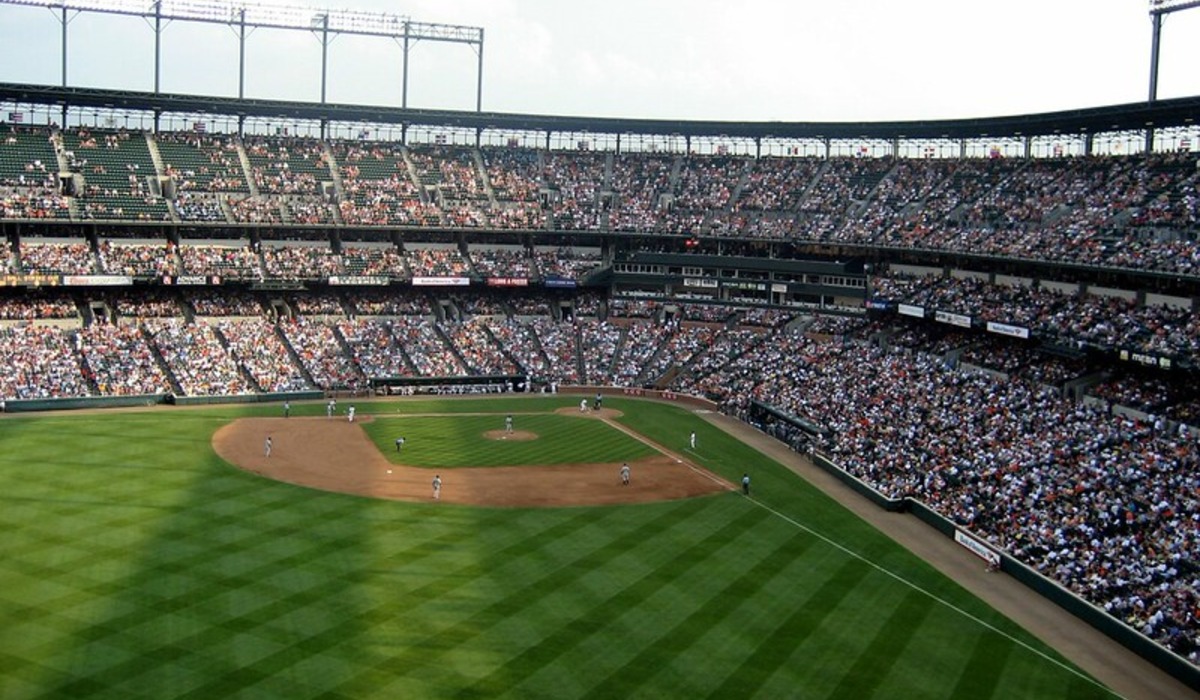
Orioles fans developed a famous tradition at this park of shouting an extra letter during the national anthem, a custom that outlived the building itself. The “O!”
cheer became especially associated with Orioles superfan Wild Bill Hagy in the late 1970s. The Orioles won the 1966 World Series here, sweeping the Dodgers, and the Colts also called Memorial Stadium home through 1983.
The Orioles played their last game in the park on October 6, 1991. After demolition in 2001, the site became a senior housing complex, with a YMCA and a community field.
Wrigley Field, Los Angeles
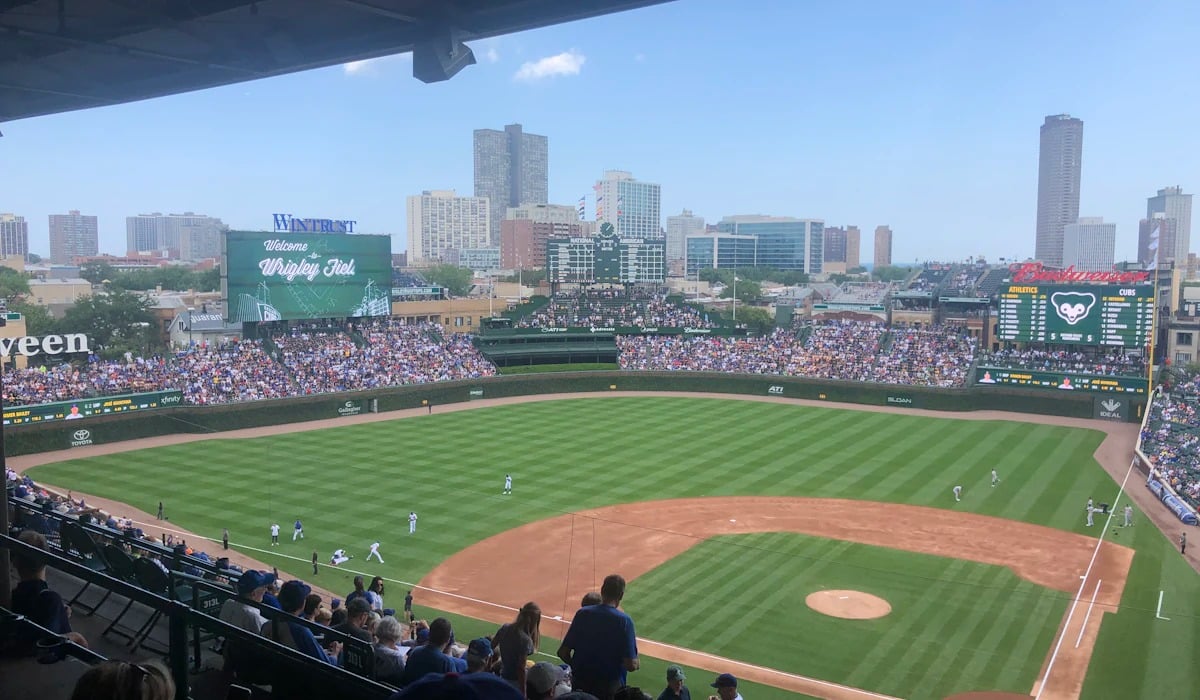
The expansion Angels played their first season in 1961 at this park in South Central Los Angeles, and 248 home runs were hit there that season, a record-setting total at the time. The ballpark had also been the backdrop for the television show Home Run Derby, and its short left-field line was a hitter’s gift.
The park opened in 1925 and served as the home of the Pacific Coast League’s Los Angeles Angels long before the Major League version arrived. The grandstand was demolished, and the site became Gilbert Lindsay Recreation Center, which includes a ballfield on the former property.
Busch Memorial Stadium, St. Louis
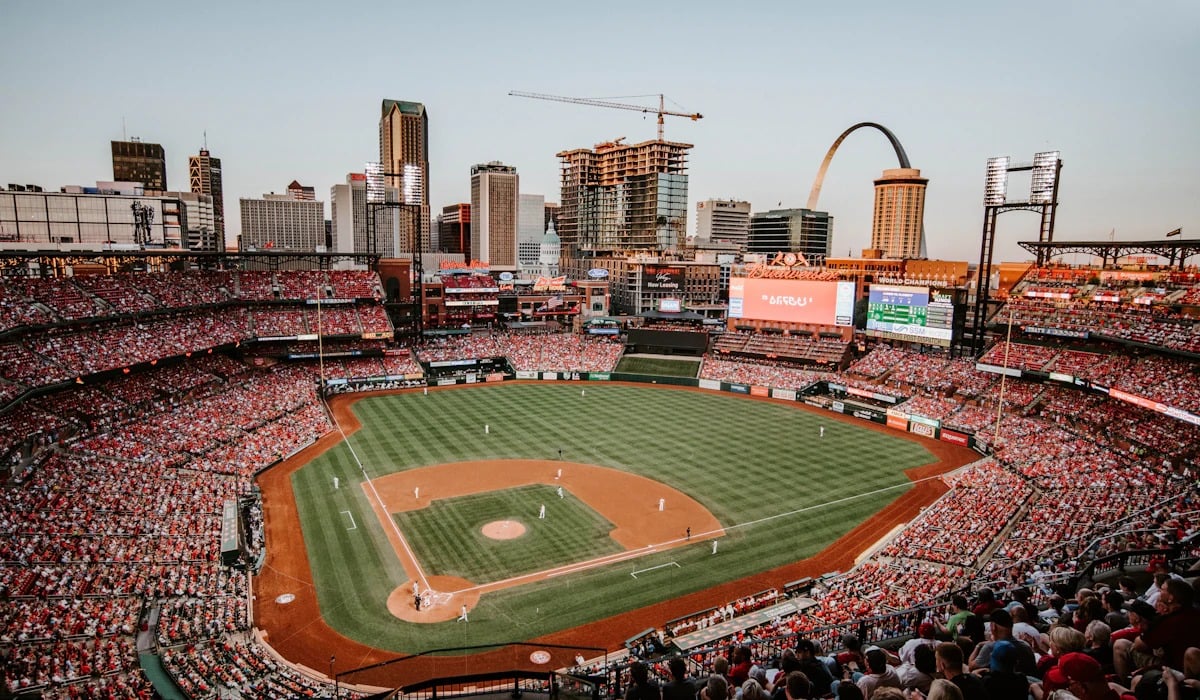
Mark McGwire hit his 62nd home run of 1998 here on September 8, breaking Roger Maris’s single-season record. The stadium opened in 1966 and was the home of the Cardinals until the final game, a loss in the 2005 National League Championship Series.
It sat just downtown near the Gateway Arch, and the Arch loomed over the outfield view. Demolition followed in 2005 and 2006, and part of the site became Ballpark Village, an entertainment district.
Cleveland Municipal Stadium
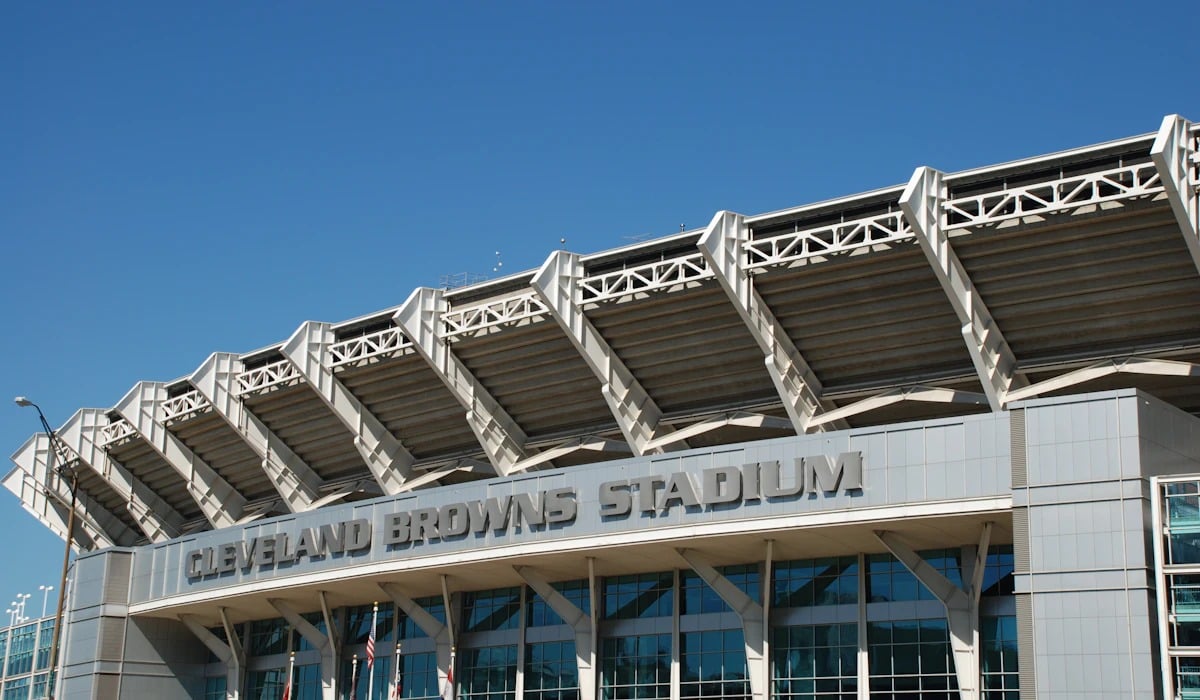
The giant lakefront stadium drew 86,288 fans for Game 5 of the 1948 World Series, a record at the time. It also hosted Ten Cent Beer Night on June 4, 1974, which ended in a forfeit after fans stormed the field.
The Indians left for a new downtown ballpark after 1993, and the stadium was torn down in 1996. The Browns’ current stadium now stands on the lakefront site.
What Concrete Cannot Hold
Looking at these 28 parks together, the pattern is hard to miss: the buildings came down, but the memories attached to them did not. Fans still mark home plate in parking lots, collect seats and bricks, and tell younger relatives where the outfield wall once stood.
A scoreboard or a grandstand turns out to matter less than the day someone first saw it.
Teams build new ballparks for good reasons, from comfort to revenue to safety. But the lasting lesson of these lost parks is that a place becomes sacred when people share their own history inside it.
Each of these sites is now an apartment block, a church, a parking lot or a field, and yet each remains a place fans can walk past and quietly say that something happened there.
More from Go2Tutors!

- The Romanov Crown Jewels and Their Tragic Fate
- 13 Historical Mysteries That Science Still Can’t Solve
- Famous Hoaxes That Fooled the World for Years
- 15 Child Stars with Tragic Adult Lives
- 16 Famous Jewelry Pieces in History
Like Go2Tutors’s content? Follow us on MSN.