17 Little-Known Facts About the 1969 Woodstock Festival
Everyone thinks they know Woodstock: half a million free-spirited kids in bell bottoms, drenched in mud, grooving for three days of peace, love, and music. The images have become cultural wallpaper. But underneath the mythology are stories—strange, funny, and sometimes unbelievable—that don’t always make it into the documentaries.
Here’s a list of 17 little-known facts about the 1969 Woodstock Festival that show just how messy, miraculous, and unpredictable those three days really were.
The Festival Almost Didn’t Happen
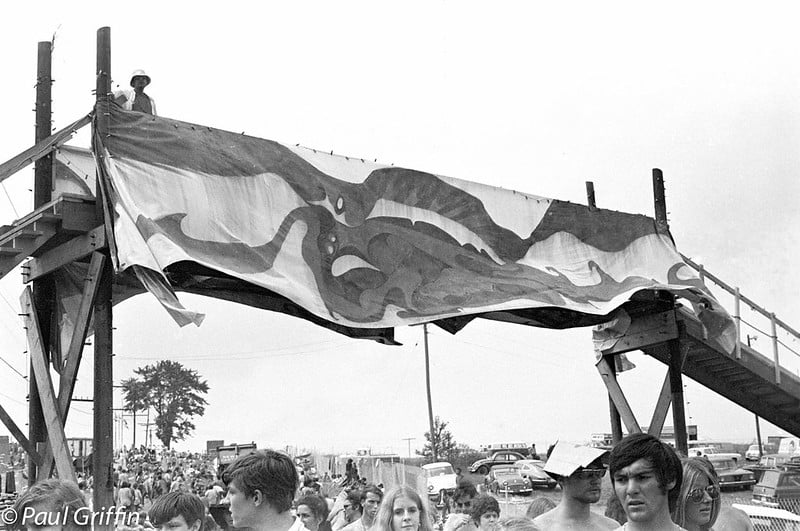
Just a few weeks prior to the event, Woodstock was on the verge of cancellation. Following a local uprising, the original location in Wallkill, New York, was forced to close. Anarchy with only a month to get ready, organizers frantically tried to persuade Bethel dairy farmer Max Yasgur to grant them permission to use his property.
That required a fresh start. A new stage. A new sound system. 50,000 people or so were anticipated, and the entire infrastructure was constructed from the ground up. Spoiler alert: much more appeared.
It Was a Free Concert by Accident

Woodstock was not intended to be a free-for-all. The three-day pass was supposed to cost $18. However, organizers gave up because the crowds grew too quickly for ticket booths to be constructed.
Not kindness. essential. It would have been risky to stop them for tickets when hundreds of thousands were flooding in. Thus, Woodstock automatically gained its freedom.
The Sound System Was Unprecedented

The audio rig was the biggest ever assembled for a concert at the time—18 massive speakers and enough power to light a small town.
Even so, the people camped far out on the horizon? They mostly heard muffled echoes. Technology just wasn’t ready for an audience stretching across fields.
Three Babies Were Born at Woodstock
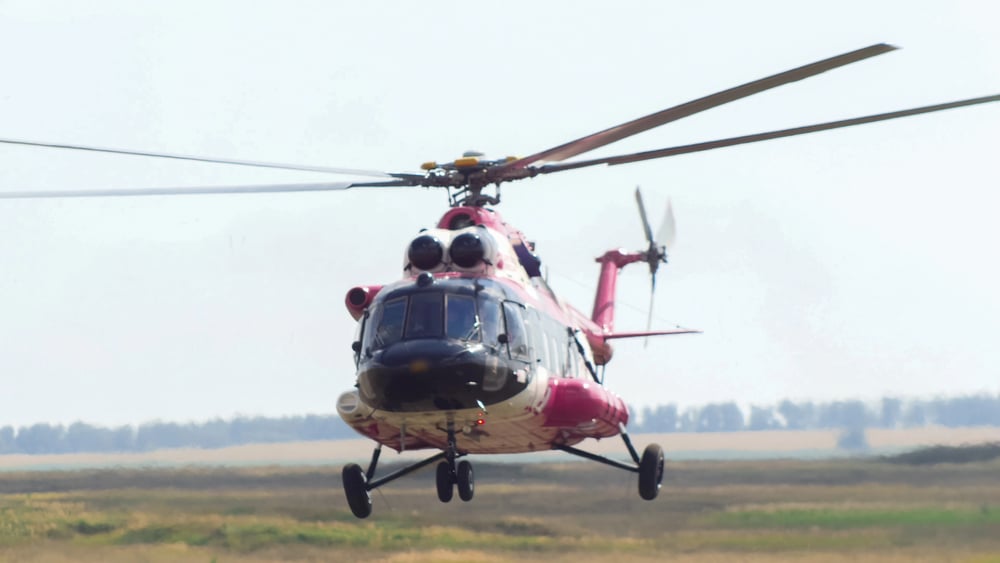
The rumors about babies born in the mud aren’t quite true. Two were born in cars stuck in traffic and one in a helicopter during a medical evacuation. None on the actual grounds.
The helicopter birth is the wild one. Picture growing up with that story: “Yeah, I was born mid-flight, on the way to a hospital, above Woodstock.”
Only Two People Died

Given the size and chaos of the crowd, the death toll was shockingly low. One person overdosed on heroin. Another died after a tractor accidentally rolled over someone sleeping in a hayfield.
Authorities had braced for disaster. Instead, just two fatalities out of half a million people. Almost miraculous.
The Hells Angels Provided Security
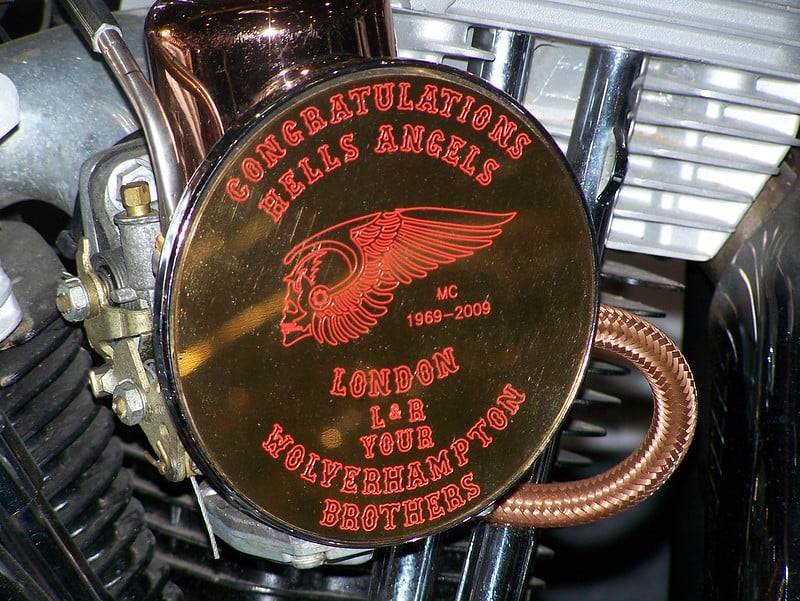
Yes, those Hells Angels. Before Altamont gave them a darker reputation, hiring bikers for festival security actually seemed normal.
At Woodstock, their presence was low-key. Most people in the crowd didn’t even realize the leather-jacketed bikers wandering around were technically “security.”
Jimi Hendrix Played to Nearly Empty Fields

Hendrix’s iconic Monday morning set—including that feedback-drenched version of “The Star-Spangled Banner”—was witnessed by only about 30,000 people.
A fraction of the 400,000 who had been there earlier. Work and school called. The majority packed up before what became the most famous moment of the festival. Timing really is everything.
The Food Ran Out on Day One

Concessions sold out almost instantly. Too many mouths, not enough hot dogs. Relief organizations had to airlift food to keep people from going hungry.
The Hog Farm commune, led by Hugh Romney (a.k.a. Wavy Gravy), took over food distribution. Somehow, with donations and improvisation, they kept hundreds of thousands fed. Their free oatmeal breakfasts? Legendary.
Max Yasgur Made a Fortune

For hosting, the farmer pocketed $75,000—roughly half a million in today’s money. It was a lifesaver for his struggling dairy farm.
But not everyone cheered. Local backlash made life uncomfortable in his conservative community afterward. Yasgur was both hero and outcast.
The Weather Was Perfect Until It Wasn’t

Friday and Saturday? Sunny bliss. Sunday? Torrential rain, mud everywhere, people sliding through fields like it was a waterpark.
Instead of dispersing the crowd, the misery bonded them. The mud became part of Woodstock’s myth—half hygiene nightmare, half communal rite of passage.
IBM Computers Handled Logistics

Woodstock was one of the first giant events to lean on computer planning. IBM tracked schedules and deliveries. Pretty futuristic for 1969.
But machines couldn’t predict the tidal wave of humanity. When 400,000 showed up, chaos still drowned the algorithms.
Performers Had Mixed Reactions

The crowd loved it. The performers? Not always. Some were frustrated by long delays, bad pay setups, and soggy conditions.
And many of the era’s biggest names didn’t even come. Among those absent: The Beatles, Dylan (who lived nearby!), Led Zeppelin, the Stones, and Joni Mitchell.
The Film Made More Money Than the Festival
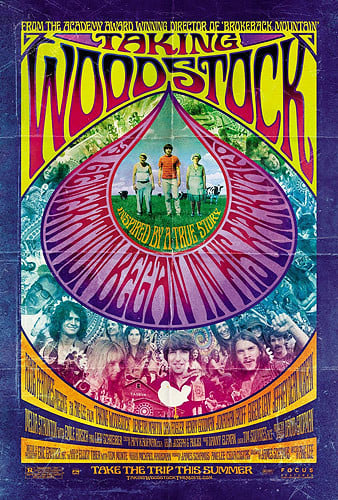
Michael Wadleigh’s documentary Woodstock turned into a huge box office hit. It earned far more than the festival itself.
The irony: profits from the film helped organizers crawl out from under the massive debts and lawsuits left behind.
Local Residents Became Unlikely Heroes

Despite opposing the festival beforehand, many locals opened their homes, gave food and water, and helped with medical needs.
Sure, some farmers charged inflated prices for supplies. Still, many just tried to keep stranded kids alive and safe.
The Cleanup Took Months

The fallout was vicious. Trash all over the place. Broken shoes, sleeping bags, tents, and enough misplaced goods to fill warehouses.
It took until fall to restore Yasgur’s farm. A small side economy of Woodstock memorabilia was created when some of the salvaged goods were resold.
It Inspired Dozens of Copycat Festivals

Woodstock’s magic made promoters around the world think, “Let’s do that too.” Most imitations failed—badly.
Even the official Woodstock reunion concerts never captured the original’s mix of chaos and cultural electricity. You can’t choreograph lightning.
The Army Nearly Intervened

There were serious discussions among authorities about deploying troops. Helicopters, troops, and crowd control were all part of the plan.
However, it never took place. The crowd remained remarkably calm in spite of the confusion, mud, and hunger. In reality, patience, love, and peace prevailed.
When Lightning Struck the Farm
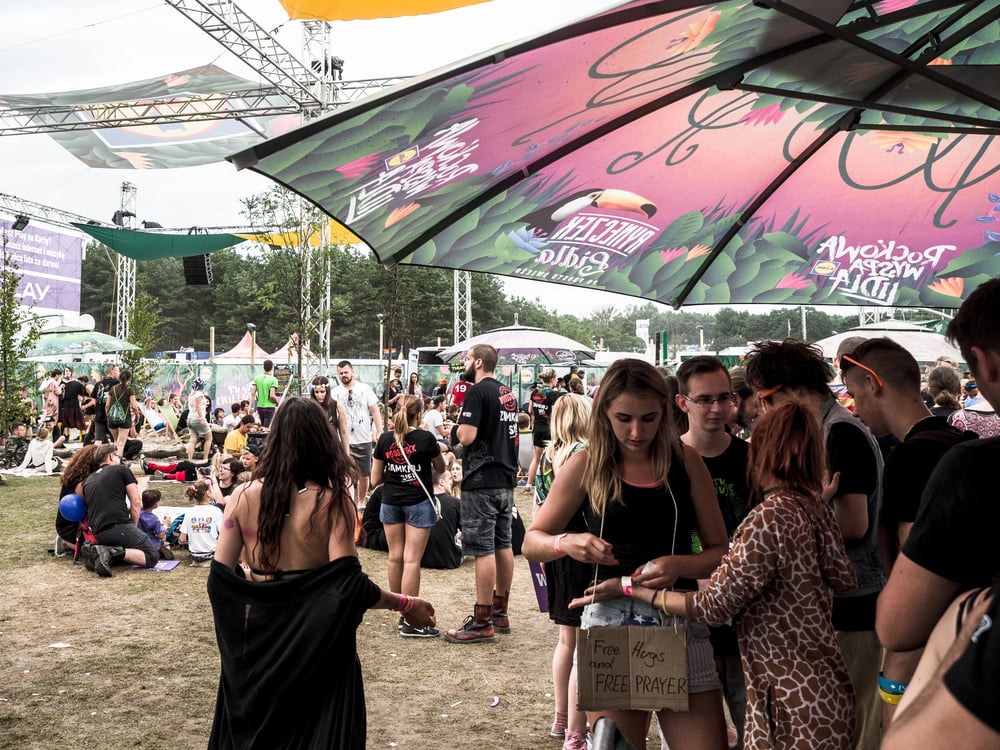
Woodstock worked because of timing, music, and luck. Organizers went bankrupt, the artists slogged through terrible conditions, and half a million kids endured mud, shortages, and rainstorms.
Yet somehow, they created three days that came to symbolize an entire generation’s dreams. Out of a mess, lightning struck.
More from Go2Tutors!

- The Romanov Crown Jewels and Their Tragic Fate
- 13 Historical Mysteries That Science Still Can’t Solve
- Famous Hoaxes That Fooled the World for Years
- 15 Child Stars with Tragic Adult Lives
- 16 Famous Jewelry Pieces in History
Like Go2Tutors’s content? Follow us on MSN.



