15 Castles Still Standing After 800 Years
Eight centuries is long enough to outlast dynasties, sieges, and gunpowder. These 15 castles still stand, largely intact, more than 800 years after their builders laid the first stones.
They range from the Tower of London to a Crusader fortress in Syria and a Rhine hilltop that no enemy ever destroyed.
Rochester Castle Survived a Siege Fueled by Pig Fat
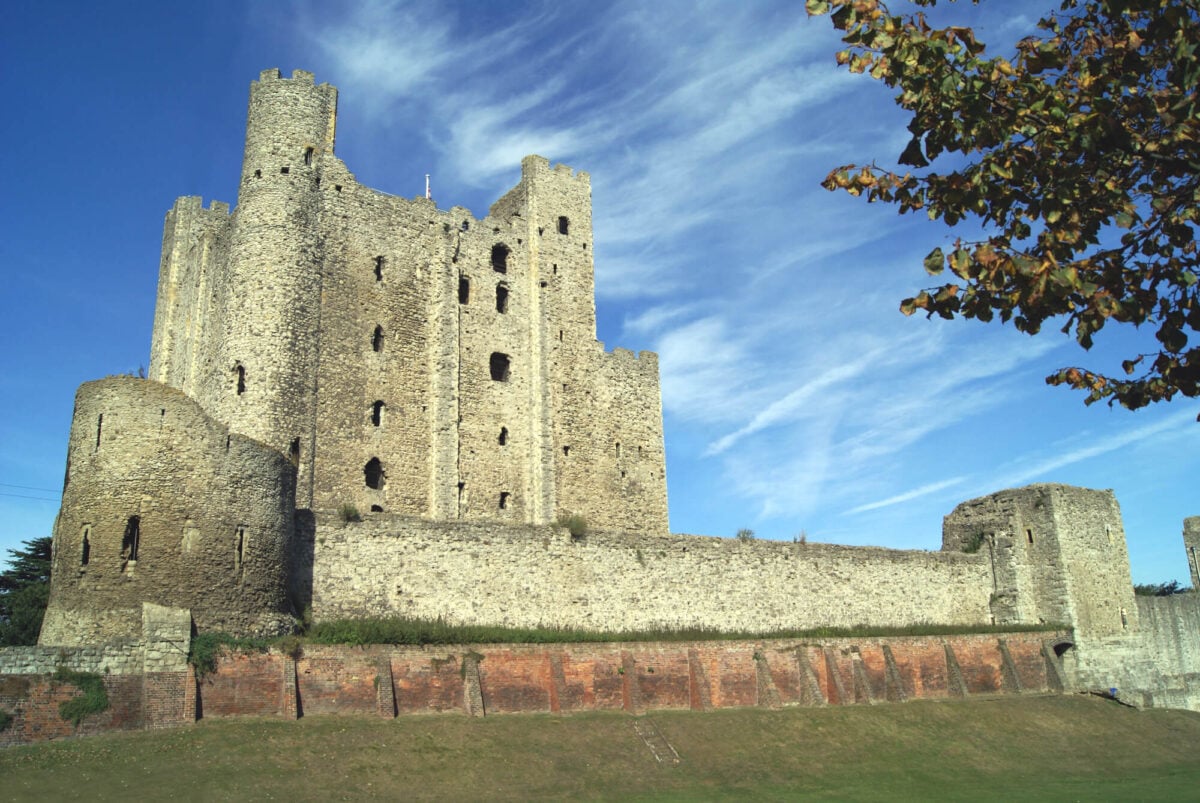
Rochester’s great keep, begun around 1127 by Archbishop William de Corbeil, rises about 113 feet. In 1215, King John besieged the castle for roughly seven weeks, and chroniclers record that his miners brought down a corner of the keep by burning the fat of forty pigs under their props.
The defenders retreated behind the cross wall inside and held out until hunger forced them to surrender.
Dover Castle Still Has a Wartime Secret Beneath It
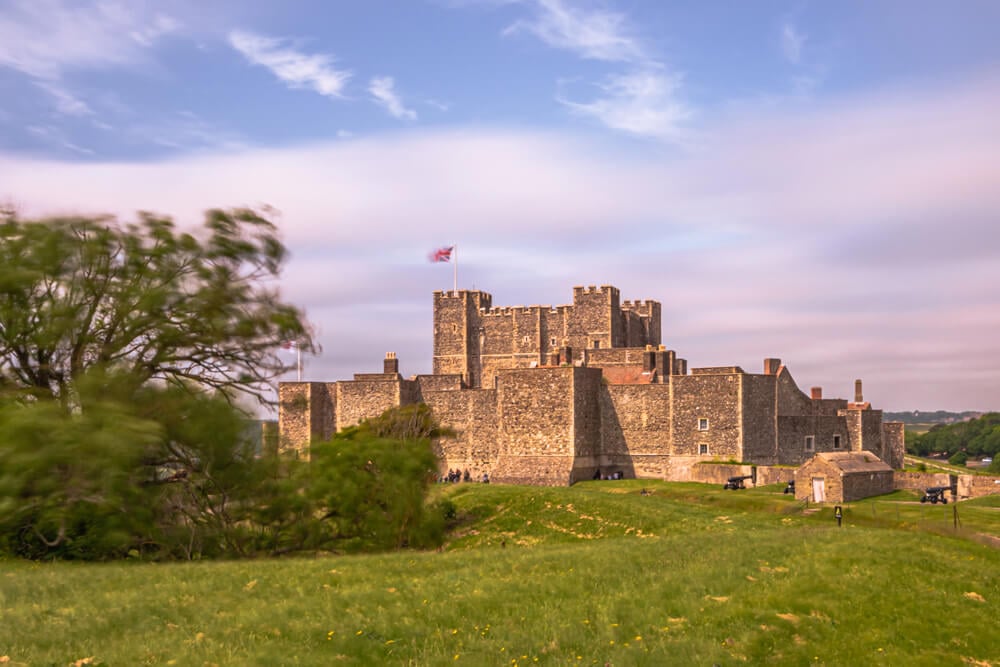
Henry II extended Dover Castle between 1170 and 1189, adding outer walls and a great keep. Centuries later, tunnels beneath the castle became a command center in 1940, where the evacuation from Dunkirk was planned.
Few medieval fortresses have been called back into service so decisively.
Orford Castle Was Built to Watch a Rival Baron
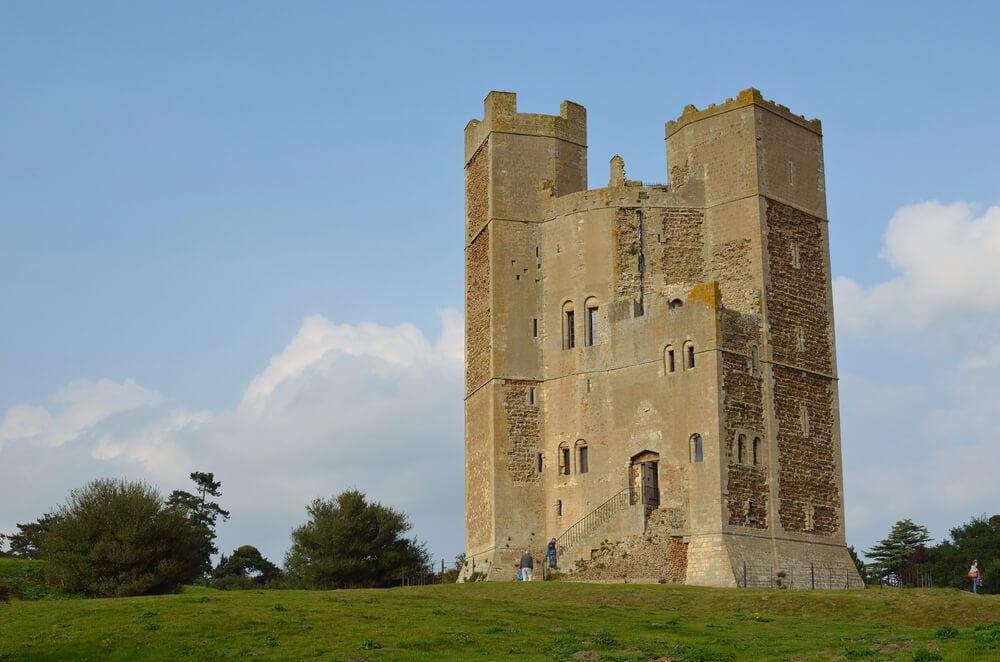
Henry II ordered Orford Castle built in 1165 to keep a check on a troublesome baron who had built a castle nearby at Framlingham. Construction ran until 1173.
Its keep is polygonal, with attached rectangular turrets, and inside are two large halls stacked on top of each other.
The Tower of London’s White Tower Has Seen It All
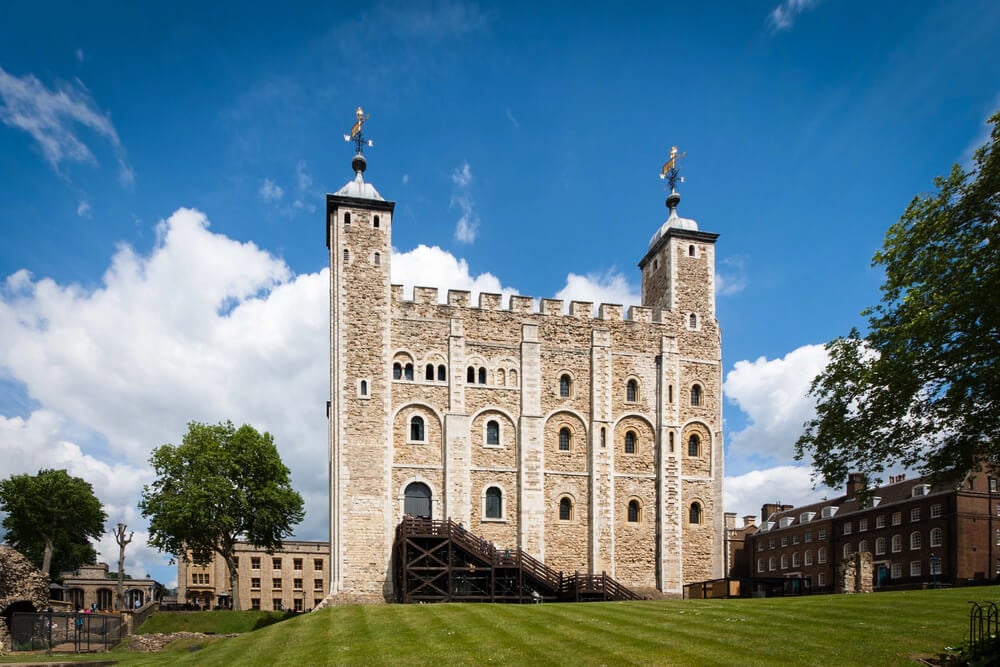
The White Tower was begun in the late 1070s under William the Conqueror, and Gundulf, the bishop of Rochester, is traditionally credited with overseeing its construction. The Tower has served as a palace, prison, mint, and royal menagerie.
Few buildings anywhere have housed so many different jobs for so long.
Windsor Castle Has Been a Royal Home for Nearly a Thousand Years
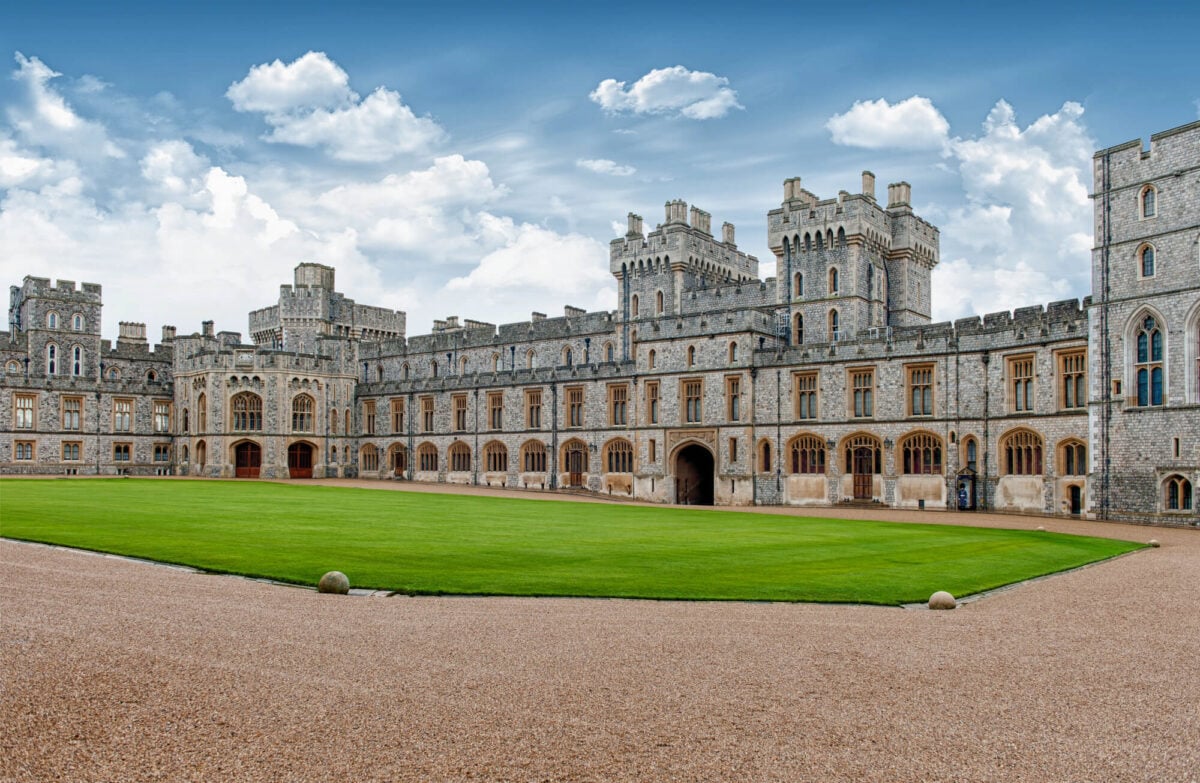
William the Conqueror founded Windsor Castle in the 1070s, and it has been a royal residence ever since. A fire broke out in the Queen’s private chapel in November 1992 and tore through state rooms, and the restoration was finished in 1997.
The castle’s long record of use is the reason it still looks so intact.
Durham Castle Became a College Dormitory
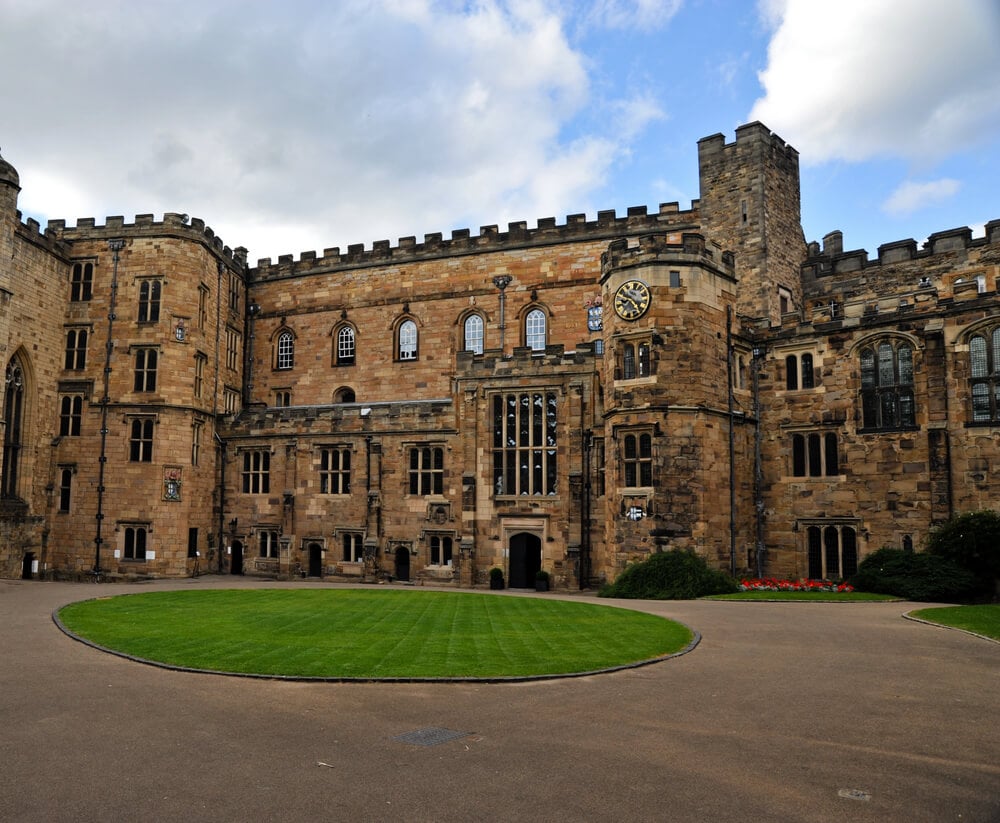
Durham Castle was begun in 1072 under William the Conqueror and served as the residence of the prince-bishops of Durham for centuries. In 1837 it became home to University College, whose students live and eat inside the walls.
It shares a UNESCO World Heritage listing with the neighboring cathedral.
Pembroke Castle Saw the Birth of a King
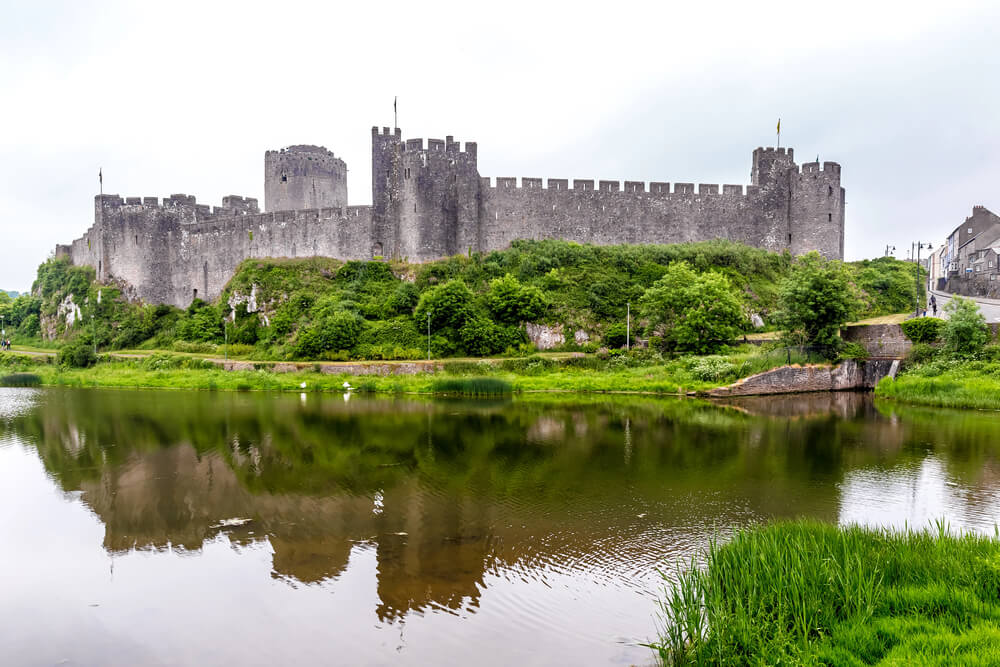
Begun in 1093, Pembroke Castle is known for its great round keep, built around 1200 by William Marshal and rising roughly 75 feet. Henry Tudor, the future Henry VII, was born at the castle in 1457.
The keep’s round form made it harder to undermine than a square tower.
Conisbrough Castle Inspired a Novel
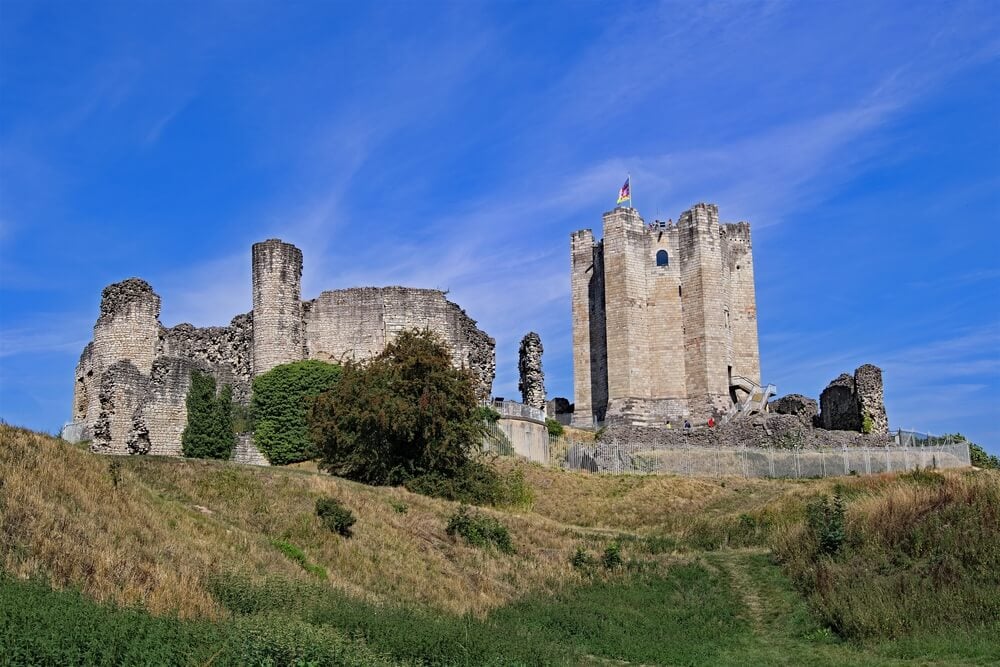
The keep at Conisbrough Castle in South Yorkshire was built between 1180 and 1190 and is cylindrical, supported by six wedge-shaped buttresses. Its builder, Hamelin Plantagenet, was a half-brother of Henry II.
Walter Scott set part of his novel Ivanhoe there.
Chepstow Castle Clings to a Cliff Above the Wye
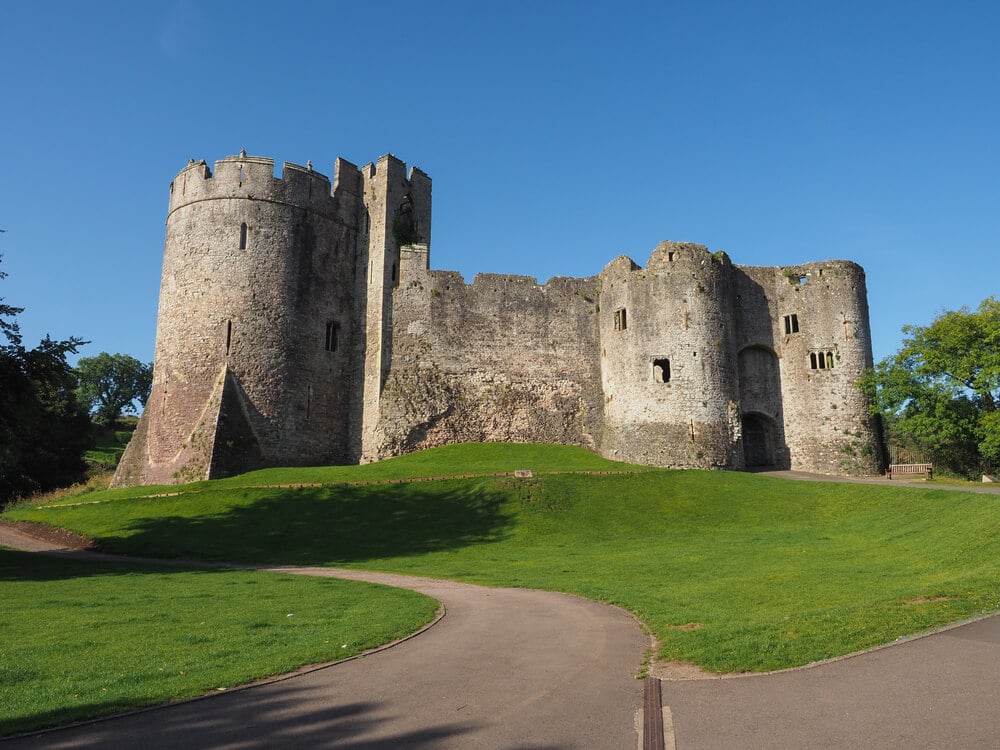
Chepstow Castle’s great tower dates to the 1070s, making it one of the earliest stone castles in Britain. It sits on a cliff above the River Wye and was a prize during the English Civil War, changing hands in the 1640s.
Its location made the river its main defense.
Carrickfergus Castle Was a Garrison for 750 Years
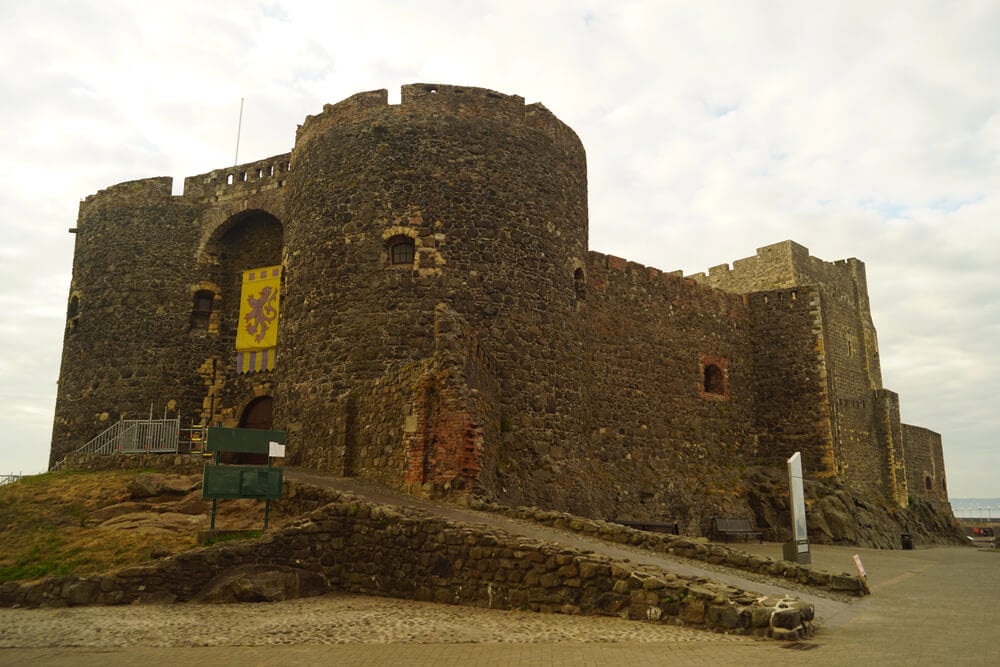
John de Courcy began Carrickfergus Castle around 1177 on a rocky promontory on Belfast Lough. Its garrison remained in use until 1928.
Its position on the lough gave it control of the approach to Belfast.
Trim Castle Is Ireland’s Largest Anglo-Norman Fortress
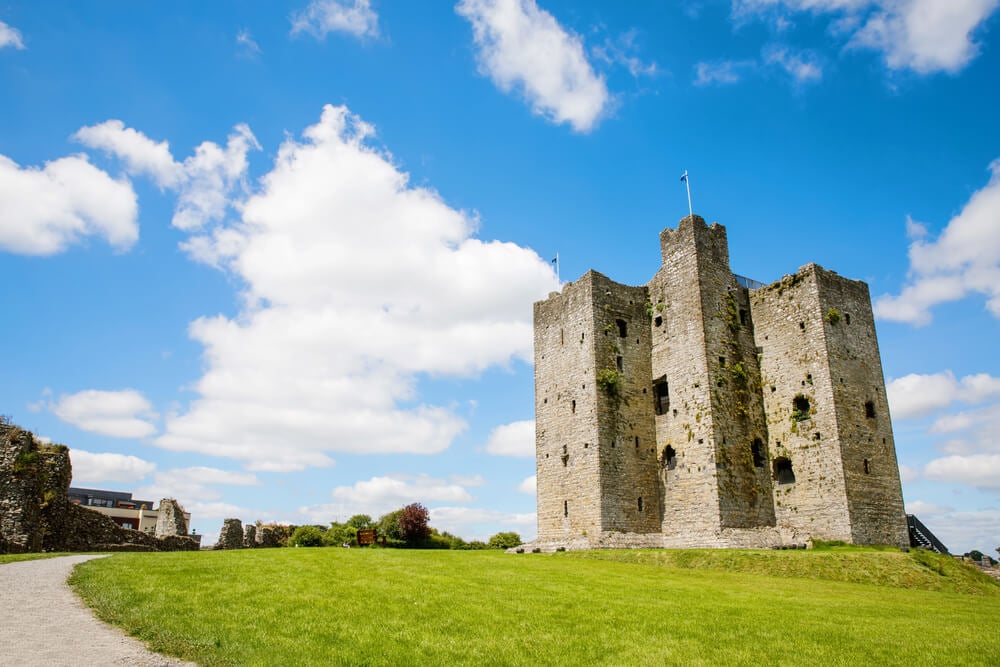
Hugh de Lacy began work at Trim in 1172, after Henry II granted him the Kingdom of Meath, and most of what visitors see today was completed by about 1220. The keep is cruciform, with 20 sides, a design that was unusual for Norman keeps.
The 1995 film Braveheart used the castle to stand in for Scottish and English fortresses.
Krak des Chevaliers Fell Only After a 36-Day Siege
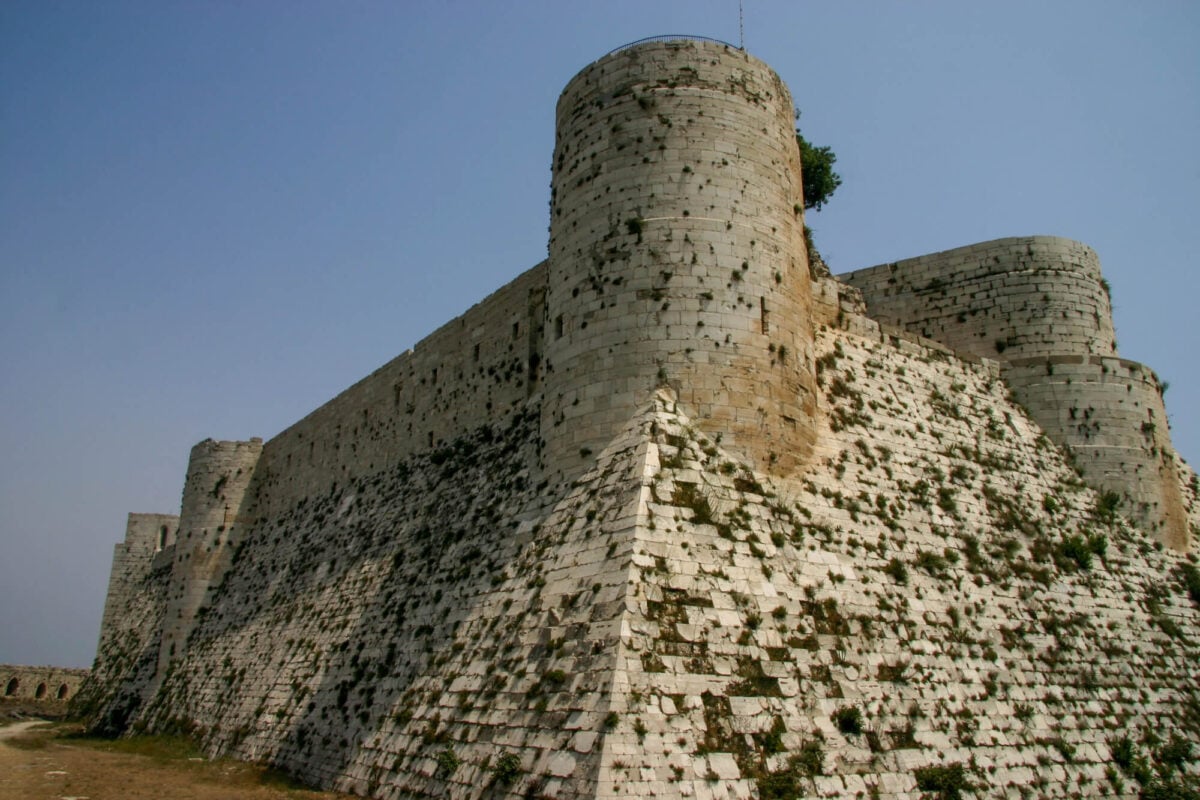
The Knights Hospitaller rebuilt Krak des Chevaliers in Syria between 1142 and 1170, and at its height it housed a garrison of about 2,000. The Mamluk sultan Baibars captured it in 1271 after a siege of 36 days, reportedly with the help of a forged letter.
UNESCO listed the castle as a World Heritage Site in 2006.
Hohensalzburg Fortress Looms Over Salzburg
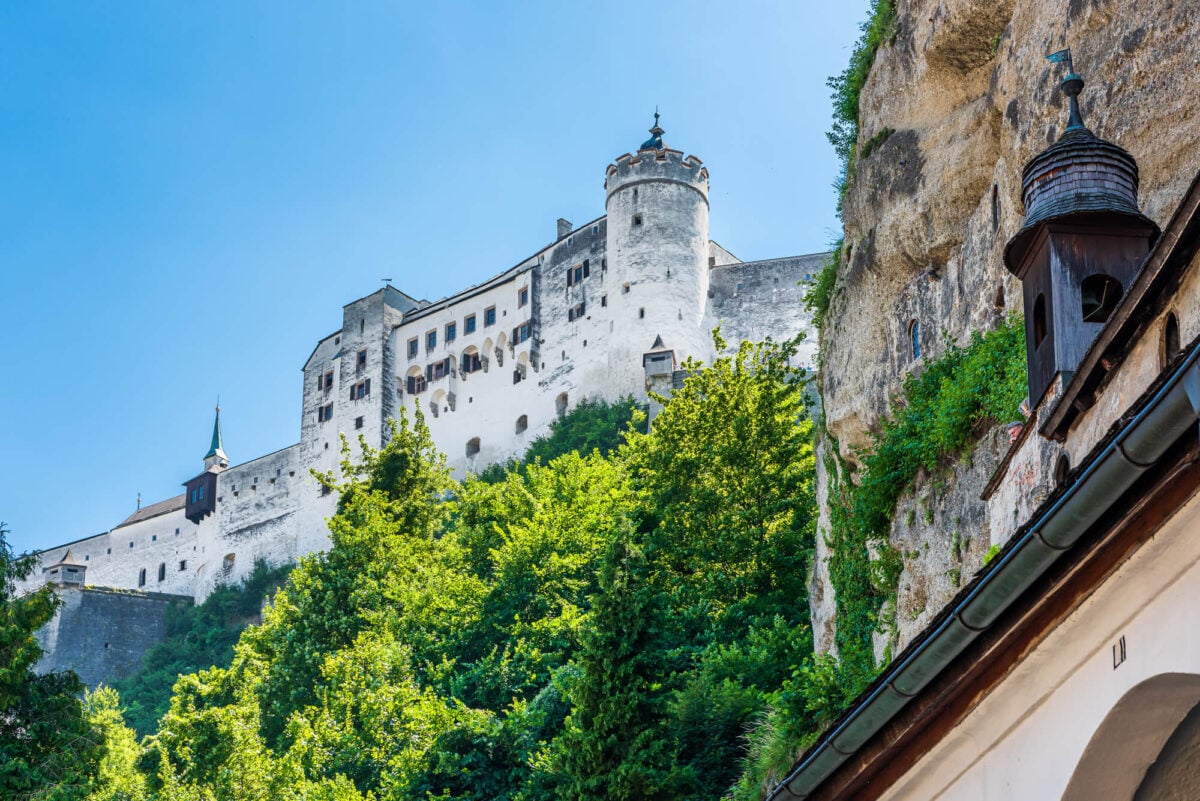
Archbishop Gebhard began Hohensalzburg in 1077, and it grew over centuries into the largest fully preserved castle in central Europe. A funicular built in 1892 now carries visitors up the hill in under a minute.
The fortress has reportedly never been conquered by an enemy army.
Marksburg Is the Rhine Castle That Was Never Destroyed
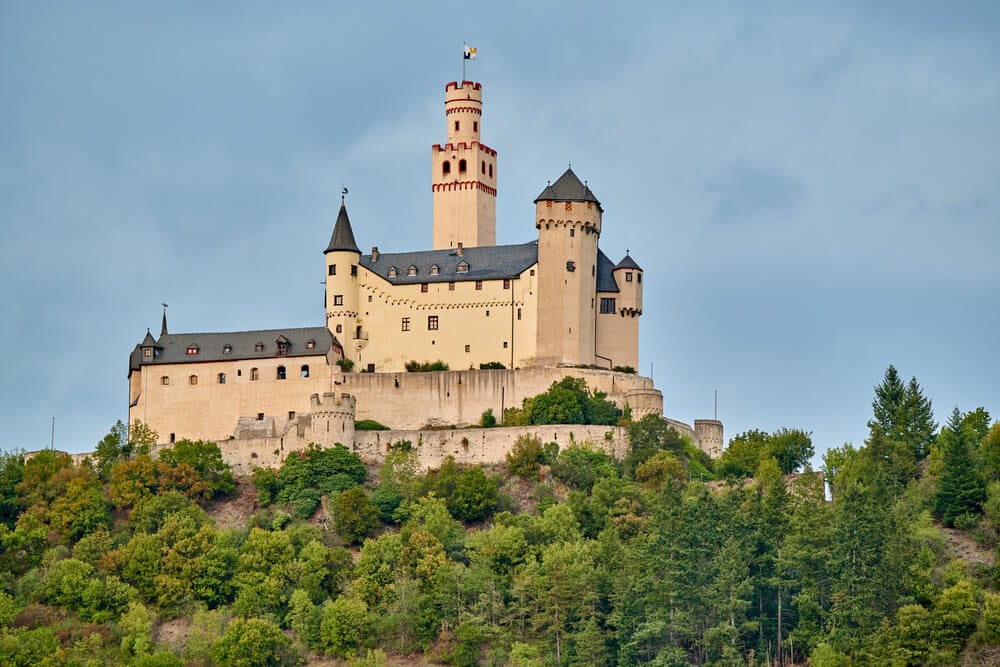
Marksburg, a 12th-century hilltop castle above the town of Braubach, is the only castle on the Middle Rhine that was never destroyed. The Lords of Eppstein built it to command the river, and its guns later discouraged attackers.
Its survival has made it a favorite for visitors who want to see what medieval fortifications actually looked like.
Loches Keep Watched Over Joan of Arc
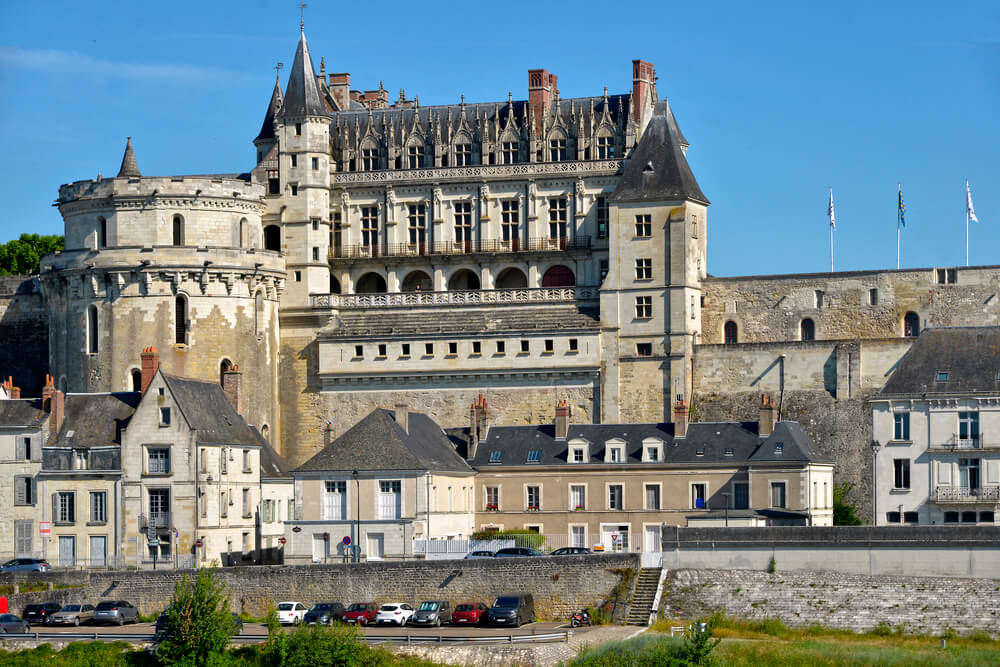
The keep at Loches in central France was built around 1020 by Count Fulk Nerra of Anjou and still stands. In 1429, Joan of Arc visited Charles VII at the castle weeks before his coronation.
The castle later held prisoners including Ludovico Sforza, duke of Milan.
What Stone Remembers
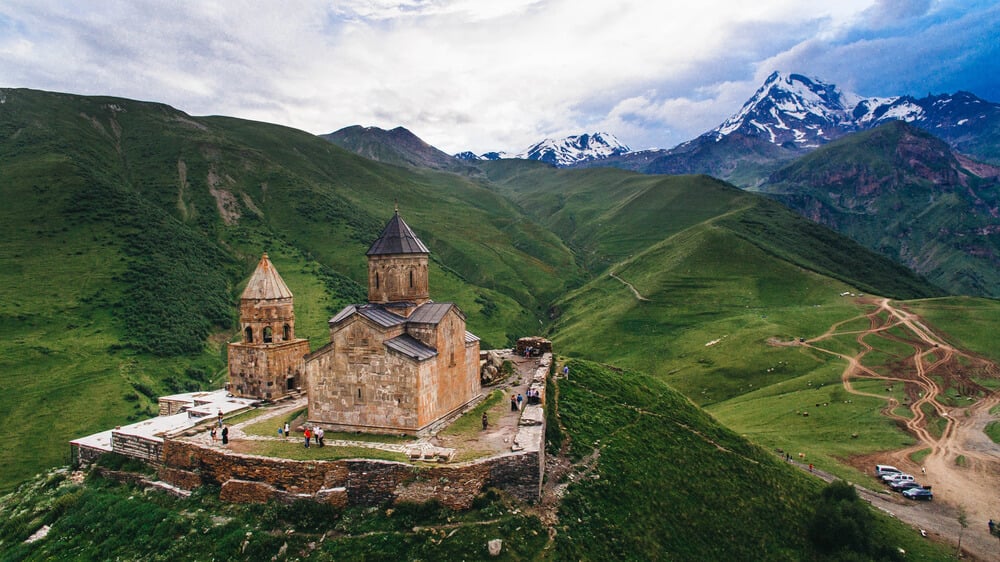
Most of these castles survived because someone kept finding a use for them. Windsor remained a royal home, Durham became a college, Carrickfergus stayed garrisoned until 1928, and Dover’s tunnels served again in 1940.
Buildings last when they keep earning their upkeep. Others survived by luck or by strength.
Marksburg avoided the wars that leveled its neighbors, and Krak des Chevaliers fell in 1271 only after a siege of 36 days. Even that fall left the walls standing.
More from Go2Tutors!

- The Romanov Crown Jewels and Their Tragic Fate
- 13 Historical Mysteries That Science Still Can’t Solve
- Famous Hoaxes That Fooled the World for Years
- 15 Child Stars with Tragic Adult Lives
- 16 Famous Jewelry Pieces in History
Like Go2Tutors’s content? Follow us on MSN.