Household Inventions From the 1950s Still Used
Open a kitchen drawer, a closet, or a living room cabinet, and a surprising share of what turns up was dreamed up between 1950 and 1959. The decade gave ordinary life a long list of conveniences, and most of them never went out of style.
Some were happy accidents, some were byproducts of wartime research, and a few were failures that found a second career. All of them are still within arm’s reach today.
Velcro Hook-And-Loop Fasteners
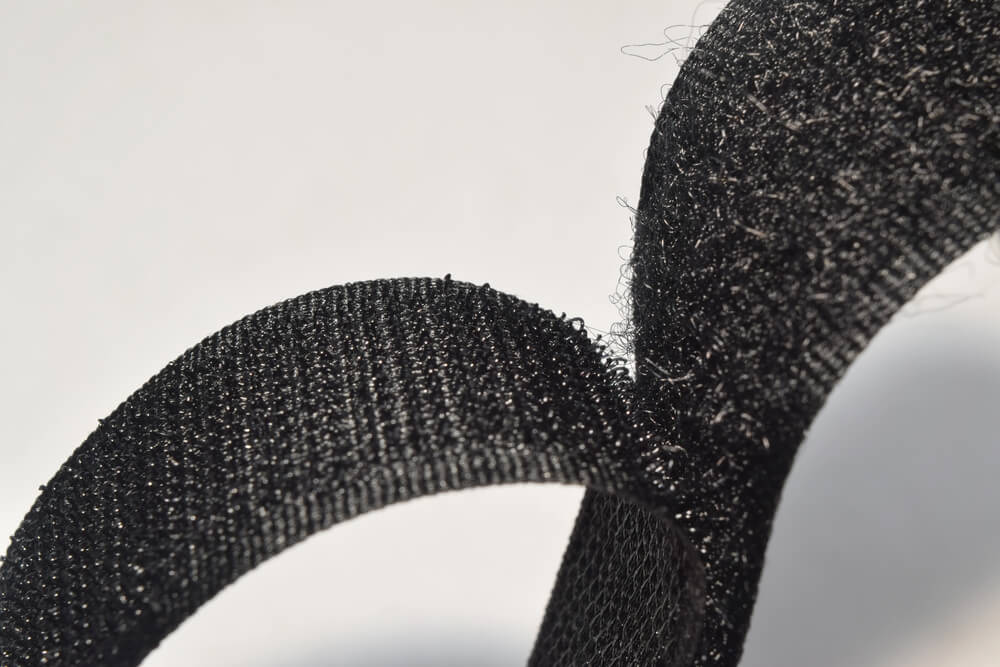
Swiss engineer George de Mestral came up with the idea after a hunting trip in the Alps in 1941, when burrs clung stubbornly to his clothes and his dog. Under a microscope, he saw tiny hooks catching on loops of fabric.
He patented the fastener in 1955 and coined the name from the French words for velvet and hook. Sneakers, blood pressure cuffs, and cable organizers still rely on the same simple grab.
Zenith Flash-Matic Wireless TV Remote
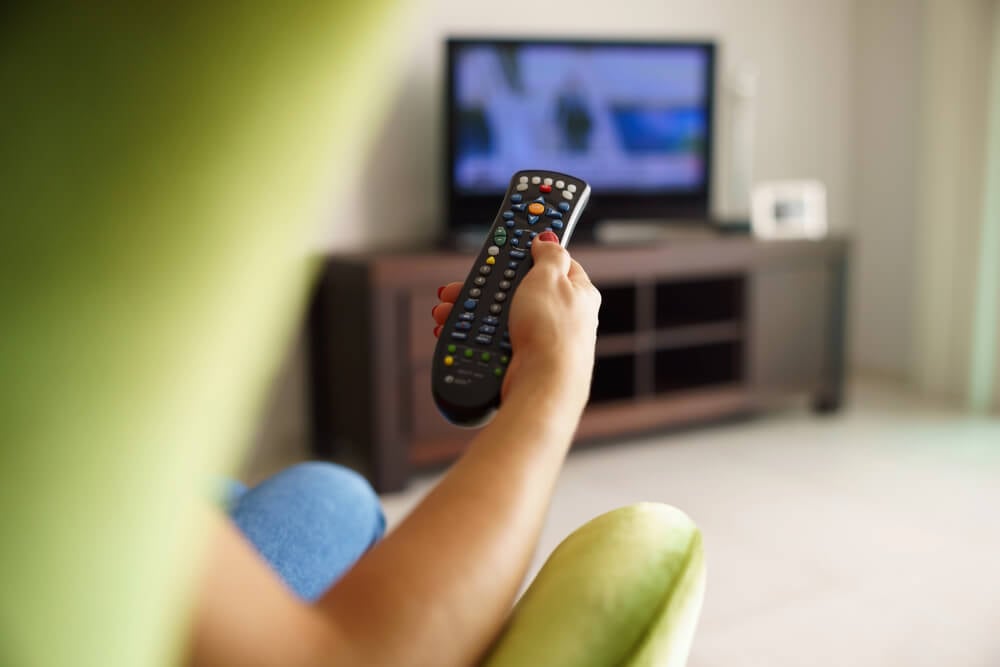
Zenith introduced the Flash-Matic in 1955, designed by Eugene Polley, and it worked by shining a beam of light at photocells in the corners of the television screen. The trouble was that sunlight could trigger the photocells too, so channels sometimes changed on their own.
Zenith answered in 1956 with the Space Command remote, which used ultrasonic sound instead. Every remote that followed, from infrared to Bluetooth, descends from that idea of changing channels without leaving the couch.
Weber Kettle Grill

In 1952, George Stephen Sr., who worked at the Weber Brothers Metal Works in Chicago, sliced a metal marine buoy in half and fitted it with legs, a grate, and a lid. The domed shape let him cook with the lid closed, which gave backyard food a roasted flavor that open grills could not match.
The company soon began producing the design in volume. The round black kettle remains the silhouette most people picture when they think of a charcoal grill.
Swanson TV Dinner
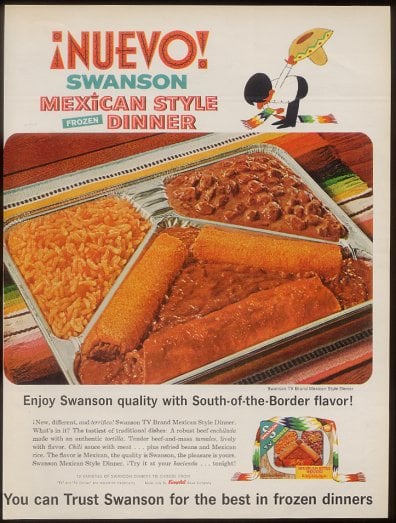
Swanson reportedly found itself with around 260 tons of leftover Thanksgiving turkey in 1953, and a sales executive proposed freezing it in compartmented aluminum trays alongside cornbread dressing, peas, and sweet potatoes. The first tray sold for 98 cents.
Television sets were spreading through American living rooms at the time, which gave the product its name. The frozen meal in a divided tray is still a grocery store staple, now built for the microwave.
Bubble Wrap
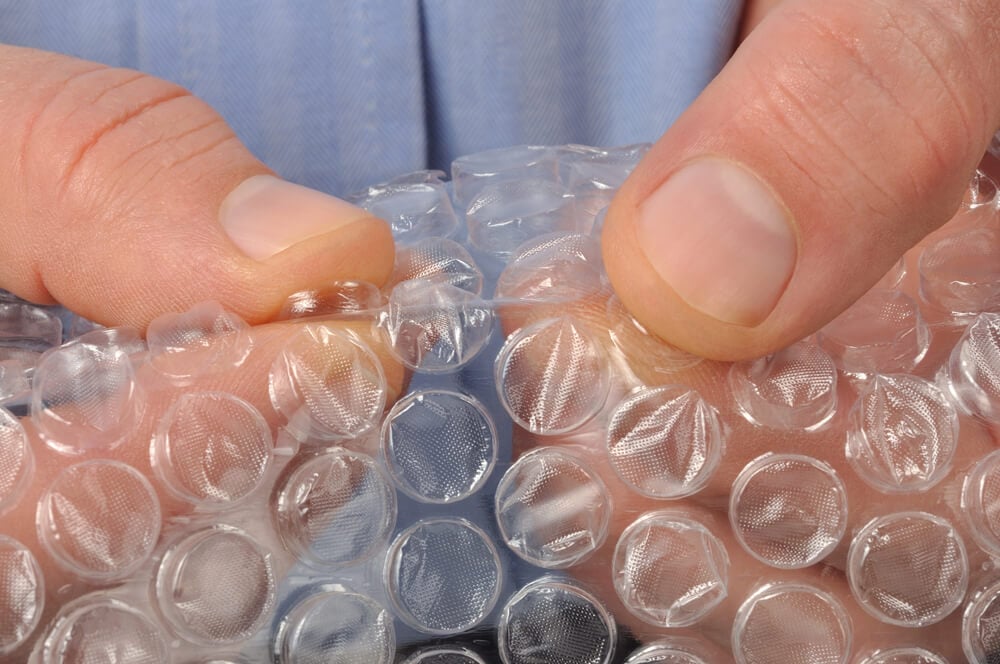
Engineers Alfred Fielding and Marc Chavannes sealed two plastic shower curtains together in 1957 so that pockets of air stayed trapped between the layers. They hoped to sell the textured material as wallpaper, and buyers were not interested.
The pair eventually pitched it as protective packaging, and their company, Sealed Air, was founded in 1960. The product that began as a decorating flop now cushions fragile parcels around the globe.
Lego Brick
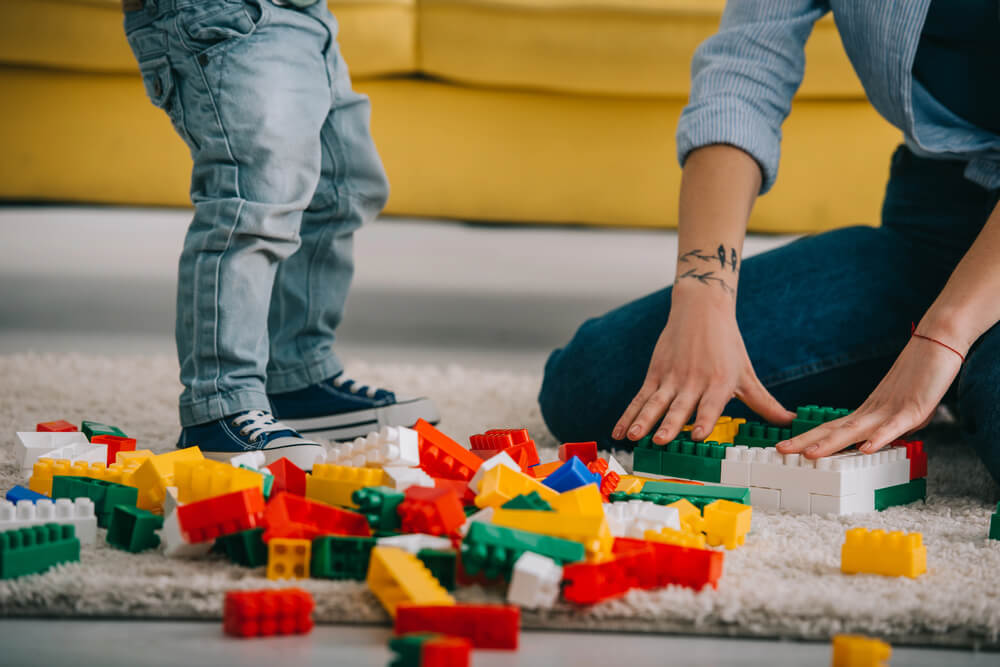
The Lego Group patented its modern brick on January 28, 1958, adding hollow tubes inside the underside so that each brick clamped firmly onto the studs of another. Earlier plastic bricks stuck together loosely and tended to fall apart.
The new coupling gave the toy its famous clutch power. Bricks made in 1958 still connect with bricks made today, a rare case of a product staying compatible with itself for more than six decades.
Hula Hoop

Wham-O founders Arthur Melin and Richard Knerr heard that Australian children twirled bamboo rings around their waists in gym class, and they released a plastic version in 1958. Reports of the era say roughly 25 million were sold in the first four months.
Crazes of that size usually vanish, yet the hoop never did. It turns up in backyards, school gyms, and fitness studios, now often weighted for a core workout.
Saran Wrap
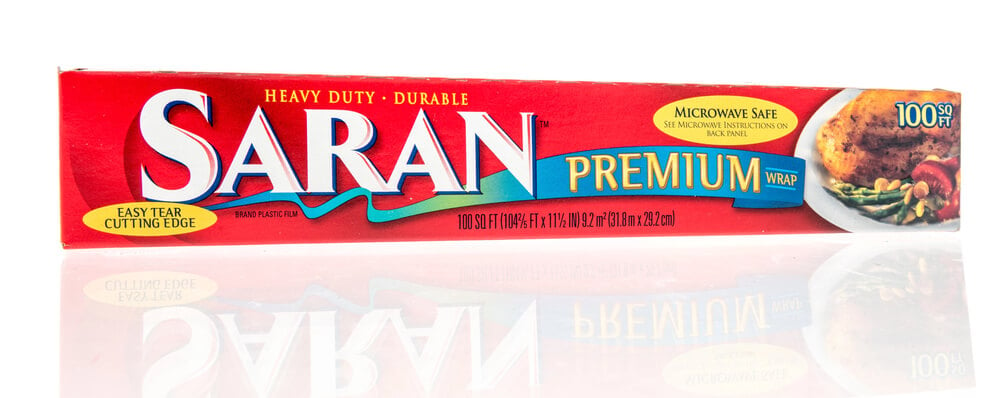
Dow introduced Saran Wrap for household kitchens in 1953. The original plastic resin was discovered in 1933 by Dow lab worker Ralph Wiley, who found a stubborn film coating the glassware he was cleaning.
Before it covered leftovers, the material was put to work on military equipment and on car upholstery. The clinging film remains a fixture of refrigerators, though the formula has changed since the original.
Electric Toothbrush
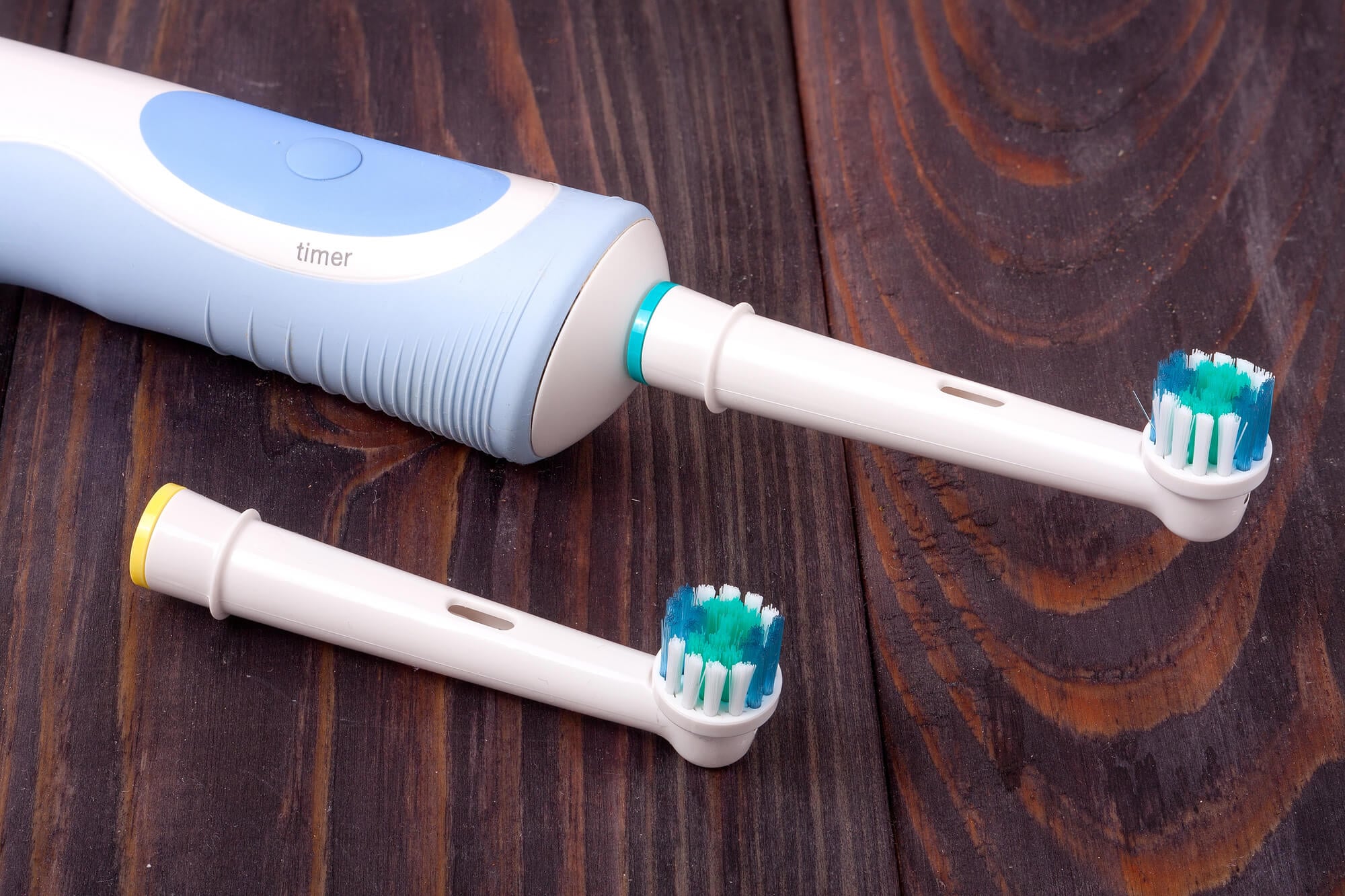
Swiss physician Philippe-Guy Woog developed the Broxodent in 1954, a plug-in electric toothbrush designed to help patients with limited mobility clean their teeth. Squibb brought it to the American market in 1959.
The first models had to stay tethered to a wall outlet, which made them a bathroom oddity. Today’s rechargeable, oscillating versions trace directly back to that cord-bound original.
Tefal Nonstick Frying Pan
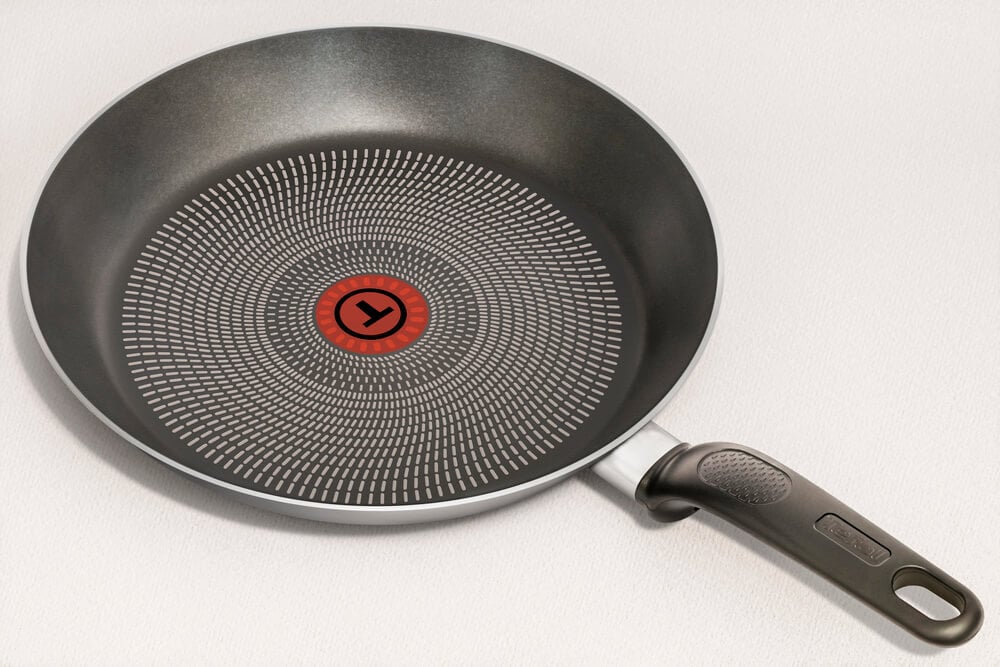
French engineer Marc Grégoire began coating aluminum cookware with Teflon in 1954 after his wife, Colette, urged him to try the material on her pans. He had already been using the coating on fishing tackle to keep lines from tangling.
His company, Tefal, took its name from a blend of Teflon and aluminum. Nonstick skillets are now so common that cooking eggs without one feels like a handicap.
Eames Lounge Chair And Ottoman
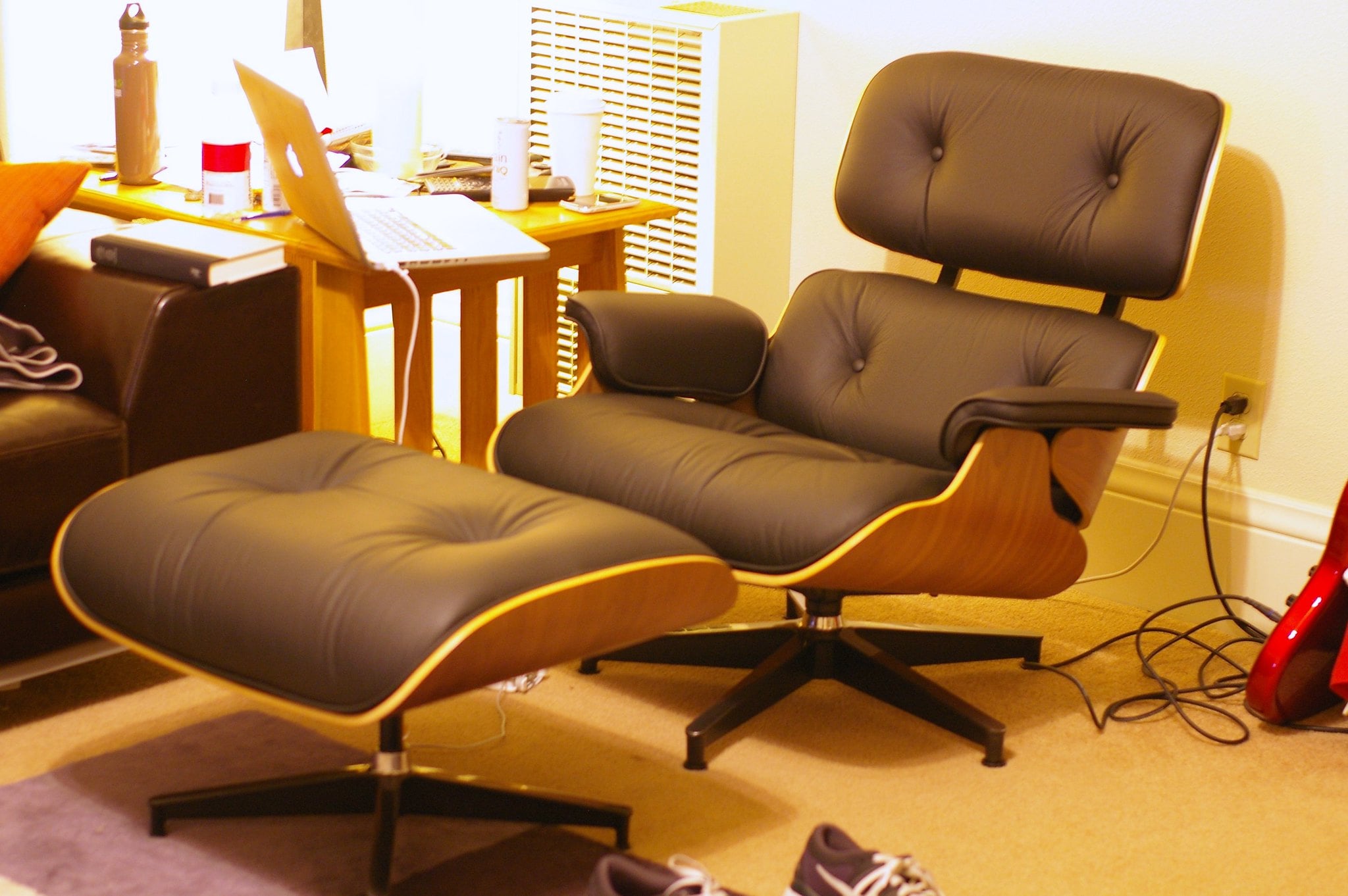
Charles and Ray Eames unveiled their lounge chair on NBC’s Home show in 1956, with host Arlene Francis looking on. The designers said they wanted it to have the warm, receptive look of a well-used first baseman’s mitt.
It paired molded plywood shells with deep leather cushions. Herman Miller still manufactures it, and the chair remains a status symbol in studies, offices, and living rooms.
Regency TR-1 Transistor Radio
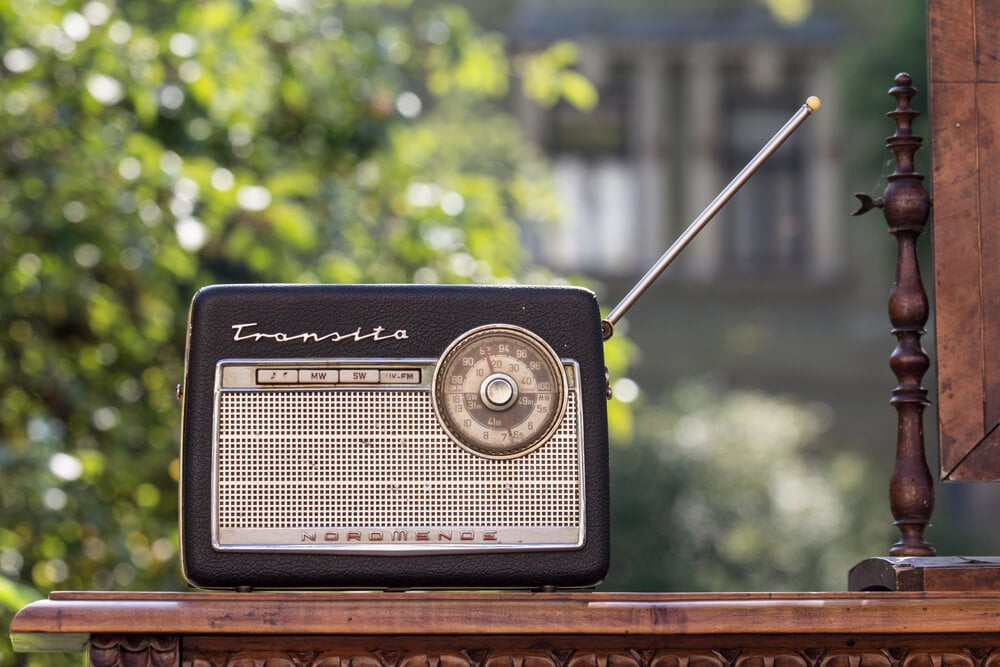
The Regency TR-1 went on sale on October 18, 1954, at a price of $49.95. It used four Texas Instruments transistors in place of the glass vacuum tubes that had made radios bulky and slow to warm up.
The set was small enough to slip into a shirt pocket. That portability planted the idea that music should travel with the listener, a notion later carried forward by the Walkman and the smartphone.
Tappan Home Microwave Oven
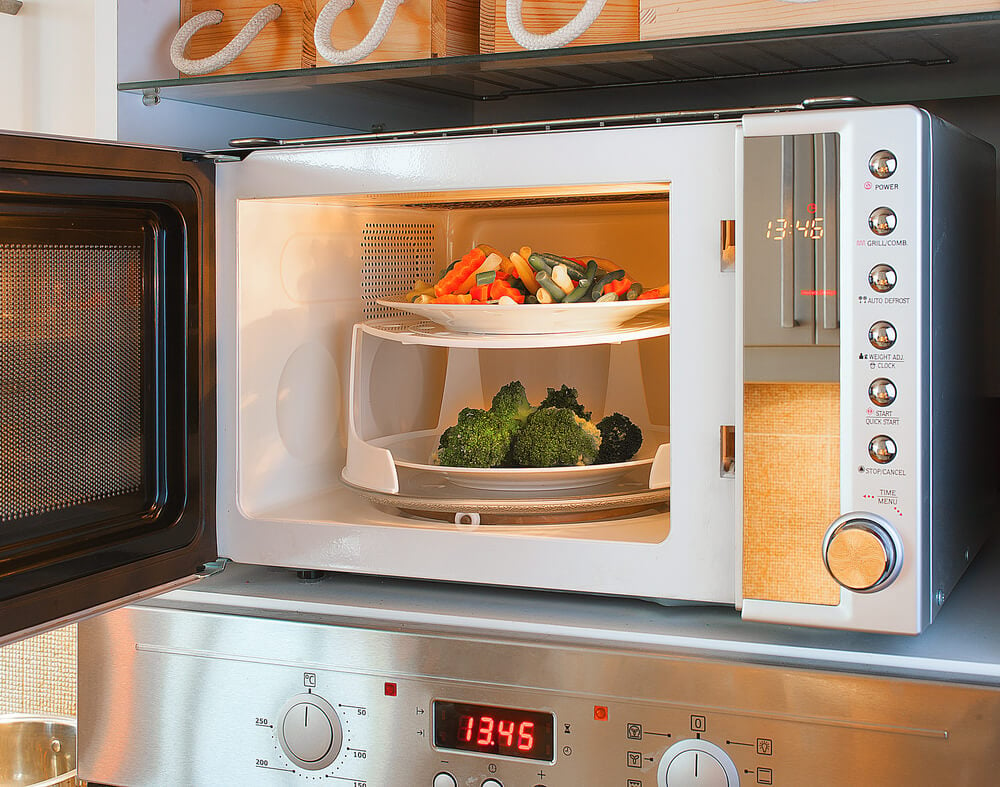
Tappan began selling a countertop microwave oven for home kitchens in 1955, pricing it at about $1,295. Raytheon engineer Percy Spencer had noticed years earlier that radar equipment melted a chocolate bar in his pocket, which led to the microwave concept.
The early home unit was large, costly, and a hard sell to cautious cooks. Prices fell dramatically in later decades, and the microwave now sits in the vast majority of American kitchens.
Scotchgard Fabric Protector
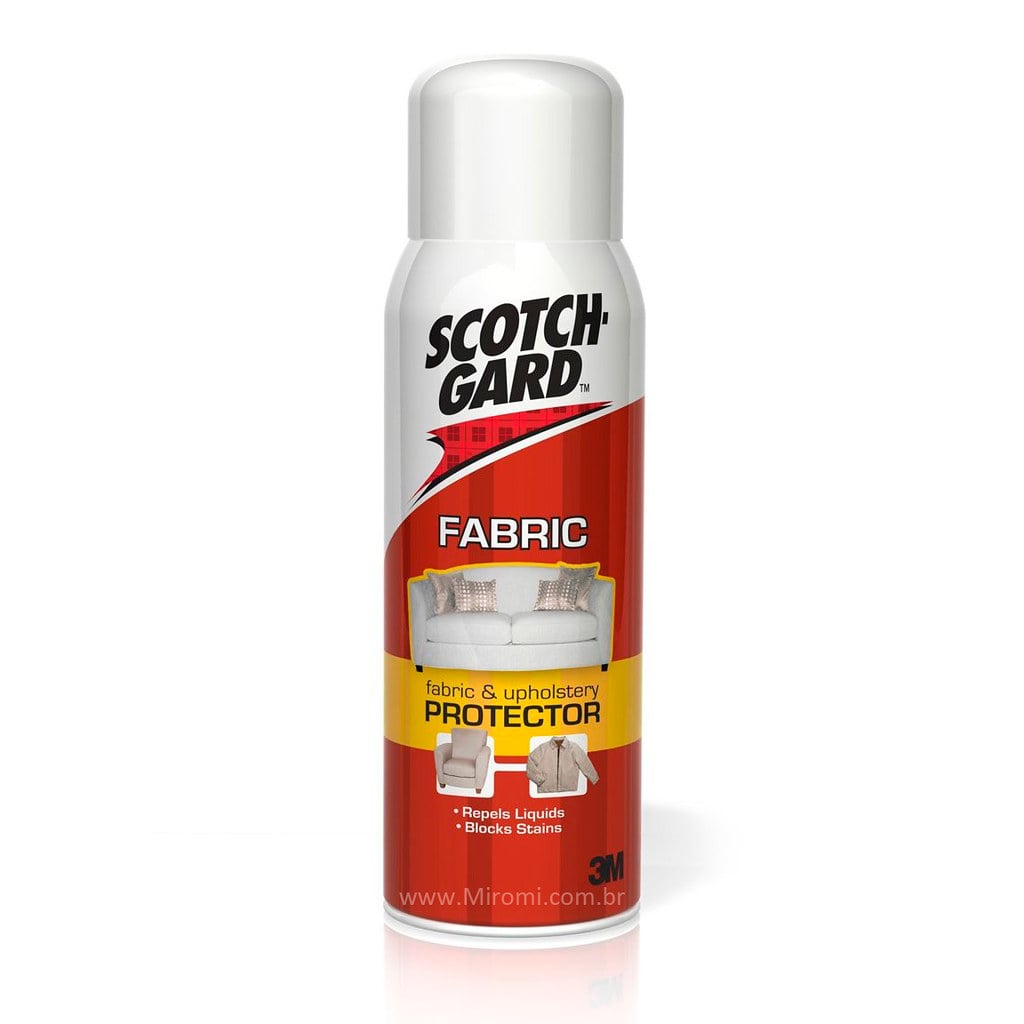
In 1952, 3M chemists Patsy Sherman and Samuel Smith watched a drop of a lab-made fluorochemical spill onto a lab assistant’s canvas tennis shoe. Water, oil, and cleaning solvents would not wash off the treated patch.
The pair realized they had a repellent for fabrics, and 3M brought Scotchgard to market in 1956. Upholstery and carpet protectors are still sold under the name, though the chemistry has been reformulated.
Mr. Potato Head
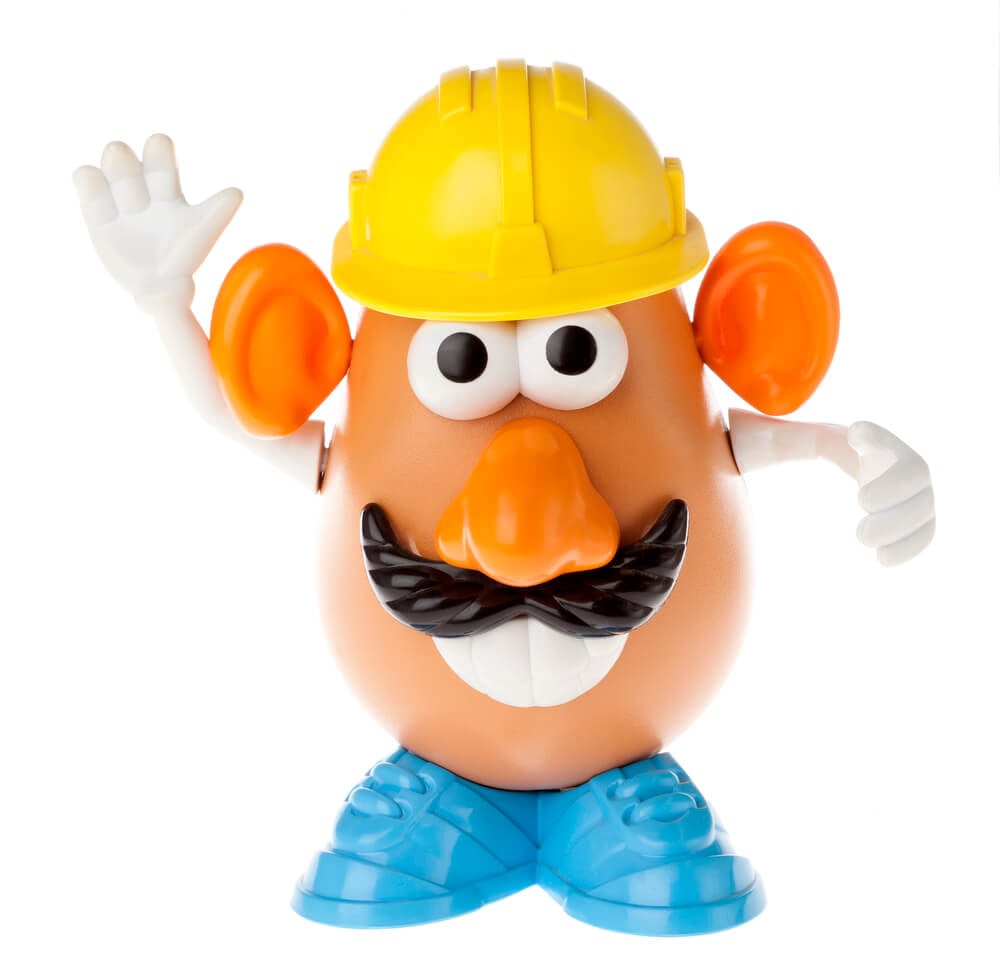
George Lerner developed Mr. Potato Head, and Hasbro released it in 1952 as a set of plastic eyes, ears, and noses that children pushed into a real potato. It became the first toy advertised on national television.
The kit did not include the vegetable, and a plastic body arrived only in 1964. The toy continues to sell, and its parts now fit a permanent plastic potato.
Pull-Tab Beverage Can
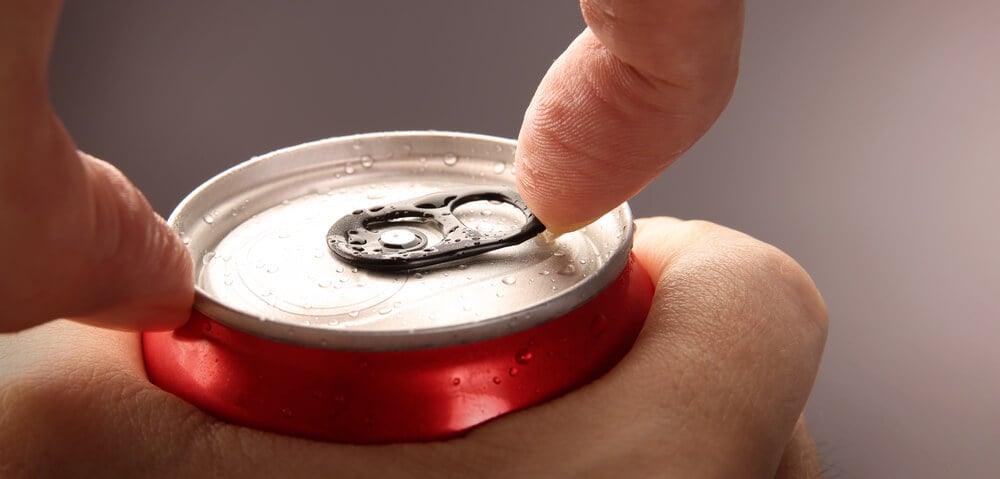
Ermal Fraze of Dayton, Ohio, reportedly forgot a can opener at a picnic and ended up prying a drink open on his car bumper. That frustration led him to develop a pull-tab lid in 1959.
Before then, canned drinks needed a separate opener, often called a church key. Fraze’s lever-and-ring concept paved the way for the stay-on tab found on soda and beer cans today.
Super Glue
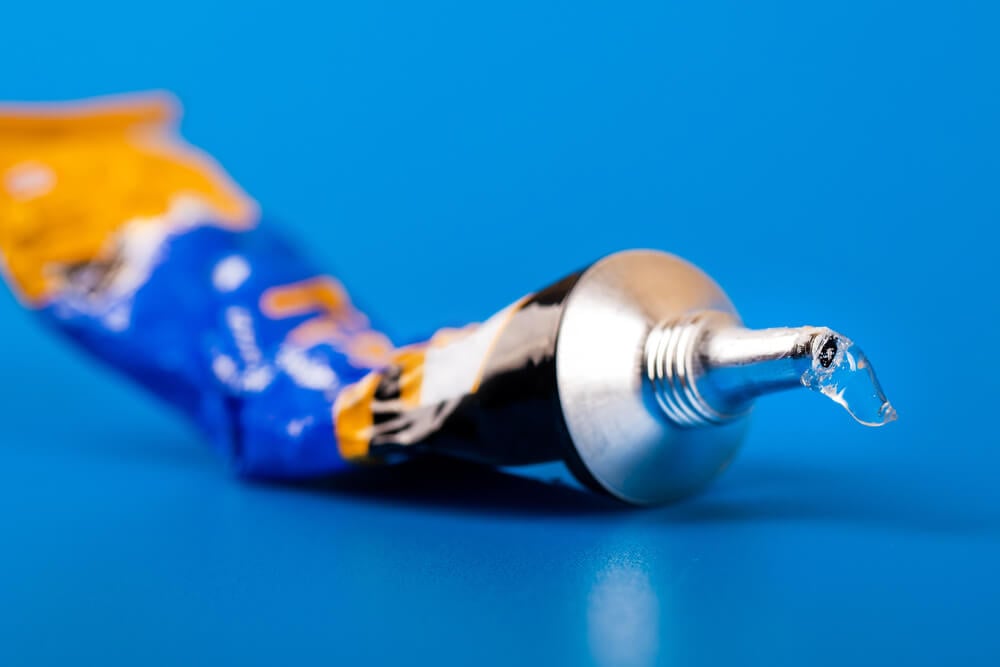
Chemist Harry Coover first noticed the sticky properties of cyanoacrylate during World War II, while researching clear plastics for gun sights, and he dismissed it as a nuisance. In 1951, working at Eastman Kodak’s Tennessee Eastman plant, he recognized its potential as an adhesive.
Eastman marketed it as Eastman #910 in 1958. Super Glue is still the go-to fix for broken ceramics, loose handles, and snapped plastic parts.
Birds Eye Fish Sticks

Birds Eye introduced fish sticks nationally in 1953, selling frozen, breaded rectangles cut from blocks of fish fillets. The uniform shape made them easy to cook and easy to serve.
The product turned fish into a weeknight dinner for families who might otherwise have skipped it. Fish sticks remain a freezer-aisle staple, and school cafeterias still serve them on Fridays.
Miss Clairol Hair Color

Clairol launched its Miss Clairol Hair Color Bath in 1956, a one-step formula designed for use at home. Copywriter Shirley Polykoff supported the launch with the line “Does she… or doesn’t she? Only her hairdresser knows for sure.”
The slogan helped remove the stigma attached to coloring hair and made the practice a normal part of grooming. Boxed hair color is now a fixture in pharmacies and grocery stores.
CorningWare
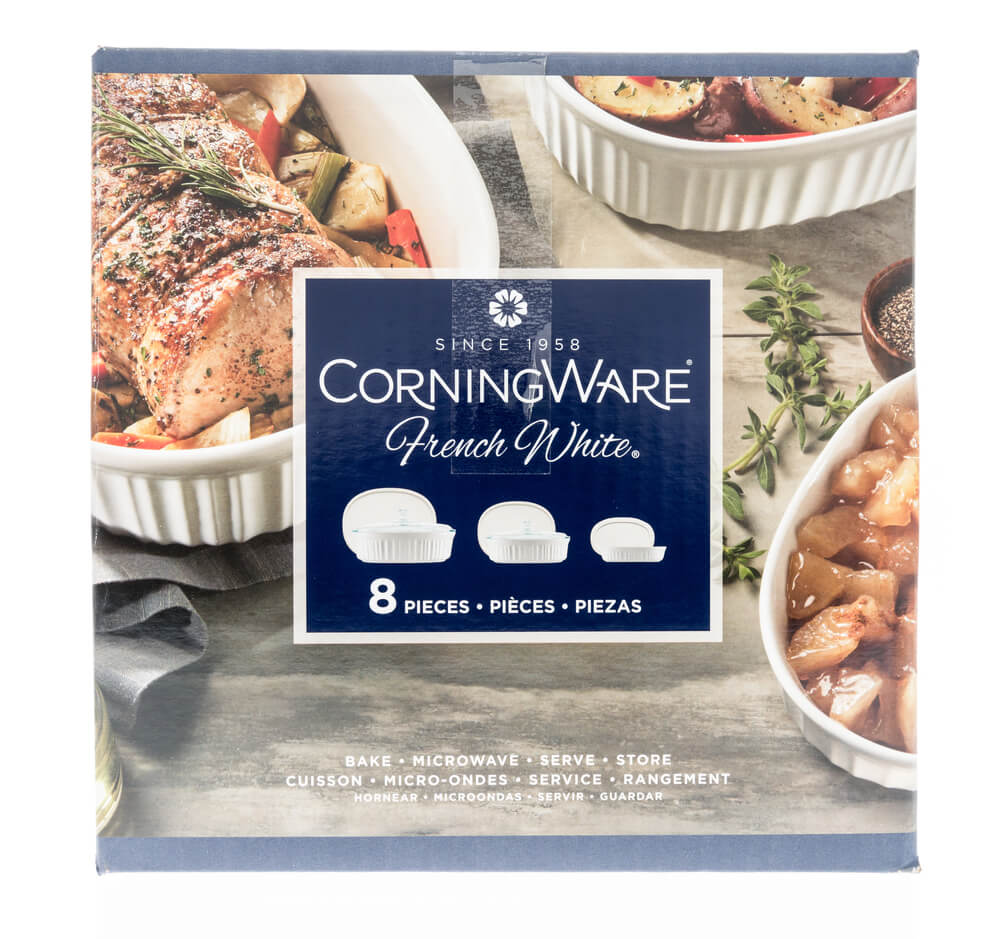
S. Donald Stookey discovered the glass-ceramic material that became Pyroceram in 1953, when a furnace malfunction overheated a sample far past its intended temperature. Instead of melting, the glass emerged unbroken and tougher than expected.
Corning introduced CorningWare bakeware in 1958, using that material. Many households still own a white casserole dish with a blue cornflower pattern that came down from a parent or grandparent.
Liquid Paper
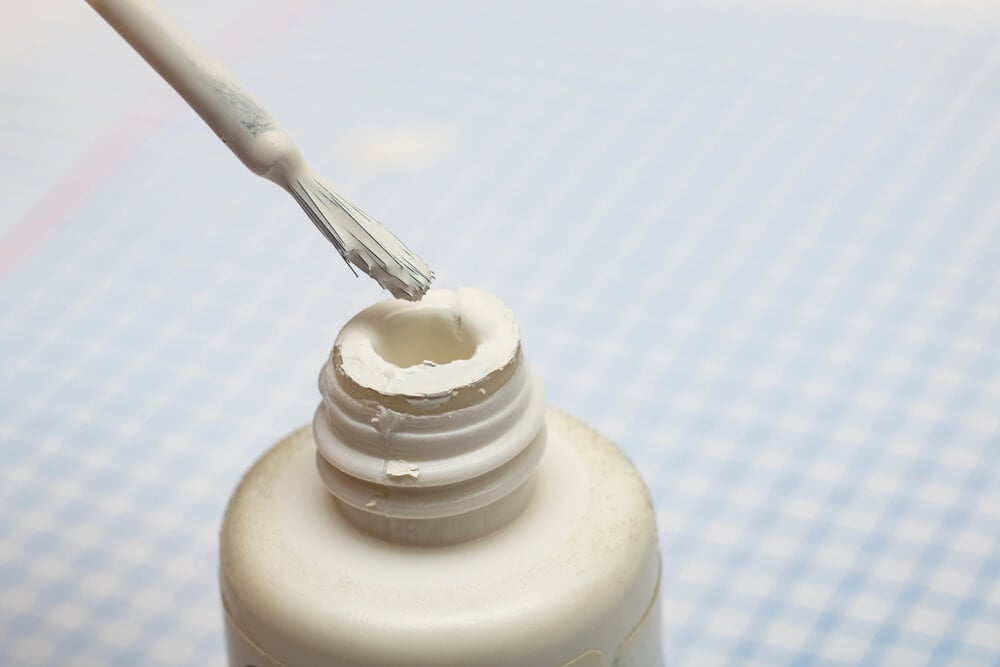
In 1951, Dallas bank secretary Bette Nesmith Graham began mixing white tempera paint in her kitchen to cover typing errors on her work. She sold it at first under the name Mistake Out and later renamed it Liquid Paper.
In 1979, Gillette bought her company for $47.5 million. Her son, Michael Nesmith, later became a member of the Monkees, and correction fluid is still found in desk drawers.
Small Conveniences That Outlasted Their Era
Nearly every item above solved a small, irritating problem, from burrs on a coat to an opener left behind at a picnic. None of the inventors set out to change daily life, and several were chasing something else entirely.
The wallpaper became packing material, the lab spill became a fabric protector, and the leftover turkey became dinner. The 1950s did not produce more genius than other decades, but the postwar economy gave practical ideas a quick path to the store shelf.
Families had new money and new homes to fill, and manufacturers had materials developed during the war that needed a peacetime purpose. Seven decades later, the best of those ideas have simply become the way things work, so familiar that nobody thinks to ask where they came from.
More from Go2Tutors!