15 Tiny Countries That Outshine Most Cities
In most large cities, a single neighborhood may contain some of the most fascinating countries on earth. These tiny nations cram amazing histories, cultures, and inventions into areas no bigger than most shopping centers. Even though they have very little footprints, they have succeeded in creating distinctive identities and frequently hold significantly more power than their diminutive size would indicate.
These tiny wonders show that sometimes smaller is better, even though giants like Canada and Russia control maps with their enormous territories. The following list of 15 small nations shows how a little area may have a significant impact.
Vatican City
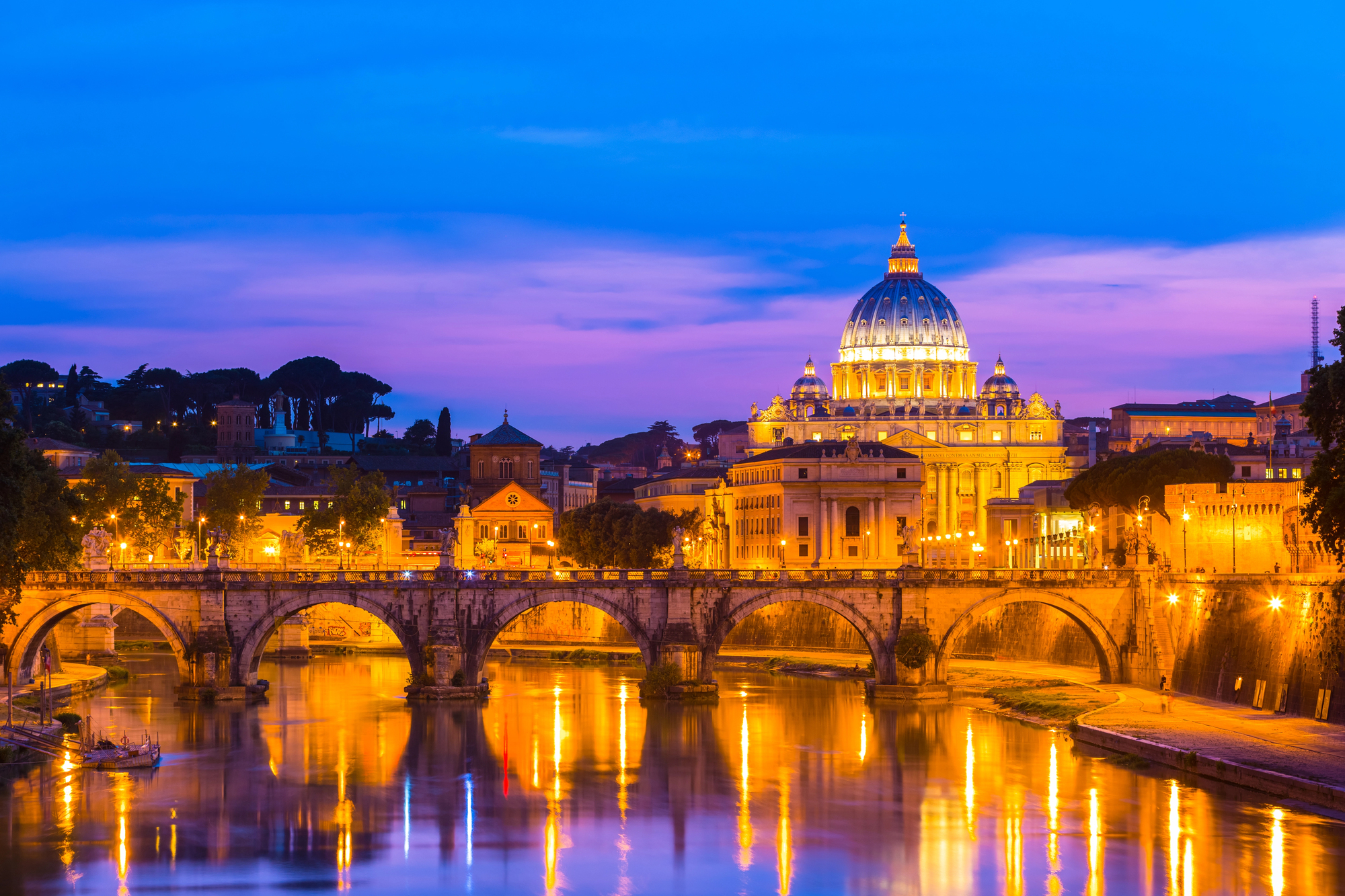
The world’s smallest country occupies just in the heart of Rome, making it roughly one-eighth the size of New York’s Central Park. This religious powerhouse serves as the spiritual headquarters for over Catholics worldwide and houses some of humanity’s greatest artistic treasures.
The Pope’s residence contains the Sistine Chapel, St. Peter’s Basilica, and museums filled with works by Michelangelo, Raphael, and countless other masters.
Monaco
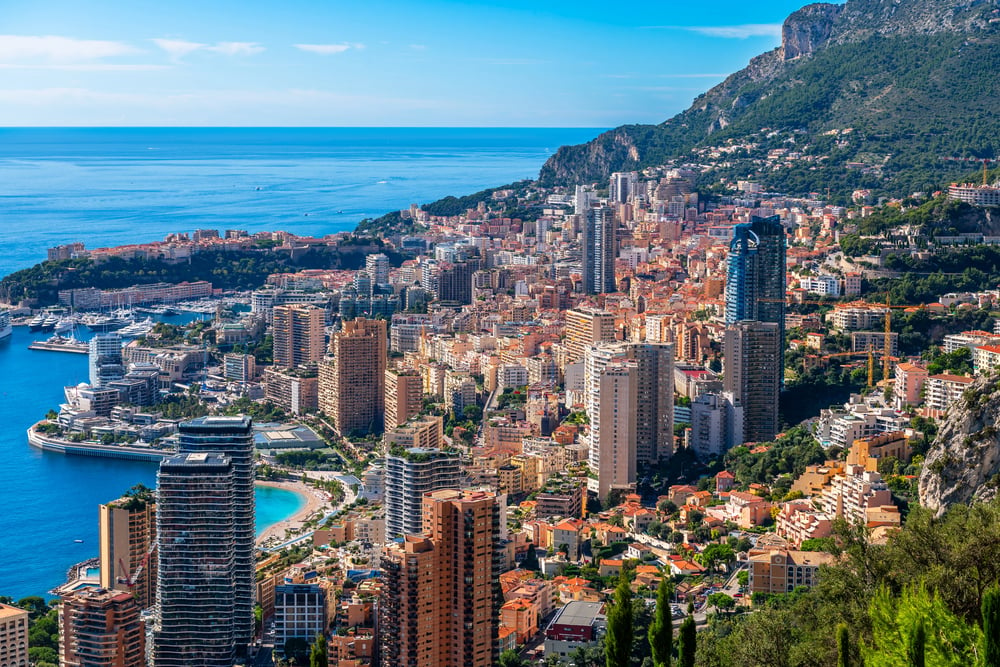
Monaco stretches across just along the French Riviera, yet it’s become synonymous with luxury and glamour. This playground for the wealthy boasts more millionaires per capita than anywhere else on Earth, with no personal income tax to sweeten the deal.
The Monte Carlo Casino and the Monaco Grand Prix have turned this tiny principality into a global brand that attracts celebrities, royalty, and racing enthusiasts from every corner of the world.
San Marino
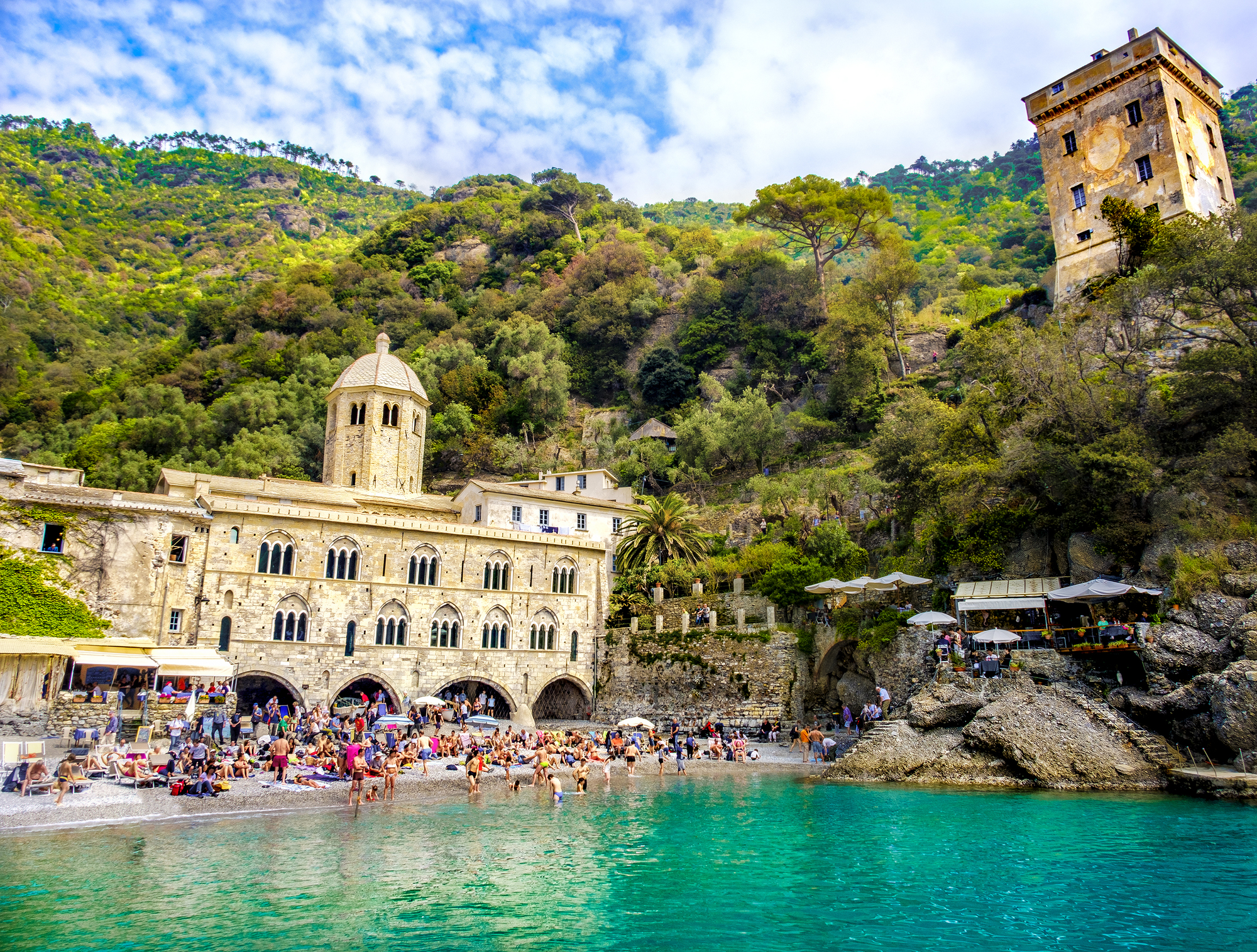
Perched on Mount Titano in Italy, San Marino covers and claims to be the world’s oldest surviving republic, founded in AD. This mountain fortress has maintained its independence for over years, even surviving attempts by Napoleon and Mussolini to absorb it.
The country’s medieval towers and cobblestone streets feel like stepping back in time, while its stamp and coin collecting industry brings in serious revenue from collectors worldwide.
Liechtenstein
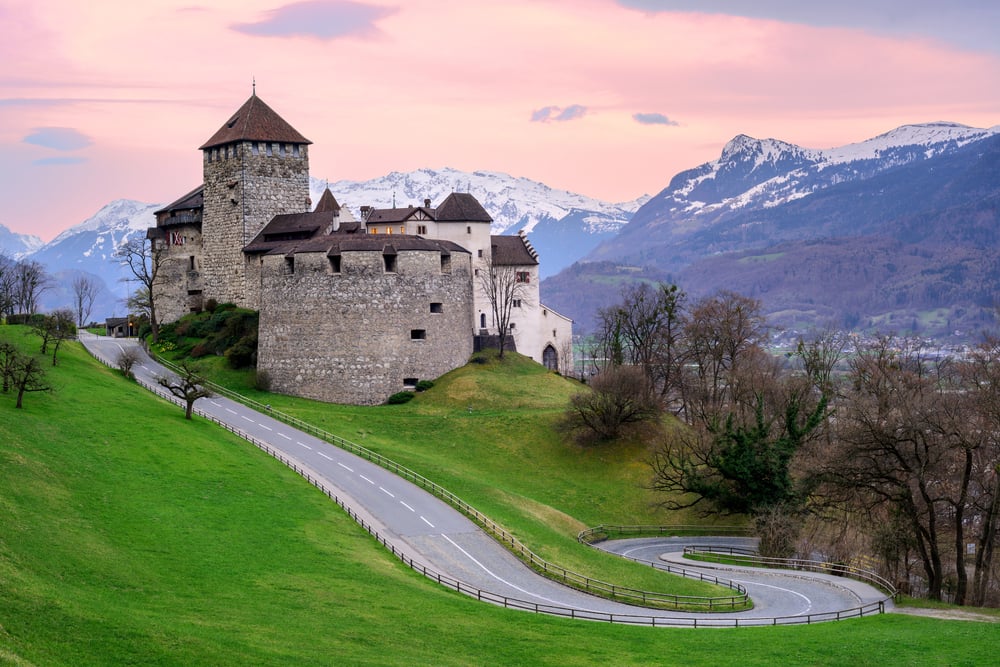
Squeezed between Switzerland and Austria, Liechtenstein spans of Alpine beauty and financial prowess. This wealthy nation generates more companies than it has citizens, thanks to business-friendly laws that have made it a corporate haven.
Despite its tiny size, Liechtenstein maintains its own prince, who actually lives in a castle overlooking the capital and remains one of the few monarchs with real political power.
Malta
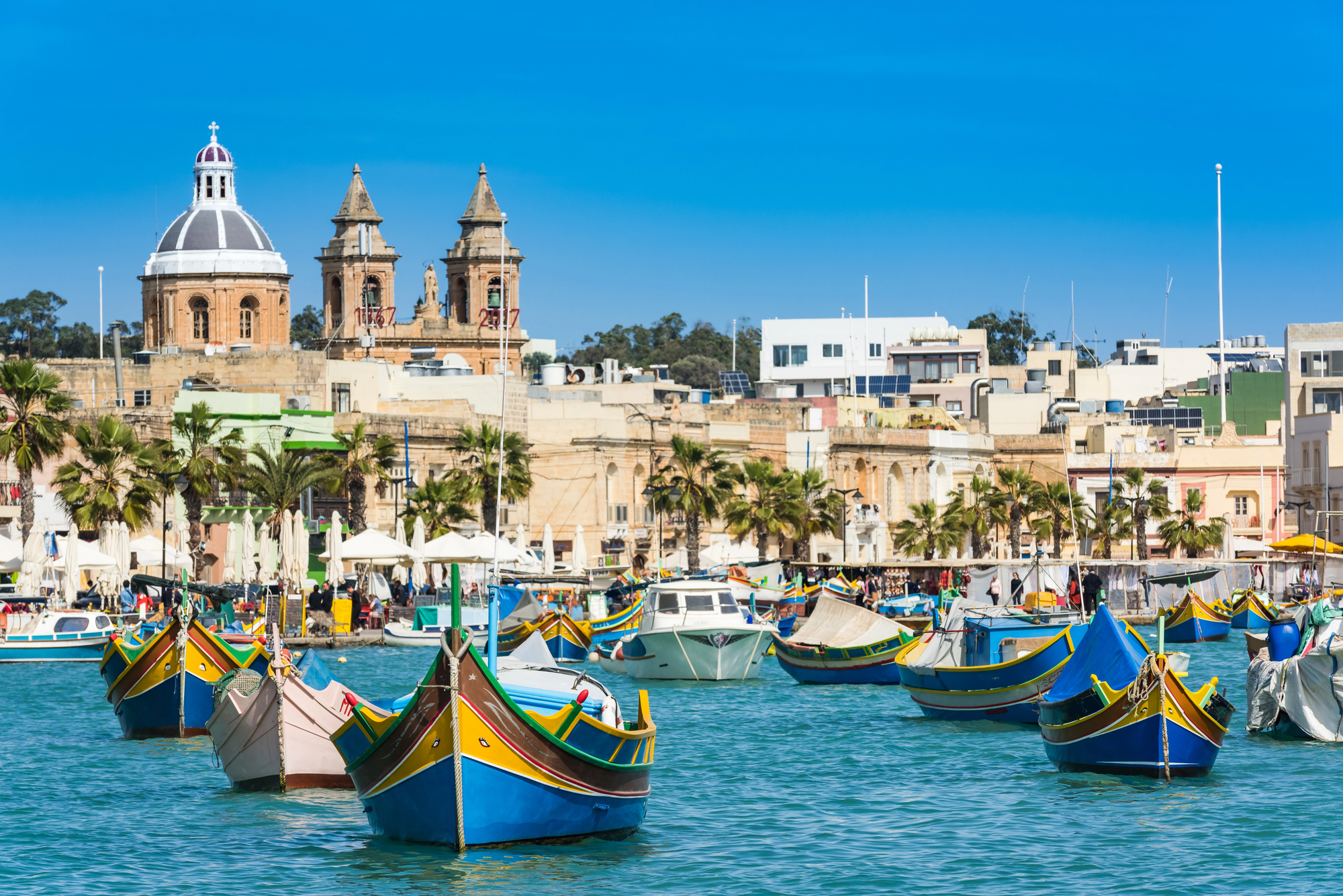
Malta’s three main islands cover just in the Mediterranean, but this archipelago has been a strategic crossroads for thousands of years. The country’s capital, Valletta, contains more historical monuments per square mile than almost anywhere else on Earth, earning it UNESCO World Heritage status.
Malta’s unique language blends Arabic, Italian, and English influences, reflecting its position as a cultural bridge between Europe, Africa, and the Middle East.
Grenada
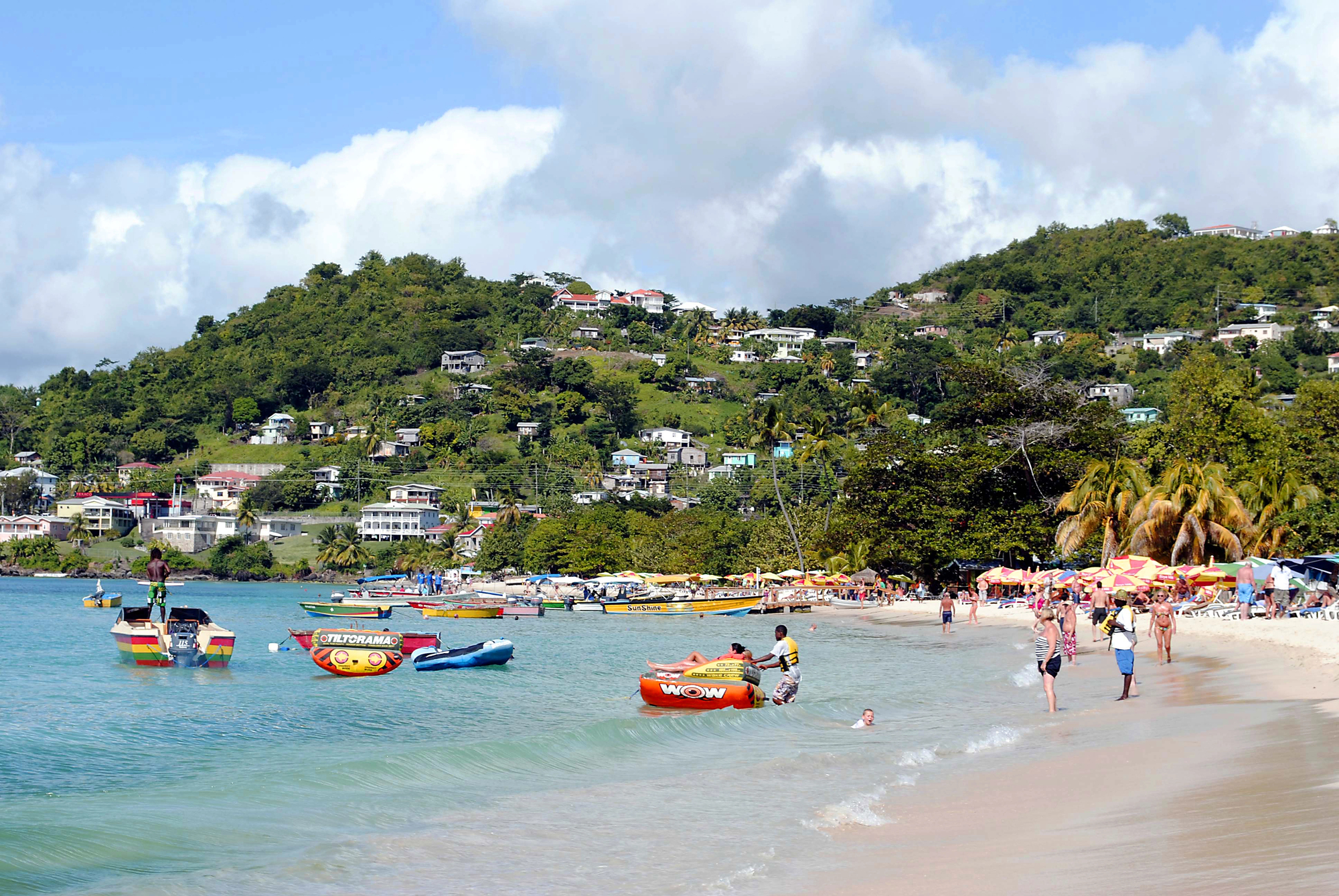
Known as the ‘Spice Isle,’ Grenada covers of Caribbean paradise and produces one-third of the world’s nutmeg supply. This tropical nation survived a dramatic U.S. invasion in that lasted just a few days but changed its political trajectory forever.
Today, Grenada’s pristine beaches, underwater sculpture parks, and spice plantations attract visitors who discover that small islands can pack enormous personality.
Saint Vincent and the Grenadines
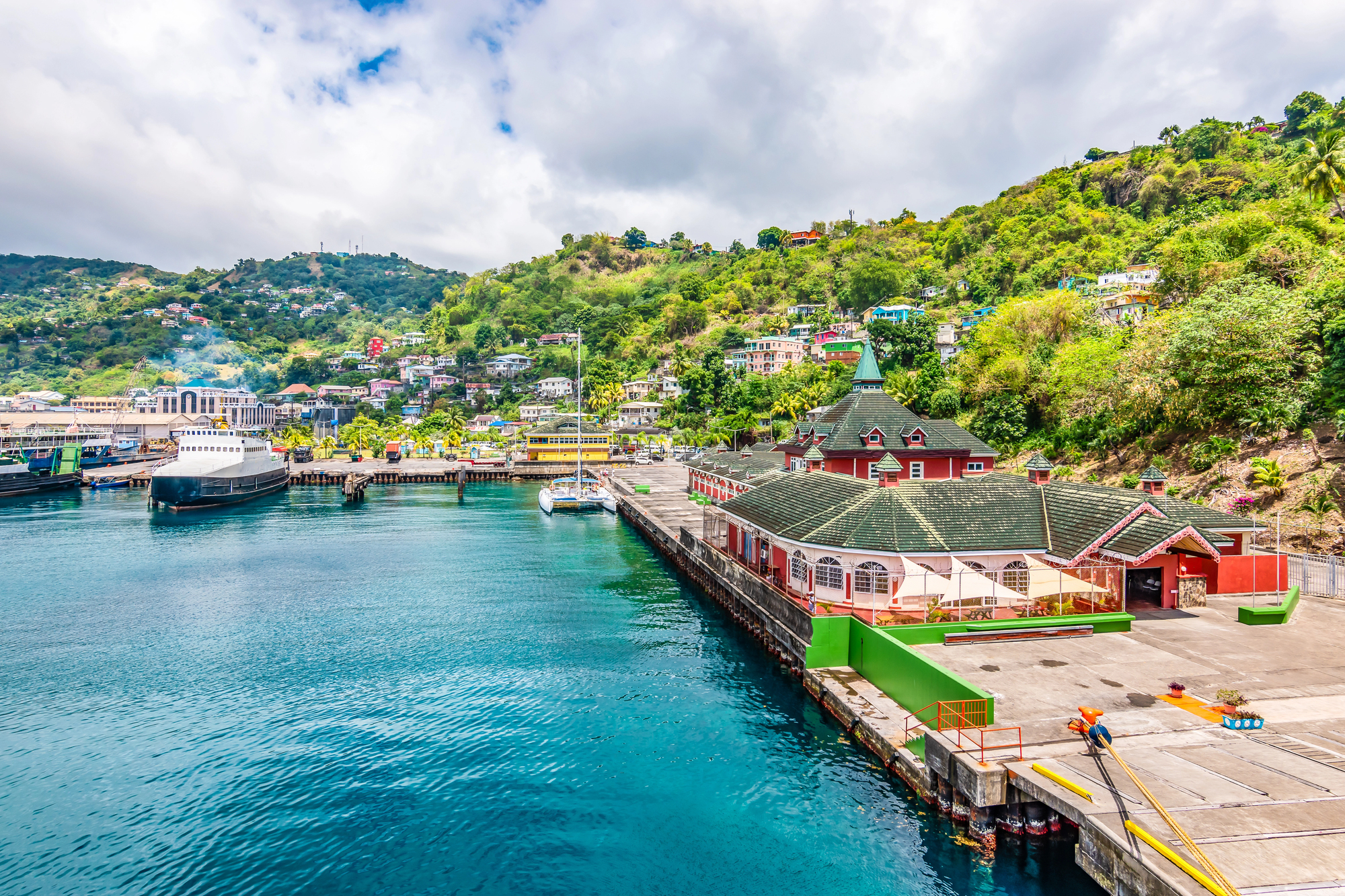
This chain of islands and cays spans of turquoise Caribbean waters, creating a sailor’s paradise that most people can’t even locate on a map. The country’s main island features black sand beaches formed by volcanic activity, while the Grenadines offer some of the world’s most exclusive private island resorts.
Pirates once used these scattered islands as hideouts, and the remote coves still feel like secret treasures waiting to be discovered.
Barbados
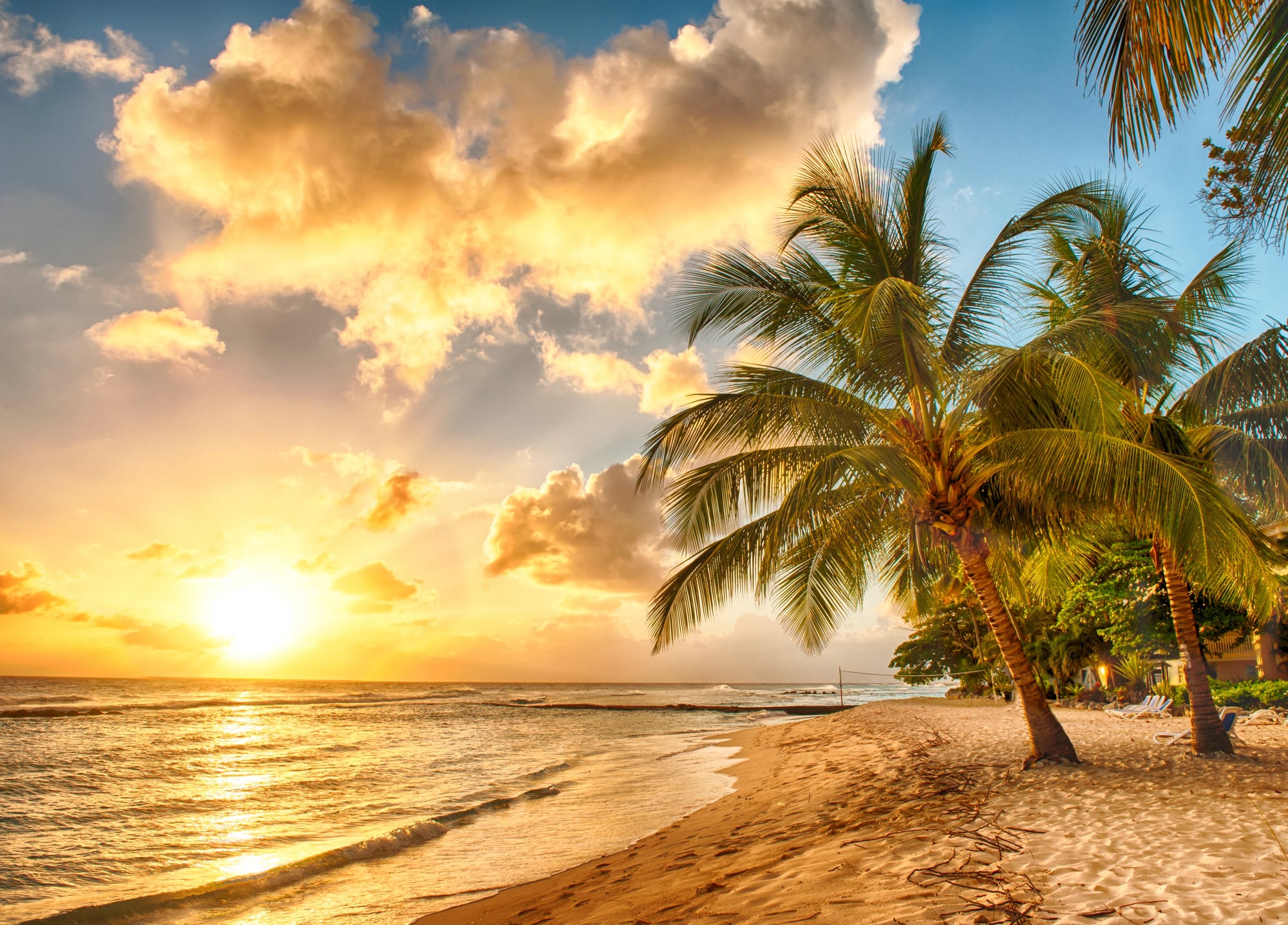
Barbados covers of coral limestone that rises from the Atlantic Ocean like a tropical jewel. This island nation invented rum and gave the world flying fish cuisine, two contributions that have spread far beyond its sandy shores.
The country recently made headlines by removing Queen Elizabeth II as head of state, becoming the world’s newest republic while maintaining its reputation for political stability and economic success.
Samoa
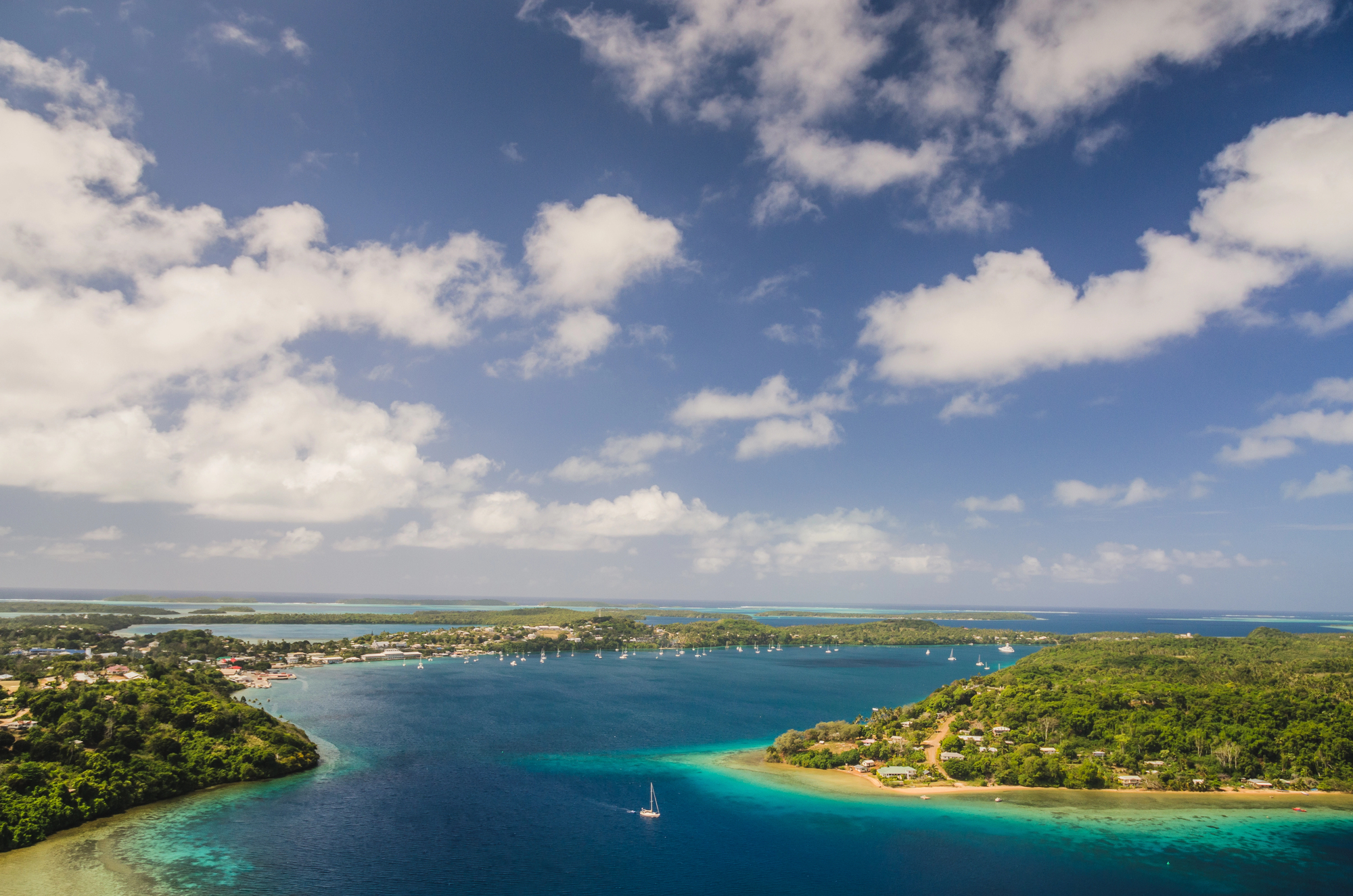
Samoa’s two main islands cover in the South Pacific, where traditional Polynesian culture thrives alongside modern development. This nation switched from driving on the right side of the road to the left, causing temporary chaos but making it easier to import cheaper cars from Australia and New Zealand.
Samoan athletes have become global stars in rugby and American football, proving that small countries can produce world-class talent in sports dominated by much larger nations.
Luxembourg
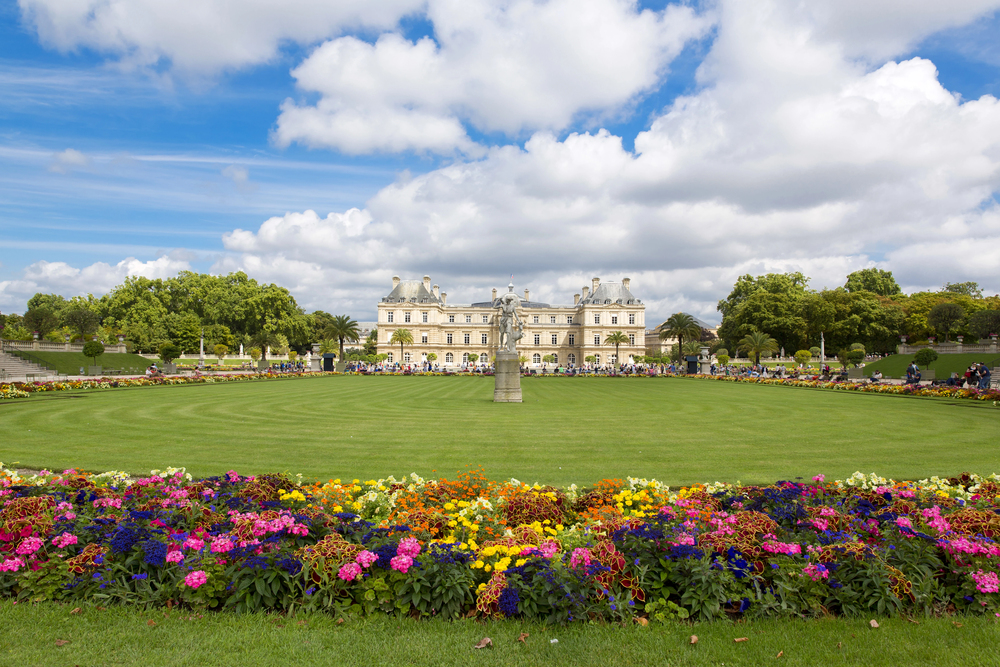
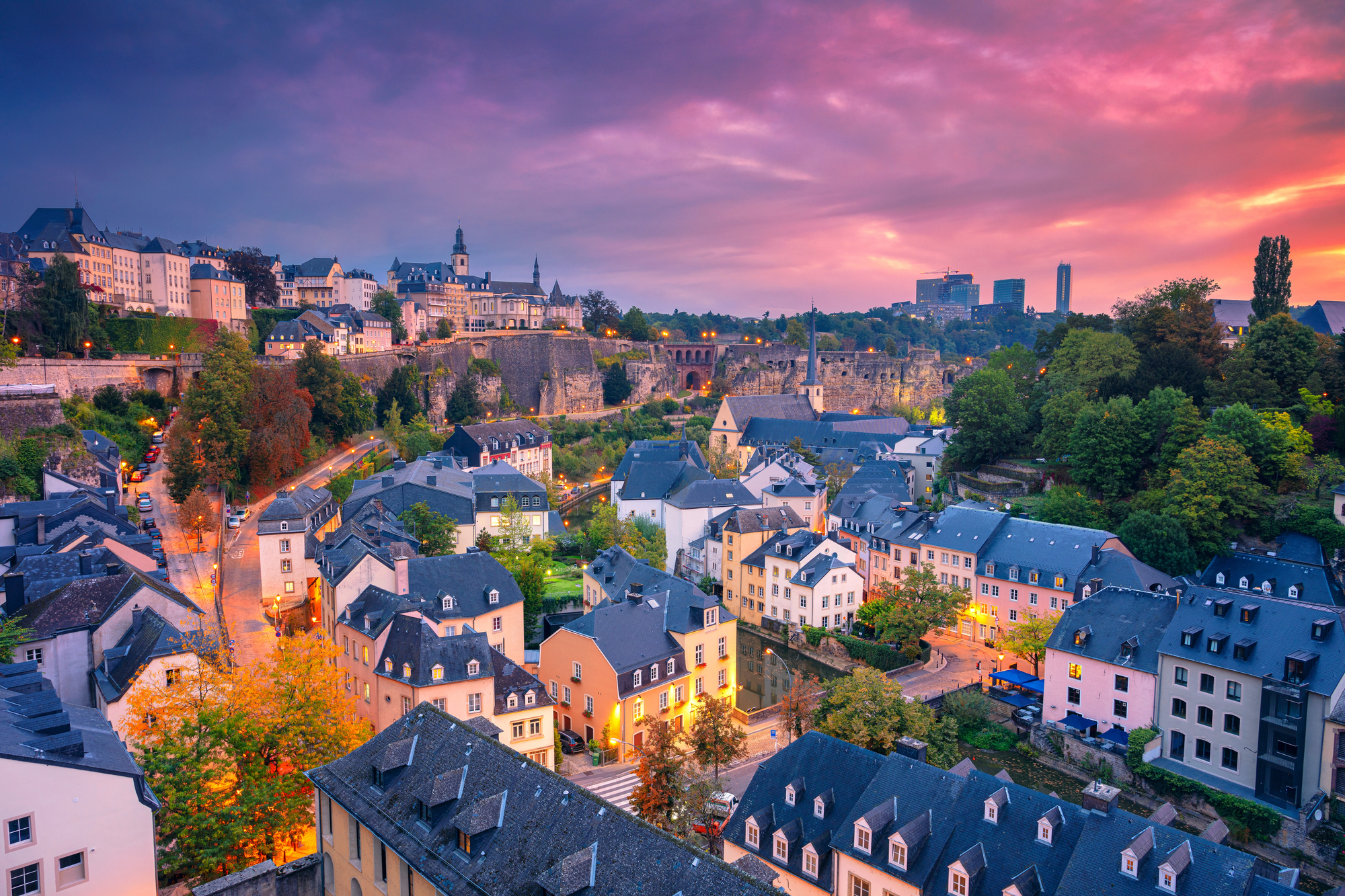
Luxembourg covers between Germany, France, and Belgium, yet it’s become one of the world’s wealthiest countries per capita. This financial powerhouse hosts major European Union institutions and serves as the headquarters for countless international corporations seeking favorable tax conditions.
The country’s multilingual population speaks Luxembourgish, French, and German fluently, making it a true melting pot despite its modest size.
Cyprus
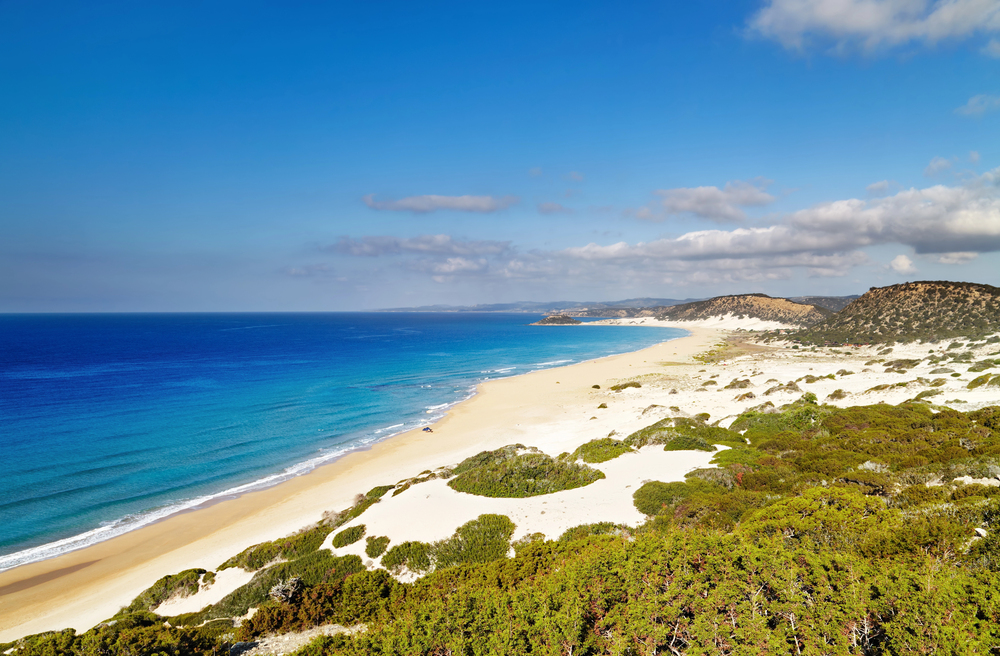
Cyprus spans in the eastern Mediterranean, where Greek and Turkish influences create a complex cultural blend. The island has been divided since the mid-century, with the northern third controlled by Turkey and recognized only by Turkey itself, while the southern portion remains an independent republic.
Despite ongoing political tensions, Cyprus has become a major business hub, with its EU membership and strategic location attracting companies from across Europe, Asia, and Africa.
Trinidad and Tobago
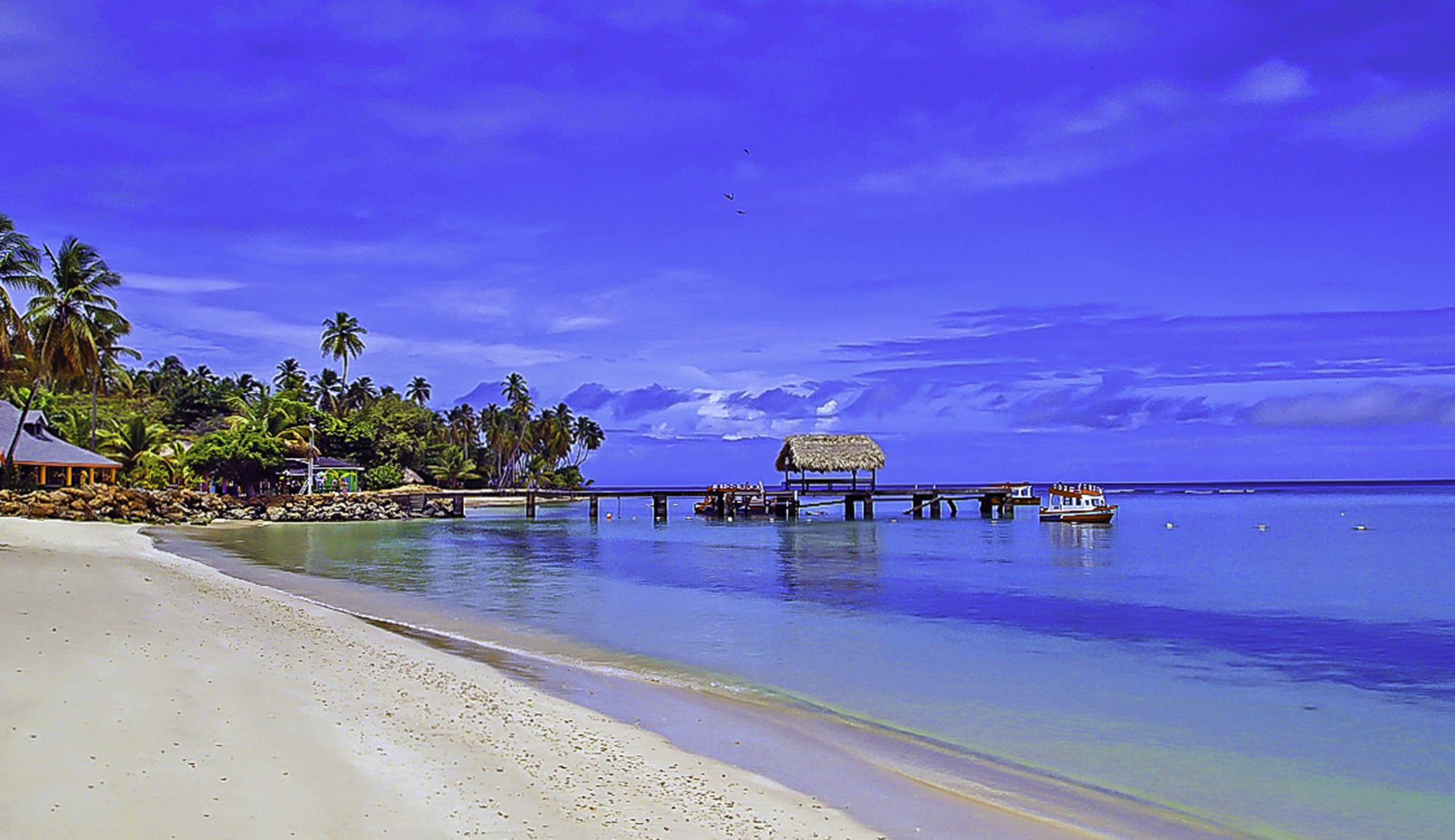
These twin islands cover just off Venezuela’s coast, where Caribbean culture reaches its most vibrant expression. Trinidad invented both calypso music and steel drums, cultural exports that have influenced musicians worldwide from Harry Belafonte to modern pop stars.
The country’s Carnival celebration rivals Rio de Janeiro’s famous festival, while its energy resources have made it one of the Caribbean’s wealthiest nations.
Mauritius
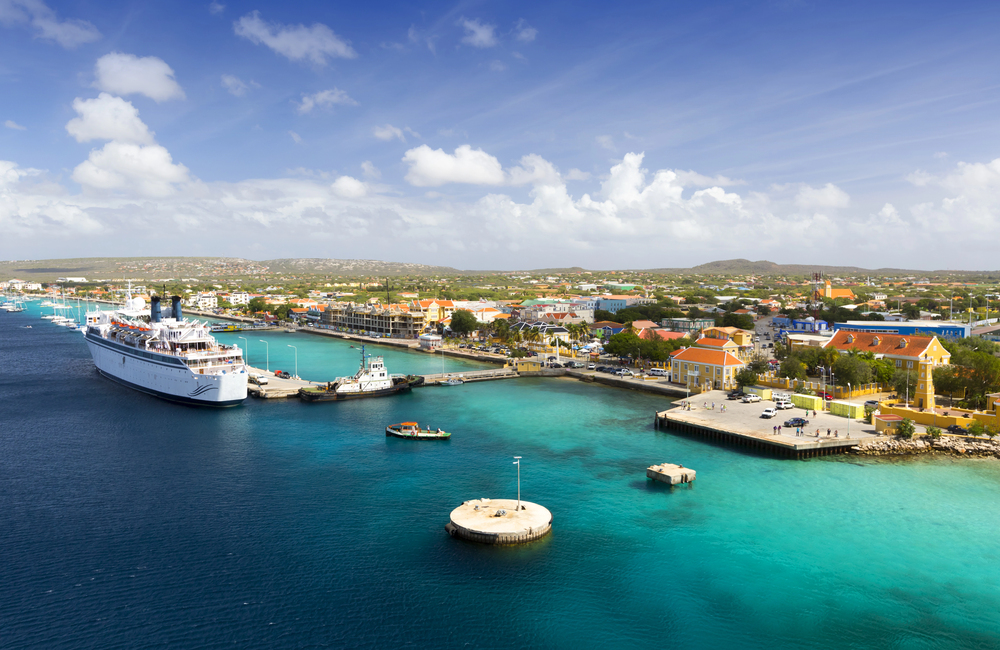
Mauritius encompasses in the Indian Ocean, where volcanic peaks rise from coral reefs that protect pristine lagoons. This island nation has transformed itself from a sugar-dependent colony into a diversified economy that serves as Africa’s financial gateway to Asia.
The country’s population descends from Indian, African, Chinese, and European settlers, creating a unique multicultural society where Hindu temples, mosques, churches, and pagodas stand within walking distance of each other.
Bahrain
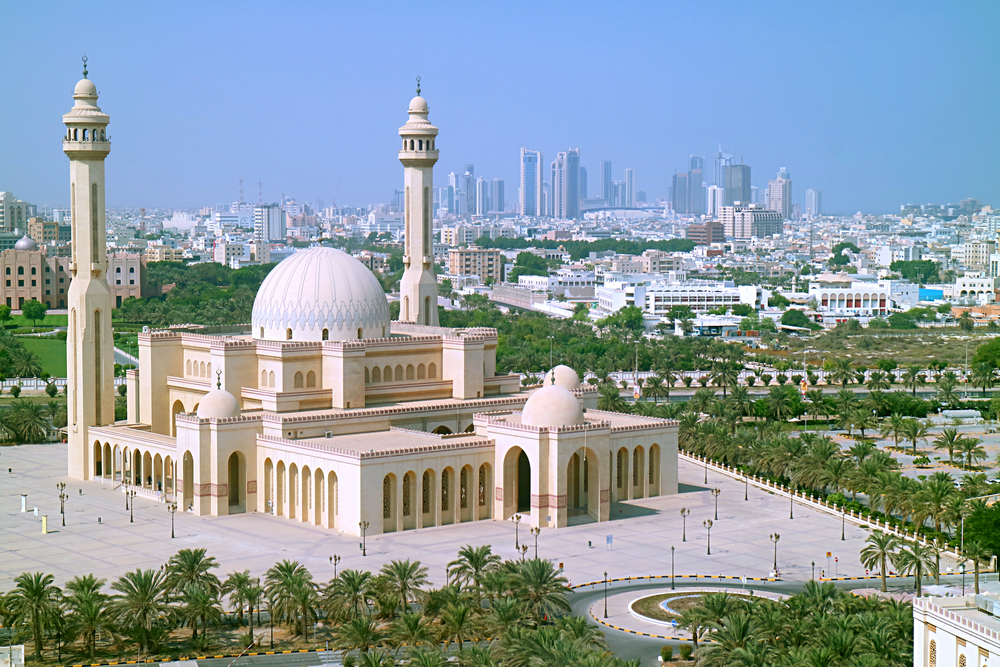
Bahrain consists of islands covering in the Persian Gulf, where ancient pearling traditions meet modern financial innovation. This kingdom discovered oil in the early century, becoming the first Gulf state to tap into petroleum wealth, but it has since diversified into banking and become the Middle East’s financial center.
The country’s Formula One Grand Prix takes place on an artificial island, symbolizing how Bahrain literally creates new land to accommodate its ambitions.
Palau
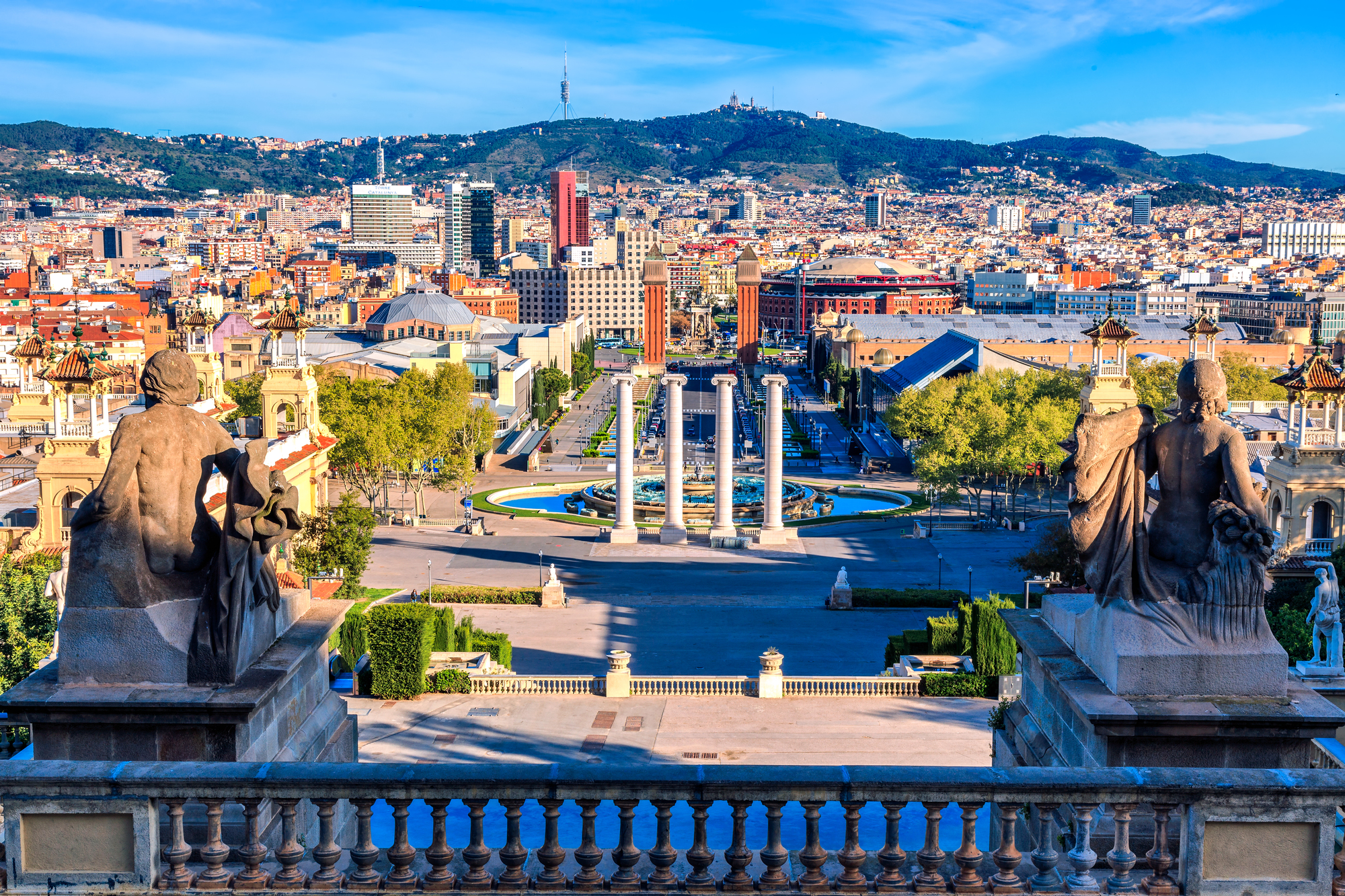
Palau’s islands span of the Pacific Ocean, where pristine coral reefs harbor some of the world’s most diverse marine life. This tiny nation created the world’s first shark sanctuary, protecting these apex predators across a vast ocean territory that dwarfs the country’s land mass.
Palau’s Rock Islands contain hidden lagoons and mushroom-shaped formations that look like something from another planet, attracting divers and marine biologists from around the globe.
Small Nations, Lasting Impact
These miniature countries prove that geographic size has little correlation with global influence or cultural significance. From Vatican City’s spiritual authority to Monaco’s luxury brand recognition, small nations often punch far above their weight in specialized areas.
Their success stories demonstrate that focused expertise, strategic location, and cultural uniqueness can create an outsized impact in our interconnected world, reminding us that the most interesting places aren’t always the biggest ones on the map.
Let me know if you want this in a downloadable format or if you’d like the next batch processed.
More from Go2Tutors!

- The Romanov Crown Jewels and Their Tragic Fate
- 13 Historical Mysteries That Science Still Can’t Solve
- Famous Hoaxes That Fooled the World for Years
- 15 Child Stars with Tragic Adult Lives
- 16 Famous Jewelry Pieces in History
Like Go2Tutors’s content? Follow us on MSN.