15 Food Industry Scandals That Shocked the World
Food is supposed to nourish us, not harm us. Yet throughout history, greed, negligence, and outright fraud have turned some of our most trusted meals into deadly weapons.
From contaminated milk that poisoned hundreds of thousands of babies to executives who knowingly shipped salmonella-tainted products with a casual ‘just ship it’ email, these scandals expose the dark side of what we eat. These disasters didn’t just sicken people—they shattered public trust, toppled governments, and forced entire industries to change how they operate.
Here are 15 food industry scandals that sent shockwaves around the globe and changed how we think about food safety forever.
Mad Cow Disease (BSE) – United Kingdom
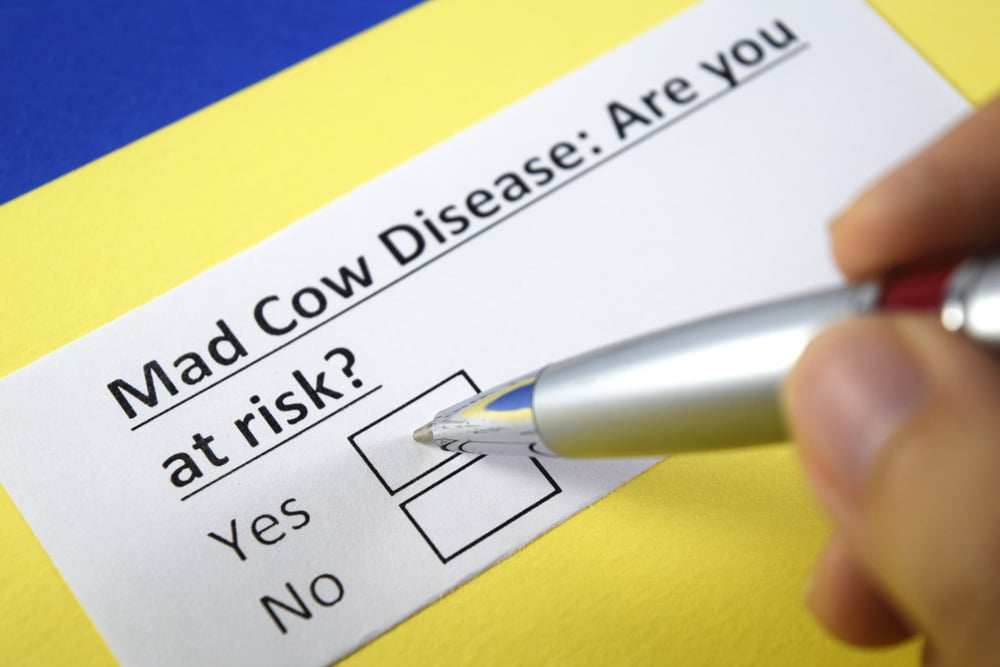
The mad cow disease crisis began quietly in 1984 when a single cow died on a West Sussex farm, but it exploded into Britain’s biggest food scandal by the 1990s. Over four million head of cattle were slaughtered in an effort to contain the outbreak, and 178 people died after contracting vCJD through eating infected beef.
The disease was caused by feeding cattle ground-up remains of other infected animals—essentially turning herbivores into cannibals. What made this scandal particularly shocking was the government’s response: Agriculture Minister John Gummer appeared on television feeding his 4-year-old daughter a beef burger to ‘prove’ British beef was safe, even as scientists were already questioning that claim.
Peanut Corporation of America Salmonella Outbreak

In late 2008 and early 2009, as a result of the Salmonella contamination event, nine people died and at least 714 people fell ill from food poisoning after eating products containing contaminated peanuts. What set this scandal apart wasn’t just the death toll—it was the emails investigators found showing CEO Stewart Parnell knowingly shipping contaminated products.
When told a shipment was delayed for salmonella testing, Parnell wrote back: ‘Just ship it.’ Parnell was sentenced to 28 years in federal prison for his role in the nationwide outbreak, making it the harshest sentence ever handed down in a food safety case.
The company operated out of a converted garage and used minimum-wage labor while cutting every possible corner on safety.
China Melamine Milk Scandal
Around 300,000 babies in China were affected by the China milk scandal caused by milk and infant formula contaminated with melamine, a chemical commonly used in the production of plastics, fertilizers and other industrial products. Dairy farmers and producers added melamine to watered-down milk because it has high protein content, allowing the fraudulent product to pass protein tests.
The chemical causes kidney stones and kidney failure in infants. The exposure of the scheme and resulting scandal implicated companies like Nestle, and by the end of 2008 over 300,000 people had become ill, with over 50,000 children hospitalised.
The scandal destroyed public confidence in Chinese dairy products and led to global recalls.
European Horsemeat Scandal
In 2013, what started as routine food testing in Ireland turned into a continent-wide crisis when investigators discovered horse DNA in products labeled as beef. Tesco’s market value slumped by €360 million and sales of frozen burgers dropped by 43% as a result.
The scandal spread across Europe, affecting major retailers and fast-food chains including Burger King. While eating horsemeat isn’t necessarily dangerous, the scandal revealed how easily the food supply chain could be compromised and how little companies actually knew about their ingredients.
Jack in the Box E. Coli Outbreak

This outbreak affected over 700 people in the US, primarily in the Pacific Northwest, and resulted in four deaths. The source was traced back to contaminated beef patties served by the fast-food chain Jack in the Box.
The 1993 outbreak became a watershed moment for food safety in America. Most victims were children who became severely ill after eating undercooked hamburgers.
The crisis nearly destroyed the company and led to massive changes in how restaurants handle ground beef, including mandatory cooking temperatures that remain standard today.
Spanish Toxic Oil Syndrome
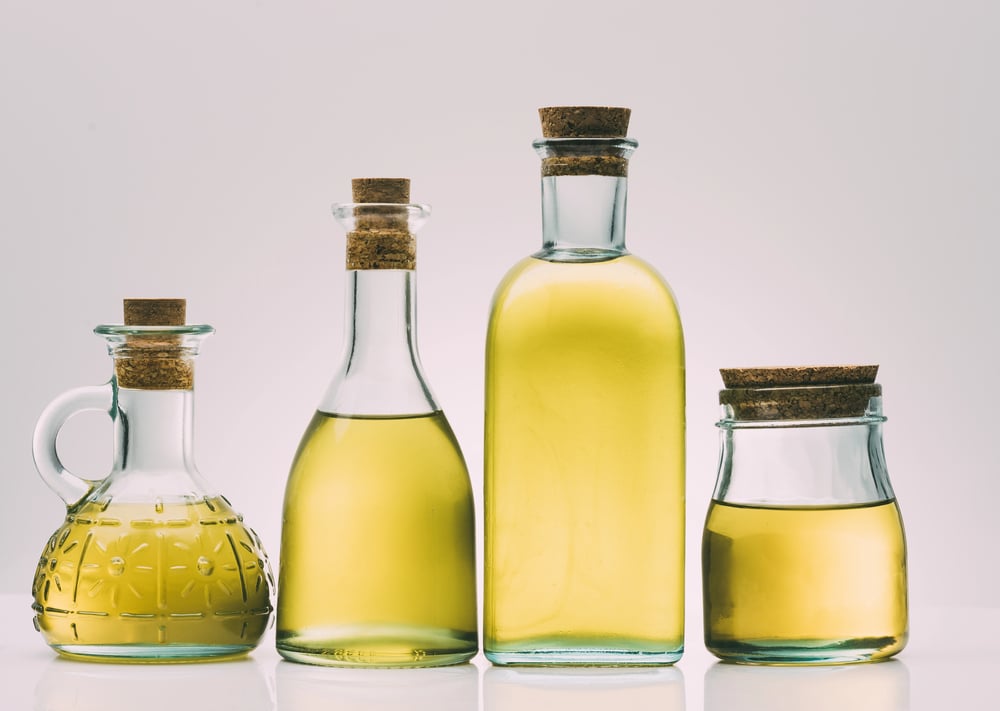
In the spring of 1981, a batch of industrial rapeseed oil was illegally contaminated with aniline. It was then sold as ‘olive oil’ to street traders across Spain.
Over 1000 people died from síndrome del aceite tóxico or ‘Toxic Oil Syndrome’, a violent allergic reaction. This scandal remains the deadliest foodborne illness disaster in modern history.
Street vendors sold the contaminated oil door-to-door to working-class families who couldn’t afford expensive olive oil. The scariest part?
Despite extensive tests, the precise biological trigger has never been identified.
E. Coli Spinach Outbreak
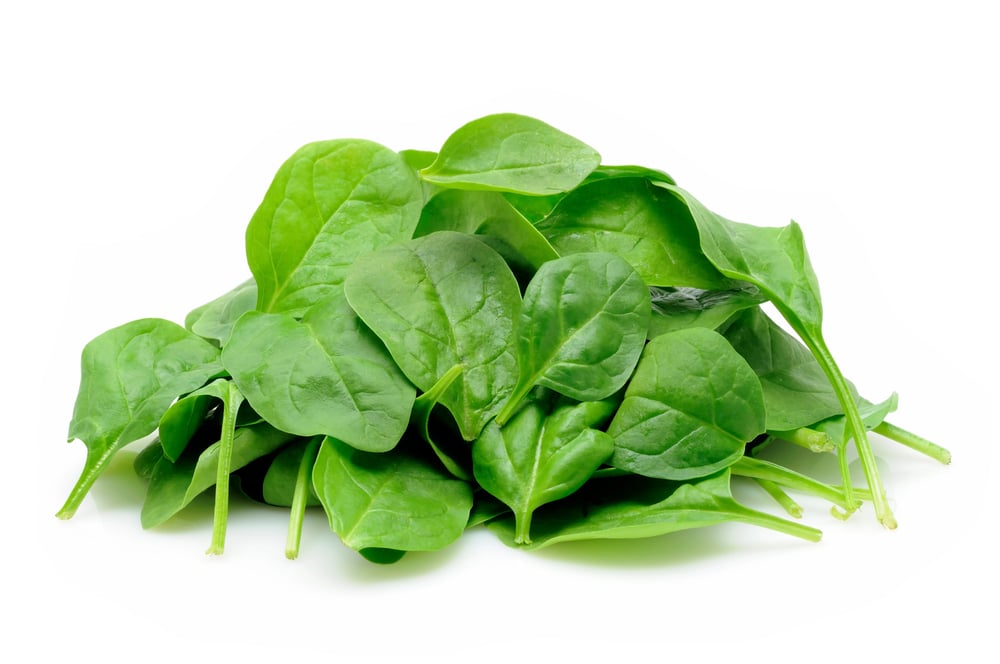
This outbreak was caused by the consumption of fresh spinach that was contaminated with E. coli O157:H7 bacteria. The outbreak affected people in 26 states and Canada, and resulted in 205 confirmed cases of E. coli infection, including 102 hospitalizations and three deaths.
The 2006 outbreak traced back to California’s Salinas Valley completely destroyed consumer confidence in bagged spinach. The FDA issued warnings against consuming any fresh spinach, and spinach growers lost an estimated $74 million in sales.
The outbreak showed how contamination at a single farm could spread nationwide through modern distribution systems.
German E. Coli Outbreak

This outbreak affected thousands of people across Europe, with the majority of cases reported in Germany. It was caused by a strain of E. coli known as E. coli O104:H4 and resulted in 4,000 cases and 50 deaths.
The 2011 outbreak initially blamed Spanish cucumbers, causing massive economic damage to Spanish farmers before investigators discovered the real culprit: contaminated sprouts from a German farm. The false accusations highlighted how quickly food scares can destroy international trade relationships and showed the importance of accurate source tracking.
Swill Milk Scandal
Before pasteurization became standard, the ‘swill milk’ scandal of 1850s New York showed just how deadly contaminated dairy could be. Distillery owners fed their cows the alcoholic mash left over from whiskey production, creating milk that was thin, bluish, and sometimes fatal.
Unscrupulous dealers often added chalk, plaster of Paris, or other chemicals to make it look normal. Thousands of children died from drinking this contaminated milk, which was often the only affordable option for poor families.
The scandal helped drive the movement toward milk safety regulations and eventually pasteurization.
Alar Apple Scare

The 1989 Alar scare demonstrated how media coverage could devastate an entire industry overnight. When the CBS news program ’60 Minutes’ reported that Alar, a chemical used to keep apples on trees longer, could cause cancer in children, apple sales plummeted by 50 percent nationwide.
School systems banned apples from cafeterias, and parents dumped apple juice down drains. While the science behind the cancer claims was disputed, the economic damage was real—apple growers lost hundreds of millions of dollars and many small farms went out of business.
Cadbury Salmonella Outbreak

Even chocolate wasn’t safe in this 2006 British scandal that affected one of the world’s most beloved confectionery companies. Cadbury discovered salmonella contamination at its Marlbrook facility but waited months before alerting authorities, continuing to sell potentially contaminated chocolate bars and other products.
The outbreak sickened 42 people and led to criminal charges against the company. Cadbury was fined £1 million and faced massive recalls across multiple countries.
The scandal was particularly shocking because chocolate was considered a low-risk food that rarely harbored dangerous bacteria.
Maple Leaf Foods Listeria Outbreak

Canada’s largest food processor became the center of a national crisis in 2008 when listeria contamination at its Toronto plant killed 22 people and sickened dozens more. The contaminated feed contains the abnormal prion, and a cow becomes infected with the abnormal prion when it eats the feed.
The outbreak was linked to ready-to-eat meat products, particularly deli meats that elderly and pregnant consumers frequently ate. CEO Michael McCain took personal responsibility and became the public face of the company’s response, issuing emotional apologies and implementing sweeping food safety reforms.
The company’s stock price plummeted, and it paid millions in settlements to victims’ families.
Italian Wine Methanol Poisoning

In 1986, Italian winemakers added methanol to cheap wine to increase its alcohol content, creating a toxic cocktail that killed 23 people and left many others blind or seriously ill. The scandal destroyed Italy’s reputation for quality wine exports and led to massive international boycotts.
Wine sales dropped 40 percent globally as consumers lost faith in Italian producers. The poisonings were concentrated among people drinking low-cost wines, showing how fraud often targets the most vulnerable consumers.
Italy implemented strict new wine regulations and testing procedures, but it took years for the industry to recover.
StarLink Corn Controversy

The 2000 StarLink corn incident showed how genetic engineering could go wrong when crops approved only for animal feed ended up in human food. StarLink corn contained a protein that could cause allergic reactions in humans, so it was approved only for cattle feed.
However, the corn made its way into Taco Bell taco shells and other human food products, forcing recalls of over 300 corn-based foods. The contamination happened because farmers couldn’t separate StarLink from regular corn in their fields and storage facilities.
The incident led to stricter regulations on genetically modified crops and highlighted the difficulty of keeping different varieties separated in the food supply chain.
Parmalat Financial Fraud

While not directly a food safety issue, the 2003 Parmalat scandal shocked the dairy industry when Italy’s largest food company collapsed in a massive accounting fraud worth €14 billion. The company had been falsifying financial records for years, including fake documents showing billions of euros in bank accounts that didn’t exist.
The fraud affected dairy operations across multiple countries and led to shortages of milk and dairy products in some regions. Thousands of employees lost their jobs, and investors lost billions.
The scandal showed how financial fraud in food companies could disrupt food supplies and highlighted the need for better corporate oversight in the industry.
When Trust Melts Away
These scandals share common threads that run deeper than contaminated food or fraudulent labels. They expose what happens when profit margins matter more than human lives, when regulatory oversight fails, and when the complex global food system breaks down.
Each disaster forced changes—from stricter testing requirements to criminal penalties for executives—but also revealed how vulnerable our food supply really is. The executives who wrote ‘just ship it’ emails and the officials who fed their daughters contaminated burgers remind us that trust in our food system isn’t automatic.
It must be earned through transparency, accountability, and the understanding that cutting corners on food safety isn’t just bad business—it’s a betrayal of everyone who sits down to eat.
More from Go2Tutors!

- The Romanov Crown Jewels and Their Tragic Fate
- 13 Historical Mysteries That Science Still Can’t Solve
- Famous Hoaxes That Fooled the World for Years
- 15 Child Stars with Tragic Adult Lives
- 16 Famous Jewelry Pieces in History
Like Go2Tutors’s content? Follow us on MSN.



