Smurfs Figures Drawing Collector Interest
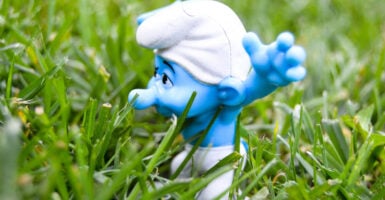
Three apples high and painted the same shade of blue for decades, Smurfs have been collector business for far longer than any movie has been around. The little Belgian creatures began in a comic strip, then spread to toy shelves, fast-food counters, lunch boxes and video game cartridges.
Most of the plastic they left behind is cheap and easy to find. The interest lies in the small stuff, such as mold marks, painted accessories, countries of manufacture and the occasional scarce pose.
Spirou Magazine and the First Appearance
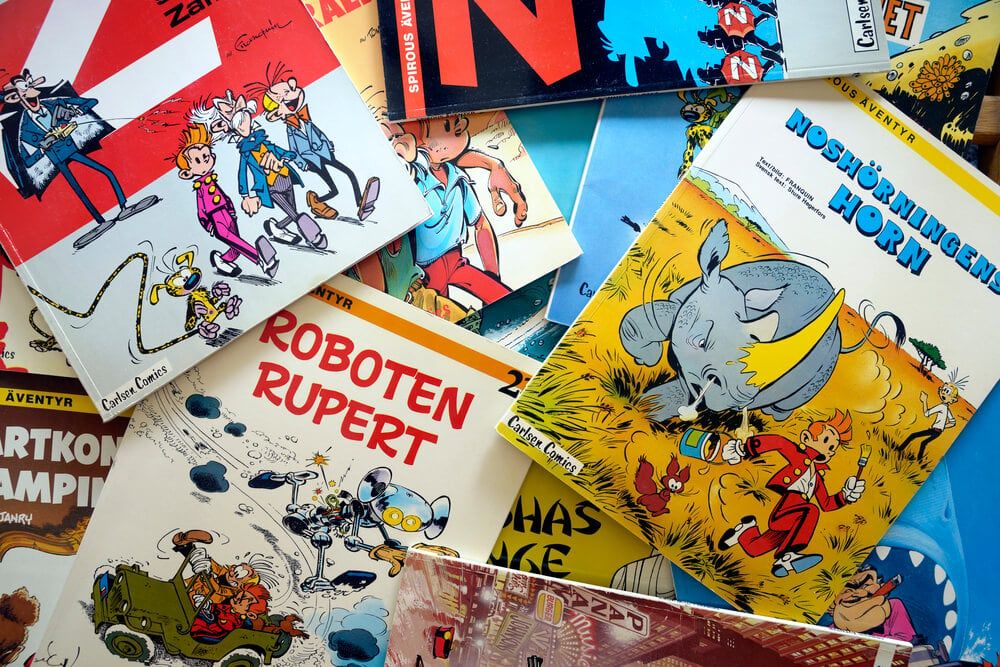
Smurfs first appeared in 1958 in the Belgian magazine Spirou, as supporting characters in a Johan and Peewit adventure by the cartoonist Peyo, whose real name was Pierre Culliford. Readers took to the little blue creatures quickly enough that they soon earned a comic series of their own.
Every plastic figure and printed glass in the hobby traces back to those pages. Original Spirou issues and early albums from the publisher Dupuis belong more to comic collectors than to toy hunters, and prices swing widely with spine wear, torn covers and missing pages.
Schleich Figures Made in West Germany
Schleich, a German company, molded the small PVC Smurf figures that most collectors mean when they say vintage. Bases are usually stamped with Peyo’s name, the maker and a place of manufacture, and a mark reading West Germany places a figure before reunification in 1990.
Poses run from plain standing Smurfs to ones holding tools, instruments and sports gear. Common figures often sell loose for a few dollars, while rubbed paint on faces and hats pulls that lower and a bright, unworn finish earns a premium.
Hong Kong Production Runs
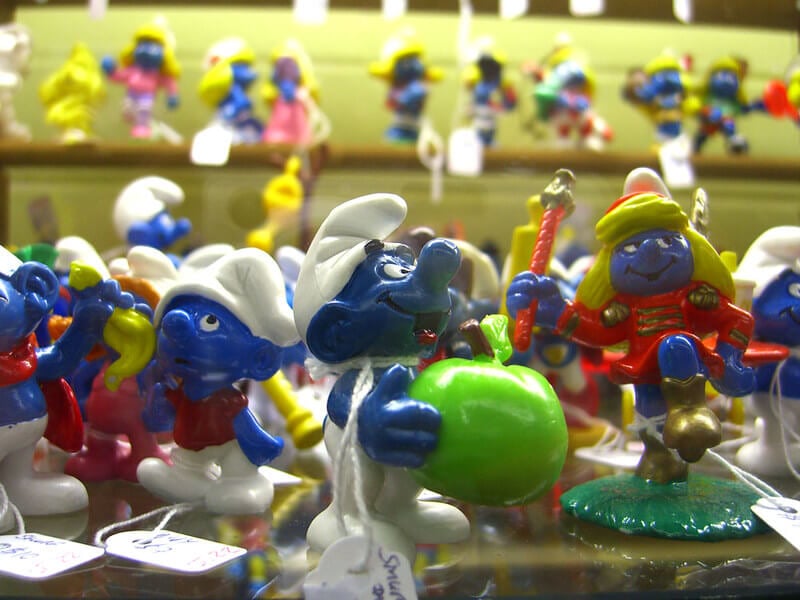
Many Smurf figures from around 1980 were made in Hong Kong rather than Germany, and the base stamp says so. Super Smurf, for one, turns up with Hong Kong markings and a 1980 date, which shows how widely the production moved between factories.
Specialists compare paint shades and fine details between German and Hong Kong pieces of the same pose, since the two runs did not always match. Origin matters less to price than condition does, and a chipped, scuffed or discolored figure sells for noticeably less in either version, whatever the stamp on its base says.
Super Smurf on His Comet Base
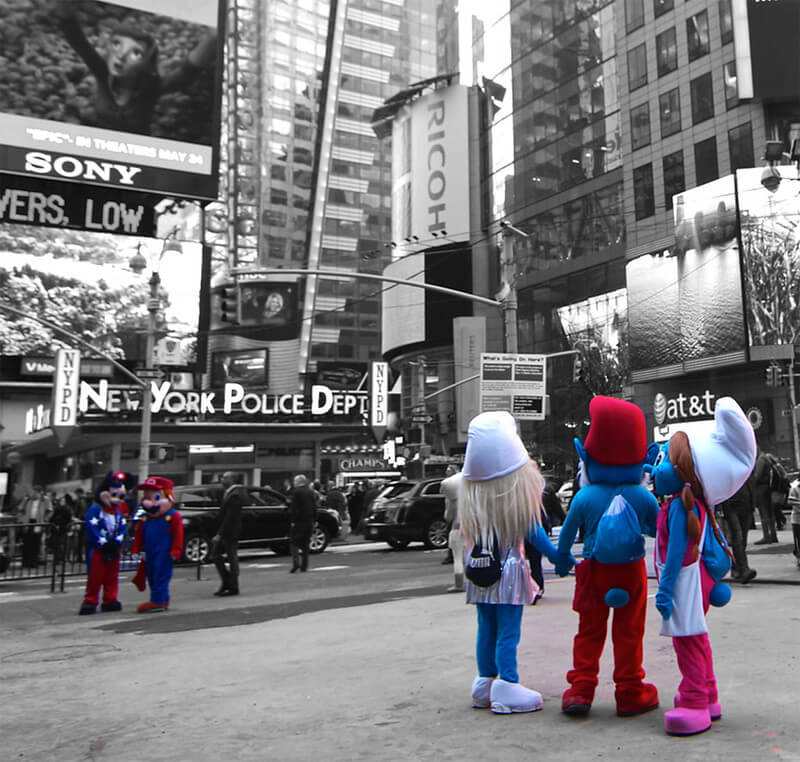
Super Smurf is the caped hero of the village, a superhero spoof in a blue world, and the Schleich version stands on a white comet-shaped base. Listings date the Hong Kong version to 1980.
The base is the weak spot, because thin edges chip and scuff after decades in toy boxes, so clean examples are the ones collectors chase. Secondhand prices typically run from about 10 to 30 dollars, with base damage and worn paint pulling a figure toward the bottom of that range, while a clean base and bright paint push toward the top.
Doctor and Nurse Occupation Figures
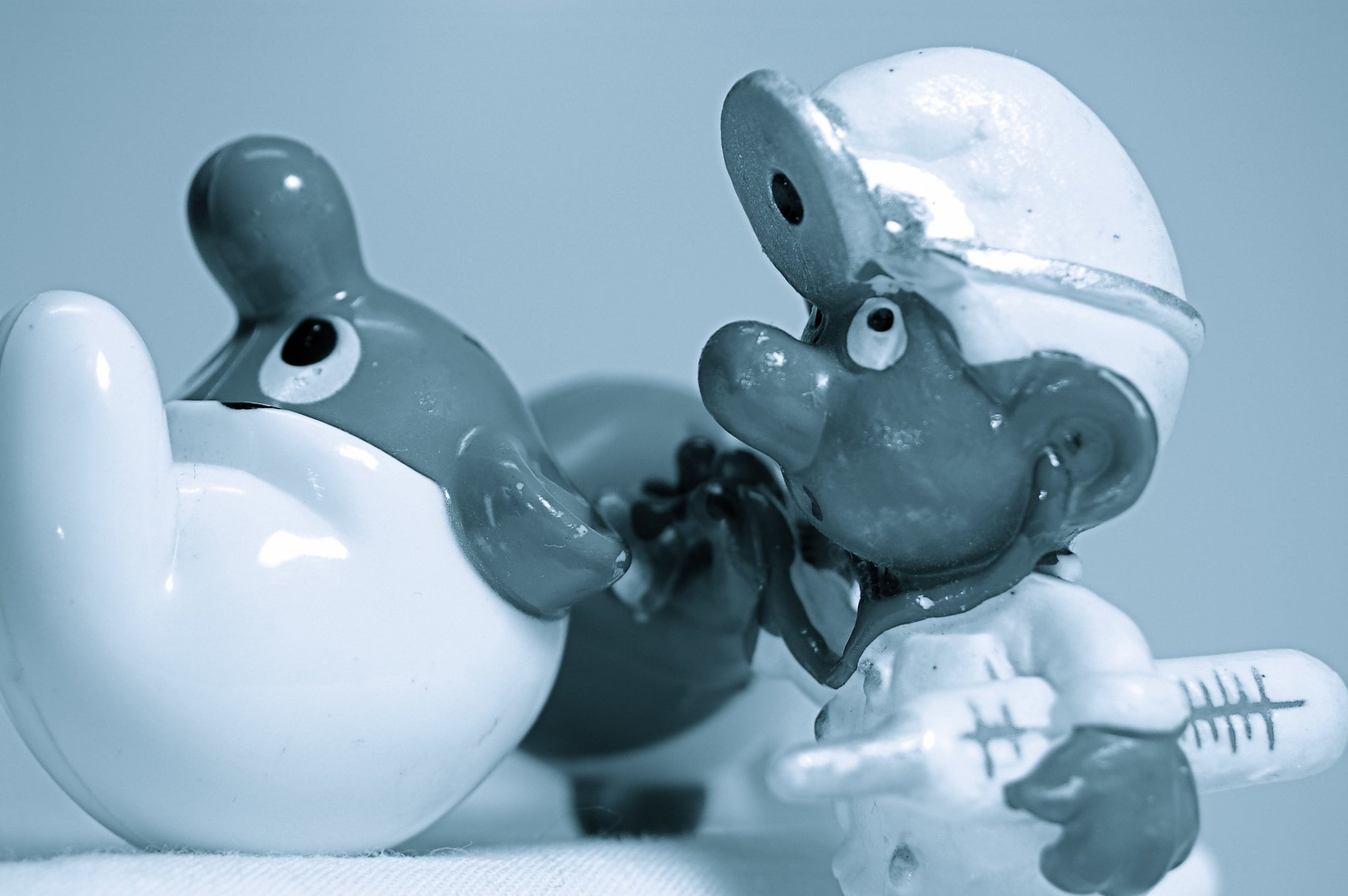
Schleich gave the village a Dr. Smurf and a Nurse Smurfette as part of a long run of occupation poses that also produced a fireman, a clown and a guitar player. Collectors like the set because each figure tells its job at a glance through a hat, a bag or a uniform.
The white clothing is the problem area, since it tends to yellow and pick up grime over the years. A bright, clean pair with crisp face paint is worth more than a dingy one, though quoted prices vary heavily between sellers.
Wallace Berrie and the Carded Figures
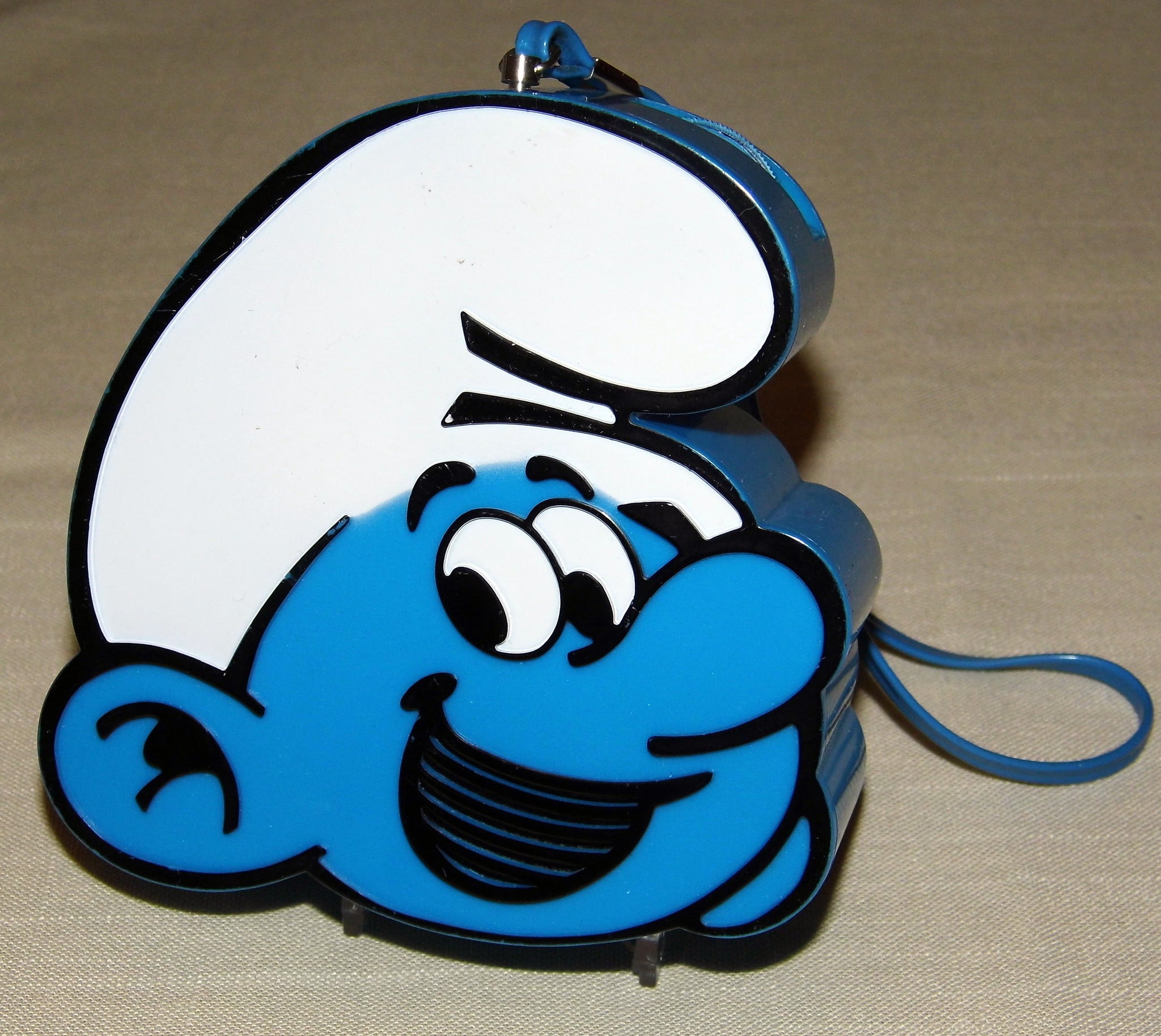
Wallace Berrie and Company handled American distribution of the Peyo licensed figures, and figures from the early 1980s turn up still attached to their original cards, printed with Peyo’s name and the distributor’s. The cards were designed for pegs in American toy aisles, which explains why so many have bent corners and punch marks from hanging.
A figure on an intact card usually sells for a clear premium over the same figure loose, and the card itself is evidence of how the toy was sold in American stores at the time. Creased corners, faded printing or a price sticker stuck across the artwork take a chunk out of that bonus.
Smurfette and Her Clay Origins
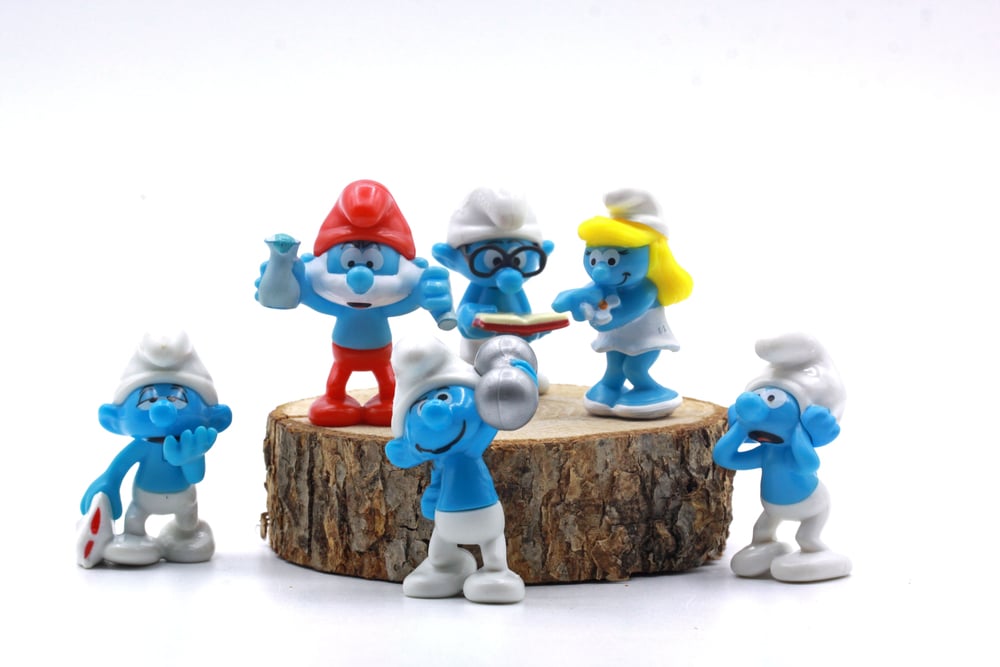
Smurfette arrived in the comics in 1966, created by the wizard Gargamel from clay as a trap to sow trouble in the village. She began with dark hair and a plain look until Papa Smurf changed her into the blonde, white-dressed Smurf fans know.
That backstory gives collectors an odd bit of trivia to attach to every figure, since the only female Smurf began life as a villain’s scheme. Smurfette pieces from the Schleich era sell steadily, and loose figures with scuffed hair paint or a smudged white dress cost less than clean ones.
Papa Smurf in Red
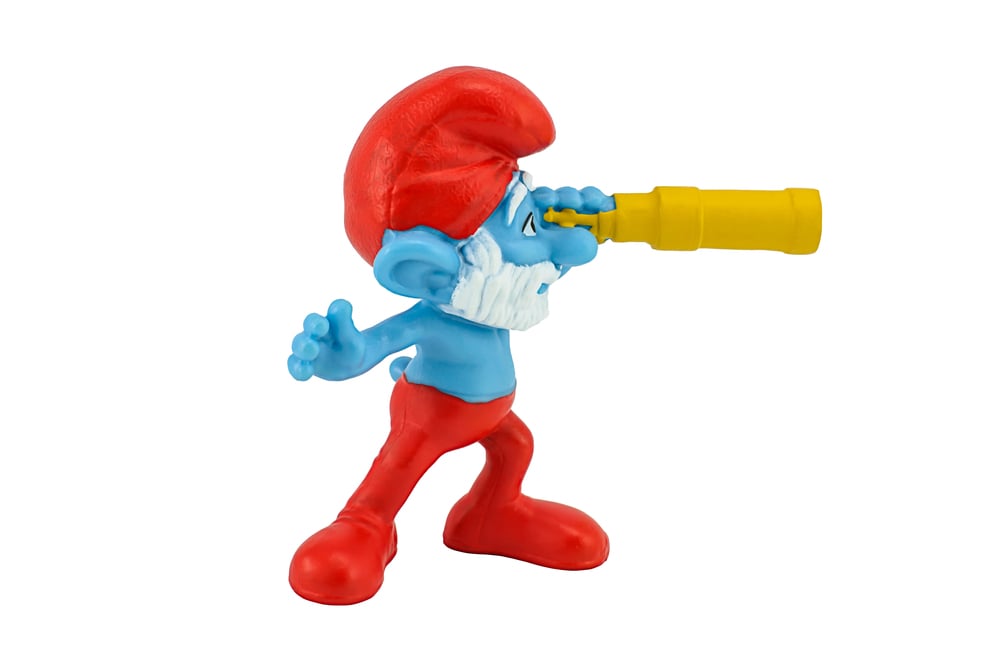
Papa Smurf is the leader of the village, easy to spot in red trousers and a red cap along with a white beard. Schleich molded him in many poses, and his bright color scheme makes any paint loss obvious, especially along the beard edge.
Because he sits at the center of nearly every Smurf set, he is among the easiest figures to find, which keeps most examples in the single digits of dollars. A carded or unusually crisp example is the version collectors pay a little extra for.
Brainy and His Glasses
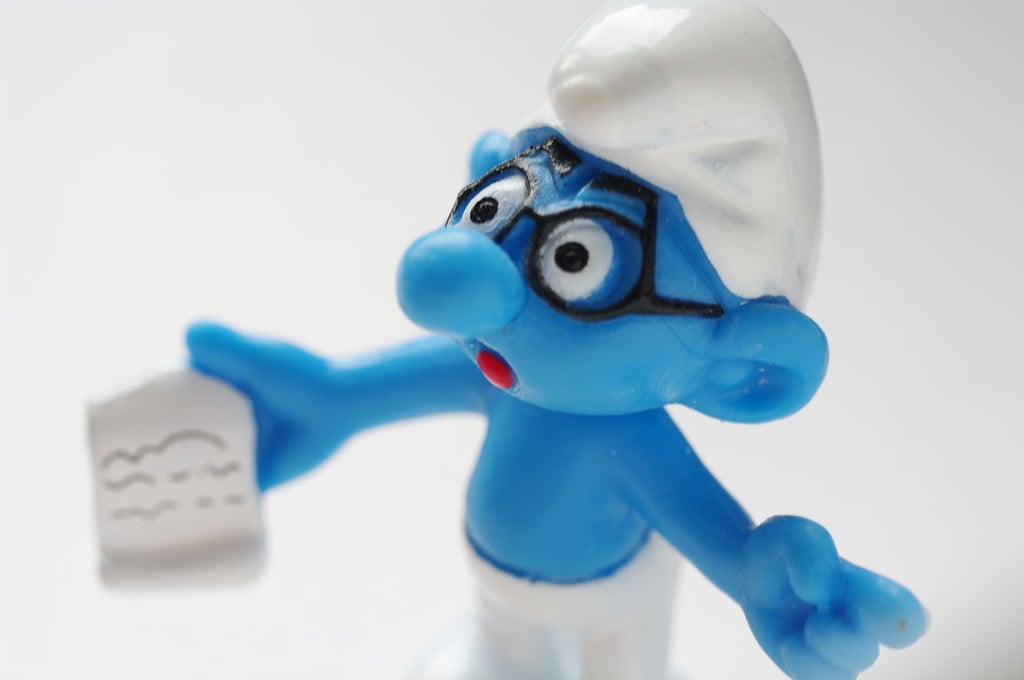
Brainy is the Smurf who thinks he knows best, and his round glasses are the feature that defines him. On vintage figures those glasses are usually shown as painted details, which means rubbing, scratching and fading show up right at eye level.
Collectors look for crisp lenses before anything else, because a blurred face makes the entire character look off. Brainy figures tend to sell for a few dollars loose, with a clean face and original box or card lifting the price, while worn paint leaves a bargain-bin piece.
Jokey and the Exploding Gift
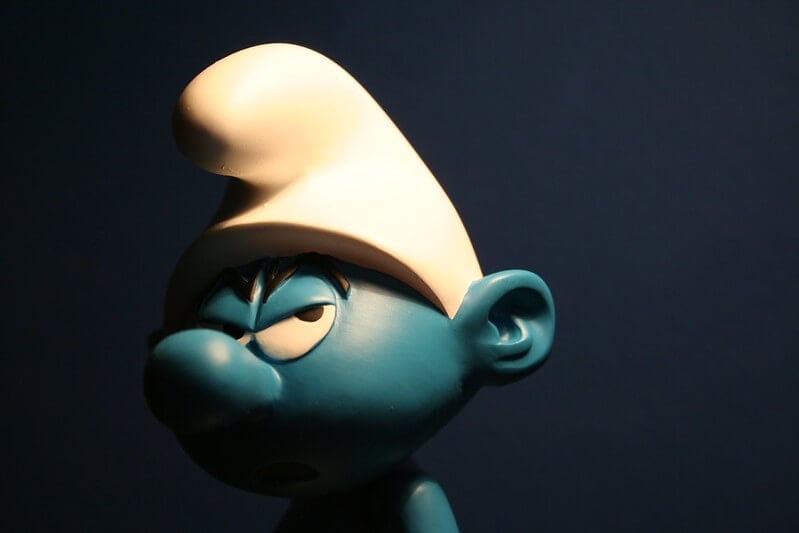
Jokey is the village prankster, famous for wrapped presents that blow up in a friend’s face. The gag comes straight from the comics, where a present from Jokey is something every other Smurf learns to distrust, and figures usually show him holding a wrapped box.
Small separate parts disappear from toy boxes first, so a Jokey still carrying his gift is the better find. Complete examples typically cost a few dollars more than a bare or damaged figure, and the difference widens when the gift box still has its painted ribbon and bright colors.
Handy the Builder
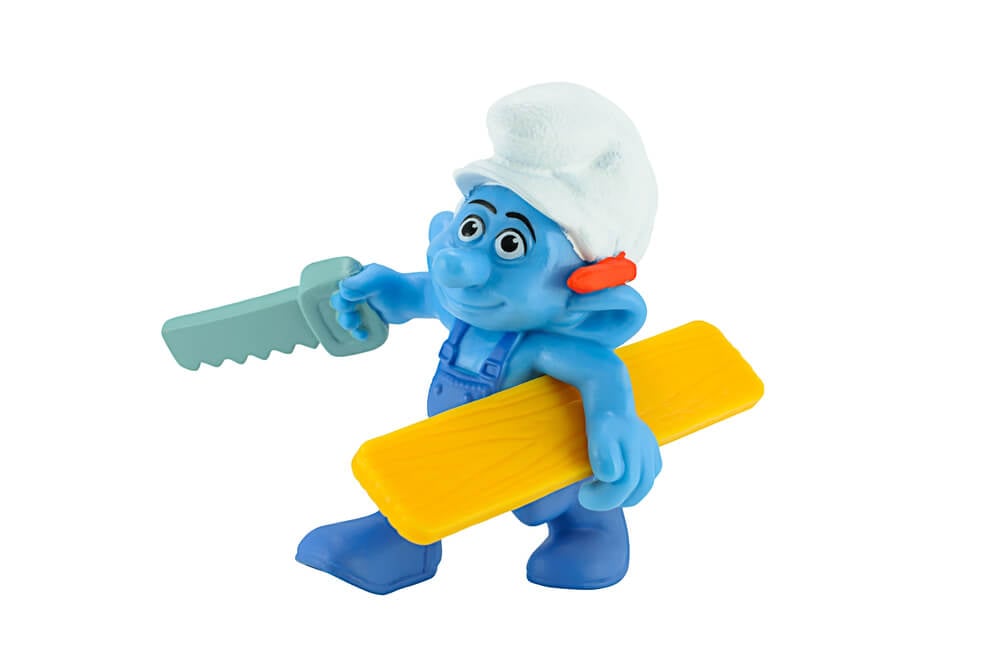
Handy wears overalls and is the village’s fix-it Smurf, usually shown with tools or a pencil near his ear. Figures with the original small tool molded or attached are the most sought after, since loose accessories vanish quickly.
Because he shares a visual theme with several occupation figures, collectors often hunt him together with other workers from the same Schleich era, such as the fireman and the clown. Typical prices stay modest, and paint rubbed from the overalls or missing accessories drops a figure toward the bottom of the range.
Grouchy Smurf and the Frown
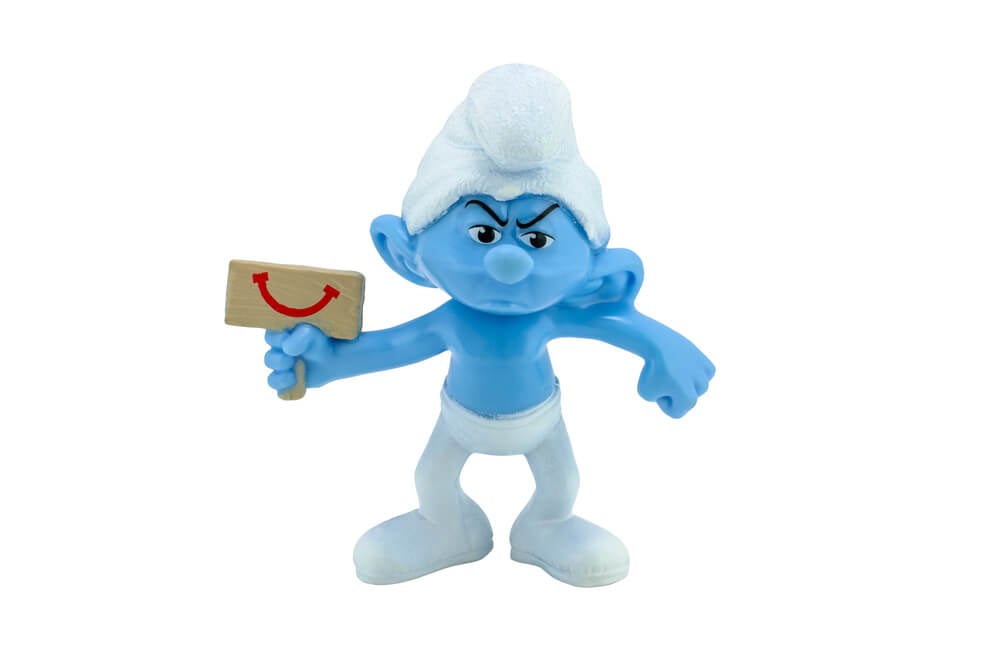
Grouchy is the Smurf who dislikes nearly everything, and his permanent scowl made him an easy character to translate into a sculpted figure. Most versions feature the frown and folded arms, so face paint is the first place to check for wear.
His personality also makes him a favorite for shelf humor, since a sour face sitting among cheerful neighbors tells a joke without any text. Loose Grouchy figures sell for a few dollars, and a bright, undamaged paint job separates the better examples from the pile.
Vanity Smurf and the Mirror
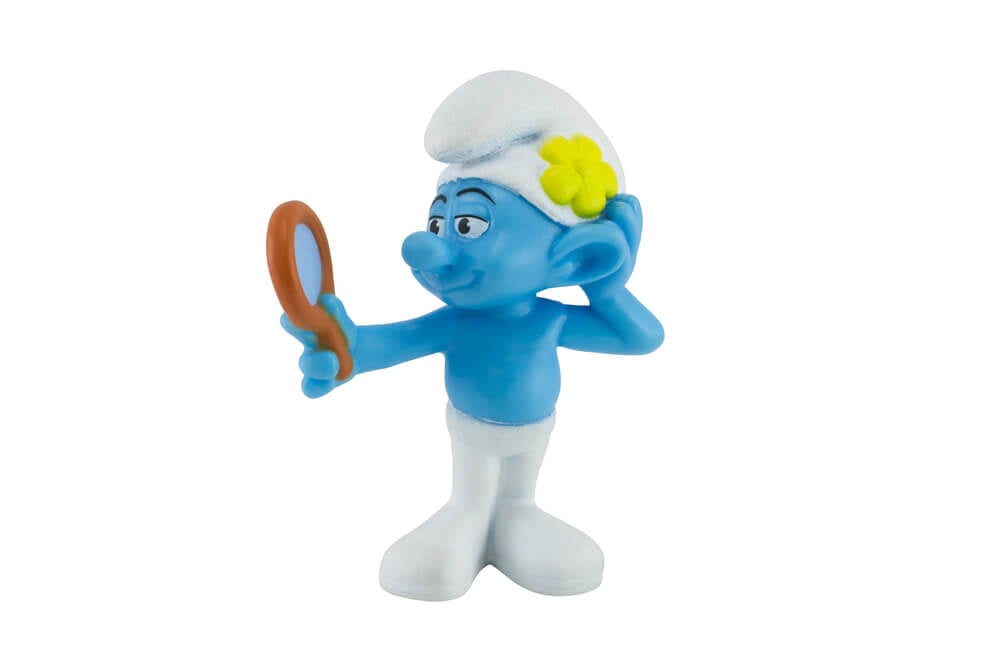
Vanity Smurf is defined by a hand mirror and a flower tucked into his hat, and toy versions usually include at least one of those details. The flower is a small and fragile feature on figures, so chipped petals and rubbed paint are common.
A figure that still carries the mirror is worth more than a bare version, because the accessory is easy to lose, and the character’s vanity makes it the one detail that gives him away at a glance. Prices generally sit in the same modest bracket as other character Smurfs, with condition setting the final number.
Harmony Smurf and His Trumpet
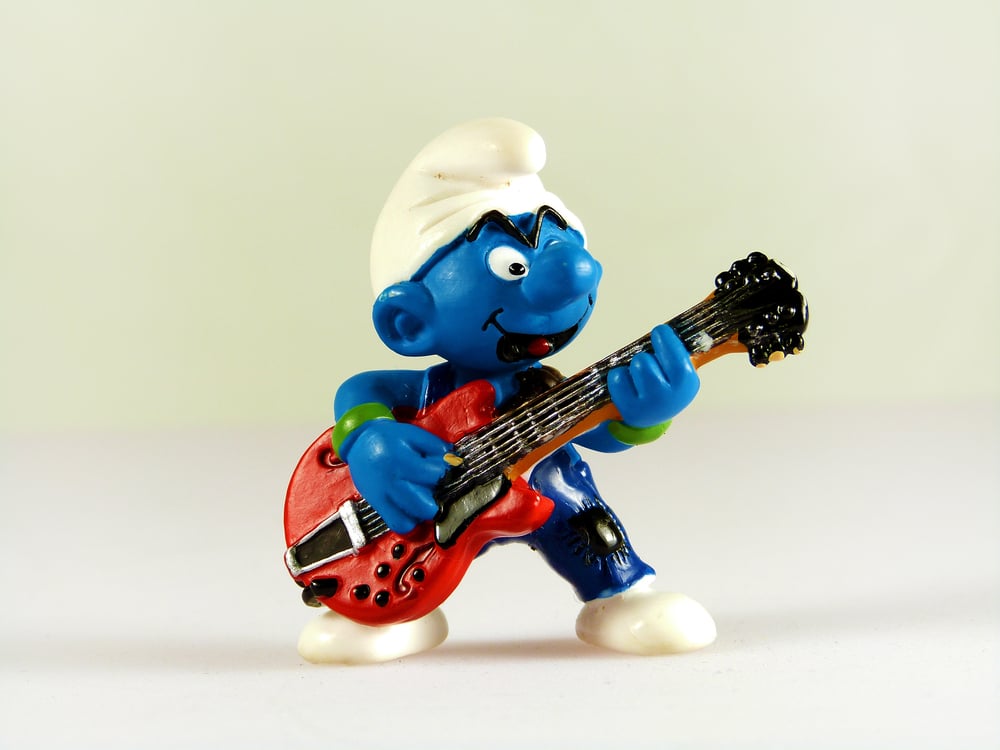
Harmony Smurf is the village musician, and his trumpet is the prop that identifies him on shelves. He also appears on a 1983 drinking glass licensed through Peyo and Wallace Berrie, which gives collectors two separate Harmony items to chase.
On figures, the instrument is the delicate part, because thin molded edges can bend or chip, and a crushed bell on the horn is a common flaw. A drinking glass from that run, with the printing still glossy, often costs more than a loose plastic figure of the same character.
Loose Harmony pieces usually cost only a few dollars, with a clean, unbent trumpet and fresh paint adding noticeable value.
Baby Smurf and the Stork Delivery
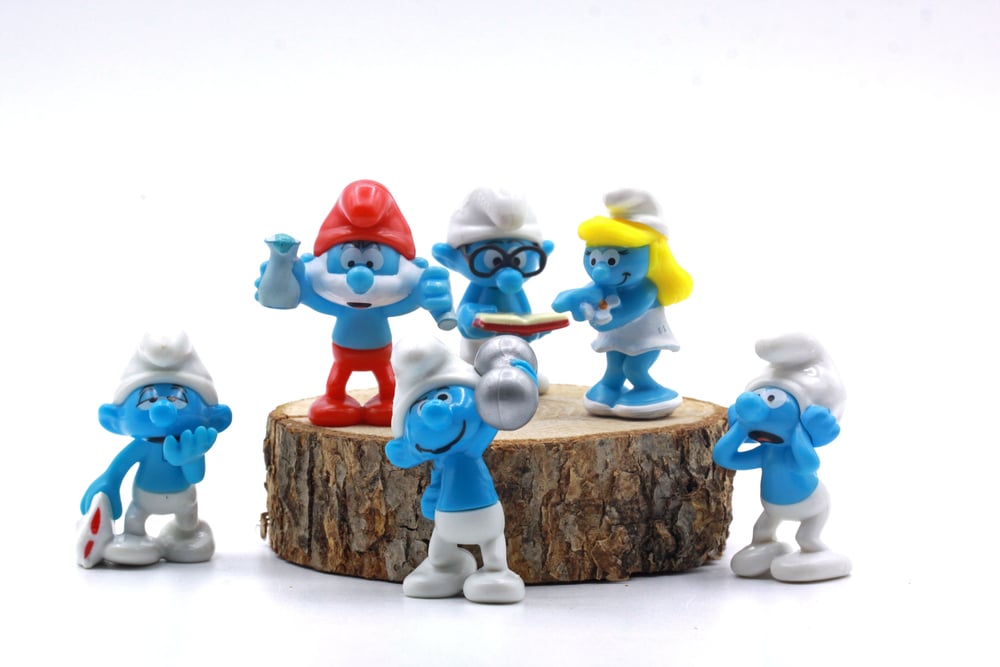
Baby Smurf arrived in the village by stork, a plot that gave the series one of its best-known episodes and made him a standout among character figures. He is smaller than the other Smurfs and usually sculpted in a sleeper or diaper, so figures stay compact.
Small size makes him easy to misplace in a toy box, and loose examples with scuffed paint on the face and body sell cheaply. A clean example, especially on its original card, commands a modest premium over the usual few dollars.
Gargamel the Would-Be Smurf Catcher
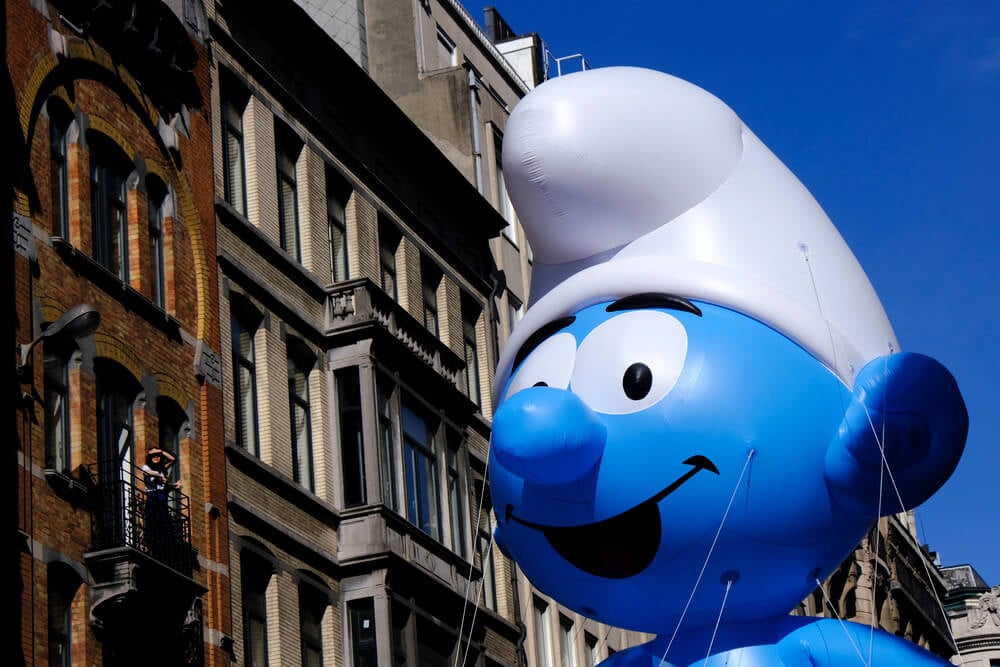
Gargamel is the grumpy wizard who hates the Smurfs and spends the series trying to catch them, and his gaunt, hooked look gives sculptors plenty to work with. In the cartoon his goal is to turn Smurfs into gold, a scheme that gave every episode its engine and every Smurf a reason to hide.
Gargamel figures matter to completists because every full village scene needs him. Prices run in the same modest range as the other characters, and torn robes or flaking paint are the usual deductions.
Azrael the Cat
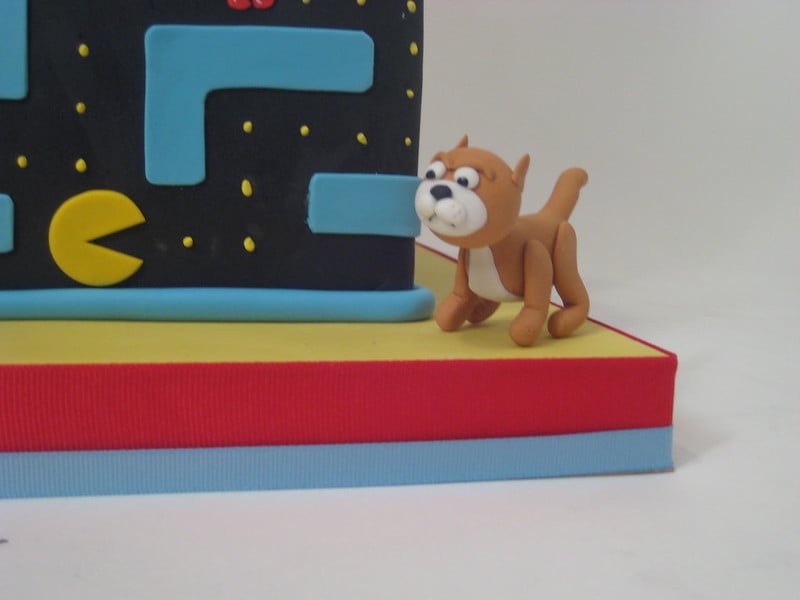
Azrael is Gargamel’s scrawny cat and the other half of the villain duo, and no complete Smurf shelf is finished without him. Figures show him crouched or pouncing, with the sculpt capturing his mangy look better than most hero Smurfs get.
Because he is rarely the top choice for casual buyers, loose examples often sell for just a few dollars. Collectors looking for Azrael pay attention to paint on the ears and tail, where wear shows first and drives price down, and a rare mint copy is mostly a matter of luck at flea markets.
Hardee’s Glasses From 1982

Hardee’s offered Smurf drinking glasses in 1982, printed with Peyo and Wallace Berrie copyright marks, and the set still turns up in online listings. Related glasses from 1983 show Smurfette and Harmony, which suggests a multi-year run of character designs.
Sets of four commonly sell for about 20 to 40 dollars when the printing is intact. Dishwasher damage, chips and faded graphics are the main problems, and collectors who want a glass for display treat each of them as a price breaker, since the printed artwork is the entire appeal.
Smurf Rescue in Gargamel’s Castle
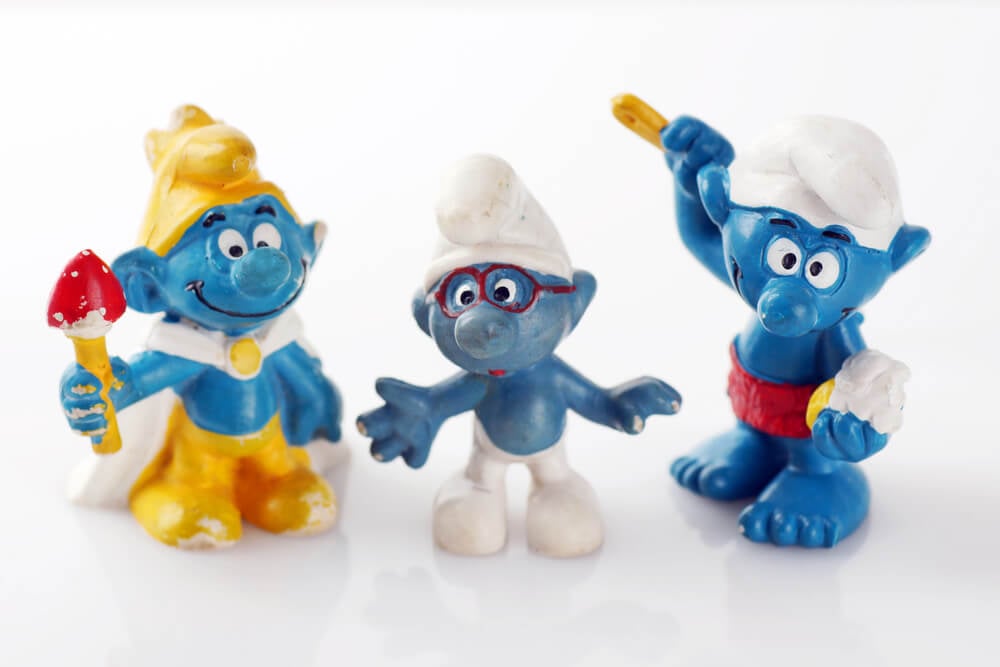
Coleco released Smurf: Rescue in Gargamel’s Castle in 1982 for the Atari 2600 and ColecoVision, putting the village on early home consoles. The goal is to carry the hero past obstacles to save Smurfette from the wizard’s lair, which fit the comic setup neatly.
Loose cartridges are common and inexpensive, often selling for under 20 dollars. Complete copies with the box and manual, free of label damage, bring noticeably more than a bare cartridge, and a sealed copy would be a rarity that only a patient hunter finds at a reasonable price.
Blue Plastic and Small Obsessions
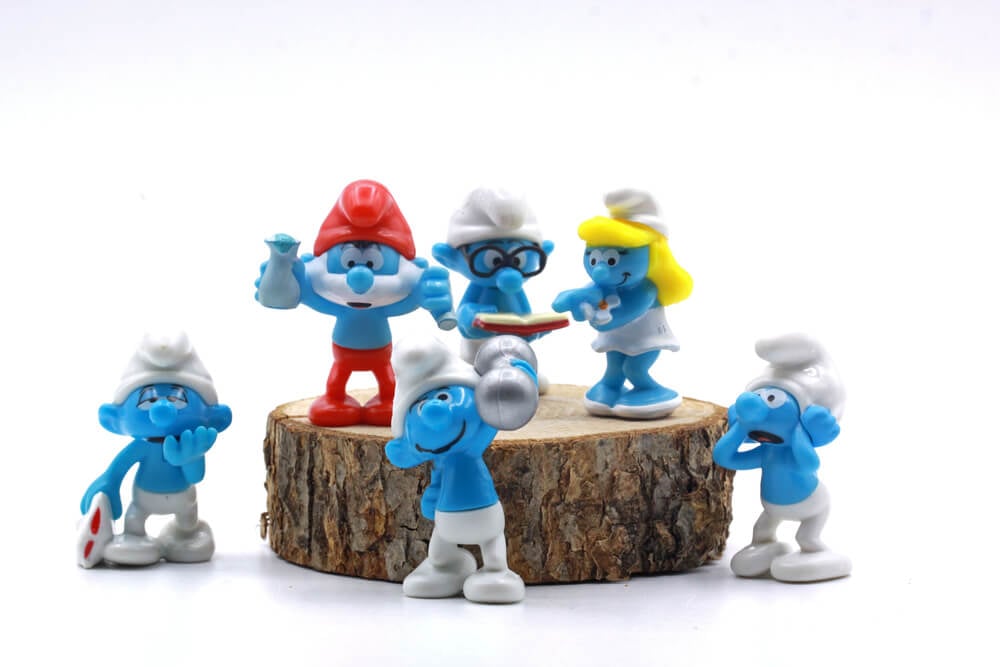
Smurf collecting works because the hobby has so many entry points. A person can chase every Schleich pose, assemble a Hardee’s glass set, hunt down a lunch box or just keep a favorite character on a desk.
Prices rarely climb into serious money, which leaves room for completists who want an entire village.
That low barrier is also the reason the figures survive in such numbers. Nobody was saving them as investments, and many were played with until the paint wore off, which is why clean pieces stand out.
A tiny blue creature from 1958 has become a quiet standard for how affordable nostalgia works.
More from Go2Tutors!

- The Romanov Crown Jewels and Their Tragic Fate
- 13 Historical Mysteries That Science Still Can’t Solve
- Famous Hoaxes That Fooled the World for Years
- 15 Child Stars with Tragic Adult Lives
- 16 Famous Jewelry Pieces in History
Like Go2Tutors’s content? Follow us on MSN.