29 Prehistoric Creatures That Looked Nothing Like What Most People Imagine
Most people carry in their minds a fixed picture of prehistoric life shaped by decades of movies, museum displays, and pop culture. These images feel permanent, iconic, unchangeable.
Yet behind the scenes, paleontologists have spent the last thirty years overturning nearly every detail of how we visualize ancient animals. The skeleton mounted in a museum, the creature drawn in a childhood book, the dinosaur from a classic film—nearly all of them would be unrecognizable to the real thing walking the Mesozoic.
The gap between assumption and evidence reveals something fundamental about science: it moves forward by contradicting itself, testing each assumption until a better one emerges. What follows are creatures whose actual appearance, behavior, and very nature would shock anyone expecting the conventional reconstruction.
Tyrannosaurus Rex
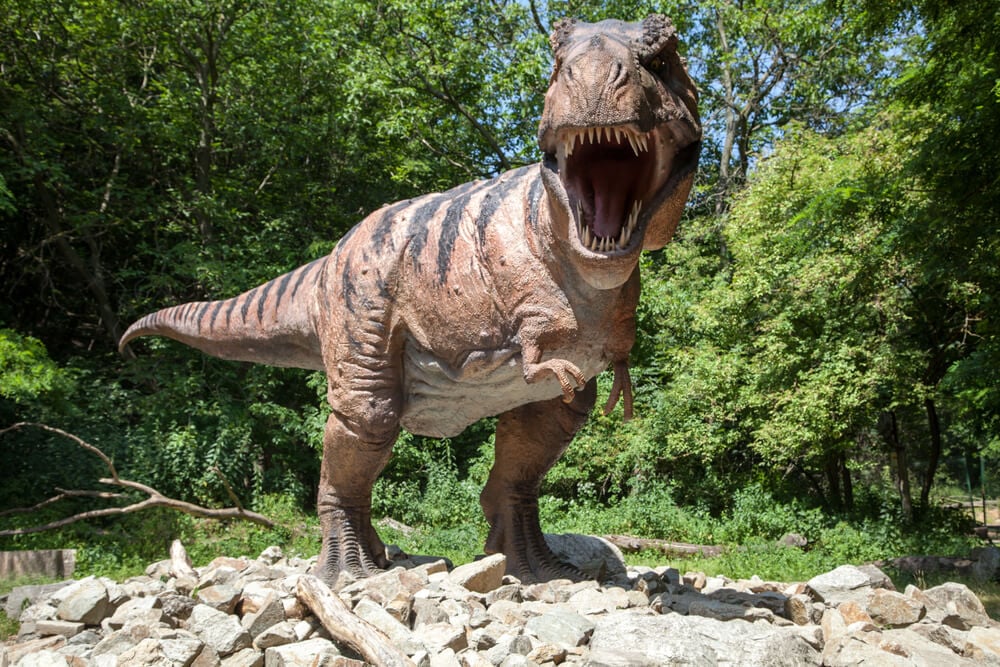
Baby T. rex hatchlings were roughly the size of a lean turkey and covered in downy feathers. Adult specimens likely retained at least some feathering along the head and tail throughout their lives, though debate persists about whether the massive adults were entirely feathered or bore a mix of feathers and scaly skin.
Their arms, often dismissed as tiny and useless, were actually capable of moving with considerable force and bore claws that could puncture flesh. Scientists remain divided on whether T. rex was primarily an active hunter or a scavenger that followed other predators to claim their kills, though most current evidence supports an opportunistic approach to both.
Stegosaurus
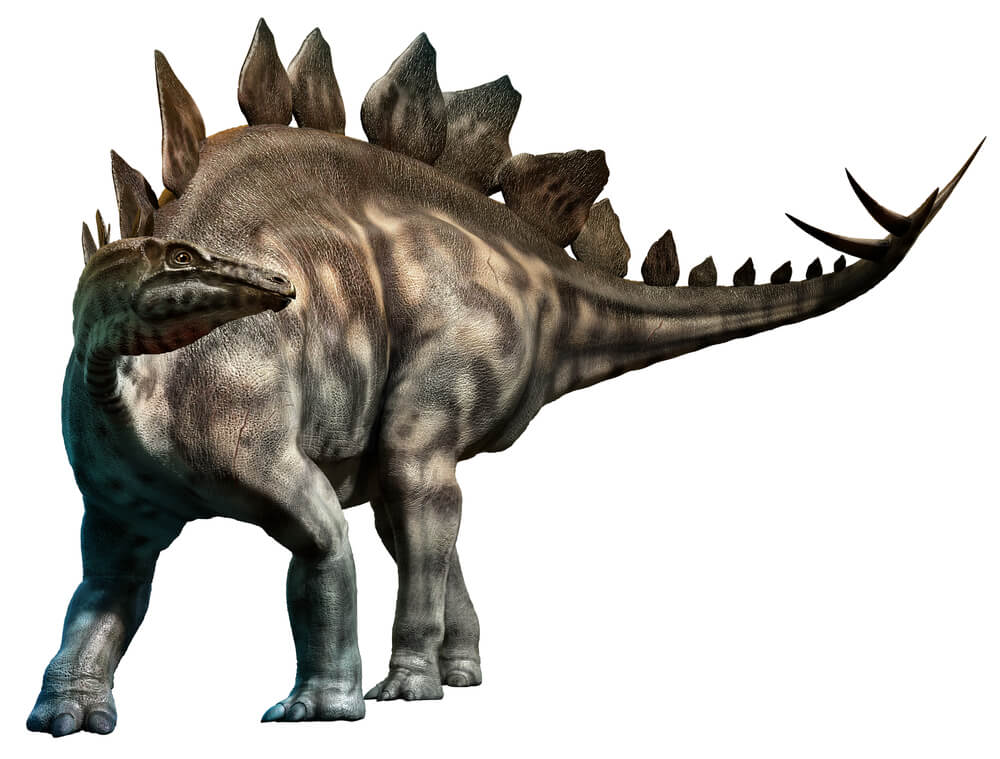
The iconic plates running along its spine were not arranged in a neat single row as early reconstructions suggested, nor were they paired symmetrically. Instead, they alternated in a staggered double row, with no two plates from the same animal identical in shape or size.
What these plates actually did remains genuinely unsettled. The defensive armor theory collapsed once scientists realized plates arranged this way offered little protection to the vulnerable flanks.
Leading hypotheses now favor thermoregulation through blood vessels embedded in the bone, though others argue they existed primarily for species recognition or display.
Brachiosaurus
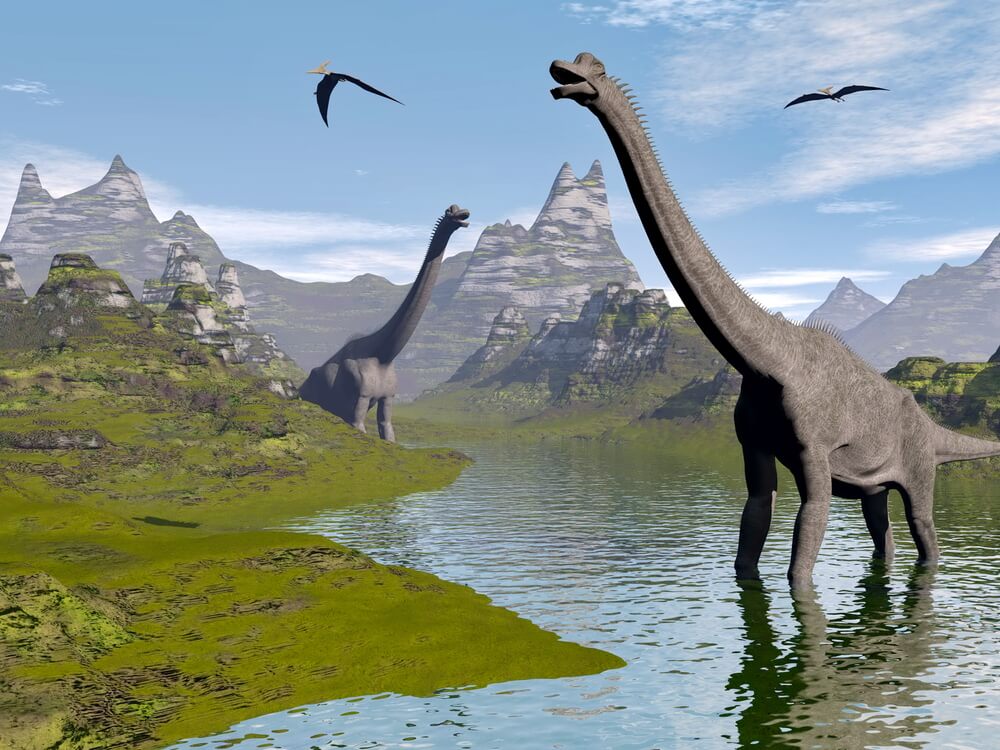
For a century, Brachiosaurus appeared in museums and textbooks standing upright like a towering giraffe, its long neck stretched vertically toward the sky. Modern biomechanical analysis of its vertebrae shows the neck was optimized for nearly horizontal posture, with an extremely limited vertical range of motion—perhaps only about twenty degrees.
Its great height came not from a raised neck but from its elongated front legs and sloped back. This horizontal positioning would have allowed Brachiosaurus to sweep its head across a wide feeding range without moving its enormous body.
Iguanodon
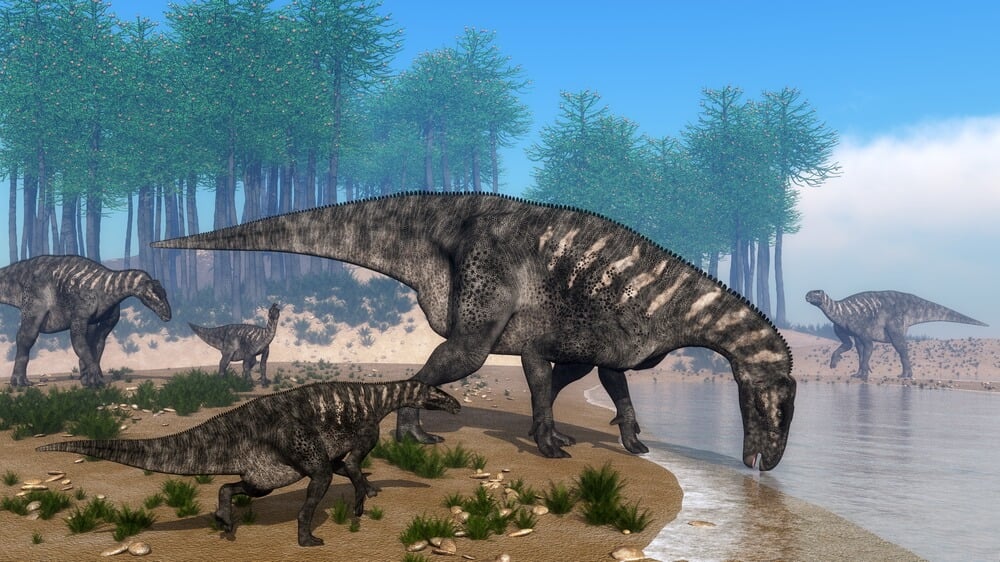
Early reconstructions showed Iguanodon as a kangaroo-like biped resting on its tail, a posture that persisted for nearly a century in museums from Belgium to London. Paleontologist David Norman demonstrated that this stance was mechanically impossible—the tail was reinforced with ossified tendons that would snap if the animal leaned on it.
Rather, Iguanodon walked on all four legs with a nearly horizontal backbone, though younger, lighter individuals may have reared up on hind legs occasionally. Its unique hands, with three central fingers fused into a hoof-like structure, served to distribute weight while walking rather than grasp or manipulate objects.
Spinosaurus
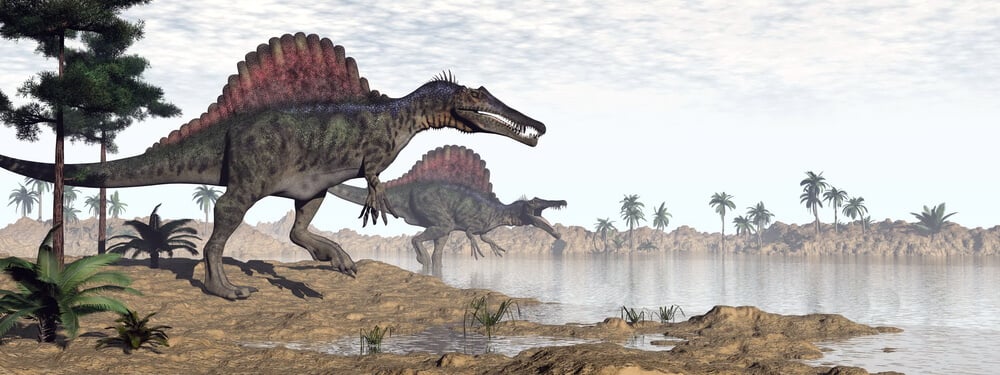
Whether Spinosaurus hunted in rivers, waded in shallows, or prowled only on land remains hotly contested. A 2020 discovery of a paddle-shaped tail led some researchers to declare it the first fully aquatic dinosaur.
However, subsequent biomechanical studies suggested it was at best a semiaquatic ambush predator—capable of entering water but not a strong swimmer. Its sail-backed spine may have served for display rather than swimming propulsion, similar to living reptiles with similar structures.
New fossil finds from far inland further muddy the aquatic hypothesis, suggesting a creature equally at home on land and in water.
Therizinosaurus
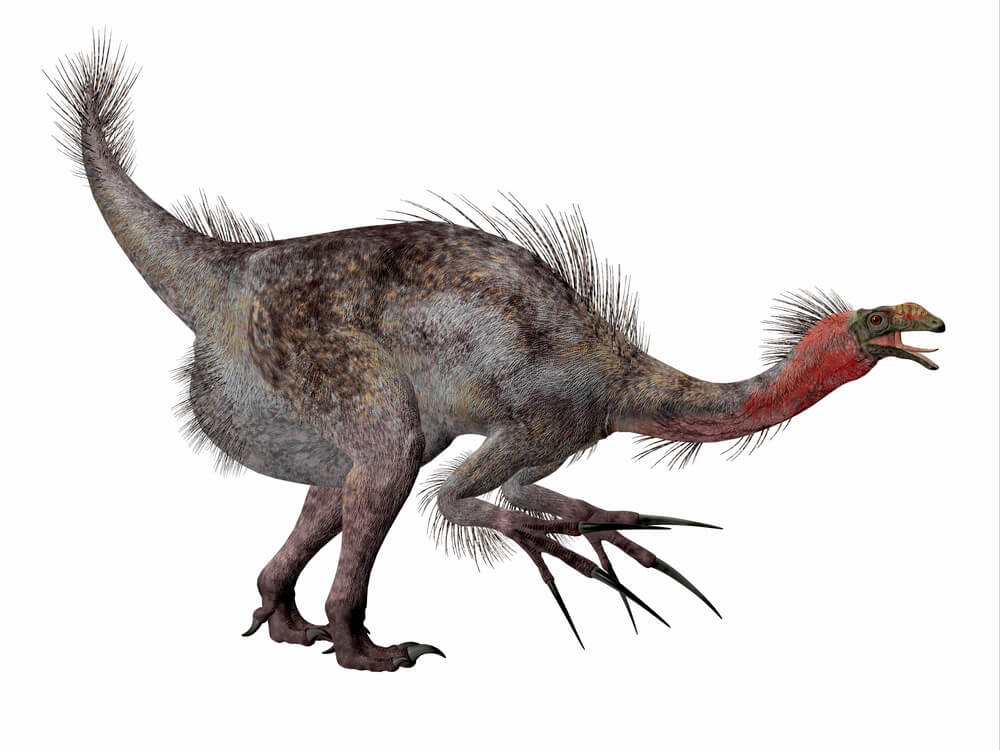
With claws longer than a meter, Therizinosaurus looked like a creature built entirely for violence. Yet it was almost certainly herbivorous, using those enormous scythe-like claws to pull down branches and forage for vegetation, not to slash at prey.
Its small head, long neck, and rotund belly all point to a high-browsing plant-eater more similar to a long-necked giraffe than to any carnivorous theropod. Feathers likely covered much of its bulky frame, and scientists suspect it may have used those feathers and dramatic claws in mating displays, resembling an outsized, terrestrial peacock with a vegetarian diet.
Velociraptor
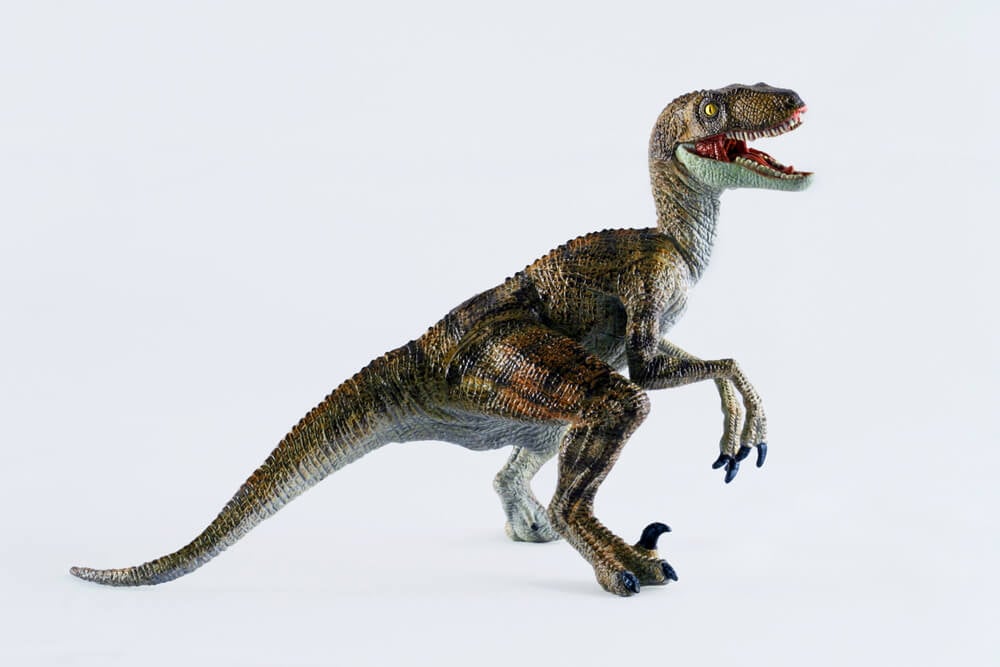
Movies transformed Velociraptor into an oversized hunting pack that coordinated attacks like military units. The actual animal was roughly turkey-sized, stood barely waist-high, and showed little clear evidence of cooperative pack hunting.
It possessed feathers, though not the sleek plumage of modern birds but rather a filamentous, downy covering. Its famous killing claw was likely not a primary slashing weapon but rather a tool for pinning prey to the ground.
Most predatory attacks by Velociraptor, like those of modern predators, probably ended in failure.
Pterosaurs
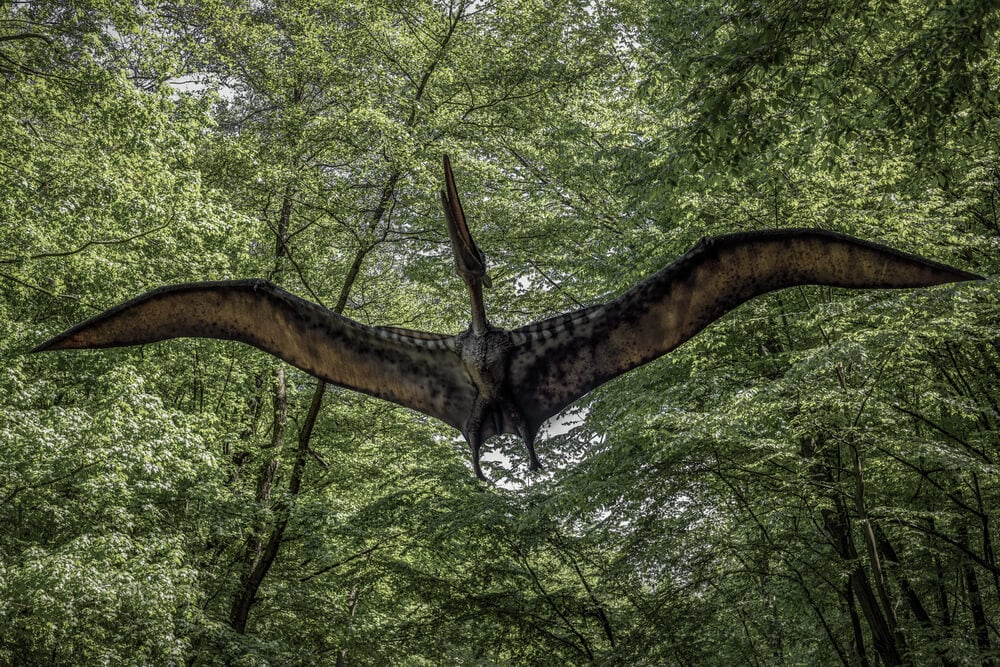
Pterosaurs were not dinosaurs at all, though they are routinely lumped into that category by the public. More strikingly, they did not fly like birds or bats in the manner traditionally depicted.
Recent evidence suggests many pterosaur species walked on four legs, with the flight membrane stretching from the enormously elongated fourth finger down to the hind leg. They may have launched themselves into flight from a quadrupedal stance rather than from hind legs alone, fundamentally altering how scientists understand their locomotion and ecology.
Diplodocus
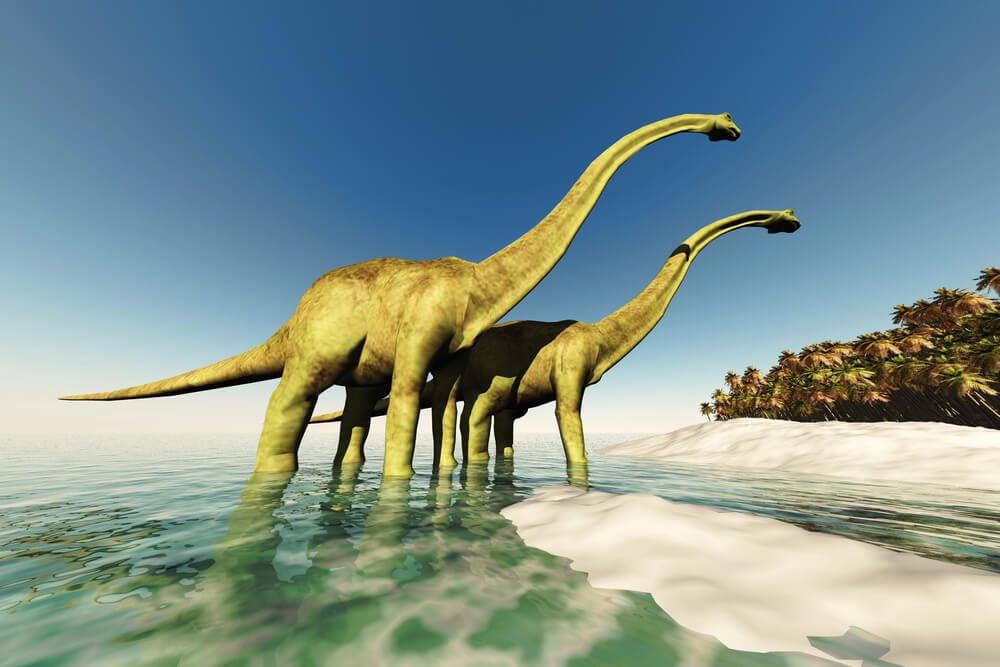
Its extremely long neck was held nearly horizontally, not stretched skyward as the posaur-like posture suggested. This arrangement would have allowed Diplodocus to browse side to side across a wide area without shifting its massive body.
The weak teeth and forward-facing nares suggest a diet of ferns and conifers that required little chewing, with stones swallowed to help grind tough plant material in the stomach.
Ankylosaurus
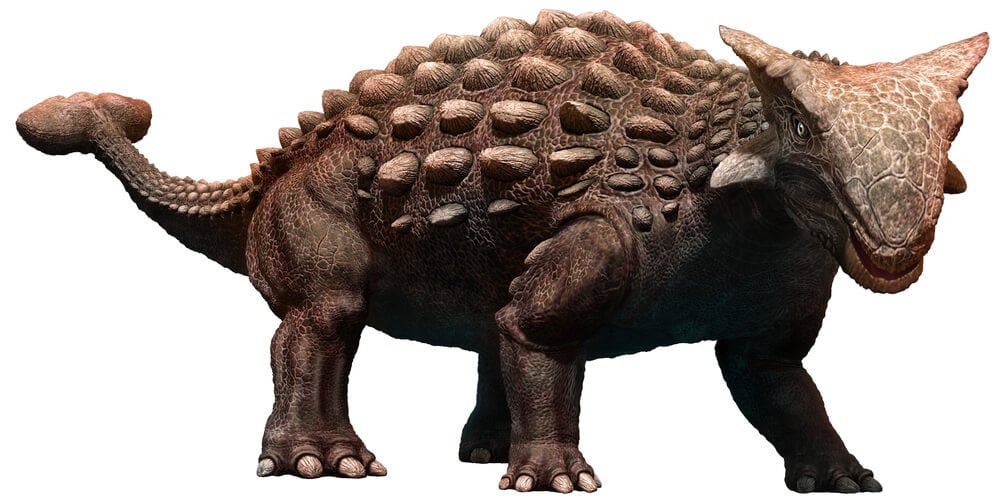
The tail club was not simply a blunt bludgeon but an intricately fused arrangement of bone and possibly cartilage that could deliver devastating strikes. Recent research on similar-tailed ankylosaurs suggests these clubs may have been used as much for intraspecies combat and display as for defense against large predators.
The armor coverage may have varied by gender or age, and some areas previously thought unprotected might have borne flexible ossified skin.
Archaeopteryx
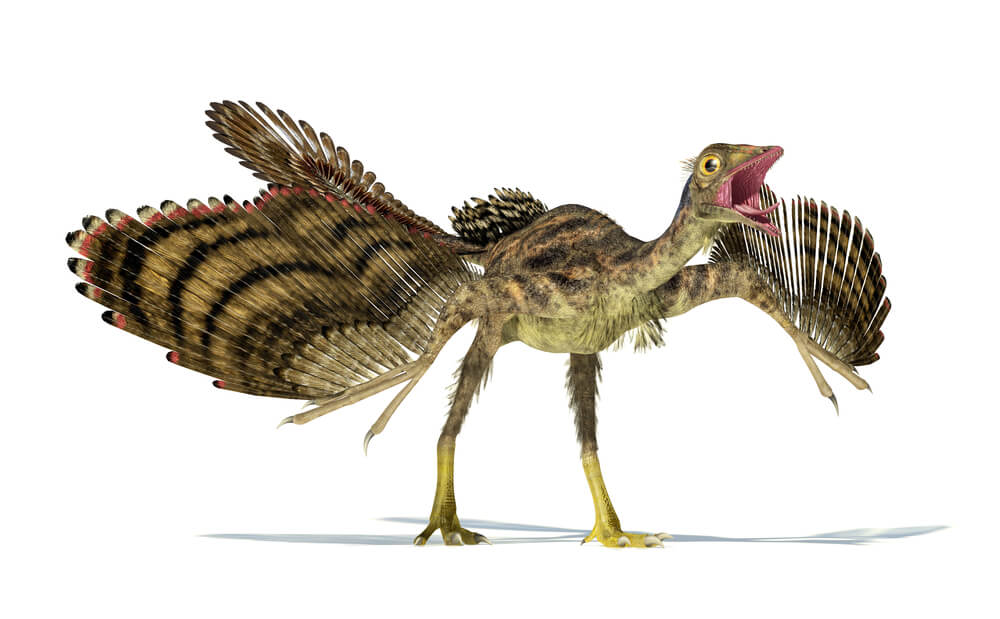
Once celebrated as the perfect intermediate between dinosaurs and birds, Archaeopteryx is now understood to be neither fully one nor the other. It bore feathers, claws on its wings, and teeth—features that blur the boundaries between dinosaur and bird.
Fossil impressions suggest it possessed flight capability, though not the sustained powered flight of modern birds. Whether it represents the origin of birds or simply a side branch of feathered theropods remains a live question.
Triceratops
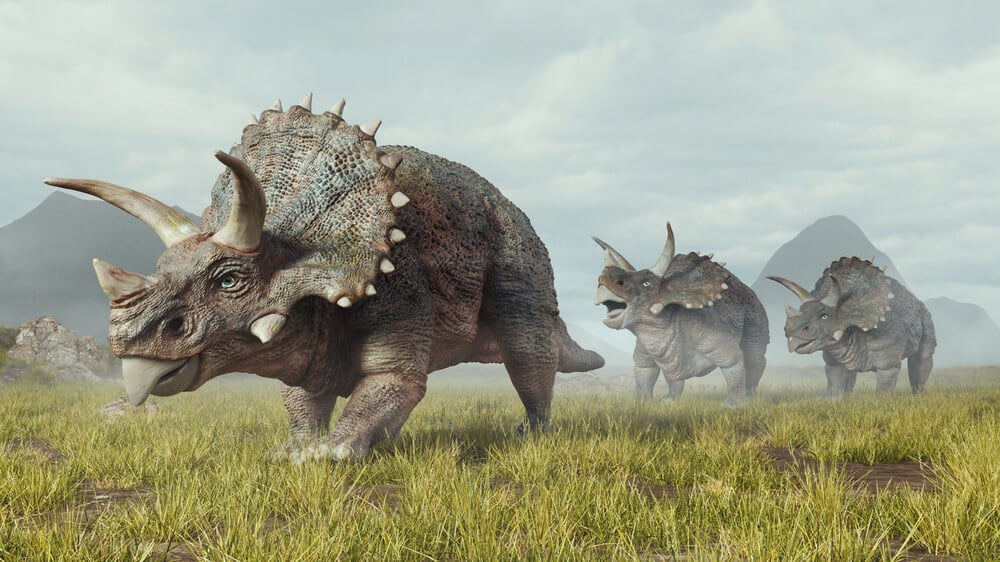
The three horns were not simply pointed bone but were sheathed in keratin—the same material as human fingernails—that could add up to forty percent more length and bulk to the underlying bone core. This means living Triceratops horns were substantially larger and more formidable than the bone suggests.
Evidence of healed scrapes and fractures on many skulls implies horn-to-horn combat, though whether these battles were between rivals or predator and prey continues to generate debate.
Longisquama
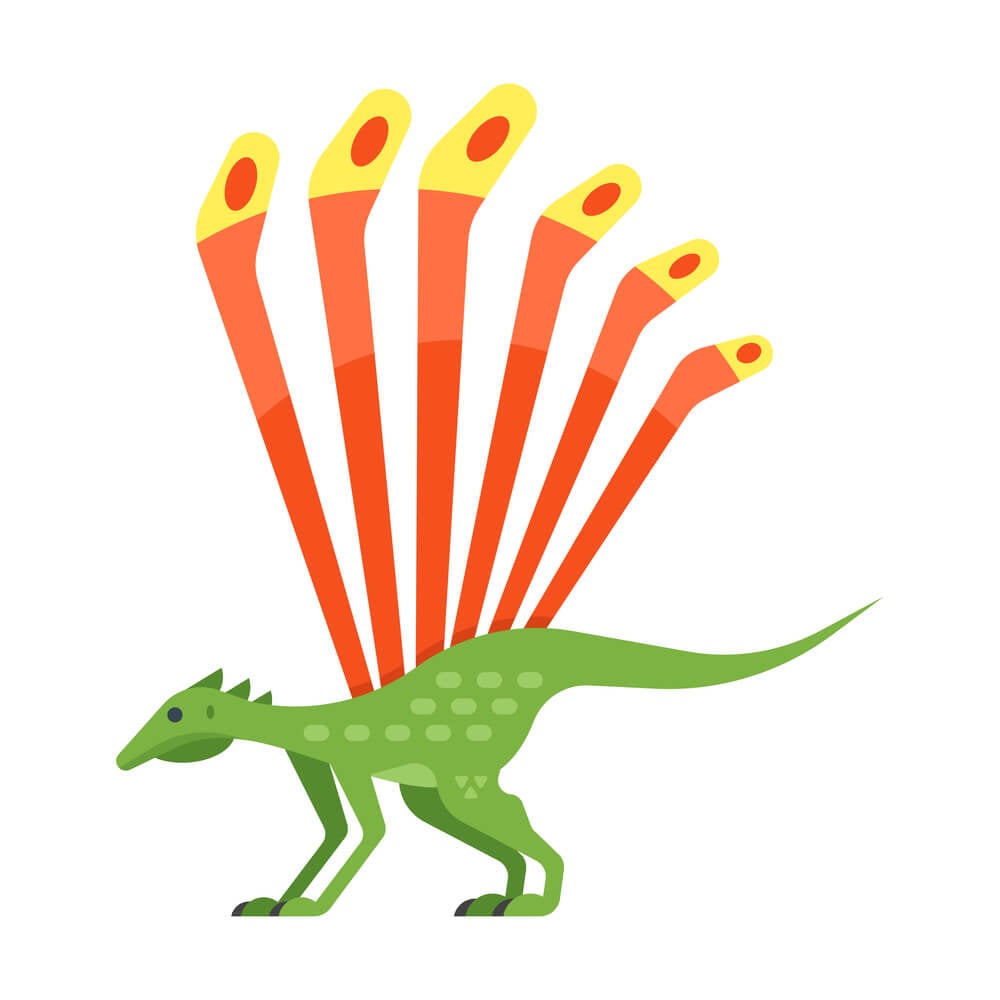
This small Triassic reptile bore an utterly bizarre arrangement of elongated structures jutting from its spine—paleontologists termed them “hockey sticks” for lack of a better description. These features contained hollow vein-like centers similar to bird feathers, leading to speculation they were primitive insulating structures, display organs, or even primitive wings.
No modern animal provides a useful comparison, leaving Longisquama among the most genuinely strange prehistoric creatures ever recovered.
Deinonychus
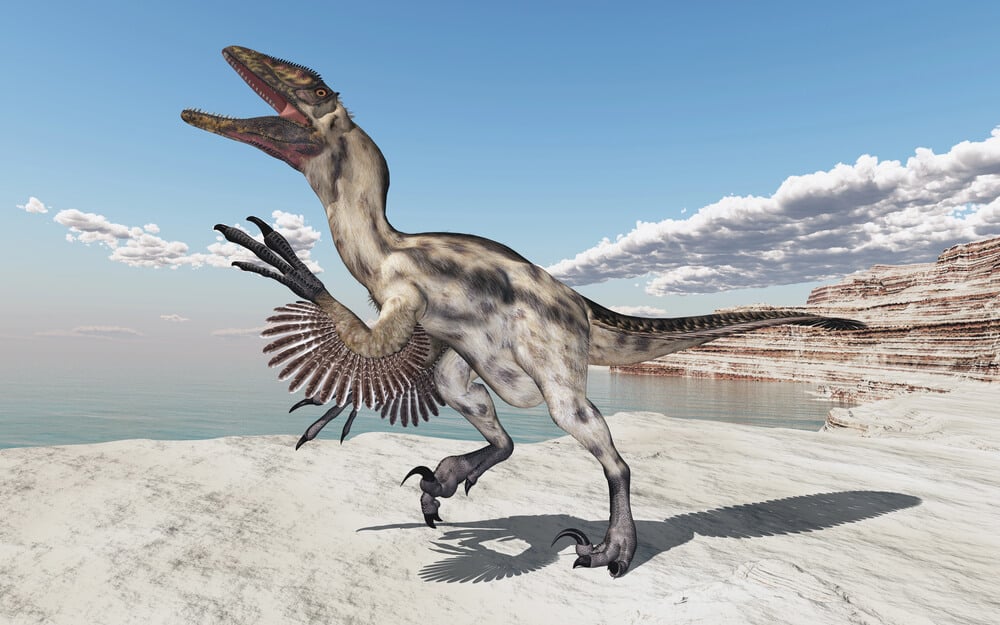
Jurassic Park introduced audiences to a Deinonychus rendered as an oversized, cunning pack hunter capable of tactical cooperation. The actual creature was considerably smaller and lacked clear osteological evidence of pack behavior.
Its second toe claw was indeed prominent and could have inflicted serious damage, but no better evidence exists for group hunting than for many solitary predators of its size. The teeth were suited for puncturing soft tissue, but overall predatory success rates remain unknown.
Parasaurolophus
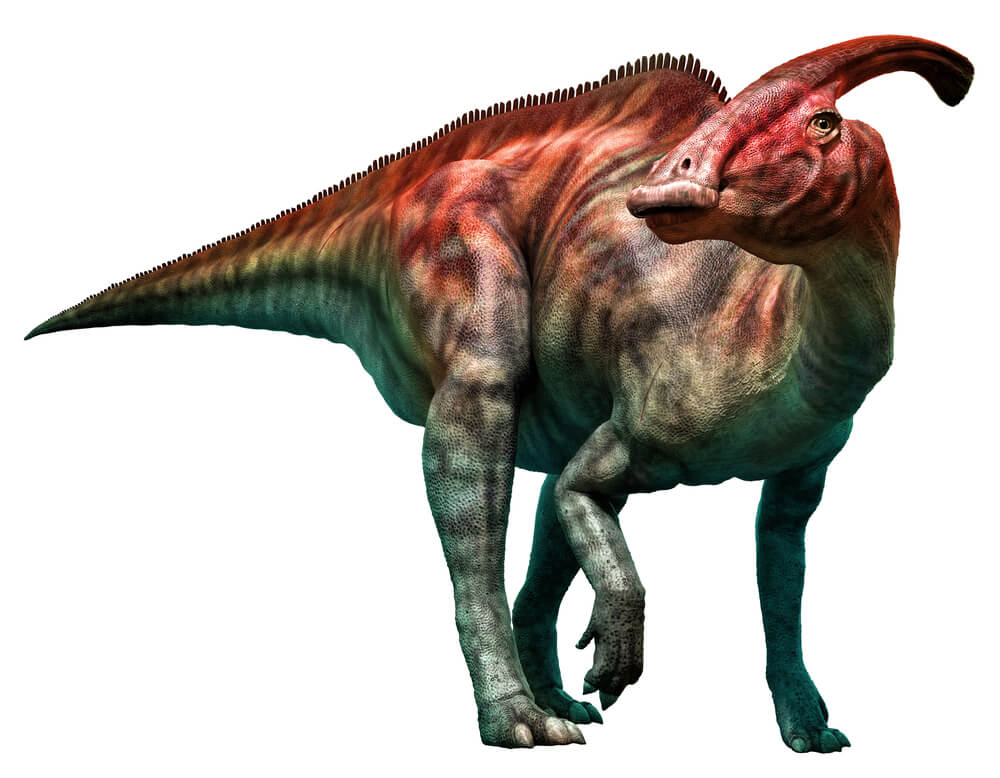
Its elongated head crest was long thought to serve as a weapon or a battering ram, but the bone is actually hollow and relatively fragile. Modern interpretation suggests acoustic resonance chambers used for communication within herds—functions similar to an elephant’s shape or a whale’s singing.
The crest may have also played a role in species or recognition. Some research indicates juveniles had different crest shapes than adults, implying ontogenetic change in appearance.
Oviraptors
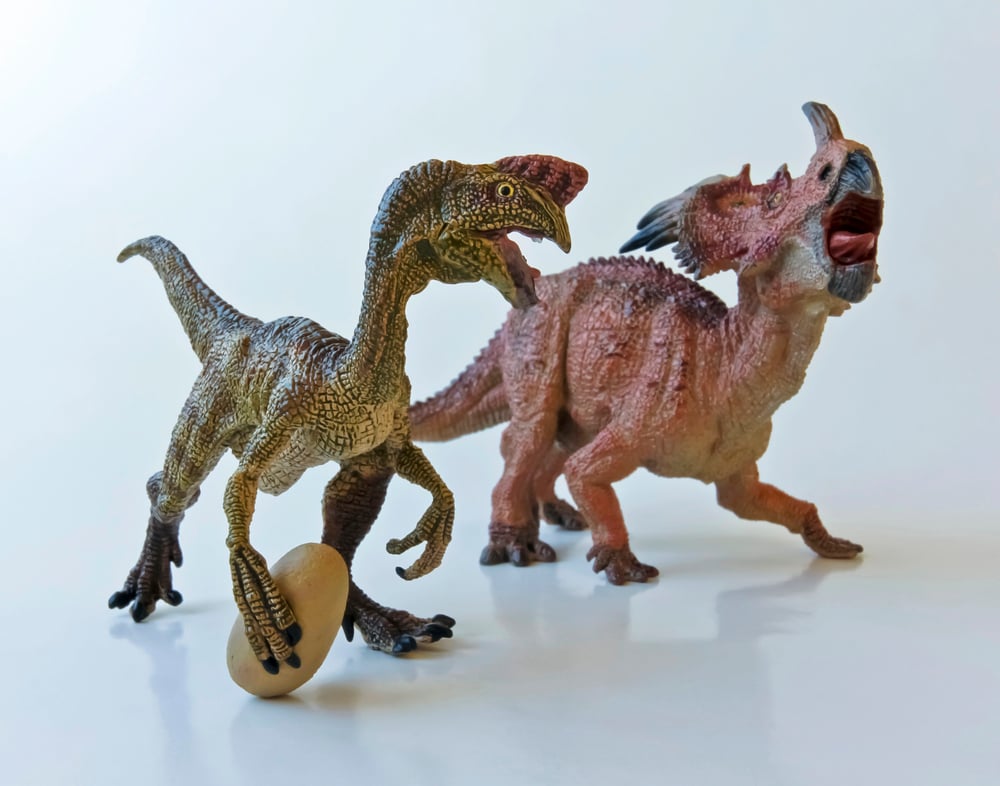
Named oviraptors because fossil specimens were found atop egg clutches, they were long assumed to be egg thieves stealing from nests. Closer examination of specimens showed they were brooding their own eggs in a posture much like modern birds, protecting their clutches rather than preying on them.
This discovery fundamentally revised understanding of dinosaur parental behavior and nesting ecology across a broader class of theropods.
Giganotosaurus
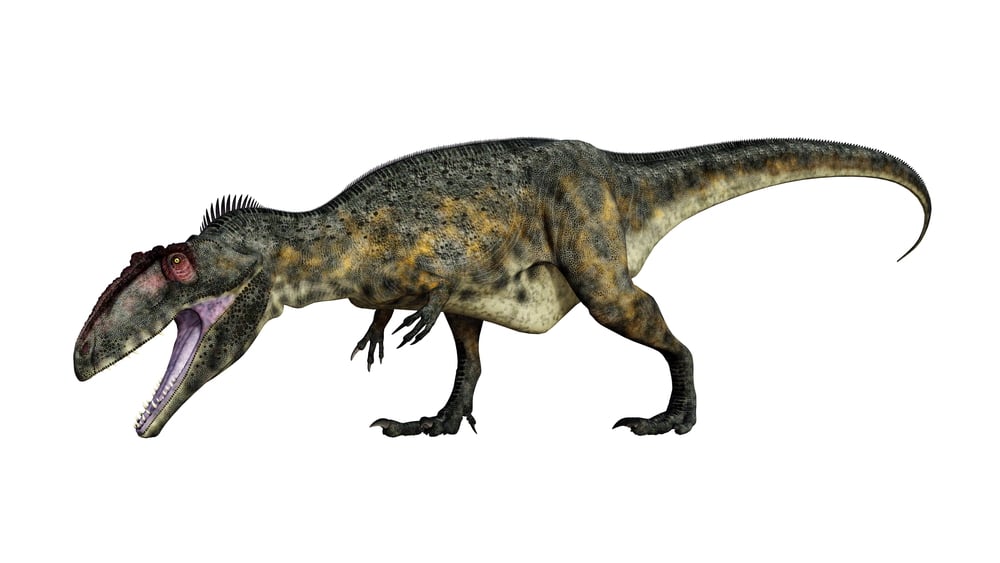
Long promoted as larger and more impressive than T. rex, Giganotosaurus was actually comparable in size, perhaps slightly longer but not necessarily heavier. More significantly, T. rex possessed a substantially more powerful bite force, while Giganotosaurus had a more slender snout suited to slicing flesh rather than bone.
The two represent different predatory strategies rather than a simple hierarchy of size and power.
Plesiosaurus
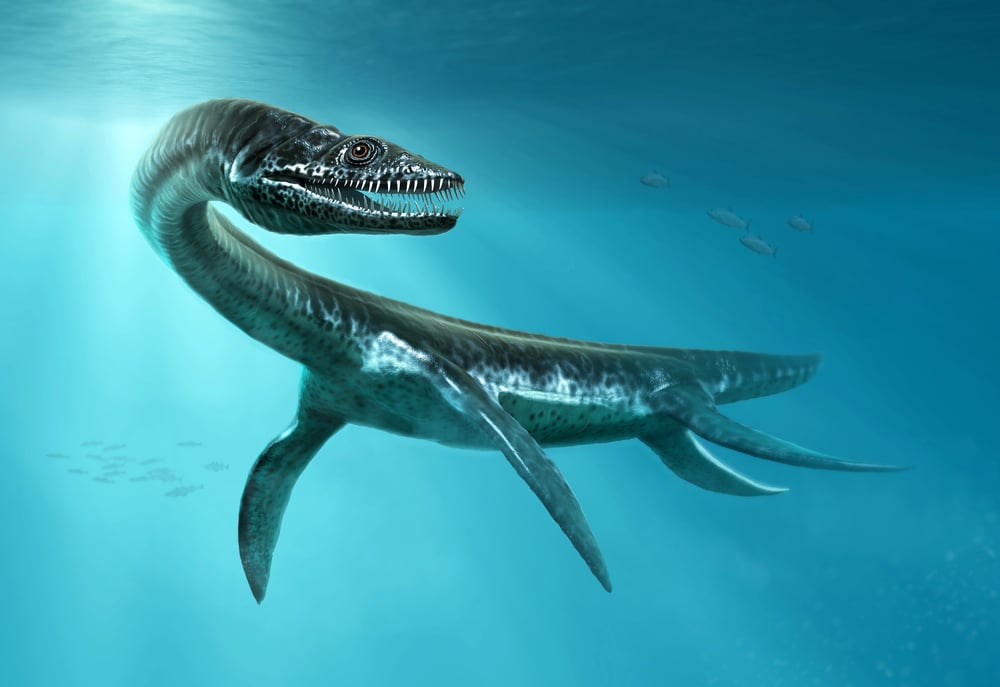
This marine reptile was not a dinosaur and did not belong alongside land-dwelling theropods or sauropods. Its four flippers drove it through ancient seas using a swimming motion similar to sea turtles or modern plesiosaurs.
Whether it hunted surface prey or deep-diving quarry remains debated, as does the ecological role of its extraordinarily long neck in some species.
Mosasaurus
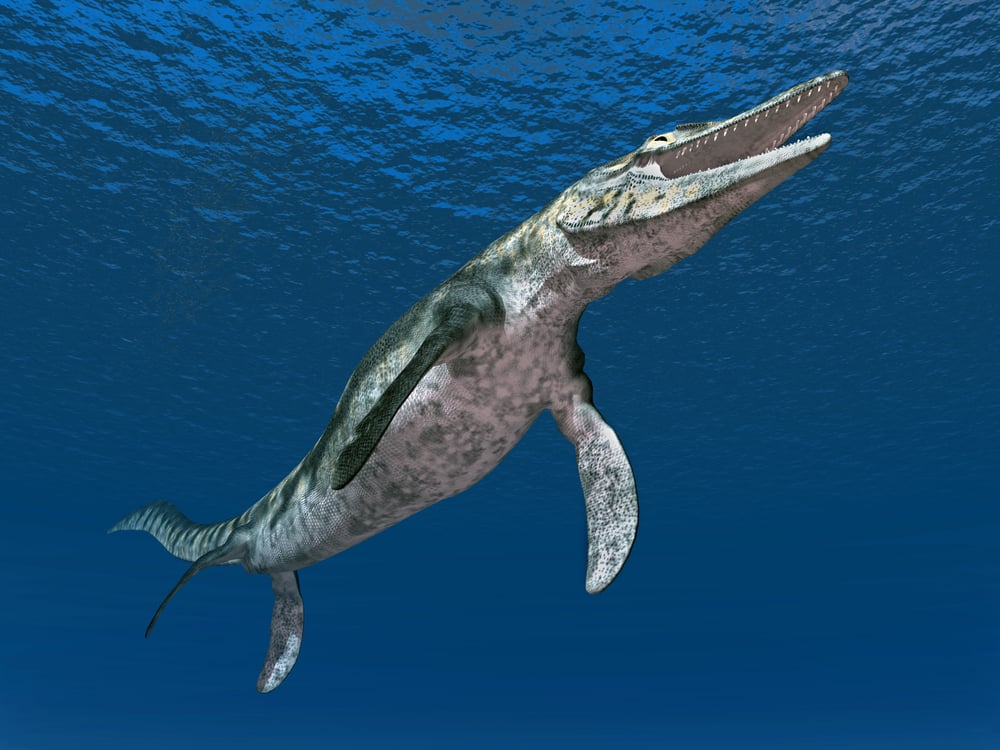
Often grouped casually with dinosaurs, mosasaurs were marine reptiles more closely related to monitor lizards than to any dinosaur. They possessed a flexible spine and powerful tail suited to rapid aquatic pursuit predation.
Some species reached lengths exceeding fifty feet, making them apex predators in Late Cretaceous oceans, yet they left no direct descendants.
Compsognathus
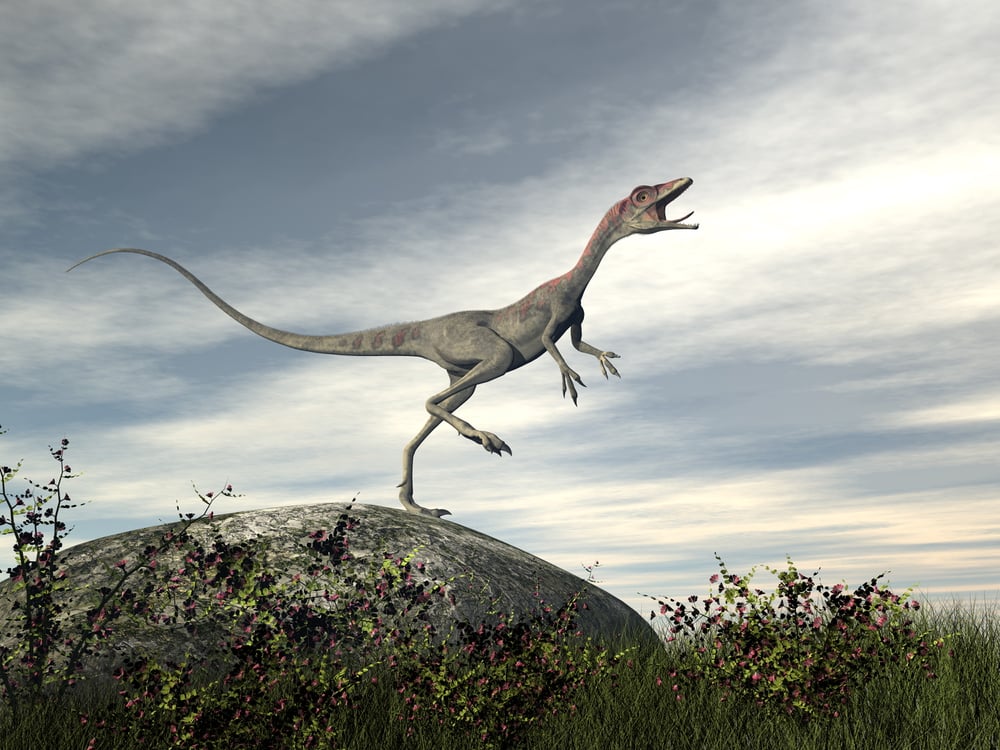
Once thought to be the smallest dinosaur, the most complete Compsognathus fossil was actually a juvenile specimen. Adults would have grown substantially larger, reaching perhaps up to three meters in length.
This single mistake propagated through decades of literature and popular accounts, demonstrating how incomplete fossil evidence can generate persistent misconceptions across generations of paleontologists.
Carnotaurus
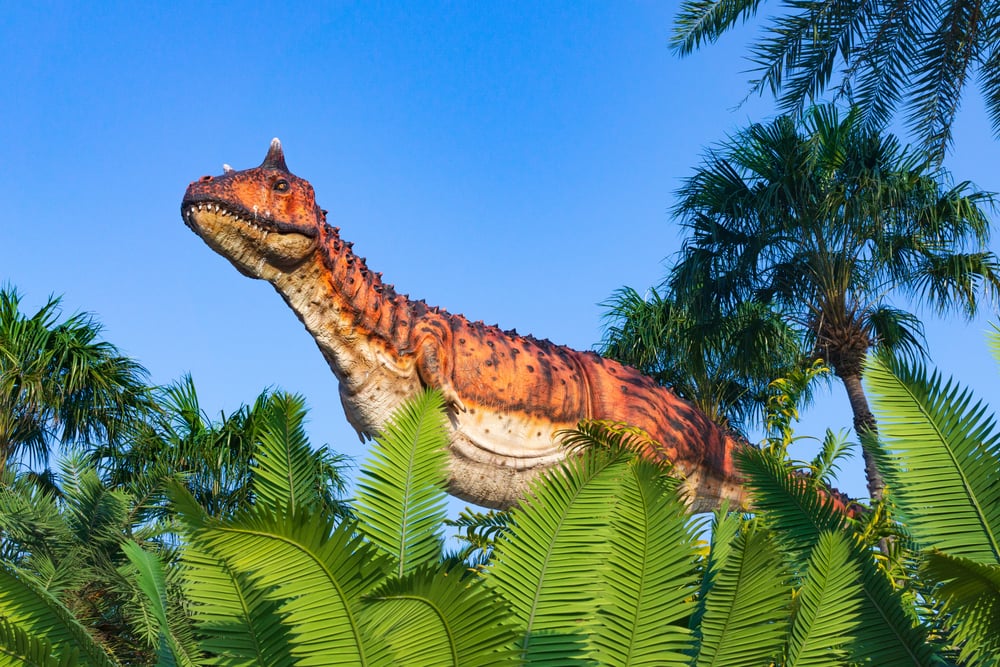
This bull-like predator bore short, curved horns above its eyes that were far more robust than once appreciated. Recent studies of bone structure suggest these horns could have withstood considerable contact stress, implying their use in intraspecies combat.
Its laterally flattened body and unique locomotor proportions indicate a hunting strategy fundamentally different from T. rex, possibly emphasizing ambush and acceleration over endurance pursuit.
Euoplocephalus
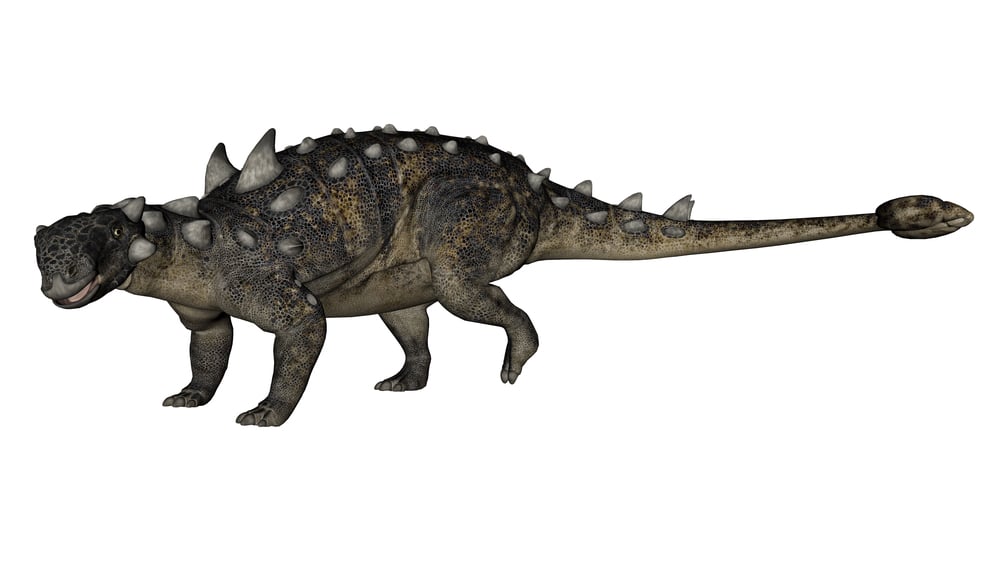
The armor of ankylosaurids was not static and unchanging but potentially showed dimorphism and developmental change. Some evidence suggests males possessed more elaborate armor arrangements than females.
The tail club likely saw use in territorial and mating displays, not merely defensive responses to predators.
Argentinosaurus
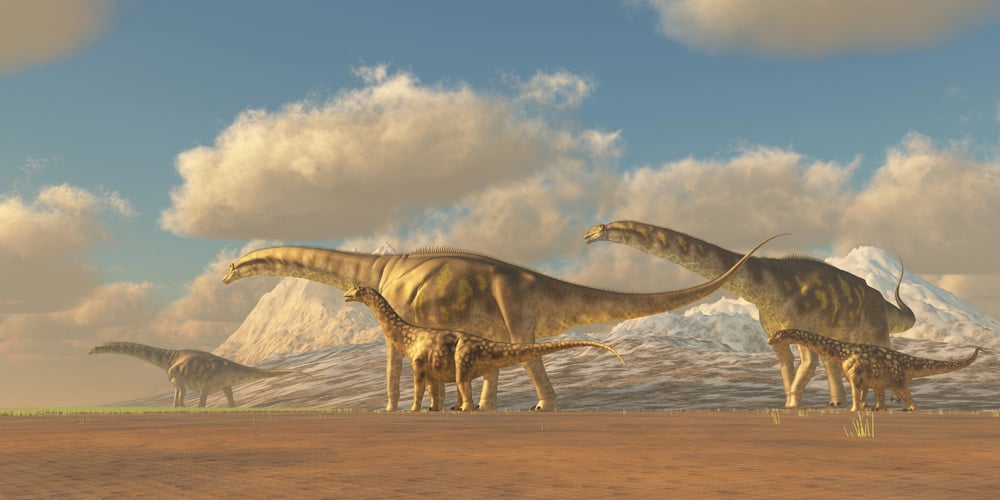
Often cited as the largest land animal ever to exist, Argentinosaurus remains poorly understood due to incomplete fossil material. Early estimates of one hundred metric tons appear too high based on skeletal proportions.
More conservative calculations place it in the range of sixty to eighty tons, an enormous creature but not the unquestionable heavyweight of promotional material. Much of what we “know” about this dinosaur involves considerable speculation from fragmentary bones.
Anodontosaurus
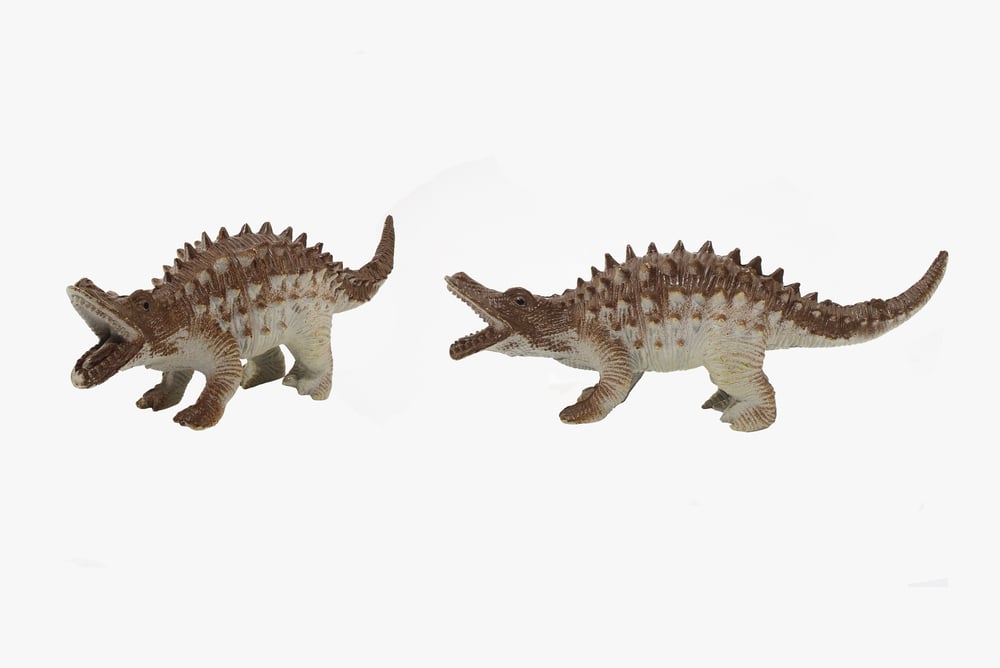
Another ankylosaurid whose defense and display mechanisms are only dimly understood. The lack of teeth implies a diet of soft vegetation, while the extent and arrangement of armor remained controversial until recent discoveries clarified the distribution of osteoderms across the body.
Muscle attachment sites suggest considerable limb mobility despite the armor shell.
Troodon
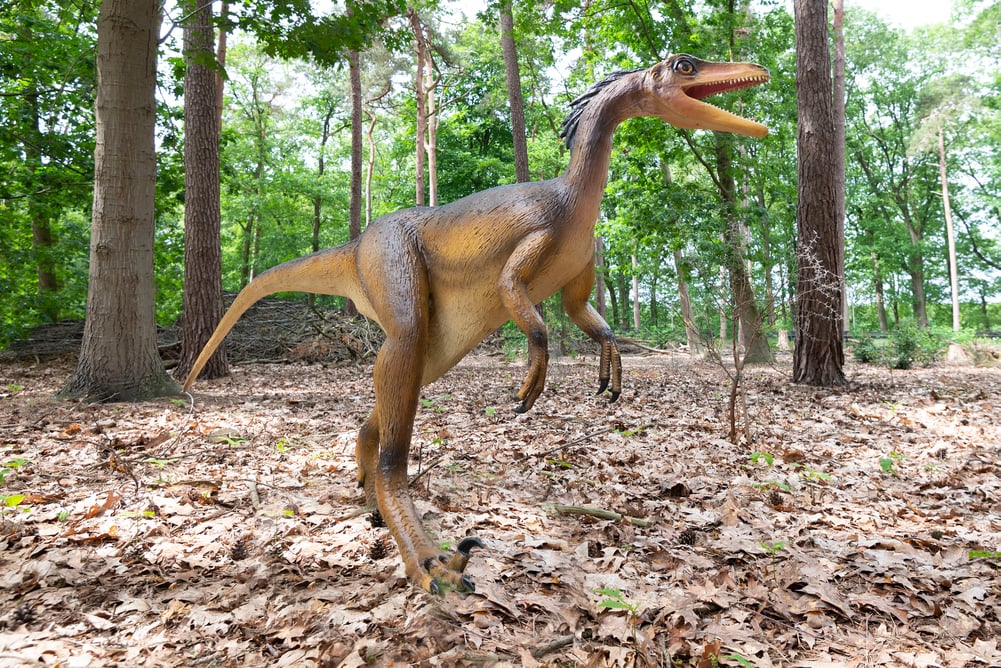
Often celebrated as the “smartest dinosaur” based on brain-to-body ratio, Troodon possessed a cranial capacity larger than some modern birds. However, intelligence in ancient animals remains nearly impossible to quantify meaningfully.
Its relatively large eyes and grasping hands indicate a hunting strategy focused on small prey caught through vision-guided precision rather than speed or pack tactics.
Allosaurus
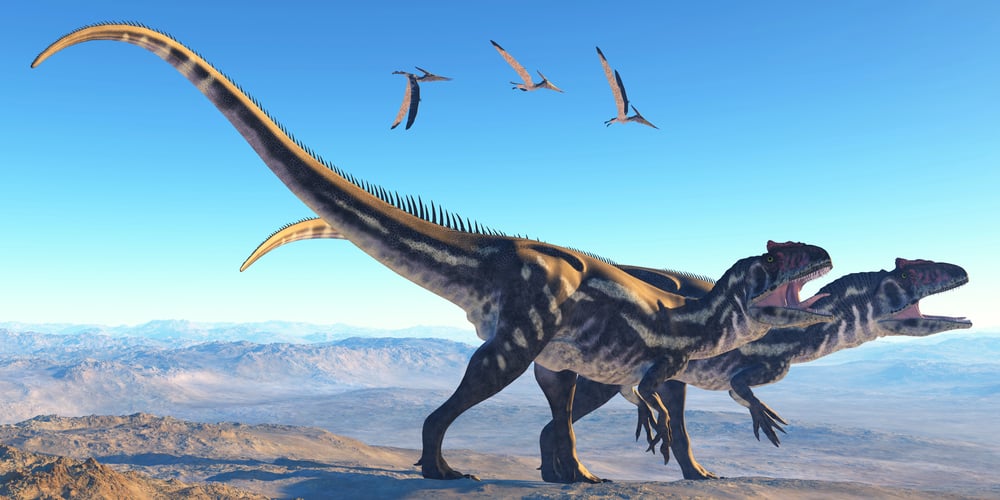
As one of the apex predators of the Jurassic, Allosaurus represents a different predatory strategy than the later Cretaceous T. rex. Its lighter frame, longer tail, and different bite mechanics suggest an approach more suited to pursuit of prey rather than ambush.
Pack hunting remains possible but unproven, while solitary hunting or opportunistic scavenging likely played roles in its feeding ecology.
Gallimimus
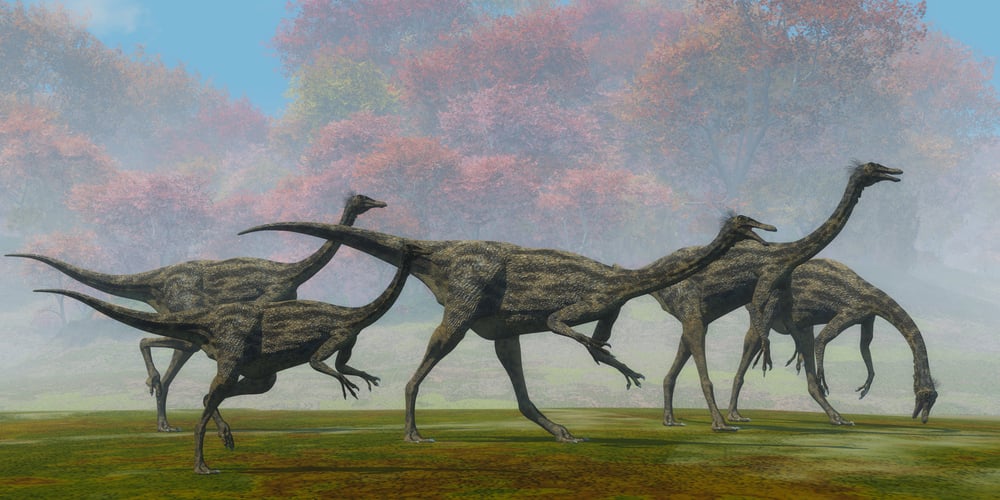
The famous “dinosaur ostrich” was often depicted as traveling in herds, a portrayal popularized by Jurassic Park. While skeletal remains appear common in some fossil beds, this need not indicate herding behavior—mass death events can concentrate solitary individuals.
The bipedal posture, weak jaw, and omnivorous tooth wear suggest a generalist diet and opportunistic feeding strategy rather than the coordinated grazing of herd animals.
Psittacosaurus
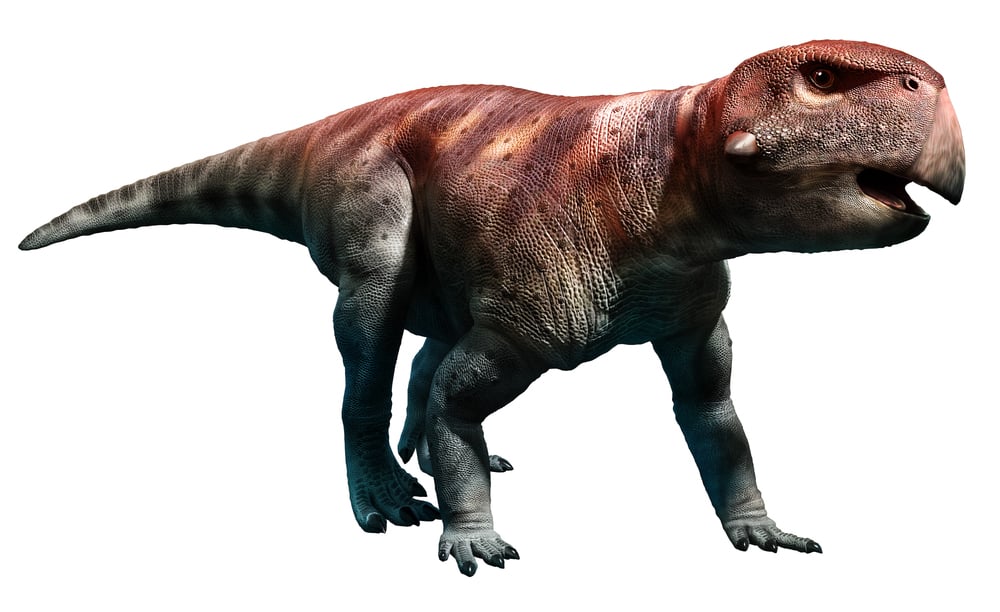
Early reconstructions showed this ceratopsian as bipedal, but skeletal features more strongly support a quadrupedal or semi-quadrupedal posture. The robust forelimbs and fore-positioned pelvis indicate weight-bearing capabilities inconsistent with purely bipedal locomotion.
Some specimens also show evidence of filament-like integument, suggesting early feather-like structures in ceratopsians.
Megalosaurus
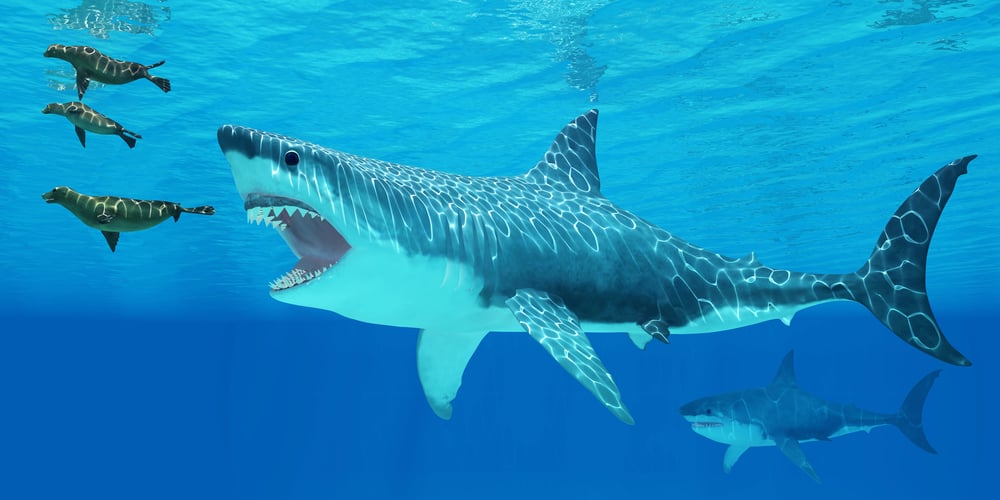
One of the first dinosaurs scientifically described, Megalosaurus was reconstructed based on fragmentary material that led to persistent errors about its posture and proportions. Early illustrations showed it as a bipedal kangaroo-like creature, which influenced generations of dinosaur art.
Later discoveries revealed it was a powerful pursuit predator with a different body plan than initially conceived.
When Silhouettes Shift and Certainties Crumble
The story of prehistoric reconstruction reveals more than the mistakes paleontologists make—it shows how science actually operates. Each misunderstanding was overcome not through stubborn adherence to old ideas but through the accumulation of better fossils, improved analytical techniques, and the willingness to overturn established models.
The creatures listed here are not exceptions but rather examples of how nearly every major prehistoric animal has been fundamentally reinterpreted as evidence accumulated.
More discoveries will continue this pattern. Future paleontologists will dismiss current reconstructions with the same confidence we now dismiss Victorian-era dinosaurs.
The lesson is not that science got it wrong but that it continues to advance, testing each assumption against newer evidence and accepting that today’s certainty is tomorrow’s embarrassment. The prehistoric world will never stop surprising us because we have only begun to understand it.
More from Go2Tutors!

- The Romanov Crown Jewels and Their Tragic Fate
- 13 Historical Mysteries That Science Still Can’t Solve
- Famous Hoaxes That Fooled the World for Years
- 15 Child Stars with Tragic Adult Lives
- 16 Famous Jewelry Pieces in History
Like Go2Tutors’s content? Follow us on MSN.



