15 Facts About Onions That Won’t Make You Cry
Onions might make your eyes water when you chop them, but the stories behind these amazing bulbs are nothing but fascinating. From ancient Egyptian burial chambers to modern kitchens around the world, onions have been quietly shaping human history for thousands of years.
These humble vegetables pack more surprises than you’d expect from something that grows underground. Get ready to discover some truly interesting tidbits about one of the world’s most beloved ingredients.
Ancient Egyptians Worshipped Onions

The ancient Egyptians didn’t just eat onions—they practically revered them. They believed the onion’s spherical shape and concentric rings symbolized eternity and the universe itself.
Onions were so sacred that they painted them on pyramid walls and placed them in the tombs of pharaohs, including King Ramses IV, who had onions placed in his eye sockets during mummification. Talk about taking your favorite vegetable to the afterlife.
They’re One of Humanity’s Oldest Crops

Onions have been feeding people since around 5,000 BC, making them over 7,000 years old as a cultivated crop. They were probably one of the first vegetables humans learned to grow because they were incredibly practical—they lasted longer than other foods, traveled well, and could grow in almost any soil or climate.
Think of them as the Swiss Army knife of ancient agriculture.
Like Go2Tutors’s content? Follow us on MSN.
The Average American Eats 20 Pounds Yearly

Every year, the typical American consumes about 20 pounds of onions. That translates to over 450 semi-truck loads of onions being consumed across the country each day.
When you think about it, that’s a lot of layers getting peeled back in kitchens nationwide.
Libya Leads Global Onion Consumption

While Americans love their onions, Libya takes the crown for highest per capita consumption at 66.8 pounds per person each year. That’s more than triple what Americans eat, proving that onion appreciation varies dramatically around the globe.
There Are Over 33 Different Varieties
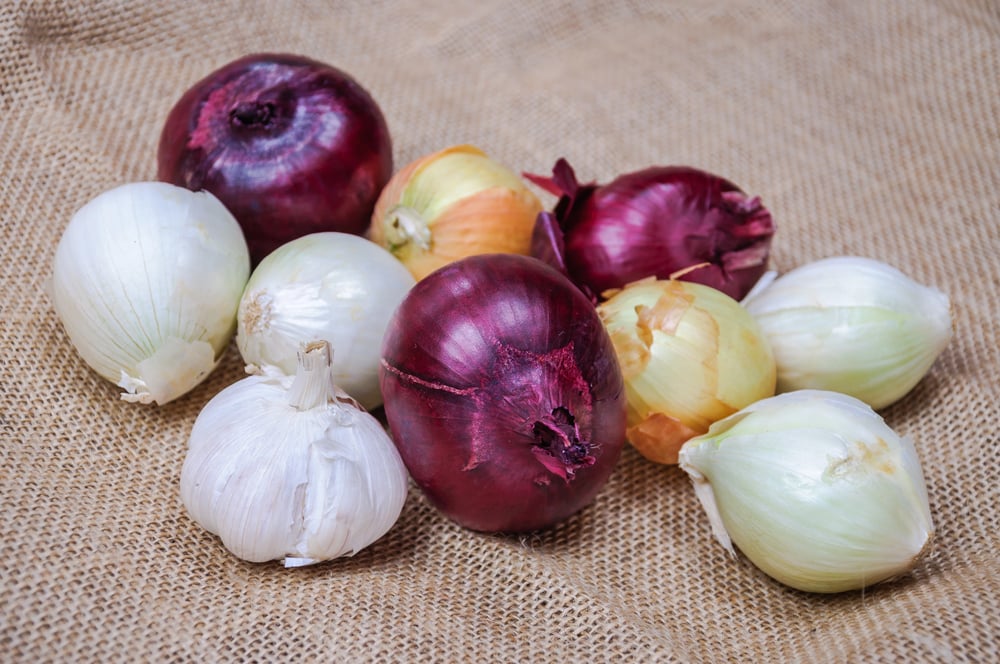
From tiny pearl onions to massive Giant Red Hamburger varieties, there are dozens of different onion types grown worldwide. Each variety brings its own personality to the table—some are sweet enough to eat like apples, while others pack enough heat to clear your sinuses.
Thomas Jefferson grew Red Wethersfield onions because he loved their particular sweetness.
Like Go2Tutors’s content? Follow us on MSN.
New York Was Called the Big Onion

Before New York City earned the nickname ‘The Big Apple,’ it was known as ‘The Big Onion.’ The comparison came from the idea that the city had so many layers you could peel them back endlessly without ever reaching the core.
Given how complex New York remains today, that metaphor still holds up pretty well.
Onions Are Nutritional Powerhouses
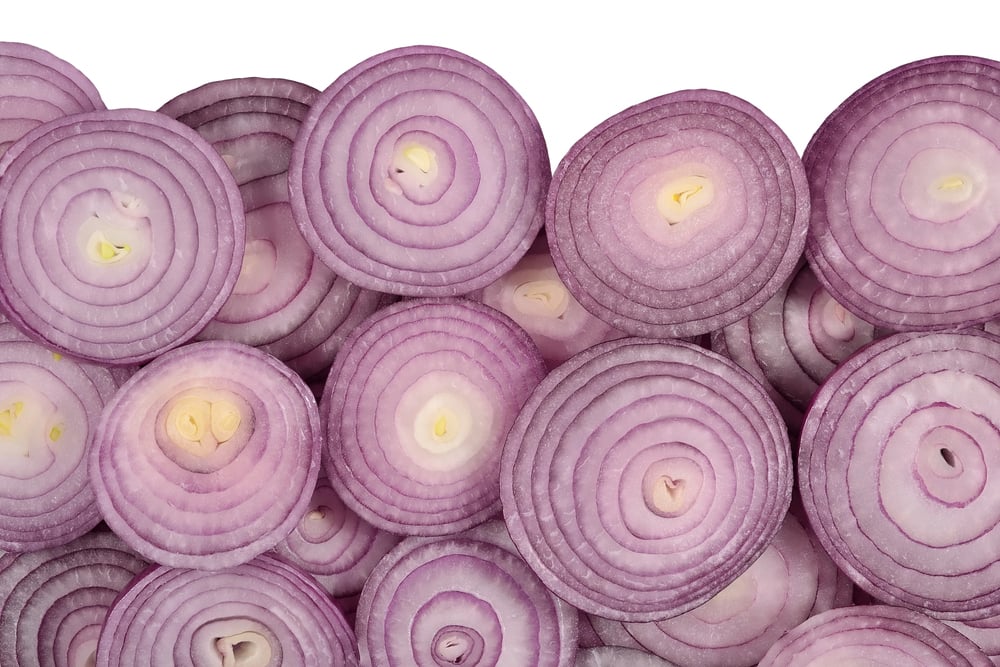
Beyond their flavor, onions pack impressive health benefits with high levels of vitamin C, dietary fiber, and folic acid. They also contain calcium and iron while being naturally low in sodium and completely fat-free.
The quercetin in onions acts as a potent antioxidant and anti-inflammatory agent. Not bad for something that costs less than a dollar per pound.
Red Onions Have the Most Antioxidants
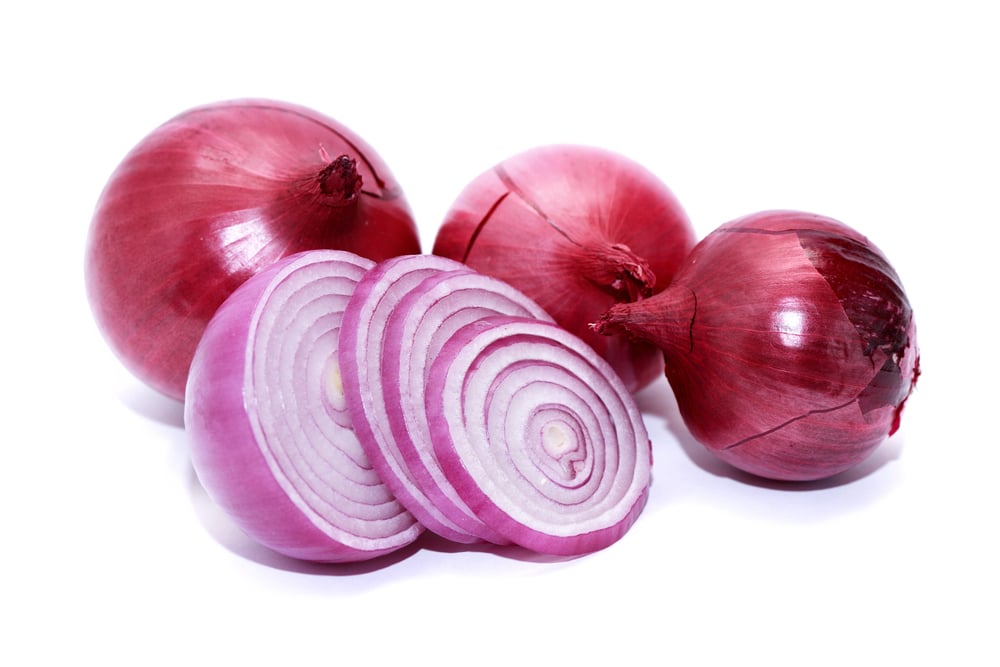
Red onions contain the highest levels of flavonoids—compounds that give fruits and vegetables their colors and health benefits. Yellow onions have 11 times more flavonoids than white onions, but red onions take the crown with at least 25 different anthocyanin compounds.
Their purple hue isn’t just for show.
Like Go2Tutors’s content? Follow us on MSN.
Ulysses S. Grant Wouldn’t Fight Without Them

‘I will not move my army without onions!’ This famous message was sent by General Ulysses S. Grant to the War Department during the Civil War. Onions were valued as much for their medicinal properties as their culinary uses, helping treat battle wounds and keep soldiers healthy.
Grant knew what he was doing—onions contain natural antimicrobial compounds.
They Grow Wild on Nearly Every Continent

Wild onions naturally grow on almost every continent around the world. This widespread distribution explains why virtually every culture on Earth has incorporated onions into their traditional cuisines.
When the Pilgrims arrived in North America, they discovered that Native Americans were already using wild onions in cooking, medicine, and even as toys.
The Largest Onion Weighed Nearly 11 Pounds

According to the Guinness Book of World Records, the largest onion ever grown weighed 10 pounds and 14 ounces. That’s bigger than most bowling orbs and probably enough to flavor meals for weeks.
Imagine the tears that monster would have caused during prep work.
Like Go2Tutors’s content? Follow us on MSN.
Sweet Onions Can Be Eaten Like Apples
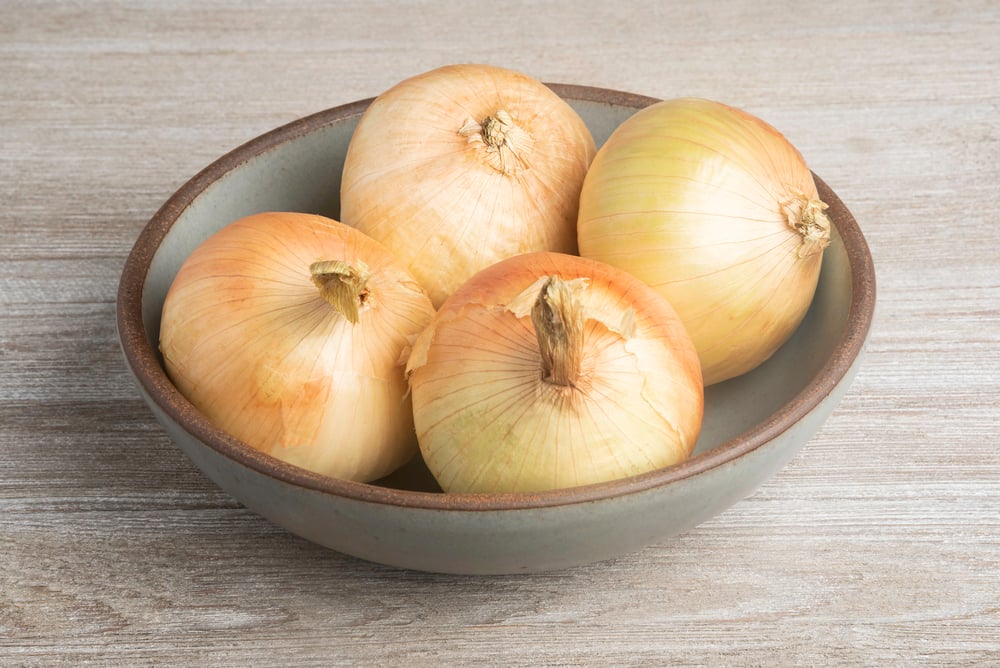
Varieties like Vidalia, Walla Walla, and Maui onions are so sweet and mild that you can literally bite into them like fruit. This sweetness comes from the specific soil conditions where they’re grown—warmer climates generally produce onions with milder, sweeter flavors than cooler regions.
Georgia’s Vidalia onions grow in low-sulfur soil, which is why they’re so gentle on the palate.
Less Than 1,000 Farmers Grow America’s Onions

Fewer than 1,000 onion farmers across the United States grow all the onions Americans consume. These farmers plant about 125,000 acres of onions annually.
It’s remarkable how such a small group of dedicated growers keeps the entire country supplied with this essential ingredient.
Onion Skins Predict Winter Weather
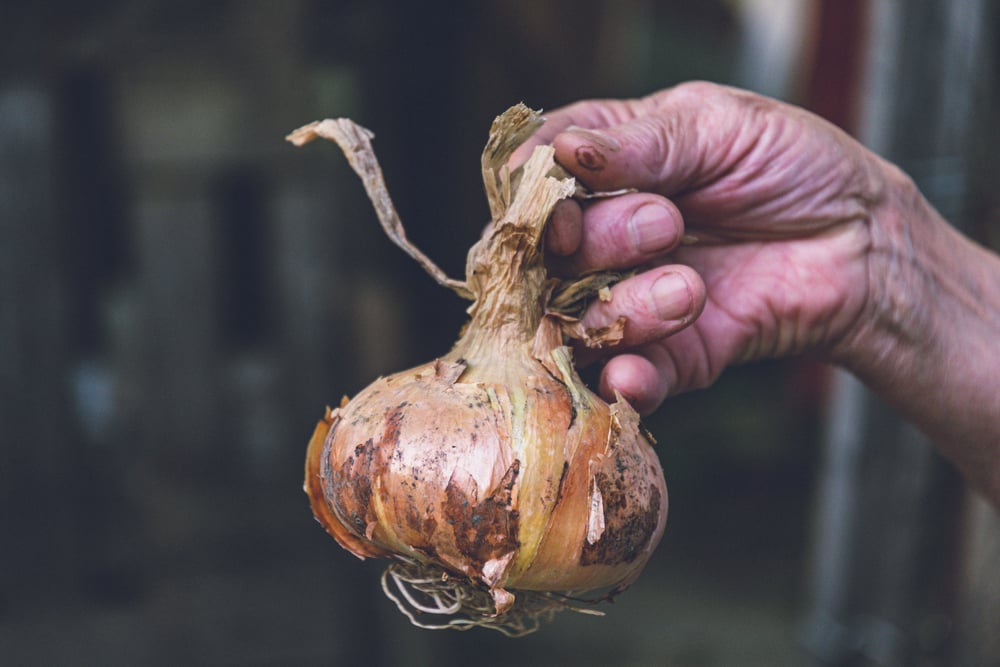
According to old English folklore, the thickness of onion skins can predict how harsh the upcoming winter will be. Thin skins supposedly indicate a mild winter ahead, while thick skins suggest you’d better stock up on firewood.
While there’s no scientific backing for this theory, it shows how deeply onions have been woven into cultural traditions.
Like Go2Tutors’s content? Follow us on MSN.
They Contain Over 50 Different Sulfur Compounds

Onions are packed with more than 50 different sulfur compounds, and while scientists haven’t fully identified how all of them work, research shows they offer significant health-promoting qualities. These organosulfur compounds include disulfides, trisulfides, cepaene, and vinyl dithiins, which have anticancer and antimicrobial activities.
Those tears you shed while chopping are actually a sign of some pretty powerful chemistry at work.
The Layers of History Keep Unfolding
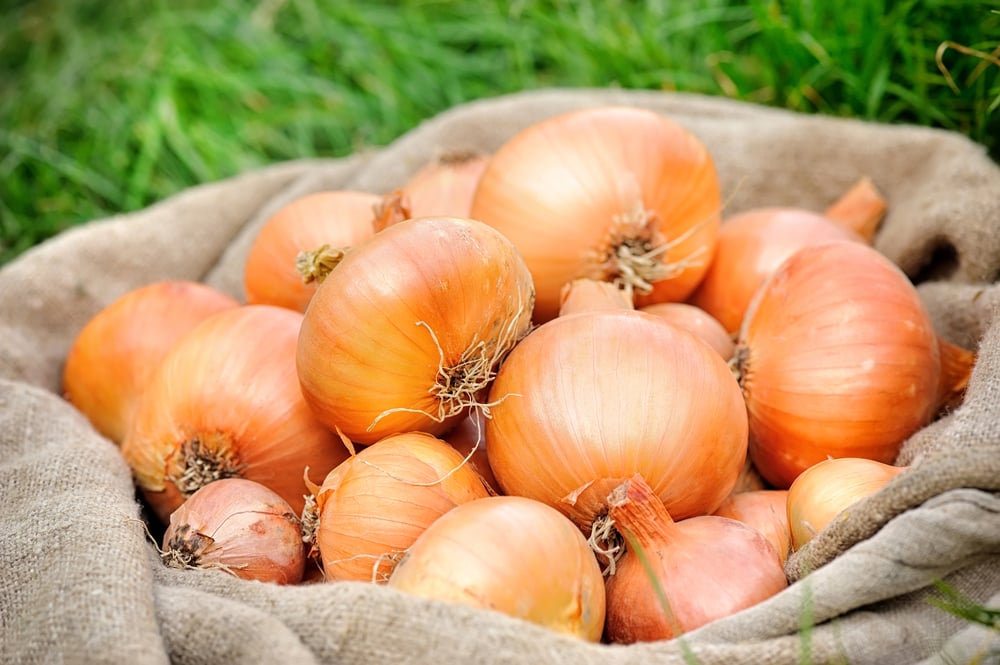
From ancient burial chambers to modern research labs, onions continue to surprise us with their complexity and importance. They’ve been feeding people, healing wounds, flavoring dishes, and sparking curiosity for over 7,000 years.
Whether you’re grabbing a yellow onion for tonight’s dinner or discovering exotic varieties at the farmer’s market, you’re participating in one of humanity’s longest-running culinary relationships. And unlike chopping them, learning about onions never makes anyone cry.
More from Go2Tutors!

- 16 Historical Figures Who Were Nothing Like You Think
- 12 Things Sold in the 80s That Are Now Illegal
- 15 VHS Tapes That Could Be Worth Thousands
- 17 Historical “What Ifs” That Would Have Changed Everything
- 18 TV Shows That Vanished Without a Finale
Like Go2Tutors’s content? Follow us on MSN.



