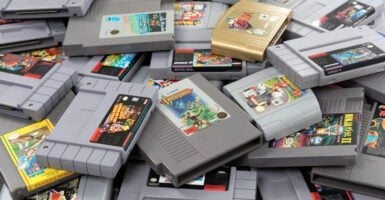
Nintendo Games Still Sealed Worth a Fortune
Somewhere in a closet, a cartridge that once cost less than a pair of sneakers is sitting in shrink wrap, and a bidder with deep pockets would love to know about it. Over the past several years, factory-sealed Nintendo games have moved from garage-sale curiosities to lots that draw seven-figure bids.
The money follows a simple rule: the game never got played. Prices below are documented sale results, and every one of them depends on condition, the grade assigned by a service such as Wata or CGC, the type of seal, and the state of the box.
Super Mario Bros. for the NES, the $3 Million Sealed Copy
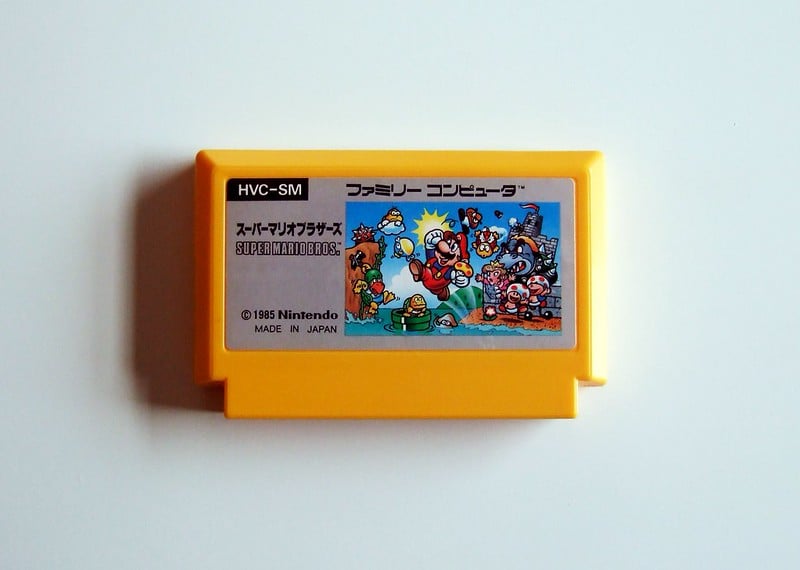
In June 2026, a sealed copy of Super Mario Bros. sold at Heritage Auctions for $3 million, the highest price ever paid for a video game. The cartridge was reported as the highest-graded copy known, which matters because grade drives everything in this market.
The previous mark for the same game stood at $2 million, set in August 2021, so the record climbed by half in under five years. A lower-graded sealed copy, or one with a damaged seal, trades for a small fraction of that figure.
Super Mario Bros. 3 for the NES, the $156,000 Variant
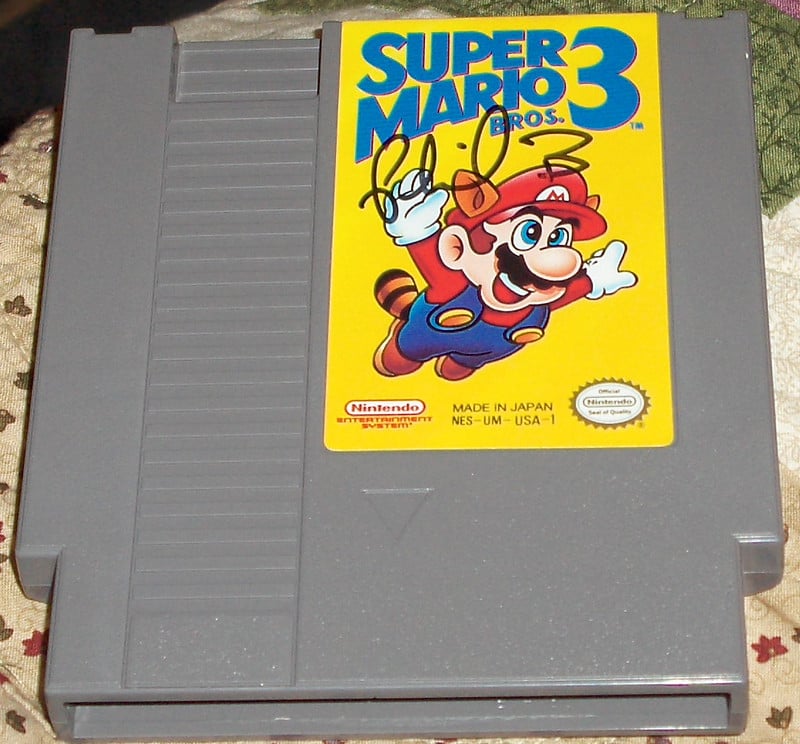
In November 2020, a rare sealed variant of Super Mario Bros. 3 sold for $156,000 and was billed as the most expensive video game ever sold at that point. Collectors chase variants because a small change in packaging or seal can separate a common copy from a scarce one.
The sale showed that the Mario market was no longer a one-title story. A standard sealed copy in a lesser grade sells for far less than this one did.
Super Mario Bros. 2 for the NES, the $88,550 Sleeper
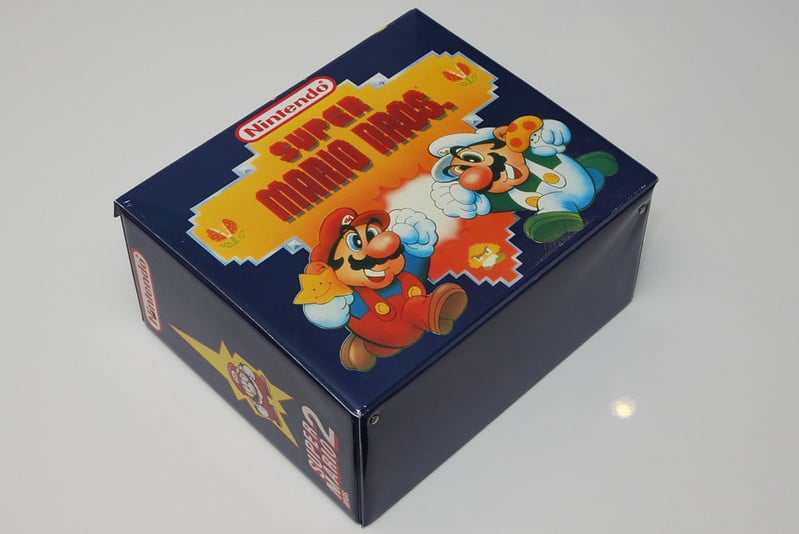
An unopened copy of Super Mario Bros. 2 sold for $88,550 in October 2021. The American version of the game was a retooled adaptation of the Japanese title Doki Doki Panic, which makes it one of the oddest entries in the series and one of the more overlooked ones among collectors.
That price landed in the same stretch that produced a run of record-setting sales, which lifted attention for the entire NES library. As with every sealed game, the number reflects one specific copy’s grade and seal condition.
Super Mario World for the Super NES, the First-Production Copy
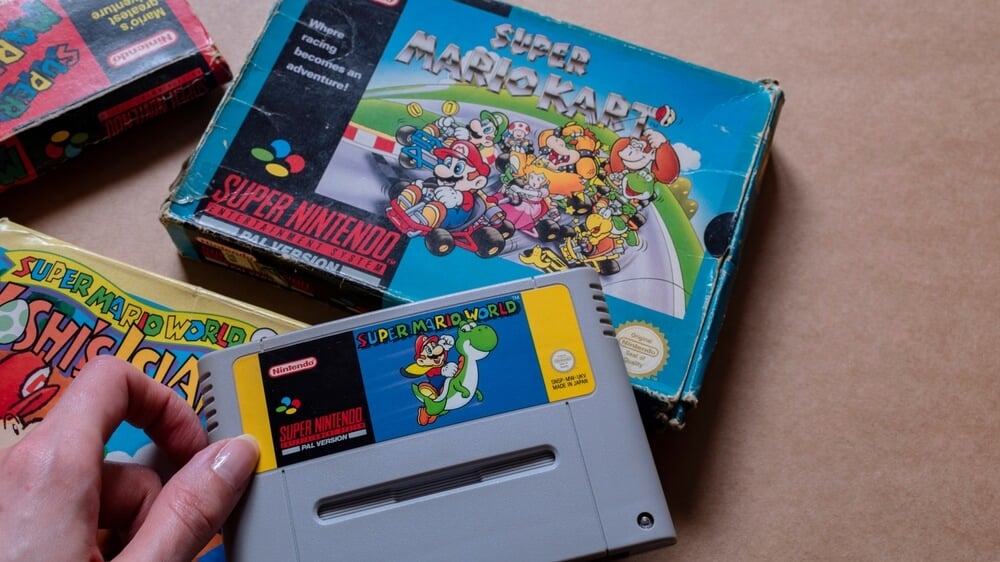
A sealed first-production copy of Super Mario World reached $125,000 at Heritage Auctions and led a video game sale that totaled $2.14 million. The game shipped alongside the Super NES in North America in 1991, so first-run copies sit near the very beginning of the console’s life.
Sealed examples from later print runs, or with weaker grades, do not command the same money. The sale is a reminder that early production status can add real value on top of the sealed condition.
The Legend of Zelda for the NES, the $870,000 Record
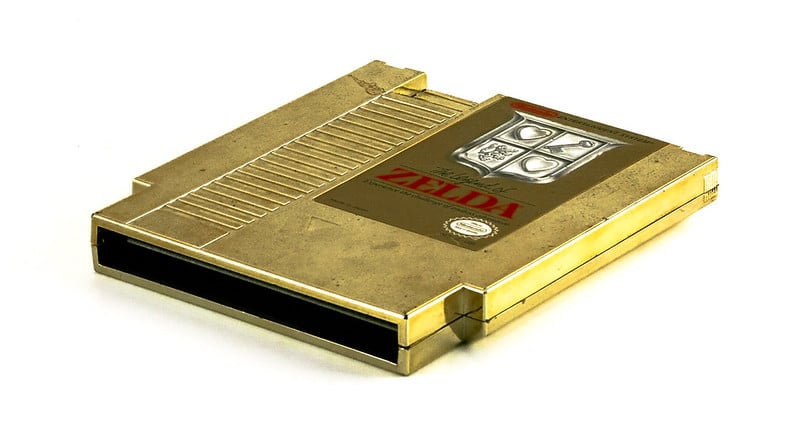
A sealed 1987 copy of The Legend of Zelda sold for $870,000 at auction in July 2021, a world record for a video game at that point. The gold cartridge inside the box was designed to hold a battery-backed save, a feature that still felt futuristic in the late 1980s.
The record lasted only two days before Super Mario 64 passed it. The price belongs to one copy with one grade, and sealed Zelda cartridges with weaker seals or lower scores sell for much less.
Super Mario 64 for the Nintendo 64, the First Million-Dollar Game
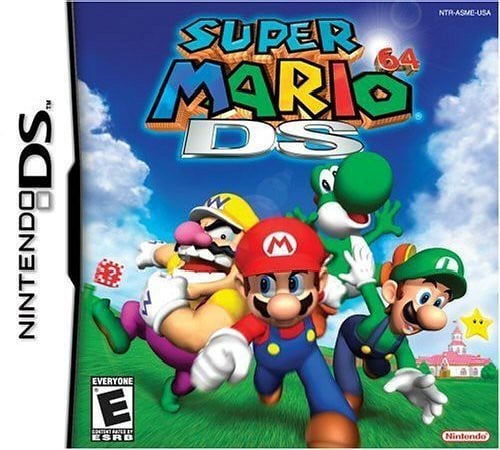
A sealed 1996 copy of Super Mario 64 sold for $1.56 million in July 2021, making it the first video game to pass the million-dollar mark at auction. It broke the Zelda record set only two days earlier, and the cartridge carried one of the top grades available from the grading service Wata.
The Nintendo 64 launched in 1996 with this game, which explains why pristine launch-window copies are so scarce. Even for this title, a copy graded a few steps lower would sell for a sliver of the record.
Stadium Events for the NES, the Recalled Rarity
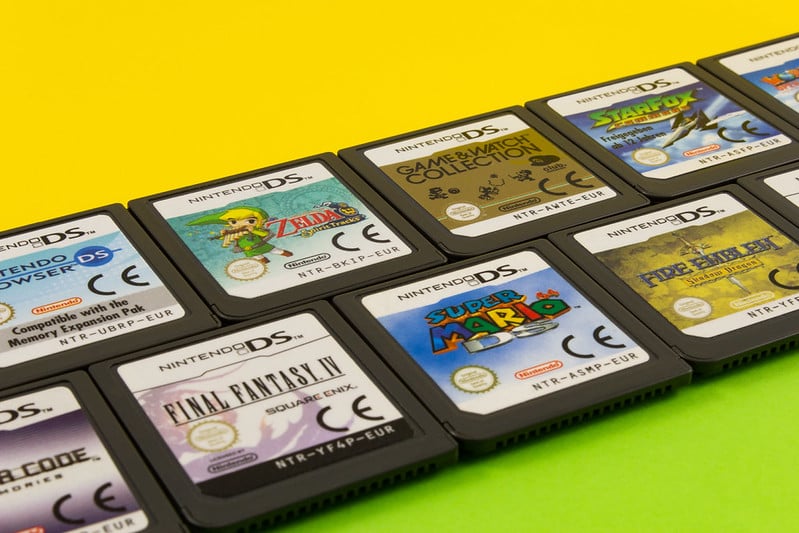
A sealed copy of Stadium Events sold for nearly $42,000 in July 2017. The game began as Family Fun Fitness, a title built for the Power Pad floor mat and published in North America by Bandai, and Nintendo later re-released the concept as World Class Track Meet.
An unopened copy had already been reported at more than $40,000 years earlier, a figure that reportedly worked out to about 1,377 times the original price. As always, the price depended on the copy being unopened and in sound shape.
Kid Icarus for the NES, Found in an Attic
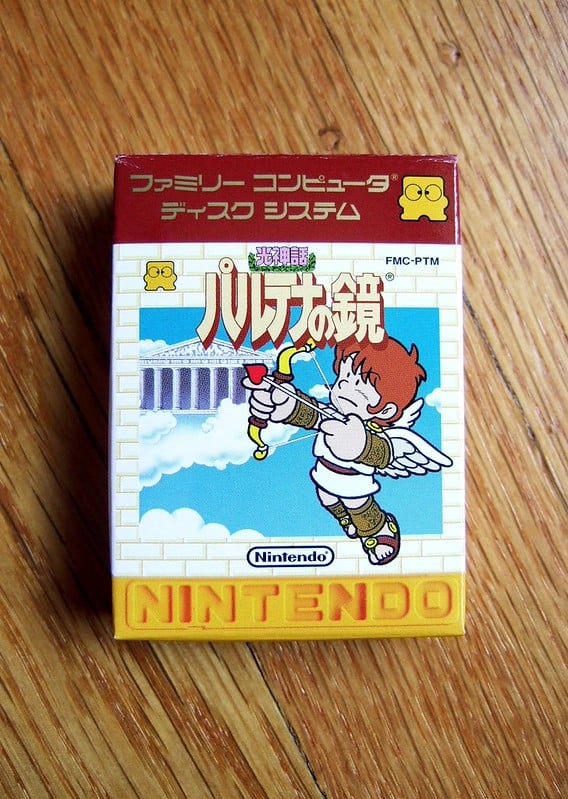
In 2019, a man in Reno, Nevada, sold an unopened copy of Kid Icarus for $9,000 after it sat in his attic for roughly 30 years. A separate unopened copy, reportedly found in a shopping bag, later sold for $13,000.
The game came out in 1986 in Japan and 1987 in North America, and sealed copies of a title that sold respectably are far scarcer than the sales numbers suggest. Both prices hinge on the seal and box surviving decades without damage.
Pokémon Red, Blue, and Yellow for the Game Boy, the $2 Million Trio
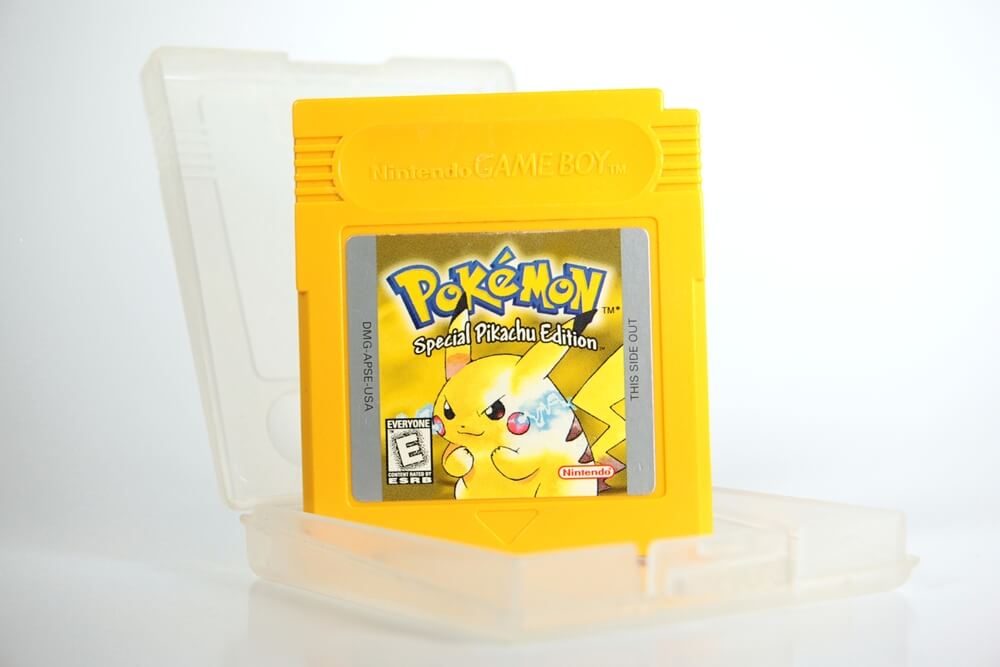
A set of first-print copies of Pokémon Red, Blue, and Yellow sold together for about $2 million in Dubai, and two of the three carried a Gem Mint 10 grade. Because the games came in several print runs, collectors pay a premium for the very first one.
The set was valued as a unit, so each cartridge’s share of the total rested on its own grade and the integrity of its seal. A later-print or lower-graded copy of the same game is a far more affordable purchase.
Mike Tyson’s Punch-Out!! for the NES, Rediscovered After 39 Years
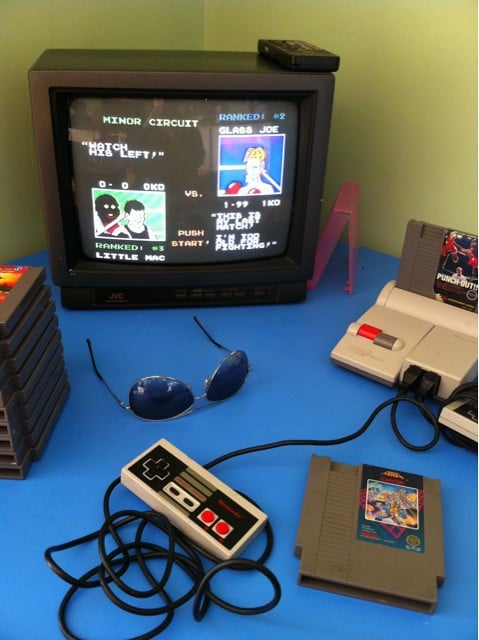
In 2026, a sealed first-production copy of Mike Tyson’s Punch-Out!! turned up in a family member’s storage, 39 years after the game’s 1987 release, and was described as worth thousands of dollars. Nintendo’s license to use Tyson’s name expired in 1990, and the game was later reissued as Punch-Out!! without his name, which is why early copies carry extra interest.
A sealed copy from the later Classic Series packaging is a different, cheaper product. Value here depends on the print run, the seal, and the grade a copy earns.
Pokémon Red and Blue for the Game Boy, the Print-Run Puzzle
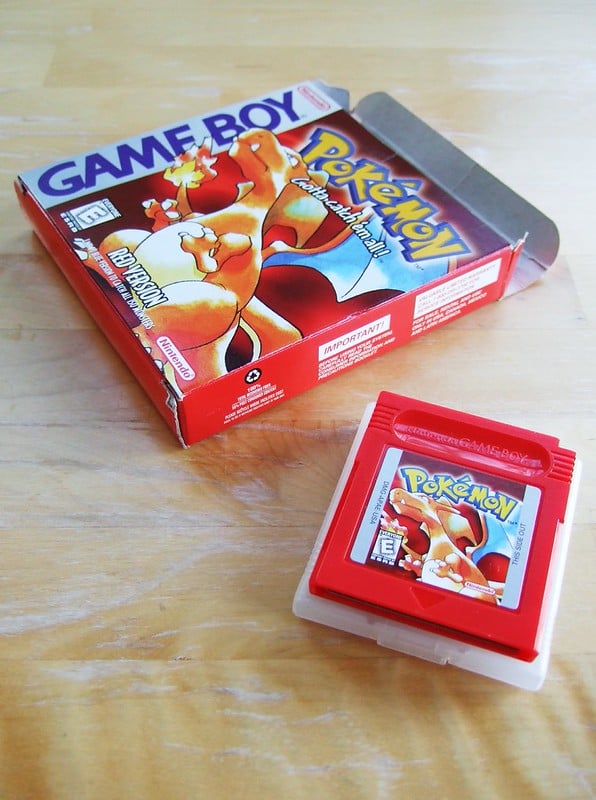
Heritage Auctions has offered sealed copies of Pokémon Red graded Wata 9.8 and described as a third production with a solid ESRB label. It has also offered a sealed Pokémon Blue graded Wata 9.6 and catalogued as an early production with a pixelated Rattata ESRB label.
Those small label differences are how collectors tell print runs apart, and they can separate a modest sealed copy from a prized one. Grade, seal type, and production run all feed the price, so two sealed boxes of the same game can sell for very different sums.
The Legend of Zelda: Link’s Awakening for the Game Boy, the 1993 Original
Heritage Auctions has offered a sealed 1993 copy of The Legend of Zelda: Link’s Awakening graded Wata 9.6 for the original Game Boy. It was the first Zelda adventure made for a handheld, and it came out years before the color-screen DX re-release.
The black-and-white original in sealed condition is much harder to find than loose cartridges. A copy graded a point or two lower, or sealed in a less desirable way, sells for noticeably less.
Super Mario Sunshine for the GameCube, the Made in Japan Pressing
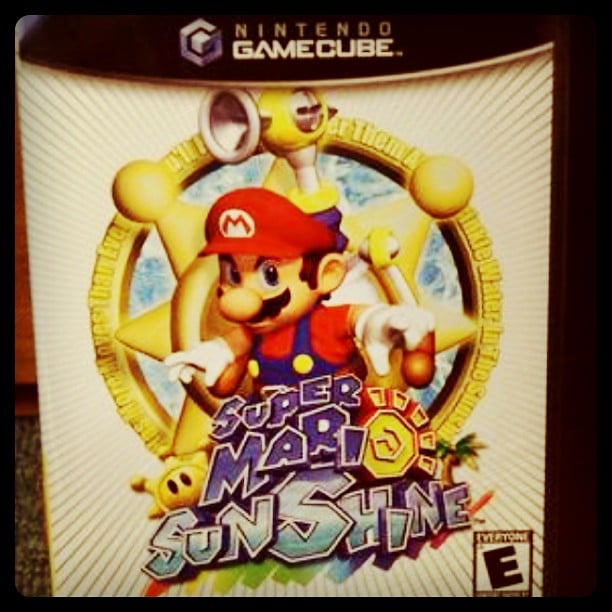
Heritage Auctions has offered a sealed 2002 copy of Super Mario Sunshine graded Wata 9.4 and catalogued as an early production, made in Japan. Collectors of GameCube titles pay attention to those early pressings because the console’s sealed market is far younger and shallower than the NES market.
Sunshine sold in large numbers, so the rarity comes from grade and early production rather than from small print runs. The price of any single copy tracks its grade and seal condition closely.
The Price of Never Opening It
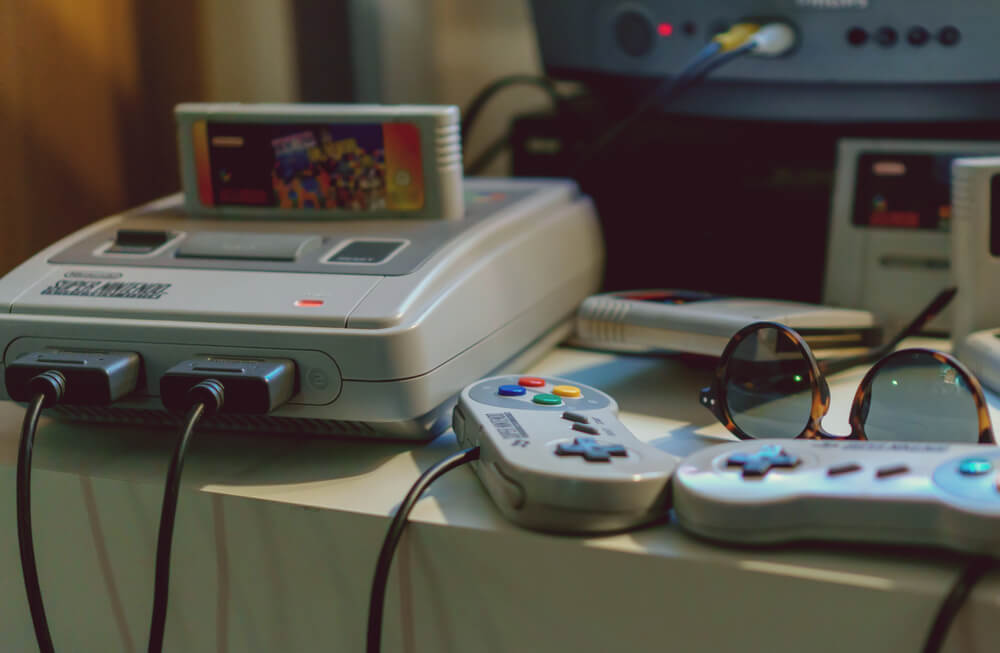
Every record in this list came from the same odd bargain: the owner kept something for decades and never used it. A cartridge that was played, even once, loses most of its collector value, so the object is worth more the less it was enjoyed.
That tension is built into the hobby, and it is why a rival bidder will pay millions for a game that nobody has seen running.
The numbers also carry a warning. Sealed games are priced by grade, seal type, print run, and the survival of a fragile cardboard box, so the headline figures describe individual copies, not entire titles.
A sealed game from the same shelf in lesser shape can sell for a small fraction of a record price, and the market can move quickly in either direction.
More from Go2Tutors!

- The Romanov Crown Jewels and Their Tragic Fate
- 13 Historical Mysteries That Science Still Can’t Solve
- Famous Hoaxes That Fooled the World for Years
- 15 Child Stars with Tragic Adult Lives
- 16 Famous Jewelry Pieces in History
Like Go2Tutors’s content? Follow us on MSN.