14 Matchbox Cars Worth Big Money
A toy that cost pocket change in the 1950s can now outprice a used family sedan. The difference usually comes down to a paint shade, a wheel type, or a factory trial that was never meant to reach a shop shelf.
Lesney Products produced millions of these little die-cast vehicles, which is exactly why the oddities stand out. Auction houses and collector clubs have documented sales that would have stunned the kids who once pushed these cars through the dirt.
Mercury Cougar No. 62, the Record Setter
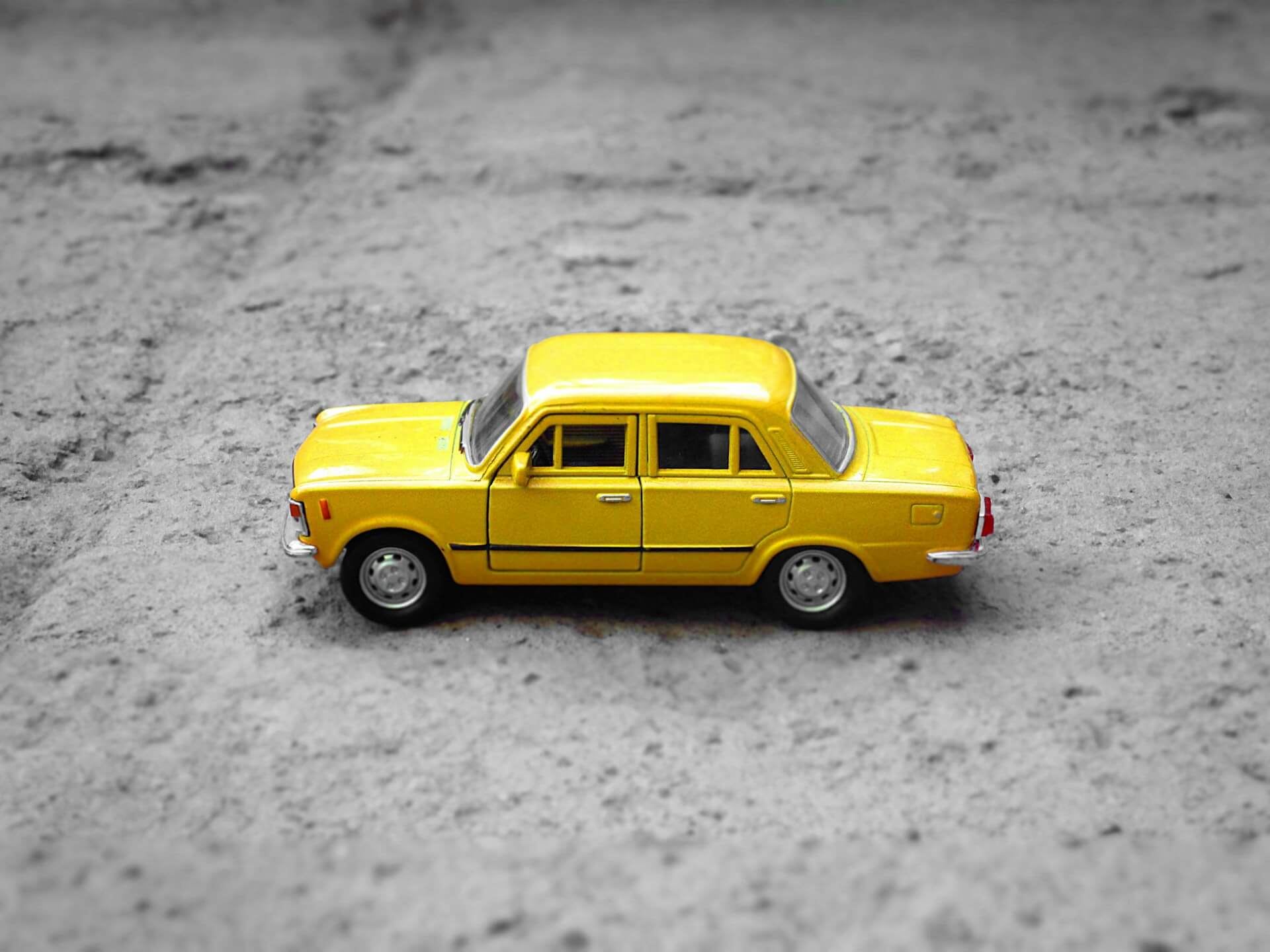
A rare example of the Matchbox Mercury Cougar made headlines in early 2026 when trade press reported that it had set a record price for a single Matchbox vehicle at auction. The Cougar was one of the best-known muscle-era models in the range, which makes the scarcity of the sought-after version all the more notable.
A common Cougar is an inexpensive find, so the record shows how far a unique variant can sit from its siblings. As with every model on this list, the money depends on condition, and a mint example with its original box is a different object from one that spent years in a sandbox.
Vauxhall Victor No. 45 in a Rare Version
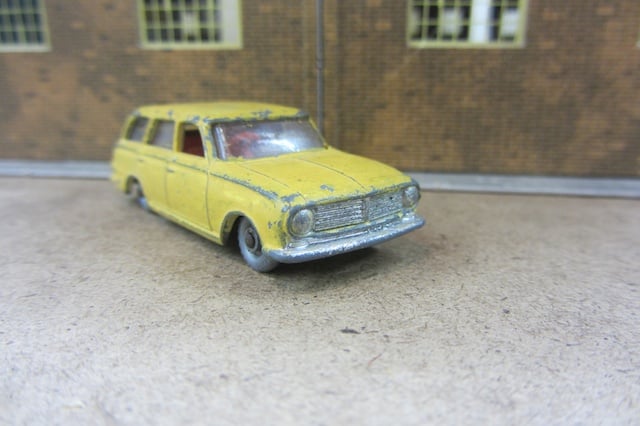
The Vauxhall Victor, number 45 in the original 1-75 series, was modeled on a real British family sedan of the late 1950s. A rare version of this model sold at auction for £3,600, a documented result reported by the Collectors Club of Great Britain.
Most Victors from the period were made in familiar colors and survive in large numbers, so a scarce variation is what separates a pocket-money toy from a four-figure one. Prices swing widely with condition, and a paint-chipped example without a box will fetch only a fraction of that figure.
Lamborghini Marzal No. 20 in Pre-Production and Unusual Colors
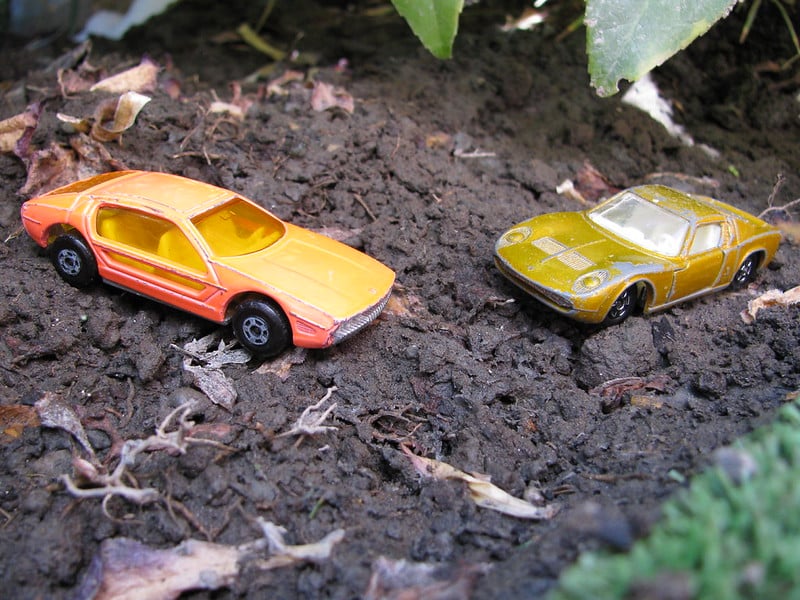
The Lamborghini Marzal was a four-seat concept car designed by Bertone and shown to the public in 1967, and Matchbox turned it into a Superfast model by 1969. Pre-production examples and unusual colors, including a hot pink version that appears regularly in collector listings, are far scarcer than the standard production run.
Early Superfast models were in a race against Mattel’s Hot Wheels, and factory color trials from that rush occasionally escaped into collections. Value is tied tightly to condition, with mint boxed or blister-packed pieces commanding the highest prices.
Ford Zodiac Convertible No. 39 in Pink
The Ford Zodiac Convertible was released in 1957, and the pink-and-turquoise combination is among the most talked-about colors in the early series. Pink was an unusual choice for a toy aimed mostly at boys, which probably explains why so few were made and kept.
Collectors treat the pink version as a genuine rarity, and its price can climb into the thousands for a clean, unrestored example. Repainted or modified copies are common in the market and are worth far less than an original.
Magirus-Deutz Crane Truck No. 30
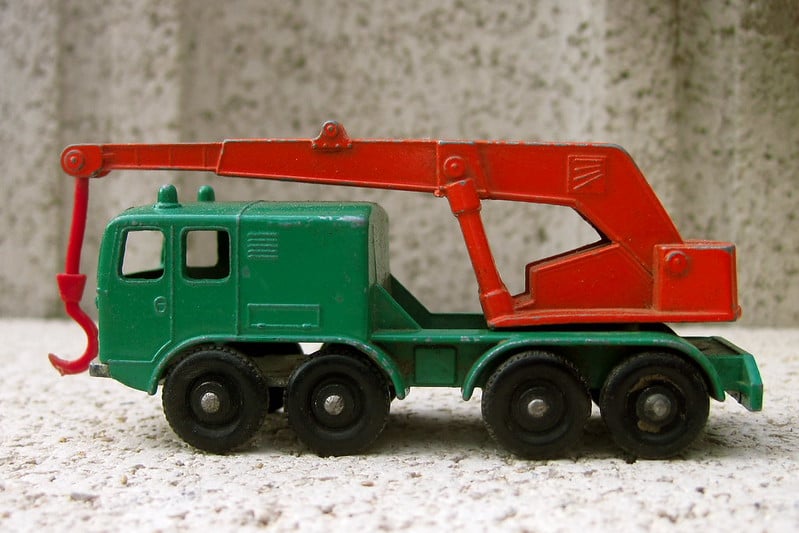
The Magirus-Deutz six-wheel crane truck modeled a German-built industrial vehicle and gave the early series a heavy-duty workhorse with a working crane. Unusual body colors on this model have turned up in collector circles, and they bring far more than the standard version.
Restored or touched-up examples circulate widely, so buyers pay close attention to original paint. A crane truck with crisp paint and a working hook is worth much more than a battered one, and a boxed example is rarer still.
Mercedes-Benz 300SE No. 46 in Transitional Blue
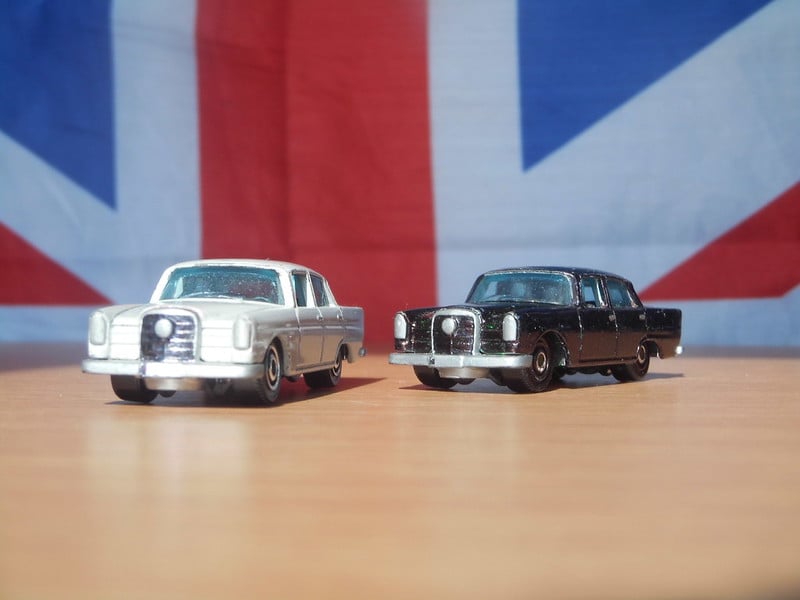
The Mercedes-Benz 300SE arrived in 1968 as a regular-wheels model and was later fitted with low-friction Superfast wheels as Matchbox rushed to compete with Hot Wheels. Models that carry Superfast wheels on bodies originally made for the earlier range are called transitional pieces, and a blue-bodied example is highly prized.
Only a short run of these hybrids left the factory, since production lines were changed over quickly. A mint example still in its box will bring a multiple of what a play-worn one can command.
Karrier Bantam Coca-Cola Lorry No. 37
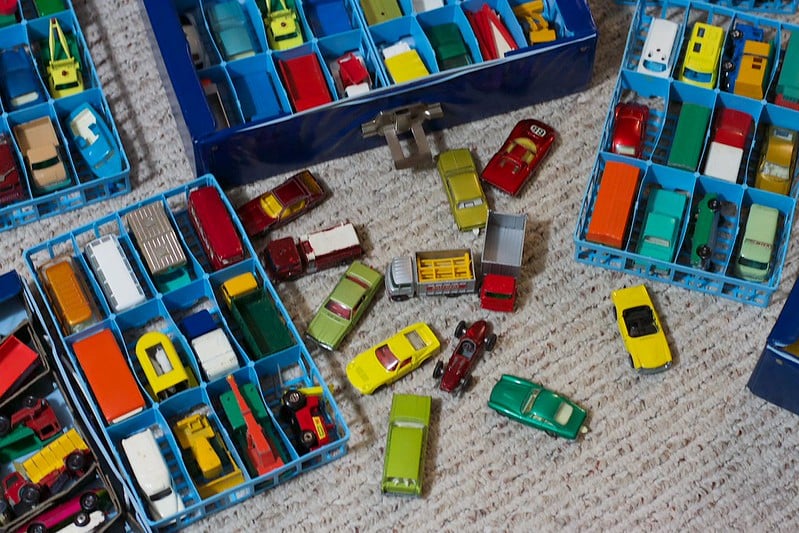
The Karrier Bantam Coca-Cola truck was a 1950s release carrying a load of miniature crates, and it remains one of the most recognized early advertising models. Collectors chase specific early versions, because small differences in lettering, load, and wheel type separate the cheap examples from the valuable ones.
Coca-Cola memorabilia has its own devoted following, which adds a second group of buyers on top of die-cast fans. Condition drives the price, and a complete model with an intact load and original box is worth considerably more.
London Bus No. 5 with Metal Wheels
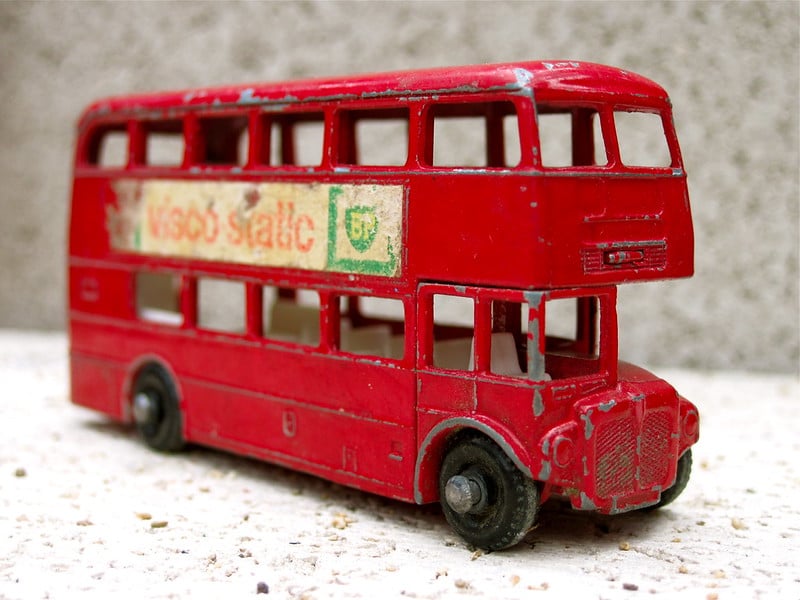
The early London bus carried the slogan Buy Matchbox Series on its side and ran on metal wheels, a detail that dates it to the mid-1950s. Later versions switched to plastic wheels, so the metal-wheel bus is the one that early-series collectors prize.
The model is a simple red double-decker, but those wheels place it in the earliest generation of Lesney production. A clean bus with sharp lettering and its original box can bring a premium, while a chipped one is worth much less.
Iso Grifo No. 14 in a Blue Interior
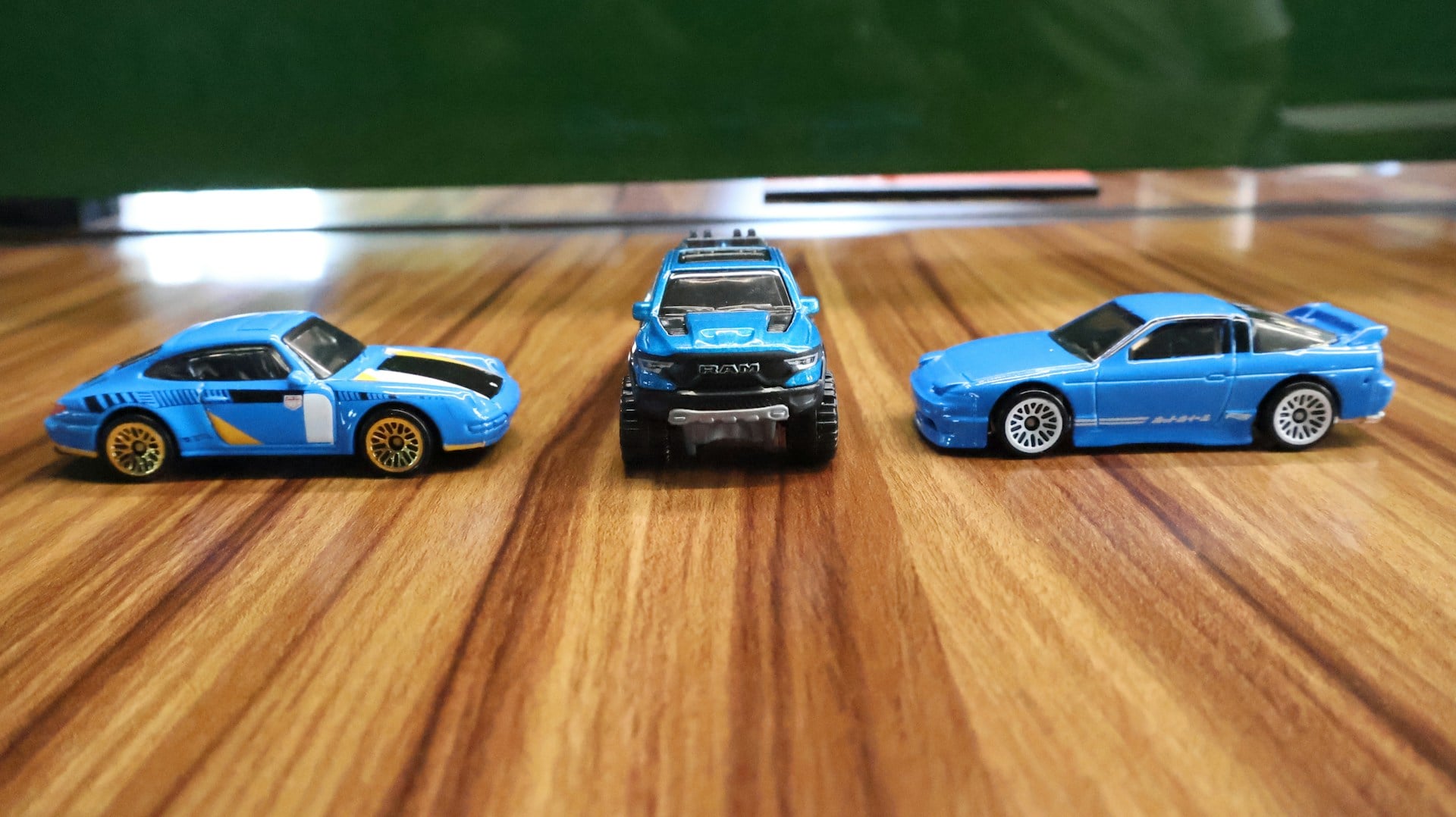
The Iso Grifo was an Italian grand tourer built by Iso Rivolta, and Matchbox released its Superfast version of the car in 1969. A blue-interior version has been advertised by dealers as a rarity, because most examples of the model came with a different interior color.
Small details like these are the heart of variation collecting, where a change that a child would never notice can multiply the price. The usual rule of condition applies, and a boxed mint example is worth far more than a loose, scratched one.
Mustang Wildcat Dragster No. 8
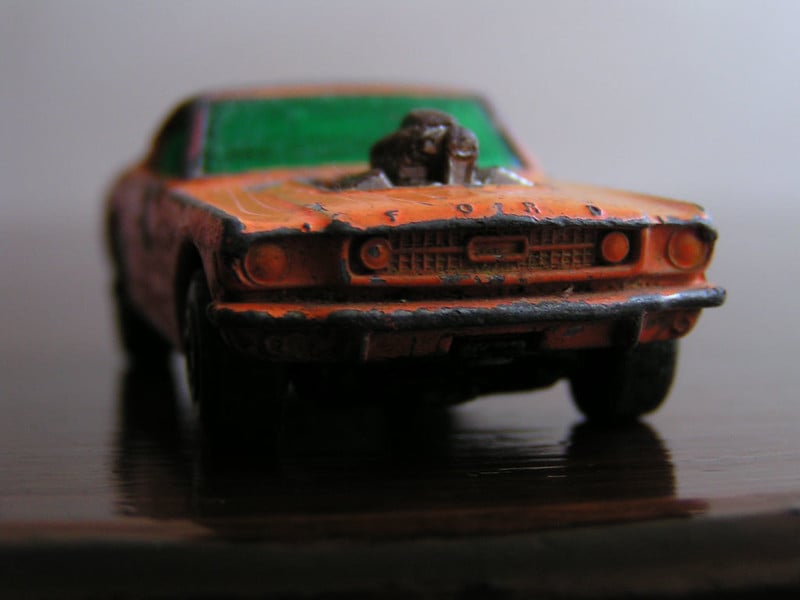
The Superfast Mustang Wildcat Dragster was a drag-racing take on the Ford Mustang, with its engine mounted prominently at the rear. Fluorescent pink and orange examples and a scarce scarlet red version with a black base have been listed by dealers as unusual variants of the model.
Bright, unusual paint from the early 1970s is exactly what variation hunters look for. Prices rise steeply for boxed models in near-perfect condition, while worn or repainted cars are worth only a fraction.
Models of Yesteryear Y-3 1910 Benz Limousine
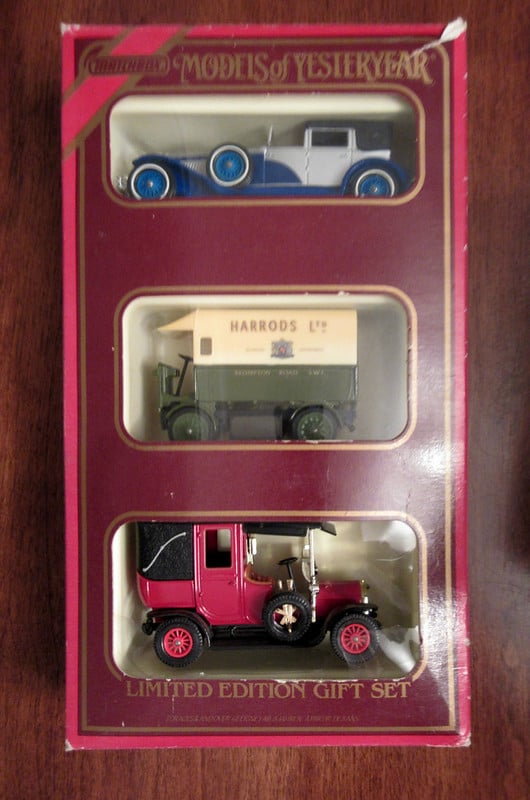
The 1910 Benz Limousine was part of the Models of Yesteryear line, a series of vintage-car replicas that Lesney began releasing in 1956. Collectors track the model closely, and a green variant with a yellow roof and unusual grille has been offered as a rare find.
Because the series was designed to look more mature than the standard range, many examples were kept on shelves and well preserved. A limousine with unrestored paint and its original box commands a notable premium over a loose one.
Ford Thunderbird No. 75 in Pink and White
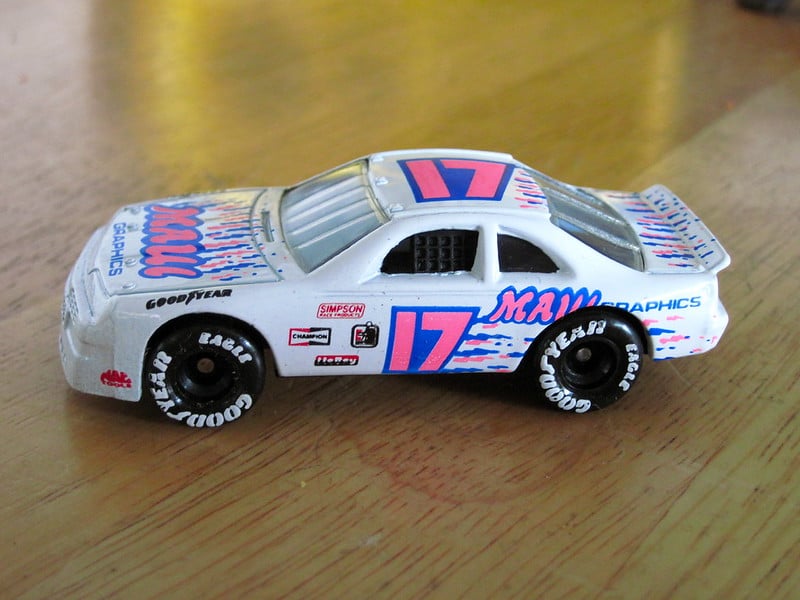
The Ford Thunderbird was the final model in the original 1-75 line, produced from 1959 to 1964. A pink-and-white version and models with a rare medium-blue base have been advertised by dealers as collectible variants.
The numbering of the line meant that number 75 was often the last one a child saved up for, which makes surviving examples in good shape harder to find. Value varies considerably by condition, and a new-in-box car is a far more expensive proposition than a loose one.
Ford GT No. 41 in Yellow with Yellow Hubs
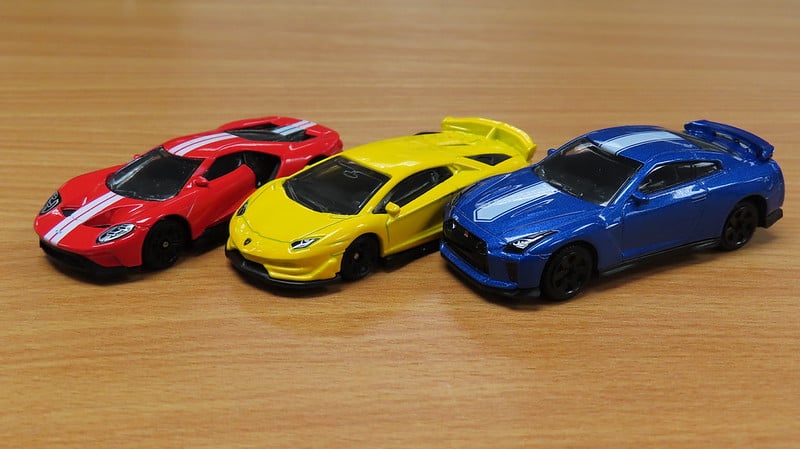
The Ford GT, based on the racing car that won at Le Mans in the 1960s, was a staple of the 1965 range. A yellow-bodied version with yellow hubs has been listed by dealers as a scarce variation of the regular-wheels model.
The hubs matter because they are an easy detail to check and hard to fake convincingly. Prices depend on condition, and a mint example in its original box is the version collectors hunt for.
Road Roller No. 1, Where the Series Began
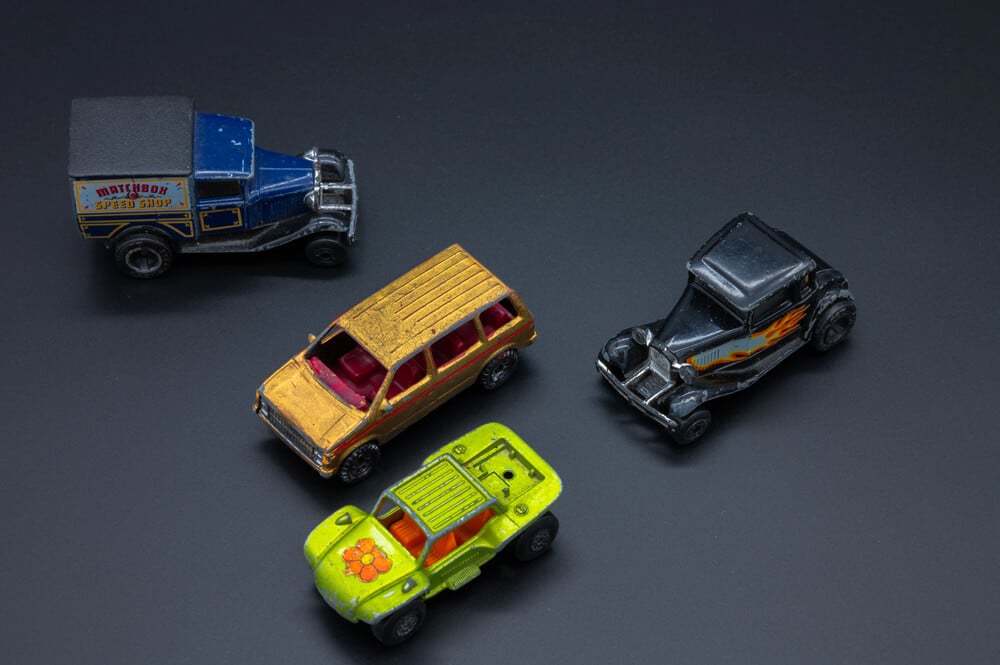
The Aveling-Barford road roller was the first model in the 1-75 range, and it dates to 1953. Because it was the original, it exists in several early versions with different wheels and details, and the earliest are the ones that attract serious money.
A toy meant to be a child’s first Matchbox is now a historical document of the brand. As always, the price swings dramatically with condition, and a well-preserved roller in an original box sits at the top of the market.
What Small Differences Are Really Worth
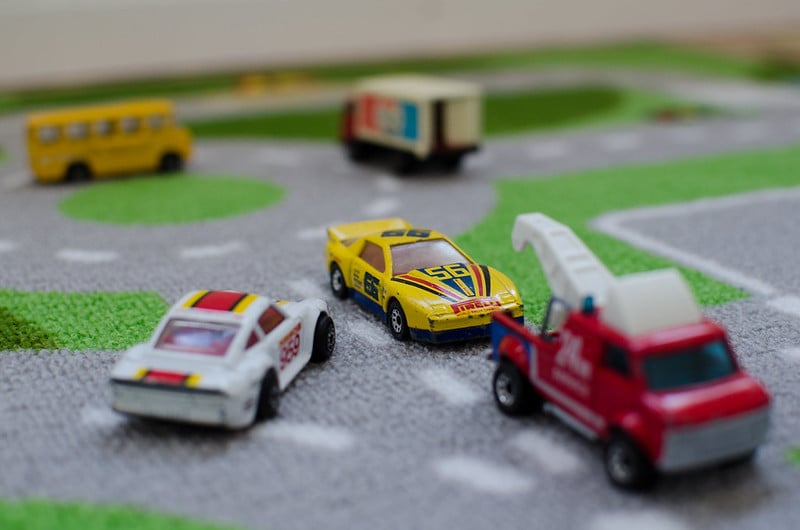
Every car here shares a quiet truth: the value lives in the variation, not the vehicle. A shade of paint, a wheel type, or an interior color decided by a factory worker on a Tuesday can end up worth more than the model that became the standard.
The common versions of nearly all these cars remain cheap, which is why the hobby depends on knowing what to look for.
Condition is the other half of the story. A model that survived with sharp paint and an intact box is a rare object in its own right, because toys like these were made to be played with and often did not survive childhood.
For anyone digging through an attic box, the lesson is to check the details before deciding what the contents are worth.
More from Go2Tutors!

- The Romanov Crown Jewels and Their Tragic Fate
- 13 Historical Mysteries That Science Still Can’t Solve
- Famous Hoaxes That Fooled the World for Years
- 15 Child Stars with Tragic Adult Lives
- 16 Famous Jewelry Pieces in History
Like Go2Tutors’s content? Follow us on MSN.