28 Pirates From History And Their Real Fates
Hollywood sends its pirates off with a sword fight, a plank or a pile of gold. History was less tidy.
Real pirates were hanged, drowned, pardoned, promoted, forgotten or simply never heard from again.
The endings were often stranger than the legends built around them. Some of these sea raiders died in bed, one became an admiral, and one may have been eaten by the people he set out to rob.
Blackbeard Fell at Ocracoke With Five Gunshot Wounds
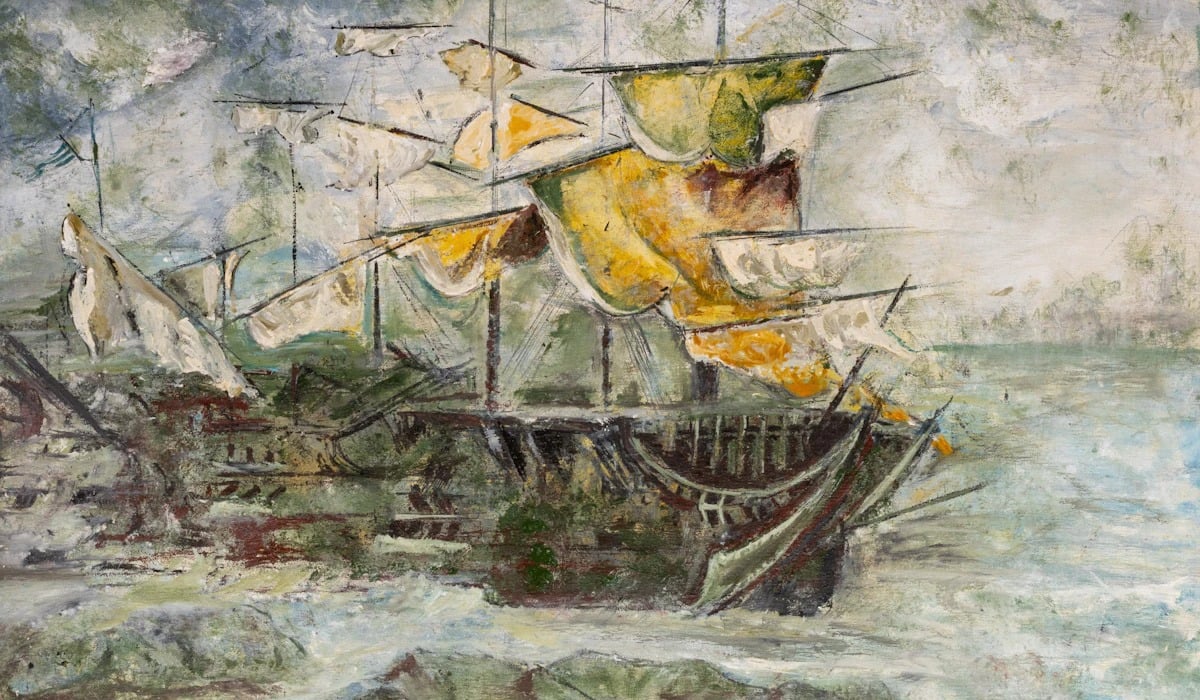
Edward Teach, better known as Blackbeard, was killed on November 22, 1718, at Ocracoke Inlet off North Carolina. A force led by Lieutenant Robert Maynard of the Royal Navy confronted him after Virginia’s governor, Alexander Spotswood, arranged an expedition to end his career.
Accounts of the fight say Teach took five gunshot wounds and about 20 sword cuts before he went down. Maynard had the pirate’s head hung from the bowsprit of his sloop and carried it back to Virginia as proof.
Bartholomew Roberts Was Buried at Sea in His Finest Clothes
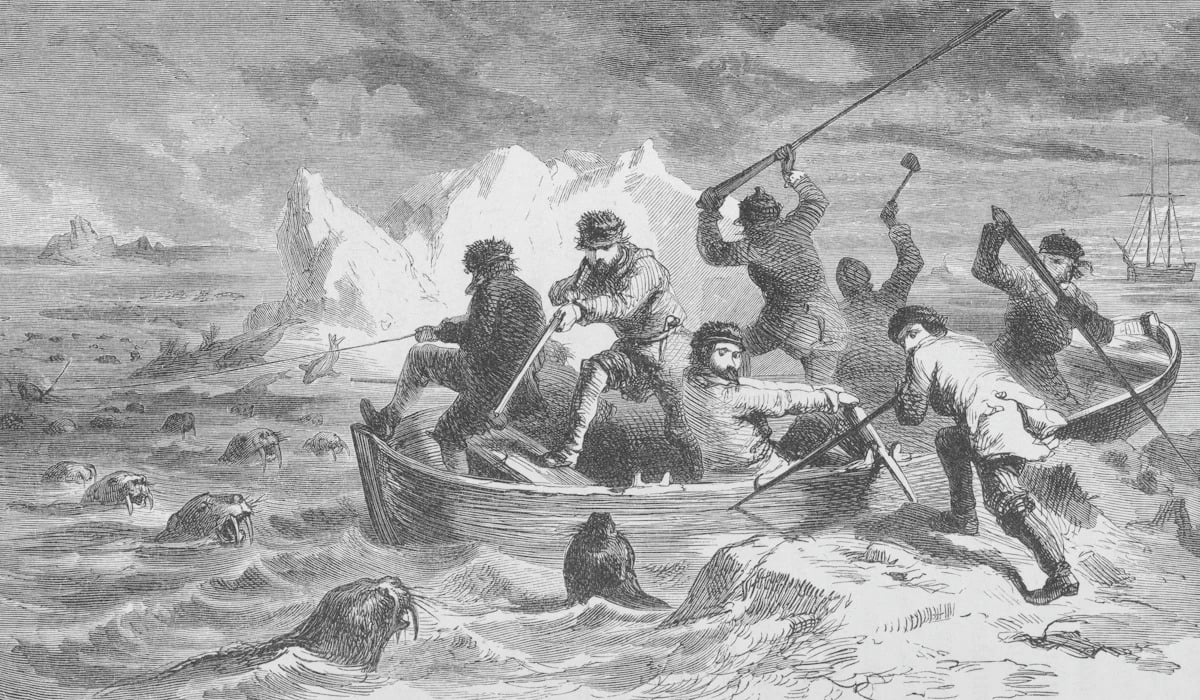
Bartholomew Roberts, known as Black Bart, captured more than 400 ships in a career of only about three years, which makes him one of the most successful pirates on record. His end came in February 1722 off Cape Lopez in West Africa, when HMS Swallow caught his flagship, Royal Fortune.
A shot of grapeshot struck him in the throat, and he died at his post. According to accounts of his final battle, his crew honored his wishes and dropped his body overboard in his fine clothes and weapons, a burial that left no grave behind.
Anne Bonny Vanished From the Record After Her Reprieve

Anne Bonny was captured in October 1720 with Calico Jack Rackham’s crew and tried in Spanish Town, Jamaica. Convicted along with Mary Read, she pleaded that she was pregnant, and the court delayed her execution.
After that, the documented trail becomes uncertain. No definitive record establishes what happened to her, although some researchers believe she was released and later lived under another name.
Her real fate remains one of the great open questions of piracy.
Mary Read Died in a Jamaican Prison Before She Could Be Hanged
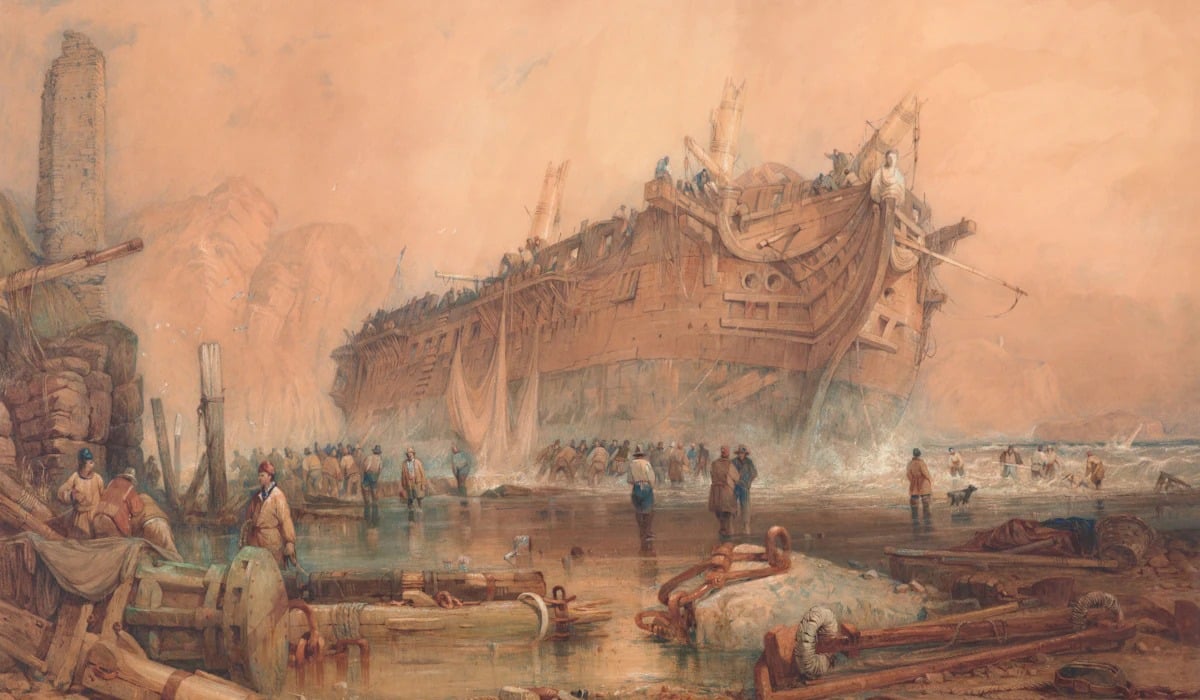
Mary Read spent years living as a man, according to the account of her life published in 1724, serving as a soldier before she joined Rackham’s crew in the Caribbean. After her capture in 1720, she was convicted of piracy, then declared pregnant and spared the gallows for the time being.
She never faced the rope. Read died in prison in Jamaica in April 1721, and a burial entry in the Spanish Town parish register is generally associated with her.
Calico Jack Rackham Swung From Gallows Point and Stayed on Display
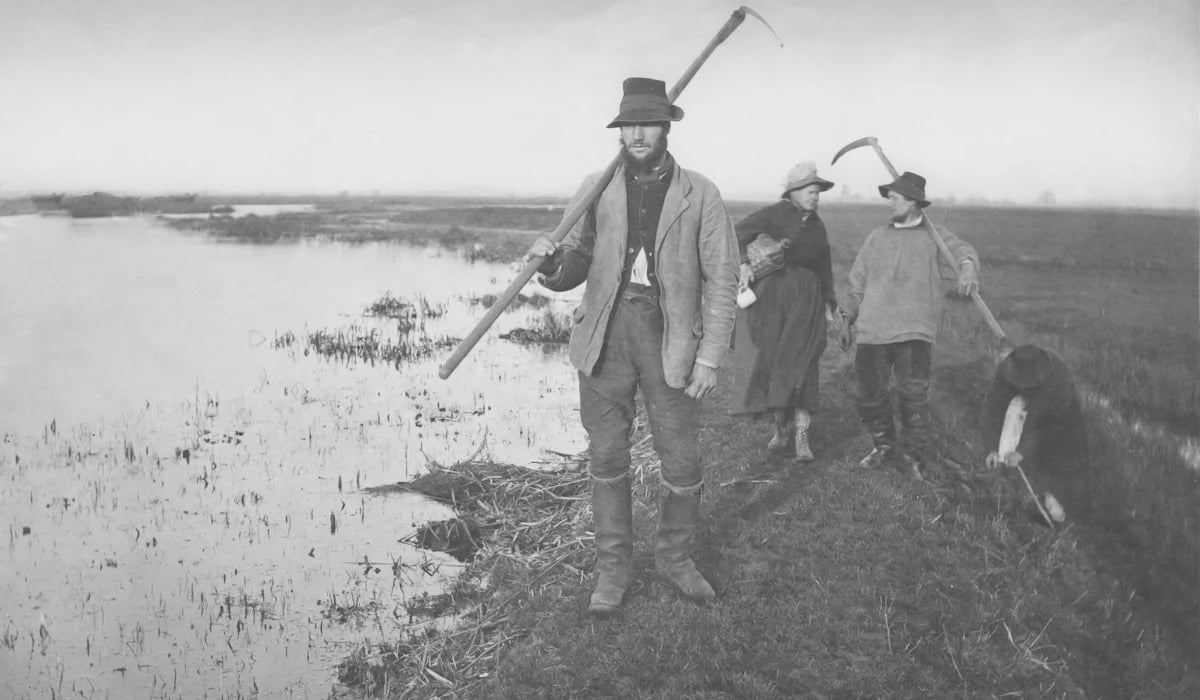
John Rackham earned his nickname from the calico clothing he favored, and he is remembered less for loot than for the crew he led. He was captured in October 1720 and hanged at Port Royal, Jamaica, on November 18 of that year.
His body was then gibbeted on a small island at the entrance to the harbor as a warning to other sailors. The islet is still known as Rackham’s Cay.
Stede Bonnet Traded a Plantation for a Noose
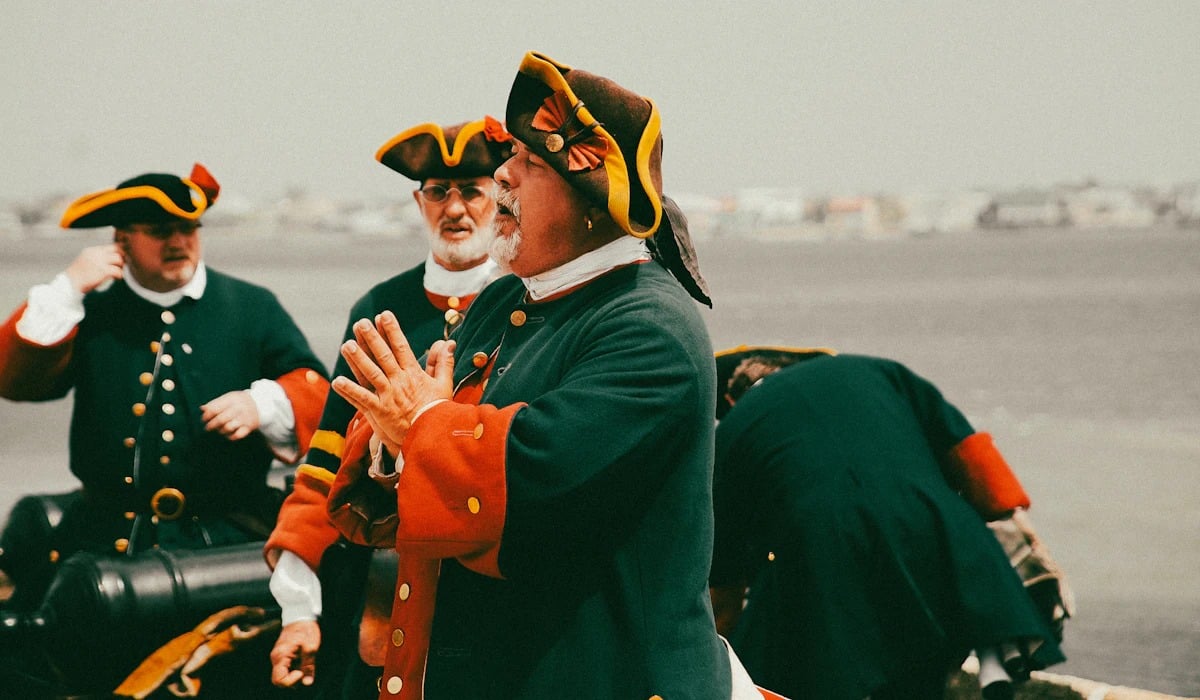
Stede Bonnet was a wealthy Barbados landowner with no known prior sailing experience who bought his own ship and hired a crew, an unusual path to piracy. He sailed for a time with Blackbeard, who reportedly kept him aboard the Queen Anne’s Revenge while others operated his sloop.
Bonnet was captured on the Cape Fear River in 1718 by a South Carolina force and hanged at Charles Town that December despite appeals for mercy. His body was left hanging after the execution as a warning.
Captain Kidd Was Hanged Twice, Technically
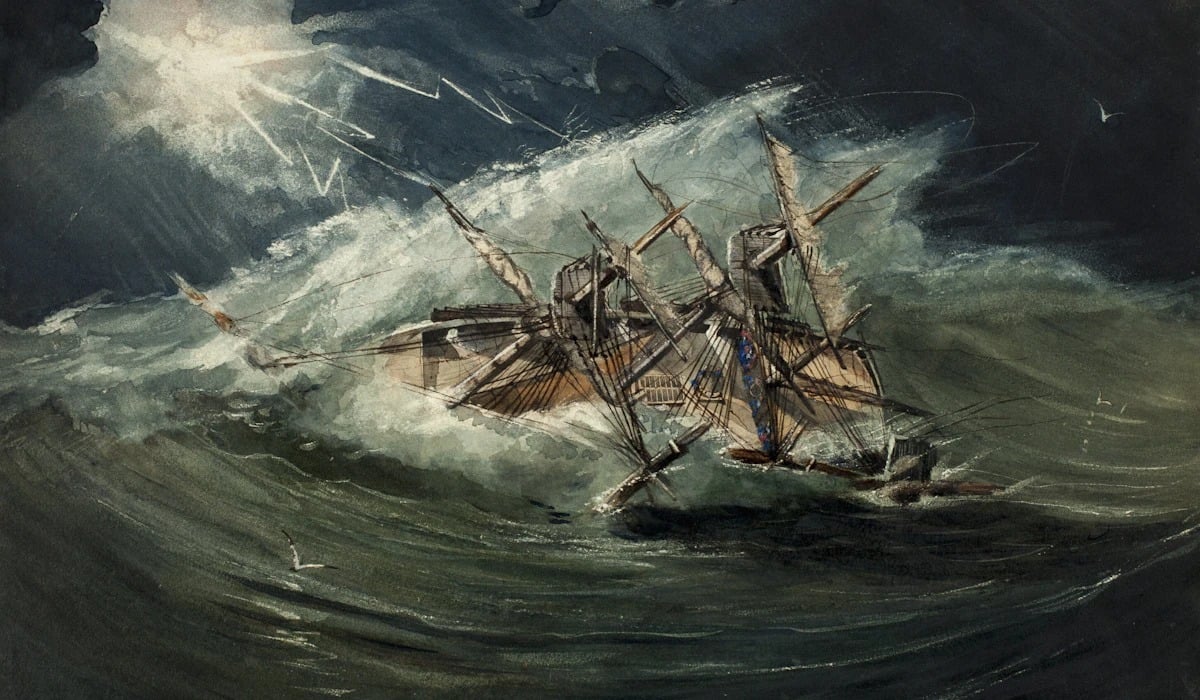
William Kidd was a respected New York privateer before his commission turned into a pirate trial. He was convicted in London and hanged at Execution Dock on May 23, 1701.
The rope broke on the first attempt, and he was strung up again, this time successfully. His body was coated in tar and displayed in a gibbet along the Thames at Tilbury Point for years afterward.
Henry Every Took the Biggest Prize and Then Disappeared
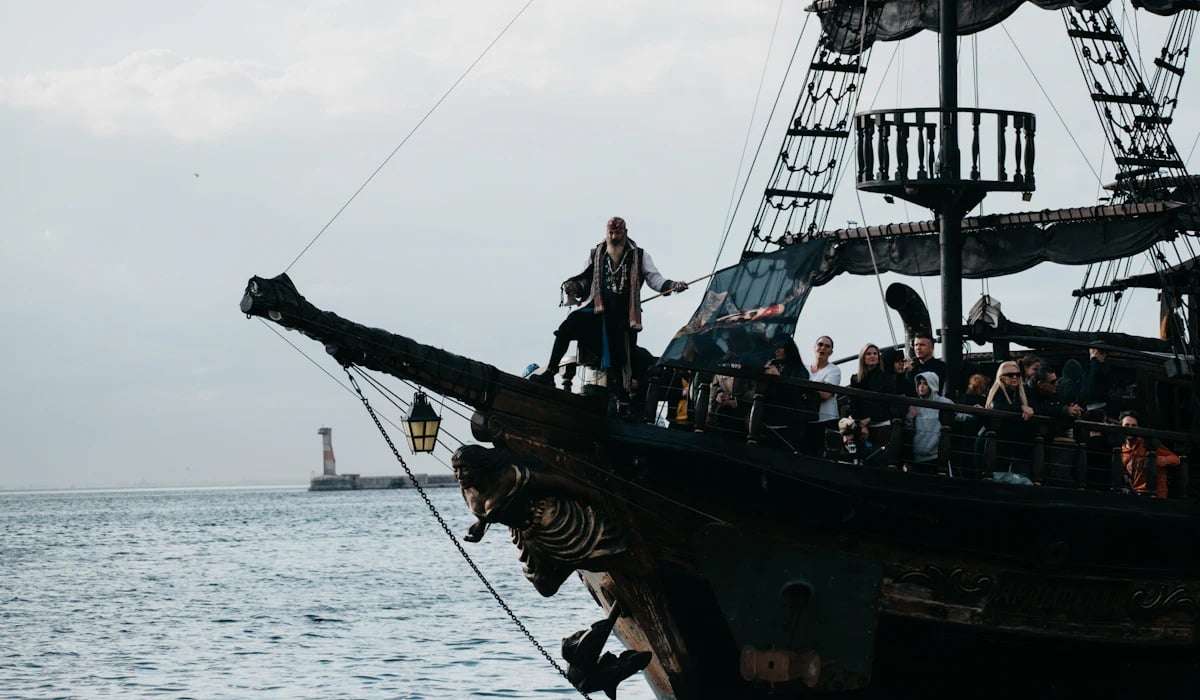
Henry Every captured the Mughal treasure ship Ganj-i-Sawai in 1695, in a haul that set off one of the largest manhunts of its era. The English Crown and the East India Company offered rewards for his capture, and several of his crew were caught and tried in London, where six were hanged.
Every himself was never found. He drops out of the record after 1696, and no one has ever confirmed where he went.
Charles Vane Refused a Pardon and Met the Gallows in Jamaica

Charles Vane was a Nassau pirate who turned down the amnesty offered in 1718 and fought the new governor, Woodes Rogers, by sending a burning ship toward the royal fleet. After a hurricane wrecked his vessel, he was marooned on an island in the Bay of Honduras.
A former acquaintance recognized him when a rescue ship arrived, and he was handed over. Vane was hanged at Port Royal, Jamaica, on March 29, 1721.
Edward Low’s Ending Depends on Whom You Believe
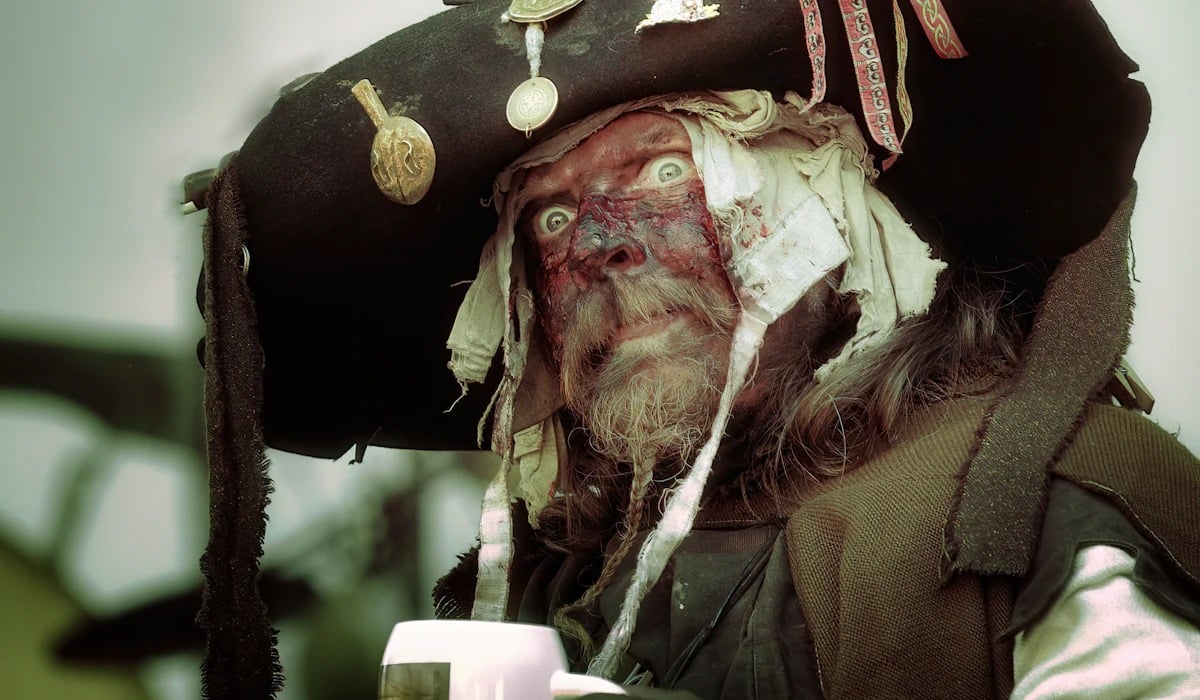
Edward Low was among the most feared pirates of the early 1720s, known for cruelty that shocked even his contemporaries. After 1724, he drops out of reliable records.
One account says his own crew set him adrift in a small boat, after which a French ship picked him up and hanged him in Martinique. That account has not been independently confirmed, so his ultimate fate remains uncertain.
Samuel Bellamy Drowned With His Treasure Ship Off Cape Cod
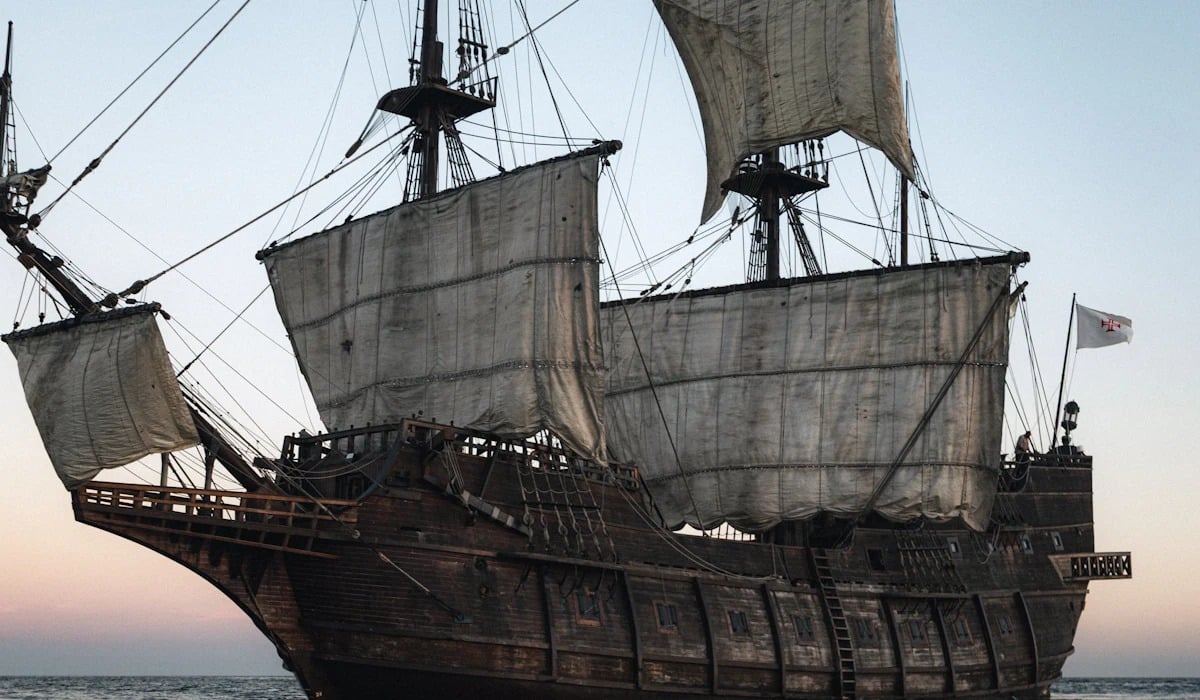
Samuel Bellamy, sometimes called Black Sam, captured the slave ship Whydah in February 1717 and made it his flagship. Barely two months later, on April 26, a violent storm drove the vessel onto a sandbar off Cape Cod, and Bellamy went down with it.
Only two crewmen are known to have survived. Explorer Barry Clifford found the wreck in 1984, and it became the first authenticated pirate shipwreck ever discovered.
Henry Morgan Became a Knight, and Then His Grave Sank

Henry Morgan was a Welsh-born privateer who raided Spanish settlements across the Caribbean, including Panama City in 1671. Rather than being hanged, he was knighted in 1674 and made lieutenant governor of Jamaica.
He died in Jamaica in August 1688 and was buried at Port Royal. The great earthquake of 1692 later submerged parts of the town, including areas around its cemetery, and Morgan’s grave was lost.
Ching Shih Negotiated Her Own Retirement and Died Wealthy
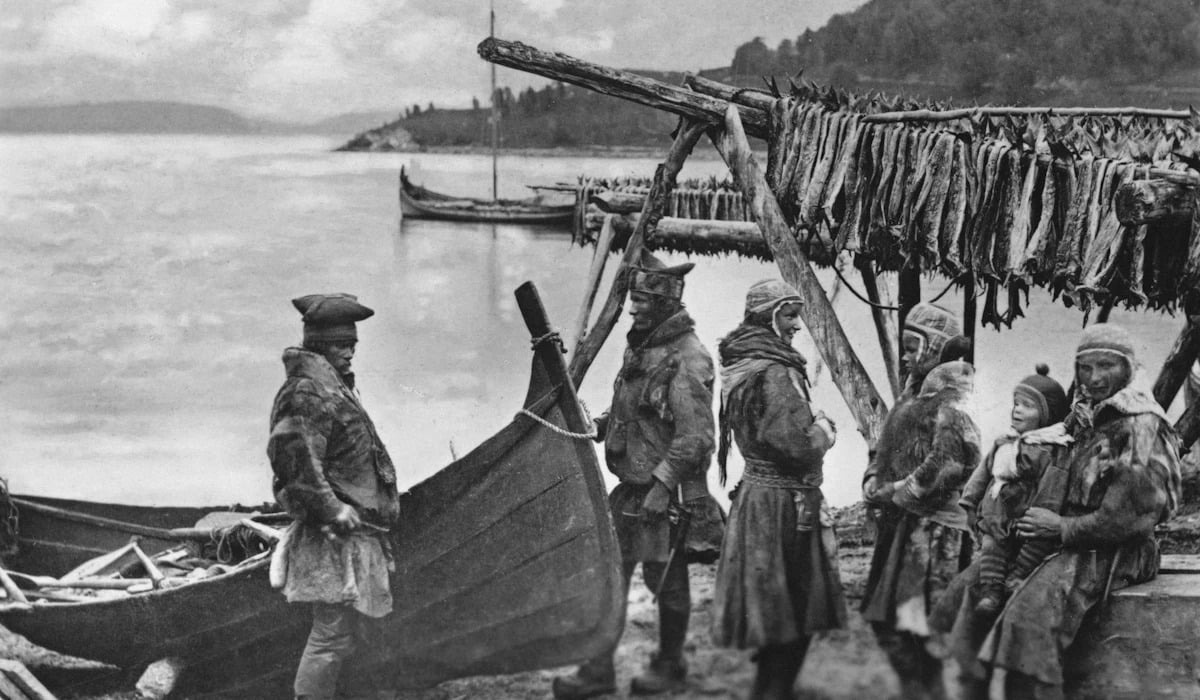
Ching Shih commanded the Red Flag Fleet, a coalition of hundreds of ships and tens of thousands of followers that dominated the South China Sea in the early 1800s. Pressured by Chinese authorities, she negotiated a surrender in 1810 that secured a pardon for her and many of her followers, allowing her to retire rather than face execution.
She went on to run a gambling house and lived until 1844, when she died at about age 69. It remains one of the best outcomes any pirate ever received.
Grace O’Malley Met Queen Elizabeth and Died at Home

Grace O’Malley, known in Irish as Gráinne Mhaol, led a seafaring clan on the west coast of Ireland and controlled shipping lanes with fleets and fortified castles. In 1593, she traveled to London to petition Queen Elizabeth I for the release of family members held by English authorities.
The meeting is among the best-documented encounters between a seafaring Irish leader often labeled a pirate and a monarch. O’Malley died around 1603, reportedly at Rockfleet Castle, in her seventies.
Jean Lafitte Helped Win a Battle and Then Slipped Out of History
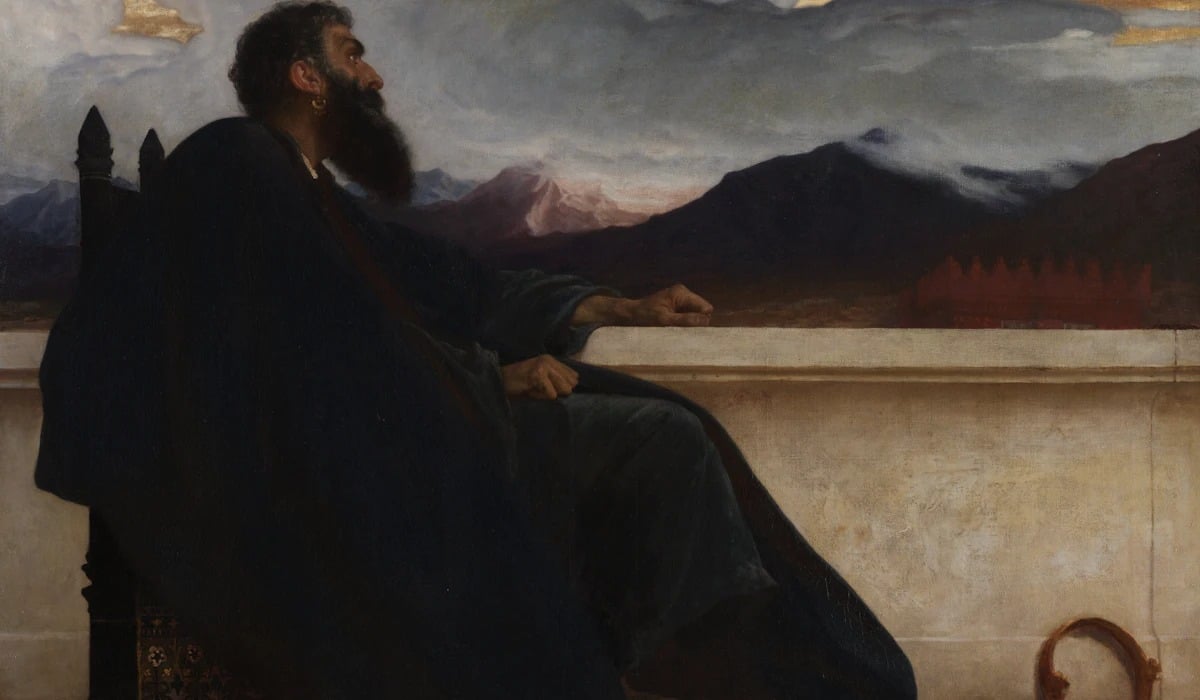
Jean Lafitte ran a smuggling and privateering operation out of Barataria Bay near New Orleans. In 1814 and 1815, he and his men helped Andrew Jackson defend the city against the British, and President James Madison later pardoned members of the Barataria group for crimes against the United States.
Lafitte then set up a base at Galveston, Texas, and left it in 1820 after pressure from the United States Navy. His trail goes cold in the early 1820s, and the date and place of his death are still debated.
Benjamin Hornigold Switched Sides and Hunted His Former Friends
Benjamin Hornigold helped establish the pirate haven at Nassau and counted a young Edward Teach among his crew. In 1718, he accepted the king’s pardon and went to work for Governor Woodes Rogers, hunting down pirates he once sailed beside.
He reportedly refused to attack English ships, a rule that cost him his command. Hornigold is believed to have died in a shipwreck on a reef around 1719.
Francis Drake Was Called a Pirate and Buried at Sea in Lead
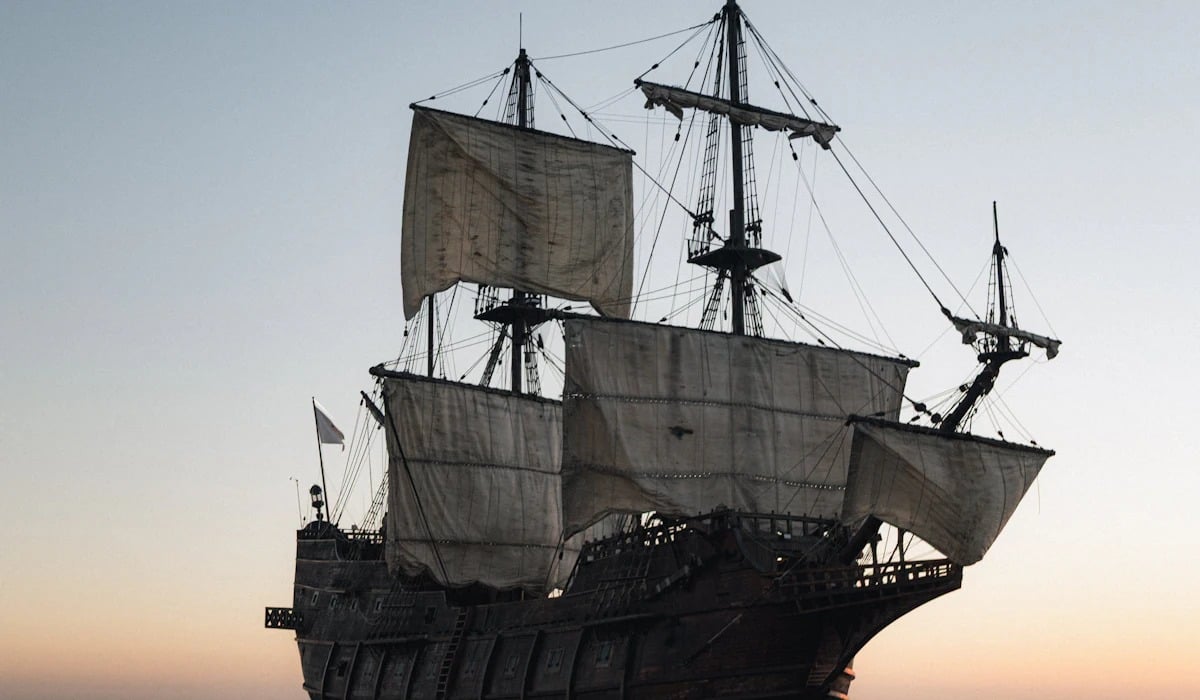
Spain considered Francis Drake a pirate, while England made him a knight. The knighting ceremony took place aboard his ship, the Golden Hind, in 1581 and is traditionally attributed to the French ambassador acting on Queen Elizabeth I’s behalf.
Drake circled the globe between 1577 and 1580, and his raids on Spanish shipping made him wealthy and famous. Drake died of dysentery on January 28, 1596, during an expedition off Portobelo, Panama.
Sailors sealed his body in a lead coffin and lowered it into the sea nearby.
Barbarossa Hayreddin Traded Piracy for an Admiral’s Command
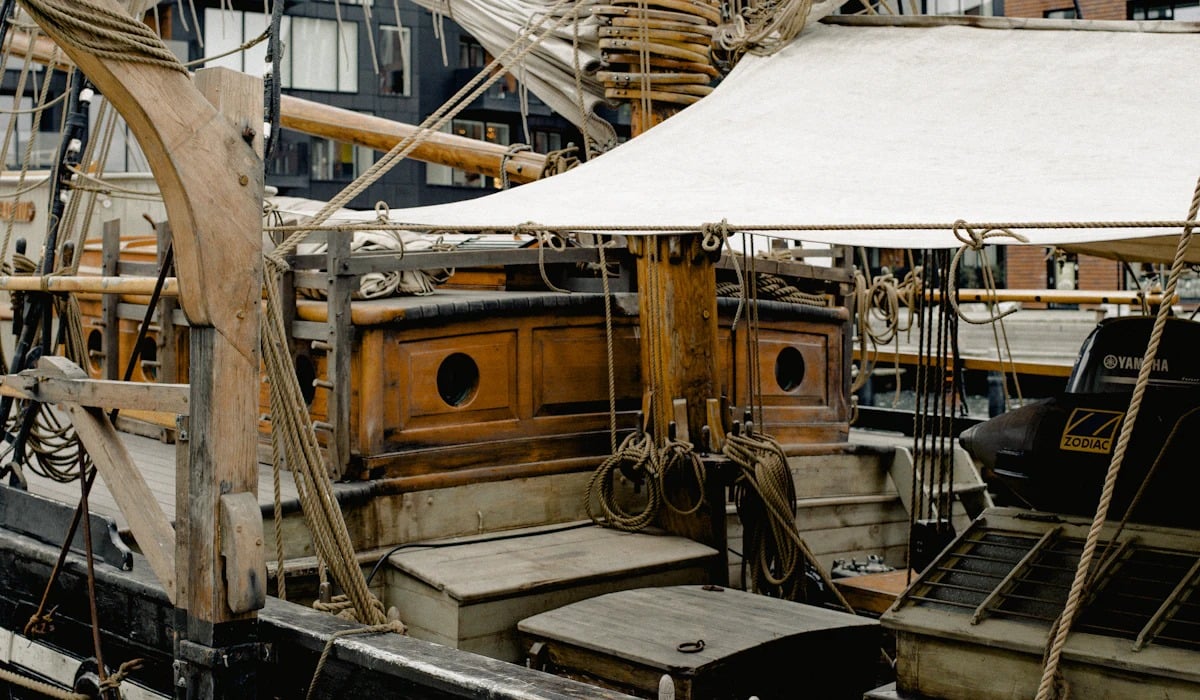
Hayreddin Barbarossa began as a corsair in the Mediterranean alongside his brother Oruc, building a naval power from North African ports. He later joined the Ottoman Empire, and in 1533, Sultan Suleiman the Magnificent appointed him grand admiral of the fleet.
In 1538, he won the Battle of Preveza against a Christian coalition. He died in Istanbul in 1546, and a monument to him stands on the Bosphorus.
François l’Olonnais Was Reportedly Eaten by Those He Raided
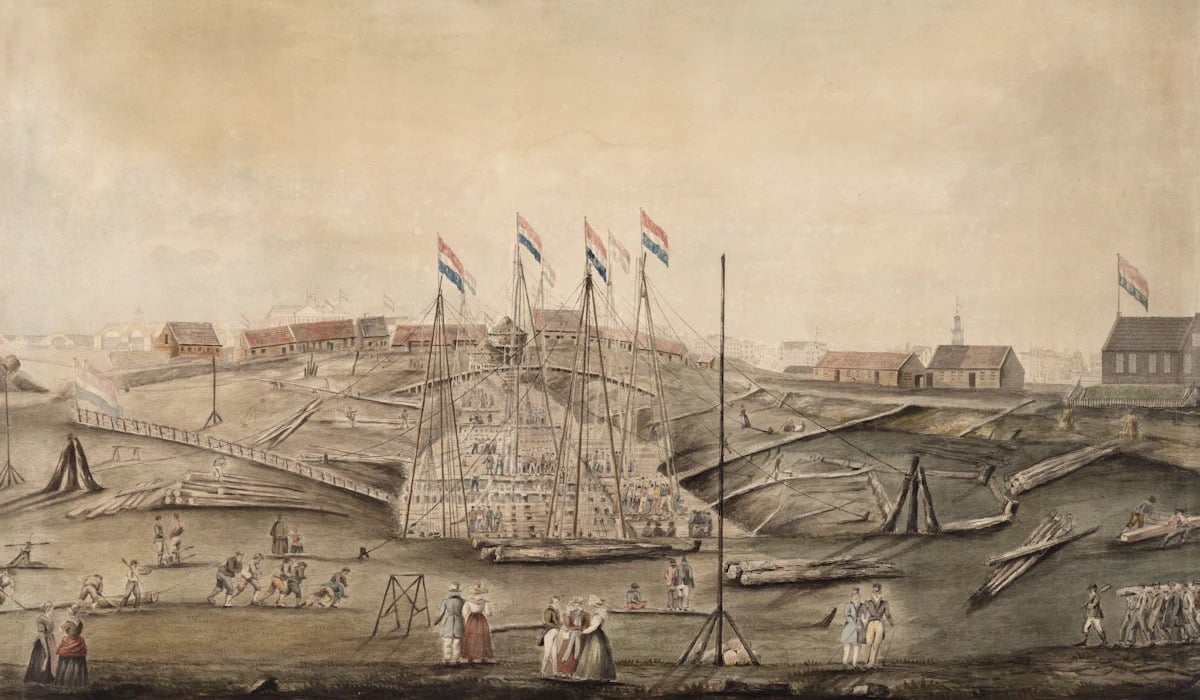
François l’Olonnais was a French buccaneer who raided Spanish settlements on the Caribbean coast and sacked Maracaibo in 1666. His reputation for brutality made him one of the most feared men of the Spanish Main.
Around 1668, an expedition to Central America went badly, and accounts say he was captured by Indigenous people in the Darién region. According to a dramatic story repeated in later pirate histories, they killed and ate him, although the details are difficult to verify.
La Buse Hanged With a Cryptogram and Left Treasure Hunters Guessing

Olivier Levasseur, nicknamed La Buse, took part in the 1721 capture of the Portuguese ship Nossa Senhora do Cabo, which carried an enormous cargo of valuables. He was later caught and hanged at Saint-Denis on Réunion Island in 1730.
Legend says he tossed a coded document into the crowd from the scaffold. The cryptogram has never been decoded in a way that conclusively identifies a hidden treasure, and treasure hunters have searched across the Indian Ocean for his loot.
Klaus Störtebeker Supposedly Walked Past His Crewmates Without a Head
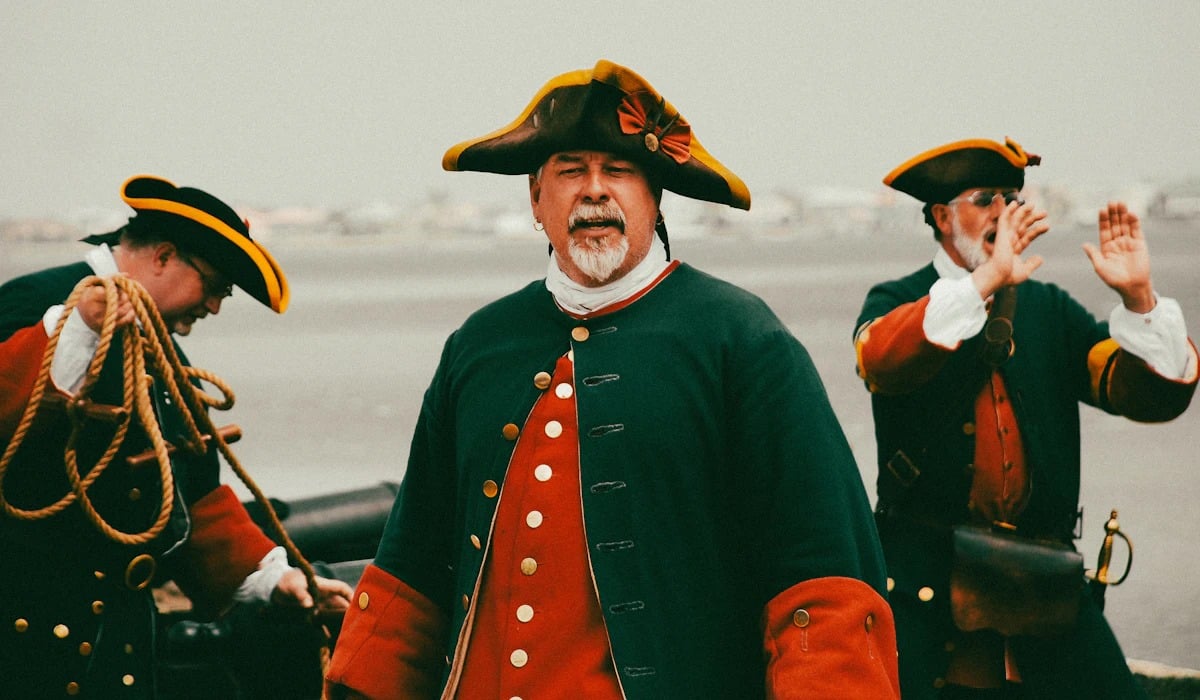
Klaus Störtebeker led the Victual Brothers, a band of privateers that preyed on Baltic and North Sea shipping around the turn of the 15th century. Hamburg captured him and executed him by beheading in 1401.
A famous legend says he asked that every man he could walk past after losing his head be spared, and he supposedly strolled past several before being tripped. The story is almost certainly folklore, though his execution in Hamburg is well documented.
Eustace the Monk Lost His Head After the Battle of Sandwich
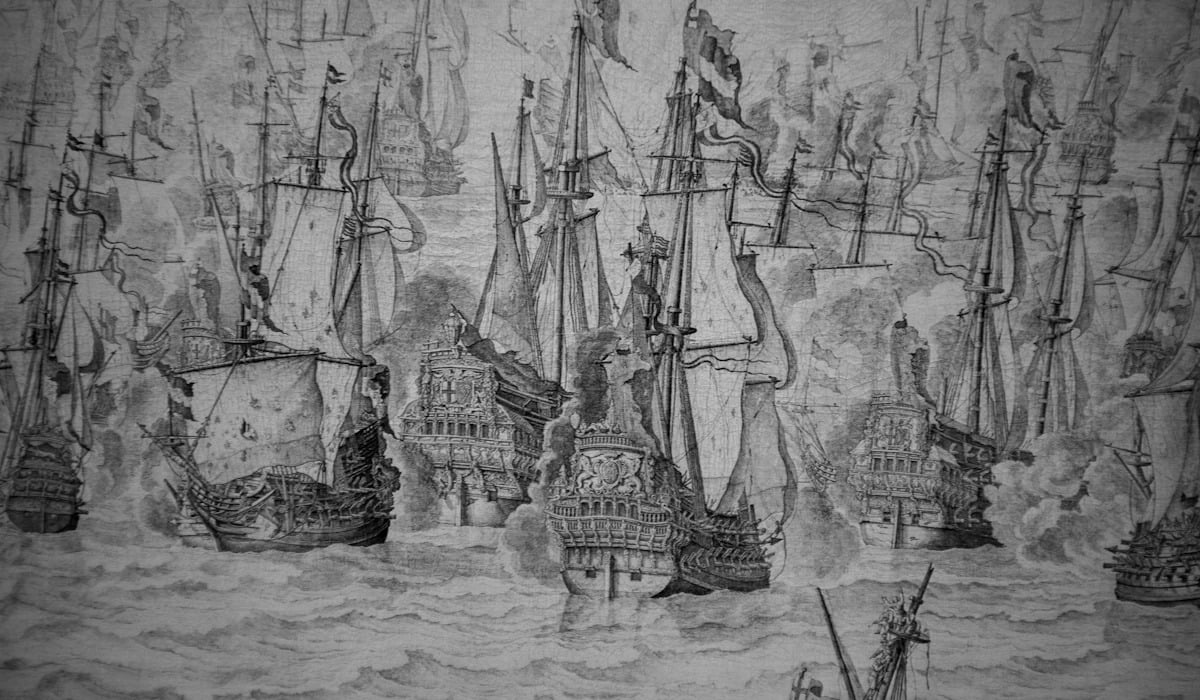
Eustace the Monk was a Frenchman who left a Benedictine monastery and became a mercenary and privateer in the English Channel, serving King John at first. He later switched to the French cause during the 1216 invasion of England led by Prince Louis.
In August 1217, an English fleet defeated the French relief force at the Battle of Sandwich. Eustace was found hiding in his ship’s hold and beheaded on the spot.
Thomas Tew Died Attacking a Mughal Treasure Ship
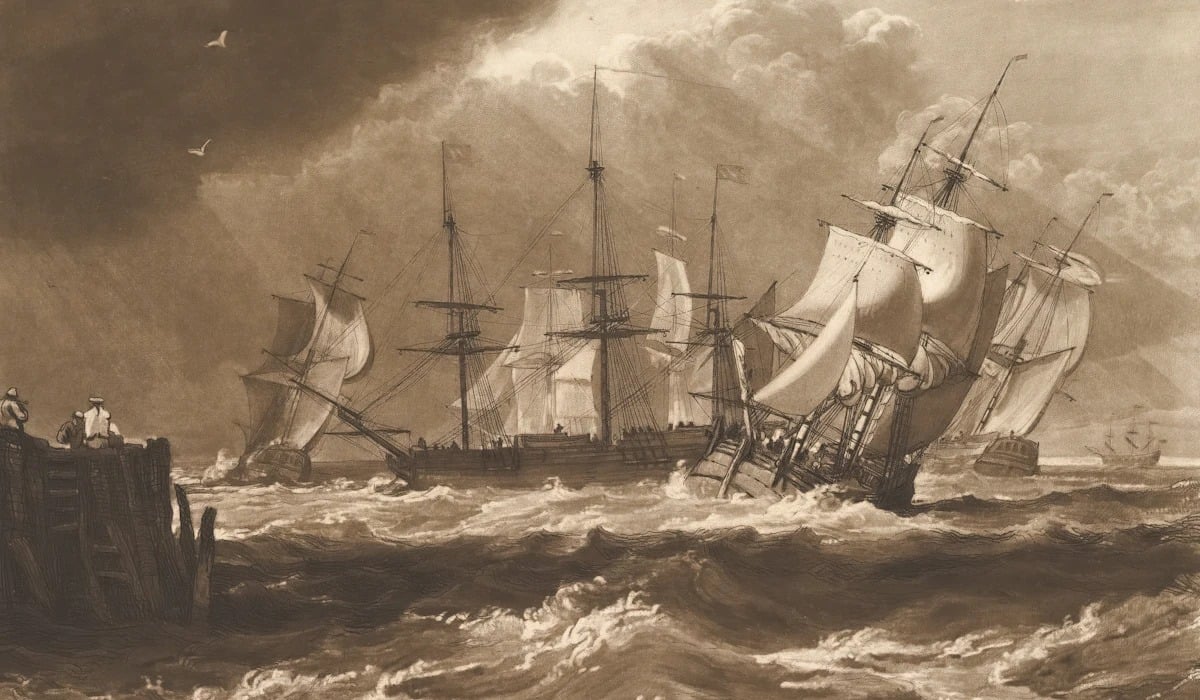
Thomas Tew sailed from Bermuda in 1692 with a privateering commission aimed at the French and ended up raiding in the Red Sea instead. His return to Newport with a fortune made him a celebrity, and he became friendly with the governor of New York.
On a later voyage, in 1695, Tew joined a pirate expedition targeting Mughal shipping. He was reportedly killed by a shot during an attack on a Mughal vessel, and his crew lost heart and surrendered.
The ship’s identity is uncertain.
Howell Davis Was Ambushed After Playing the Honest Trader
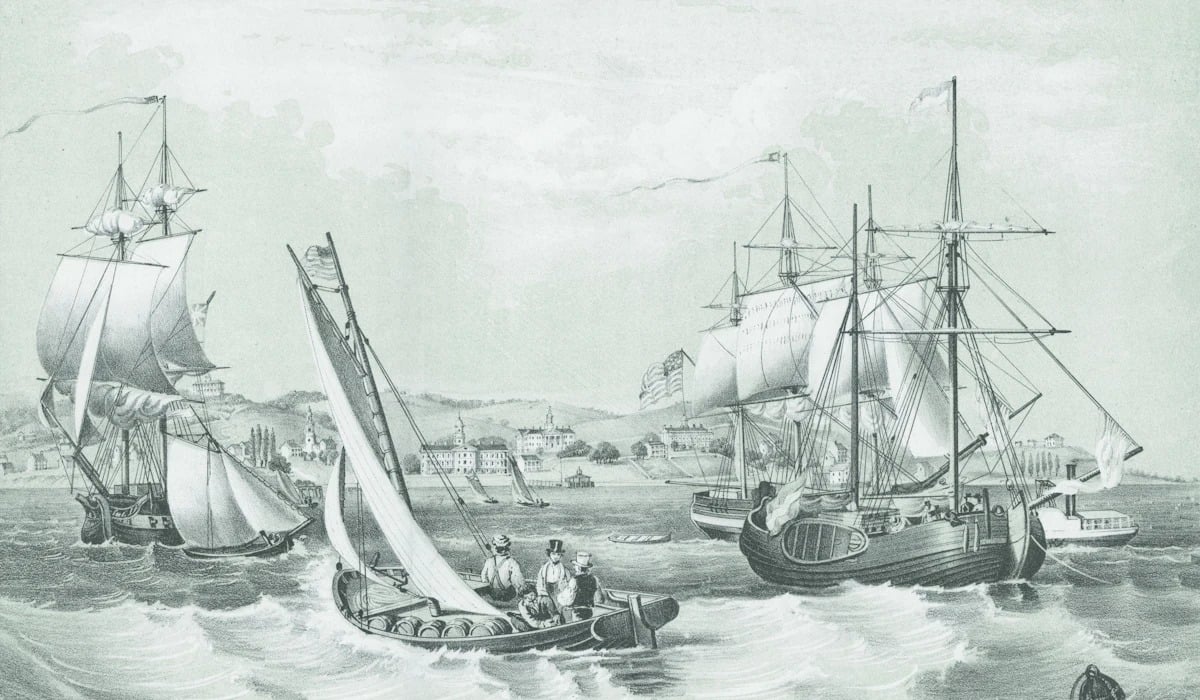
Howell Davis was a Welsh pirate known for trickery, often posing as a merchant or an official to catch his targets off guard. In 1719, he tried the same approach at the Portuguese fort on Príncipe, off West Africa.
The locals saw through the ruse and set an ambush, and Davis was shot dead on the road. His crew voted a newcomer named Bartholomew Roberts to replace him, only days after Roberts joined the crew.
Rachel Wall Became the Last Woman Hanged in Massachusetts
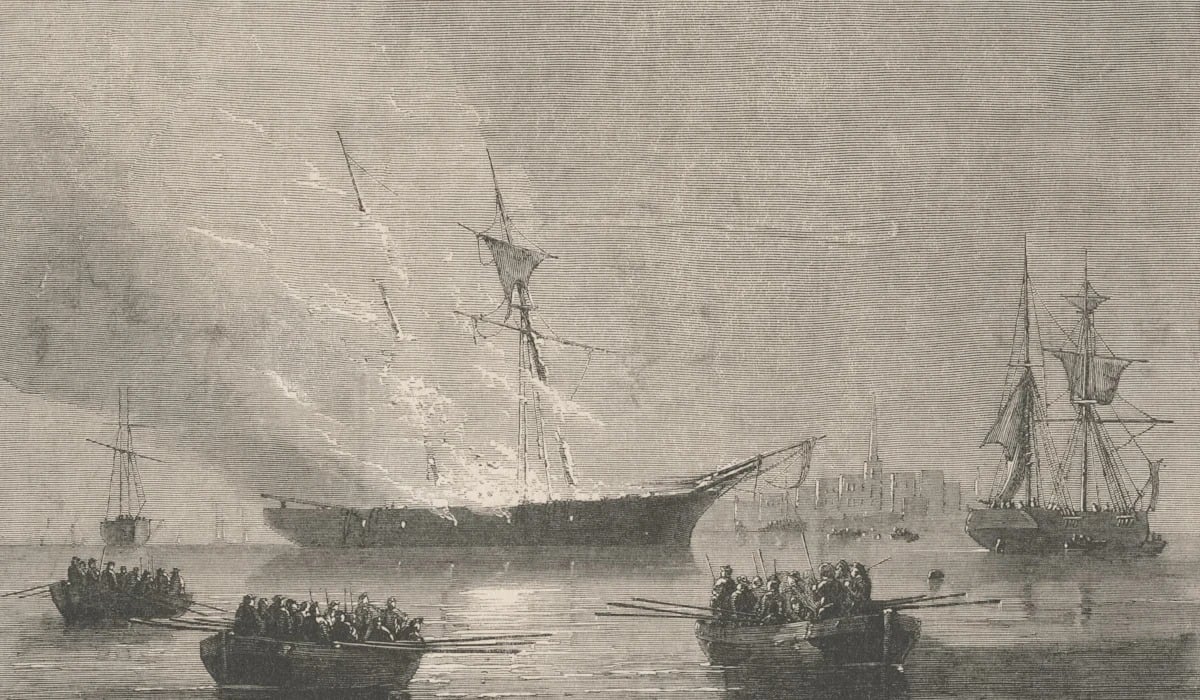
Rachel Wall and her husband, George, reportedly worked the waters near Boston, using a stormy-weather ruse to lure ships. According to the account tied to her confession, she pretended to be a stranded sailor’s wife and called for help from a passing boat.
The crew would come aboard and be robbed. She was hanged in Boston on October 8, 1789, for highway robbery, although she had also admitted to participating in piracy.
She is generally identified as the last woman hanged in Massachusetts.
Jack Ward Became a Rich Turk in Tunis and Died of Plague
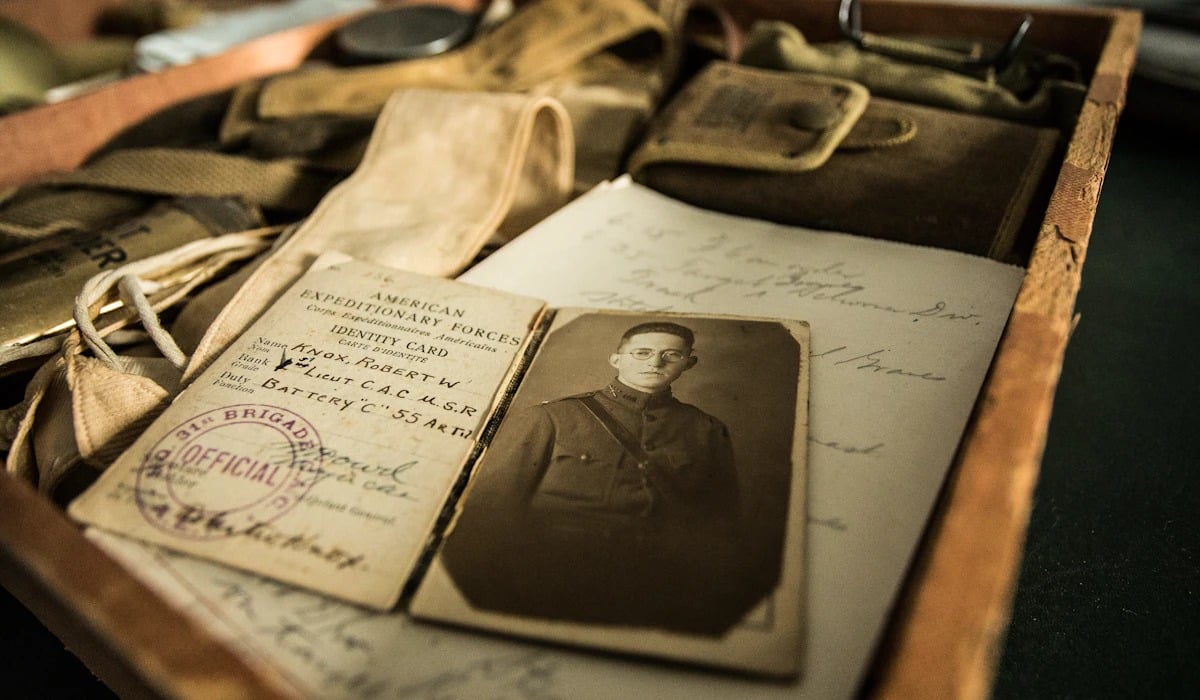
John Ward was an English sailor who deserted the navy to turn pirate and ended up operating from the North African coast. He converted to Islam, took the name Yusuf Reis, and became one of the most prominent European corsairs in Tunis.
He lived in a palace and was known for his wealth. He reportedly died of the plague in 1622, an end few pirates managed on land.
Edward England Was Marooned for Showing Mercy
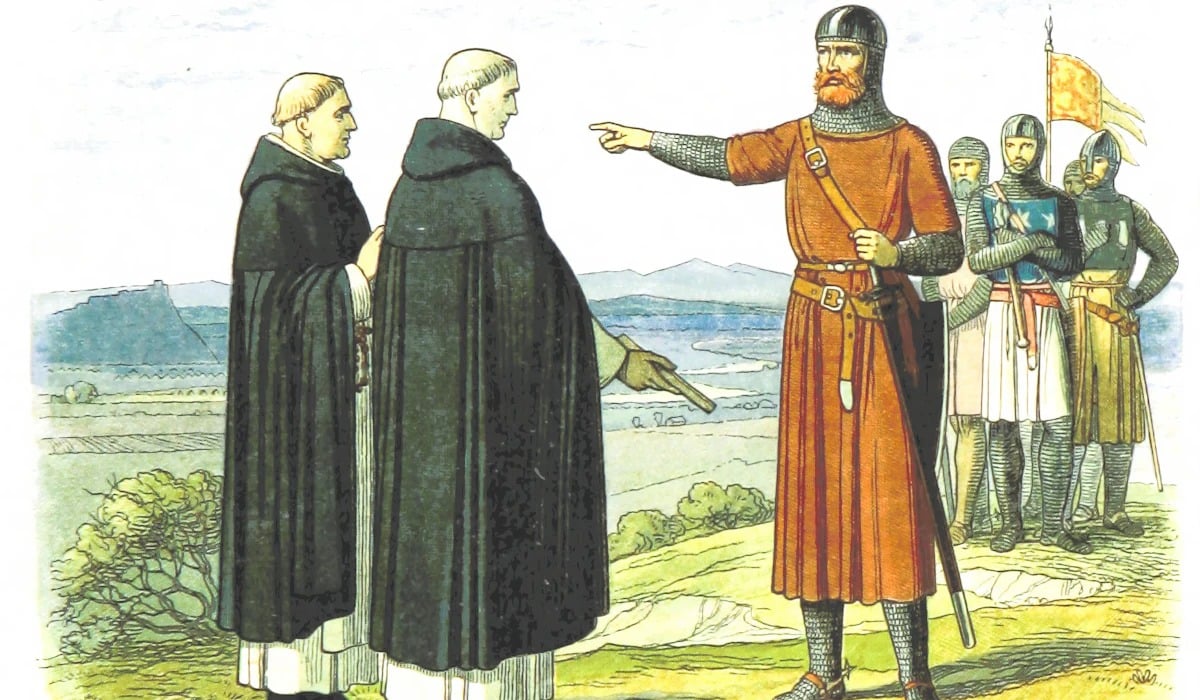
Edward England was an Irish pirate who operated off West Africa and in the Indian Ocean around 1720. When his crew captured the ship of Captain James Macrae near Johanna, England wanted to spare him.
His crewmates disagreed, deposed him and marooned him on Mauritius. He made his way to Madagascar, where he is believed to have died in poverty around 1721, although his final years are poorly documented.
William Fly Argued With the Hangman Over His Own Noose
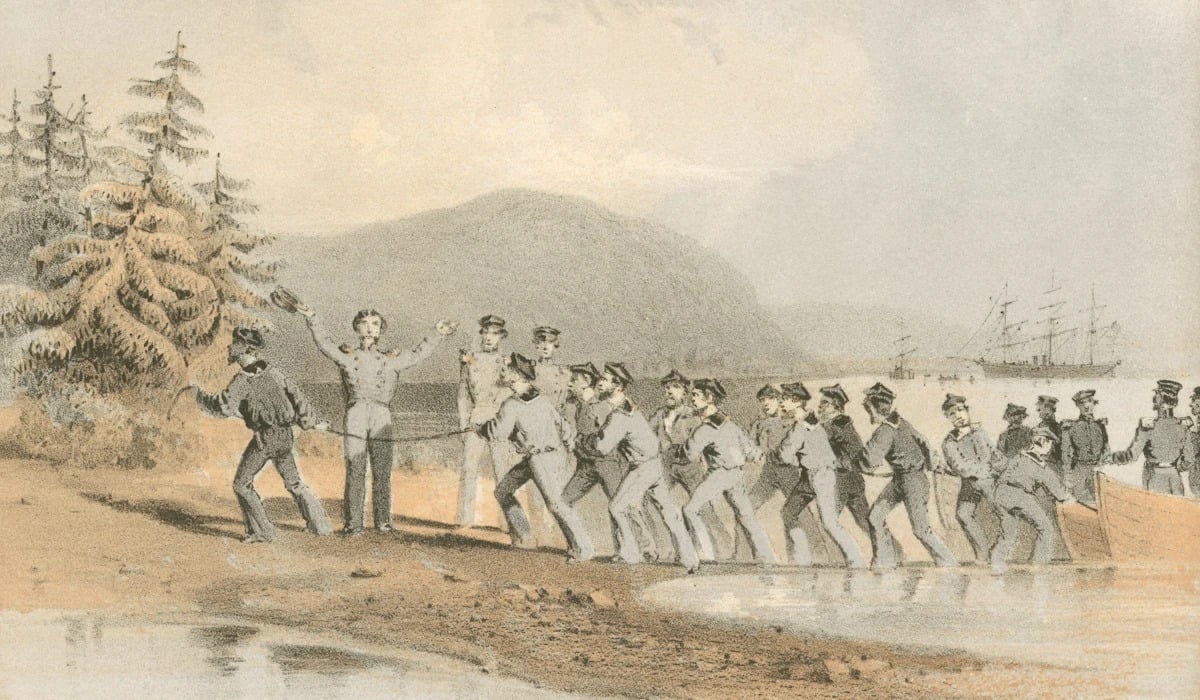
William Fly led a mutiny in 1726 aboard the Elizabeth, killing the captain and renaming the ship the Fame. His career lasted only a few weeks before Boston authorities captured him off Rhode Island.
He was hanged on July 12, 1726, at Boston, and he reportedly adjusted the noose himself and criticized the hangman’s work. His body was then gibbeted on Nix’s Mate, an island in Boston Harbor.
The Odds Always Ran Against the Black Flag

Across these lives, a pattern appears. The pirates who died old, such as Ching Shih, Grace O’Malley and Barbarossa Hayreddin, generally did so after their circumstances changed through a pardon, a shift in allegiance or a position of power.
The ones who kept raiding often ended on a gallows, on a gibbet or on the bottom of the sea. A career that looked like freedom was usually a short countdown.
Even the stories that seem certain carry doubt. Anne Bonny, Henry Every and Jean Lafitte slipped out of the record, and the endings attached to Edward Low and François l’Olonnais rest on accounts that cannot be fully checked.
Legends fill that silence, but the documented facts are often just as remarkable: knighthoods, lead coffins and graves swallowed by the sea.
More from Go2Tutors!

- The Romanov Crown Jewels and Their Tragic Fate
- 13 Historical Mysteries That Science Still Can’t Solve
- Famous Hoaxes That Fooled the World for Years
- 15 Child Stars with Tragic Adult Lives
- 16 Famous Jewelry Pieces in History
Like Go2Tutors’s content? Follow us on MSN.