16 Dodo Bird Facts From History’s Lost Icon
The dodo bird is one of the most well-known animals to ever vanish from the planet. It lived peacefully on a small island for thousands of years, but it took less than a century for people to wipe it out.
Its short story left a deep impression. Even today, the dodo sparks interest in science, books, and conversations around the world.
Let’s walk through 16 facts about this strange bird that never got a second chance. Each one paints a clearer picture of a creature that once walked the Earth.
Lived only on Mauritius

The dodo could only be found on Mauritius, a remote island east of Madagascar. This place was full of lush forests, strange animals, and no predators for the dodo.
It never had to leave because food was plenty and life was simple. But being stuck on one island also meant it had nowhere to run when danger arrived.
The moment people stepped ashore, the dodo’s safe world started to change fast.
Flightless bird
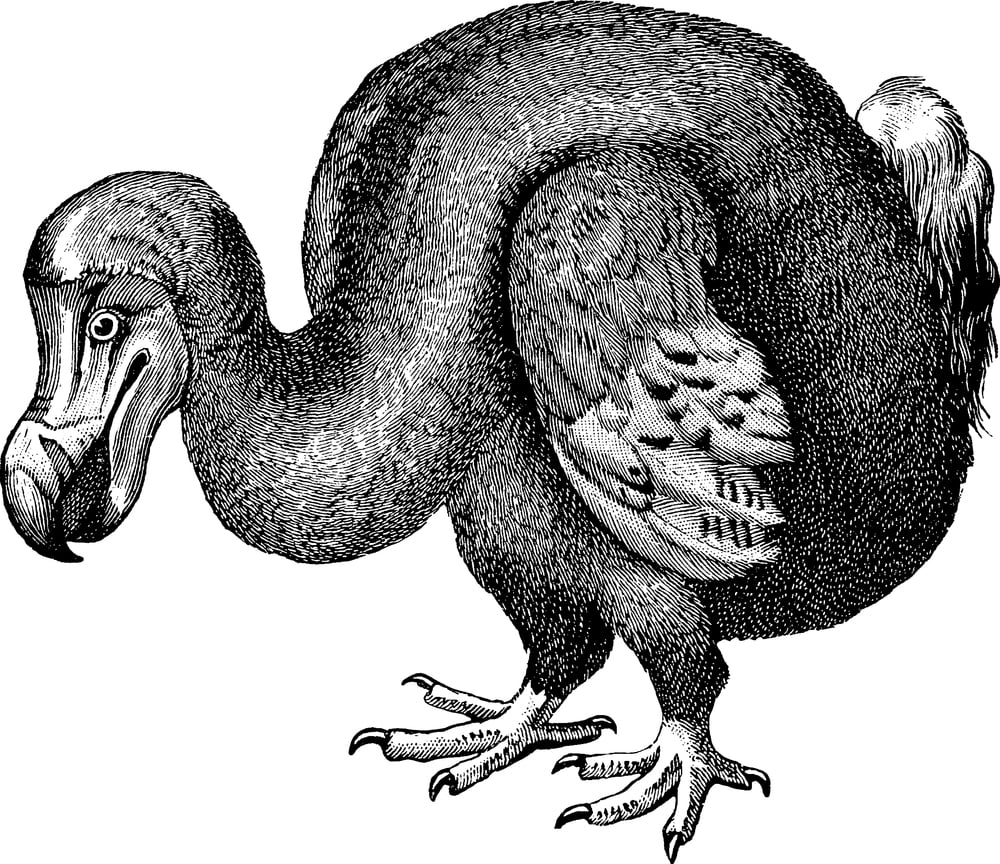
The dodo’s wings were small and weak, completely useless for flying. But for a long time, that wasn’t a problem.
With no predators on Mauritius, flying simply wasn’t necessary. Instead, the dodo likely used its wings for balance or to help move through thick bushes.
Unfortunately, once new animals showed up, this lack of flight turned into a deadly disadvantage.
About three feet tall
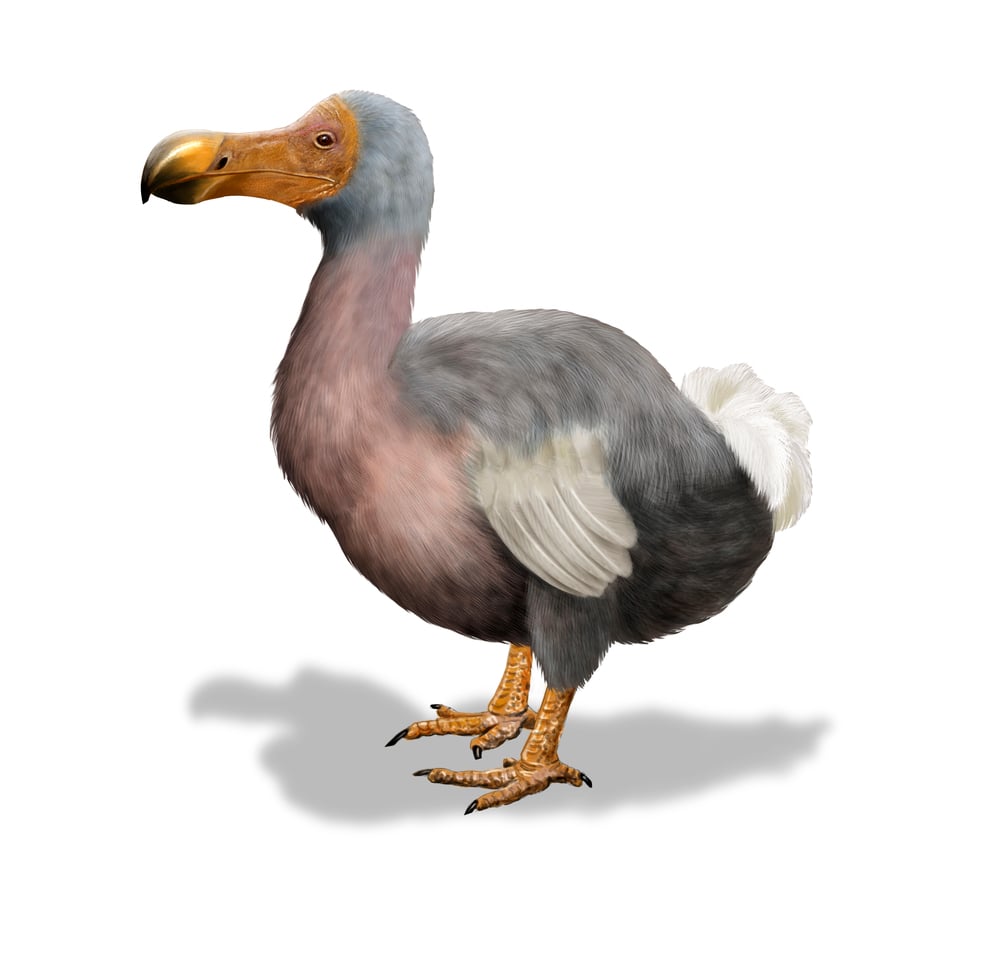
This bird stood about three feet tall, which made it as tall as a toddler. Early visitors were shocked by its size since most birds they knew were much smaller.
The dodo’s wide frame, big feet, and stout legs gave it a round look. It likely waddled slowly through the forests.
Its size was great for surviving in a safe land—but in a world with new threats, it only made escape harder.
Likely herbivore diet

The dodo mainly ate fruits, seeds, nuts, and roots. Some scientists think it might have eaten small crabs or bugs too, especially if food was scarce.
Its big curved beak helped it break open hard food like palm fruits. Since it didn’t fly, all its food came from the ground or low-hanging trees.
It likely foraged all day, searching the forest floor for anything tasty and safe.
No predators before humans
For thousands of years, the dodo lived with no threats. There were no large mammals, no snakes, and no aggressive birds hunting it.
Because of that, it didn’t develop the skills most animals need to survive. It wasn’t fast, it didn’t hide, and it didn’t fear anything.
Sadly, this peaceful life left it completely unprepared when predators came along with humans.
Discovered by sailors in 1598

Dutch sailors were the first Europeans to write about the dodo in 1598. Their journals described it as fat, slow, and easy to catch.
For them, the bird was more of a food source than a wonder of nature. Some ships took dodos on board, while others left drawings and stories behind.
These early accounts helped the dodo become known to the rest of the world.
Extinct by late 1600s
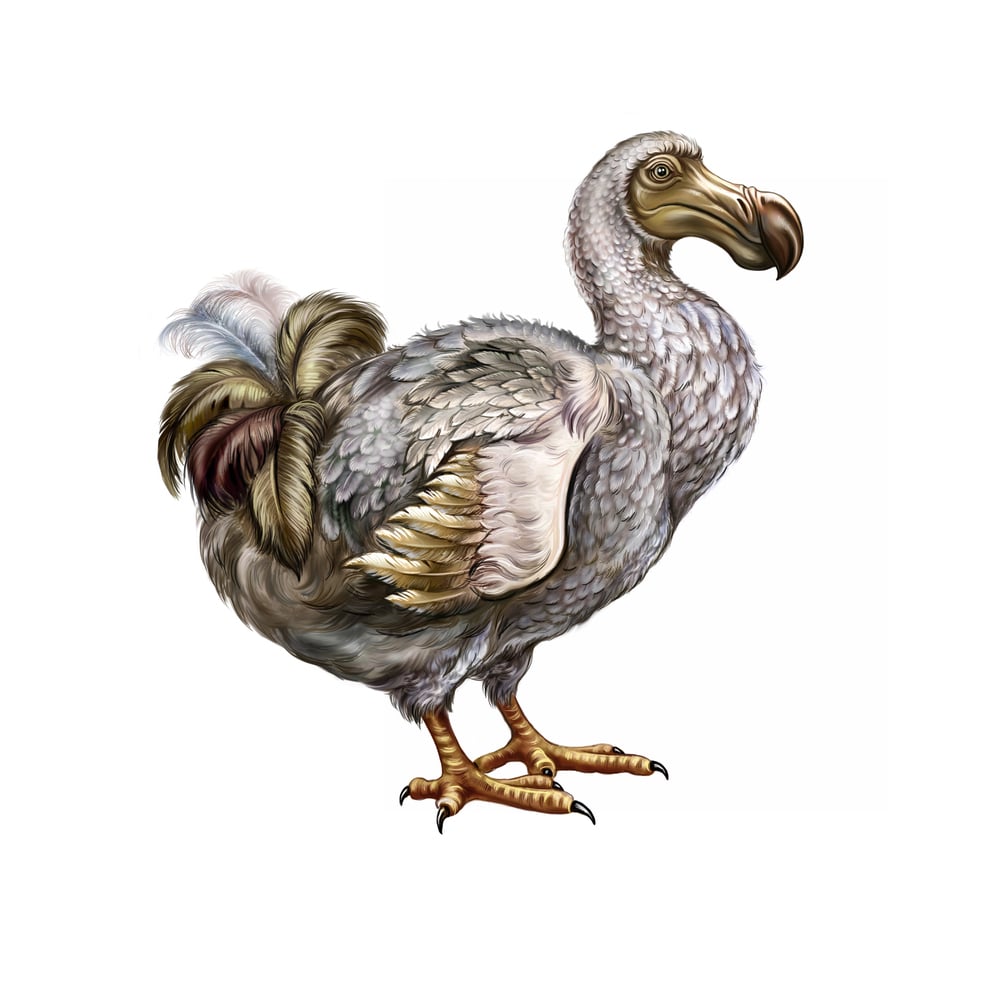
In less than 100 years after its discovery, the dodo was completely gone. Most experts agree it became extinct around 1681.
It wasn’t just hunted—its eggs were eaten by rats, and its forests were cleared for settlements. The combination of hunting, habitat loss, and new animals ended its entire species.
That quick disappearance still shocks scientists today.
Part of the pigeon family
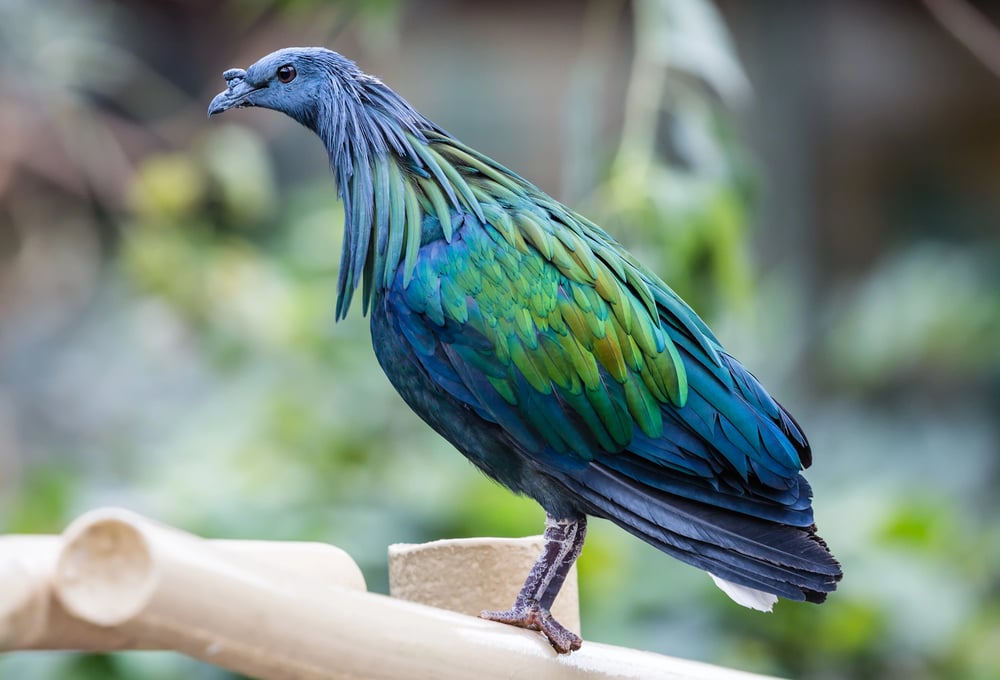
Though it looked like a wild turkey or a small ostrich, the dodo was actually a large relative of pigeons. DNA tests later showed it shared ancestors with the Nicobar pigeon and other island birds.
Over time, it adapted to land life and grew larger. Losing the need to fly helped it save energy and survive on an island with no threats.
That connection surprised many who only saw it as a strange, separate bird.
Used the island’s dense forests
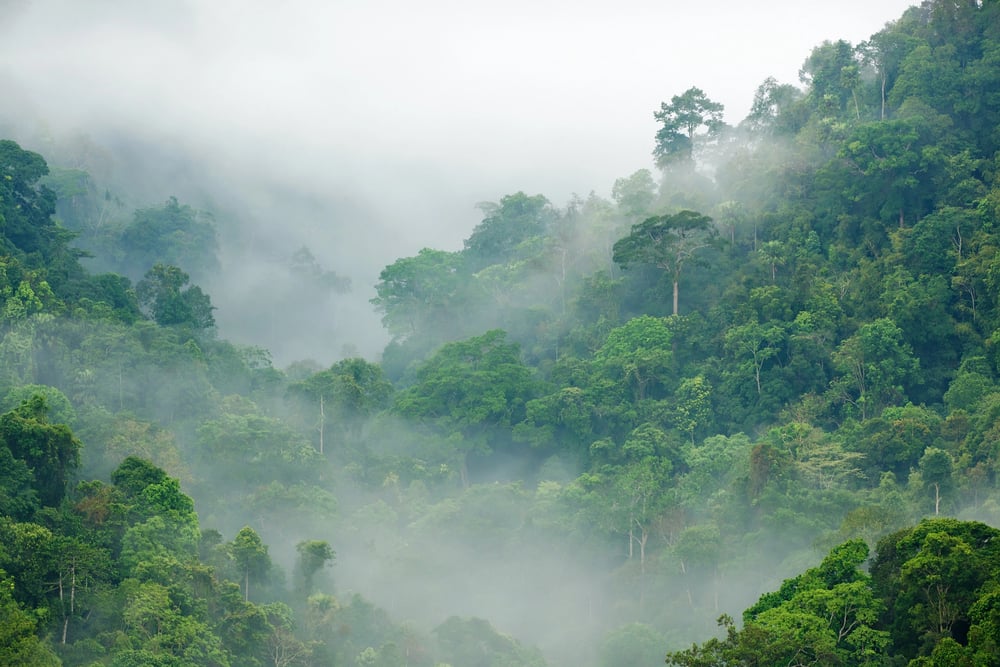
The dodo thrived in the thick forests of Mauritius. These forests were full of trees that dropped fruit, making it easy for a ground-dwelling bird to feed.
The tall grass and bushes gave it shade and a bit of cover. Nesting and hiding among the plants helped protect it—at least before people arrived.
As the forests were cut down, the dodo lost its food source and its home.
Thick, curved beak
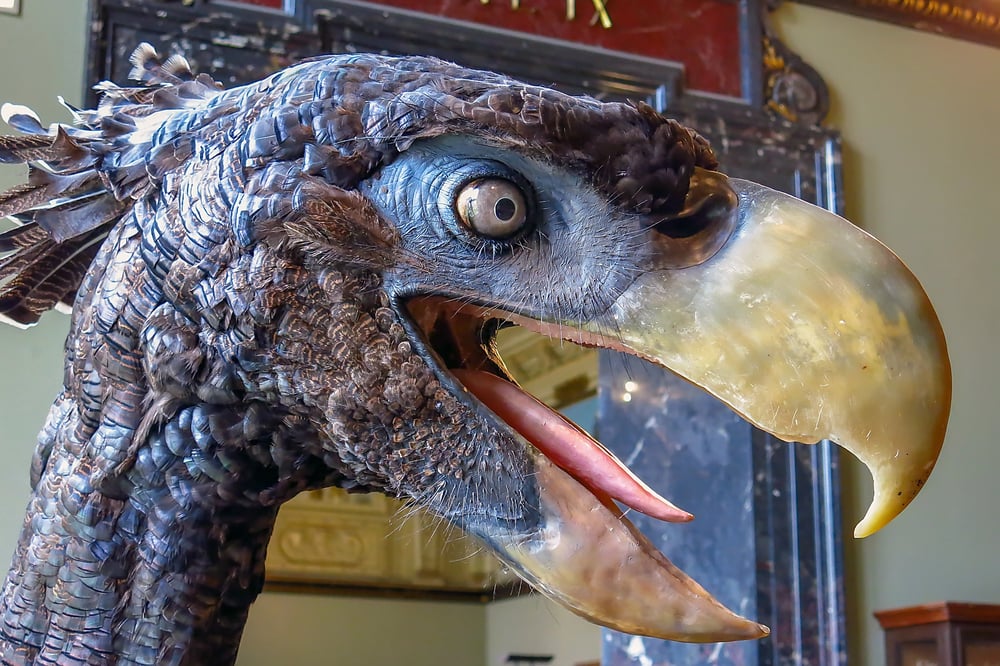
Its large, hooked beak was one of the dodo’s most noticeable features. It wasn’t just for show—this beak could break tough shells and dig through dense plant matter.
The shape suggests it was strong but also precise, allowing the bird to pick through a variety of food. Some believe it used the beak to break into fruits other animals couldn’t eat.
That gave it an edge in its forest home.
Nested on the ground
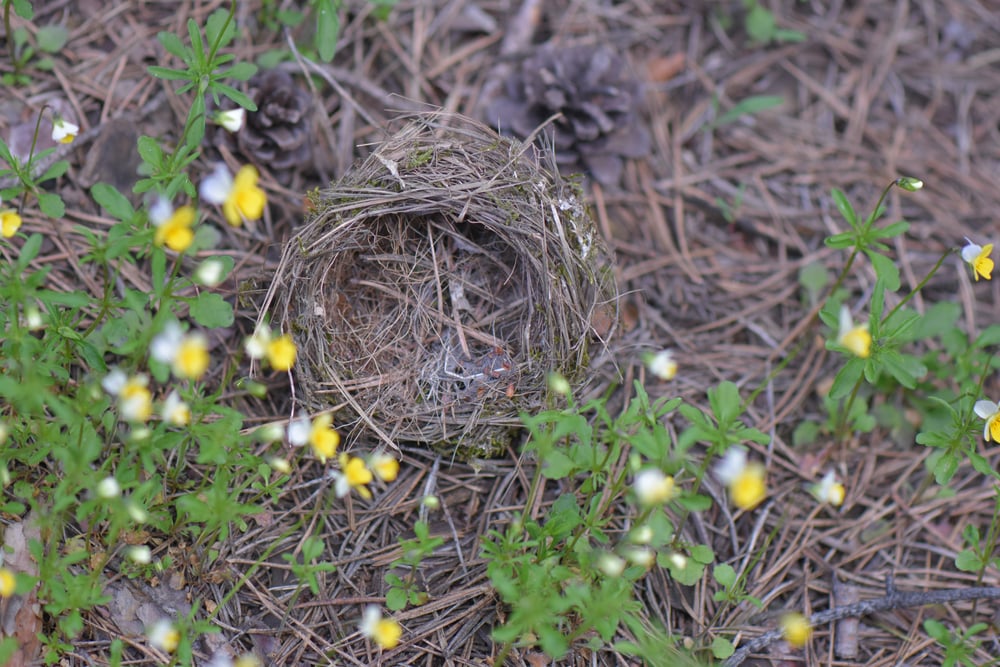
The dodo laid eggs directly on the ground, usually just one at a time. That wasn’t a problem before humans, but it became a huge risk when animals like rats and pigs showed up.
These new creatures easily found and ate dodo eggs. Since each bird had so few chicks, the population couldn’t recover quickly.
Nesting on the ground turned into a fatal flaw.
Studied long after extinction
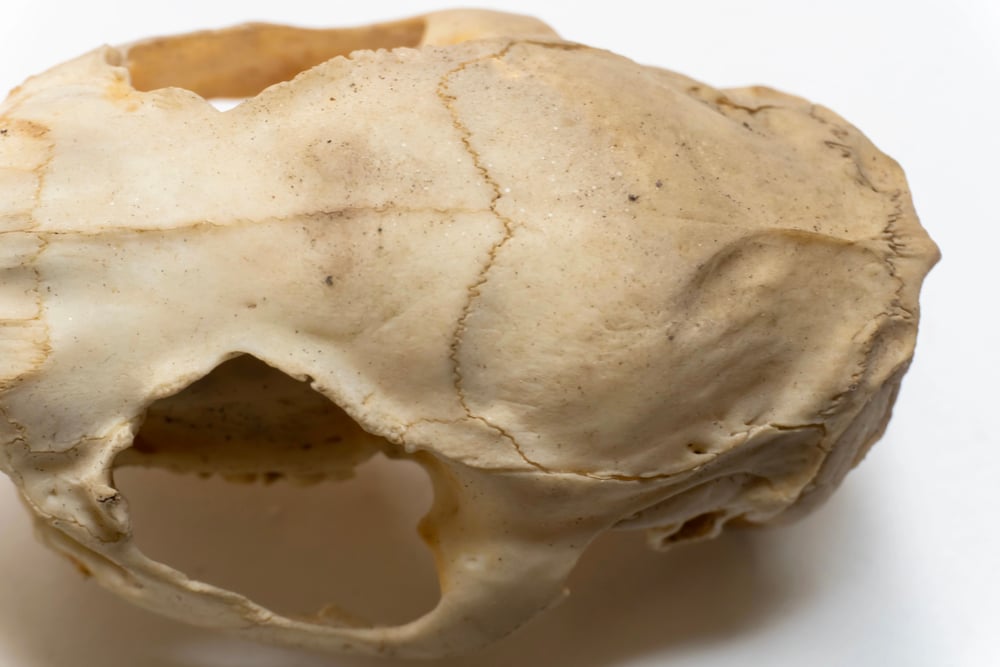
Even though it vanished in the 1600s, real scientific interest in the dodo didn’t begin until the 1800s. Fossils found in swamps and caves helped scientists rebuild its body shape.
Museums began collecting bones and piecing together skeletons. Over time, scientists used new tools to study its DNA, muscles, and even how it walked.
The more they studied, the more they understood how unique it really was.
Symbol of extinction
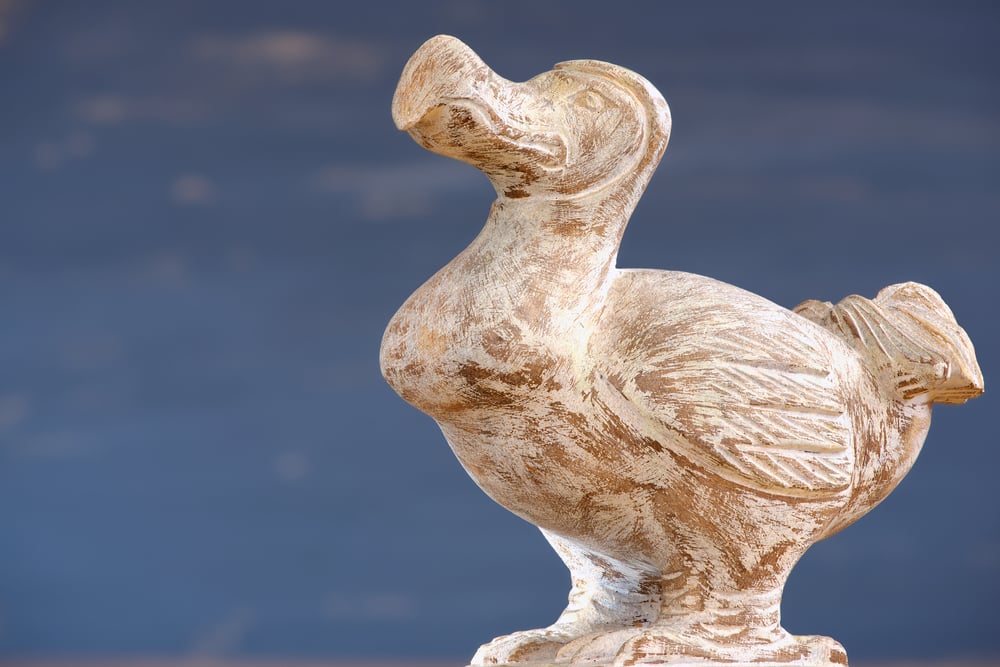
The dodo has become a global symbol of extinction. Its story is used in classrooms, documentaries, and wildlife campaigns to show how fast a species can disappear.
You’ll often hear people say “gone like the dodo” to describe things that are lost forever. It’s a simple, powerful example of what can happen when humans don’t think ahead.
That’s why the dodo’s legacy keeps coming up in conversations about saving animals today.
Inspired stories and art
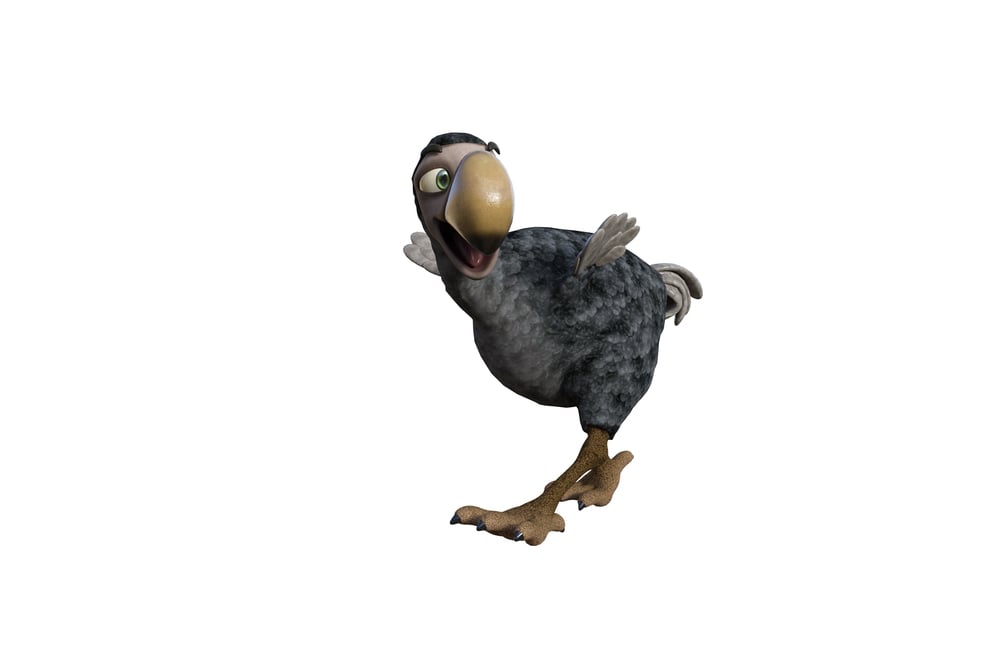
From old paintings to modern cartoons, the dodo has left a mark in culture. It famously appears in Alice’s Adventures in Wonderland, where it’s shown as a thoughtful, talking bird.
Artists over the years have imagined it in all kinds of ways—sometimes wise, sometimes goofy. The fact that no photos exist means every version is a little different.
That mystery has only added to its fame.
Feathers likely gray or brown
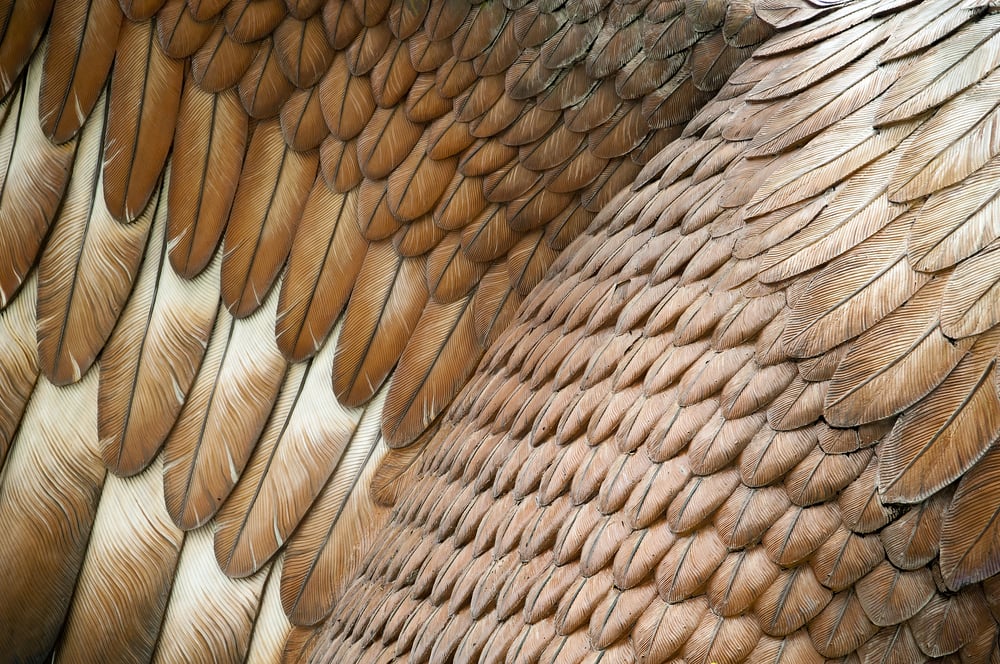
Though no living dodo was ever photographed, old sketches and reports suggest it had gray or brown feathers. These colors helped it blend in with its forest home.
Its feathers were likely soft and downy, not stiff like many water birds. Some early paintings showed white birds, but that was likely guesswork or confusion.
Scientists now agree it had simple, earthy tones.
Mystery still surrounds it

Even with all the research done, the dodo still holds many secrets. No complete dodo skeleton has ever been found, and its behavior remains a guessing game.
Different stories from sailors often contradict each other. Some said it was smart, others called it dumb.
That mix of facts and folklore keeps scientists digging—and keeps the public fascinated.
What the Dodo’s Story Means Today
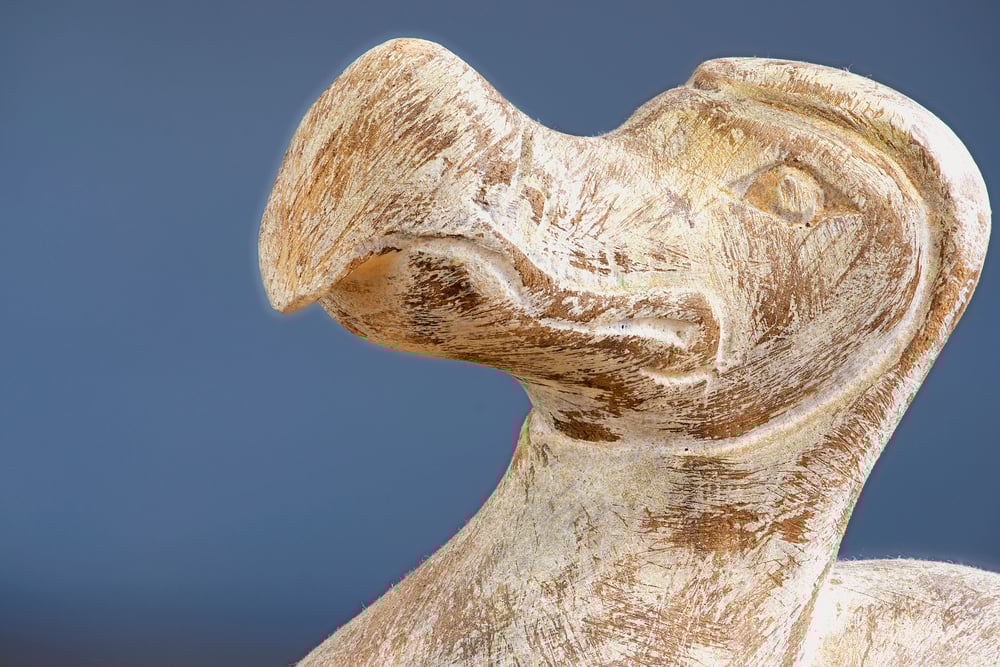
The dodo’s short time in the spotlight reminds people how quickly things can change. Its story connects the old world with today’s efforts to protect animals and their homes.
What happened to the dodo wasn’t just bad luck—it was a warning. And that warning still matters.
If the world learns from its past, other species may be saved from the same ending.
More from Go2Tutors!

- The Romanov Crown Jewels and Their Tragic Fate
- 13 Historical Mysteries That Science Still Can’t Solve
- Famous Hoaxes That Fooled the World for Years
- 15 Child Stars with Tragic Adult Lives
- 16 Famous Jewelry Pieces in History
Like Go2Tutors’s content? Follow us on MSN.



