Photos From Hollywood’s Golden Age Sets
The studio system was built to project polish, yet the cameras pointed at the sets themselves tell a rougher story. Plaster, plywood, borrowed lights, and a lot of sweat sat just outside the frame of every classic.
The photographs and documented moments below capture that other side of the picture business. They show the labor, the accidents, and the improvisation behind some of the most famous films ever made.
The Night Atlanta Burned on the Back Lot
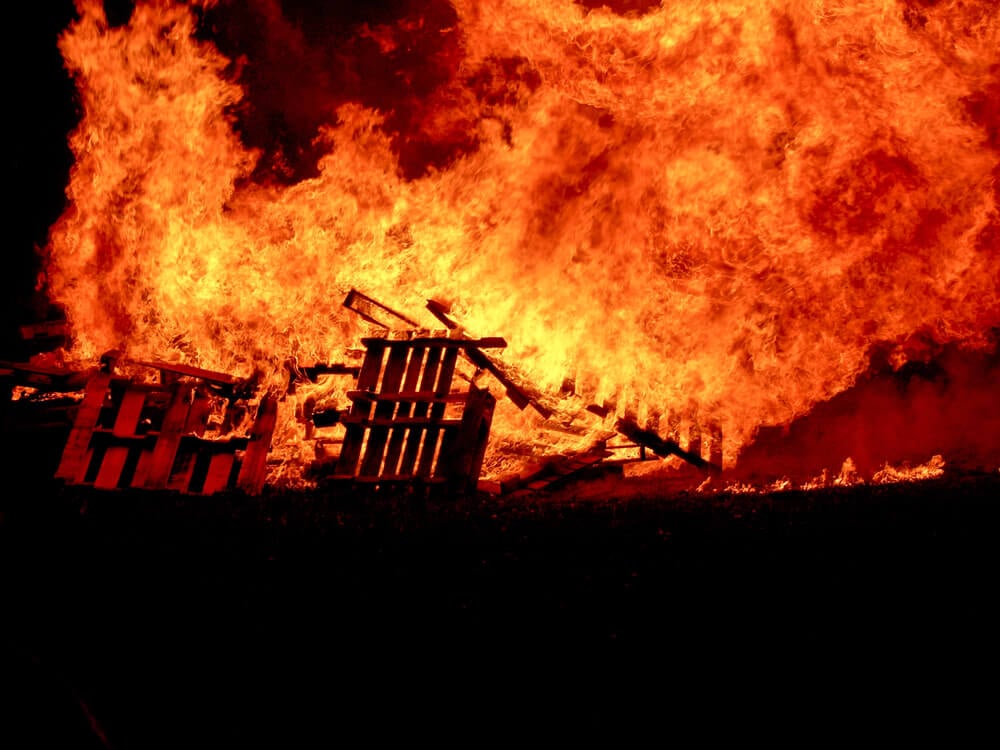
On December 10, 1938, Selznick International burned a collection of old sets on its Culver City lot to film the burning of Atlanta for Gone with the Wind. Among the structures put to the torch were leftover facades from earlier productions, including the great wall built for King Kong. Producer David O. Selznick was watching the fire when his brother Myron introduced him to Vivien Leigh, who had not yet been cast as Scarlett O’Hara. Photographs from that evening show the glow of the blaze and the beginnings of one of the most famous casting stories in film history.
A Director Swapped Out on the Tara Set
George Cukor, the director originally hired for Gone with the Wind, was dismissed after only a few weeks of shooting in early 1939. Victor Fleming took over, and production photographs of the Tara and plantation scenes from the following months show the new director working with the same cast under a very different style. Cukor never filmed another frame of the picture, though he continued to coach Vivien Leigh and Olivia de Havilland privately. Selznick kept the cast loyal by treating the handover as a studio decision rather than a scandal.
The Munchkinland Fire That Scarred the Witch
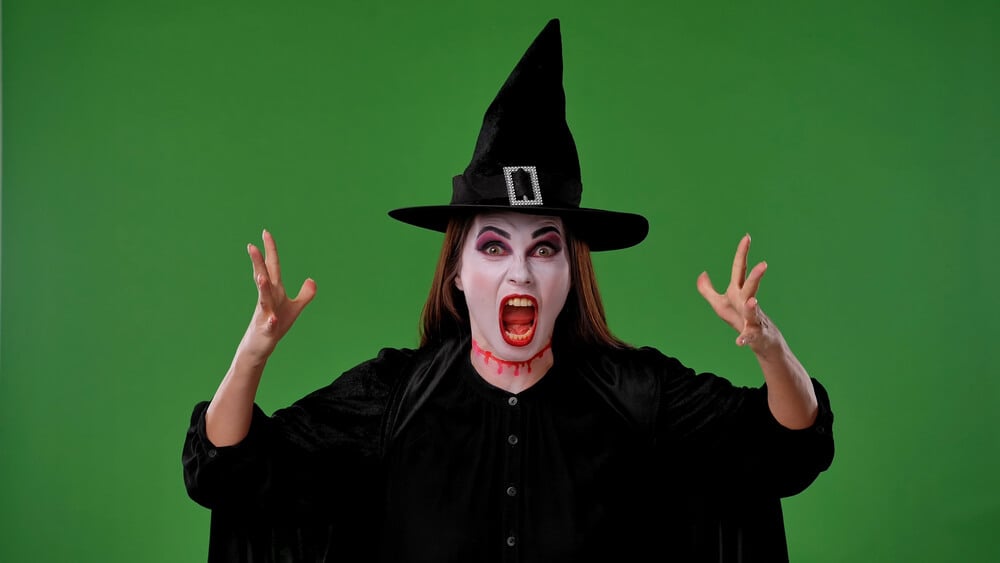
While filming the Wicked Witch’s exit from Munchkinland, Margaret Hamilton was lowered below the stage floor on an elevator rigged with a puff of flame and smoke. The fire went off too early and burned her face and hand. Hamilton spent weeks recovering before she could return to the set, and she refused to appear in any scene involving fire afterward. Her green makeup, which had to be removed with solvent, made the treatment of the burns considerably worse.
The Tin Man Who Was Replaced Mid-Production
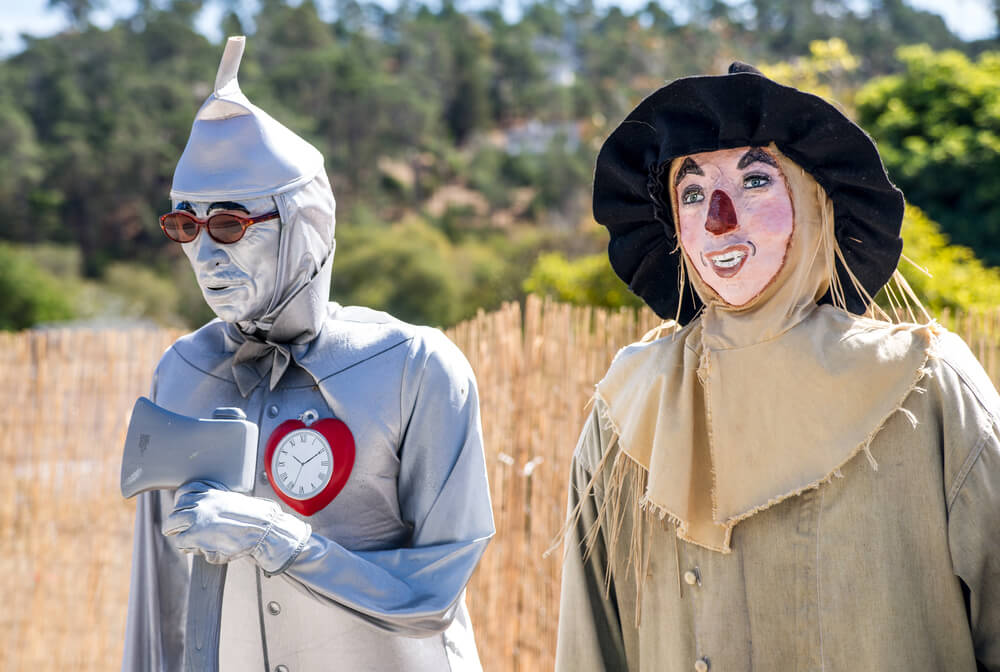
Buddy Ebsen was first cast as the Tin Man in The Wizard of Oz, and he wore a makeup made with aluminum powder. Within days he suffered a serious reaction to the powder in his lungs and ended up in the hospital. Jack Haley took over the role, and the makeup was changed to an aluminum paste that proved gentler. Ebsen’s illness became one of the best-known production setbacks of the film.
Bert Lahr Sweating Under the Cowardly Lion
The Cowardly Lion costume worn by Bert Lahr was made with real lion fur and weighed a reported 90 pounds. Technicolor cameras of the era demanded intense lighting, which made the Oz soundstages extremely hot. Photographs of the cast between takes show how little relief the heavy costumes allowed.
Terry the Dog Out-Earning the Munchkins
Toto was played by a female Cairn terrier named Terry, who was paid a reported $125 a week, more than many of the adults cast as Munchkins. Terry was hurt during production when a witch’s guard stepped on her foot, and she was sent to recover at Judy Garland’s home. A substitute dog filled in for her for about a week. Terry later changed her name to Toto, reflecting how thoroughly the part had defined her.
Casablanca’s Airport Fog and Mock-Up Plane
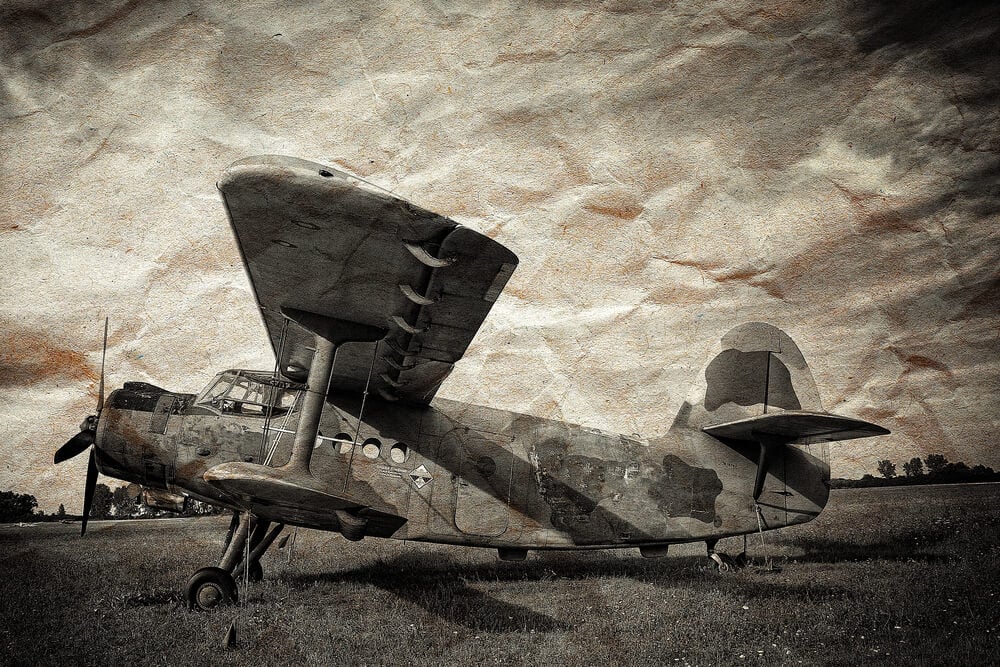
The foggy airport farewell in Casablanca was not filmed at a real airfield but on a Warner Bros. soundstage. The aircraft in the background was a mock-up, and the fog helped hide the limits of the set. The ending had reportedly not been fully settled while the cast was shooting, which gave the entire sequence a sense of improvisation. Photographs of the set show how much of the famous mood came from a clever use of mist and shadow.
The Piano That Sam Never Truly Played

In Casablanca, actor Dooley Wilson sat at the piano and performed As Time Goes By on screen, though he was not a pianist and the music was played by someone else off camera. The piano used in the film was later sold at auction in 2014 for about $3.4 million. Photographs of the Rick’s Cafe set show Wilson at the keyboard, with the instrument positioned in the corner of a room that existed only inside the studio. The sale made it one of the most valuable pieces of movie memorabilia ever sold.
Citizen Kane’s Ceilings Made of Cloth
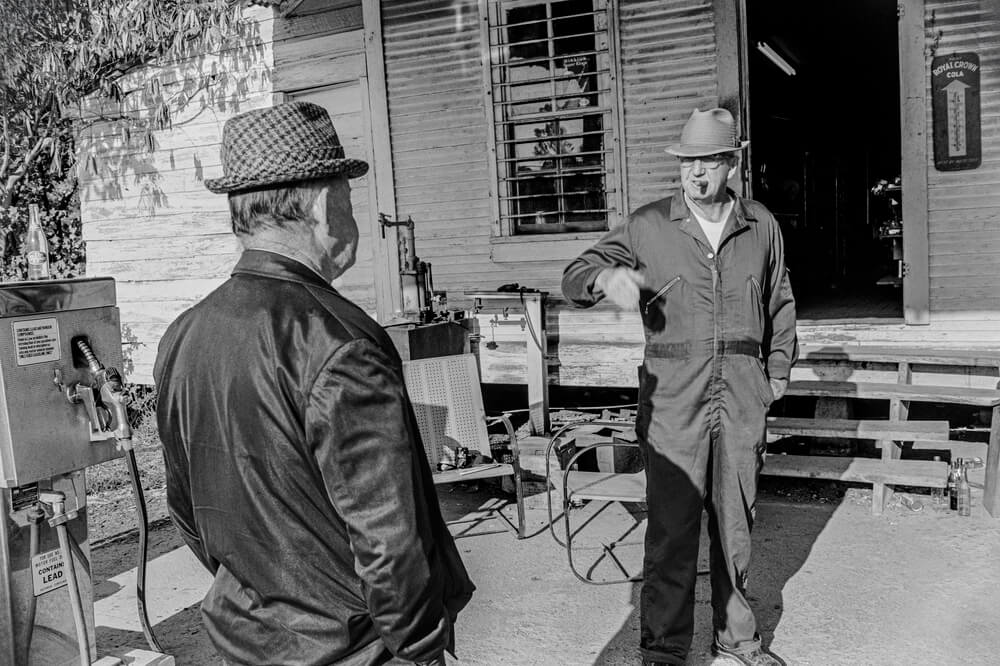
Citizen Kane broke with convention by showing ceilings in its interior shots, which was uncommon in sound-era productions that needed overhead space for lights and microphones. The crew solved the problem by stretching muslin across the tops of the sets. Floors were also cut to place the camera low to the ground, giving the low-angle shots their distinctive look. Cinematographer Gregg Toland used deep-focus photography to keep foreground and background sharp in the same frame.
The Eighth Wonder in Eighteen Inches
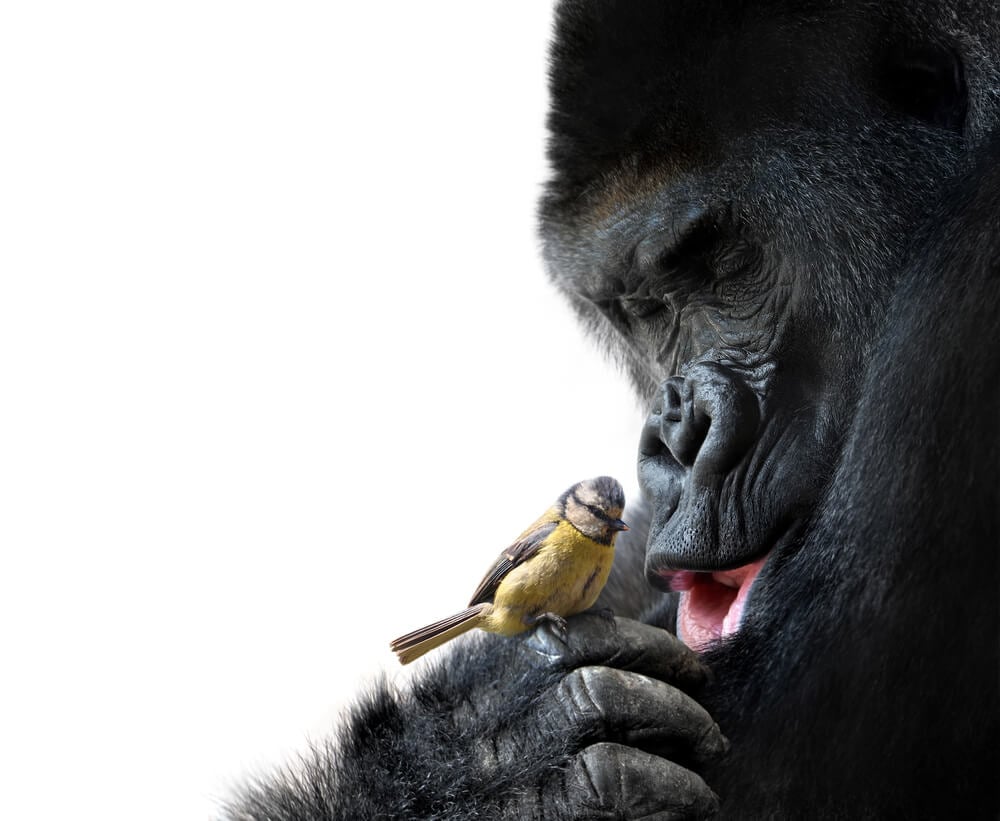
The Kong seen in the 1933 film King Kong was not a giant suit but a small articulated model about eighteen inches tall, covered in fur and animated one frame at a time. Animator Willis O’Brien photographed the figure against miniature jungle sets and combined the footage with live action by projecting it behind the actors. Handling the fur between frames left visible ripples that audiences came to read as breathing. Photographs of the miniature stage show how handmade the monster really was.
The Chariot Arena Built Near Rome
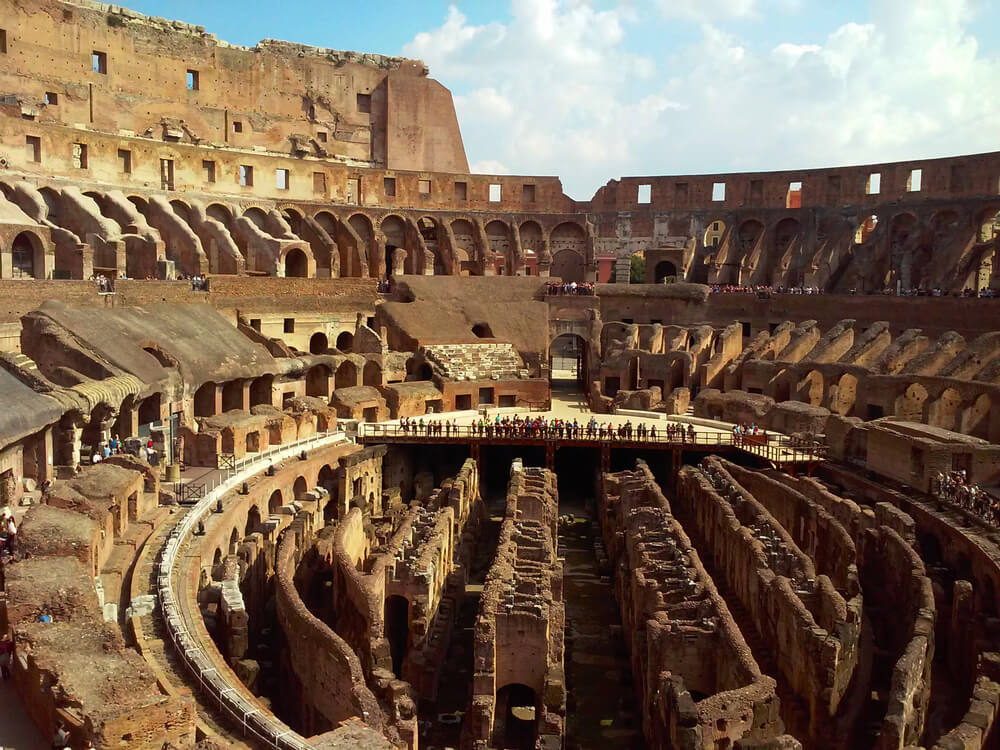
For the 1959 version of Ben-Hur, MGM built a full-scale Circus Maximus arena on the back lot of Cinecittà Studios outside Rome. The set covered roughly 18 acres and was widely described at the time as the largest film set ever constructed. Production photographs show a vast oval track with towering stands and statues, surrounded by workers and horses in the open air. Months of preparation went into the race, which took about five weeks to film.
The Stunt Flip That Stayed in Ben-Hur
During the chariot race in Ben-Hur, stuntman Joe Canutt was thrown from a vehicle and flew over the front of the chariot, a moment that was kept in the finished film. His father, Yakima Canutt, supervised the race, and the pair are among the most celebrated names in the history of movie stunt work. The crew had not planned for the moment, yet it looked so spectacular that it stayed. Photographs of the track show how close the crew was to the action as it unfolded.
Hitchcock’s Courtyard Built Indoors
For Rear Window, Paramount built a huge courtyard set on a soundstage, complete with 31 apartments, a number of them fully furnished. The stage floor was lowered to create the street level, so that James Stewart’s apartment could sit at the correct height. Alfred Hitchcock shot nearly the entire film from inside that single apartment. Behind-the-scenes photographs show a miniature town that was constructed to be observed from one window.
Gene Kelly Dancing Through a Fever

Gene Kelly performed the title number in Singin’ in the Rain while reportedly running a fever of about 103 degrees. The scene was filmed on an MGM soundstage with a street set that was drenched with water, and milk was commonly added to the rain to make it visible against the dark background. The pouring water soaked his wool suit, which shrank during the shoot. Photographs of the set show him splashing through puddles with the crew soaked just out of frame.
Chicken Soup at the MGM Commissary

The commissary on the MGM lot was one of the most photographed dining rooms of the studio era, with stars still in costume and makeup eating alongside executives. Studio head Louis B. Mayer was known to favor the chicken soup served there, and it became a signature dish. Photographs of the dining room show actors dressed as everything from cowboys to royalty sitting at tables together. The setting turned lunch into a daily piece of unplanned theater.
Sherwood Forest in Northern California
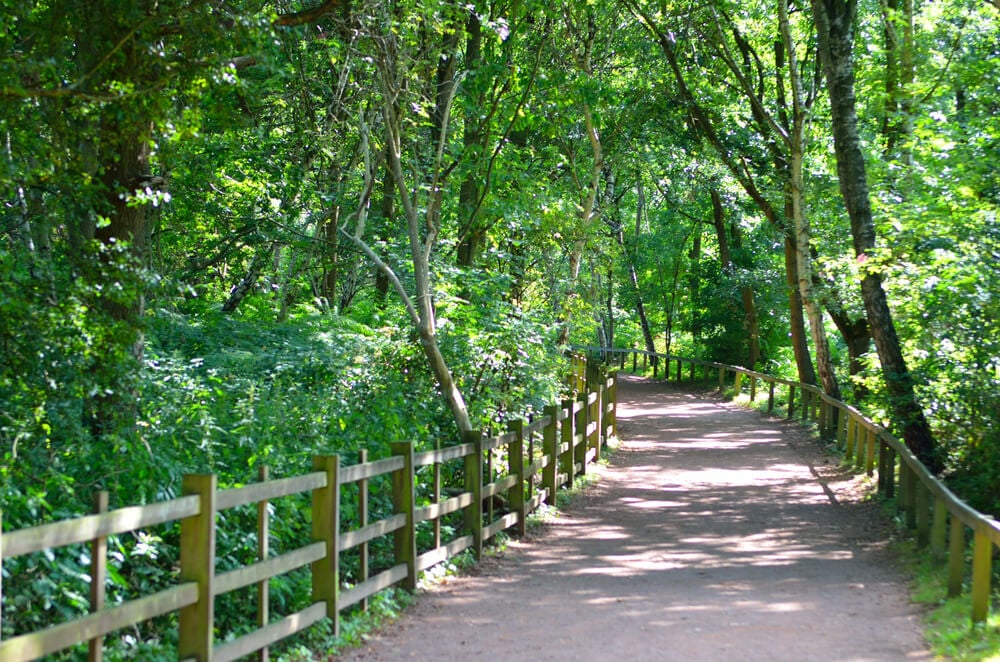
The 1938 Technicolor adventure The Adventures of Robin Hood filmed many of its woodland scenes in Bidwell Park in Chico, California, rather than in England. Errol Flynn and the cast worked among the oaks and creek beds that stood in for medieval Sherwood. Technicolor’s heavy cameras and bright light requirements made outdoor shooting a major undertaking. Photographs from the location show costumed archers posed among trees that still grow in the park today.
Stars Serving Soldiers at the Hollywood Canteen
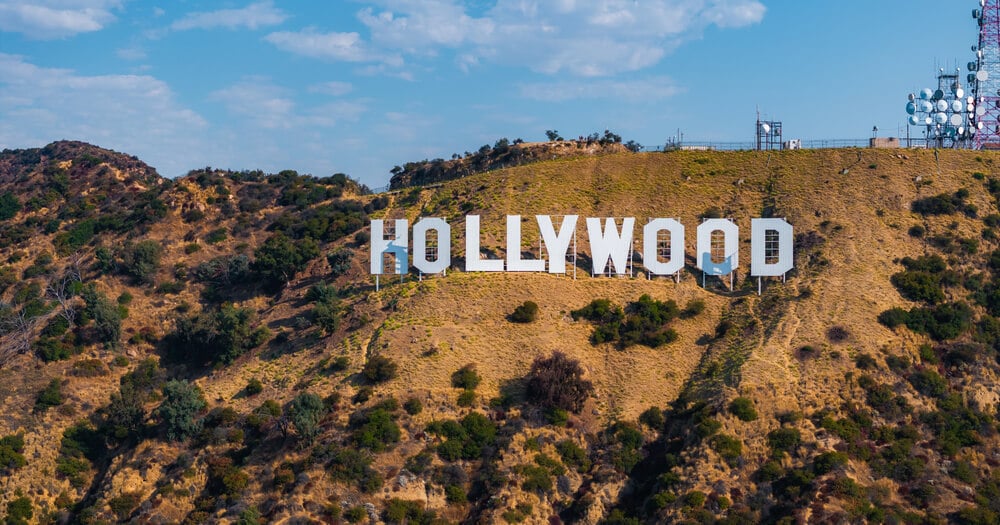
The Hollywood Canteen opened in October 1942 on Cahuenga Boulevard as a free club for servicemen, founded by Bette Davis and John Garfield. Film stars volunteered to serve food, wash dishes, and dance with the troops. Photographs of the dance floor show soldiers and sailors lined up to meet performers who were working side by side with civilian volunteers. A 1944 Warner Bros. film took its name from the club.
What the Cameras Left in the Margins
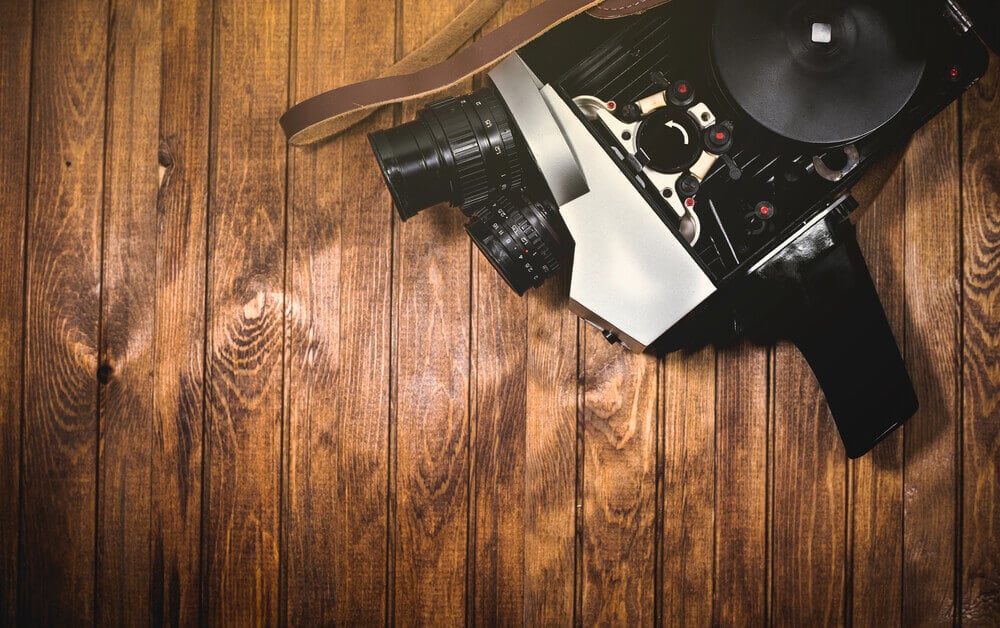
Taken together, the images show an industry that treated seamlessness as its main product. Burned sets, borrowed fog, and stretched fabric were all in service of an illusion that audiences were not meant to question. The photographers who documented them were often studio staff, recording the work as it happened.
Looking at those frames today reverses the intended effect. The magic still works, but it works because ordinary people solved difficult problems with the materials at hand, and the evidence of that effort is often right there in the corner of the shot.
More from Go2Tutors!

- The Romanov Crown Jewels and Their Tragic Fate
- 13 Historical Mysteries That Science Still Can’t Solve
- Famous Hoaxes That Fooled the World for Years
- 15 Child Stars with Tragic Adult Lives
- 16 Famous Jewelry Pieces in History
Like Go2Tutors’s content? Follow us on MSN.