30 Landline Phone Rules in the ’80s That Every Teenager Had to Follow
Back when phones were tethered to walls and privacy meant stretching the cord as far as it would reach, teenage life operated under a completely different set of rules. The family landline wasn’t just a phone — it was the center of household politics, social hierarchies, and countless arguments about who got to use it next.
These weren’t written rules posted on refrigerators. They were the unspoken laws that governed every conversation, every call, and every desperate attempt to connect with friends without your parents listening in.
Break them, and you’d face consequences that went far beyond a busy signal.
No Calls During Dinner

Family dinner was sacred territory, and the phone stayed silent. Even if it rang, answering meant facing the collective stare of everyone at the table.
The caller would have to wait, no matter how urgent the homework question or gossip update seemed.
One Hour Maximum Per Call

Parents enforced this with the dedication of air traffic controllers. They’d hover nearby, tapping watches and making throat-clearing sounds at the 55-minute mark.
Phone hogs faced immediate disconnection and loss of calling privileges.
No Calls After 9 PM

Late-night conversations were forbidden territory. The phone ringing after nine meant either an emergency or someone who clearly didn’t understand basic household etiquette (and that someone would get a lecture from whichever parent answered).
Always Ask Before Making Long-Distance Calls

Long-distance charges appeared on phone bills like financial land mines, and parents treated them accordingly. Every area code outside your local calling zone required advance permission, a compelling reason, and often a promise to keep it under five minutes.
The Caller Pays Rule

If you initiated the call, you absorbed the cost and the responsibility. This meant keeping track of time, being mindful of long-distance rates, and accepting that your allowance might take a hit if you got carried away talking to your cousin in another state.
No Tying Up the Line During Homework Hours

Between 7 and 9 PM, the phone remained available for “important” calls — which usually meant anything parents deemed educational or necessary. Your two-hour discussion about Friday’s basketball game would have to wait until homework was officially complete.
Answer Politely Every Time

Every phone interaction reflected on the entire family, so you answered with your best voice and manners intact. A simple “Hello, Smith residence” could make or break your parents’ impression of your telephone maturity — and determine future calling privileges.
Keep Personal Conversations Actually Personal
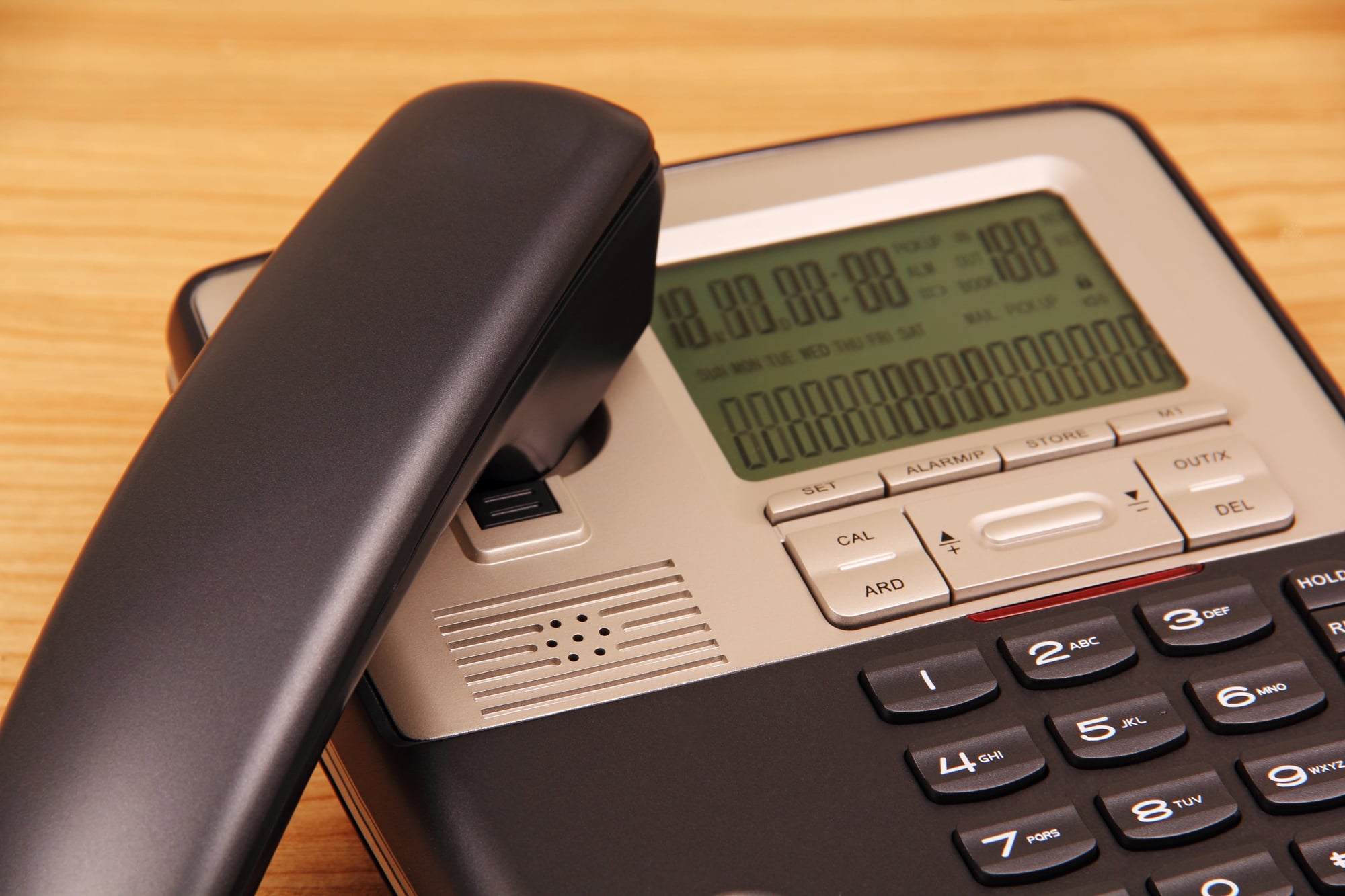
Phone conversations in the ’80s happened in whatever room housed the phone, which meant strategic positioning became an art form. You learned to speak in code, whisper strategically, and master the delicate balance of being heard by your caller but not your entire family (who were inevitably lingering within earshot, pretending to read the newspaper).
The kitchen phone meant zero privacy, so serious conversations required patience and timing. And if someone walked into your designated phone space while you were mid-conversation, you’d better have perfected the art of seamless topic transitions.
Nothing killed the mood like having your mom overhear you planning to sneak out Friday night because you couldn’t relocate your conversation quickly enough.
Wait for the Dial Tone

Impatience got you nowhere with rotary phones and early push-button models. You waited for that steady hum before dialing, because rushing meant starting over.
Rotary dials demanded patience as they slowly clicked back to position after each number.
Memorize Important Phone Numbers

Your closest friends’ numbers lived in your head, not in some digital contact list. Forgetting meant either looking it up in the phone book or calling information — both time-consuming options that could kill spontaneous conversation plans.
The Three-Ring Rule

Calling someone meant giving them three full rings before hanging up. Any less suggested impatience; any more bordered on harassment.
If they didn’t answer by ring three, you accepted defeat and tried again later.
No Eating While Talking

Crunching sounds traveled through phone lines with startling clarity, and good manners demanded silent mouths during conversations. Chewing gum, eating chips, or slurping drinks marked you as someone who didn’t understand basic telephone courtesy.
Emergency Calls Override Everything

Real emergencies trumped all other phone rules. But “emergency” had a strict definition — actual medical situations, family crises, or urgent school-related issues.
Your friend’s fashion crisis before the school dance didn’t qualify, no matter how dramatic it seemed.
No Calling Before 8 AM

Weekend mornings were sacred sleep territory, and early calls violated household peace. Even the most urgent gossip could wait until families had consumed their first cups of coffee and achieved basic consciousness.
Share the Phone with Siblings

When multiple teenagers occupied one house, phone time became a carefully negotiated resource. Fair distribution meant everyone got their turn, arguments were settled by parents, and hogging the line resulted in immediate surrender of the receiver.
No Calling During Popular TV Shows

Thursday night meant “The Cosby Show,” and smart friends knew better than to call during appointment television. Primetime hours were phone dead zones, because families gathered around their single television set and calls became unwelcome interruptions.
Announce Long Conversations in Advance

Planning a marathon phone session required advance warning to parents and siblings. This courtesy allowed others to make their necessary calls first and gave you uninterrupted time without constant requests to “wrap it up.”
The Busy Signal Means Try Later

No call waiting meant accepting the busy signal and moving on. Persistent redialing was considered rude, and you simply tried again in 20 minutes.
If someone was using their phone, that was that.
Write Down Messages Perfectly

Taking messages for family members carried real responsibility — no voicemail meant missed calls were lost forever unless someone wrote them down. Names, numbers, and callback times had to be accurate, because there were no second chances.
No Personal Calls When Guests Visit

When company came over, teenage phone privileges disappeared entirely. The landline stayed available for adult use, and personal conversations were postponed until guests departed and normal household routines resumed.
Keep the Phone Book Handy

Information calls cost money, so looking up numbers in the phone book was always the first step. Smart families kept their local directory within arm’s reach of the phone, and using it efficiently was a basic life skill.
The Receiver Goes Back Properly

Phones that weren’t hung up correctly left lines open and systems confused. The receiver had to click securely into place, or the next person might pick up to silence instead of a dial tone.
No Conference Calls Without Permission

Three-way calling was a premium service that cost extra, and using it without approval meant trouble. Parents monitored these features carefully, and unauthorized conference calls appeared as unwelcome surprises on monthly bills.
Respect the Cord’s Reach

Phone cords stretched only so far, and yanking them damaged both the cord and the phone jack. You worked within the physical limitations, planned your movements accordingly, and never pulled hard enough to disconnect the call accidentally.
No Fighting Over the Phone

Physical disputes about phone access were absolutely forbidden. Arguments were settled through negotiation or parental intervention, but grabbing, pulling, or wrestling for the receiver resulted in everyone losing phone privileges immediately.
Private Conversations Stay Private

What you heard accidentally while passing through the phone area stayed private. Eavesdropping was forbidden, repeating overheard information was betrayal, and using someone else’s private phone conversation against them crossed every line of family trust.
The Kitchen Extension Stays Silent

If someone was using the main phone, the kitchen extension remained untouched. Picking up during someone else’s call was invasion of privacy, and the distinctive click of an additional receiver being lifted was impossible to hide.
Rotary Dial Mistakes Mean Starting Over

Rotary phones punished errors harshly — mess up one digit and you’d have to hang up and start the entire number again. There was no deleting the last digit or correcting mistakes, so careful dialing was essential.
Know the House Phone Schedule

Every family had unofficial phone schedules based on work calls, dinner time, and evening routines. Smart teenagers learned these patterns and planned their important calls for times when interruptions were least likely.
When the Cord Became Your Leash

The phone cord defined your physical world during conversations — it determined which rooms you could reach, how far you could pace, and where you could find privacy. But that limitation also created a strange intimacy with the space around the phone that modern teenagers will never experience.
You learned to navigate around corners, through doorways, and into the farthest possible room while keeping that spiral cord from tangling. And when you finally hung up after a two-hour conversation, you’d automatically start untwisting the cord, spinning the receiver in the opposite direction until it hung straight again — a small ritual that marked the end of connection and return to the shared family space.
More from Go2Tutors!

- The Romanov Crown Jewels and Their Tragic Fate
- 13 Historical Mysteries That Science Still Can’t Solve
- Famous Hoaxes That Fooled the World for Years
- 15 Child Stars with Tragic Adult Lives
- 16 Famous Jewelry Pieces in History
Like Go2Tutors’s content? Follow us on MSN.



