Book Adaptations Hitting Theaters
Hollywood keeps turning to books for inspiration, and honestly, it makes sense. Stories that already hooked millions of readers come with built-in audiences and proven plots.
The transition from page to screen can either honor what made the book special or completely miss the mark, but either way, people show up to see how their favorite characters look in real life.
The upcoming slate of book adaptations brings everything from fantasy epics to intimate dramas. Some tackle beloved classics while others introduce fresh voices to wider audiences.
The Mortal Instruments

Cassandra Clare’s urban fantasy series gets another chance at screen success after a previous film attempt didn’t quite land. The story follows Clary Fray, a teenager who discovers she comes from a line of warriors called Shadowhunters who protect the world from demons.
This new adaptation aims to capture the complex world-building and character relationships that made the books popular with young adult readers. The challenge lies in balancing the mythology with the personal stories that drive the narrative forward.
Aristotle and Dante Discover the Secrets of the Universe

Benjamin Alire Sáenz wrote this coming-of-age story that resonated deeply with readers for its honest portrayal of identity and friendship. Set in 1987 El Paso, the film follows two Mexican-American teenagers navigating family expectations, cultural identity, and their evolving relationship.
The book earned multiple awards for its tender exploration of growing up, and the adaptation maintains that same quiet power. Fans appreciated how the novel avoided melodrama while still delivering emotional depth.
The Ministry of Ungentlemanly Warfare

Damien Lewis documented the true story of Winston Churchill’s secret Special Operations Executive unit during World War II. Guy Ritchie directs this adaptation, bringing his signature style to the historical tale of unconventional warfare tactics that helped turn the tide against Nazi Germany.
The book detailed operations that remained classified for decades, revealing how a small group of operatives conducted sabotage missions deemed too dangerous or unorthodox for regular military forces. Expect explosions, clever tactics, and the kind of historical action that actually happened.
The Nightingale

Kristin Hannah’s World War II novel spent years on bestseller lists for good reason. The story centers on two French sisters who choose different paths of resistance during the Nazi occupation of France.
One joins the underground resistance movement while the other shelters a Jewish child, and both face impossible choices that test their courage daily. The emotional weight of the book comes from its intimate focus on how ordinary people respond to extraordinary circumstances, and early footage suggests the film captures that intensity.
Where the Crawdads Sing
Delia Owens crafted a mystery wrapped in a coming-of-age story set in the North Carolina marshlands. Kya Clark grows up isolated from society, raising herself in the wilderness while dealing with abandonment and prejudice from the nearby town.
When a local man dies under suspicious circumstances, Kya becomes the prime suspect despite limited evidence. The book blended nature writing with courtroom drama and romance, creating a unique reading experience that connected with massive audiences worldwide.
The Woman in the Window

A.J. Finn wrote this psychological thriller about an agoraphobic woman who witnesses something disturbing from her New York City brownstone window. Anna Fox spends her days drinking wine, watching old movies, and observing her neighbors until she sees something she shouldn’t have seen.
The twists keep coming as the story questions what’s real and what’s imagined, playing with reader expectations about unreliable narrators. Amy Adams leads the cast in bringing this claustrophobic thriller to life.
The Invisible Life of Addie LaRue
V.E. Schwab created a character who makes a Faustian bargain in 1714 France, gaining immortality at the cost of being forgotten by everyone she meets. Addie lives for centuries, experiencing history firsthand but unable to leave any lasting mark on the world until she meets someone who remembers her.
The book explored themes of legacy, art, and what it means to truly be seen by another person. Translating this sprawling, centuries-spanning story to film requires careful handling of both the intimate moments and the epic scope.
Daisy Jones & The Six

Taylor Jenkins Reid structured this novel as an oral history of a fictional 1970s rock band that imploded at the height of their fame. The documentary-style format made readers feel like they were uncovering the true story behind the music, complete with conflicting accounts and unresolved tensions between band members.
The adaptation maintains that approach while adding actual music performed by the cast, creating songs that match the book’s descriptions of the band’s sound. Anyone who loved Fleetwood Mac’s drama will find familiar territory here.
The Seven Husbands of Evelyn Hugo

Another Taylor Jenkins Reid novel makes the leap to screens, this time following a reclusive Hollywood icon who finally agrees to tell her life story. Evelyn Hugo built a legendary career while hiding her true self behind carefully constructed public relationships and strategic marriages.
The book examined the costs of fame, the complexity of identity, and the sacrifices people make for love and success in an industry built on image. Reid’s talent for creating compelling character studies translates well to visual storytelling.
The Silent Patient
Alex Michaelides delivered a debut thriller that kept readers guessing until the final pages. Alicia Berenson shoots her husband five times in the face and then never speaks another word, becoming a notorious silent patient at a psychiatric facility.
A criminal psychotherapist becomes obsessed with uncovering her motive and getting her to talk again, but the truth proves more complicated than anyone expected. The book’s structure builds tension through dual timelines and unreliable perspectives, techniques that should work effectively on screen.
Killers of the Flower Moon

David Grann investigated the murders of Osage Nation members in 1920s Oklahoma after oil was discovered on their land. The book detailed a conspiracy of greed and racism that led to dozens of deaths and the involvement of the newly formed FBI.
Martin Scorsese directs this adaptation with Leonardo DiCaprio and Robert De Niro, bringing serious weight to a dark chapter of American history that many people never learned about in school. Grann’s meticulous research provides the foundation for what should be a powerful historical drama.
The Bookmans

This adaptation brings a family saga about Brooklyn booksellers to the screen, following three generations who run an iconic independent bookstore. The story weaves together personal dramas with the changing landscape of the book industry, exploring how physical bookstores survive in the digital age.
Characters struggle with legacy, responsibility, and the question of whether tradition matters more than progress. The book celebrated the culture of independent bookstores while acknowledging the real challenges they face.
The Ferryman
Justin Cronin wrote this science fiction novel about a seemingly perfect island society where citizens live peaceful lives until their biological clocks run out. The ferryman’s job involves escorting people to their supposed retirement, but the protagonist begins questioning everything he’s been told about his world.
The book combined elements of dystopian fiction with mystery and philosophy, asking big questions about mortality, memory, and what makes life meaningful. Adapting this requires balancing the world-building with the personal journey of discovery.
The Thursday Murder Club

Richard Osman created a group of retirement home residents who meet weekly to investigate cold cases for fun. When a real murder happens in their community, these amateur sleuths find themselves in the middle of an actual investigation that puts their skills and safety to the test.
The book balanced humor with genuine mystery, giving each character distinct personalities and backstories that made them more than stereotypes. The film has the potential to showcase older actors in dynamic, intelligent roles that challenge typical retirement home narratives.
Lessons in Chemistry
Bonnie Garmus set this novel in 1960s California, following Elizabeth Zott, a chemist who loses her lab job and ends up hosting a cooking show where she teaches housewives about science. The story tackled gender discrimination, scientific passion, and single motherhood with both humor and heart.
Elizabeth refuses to play by society’s rules, approaching cooking with the same rigor she brought to chemistry and challenging her audience to think differently. The period setting allows the film to explore how far things have come while acknowledging ongoing struggles.
The Lincoln Highway

Amor Towles crafted a cross-country adventure set in 1950s America, following two brothers and two escaped juvenile detention inmates on an unexpected road trip. The book examined post-war America through the eyes of characters heading in different directions, literally and figuratively, with their own ideas about what constitutes success and freedom.
Towles’ attention to historical detail and character development created a rich reading experience. The episodic structure of the journey should translate well to film, offering varied locations and encounters along the way.
Project Hail Mary

Waking alone on a distant ship, Ryland Grace has gaps in his mind – clues fade like mist. Andy Weir trades Mars dust for deeper space, crafting a tale where forgetting might kill faster than vacuum.
One wrong calculation and Earth vanishes behind him. A flicker of laughter cuts through equations, tension, silence.
An odd bond forms mid-journey, quiet but solid. Science bends reality here, yet never feels cold.
Memory returns in fragments, each one raising stakes. This isn’t about heroics; it’s about surviving long enough to remember why.
On screen, Ryan Gosling steps into confusion, isolation, and purpose. Expect brains paired with heartbeat.
Midnight’s Children
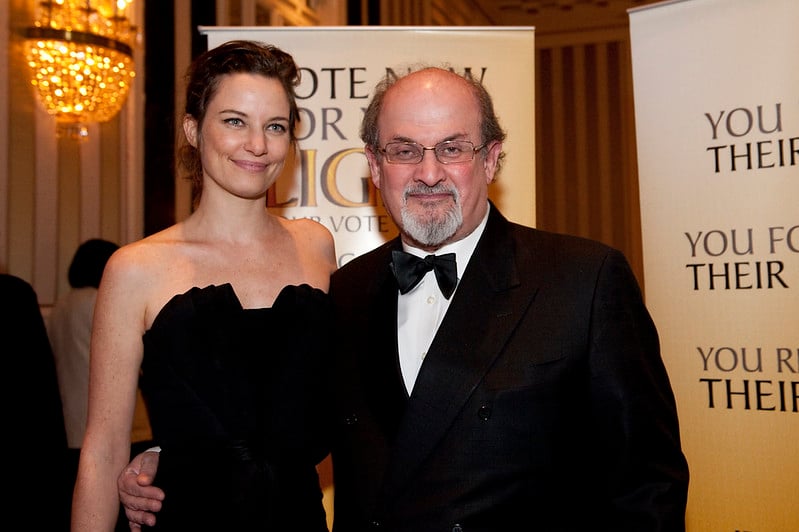
Decades passed before Salman Rushdie’s acclaimed book found new life on screen. Right when India became free in 1947, some kids entered the world carrying strange gifts tied to their country’s path.
Time moves forward, carried by intimate lives mixed with dreams that bend what feels real. His way of writing stitches fact and fiction so close they almost become one thing.
Earlier tries faltered under the weight of magic woven into history. Yet now, tools for visual tricks plus bolder ways of telling tales could match the original’s reach.
When Pages Turn Into Images
Movies based on books remain common simply because how people engage with stories keeps shifting, not clashing. Not every viewer reads first – some discover tales at the cinema instead.
Others, already fans through pages, get to witness favorite moments played out by real actors. Strong versions know why the original worked and translate its essence into images and scenes.
Each film coming soon differs in setting, mood, or genre. Yet each began the same way – with lines of text strong enough to spark something bigger.
More from Go2Tutors!

- The Romanov Crown Jewels and Their Tragic Fate
- 13 Historical Mysteries That Science Still Can’t Solve
- Famous Hoaxes That Fooled the World for Years
- 15 Child Stars with Tragic Adult Lives
- 16 Famous Jewelry Pieces in History
Like Go2Tutors’s content? Follow us on MSN.