Retro Fitness Equipment Completely Forgotten
The basement of American homes tells a story of good intentions and abandoned dreams. Somewhere between the holiday decorations and boxes of old books, pieces of fitness equipment gather dust like archaeological remnants of past New Year’s resolutions.
These aren’t the sleek machines that dominate today’s gyms, but the wonderfully weird contraptions that promised transformation through methods that now seem almost quaint. Some vibrated you thin, others relied on elaborate pulley systems, and a few defied basic physics in their marketing claims.
Yet for a brief moment in fitness history, each represented the cutting edge of home exercise technology.
ThighMaster
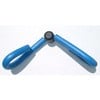
The ThighMaster worked exactly as advertised. Squeeze the thing between your legs, feel the burn, repeat until your thighs screamed for mercy.
No mystery, no complicated setup, no instruction manual thicker than a phone book.
Suzanne Somers made it famous, but the simplicity made it stick. You could use it anywhere – watching TV, talking on the phone, waiting for dinner to cook.
The resistance was real, the results were real, and the convenience was unmatched.
Shake Weight
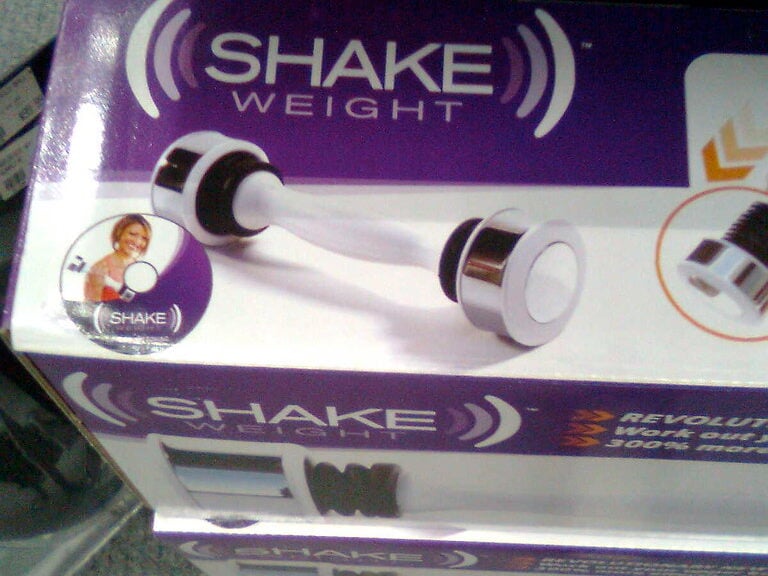
The Shake Weight belonged to that peculiar era when fitness companies convinced people that traditional exercise was somehow incomplete (which, to be fair, wasn’t entirely wrong given how many people avoided it altogether), and what everyone really needed was a small dumbbell that vibrated aggressively while you held it, creating what the manufacturers called “dynamic inertia” – a term that sounded scientific enough to justify the price tag but vague enough to mean basically anything. The commercials showed impossibly fit people gripping these buzzing weights with expressions of intense concentration, as if they’d discovered the secret to muscle confusion through rapid oscillation, and somehow this made perfect sense to millions of Americans who ordered them from late-night infomercials.
But here’s what nobody talks about: the thing actually worked your stabilizing muscles. Not because of any revolutionary science, just because holding onto something that’s constantly trying to shake itself out of your hands requires genuine effort.
The marketing team either had a spectacular sense of humor or remained blissfully unaware of how the product looked in use. Either way, the Shake Weight sold over four million units before quietly disappearing from store shelves, leaving behind nothing but YouTube compilations and the occasional garage sale discovery.
Buns of Steel VHS Series
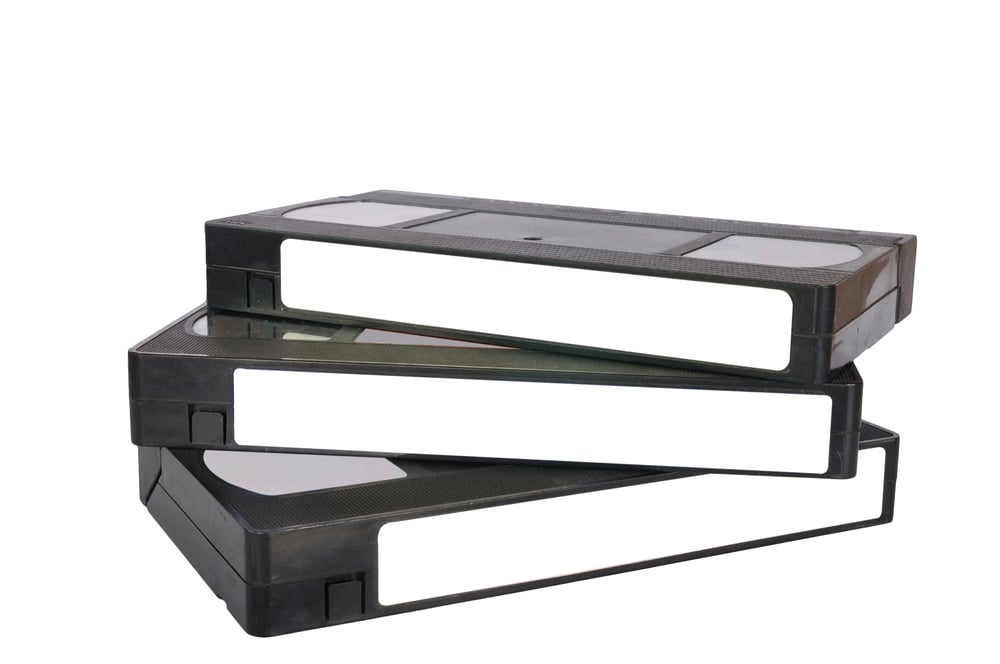
Picture this: your living room becomes a shrine to synthetic optimism. The instructor on screen moves with the mechanical precision of someone who’s performed these same movements thousands of times, yet somehow maintains an enthusiasm that borders on the supernatural.
She promises steel-like results while wearing an outfit that screams 1987 – high-cut leotards in colors that don’t exist in nature, leg warmers that serve no practical purpose, and a headband that defies both gravity and good taste.
The magic wasn’t in the exercises themselves, which were straightforward enough – squats, lunges, the occasional floor work that left carpet burns on your knees. The magic was in the commitment required to press play, to clear space in your living room, and to follow along with someone who never seemed to sweat despite claiming to feel the burn.
These tapes asked you to believe that transformation could happen in your pajamas, between breakfast and the morning news, with nothing but a coffee table pushed aside and the willingness to move.
Gazelle Freestyle
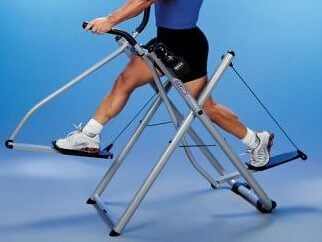
Tony Little understood something fundamental about human nature – people want to move, but they don’t want it to hurt. The Gazelle promised to let you glide your way to fitness, and that word choice was deliberate.
Not run, not struggle, not suffer through another grinding workout. Glide.
The machine looked like a cross between an elliptical and a piece of playground equipment. Your feet stayed planted on platforms while your arms worked independent handles, creating a motion that felt vaguely like cross-country skiing without the snow or the risk of face-planting into a tree.
Tony’s enthusiasm was infectious, his ponytail was legendary, and his promise was simple: low impact, high results.
Body Blade
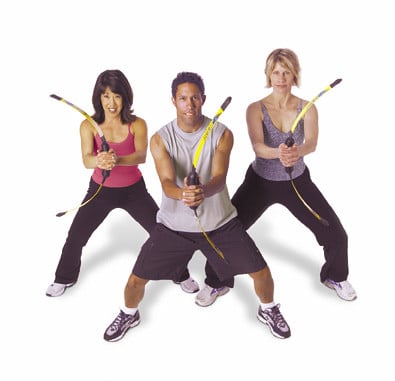
The Body Blade looked like someone had crossed a diving board with a fitness accessory and decided the result was exactly what home gyms were missing. You grabbed the handle in the middle and shook the thing back and forth, creating oscillations that traveled from your hands through your core and back again, like a very expensive way to experience what it feels like to hold a fishing rod in a hurricane.
The marketing materials were full of talk about “inertial training” and “reactive neuromuscular facilitation” – phrases that sounded impressive enough to justify spending money on what was essentially a flexible piece of fiberglass that you waved around your living room.
And yet (because there’s always an “and yet” with these forgotten fitness gems), the Body Blade tapped into something real about how muscles work – the constant micro-adjustments required to control an unstable load actually do engage your core in ways that traditional exercises miss. Physical therapists still use similar tools today, though they call them different names and charge more money for the sessions.
Athletes incorporated it into training routines. Physical therapists found legitimate uses for the technology.
The infomercial promises were overblown, but the basic concept was sound – sometimes the best way to strengthen something is to make it work harder to maintain control.
Ab Lounge
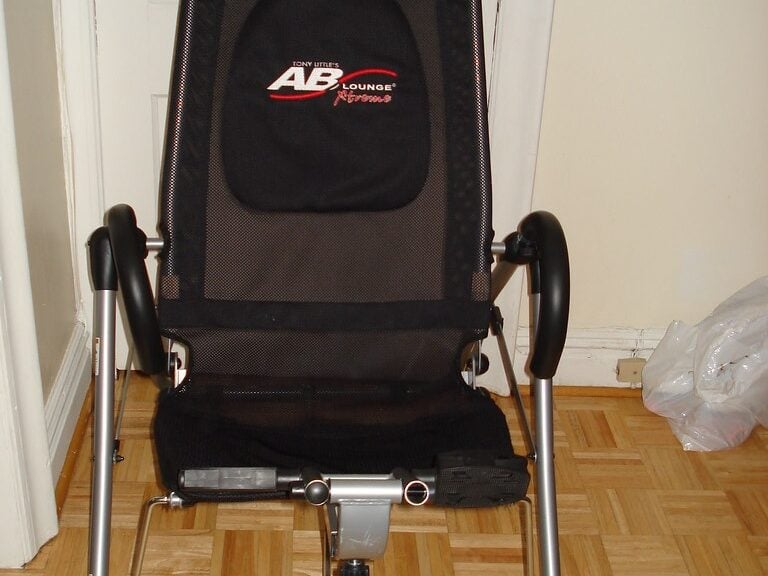
Forget everything you think you know about crunches. The Ab Lounge approached abdominal training like a piece of patio furniture that moonlighted as exercise equipment.
You reclined on what looked like a cross between a beach chair and a medieval torture device, gripped the handles, and rocked back and forth in a motion that felt less like traditional exercise and more like an aggressive form of relaxation.
The genius was in the angle – or at least, that’s what the marketing department wanted you to believe. Instead of lying flat on the floor and cranking out endless crunches that left your neck sore and your motivation depleted, the Ab Lounge positioned your body at an incline that supposedly maximized muscle engagement while minimizing the suffering.
The rocking motion felt almost therapeutic, like someone had figured out how to make ab work feel like a gentle massage.
Nordic Track Ski Machine
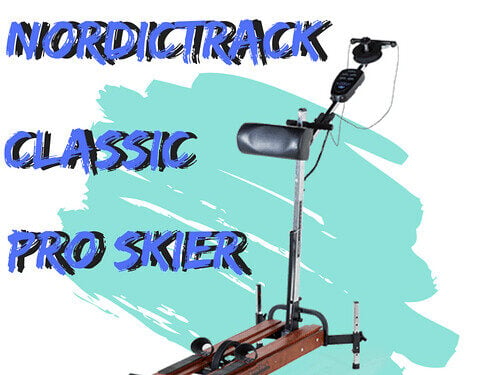
Nordic Track ski machines demanded something that modern fitness equipment actively discourages: coordination. You couldn’t just zone out and let muscle memory take over.
Your arms and legs had to work together in a rhythm that mimicked cross-country skiing, and if you lost focus for even a moment, the whole system would remind you with an awkward stumble or a sudden loss of momentum.
The resistance came from your own effort – pull harder on the cords, push faster with your legs, and the machine responded accordingly. No buttons to press, no programs to select, no digital display counting down the minutes.
Just you and the machine working out the details of forward motion together.
When it worked, it felt like flying. Your whole body moved in sync, your heart rate climbed steadily, and time seemed to disappear.
When it didn’t work, you looked like someone trying to dance while wrestling with an octopus.
Total Gym
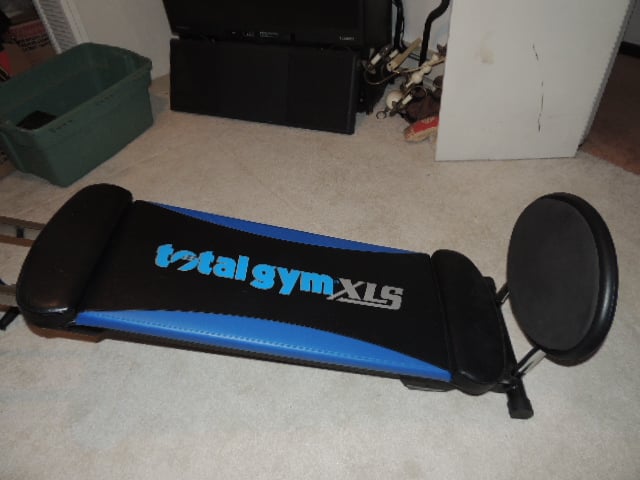
Chuck Norris didn’t need to explain much (which turned out to be fortunate, since explanation wasn’t really his strong suit anyway), but when he endorsed the Total Gym, people listened – partly because of his reputation for being able to defeat gravity through sheer willpower, and partly because the machine itself looked like something that belonged in a NASA training facility rather than a suburban garage. The inclined rails and pulley system created resistance using your own body weight, which meant the workout scaled automatically with your strength level, though the marketing materials made this sound far more revolutionary than it actually was, given that push-ups and pull-ups had been doing the same thing for centuries.
But there was something undeniably appealing about a machine that folded up against the wall when not in use, transforming from serious exercise equipment into what looked like a piece of abstract art – assuming your taste in art ran toward functional minimalism with a slight industrial edge.
Christie Brinkley joined the endorsement campaign, adding a different kind of credibility to the product line. Where Chuck Norris represented raw power and martial arts discipline, Christie brought the promise of graceful aging and supermodel-level fitness maintenance.
Together, they suggested that the Total Gym could handle whatever fitness goals you brought to it.
The machine itself was elegantly simple – a sliding platform, a set of cables, and an adjustable incline that determined resistance levels. No weights to load, no complicated adjustments, no risk of dropping something on your foot.
Bowflex Power Rod System
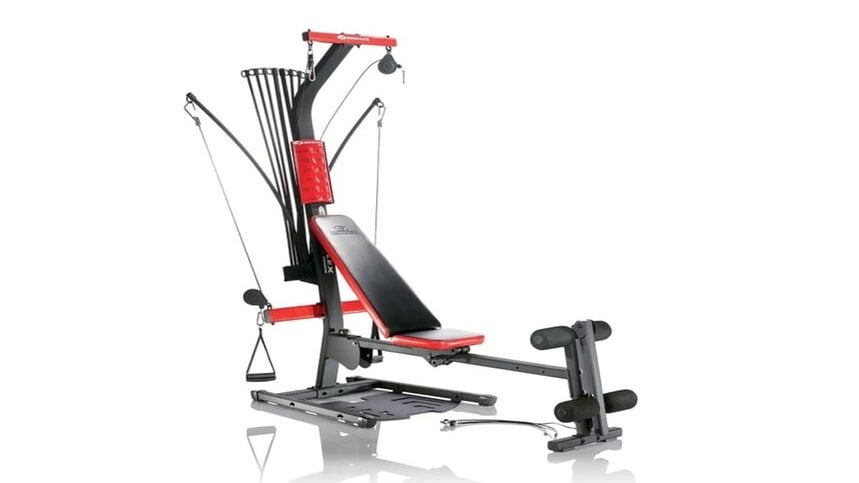
Bowflex built their reputation on the promise that you could get a complete gym workout using nothing but flexible rods that bent instead of traditional weight plates that dropped. The Power Rod system looked like someone had reimagined strength training from the ground up, replacing the clank and crash of metal weights with the smooth resistance of engineered polymer rods that curved under load and snapped back to straight when released.
The engineering was genuinely clever – different combinations of rods provided different resistance levels, and the resistance curve changed throughout each exercise, providing less resistance at the beginning of movements when muscles were weakest and more resistance at the peak contraction when they were strongest. Traditional weights couldn’t do this; they provided the same resistance throughout the entire range of motion, regardless of biomechanics.
The marketing emphasized convenience and safety. No weight plates to load or unload, no risk of getting pinned under a barbell, no need for a spotter.
The machine folded up smaller than a traditional weight set, making it possible to have a serious home gym in spaces where a full rack and bench setup would never fit.
Suzanne Somers FaceMaster

The FaceMaster represented Suzanne Somers’ expansion into facial fitness – a concept that sounds absurd until you consider that your face contains over 40 muscles, and muscles respond to resistance training regardless of their location. The device looked like a medieval orthodontic appliance crossed with a piece of modern art, designed to provide resistance for facial exercises that supposedly toned and tightened everything from your forehead to your jawline.
The routine involved a series of expressions performed against the resistance of springs and bands – smiling against tension, raising eyebrows against resistance, working the muscles around your eyes and mouth in ways that felt simultaneously ridiculous and strangely logical. The marketing claimed this could replace expensive cosmetic procedures with simple daily exercises, which was probably overpromising, but the basic principle wasn’t entirely wrong.
Facial muscles do atrophy with age, and they do respond to exercise. Physical therapists use similar techniques to help stroke patients regain facial muscle control.
The FaceMaster just packaged this concept for the home market with the kind of enthusiasm that made everything seem possible.
Chi Machine
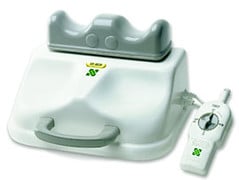
The Chi Machine asked you to do absolutely nothing, which turned out to be both its greatest selling point and its most controversial feature. You lay on your back, placed your ankles in padded cradles, and let the machine move your legs back and forth in a fish-like motion while you relaxed completely.
The marketing claimed this passive movement would oxygenate your blood, align your spine, and restore your natural energy flow – claims that ranged from plausible to mystical depending on your tolerance for alternative health concepts.
The sensation was genuinely pleasant – a gentle, rhythmic movement that felt like being rocked to sleep by a very methodical robot. Users reported feeling relaxed and energized after sessions, though whether this came from the specific motion or simply from lying still for 15 minutes in our hyperactive culture remained unclear.
The machine found a devoted following among people dealing with mobility issues, chronic pain, or high stress levels. For someone who couldn’t exercise traditionally, the Chi Machine offered a way to experience movement without effort, circulation without strain, and relaxation without having to master meditation techniques.
Soloflex
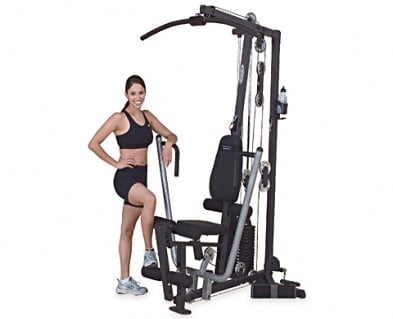
Soloflex took a different approach to home fitness – instead of promising ease and convenience, it promised to make you look like the incredibly muscled men featured in their black and white advertisements. The machine used elastic resistance instead of weights, but the marketing aesthetic was pure bodybuilding culture: serious faces, dramatic lighting, and physiques that suggested nothing less than complete dedication to the pursuit of muscular perfection.
The system was built around a single station with multiple attachment points for different exercises. Elastic bands provided resistance that could be adjusted by adding or removing bands, and the exercises themselves were familiar – chest presses, rows, leg extensions, curls.
What made Soloflex different was the presentation: this wasn’t fitness as health maintenance, this was fitness as transformation into something more powerful than you currently were.
The advertising campaigns became cultural touchstones, parodied and referenced long after the machines disappeared from store shelves. The combination of serious bodybuilding imagery with home fitness convenience created a unique position in the market – accessible enough for home use, serious enough to appeal to people who wanted real results.
Cardio Glide
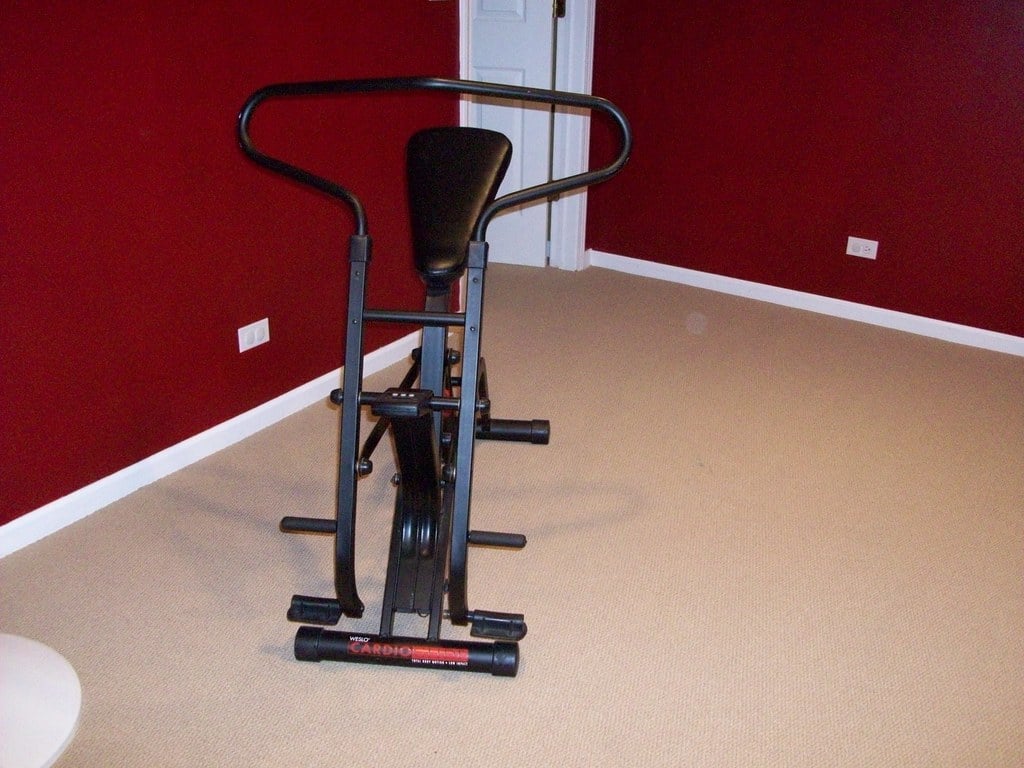
Cardio Glide promised to deliver the cardiovascular benefits of running without any of the actual running – no pounding joints, no weather concerns, no need to leave your living room or invest in expensive athletic footwear. You stood on the platform and moved your arms and legs in a cross-country skiing motion that was supposed to provide a complete cardiovascular workout while remaining gentle enough for people with joint problems or mobility limitations.
The motion felt unnatural at first – like trying to ski on invisible snow while standing in place – but users who stuck with it long enough to develop a rhythm found themselves getting genuinely winded. The machine engaged both upper and lower body simultaneously, which created a more complete workout than many single-focus cardio machines, though the learning curve meant many people gave up before experiencing the benefits.
The Cardio Glide represented an interesting moment in fitness history when manufacturers were actively trying to solve the fundamental problem of exercise: most people don’t enjoy it enough to do it consistently. By removing the barriers and discomfort associated with traditional cardio, machines like this attempted to make fitness accessible to people who had been excluded by more demanding alternatives.
Back to the garage sales

These machines populate weekend garage sales now, priced to move and stripped of their original promises. The ThighMaster sits next to the bread machine, the Shake Weight shares table space with unused kitchen gadgets, and the Total Gym folds forgotten against someone’s garage wall.
But their brief moment in fitness history wasn’t entirely wasted – they represented genuine attempts to solve the eternal problem of making exercise accessible, convenient, and sustainable for people living regular lives with limited time and space. Some of the innovations actually worked, others were mostly marketing magic, but all of them reflected a particularly American optimism about the possibility of transformation through the right combination of technology and determination.
More from Go2Tutors!

- The Romanov Crown Jewels and Their Tragic Fate
- 13 Historical Mysteries That Science Still Can’t Solve
- Famous Hoaxes That Fooled the World for Years
- 15 Child Stars with Tragic Adult Lives
- 16 Famous Jewelry Pieces in History
Like Go2Tutors’s content? Follow us on MSN.