14 Photos Of Women Working Factory Jobs In WWII
Millions of women worked in American, British and Canadian factories during World War II, and a surprising number of them were photographed doing it. Official photographers, company cameramen and magazine crews all pointed lenses at the assembly lines, documenting work that governments and employers wanted the public to see as skilled, respectable and patriotic.
The best of those pictures still hold up because the details are so ordinary. A drill, a clipboard, a stack of parts and a pair of steady hands say more than any slogan.
These are 14 frames worth a second look.
Operating a Hand Drill at Vultee-Nashville
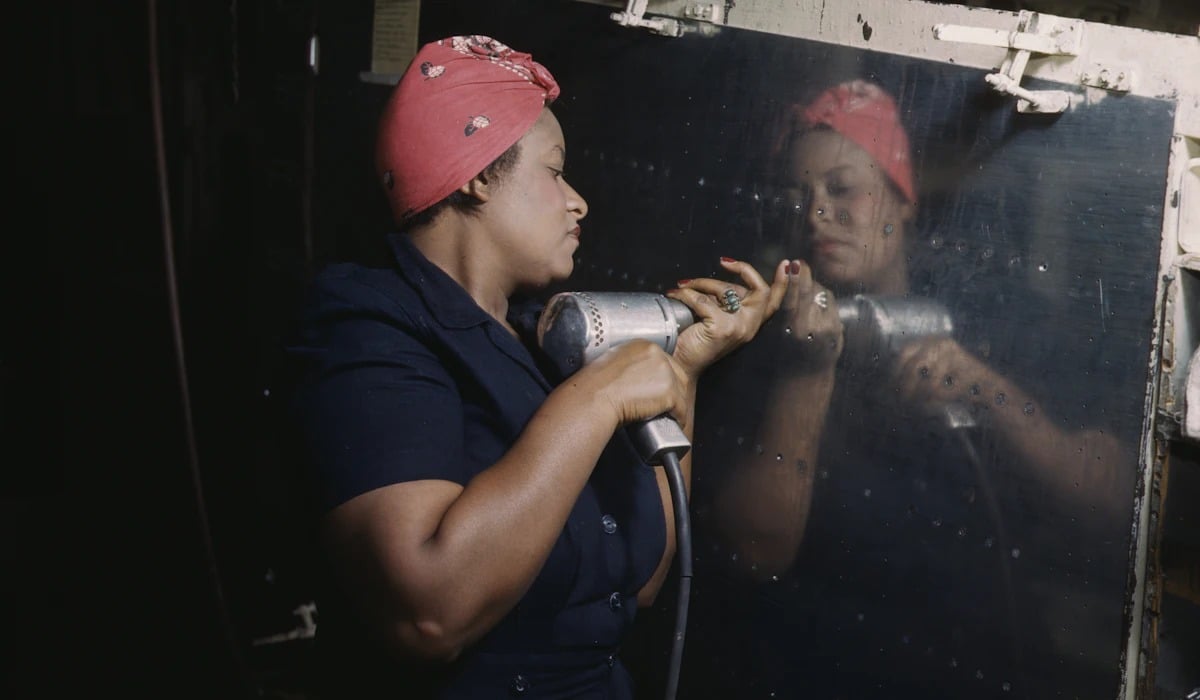
Alfred Palmer shot this scene for the Office of War Information, and it circulates under the title “Operating a hand drill at Vultee-Nashville, woman is working on a ‘Vengeance’ dive bomber, Tennessee.” The woman in the frame is working on a Vengeance dive bomber, a single-engine plane originally designed for a French requirement before the fall of France led the British to take up the aircraft.
Palmer worked in color on Kodachrome film, which was unusual for government documentary photography at the time. The result looks remarkably modern, with saturated color that makes the aluminum glow.
The Library of Congress notes that the tool described in the original caption as a hand drill might actually be a rivet gun. Either way, the picture makes the woman’s skilled work the focus.
Women at Work on a Bomber at Douglas Aircraft in Long Beach
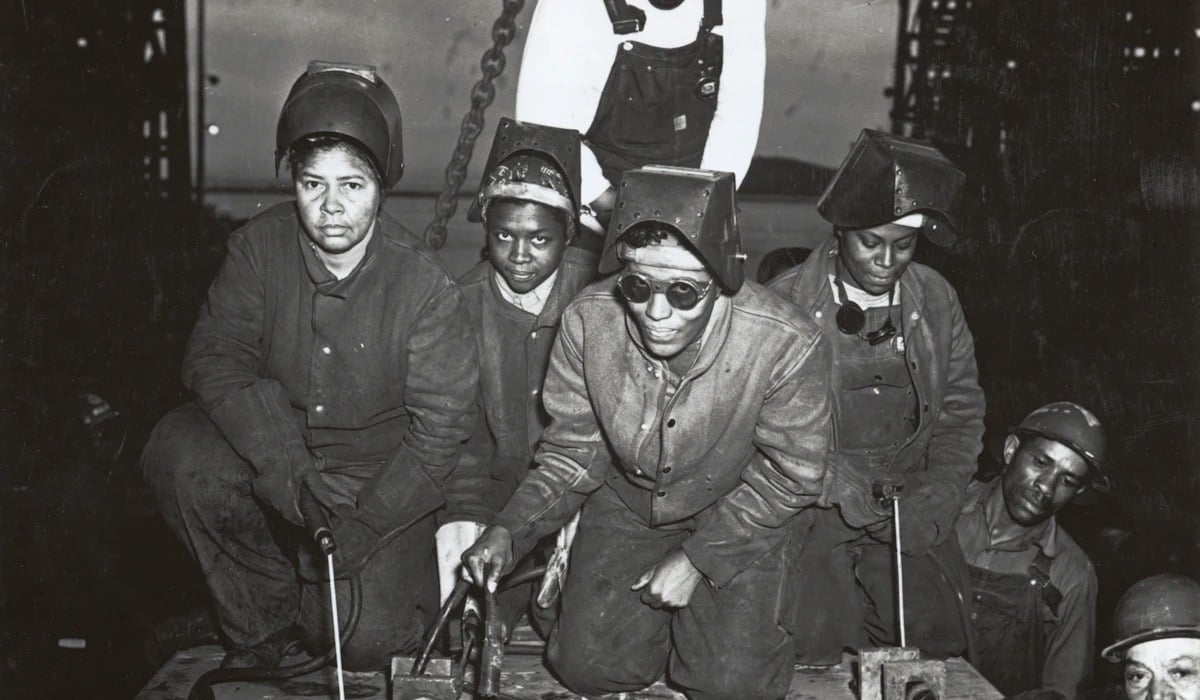
The Library of Congress holds a photograph titled “Women at work on bomber, Douglas Aircraft Company, Long Beach, Calif.” Alfred Palmer made it for the Office of War Information in October 1942.
The title itself stresses the plural, with several women on one bomber rather than a single posed worker. The image documents women working together in aircraft production, where each task contributed to a larger assembly process.
Learning Precise Engine Installation at Douglas
Another Palmer image carries one of the longest titles in the collection: “Women are trained to do precise and vital engine installation detail in Douglas Aircraft Company plants, Long Beach, Calif.” The caption emphasizes the word “trained,” underscoring that women were learning specialized skills for wartime manufacturing.
The Library of Congress later posted the photo on its Flickr account, where it found a new audience decades on. The photograph remains a record of both the work and the training needed to perform it.
A Riveter at Lockheed in Burbank
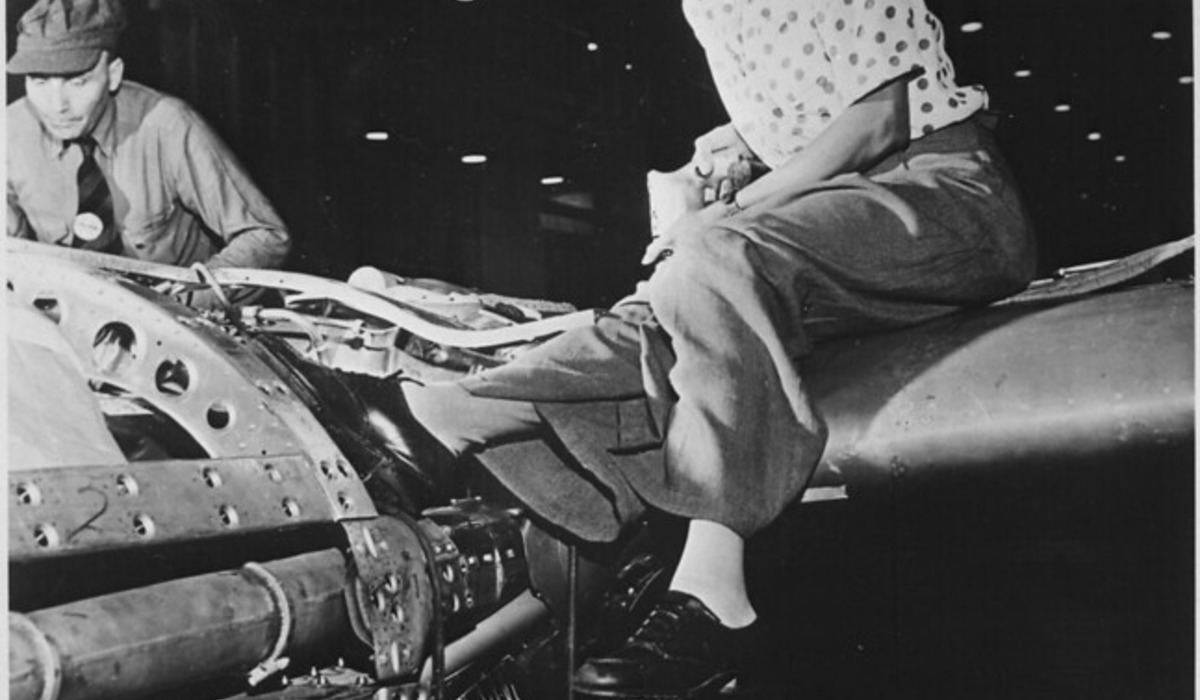
A photograph titled “Riveter at Lockheed Aircraft Corp., Burbank, CA” appears in classroom document sets that teach primary-source analysis. The U.S.
National Archives identifies it as part of a Women’s Bureau series called Women Working in Industry, compiled between 1940 and 1945. Burbank was a major aircraft production site on the West Coast during the war.
The straightforward caption identifies the worker by her trade and workplace, leaving viewers to consider the skill involved in the job.
A Woman Worker at Vega Aircraft in Burbank
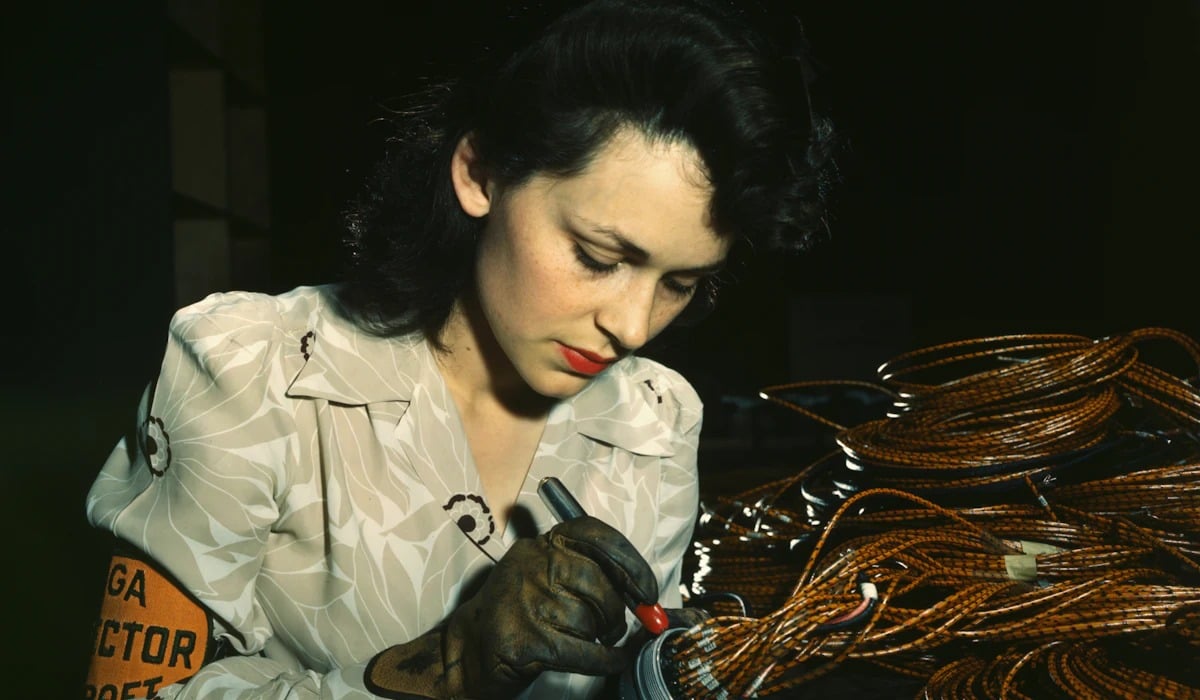
Wikimedia Commons preserves an image captioned “World War II woman aircraft worker, Vega Aircraft Corporation, Burbank, California.” Vega Aircraft operated in Burbank alongside Lockheed, making the city an important center of wartime aircraft production.
The photograph is dated to 1942, early in the American war effort.
Beveling Armor Plate for Tanks in Gary
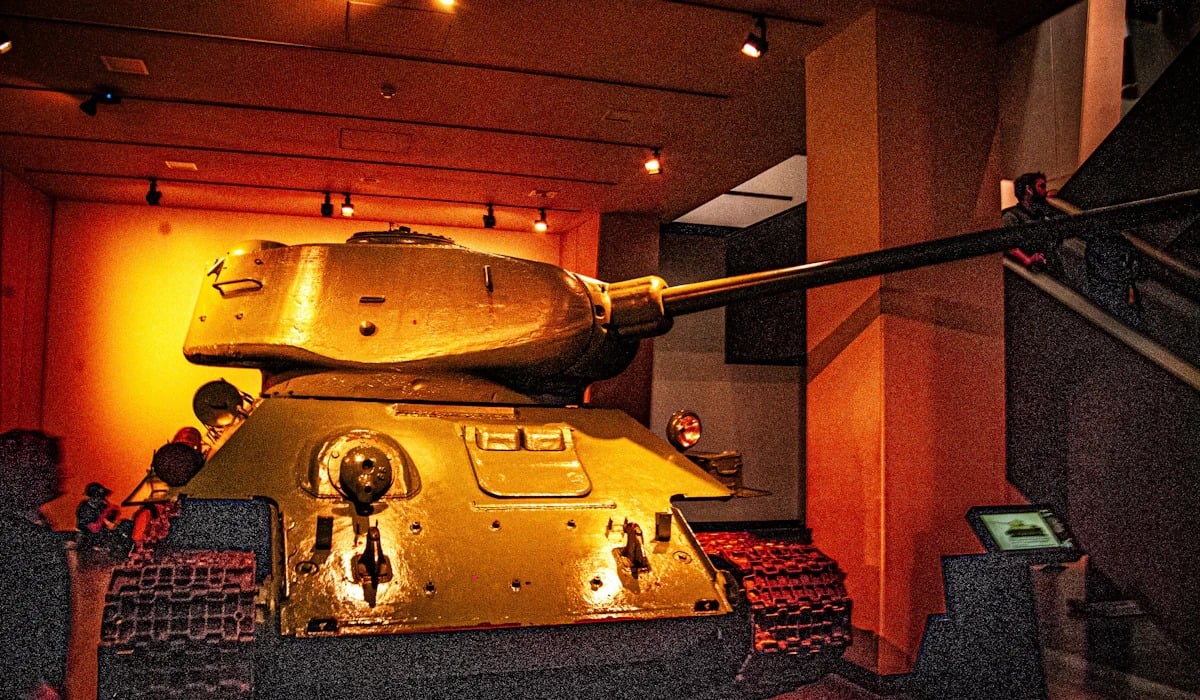
The University of Notre Dame’s Marble collection holds an image titled “Beveling Armor Plate for Tanks, Gary, Indiana.” Gary was home to a major U.S.
Steel operation, and armor plate meant heavy work in an industry often associated with male workers. The title alone challenges the idea that women stayed on light assembly benches in aircraft plants.
Tanks needed steel, and the mills needed hands.
Top Women at the Gary Works
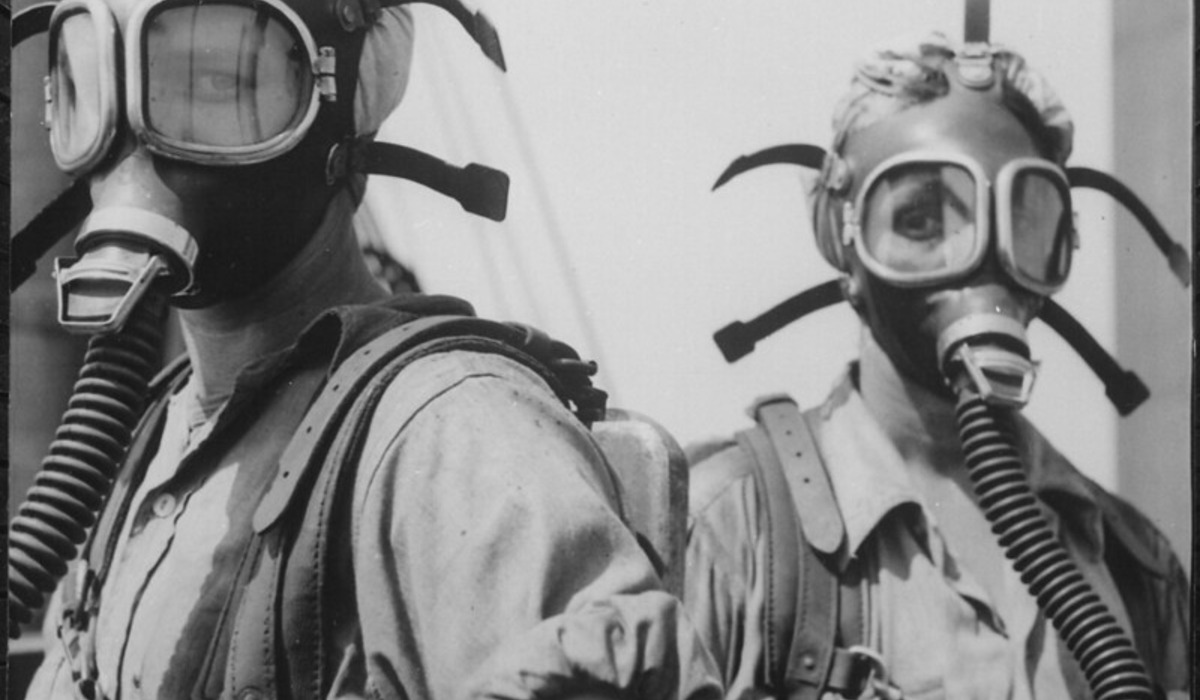
A second Gary image carries the title “Top Women At U.S. Steel’s Gary, Indiana, Works” and appears in an educational document set for classrooms.
The wording highlights women’s roles at the steelworks, although the title alone does not establish their exact positions or responsibilities. It stands as evidence that photographers recorded women’s work in heavy industry and not only in aircraft plants.
The word “top” is the surprise, inviting questions about how the women were selected and what their roles involved.
A Woman Riveting at Willow Run in March 1943
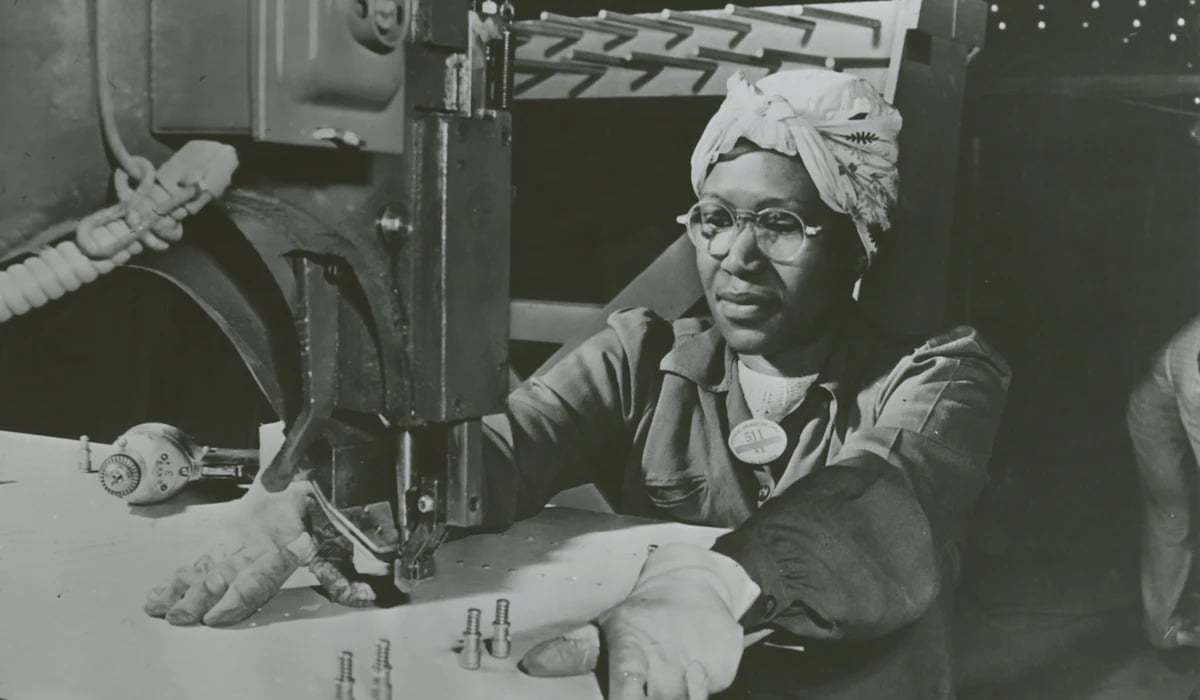
The Henry Ford museum owns a photograph titled “Woman Riveting Parts at Willow Run Bomber Plant, March 1943.” Willow Run, near Ypsilanti, Michigan, was Ford’s enormous plant for building B-24 Liberator bombers.
The photograph is dated to a specific month, which makes it easy to place within the plant’s wartime story. The Henry Ford later published a blog post on American women’s history titled “A ‘Rivet’-ing Snapshot of American Women’s History,” a pun on the work shown in these pictures.
Assembling Air Ducts for B-24 Bombers

A circa 1943 image in the Henry Ford collection is titled “Women Workers Assembling Air Ducts for B-24 Bombers, Willow Run Bomber Plant.” Air ducts are an easy detail to overlook on a four-engine bomber, which makes the photograph a useful reminder that the war depended on thousands of individual components and the people who made them.
The caption names a specific part, and that kind of specificity helps connect the factory scene to the finished aircraft. Each duct sent down the line was one more piece of a plane that eventually left Michigan for the air war.
Mrs. Martha Rhodes in the Stabilizer Department
The Henry Ford holds a picture captioned “Mrs. Martha Rhodes Working in the Empennage Stabilizer Department at Ford’s Willow Run Bomber Plant, 1943.”
The caption uses her name and her married title, a detail that gives the image a human anchor. The empennage is the tail assembly, which includes the aircraft’s stabilizing surfaces.
Rhodes worked on a part where accuracy mattered. A named worker turns an anonymous factory scene into a record that may also help family historians trace a person’s wartime work.
Repairing Time Clocks at Willow Run
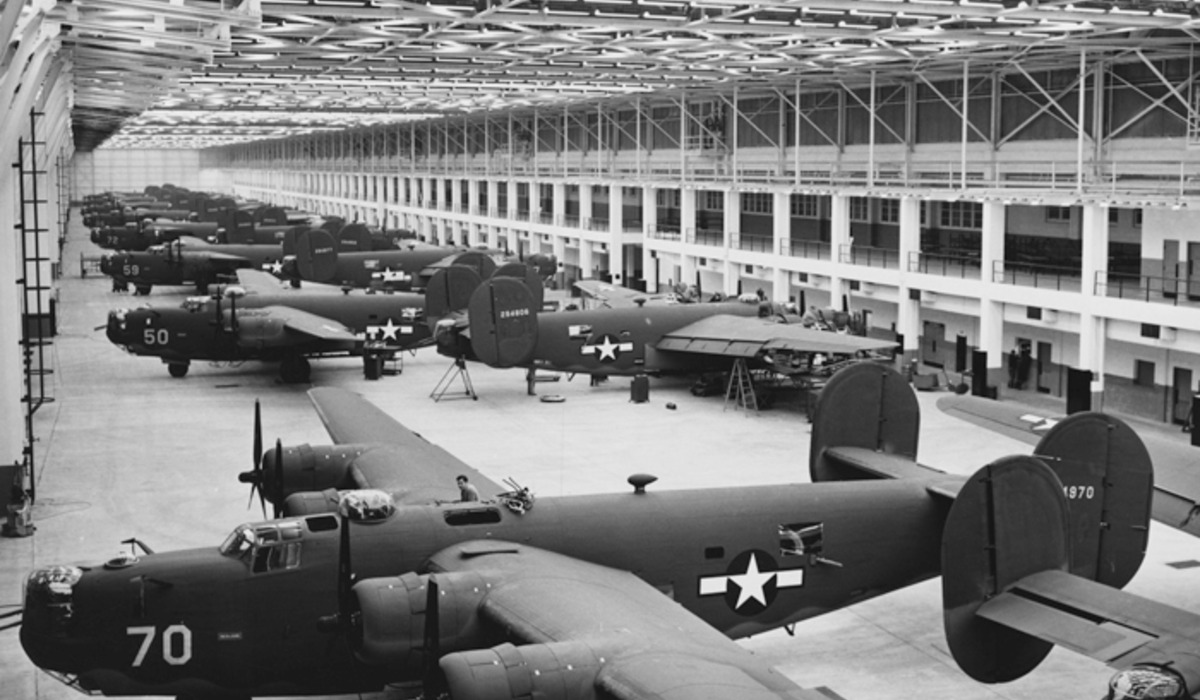
Not every woman at Willow Run worked on a bomber. The Henry Ford collection includes “Women Employees Repairing Time Clocks, Willow Run Bomber Plant, May 1943.”
Time clocks mattered at a plant of that size because shifts and attendance had to be tracked for an enormous workforce. The photograph shows women holding the machinery that kept the factory itself running, which is a different sort of war work from riveting.
It also illustrates the maintenance jobs that supported production without directly assembling aircraft parts.
Fitting an Engine Fairing in August 1943
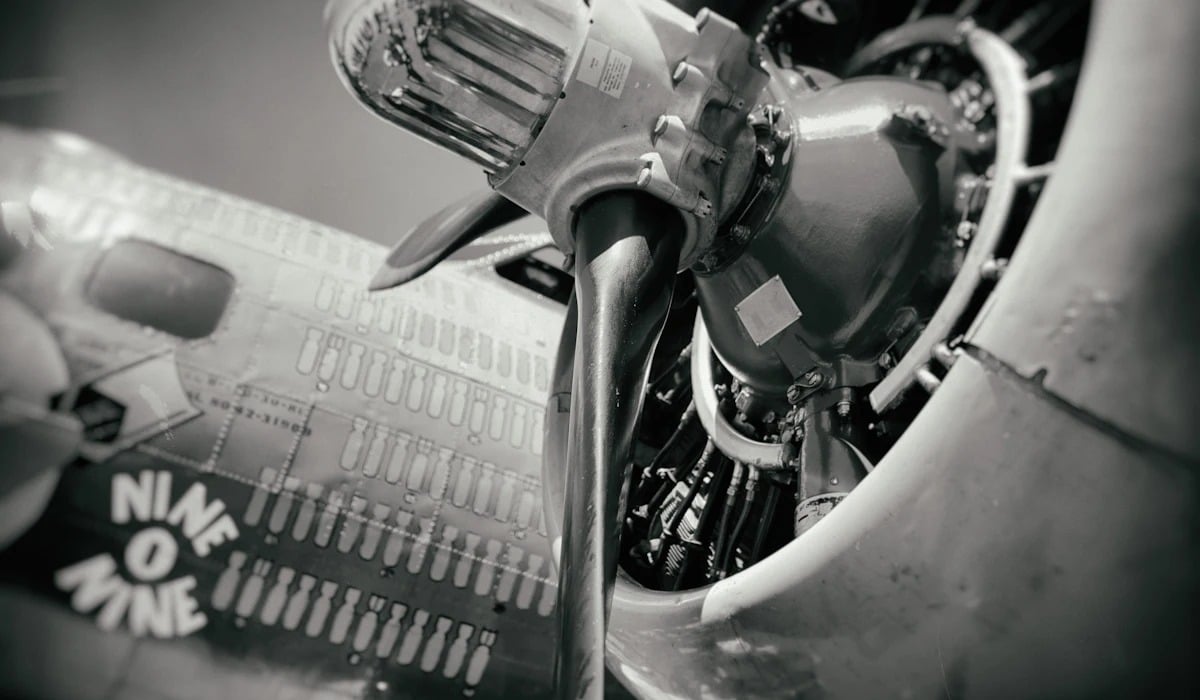
A Henry Ford photograph from August 1943 is titled “Woman Assembling Parts for Airplane Engine Fairing, Willow Run Bomber Plant.” A fairing is a shaped covering that helps streamline an aircraft component, and building one takes careful fitting of curved metal pieces.
The date places the image in the summer of 1943, deep into the plant’s wartime run. The photograph shows steady labor at the bench, with nothing glamorous about it.
Merlin Engines and Female Workers at Rolls-Royce
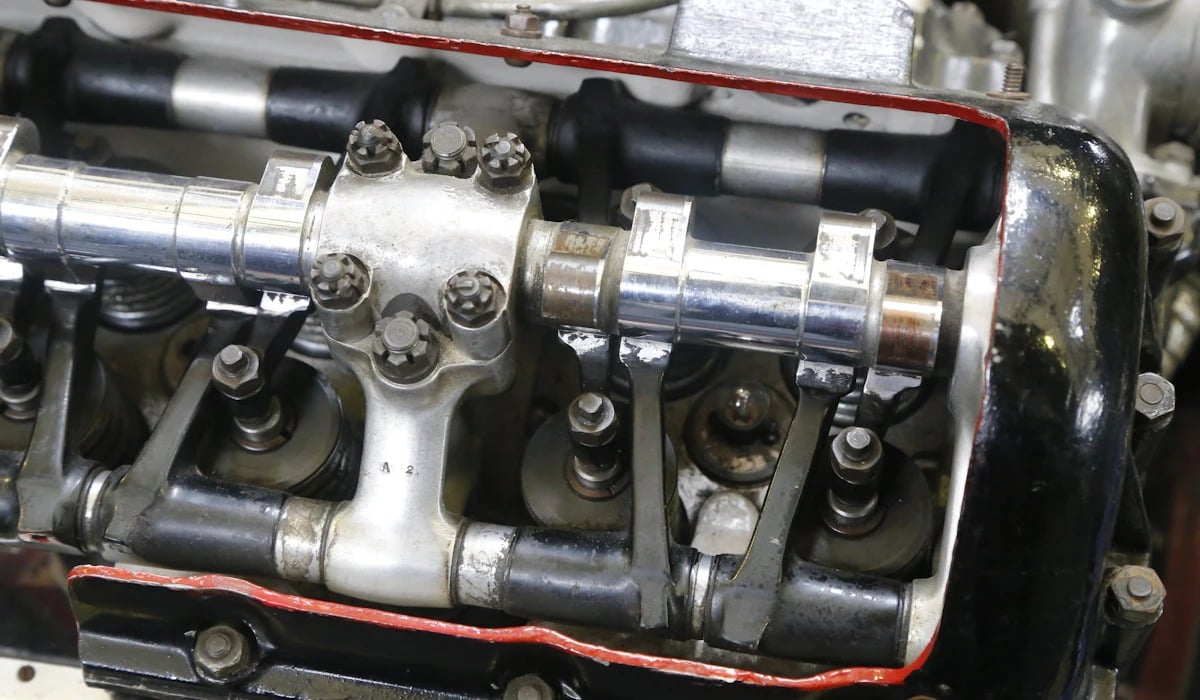
Wikimedia Commons hosts a 1942 photograph titled “Rolls Royce factory – Merlin engines and female workers.” The Merlin was the engine that powered the Spitfire, as well as other aircraft, including the Hawker Hurricane and the North American P-51 Mustang.
Rolls-Royce also ran a large Merlin plant at Hillington, near Glasgow, where Glasgow Life has documented the story. The image places the engines beside the women who built them, so the product and the labor share the frame.
It captures the British side of the war effort, where factory work was central to the national effort.
The Bren Gun Girl in Toronto
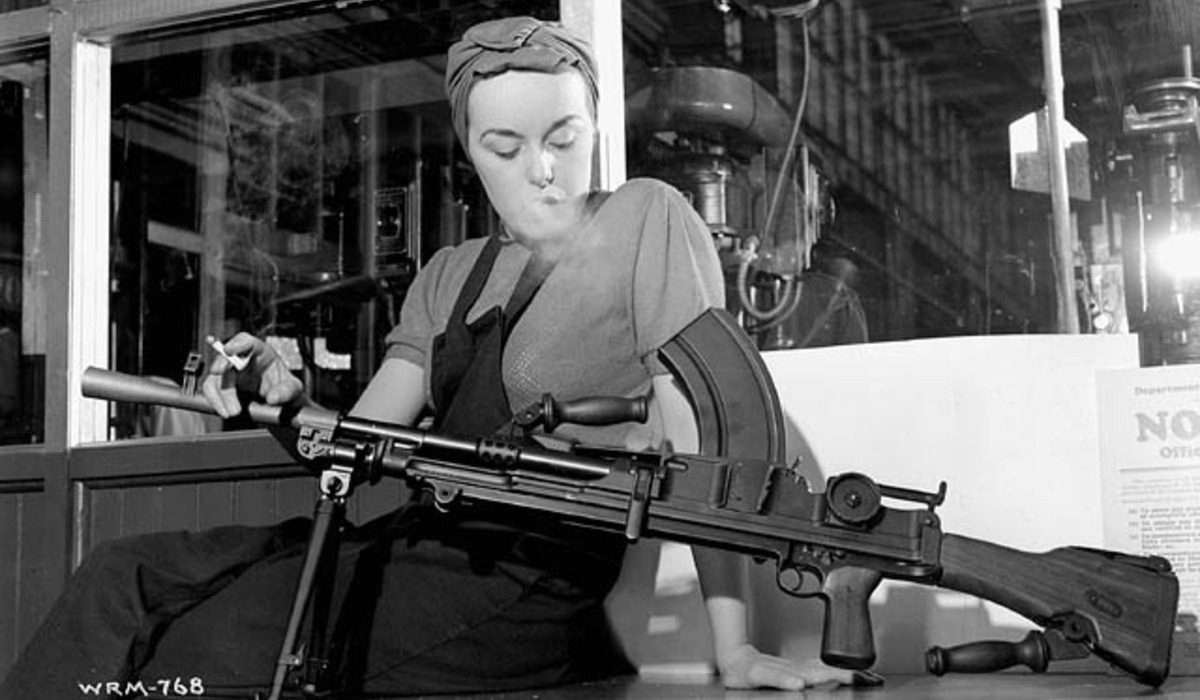
Library and Archives Canada holds a picture of Veronica Foster, known as “The Bren Gun Girl,” posing with a finished Bren gun at the John Inglis plant. Foster became a national symbol in Canada, remembered by the nickname “Ronnie.”
Archival photographs also document aspects of her life beyond the factory, including a May 1941 image associated with the Glen Eagle Country Club. Together, the images offer a glimpse of a wartime figure whose public image extended beyond the factory floor.
The Work Behind the Poster

Each of these photographs was made for a reason. Governments needed recruits, companies wanted proof of efficiency, and magazines wanted pictures that sold copies.
That purpose shaped the framing, but it did not invent the work, which is documented in plant records, captions and the memories of the women themselves.
Looking closely at the tools, the parts and the named workers brings the history down to scale. The war effort was made from drills, rivets, air ducts and time clocks, and women were operating all of them.
That is a more useful legacy than any single slogan.
More from Go2Tutors!

- The Romanov Crown Jewels and Their Tragic Fate
- 13 Historical Mysteries That Science Still Can’t Solve
- Famous Hoaxes That Fooled the World for Years
- 15 Child Stars with Tragic Adult Lives
- 16 Famous Jewelry Pieces in History
Like Go2Tutors’s content? Follow us on MSN.