30 Monuments Torn Down by Governments Trying to Erase a Part of Their Own Past
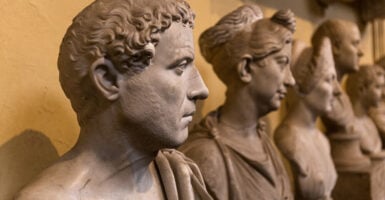
Governments build monuments to tell a version of history — and tear them down when the version changes. The practice is so old that the Romans gave it a formal name: damnatio memoriae, the condemnation of memory. If the Senate decided that a dead emperor’s legacy was incompatible with the current regime’s story, his statues were smashed, his name chiselled off inscriptions, and his face scratched from frescos. The scars left by the chisels were not always hidden; sometimes they were the point.
What follows is a survey of monuments destroyed not by enemies or time but by the governments and political movements that succeeded the regimes they commemorated. The act of destruction, in each case, was itself a political statement — which makes these empty pedestals, bare cliff faces, and replaced images a different kind of historical record.
Hatshepsut’s Statues and Images, Egypt (c. 1458 BCE)
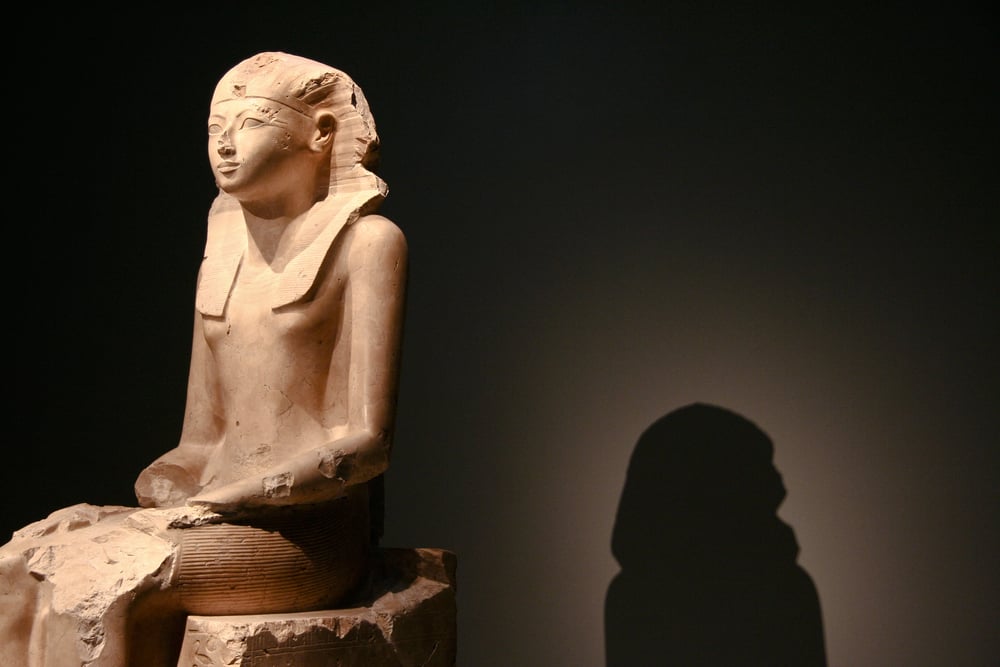
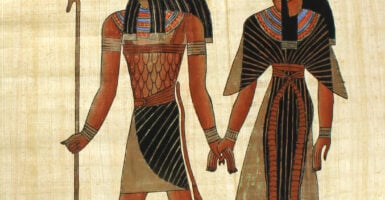
Hatshepsut ruled Egypt as pharaoh for approximately twenty-two years, adopting male regalia and titles. After her death, her stepson Thutmose III — or possibly his son — ordered a systematic destruction of her monuments: statues were smashed and buried in pits, her name and image were chiselled from reliefs and replaced with those of her male predecessors.
The erasure was so thorough that Hatshepsut was essentially absent from the historical record until the late 19th century, when archaeologists began piecing her together from fragments. Modern scholars debate whether the destruction was motivated by personal animosity, succession politics, or the desire to eliminate a precedent for female rule. All three are plausible; the evidence doesn’t settle it.
Damnatio Memoriae — Caligula, Domitian, Geta, and Others, Rome

The Roman Senate applied damnatio memoriae to numerous emperors whose conduct was deemed unacceptable by their successors. Caligula’s statues were toppled; Domitian’s portraits were systematically destroyed across the empire; the emperor Geta, murdered by his brother Caracalla in 211 CE, was so comprehensively erased that surviving group portraits show obvious recarvings where his face once appeared.
Pliny the Younger, writing of Domitian’s condemnation, described the satisfaction of smashing the images with axes. The scars in the stone were not disguised — they were public testimony that someone had been officially forgotten, which was, paradoxically, its own kind of remembrance.
Akhenaten’s Monuments, Egypt (c. 1332 BCE)
— Photo by claudiocaridi.libero.it2
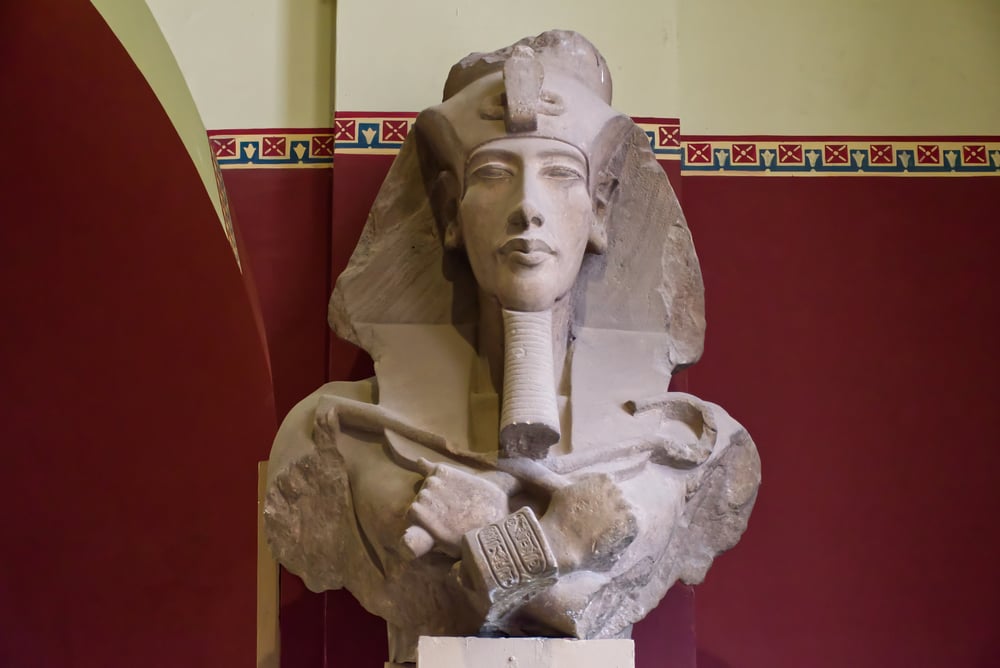
Pharaoh Akhenaten upended Egyptian religion by imposing monotheism centred on the sun disc Aten, closing temples, and relocating the capital. After his death, his successor Tutankhamun began restoring the old religious order, and subsequent pharaohs — particularly Horemheb and later Ramesses II — systematically dismantled Akhenaten’s monuments, erased his name from inscriptions, and attempted to remove him from the official king lists entirely.
Akhenaten was not restored to historical memory until the 19th century. The irony was that his monuments were so thoroughly buried and their stone reused so systematically that the reuse itself preserved them — blocks with his reliefs survived embedded in later structures.
The Vendome Column, Paris, France (1871)
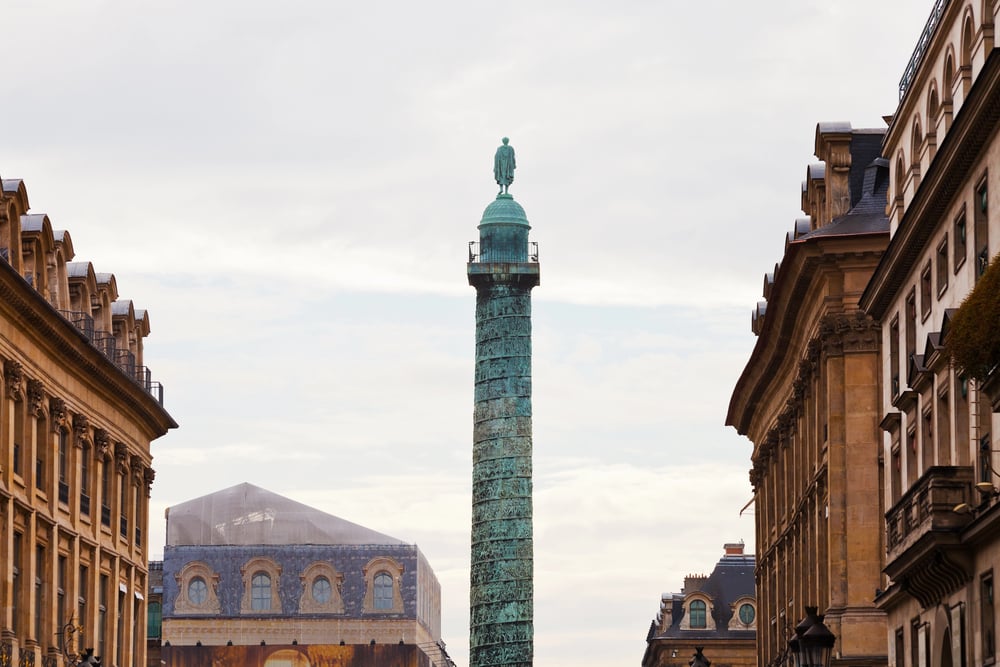
The Vendome Column in central Paris was built by Napoleon I and topped with his statue, cast from bronze melted from captured enemy cannon. During the Paris Commune of 1871, the revolutionary government voted to demolish it as a symbol of imperial militarism.
The column was pulled down with ropes in a ceremony that drew enormous crowds. The painter Gustave Courbet, who had proposed the demolition and served on the commission that oversaw it, was later arrested, convicted, and ordered to pay for the column’s restoration after the Commune fell — a bill so enormous it forced him into exile in Switzerland, where he died still paying.
The column was eventually rebuilt and still stands today.
The Stalin Monument in Prague, Czechoslovakia (1962)
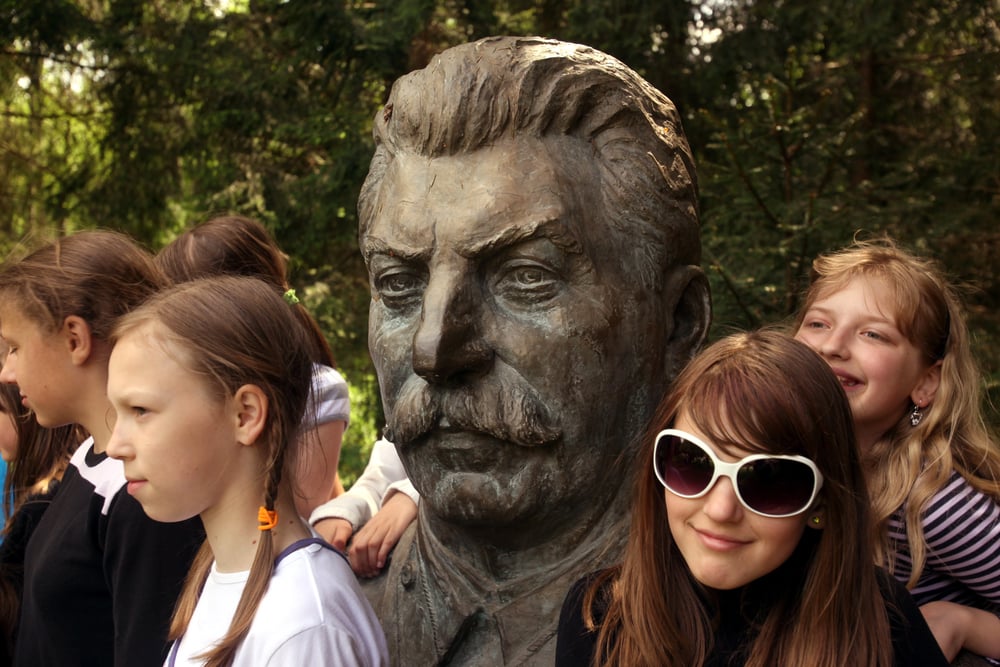
After Stalin’s death in 1953 and Khrushchev’s denunciation of Stalin’s cult of personality in 1956, the enormous Stalin monument erected above Prague in 1955 became politically untenable. It was the largest group statue in Europe — a 15.5-metre granite monument depicting Stalin leading workers, farmers, and soldiers — and had been only recently completed after years of construction. Czech authorities had it demolished by controlled explosives in 1962, a decade after it was built. The sculptor, Otakar Svec, had died by apparent self-inflicted means shortly before the statue’s unveiling, under circumstances that were officially unclear.
Lenin and Stalin Statues Across the Soviet Bloc (1989–1991)
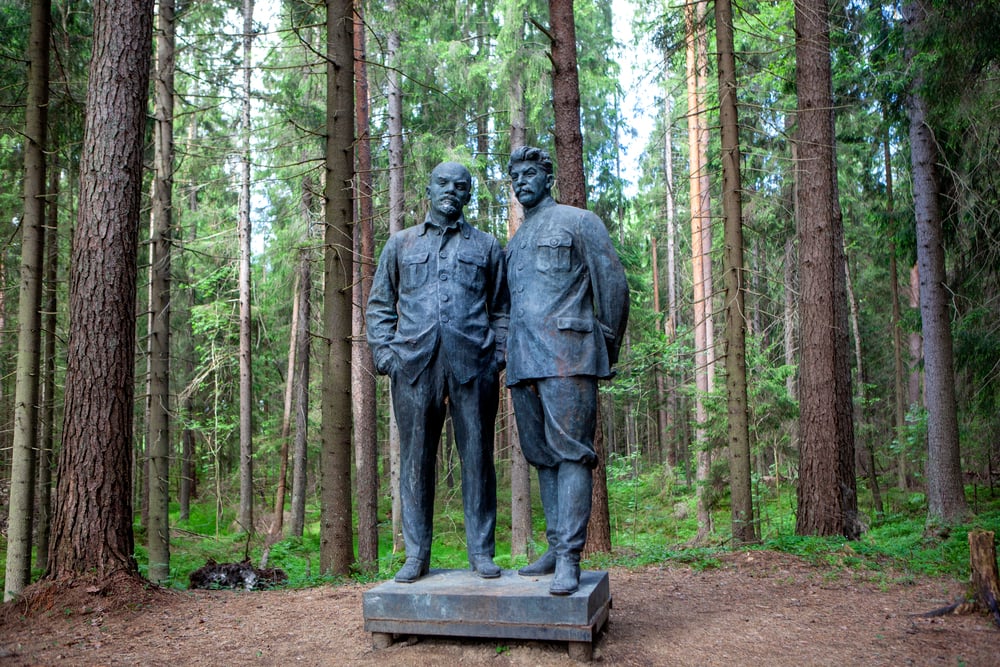
The collapse of communism across Eastern Europe and the Soviet Union was marked repeatedly by the physical demolition of statues: Lenin in Vilnius, Lithuania; “Iron Felix” Dzerzhinsky, founder of the secret police, in Moscow; Stalin in Budapest, where the 1956 uprising had already partly destroyed his statue. Each removal was both practical and theatrical, broadcast on television, the moment of toppling carrying enormous symbolic weight.
The Muzeon Park of the Arts in Moscow eventually became a repository for rescued Soviet sculpture — a graveyard of fallen ideological certainty arranged across a public park.
Saddam Hussein’s Statue, Baghdad, Iraq (2003)
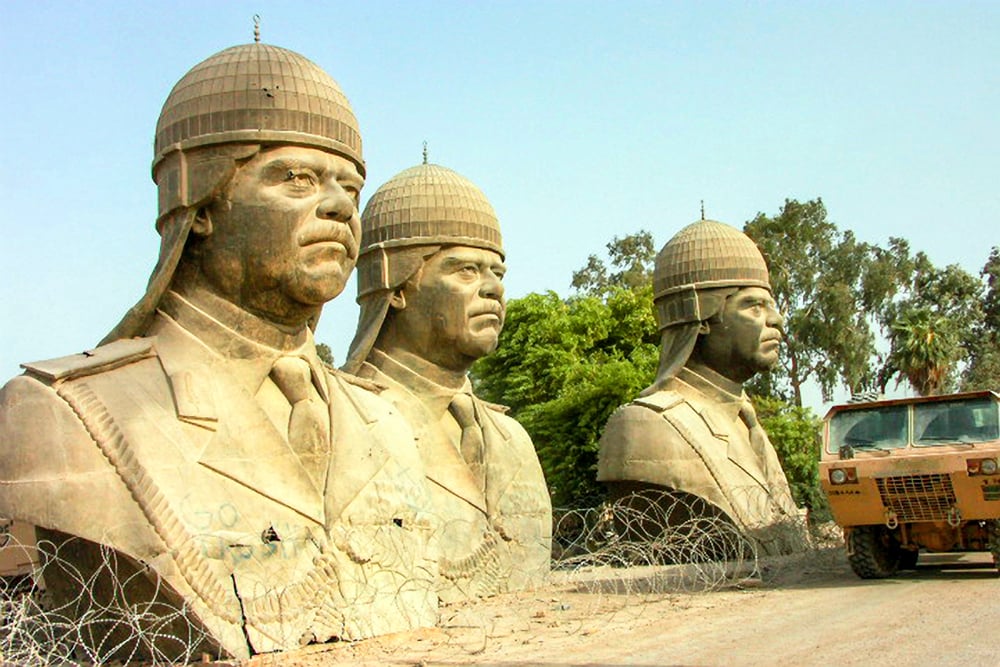
On April 9, 2003, US forces and a crowd of Iraqis pulled down a large statue of Saddam Hussein in Firdos Square in Baghdad, in an event extensively covered by embedded journalists. Later analysis of the footage — including photographs showing the square was less densely packed than initial wide shots suggested — prompted significant debate about how much the scene had been staged or facilitated by US military personnel.
Whatever the logistics, the image of the falling statue became the defining visual of the invasion and was read globally as the symbolic end of Saddam’s regime.
The Buddhas of Bamiyan, Afghanistan (2001)
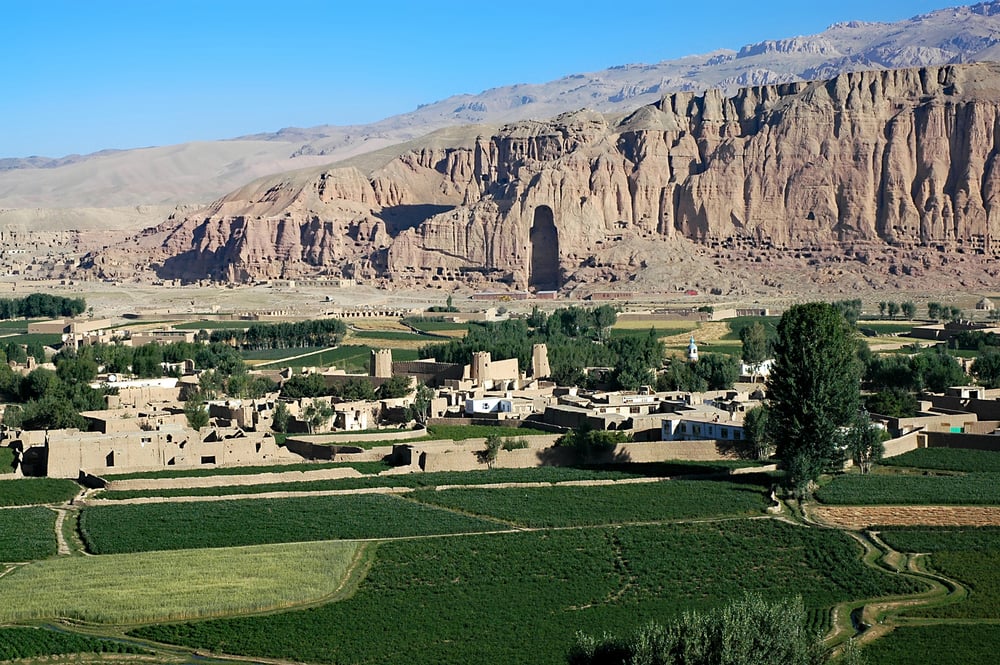
The two monumental Buddhas carved into the sandstone cliffs of Bamiyan in Afghanistan — the larger standing approximately 53 metres high, dating to around the 6th century CE — were destroyed by the Taliban government in March 2001 using explosives, anti-aircraft weapons, and artillery over several weeks. Taliban leader Mullah Omar decreed the statues were idols contrary to Islamic law.
International appeals, including from Muslim-majority countries, to preserve them as historical monuments were rejected. The empty niches remain in the cliff face.
Hosni Mubarak’s Images, Egypt (2011)
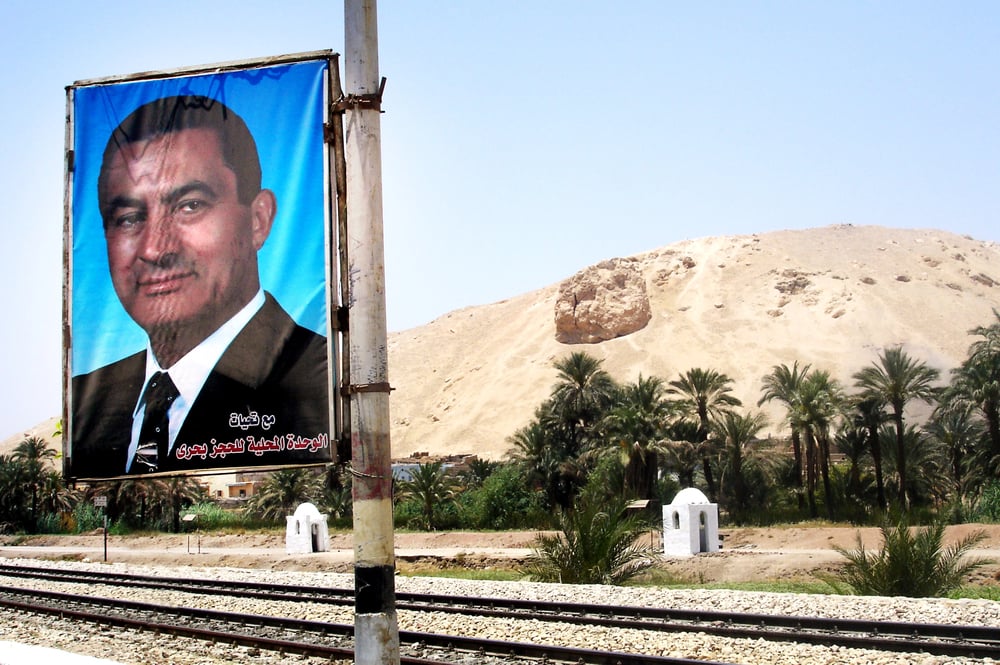
When the Arab Spring uprisings forced Hosni Mubarak to resign as Egypt’s president in February 2011 after 30 years in power, protestors moved immediately to remove his name and image from public spaces. Statues, portraits, and official signage were defaced or destroyed.
The speed of the symbolic de-Mubarakisation reflected the speed of his political collapse — a man whose image had been omnipresent across the country for three decades was removed from the public landscape within days of leaving office.
Enver Hoxha’s Statue, Albania (1991)
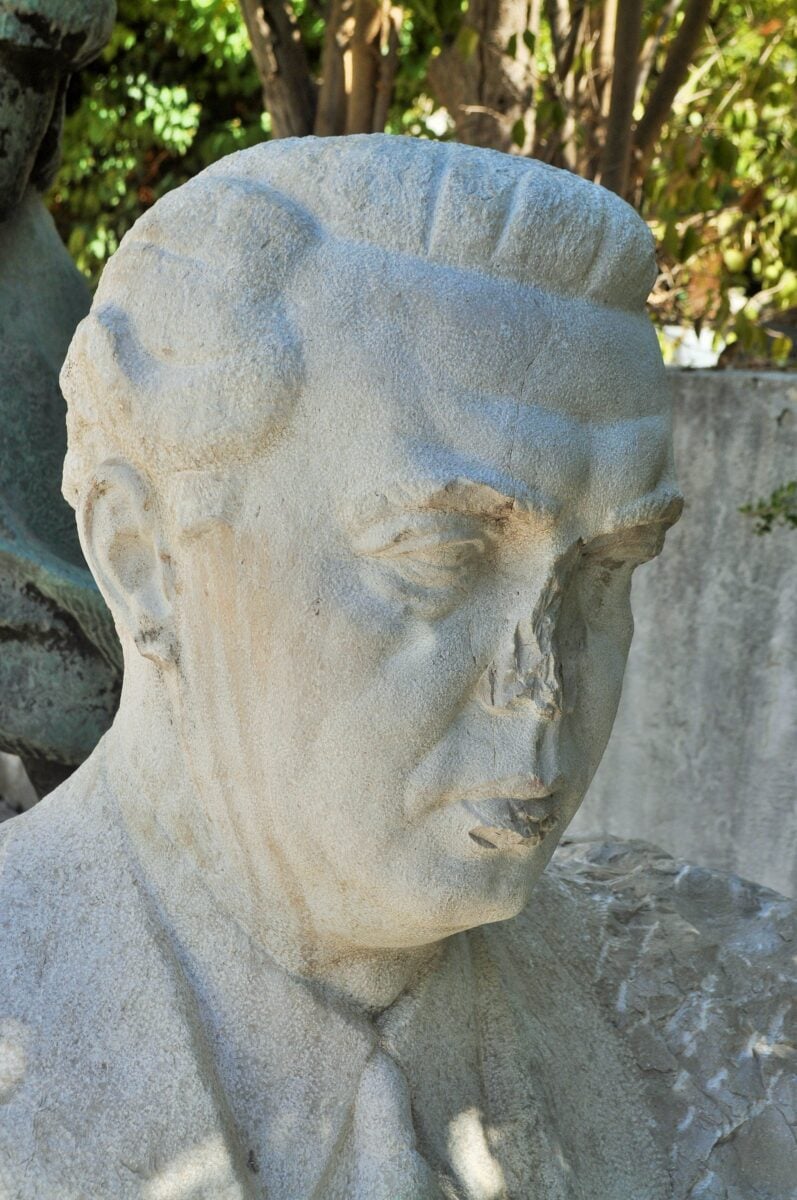
The Albanian dictator Enver Hoxha, who ruled from 1944 until his death in 1985, was commemorated by a large bronze statue in Tirana’s central Skanderbeg Square. When the anti-communist revolution reached Albania in 1991, the statue was toppled by crowds in scenes that echoed across the region.
Hoxha had governed one of the most brutally isolated communist states in Europe; his regime had banned religion, executed thousands, and imprisoned hundreds of thousands in a network of labour camps. His statue’s fall was among the most emotionally charged in the broader regional pattern, partly because Albania’s isolation had been so extreme and its opening so long delayed.
The Berlin Wall, Germany (1989–1990)
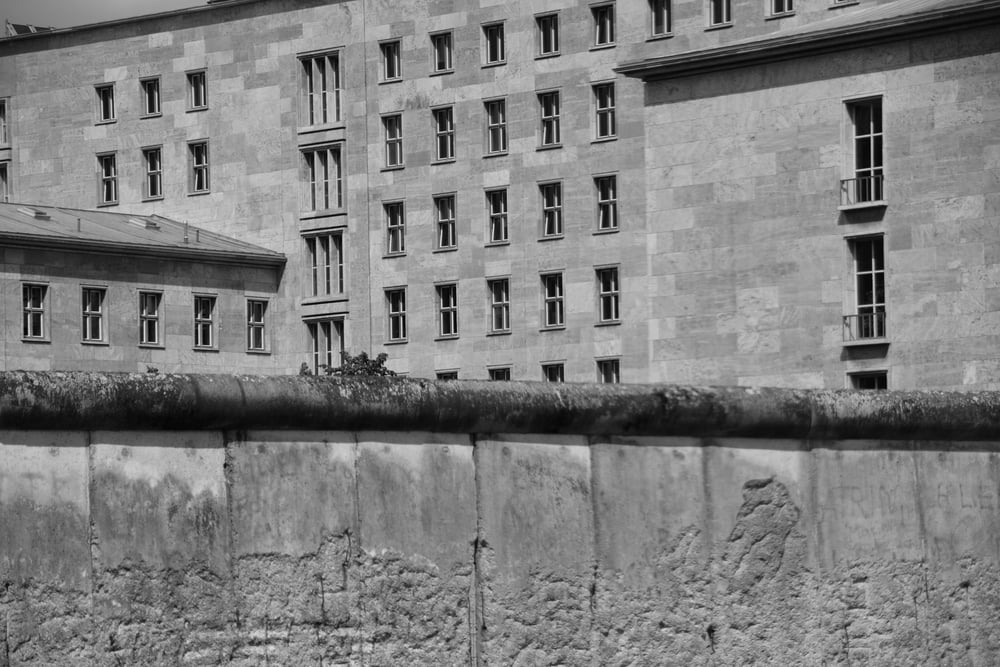
The Berlin Wall was itself a monument — a 155-kilometre concrete barrier built by the East German government in 1961 to prevent its citizens from leaving. When it fell in November 1989, the destruction was both popular and state-managed: crowds began demolishing sections spontaneously; the East German government facilitated the opening of border crossings; cranes eventually assisted the systematic removal of the wall itself.
Almost nothing remains of the original structure in situ. The gaps in the city’s geography, visible in satellite imagery as a distinctive line where development patterns differ, are the most durable monument to what the wall was.
Cecil Rhodes Statues, Zimbabwe and South Africa
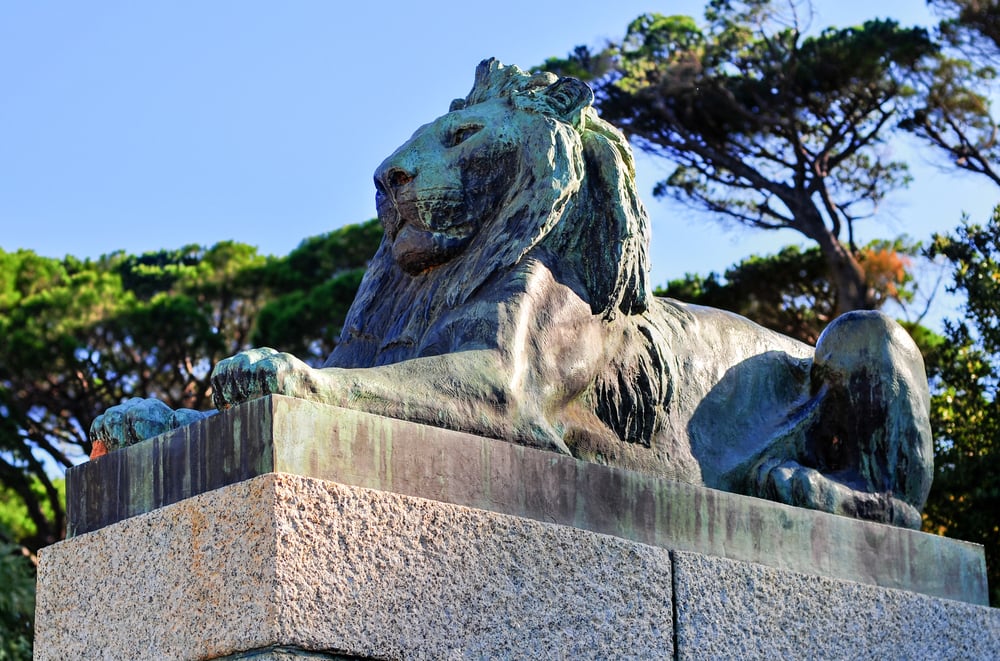
Cecil Rhodes, the British imperialist whose commercial empire gave Zimbabwe its original colonial name of Rhodesia, was commemorated by statues across southern Africa. When Zimbabwe gained independence in 1980, Rhodes’s statue in what had been Salisbury (now Harare) was removed.
The University of Cape Town’s Rhodes statue became the focus of the “Rhodes Must Fall” movement in 2015, eventually being removed after sustained student protests. Removal proved easier to achieve than the conversation that follows it.
The Colossus of Nero, Rome (c. 70s CE)
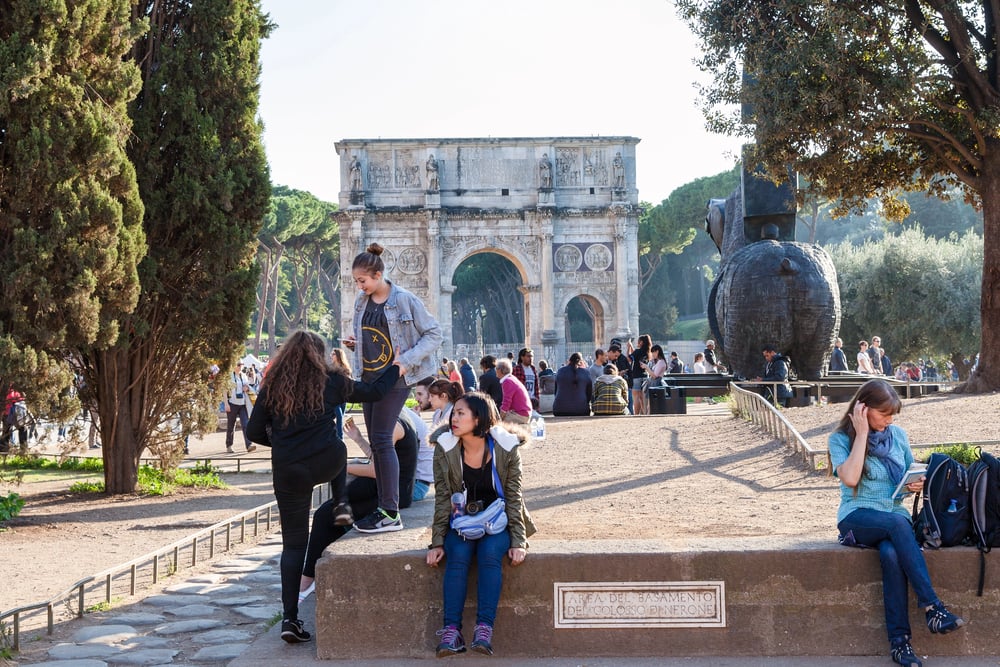
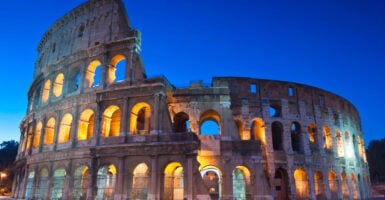
The Colossus of Nero was an enormous bronze statue — approximately 30 metres tall — that Nero had commissioned of himself in divine form and installed outside the Golden House, his vast private palace complex in central Rome. After Nero’s death and damnatio memoriae, the statue’s face was reworked to represent the sun god Sol Invictus, and subsequent emperors modified it further to depict other figures.
The colossal statue eventually gave the Colosseum its name — the amphitheatre built nearby was called the Colosseum because it stood next to the Colossus. The original bronze has entirely disappeared; the Colosseum’s name is the only surviving trace of Nero’s monument to himself.
Stalin’s Statue in Gori, Georgia (2010)
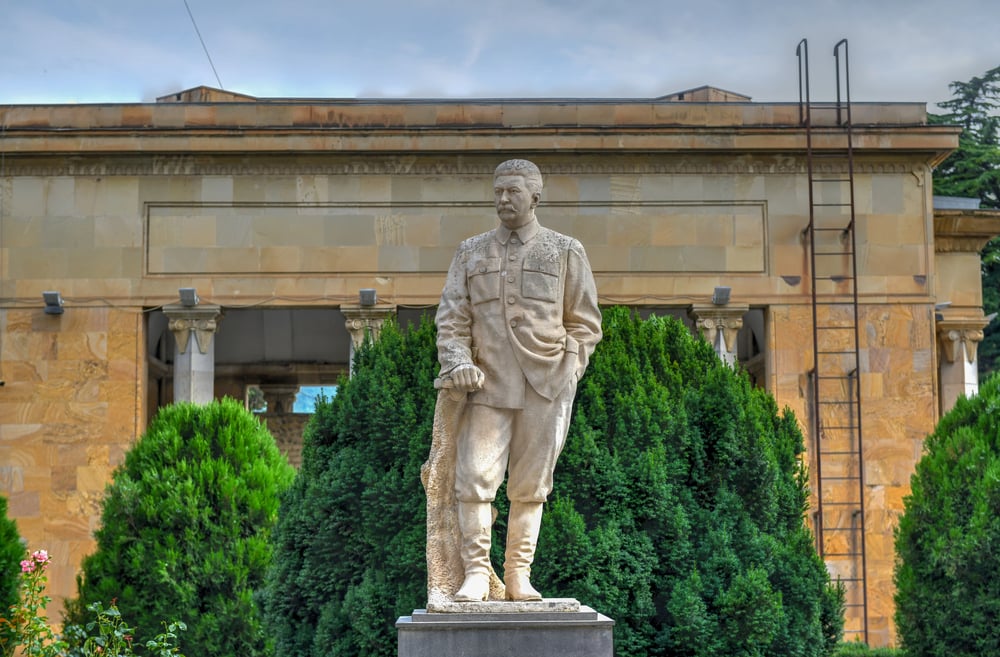
Gori, in the Republic of Georgia, was Stalin’s birthplace, and his hometown maintained one of the last surviving large-scale public monuments to him long after his official de-Stalinisation across the Soviet world. In a pre-dawn operation in 2010, workers and police removed the statue while residents slept, to prevent the protests that a public removal would have generated.
City officials said the pedestal would be replaced with a monument to the victims of Russian military aggression — Gori had been bombed by Russian forces in 2008. The night-time removal, with police blocking journalists, suggested the Georgian government was aware it was making a decision its own citizens would contest.
Colston’s Statue, Bristol, England (2020)
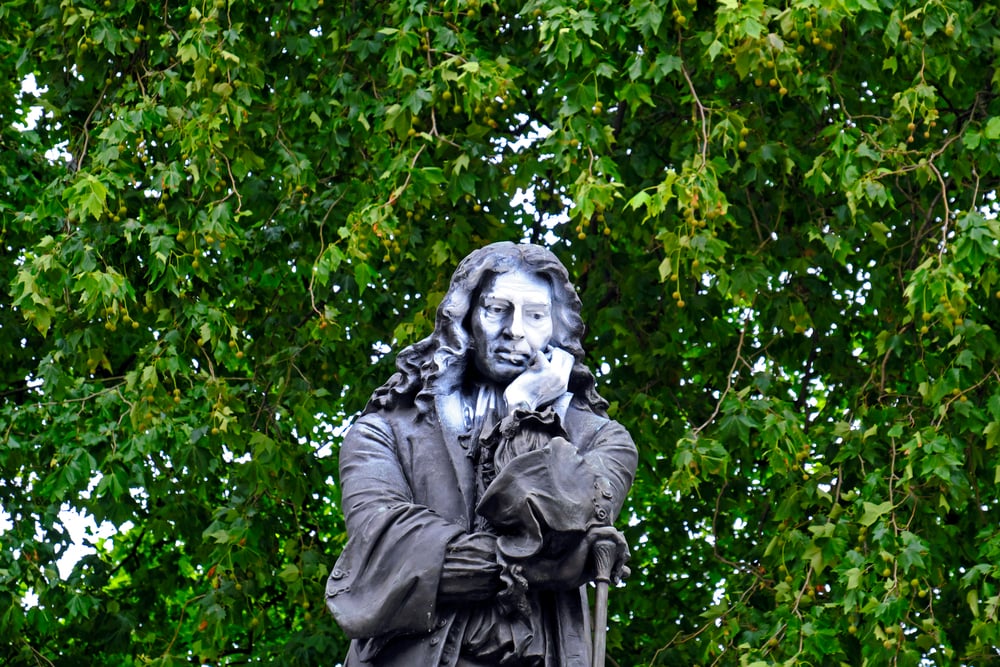
The statue of Edward Colston, a 17th-century merchant whose wealth was significantly derived from enslaved people transported by the Royal African Company, was pulled down by protestors in Bristol in June 2020 during demonstrations following the death of George Floyd in the United States. Colston’s statue had stood in central Bristol since 1895.
Arguments about its removal had circulated for years with no resolution; the direct action ended the conversation by ending the statue. It was subsequently recovered, placed in a museum, and displayed with the graffiti applied during its removal as part of its exhibition context.
Ramesses II’s Colossal Statue, Memphis, Egypt (Ancient)
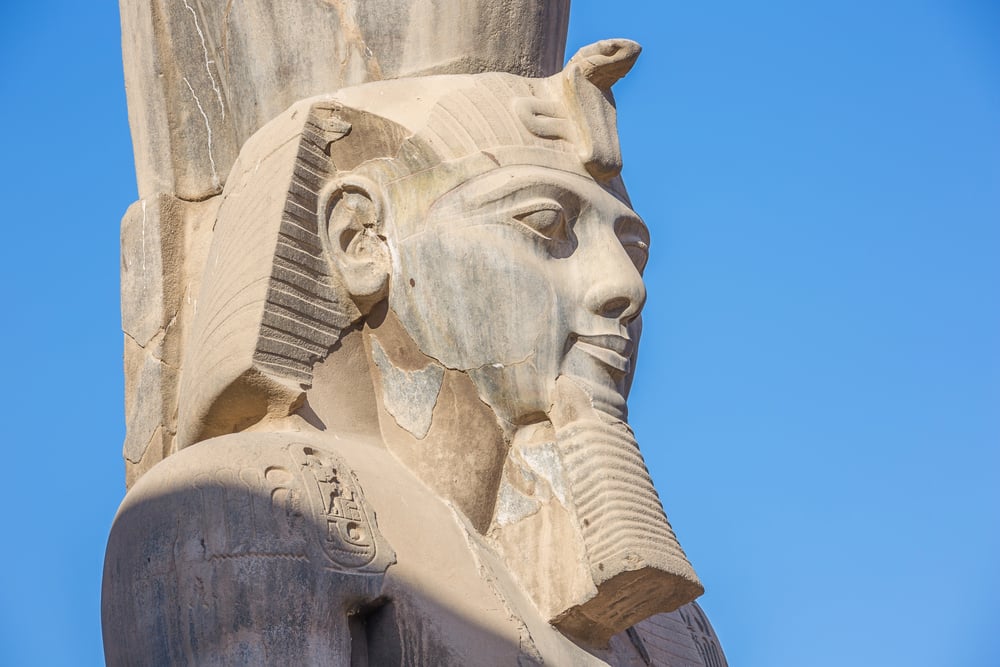
Ramesses II erected enormous statues of himself at temples throughout Egypt and Nubia, many of which were later damaged or destroyed not by enemies but by successors who incorporated the material into their own building projects. Percy Bysshe Shelley’s poem Ozymandias (1818) drew on the image of Ramesses’ monumental self-commemoration reduced to fragments in the desert sand: “Look on my Works, ye Mighty, and despair!”
The irony was that Ramesses himself had been a systematic eraser of his predecessors’ monuments.
The Vendome Column’s Restoration — and Second Controversy
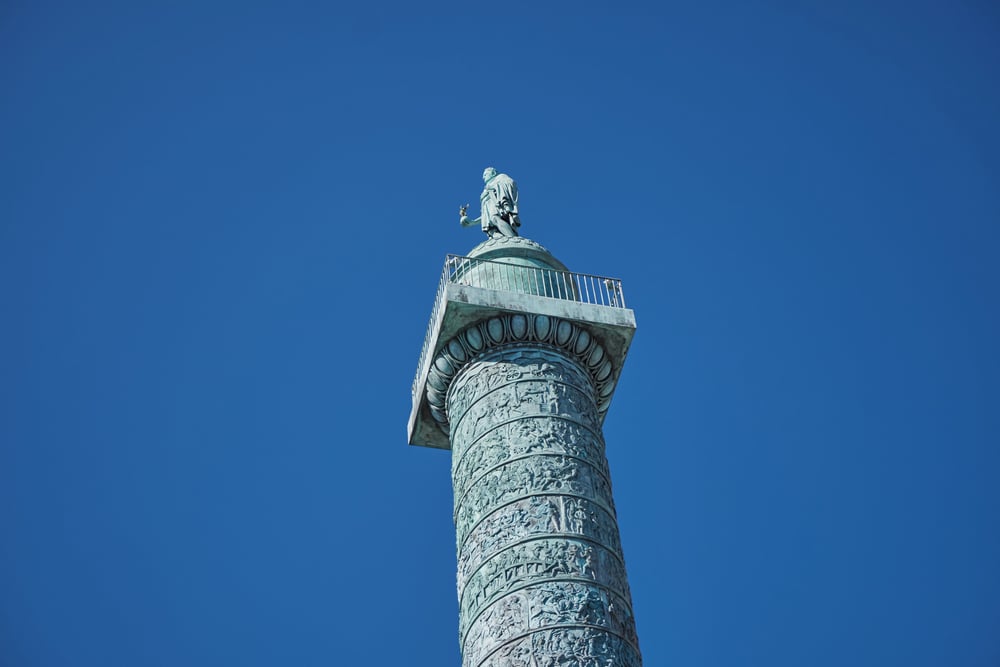
The Vendome Column’s story didn’t end with its 1871 demolition. After the Commune was suppressed, the new government ordered its restoration and billed Gustave Courbet personally for the cost. The restored column was rededicated in 1875.
The original 1871 fall had been photographed, making it one of the first monument destructions documented in photographs. The restored column stands today; the story of its fall and rebuilding is told on a small plaque at its base, though the plaque is easy to miss.
The Stasi Headquarters’ Internal Monuments, East Germany
The East German Ministry for State Security — the Stasi — maintained an internal culture of commemoration: portraits of Dzerzhinsky and Lenin in offices, institutional symbols throughout its buildings, and its own awards and monuments celebrating loyalty to the state. When East Germany collapsed in 1989 and citizens stormed the Stasi’s Normannenstrasse headquarters in Berlin, they found — along with files of surveillance records — an entire internal visual culture of self-congratulation.
The headquarters is now a museum; the commemorative objects within it are displayed not as propaganda but as evidence.
Portugal’s Colonial Statues (Post-1974)
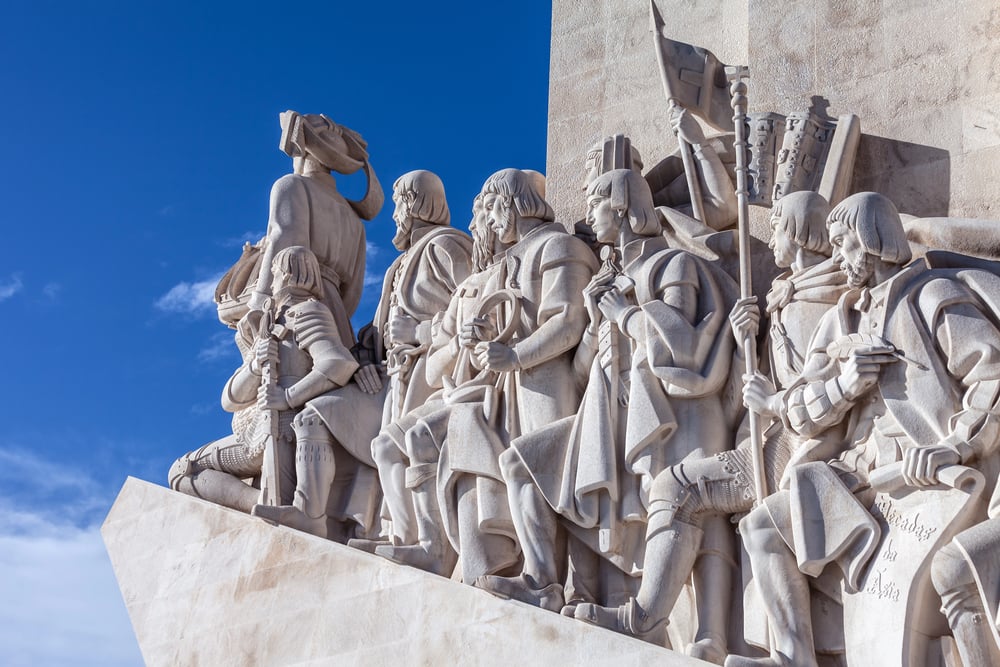
The Carnation Revolution of April 1974, which ended nearly five decades of the Estado Novo dictatorship in Portugal, was followed by rapid decolonisation and a reassessment of colonial-era monuments across both Portugal and its former territories. Statues of Vasco da Gama and other colonial figures in African territories were removed by post-independence governments.
Portugal itself has had an extended and contested conversation about colonial monuments in Lisbon and elsewhere. Some were removed; others were contextualised with added plaques; others remain the subject of debate. The revolution changed the political direction of the country in three days; renegotiating the commemorative landscape has taken considerably longer.
Mao’s Images During Post-Mao Reforms, China
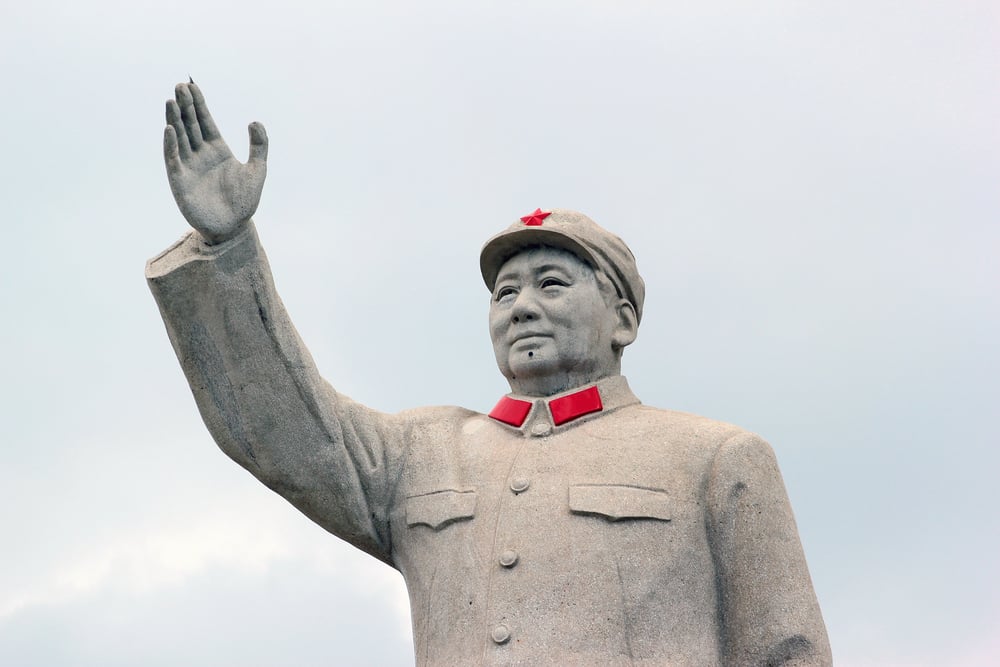
Following Mao Zedong’s death in 1976 and the subsequent rise of Deng Xiaoping’s reform leadership, China undertook a careful and deliberate reduction of Mao’s public presence — removing many Cultural Revolution-era statues and portraits while maintaining others strategically. The portrait at Tiananmen Square was retained; thousands of Cultural Revolution-era murals, statues, and quotation boards were not.
The distinction drawn between Mao as revolutionary founder (to be maintained) and Mao as Cultural Revolution leader (to be quietly reduced) was a political calculation, not a historical one.
Iraq’s Ba’ath Party Symbols (Post-2003)
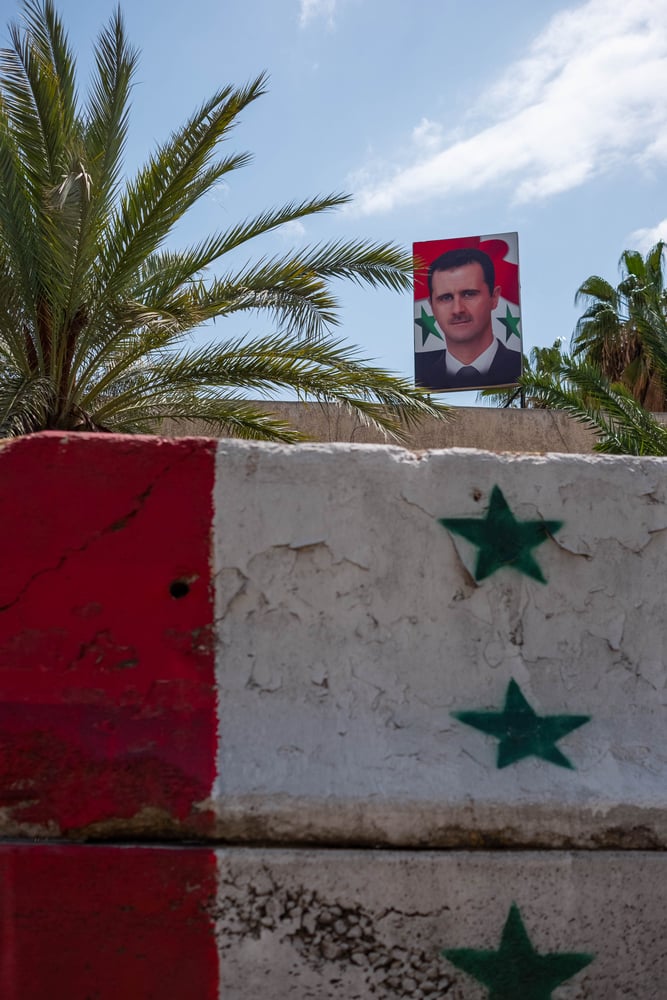
The US-led de-Ba’athification process after the 2003 invasion of Iraq included removing imagery and monuments associated with the Ba’ath party and Saddam Hussein’s regime from public buildings, schools, and official spaces. The speed and completeness of this removal — which extended to removing Ba’ath party members from their jobs in ways that contributed to significant instability — demonstrated both the symbolic importance of the monuments and the practical consequences of de-monumentalisation implemented without sufficient attention to what fills the resulting space.
Empty pedestals and unemployed former officials created different kinds of problems.
Cambodia’s French Colonial Monuments (Post-1975)
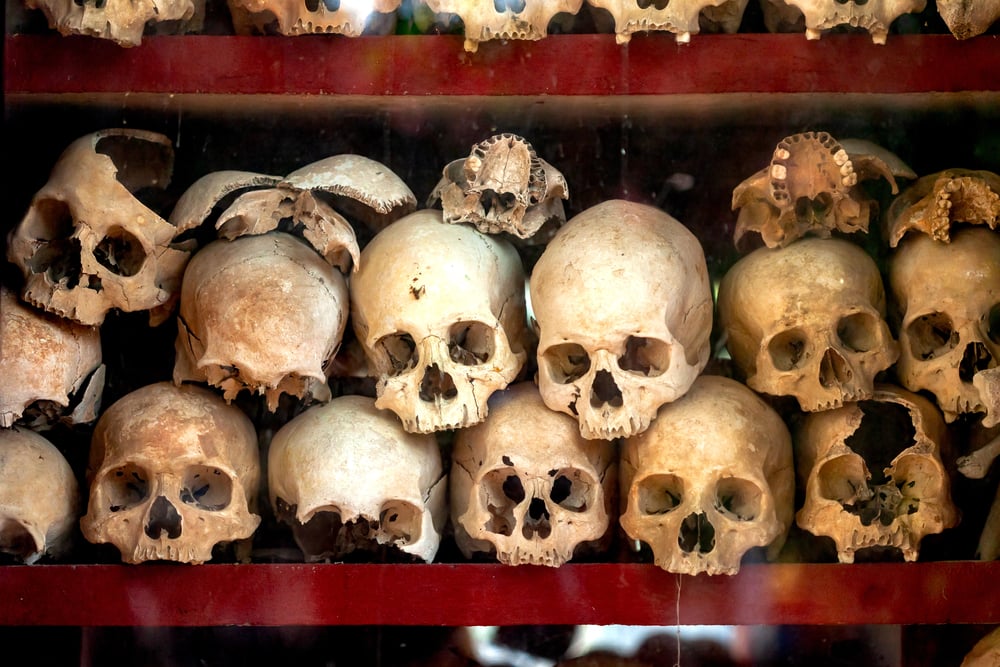
The Khmer Rouge, who took power in Cambodia in April 1975, declared Year Zero — a complete break with the past — and proceeded to destroy not only political monuments but cultural heritage more broadly. French colonial monuments, Buddhist statuary in some contexts, and evidence of the country’s pre-revolutionary history were systematically destroyed.
The Khmer Rouge’s de-monumentalisation was total and its violence extended far beyond statues; the deliberate erasure of the built past was one element of a comprehensive campaign to destroy the social fabric of pre-revolutionary Cambodian society.
The Afghan Government’s Buddha Niches (Post-2001 Debates)
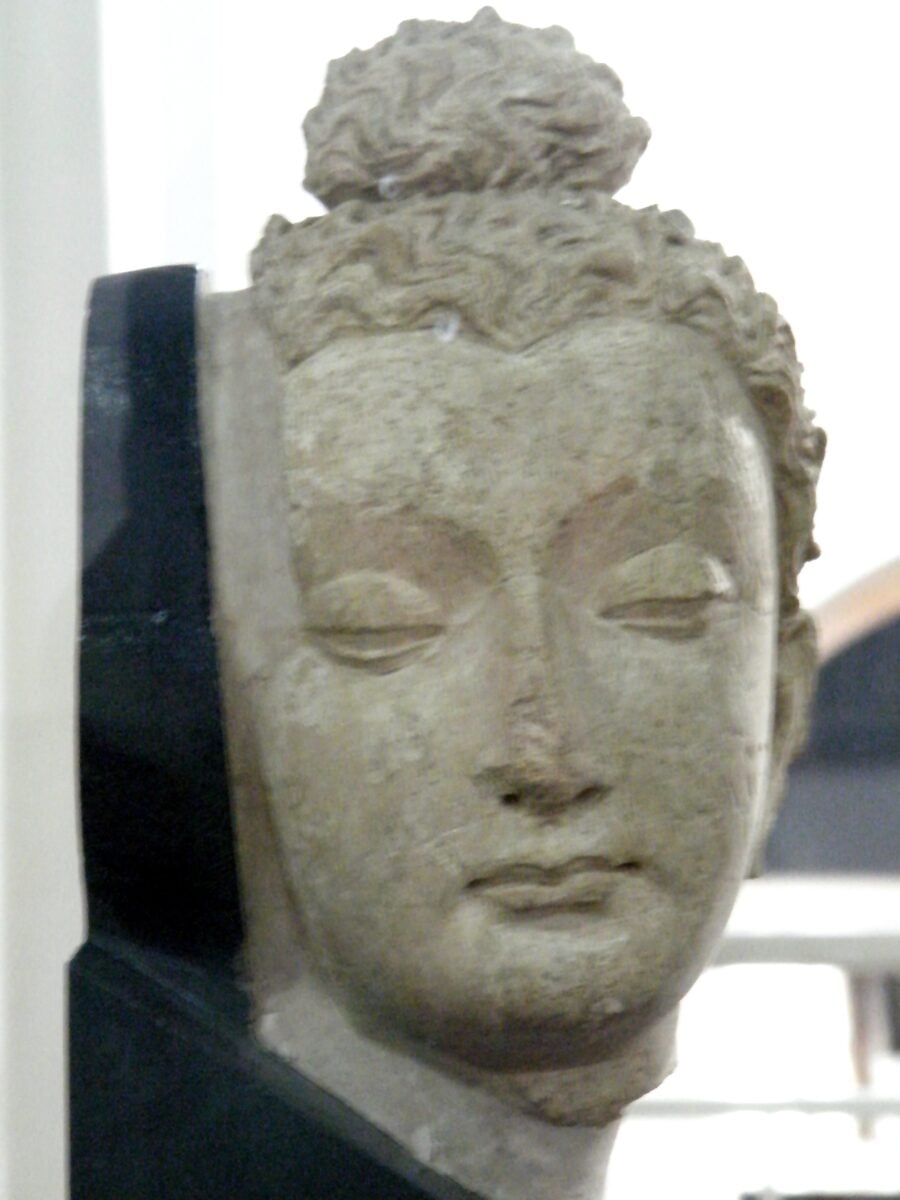
After the Taliban destroyed the Bamiyan Buddhas in 2001, the resulting empty niches became sites of contested memory. Various parties debated reconstruction. Some wanted the niches filled with replicas; others argued the empty spaces were themselves a monument to the destruction and should remain.
One reconstruction project used 3D light projection to temporarily restore the image of one Buddha in its niche at night. The question of whether to restore, contextualise, or preserve absence has never been resolved — the niches remain empty.
The Removal of Enver Hoxha’s Pyramid, Albania (2020)
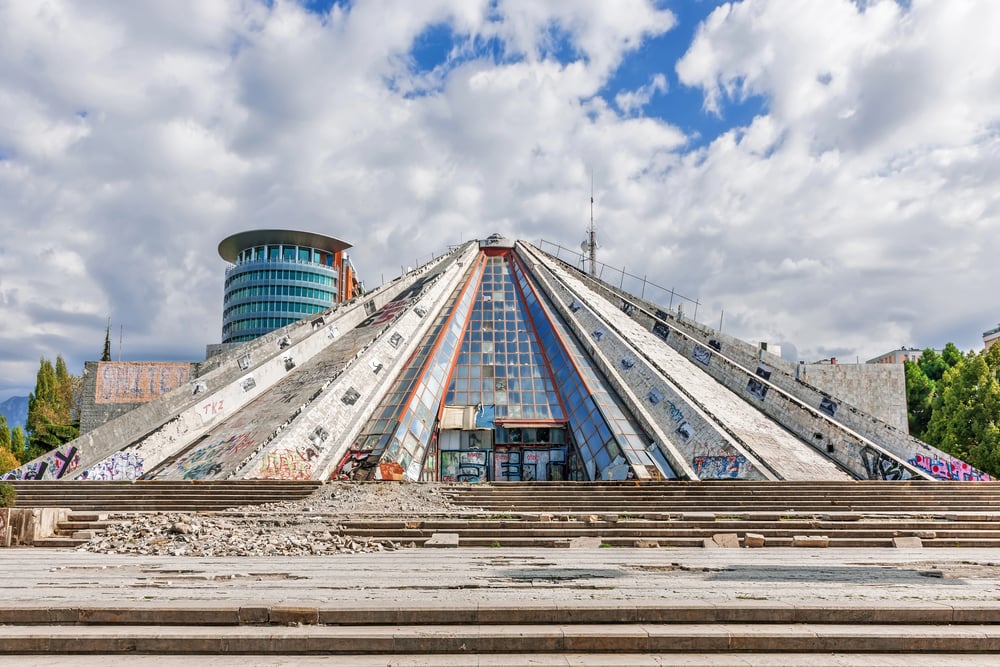
The Pyramid of Tirana was built as a mausoleum for Enver Hoxha and later repurposed as a conference centre and then a NATO training facility. Plans to demolish it were long debated. In 2020, the Albanian government announced it would instead be renovated as a youth education centre, preserving its structure while transforming its function.
This compromise — neither demolition nor restoration as a monument — represented a different approach to the problem of unwanted heritage: not erasure, but repurposing. The building still stands, its Hoxha-era origins visible to anyone who knows what to look for.
Soviet War Memorials in the Baltic States (2022–Present)
— Photo by Beautifulblossom
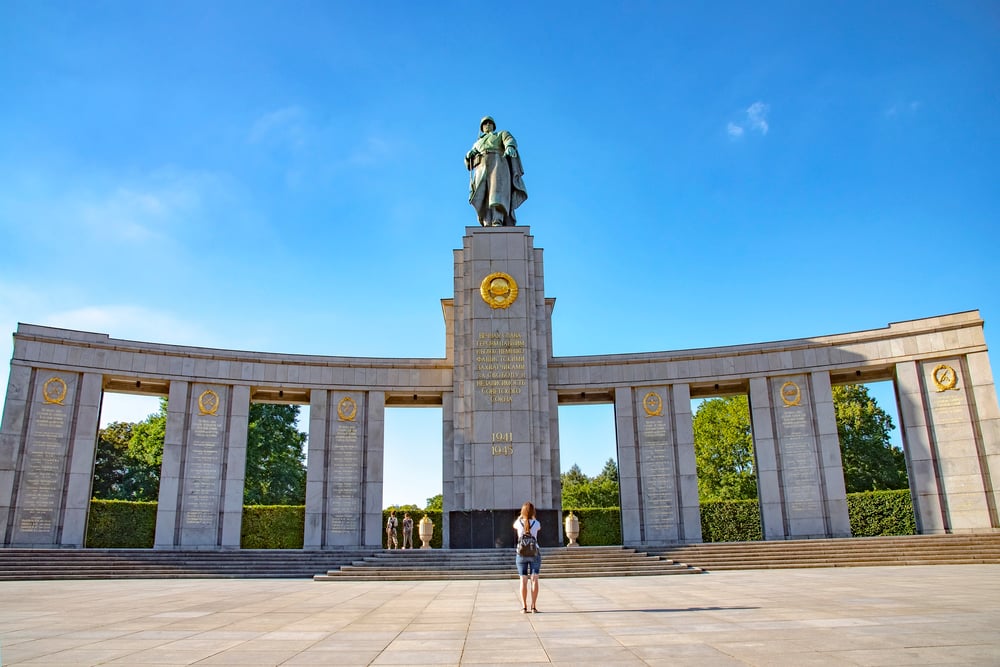
Russia’s full-scale invasion of Ukraine in February 2022 accelerated the removal of Soviet-era monuments across Estonia, Latvia, and Lithuania. In Riga, the Monument to the Liberators of Soviet Latvia — an 80-metre concrete obelisk erected in 1985 — was demolished to widespread public acclaim.
In Narva, Estonia, a Soviet T-34 tank monument was removed by authorities. The monuments had survived the end of the Soviet Union partly because of their cultural complexity — some represented genuine wartime sacrifice, not merely Soviet ideology — but after 2022 the political calculation changed. The empty pedestals were left temporarily bare, the gaps themselves a statement.
Confederate Monuments, United States (Various)
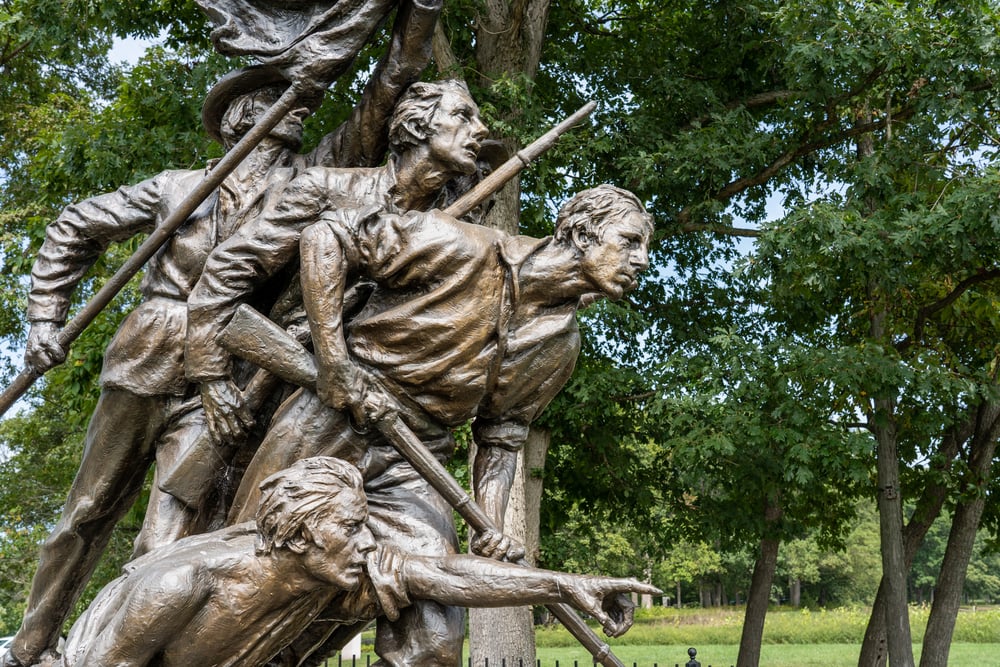
The wave of Confederate monument removals across the southern United States — accelerating sharply in 2015 after the Charleston church shooting and again in 2020 — involved statues and memorials that had largely been built not in the immediate aftermath of the Civil War but during two later periods: the early 1900s, coinciding with the rollback of Reconstruction-era rights, and the 1950s–60s, coinciding with the Civil Rights movement.
The timing of their construction was itself an argument about what the monuments meant. Their removal has generated litigation, protective legislation in some states, and significant ongoing debate.
Spandau Prison’s Immediate Demolition, Germany (1987)
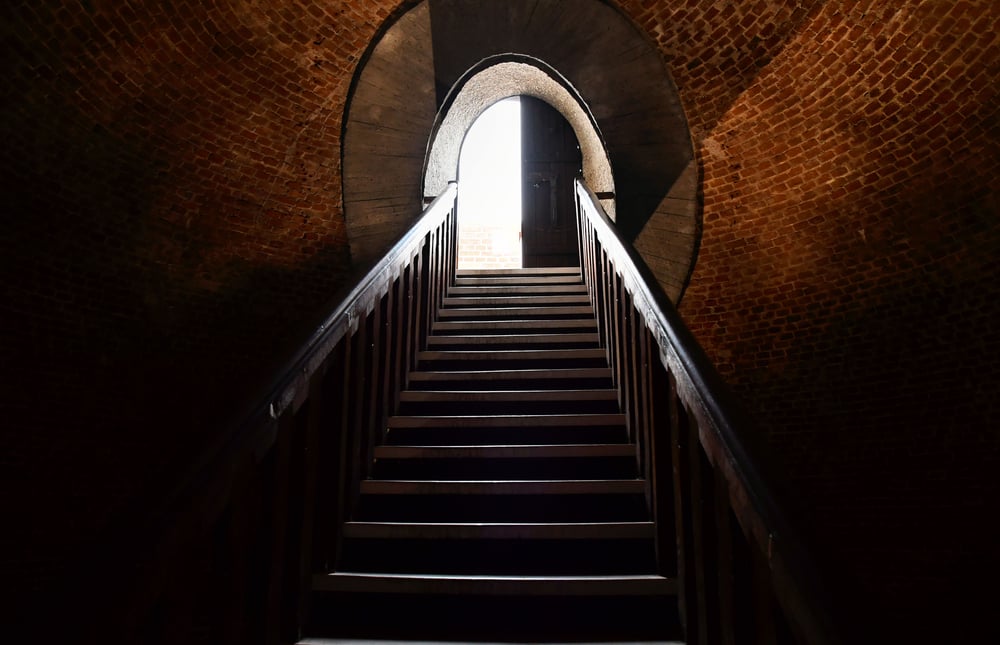
When Rudolf Hess died in Spandau Prison in August 1987 as its last surviving inmate, the Allied authorities demolished the entire 600-cell facility within weeks — not for structural reasons but to prevent it from becoming a gathering point for neo-Nazis. The bricks were ground to powder and the powder was scattered.
The location is now a shopping centre. The speed and totality of the demolition reflected the authorities’ understanding that the building itself would be a monument if it remained.
The solution to a building that might become an unwanted shrine was to ensure nothing remained that could be visited.
The Toppling of Dzerzhinsky, Moscow (1991)
— Photo by APHONUA
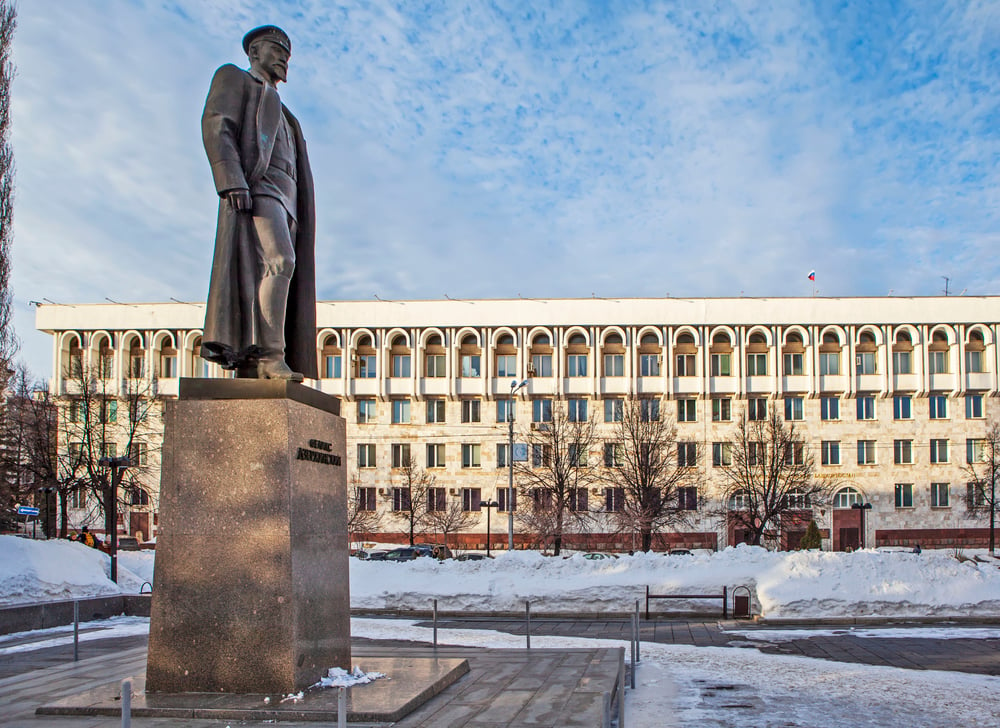
Felix Dzerzhinsky — founder of the Cheka, predecessor to the KGB — was commemorated by a large statue in Lubyanskaya Square in Moscow, directly in front of the KGB headquarters. When a crowd numbering tens of thousands gathered during the failed August 1991 coup attempt against Mikhail Gorbachev, they brought ropes, and the statue came down.
The Moscow city government provided a crane. The fall was watched live on television across the Soviet Union. Dzerzhinsky’s statue now stands in Muzeon Park alongside other rescued Soviet monuments.
Proposals to return it to the square in front of what is now the FSB headquarters have been made periodically by Russian officials; the proposals have not yet succeeded, as of 2025.
The Irremovability of Absence
— Photo by Vermeulen-Perdaen-Guido
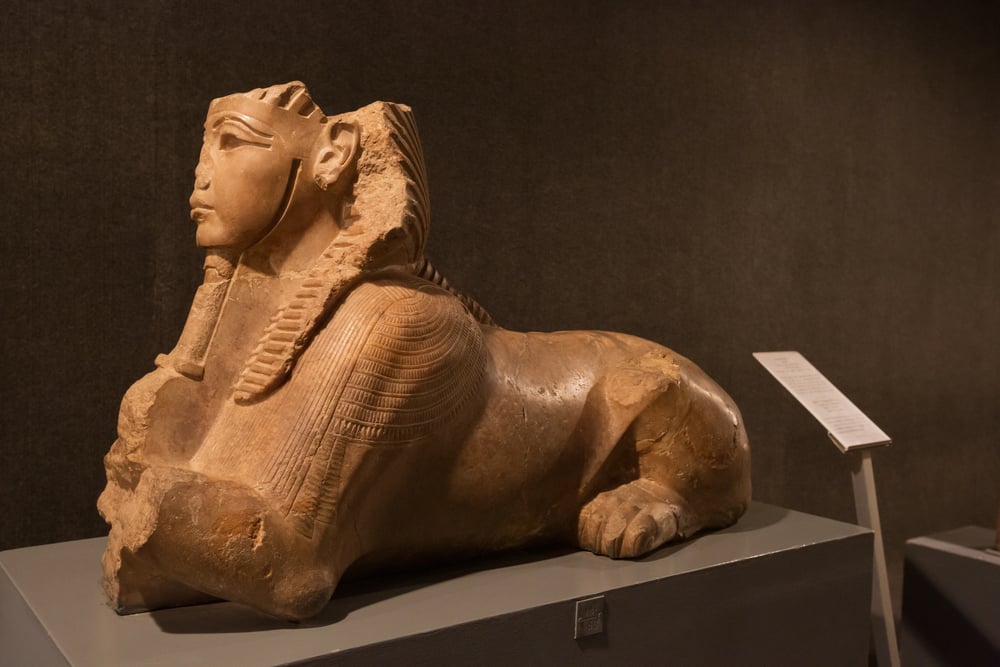
What governments consistently underestimate when they tear down monuments is that empty pedestals are monuments too. The gap where the Buddhas stood in Bamiyan is more widely known than many things that still exist. The scar where Geta’s face was in the Arch of Severus tells you, precisely, that his brother killed him.
The chiselled-out name of Akhenaten records more urgently than any inscription the anxious energy that Akhenaten generated in those who came after him. The impulse to erase is understandable.
What it reliably produces is not erasure but a different kind of visibility — one in which the emptiness itself asks to be explained, and the explanation turns out to be more interesting than whatever stood there before.
More from Go2Tutors!

- The Romanov Crown Jewels and Their Tragic Fate
- 13 Historical Mysteries That Science Still Can’t Solve
- Famous Hoaxes That Fooled the World for Years
- 15 Child Stars with Tragic Adult Lives
- 16 Famous Jewelry Pieces in History
Like Go2Tutors’s content? Follow us on MSN.