23 Viking Habits That Surprise Modern Readers
The popular image of a Viking is a filthy raider in a horned helmet who never met a bar of soap. The evidence left behind in graves, law codes and travelers’ reports tells a more orderly story.
These were people with grooming kits, board games and a developed legal tradition.
Some of their habits look oddly familiar, while others are stranger than any movie. Together they show a society that was far more organized than its reputation suggests.
A Weekly Wash Built Into the Calendar

The Old Norse word for Saturday, laugardagr, means roughly “washing day,” and the modern Icelandic word for the day still carries that meaning. The name suggests an association between the day and washing, although it does not prove that everyone bathed weekly.
A later English chronicler, John of Wallingford, complained that Danish men combed their hair daily and bathed every Saturday, and that this grooming won them attention from local women. His account offers an intriguing glimpse of how outsiders viewed Scandinavian grooming habits, though it should not be taken as a universal description of Viking life.
Combs Carved From Antler

Combs are among the most common finds on Viking Age sites, and they were often made from bone or antler, including deer antler. Makers frequently assembled them from several plates secured with small rivets, then cut teeth into the edge, sometimes on both sides.
Owners kept them in protective cases that could hang from a belt. Finds at trading towns such as Hedeby and York show that a comb was an everyday item rather than a luxury.
Tweezers and Ear Scoops on a String
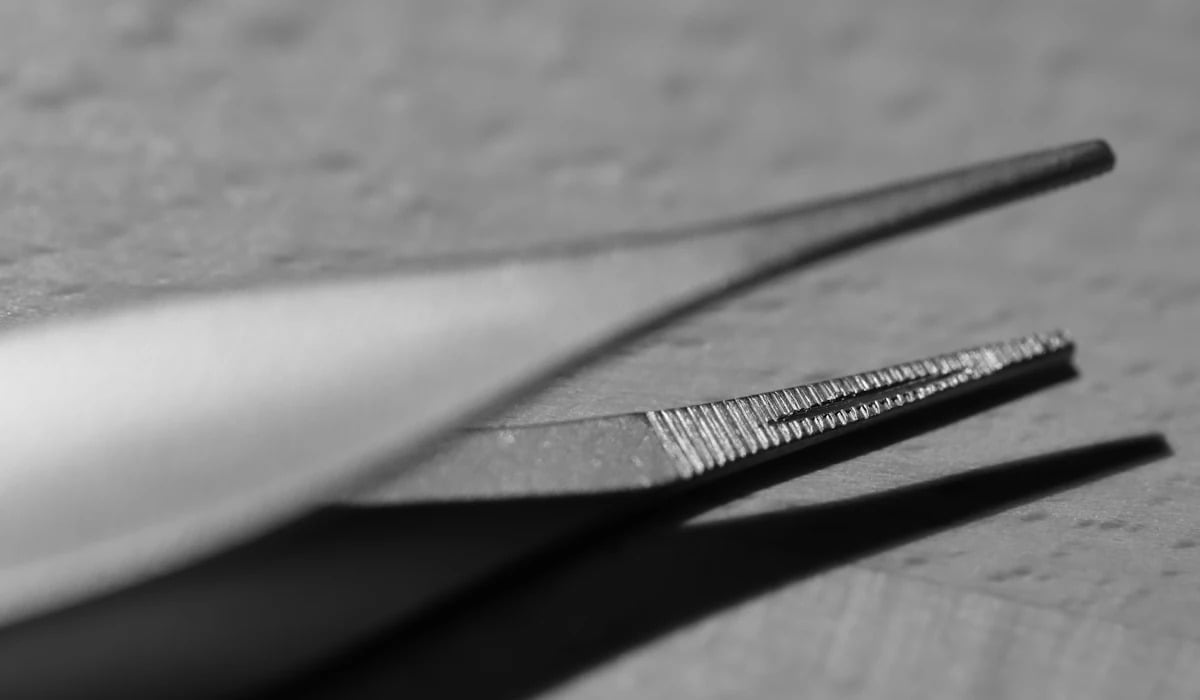
Small grooming sets turn up in graves across Scandinavia, and they can include tweezers, an ear scoop and a nail cleaner. The tools could hang together on a ring or cord so they were easy to carry.
They were made of copper alloy and sometimes decorated. The existence of portable grooming tools sits awkwardly beside the image of a barbarian who ignored personal care.
Hnefatafl and the Unfair Board Game
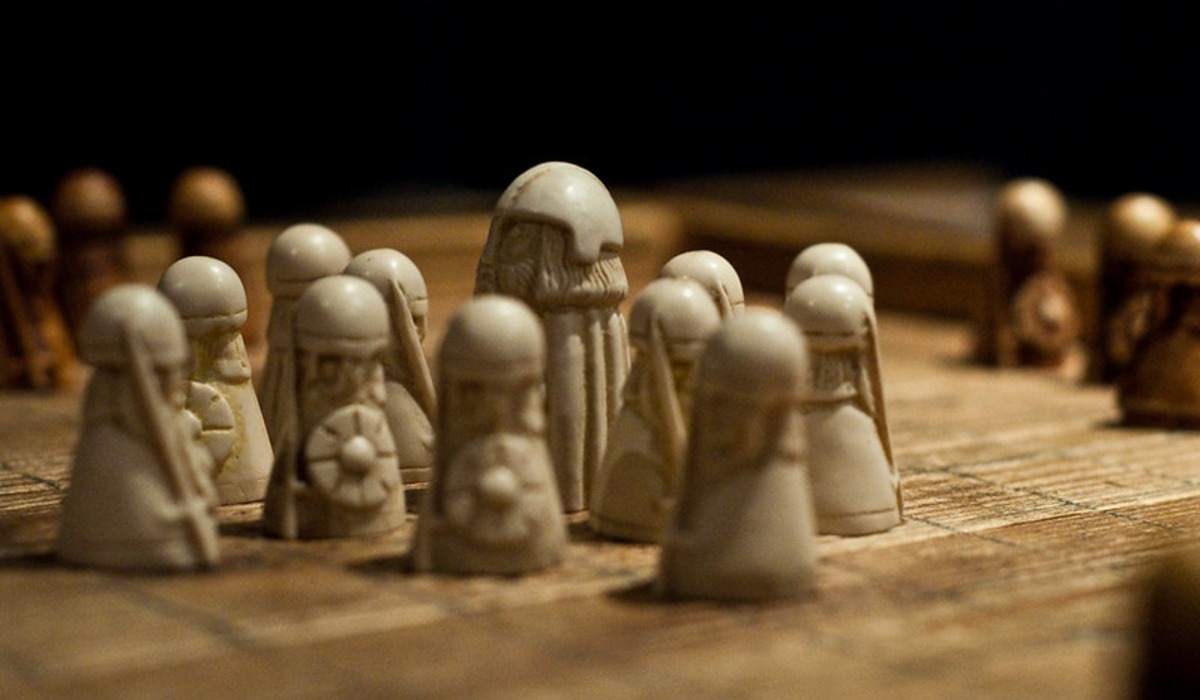
Hnefatafl was a strategy game played on a gridded board with two unequal sides. A king and a small band of defenders tried to escape while a larger force of attackers tried to capture him.
Players of the era took board games seriously enough for gaming equipment to appear in burials, and the Gokstad ship burial in Norway, dated to about 900, contained a gaming board. Although the board is evidence that games were played, it does not by itself prove that the game was hnefatafl.
The uneven setup meant the two players pursued entirely different goals rather than commanding equal armies.
Government by Open-Air Assembly
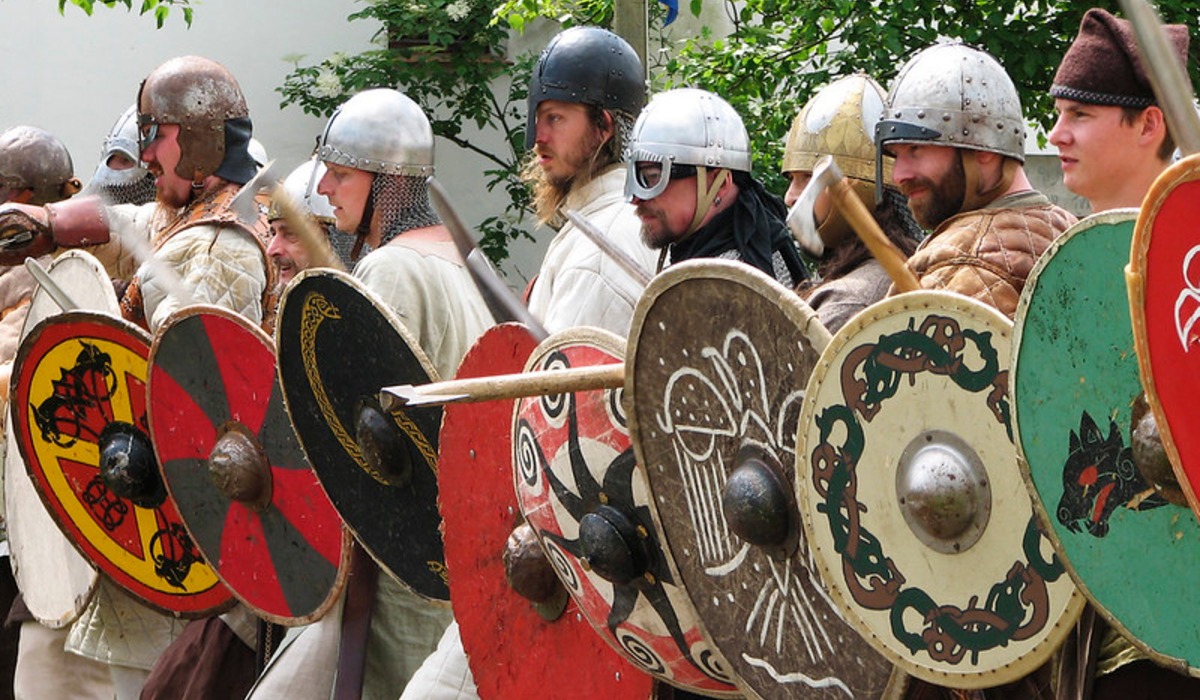
Free men gathered at local assemblies called things to settle disputes, make laws and decide who owed what to whom. Iceland took the idea further when its Althing met at Thingvellir beginning around 930, and it is often described as one of the world’s oldest parliamentary institutions.
With no written code at first, a lawspeaker recited the laws from memory over a three-year cycle, traditionally delivering one-third each year. Rulers who ignored the assembly risked losing the support of the men who had to follow them.
Duels With a Cloak and a Rulebook
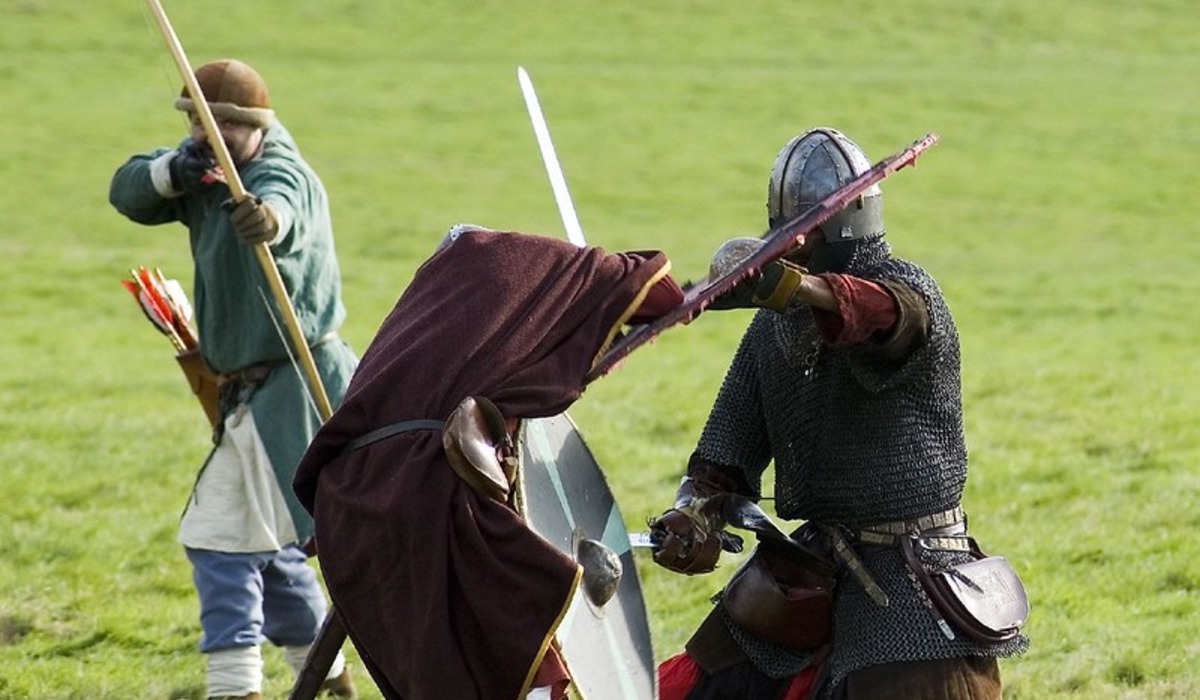
Disputes could be settled by holmgang, a formal duel whose name is usually translated as “island walk.” The fight followed set rules, and some accounts describe combatants fighting within a marked area or on a laid-out hide.
Stepping outside the prescribed area could count as retreat. The practice was restricted or outlawed in parts of Scandinavia over time, but the date and circumstances of its prohibition in Iceland are not certain enough to present 1006 as a definitive turning point.
Wives Who Kept Their Own Property
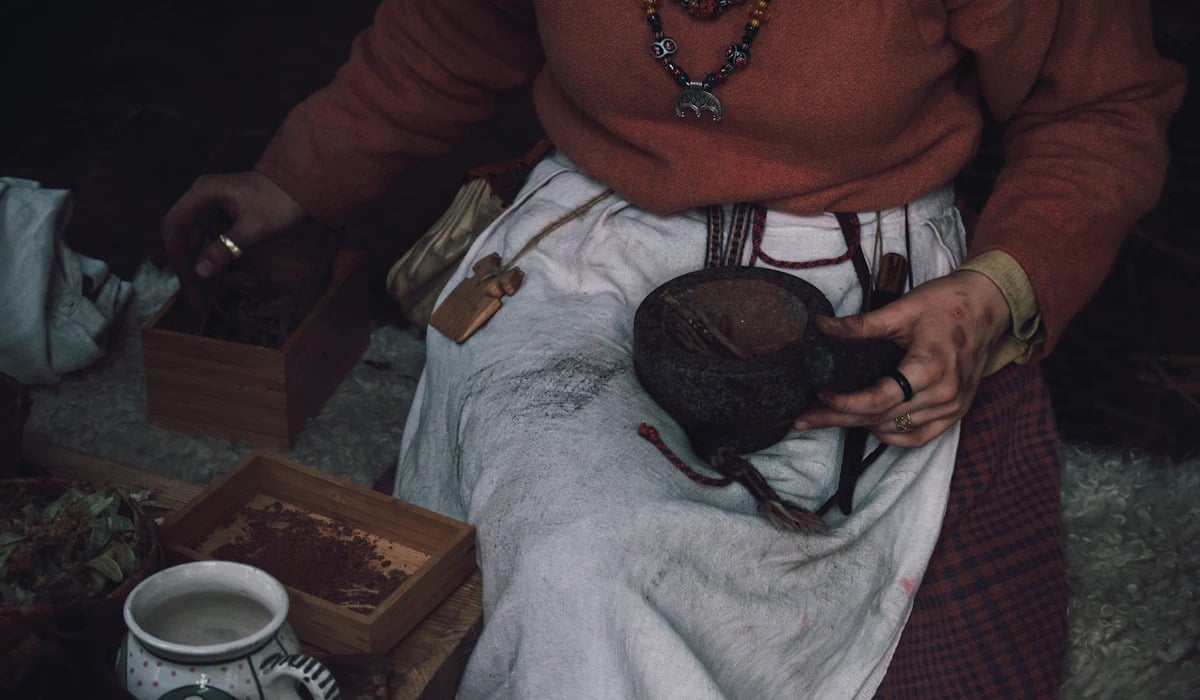
Norse women could own property, inherit it and manage farms, especially when husbands were away or dead. Marriage arrangements could include a dowry and other property agreements, and women could retain claims to property under certain circumstances.
Women could also seek divorce by declaring it before witnesses, a right that surprises readers who expect medieval wives to have had none. Widows often ran households and estates in their own names.
These rights varied by region, period and social standing, so they did not amount to equal legal status for men and women.
Nicknames That Stuck for Centuries

Most Vikings carried a first name plus a patronymic ending in -son or -dóttir, which is why Icelandic phone books still sort people by first name. Nicknames did the rest of the work of telling people apart.
Eric the Red, Ivar the Boneless and Harald Bluetooth all became known by names that were remembered long after the details of their origins had become uncertain or debated. A bad nickname was not a joke that faded, because it could follow a man into the sagas.
Skiing as a Divine Pastime

Skiing was woven into Norse religion, and the god Ullr was linked with skis and winter hunting. The goddess Skadi was also associated with the snowy mountains and with moving across them on skis.
Skis made winter travel and hunting possible in lands where snow lay on the ground for months. The association of skis with these deities reflects how important winter travel and mountain landscapes were in Norse life and mythology.
Ice Skates Made From Animal Bones
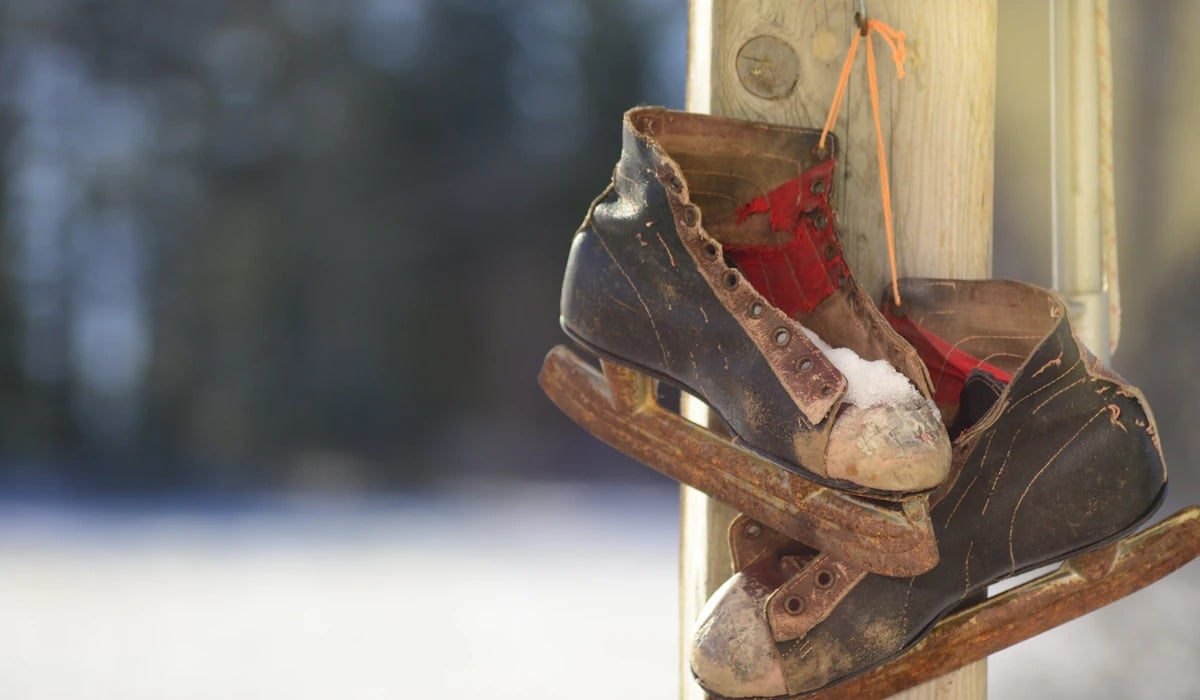
Viking Age people strapped polished leg bones from horses or cattle to their shoes and glided across frozen lakes and rivers. A pointed pole helped propel the skater forward because the bone runners had no metal edge for gripping the ice.
Bone skates have been found at sites across northern Europe, and museums display them as surviving evidence of the practice. The idea of a Viking out for a skate is hard to square with the usual image of the era.
The Helmet Without Horns
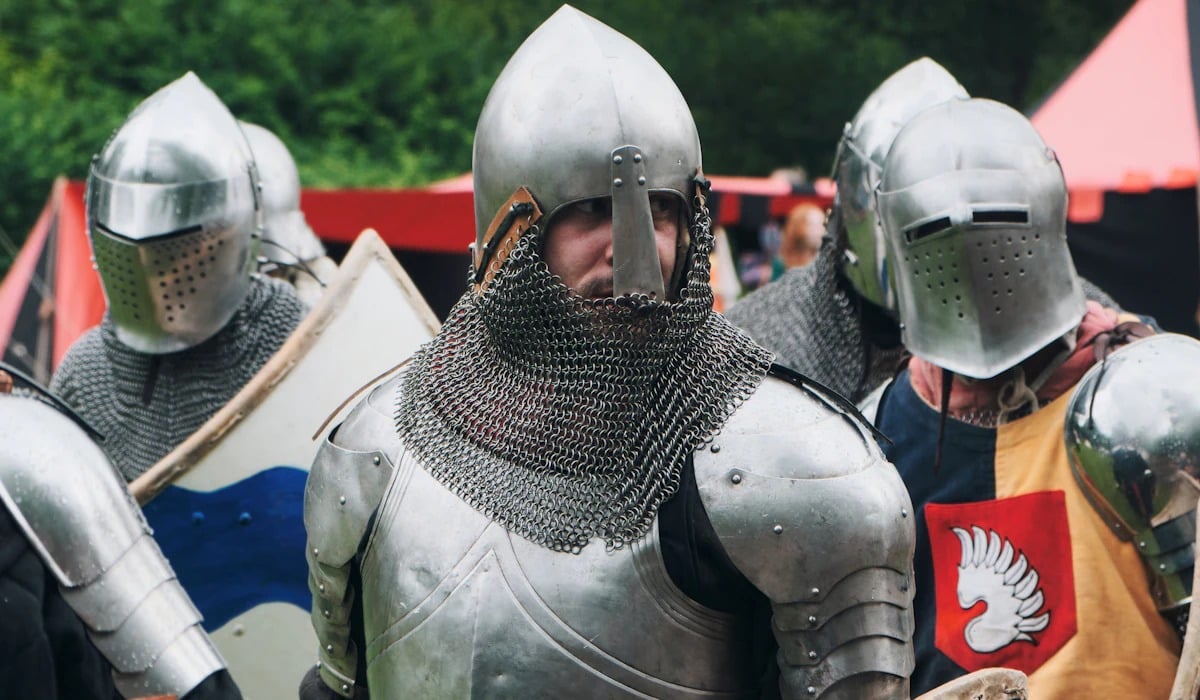
No horned helmet from the Viking Age has ever been found, and the most complete surviving example comes from a burial at Gjermundbu in Norway. It is an iron cap with a rounded top and a guard around the eyes, built for function rather than drama.
The horned look came centuries later and owes more to nineteenth-century theatrical costume than to excavation. Horns would also have been impractical in combat, where an opponent could potentially grab or catch them.
Silver Weighed on Folding Scales
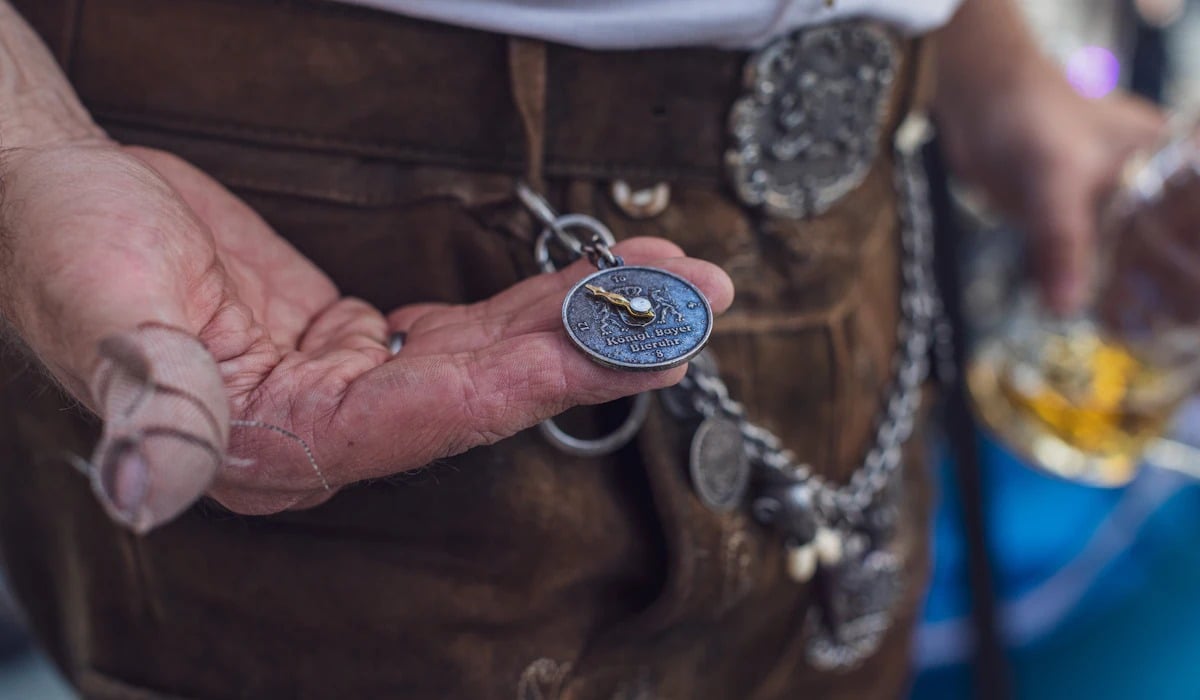
Vikings valued silver by weight and not just by the face on a coin or the shape of a jewel. Traders carried small folding scales and sets of weights, and they cut jewelry and coins into pieces called hacksilver to make payments of different values.
Hoards found across Scandinavia and the British Isles contain bent rings, chopped brooches and clipped coins. The practice meant that wealth could be broken apart and passed along like change.
Coins From Baghdad in Swedish Soil
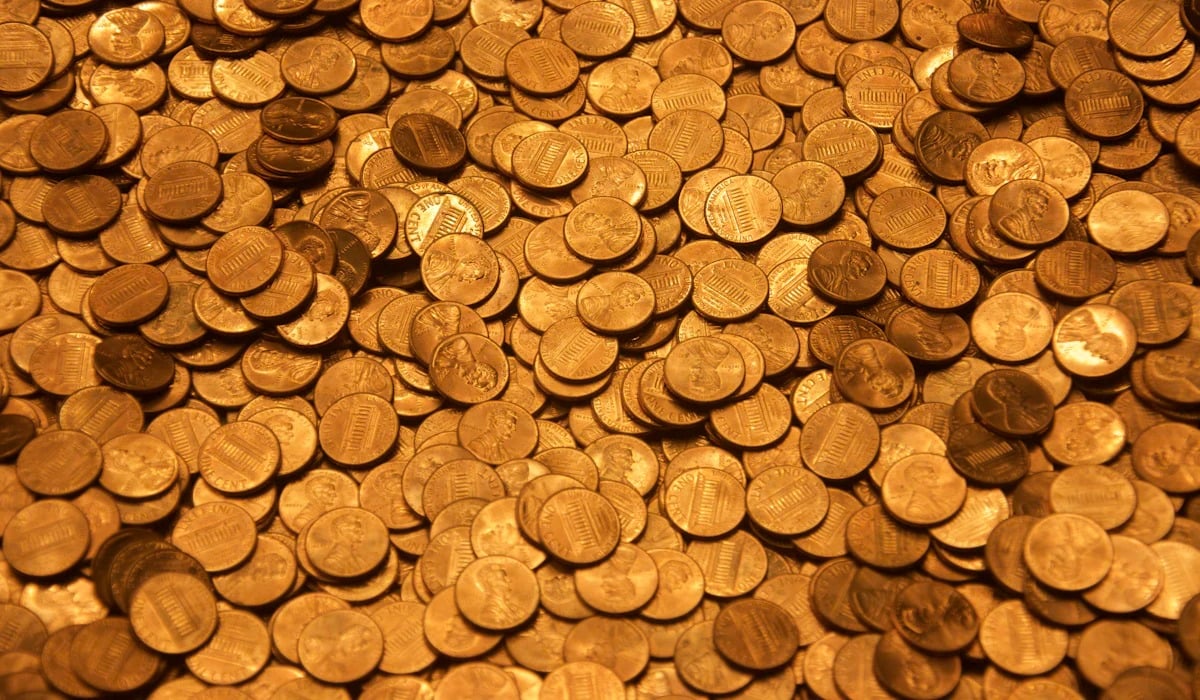
Arab silver coins called dirhams reached Scandinavia in large numbers through trade routes that ran down Russian rivers to the Caliphate. Hoards on the island of Gotland contain huge quantities of them.
A ring from a woman’s grave at Birka in Sweden even carries an inscription in Kufic Arabic script, often interpreted as referring to Allah, though the ring’s inscription and significance have been debated. The Vikings were not isolated northerners, and their connections stretched thousands of miles.
An Eyewitness Account of a Ship Funeral

In 922, the Arab traveler Ahmad ibn Fadlan watched a funeral held by the Rus on the Volga River. He described a ship hauled onto land and a dead chieftain placed aboard with elaborate ceremony.
His report is one of the few firsthand descriptions of a Viking Age burial by an outsider. Scholars still debate how far the details can be trusted, yet the account remains a rare window into the funeral customs of the particular Rus community he encountered.
Tattoos Described by a Traveler
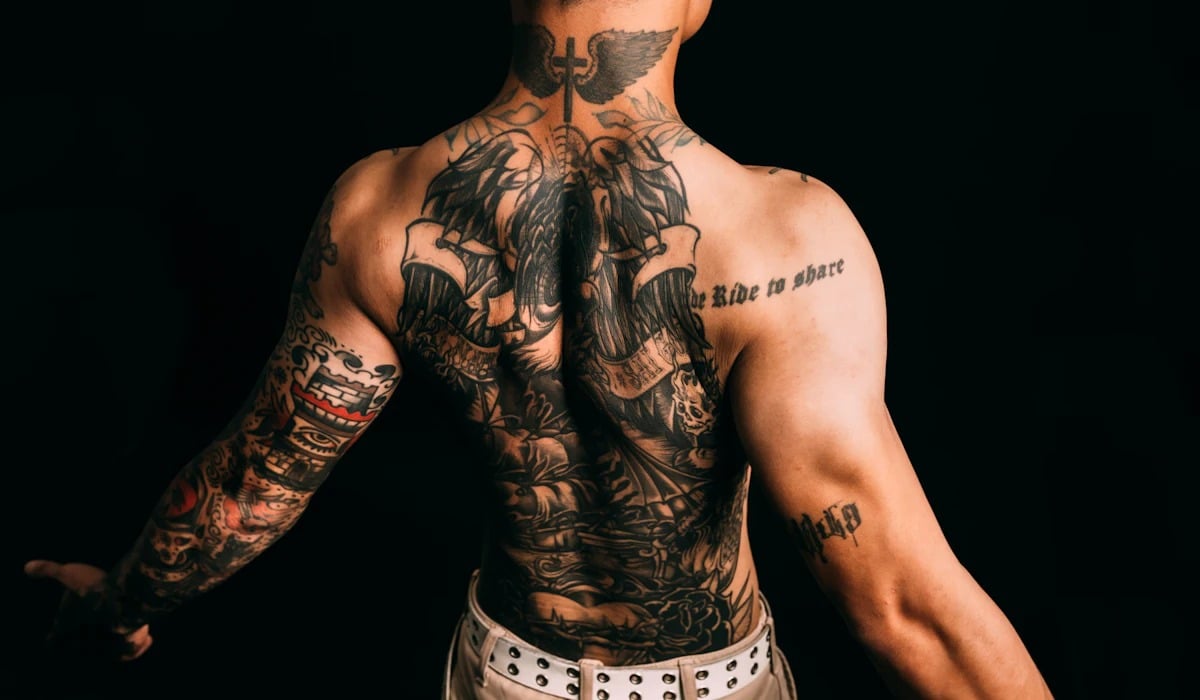
The same Ibn Fadlan recorded that the Rus he met were covered in dark green designs or markings from the fingernails to the neck. He also remarked on their height, which he compared to date palms.
His wording describes a style of body decoration that is rarely visible in the archaeological record. A visitor writing in the early tenth century thought it striking enough to record in detail.
Whether the markings were tattoos in the modern sense remains uncertain, so the account cannot establish how widespread tattooing was among Viking Age people.
Sending Children Away to Be Raised

Fostering was a common practice in which children were raised in another household for part of their upbringing. The arrangement created bonds between families and often strengthened political alliances.
A foster father owed his charge real loyalty, and the connection could last a lifetime. Parents who handed a child to another family were often creating a social or political bond, rather than abandoning the child.
Drinking Toasts at Midwinter

Yule was a midwinter feast built around ale, meat and ritual toasts. Some early Scandinavian laws required households to brew ale for the feast, although the details varied by region and period.
King Hakon the Good is credited in later accounts with adjusting the timing of Yule to align more closely with Christian Christmas. The result was a holiday that blended old traditions with new ones, and the party never fully ended.
Memorials Cut in Stone and Paint
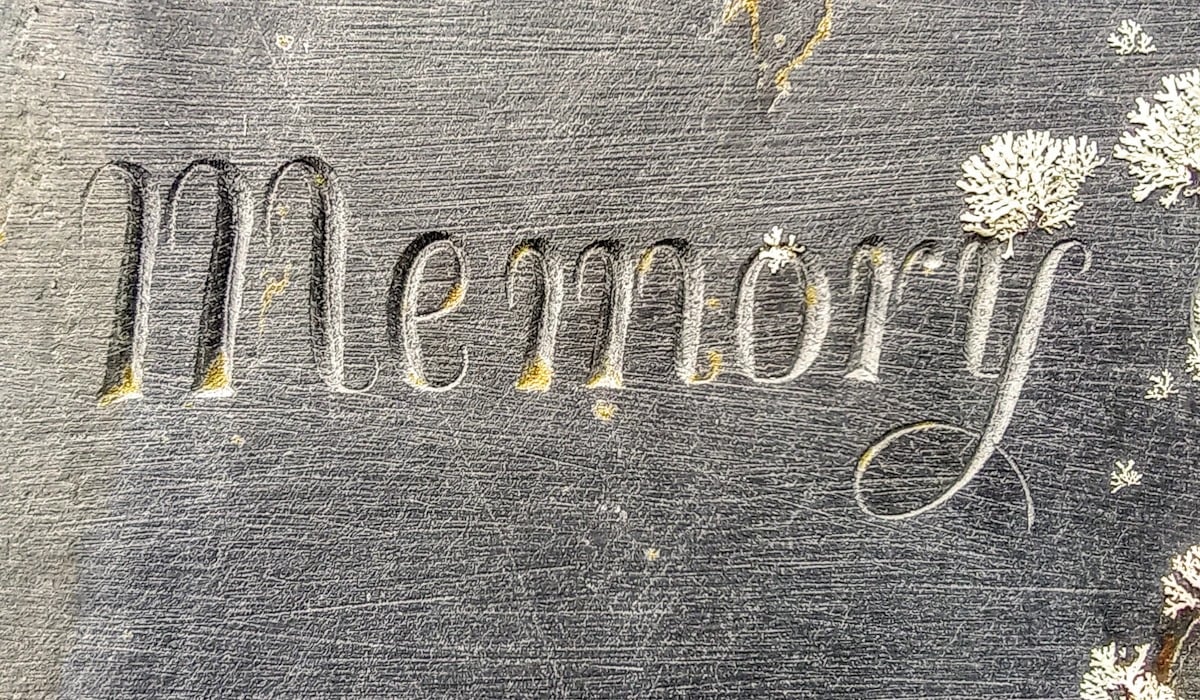
Runestones were raised to honor the dead, usually by family members who recorded who commissioned the monument and who it remembered. They were often painted in bright colors, which have since faded away.
The Jelling stone in Denmark, raised by Harald Bluetooth, boasts that he won all of Denmark and Norway and made the Danes Christian. The monument also served as a public statement of royal power and religious change.
Anyone with enough resources could commission a lasting public record of a family or achievement.
Payment as an Alternative to Revenge
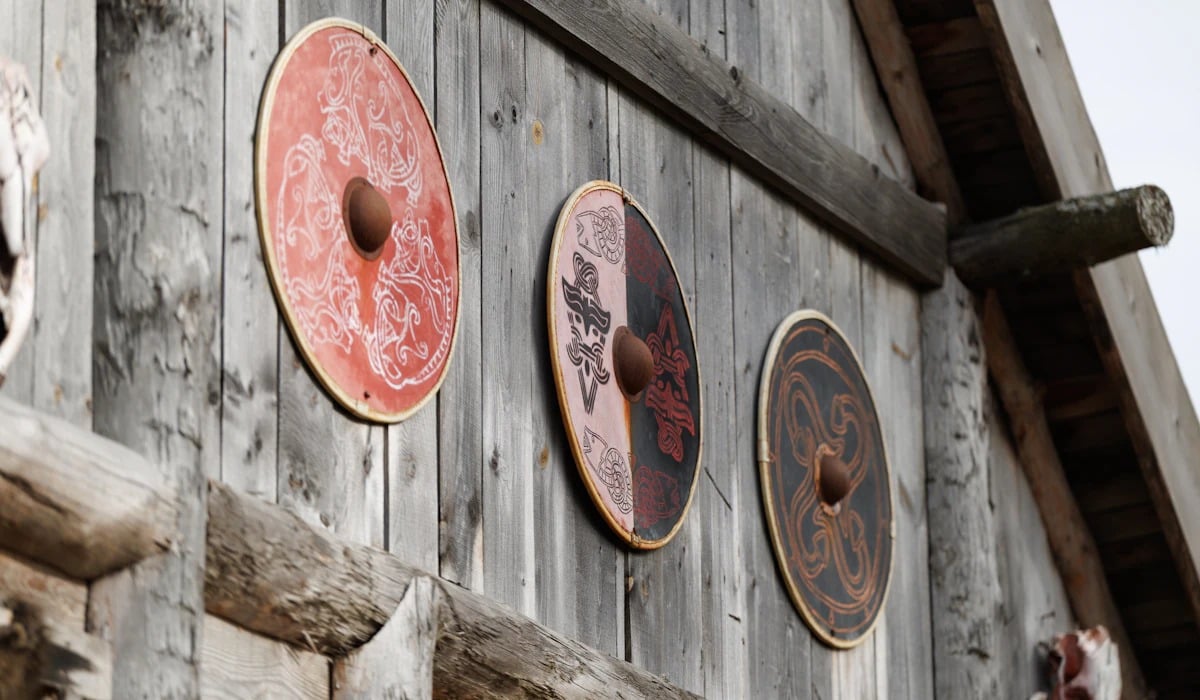
Killing a person did not always lead to an endless blood feud, because the law allowed compensation. Wergild was a payment owed for a death or injury, and its amount depended on the status of the person harmed.
Families on both sides used assemblies and negotiated settlements to end disputes. The system did not always work, but it gave feuding communities a way out.
Filed Grooves in the Front Teeth
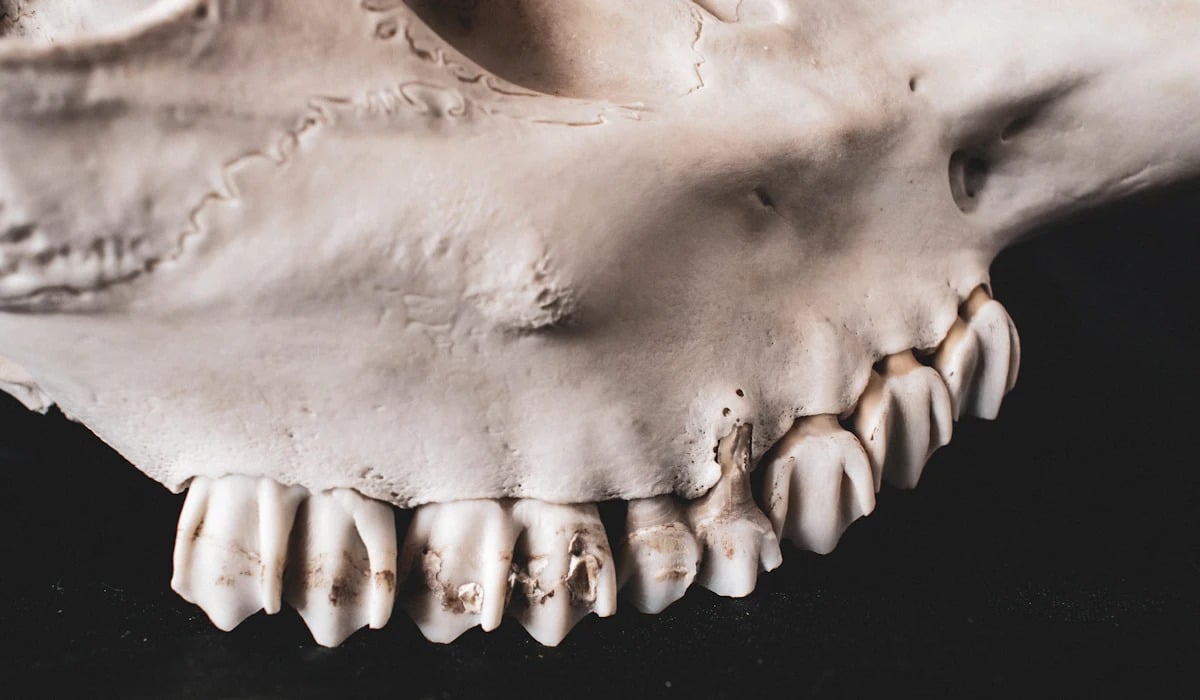
Skeletons from Viking Age Sweden and Denmark show horizontal grooves cut into the front teeth of some men. The marks appear deliberate, though their purpose remains uncertain.
Researchers have identified the pattern in archaeological remains from more than one location. A cosmetic procedure performed with a file is not what anyone expects from a grave of this era.
Oval Brooches Worn as a Pair
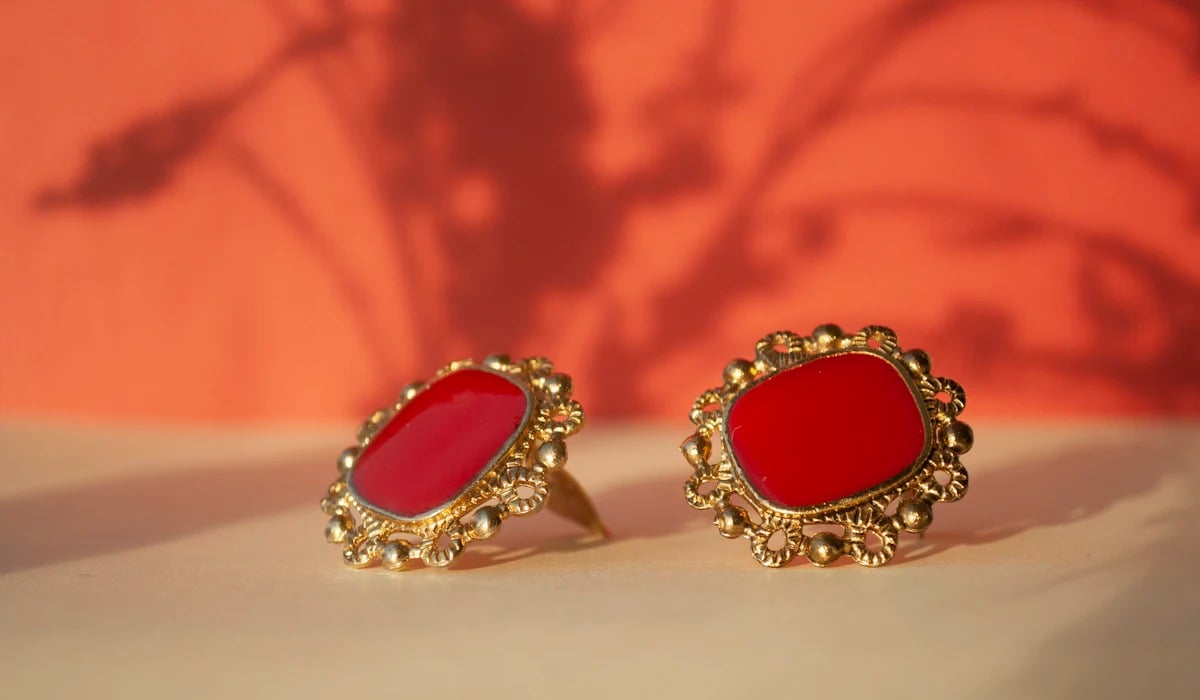
Women in much of Scandinavia wore a pair of oval brooches at the chest to fasten a strap dress. The brooches were made of copper alloy, often gilded and decorated with animal designs.
Strings of beads hung between them, and tools or keys could dangle from the same fittings. A woman’s brooches could offer clues to her clothing, wealth and social identity.
Banishment as the Harshest Sentence
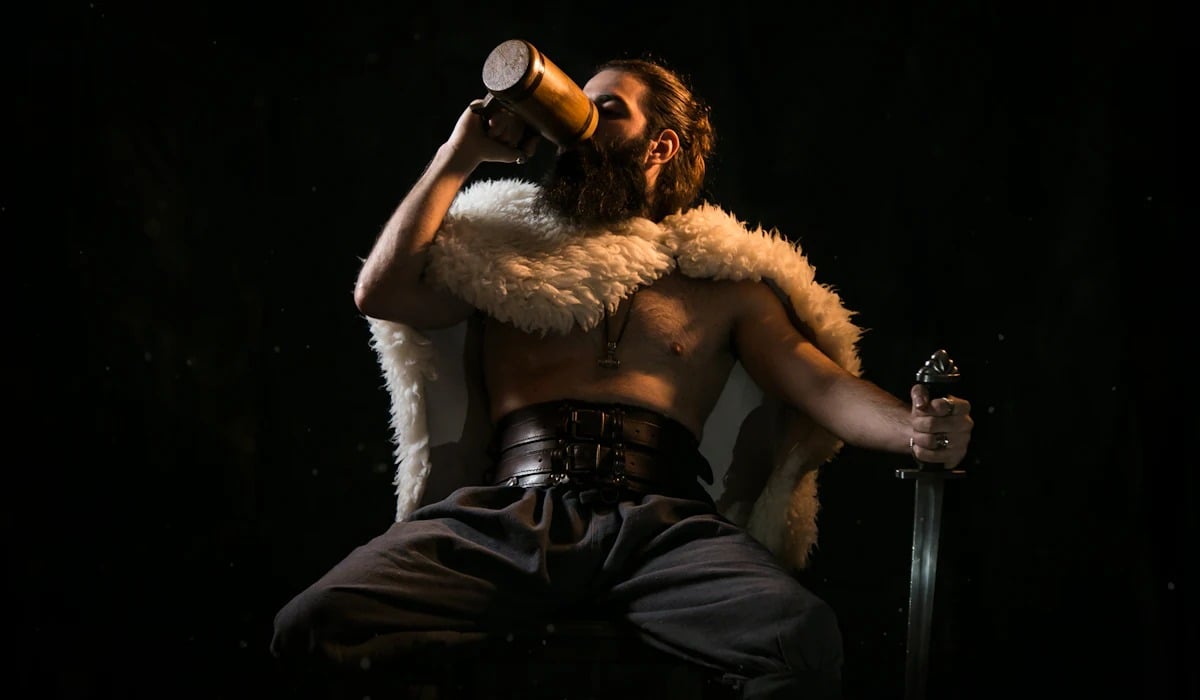
The harshest penalty in Icelandic law was full outlawry, which stripped a person of legal protection and could leave them vulnerable to being killed without the usual legal consequences for the killer. People were expected not to feed, shelter or help the outlaw.
Lesser outlawry meant exile for three years, which was frightening enough on an island with few places to go. The law handed responsibility for punishment to the community because no police force existed.
Generous Lords Who Gave Away Rings
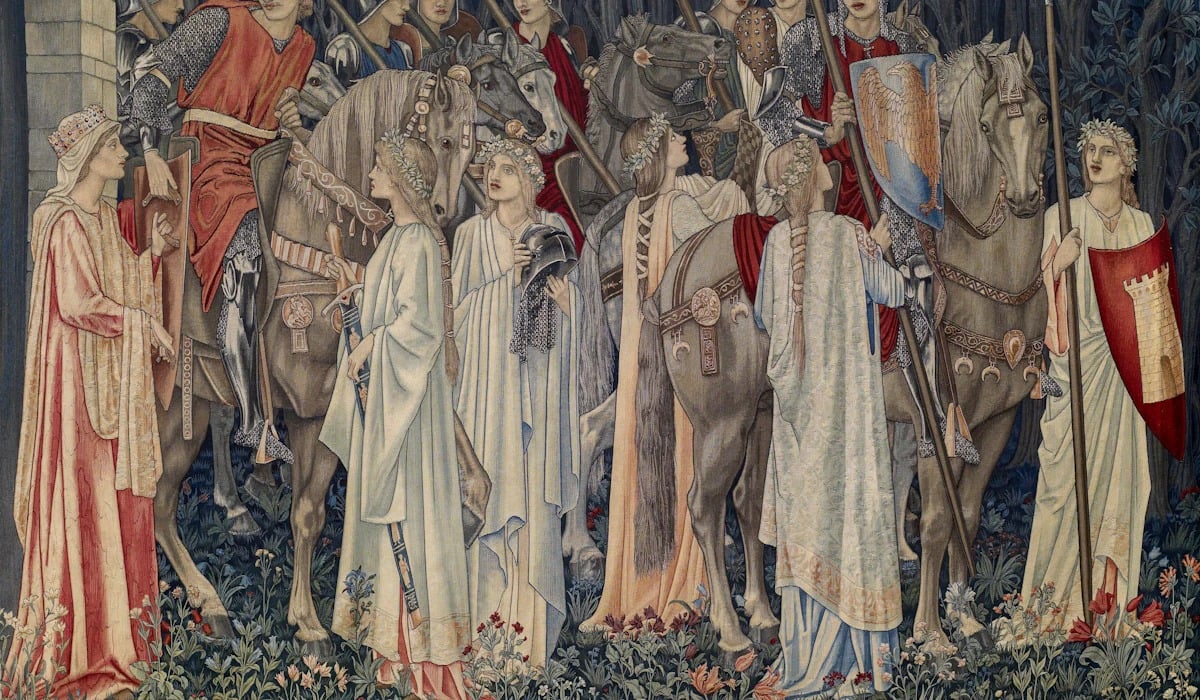
Early medieval Scandinavian poetry praised generous rulers as givers and breakers of rings. A lord gained followers by handing out silver arm rings, which acted as both payment and public proof of loyalty.
The ring also tied the receiver to the giver, so accepting one was never casual. A stingy leader found his hall empty very quickly.
The Practical Side of Fearsome
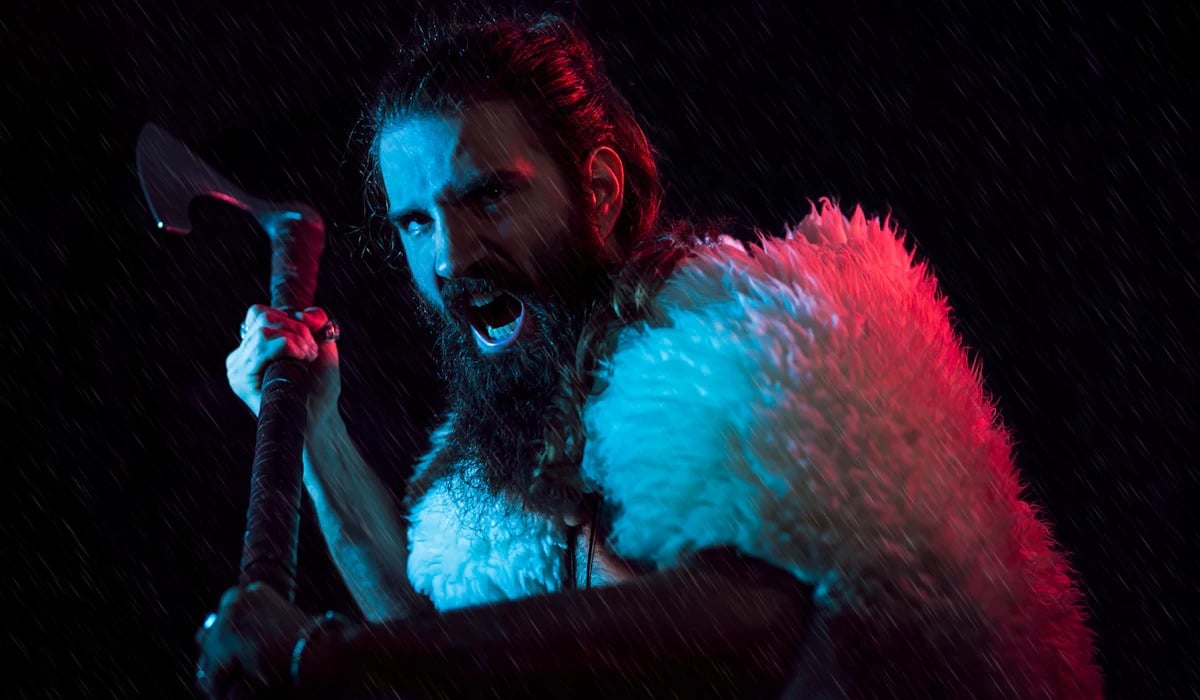
Almost every habit here points the same way: people who were tidy, social and surprisingly rule-bound. Grooming tools, board games and legal assemblies belong to a culture that cared about appearance and order as much as raiding.
That does not erase the violence, but it places it inside a world of contracts and customs.
The horned helmet survives because it makes a good cartoon, not because it makes good history. The better evidence shows ordinary people trading, bathing, arguing in court and sending children to stay with friends.
Reading the details back into the picture makes the Vikings more human and a good deal more interesting.
More from Go2Tutors!

- The Romanov Crown Jewels and Their Tragic Fate
- 13 Historical Mysteries That Science Still Can’t Solve
- Famous Hoaxes That Fooled the World for Years
- 15 Child Stars with Tragic Adult Lives
- 16 Famous Jewelry Pieces in History
Like Go2Tutors’s content? Follow us on MSN.