27 Holiday Toy Crazes Now Worth Money
Every few years, a single toy turns December into a manhunt. Parents line up before dawn, resellers hoard shelves, and a plastic item priced for a stocking turns into a status symbol overnight.
Decades later, some of those battered playroom survivors sit in collectors’ display cases. The catch is that the money is almost never in the toy itself but in how well it was kept, and whether the box made it through the attic.
Cabbage Patch Kids From 1983
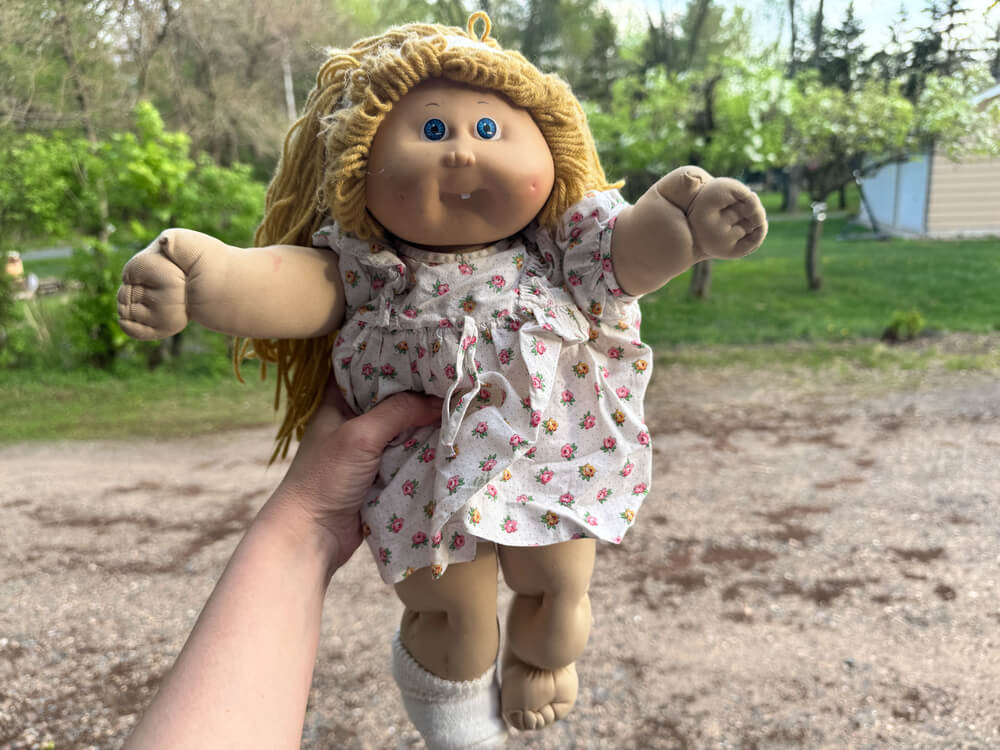
Coleco brought Xavier Roberts’ soft-sculpture dolls from Georgia to department stores in 1983, and the buying frenzy that holiday season became a news story of its own. Each doll came with a name, a birth certificate, and adoption papers, which turned a purchase into a ceremony.
Early dolls with their original paperwork and clean faces draw the most collector interest. Value depends heavily on condition, signatures, and whether the original papers survived.
Tickle Me Elmo From 1996
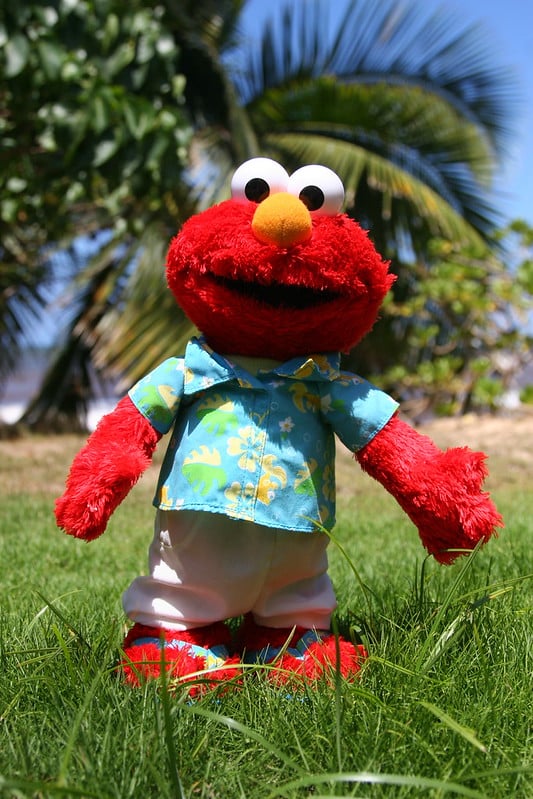
Tyco released the giggling, shaking Sesame Street plush in 1996, and shortages hit hard once talk-show host Rosie O’Donnell featured it on her program. Shoppers lined up outside stores, and secondhand sellers pushed asking prices far past the shelf price.
Newer Elmos have flooded the market since, so the premium belongs mostly to original 1996 units. Value depends heavily on condition and on whether the original packaging remains sealed.
Furby From 1998
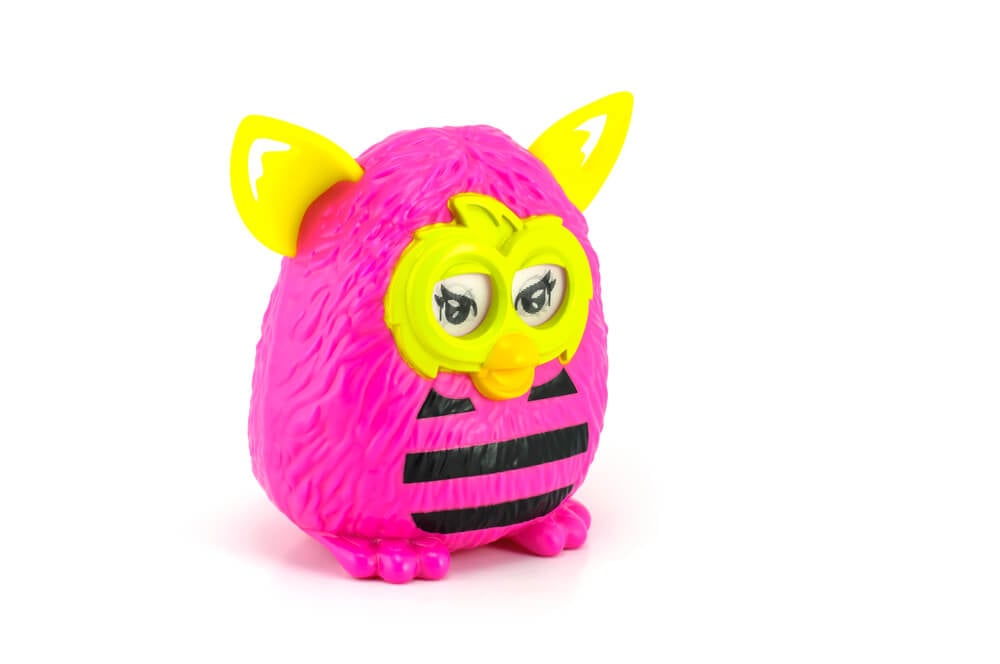
Tiger Electronics introduced the wide-eyed, chattering Furby in 1998, and it became the must-have gift that holiday season. The creature slowly swapped its made-up language for English, which made kids feel they were teaching a pet.
Hasbro acquired Tiger Electronics that same year. Collectors pay more for early-run units in sealed boxes, and value depends heavily on condition and packaging.
Teddy Ruxpin From 1985
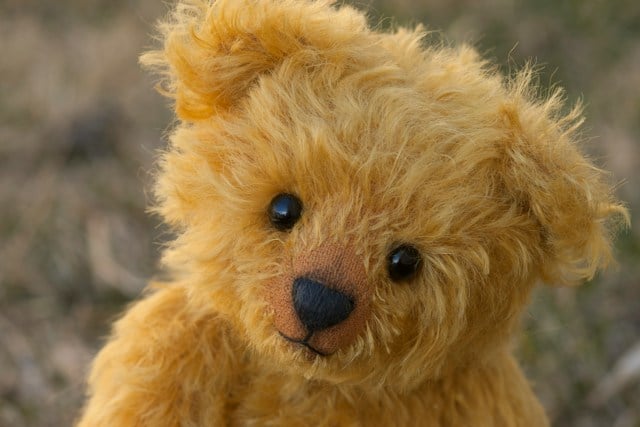
Worlds of Wonder’s talking bear, designed by Ken Forsse, played story cassettes hidden in his back while his eyes and mouth moved in sync. It was a hit in the 1985 holiday season and made the company a headline name almost overnight.
Working bears with their cassettes are the sticking point, since the mechanisms age poorly. Value depends heavily on condition, working order, and complete packaging.
Transformers From 1984
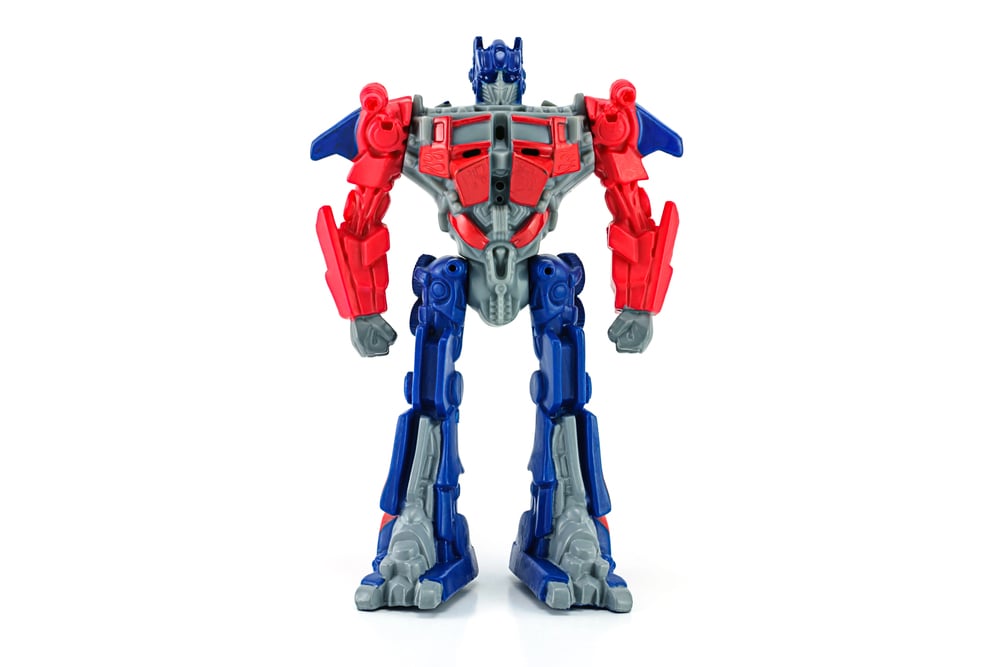
Hasbro brought robots that fold into trucks and cars to American stores in 1984, adapting molds from Japanese toy lines. Optimus Prime, in his red and blue tractor-trailer form, became the face of the brand. First-generation figures with intact stickers, accessories, and boxes are the ones auction houses chase. Value depends heavily on condition, completeness, and packaging.
Star Wars Early Bird Certificate Package From 1977
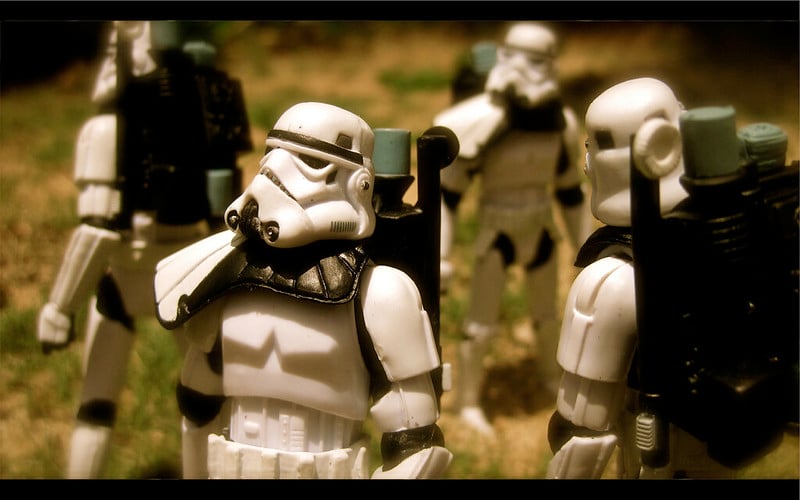
Kenner could not get figures into stores for the 1977 holidays, so it sold an empty box containing a mail-in certificate instead. The certificate promised four figures, Luke Skywalker, Princess Leia, Chewbacca, and R2-D2, delivered the following year.
Kids unwrapped a piece of cardboard, and decades later a complete package is a prized collectible. Value depends heavily on condition and on whether every piece of the package is present.
My Little Pony From 1983
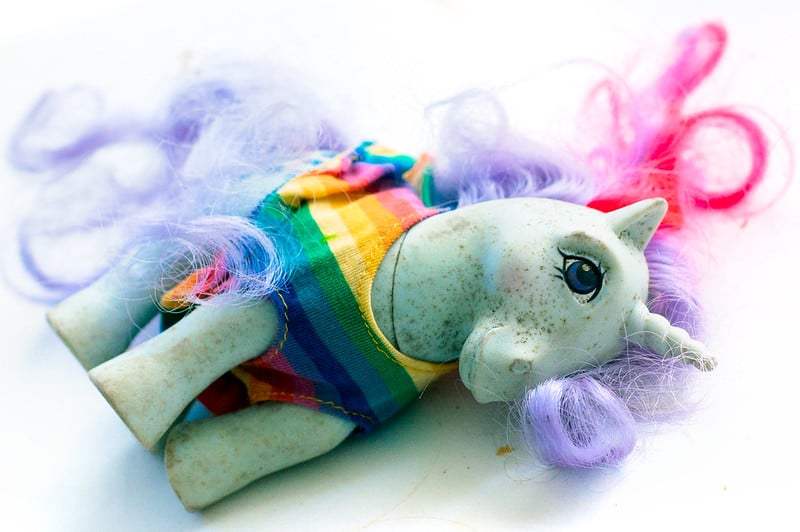
Hasbro launched the My Little Pony line in 1983, with pastel ponies featuring brushable manes and cutie-mark symbols on their flanks. The ponies came in many colors, and kids collected them in packs, which kept shelves emptying through the season.
The original generation attracts the most collector attention. Value depends heavily on condition, hair quality, and original packaging.
Care Bears From 1983
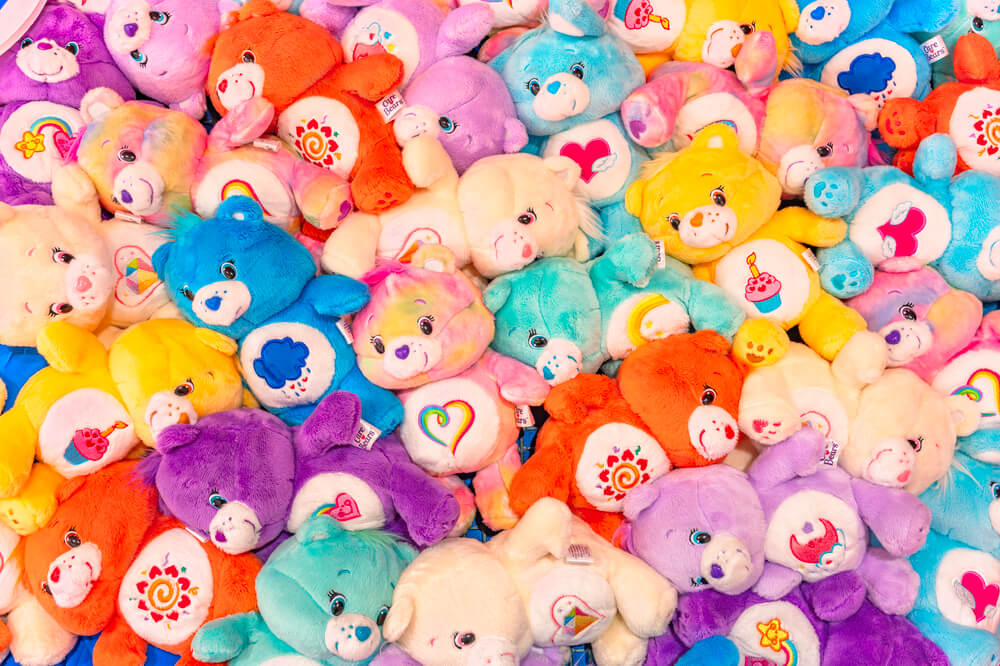
American Greetings created the Care Bears for greeting cards, and Kenner turned them into plush toys in 1983. Each bear carried a symbol on its belly, such as a heart or a rainbow, that signaled its personality.
The bears became a fixture of the 1980s holiday season. Value depends heavily on condition, tags, and completeness.
Rubik’s Cube From 1980
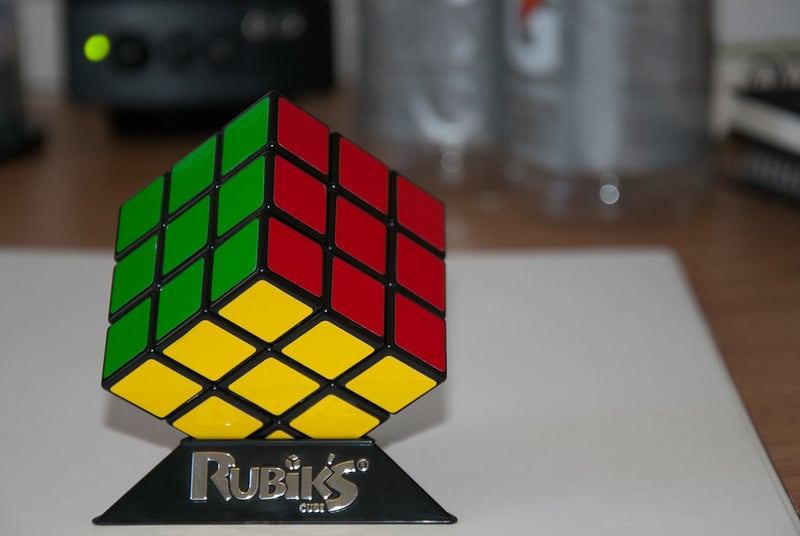
Hungarian inventor Ernő Rubik built the puzzle in the 1970s, and Ideal Toy Corporation brought it to the Western market in 1980. It spread through playgrounds and offices during the holidays that followed, helped by rumors about how fast it could be solved.
Early cubes in original boxes sell far better than loose replicas. Value depends heavily on condition and packaging.
Simon From 1978
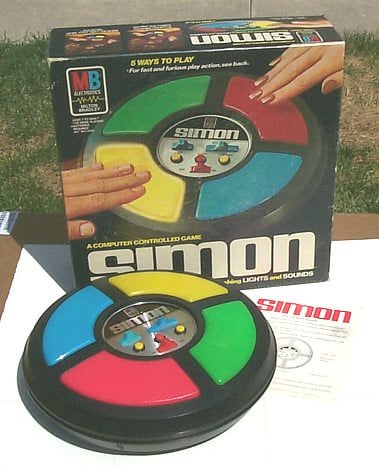
Milton Bradley’s light-and-sound memory game, created by Ralph Baer and Howard Morrison, was launched at Studio 54 in 1978. Players repeated growing sequences of tones and flashing colors, a trick no board game had managed before.
It became a gift-season staple that same year. Working units with intact speakers and boxes are the ones collectors seek, and value depends heavily on condition and packaging.
Pet Rock From 1975
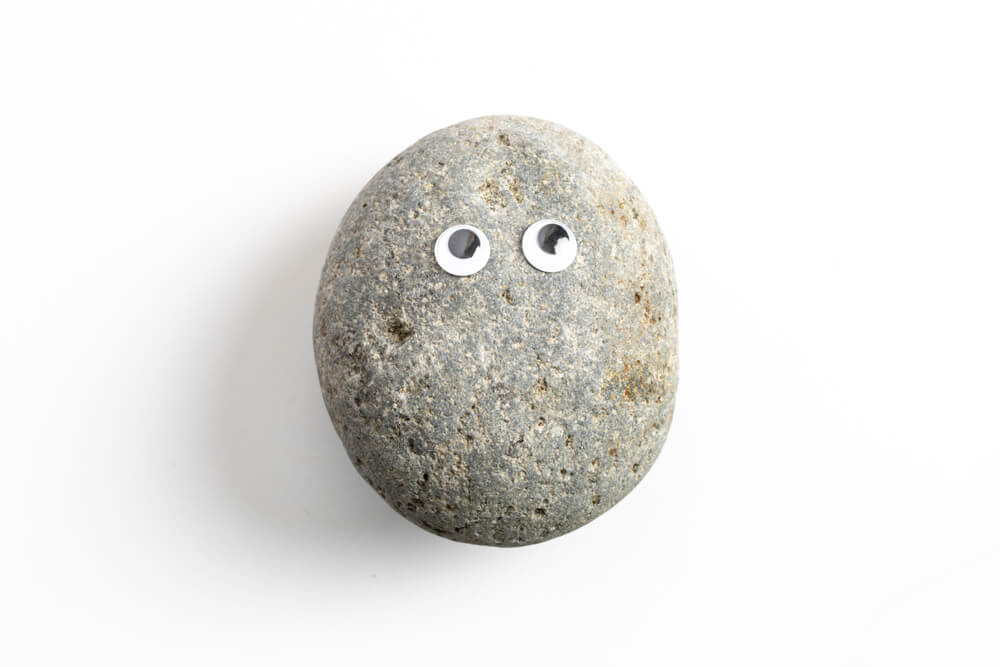
Advertising man Gary Dahl sold ordinary stones in cardboard carrying cases, complete with a training manual, during the 1975 holiday season. The joke was the price tag, a few dollars for a rock that needed no food.
Dahl became wealthy almost immediately. Original boxed sets with the manual are what collectors want, and value depends heavily on condition and completeness.
Nintendo R.O.B. From 1985
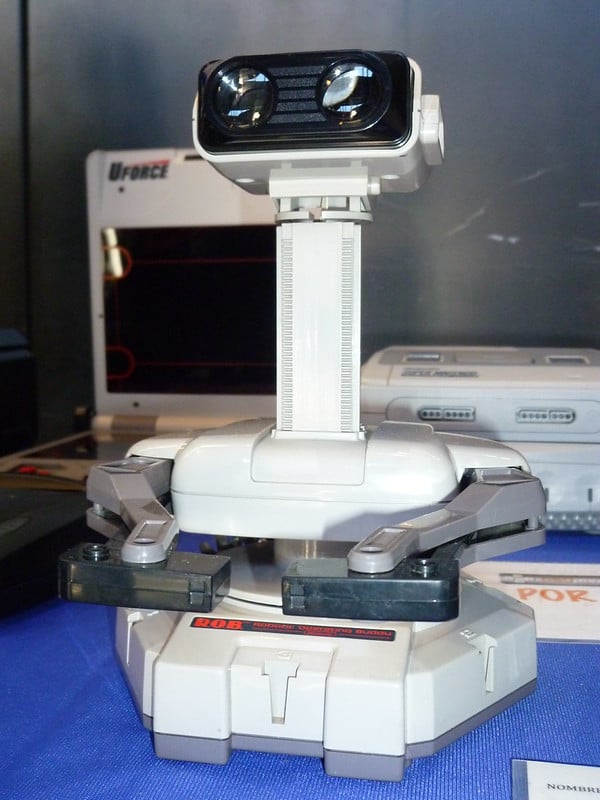
Nintendo introduced the Robotic Operating Buddy with the Deluxe Set of its American console launch in 1985. The gray robot was meant to distract retailers who feared video games after the crash of 1983.
It worked with a small set of games and was soon retired. Complete Deluxe Sets with all accessories draw the most money, and value depends heavily on condition and completeness.
Mighty Morphin Power Rangers From 1993
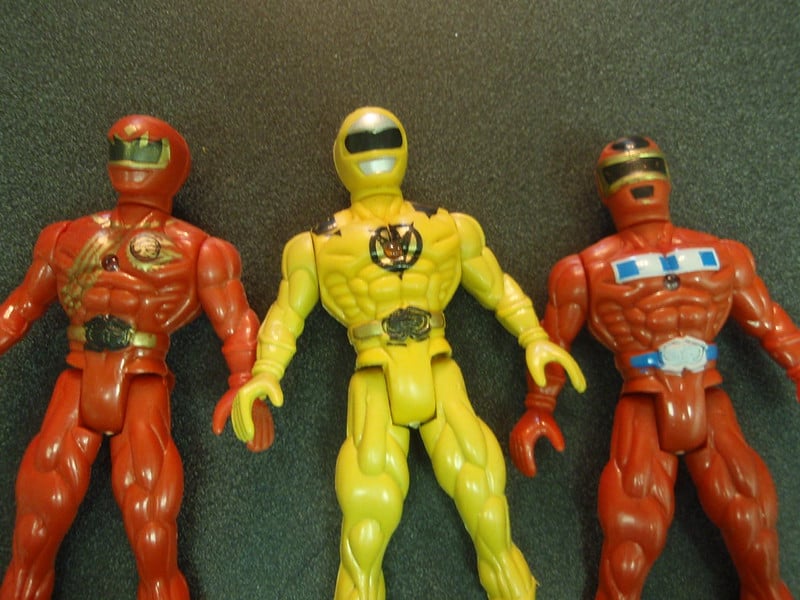
Bandai America released the first Power Rangers figures as the television series premiered in 1993, and demand overran supply that holiday season. The toys tied closely to the show’s costumed heroes and their giant fighting machines.
Early figures still sealed on their cards are the main targets for collectors. Value depends heavily on condition, card quality, and packaging.
Buzz Lightyear From 1995
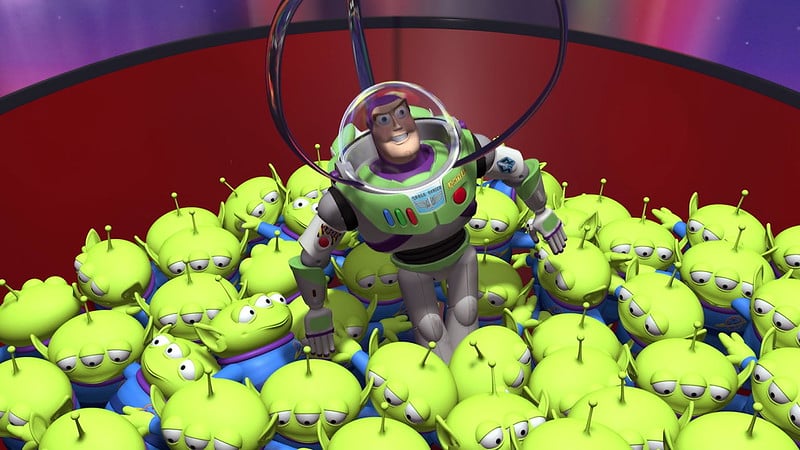
Thinkway Toys made the space-ranger action figure for the first Toy Story film, and supply ran out during the 1995 holiday season. Disney and Pixar had underestimated demand for merchandise tied to the film.
Many boxed examples from the original production run still survive. Value depends heavily on condition, working features, and original packaging.
Zhu Zhu Pets From 2009
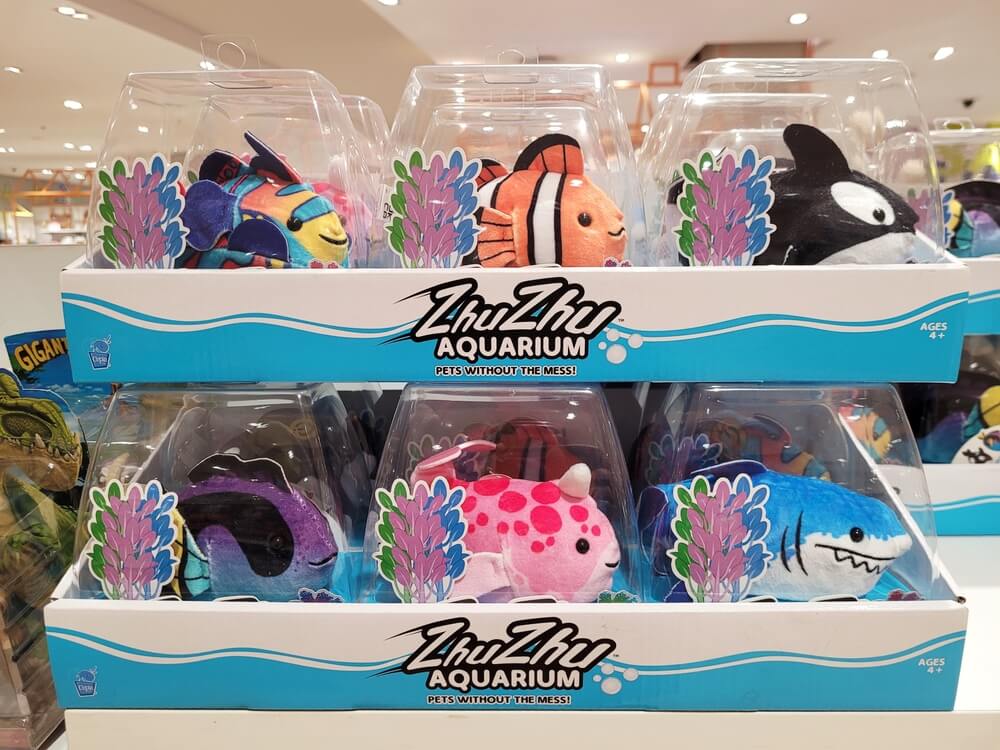
Cepia introduced the robotic hamsters in 2009, and the toys became the unlikely hit of that holiday season. The pets scurried around on their own and could roam through tunnels and habitat accessories that kids connected.
They sold out in many stores for weeks. Complete sets with accessories are worth more than loose pets, and value depends heavily on condition and packaging.
Hatchimals From 2016
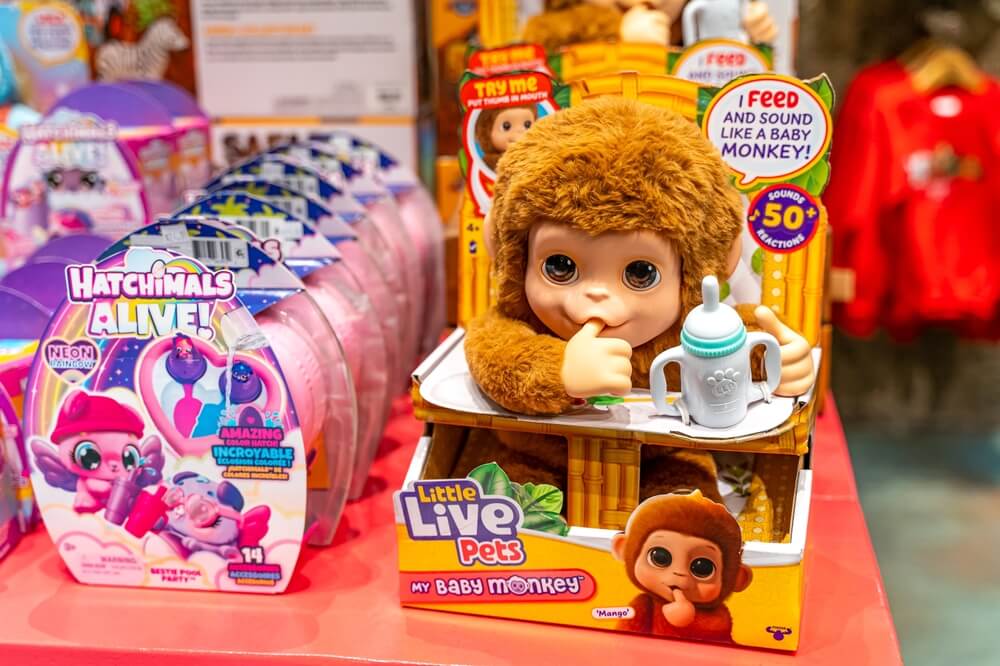
Spin Master, a Canadian company, sold plush creatures that hatched from an egg after a child cared for it. Supply fell short during the 2016 holidays, and some parents turned to resellers, paying hundreds of dollars.
Rarer colors and sealed eggs hold more interest now. Value depends heavily on condition and packaging.
Pokemon Base Set Cards From 1999
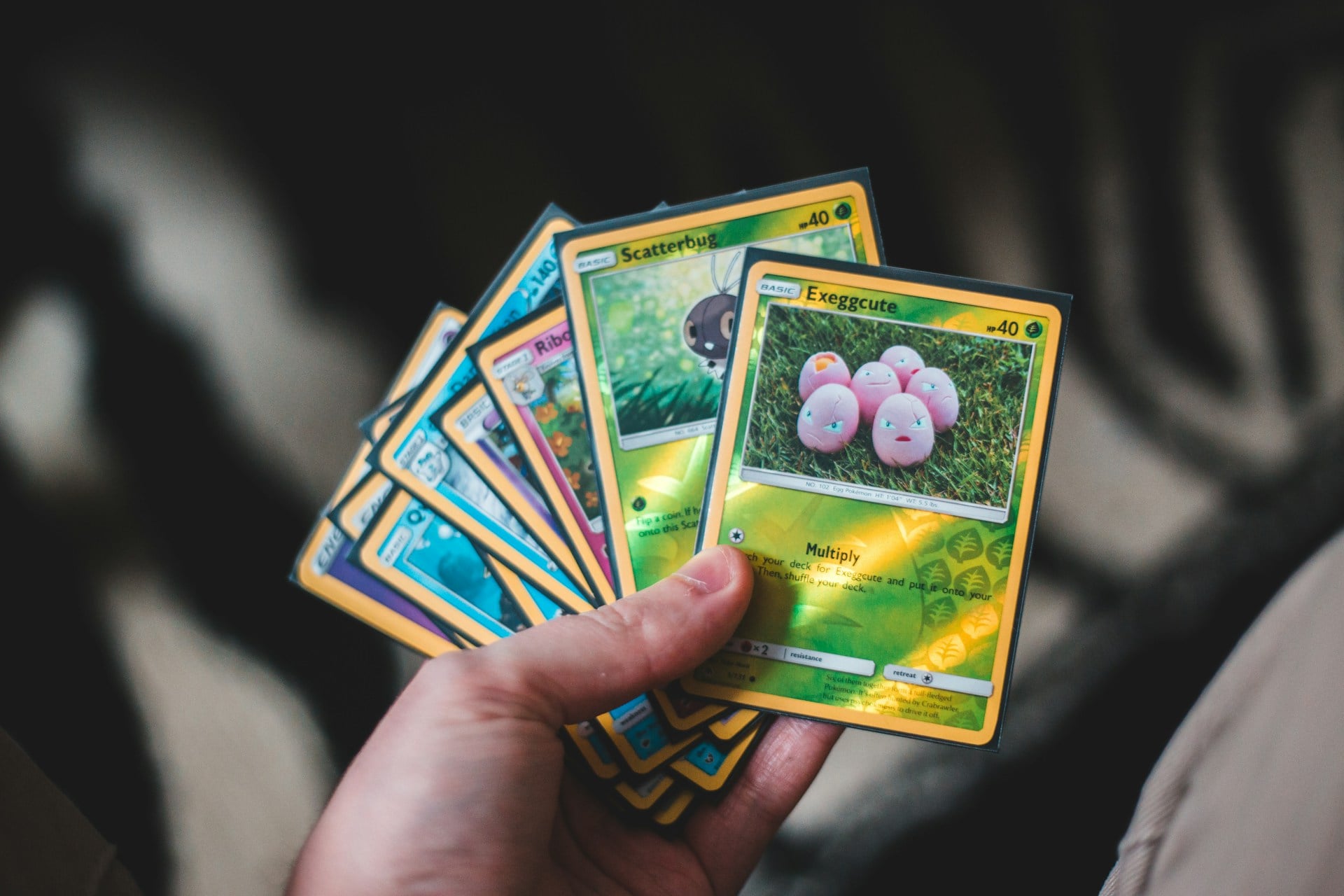
Wizards of the Coast released the English-language Pokemon trading cards in early 1999, and the cards became a playground currency by that holiday season. First Edition Charizard cards became the symbol of the hobby, and professionally graded copies have fetched very large sums at auction.
The grade assigned to a card is the single biggest factor in what it fetches. Value depends heavily on condition and grading.
Beanie Babies From the 1990s
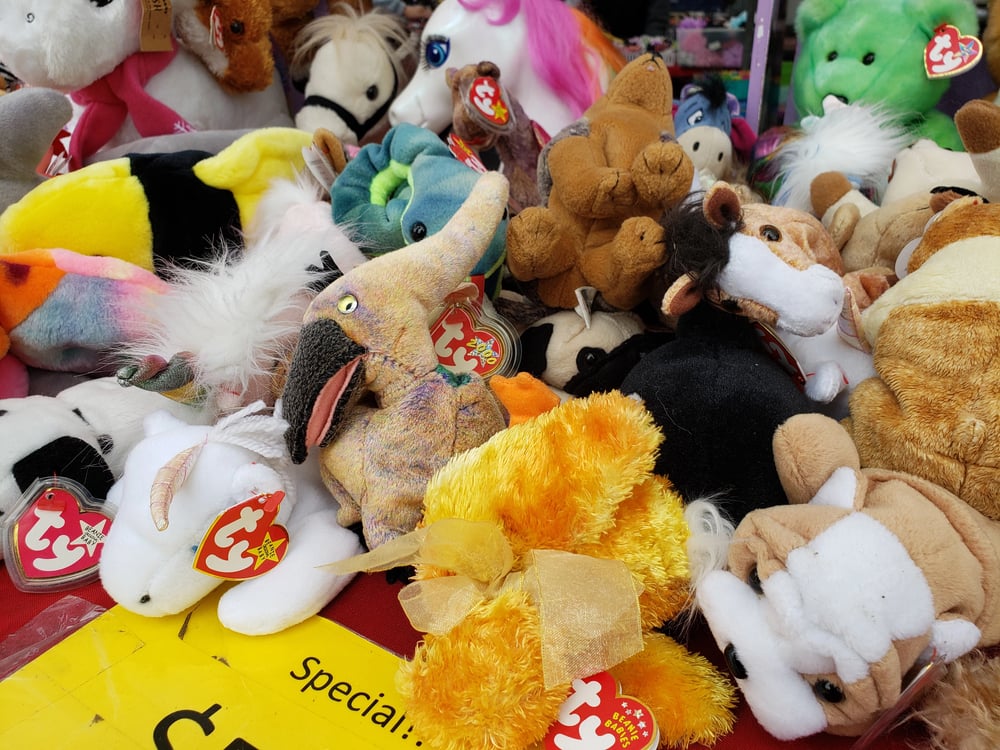
Ty Warner introduced the first nine Beanie Babies in 1993, and the plush animals became a national obsession later that decade. Ty retired designs on purpose, which kept collectors hunting.
Princess, the purple bear made in 1997 as a tribute to Diana, was widely expected to be a fortune but is worth less than many assume. Value depends heavily on condition, tags, and the specific variation.
Tamagotchi From 1996
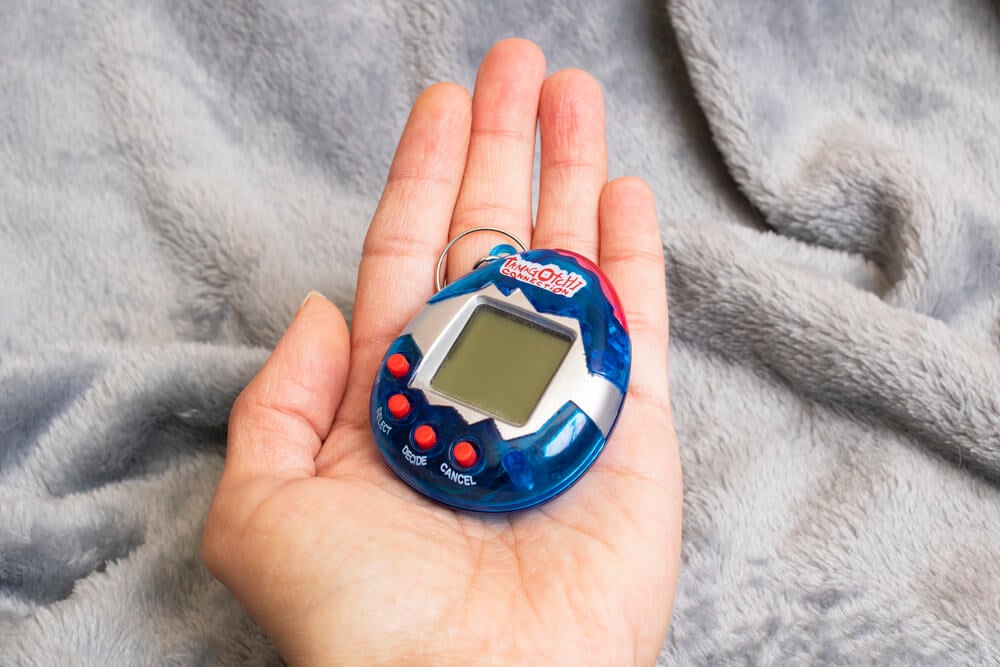
Bandai launched the egg-shaped virtual pet in Japan in late 1996 and brought it to the United States in 1997. Kids fed, cleaned, and cared for a pixelated creature that could die if ignored. Schools banned them, which only boosted demand.
First-generation units still in sealed packaging draw collector attention, and value depends heavily on condition and packaging.
Pound Puppies From 1985
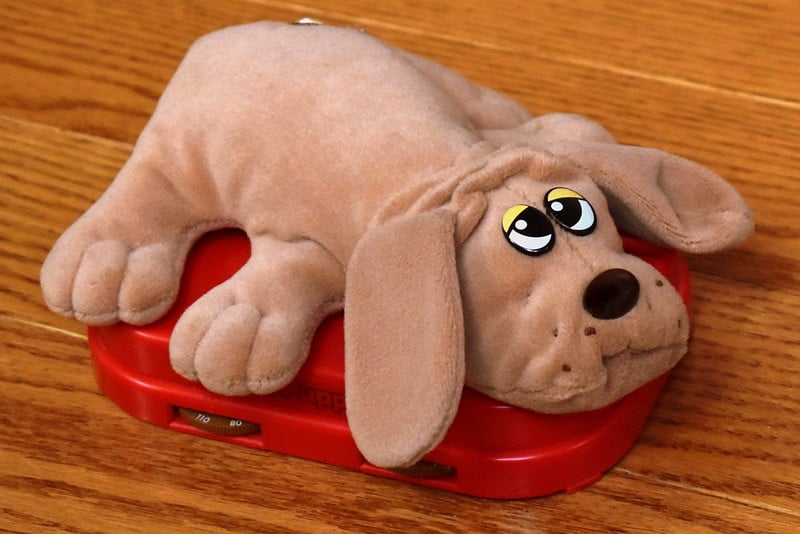
Tonka sold the floppy, wrinkly plush pups with adoption papers in 1985, and they became part of that holiday season’s scramble for scarce toys. Kids were encouraged to adopt a pup rather than simply buy one.
The line grew to include a cartoon series. Early pups with their original papers are the ones sought, and value depends heavily on condition and completeness.
Masters of the Universe From 1982
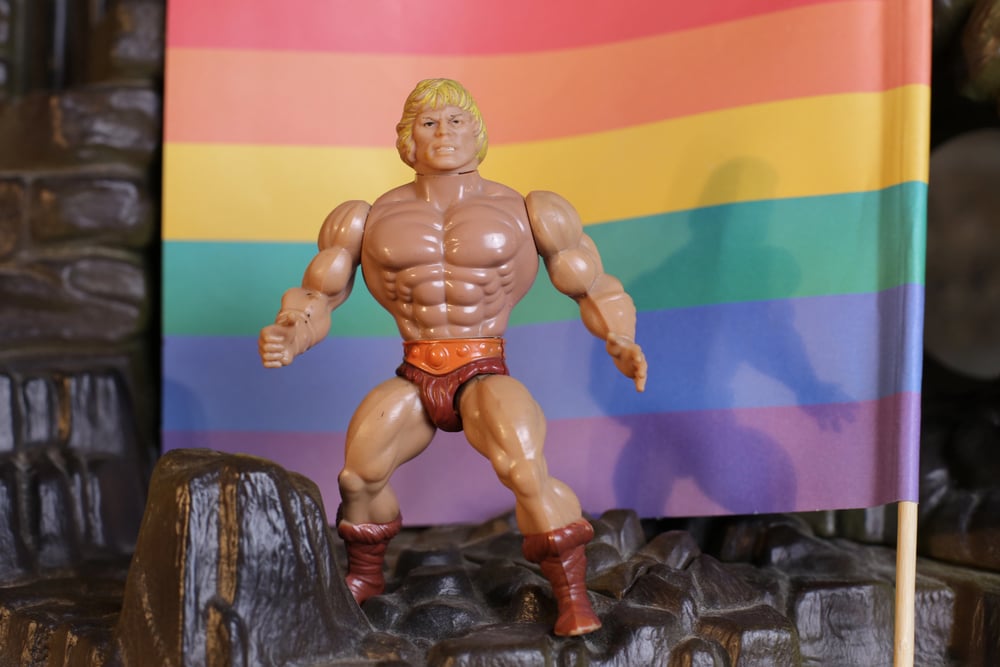
Mattel introduced He-Man and a cast of heroes and villains in 1982, and the line grew quickly. The Castle Grayskull playset followed and became a holiday centerpiece for kids who wanted a fortress for their figures.
Complete sets with original boxes and tiny accessories command the most interest. Value depends heavily on condition and completeness.
Fingerlings From 2017
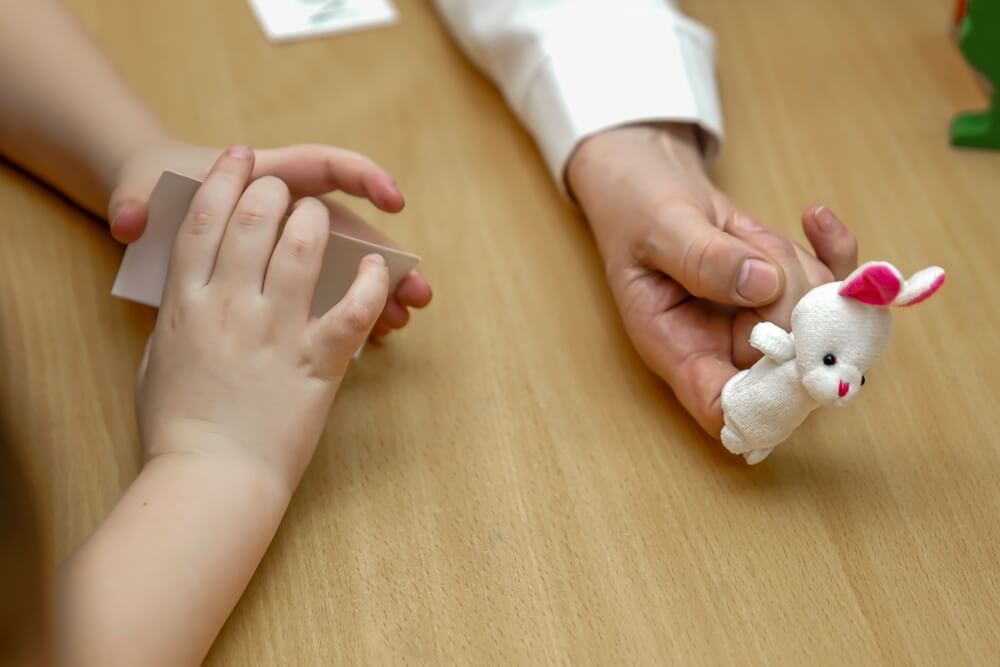
WowWee released the tiny interactive monkeys in 2017, and the toys clung to a finger and reacted to sound and touch. They became one of that holiday season’s hot gifts and sold out at many retailers.
Rare colors and sealed packages hold the most appeal. Value depends heavily on condition and packaging.
L.O.L. Surprise From 2016
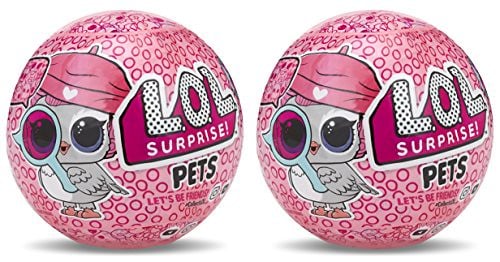
MGA Entertainment launched the layered surprise-capsule line in 2016, and unwrapping each wrapper became a ritual that fueled the 2017 holiday rush. Collectors hunt rare dolls hidden inside the layers. Sealed and unopened examples are worth the most.
Value depends heavily on condition and packaging.
Speak and Spell From 1978
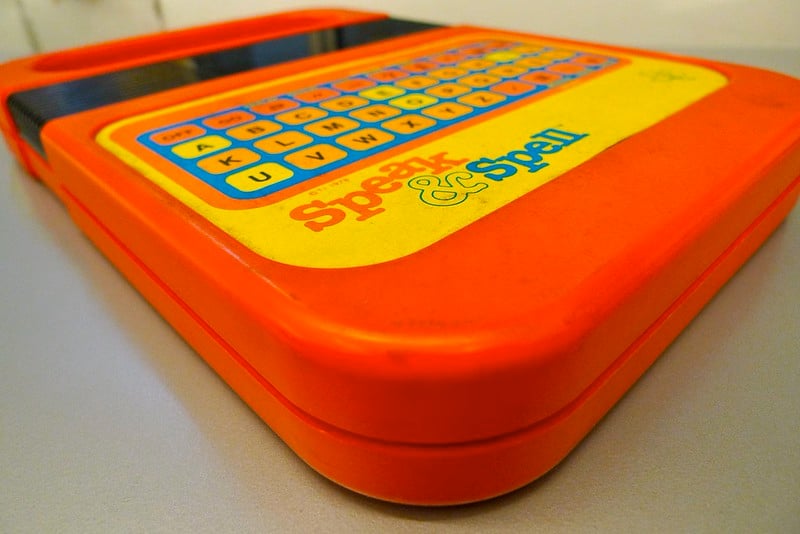
Texas Instruments introduced the Speak and Spell in 1978, a handheld device that spoke words aloud and quizzed kids on spelling. It was one of the earliest consumer products to use electronic speech synthesis.
The toy later gained a place in pop culture through a famous 1982 science-fiction film. Working units with intact screens and boxes sell best, and value depends heavily on condition and packaging.
Teenage Mutant Ninja Turtles From 1988
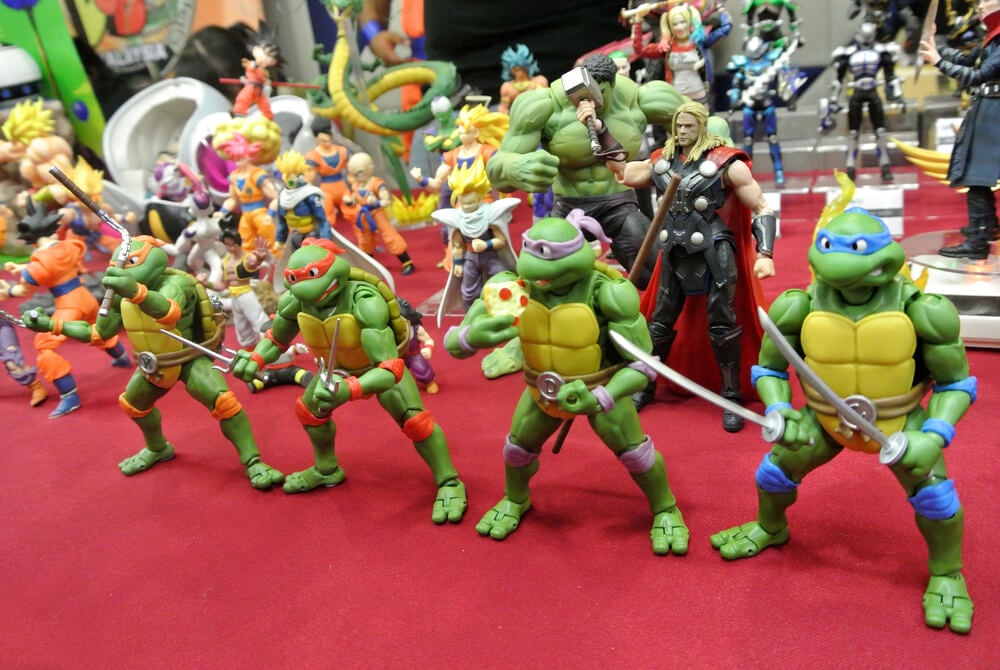
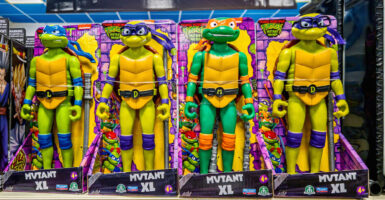
Playmates Toys released the first action figures in 1988, based on the comic and the cartoon, and demand carried into the following holiday season. The four turtles were each color-coded and armed differently.
Early figures on original cards remain the main prizes. Value depends heavily on condition and packaging.
G.I. Joe A Real American Hero From 1982
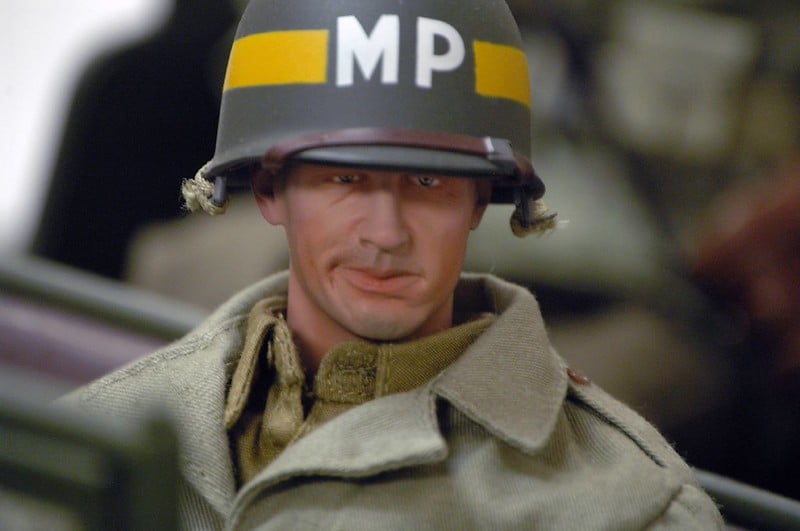
Hasbro revived G.I. Joe in 1982 with smaller figures that stood about three and three-quarter inches tall. The new scale let vehicles and playsets fit in a child’s bedroom.
Early figures with swivel-arm joints and unclipped file cards are the ones collectors want. Value depends heavily on condition, completeness, and packaging.
Bratz Dolls From 2001
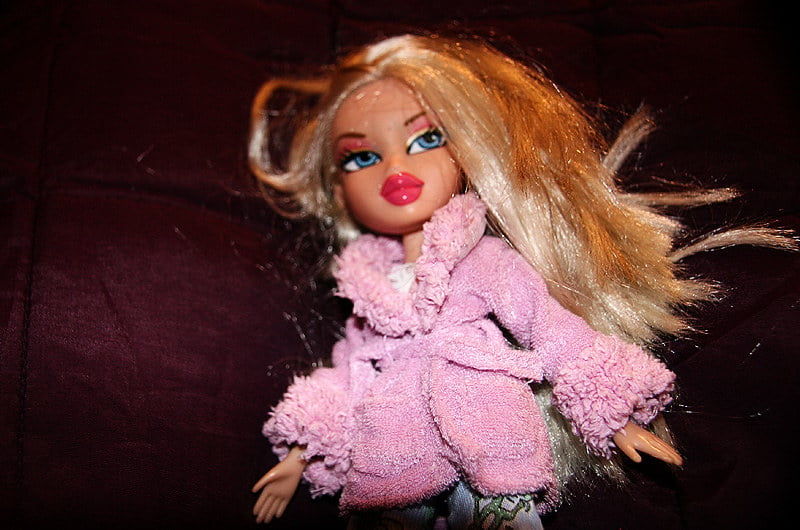
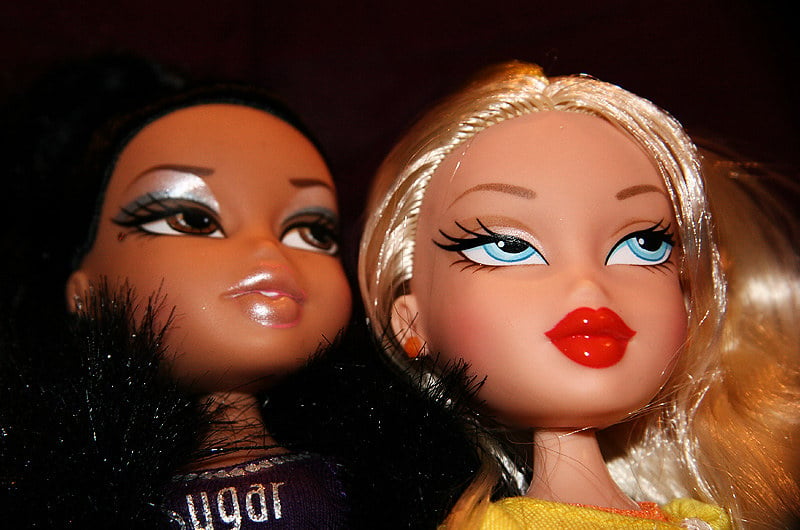
MGA Entertainment released the big-headed, fashion-forward Bratz dolls in 2001, and they became a serious rival to Barbie by the following holiday seasons. The dolls came with changeable outfits and attitude that parents either loved or disliked.
First-wave dolls in original boxes are the ones with collector appeal. Value depends heavily on condition and packaging.
What a Shelf Remembers
Most of these toys cost less than a restaurant meal when they were new, and the lines outside stores say more about the moment than the object. A craze is a shared story, and the story is what collectors are really buying.
Anyone hoping to profit usually finds that the market rewards patience, careful storage, and luck more than speculation.
The pattern repeats because the buying instinct never changes. Each new season brings another item that looks essential in December and forgettable by spring.
A few survive in their boxes, and those are the ones that become money.
More from Go2Tutors!

- The Romanov Crown Jewels and Their Tragic Fate
- 13 Historical Mysteries That Science Still Can’t Solve
- Famous Hoaxes That Fooled the World for Years
- 15 Child Stars with Tragic Adult Lives
- 16 Famous Jewelry Pieces in History
Like Go2Tutors’s content? Follow us on MSN.