29 Vintage Harvest Decor Items Thrifters Snap Up
Every autumn, the same thing happens in thrift stores across the country. A shopper spots a flash of burnt orange on a back shelf, grabs it, and walks to the register before anyone else can turn the corner.
Harvest decor from past decades has a loyal following, and distinctive pieces can attract competition from collectors and decorators.
The appeal is part nostalgia and part craftsmanship. Plenty of these pieces were made to last, and many carry a maker’s mark that can help distinguish an authentic piece from a look-alike.
Collectibility and resale value vary with condition, completeness, rarity and markings.
Pyrex Butterprint Mixing Bowls
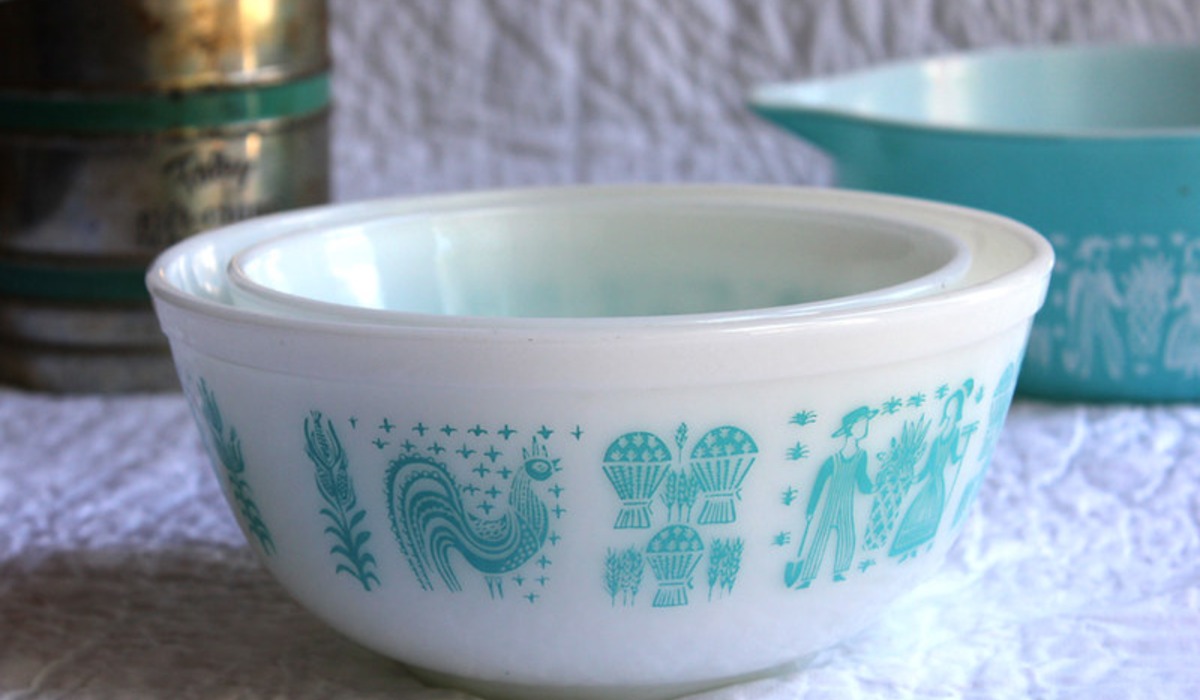
Corning’s Butterprint pattern shows an Amish-style farm scene, and it came in white on turquoise as well as orange on white. The folk-art look fits a harvest table surprisingly well.
Chips, scratches and worn decoration are the usual flaws, and a complete nesting set with bright color draws more interest than a lone bowl. Check the underside for identifying marks, but remember that a mark alone doesn’t guarantee authenticity or value.
Pyrex Autumn Harvest Casseroles
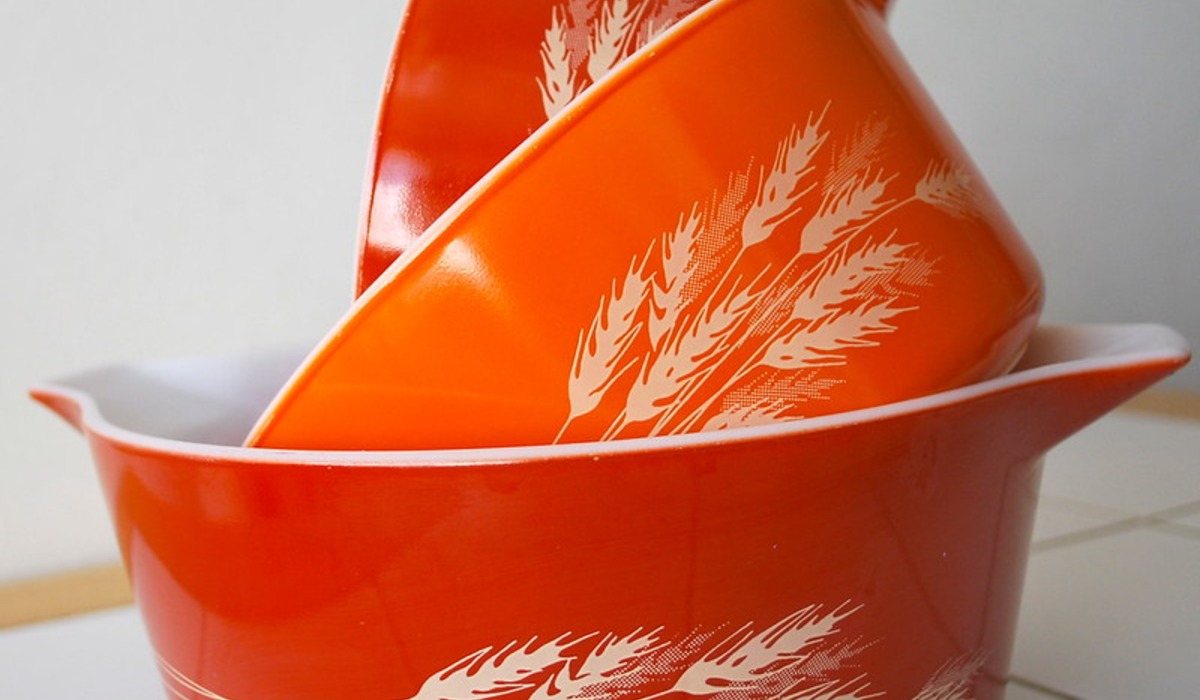
Autumn Harvest is a Pyrex pattern documented in the Corning Museum of Glass collection records. Introduced in 1979, the pattern appeared on several types of kitchenware through the mid-1980s.
Casseroles with their original lids are worth looking for, since lids are the first pieces to break or go missing. Dishwasher use can dull printed designs, so glossy, unscuffed examples stand out.
Check for fading, chips and mismatched lids before buying.
Fitz and Floyd Turkey Tureens
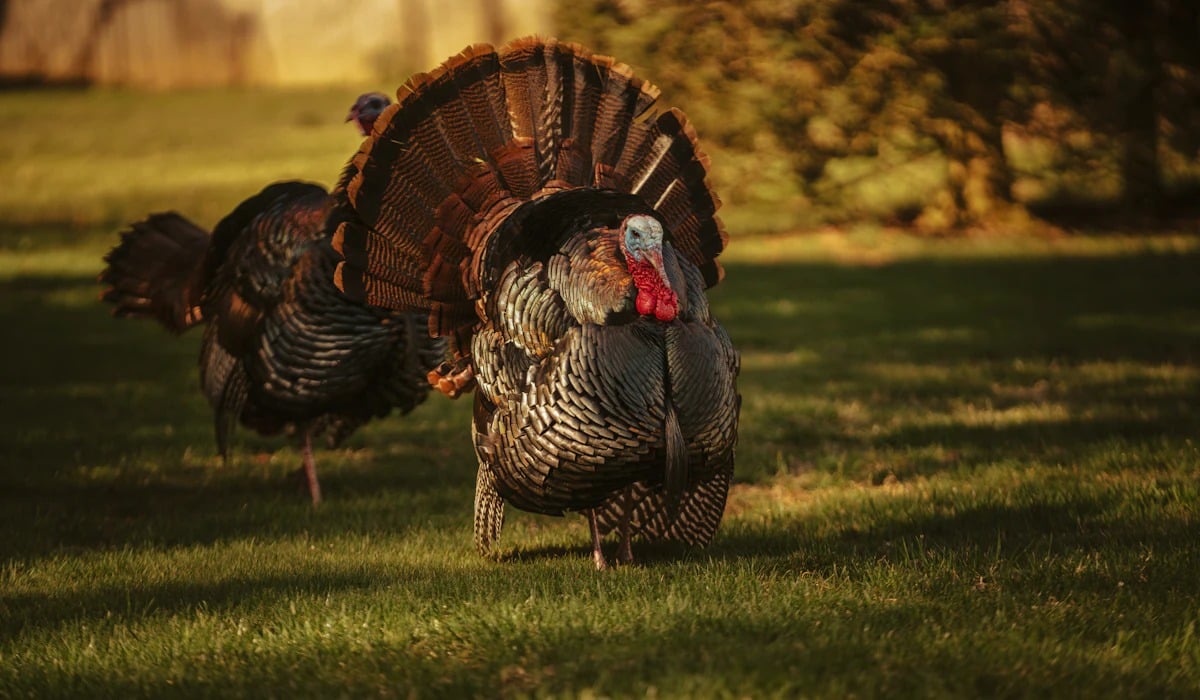
Fitz and Floyd is known for decorative ceramic tableware, and its turkey tureens can turn up at estate sales and thrift stores. The company name or other identifying marks on the underside can help distinguish a genuine piece from an imitation.
A lid chip or a missing ladle can reduce interest noticeably. Look for a complete tureen with an intact lid and no significant glaze damage or cracks.
Ironstone Thanksgiving Turkey Platters
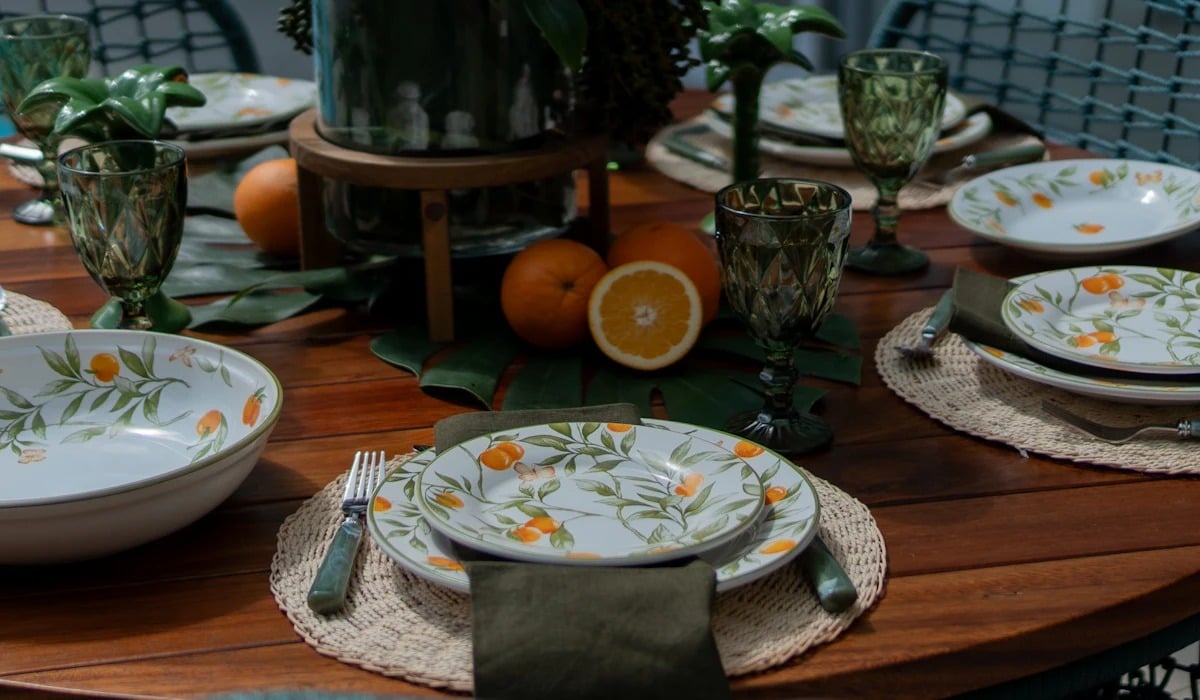
Turkey-shaped or turkey-decorated platters have long been fixtures of holiday tables, often sold with matching gravy boats and side plates. Many were made in ironstone or other durable ceramics that survived decades of family dinners.
Backstamps identify the maker and sometimes the era, and a platter with its full matching set may appeal to collectors more than a single piece. Knife marks and crazing are details to check before buying, since condition and maker can influence resale value.
Honeycomb Tissue Paper Turkeys
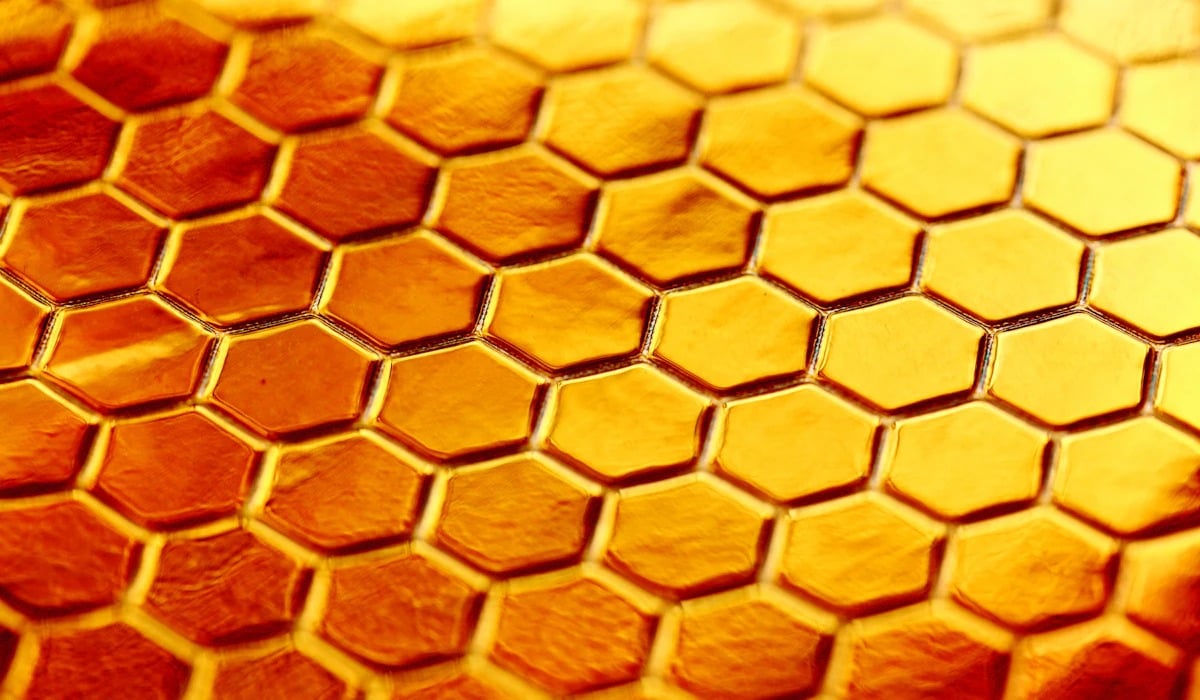
These accordion-style tissue turkeys unfold into a fan-tailed centerpiece, and older versions still turn up in boxes of party supplies. The fragile paper tends to yellow, tear or crush in storage, so a turkey with crisp, unfaded folds is a real find.
Versions still attached to their original cardboard packaging may attract collectors, particularly when the packaging helps identify the maker or age. Check for printed marks and damage before purchasing.
Beistle Die-Cut Thanksgiving Decorations

The Beistle Company, based in Shippensburg, Pennsylvania, is a long-established maker of paper party and holiday decorations. Its die-cut turkeys, pumpkins and pilgrims were designed to be strung across walls or set on tables.
Some pieces carry the company name or other identifying information, but markings vary by item. Fading, tape residue and torn edges are common, so condition is an important factor when comparing pieces.
Hull Pottery Autumn Pieces
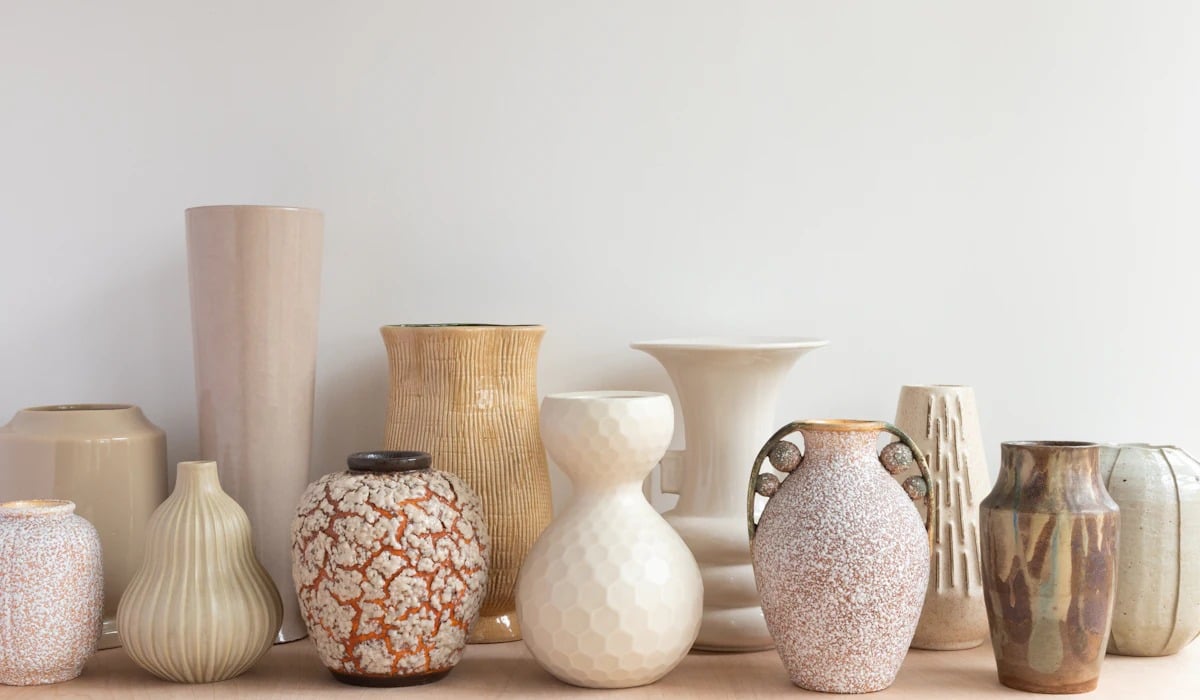
Hull Pottery of Crooksville, Ohio, produced art pottery whose earth-toned vases and planters suit fall displays. Marks, shapes and glaze colors can all help identify a piece, although not every item is clearly marked.
Chips along the rim and cracks in the glaze lower interest substantially, while a clean example in a rich glaze draws attention. Compare the piece with documented Hull designs before assuming it is authentic.
Haeger Pottery Harvest Vases
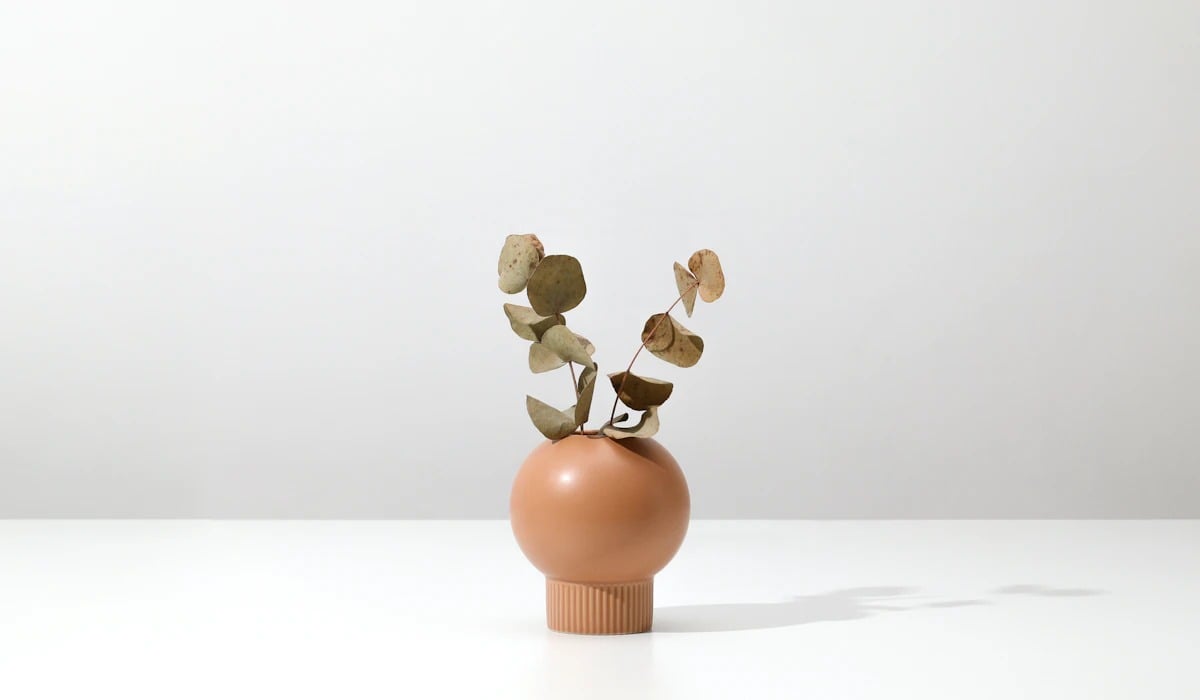
Haeger Potteries of East Dundee, Illinois, made decorative ceramics, and its warm-glaze vases and planters are regular thrift finds. A Haeger mark on the base helps confirm the source, though some pieces may have labels or marks that are missing or difficult to read.
Orange, rust and gold glazes work especially well with seasonal arrangements. Form, glaze, identification and condition all affect a piece’s appeal and potential resale value.
Brass Cornucopia Centerpieces
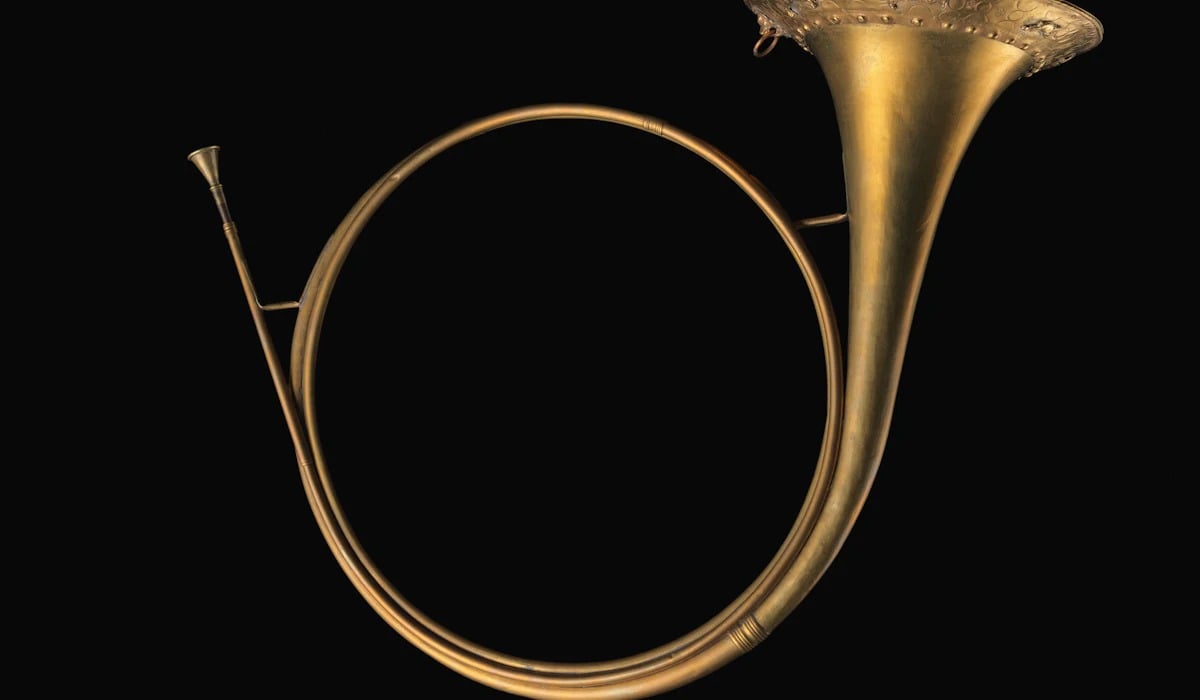
A brass horn of plenty has anchored Thanksgiving tables for generations, and vintage versions often have a heavier feel than modern reproductions. Some carry maker stamps or country-of-origin marks on the base, which can help with dating.
Dents, green corrosion and heavy polishing all affect appeal. A well-patinated piece with its original surface may attract more attention than one scrubbed bright, although preferences vary among buyers.
Copper Fruit and Harvest Molds
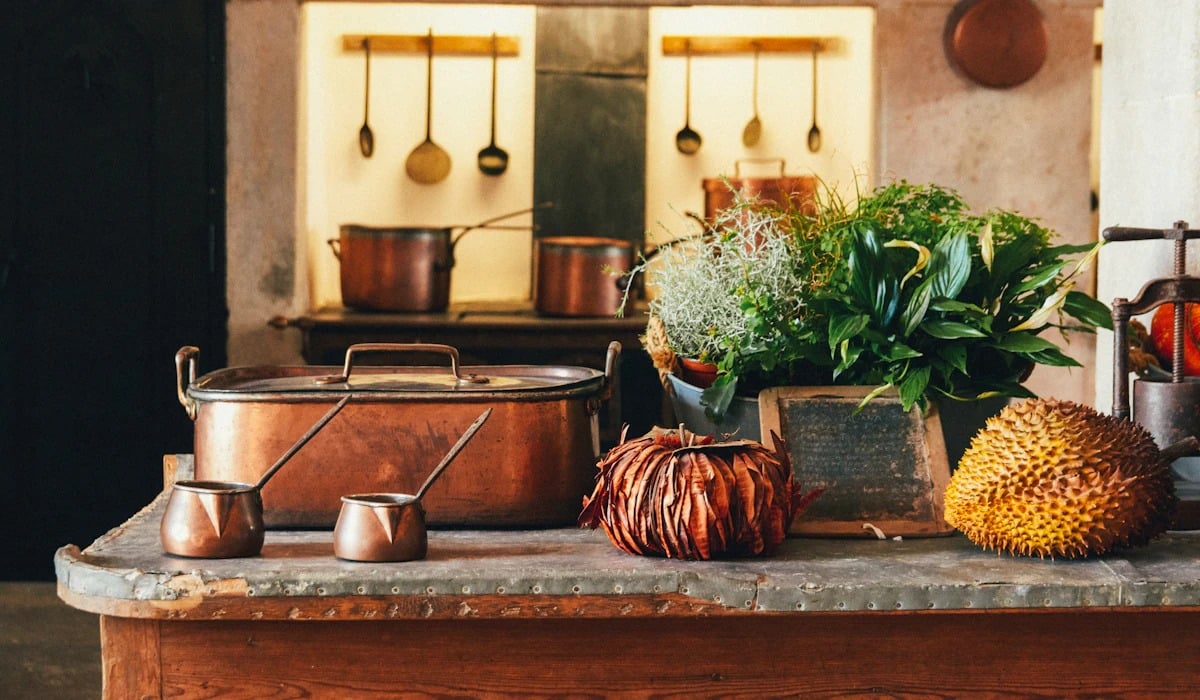
Copper molds shaped like grapes, pineapples and sheaves of wheat hang on kitchen walls in countless fall displays. Older molds may have a tin lining, and a worn or damaged lining can affect their usefulness and appeal.
Maker stamps on the back help identify the source, though many unmarked pieces circulate, too. Dents and replaced hanging loops are common, so closer inspection pays off.
Fenton Hobnail Glass
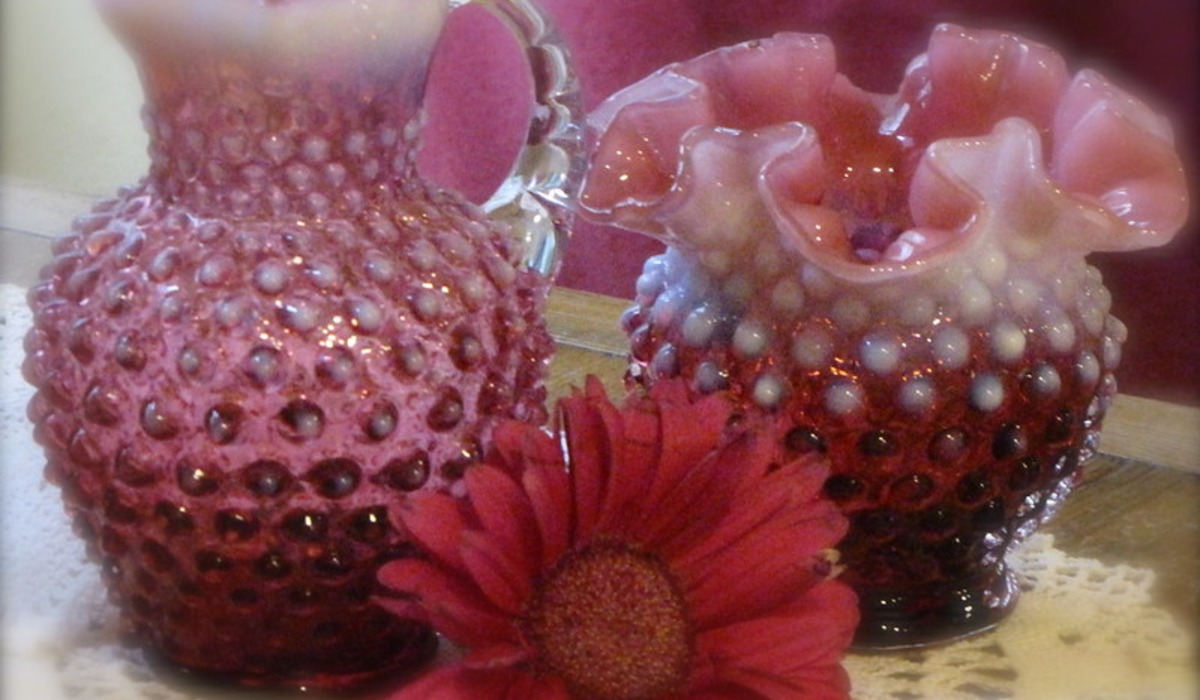
Fenton Art Glass of Williamstown, West Virginia, produced hobnail pieces in milk glass and a range of colors, and warm tones fit seasonal displays. Some Fenton pieces carry a maker’s mark, but many older examples are unmarked, so the absence of a logo doesn’t automatically mean a piece is a reproduction.
Chips on the raised nubs are common damage. Color, pattern, overall condition and reliable identification all influence collector interest.
Lefton Turkey Salt and Pepper Shakers
Lefton ceramic giftware, much of it marked as made in Japan, was a staple of mid-century gift shops, and turkey shakers and figurines fit the harvest season. Pieces may carry a paper sticker or an impressed number on the base.
Missing stoppers and worn paint are the usual complaints, and an intact pair with its original label can be appealing to collectors. Because stickers fall off easily, check the shape, decoration and other identifying details rather than relying on a label alone.
Vintage Hallmark Thanksgiving Cards
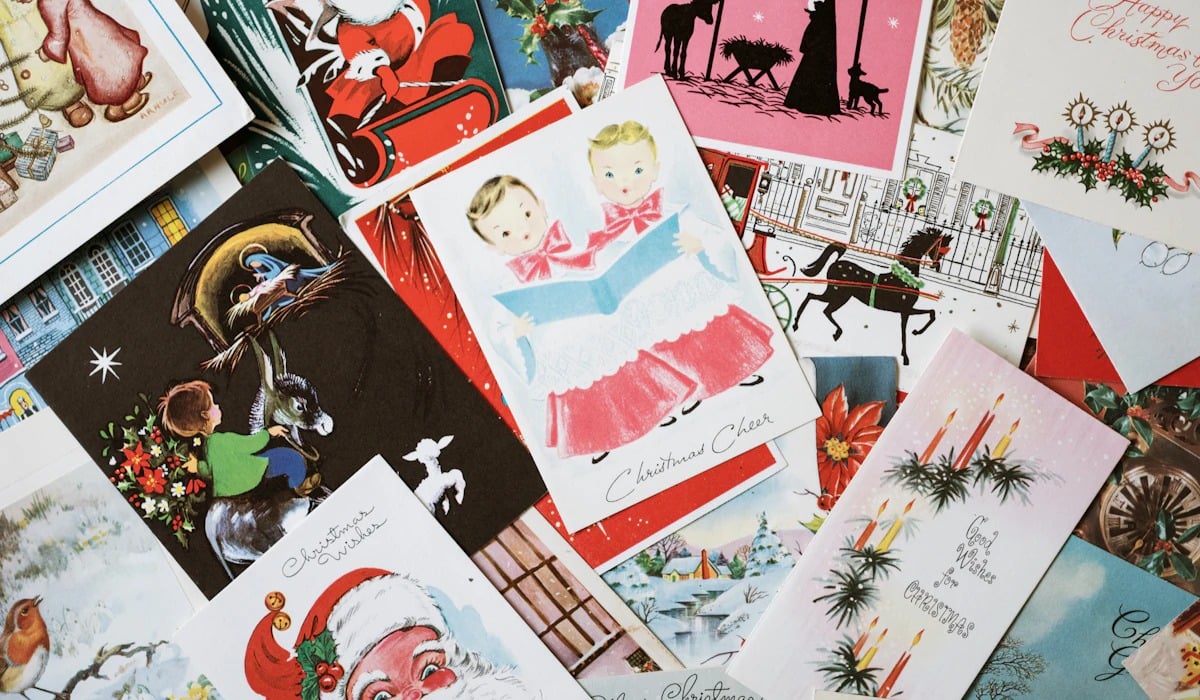
Hallmark Cards of Kansas City produced Thanksgiving greetings with illustrated turkeys, cornucopias and pilgrims that are collected as ephemera. The back of a card may carry the company’s mark, which helps with identification.
Cards with little fading, creasing or staining are generally easier to display and preserve. Whether an unused card is more desirable than a mailed one depends on the collector.
Framed in groups, they make an inexpensive seasonal display.
Made in Japan Pilgrim Salt and Pepper Shakers
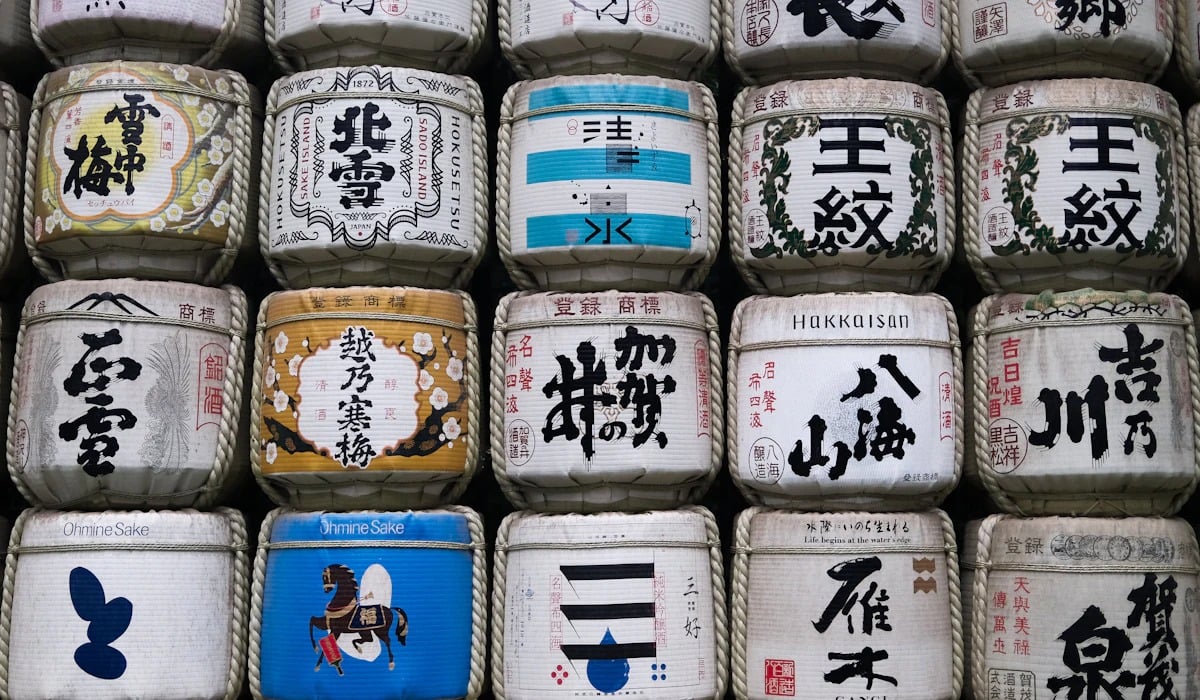
Tiny ceramic pilgrim couples were shipped to American stores in great numbers, usually stamped or stickered Made in Japan on the base. The pairs often included a man in a buckled hat and a woman in a bonnet, painted with faint blushes on their cheeks.
Chipped hats and missing stoppers are common issues. A matching pair that still has its original paper label is a nice find, although the label alone doesn’t establish rarity or high value.
German Papier-Mache Harvest Candy Containers
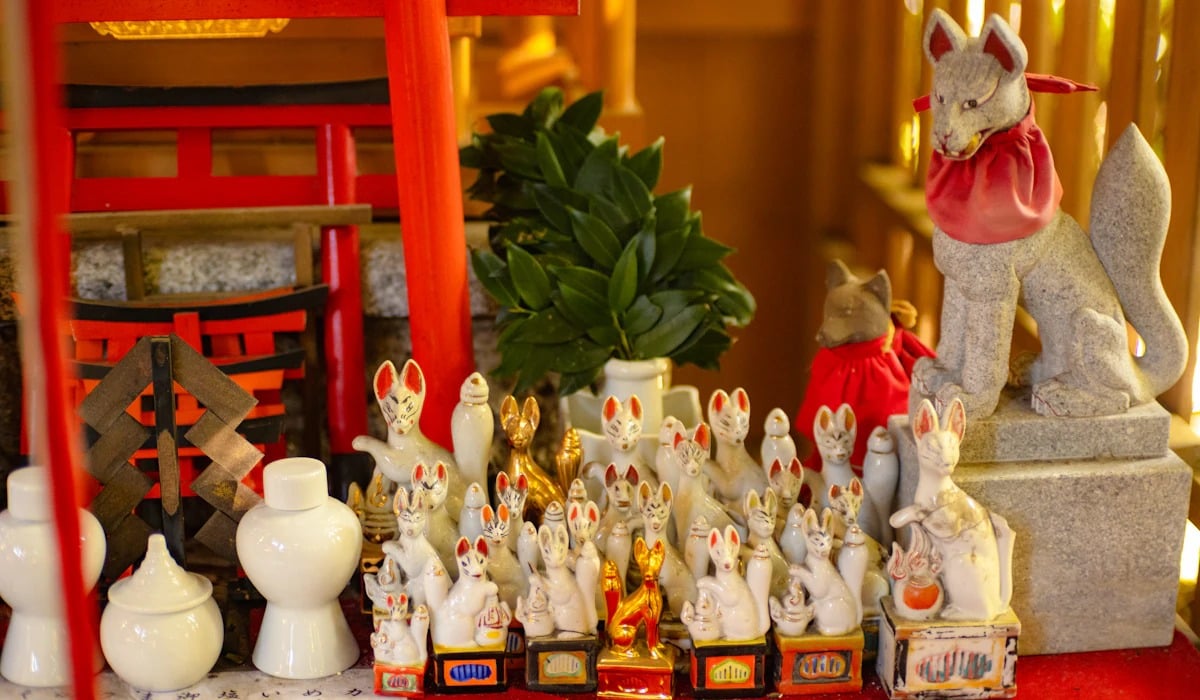
German makers produced pumpkins, vegetables and other seasonal shapes from papier-mache that doubled as candy holders. Some carry a Germany stamp on the base or inside the lid.
Crushed seams, flaking paint and missing inserts reduce interest, and these fragile pieces can be difficult to find in good condition. A bright, intact specimen with its original paint is an appealing addition to a vintage holiday collection.
Gurley Pilgrim and Turkey Candles
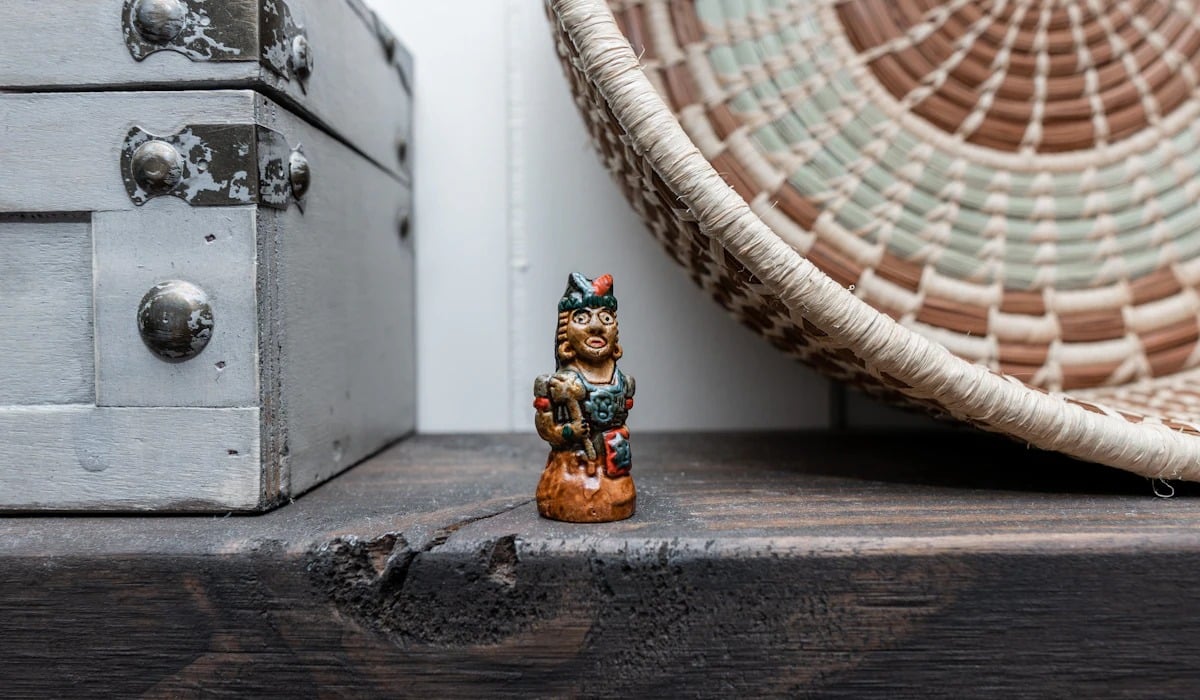
Gurley Novelty Company of Buffalo became known for molded wax figures and holiday-themed candles, including pilgrims, turkeys and other seasonal designs. Many were sold in boxes that carried the company name, and unburned candles in their original packaging can be especially appealing to collectors.
Unused wicks and intact packaging help show that a piece has been preserved rather than burned or heavily handled. Heat and sunlight can warp or fade them, so storage history matters.
Ellen Clapsaddle Thanksgiving Postcards
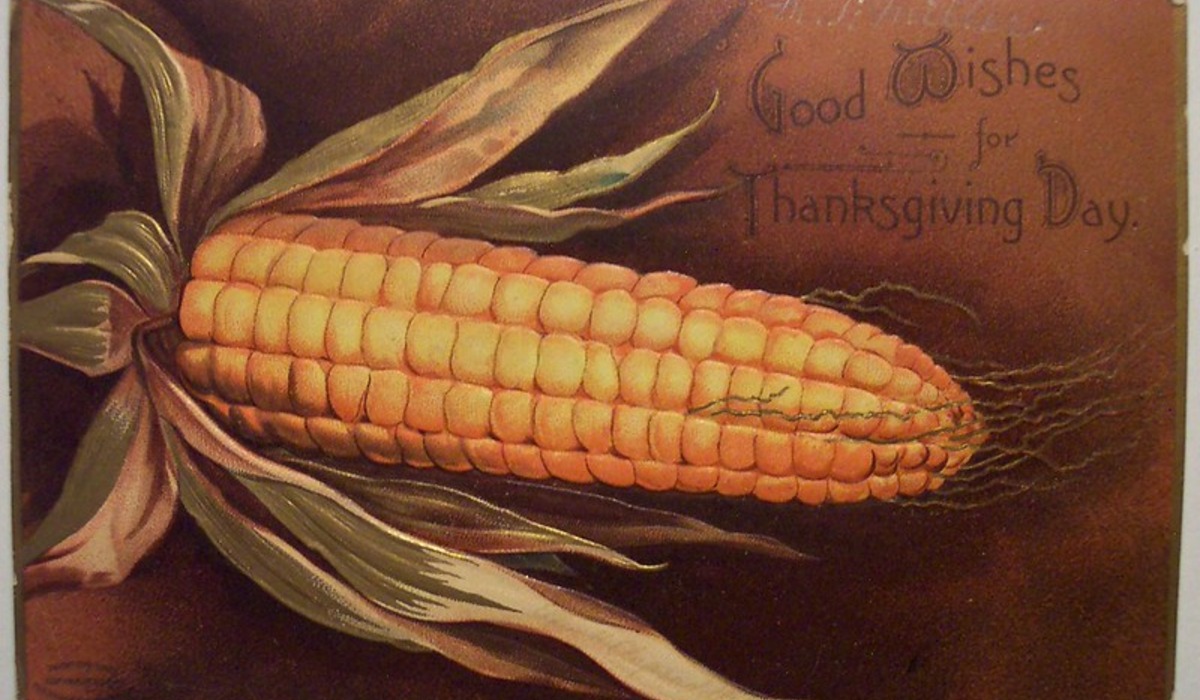
Ellen H. Clapsaddle was a prolific postcard illustrator, and her Thanksgiving designs featuring turkeys and children are widely collected.
Publisher information, copyright details and other printed clues can help identify her work. Embossing, bright color and clean corners increase appeal.
Cards that were mailed carry postmarks that add historical context but may reduce appeal for some buyers, so condition and the preferences of individual collectors both matter.
Griswold and Wagner Corn Stick Pans
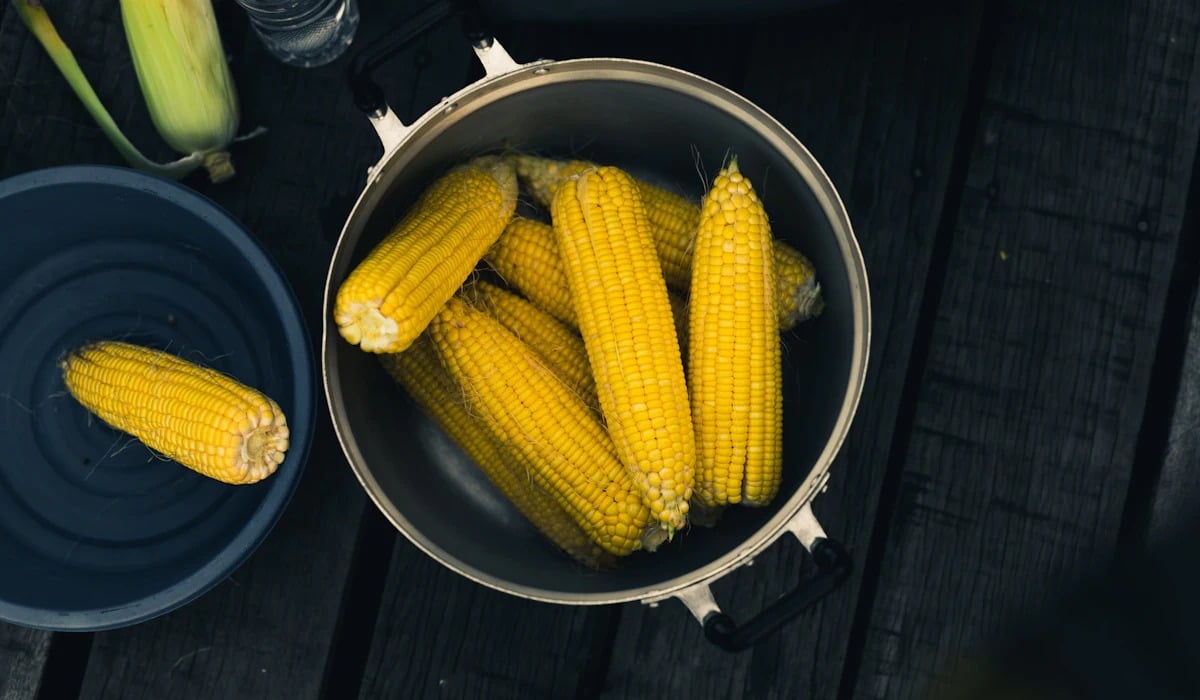
Cast-iron corn stick pans, with wells shaped like ears of corn, are a harvest-table favorite that actually works in the kitchen. Griswold of Erie, Pennsylvania, made versions marked with its cast logo and the city name, and Wagner made them as well.
Rust, cracks and heavy pitting lower the value, while a well-preserved pan with clear identifying marks attracts collectors. Wobbling on a flat surface can signal warping.
Speckled Enamel Turkey Roasters
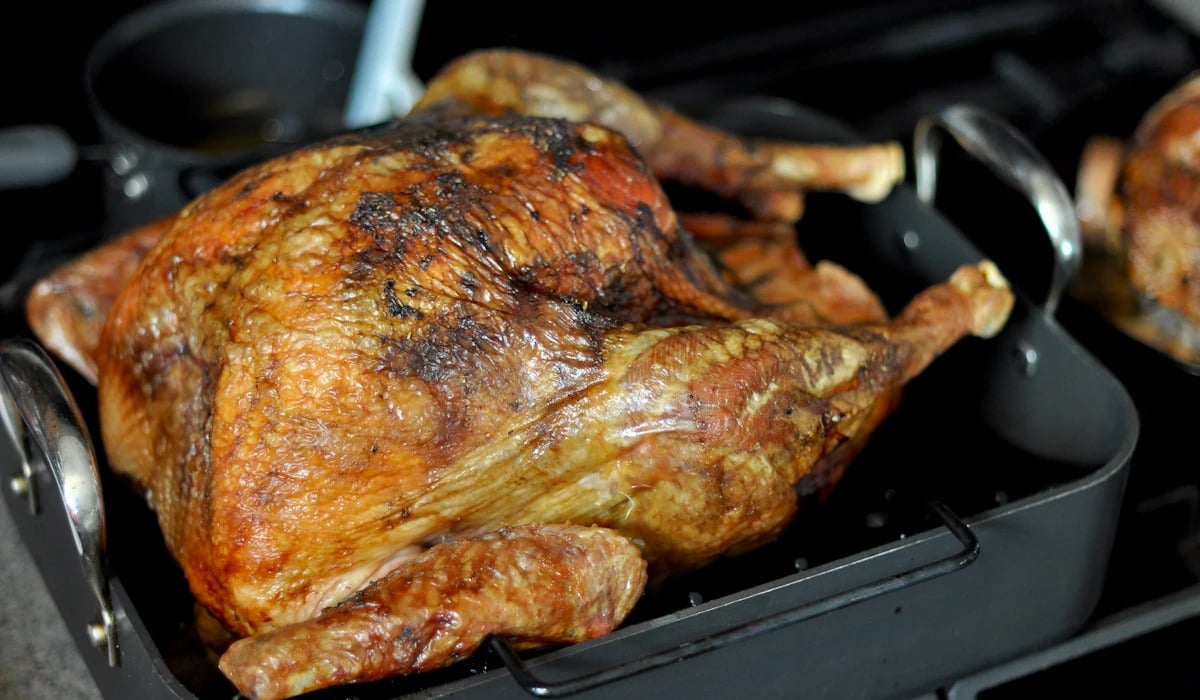
Speckled enamelware roasters were common in kitchens, and the large oval versions were sized for Thanksgiving birds. Chips in the enamel expose the metal underneath and lower appeal, while rust spots on the interior are a more serious flaw.
Original lids matter, since they are often lost or mismatched. A clean one with bright speckling also works as a rustic centerpiece.
Franciscan Autumn Dinnerware
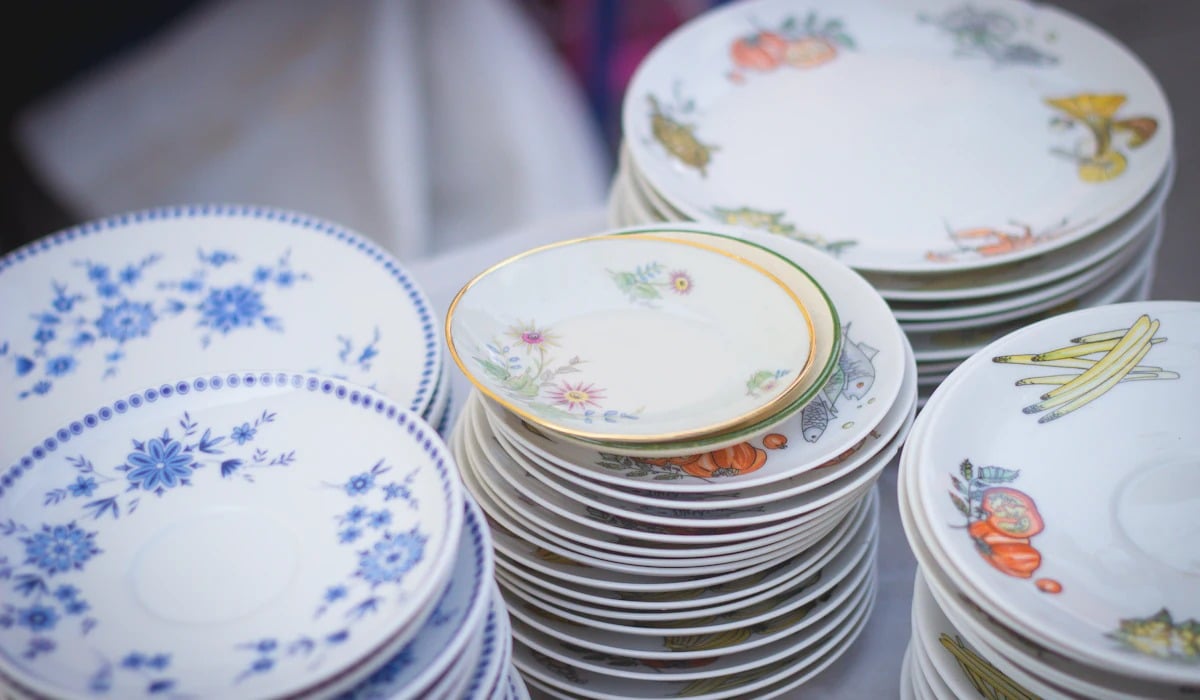
Franciscan, made by Gladding, McBean and Company, produced an Autumn pattern with leaf motifs in warm tones. Backstamps on the bottom identify the maker and sometimes the era of production.
Matching serving pieces such as platters and covered dishes can be harder to find than common plates and cups. Chips and utensil marks show up on the glaze, so close inspection is smart.
The pattern, completeness and condition all affect its appeal to collectors.
Macrame Owl Wall Hangings
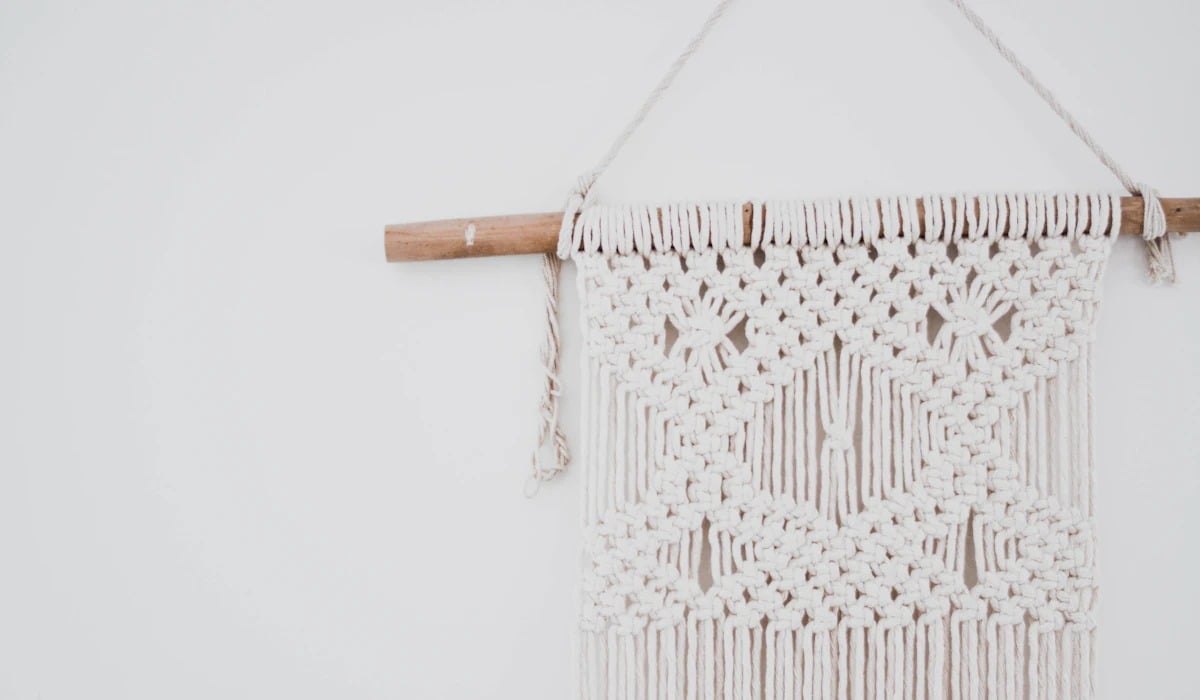
Macrame owls with wooden bead eyes became a fixture of living rooms decades ago, and their earthy tones fit a harvest theme naturally. Since most were handmade, there are no maker marks to check, so condition and cord quality help determine appeal.
Fraying, pet damage and dust-stiffened fibers are common problems. A tidy owl with intact beads and a sturdy hanging loop is a better candidate for display or resale.
Tammis Keefe Fall Linens
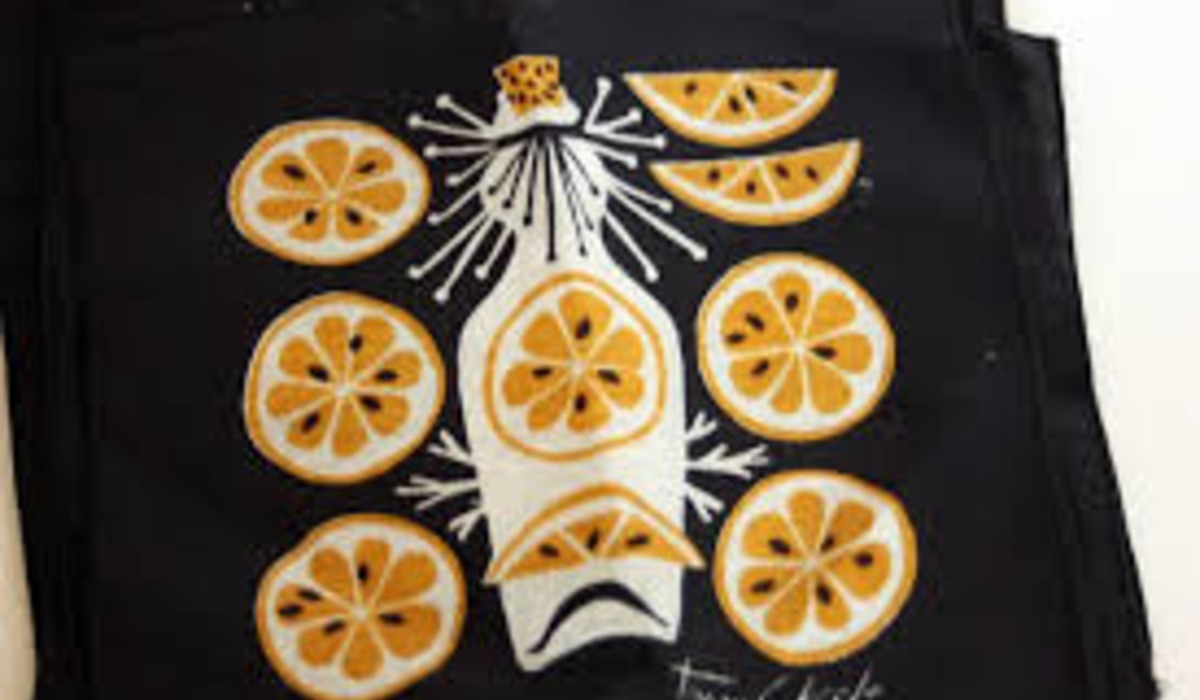
Tammis Keefe was a mid-century textile designer whose whimsical printed linens, including tea towels, are widely collected. A signature or maker’s label, when present, helps collectors confirm authentic pieces.
Stains, scorch marks and faded dyes are common flaws, and unused towels with a crisp print can draw attention. A framed towel makes a surprisingly lively piece of wall art.
Hall China Jewel Tea Autumn Leaf Pieces
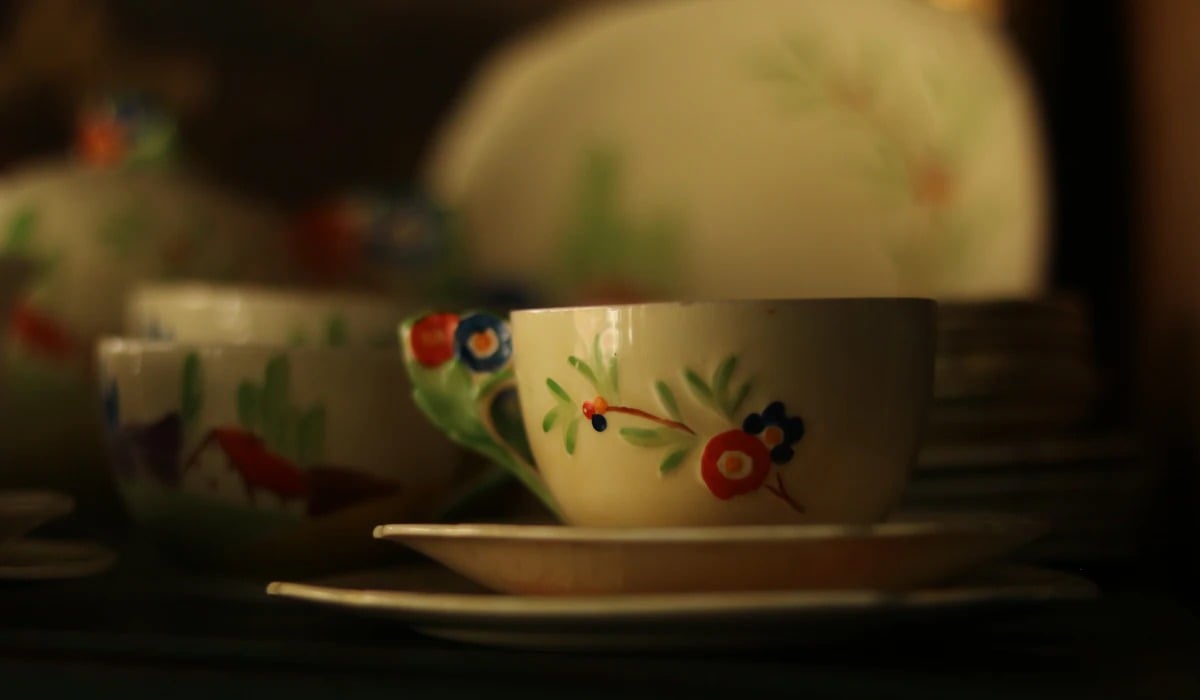
The Autumn Leaf pattern was made by the Hall China Company for the Jewel Tea Company, and its orange, brown and yellow leaf design became a favorite with dinnerware collectors. The Hall backstamp helps confirm authenticity, and worn decals reduce interest.
The pattern appeared on many types of tableware, and some serving pieces can be harder to find than common dinner plates. Condition, shape and identification are important when comparing examples.
Indiana Glass Harvest Grape Milk Glass
Indiana Glass Company of Dunkirk, Indiana, made milk glass in a Harvest Grape pattern, found on plates, goblets, compotes and pitchers. The raised grape design gives each piece a rich texture that plays well on a fall table.
Chips along the rim and cloudy areas from dishwasher damage are the main flaws. Matching sets may take longer to assemble than individual pieces, so check for consistent patterning and size before buying.
Treasure Craft Cookie Jars
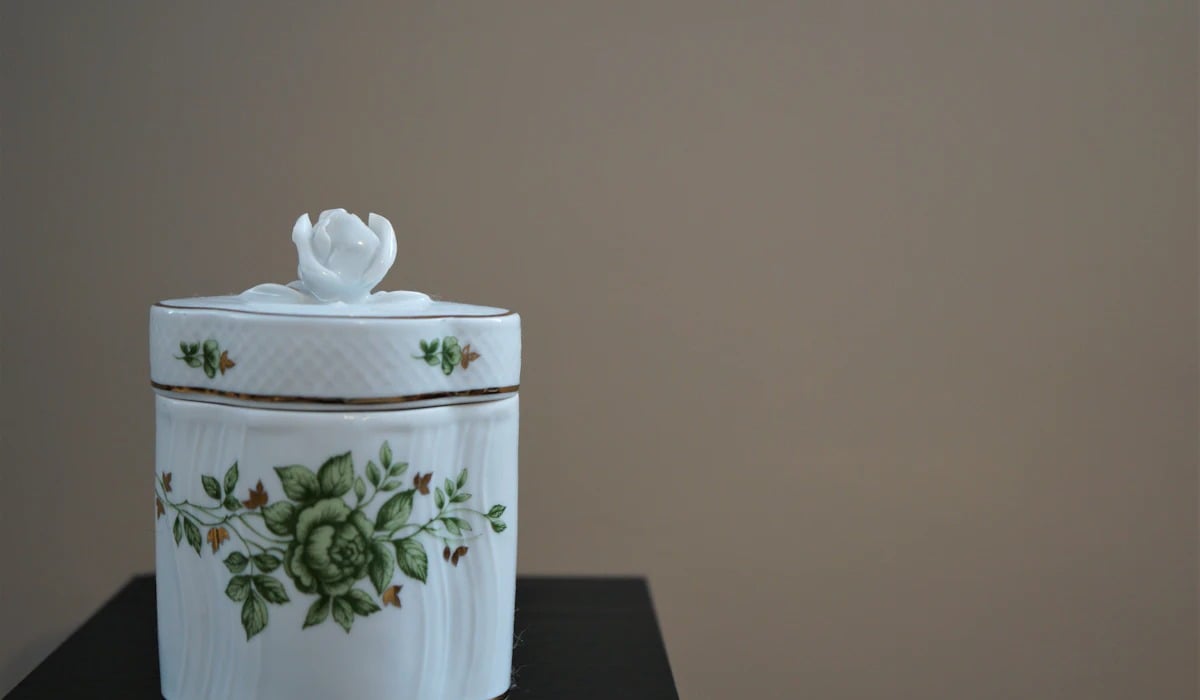
Treasure Craft, a ceramics company based in Compton, California, made a long line of cookie jars that remain popular with kitchen collectors. Fall-themed jars with painted details and bright glazes appeal to the seasonal crowd.
The company’s mark appears on some pieces, and lids that fit snugly without chips indicate a well-kept example. Crazing and worn paint are frequent defects, and a secure, original lid helps make a jar more complete.
Tin Lithograph Harvest Trays
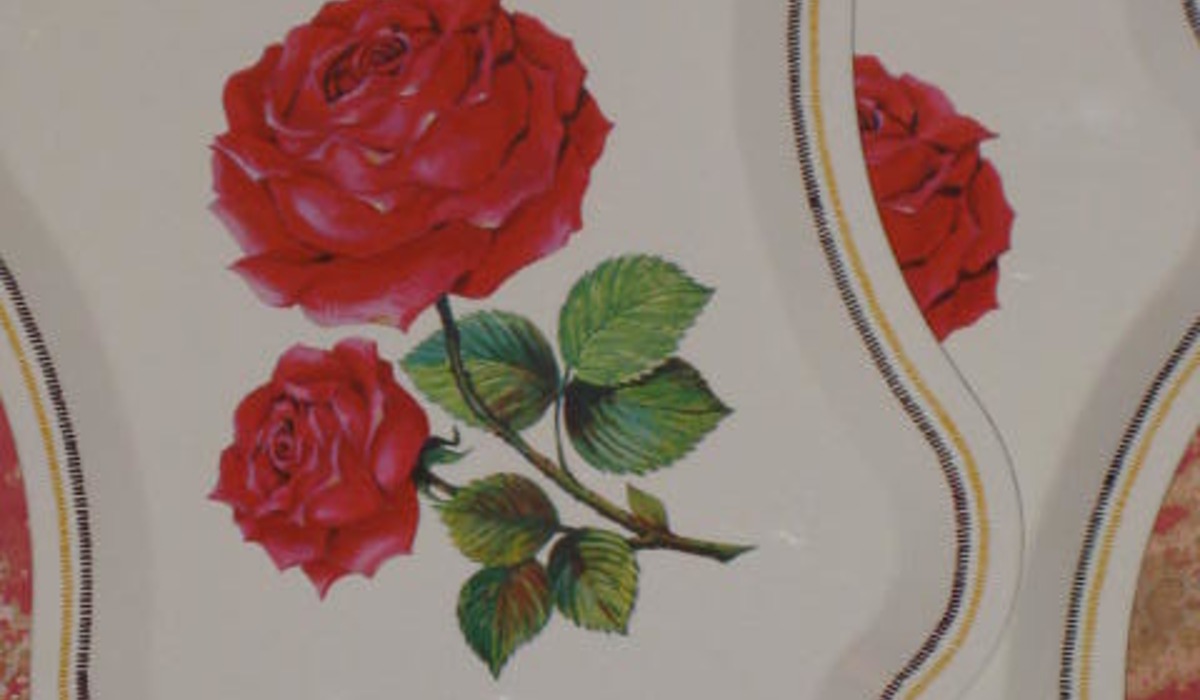
Tin lithograph trays printed with pumpkins, wheat and turkeys were a popular giftware item. The printed color layer is the main attraction, and scratches or rust spots through the design reduce its charm.
Some carry a manufacturer’s name along the edge or underside. A bright, unmarred tray works as both a serving piece and a wall display.
Wooden Turkey Nut Bowl Sets
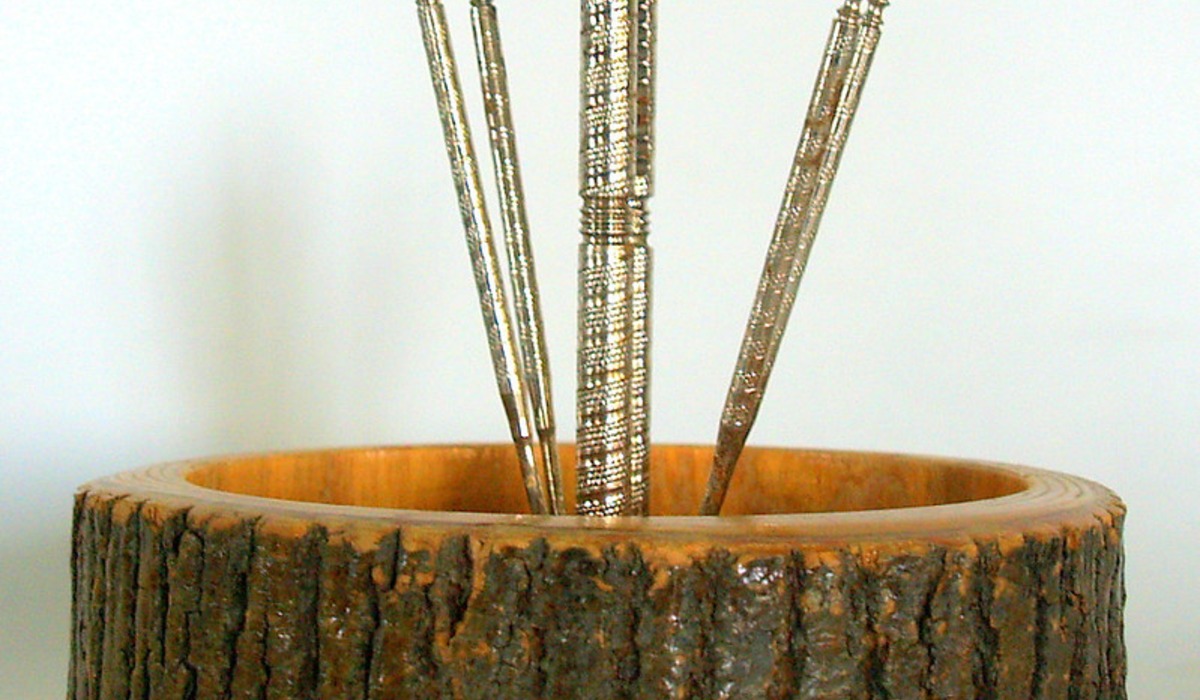
Nut bowl sets shaped like turkeys, often with a bowl, picks and a cracker, were a common holiday gift. Carved or turned wood bodies with painted details give them a folk-art look.
Missing picks and cracked wood are common issues, and complete sets are worth seeking out. Finish wear is a normal sign of age, but deep splits are a deal-breaker.
Wicker Cornucopia Baskets
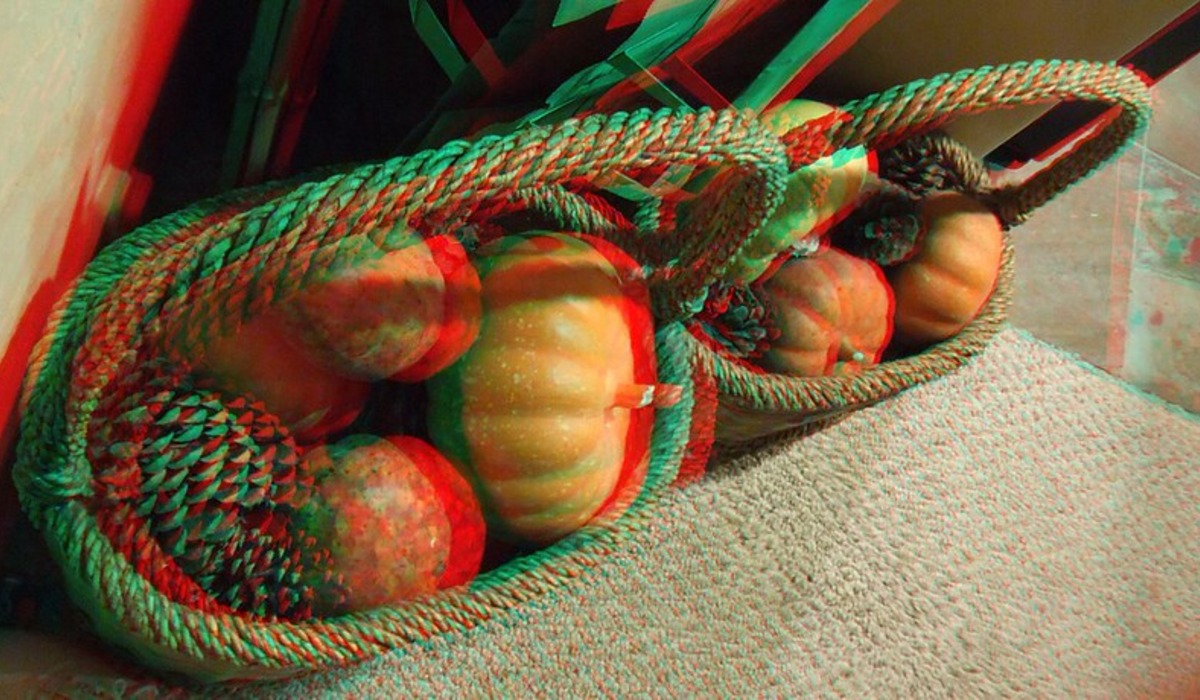
Woven wicker cornucopias in a curling horn shape were a staple of grocery-store and craft-shop autumn displays. They hold gourds, fruit and faux produce well, and the best ones are tightly woven and free of broken strands.
Sun damage can fade the natural color, while moisture may cause mildew. A sturdy basket with no gaps in the weave is more likely to hold up for repeated seasonal use.
Orange Tupperware Servalier Canisters
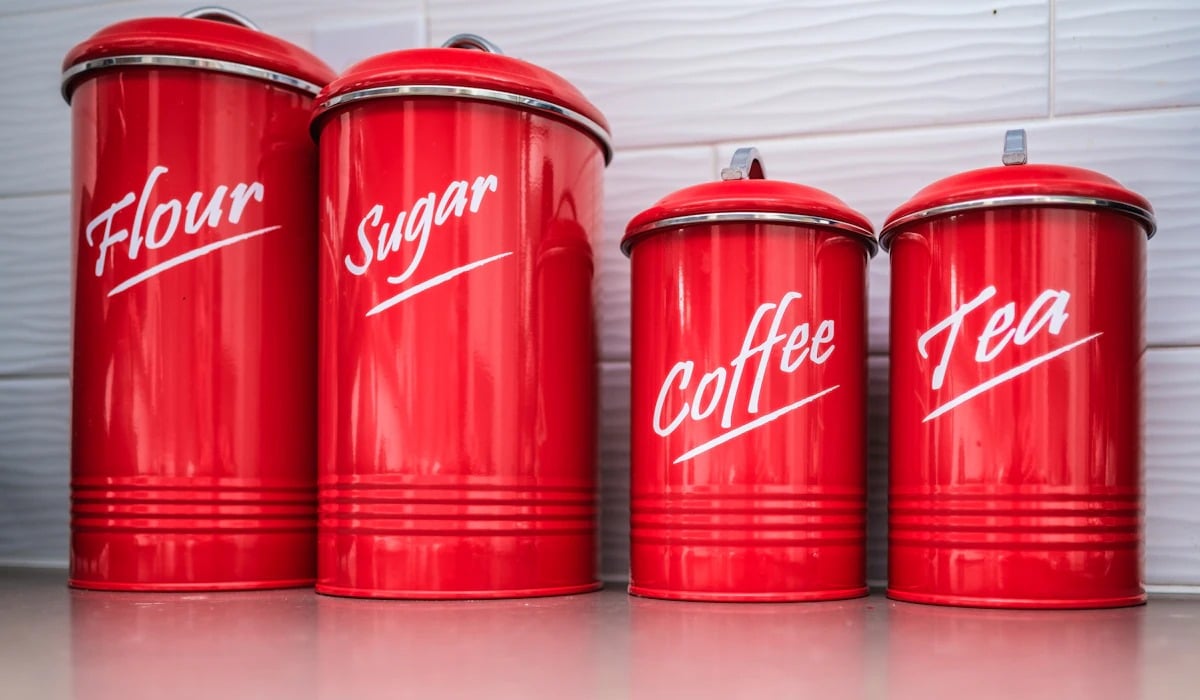
Tupperware Servalier canisters from the 1970s are collectible vintage kitchenware, and some were made in warm orange tones that suit autumn kitchens. The brand’s molded logo appears on the base, and matching lids are the key to a complete set.
Staining from food and warping from heat are common problems. Sets with all their original lids are the ones to hunt for, but condition, color and demand determine whether a particular set has meaningful resale value.
Why Old Autumn Clutter Keeps Its Appeal
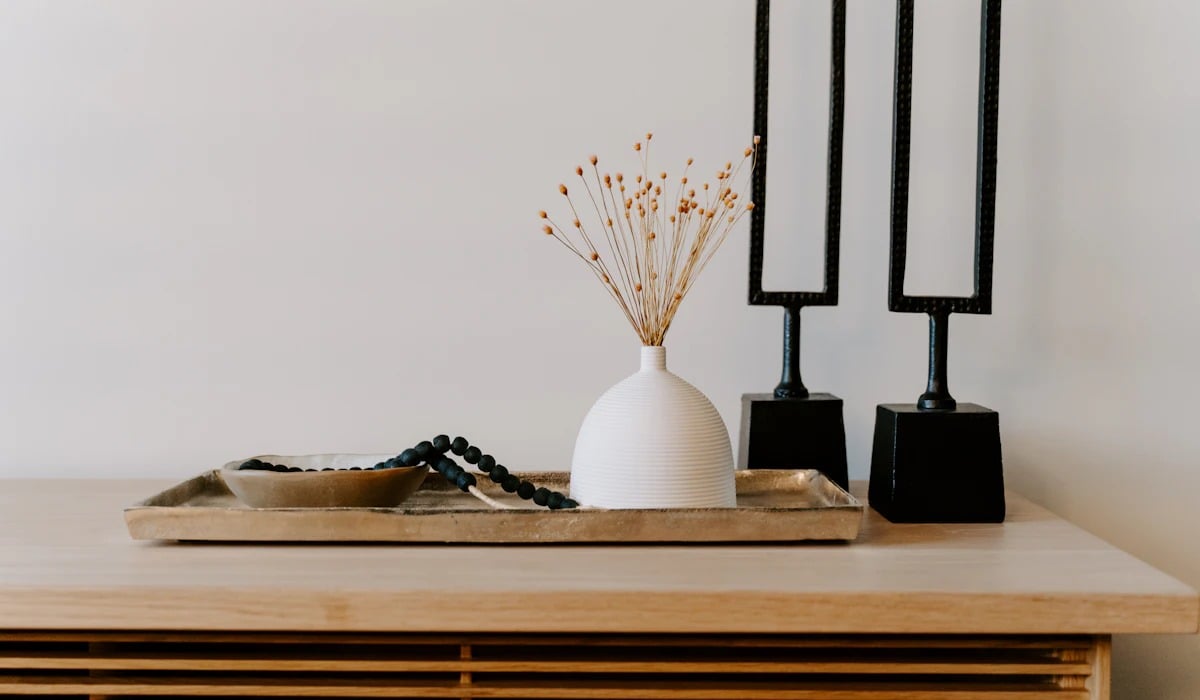
Taken together, these finds share a quality that newer seasonal merchandise often lacks: they were made by identifiable companies, with real marks, in forms built to be used year after year. A maker’s stamp on the base can help turn an ordinary-looking trinket into an identifiable piece of design history.
That is part of why collectors still comb every shelf in the fall.
The thrill also comes from the hunt itself. A chipped bowl or a missing lid can spoil a find, while a complete, well-marked piece can brighten a mantel for decades.
Checking condition, completeness and markings before paying is what separates a good haul from a pile of clutter.
MORE FROM GO2TUTORS!

- The Romanov Crown Jewels and Their Tragic Fate
- 13 Historical Mysteries That Science Still Can’t Solve
- Famous Hoaxes That Fooled the World for Years
- 15 Child Stars with Tragic Adult Lives
- 16 Famous Jewelry Pieces in History
Like Go2Tutors’s content? Follow us on MSN.