Reasons Pokémon cards ruled trading
There was a time when Pokémon cards ran the playground. Before social media, before smartphones, and before anyone cared about Wi-Fi, kids were more focused on who had a holographic Charizard or if they could finally trade for that one missing card in their set.
It wasn’t just a game—it was a lifestyle. Whether someone knew every rule or never played a single battle, the excitement was real.
Opening a new pack felt like striking gold
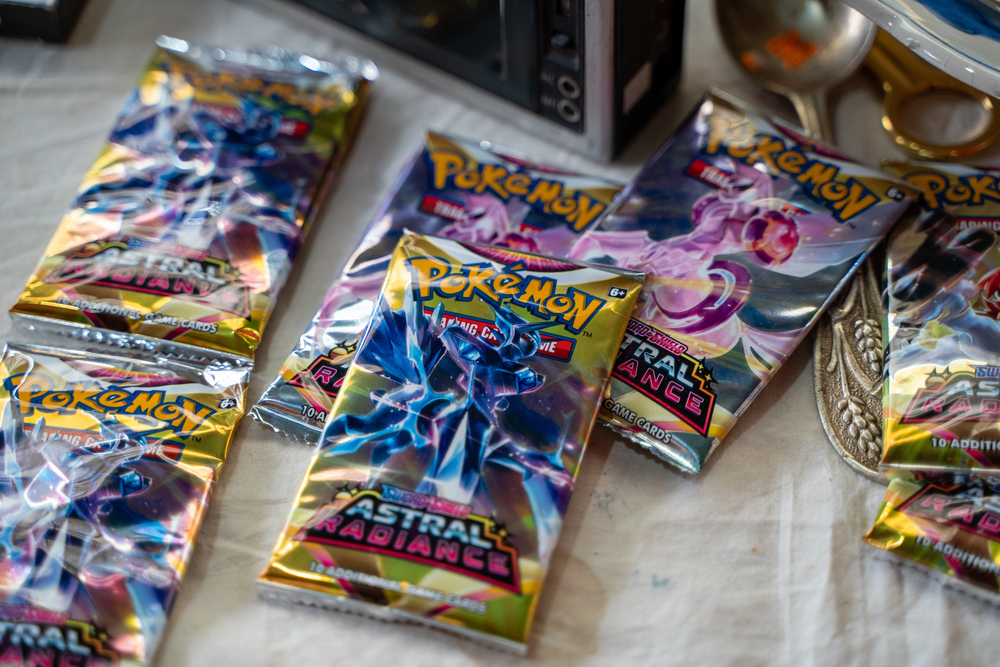
There was something special about peeling open a fresh booster pack. No matter how many packs someone had opened before, there was always hope that this would be the lucky one.
The crinkle of the wrapper, the smell of the new cards, and the suspense of flipping through the stack—it was all part of the experience. It didn’t matter if the rare card showed up or not.
Just the process gave a little thrill that made kids want to do it again (and again).
Trading was its own kind of social life
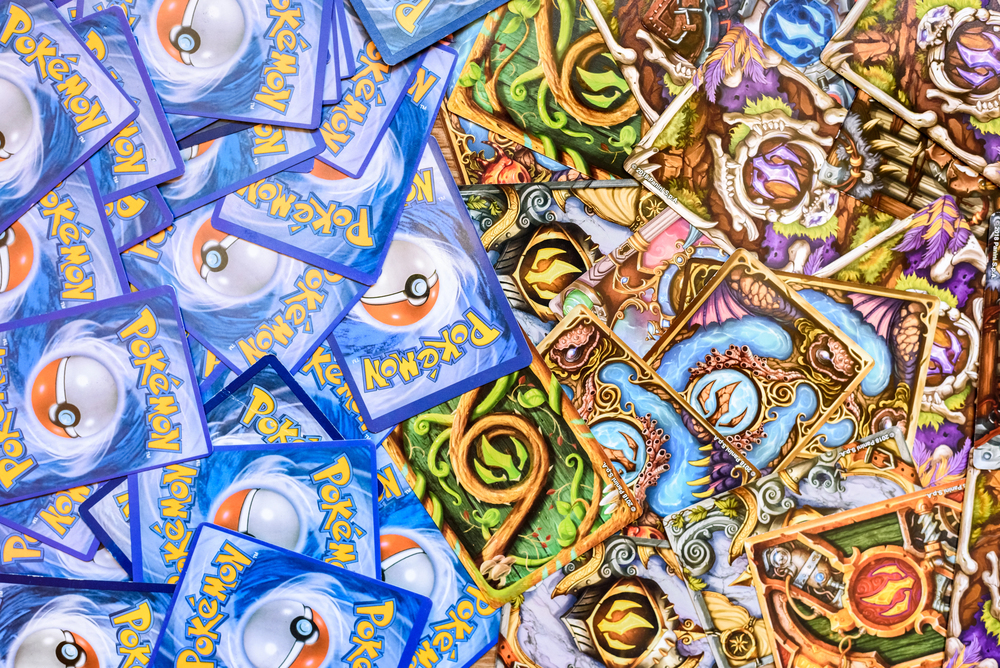
Pokémon cards didn’t stay in binders for long. Recess, after school, bus rides—any place became a trade zone.
Some kids made fast deals, others negotiated like tiny businesspeople. Everyone had their own rules, too—“no take-backs,” “only fair trades,” “no trading with your little brother.”
But beyond the deals, trading brought kids together. It was one of the first times many learned how to negotiate, shake hands, and walk away feeling like they just scored big.
Like Go2Tutors’s content? Follow us on MSN.
The cards looked way cooler than anything else
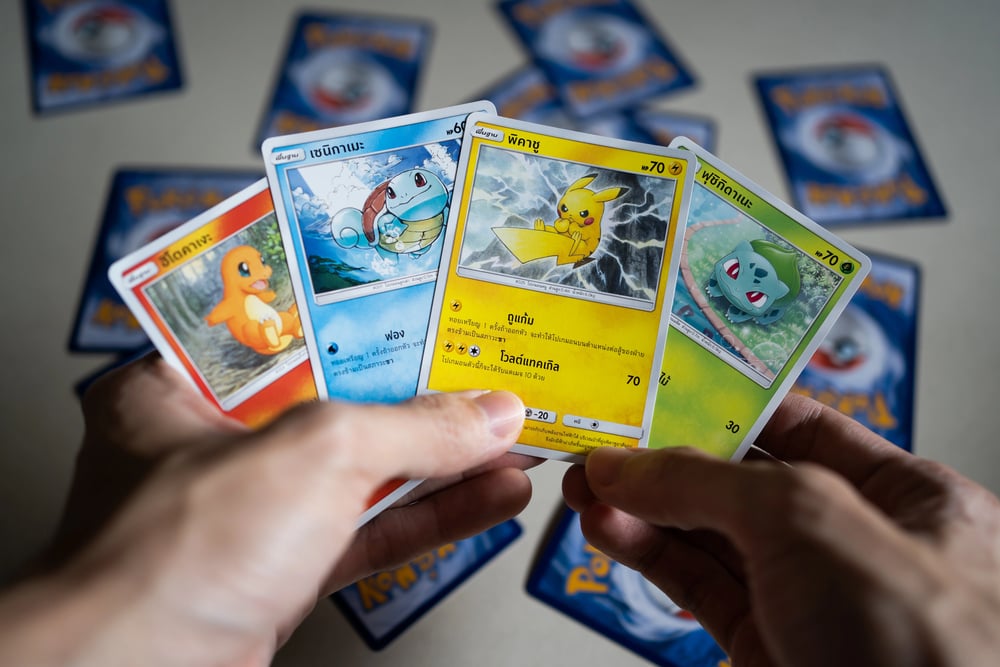
From the bold colors to the shiny holographic finishes, these cards popped. The art was sharp, dramatic, and totally different from anything else out there.
Even people who didn’t play the game still collected just because they looked so cool. Some kids didn’t care what the card did—if it looked awesome, it went straight into the front of the binder.
And when the light hit a holographic just right? Everyone noticed.
There was always that one card everyone wanted
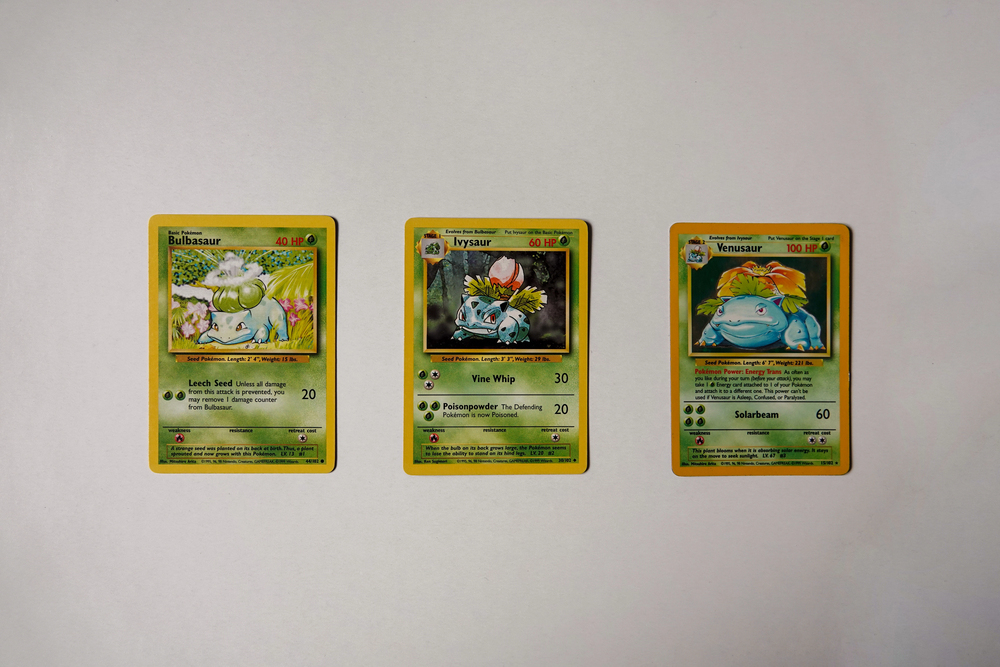
It didn’t matter what school you went to—there was always a card that ruled the playground. Maybe it was Charizard.
Maybe it was a shiny Gyarados. Whatever it was, everyone wanted it, few had it, and one lucky kid had to protect it like their life depended on it.
That card became a legend. It was shown off, but never traded… unless someone made an offer too good to refuse.
Even duplicates had value
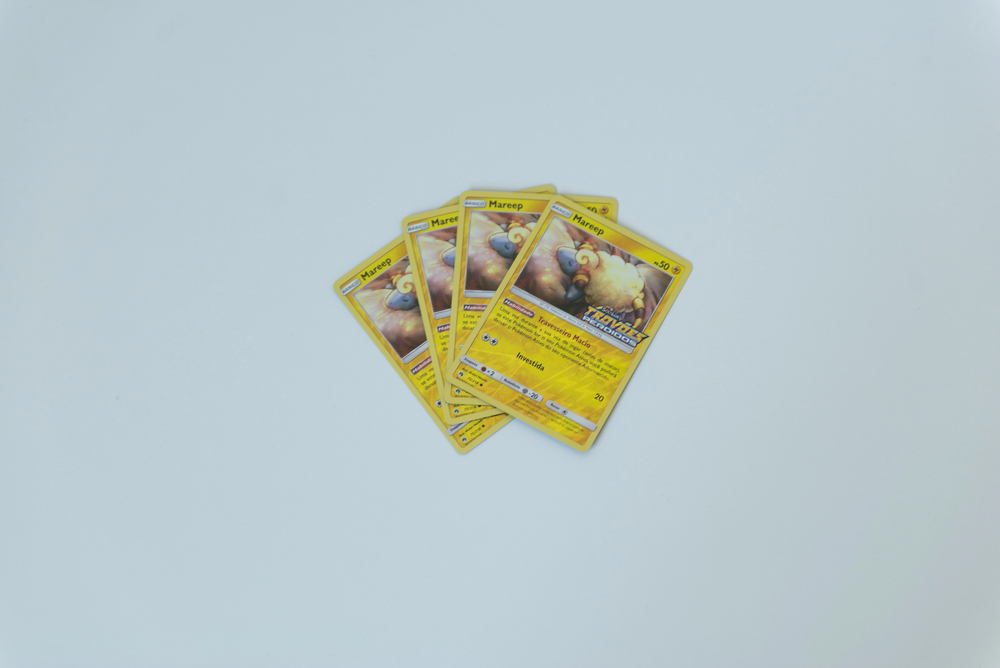
Getting doubles wasn’t always a bad thing. In fact, having extra cards meant someone had trade material.
Kids used their spares like currency, stacking up trades to land something they really wanted. A few clever traders knew how to flip three or four commons into a rare.
It taught some real-life lessons about strategy, patience, and sometimes, knowing when to walk away.
Like Go2Tutors’s content? Follow us on MSN.
Everyone had their own style of collecting
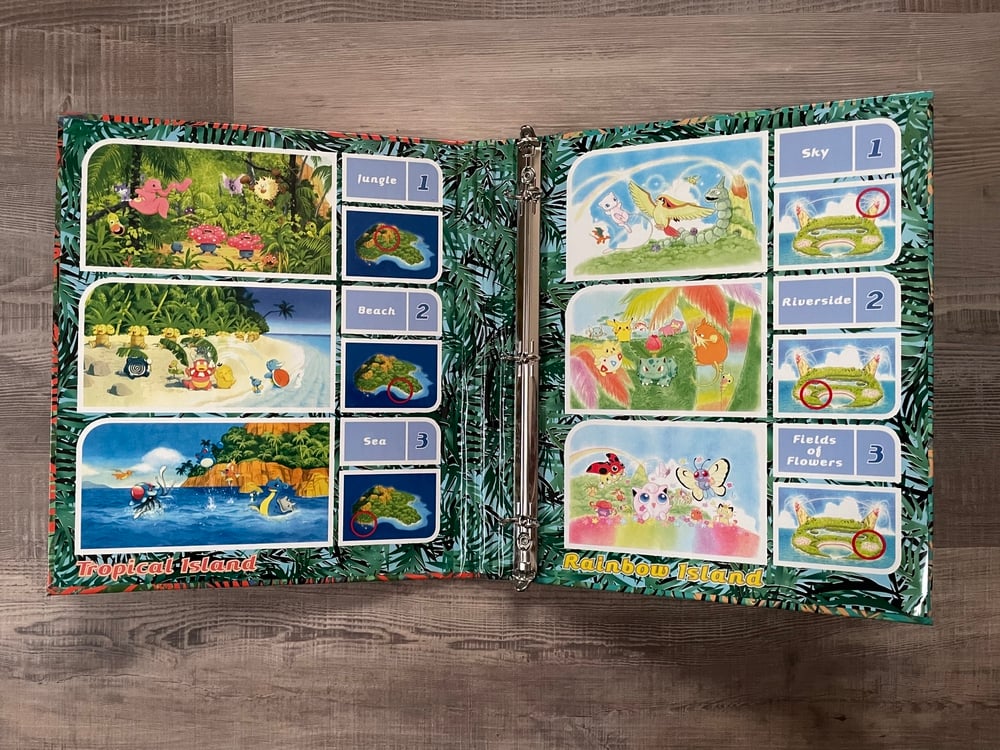
Some kids aimed to collect every single card in a set. Others only wanted certain types—like fire types, cute ones, or anything that evolved from Eevee.
Some focused on power, while others just wanted their binder to look good. No two collections were the same, and that made it personal.
Each one reflected someone’s taste, goals, and personality.
The cards made you feel part of something bigger
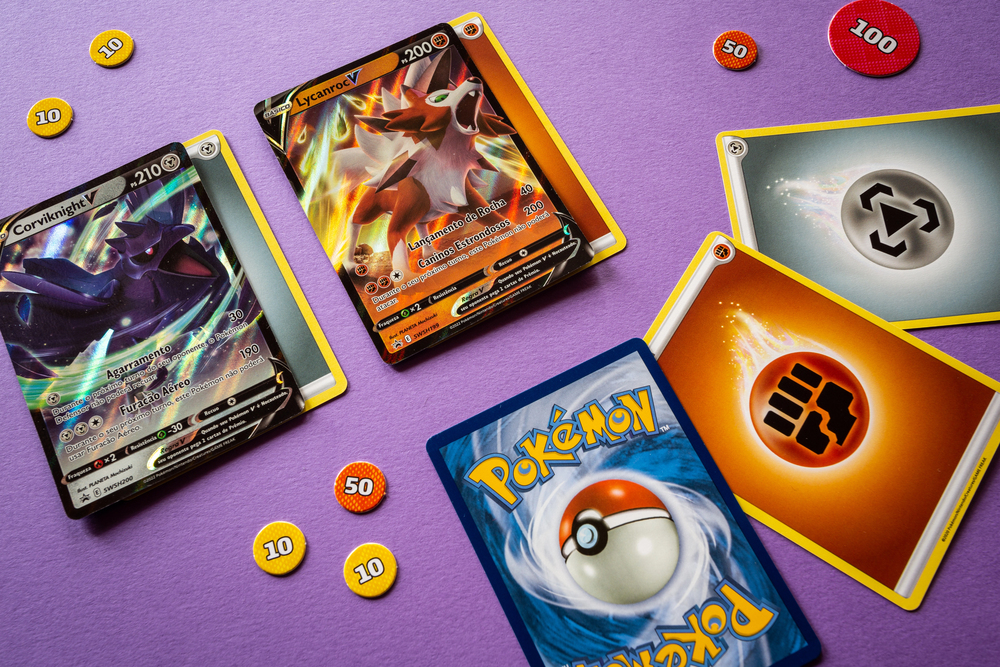
Pokémon wasn’t just a card game. It was a world—a whole universe that kids felt like they belonged to.
The cards connected to the TV show, the video games, and the characters they saw on lunchboxes and birthday cakes. Even if someone didn’t have a Game Boy or couldn’t catch ‘em all in the game, they could still be part of it with the cards.
It gave kids a place to belong.
Everyone remembered their best trade
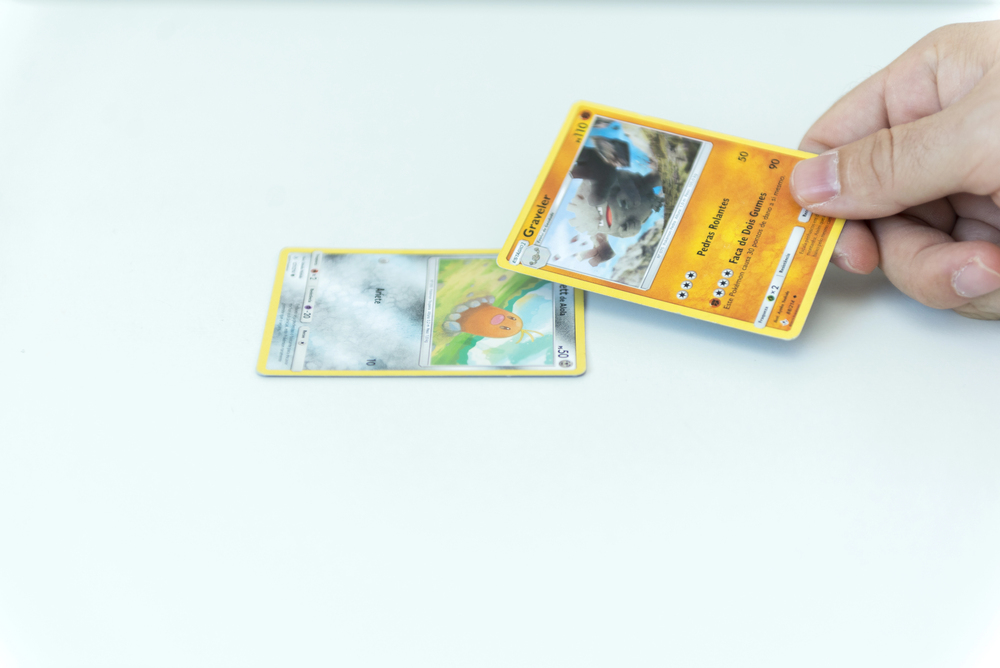
Ask anyone who grew up in that era, and they can probably tell you about the best trade they ever made. Maybe they traded two rares for a card they had been chasing for weeks.
Or maybe they accidentally gave away something valuable and didn’t realize until it was too late. Those trades became stories.
Some were triumphs. Some were regrets. But either way, they stuck.
Like Go2Tutors’s content? Follow us on MSN.
Binder organization became an art form
A lot of time went into how cards were arranged in a binder. Some went by element, others by evolution.
And if someone had a holographic, it always went on the first page—usually in the center. Kids took real pride in flipping that binder open and showing off their layout.
It was a portable gallery and a personal brag board all in one.
Holographics felt like treasure
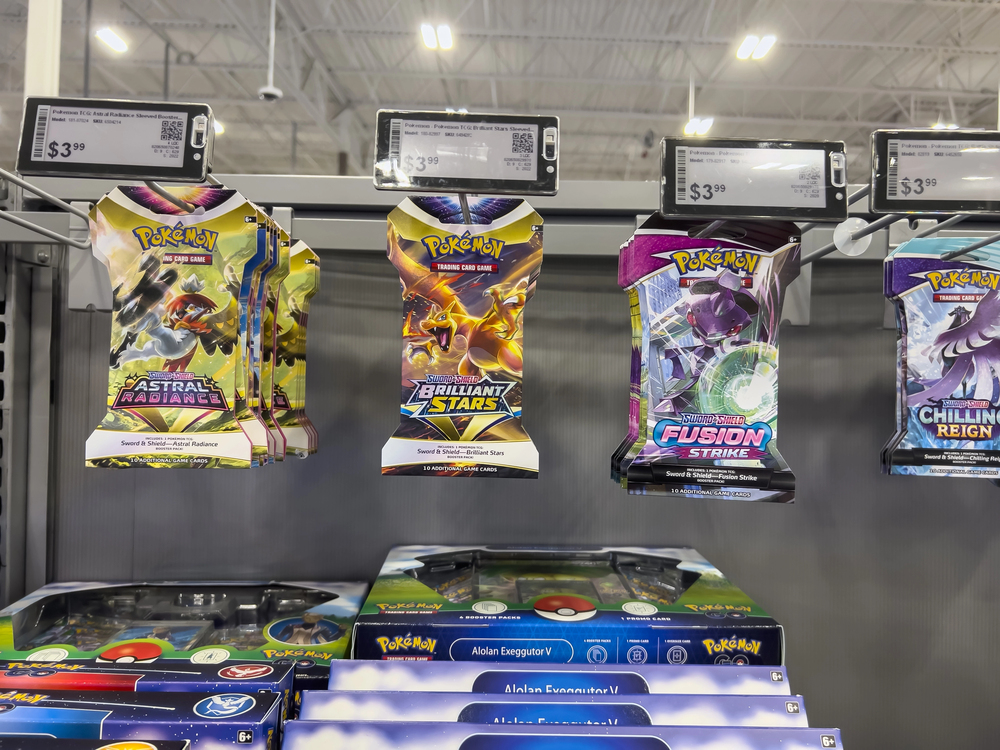
Pulling a holographic card wasn’t just exciting—it was an event. The second someone saw that shiny reflection in the pack, the volume went up.
Friends gathered around. The kid who pulled it held it up like it was made of diamonds.
And even if it wasn’t a popular one, it still went straight into a protective sleeve (or between two pieces of cardboard in a ziplock bag).
Some kids learned the rules and took it seriously
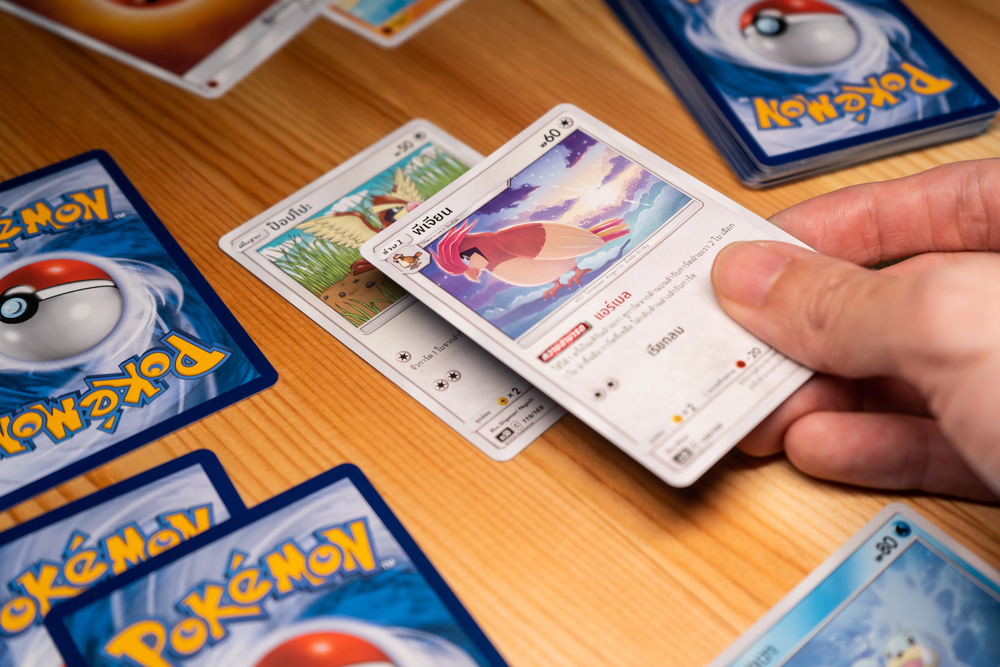
Sure, most people just liked collecting, but there were always a few kids who actually knew how to play. They brought real decks, memorized the rules, and used words like “energy cards” and “retreat cost” like pros.
Some even went to official tournaments or played at local card shops. For them, it wasn’t just about collecting—it was about winning.
And watching two kids battle it out with full decks? That was entertainment.
Like Go2Tutors’s content? Follow us on MSN.
The cards had real-world value
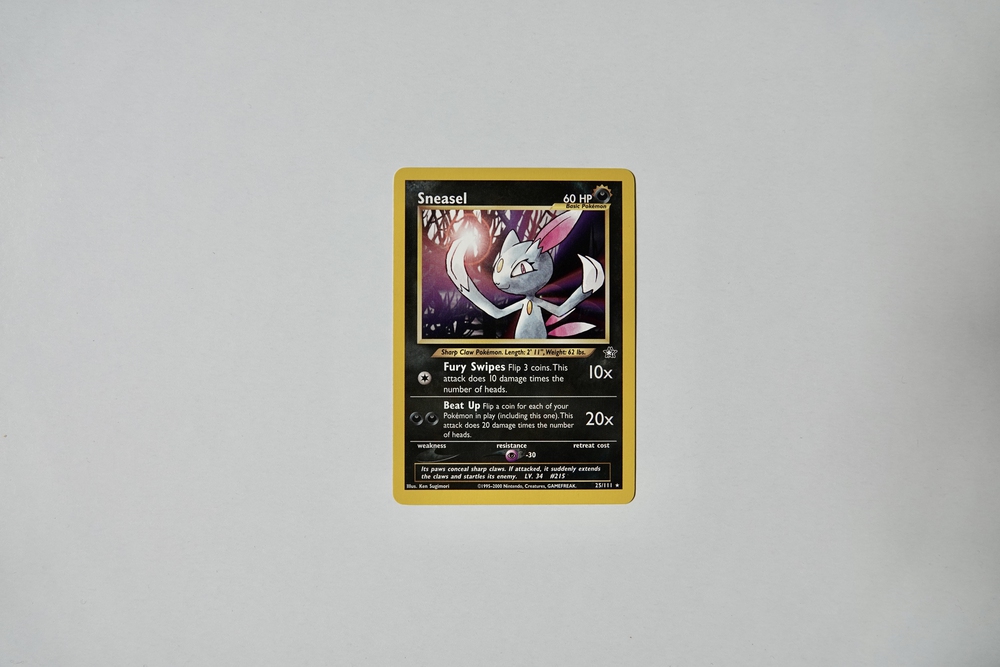
At some point, people realized these weren’t just “toys.” Some cards started selling for serious cash.
Even back then, kids whispered about how much a first-edition card might be worth. Some families started storing rare cards in plastic cases.
And now, years later, those cards really are worth hundreds or even thousands. Turns out all that lunchtime trading paid off for a few lucky collectors.
It made kids feel like experts
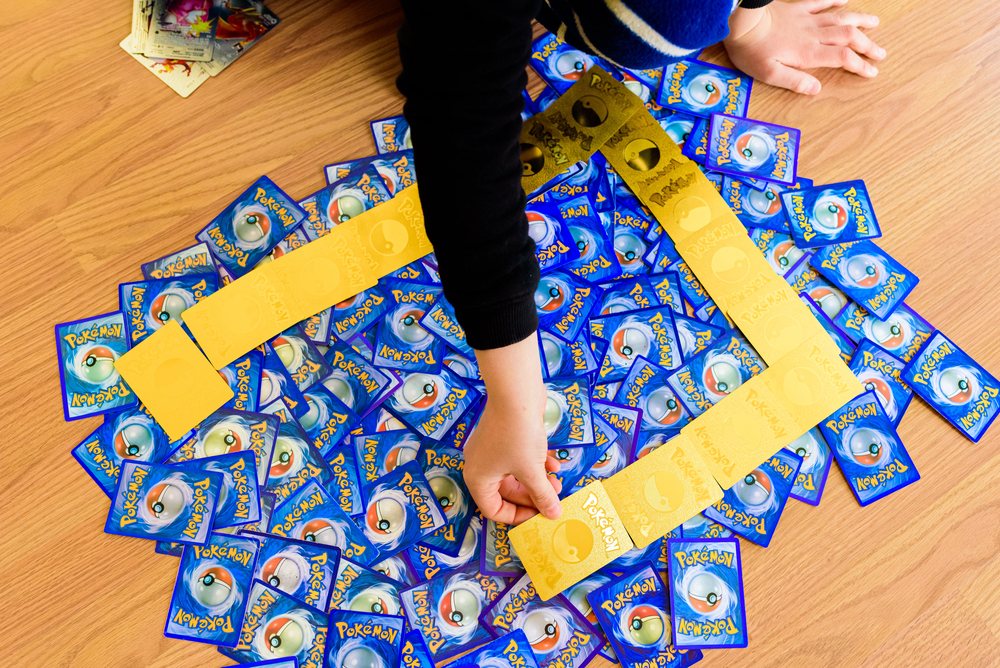
Kids who were deep into Pokémon knew everything. Names, moves, evolutions, card numbers, types—they had it all memorized.
It gave them confidence, especially if they weren’t into sports or other popular things. Knowing what card came from what set made them feel smart.
It was more than a hobby—it was something they knew better than most adults.
There were always new sets to chase
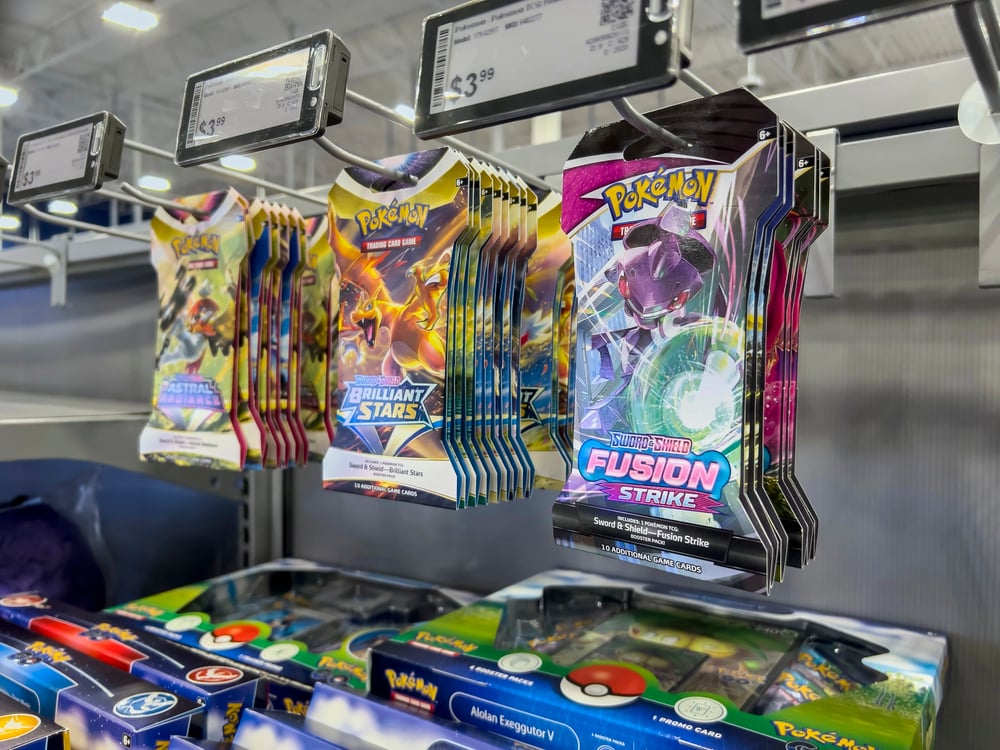
Just when someone thought their collection was almost done, a new set came out. Jungle. Fossil. Team Rocket.
Each one brought fresh cards, new favorites, and more trades. It kept the excitement alive.
Kids stayed interested because the hunt never really ended.
Like Go2Tutors’s content? Follow us on MSN.
Everyone had a binder story
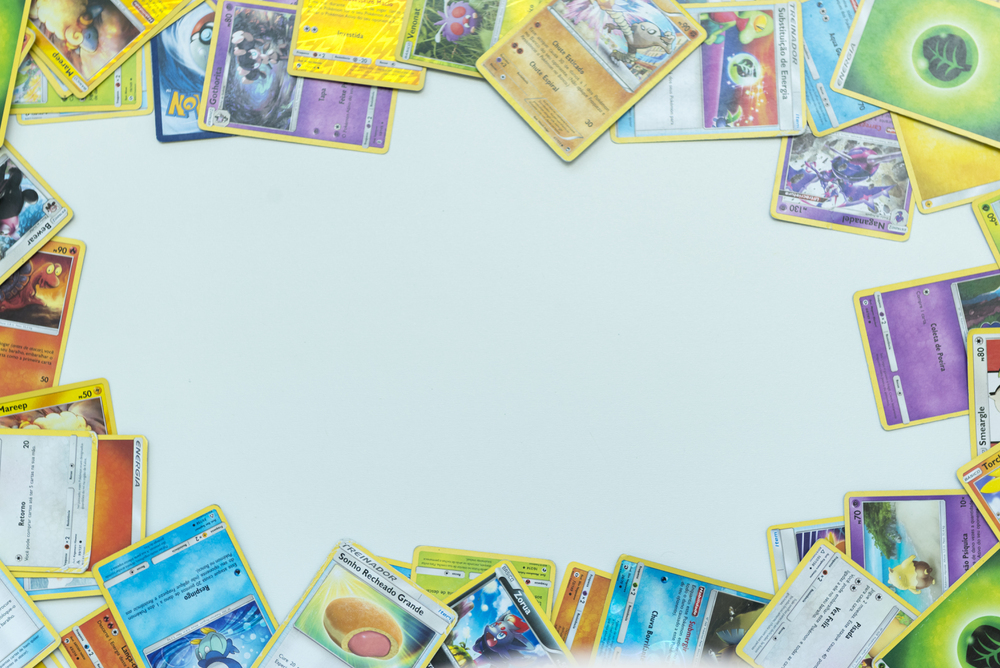
Some binders got lost. Others were stolen. Some were proudly passed down to younger siblings—or hidden away in closets, only to be found years later.
The binder wasn’t just a storage case. It was a timeline of childhood.
Every bent corner and sleeved card told a story of excitement, mistakes, trades, and tiny victories.
It didn’t matter who you were—Pokémon cards brought people together
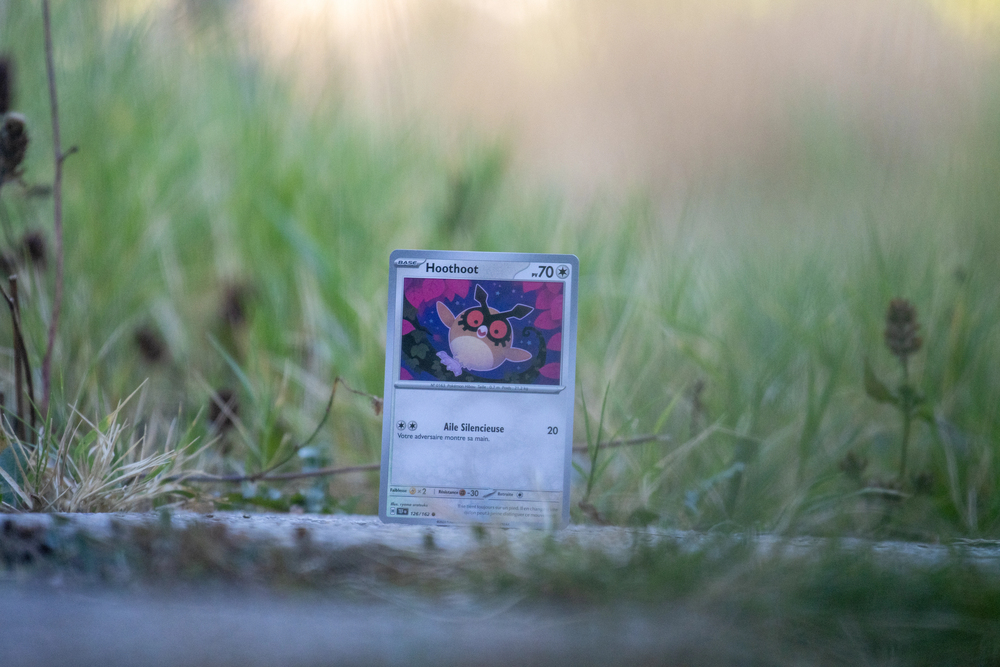
There weren’t many things that every kid liked. But Pokémon cards came close.
They brought together kids from every group, every grade, every background. Whether someone had a full set or just a handful of cards, they were part of it.
That’s what made it special. It wasn’t just about collecting—it was about being part of something fun, simple, and unforgettable.
From schoolyard trades to collector showcases
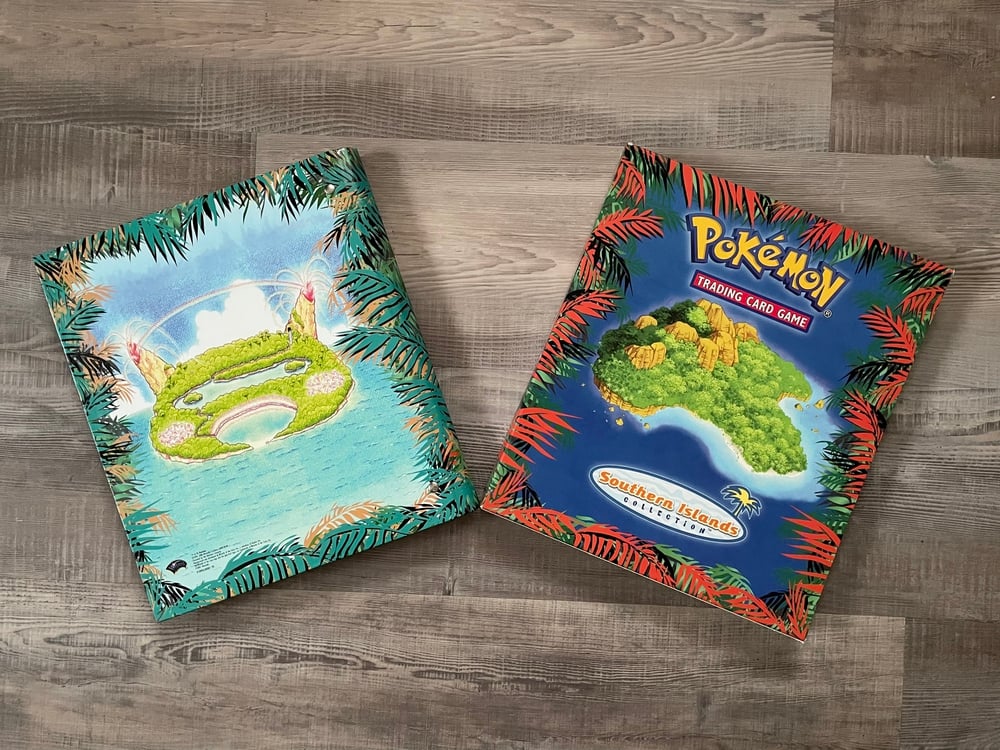
What started as something to pass time at recess turned into a global hobby. Kids who once traded on the playground now buy and sell cards online, display them at conventions, or hand them to their own kids.
The fun, the memories, the thrill of the hunt—it’s all still alive. Pokémon cards weren’t just a fad.
They became a lasting part of growing up for millions of people, and they still hold that same magic today… one shiny pull at a time.
More from Go2Tutors!

- 16 Historical Figures Who Were Nothing Like You Think
- 12 Things Sold in the 80s That Are Now Illegal
- 15 VHS Tapes That Could Be Worth Thousands
- 17 Historical “What Ifs” That Would Have Changed Everything
- 18 TV Shows That Vanished Without a Finale
Like Go2Tutors’s content? Follow us on MSN.



