Inventions Nobody Thought Would Catch On
Plenty of everyday objects had a rough introduction. Buyers shrugged, executives passed, and inventors spent years knocking on doors that stayed shut. The record of those early failures is surprisingly well documented.
Some of these ideas needed a better pitch. Others needed a different market, a cheaper price, or a cultural shift that took decades to arrive. All of them ended up in kitchens, offices, cars, and pockets around the world.
Post-it Notes and the Glue That Would Not Stick

Spencer Silver, a 3M chemist, developed a weak and reusable adhesive in 1968, and for years nobody at the company could say what it was good for. Art Fry, a 3M colleague who sang in a church choir, realized around 1974 that it could anchor bookmarks in a hymnal without tearing the pages.
A 1977 test in a handful of cities drew little interest, but free samples handed out in Boise, Idaho, changed minds. The product reached stores nationwide in 1980, and once people held a pad, it largely sold itself.
Velcro and the Burrs on a Hunting Dog
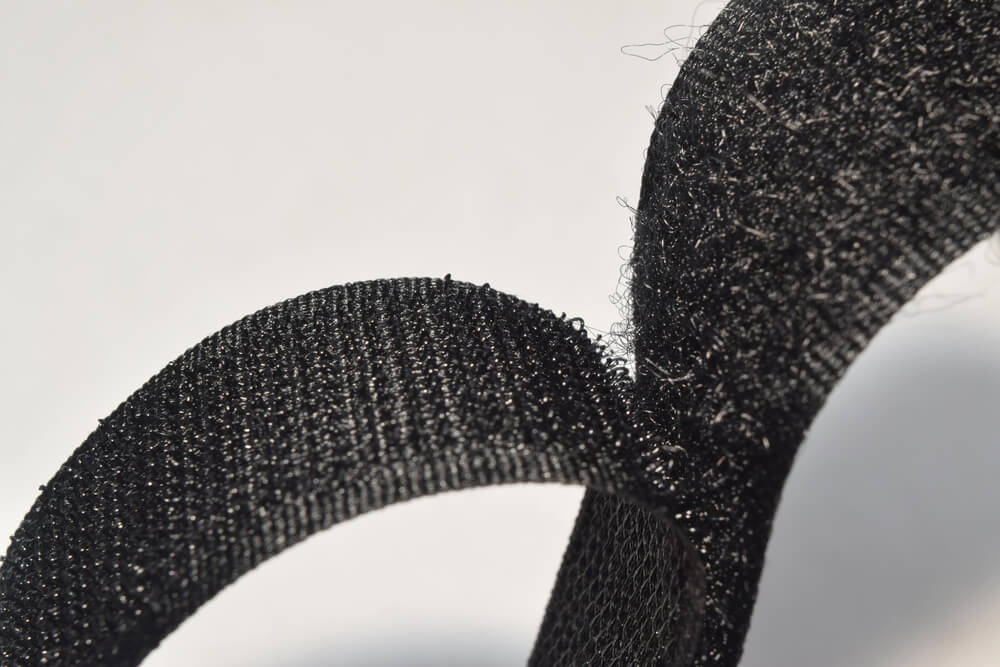
Swiss engineer George de Mestral noticed burrs clinging to his clothing and his dog after an Alpine walk in 1941, and he spent years trying to copy the effect in fabric. He patented his hook-and-loop fastener in 1955, but fashion designers were slow to warm to a tape that rasped when pulled apart.
The material gained its first big publicity when astronauts used it in the 1960s to keep items from floating around the cabin. Ski wear and children’s shoes soon followed, and the name comes from the French words for velvet and hook.
Zippers Took Decades to Reach Trousers
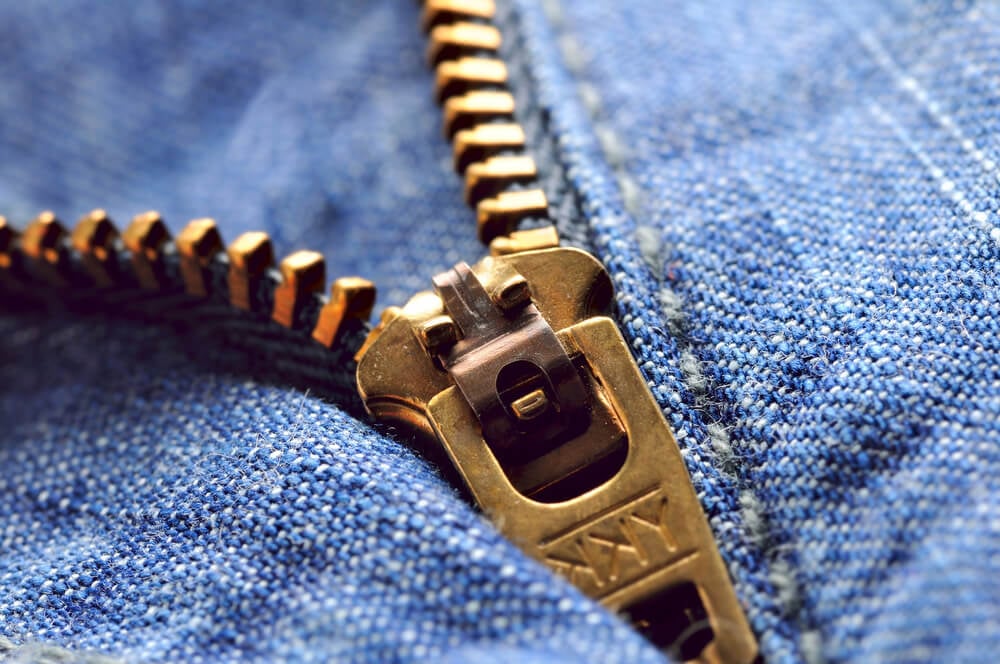
Whitcomb Judson patented a hook-and-eye “clasp locker” in 1893 and showed it at the World’s Columbian Exposition in Chicago. Buyers were unimpressed, and the early fasteners had a tendency to pop open.
Gideon Sundback, an engineer at the Universal Fastener Company, redesigned the interlocking teeth around 1913 and made the device far more reliable. The B.F. Goodrich company used it on rubber boots in 1923 and gave it the name zipper, but clothing makers waited until the 1930s to put it in trouser flies in any serious numbers.
Tupperware and the Seal Nobody Understood
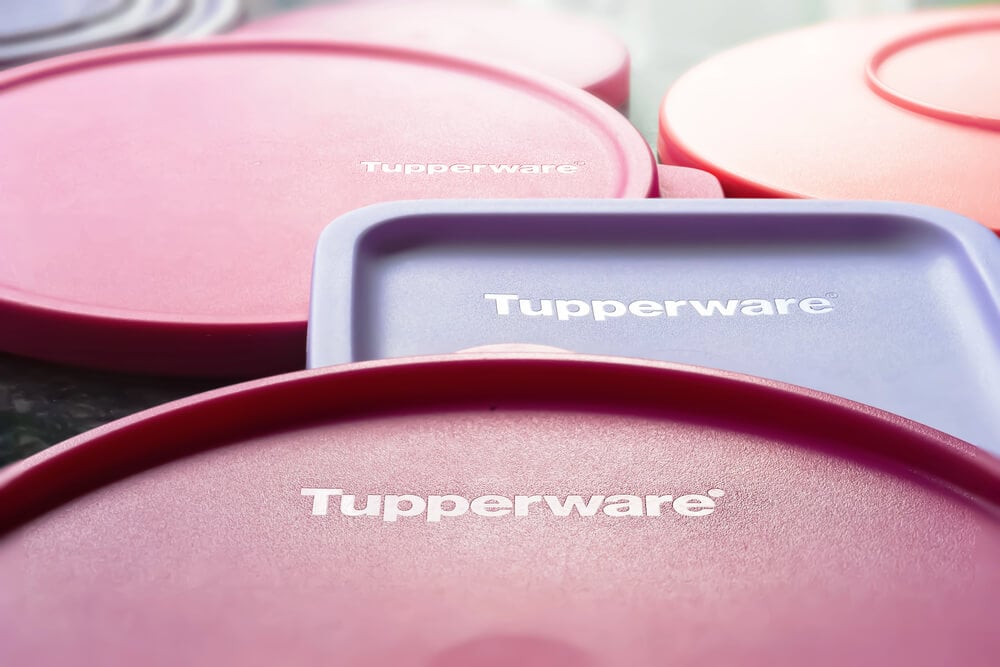
Earl Tupper, a chemist who worked with leftover polyethylene from DuPont, introduced his airtight bowls in 1946. Shoppers who saw them on store shelves could not tell how the lid was supposed to seal, so sales stayed modest.
Brownie Wise, a salesperson who sold the bowls through home demonstrations, proved that a person showing the lid could do what a shelf display could not. By 1951 Tupper pulled the line from stores entirely and sold only through parties hosted in living rooms, a decision that turned a stalled product into a household name.
Barcodes and the Supermarket Standoff
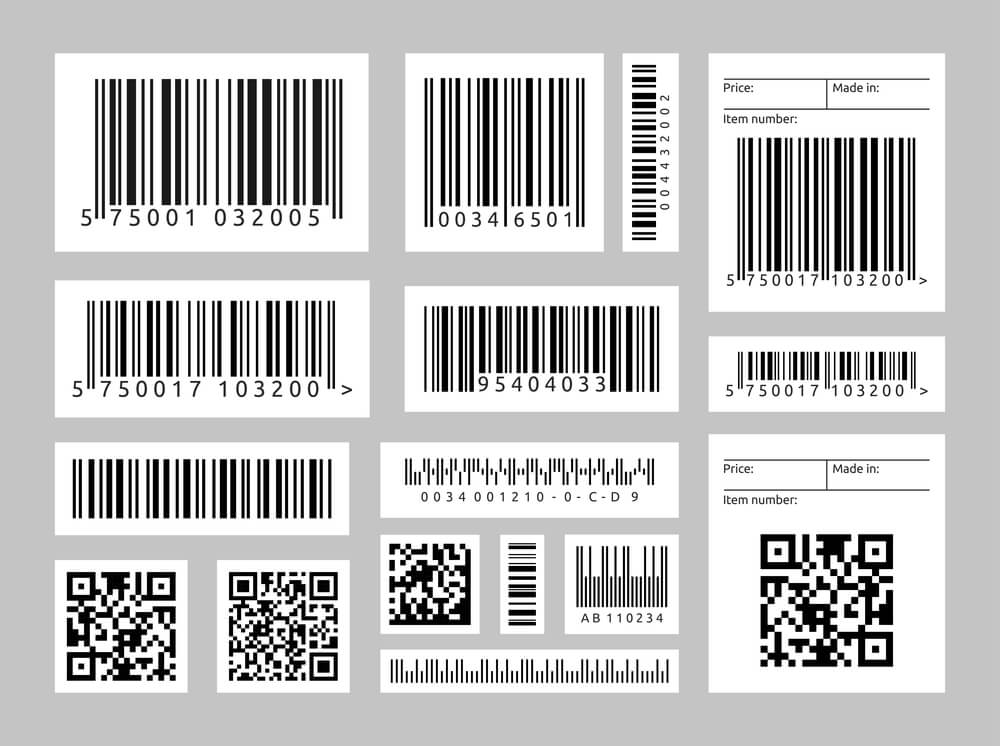
Norman Woodland and Bernard Silver received a patent in 1952 for a system of coded lines that a machine could read. The idea sat unused for two decades, largely because the scanners were expensive and manufacturers saw no reason to print symbols on packages until stores could read them.
The deadlock broke after the grocery industry agreed on a universal product code, and in 1974 a cashier at a Marsh supermarket in Troy, Ohio, scanned a pack of Wrigley’s Juicy Fruit gum. Adoption kept spreading across the following decade as retailers learned that scanning saved labor.
Bubble Wrap, the Wallpaper That Failed
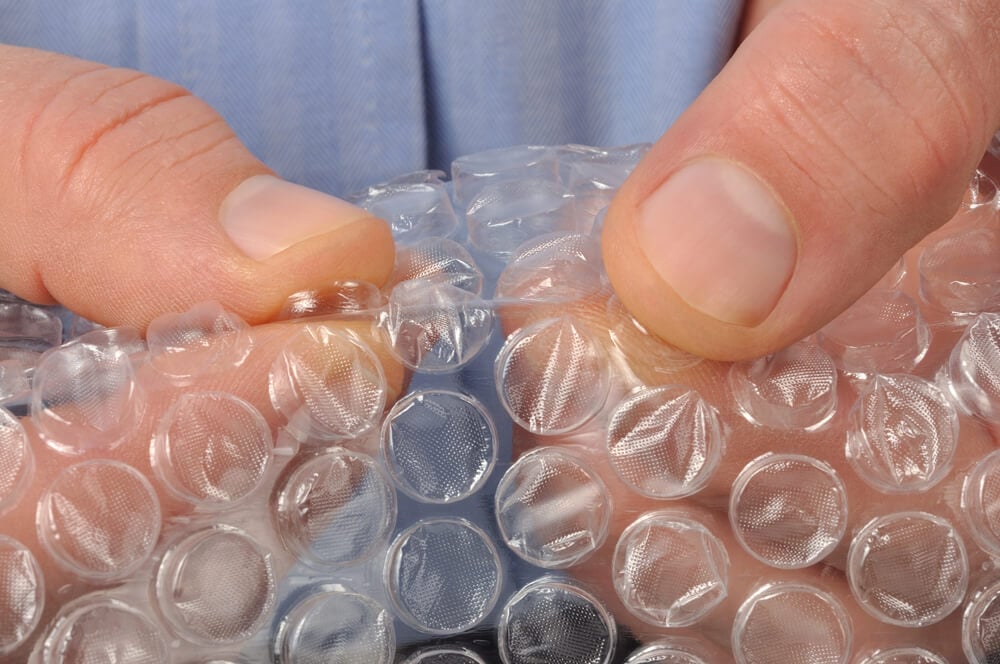
Alfred Fielding and Marc Chavannes sealed two shower curtains together in 1957 in Hawthorne, New Jersey, trapping air pockets between them. Their plan was to sell the textured material as modern wallpaper, and interior decorators were not interested.
They next pitched it as greenhouse insulation, which did not work either. The breakthrough arrived when the company marketed it as protective packaging for computers, including IBM equipment, and the Sealed Air Corporation grew on that single use.
Wallpaper was never mentioned again, and the popping of the bubbles became a pastime of its own among people who unpacked boxes.
ATMs and the Customers Who Preferred Tellers
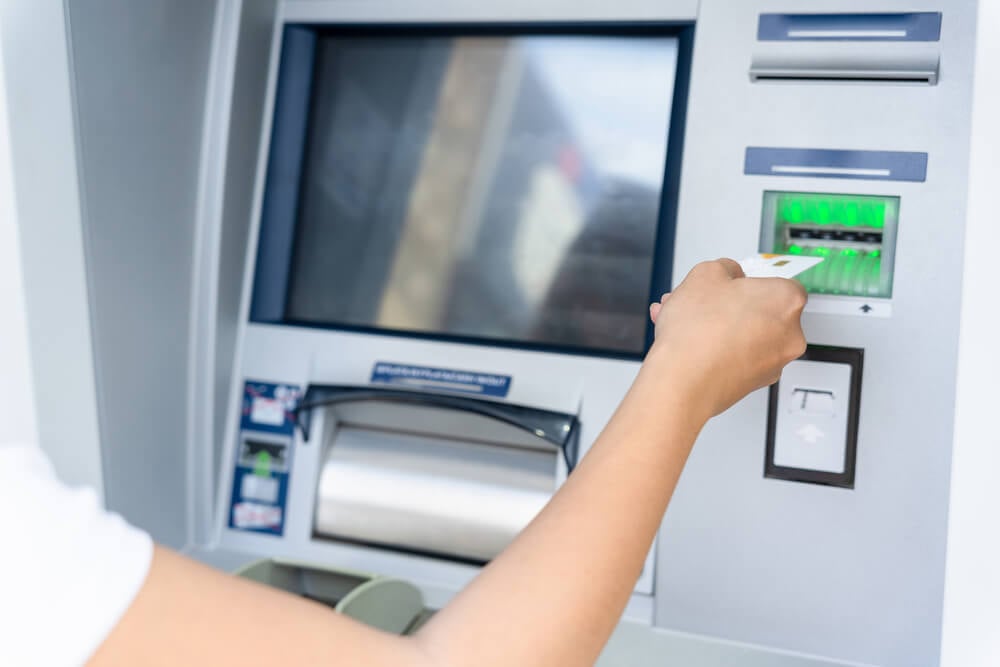
John Shepherd-Barron’s cash machine went into service at a Barclays branch in Enfield, north London, in 1967. In the United States, Chemical Bank put a Docutel machine on Long Island, New York, on September 2, 1969, with an advertising line promising that the bank would open at nine and never close again.
Early use was modest, since many customers trusted a human teller more than a slot in the wall. Banks kept adding machines through the 1970s, and the convenience of night and weekend cash eventually did the persuading.
Sony Walkman, a Tape Player That Could Not Record
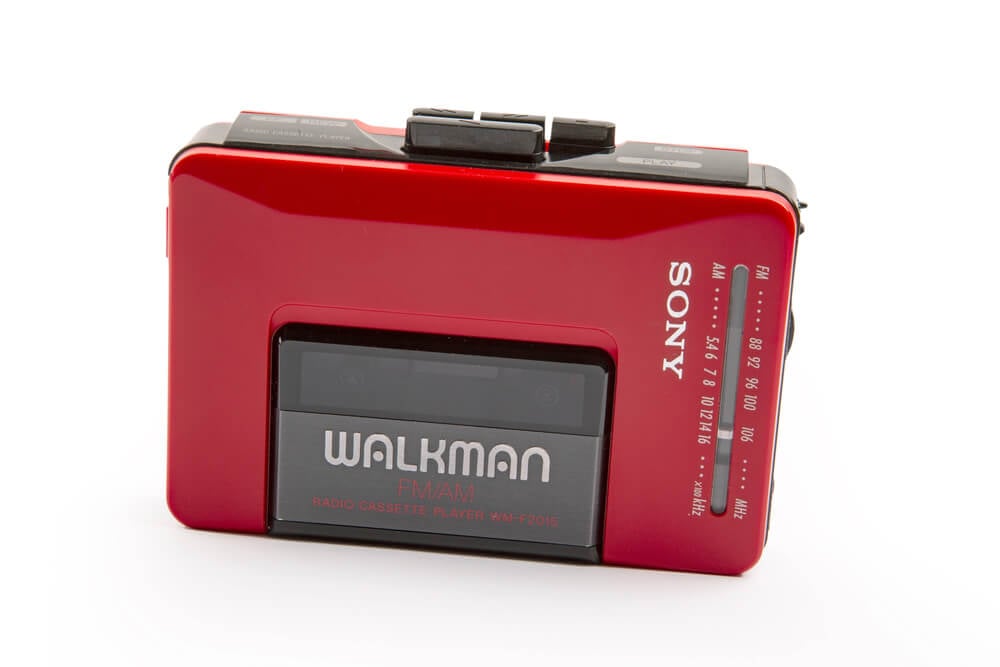
Sony launched the Walkman in Japan in July 1979, and company insiders worried that nobody would buy a cassette player that could not record. Chairman Akio Morita backed the product anyway, after cofounder Masaru Ibuka had asked for a small player that could play stereo music on long flights.
The first weeks of sales were sluggish, and then word of mouth among young listeners lifted the numbers. Headphone stereo became a standard part of commuting, and rival makers rushed out their own versions within a few years.
Rolling Luggage and the Airport Epiphany
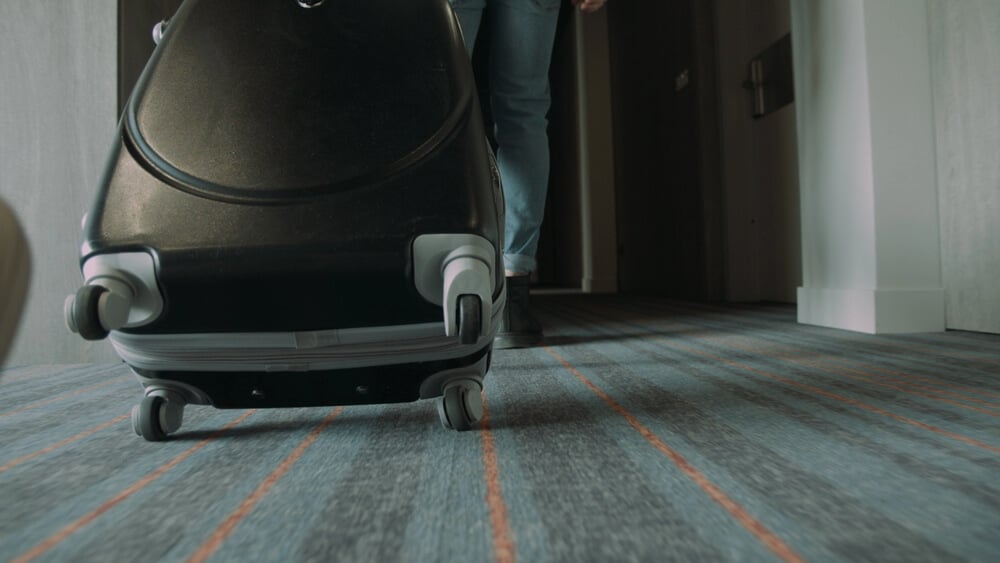
Bernard Sadow, an executive at a luggage company, was hauling heavy bags through an airport in 1970 when he watched a worker roll a machine on a wheeled platform. He attached wheels and a strap to a suitcase and received a patent in 1972.
Department stores were slow to bite, and many travelers considered pulling a bag on a leash undignified. Pilot Robert Plath later built a two-wheeled case with a telescoping handle for fellow flight crews in 1987, and the upright design moved into mainstream travel.
Microwave Ovens Began as Six-Foot Radar Offshoots
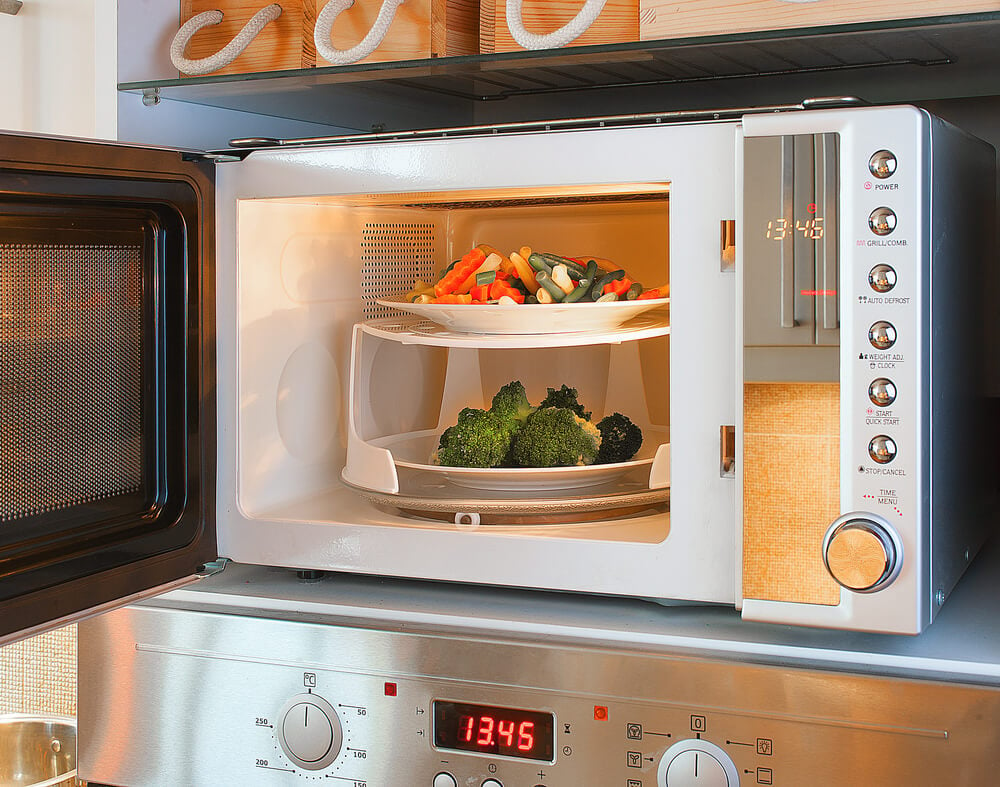
Percy Spencer, an engineer at Raytheon, noticed during radar work in 1945 that microwaves could heat food, and the company sold its first commercial unit, the Radarange, in 1947. That machine stood about six feet tall, weighed in the neighborhood of 750 pounds, and needed plumbing for water cooling, so it suited only restaurants and industrial kitchens.
Home cooks had little reason to buy one. Amana introduced a countertop Radarange for households in 1967, and sales grew steadily as prices dropped and frozen dinners multiplied.
Gillette’s Disposable Blade and the 51 Razors
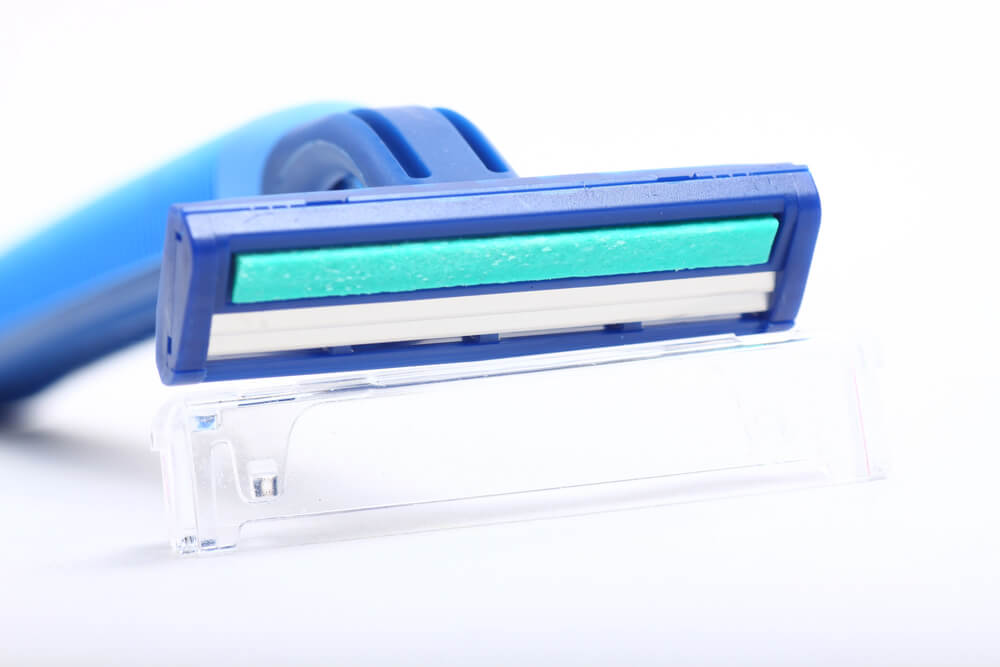
King Camp Gillette spent years on the idea of a razor with a cheap, throwaway blade, and the engineers he consulted doubted that thin steel could be produced at a low enough price. William Nickerson, an MIT-trained inventor, helped solve the manufacturing problem.
The company sold only 51 razors and 168 blades in 1903, its first year of sales. In 1904 the numbers jumped to roughly 90,000 razors and more than 120,000 blades, and the business model of selling replacement blades was off and running.
Kitty Litter and the Man Selling Clay from His Trunk
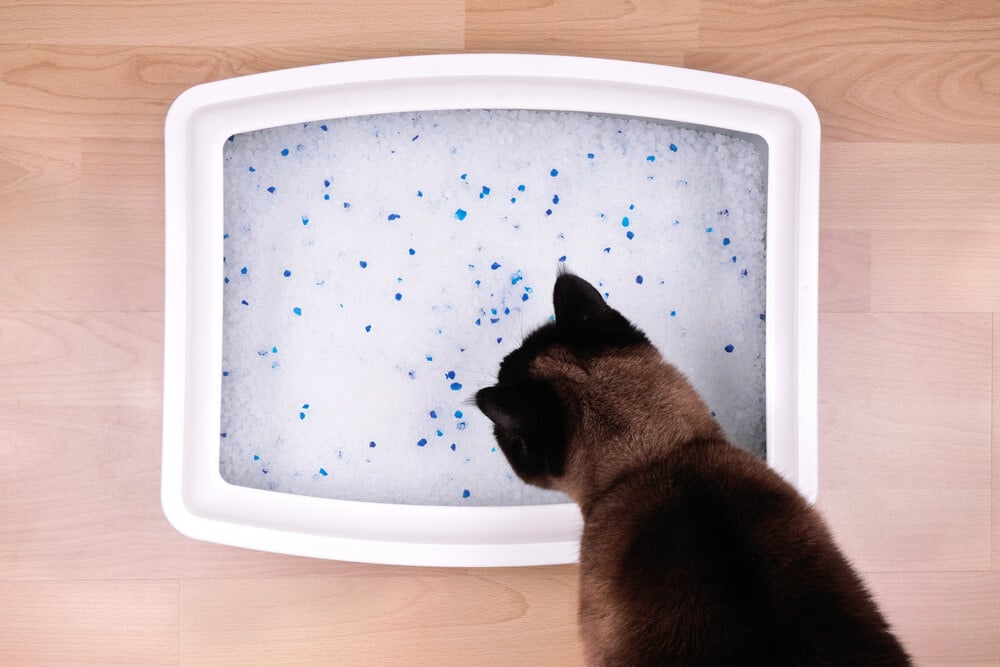
Ed Lowe of Cassopolis, Michigan, was a young salesman in 1947 when a neighbor asked for something better than ashes for her cat’s box. He suggested Fuller’s earth, an absorbent clay his father’s company sold for soaking up industrial spills.
Lowe bagged it, labeled it Kitty Litter, and found that pet stores doubted anyone would pay for dirt. He drove to shops and cat shows and sold the bags from the trunk of his car.
Within a few years the product had a loyal following.
Dishwashers Reached Hotels Before Homes
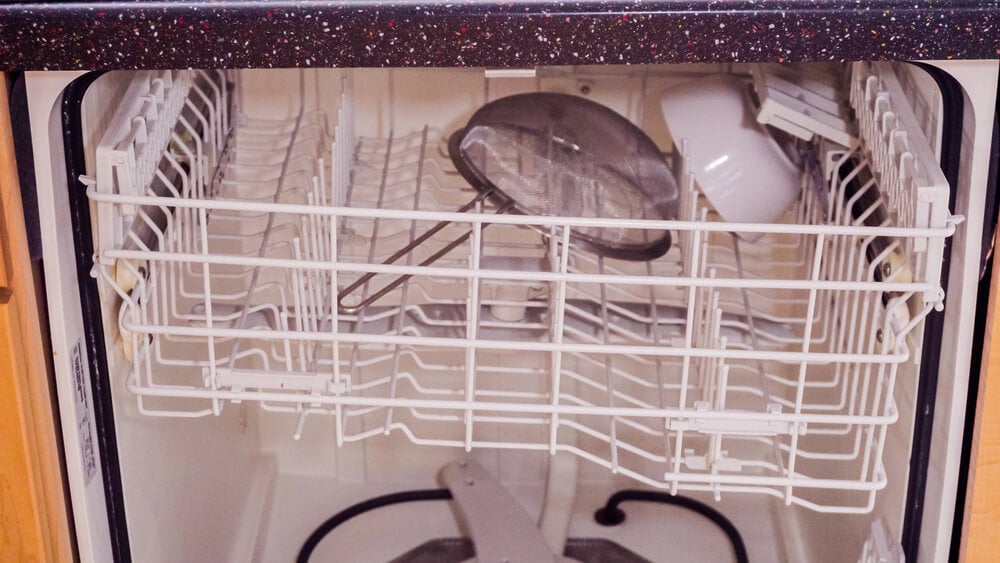
Josephine Cochrane of Shelbyville, Illinois, patented a hand-fed dishwashing machine in 1886 after tiring of chipped china at her dinner parties. She won recognition at the 1893 World’s Columbian Exposition, and orders came from hotels, restaurants, and hospitals rather than households.
Most homes lacked the hot running water and reliable electricity that the machine needed. Her company, Garis-Cochran, was later absorbed into the business that became KitchenAid, and household ownership climbed only after the postwar decades, when suburban kitchens were built with plumbing and wiring that could handle one.
The inventor herself spent most of her sales effort on commercial kitchens.
Instant Noodles and the Price Problem
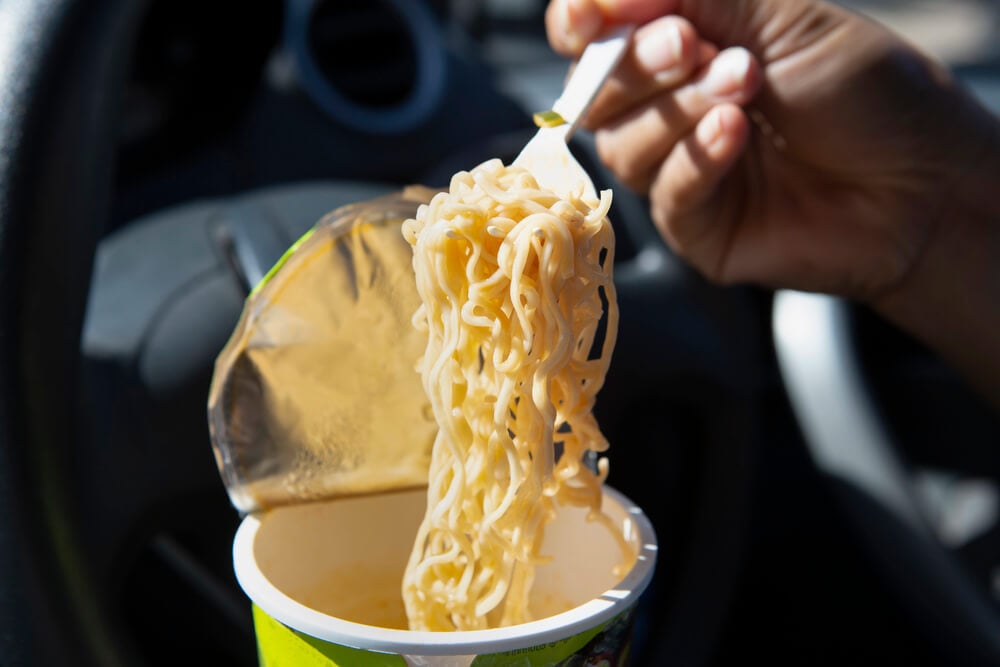
Momofuku Ando developed flash-fried instant ramen in Osaka and launched Chikin Ramen through Nissin in 1958. Shops treated the product as a luxury, since a packet cost more than fresh noodles at the time.
Shoppers wanted proof that it was worth the extra money, so Nissin handed out tasting samples. Ando later noticed that Western customers snapped noodle blocks into cups, which inspired Cup Noodles in 1971.
The cup version was test sold in the busy Ginza district of Tokyo and soon went nationwide, eventually reaching shelves far beyond Japan.
Frozen Food and the Shoppers Without Freezers

Clarence Birdseye developed a quick-freezing process in the 1920s after seeing how fish froze in the Canadian cold during his time in Labrador. General Foods bought his company in 1929 and tested frozen products in Springfield, Massachusetts, in 1930.
Stores needed special display cases, and most homes had only a small icebox compartment with no space to hold a package. Frozen vegetables and fish stayed a niche purchase for years.
Home freezers became common after World War II, and the frozen aisle arrived with them.
Sliced Bread and the Fear of Stale Loaves

Otto Rohwedder of Iowa began working on a bread-slicing machine in 1912, but a fire in 1917 destroyed his prototype and blueprints. He rebuilt it, and the Chillicothe Baking Company in Missouri sold sliced loaves in July 1928.
Bakers worried that slices would dry out faster than an intact loaf, and some shoppers saw no reason to pay for convenience. Wonder Bread began selling sliced loaves nationwide in 1930.
In January 1943 the federal government briefly banned sliced bread as a wartime measure, then reversed the decision after public complaints.
Otis and the Elevator That Needed a Stage Show
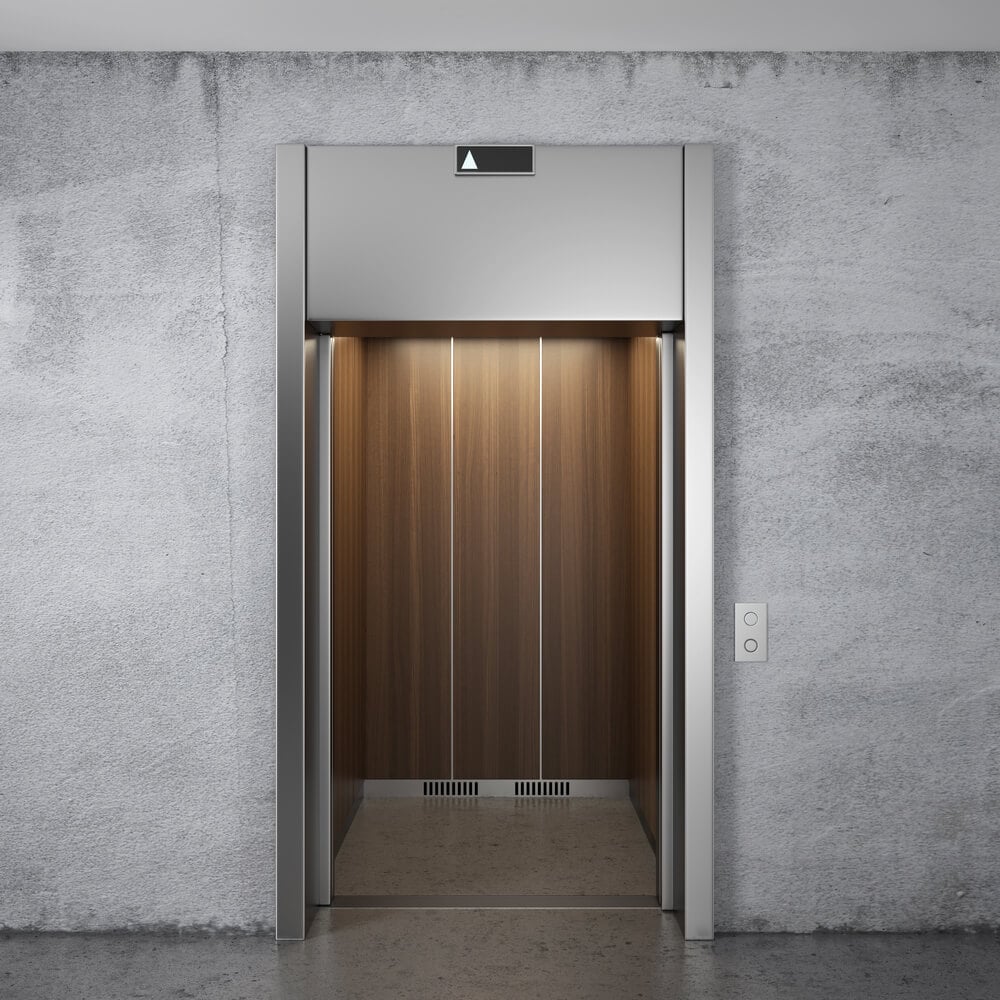
Elisha Otis built a safety brake for freight elevators that locked onto the guide rails if the hoisting rope broke. Hardly anyone trusted a platform suspended from a single rope, and orders were slow.
At the 1854 New York exhibition in the Crystal Palace, he stood on a raised platform and had the rope cut as the crowd gasped, and the brake held. The first passenger elevator using his system opened in a New York department store in 1857, which made tall buildings a practical idea.
Xerography and the Twenty Companies That Said No
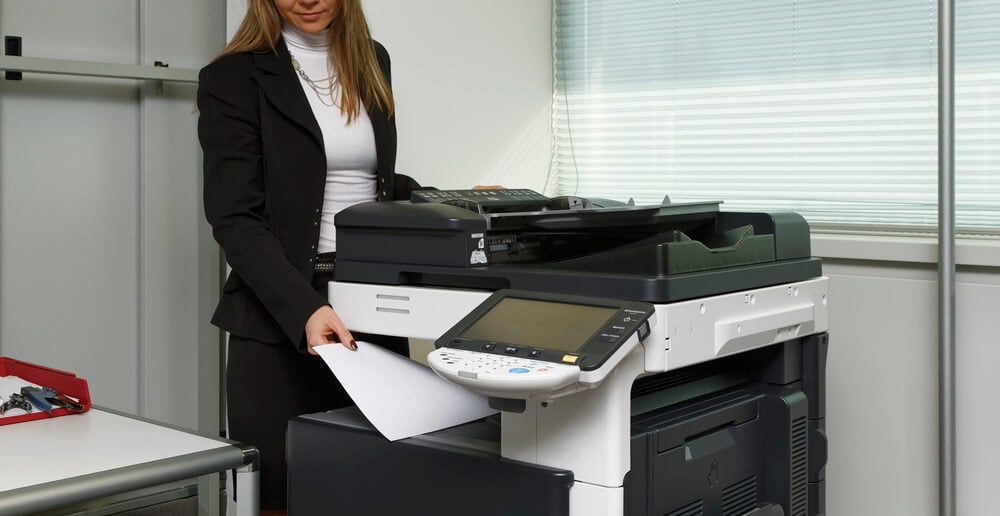
Chester Carlson, a patent clerk and attorney, produced the first xerographic image in Astoria, Queens, on October 22, 1938, with a glass slide that read 10-22-38 Astoria. He then shopped his idea to more than twenty companies, including major electronics and photography firms, and heard the same answer: carbon paper was good enough.
The Haloid Company of Rochester, New York, licensed the process in 1947. It launched the Xerox 914 copier in 1959, and the company later changed its own name to match the machine.
Windshield Wipers and the Distracted Driver

Mary Anderson, visiting New York in the winter of 1902, saw a streetcar driver struggling with a window. She sketched a hand-operated swinging arm and received a patent in 1903.
A Canadian firm she approached declined to make it, saying the device had no commercial value, and critics claimed that moving blades would distract drivers. The patent expired in 1920, and by then wipers were appearing on cars as carmakers took notice.
Today a car without them would be considered unsafe to sell, and Anderson never earned much from her design.
Engelbart Mouse and Its Wooden Shell
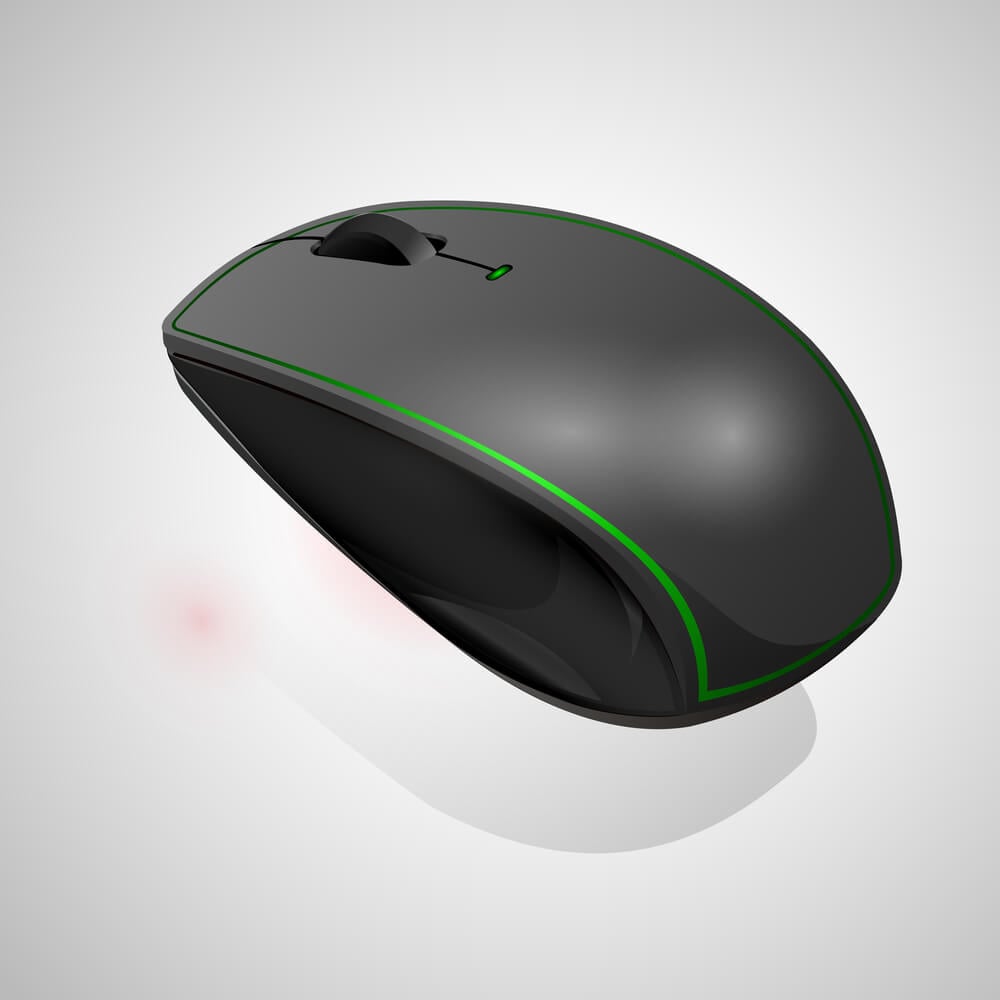
Douglas Engelbart and his team at the Stanford Research Institute built a pointing device in a wooden shell in the 1960s, and he demonstrated it before a large audience in San Francisco in December 1968. The patent was granted in 1970.
Few computers used a mouse for years, since commands were typed. Apple introduced the Lisa in 1983 and the Macintosh in 1984 with the device as a standard feature, and the patent had already expired by 1987, so Engelbart earned little from the product.
Shopping Carts Shoppers Refused to Push

Sylvan Goldman, who owned the Humpty Dumpty grocery chain in Oklahoma City, introduced folding-chair carts on wheels in 1937. Customers ignored them: men felt it was unmanly to push one, and women felt it reminded them of baby carriages.
Goldman hired people to wheel carts around the store and pretend to shop. Seeing others use them made shoppers comfortable, and the carts caught on.
Customers ended up buying more, because baskets were no longer limited by what an arm could carry, and Goldman went on to build a fortune from the folding design and later improved versions.
Seat Belts and the Drivers Who Hated Them
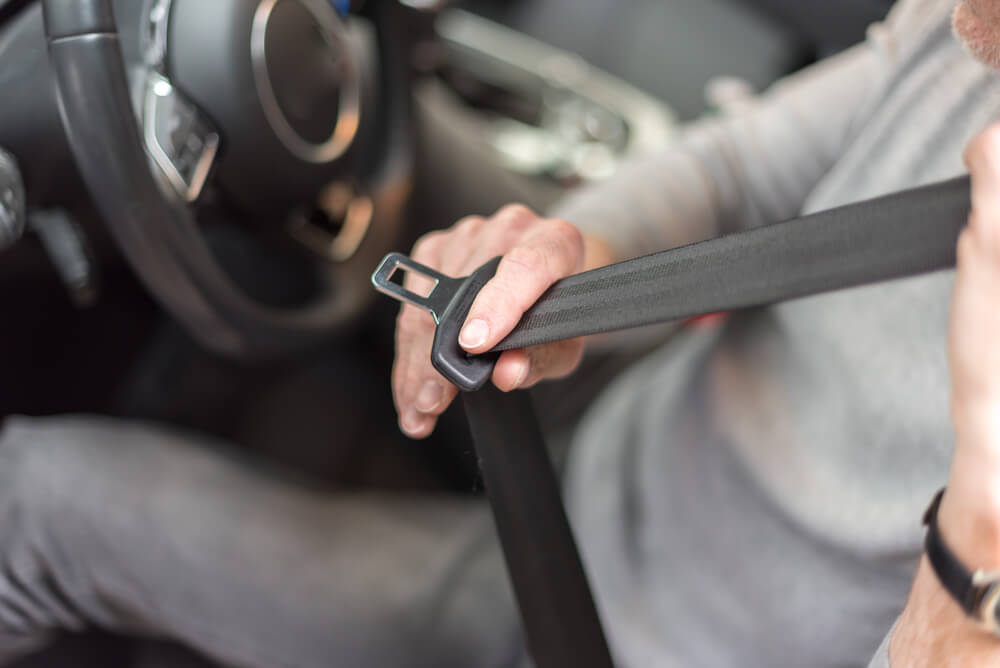
Volvo engineer Nils Bohlin designed the three-point seat belt in 1959, and the company made its patent open to other automakers. Many drivers considered belts uncomfortable and unnecessary, and some saw them as a sign of a bad driver.
Federal rules required lap belts in new American cars by 1968, but use remained low for years. New York became the first state to require front-seat occupants to buckle up in 1984, and other states followed over the next several years.
Compliance rose steadily once the law gave police a reason to enforce it, and traffic safety agencies credit the belts with saving many lives.
Canned Food and the Missing Can Opener
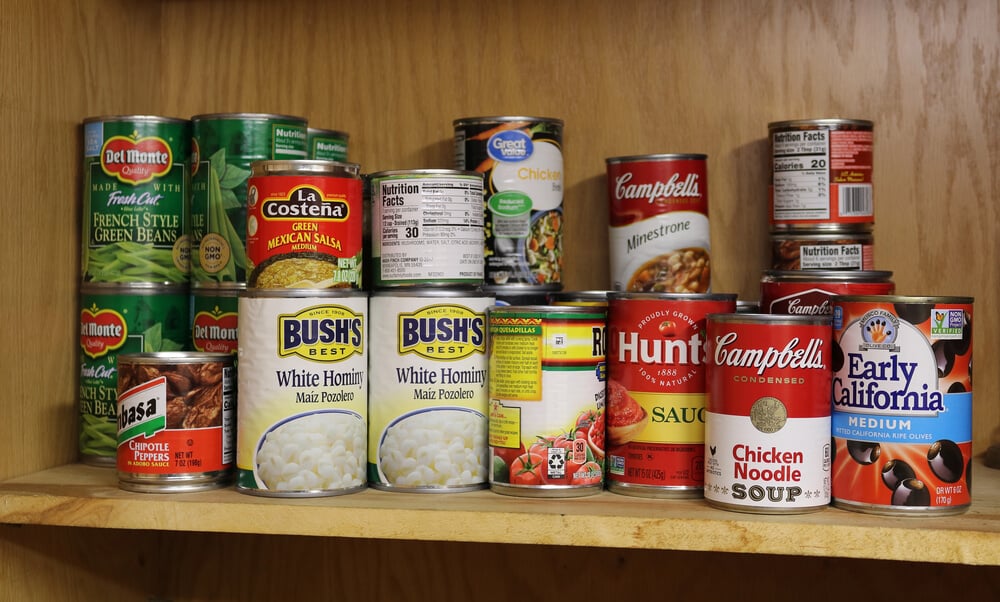
Peter Durand received a British patent in 1810 for preserving food in tin containers, and the idea found customers among the military and explorers. The cans were so thick that people opened them with chisels and hammers.
Ezra Warner of Waterbury, Connecticut, patented a can opener in 1858, nearly fifty years after the container itself. Buyers had adopted the food long before the proper tool arrived, and a better opener design improved the experience a great deal.
Soldiers and sailors in particular, who relied on the cans, made do with bayonets and knives until a purpose-built tool became common.
Skeptics Are Usually Judging the Wrong Question

Most of these inventions did not fail because the idea was bad. They failed because the first sales pitch addressed the wrong buyer, the wrong price, or the wrong problem.
Wallpaper became packaging, a giant radar oven became a countertop appliance, and a fastener inspired by burrs on a hunting dog became a staple of astronaut gear. The invention often stayed the same while the market changed around it.
Dismissal was rarely foolish at the time, since rejecting an untested product is often the sensible call. What the record shows is that adoption depends on infrastructure, habit, and persistence as much as engineering.
A better demonstration, a cheaper manufacturing method, or a patient inventor can turn a rejected curiosity into an object that nobody imagines living without.
More from Go2Tutors!

- The Romanov Crown Jewels and Their Tragic Fate
- 13 Historical Mysteries That Science Still Can’t Solve
- Famous Hoaxes That Fooled the World for Years
- 15 Child Stars with Tragic Adult Lives
- 16 Famous Jewelry Pieces in History
Like Go2Tutors’s content? Follow us on MSN.