17 Free Gifts Banks Once Handed Out
Opening a savings account used to come with a present. For much of the 20th century, a deposit could earn a customer an appliance, a keepsake, or a pocketful of novelty currency, and the gift often mattered more than the interest.
Plenty of these premiums survive in attics and antique malls today. What they are worth now depends almost entirely on whether the original box, key, or finish made it through the decades.
The Toaster That Became a Punchline
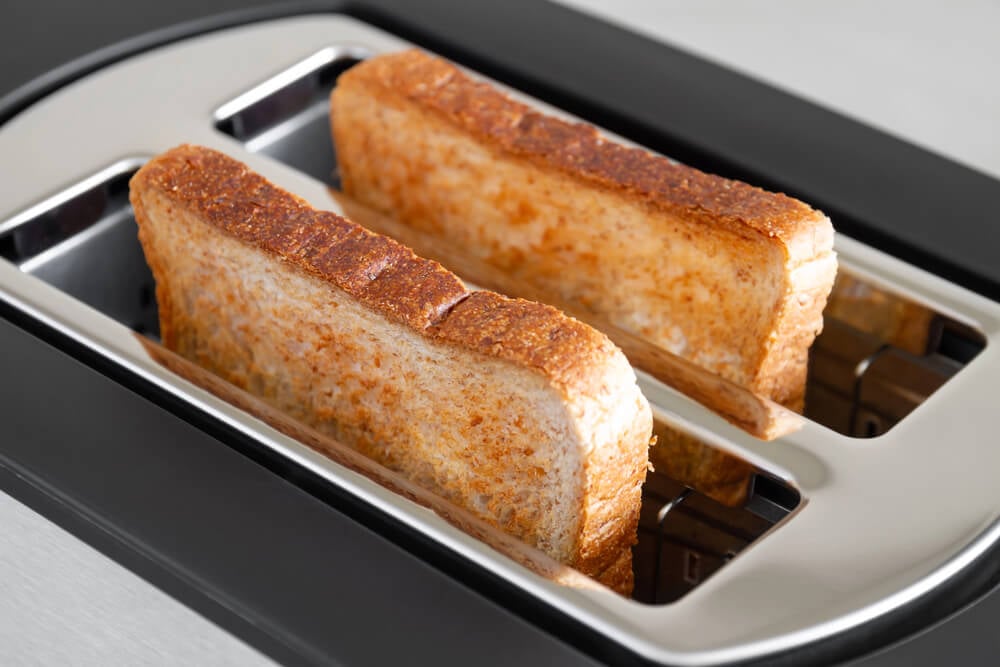
Few giveaways are as famous as the bank toaster. Federal interest-rate ceilings under Regulation Q limited how much banks could pay on deposits, so institutions competed with appliances instead.
The practice grew so common that regulators eventually wrote what bankers called the toaster rule to cap the value of gifts tied to deposits. A vintage toaster still in its original box, with an unfrayed cord, sells for far more than one that spent years on a kitchen counter.
Christmas Club Coupon Books
The Christmas Club began in 1909, when Merkel Landis of Carlisle, Pennsylvania, set up a savings plan in which customers made small regular deposits all year and collected the total just before the holidays. Banks across the country copied the idea and handed members a card or booklet to record each payment.
Those pieces of paper were meant to be thrown away once the check arrived, which is why clean, unmarked examples are harder to find than the clubs that issued them. Creases, tape, and water stains all cut into what collectors will pay.
Locked Home Savings Banks
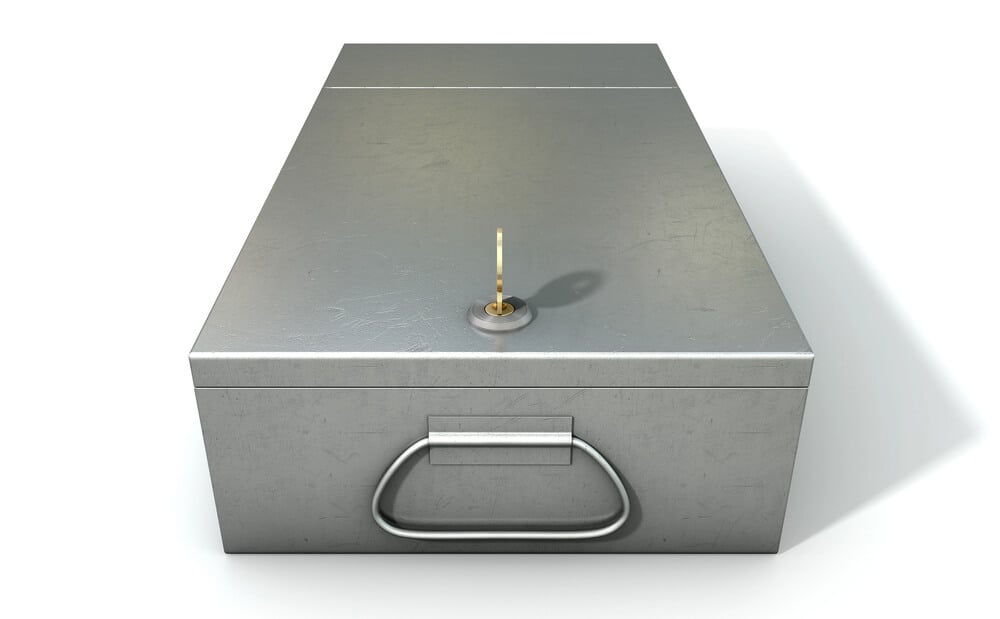
Some banks gave depositors a small metal bank that could not be opened at home. The bank kept the key, so the saver had to carry the container to a branch to have it unlocked and the coins counted.
A set from the Half Dime Savings Bank, complete with its original key case, has turned up for sale among antique collectors. The key case matters as much as the bank, since a lock with no matching key is worth noticeably less.
Wooden Nickels
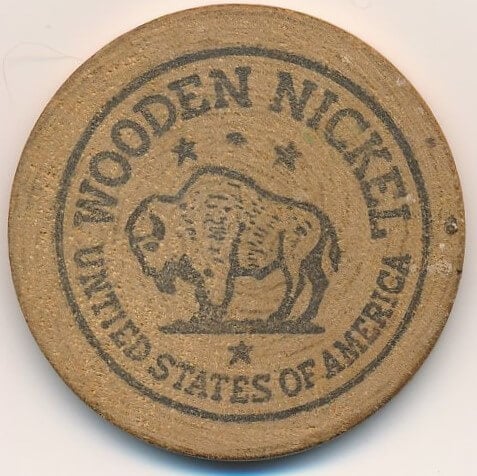
Wooden nickels were a favorite promotional giveaway, and local banks joined in during community anniversaries. One example is a 1959 Lincoln Sesquicentennial wooden nickel linked to a bank in Albert Lea, Minnesota, marking 150 years since Abraham Lincoln was born.
The tokens cost almost nothing to produce, so survivors are judged on crisp printing and the absence of warping or cracks in the wood.
Metal Still Banks

Banks handed out small cast-metal coin banks, often shaped like buildings, safes, or animals, to encourage children to save at home. Antiques dealers still sell mixed lots of these metal still banks dating from roughly the 1950s through the 1970s.
Collectors look for intact paint and a working trap on the bottom, because a chipped finish or missing plug drops the price quickly.
School Savings Programs

Many banks reached customers through the classroom, setting up school savings programs in which children brought pennies and nickels on a regular day. A statistical report published in 1912 tallied the operations of school savings banks across the United States, a sign of how widespread the movement had become.
Pinback buttons from school savings banks now sit in museum collections, and surviving buttons with bright, unscratched lithography are the ones that hold their value.
Transistor Radios for New Accounts
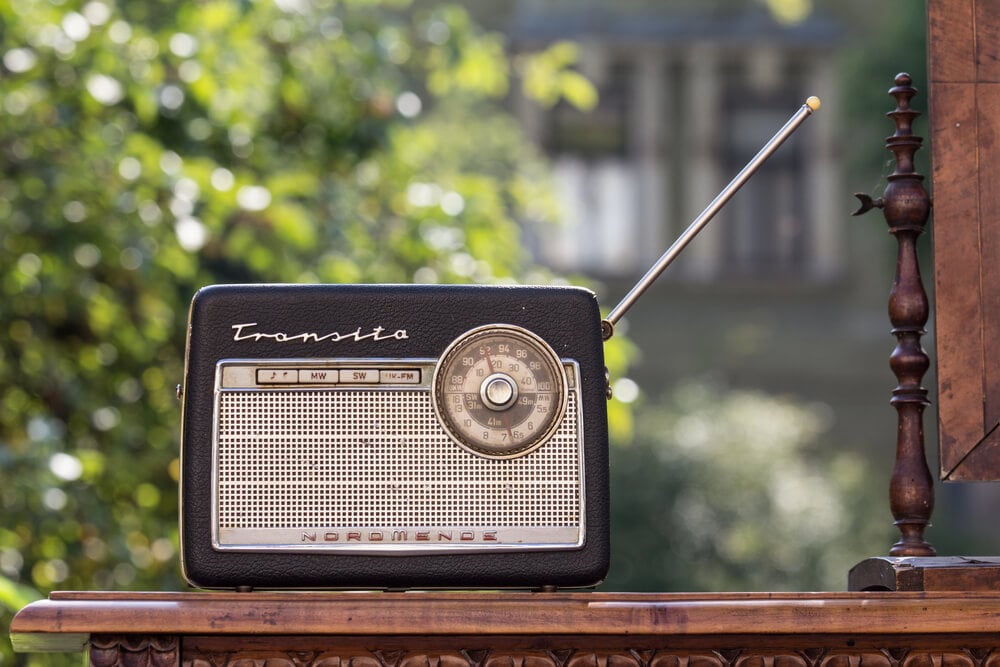
When pocket-sized transistor radios became affordable in the 1960s, banks offered them to customers who opened an account. These radios now have their own following among collectors of vintage electronics.
A working set with its original case and no battery corrosion can bring several times the price of one that was left with dead batteries inside.
Wall and Desk Calendars
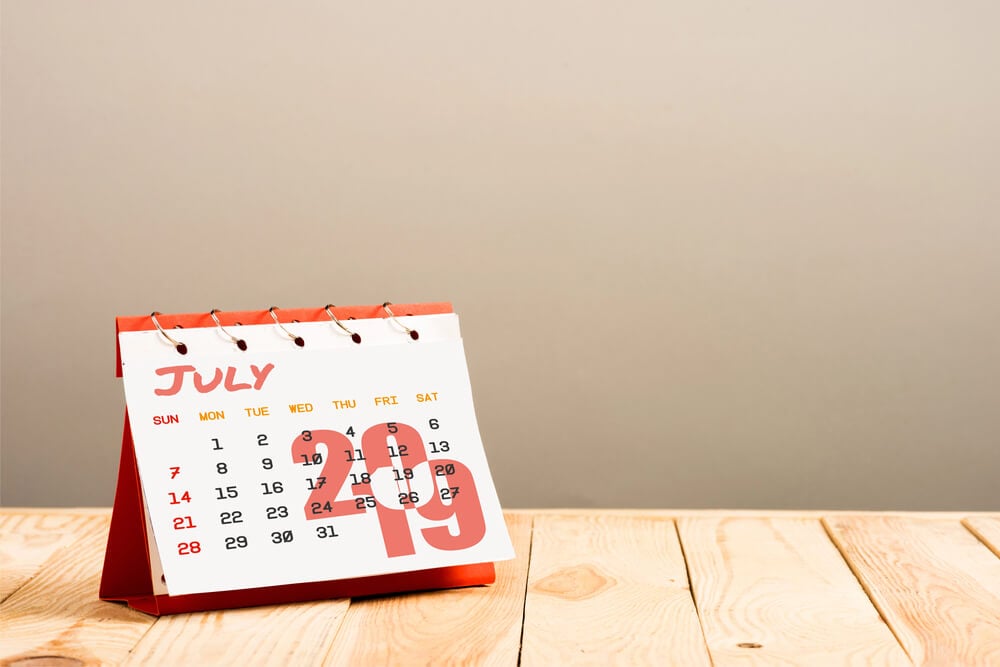
Banks printed calendars with their name in large type and mailed or handed them out each December, so the institution hung on a kitchen wall for twelve months. Pocket-sized versions served the same purpose for people who carried a wallet but never owned a desk.
Because nobody saved a calendar once the year ended, complete examples are scarce, and collectors pay more for ones with all the monthly pages still attached and no pencil scribbles across the dates.
Pens and Pencils With the Bank’s Name

A pen or pencil stamped with a bank’s name was among the cheapest premiums a branch could give away, and tellers kept bowls of them near the counter. Every time the owner signed a check or a grocery list, the bank’s name came along.
Collectors of advertising pens look for ones with the imprint intact and a working mechanism, since worn lettering and dried-out ink cartridges leave little to sell.
Wool Blankets
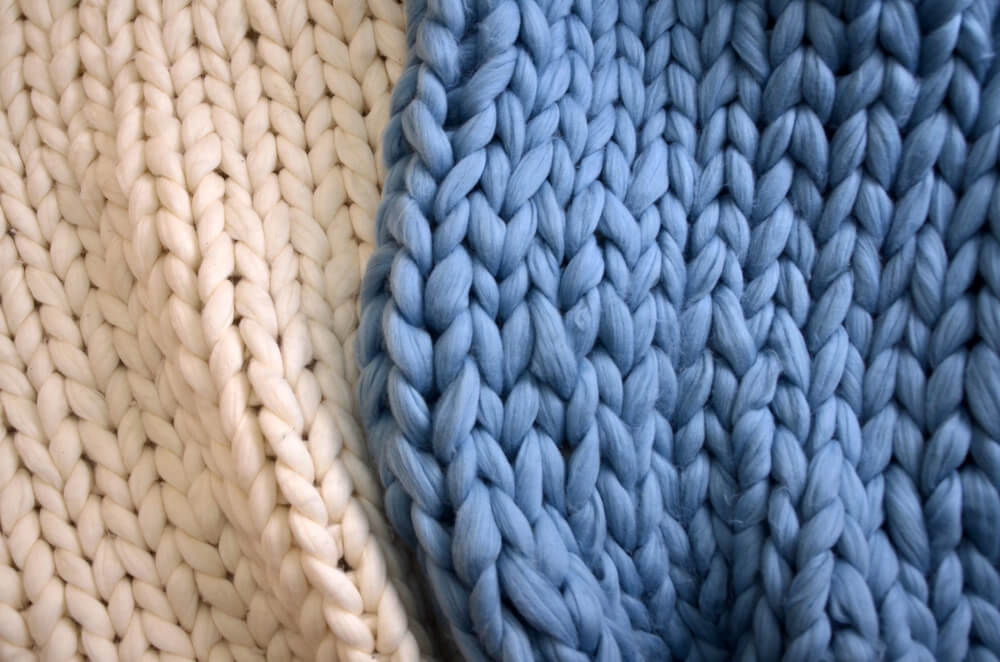
Heavier gifts were reserved for larger deposits, and blankets turned up among the premiums banks advertised to attract new accounts. A blanket was a practical choice because it was useful in nearly every household and could carry a label bearing the maker’s name.
Condition decides everything with textiles, and a blanket free of moth damage, stains, and fading with its original tags attached is worth much more than a laundered, thinned-out one.
Dinnerware Sets
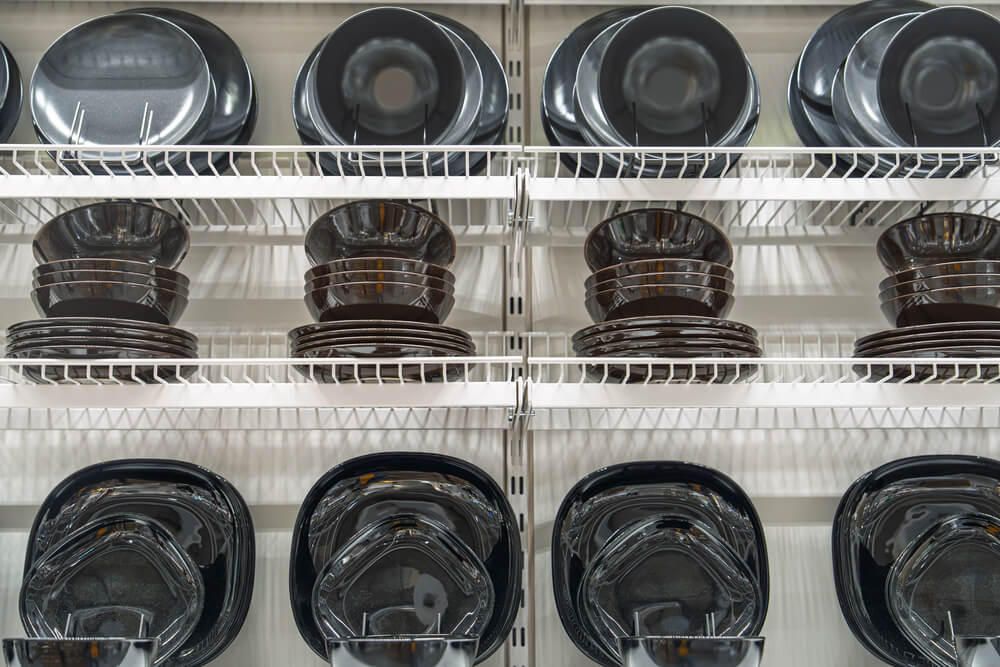
Banks offered dishes to customers who opened or added to an account, a tactic borrowed from grocery stores and movie theaters that handed out plates over the course of weeks. Depositors received a plate, cup, or serving piece at a time, which encouraged return visits.
Matching sets are the hard part for collectors today, because a single chipped or cracked piece breaks the pattern and lowers the value of the group.
Electric and Wind-Up Clocks
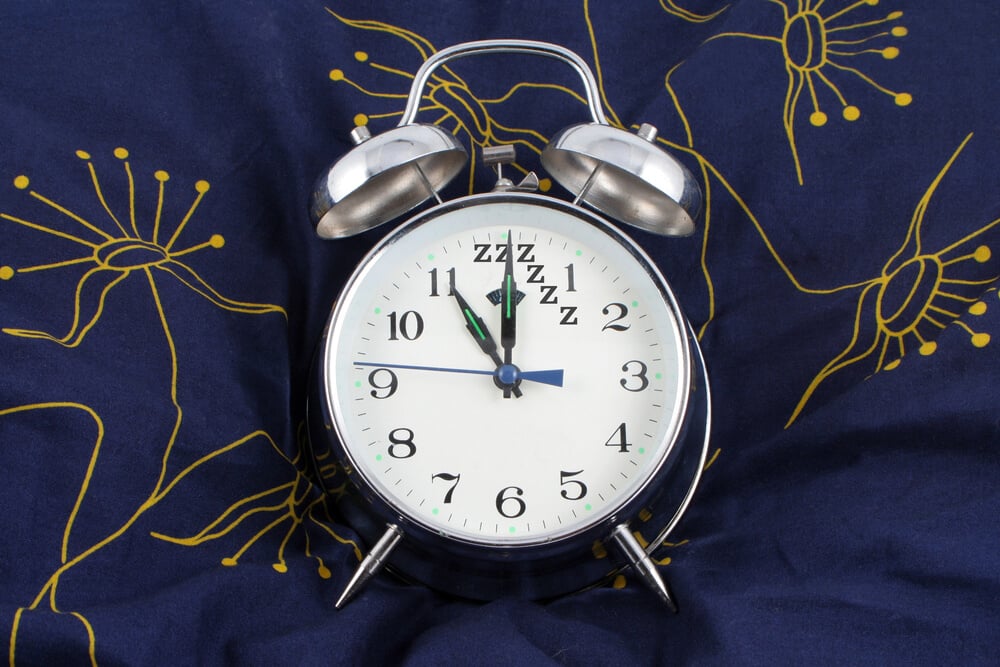
A clock on the counter with a bank’s name on the face kept the institution in view all day. Banks gave small alarm clocks and wall clocks to new depositors, and they were popular because they were useful in every bedroom and kitchen.
A running clock with an unscratched crystal and its original box is the version collectors seek, while a dead movement or a faded dial can cut the price sharply.
Cookware
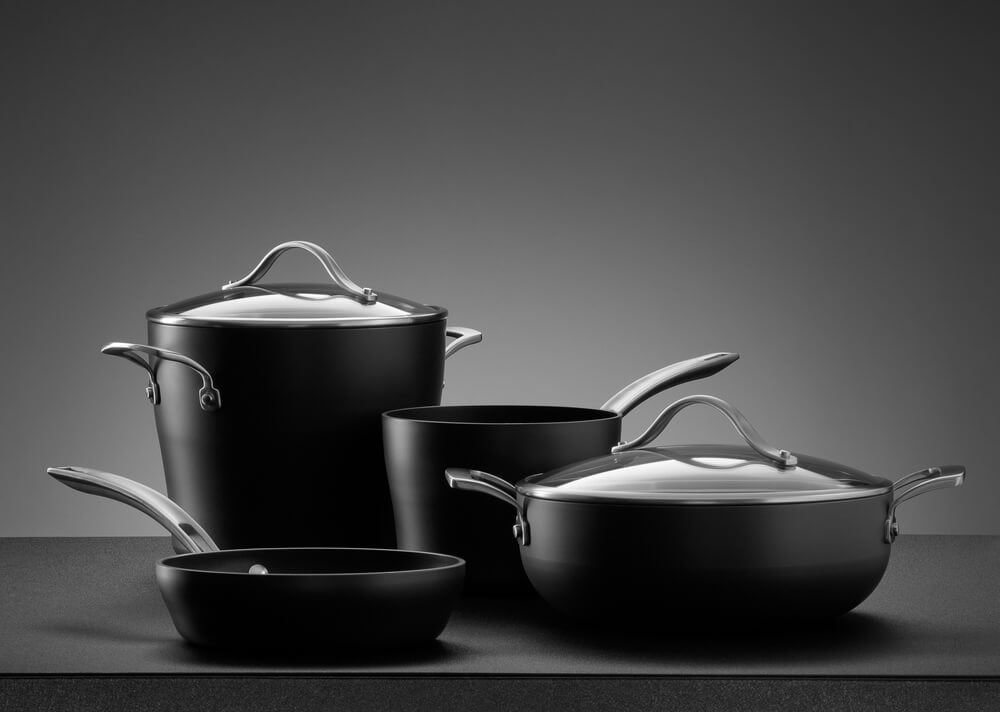
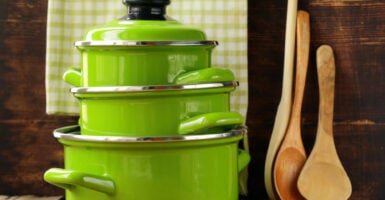
Pots, pans, and skillets were practical premiums that lined up with the toaster as an appliance of the kitchen. A new depositor might leave with a saucepan or frying pan in place of cash, a trade that suited banks bound by rules on interest.
Cookware sells best when it is unused, with labels and original packaging, since scorched bottoms and warped bases leave a pan with only its scrap value.
Advertising Pocket Knives

Small folding knives with a bank’s name printed on the handle were popular giveaways, especially in farm towns where almost every adult carried one. The handle gave the institution a surface for its name and sometimes a slogan.
Collectors judge them by the blades and the lettering, since rust, loose rivets, or a cracked handle can leave a knife worth a fraction of one that was never opened.
Luggage Tags
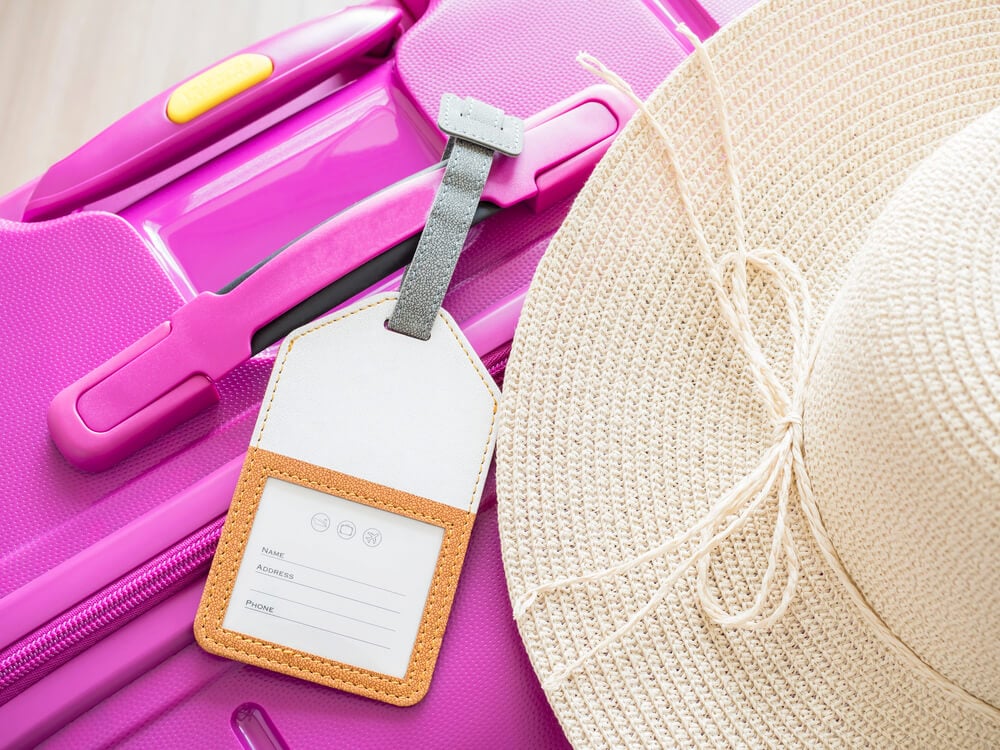
A leather or vinyl luggage tag with a bank’s name on it traveled the world on behalf of a local branch, a clever form of advertising that cost the bank little. Customers who flew or took the train hung one on a suitcase handle and sent the bank’s name through every station along the way.
Condition matters, because cracked straps, peeling lettering, or a missing identification card inside the window sharply reduce what a tag fetches.
Rulers and Yardsticks
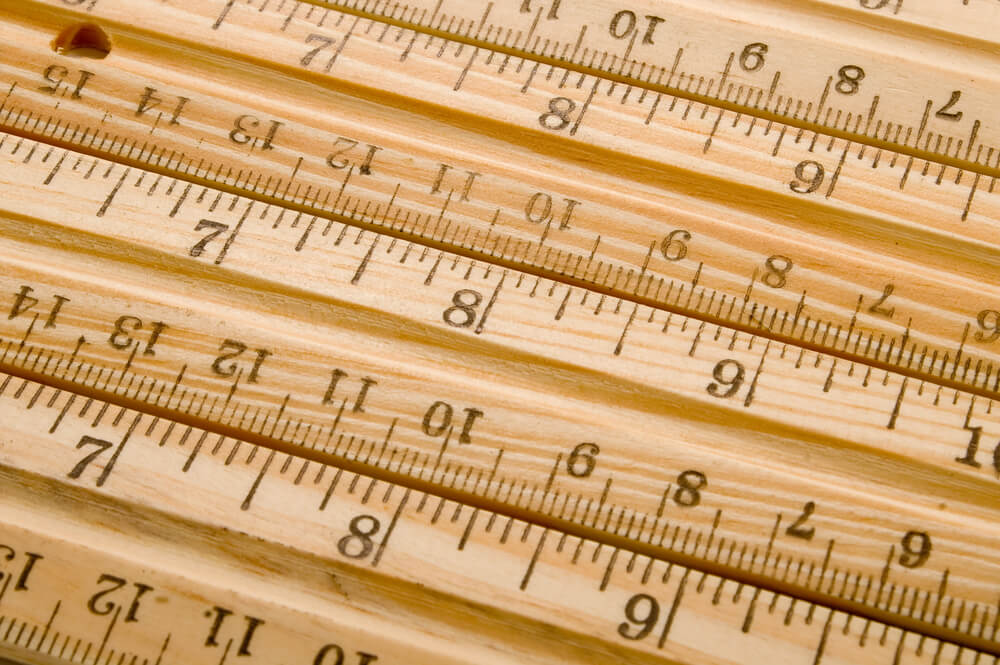
Wooden rulers and yardsticks printed with a bank’s name went home with schoolchildren and shoppers alike. A yardstick measured fabric, lumber, and growing children, and it stayed in a drawer or on a wall for decades.
Surviving examples with sharp printing and no warping can still be bought cheaply, but a ruler that bowed from damp storage or had its ink worn off by years of use is worth little to collectors.
Drinking Glasses and Mugs

Glasses and mugs printed with a bank’s logo were handed to new customers so the name would appear at the breakfast table every morning. They were inexpensive to make in large runs, which means plenty survive, though the ones that sell best are free of chips and show no dishwasher wear on the printed design.
Faded painted lettering is the main reason a mug sits unsold in an antique mall.
The Price of a Handshake

Every one of these gifts carried the same message: a bank was a place that wanted a customer’s trust, and a small present was an easy way to earn it. The toaster, the coin bank, and the wooden nickel were cheap to make and easy to remember, and they put the bank’s name in the home for years.
Today the premiums are collectibles, valued by condition more than by sentiment. A keepsake that survived with its box, key, or finish intact carries a record of how banks once courted the people who walked through their doors.
More from Go2Tutors!

- The Romanov Crown Jewels and Their Tragic Fate
- 13 Historical Mysteries That Science Still Can’t Solve
- Famous Hoaxes That Fooled the World for Years
- 15 Child Stars with Tragic Adult Lives
- 16 Famous Jewelry Pieces in History
Like Go2Tutors’s content? Follow us on MSN.