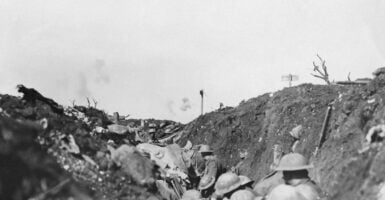
29 Photos Of The Gold Rush Era
The gold rushes of the 19th century happened just as photography was learning to freeze a moment in silver. That timing left behind a visual record of tent camps, muddy streets, and overloaded climbers that no written account could match.
Faces that squint at the camera still look surprisingly modern.
The images below show what people carried, built, and risked in pursuit of a fortune. Each one is a window into a world that changed fast and left few places untouched.
The Golden Stairs of Chilkoot Pass
Photographers, including Eric A. Hegg, captured long lines of stampeders climbing Chilkoot Pass in 1898, their dark figures strung up a steep slope of snow.
Steps were cut into the ice, and climbers could not easily step out of line without losing their place. The image is one of the defining pictures of the Klondike Gold Rush.
The Scales at the Summit
At the top of Chilkoot Pass, Canadian authorities checked travelers’ supplies to ensure they met requirements intended to prevent starvation. Each stampeder needed to bring roughly 1,000 pounds of provisions, along with other essential equipment.
Photographs show crowded trails, bundles of supplies, and officials overseeing the passage. The requirement forced many travelers to make repeated trips up the mountain.
Sheep Camp
Sheep Camp, a major staging point before the climb, filled with tents, canvas shelters, and makeshift stores. Photos show muddy lanes, piles of crates, and travelers resting before the final push.
Weather conditions here could change quickly, which made every night an anxious one.
Soapy Smith in Skagway
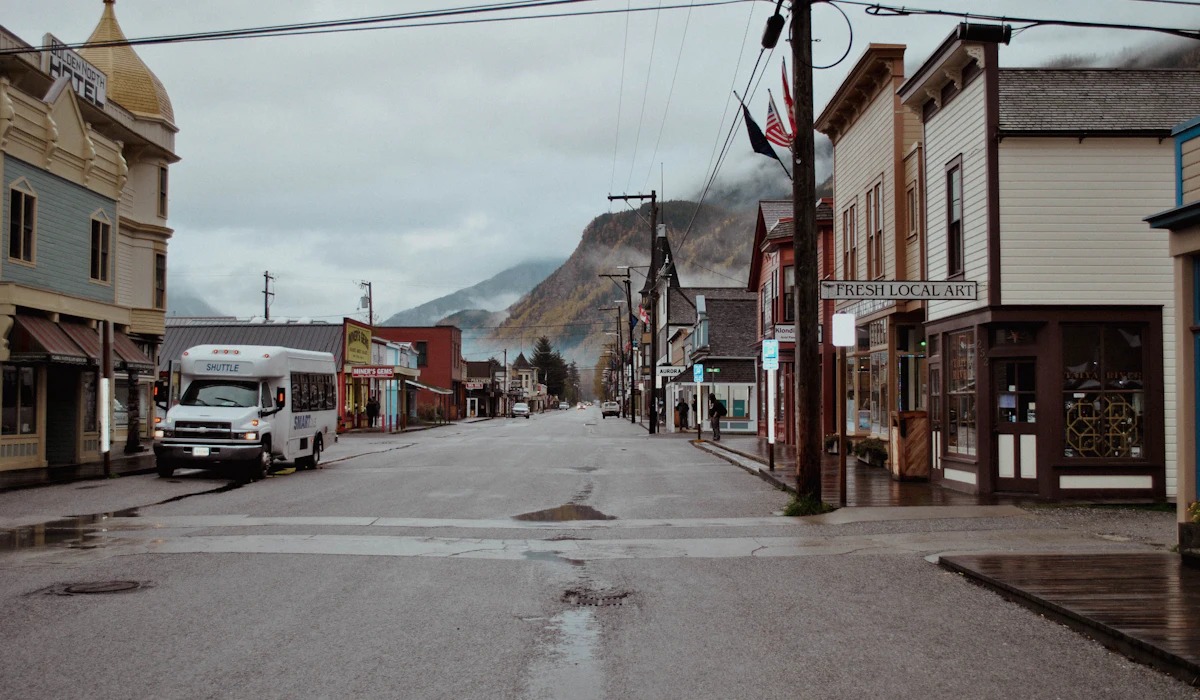
Jefferson Randolph Smith, known as Soapy Smith, ran a network of swindles in Skagway in 1898 and appeared in photographs taken during the town’s gold rush boom. On July 8, 1898, Smith was shot by Frank Reid during a gunfight near the town’s wharf.
Smith died that day, while Reid died from his wounds 12 days later. The photographs show a town that had grown rapidly during the rush.
Mountains of Goods at Dyea
Dyea, near the base of the Chilkoot route, saw supplies piled along its beach in towering stacks. High tides threatened to carry off everything not moved in time.
The town was largely abandoned after the rush ended, as the nearby port of Skagway and alternative routes drew travelers and business away.
Boat Building at Lake Bennett
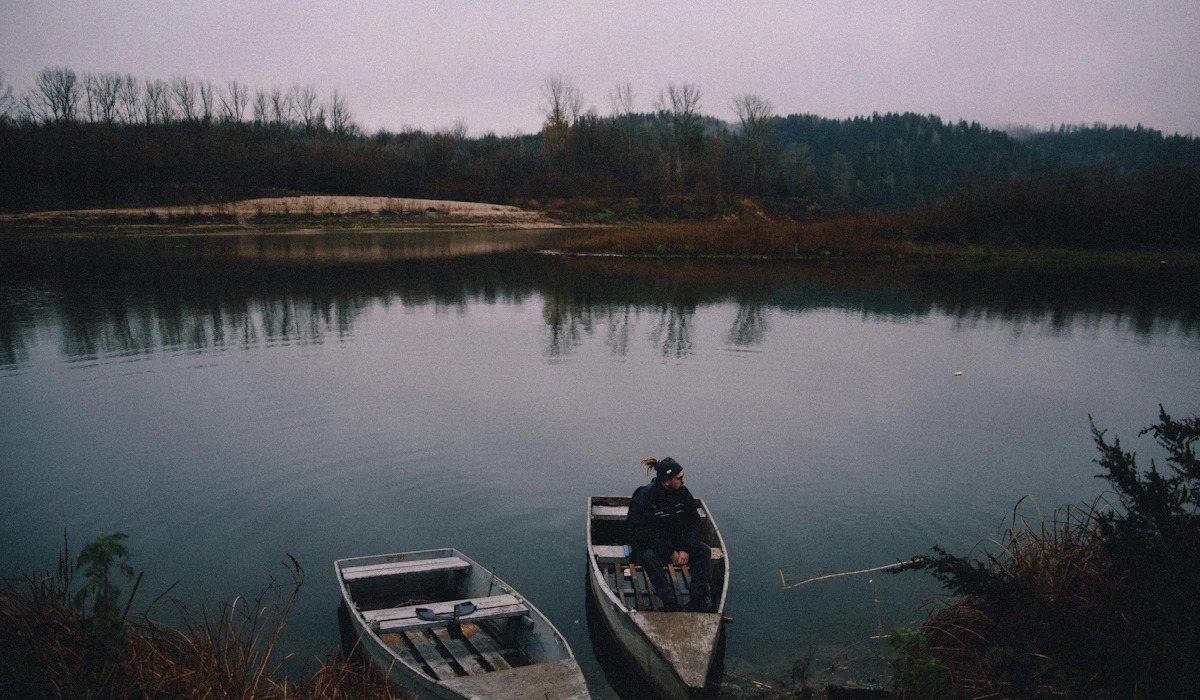
Thousands of prospectors camped at Lake Bennett through the winter of 1897 and 1898, felling trees and sawing lumber by hand to build boats. When the ice broke in late May 1898, a fleet of handmade vessels set out for Dawson.
The images show a forest turned into a shipyard.
Dawson City at Its Peak
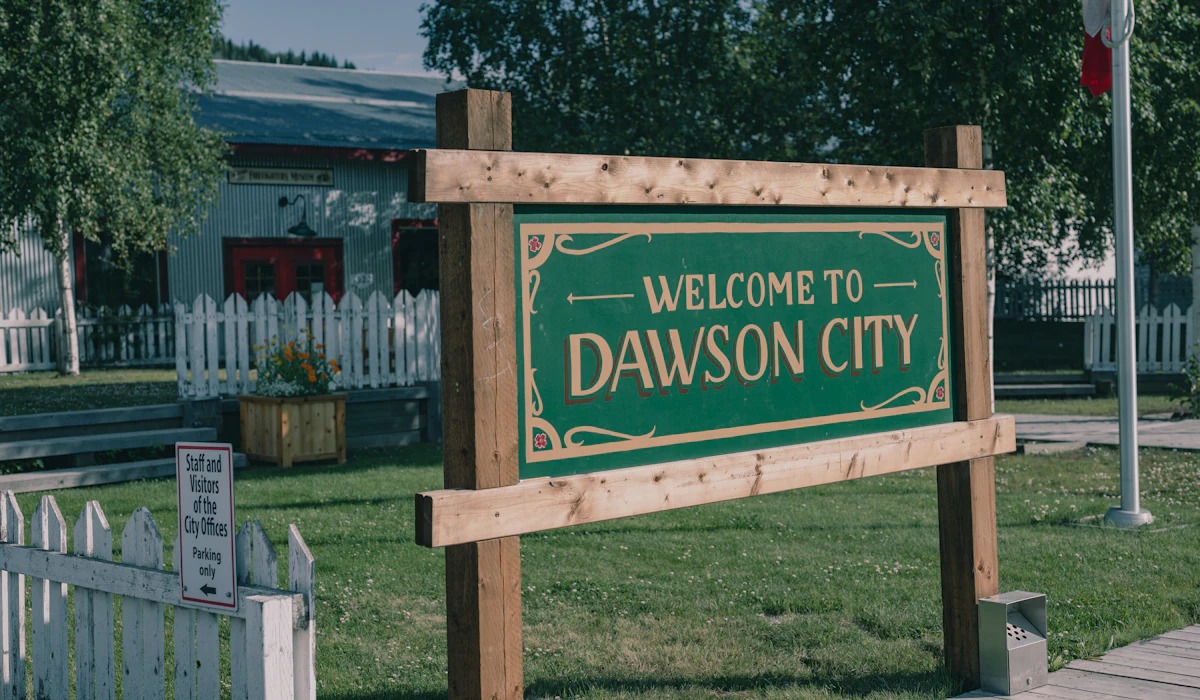
Dawson City swelled to tens of thousands of residents and visitors at its height in the late 1890s. Photographs show wooden storefronts, crowded streets, and sternwheelers at the waterfront.
A town that had been a small settlement a few years earlier became one of the largest communities in the Canadian West.
The Beaches of Nome
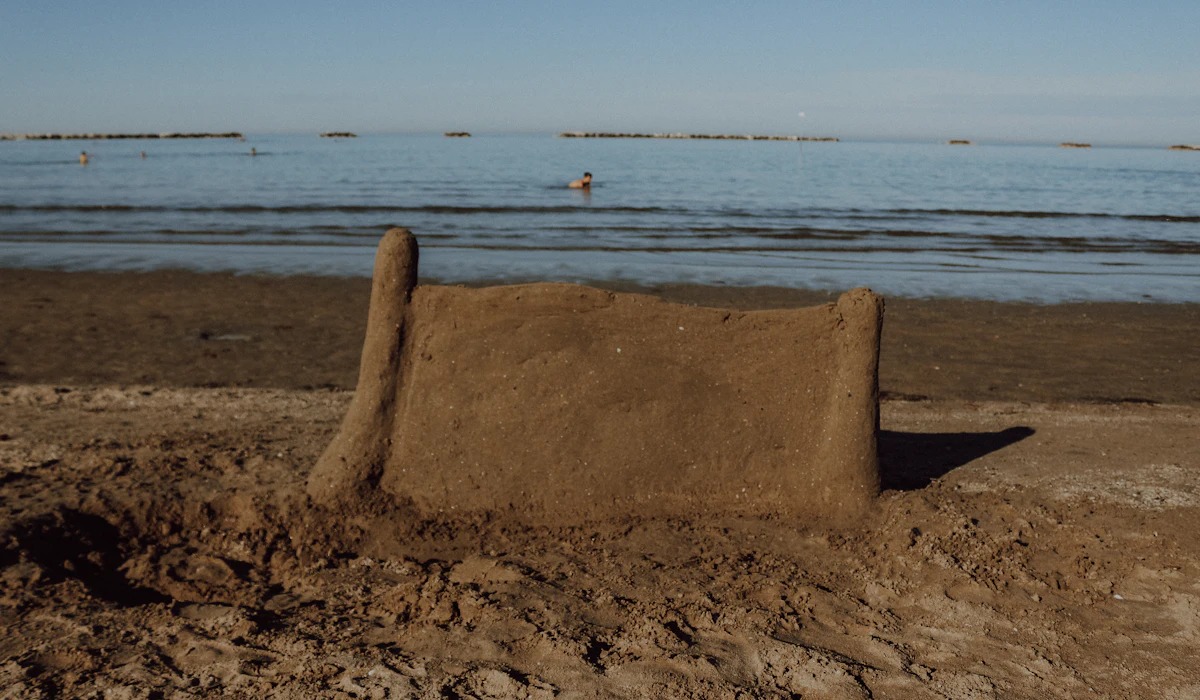
In 1899, the discovery of gold along the beaches near Nome, Alaska, drew miners by the thousands. Photographs show rows of men working claims and digging for gold along the sand, with tents stretching behind them.
The beach discoveries helped make Nome a major destination during the Alaska gold rushes, although access to claims and the right to mine were not always as simple as digging anywhere.
Daguerreotypes of Miners at Work
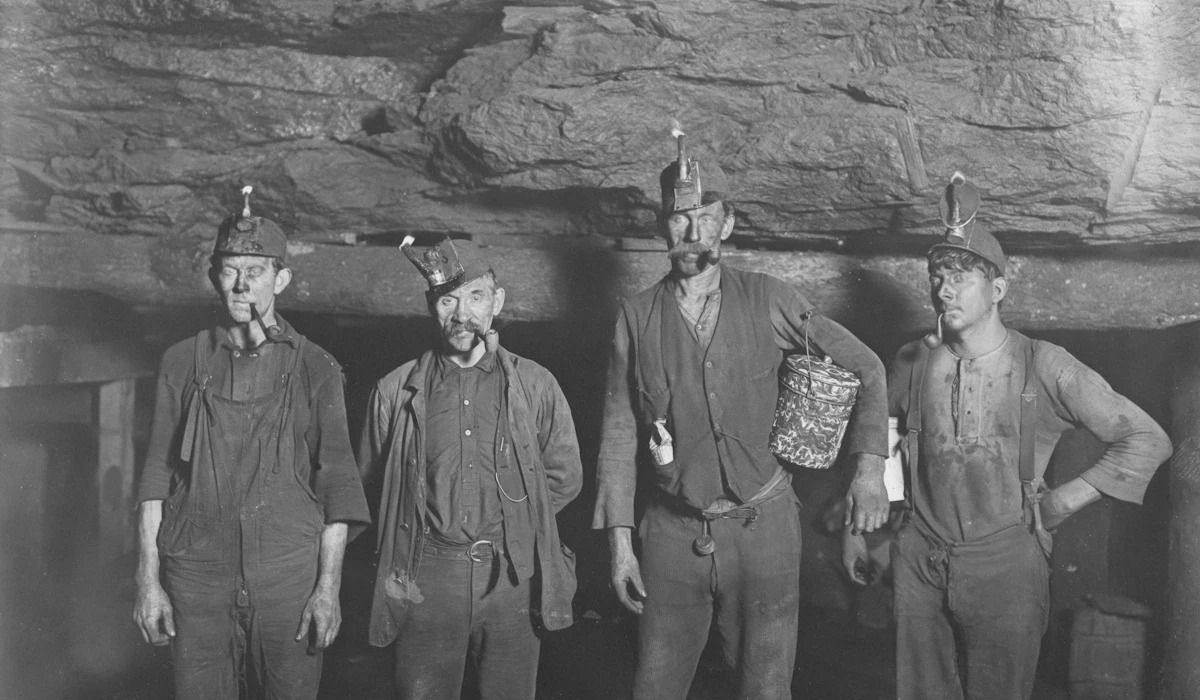
Early gold rush photographers sometimes made posed portraits of miners with their tools and equipment. Because daguerreotypes required careful preparation and relatively long exposures, they were not well suited to capturing fast-moving mining work.
These surviving images provide valuable evidence of how miners wanted to present themselves and their occupations.
The Forest of Masts
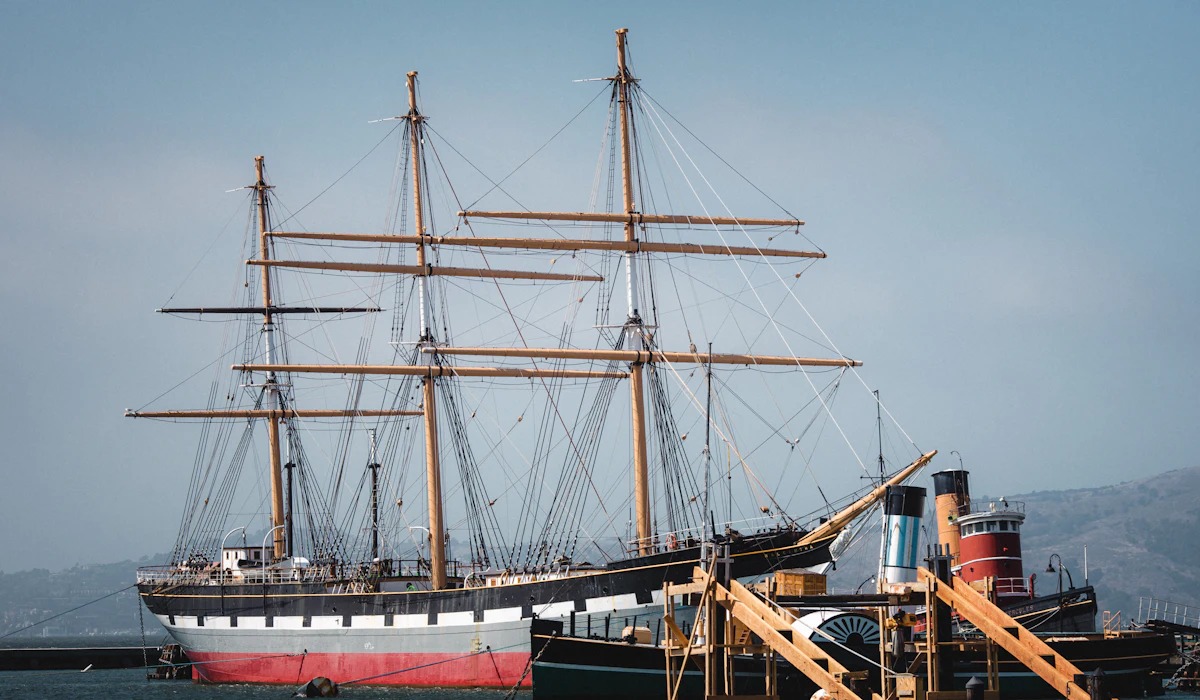
Photographs from the early 1850s show San Francisco’s harbor crowded with ships abandoned by crews who headed for the goldfields. Hundreds of vessels sat at anchor, many never to sail again.
Some were turned into storehouses and hotels, while others were dismantled or repurposed as the city expanded.
The Niantic Storeship
The ship Niantic arrived in San Francisco during the rush, was abandoned, and became a store and hotel. Fires and landfill eventually buried it, and workers uncovered its remains during construction in 1872.
Photographs of the excavation show the timbers emerging from the ground, revealing how the growing city had built over its maritime past.
Hydraulic Mining at Malakoff Diggins
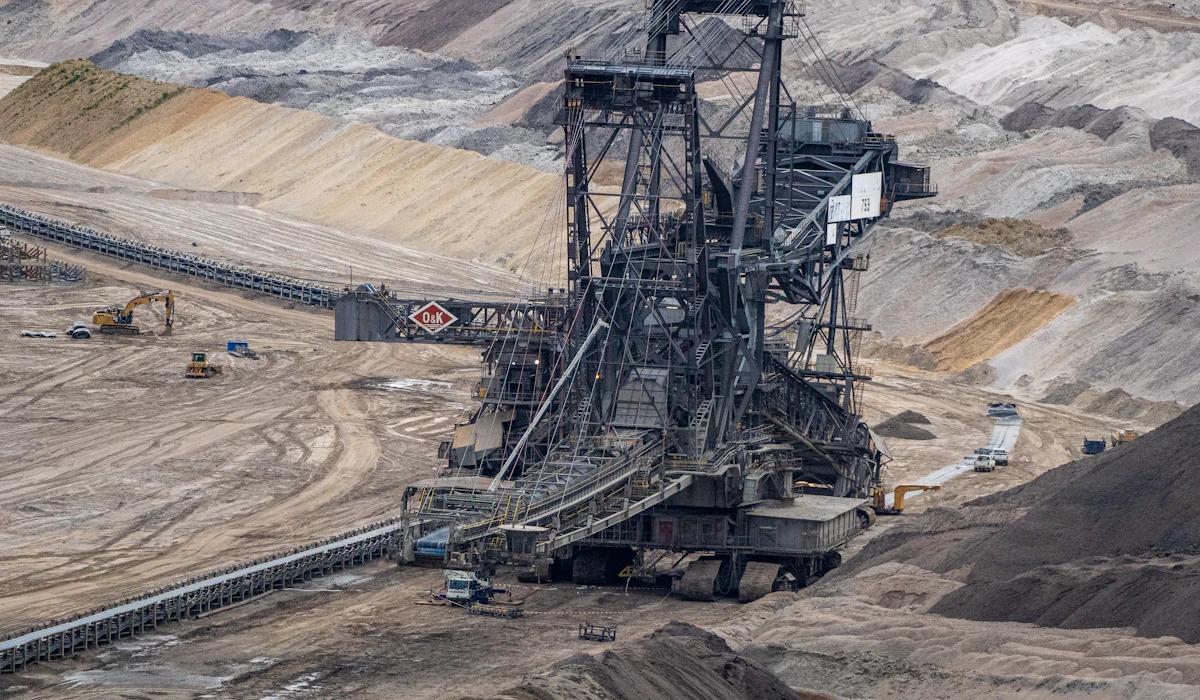
Carleton Watkins photographed the vast pits of Malakoff Diggins in the 1870s, where hydraulic monitors blasted away entire hillsides. Debris choked rivers and buried farms downstream.
The Sawyer Decision of 1884 restricted hydraulic mining that sent debris into waterways, helping curb the practice in affected areas rather than ending it throughout California.
The Weaverville Joss House
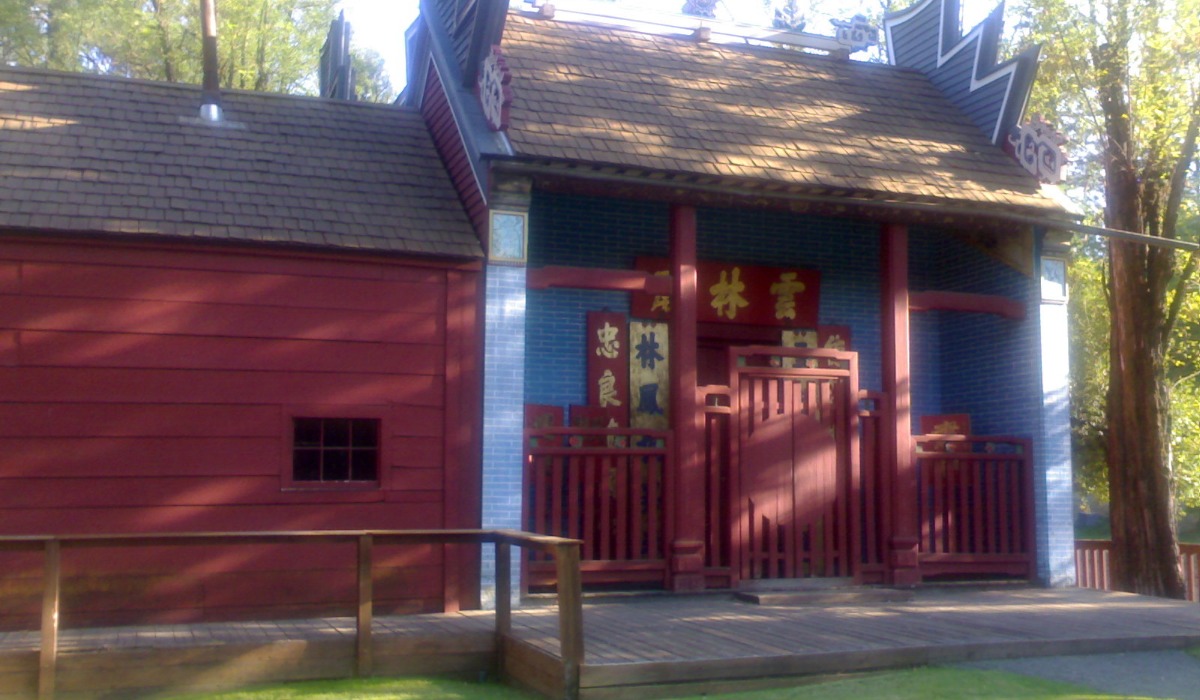
The Weaverville Joss House, a Chinese temple dating to 1874, remains California’s oldest continuously used Chinese temple, according to California State Parks. Historic photographs show its carved wood and ornamental altar.
It stands as a record of the Chinese miners and other immigrants who shaped the region.
Hangtown
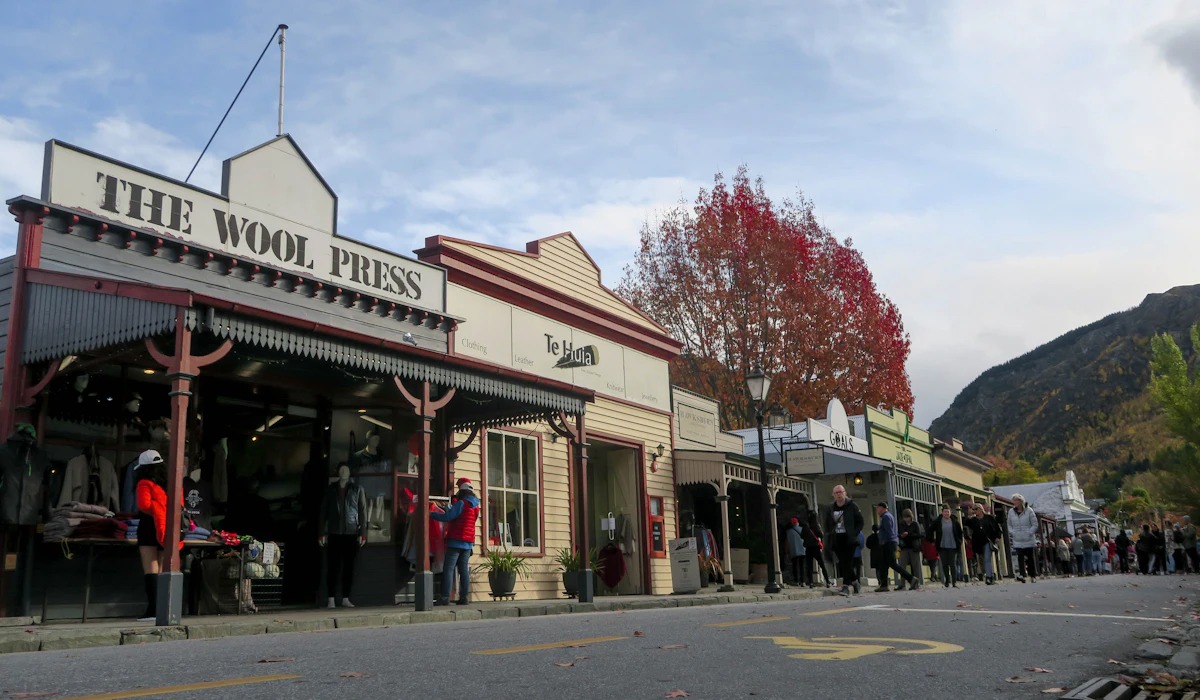
Placerville earned the nickname Hangtown in the early days of the rush because of its reputation for harsh frontier justice and public hangings. Photographs of its main street show wooden buildings, crowded wagons, and a town in transition.
By 1854, it had adopted its more respectable name.
Pikes Peak or Bust
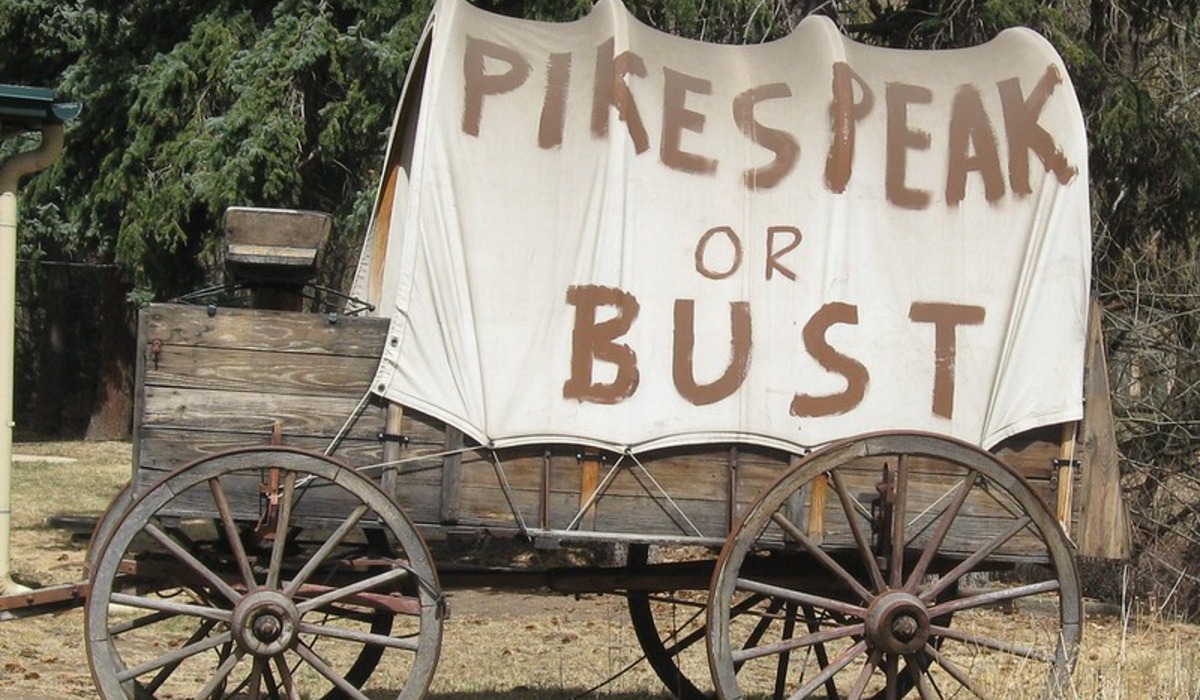
In 1859, wagons headed for Colorado were associated with the slogan “Pikes Peak or Bust.” The phrase captured the optimism of prospectors traveling toward the Colorado gold fields.
Photographs of overloaded wagons and anxious families help convey the journey’s hardships. Some travelers who turned back used the word “Busted” to express their disappointment.
Sutter’s Fort
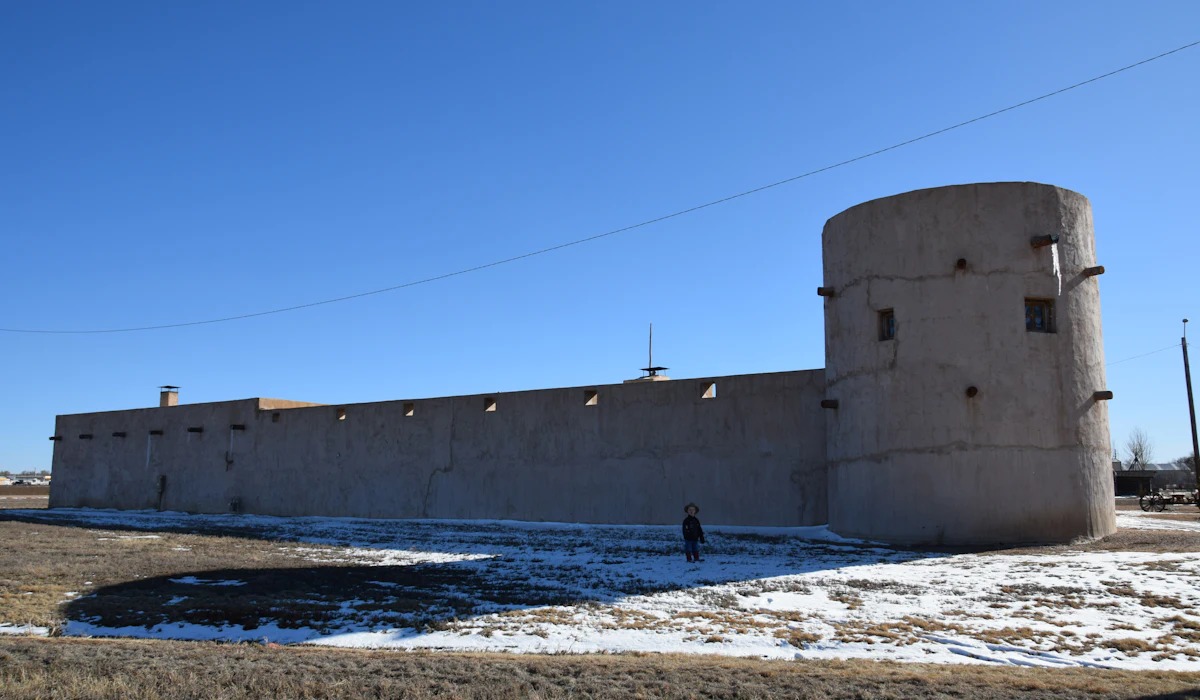
Sutter’s Fort in Sacramento, built in the 1840s, stood near the starting point of the California Gold Rush. Photographs of the adobe walls show a place that watched its own world disappear under a flood of newcomers.
The discovery at Sutter’s Mill in January 1848 changed its owner’s fortunes for the worse, as newcomers and land disputes undermined John Sutter’s control over the area.
Miners With Pan and Pick
Studio portraits from the period often show miners holding a pick, a pan, and a pistol, an outfit assembled just for the camera. Many of the props belonged to the photographer.
The poses were meant to impress family back home and present the sitter as a capable, independent prospector.
Chinese Miners in California
Chinese miners arrived in large numbers in the early 1850s and often worked claims that others had abandoned. California’s Foreign Miners’ Tax of 1850 targeted foreign miners, although the law’s early enforcement and later versions changed over time.
Chinese miners faced particularly heavy discrimination and targeted taxation. Photographs show men with cradles and long-handled tools working patiently.
Deadwood in 1876
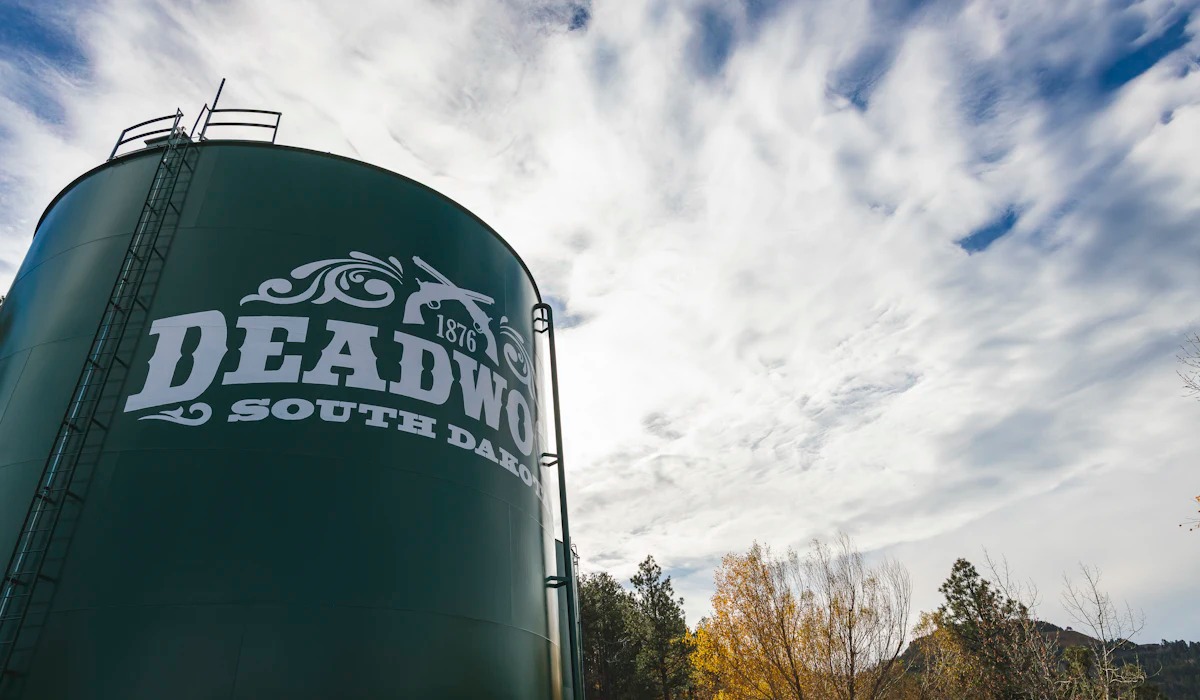
Deadwood, then in Dakota Territory, exploded during the Black Hills gold rush in 1876. Photographs of its muddy main street show stores, saloons, and tents mixed together.
Wild Bill Hickok was shot there that August.
Bodie
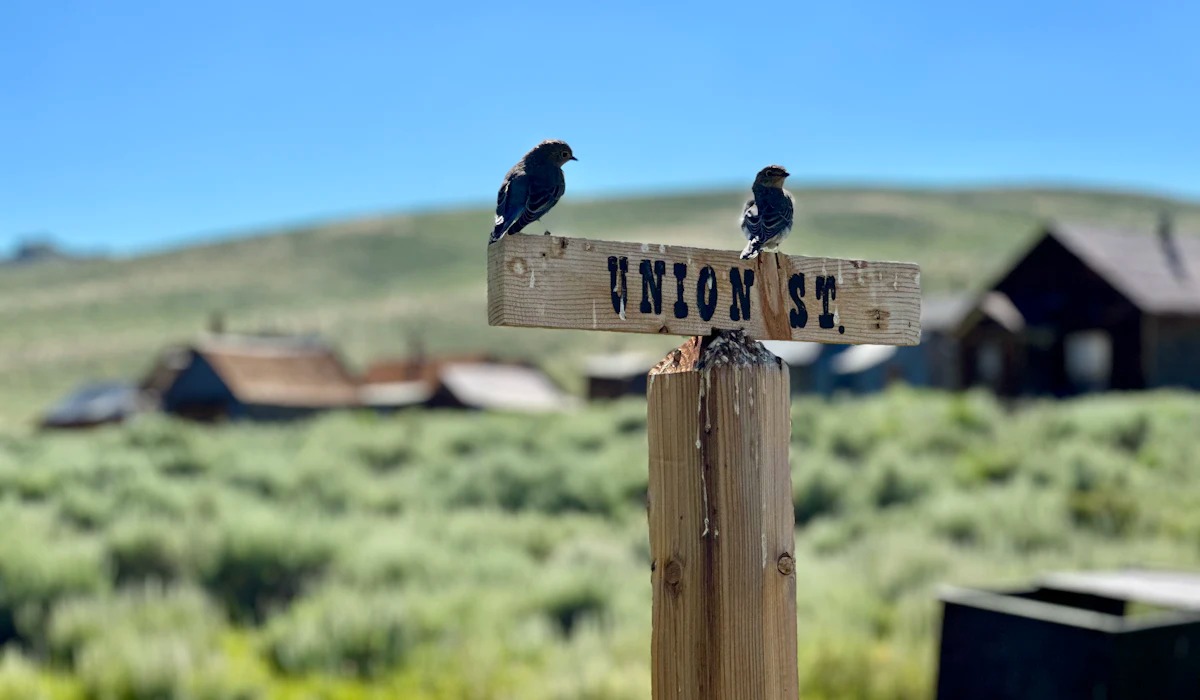
Bodie, California, began with a gold discovery in 1859, but its major boom came after rich deposits were found in 1876. Photographs from its busiest years show crowded streets and dozens of buildings.
Today, the town stands as one of the best-preserved ghost towns in the West, maintained in a state of arrested decay.
Cripple Creek
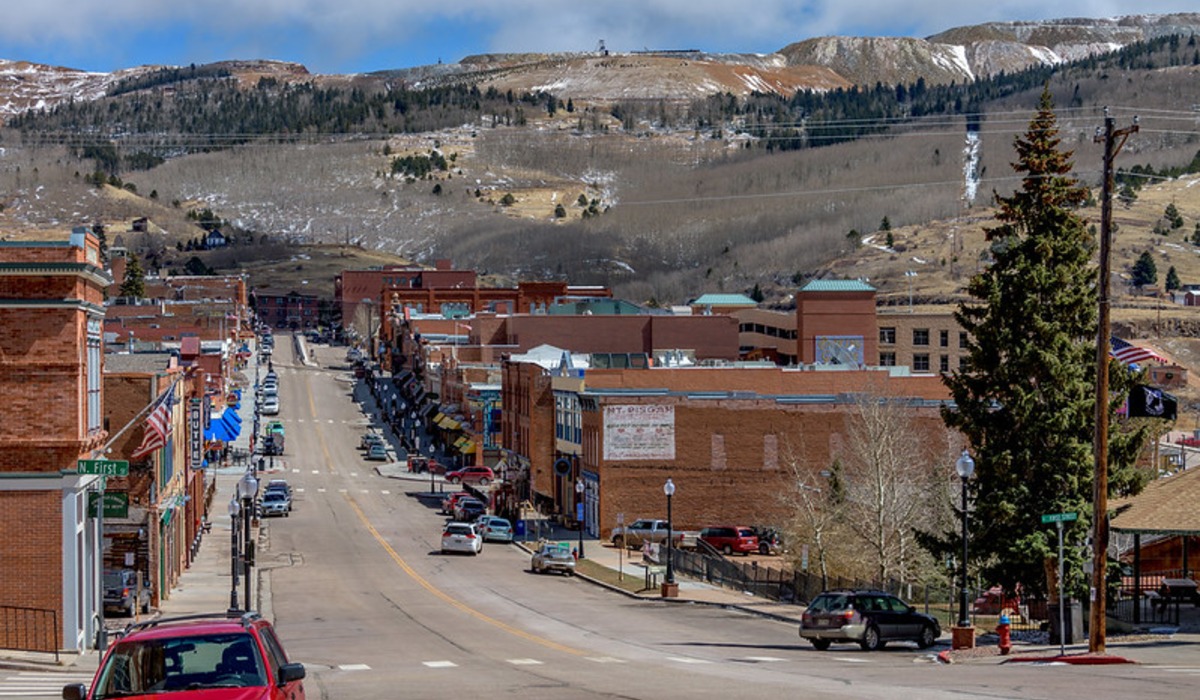
Bob Womack found gold at Cripple Creek, Colorado, in 1890, and the camp grew into a booming district. Photographs show mills, headframes, and the mining infrastructure that transformed the area.
Fires and fortunes shaped the town in equal measure.
The Klondike Discovery Party
On August 17, 1896, Skookum Jim and his companions, including Dawson Charlie and George Carmack, made the discovery associated with the Klondike Gold Rush on Bonanza Creek. Portraits of the discoverers show the men in ordinary work clothes.
The first claim was registered under Carmack’s name, but the discovery involved Indigenous prospectors whose contributions have not always received equal recognition.
Dead Horse Trail
The White Pass route into the Klondike earned the name Dead Horse Trail because thousands of pack animals died along it during the rush of 1897–98. Photographs show the carcasses and wrecked equipment strewn along narrow paths.
The images became powerful evidence of the brutal conditions animals endured under heavy loads and relentless travel.
Miles Canyon
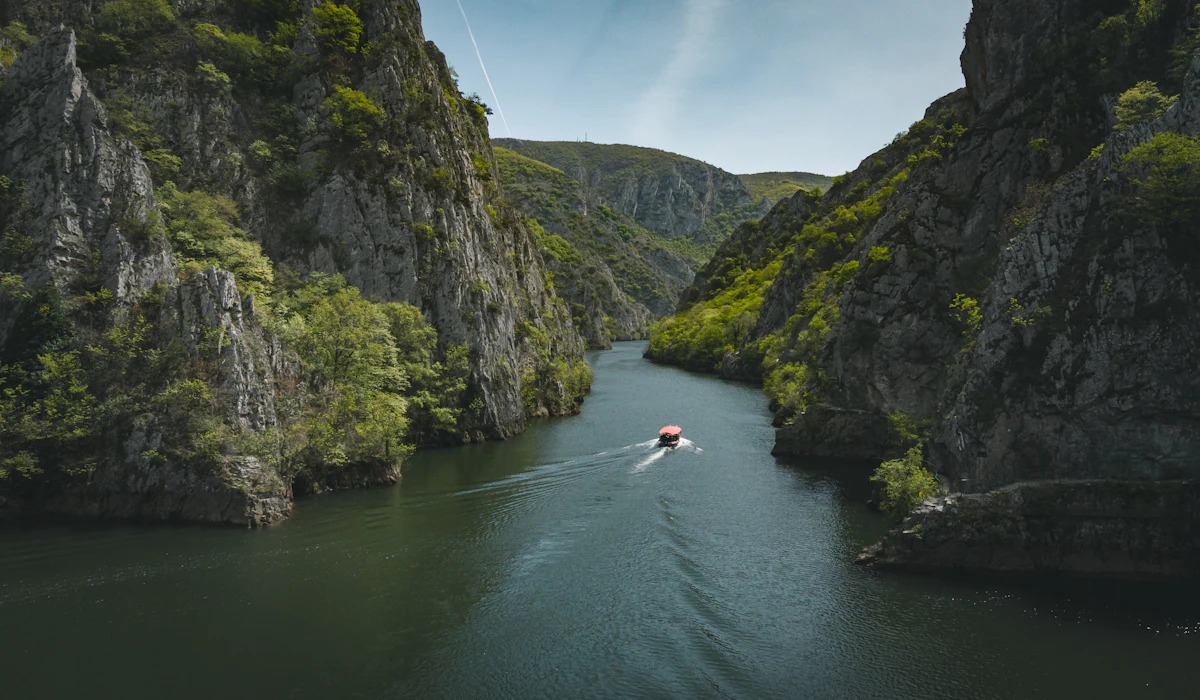
Boats traveling toward Dawson had to pass through Miles Canyon and the rapids beyond it, where many wrecks occurred. The dangerous route led to calls for better control of river traffic, and officials required boats passing through hazardous sections to use qualified pilots.
Photographs capture small craft squeezed between rock walls.
Sternwheelers on the Yukon
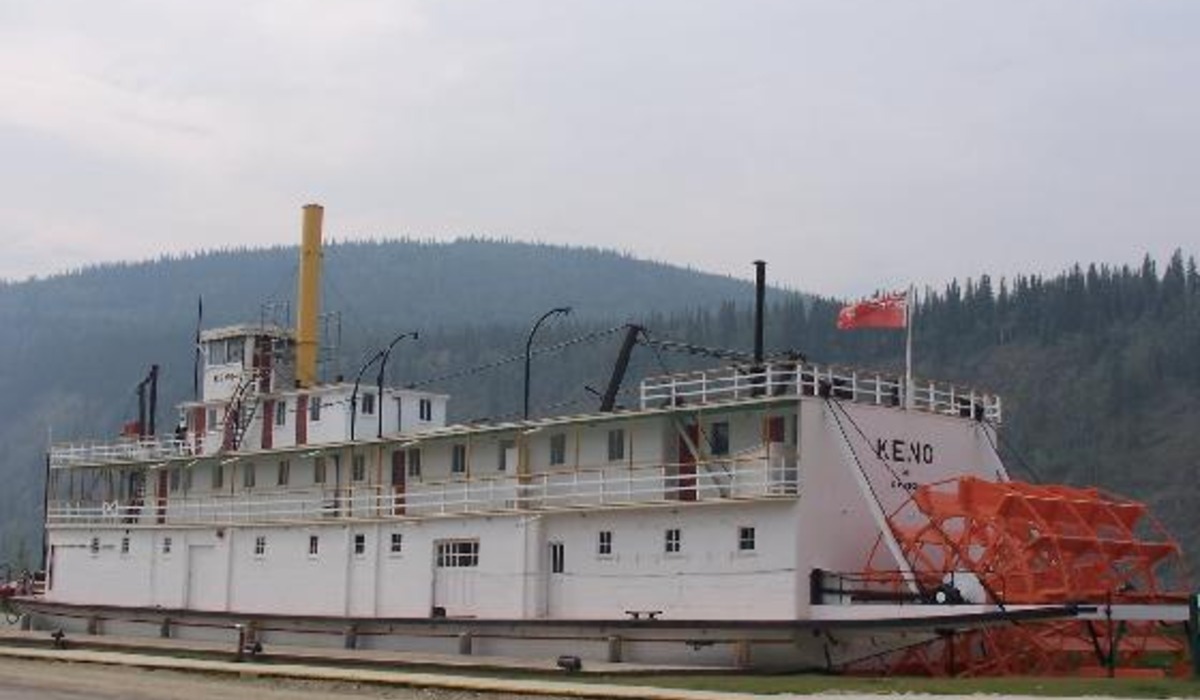
Sternwheelers carried prospectors, supplies, and mail along the Yukon River. Photographs show stacks of cordwood piled on the bank, ready to fuel the boilers.
The boats connected remote camps to the outside world and became a vital part of transportation in the region.
Claims on Eldorado Creek
Eldorado Creek produced some of the richest claims in the Klondike, and photographs show sluice boxes and long lines of men working the gravel. Prospectors built wooden structures to thaw frozen ground and reach the pay dirt below.
The work was slow and brutal.
Weighing the Dust
In saloons and stores, gold dust served as currency and was measured on small scales. Photographs show leather pouches, brass scales, and trading counters where buyers and sellers negotiated over the value of the dust.
The practice made every transaction a careful negotiation.
Peter Britt in Jacksonville

Peter Britt, a Swiss-born photographer, settled in Jacksonville, Oregon, in the early 1850s, when it was a mining camp. His photographs show miners, businesses, and families.
They remain among the best visual records of the Oregon goldfields and the community that grew around them.
Women in the Camps
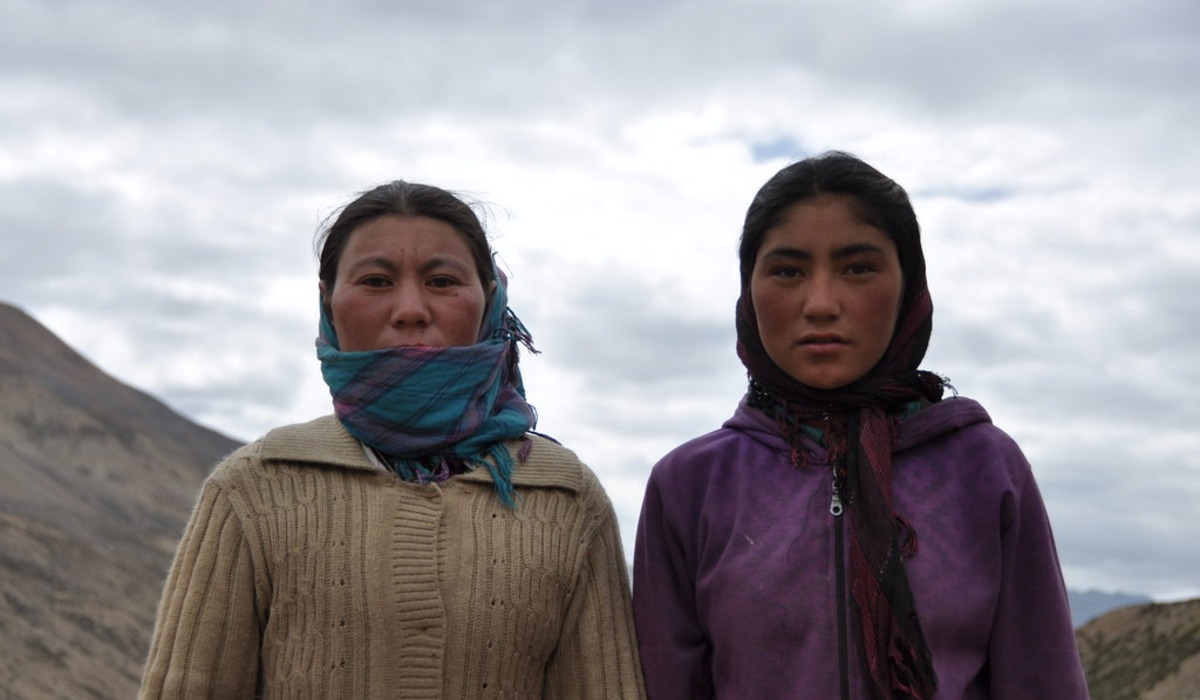
Though outnumbered in many mining communities, women in mining camps ran boardinghouses, laundries, and restaurants. Photographs show them in front of canvas and wood businesses, sometimes with a child at their side.
Their work helped sustain mining communities, providing food, lodging, laundry, and other services to prospectors.
The Weight Behind the Gold
The photographs in this list share a feature that goes beyond subject matter: the people in them look tired. Whether climbing a pass, rocking a cradle, or standing at a counter, they carry the strain of trying to win a gamble.
The gold itself rarely appears in the frame.
That detail helps explain why these pictures endure. They show a version of ambition that was physical, dangerous, and mostly unrewarded.
A century and a half later, the faces still ask the same question: what would you give up to be first?
More from Go2Tutors!

- The Romanov Crown Jewels and Their Tragic Fate
- 13 Historical Mysteries That Science Still Can’t Solve
- Famous Hoaxes That Fooled the World for Years
- 15 Child Stars with Tragic Adult Lives
- 16 Famous Jewelry Pieces in History
Like Go2Tutors’s content?Follow us on MSN.