Ancient Tools That Changed Civilization
You probably don’t think much about the hammer in your garage or the knife in your kitchen drawer. But every tool you use descended from something created thousands of years ago by people trying to solve basic problems.
They needed to cut things, build things, carry things, and survive. The solutions they invented didn’t just make life easier.
They fundamentally changed what humans could accomplish and how societies developed.
The Hand Axe
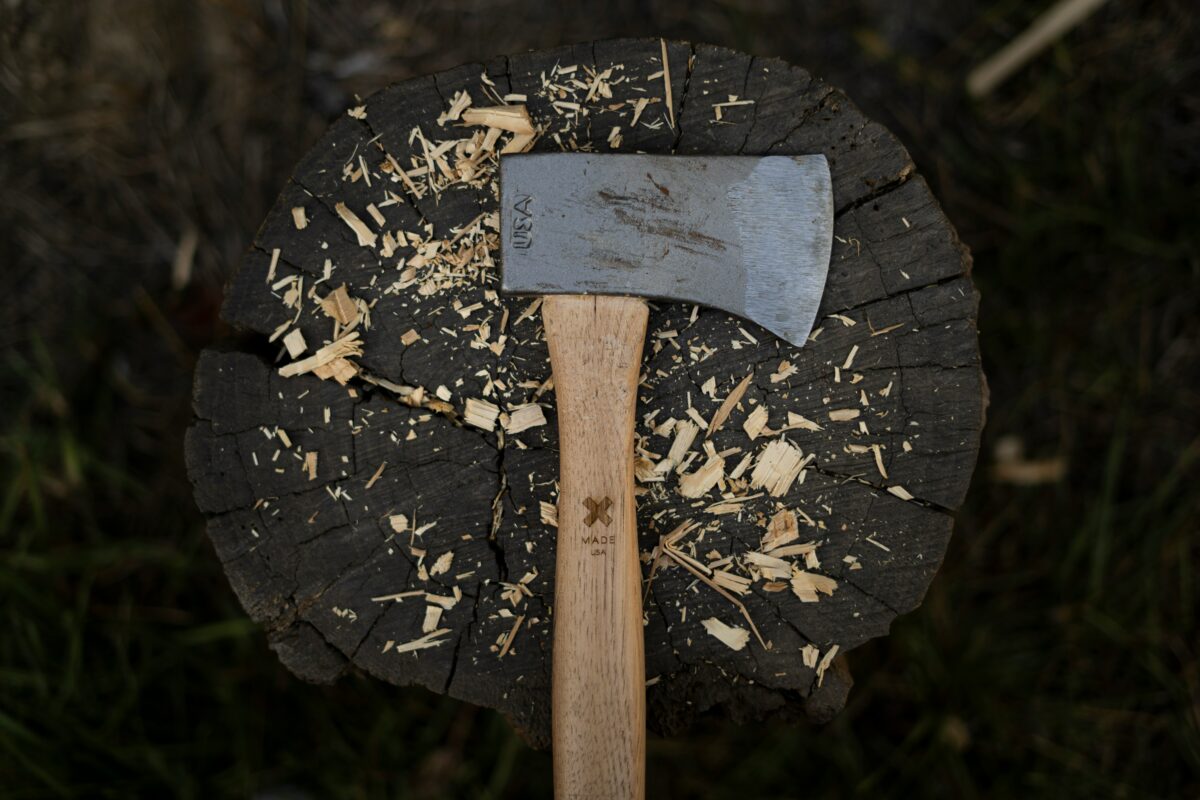
Someone discovered how to chip stones into the shape of a teardrop with sharp edges about 1.76 million years ago. That simple innovation stayed in use for over a million years, making it the longest-running tool design in human history.
The hand axe did everything. It could be used to scrape hides, dig roots, chop wood, or butcher animals.
Because of its adaptability, early humans were able to adjust to a variety of settings and food sources. Without it, your ancestors probably wouldn’t have survived long enough to become your ancestors.
The Needle

Around 40,000 years ago, sewing needles made of bone first appeared, opening up completely new areas for human habitation. Before needles, people couldn’t make fitted clothing.
As a result, they were unable to live in extremely cold climates. Humans were able to sew animal hides into clothing that would withstand the elements once they discovered how to make a tiny opening in a piece of bone.
This made it possible for people to migrate into northern Europe and eventually the Americas via the Bering Land Bridge. A tiny pointed stick of bone literally enabled the people of continents.
The Plow
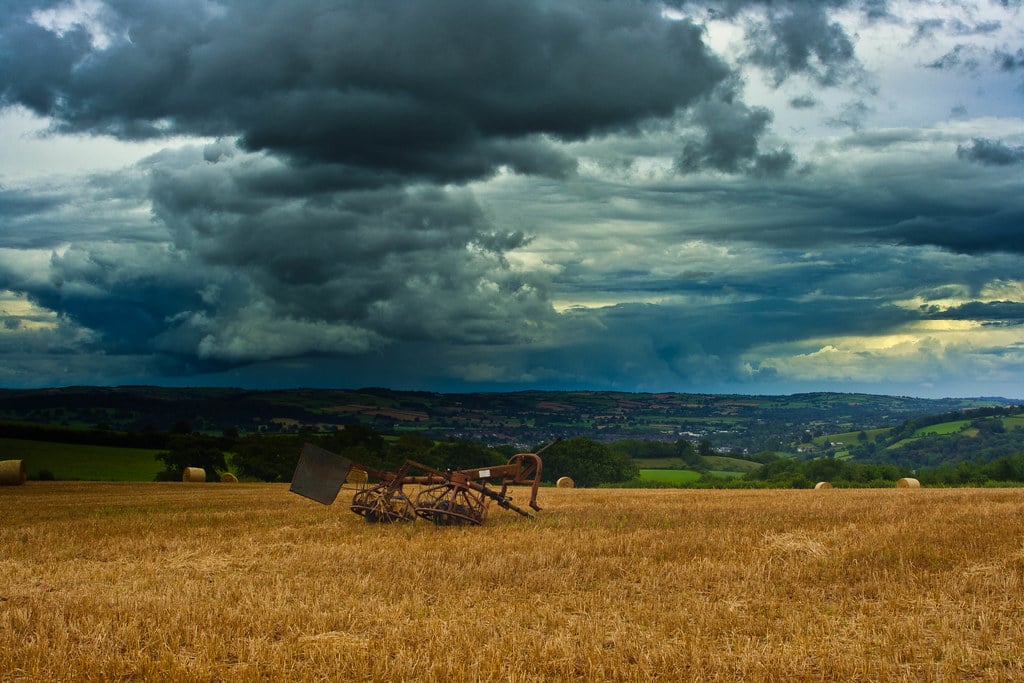
Hunter-gatherers became farmers when they started planting seeds, but farming became efficient when someone attached a pointed stick to an ox. The first plows appeared around 4,000 BCE in Mesopotamia, and they changed everything about human society.
The amount of food that one person could produce was limited before plows because you had to dig and plant by hand. Plows meant surplus.
Because of the surplus, some people were able to give up farming and pursue careers as craftspeople, merchants, priests, or soldiers. Cities expanded. Hierarchies formed. Civilization as you recognize it today started because someone figured out how to make an ox do the heavy digging.
The Wheel

The wheel showed up surprisingly late, around 3,500 BCE. Early humans moved heavy objects with logs used as rollers, but nobody thought to slice a log into rounds and attach them to an axle for thousands of years.
Once they did, transportation exploded. Carts moved goods farther and faster.
Potter’s wheels made ceramic production more efficient. Waterwheels harnessed energy from rivers.
The wheel wasn’t just one invention. It was a concept that spawned dozens of other innovations, each one expanding what societies could build and trade.
The Bow and Arrow
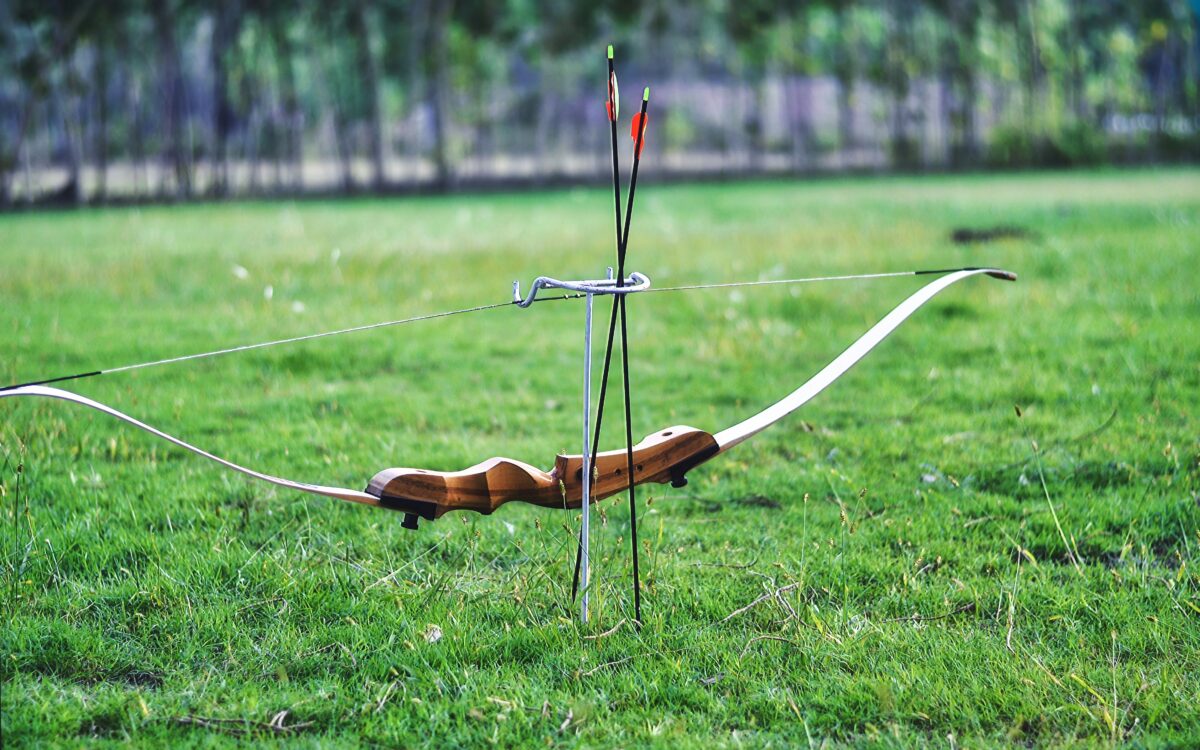
Projectile weapons changed the power balance between humans and everything else on the planet. Bows appeared around 20,000 years ago, and they meant you could kill from a distance.
You didn’t need to get close to a mammoth or risk hand-to-hand combat with a rival tribe. Hunting became safer and more successful.
Warfare became deadlier. The bow required skill and practice, which meant societies needed time to train specialists.
It influenced social structures, military tactics, and even art, as decorated bows became status symbols.
The Grinding Stone
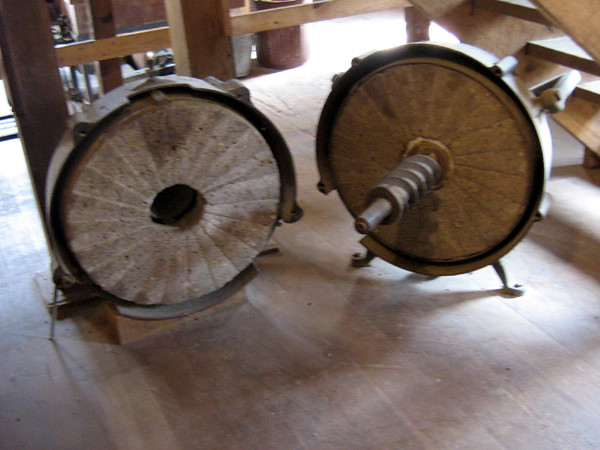
Someone realized you could crush grain between two rocks and turn it into flour. This happened independently in multiple places around 15,000 years ago.
The grinding stone, or quern, made cereal grains digestible and nutritious in ways they weren’t when eaten whole. Flour could be stored, transported, and turned into bread.
It provided dense calories that fueled growing populations. The simple act of grinding grain between stones made agriculture worthwhile and permanent settlements possible.
The Chisel
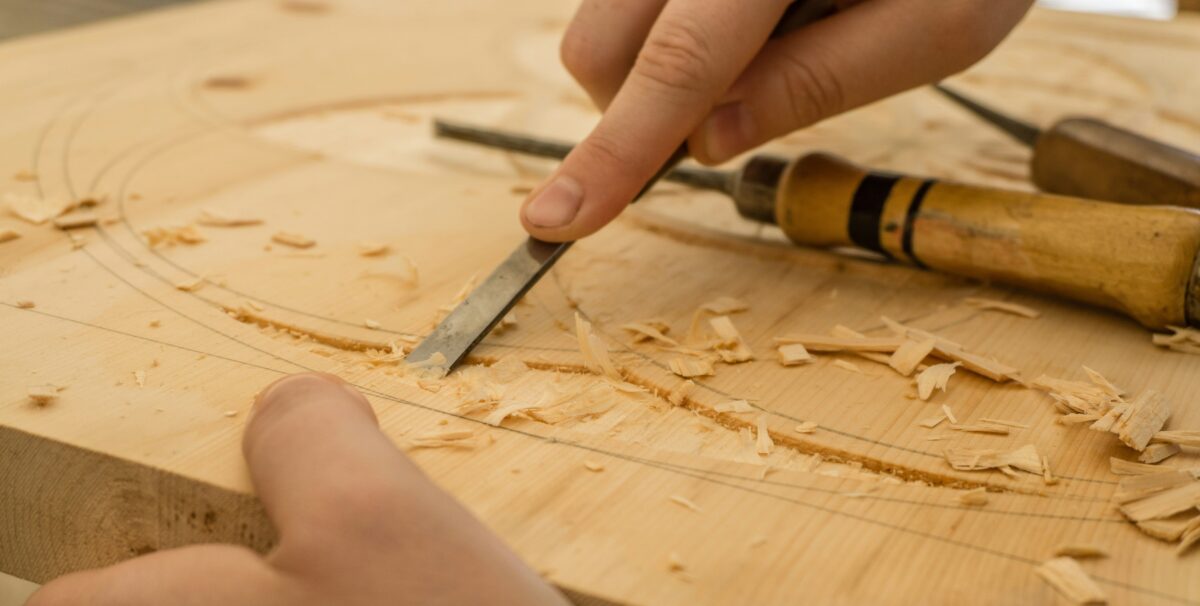
Metal chisels emerged with the Bronze Age around 3,000 BCE, but even stone versions existed much earlier. Chisels allowed precision work on wood and stone that other tools couldn’t achieve.
You can’t build complex architecture without chisels. Egyptian pyramids, Greek temples, Roman aqueducts—all required workers who could shape stone blocks to exact specifications.
The chisel turned raw materials into engineered components. It made monumental construction possible and gave ancient civilizations a way to literally carve their legacy into history.
The Loom
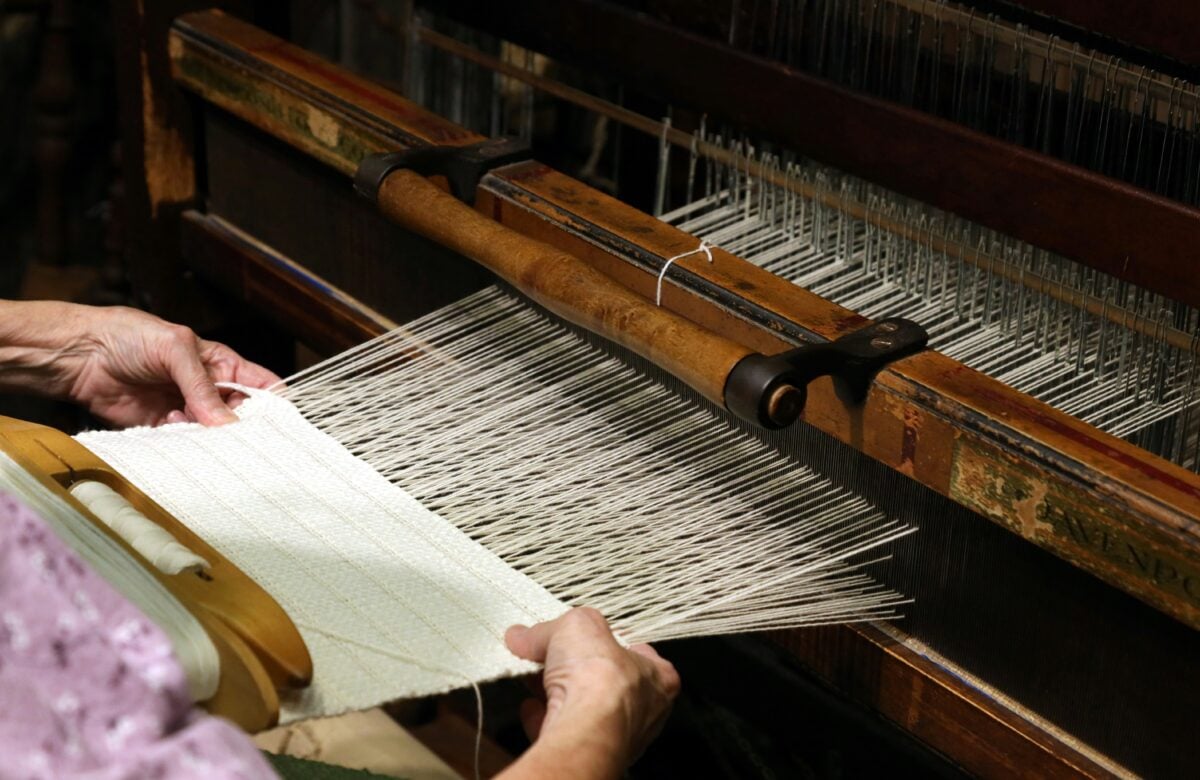
Weaving existed before looms, but it was slow work done by hand. The first looms appeared around 6,000 BCE, and they industrialized textile production thousands of years before the Industrial Revolution.
Looms meant you could produce cloth faster and in larger quantities. That gave people more clothing options and created a tradeable commodity.
Textile production became an industry. It employed specialists, generated wealth, and connected distant regions through trade networks. The loom was basically an ancient assembly line.
The Lever

Archimedes gets credit for explaining how levers work, but humans used them long before anyone understood the physics. A lever is just a rigid bar that pivots on a fulcrum, but it multiplies force in ways that let you move objects far heavier than you could lift alone.
Egyptian workers used levers to position the massive stones in the pyramids. Greek engineers used them in cranes and catapults.
The lever principle appears in doors, oars, wheelbarrows, and countless other devices. Understanding this simple machine gave ancient people a mechanical advantage over the physical world.
The Kiln
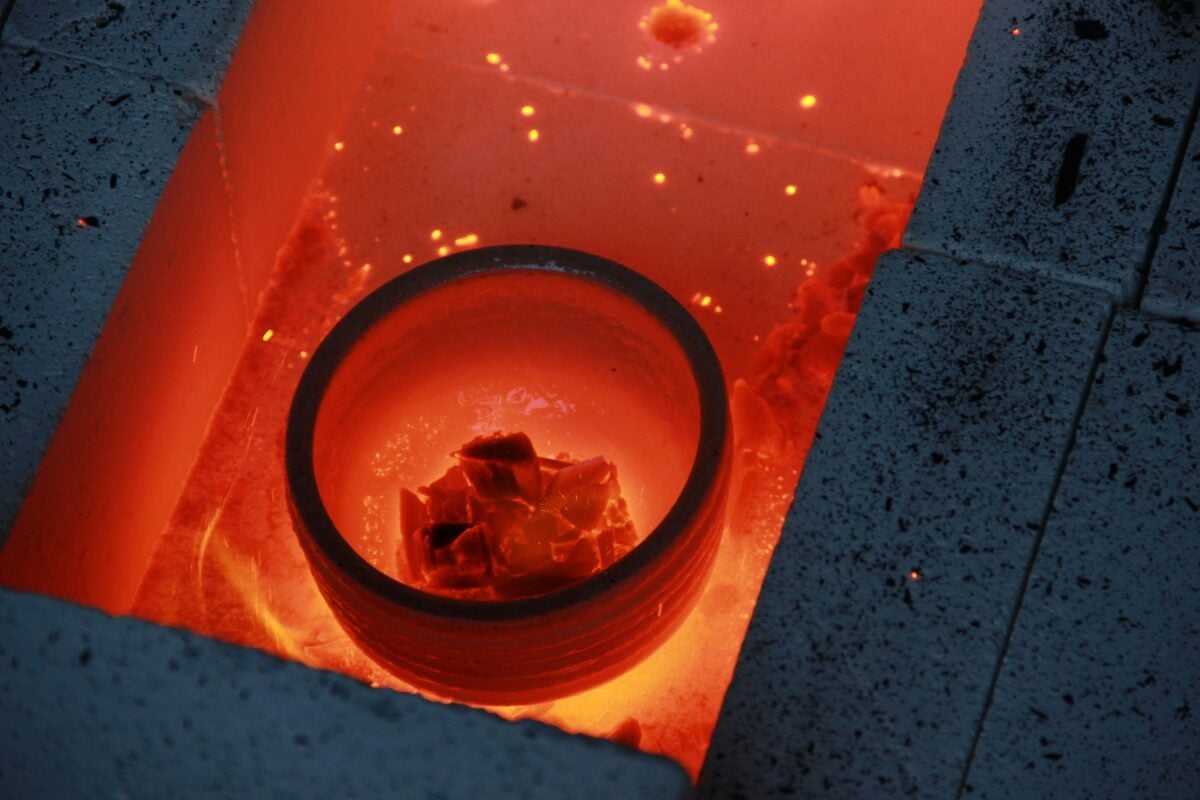
Fire-hardened pottery existed for thousands of years, but kilns—enclosed structures that reached and maintained high temperatures—appeared around 6,000 BCE. They changed pottery from fragile to durable and enabled entirely new materials.
Kilns made possible the ceramics that stored food, water, and oil. They allowed the production of bricks, which became the primary building materials.
Eventually, kilns hot enough to smelt metal led to the Bronze Age and Iron Age. The kiln was essentially a controlled fire, and controlling fire meant controlling what materials you could create and use.
The Sail

Egyptians put sails on boats around 3,200 BCE, and suddenly you didn’t need rowers for every journey. Wind became a free power that could move heavy cargo across long distances.
Sailing ships connected civilizations. They enabled trade between Egypt and Mesopotamia, between Greece and India, eventually between Europe and the Americas.
The sail didn’t just move boats. It moved ideas, goods, and people in ways that reshaped the world.
Naval power became national power, and all of it started with cloth catching wind.
The Writing Stylus

Sumerians pressed wedge-shaped reeds into clay tablets around 3,200 BCE, creating the first writing system. The stylus itself was just a shaped reed, but what you could do with it changed human consciousness.
Writing meant knowledge could outlive the person who possessed it. Laws could be recorded and referenced.
History could be documented. Business transactions could be tracked across years. The stylus turned temporary thoughts into permanent records.
It created civilization’s memory.
The Bucket

A bucket might look basic, yet picture trying to construct something without moving water easily. Some of the first ones go all the way back to roughly 3,000 BCE – crafted out of wood or sometimes metal.
You can transport water from one place to another with buckets. Because of that, buildings could go up even when they were miles from a river.
Fire crews could actually put out flames. Farms got steady water flow whenever required.
This basic container? It acted like hidden support – quiet, always working, making bigger things possible
Tools That Built the Mind
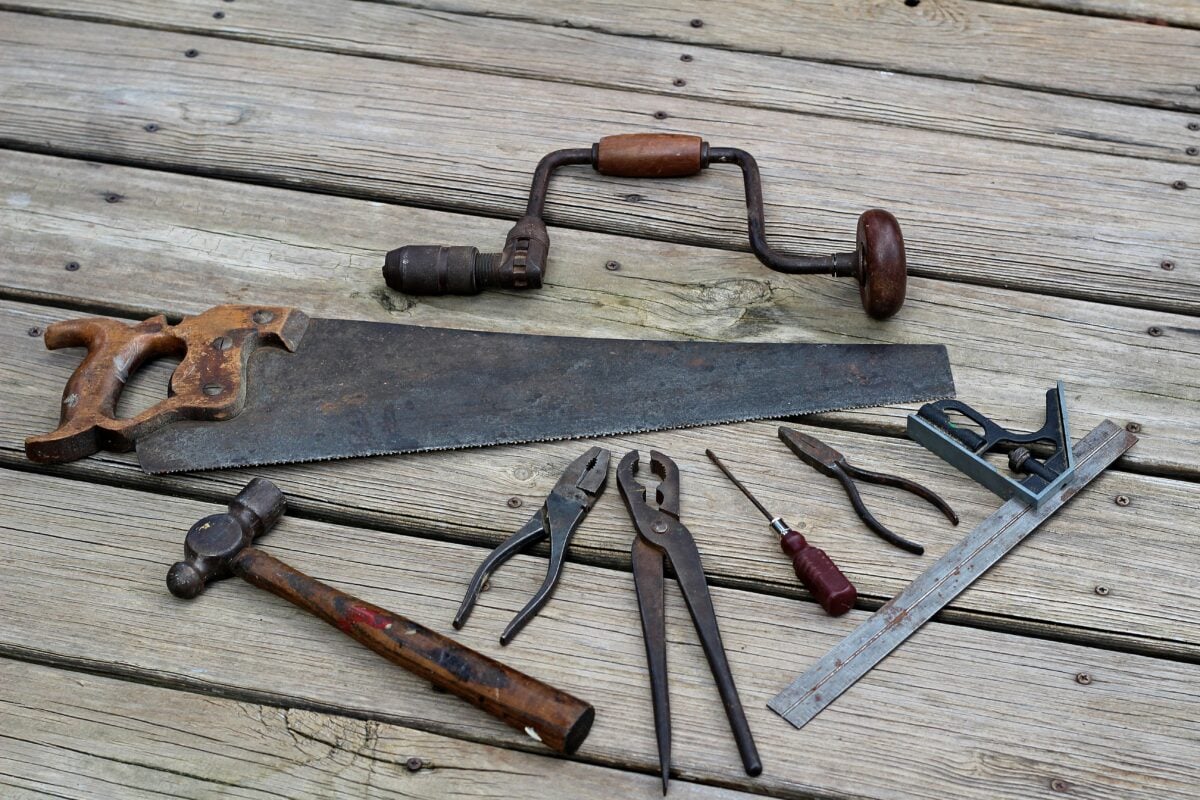
Those things didn’t only simplify chores – instead, they shifted the way people saw life and grouped together. Every device fixed a pressing issue while opening doors that no one expected.
Because of the plow, settlements grew. The sail gave rise to kingdoms.
Yet the pen sparked stories. You’re surrounded by echoes of old inventions.
That hammer you pick up easily? It came from the earliest stone tool. Your warm jacket exists because someone once carved a tiny needle.
Nothing complicated just appeared – each began when a person broke a rock or bent wood, fixing an issue back then but making our future by accident.
More from Go2Tutors!

- The Romanov Crown Jewels and Their Tragic Fate
- 13 Historical Mysteries That Science Still Can’t Solve
- Famous Hoaxes That Fooled the World for Years
- 15 Child Stars with Tragic Adult Lives
- 16 Famous Jewelry Pieces in History
Like Go2Tutors’s content? Follow us on MSN.