25 Photos of Ordinary Life During the Great Depression
Between 1935 and 1944, a small unit inside the federal government sent photographers across the United States with instructions to show how people were living. The Farm Security Administration’s file eventually held more than a quarter of a million images, and it remains the most complete visual record of any hard decade in American history.
Newspapers, magazines, and a few independent photographers added to it. The pictures below are among the ones that keep being reprinted, and each contains something that explains the era better than a statistic could.
Dorothea Lange’s Migrant Mother
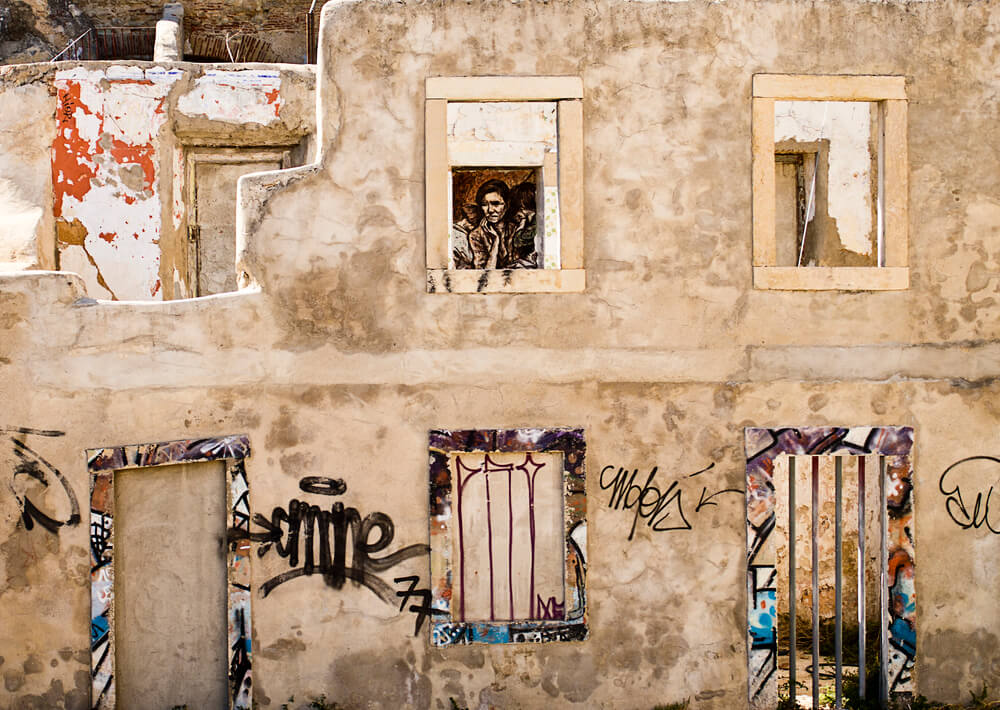
In March 1936, Lange stopped at a pea pickers’ camp in Nipomo, California, and made six exposures of a woman with her children. The woman was Florence Owens Thompson, who was thirty-two, and the crop had been destroyed by frost, leaving the camp without work.
Lange reportedly spent about ten minutes there, and the last frame became the most reproduced photograph of the decade.
The Breadline Outside a City Mission
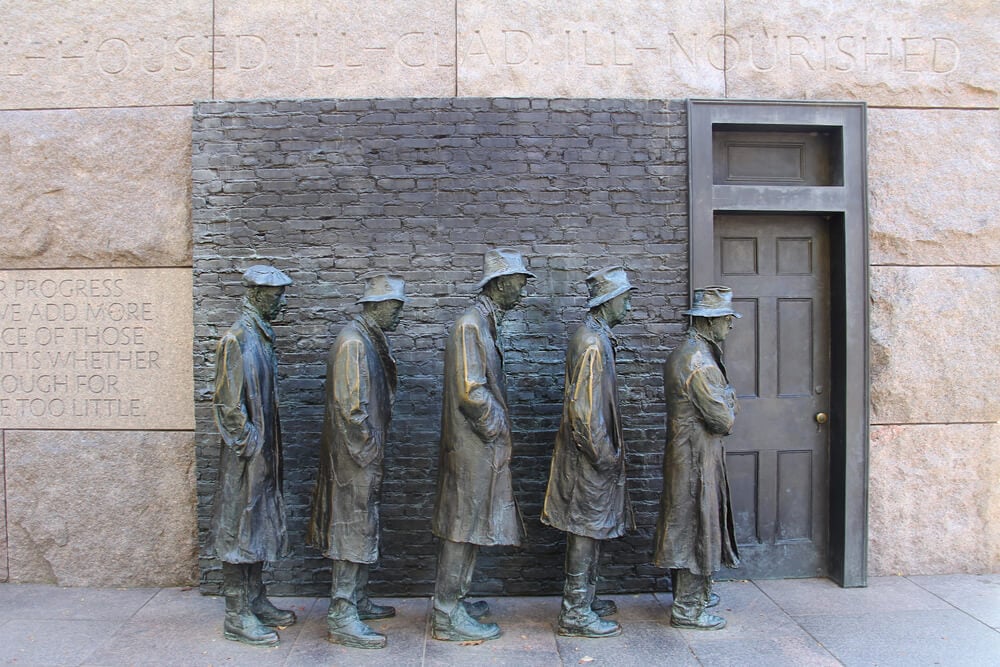
Photographs of men standing in lines that stretched around a block for a cup of coffee and a roll appeared in nearly every newspaper of the early 1930s. The men wore suits and hats because that was what they owned, which makes the lines look oddly formal.
Charitable missions, churches, and a few businesses ran the kitchens, since federal relief did not exist yet.
Al Capone’s Soup Kitchen in Chicago

In the winter of 1930 to 1931, a storefront on South State Street in Chicago served thousands of free meals a day under a sign reading “Free Soup Coffee & Doughnuts for the Unemployed.” The money came from Capone, who was under federal investigation and in need of goodwill.
Photographers were welcome, which was the point.
A Hooverville on the Edge of Town
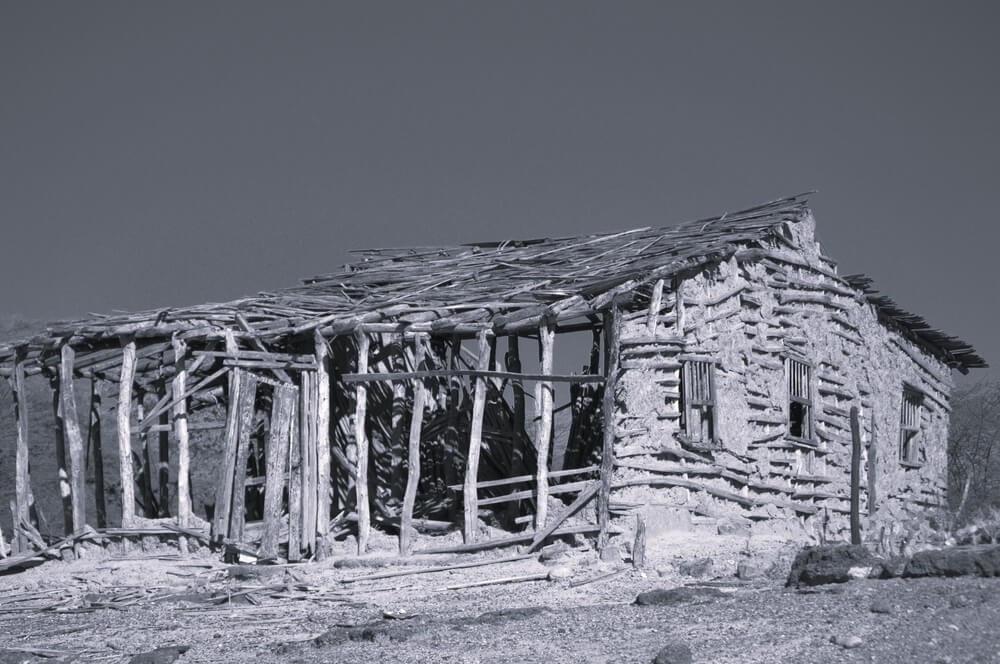
Shantytowns built from scrap lumber, tin, and packing crates sprang up in nearly every city and were named, bitterly, after President Hoover. Seattle’s covered nine acres of tidal flats near the port and lasted a decade.
New York had one in Central Park, on the drained site of a reservoir, where photographers could record it against the skyline.
Black Sunday Over the Plains
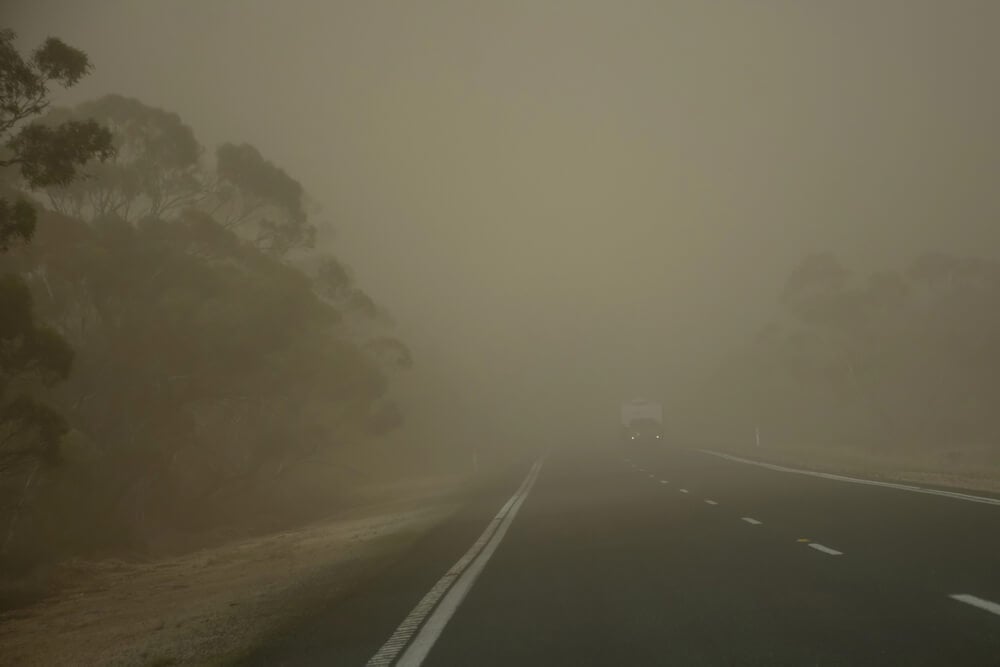
On April 14, 1935, a wall of dust estimated at over a thousand feet high rolled across the Oklahoma and Texas panhandles and turned afternoon into night. Photographs taken as it approached show a dark band swallowing a town’s grain elevators.
The term “Dust Bowl” entered print the next day in a dispatch from an Associated Press reporter who had been caught in it.
A Farmer and His Sons in a Dust Storm
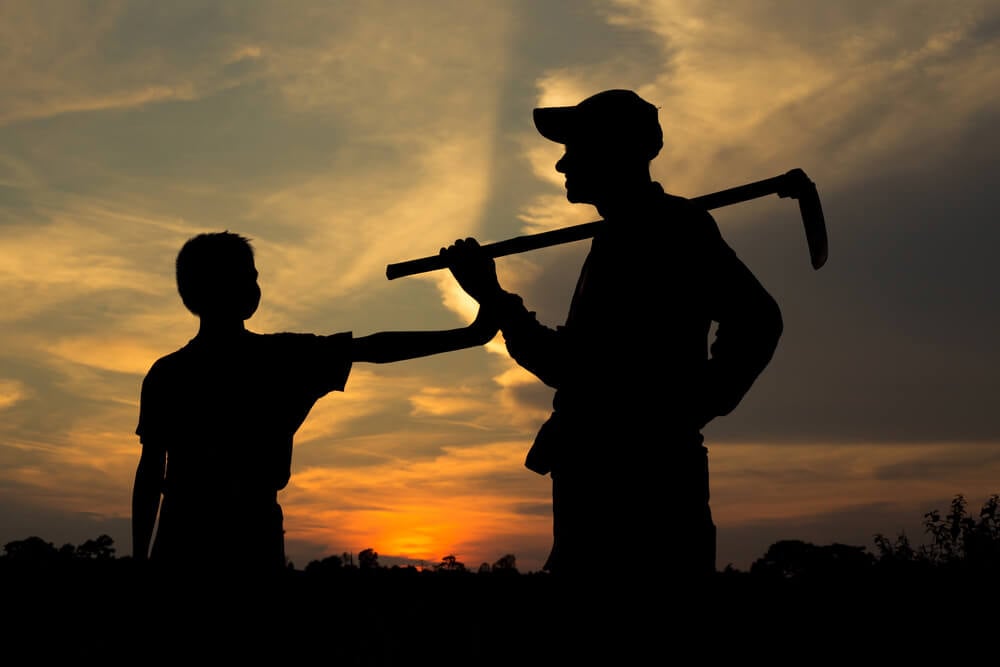
Arthur Rothstein’s 1936 picture of a man and two boys leaning into the wind beside a half-buried shed in Cimarron County, Oklahoma, became the defining image of the Dust Bowl. The farmer was Arthur Coble, and the family stayed on the land.
The photograph has been questioned over the years because the smaller boy appears to be stepping back toward the shed, which some read as staging and others as a child getting out of the wind.
Okie Families on Route 66
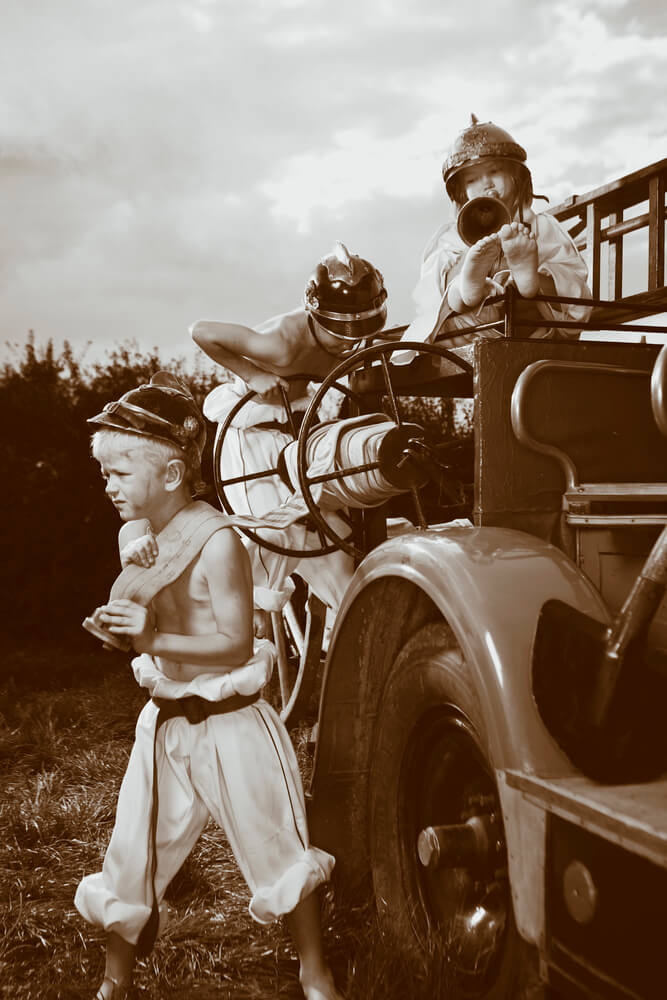
Lange and others photographed families from Oklahoma, Arkansas, and Texas driving west with everything they owned tied to the roof of a car. The vehicles were often ten years old and overloaded, and families camped by the road when they broke down.
Around 300,000 to 400,000 people made the trip to California across the decade, and the state briefly stationed police at its border to turn away those without money.
Walker Evans in Hale County, Alabama
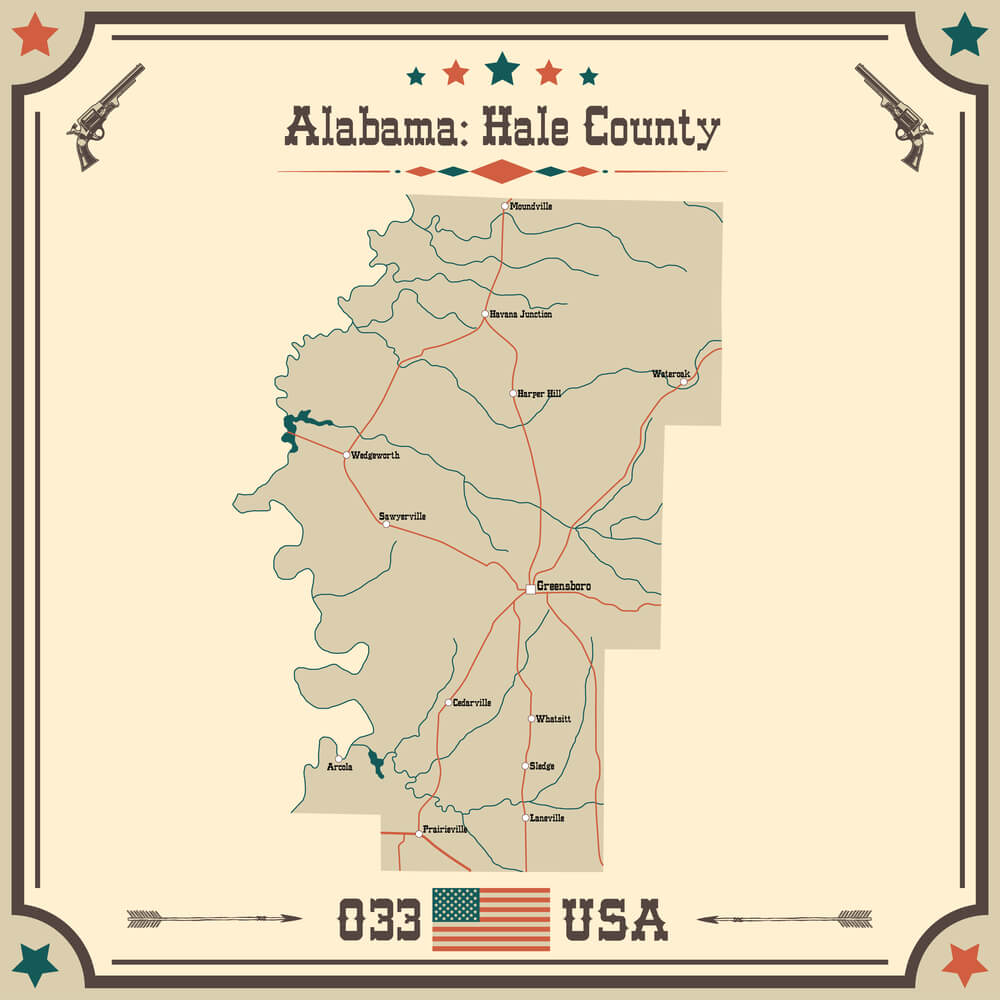
In the summer of 1936, Evans and the writer James Agee lived with three tenant farming families in Alabama for a magazine assignment that was never published. Evans photographed kitchens, bedrooms, and porches with a large-format camera that recorded every board.
The pictures appeared in the 1941 book Let Us Now Praise Famous Men, which sold a few hundred copies at the time and is now considered a classic.
Dresses Sewn From Flour Sacks
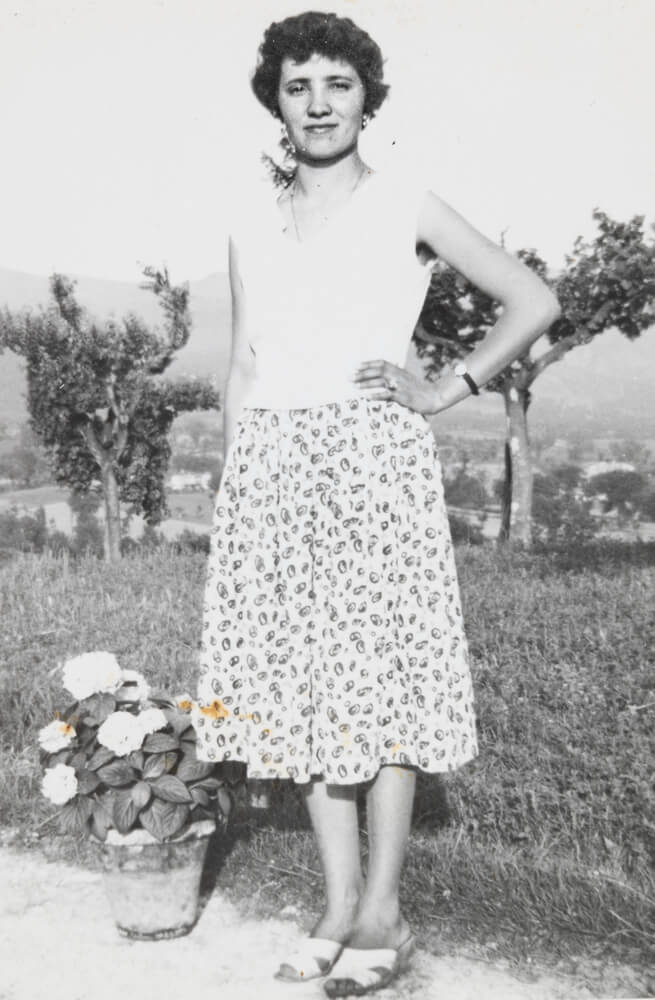
Photographs of rural families often show girls in printed cotton dresses that began life as sacks of flour or feed. Mills noticed that women were reusing the fabric and began printing the sacks in florals and plaids, with labels that washed out.
A family’s choice of brand could depend on which print the sack carried that month.
The Apple Seller on the Corner
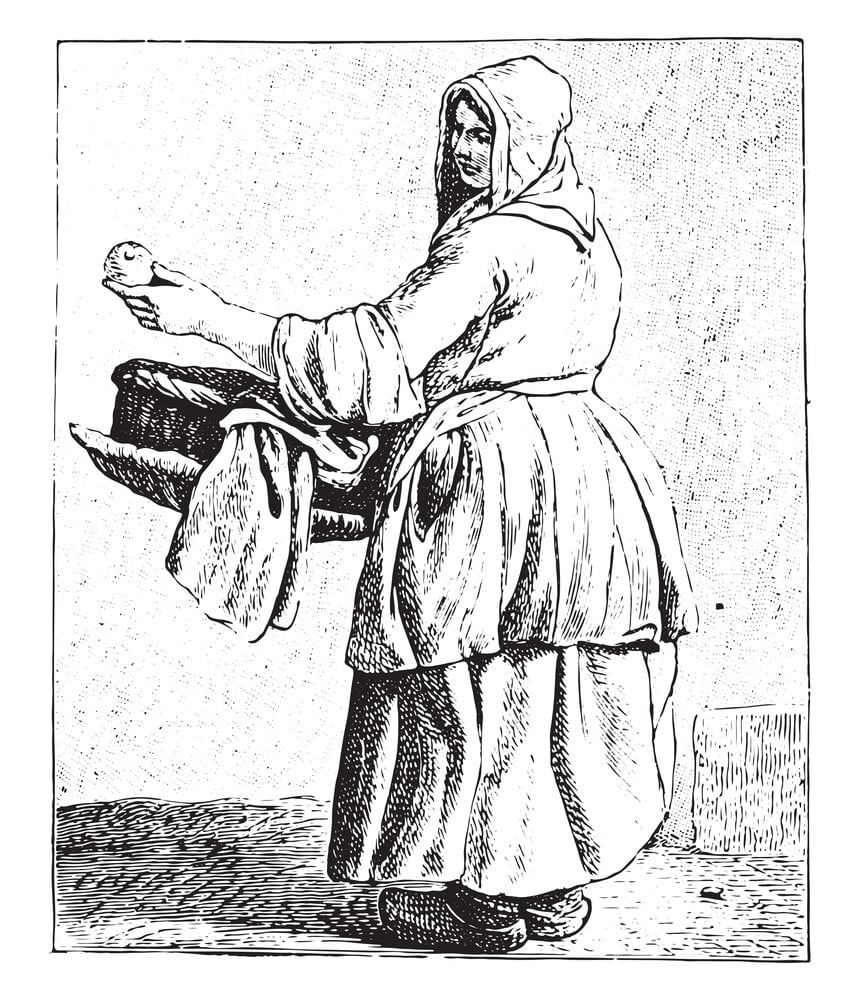
In the fall of 1930, a growers’ association sold apples on credit to unemployed men who then sold them on city street corners for a nickel apiece. For a few months, thousands of apple sellers appeared in New York alone, and the image became shorthand for the crisis.
The scheme faded by 1931 when the supply of apples and the patience of pedestrians both ran out.
Civilian Conservation Corps Boys Planting Trees
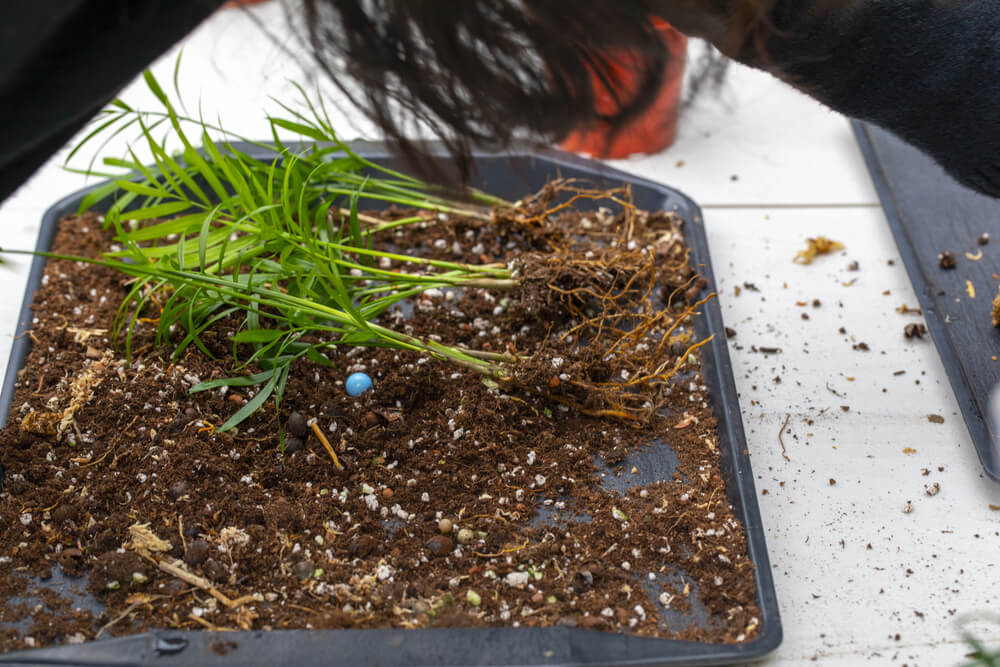
The CCC put about three million young men to work in camps across the country, and government photographers recorded them planting trees, cutting trails, and building the stone structures that still stand in state parks. Enrollees were paid thirty dollars a month and required to send most of it home.
The photographs show boys who had clearly gained weight since arriving.
A WPA Road Crew With Shovels
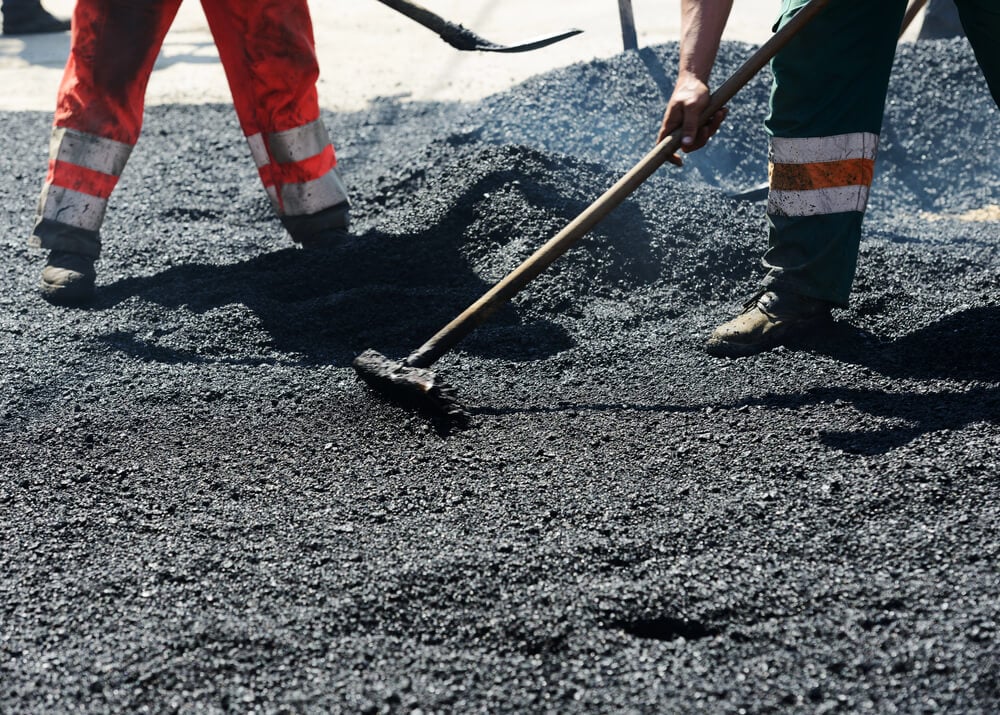
The Works Progress Administration hired millions of men for construction projects, and its photographers made a point of showing crews at work on roads, bridges, and schools. The pictures were partly propaganda, since critics complained the men were leaning on their shovels.
The infrastructure they built, including thousands of miles of road, outlasted the argument.
The Bonus Army Camp at Anacostia Flats
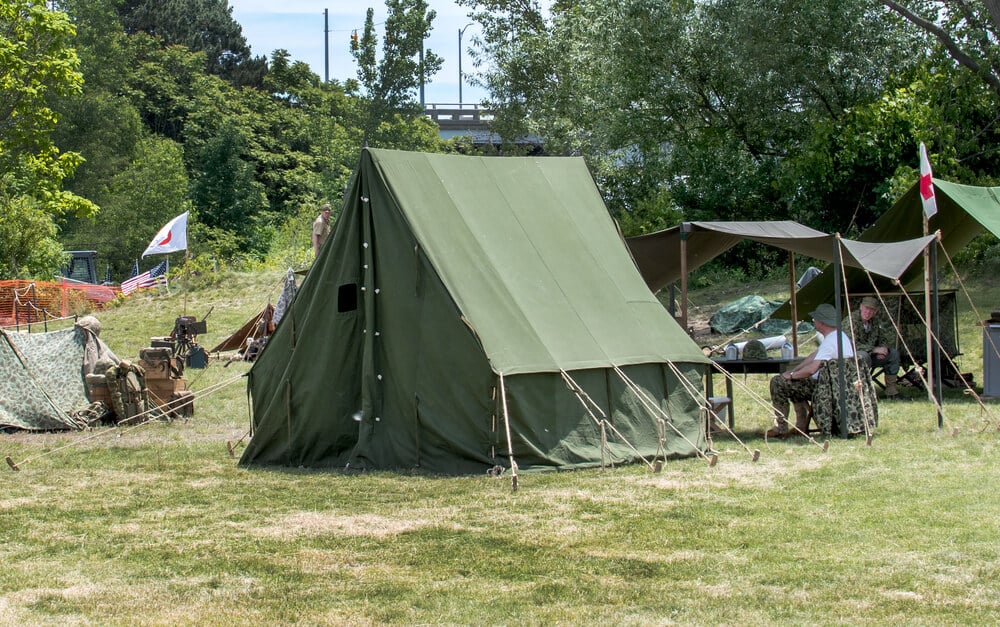
In the summer of 1932, tens of thousands of World War I veterans camped in Washington to demand early payment of a bonus they had been promised for 1945. Newsreel and newspaper photographs show a tidy city of tents and shacks across the river from the Capitol.
In July, the Army under Douglas MacArthur cleared the camp with tear gas and burned it, and the images of that night helped end Hoover’s presidency.
Couples Collapsing at a Dance Marathon

Dance marathons offered cash prizes to the last couple standing, and some ran for weeks with contestants sleeping on their feet. Photographers captured dancers slumped against each other at three in the morning while paying spectators watched from the bleachers.
Many cities eventually banned the contests as a public health hazard.
Men Riding the Rails
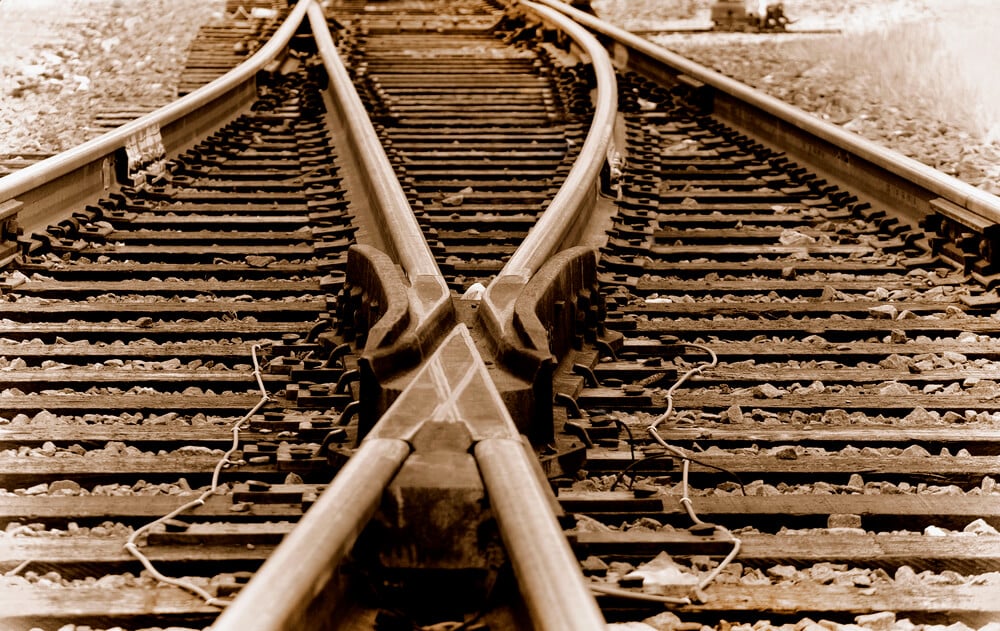
Men and teenage boys hopped freight trains looking for work in the next town, and photographers rode with them. One of the most reproduced images shows a row of men sitting on top of a boxcar as it crosses open country.
Railroad police beat and arrested riders, and the Southern Pacific alone reported hundreds of deaths on its lines.
Children at Jump Rope on a City Street

Not every photograph was grim, and government photographers were specifically told to show ordinary life as well as hardship. Pictures of children playing jump rope, hopscotch, and marbles on tenement streets became a large part of the file.
Those children appear in the same clothes in several pictures taken weeks apart.
A Family Gathered Around the Radio
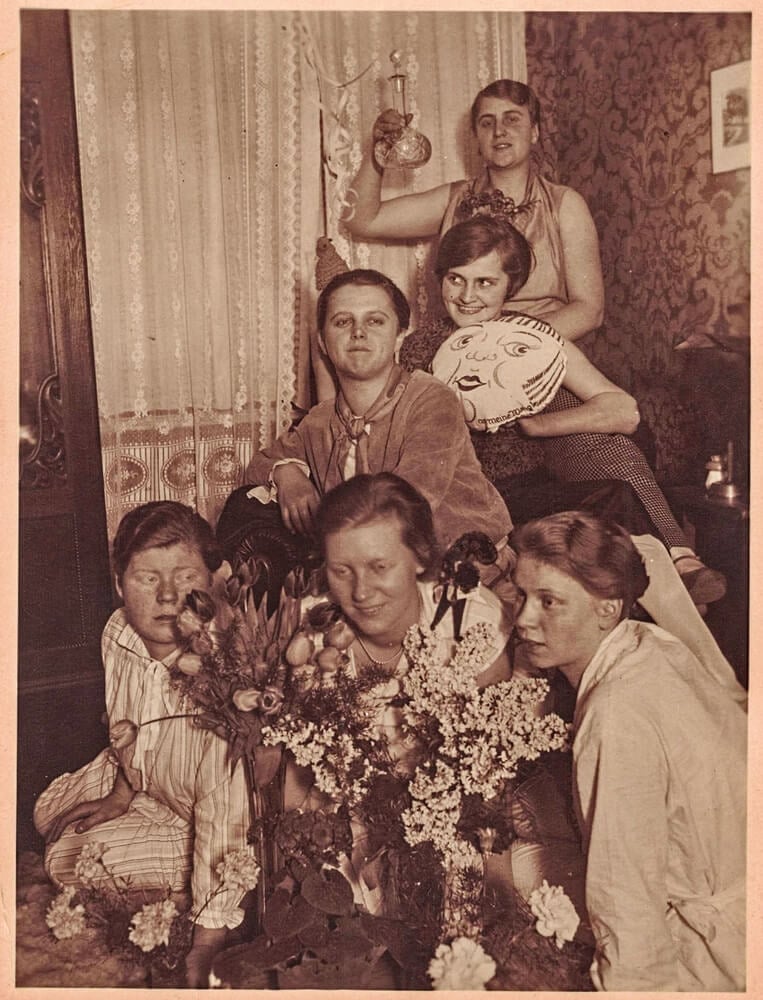
The radio was the one appliance most families kept through the decade, and photographs show parents and children arranged around a cabinet set in the living room. Franklin Roosevelt’s fireside chats, which began in March 1933, drew audiences that newspapers could only envy.
The sets in the pictures are often the most expensive object in the room.
The Movie Theater Marquee

Movie attendance dropped early in the decade and then recovered, since a ticket cost a quarter and the theater was heated. Photographs of marquees advertising Gold Diggers of 1933 and King Kong show lines that rival the breadlines.
Theaters gave away dishes on weeknights to keep seats filled, and many families assembled a full set that way.
The One-Room Schoolhouse
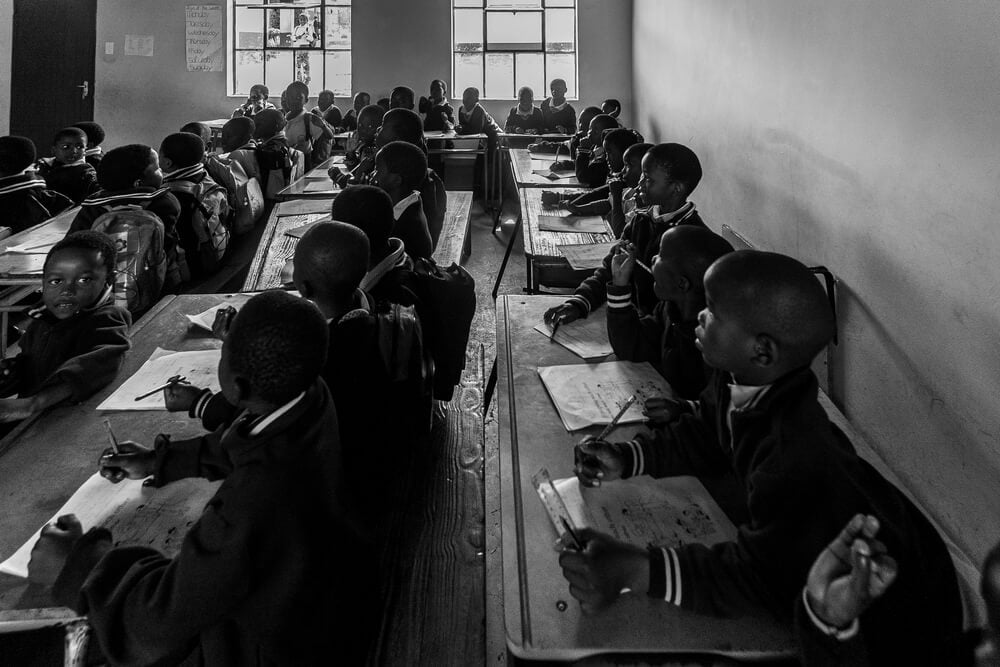
Rural schools in the photographs are a single room with a stove, a flag, and children of every age at desks bolted to the floor. Teachers were sometimes paid in scrip or not at all when county budgets collapsed.
Several photographers noted that attendance rose in the Depression because there was no work to keep children home.
A Crowd Outside a Closed Bank
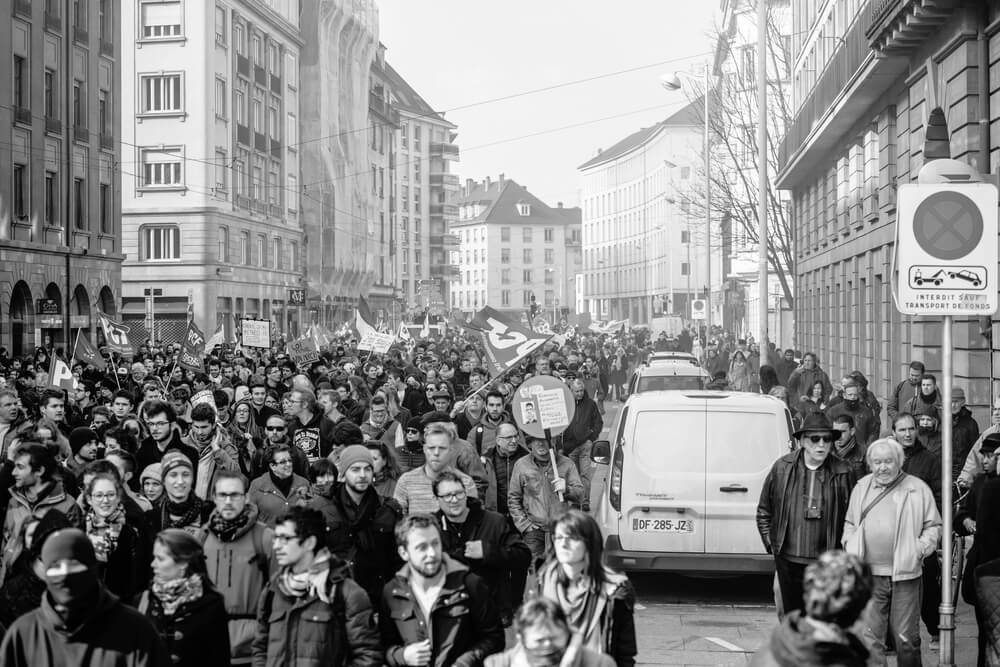
Pictures of depositors crowding the doors of a failed bank appeared throughout 1931 and 1932, and they often show a hand-lettered sign taped to the glass. About nine thousand banks failed between 1930 and 1933.
Roosevelt’s bank holiday in March 1933 closed every bank in the country for several days, and the photographs from that week show empty lobbies instead of crowds.
Relief Gardens in Vacant Lots
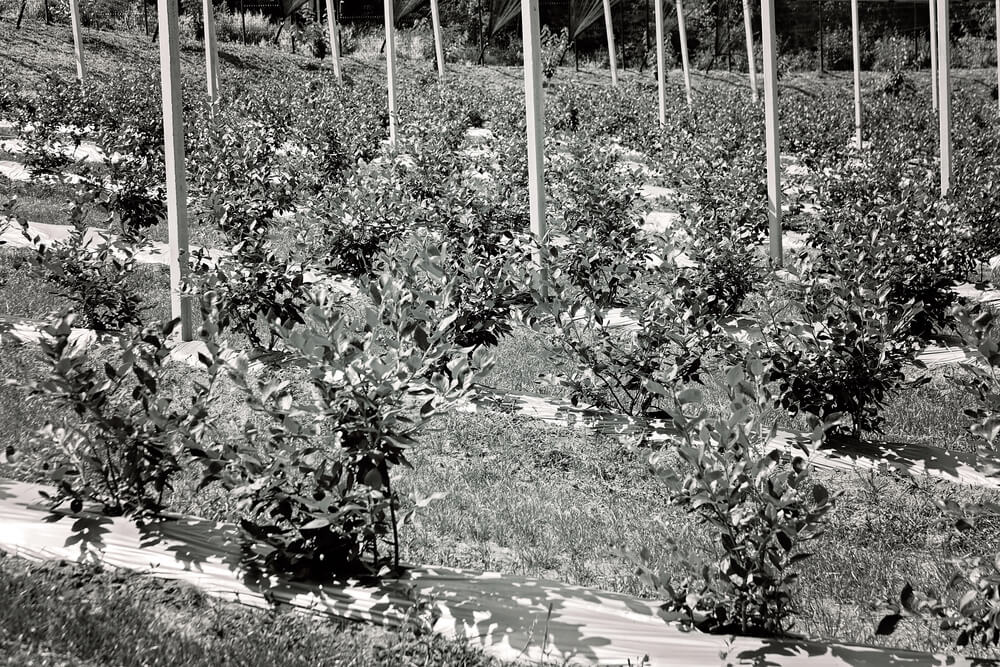
Cities turned vacant lots into garden plots and gave them to families, and photographs show rows of beans and corn against a backdrop of brick walls and fire escapes. Detroit’s program, which the mayor promoted personally, put thousands of families to work on idle land.
The gardens were the ancestors of the victory gardens that followed in the next war.
Lange’s White Angel Breadline
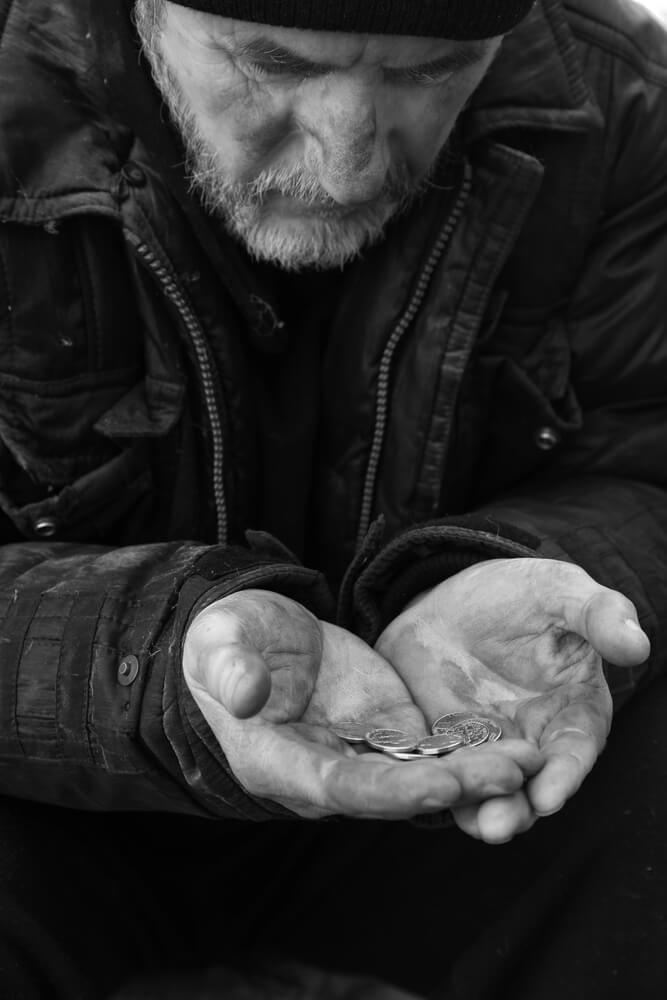
In 1933, before she joined the government, Lange photographed a breadline run by a woman known as the White Angel on the San Francisco waterfront. The picture shows a man with his back to the crowd, hat pulled low, hands clasped around a tin cup.
It was Lange’s first documentary photograph, and it is the one that got her hired.
Russell Lee in Pie Town, New Mexico

In 1940, Lee spent weeks in a tiny settlement of homesteaders in western New Mexico and photographed a community fair, a square dance, and families eating at a long table outdoors. He shot some of it in color, which was rare for the file, and the Kodachrome slides look surprisingly modern.
Pie Town got its name from a shop that sold dried-apple pies to travelers.
Margaret Bourke-White’s Louisville Flood Line
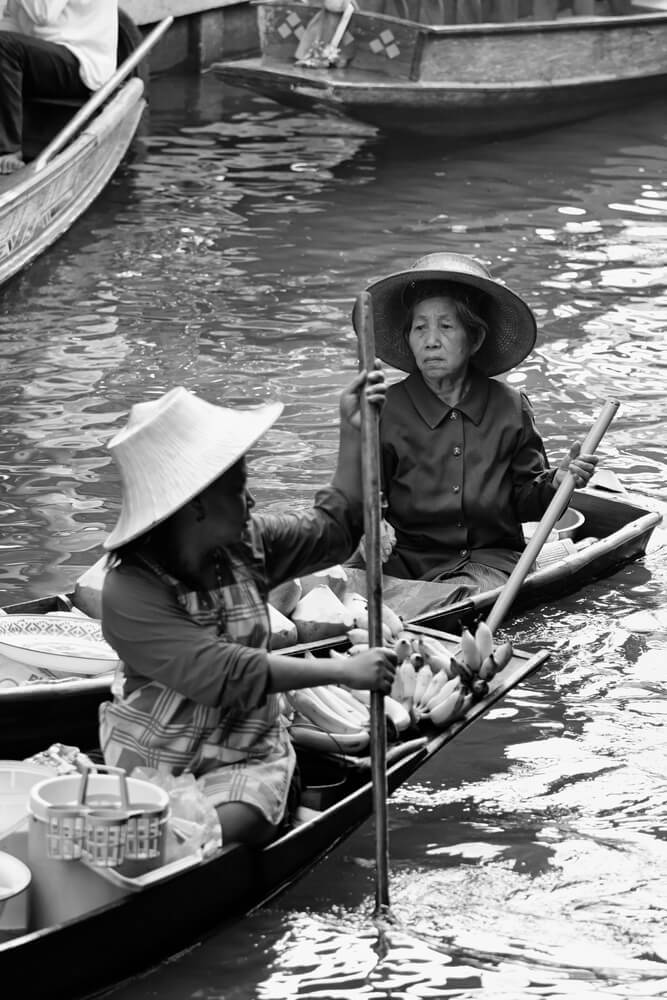
In January 1937, Bourke-White photographed flood victims in Louisville lined up for relief beneath a billboard showing a smiling white family in a car with the slogan “World’s Highest Standard of Living.” The people in the line were Black, and the contrast was the picture.
It ran in Life magazine and is still used to illustrate the decade.
A Mother Canning the Summer’s Garden

Kitchens in the file are crowded with jars, and photographs show women putting up tomatoes, beans, and peaches over a wood stove in August heat. Home canning rose sharply as families tried to eat through the winter on what they had grown.
Government home economists traveled the country teaching pressure canning to prevent botulism.
The Decade That Learned to Look at Itself

The Farm Security Administration’s photographers had a political purpose, which was to build support for federal relief, and they knew it. Lange, Evans, Rothstein, and Lee were sent with shooting scripts, and their negatives were reviewed in Washington.
The honesty of the pictures survives that origin because the photographers kept recording what was in front of them. What they made is a portrait of a country at close range, in kitchens and fields and on the tops of boxcars.
The faces in these images are not asking for pity. Most of them are simply waiting for the photographer to finish so they can go back to work, if there is any.
More from Go2Tutors!

- The Romanov Crown Jewels and Their Tragic Fate
- 13 Historical Mysteries That Science Still Can’t Solve
- Famous Hoaxes That Fooled the World for Years
- 15 Child Stars with Tragic Adult Lives
- 16 Famous Jewelry Pieces in History
Like Go2Tutors’s content? Follow us on MSN.