Countries With The Most Official Languages And Dialects
A nation’s strength often hides in its speech. Not merely vocabulary, but entire worlds grow from how people talk.
Where tongues multiply, even greetings become puzzles across regions. Each word carries memory, not only meaning.
In some lands, voices shift like landscapes – dozens of dialects where one might expect silence.
Picture nations where speaking many languages isn’t rare – it’s simply how things are done. In these places, variety in speech runs deep, woven into daily routines.
Living here means growing up hearing more than one rhythm of words. It’s normal to switch ways of talking without thinking.
These spots don’t celebrate diversity – they just live it, every single day.
Papua New Guinea
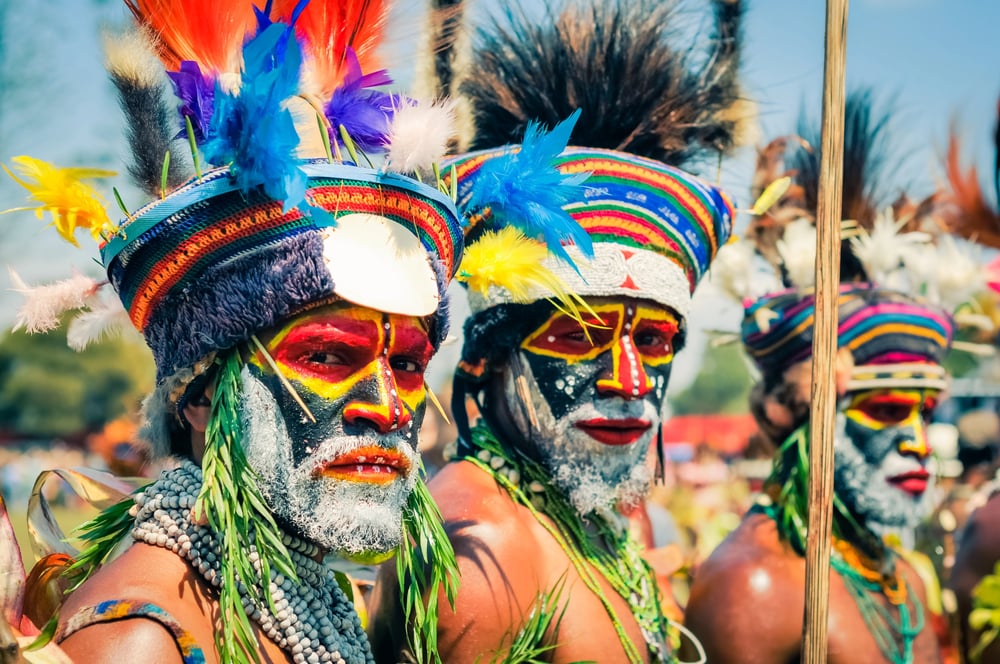
Lingering in the South Pacific, Papua New Guinea hosts more living tongues than any other land – over eight hundred unique forms of speech. One out of every twelve global languages finds home here, crammed into dense forests and remote valleys.
Though only three hold official status – Tok Pisin, English, Hiri Motu – the heartbeat pulses strongest among village dialects whispered for generations. Islands echo with sounds unknown beyond mountain ridges.
Highland clans speak words never written down. Each valley might carry a different way of saying morning.
South Africa
Eleven tongues hold official standing in South Africa – few nations match that number. Not just Zulu or Xhosa, but Afrikaans too, alongside English and more, each backed by law.
When apartheid fell, space opened up – voices once shut out stepped forward. Recognition followed, quiet yet firm, for those long ignored.
Zimbabwe

A nation stands out by welcoming sixteen tongues as official – Zimbabwe leads here. While many speak Shona or Ndebele, others use Tonga, Venda, even Kalanga every day.
Back in 2013, leaders wrote new speech forms into law, showing real variety lives within borders. Few places mirror such depth when voices matter equally.
Bolivia

Bolivia holds on to its roots, where native traditions still shape daily life. With Spanish joined by thirty-six other tongues, speech there breathes history.
Quechua hums in markets, Aymara echoes in highlands, Guaraní thrives near borders. Back in 2009, leaders reshaped the rules, not just updating laws but honoring voices long overlooked.
Recognition came not as charity but as fairness, woven into how power works.
India
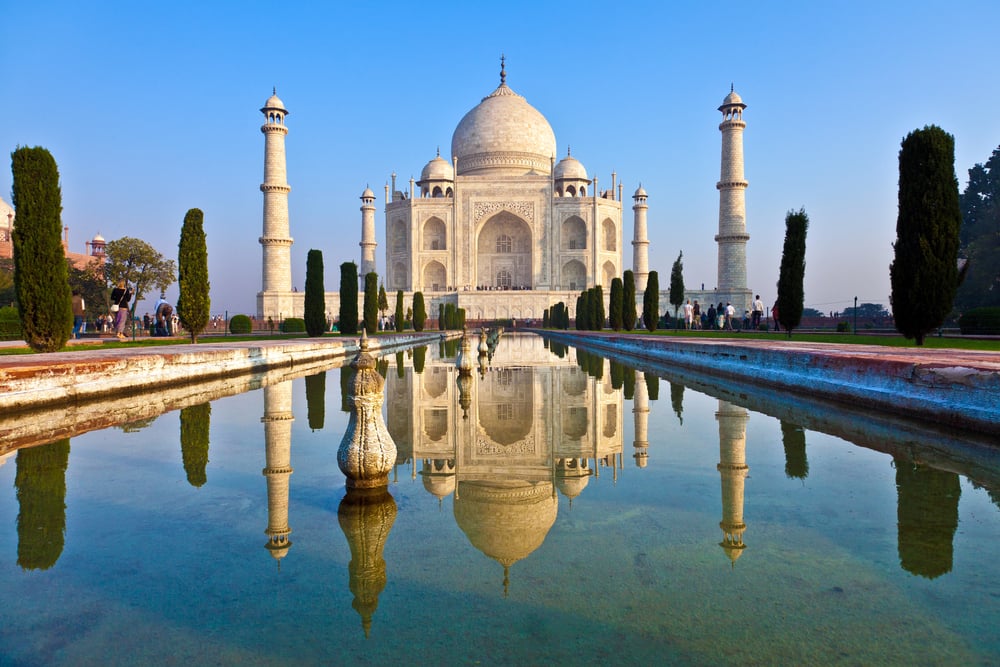
Not everyone realizes it, yet India lacks one official national tongue. Official papers move through Hindi along with English, though the list of recognized speech forms reaches 22 by law.
More than just those get used – researchers count well over 1,600 living tongues scattered among villages, towns, and provinces. What most believe turns out incorrect when looking closer at how people actually speak there.
Switzerland
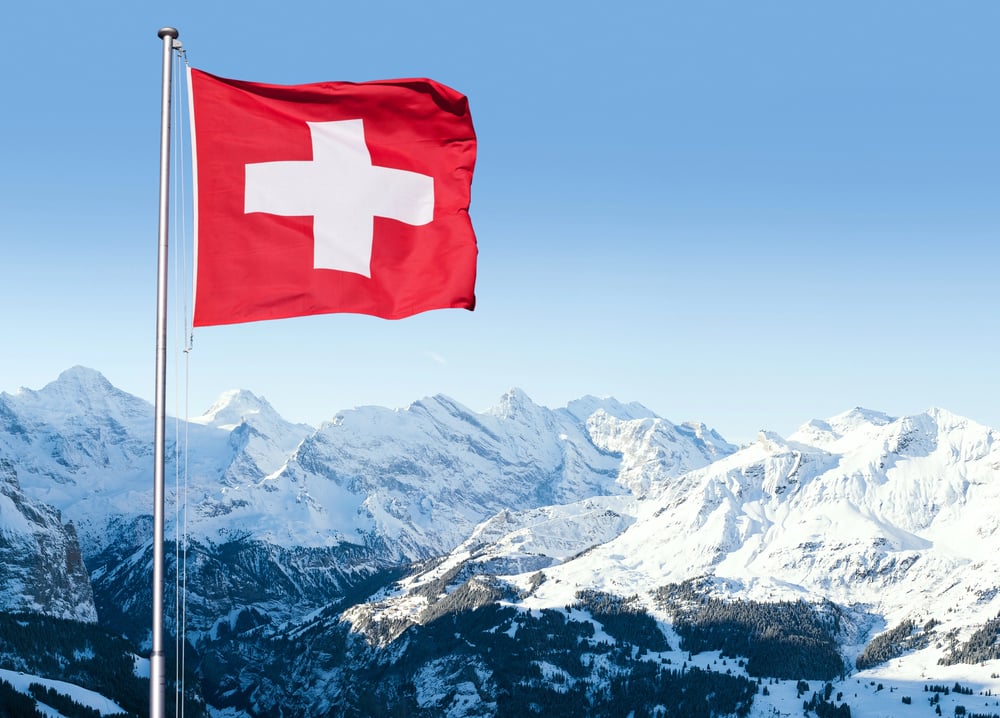
Smaller than West Virginia, Switzerland holds four national tongues. German leads in many areas, yet French colors the west with its own rhythm.
Over in the south, Italian sets the pace, while Romansh hums quietly through mountain valleys. Official status belongs to all four, not just by name but in daily use.
Where you live decides which words fill classrooms, street markers, time tables. Shift regions, and speech shifts too – like stepping across invisible borders.
One canton ends, another begins, voice changing mid-journey. Identity ties closely to what comes out of your mouth here.
Crossing linguistic lines feels less like travel, more like transformation.
Belgium

A tiny nation, yet deeply split by words. Official papers come in three tongues – Dutch first in the north, then French farther south, with German tucked along one border edge.
Regions draw sharp lines; each follows its own speech like law. Tension built slowly, thickened through decades, until leaders stopped agreeing altogether.
Once, no cabinet stood for more than half a year – silence ruled instead.
Singapore
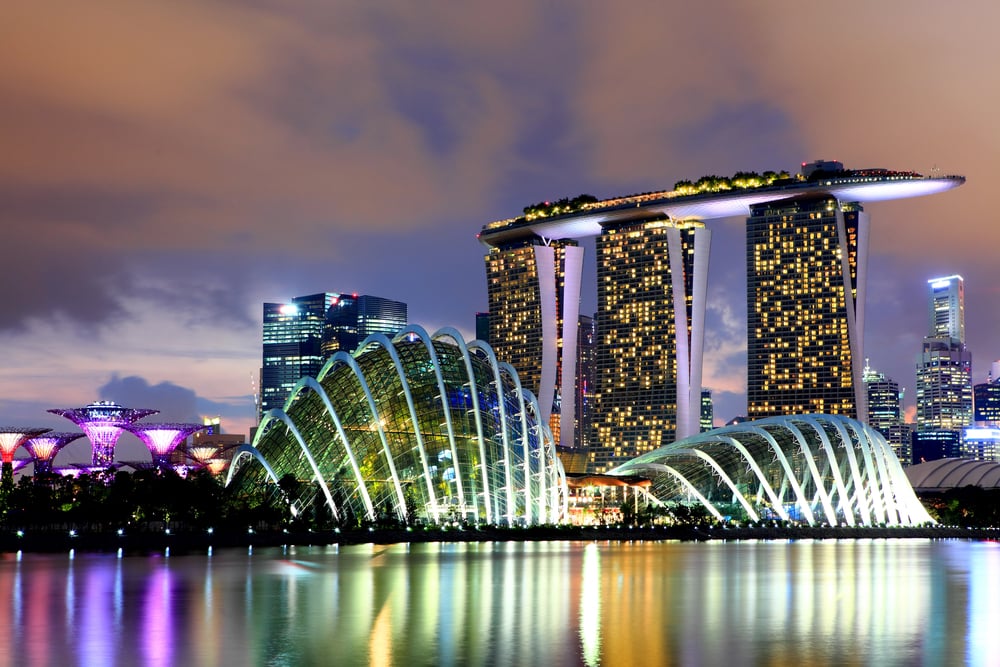
Singapore operates in four official languages: English, Mandarin, Malay, and Tamil. English serves as the main language of business and government, but the other three reflect the country’s Chinese, Malay, and Indian communities.
It is common to hear someone switch between two or three languages in a single conversation, a habit locals call ‘Singlish’ when mixed with informal expressions.

Cameroon
Cameroon is often called ‘Africa in miniature’ because it packs so much cultural and linguistic diversity into one place. The country has two official languages, English and French, but is home to over 250 local languages spoken by different ethnic groups.
The mix of Anglophone and Francophone regions has shaped the country’s politics and identity in both fascinating and complicated ways.
Nigeria
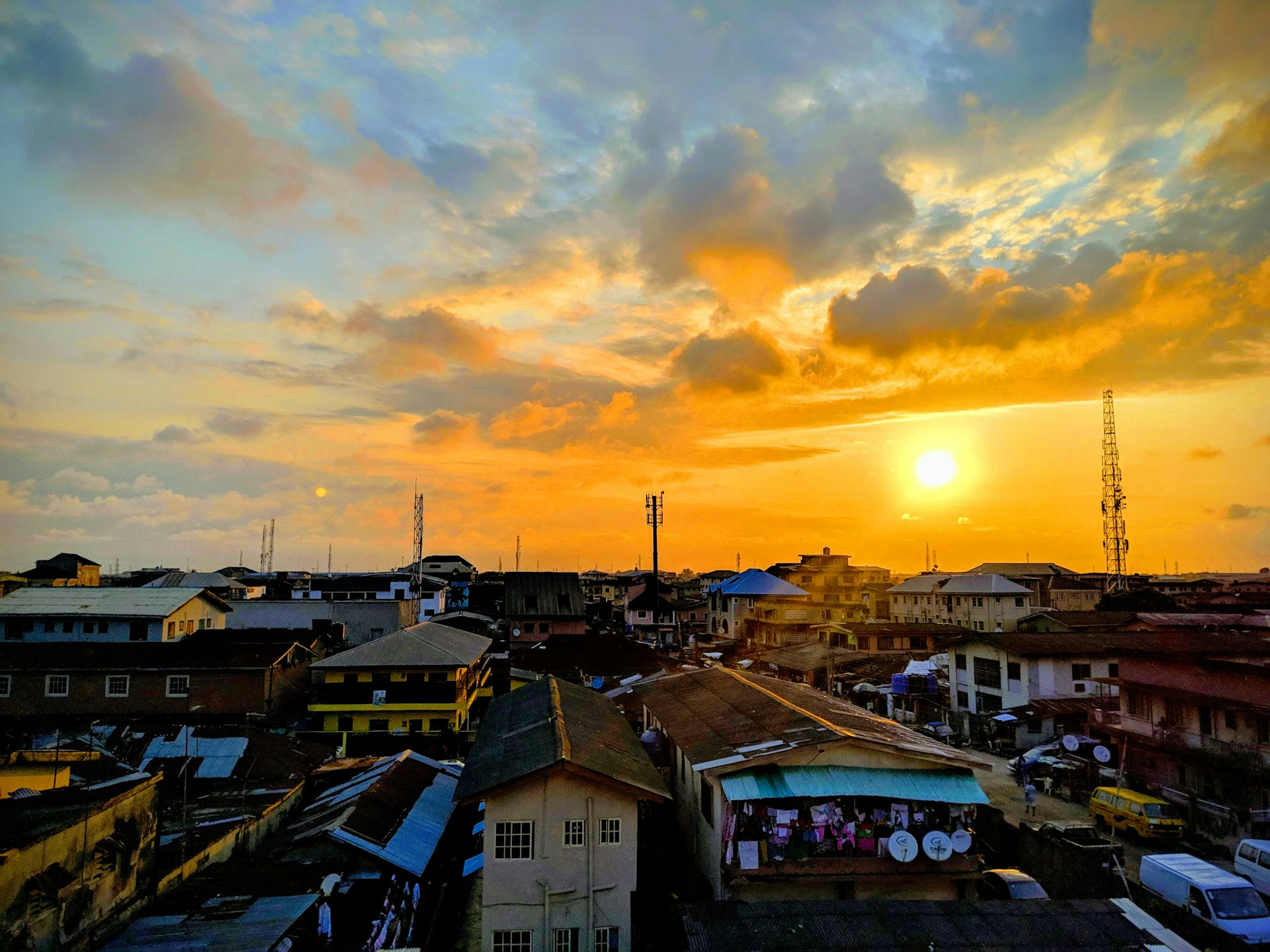
Nigeria has three major official languages, English, Hausa, Yoruba, and Igbo, but the country is home to over 500 distinct languages in total. English functions as the official language of government and education, while the major regional languages serve as bridges between communities.
With more than 200 ethnic groups living within its borders, Nigeria’s linguistic landscape is as layered as its history.
Canada
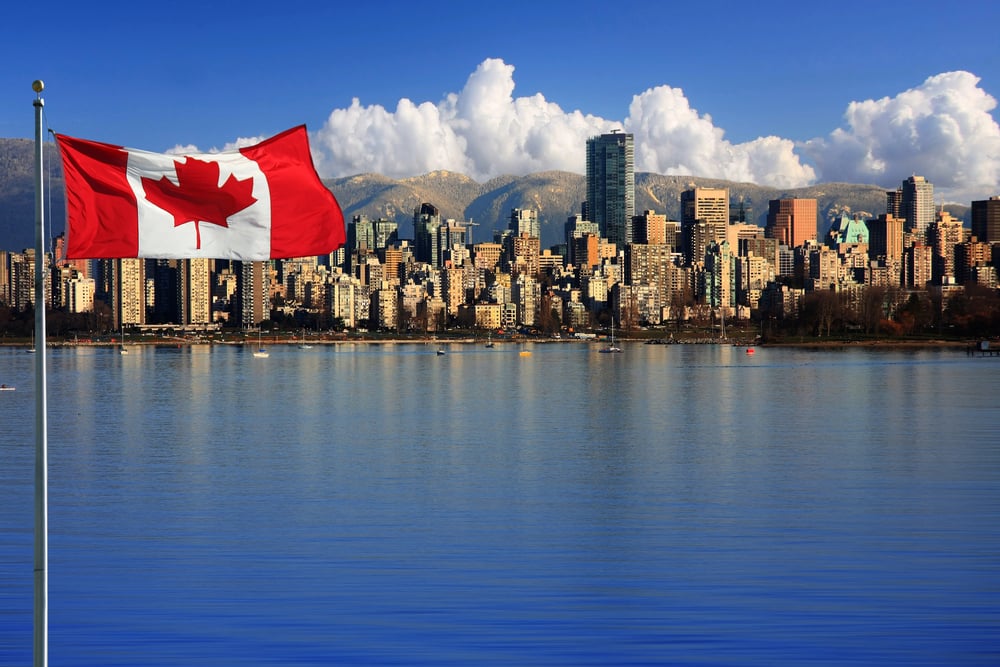
Canada’s bilingual identity is built into its foundation. English and French are both official languages at the federal level, with the province of Quebec serving as the heart of French-speaking culture in North America.
Beyond the two official languages, Canada is also home to over 70 indigenous languages, many of which are now being preserved through community programs and school curriculums.
Spain
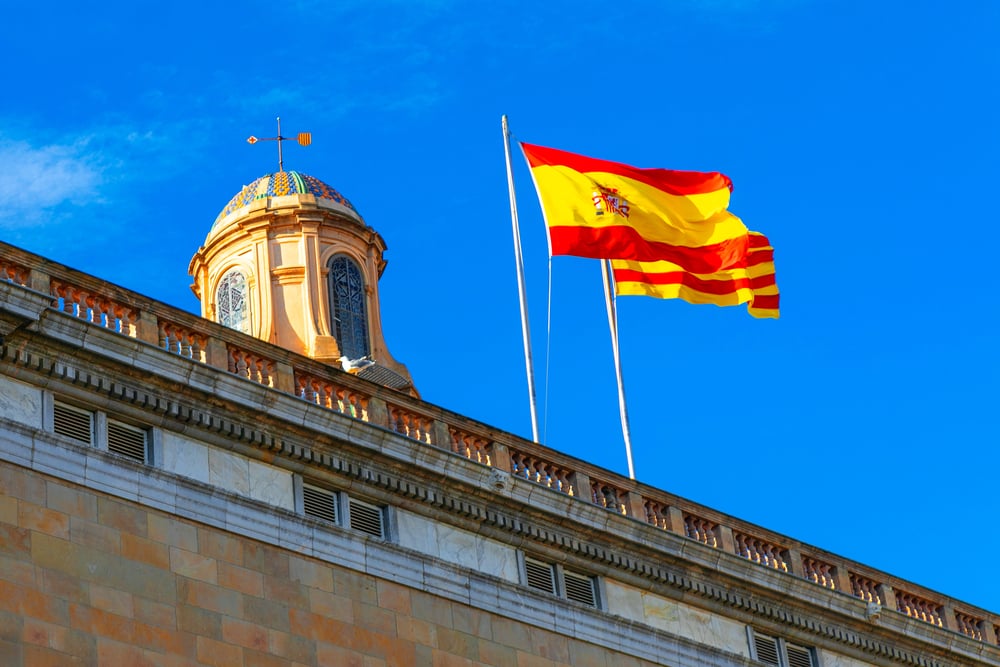
Spain may be known for Spanish, but the country is far more linguistically complex than that. Catalan, Basque, Galician, and Aranese all carry co-official status in their respective regions.
Basque is particularly fascinating because it has no known relation to any other language in the world, making it one of the oldest and most mysterious languages still in everyday use.
Philippines
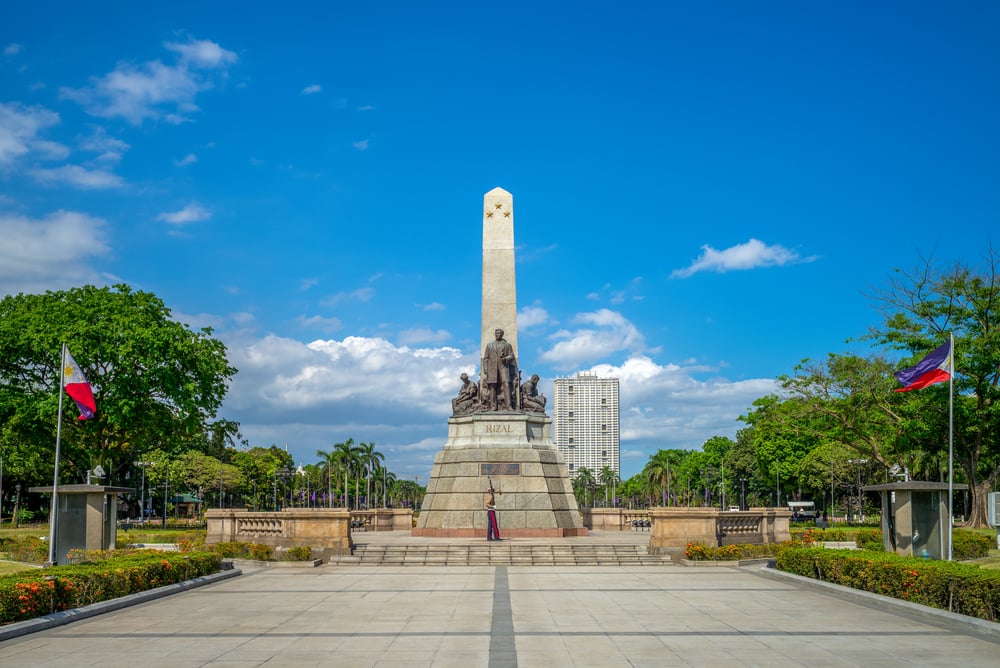
The Philippines recognizes two official languages, Filipino and English, but the country is home to around 175 languages spread across its 7,000-plus islands. Tagalog forms the base of the national language, but Cebuano, Ilocano, Hiligaynon, and dozens of other regional languages are spoken by millions.
The country’s island geography is one of the main reasons so many distinct languages developed and survived over centuries.
Ethiopia
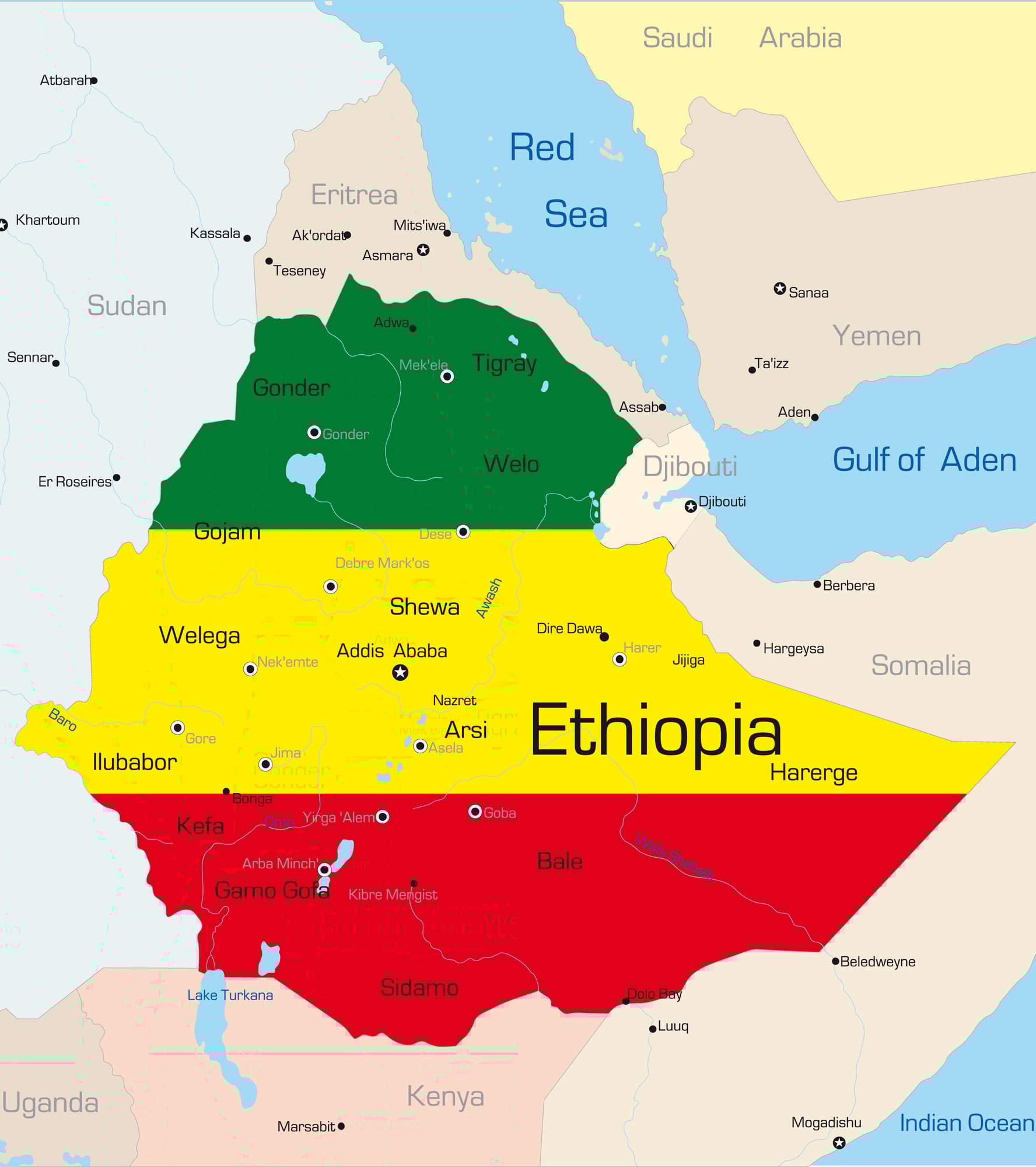
Ethiopia is one of Africa’s oldest nations, and its language story runs just as deep as its history. The country has no single official language at the federal level but uses Amharic as the working language of the government.
Across its regions, languages like Oromo, Tigrinya, Somali, and over 80 others are spoken, each tied to a specific ethnic group with its own traditions and identity.
Indonesia
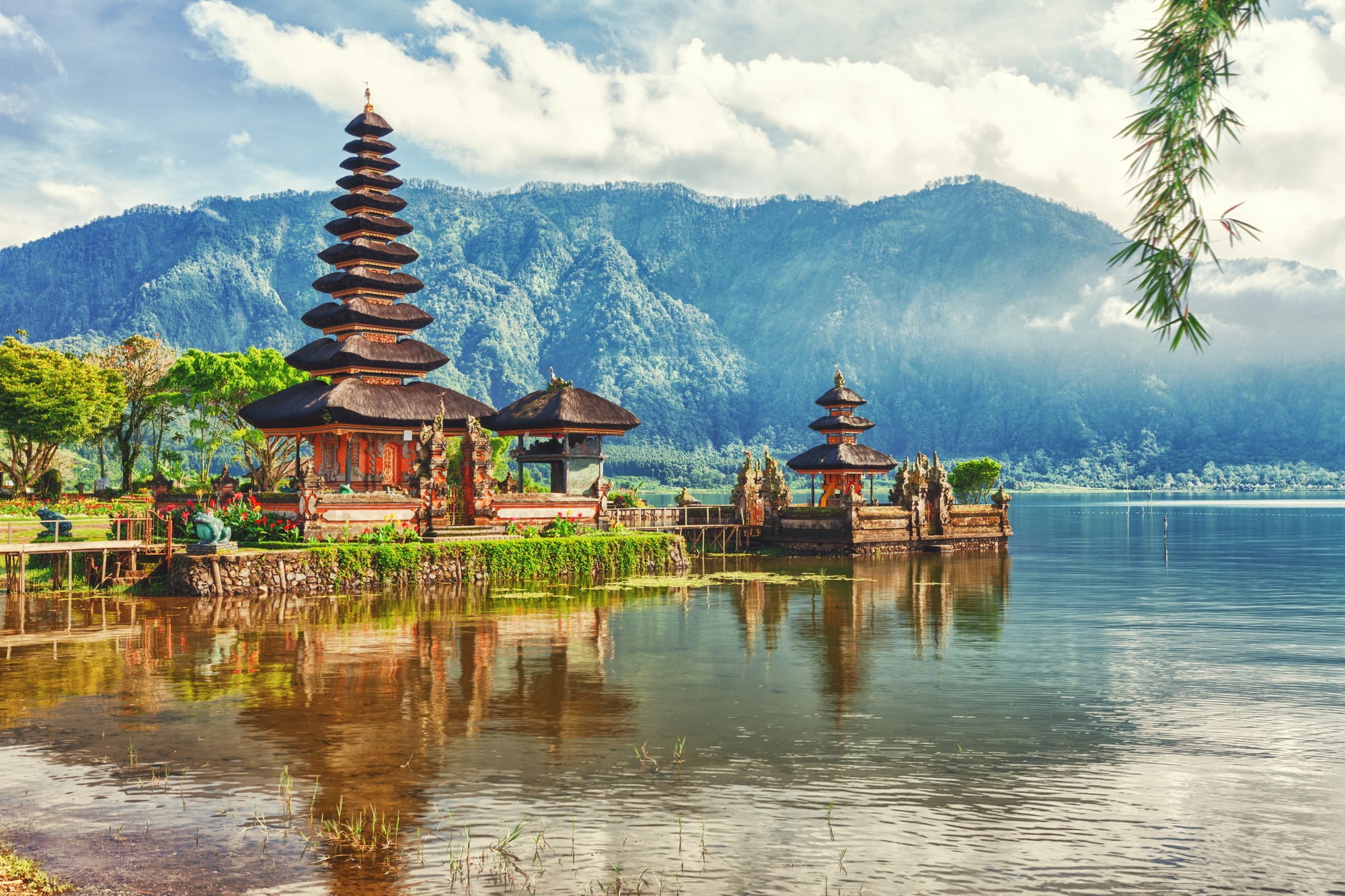
Indonesia brings together over 700 living languages under one national language, Bahasa Indonesia. The national language was deliberately chosen after independence as a neutral tongue that no single ethnic group could claim as their own, which helped prevent rivalry.
Javanese, Sundanese, and Balinese are among the most widely spoken regional languages, each with its own dialects, scripts, and rich literary traditions.
A World Built On Many Voices
The countries on this list show that language is never just about communication. It is about belonging, history, and the quiet pride that comes from hearing your own tongue treated as something worth protecting.
As more nations push to preserve minority languages through education and policy, the world is slowly learning that diversity in language is not a problem to manage. It is one of the most valuable things humanity has.
More from Go2Tutors!

- The Romanov Crown Jewels and Their Tragic Fate
- 13 Historical Mysteries That Science Still Can’t Solve
- Famous Hoaxes That Fooled the World for Years
- 15 Child Stars with Tragic Adult Lives
- 16 Famous Jewelry Pieces in History
Like Go2Tutors’s content? Follow us on MSN.



