28 Grocery Store Brands Shoppers Grew Up With
Walk down almost any supermarket aisle and the same names look back from the shelves. Many of them were printed on pantry cans and cereal boxes long before the shoppers pushing the carts were born.
Some of these brands began in a back room, a hotel kitchen, or a horse-drawn delivery wagon. Their origin stories are stranger and more specific than the logos suggest.
Wonder Bread and the Pre-Sliced Loaf
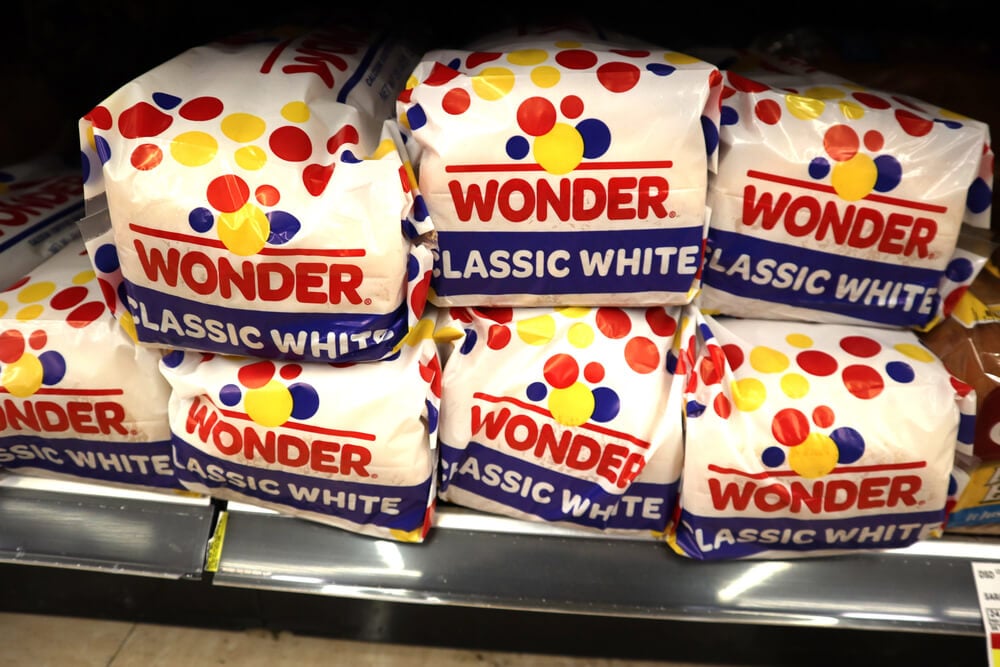
Wonder Bread debuted in 1921 from the Taggart Baking Company in Indianapolis, Indiana. The brand became one of the first to sell sliced bread nationally when it began offering pre-cut loaves in 1930.
The colorful dots on the wrapper became one of the most recognizable packaging designs in American grocery history. For decades, a sandwich on Wonder Bread was simply what lunch looked like in countless homes.
Jell-O and the $450 Sale
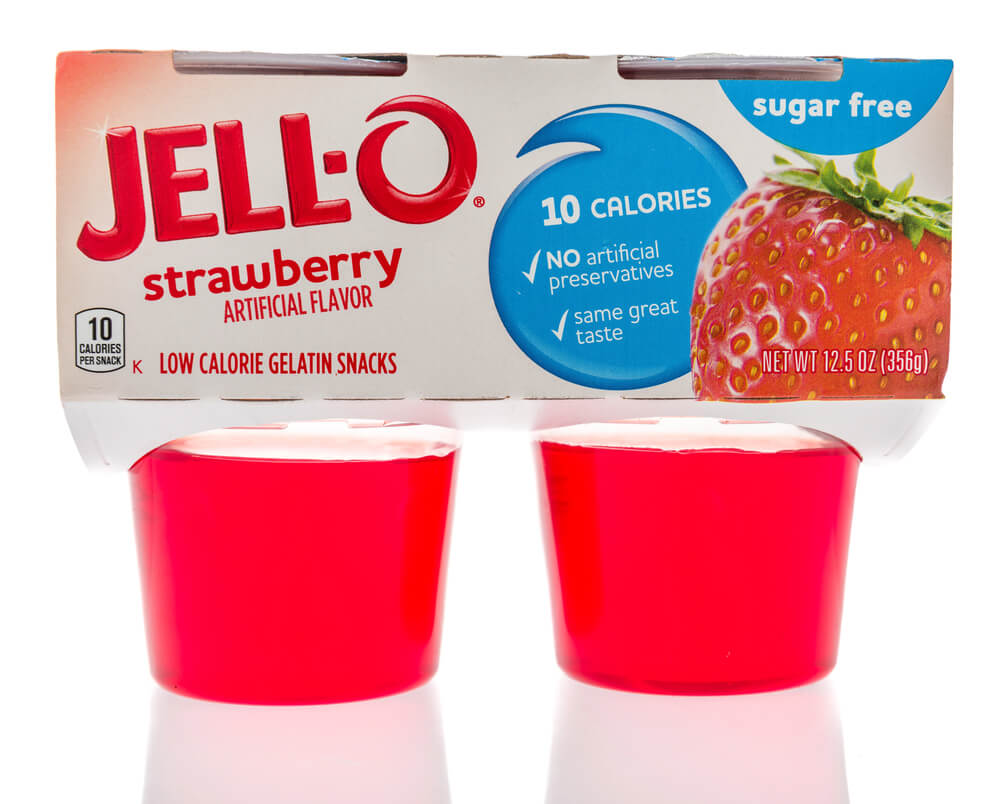
Pearle Wait, a carpenter in LeRoy, New York, trademarked a fruit-flavored gelatin dessert in 1897 and his wife, May, gave it the name Jell-O. Wait struggled to market it and sold the rights in 1899 to a neighbor, Orator Woodward, for $450.
Woodward’s company turned the wobbly dessert into a household staple through aggressive advertising and free recipe booklets. LeRoy is now home to a museum devoted to the brand.
Kool-Aid From a Nebraska Kitchen
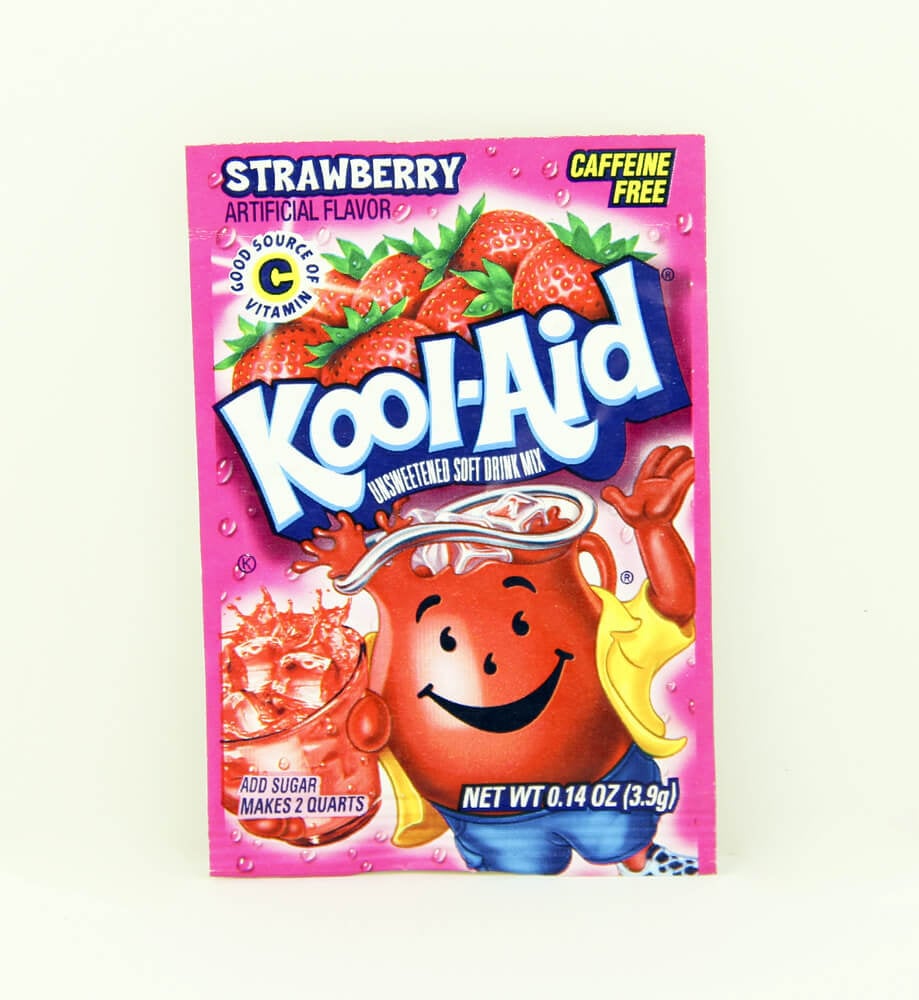
Edwin Perkins invented the drink mix in Hastings, Nebraska, where he first sold a liquid concentrate called Fruit Smack. To cut the cost of shipping glass bottles, he removed the water and mailed powder in small paper packets instead.
The product was renamed Kool-Aid in 1927 and sold for a dime a packet. Nebraska later named it the official soft drink of the state, and Hastings still holds a yearly festival in its honor.
Campbell’s Condensed Soup
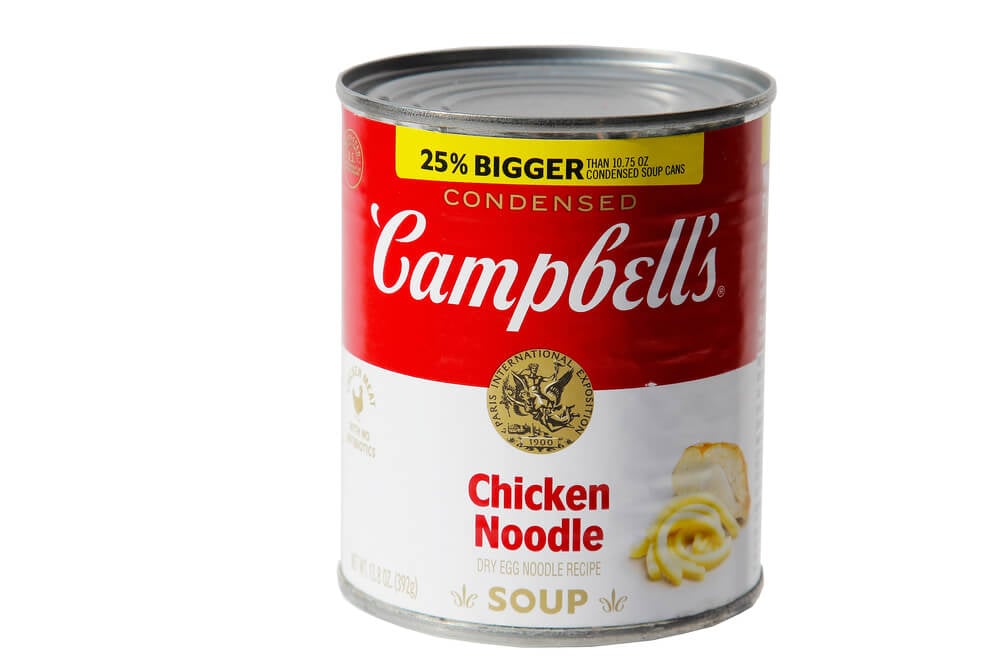
The Campbell company traces its roots to 1869 in Camden, New Jersey, where fruit merchant Joseph Campbell went into business with icebox maker Abraham Anderson. The real breakthrough came in 1897, when chemist John T. Dorrance developed condensed soup, which removed the water and shrank the cost of shipping and shelf space.
The red-and-white label followed in 1898, reportedly inspired by the colors of Cornell University’s team uniforms. Andy Warhol later turned the label into fine art with a 1962 series of 32 canvases, one for each flavor then sold.
Chef Boyardee and the Real Chef
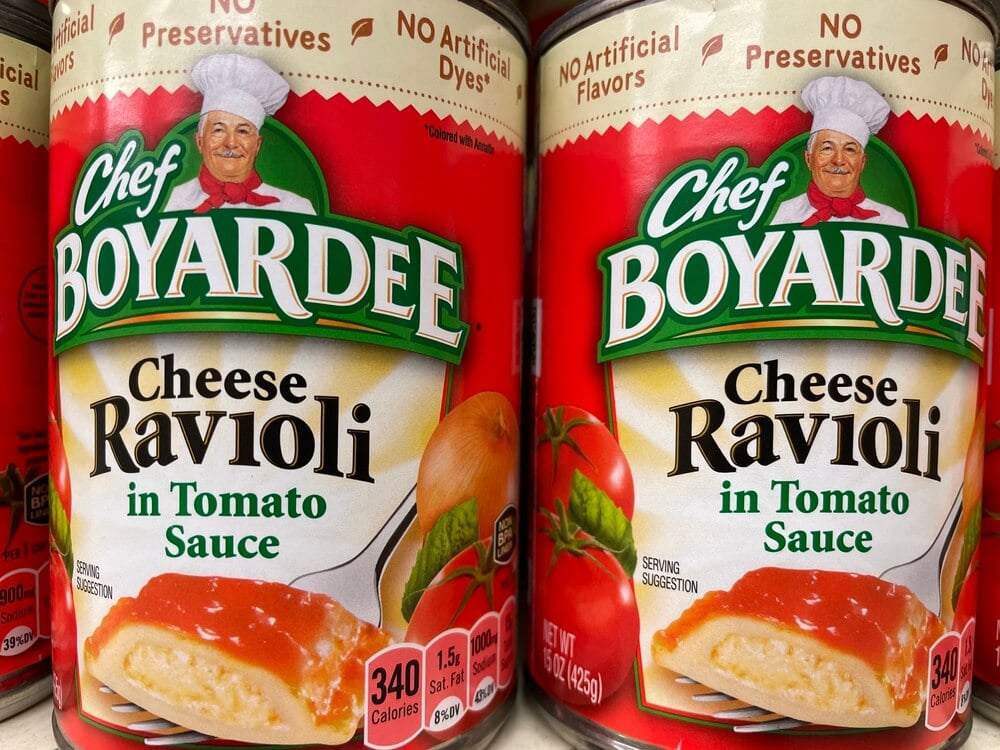
Hector Boiardi was a real chef who ran the kitchen at a restaurant in Cleveland, Ohio, and began selling his spaghetti sauce and pasta kits to customers who wanted to eat his cooking at home. Demand grew so fast that he opened a factory, and the brand name spelled his surname the way Americans pronounced it, Boy-Ar-Dee.
Boiardi’s food was shipped to American troops during World War II. The label kept his smiling portrait for generations afterward.
Hostess and the Twinkie
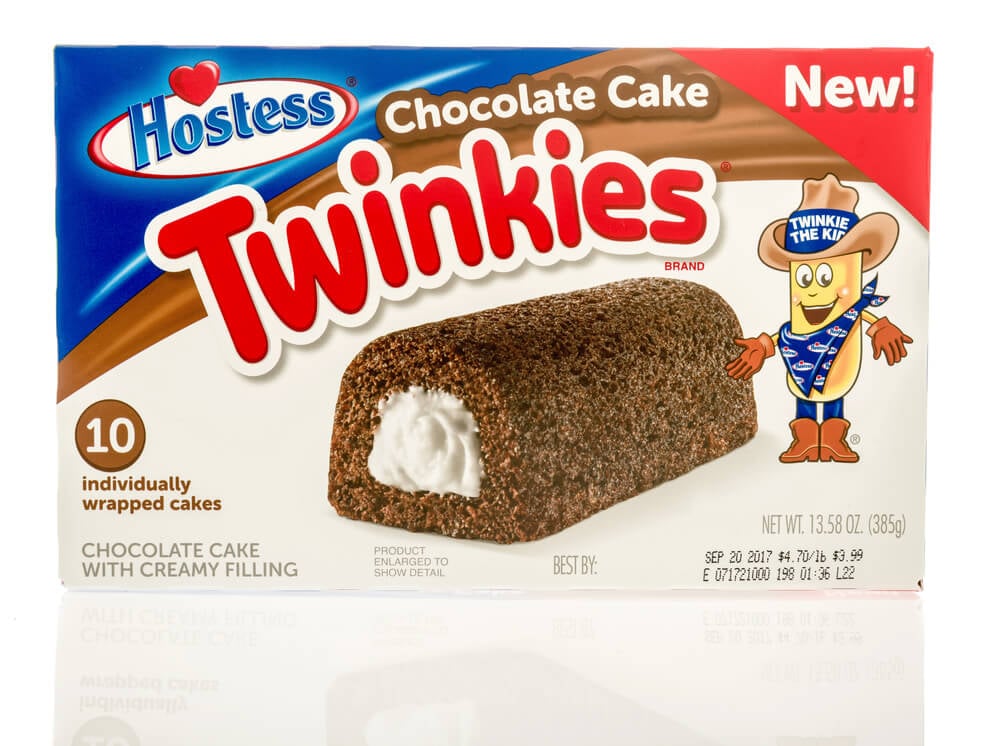
The Twinkie was created in 1930 by James Dewar, a baker at the Continental Baking Company’s plant in Schiller Park, Illinois. Dewar used pans meant for strawberry shortcake and found a way to use them year-round with a cream filling.
The first filling was banana cream, and the recipe changed to vanilla when World War II disrupted banana supplies. The cake’s name came from a billboard Dewar saw for Twinkle Toes Shoes.
Oscar Mayer and the Wienermobile
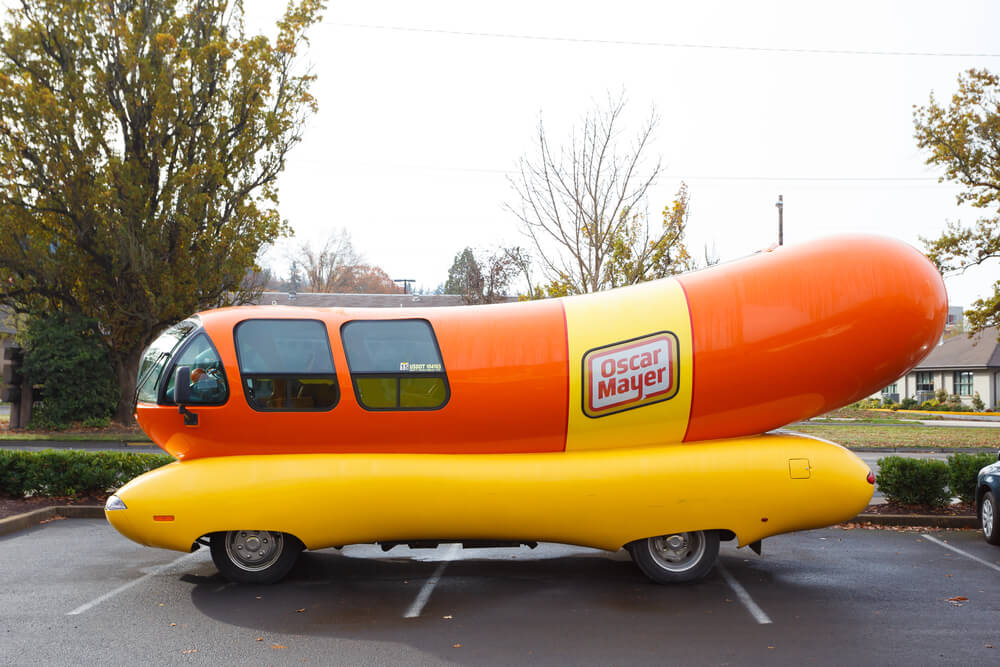
Oscar F. Mayer and his brother Gottfried opened a small meat market on Chicago’s North Side in 1883. The company became known for packaged lunch meats and hot dogs, and in 1936 Oscar’s nephew Carl introduced a hot-dog-shaped promotional vehicle.
The Wienermobile has been touring the country ever since, with fleets of drivers nicknamed Hotdoggers. The vehicle still rolls into parades and grocery store parking lots.
Skippy and the Smooth Spread
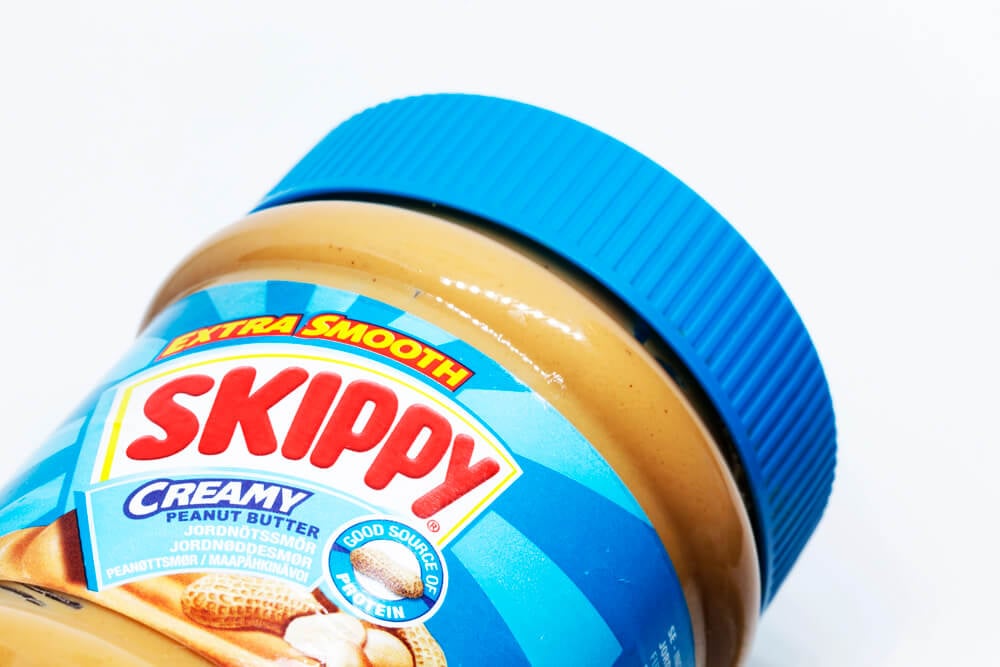
Joseph Rosefield developed a process for keeping peanut butter creamy rather than letting the oil separate on top of the jar. He introduced Skippy in 1933, packaging it from his operation in California.
The brand later added a chunky version, a pioneering move in a market that had been dominated by smooth peanut butter. Skippy became a lunchbox standard through the mid-twentieth century.
Folgers and the Gold Rush Coffee
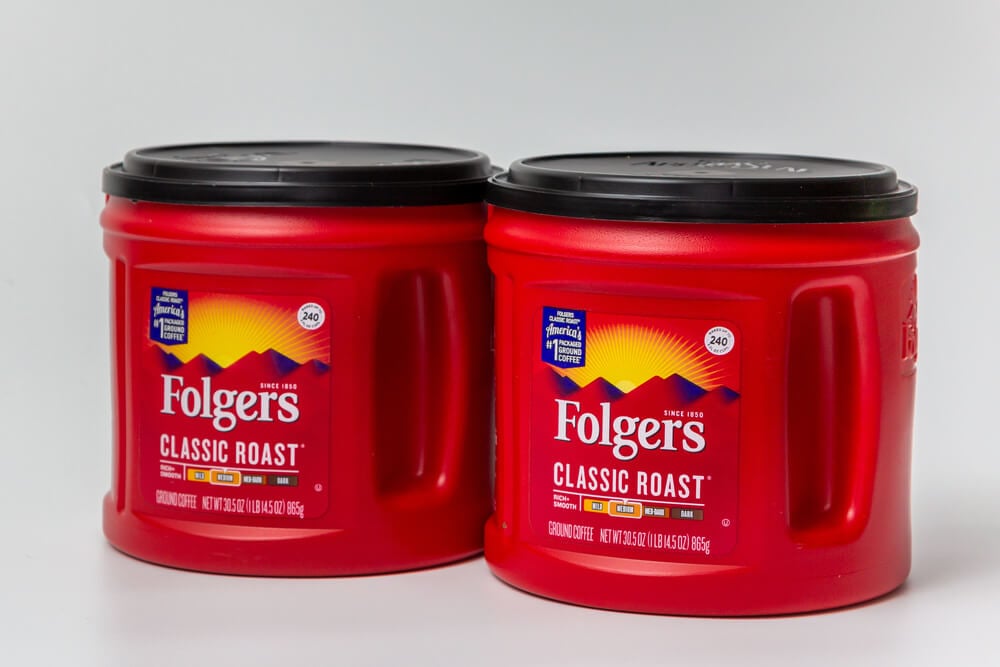
James Folger came to San Francisco in the era of the California Gold Rush and went to work in a coffee and spice mill. By 1850 he and his brother were part of the industry that supplied miners and the growing city with roasted beans.
The company he built expanded across the country and became a national name in canned ground coffee. In the 1960s, the brand’s TV character Mrs. Olson made the slogan about mountain-grown coffee a household tagline.
Kraft and the Cheese Wagon
James L. Kraft began selling cheese in Chicago in 1903, delivering it by horse-drawn wagon to grocers. He later patented a method for pasteurizing cheese so that it would last longer without spoiling.
That innovation helped him move from the street to the national marketplace. In 1937 the company released Kraft Dinner, the boxed macaroni and cheese that became a Depression-era pantry staple.
Duncan Hines Was a Real Person
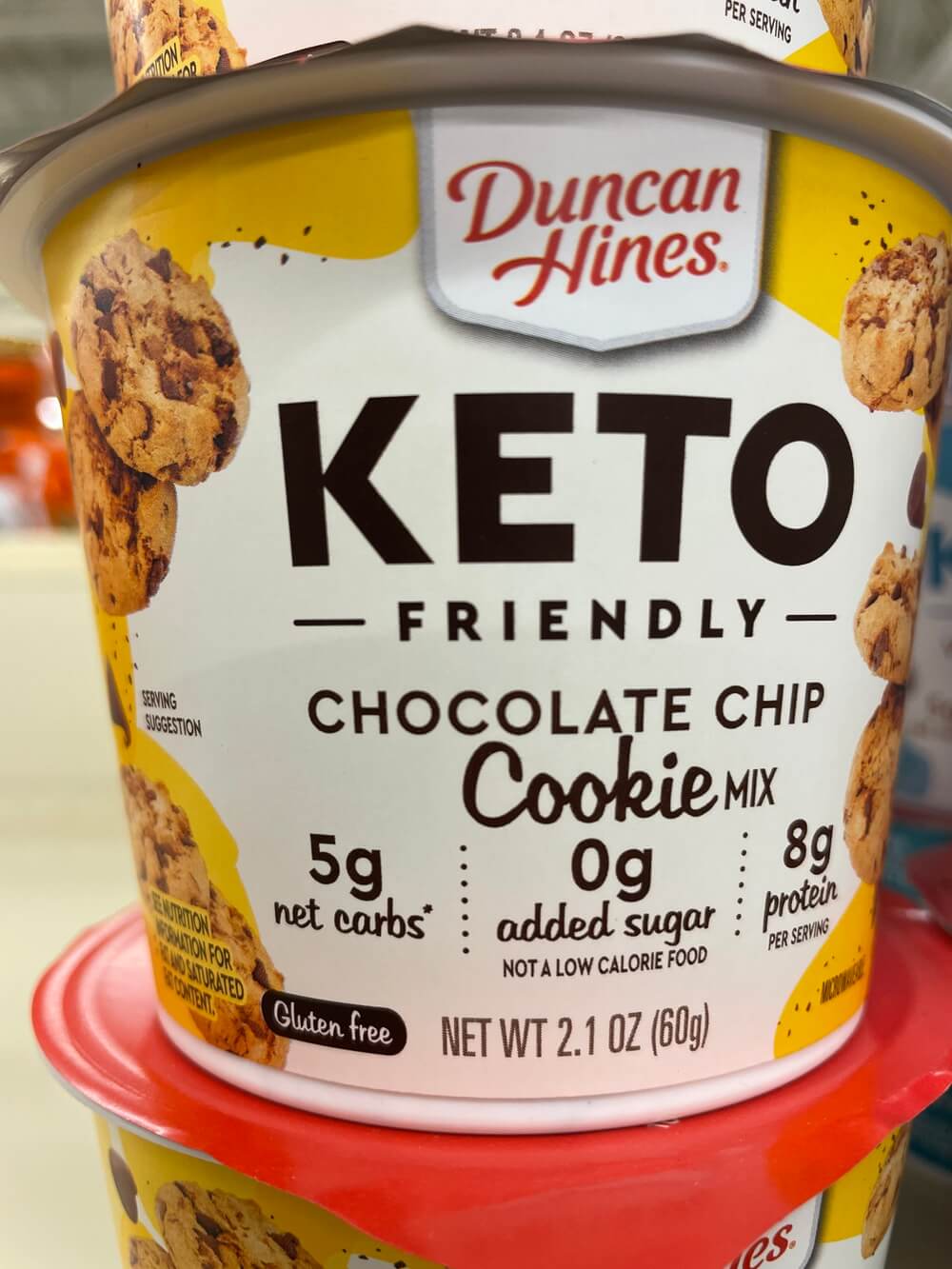
Duncan Hines was a traveling salesman from Bowling Green, Kentucky, who published a restaurant guide called Adventures in Good Eating in 1935. His reputation for honest reviews became so powerful that businesses wanted to use his name on products.
In the early 1950s, cake mixes carrying his name went on sale, and the brand became synonymous with baking from a box.
Heinz and the Number 57
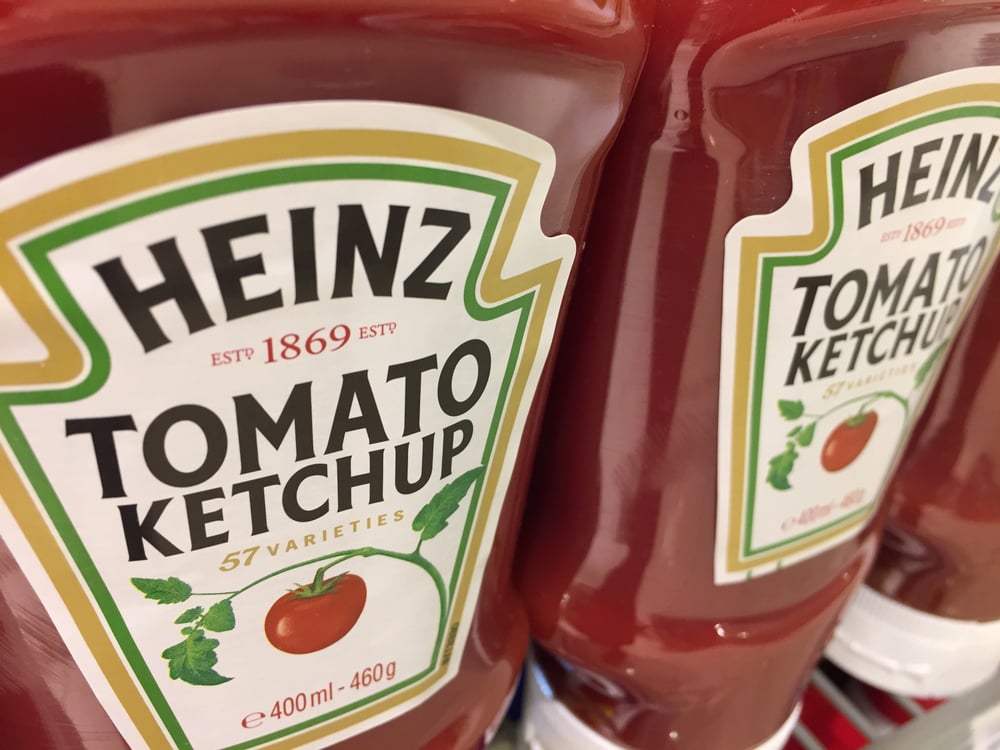
Henry J. Heinz went into the food business selling horseradish in the Pittsburgh area, and the H.J. Heinz Company took shape in 1869. Heinz introduced its tomato ketchup in 1876 and later popularized the slogan 57 Varieties in 1896.
The number had little to do with the actual product count, which was already larger. Heinz picked it because he liked the sound of the number.
Hershey’s and the Kiss
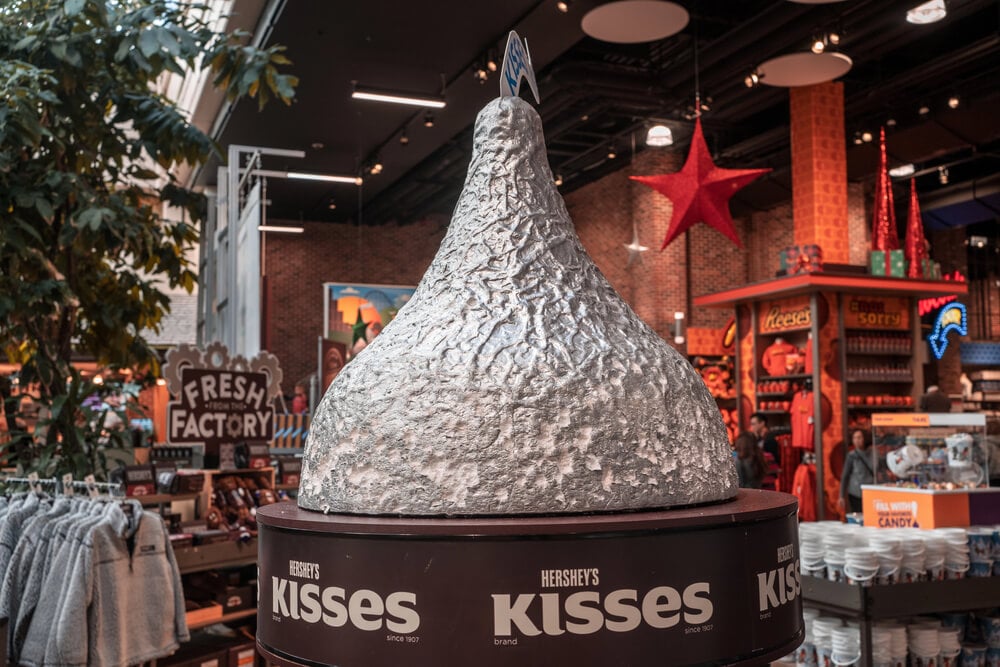
Milton Hershey created the Hershey Chocolate Company in 1894, while still running his caramel business. He sold the caramel business in 1900.
The famous foil-wrapped Hershey’s Kisses followed in 1907. The company built an entire town in Pennsylvania around its factory, complete with housing and a trolley system.
That town still bears the founder’s last name.
Quaker Oats and the Trademark
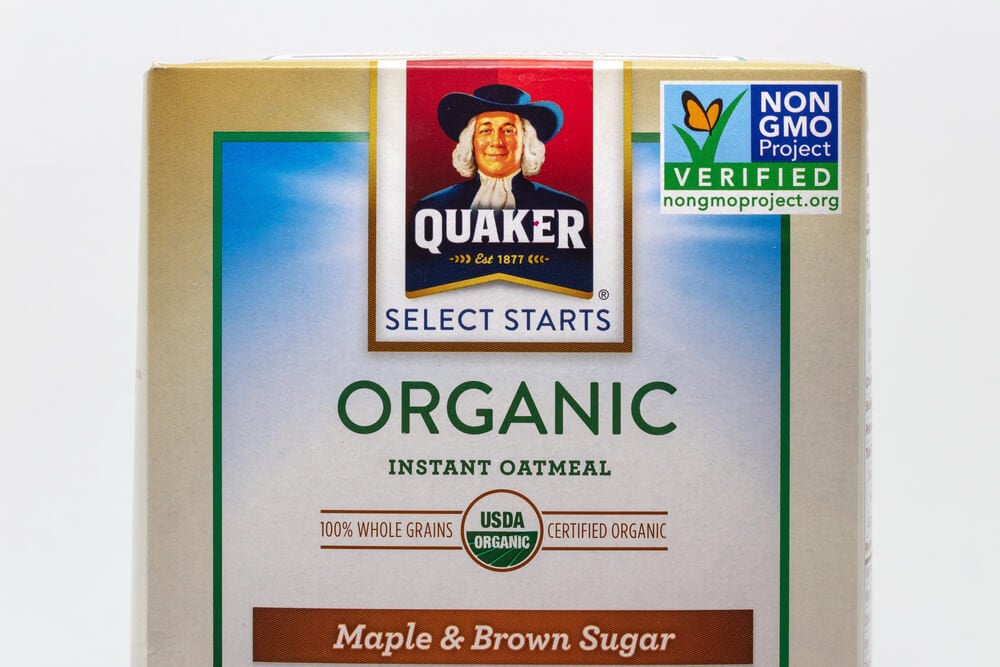
Quaker Oats traces its origin to the Quaker Mill Company in Ravenna, Ohio, which registered the Quaker figure as a trademark in 1877. It became one of the earliest trademarks used for a breakfast cereal.
The image of a man in Quaker garb was meant to signal honesty and purity. The round cylinder of oats remains one of the best-known canisters in a pantry.
Kellogg’s and the Corn Flake
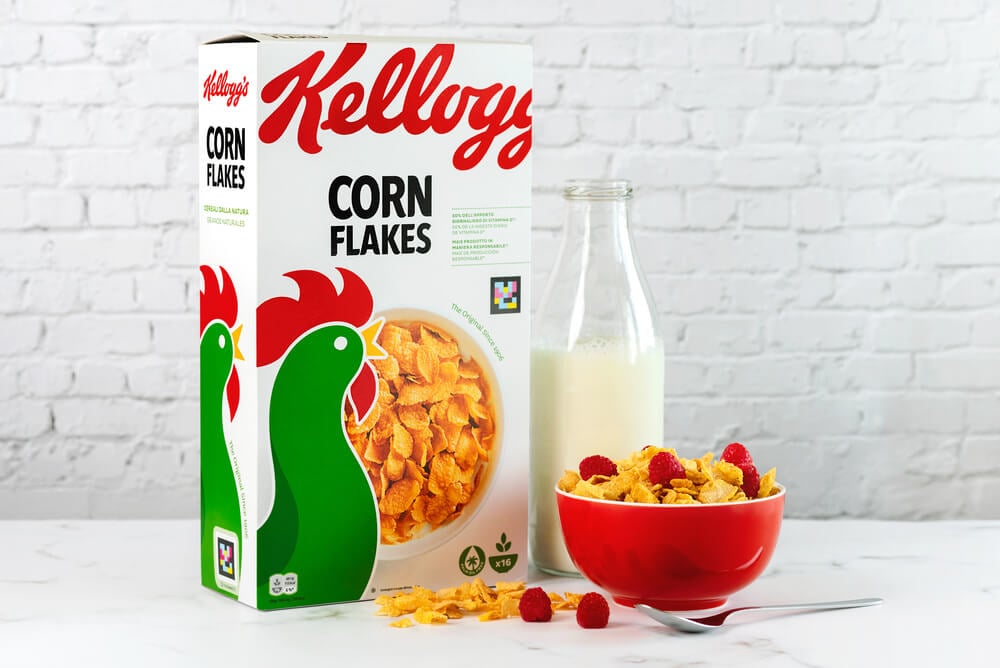
W.K. Kellogg founded the Battle Creek Toasted Corn Flake Company in 1906 in Michigan. The cereal had grown out of experiments at a sanitarium run by his brother, Dr. John Harvey Kellogg.
W.K. made the flakes sweeter and marketed them aggressively, and the company eventually carried his own name. Corn Flakes remain a breakfast icon more than a century later.
Oreo and the 1912 Debut
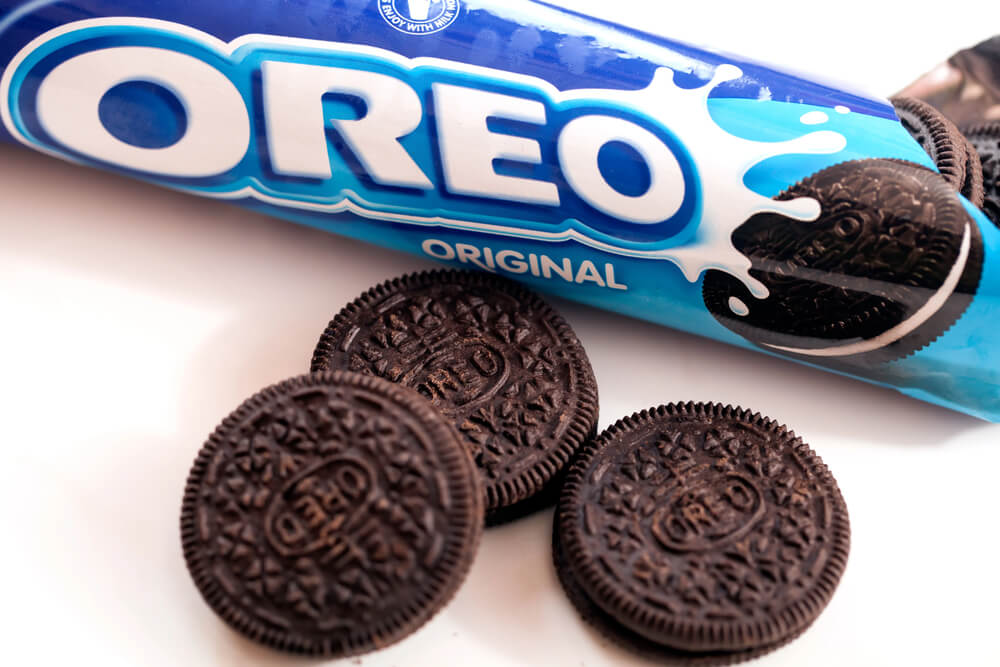
Nabisco released the Oreo in 1912, and the sandwich cookie was baked at its Manhattan facility. The Oreo has become the best-selling cookie in the United States by most accounts.
The twist, lick, and dunk ritual has become a childhood tradition passed from generation to generation.
Betty Crocker Never Existed
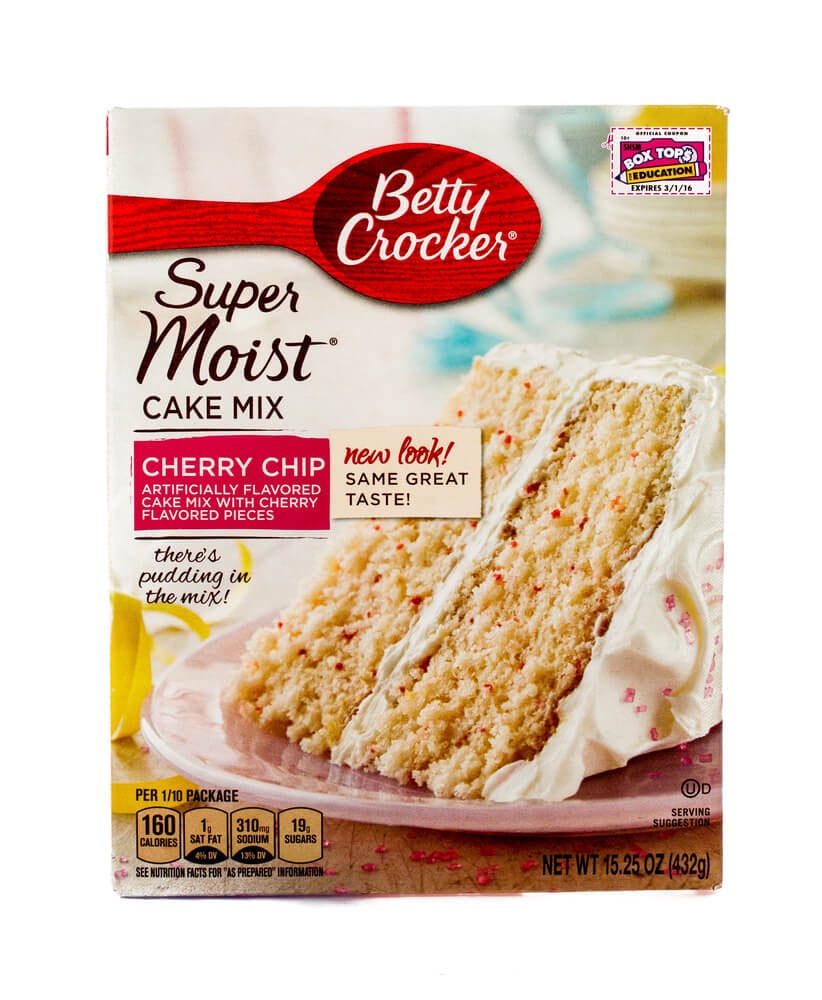
Betty Crocker was invented in 1921 by the Washburn Crosby Company, a flour maker in Minneapolis, to answer letters from customers with baking questions. The surname honored a company director, William Crocker, and the first name was chosen because it sounded friendly.
A company secretary’s handwriting was used for the signature that still appears on the brand’s packaging. The imaginary baker eventually became the face of cake mixes, cookbooks, and frosting.
Crisco and the Vegetable Shortening Shift
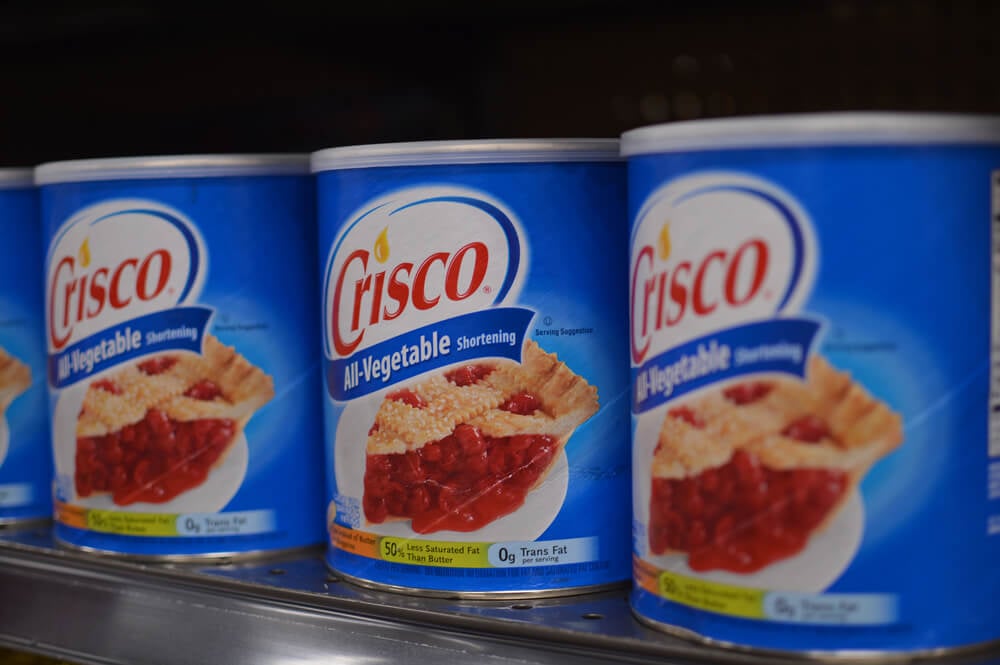
Procter and Gamble introduced Crisco in 1911 as an all-vegetable shortening made from hydrogenated cottonseed oil. The company advertised heavily with free cookbooks, which helped persuade households to give up lard.
The name came from the phrase crystallized cottonseed oil. In many American kitchens, a blue can of Crisco was the secret behind flaky pie crusts.
Spam and the Naming Contest
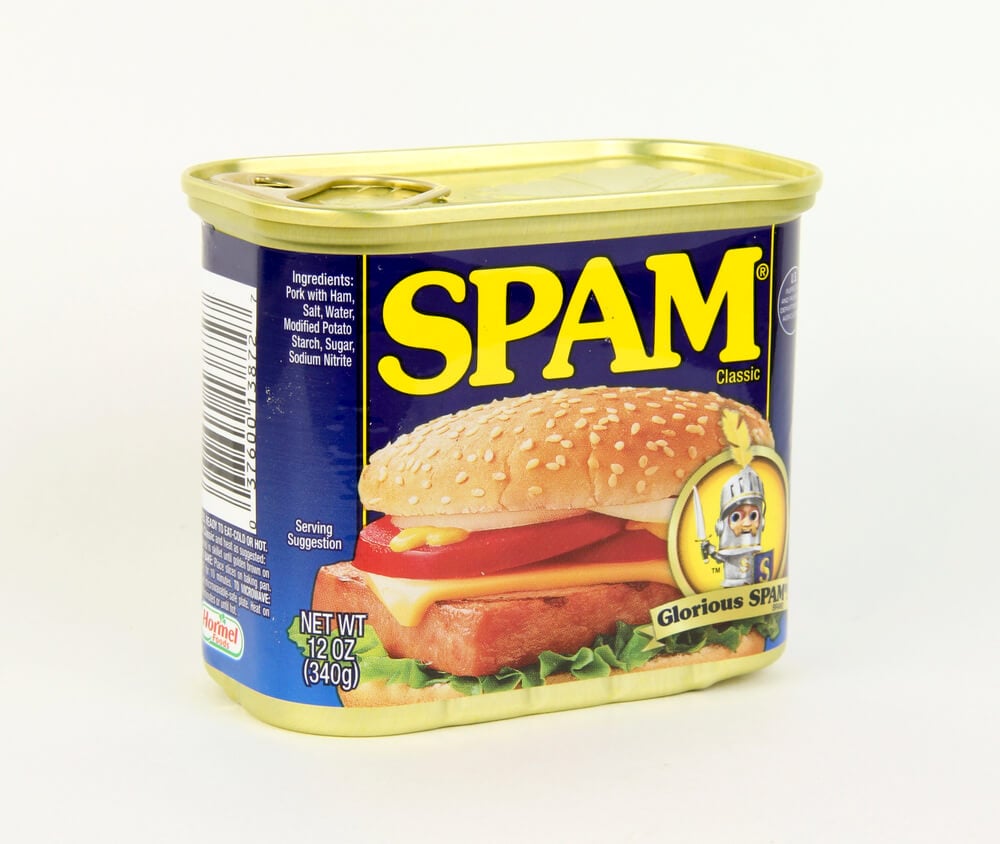
Hormel introduced Spam in 1937, a canned, spiced pork product that was shelf-stable and easy to ship. The name came from a naming contest, and an actor and brother of a company executive is credited with the winning entry.
The product spread around the world during World War II, when it fed troops in large numbers.
Velveeta and the Monroe Cheese Company
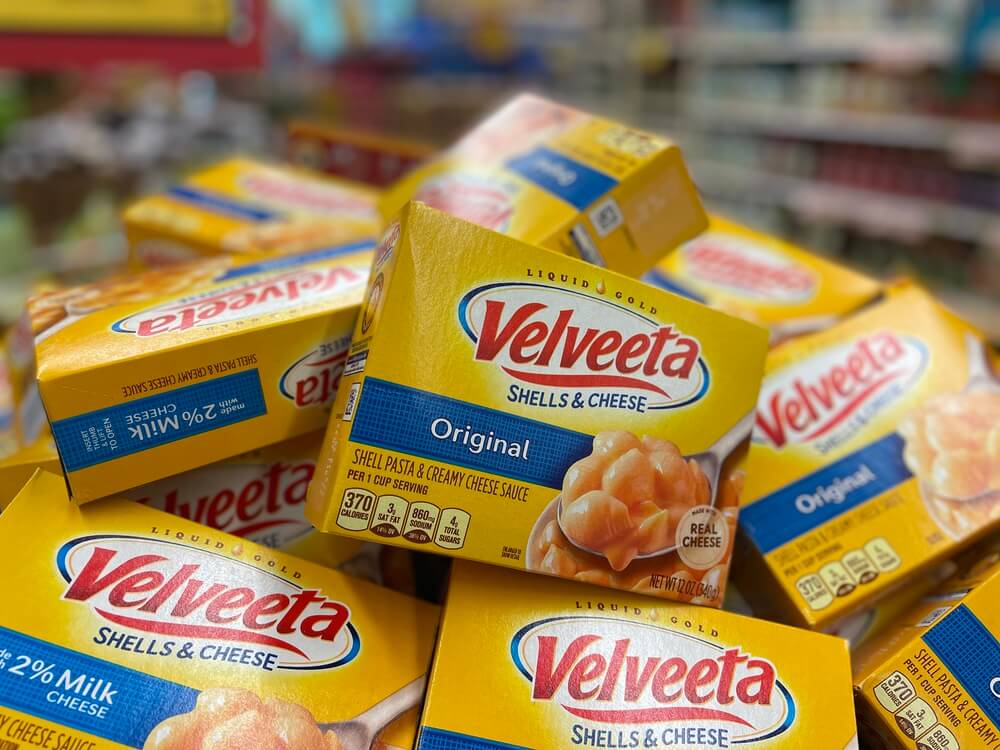
Emil Frey created Velveeta in 1915 at the Monroe Cheese Company in Monroe, New York, as a way to use broken cheese wheels and scraps. The product melted smoothly and had a long shelf life, which appealed to home cooks.
Kraft acquired the brand in 1927. The block of yellow cheese product has been a mainstay of casseroles and dips ever since.
Maxwell House and the Nashville Hotel
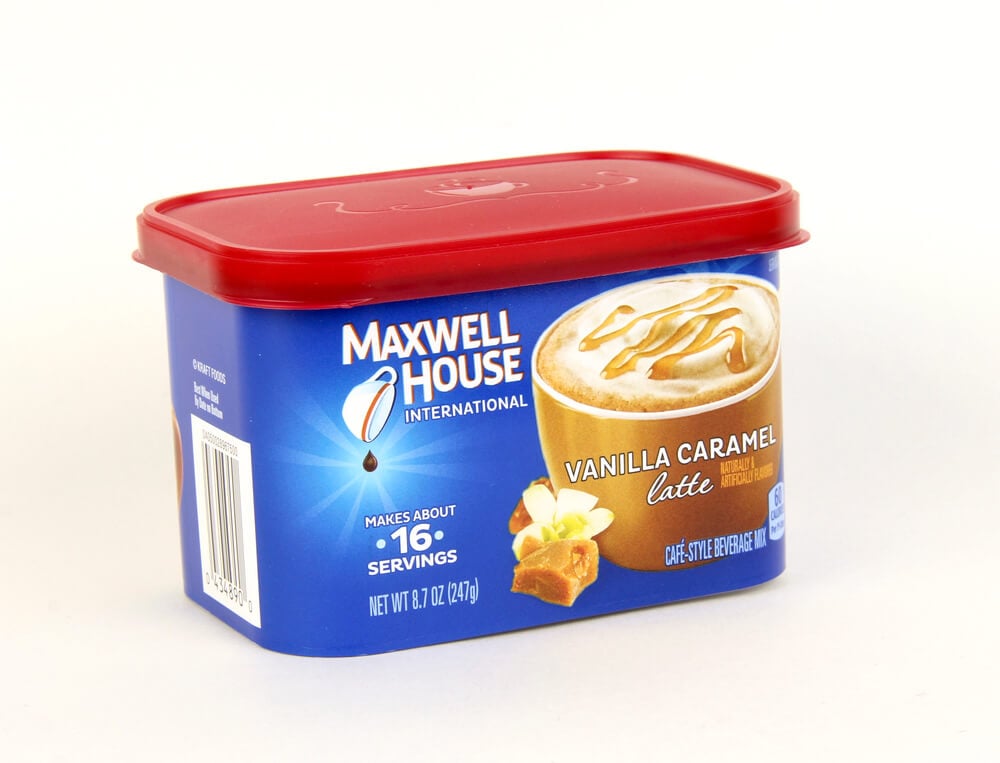
Joel Cheek developed his coffee blend in Nashville, Tennessee, and the brand took its name from the Maxwell House Hotel where it was served. The brand was available by 1892.
Company lore credits Theodore Roosevelt with the line good to the last drop after visiting the area. The slogan stayed attached to the can for most of the twentieth century.
Log Cabin Syrup
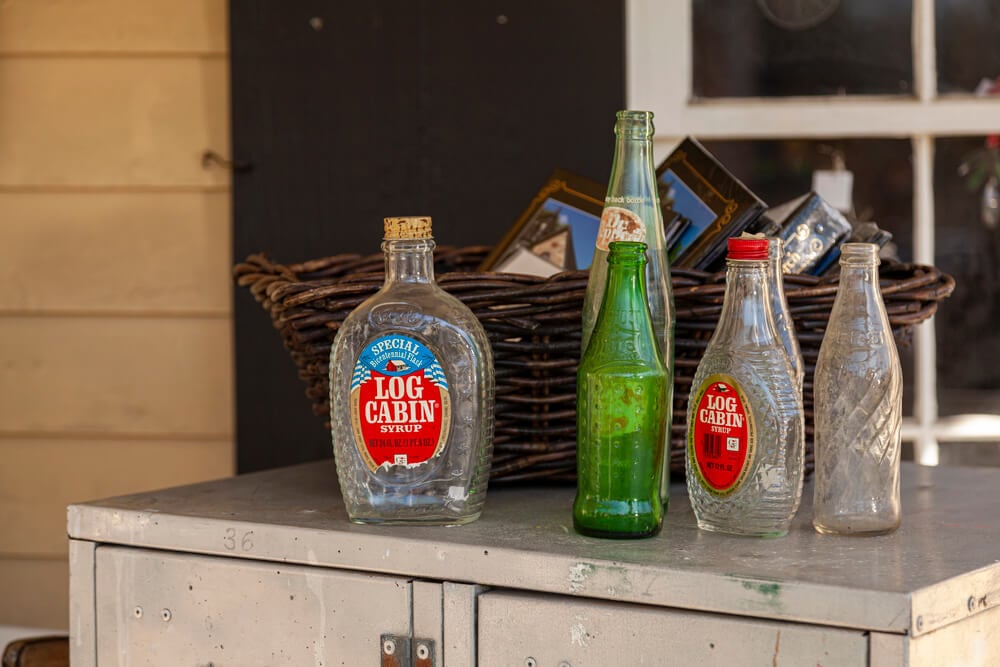
Patrick J. Towle began selling Log Cabin syrup in 1887 in St. Paul, Minnesota. The tin container was shaped like a cabin and nodded to Abraham Lincoln’s humble beginnings.
The syrup was blended rather than pure maple, which made it much more affordable. The cabin-shaped tin gave way to bottles, but the brand name has stayed.
Hellmann’s and the Deli Counter
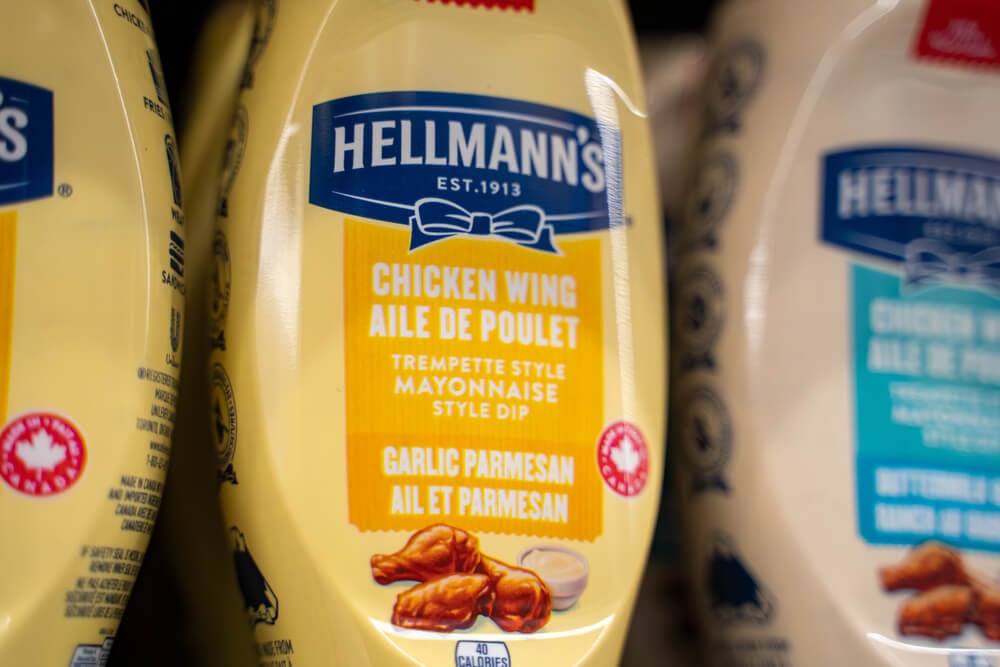
Richard Hellmann opened a delicatessen in New York City around 1905, and his wife’s mayonnaise recipe was a hit with customers. Demand became so strong that he began selling it by the jar.
A blue ribbon on the label became part of the branding in the early 1910s. East of the Rocky Mountains the brand is called Hellmann’s, while on the West Coast the same product is sold as Best Foods.
Pillsbury and the Doughboy
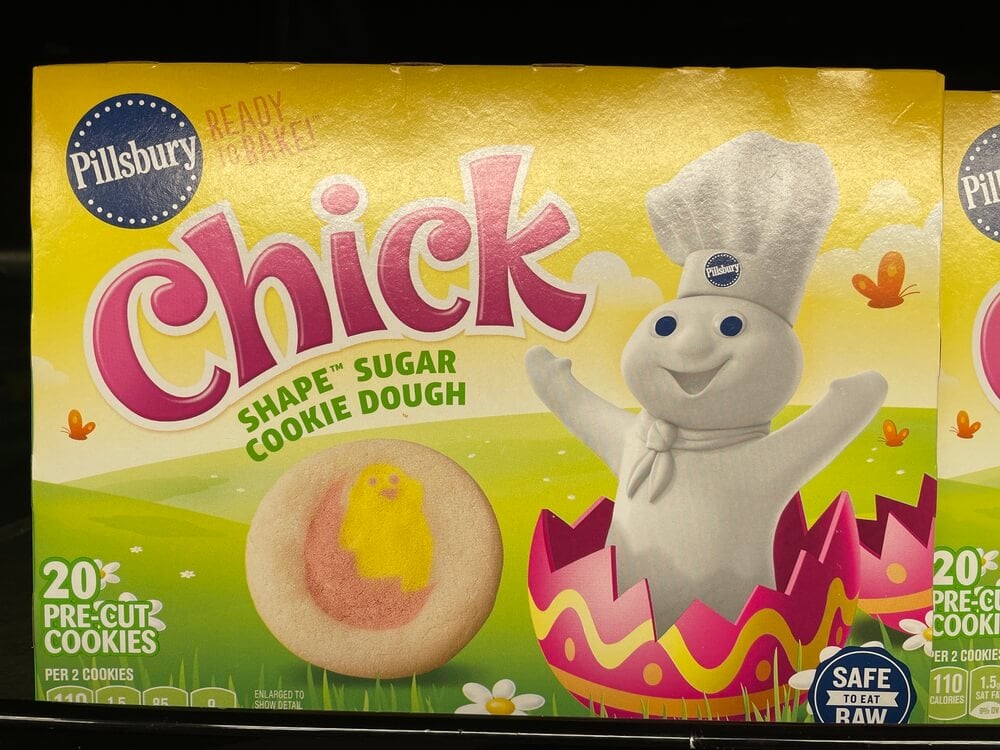
Charles Pillsbury bought into a Minneapolis flour mill in 1869, launching a company that grew into one of the largest milling operations in the nation. Much later, in 1965, advertising writer Rudy Perz created the Pillsbury Doughboy for the company’s refrigerated dough.
The character giggles when poked in the belly in commercials. The tube of crescent rolls that pops open is still a holiday tradition.
Ragu and the Rochester Kitchen
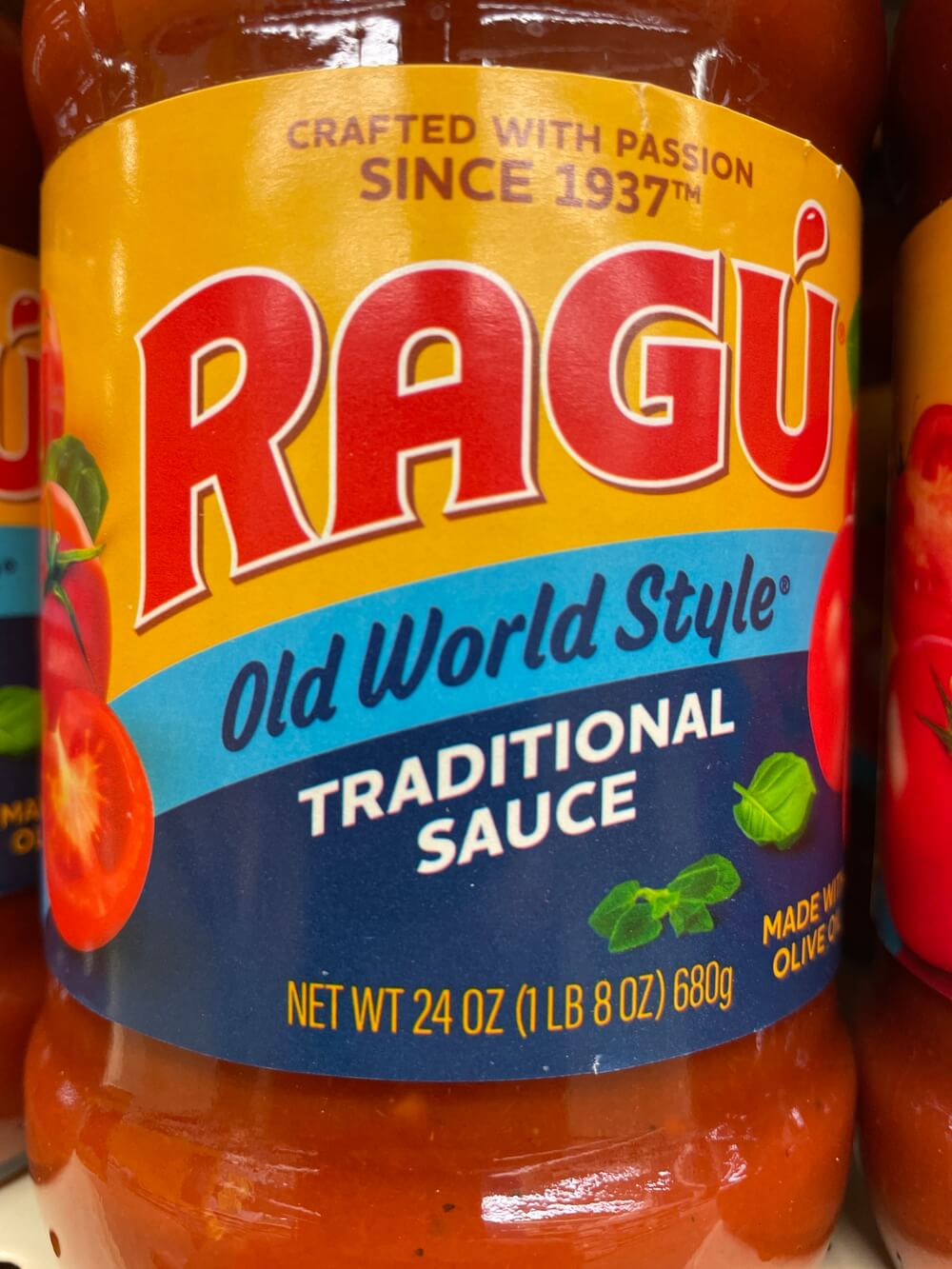
Assunta and Giovanni Cantisano began making spaghetti sauce at home in Rochester, New York, and began selling it in 1937. The Italian immigrants first sold it to neighbors from their home.
Ragu became one of the first national jarred pasta sauces to reach supermarkets. The name is the Italian word for a meat sauce.
Swanson and the TV Dinner
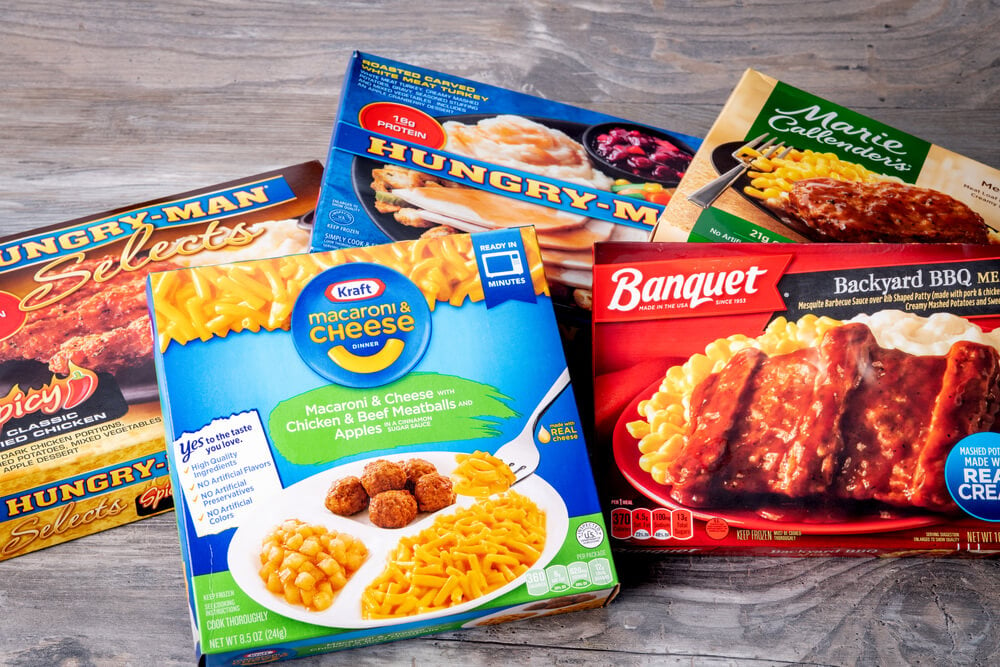
Swanson introduced its frozen TV Dinner in 1953, packaged in an aluminum tray with separate compartments for turkey, stuffing, peas, and potatoes. According to company lore, the product was a way to deal with an enormous surplus of Thanksgiving turkeys.
It sold millions of units in its first full year. The company, which began as a Nebraska poultry and egg operation, helped define how a generation ate in front of the television.
Pepperidge Farm and the Home Kitchen
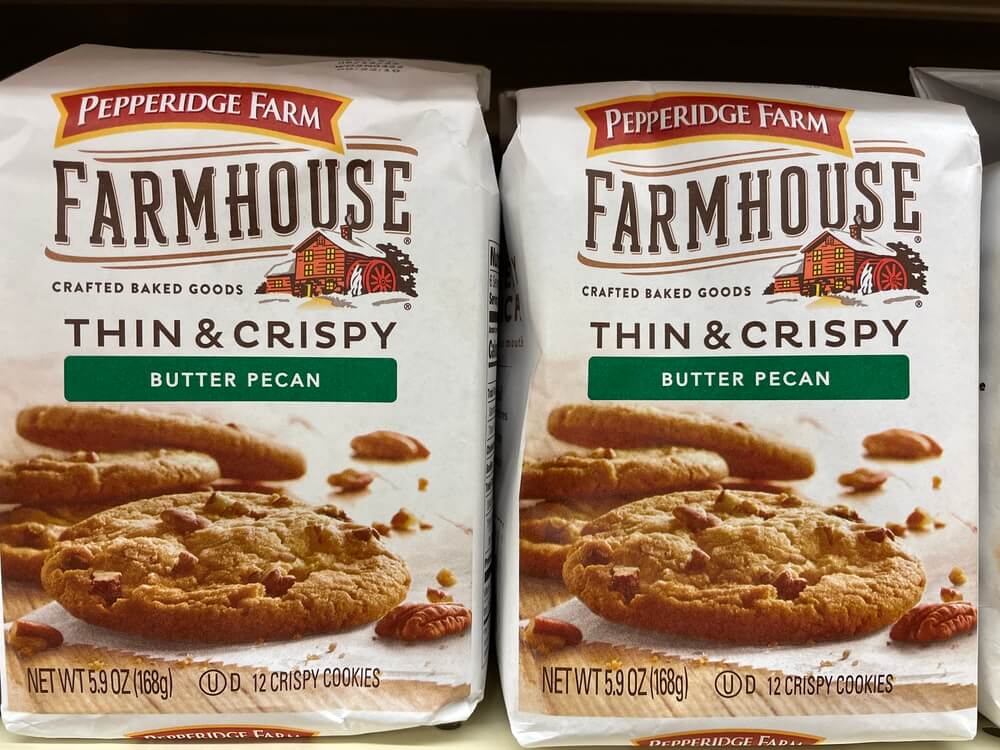
Margaret Rudkin began baking bread for her son in Fairfield, Connecticut, in 1937, and neighbors soon wanted loaves of their own. She named the business after her family’s estate, Pepperidge Farm.
The company later introduced Goldfish crackers in the United States in 1962. Rudkin’s business grew from her kitchen to a major national brand.
Smucker’s and the Apple Butter
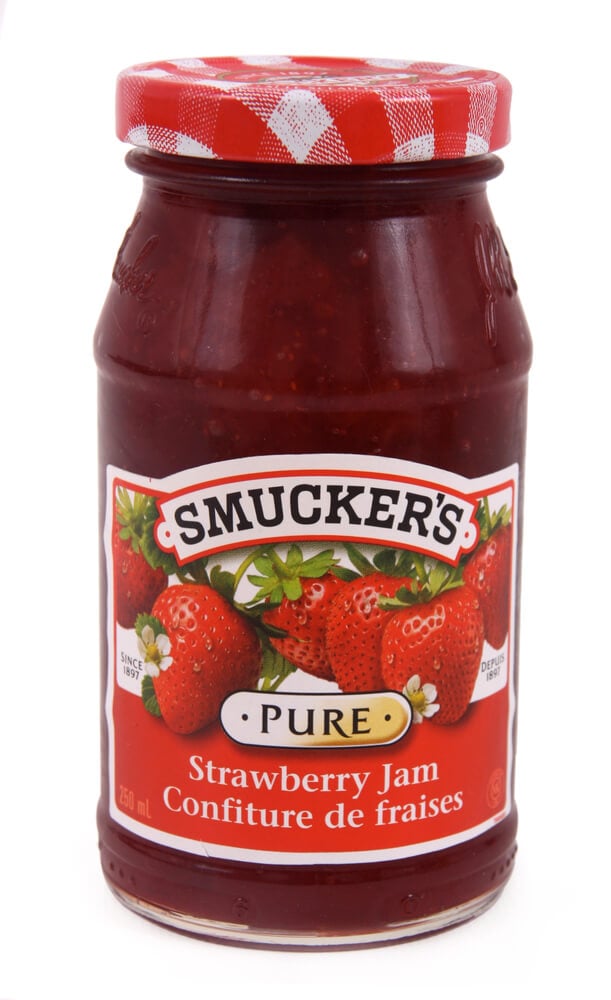
Jerome Monroe Smucker opened a cider mill in Orrville, Ohio, in 1897 and began selling apple butter from a wagon. The company later moved on to jams, jellies, and preserves.
Its slogan, With a name like Smucker’s, it has to be good, became one of the most quoted lines in advertising. The company is still headquartered in Orrville.
The Comfort of Familiar Labels
These brands lasted because they became part of the routines of daily life. A red can, a blue wrapper, or a jar with a familiar script could reassure a shopper in a crowded aisle.
Many arrived at moments when American households were changing, whether through the growth of railroads, the rise of refrigeration, or the demands of wartime. Eating a certain brand as a child can turn a basic grocery item into a memory.
That is why the name on the box matters beyond the product inside. Generations of shoppers still reach for the same labels, partly out of habit and partly because the taste of childhood is hard to replace.
More from Go2Tutors!

- The Romanov Crown Jewels and Their Tragic Fate
- 13 Historical Mysteries That Science Still Can’t Solve
- Famous Hoaxes That Fooled the World for Years
- 15 Child Stars with Tragic Adult Lives
- 16 Famous Jewelry Pieces in History
Like Go2Tutors’s content? Follow us on MSN.