28 Road Trip Memories From Before GPS
There was a time when a family could leave the driveway with a map, a cooler, and a vague plan, and have no way to know where they were except by looking out the window. The trip took longer and the arguments were louder, and the people who lived through it tend to describe it with a strange fondness.
The details below belong to a span of roughly four decades, from the postwar highway boom to the first dashboard screens. Most of them are gone, and a few are coming back in the form of nostalgia products.
The Folding Map From the Gas Station
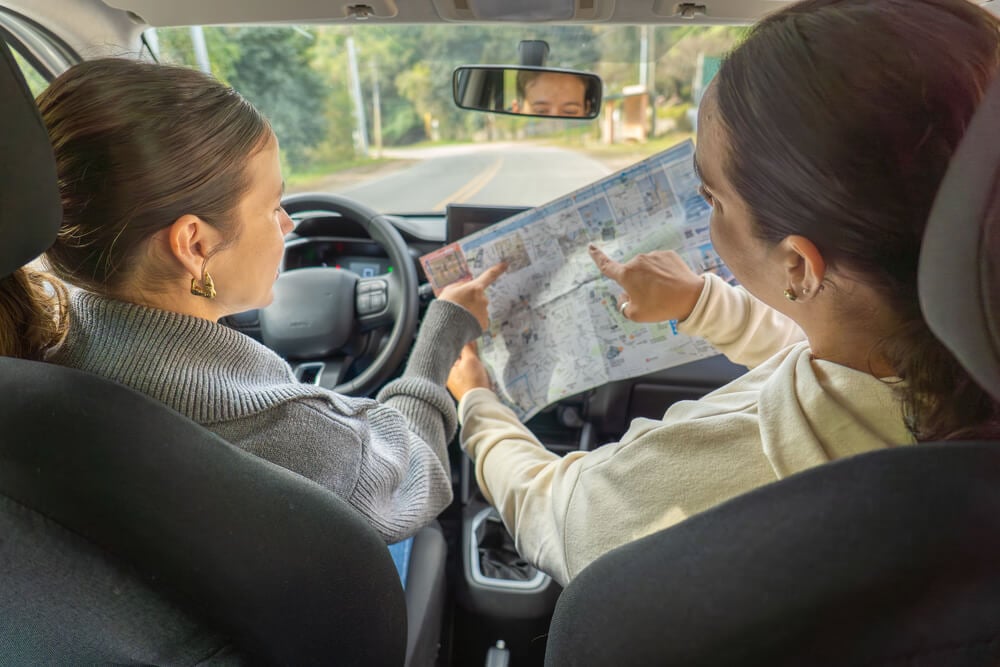
Oil companies printed state road maps by the hundreds of millions and gave them away free at the pump, and a glove compartment held a dozen of them, each refolded wrong. Finding the current position meant pulling over, spreading the map on the hood, and tracing a route number with a finger.
The free map disappeared in the 1970s when the oil crisis made printing them seem wasteful.
The Rand McNally Road Atlas
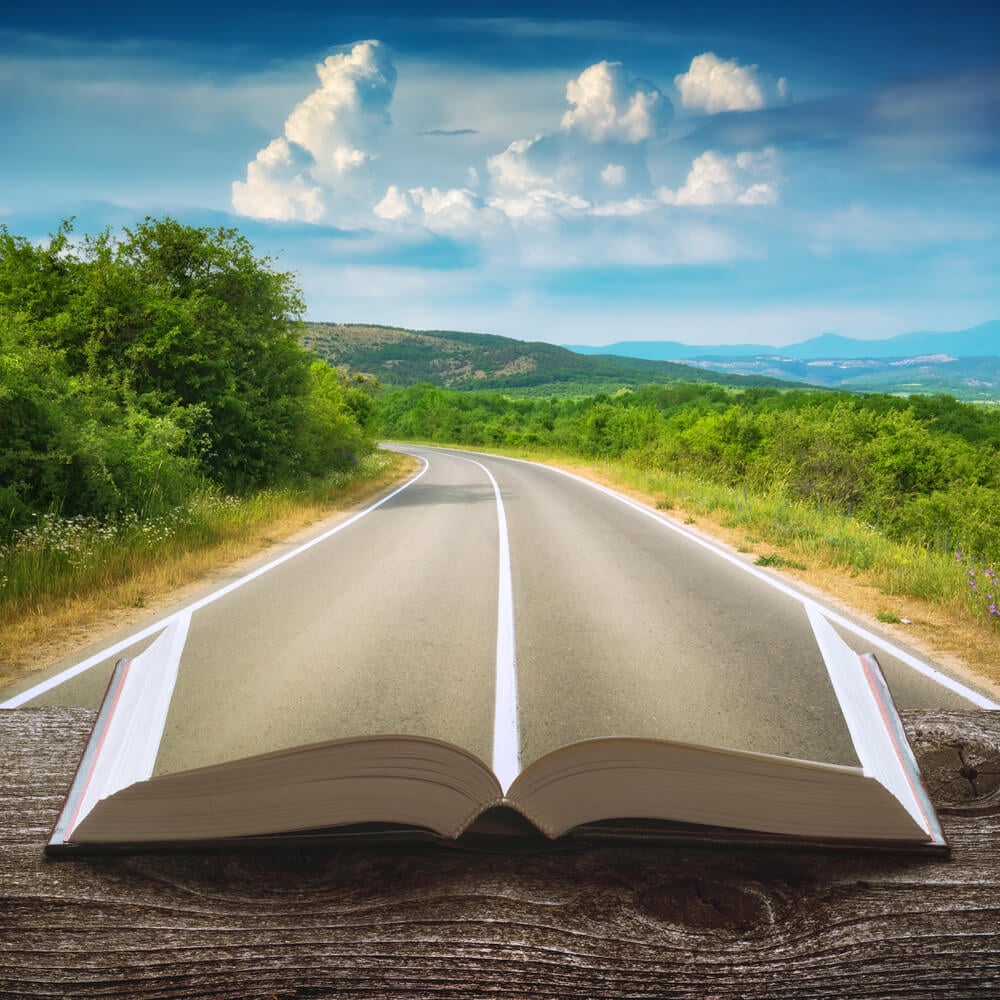
The spiral-bound atlas rode under the front seat of most American cars, with the cover torn off and the page for the home state worn soft. Rand McNally published its first road atlas in 1924, and the annual edition became a tradition that outlived most of the roads in it.
A page torn out for a specific stretch of highway was a common sight on a dashboard.
The AAA TripTik
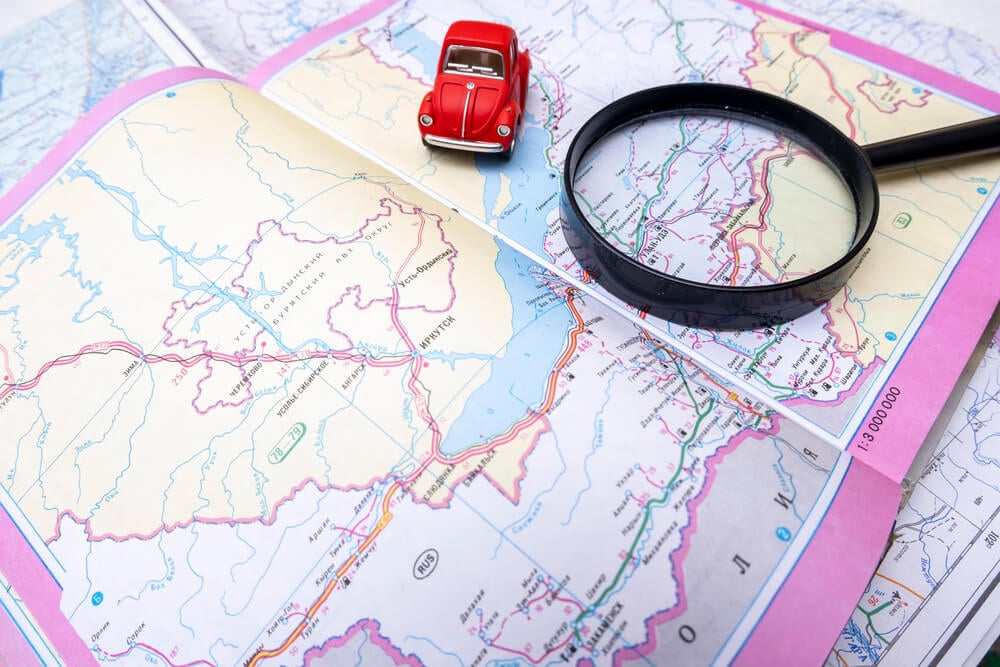
Members of the American Automobile Association could request a custom route book assembled by hand at a local office, with strip maps bound in a flip pad and the route marked in highlighter. The clerk who made it would note construction, speed traps, and recommended motels.
The TripTik survived into the digital age as an app, which rather missed the point.
Asking the Man at the Station
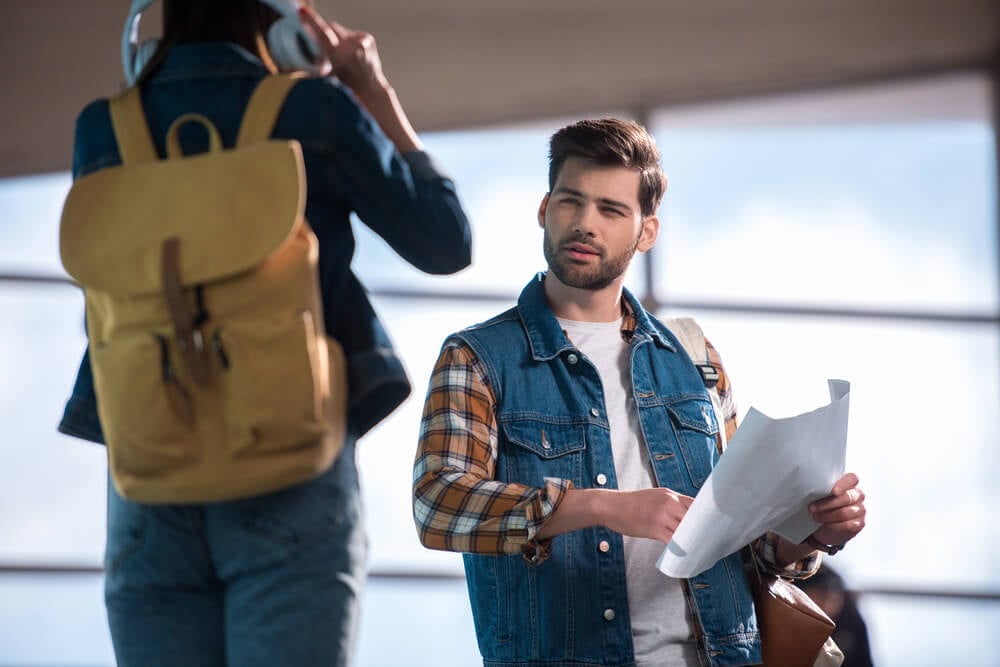
When the map failed, the driver pulled into a gas station and asked, and the directions came in a form no satellite could reproduce: turn where the old feed store used to be, go past the second church, and if the road turns to gravel you went too far. The passenger wrote it on the back of a receipt.
Whether to ask at all was a frequent subject of argument in the front seat.
The Rear-Facing Seat in the Station Wagon
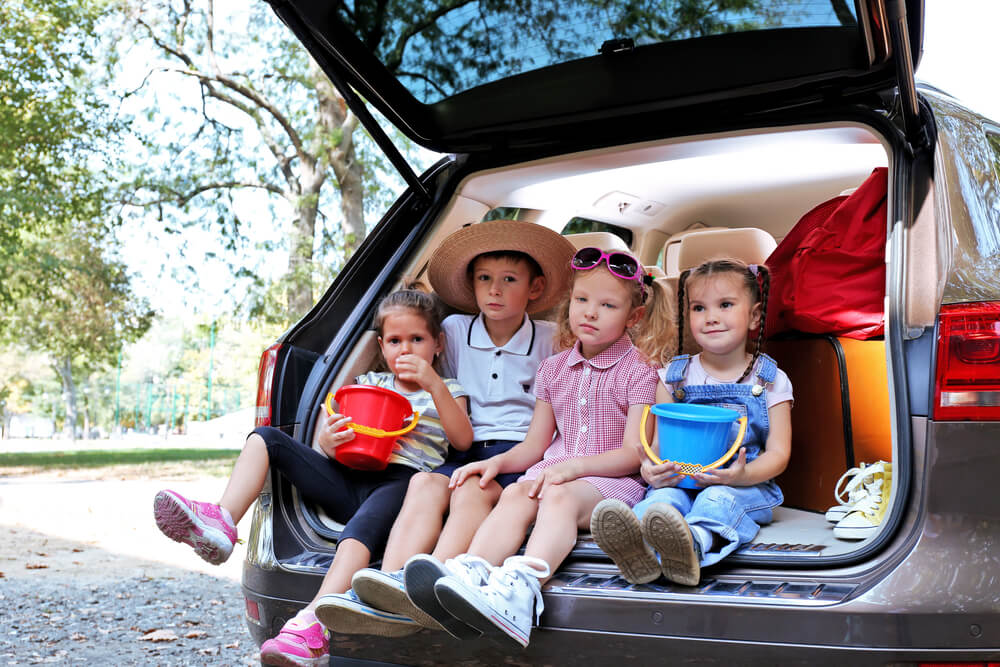
The third row of a full-size wagon faced backward, which meant the children assigned to it spent a day watching the road unspool and waving at truckers. The seat folded flat into the cargo floor, and it was the most coveted spot in the car and the one most likely to produce carsickness.
Modern safety rules made it extinct by the early 2000s.
Lying Down in the Back
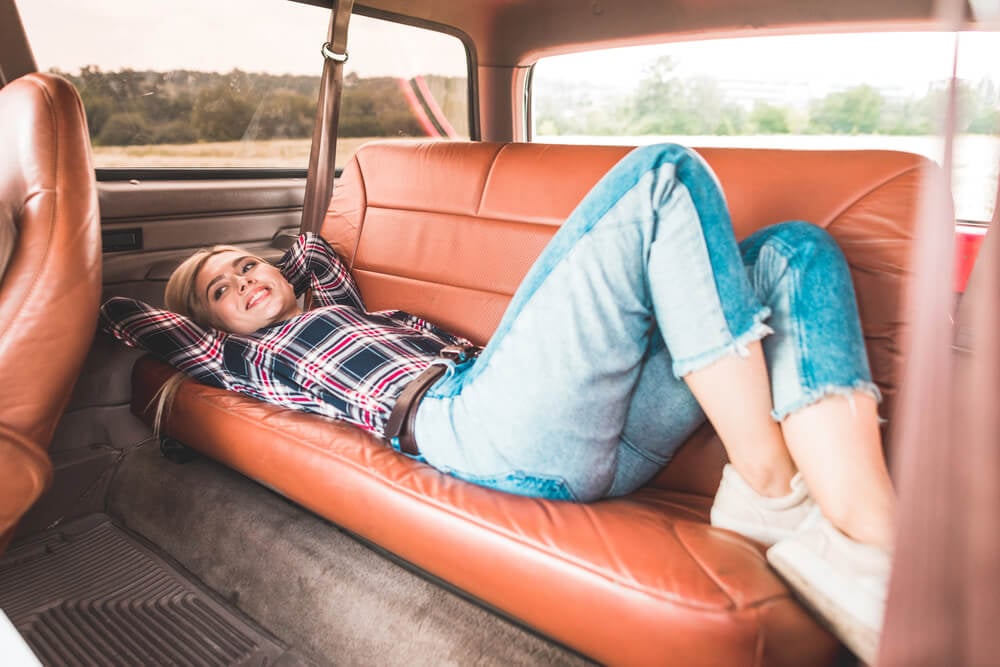
Before child seats and belt laws, the back of the car was a playroom. Children stretched out on the seat or in the cargo area with a pillow and a blanket, and parents saw nothing wrong with it.
The first state seat belt law did not take effect until 1984, in New York, and many adults who grew up before it still remember sleeping across the rear bench on an overnight drive.
The License Plate Game
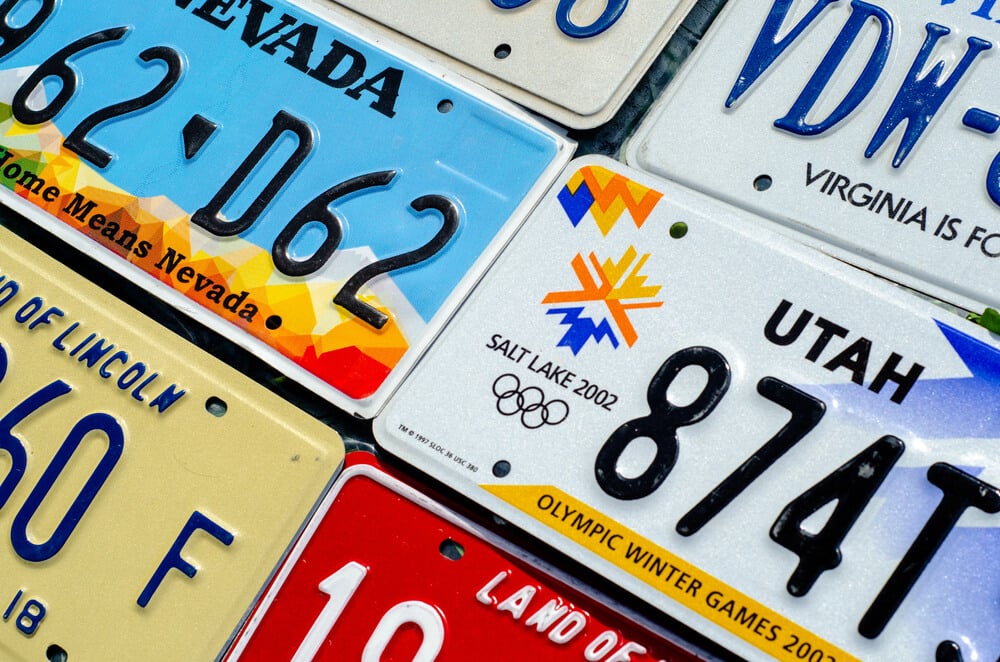
The game required nothing but eyes and patience: spot a plate from every state, with Hawaii and Alaska counting double. Fights broke out over whether a plate seen in a parking lot counted.
Some families kept a list in the glove compartment for an entire summer.
Travel Bingo Cards
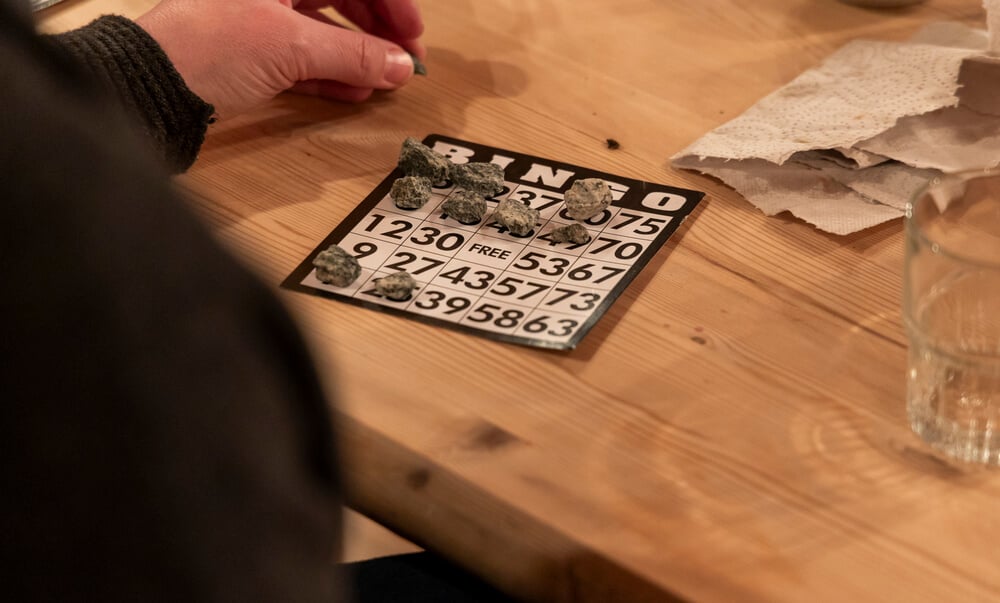
Cardboard bingo cards with sliding plastic windows showed pictures of a cow, a water tower, a barn, and a police car, and children slid a window shut as each one appeared through the glass. The cards were sold at drugstores and gas stations for under a dollar and are still manufactured.
A tunnel was the square that took longest to fill.
Burma-Shave Signs in Sequence
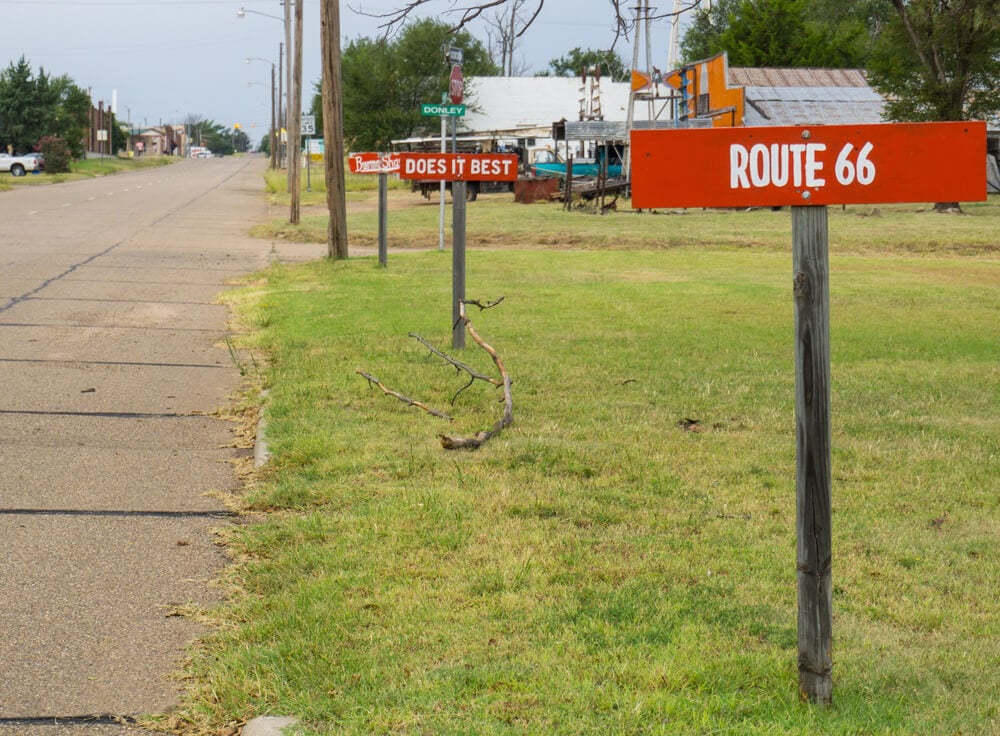
From the 1920s through 1963, the shaving cream company planted sets of small red signs along highways, each carrying one line of a rhyming verse, with the product name on the last. Drivers slowed to read them and children recited them for miles afterward.
The company stopped when interstates made the roadsides too fast to read.
The Wall Drug Signs Counting Down the Miles
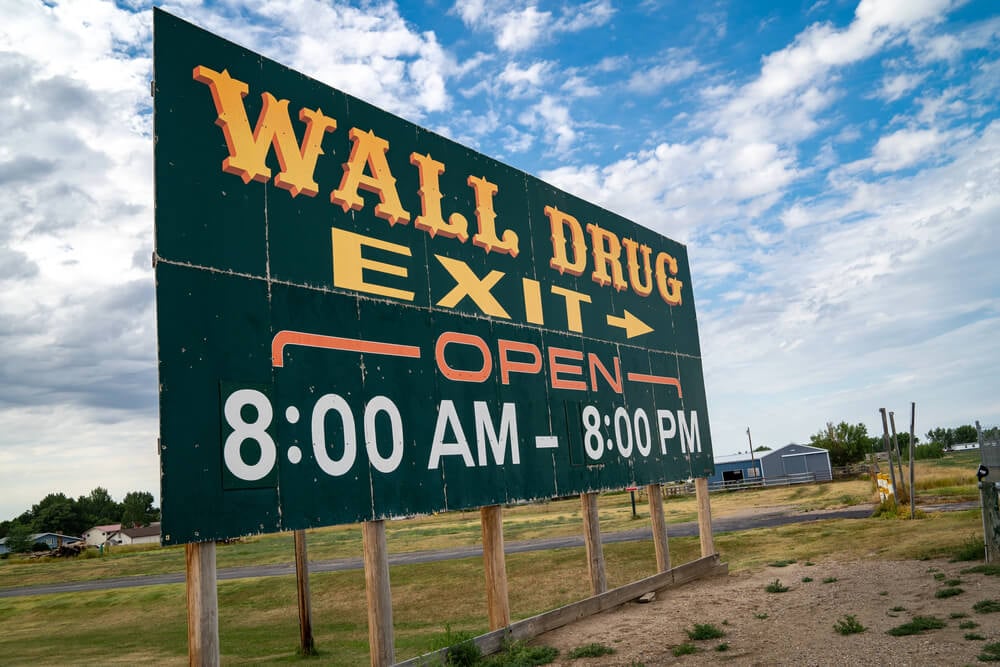
A drugstore in Wall, South Dakota, began offering free ice water to travelers in 1936 and advertising it with hand-painted signs that stretched for hundreds of miles in every direction. Spotting the next one became a game, and the countdown of miles built anticipation out of nothing.
The store still exists and still hands out the ice water.
South of the Border Billboards
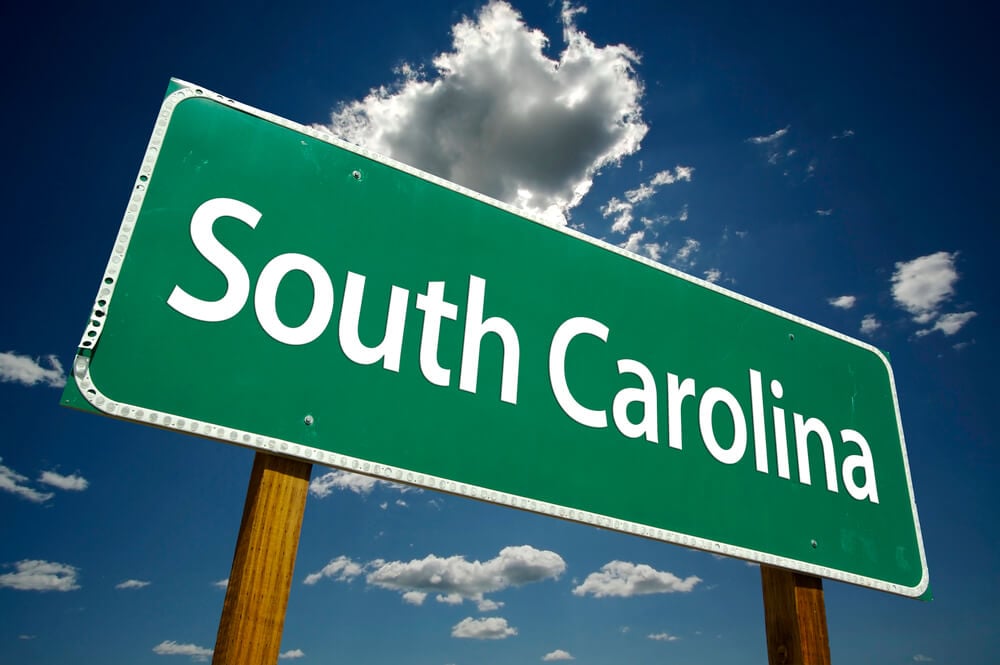
Along the East Coast route to Florida, a sombrero-wearing cartoon figure named Pedro appeared on billboards for two hundred miles before the attraction itself, a sprawl of motels, gift shops, and a giant sombrero tower at the North and South Carolina line. The puns on the signs got worse the closer the car got.
Children begged to stop, and parents who had already stopped once did not.
The Stuckey’s Pecan Log Roll
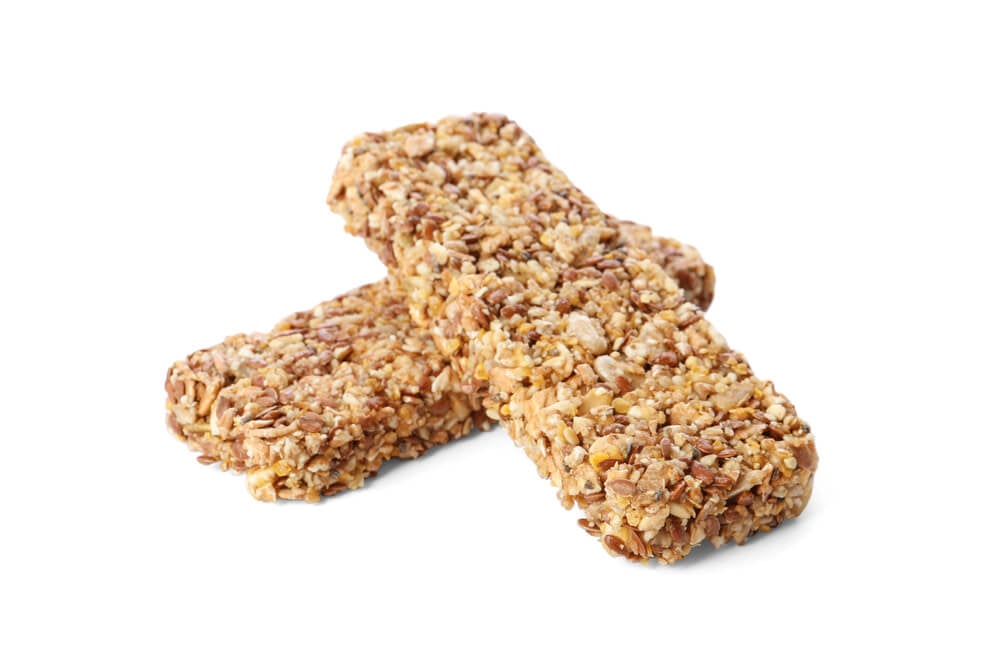
Stuckey’s roadside stores, with their teal roofs, sold gas, souvenirs, and a candy log of nougat rolled in chopped pecans that became the taste of the Southern road trip. The chain grew to hundreds of locations by the 1960s and shrank after the interstates bypassed many of them.
A granddaughter of the founder has been reviving it in recent years.
The Orange Roof of Howard Johnson’s
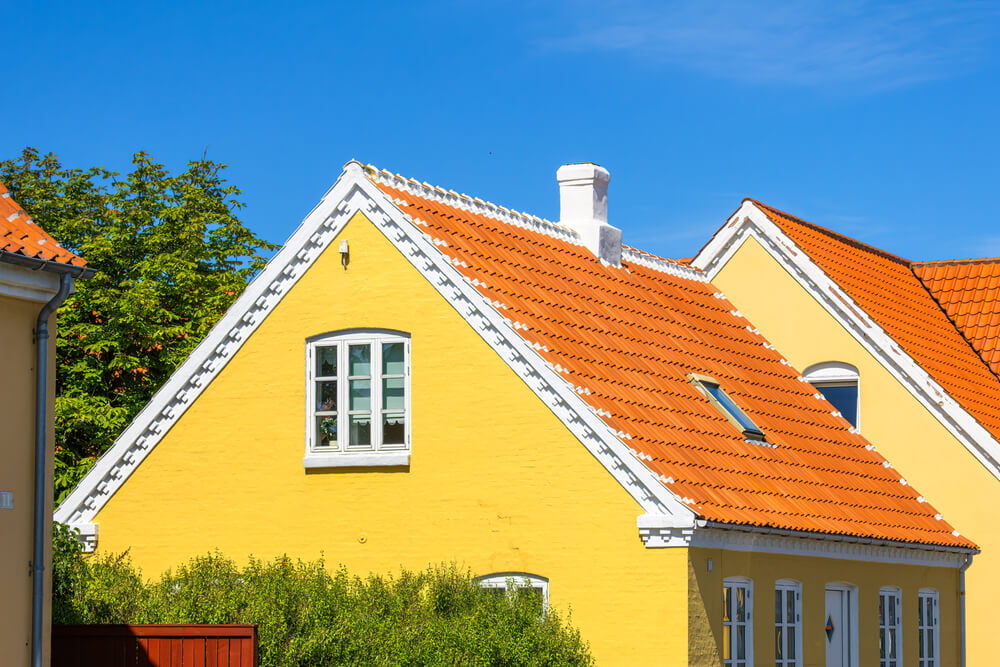
The orange roof and turquoise spire meant a predictable meal in an unfamiliar state, and the chain’s 28 flavors of ice cream were a reward for sitting still. Howard Johnson’s had more restaurants than any other chain in the country in the 1960s, and many were built as rest stops along turnpikes.
Nearly all are gone, and the last one closed in 2022 in Lake George, New York.
The Motel With the Pool
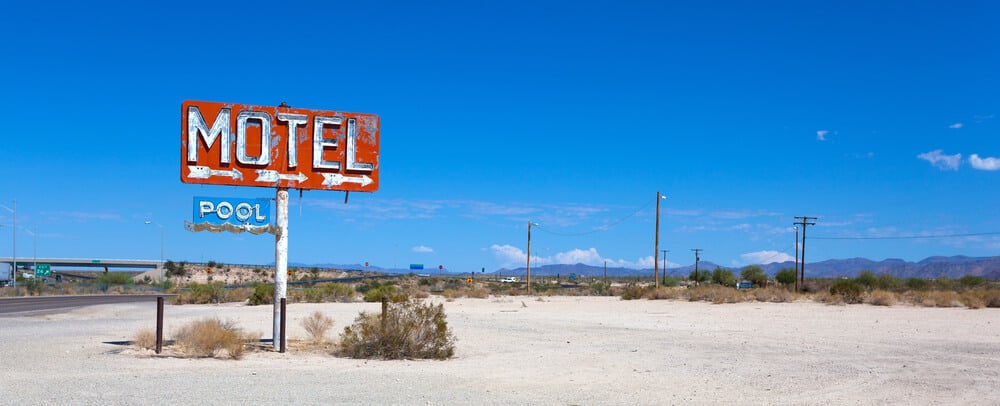
A motel sign that read “Pool” and “Vacancy” in neon could end a day’s driving on the spot. The pool was often small and the water cold, and the children did not care.
Rooms opened directly onto the parking lot, which meant the car was visible from the bed.
Are We There Yet
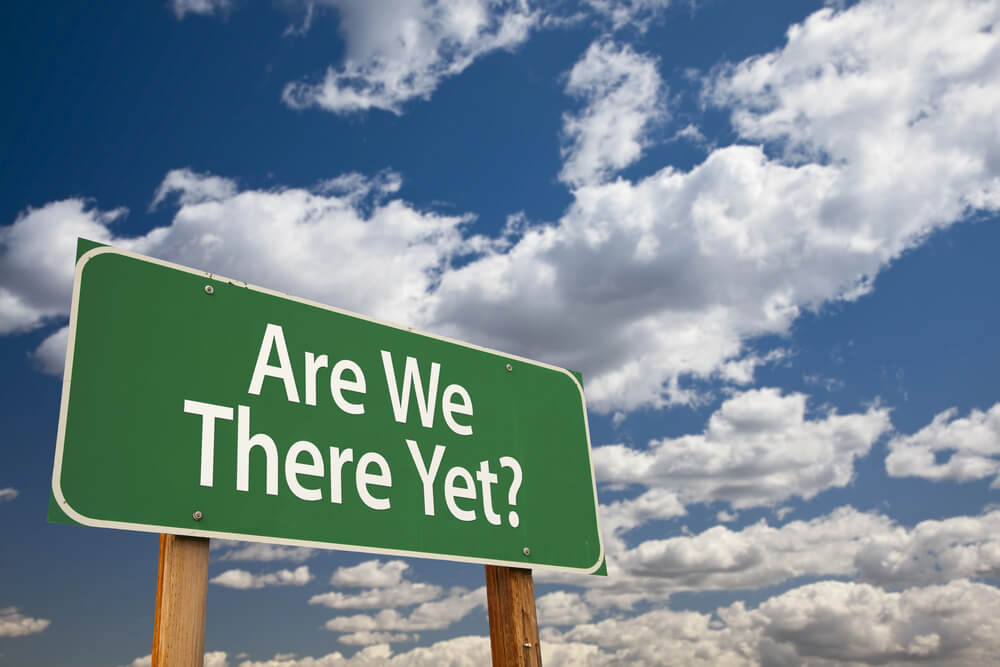
The question was asked from the back seat at intervals that shortened as the day went on, and no answer ever satisfied. Parents developed strategies, including lying about the distance and promising a stop that was always one more hour away.
The phrase became so familiar that it was used as the title of a 2005 film.
AM Stations Fading Out
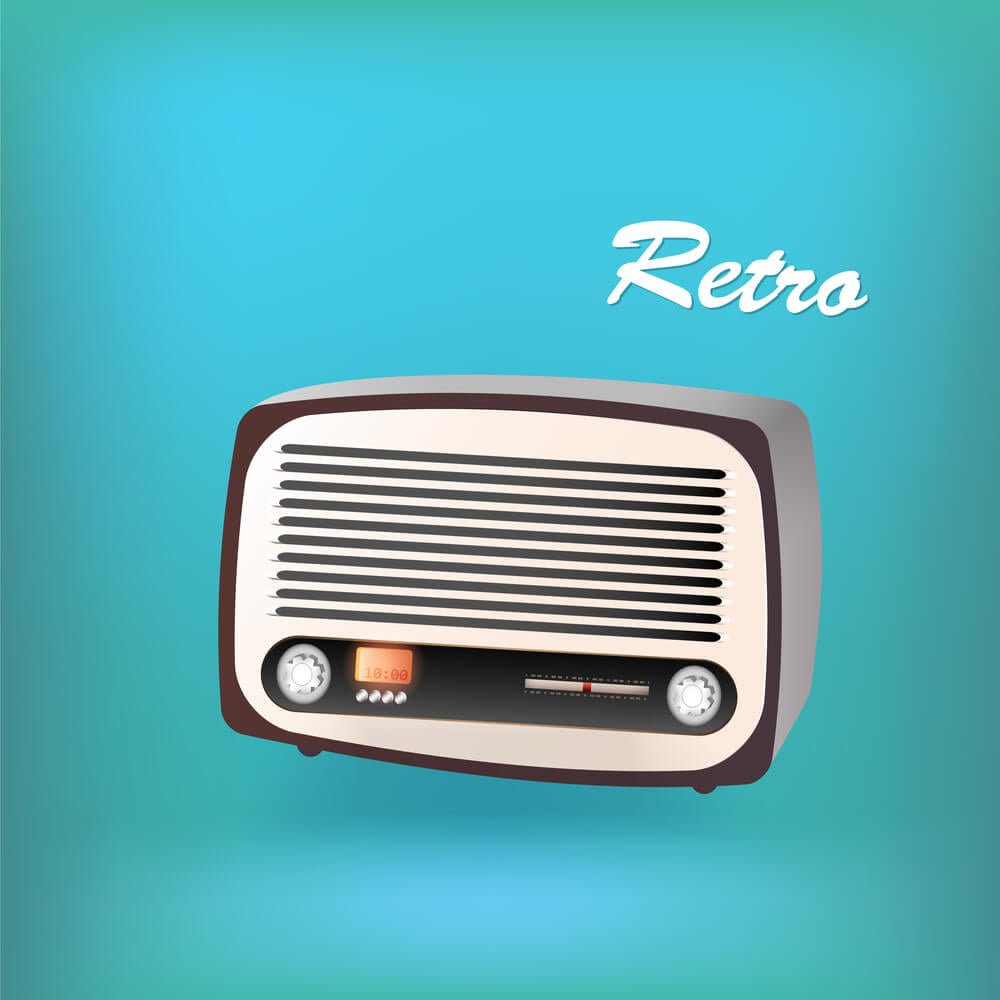
The car radio pulled in whatever local station was strongest, and a favorite song dissolved into static every fifty miles. The driver scanned the dial for something, anything, and settled for farm reports.
At night, distant stations bounced in from hundreds of miles away, and a family in Kansas could hear a late game broadcast from Chicago.
The 8-Track in the Dash
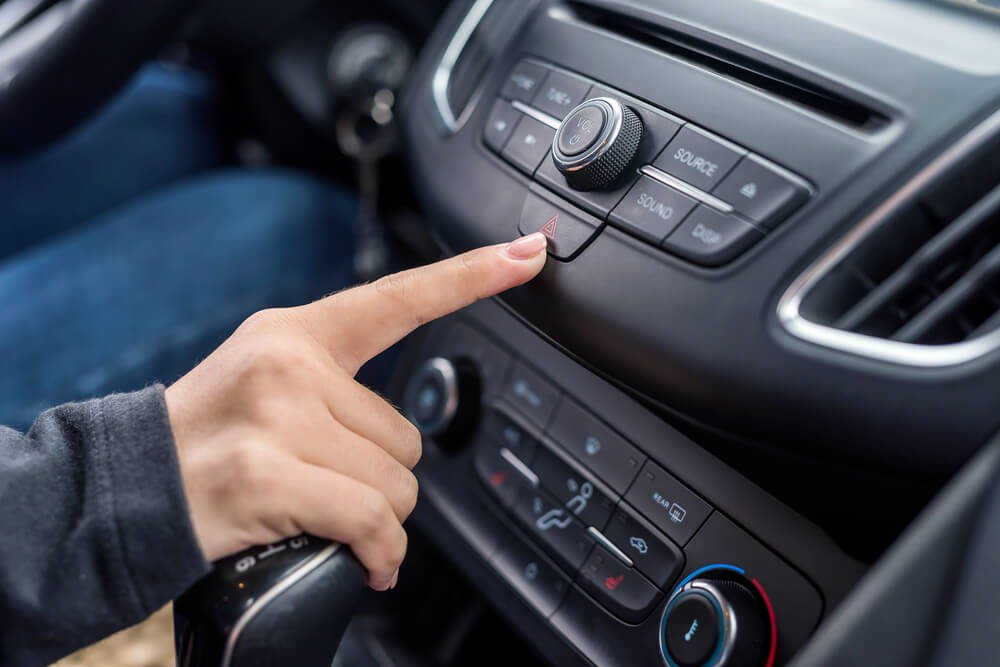
For a decade from the late 1960s, the 8-track cartridge was the only way to choose music in the car. The tape could not rewind, it switched programs with a loud clunk, often in the middle of a song, and it eventually jammed.
Families went on long trips with five cartridges and heard each one twenty times.
Breaker One-Nine on the CB
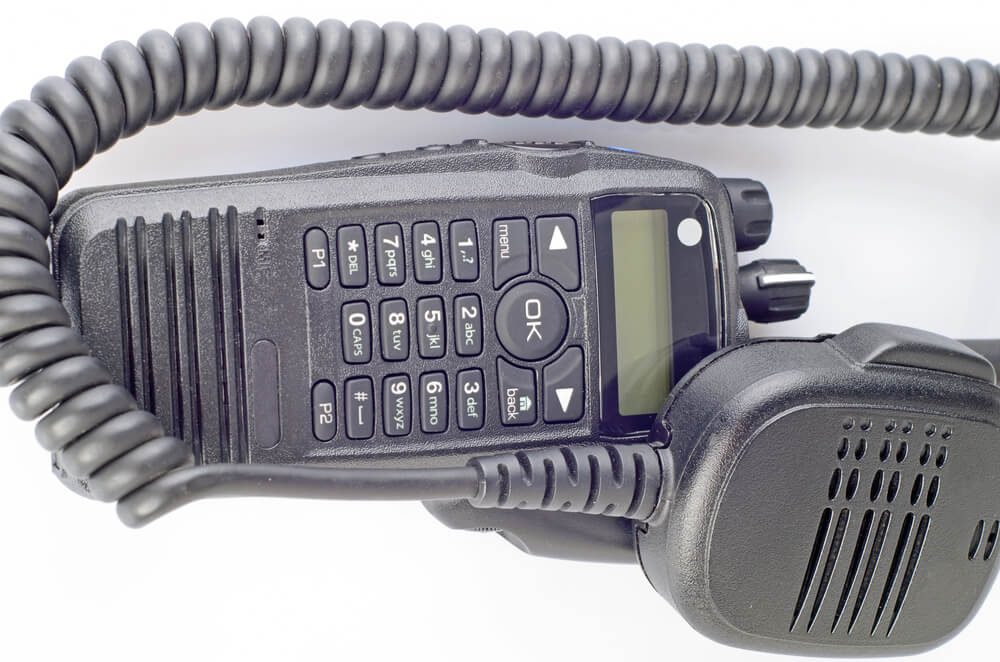
Citizens band radio spread from truckers to family cars in the mid-1970s, and for a few years every road trip included a father pretending to be a long-haul driver. The radio was useful for learning about traffic and speed traps ahead and useless for everything else.
The craze faded by the end of the decade, but a few old-timers still keep one in the glovebox.
The Thermos and the Cooler at the Rest Stop
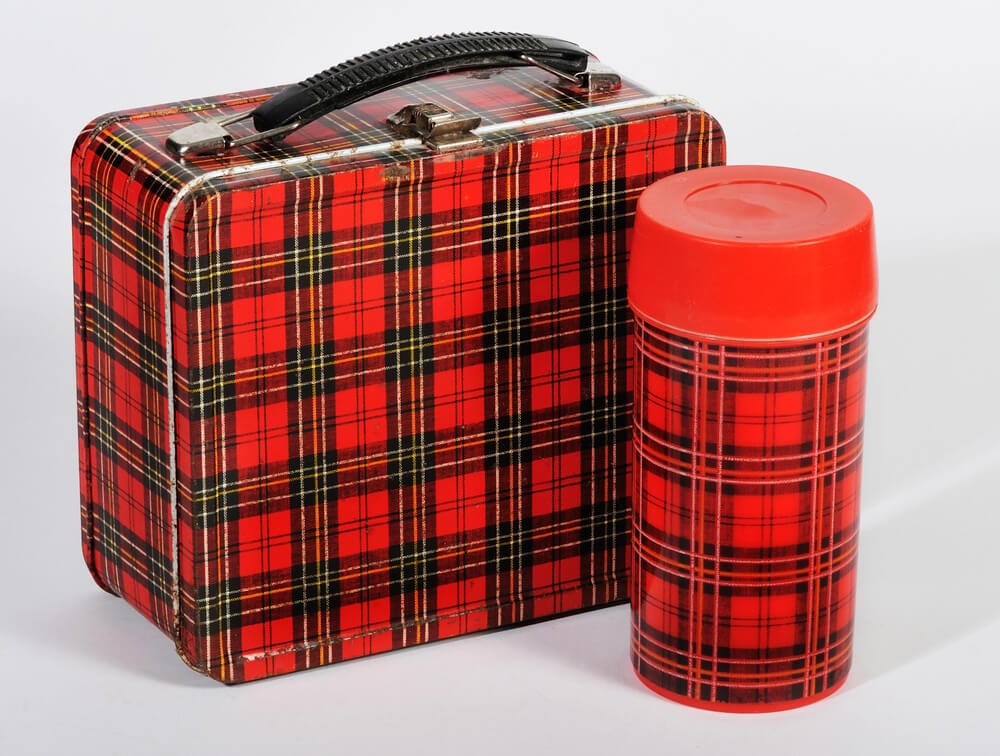
Meals on the road came from a metal cooler packed with sandwiches, grapes, and a jug of lemonade, eaten at a concrete picnic table at a highway rest area. The plaid Thermos held coffee for the driver and was prone to shattering its glass liner if dropped.
Restaurant meals were for special occasions, and the cooler was how a family of six afforded the trip.
Resetting the Trip Odometer
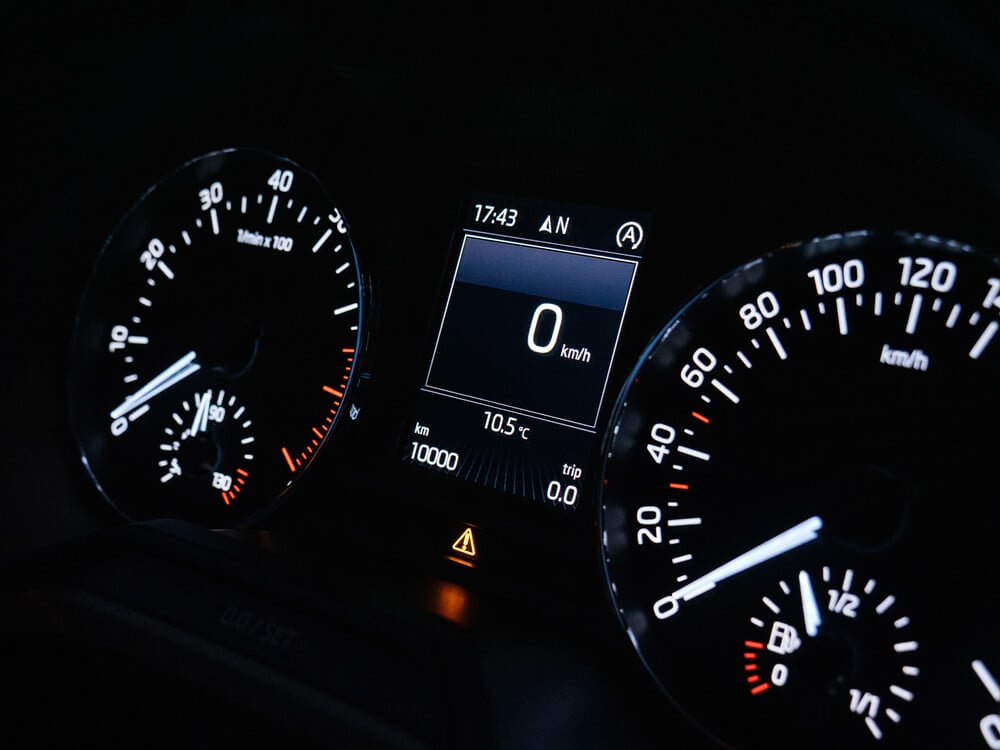
The small odometer on the dash could be zeroed with a knob, and the ritual of resetting it in the driveway marked the official beginning of the trip. Children checked it to see how far the family had come, which was usually less than they hoped.
Some fathers kept a notebook of mileage and gas purchases for every trip they ever took.
Counting Down the Mile Markers
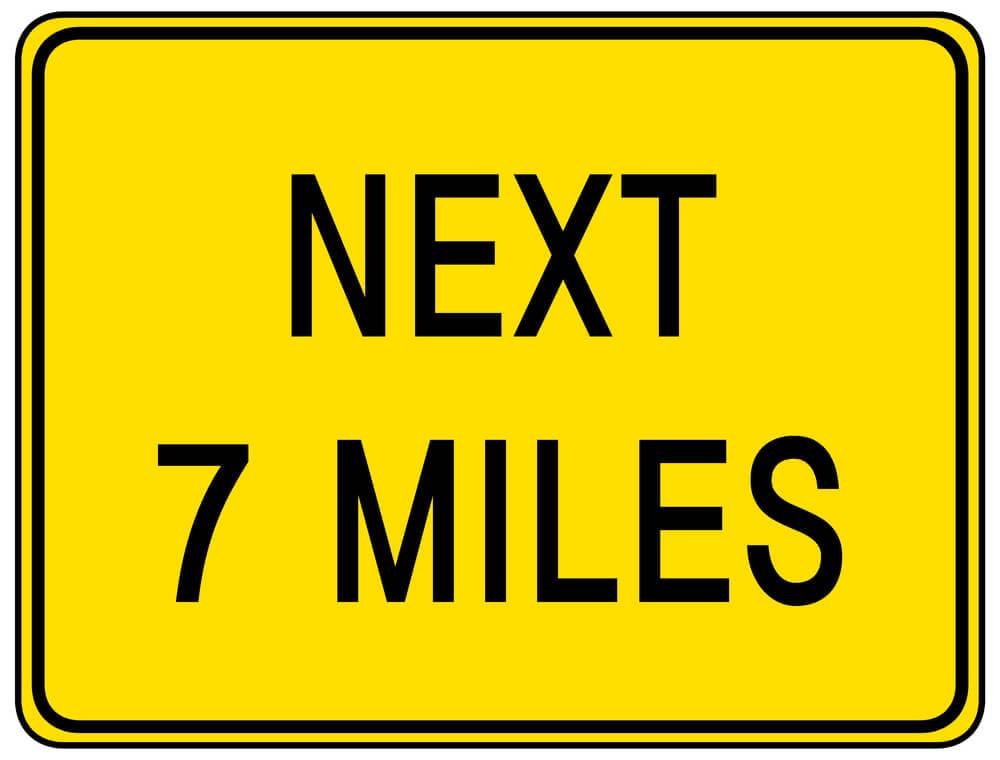
Green mile markers along the interstate let passengers calculate exactly how far remained to the state line, and children did the arithmetic out loud. The markers were also how a family reported where the car had broken down.
Few people now know that interstate exit numbers often correspond to the mile marker.
The Pay Phone and the Collect Call
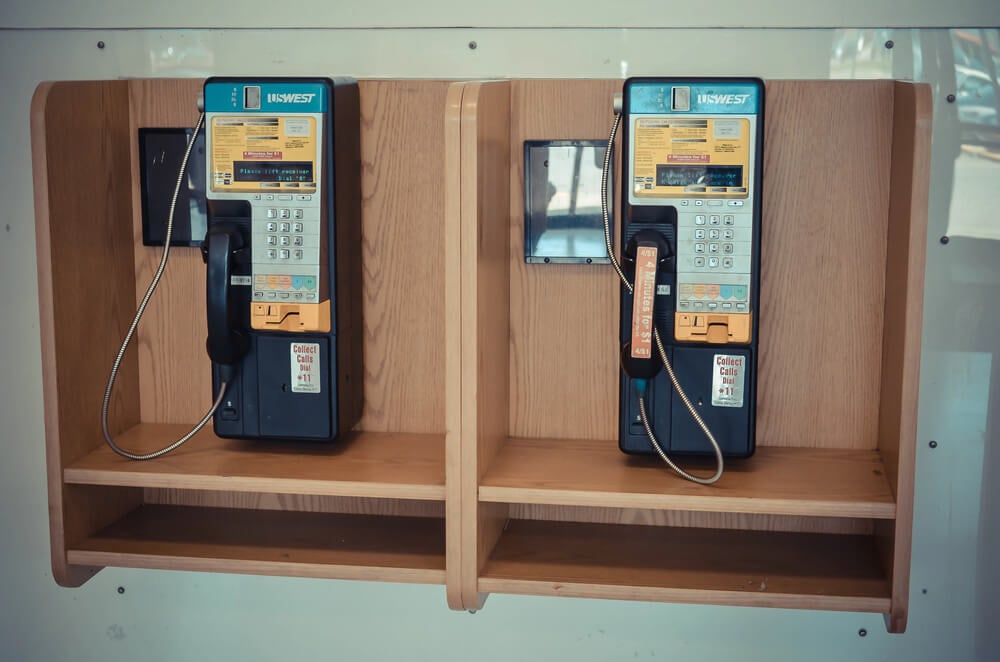
Checking in with relatives meant finding a pay phone at a gas station, and the call went collect to avoid feeding quarters into the slot. Families developed a code: call collect, refuse the charges, and the fact of the call itself meant everyone was safe.
The phone company caught on eventually.
Postcards Mailed From Every Stop
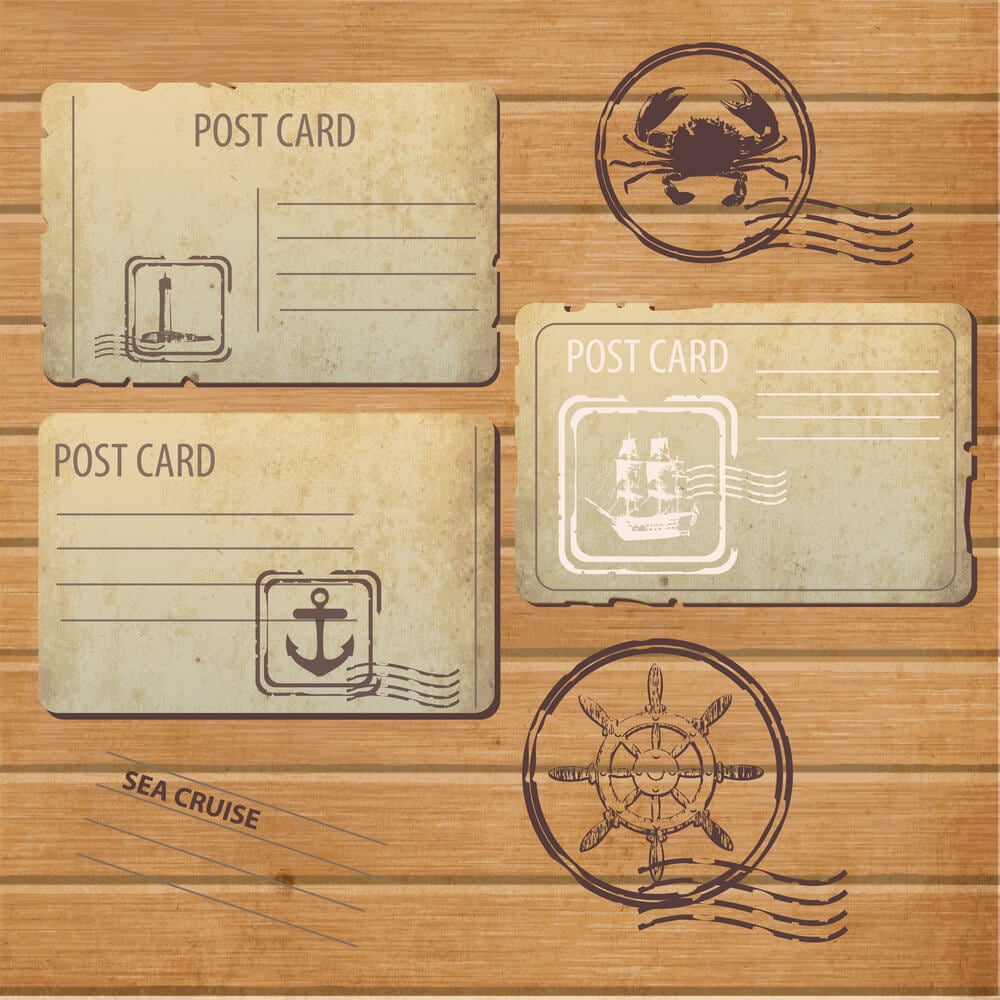
A rack of postcards stood by the register at every motel and attraction, and children chose one, wrote three lines, and handed it to a parent to find a stamp. The card usually arrived home after the family did.
Older relatives kept them in shoeboxes, which is why so many survive.
Cadillac Ranch and the Roadside Attraction
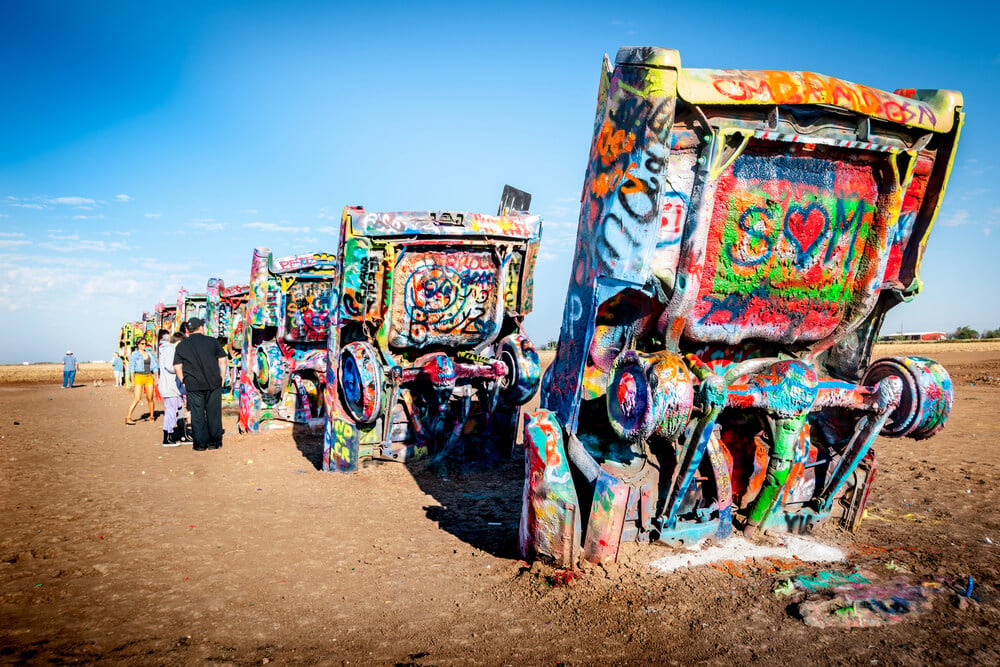
Ten Cadillacs buried nose-down in a Texas field beside Route 66 appeared in 1974, and they became a required stop between Oklahoma and New Mexico. Families pulled over for anything: a mystery spot, a dinosaur park, the largest frying pan, a two-headed calf in a jar.
The attractions survived on the principle that a car with children in it will stop for almost anything.
The Scenic Overlook Pullout
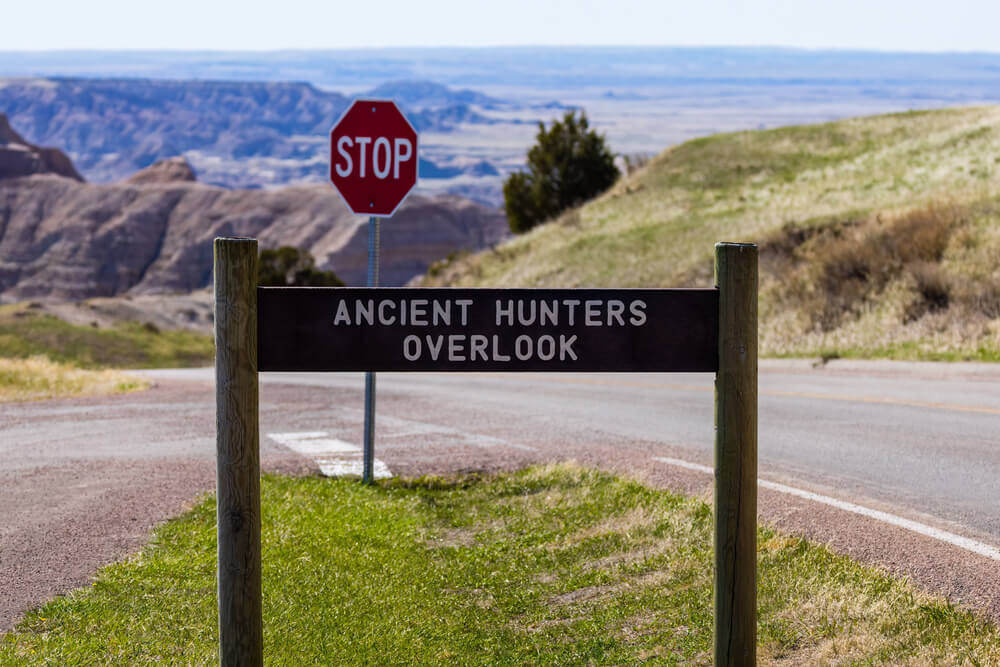
A sign reading “Scenic Overlook” produced an argument about whether to stop, and the family that stopped found a gravel lot, a guardrail, and a view that looked better in person than in any photograph they took of it. Coin-operated binoculars took a dime for a minute of magnification.
Someone always said it looked like a postcard.
Crank Windows and Hot Vinyl Seats
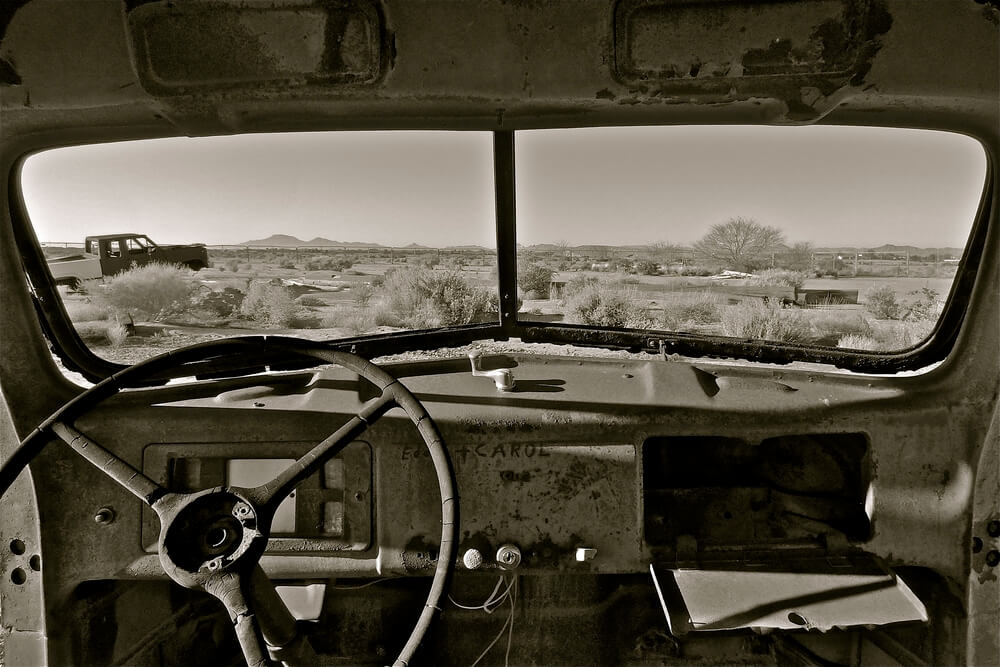
Air conditioning was an option many families skipped, so the windows came down and the wind roared, and the vinyl seats in July burned the backs of bare legs. A towel on the seat was the fix, and everyone fought over the window seat.
The smell of hot vinyl and sunscreen is one of the strongest memories people report from those trips.
The Polaroid at the Rest Stop

The instant camera turned every stop into an occasion, and the family gathered by the car while the print developed in someone’s hand. The photographs faded over the years and were often slightly tilted.
They are the pictures most people still have from those trips, because the real camera’s film was never developed.
Getting Lost and Finding Something
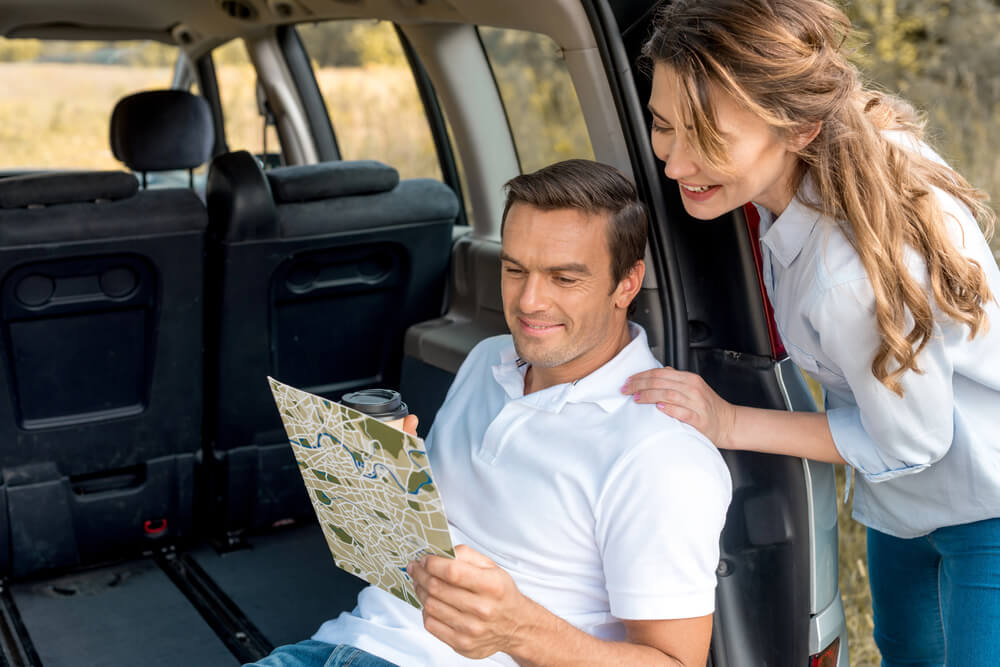
The best stories from the pre-GPS road usually begin with a wrong turn. The family ended up in a town that was not on the itinerary, ate at a diner that turned out to be the best meal of the trip, and remembered it for forty years.
A wrong turn now gets corrected within a hundred yards.
The Pleasures of Not Knowing Where You Are
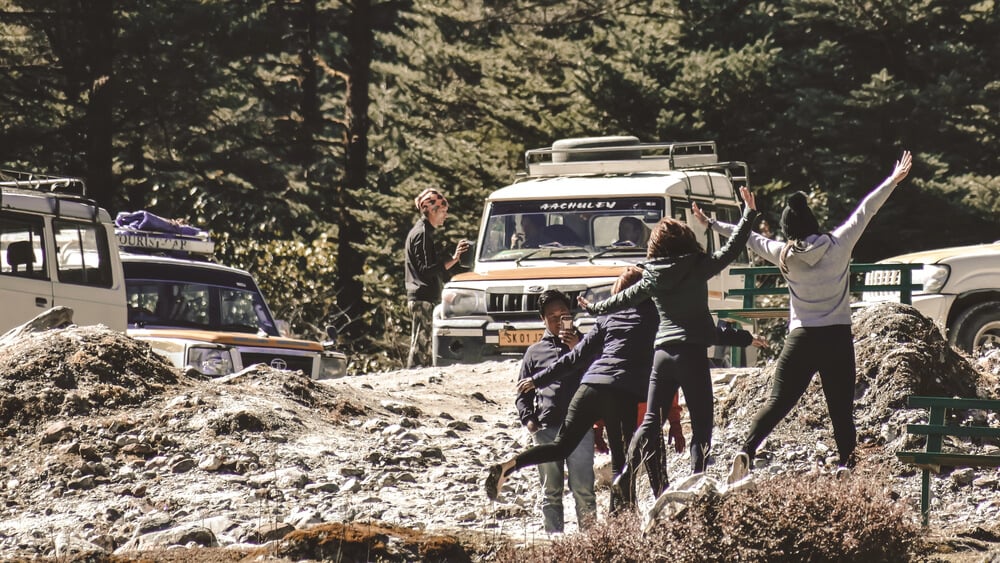
The devices that replaced the paper map removed the uncertainty from travel, which was the stated goal. They also removed the part of the trip in which a family had to pay attention to the road, the landscape, and each other, because there was nothing else to do.
That is not an argument for going back. It is simply an observation that the memories on this list exist because the trips were harder, and that nobody will write a list like this about a drive they spent watching a blue dot.
More from Go2Tutors!

- The Romanov Crown Jewels and Their Tragic Fate
- 13 Historical Mysteries That Science Still Can’t Solve
- Famous Hoaxes That Fooled the World for Years
- 15 Child Stars with Tragic Adult Lives
- 16 Famous Jewelry Pieces in History
Like Go2Tutors’s content? Follow us on MSN.