29 Daily Routines of Civil War Soldiers
Most of a Civil War soldier’s war was not spent in battle. It was spent in camp, where the day was divided by bugle and drum into a long string of small obligations.
Men on both sides could go months between fights, and in that time the routine was the war.
The schedule was monotonous, but it left behind a rich record in letters, diaries, and regimental orders. Read together, they show what the average private actually did from the first call at dawn to the last call at night.
Reveille Pulled the Camp Out of Sleep
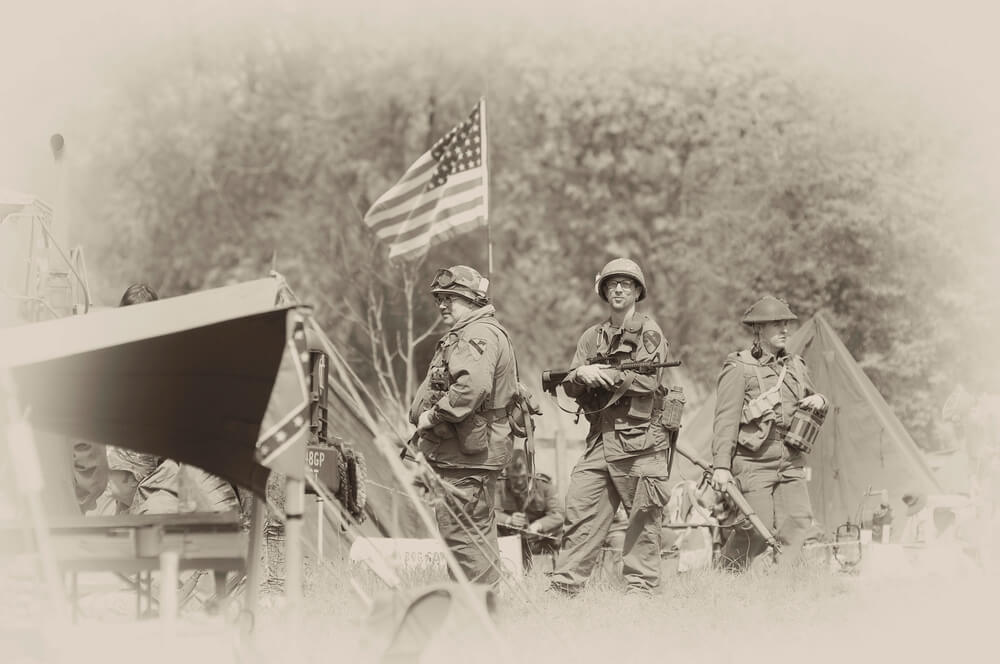
The day opened at dawn with a bugle call or a roll of the drums, depending on the regiment. Men tumbled out of tents and huts, often still buttoning their coats, and fell in along the company street.
The call was dreaded because it came whether the camp had marched all night or had slept comfortably, and in cold weather it meant leaving a warm blanket for frozen ground. Soldiers wrote home about it with the same weary humor that later generations of recruits would bring to the same hour.
Roll Call Happened Three Times a Day
Roll was taken at reveille, at retreat near sunset, and again at tattoo in the evening. First sergeants read names from a company book while each man answered, and anyone missing without a pass faced extra duty or worse.
The repetition served a practical purpose, since desertion and straggling were constant problems in both armies. A man who slipped away between calls could be noticed within hours rather than days.
Sick Call Followed Breakfast
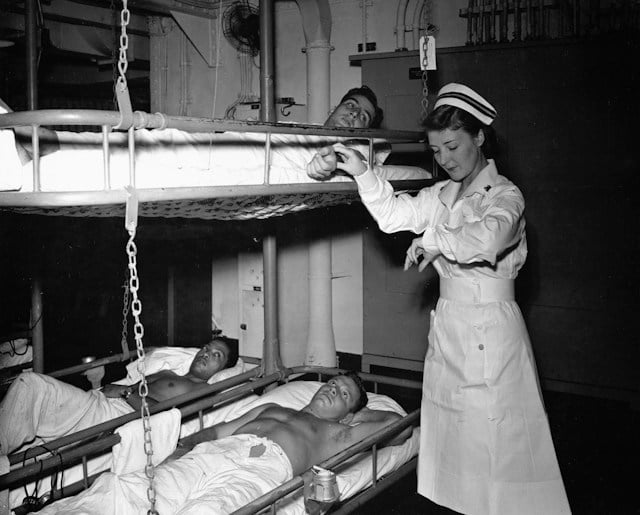
Soldiers who felt ill reported to the regimental surgeon at a morning call, and the men lined up were often derided by their comrades as shirkers. The common remedies were quinine for fevers and a mercury compound called blue mass for a long list of complaints.
Disease was the larger enemy of the era, killing roughly two of every three soldiers who died in the war. For many men, the line outside the surgeon’s tent was more dangerous than anything waiting on a picket post.
The Latrine Was a Matter of Life and Death
Camp regulations required soldiers to dig trenches called sinks away from tents and cover them with fresh earth. Regiments that ignored the rule paid for it, because contaminated water and flies spread dysentery and chronic diarrhea through the ranks.
These ailments were among the leading killers of the war, outranking many battlefield wounds in total deaths. A disciplined camp with well-kept sinks could keep far more men on their feet than a sloppy one with a better commander.
Coffee Came Before Everything Else

The Union ration included green coffee beans, and soldiers roasted them in a pan or a tin plate over a fire. The beans were then crushed, often with a rifle butt inside a cloth, and boiled in a tin cup.
The allowance worked out to about an ounce and a half per man each day, and most men drank every drop of it. Veterans wrote that a soldier without coffee was a soldier close to mutiny.
Hardtack Was the Daily Bread
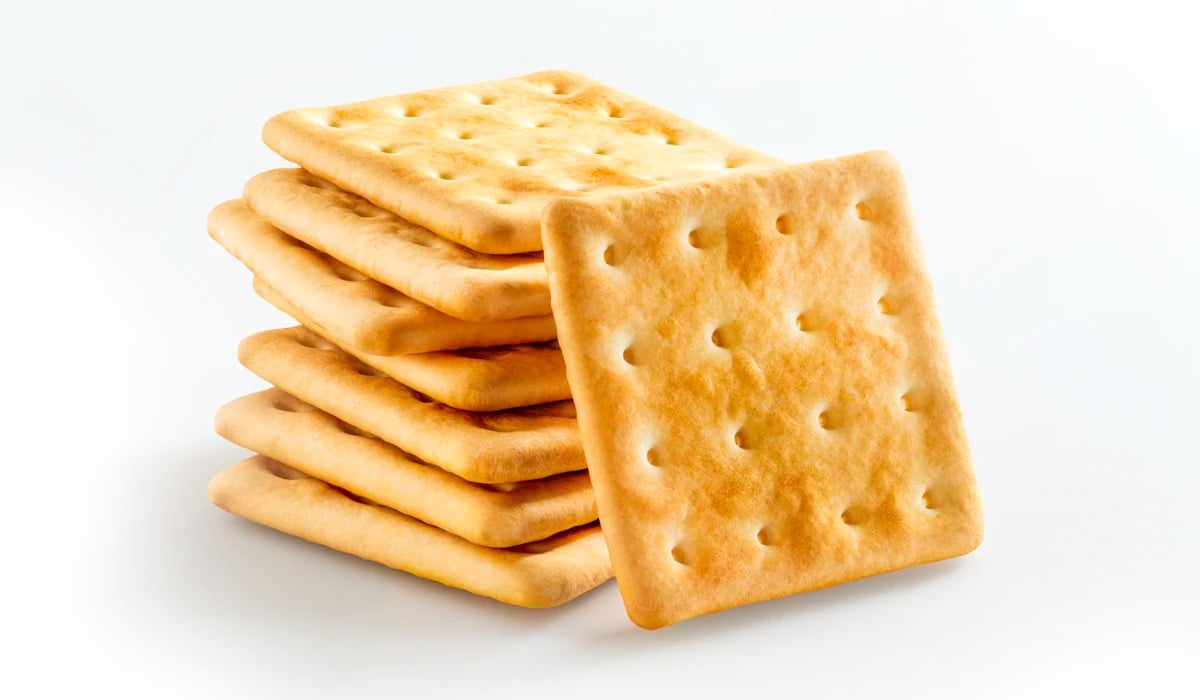
The standard cracker was about three inches square and roughly half an inch thick, made only of flour, water, and a little salt. It could last for months in storage, which is exactly why the army bought it by the million.
Men nicknamed it tooth dullers and worm castles because stale crates often held weevils. Many soldiers soaked the crackers in coffee or fried them in bacon grease to make them edible.
Salt Pork and Dried Vegetables Filled the Mess Kit
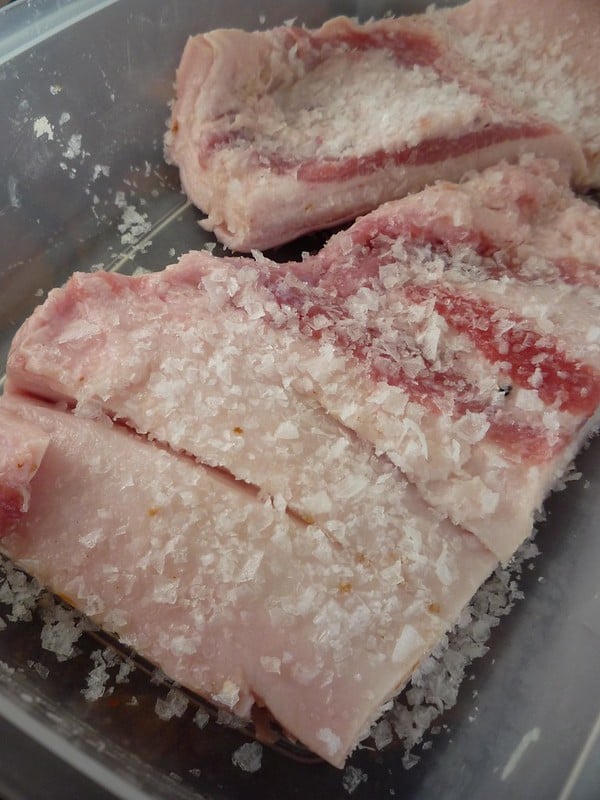
Union soldiers received salt pork or salt beef, which they sometimes called salt horse, along with beans, rice, and sugar. The army also issued compressed dried vegetables, pressed into dense cakes that soldiers nicknamed desecrated vegetables.
A single block, once boiled, expanded into a surprisingly large pot of soup. The unappetizing results did not stop men from eating it when the wagons fell behind.
Confederate Cooks Worked With Cornmeal and Bacon

Southern armies relied heavily on cornmeal and bacon, which often arrived late and in smaller quantities as the war dragged on. Soldiers mixed meal and water into plain cornbread or fried it in bacon grease.
A favorite improvisation was cush, made by crumbling cornbread into a skillet with grease and cooking it down. The monotony of the diet became a standard complaint in Confederate letters by the middle of the war.
Southern Soldiers Brewed Coffee Without Coffee
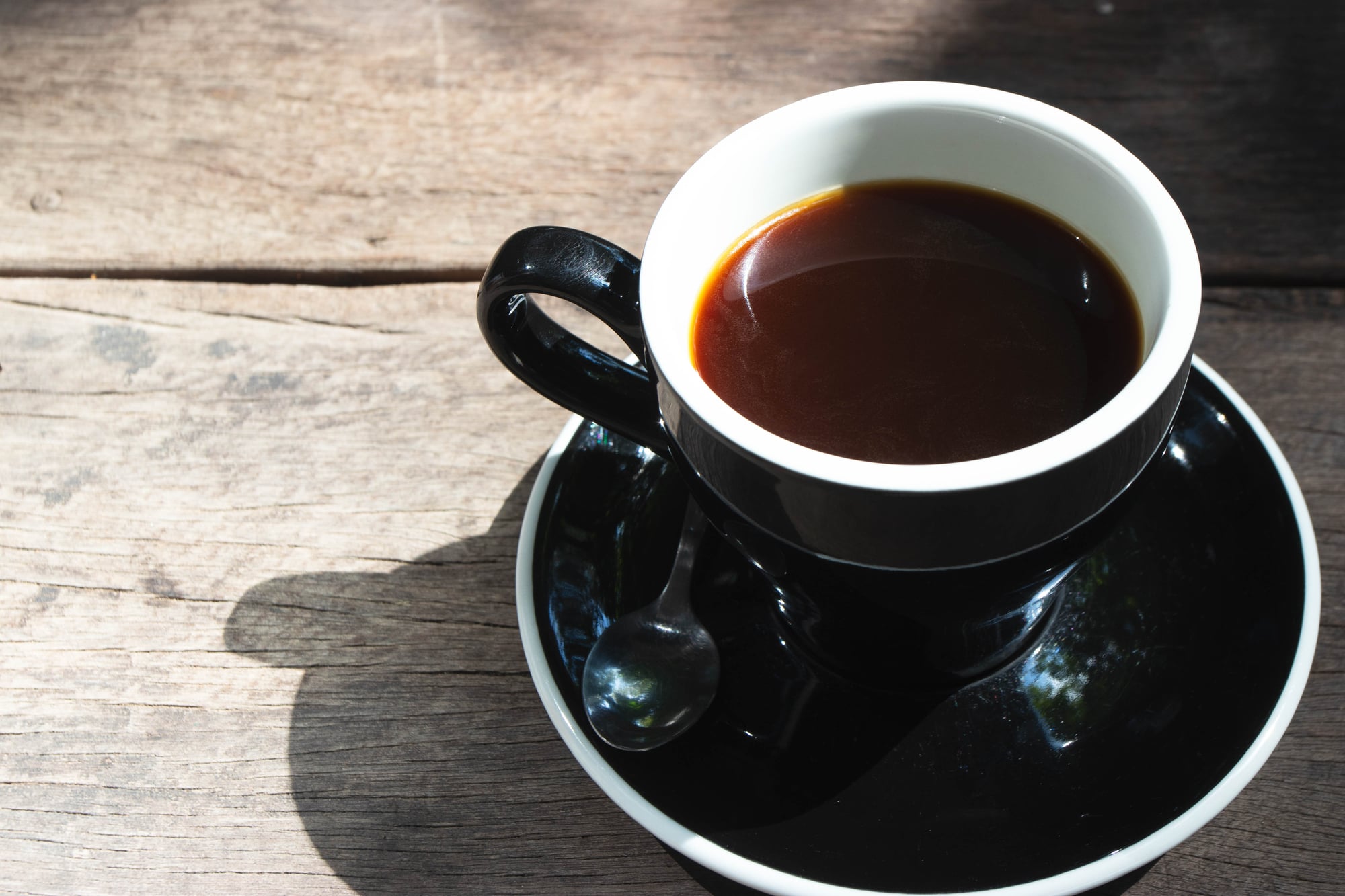
The Union blockade cut off most imported beans, so Confederates turned to substitutes for the morning cup. Roasted chicory, parched corn, rye, and ground sweet potatoes all appeared in tin cups across Southern camps.
None satisfied the craving, and the real thing became a prized trade item whenever opposing pickets met. A Confederate who found a bag of genuine beans treated it as a small fortune.
Guard Mounting Opened the Day’s Official Duties
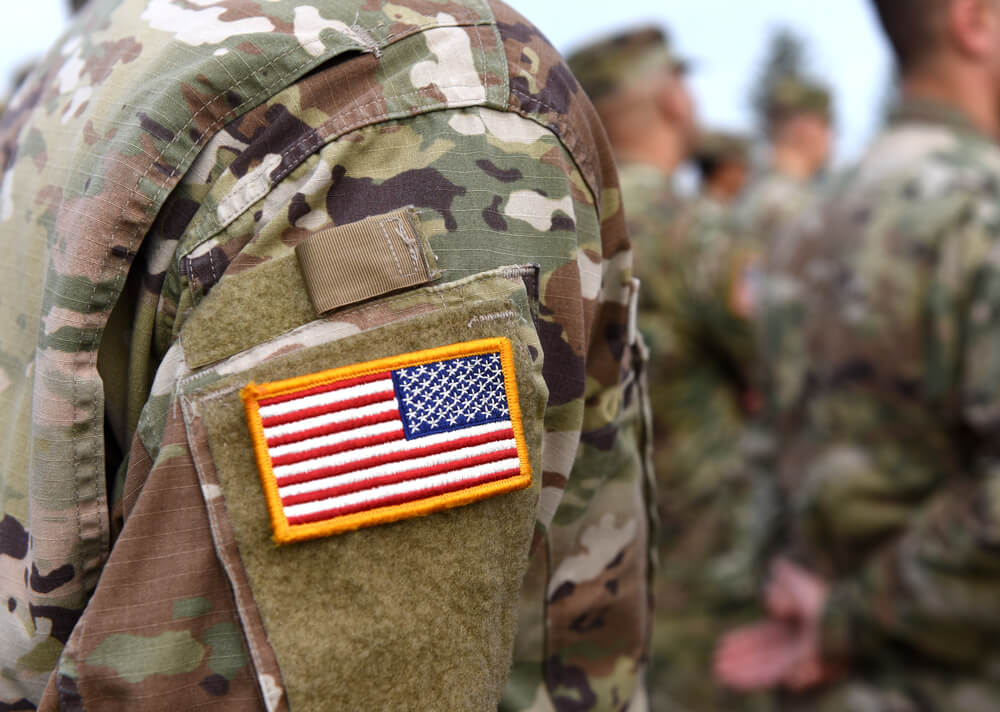
Each morning the new guard detail assembled for inspection, with the officer of the day examining arms, uniforms, and equipment. By custom, the man in the guard who looked the smartest was excused from walking a post and served as an orderly to the commander.
The reward gave soldiers a real reason to polish buttons and brush uniforms before duty. Everyone else drew two-hour shifts, repeated through the day and night.
Drill Filled the Hours Between Meals
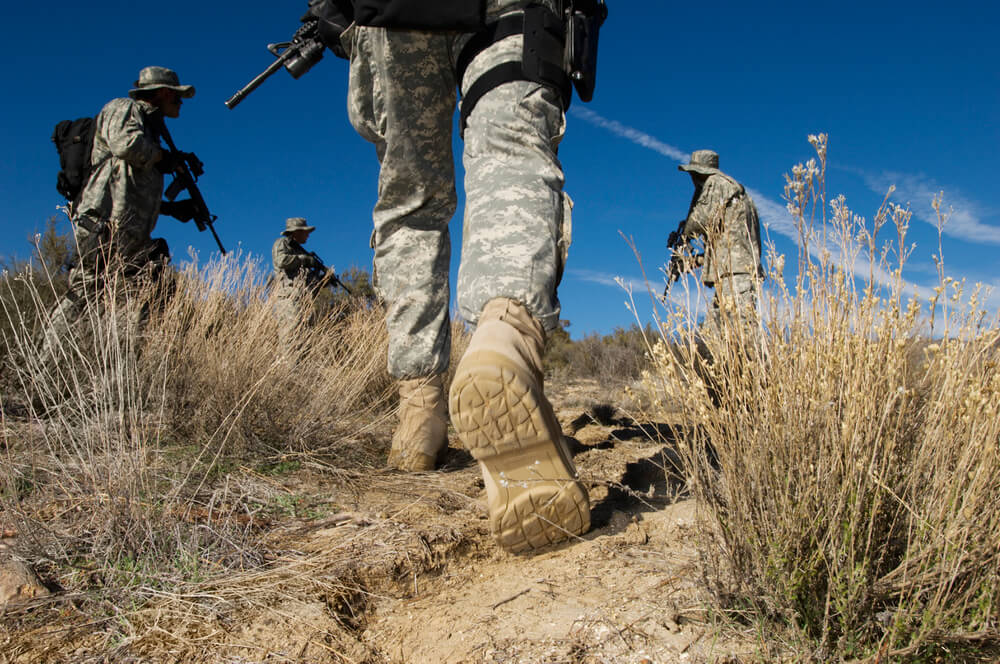
Soldiers practiced marching and maneuvering from manuals such as Hardee’s Rifle and Light Infantry Tactics, which both armies used in the early war. Regulation quick time was 90 steps a minute, and the double-quick pace was 165.
Drill took place in squads, then companies, then entire regiments and brigades. The constant practice mattered, because a line that could not turn or wheel under fire often broke when the shooting began.
Loading the Rifle Musket Took Nine Motions
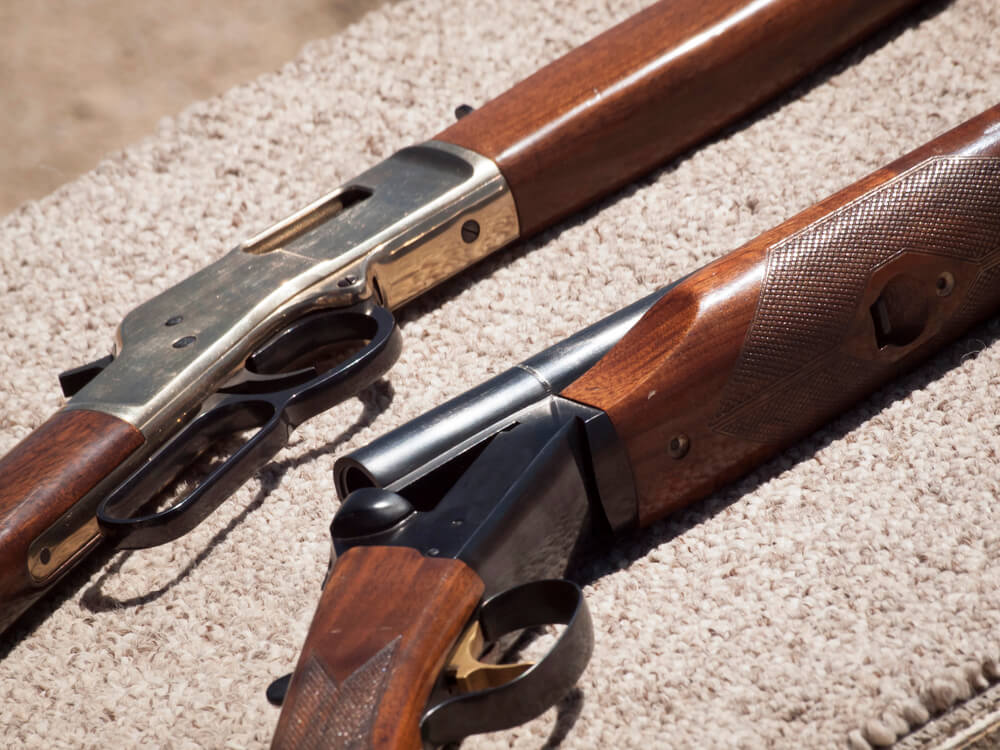
Soldiers learned to load the muzzle-loading rifle musket by following a drill sequence broken into steps, from drawing a cartridge to ramming it down the barrel and seating a percussion cap on the firing vent. The standard Springfield Model 1861 fired a .58 caliber bullet.
A well-trained soldier could manage about two or three rounds in a minute under good conditions. Repeating the motions on command became so automatic that many men reported doing them without thinking in battle.
Fatigue Duty Never Ended
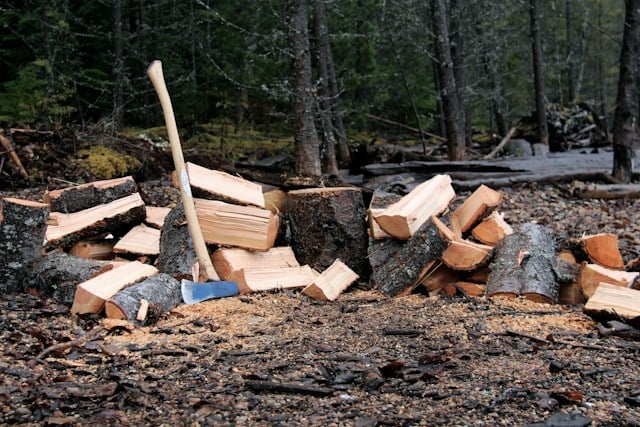
Any job around camp that was not drill or guard fell into a category called fatigue duty. Details chopped firewood, hauled water, dug sinks, cleaned the company street, built roads, and unloaded wagons.
Soldiers hated the work almost as much as they feared battle, because the chores seemed endless and thankless. A man caught slacking at fatigue might find himself assigned to even more of it.
Picket Duty Kept the Army From Being Surprised
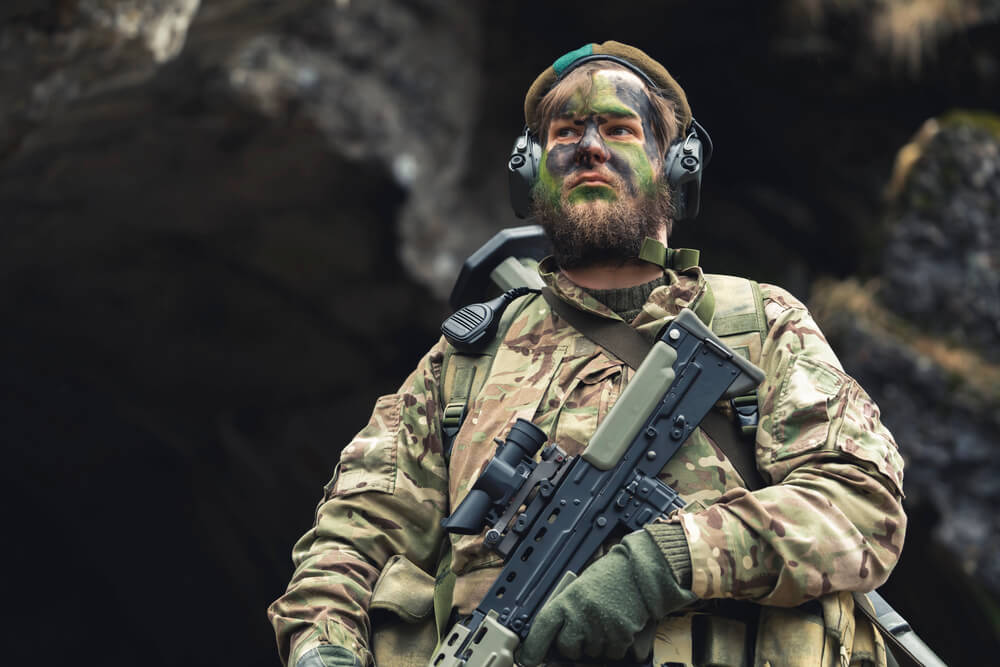
Pickets stood in lines or small posts beyond the main camp to watch for enemy movement and give warning. Shifts commonly lasted twenty-four hours, with men rotating between watching, resting, and sleeping with equipment on.
The duty was lonely and tense, especially at night, when a snapped twig could be a scout or a squirrel. A sleeping picket could cause the capture of an entire camp, and falling asleep on post carried the harshest penalties in the regulations.
Pickets Traded With the Enemy Across the Rappahannock

During the winter of 1862 and 1863, Union and Confederate pickets faced each other across the Rappahannock River near Fredericksburg, Virginia. Soldiers from both sides sometimes swapped Northern coffee for Southern pipe leaf and exchanged newspapers, using small homemade sailboats to send goods across the water.
Officers tried repeatedly to stop the practice and rarely succeeded. The friendly arrangement ended whenever orders came to shoot, but the men often warned each other first.
Stable Call Opened and Closed the Cavalry Day
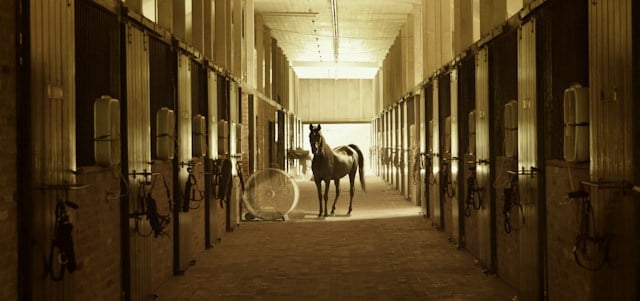
Mounted troops built their schedule around the care of their horses, with bugle calls summoning them to feed and groom the animals. The regulation daily ration for a cavalry horse was fourteen pounds of hay and twelve pounds of grain.
Troopers curried coats, checked hooves, and watered the herd before they ate their own breakfast. A rider whose horse broke down faced a long walk or a transfer to the infantry.
Cleaning the Rifle Was a Daily Chore
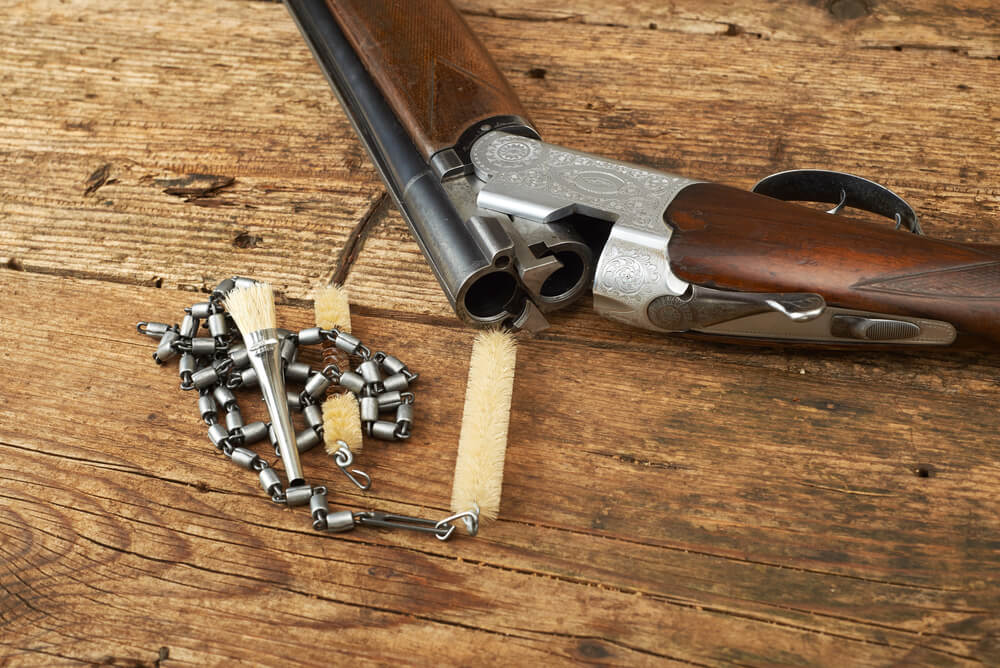
Rust and powder fouling could jam a musket at the worst possible moment, so soldiers scrubbed their barrels regularly. They used water, rags, and a wiping rod, then polished the lock and brass until it passed an officer’s glance.
On Sundays regiments often held a formal inspection, and the cleanest rifle and brightest brasses earned praise. A dirty weapon meant extra duty, which gave every private a motive to keep the barrel gleaming.
Dress Parade Ended the Afternoon With Ceremony
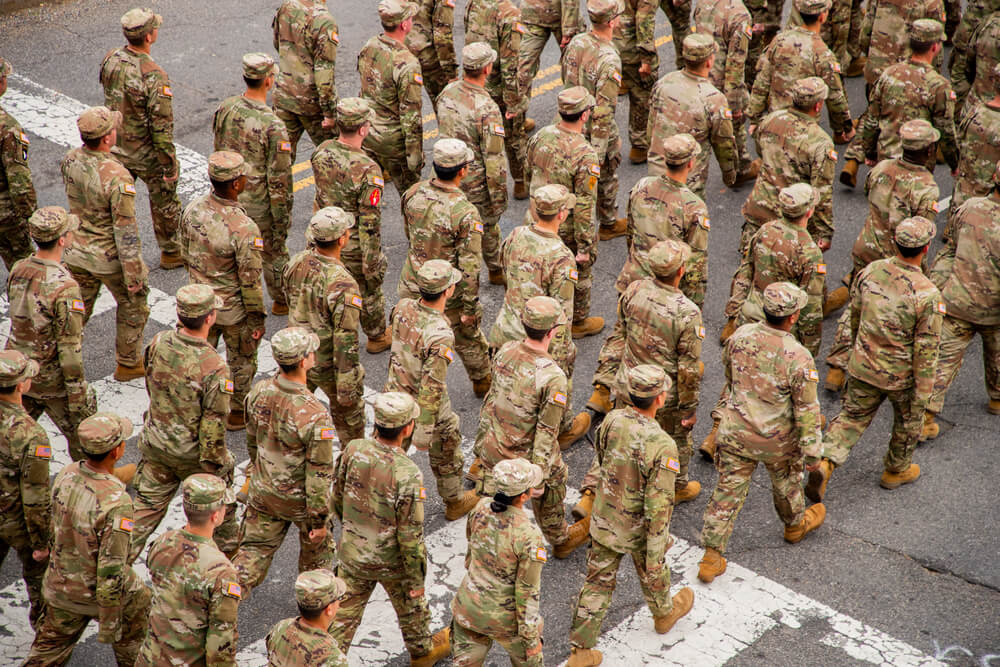
Late in the day regiments formed in line for a formal ceremony called dress parade. Companies stood in rigid ranks while the adjutant read orders, announced promotions and punishments, and the colors were displayed.
Bands played and civilians sometimes gathered to watch the display, which made it among the most photographed events of camp life. Soldiers tolerated the show, but many privately preferred the evening meal that came after.
Mail Call Was the Best Moment of the Day
When mail wagons reached camp, the regiment’s mail clerk or an officer called out names, and men crowded around for letters. A soldier who received nothing often walked away quietly while the lucky ones tore into envelopes.
Letters from home carried news of crops, births, deaths, and family troubles that could not be fixed from a distant camp. Morale in a regiment often rose and fell with the arrival of the mail.
Letter Writing Stretched Late Into the Evening
Soldiers wrote on knees, drum heads, cracker boxes, and the lids of knapsacks, using pencil or ink and paper bought from the sutler. A law passed in 1861 let Union soldiers send letters without prepayment, with the postage collected from the recipient.
Southern soldiers faced a different system after the Confederate Post Office took over mail service in June 1861, with rates that rose with distance. Many men described the same daily ritual in their letters, writing about writing, and promising to write again.
Payday Meant a Crowd at the Sutler’s Tent
At the war’s outset, a Union private earned thirteen dollars a month, a figure raised to sixteen dollars in 1864. Confederate privates drew eleven dollars a month, and their pay often arrived months late.
Sutlers, civilians licensed to sell goods to the army, set up near camp and sold cheese, canned milk, writing paper, and pies at steep markups. Many soldiers spent their pay within a day, and the prices became a regular topic of complaint.
Sunday Services Filled a Gap in the Week
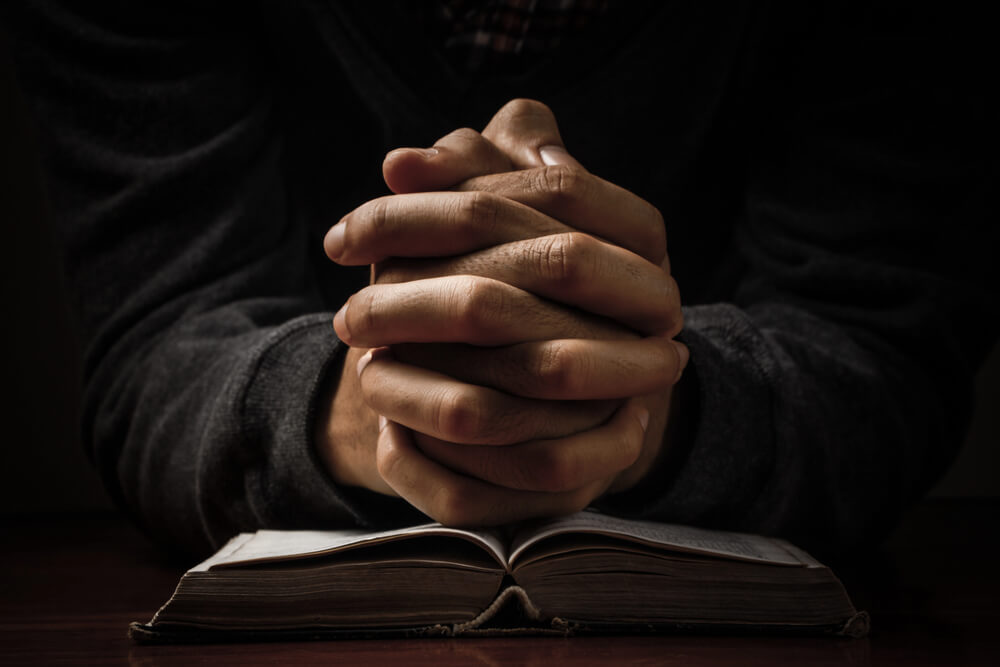
Regiments often held religious services on Sundays, led by chaplains and sometimes by officers or privates when no chaplain was present. Men sat on logs or stood in a hollow square to sing hymns and hear a sermon.
Religious revivals swept the Confederate Army of Northern Virginia in the winter of 1863 and 1864, bringing hundreds of baptisms. Camp life made many soldiers think hard about mortality, and the services drew crowds when battle was near.
Washing Clothes Meant a War on Lice
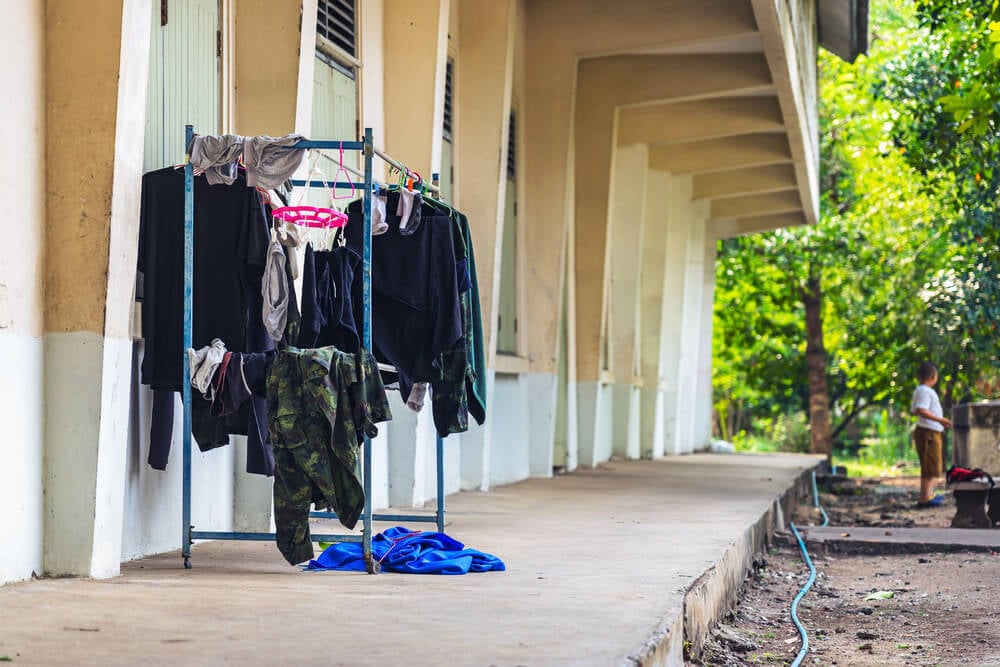
Soldiers called body lice graybacks, and nearly every camp had them. Men boiled uniforms and underclothes in kettles, picked seams by firelight, and sometimes held shirts over flames to kill the insects.
The work was never finished because lice returned within days, carried by blankets, straw, and fellow soldiers. Veterans later wrote that the pests were the one enemy both armies shared.
Pitching and Striking Tents Marked Every Move
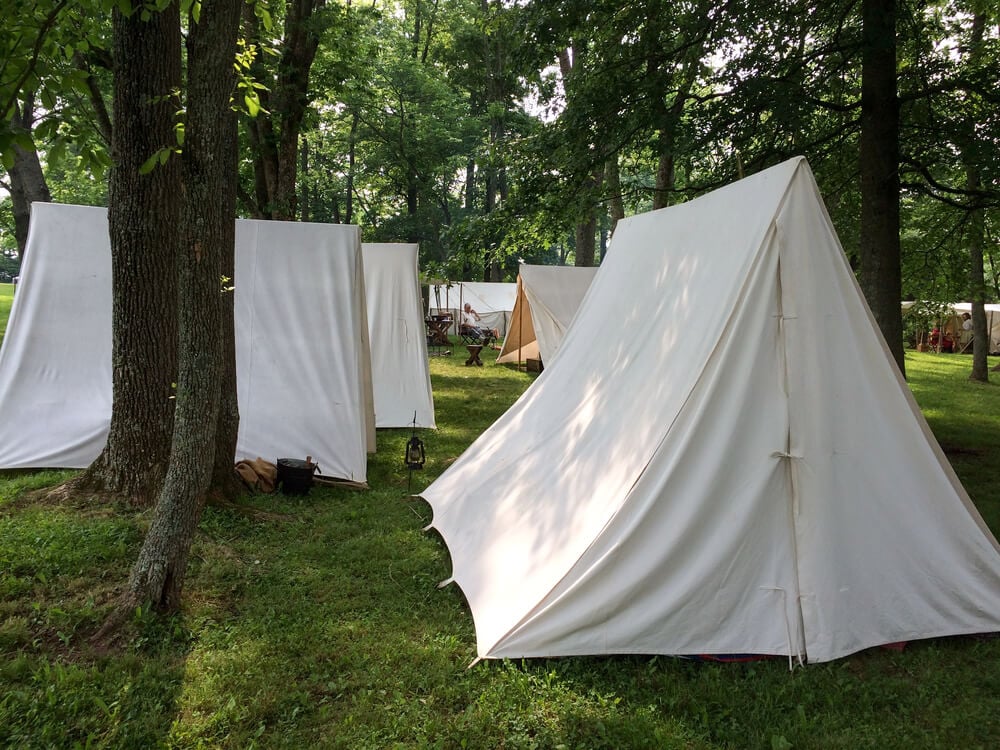
Union soldiers carried a shelter half, a piece of canvas that buttoned to a comrade’s half to form a low two-man tent. Troops mocked the cramped design as a dog tent, and the name stuck.
Larger Sibley tents, shaped like cones, could shelter about a dozen men. Setting up and taking down the shelter happened so often on campaign that veterans could do it in minutes.
Marching Consumed Entire Days
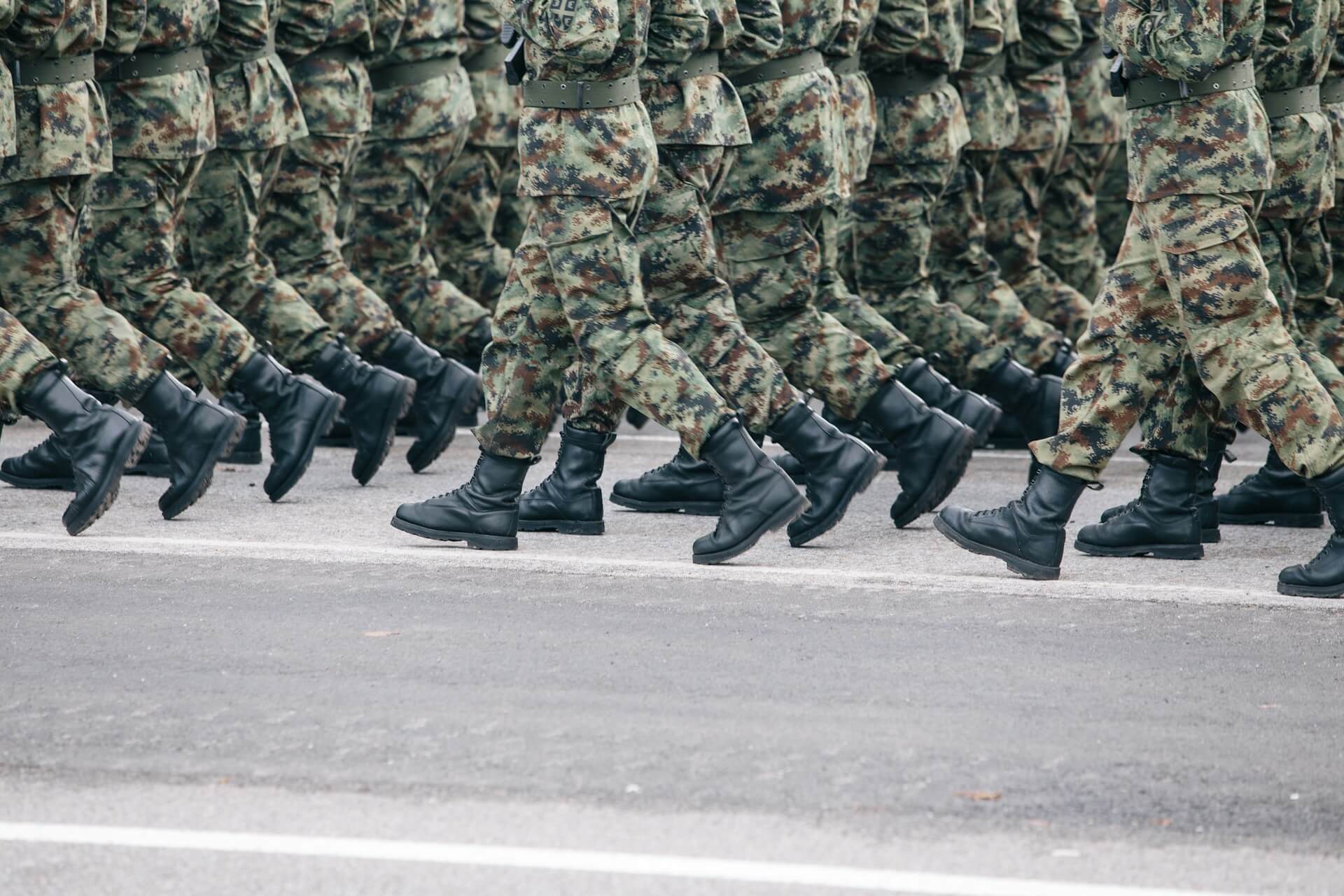
Armies on campaign rose before dawn, ate quickly, and marched for hours with brief rests. In the 1862 Shenandoah Valley campaign, Stonewall Jackson’s troops marched roughly 646 miles in 48 days, earning the nickname foot cavalry. Dust, mud, heat, and blisters turned each day into an endurance test.
Men lightened loads by discarding blankets and extra clothing along the road, leaving trails of abandoned gear behind the columns.
Digging Trenches Became the Routine at Petersburg
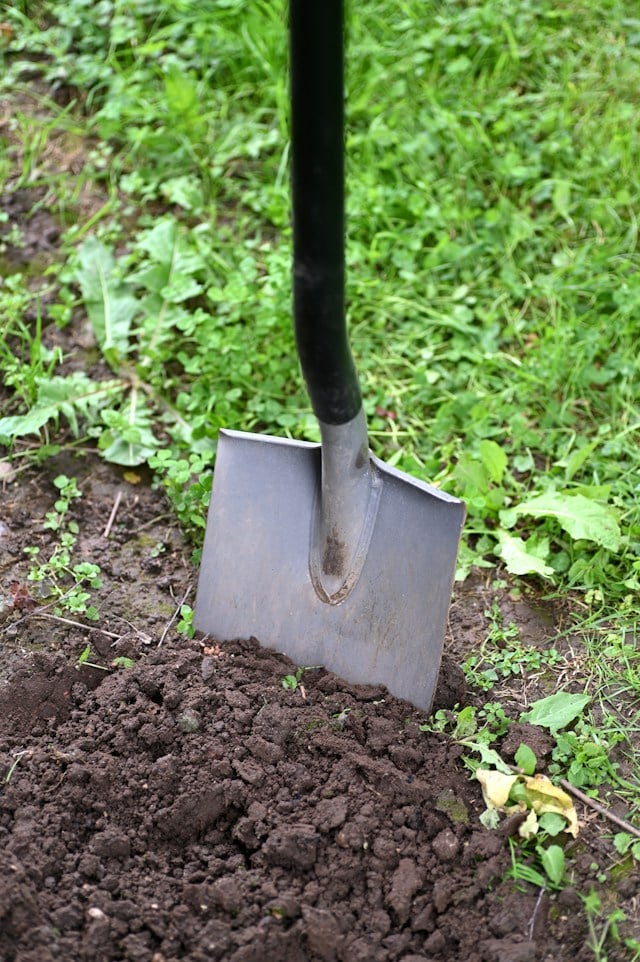
From June 1864 to April 1865, the armies around Petersburg, Virginia, lived in a network of trenches and forts. Soldiers spent days digging, repairing earthworks, and filling sandbag-like gabions to protect their positions.
Shelling and sharpshooters made even short walks dangerous, forcing men to move along zigzag passageways. The long siege gave the era an early taste of the trench warfare that would define a later century.
Tattoo and Taps Ended the Day
The last roll call came at tattoo, a name that traces back to old taverns where drummers signaled last orders. Soon afterward came the call for lights out.
In July 1862, Union Brigadier General Daniel Butterfield worked with his brigade bugler, Oliver Willcox Norton, to shape the melody now known as Taps at Harrison’s Landing, Virginia. Its simple notes replaced an older lights-out call and later spread across both armies.
Music Filled the Evenings, Even Across Enemy Lines
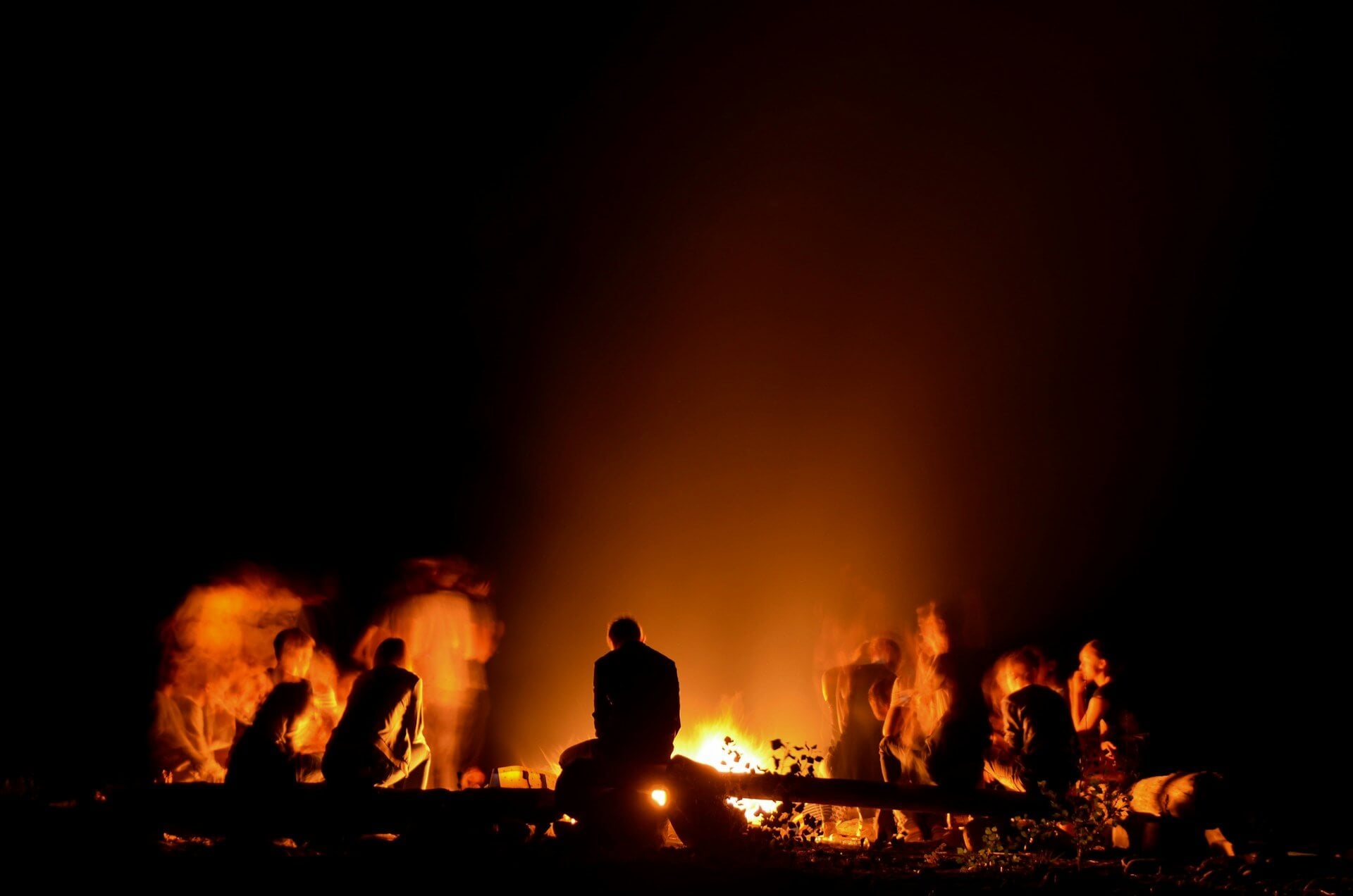
Soldiers sang around fires, passed fiddles and banjos, and listened to regimental bands. On the night of December 31, 1862, before the Battle of Stones River in Tennessee, military bands on both sides reportedly played Home, Sweet Home across the lines.
Soldiers on both sides joined in, and the tune became one of the war’s emotional favorites. The shared song did nothing to prevent the fight that followed, but it reminded men of what they were missing.
Punishments Enforced the Daily Order
Officers kept discipline with a set of penalties, many of them humiliating rather than brutal. A soldier might be tied up with a stick in his mouth, a punishment called bucking and gagging, or forced to carry a heavy log or knapsack filled with stones.
Others rode a wooden rail or stood on a barrel for hours as comrades watched. The sentences were designed to shame men into following orders without breaking their ability to fight.
What the Routine Reveals
The routine of a Civil War soldier was built on repetition, from the first call to the last. Hunger, boredom, disease, and discipline shaped the days far more than gunfire did.
The letters and diaries that survive show men who clung to small comforts, from coffee to mail, and found humor in their shared misery.
That ordinary rhythm explains how armies of volunteers held together through four years of war. It also shows how much of history is made in the unremarkable hours between the dramatic moments.
The soldiers who answered roll call each morning were doing, one day at a time, the work that decided the outcome.
More from Go2Tutors!

- The Romanov Crown Jewels and Their Tragic Fate
- 13 Historical Mysteries That Science Still Can’t Solve
- Famous Hoaxes That Fooled the World for Years
- 15 Child Stars with Tragic Adult Lives
- 16 Famous Jewelry Pieces in History
Like Go2Tutors’s content? Follow us on MSN.