Cartoon Theme Songs Kids Knew by Heart
Most people cannot recall the plot of a single episode they watched at age seven, yet they can hum an opening theme without effort. That is not an accident.
The people who wrote these songs had roughly a minute to introduce a world, sell a personality, and lodge a melody in a child’s head for decades.
Behind the catchy surface sits a surprising roster of composers, jazz players, rock musicians, and one future sitcom mogul. Their stories show how much craft went into a few bars of music that most viewers treated as a signal to sit down.
The Flintstones
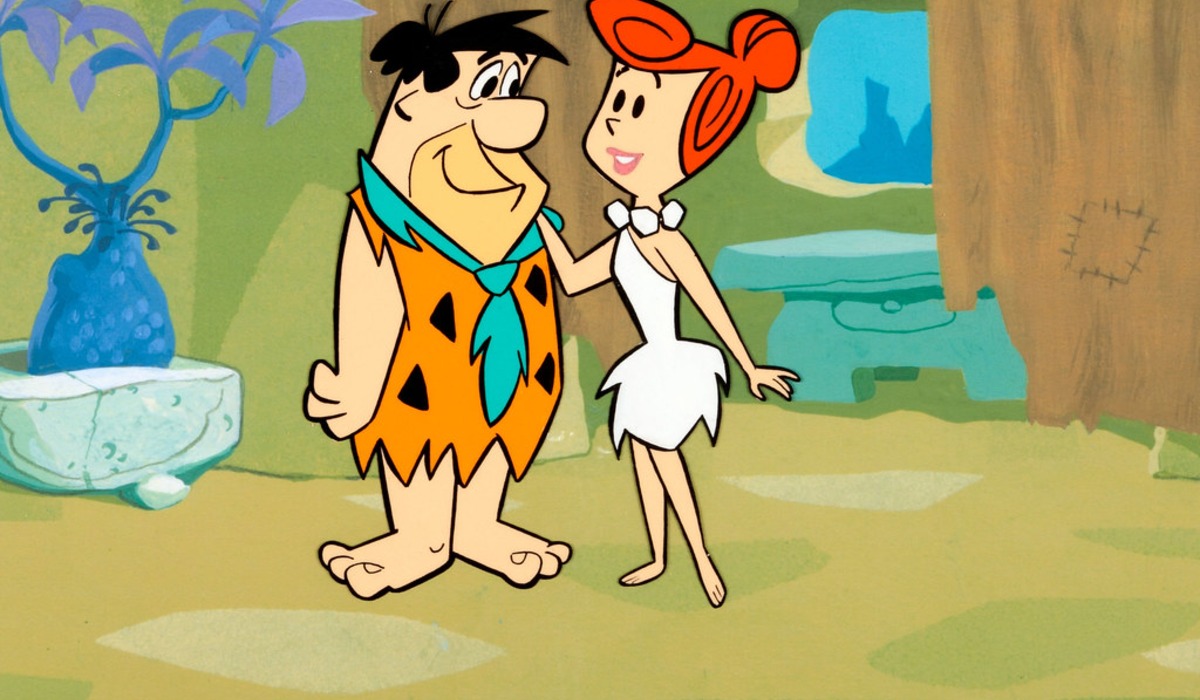
The Flintstones opened with an instrumental during its first two seasons, and the vocal theme “Meet the Flintstones” did not arrive until the third season in 1962. Hoyt Curtin, Hanna-Barbera’s house composer, shares credit on the song with William Hanna and Joseph Barbera.
The cast of the show also sang a different version on a 1961 record with an entirely different set of words. In 1994, the B-52’s recorded the theme under the name BC-52’s for the live-action film, which proved how well the swinging, big-band tune could be reworked for a new generation.
The Jetsons
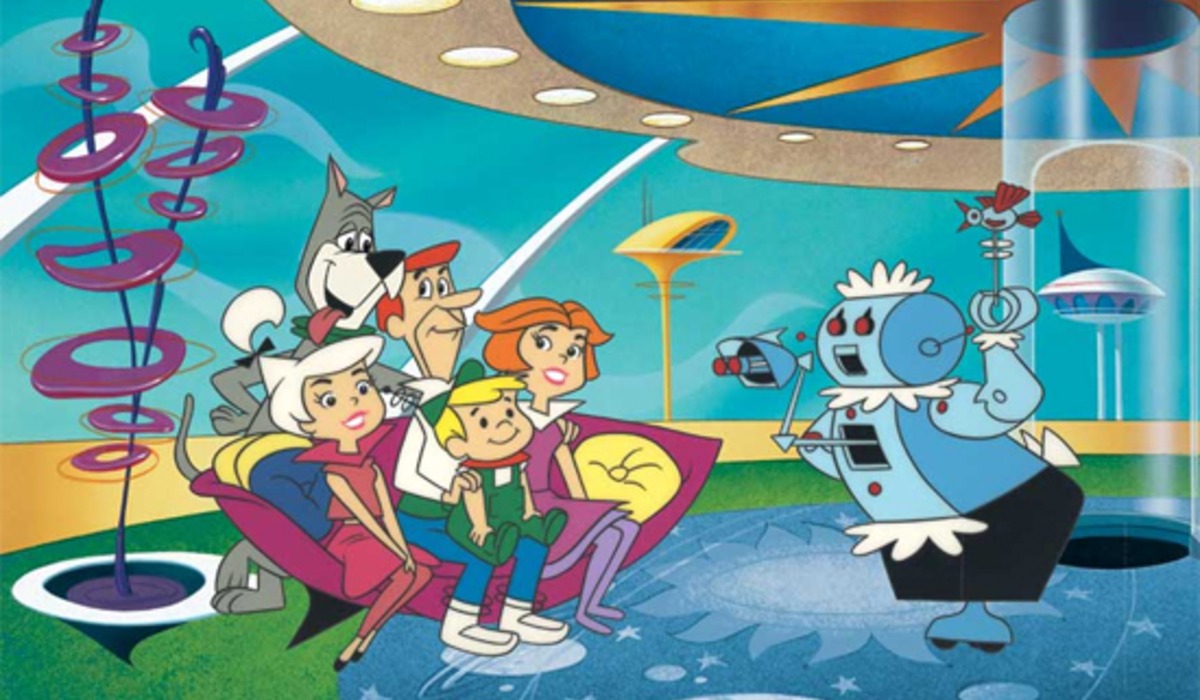
Hoyt Curtin returned for The Jetsons in 1962, when ABC aired the series in prime time. Curtin had worked for Hanna-Barbera since the studio’s earliest days and wrote or arranged music for nearly every major series it made across several decades.
His theme for the space-age family relied on brass and a brisk, jazzy pulse that matched the show’s vision of a gadget-filled future. When the series returned in 1985 with new episodes, the theme came back with it, and the tune had lost none of its pull.
Scooby-Doo
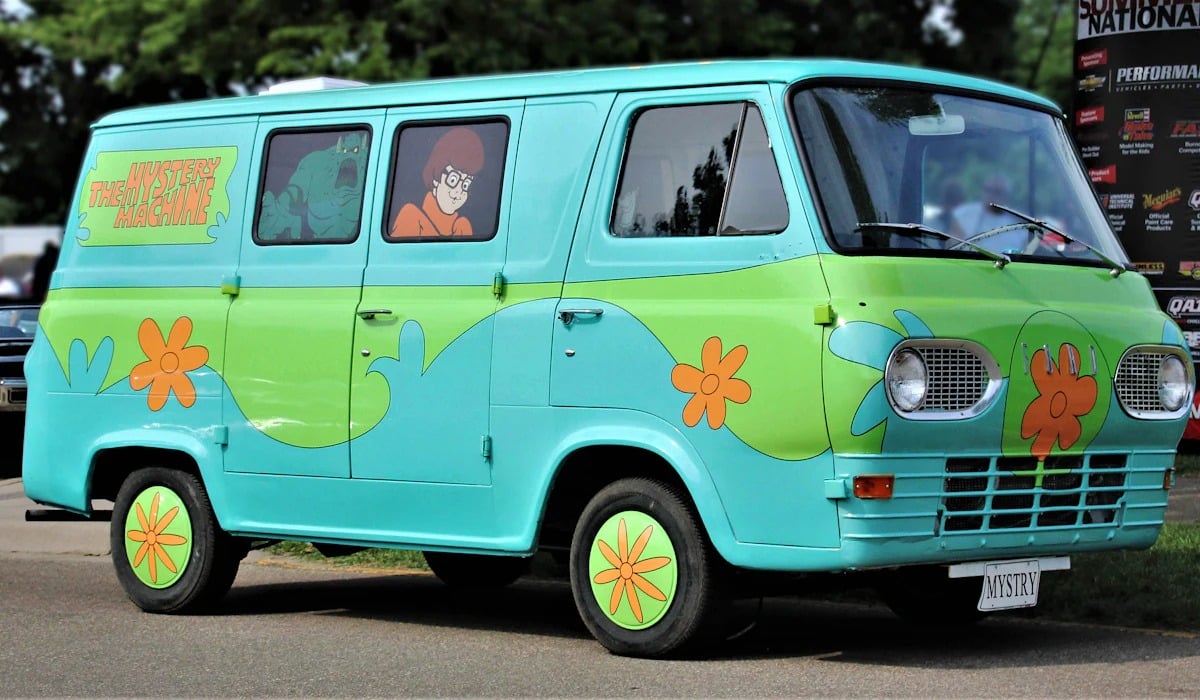
The theme for Scooby-Doo, Where Are You! was written by Ben Raleigh and David Mook, and Larry Marks sang it for the 1969 premiere on CBS.
Raleigh was a veteran songwriter who had co-written a hit teen tragedy song from 1960, which gives the cartoon a slightly unexpected pedigree. The dog’s name has reportedly been linked to the improvised scat singing at the end of Frank Sinatra’s recording of “Strangers in the Night,” and the theme leans into that same playful vocal style.
The result mixes a driving beat with sung syllables that kids could join in on before they knew a single word of the verse.
The Pink Panther
Henry Mancini composed the Pink Panther theme for the 1963 film, and the music became so popular that it defined the animated character created for the movie’s opening credits. The memorable melody was played on tenor saxophone by Plas Johnson, a Los Angeles session player who lived to the age of 94.
The sly, creeping bass line is a perfect match for a pink cat that sneaks around with comic grace. When The Pink Panther Show began airing on NBC in 1969, Mancini’s tune followed the character to Saturday mornings.
Peanuts
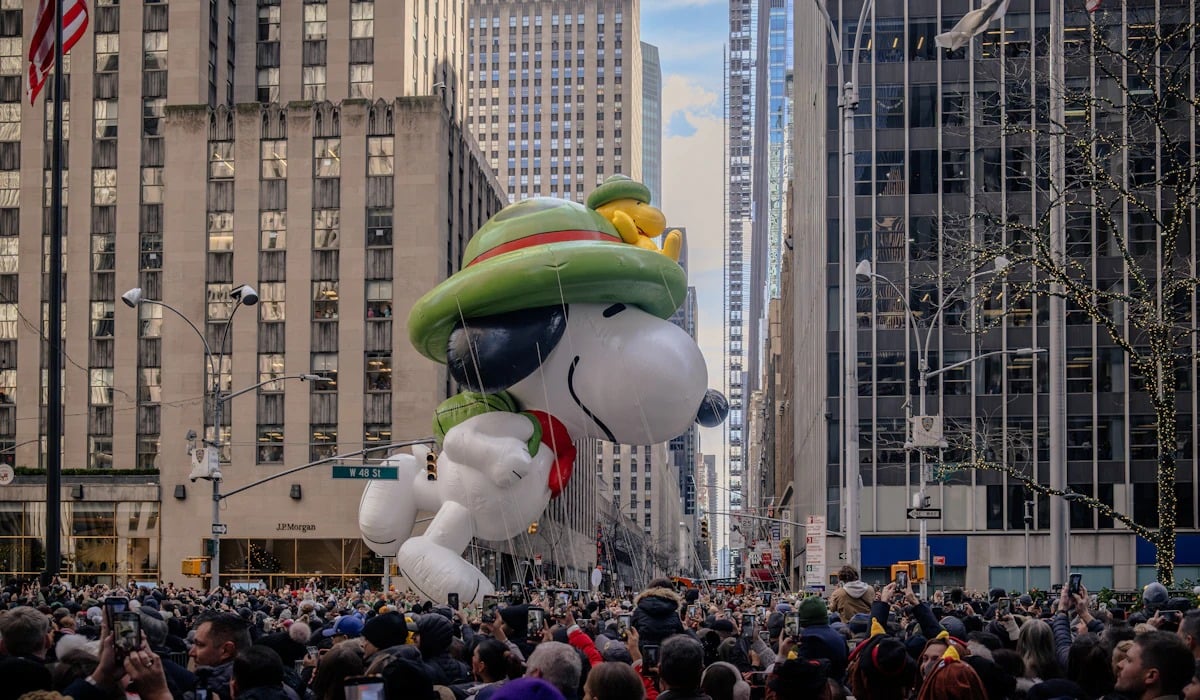
Vince Guaraldi’s Linus and Lucy was first recorded in 1964 for a Peanuts television documentary project inspired by Charles Schulz’s strip. The piece became the musical signature of the Peanuts specials once A Charlie Brown Christmas aired on CBS in December 1965.
The special also featured a children’s choir, and Guaraldi’s trio provided music that producers worried would sound too sophisticated for a cartoon. The loping piano riff proved otherwise, and it remains one of the most recognizable pieces of jazz in American pop culture.
Looney Tunes
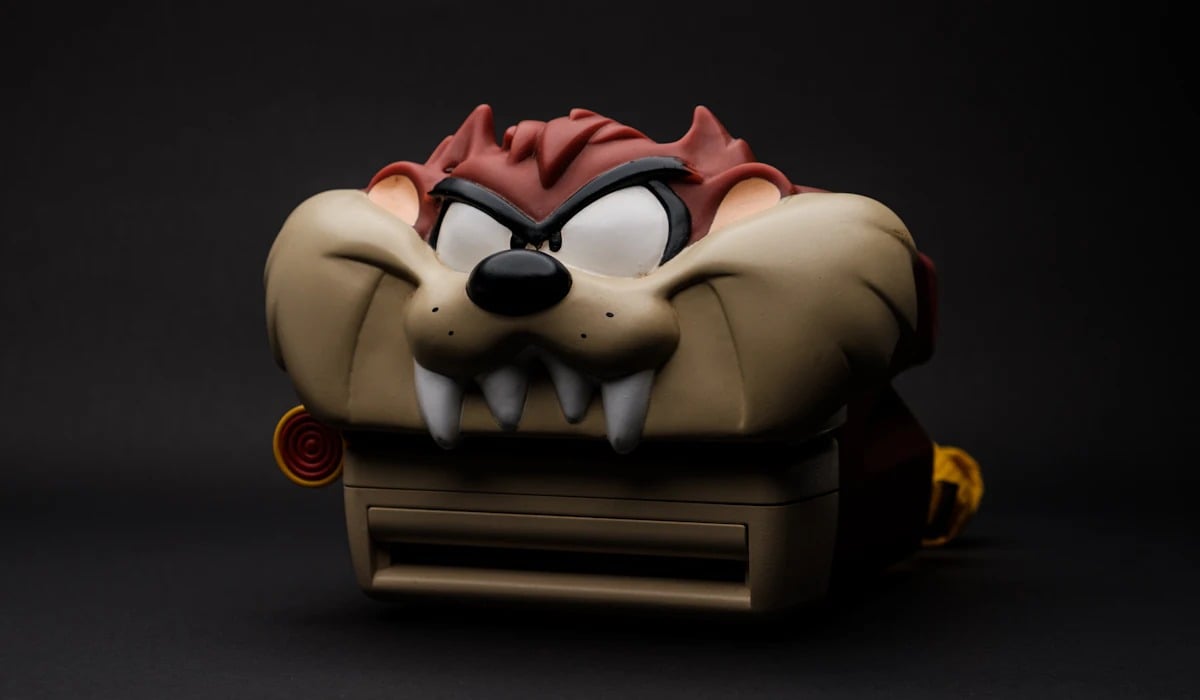
Looney Tunes used “The Merry-Go-Round Broke Down” as its signature theme, a 1937 song written by Cliff Friend and Dave Franklin and arranged for the cartoons by Carl Stalling. Its sister series, Merrie Melodies, used “Merrily We Roll Along,” written by Charles Tobias, Murray Mencher, and Eddie Cantor.
Stalling served as the studio’s music director from 1936 to 1958, scoring hundreds of shorts with precise, splashy cues timed to the action. The familiar musical sign-off, often accompanied by Porky Pig’s “That’s all, folks!”
became another part of the cartoons’ identity. Together, the music and sign-off helped make the shorts instantly recognizable.
Spider-Man
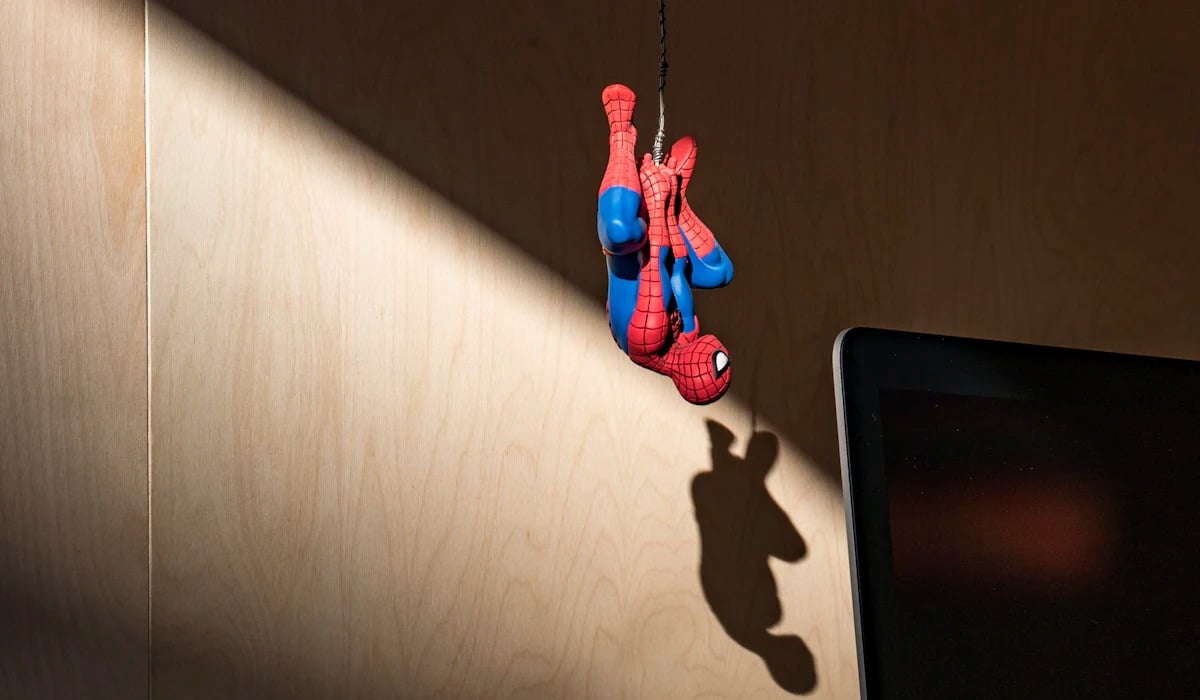
The 1967 Spider-Man cartoon featured a theme by Paul Francis Webster and Bob Harris, with Ray Ellis conducting the music. Webster was an accomplished lyricist who had won three Academy Awards for Best Original Song, so the cartoon’s catchy opening came from a serious songwriting pedigree.
The tune was designed to set the superhero’s story to a jazzy, finger-snapping beat. In 1995, the Ramones recorded a punk version, which showed that the melody could survive a very different treatment.
DuckTales
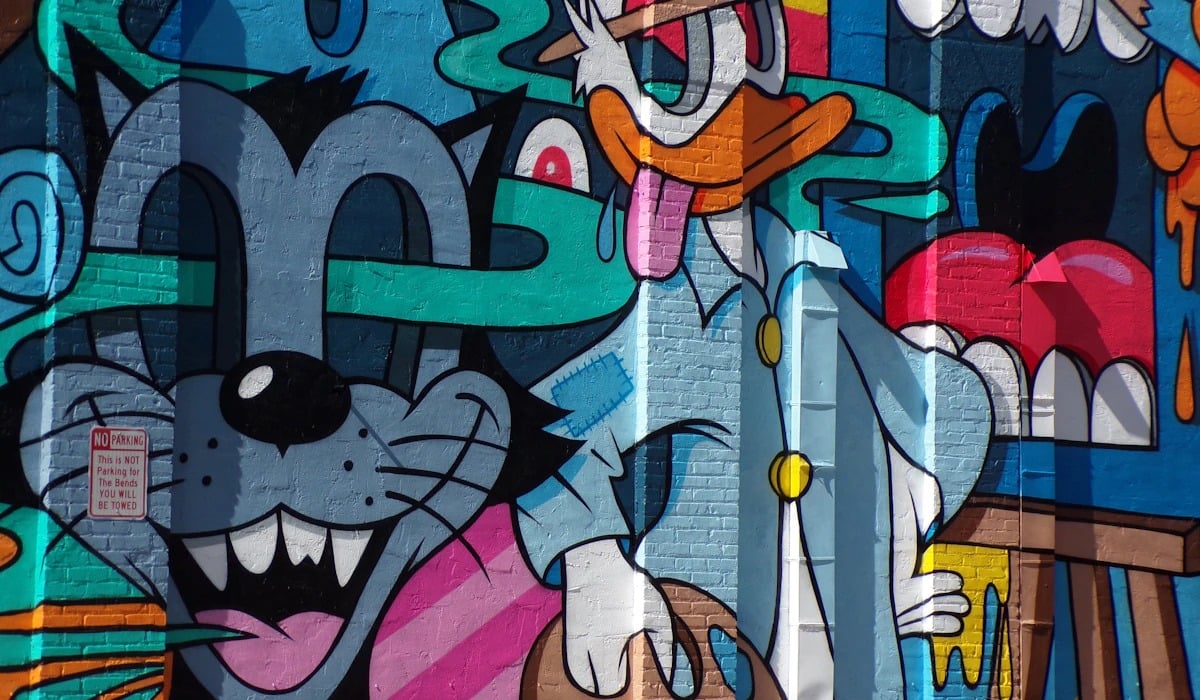
DuckTales debuted in 1987 with a theme written by Mark Mueller and sung by Jeff Pescetto. The song sounded more like 1980s pop-rock than anything in a typical cartoon score, which is part of why it landed so well on radio-minded kids.
The series launched in syndication with a five-part adventure, and the music helped signal that Disney was putting serious effort into its television animation. The 2017 reboot revived the song with a fresh recording, proof that its tune had lasted far beyond the original run.
The Simpsons
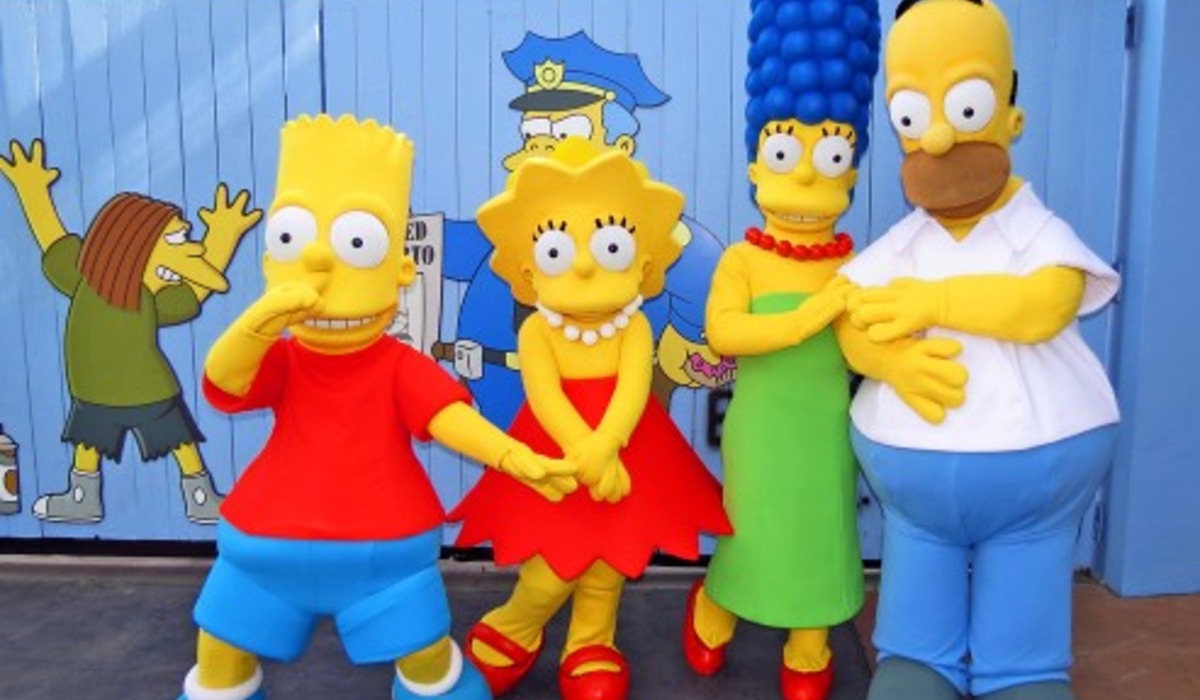
Danny Elfman, then the frontman of Oingo Boingo, composed The Simpsons theme after Matt Groening asked him to create something with a retro, space-age feel. The tune became the opening for the series when it moved from short segments on The Tracey Ullman Show into its own half-hour in 1989.
Elfman has said that the song’s popularity is so large that he expects the show to be mentioned in his obituary. The theme has been reworked many times over the show’s decades on television, but its darting brass and clattering percussion remain instantly recognizable.
Batman: The Animated Series
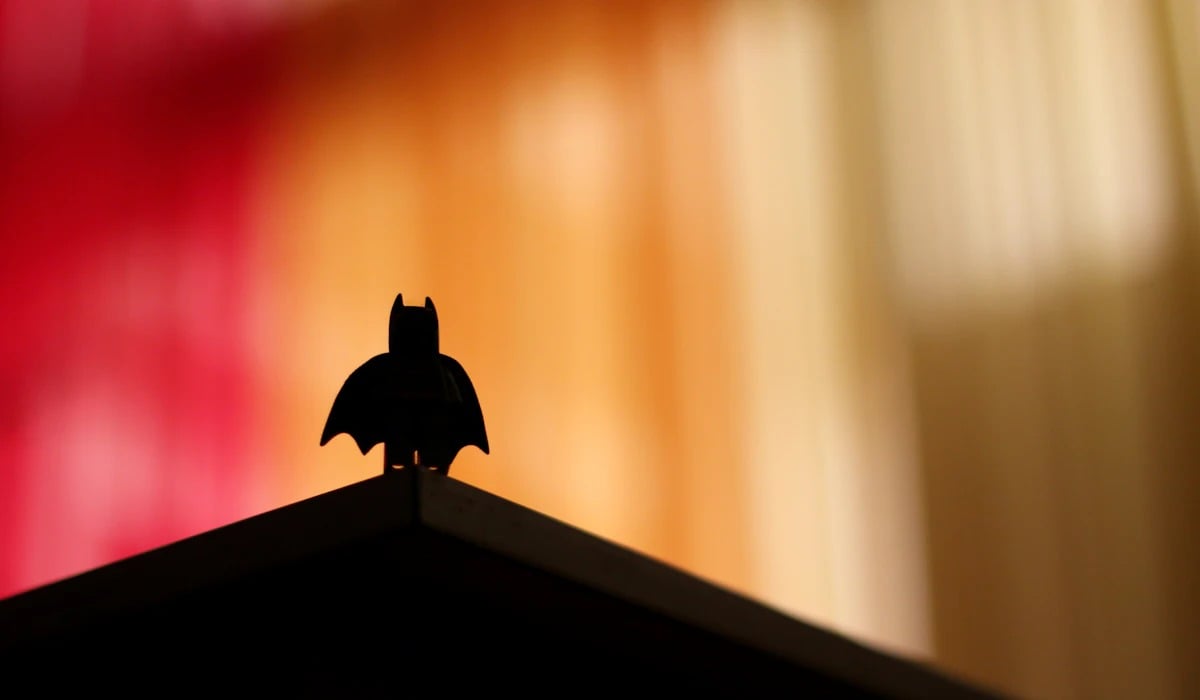
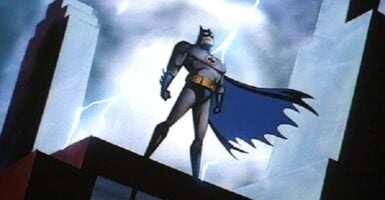
The 1992 series Batman: The Animated Series built its main title around the theme Danny Elfman had written for Tim Burton’s 1989 film. Shirley Walker adapted that material and led the show’s music team, giving the series an orchestral score that sounded more like a feature film than a kids’ cartoon.
Walker’s work helped establish a mood that fans still rank among the best in superhero animation. The show appeared on Fox Kids in the fall of 1992 and set a new standard for the genre.
Teenage Mutant Ninja Turtles
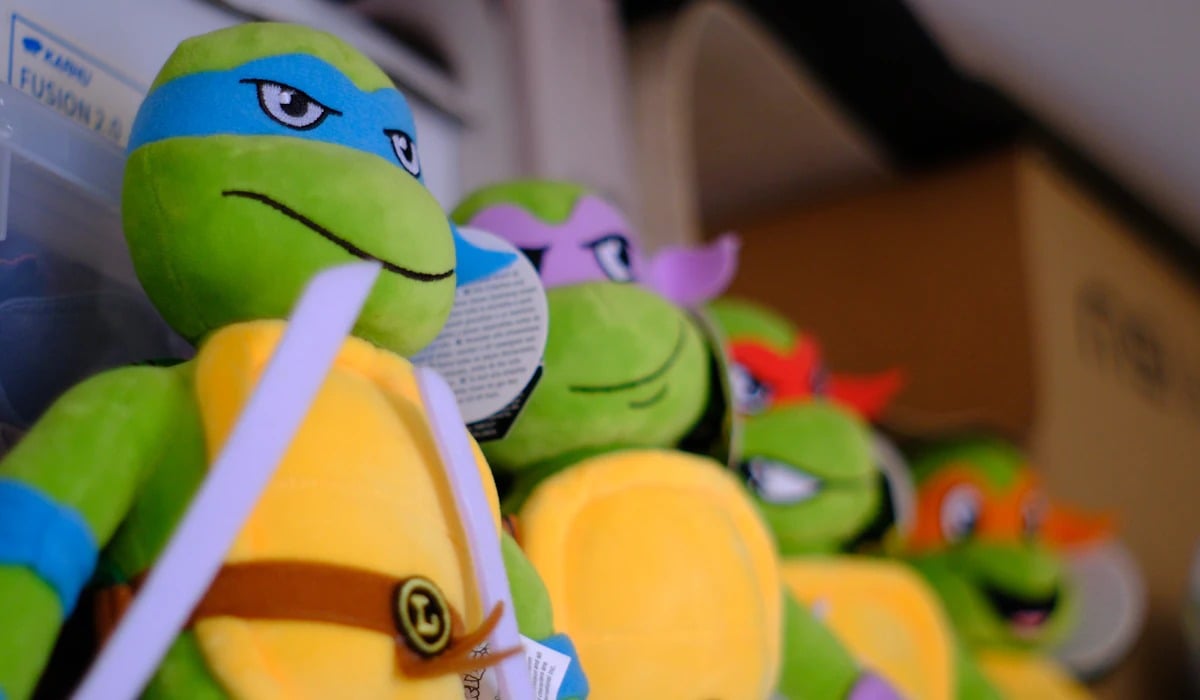
The 1987 Teenage Mutant Ninja Turtles series opened with a theme written by Chuck Lorre and Dennis C. Brown.
Lorre later became one of television’s busiest creators, with credits that include The Big Bang Theory. The song’s job was to explain four turtle brothers, their rat teacher, and their pizza habit in a matter of seconds, and it did.
The series began in syndication in December 1987 as a five-episode miniseries before growing into a long-running franchise.
The Transformers

The Transformers premiered in 1984, with a theme written by Ford Kinder and Anne Bryant. The song’s pounding, synthesizer-driven sound made it a fixture of 1980s toy commercials and playground chants.
In 1986, the theatrical film The Transformers: The Movie had a different music team led by Vince DiCola, who had composed the Training Montage in Rocky IV. That score shows how much the franchise relied on rock-edged synth music to deliver its robotic battles.
Rugrats
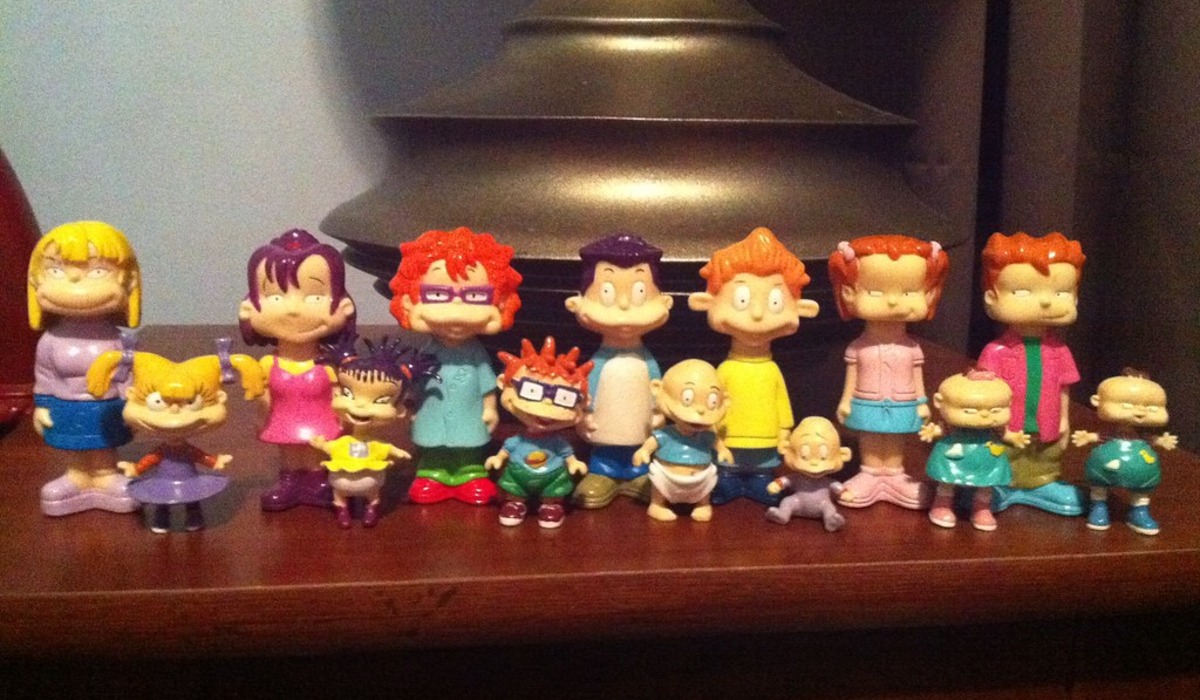
Mark Mothersbaugh, a founder of Devo, composed the music for Rugrats, which debuted on Nickelodeon in 1991. His score used toy-like instruments and offbeat rhythms that matched the way toddlers see the world.
Mothersbaugh later scored films for Wes Anderson, including Rushmore and The Royal Tenenbaums. The Rugrats theme became a lasting piece of 1990s kids’ music because it felt both silly and slightly strange.
Pokémon
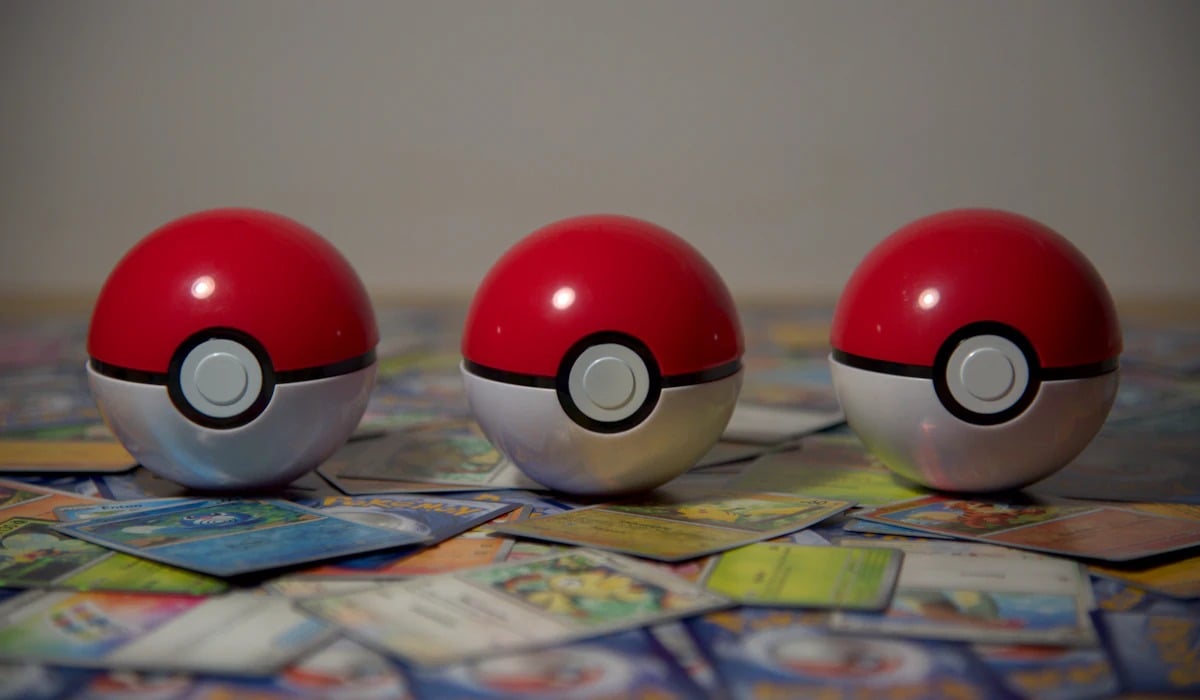
The English-language Pokémon theme was performed by Jason Paige when the series reached American syndication in 1998. The Japanese opening had been sung by Rica Matsumoto, and the American version gave the franchise its own musical identity.
A full-length version of the English song appeared on the 1999 album Pokémon 2. B.A.
Master. The theme’s energy matched the show’s collecting-and-competing premise, and a generation of children learned it with surprising ease.
Teen Titans
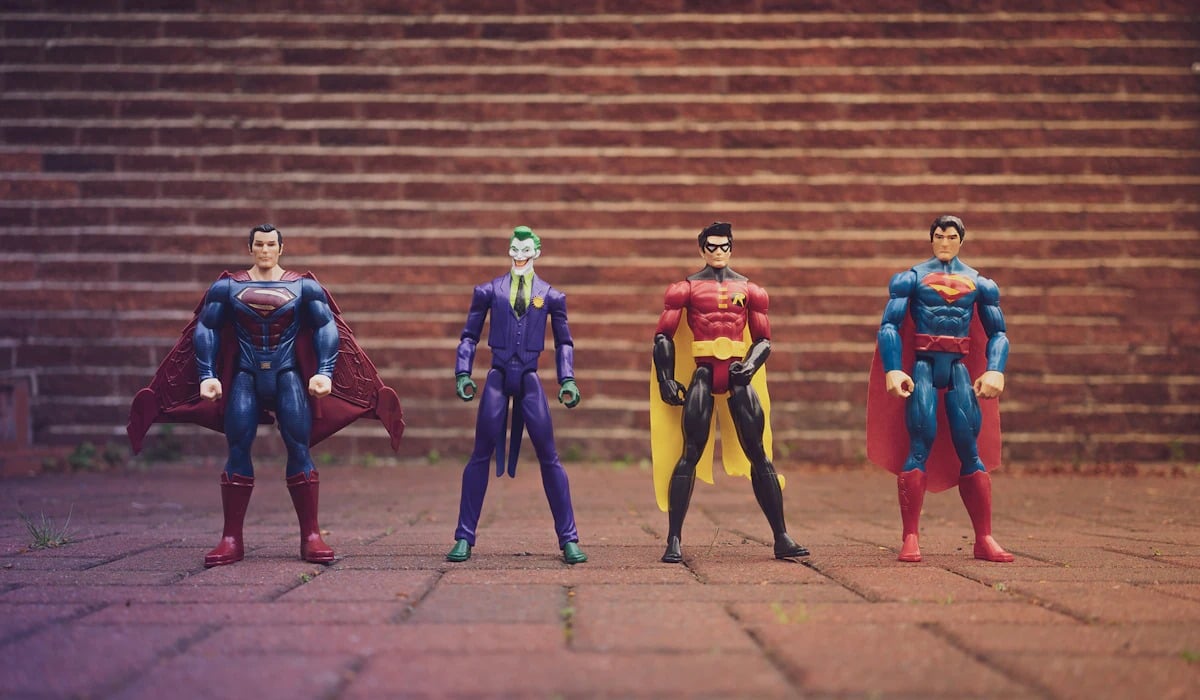
When Teen Titans debuted on Cartoon Network in 2003, the opening theme was performed by Puffy AmiYumi, the Japanese pop duo. Andy Sturmer, formerly of the band Jellyfish, worked with the group as a songwriter and producer, which gave the theme a bright power-pop shine.
The partnership proved so successful that Cartoon Network later gave the duo their own series, Hi Hi Puffy AmiYumi. The song became a fixture of that era’s cartoons because it sounded nothing like a traditional kids’ theme.
SpongeBob SquarePants
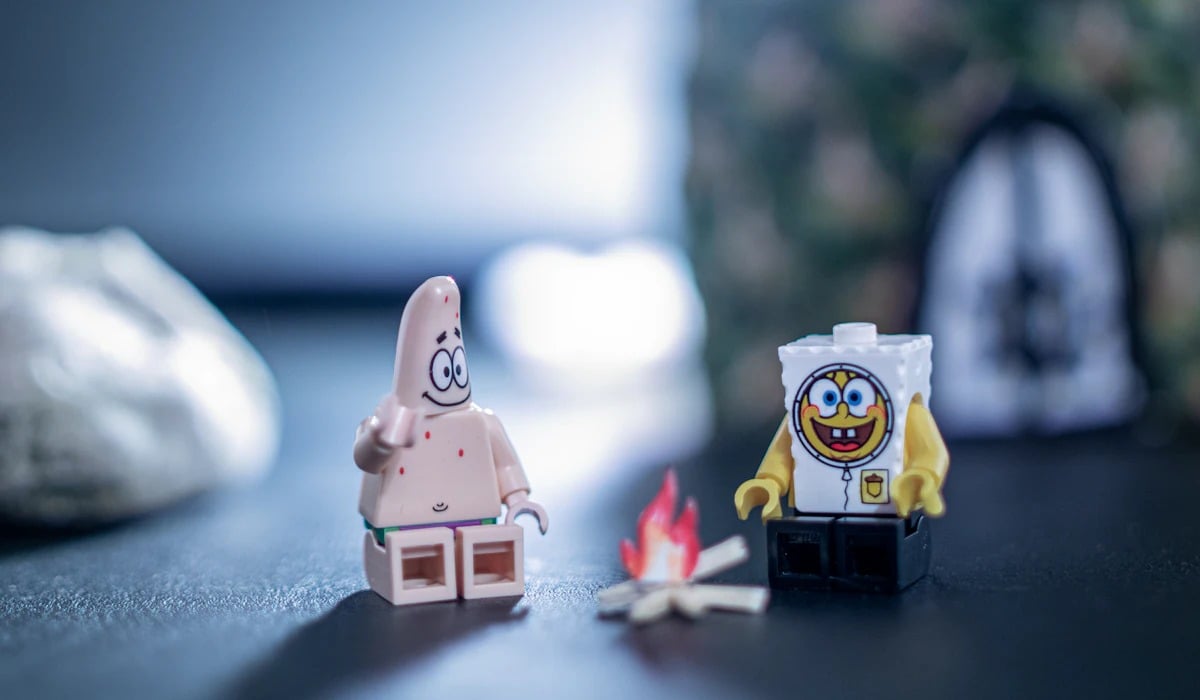
SpongeBob SquarePants premiered on Nickelodeon on May 1, 1999, with a theme that played like a sea chantey from a cheerful pirate. The opening was fronted by a character called Painty the Pirate, voiced by Pat Pinney.
The song’s music was composed by Mark Harrison and Blaise Smith, with lyrics by series creator Stephen Hillenburg and creative director Derek Drymon. Hillenburg had worked as a marine biology teacher before turning to animation, and the nautical setting gave the sea-shanty style a natural fit.
The tune’s bounce and silly commitment made it one of the most recognizable cartoon themes of the 1990s and beyond.
Why a Minute of Music Outlasts the Episode
A good theme song does something that few other pieces of television can: it works as a promise. Within moments, a child knows whether the next half hour will be funny, scary, or full of adventure.
The composers behind these tunes were not just writing catchy jingles but building a reliable signal, one that told viewers they were in the right place.
That explains why these songs survive long after the programs fade from memory. They were designed to be sung, hummed, and repeated, which is a very different thing than being watched once.
A theme that gets stuck in a head for thirty years has done its job better than almost any scene in the show.
MORE FROM GO2TUTORS!

- The Romanov Crown Jewels and Their Tragic Fate
- 13 Historical Mysteries That Science Still Can’t Solve
- Famous Hoaxes That Fooled the World for Years
- 15 Child Stars with Tragic Adult Lives
- 16 Famous Jewelry Pieces in History
Like Go2Tutors’s content? Follow us on MSN.