Sneakers That Sold for Fortunes
The sneaker market has changed a lot over the years. What started as simple sports footwear became one of the most profitable collectors’ markets in the world.
Some pairs now sell for prices that could buy you a car, a house down payment, or even fund a college education. These aren’t just shoes anymore—they’re investments, status symbols, and pieces of history.
Let’s look at the pairs that broke records and left everyone wondering how rubber and fabric could be worth so much.
Nike Air Yeezy 1 Prototypes

Kanye West wore these prototypes during his 2008 Grammy performance, and they became legendary overnight. The black and pink design was unlike anything people had seen before.
In 2021, a private sale through Sotheby’s brought in $1.8 million, making them the most expensive sneakers ever sold. The buyer was investing platform RARES, which planned to let multiple people own shares of the shoes.
These weren’t even the final production version, just samples that Kanye wore on stage. The price tag shocked the entire sneaker world and proved that celebrity connections could turn footwear into fine art.
Air Jordan 1 High Chicago (1985)

Michael Jordan’s first signature shoe in the iconic red, white, and black colorway created sneaker culture as we know it. The NBA actually banned these shoes because they violated uniform policies, and Nike paid the fines gladly because the controversy created massive publicity.
Original pairs from 1985 in wearable condition now sell for $10,000 to $25,000, depending on their state. Mint condition pairs with original packaging have gone for over $50,000 at auction.
The Chicago colorway represents the birth of sneaker collecting, and serious collectors treat these like museum pieces.
Nike Mag Back to the Future
These self-lacing sneakers from the Back to the Future movies were pure science fiction until Nike actually made them real. In 2016, Nike released 89 pairs through an online raffle to benefit the Michael J. Fox Foundation for Parkinson’s Research.
Winners paid nothing, but pairs immediately started selling for $50,000 to $100,000 on the secondary market. The shoes actually light up and self-lace, just like in the movie.
Some pairs have sold for over $200,000 because they combine movie history, limited availability, and actual working technology that seemed impossible when the film came out in 1989.
Air Jordan 12 Flu Game
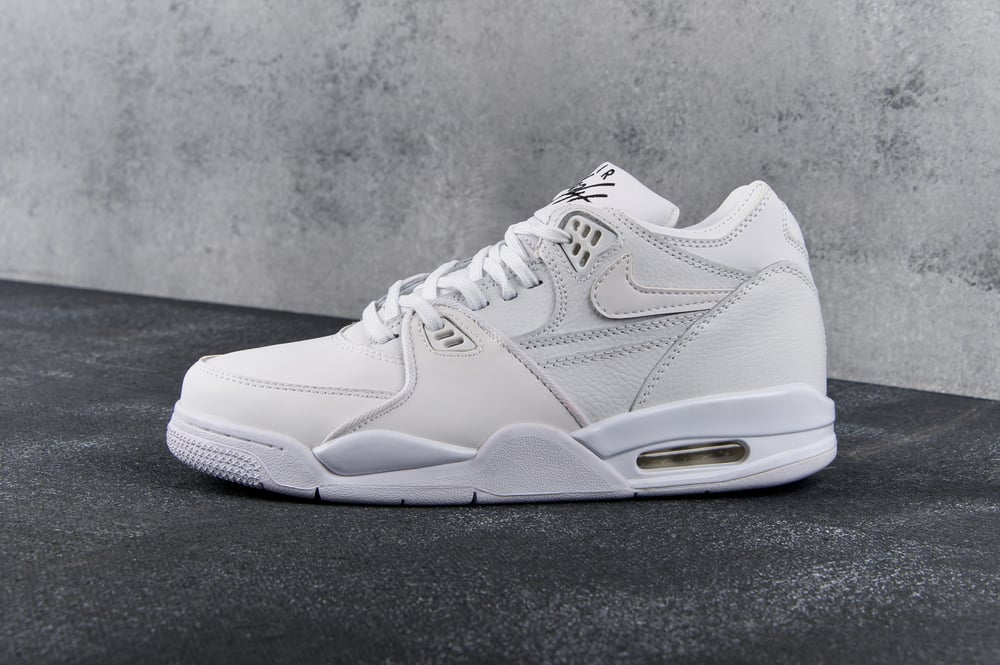
Michael Jordan played one of the greatest games in NBA history while battling severe flu symptoms during the 1997 Finals. He wore these black and red Air Jordan 12s during that legendary performance, scoring 38 points despite being visibly sick.
The actual game-worn pair sold at auction in 2013 for $104,000. What makes these special isn’t just the design but the story attached to them.
Every time someone mentions the Flu Game, they picture Jordan in these shoes, fighting through illness to win a championship. That emotional connection drives the value beyond what any regular release could achieve.
Nike Air Yeezy 2 Red October
Nike dropped these all-red sneakers without warning in February 2014, selling out in minutes. The surprise release created chaos online as collectors frantically tried to buy pairs.
Red October colorway pairs now sell for $6,000 to $15,000, depending on size and condition. These were the last Yeezys Nike ever made before Kanye West moved to Adidas, which adds historical significance.
The monochrome red design was bold and different, standing out in a market full of multi-colored releases. Some view these as the peak of the Nike-Kanye partnership, frozen in time before the split.
Solid Gold OVO Air Jordans

Drake received ten pairs of solid gold Air Jordan 10s as a gift from Nike and the Jordan brand. Each pair weighs about 50 pounds and contains 24-karat gold, making them impossible to actually wear.
While they were never officially sold, experts estimate their value at $2 million per pair based on the gold content alone. Drake displayed them at his OVO stores as art pieces rather than footwear.
These represent the extreme end of sneaker culture, where shoes become sculpture and status symbols rather than anything you’d put on your feet. The craftsmanship alone took months of specialized metalwork.
Converse Fastbreak Michael Jordan Game-Worn

Before Nike signed Jordan, he wore Converse during his Olympic gold medal performance in 1984. These Fastbreak sneakers are from that Olympic run and sold for $190,373 at auction.
They represent the moment right before Jordan became a global icon, making them historically significant beyond their design. The shoes show heavy wear from actual competition, with scuffs and signs of use that prove their authenticity.
Collectors value game-worn sneakers much higher than retail releases because they’re one-of-a-kind items with direct athlete connection. These Converse shoes capture Jordan at the beginning of his journey to becoming the greatest basketball player ever.
Nike SB Dunk Low Paris

Only 202 pairs of these art-inspired sneakers exist in the world. Nike created them in 2003 as part of a “White Dunk” program where artists could customize blank canvases.
French artist Bernard Buffet’s painting style influenced the design, which looks like it was painted by hand. Each pair comes in a custom case shaped like a French breadbox, adding to the collectibility.
These regularly sell for $30,000 to $80,000, depending on condition. The combination of extreme rarity, artistic collaboration, and unique packaging created a perfect storm for high values.
Most owners never wear them, treating them as art installations instead.
Air Jordan 1 Shattered Backboard

This orange, black, and white colorway references a 1985 exhibition game in Italy where Jordan dunked so hard he shattered the glass backboard. The colors match the uniform he wore during that legendary moment.
While the original release wasn’t outrageously expensive, pairs now sell for $1,500 to $4,000. Nike has released multiple Shattered Backboard versions, but the first 2015 release remains most valuable.
The leather quality on these was notably better than standard releases, which collectors immediately noticed. The story behind the name gives these shoes personality beyond just looking good, connecting them to a specific moment in basketball history.
Nike Moon Shoe
Waffle trainer prototypes from 1972 represent Nike’s earliest days, when the company was still finding its identity. Nike co-founder Bill Bowerman created these using his wife’s waffle iron to design the sole pattern.
Only about 12 pairs were ever made, and most have been destroyed or lost over the decades. In 2019, a pair sold at Sotheby’s for $437,500, setting a record at the time.
The buyer was Canadian collector Miles Nadal, who wanted them for his private automobile museum’s sneaker section. These shoes aren’t flashy or particularly attractive, but they’re essentially prehistoric artifacts from before Nike became a global empire.
Air Jordan 5 Tokyo T23
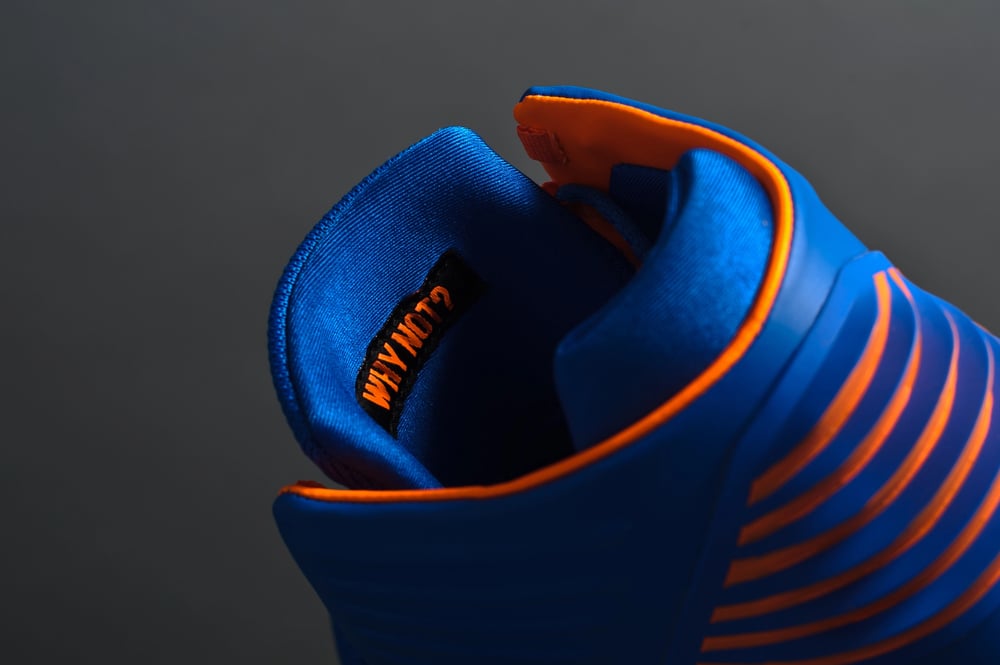
Nike produced just 23 pairs of these exclusive sneakers for a Tokyo store opening. The black patent leather design was unlike any Air Jordan 5 released before or since.
They came in special wooden boxes with certificates of authenticity, making them feel more like fine jewelry than footwear. Market values range from $15,000 to $50,000, depending on size and condition.
The extreme limited quantity means most sneaker collectors will never even see a pair in person. Tokyo releases often command premium prices because Japanese sneaker culture values exclusivity differently than Western markets.
These represent the intersection of two sneaker-obsessed cultures.
Adidas NMD Friends and Family

Adidas released these to employees and special guests before the NMD line launched publicly. The white and blue colorway became instantly desirable because outsiders couldn’t buy them.
Only a few hundred pairs exist, making them far rarer than the general releases that followed. Friends and Family editions typically sell for $2,000 to $8,000, depending on size.
These shoes marked Adidas’s successful entry into the modern sneaker hype market, competing directly with Nike’s dominance. The boost technology in the sole was revolutionary at the time, providing comfort that changed industry standards.
Owning these means having a piece of Adidas history from before the NMD became mainstream.
Nike SB Dunk Low What The Dunk

This 2007 release combined elements from 31 different Nike SB Dunk designs into one chaotic masterpiece. Each shoe in the pair is different, with mismatched colors and patterns that somehow work together.
Original retail was around $300, but they now sell for $3,000 to $10,000. The concept was so popular that Nike has created several ‘What The’ versions for other shoe lines.
These represent the peak of Nike SB’s cultural influence when skateboard shoes were the most coveted items in streetwear. The complexity of the design means no two viewing angles look the same, making them endlessly interesting to examine.
Kanye West Louis Vuitton Don
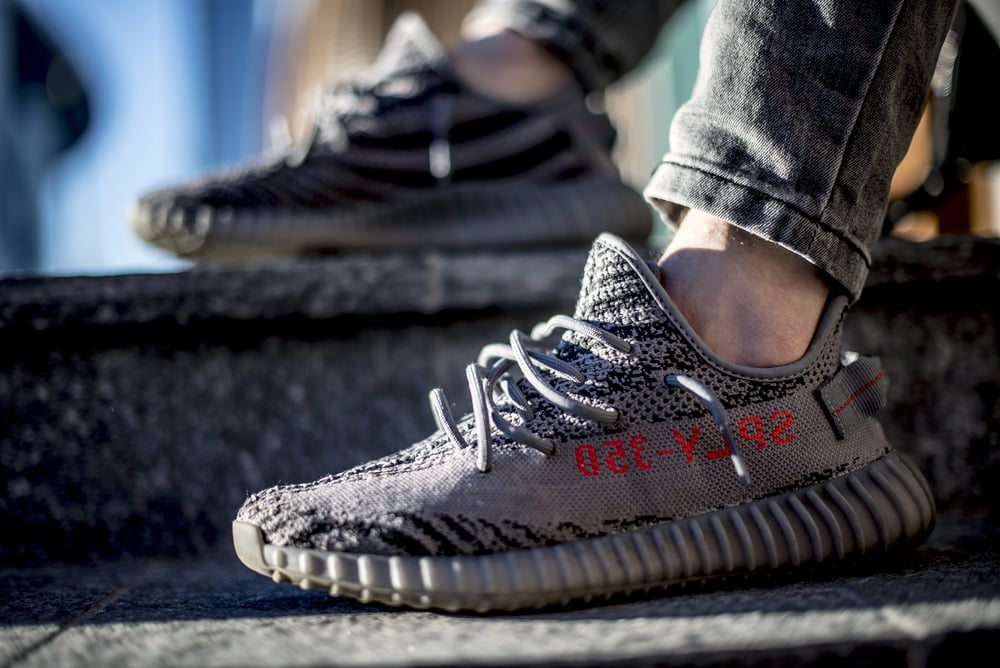
Before his Nike and Adidas deals, Kanye collaborated with Louis Vuitton on luxury sneakers in 2009. The Don, Jasper, and Hudson styles retail prices were $800 to $1,200, which was shocking at the time.
Now they sell for $3,000 to $10,000, depending on the specific model and size. These shoes bridged high fashion and streetwear in ways that weren’t common back then.
The quality was genuine Louis Vuitton craftsmanship, with premium leathers and construction that justified the luxury price tag. They proved Kanye’s design influence extended beyond music and established him as a legitimate force in fashion.
Air Jordan 11 Jeter
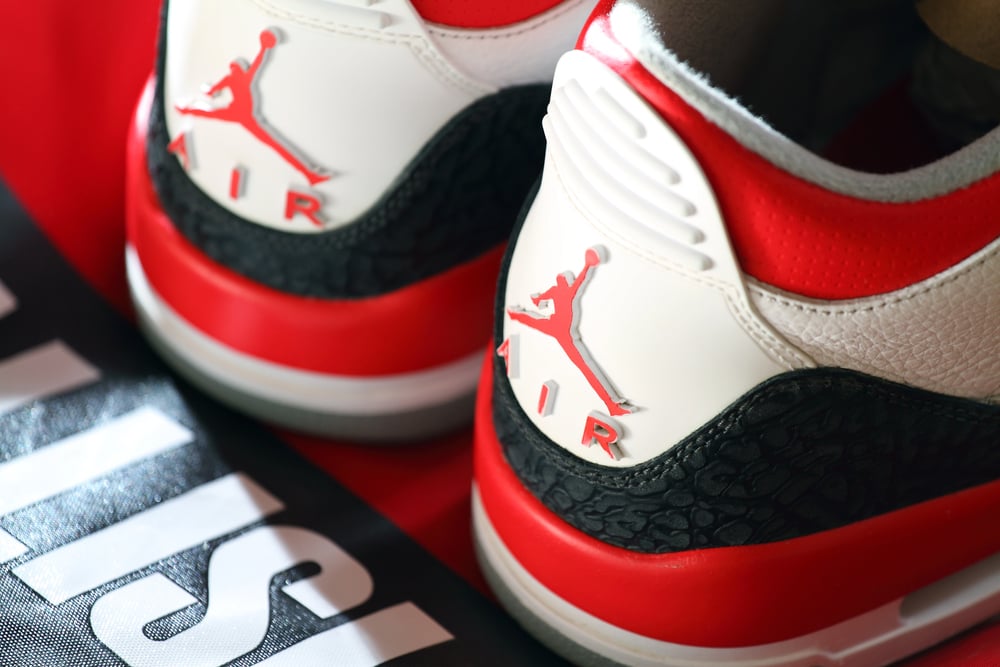
Derek Jeter received these custom Air Jordan 11s celebrating his final game at Yankee Stadium. The navy suede design honored his baseball career with New York Yankees colors.
Only five pairs were made, given to Jeter and a few family members. One pair sold privately for $50,000, though exact sale prices are hard to verify since most transactions happen through private dealers.
The Jordan brand regularly creates special makeups for athletes and celebrities, but few have the cultural weight of honoring a baseball legend’s retirement. These represent the crossover between basketball shoe culture and baseball history.
Nike Air Force 1 Low CLOT

This Chinese New Year collaboration with Hong Kong brand CLOT created massive demand in 2009. The silk upper design changes appearance based on wear, revealing different layers of color underneath.
Original pairs now sell for $1,500 to $5,000, depending on how much the silk has worn away. Some collectors prefer pairs where the silk is mostly intact, while others like the worn look that reveals the hidden patterns.
The collaboration helped establish CLOT as a legitimate player in global streetwear and showed that Asian brands could compete with American and European companies. The changing appearance makes each pair unique over time.
Eminem x Air Jordan 4 Encore

Marshall Mathers received these custom Air Jordan 4s in 2005, with only 50 pairs total produced. The blue suede design included special Eminem branding and came in custom shoeboxes shaped like boom boxes.
When Eminem auctioned a few pairs for charity, they sold for $30,000 each. The combination of extreme rarity, celebrity ownership, and charity auction provenance created perfect conditions for high values.
Most of the 50 pairs remain in Eminem’s personal collection or with close friends and family. These proved that rapper collaborations could command prices similar to athlete partnerships.
Nike SB Dunk Low Freddy Krueger

Halloween horror came to sneakers with this Nightmare on Elm Street tribute. Nike never officially released these because of licensing issues with the movie franchise, making them extraordinarily rare.
Only sample pairs given to Nike employees and a handful of contest winners exist. Market estimates put values between $20,000 and $60,000 for authenticated pairs.
The red and green striped pattern mimics Freddy Krueger’s iconic sweater from the horror films. Because Nike couldn’t legally sell them, the company destroyed most pairs, making survivors incredibly valuable.
They’re essentially contraband sneakers that exist in a legal gray area, adding to their mystique.
Where the market stands today
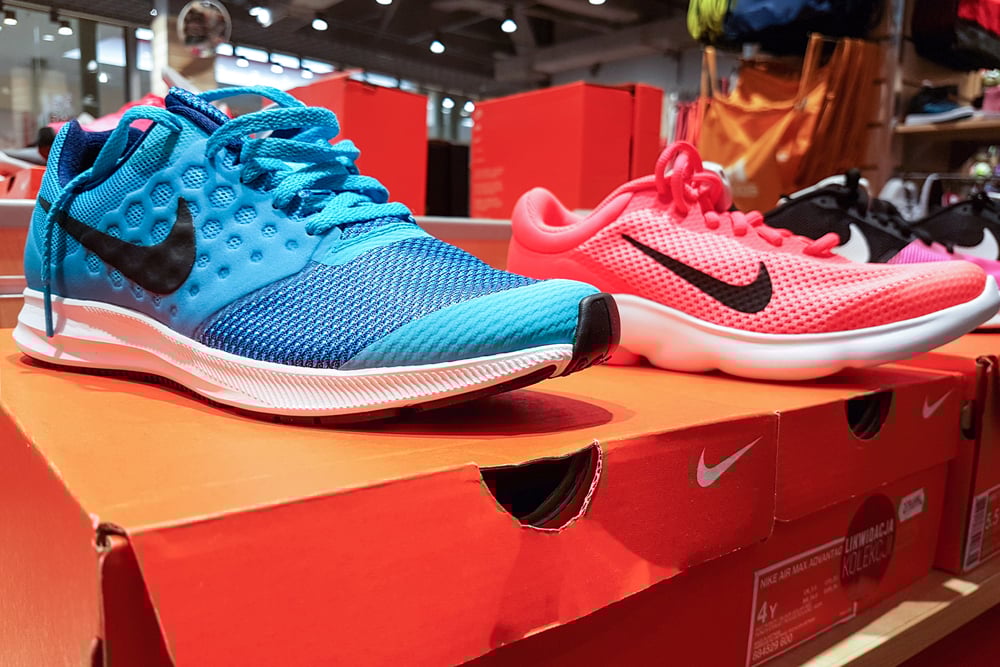
The sneaker resale market has matured into a legitimate investment category with authentication services, trading platforms, and even financial analysis. What seemed ridiculous ten years ago now makes sense as collectors treat shoes like stocks, watching market trends and selling at peaks.
Younger generations see value differently than their parents did, treating sneakers as both functional items and investment vehicles. The culture has spread globally, with collectors in Asia, Europe, and South America driving demand as much as American buyers.
Whether prices continue climbing or eventually crash remains unknown, but the shoes themselves have already secured their place in history.
More from Go2Tutors!

- The Romanov Crown Jewels and Their Tragic Fate
- 13 Historical Mysteries That Science Still Can’t Solve
- Famous Hoaxes That Fooled the World for Years
- 15 Child Stars with Tragic Adult Lives
- 16 Famous Jewelry Pieces in History
Like Go2Tutors’s content? Follow us on MSN.



