15 Revolutionary Wars That Turned Because Thomas Cochrane Showed Up
Thomas Cochrane, the 10th Earl of Dundonald, stands as one of history’s most brilliant and audacious naval commanders. Though born to Scottish nobility, his career was anything but predictable.
Cochrane possessed an uncanny tactical genius combined with a rebellious spirit that often put him at odds with authority. His revolutionary naval tactics and willingness to support underdog independence movements around the world earned him the nickname “The Sea Wolf” and made him the inspiration for fictional heroes like Horatio Hornblower and Jack Aubrey.
Here is a list of 15 revolutionary conflicts where Cochrane’s arrival dramatically shifted the balance of power, demonstrating how a single extraordinary individual could alter the course of nations.
The Napoleonic Wars
Commanding the HMS Speedy, a tiny 14-gun brig, Cochrane captured the 32-gun Spanish frigate El Gamo in 1801 despite being dramatically outgunned and outmanned. This victory between David and Goliath established his reputation for the impossible, as he used clever deception by flying American colors before suddenly raising the British flag and launching a surprise boarding action.
His subsequent command of HMS Pallas saw him wreak havoc on French shipping, capturing over 50 vessels and conducting daring raids on the French coast.
The Battle of Basque Roads
In 1809, Cochrane devised a novel strategy to assault the French navy in the Basque Roads using fireships and explosion vessels. After first rejecting his unconventional strategy, the British Admiralty ultimately permitted him to take the lead in the perilous expedition.
Cochrane’s creative attack damaged a number of French ships and rendered Napoleon’s Atlantic fleet ineffective as a fighting force, despite the fact that his commanders did not adequately back the subsequent attack.
Like Go2Tutors’s content? Follow us on MSN.
The Chesapeake Bay Raids
Admiral Alexander Cochrane, Cochrane’s cousin, asked Thomas to accompany him on coastal raids in the United States during the War of 1812. Thomas turned down the invitation directly, but his ground-breaking strategies were used in the campaign.
Based on Cochrane’s prior victories, the British employed amphibious operations and shallow-draft boats to conquer Washington and burn the Capitol and White House in 1814.
Chilean War of Independence
Invited by Bernardo O’Higgins in 1818, Cochrane took command of Chile’s fledgling navy when the revolutionary cause seemed hopeless. He immediately transformed a disorganized collection of ships into a disciplined fighting force and captured the Spanish fortress of Valdivia, considered impregnable, with a fraction of the defenders’ numbers.
His naval blockade of Peru and daring raids up the coast shifted the momentum decisively in favor of Chilean independence.
The Capture of Spanish Payship Esmeralda
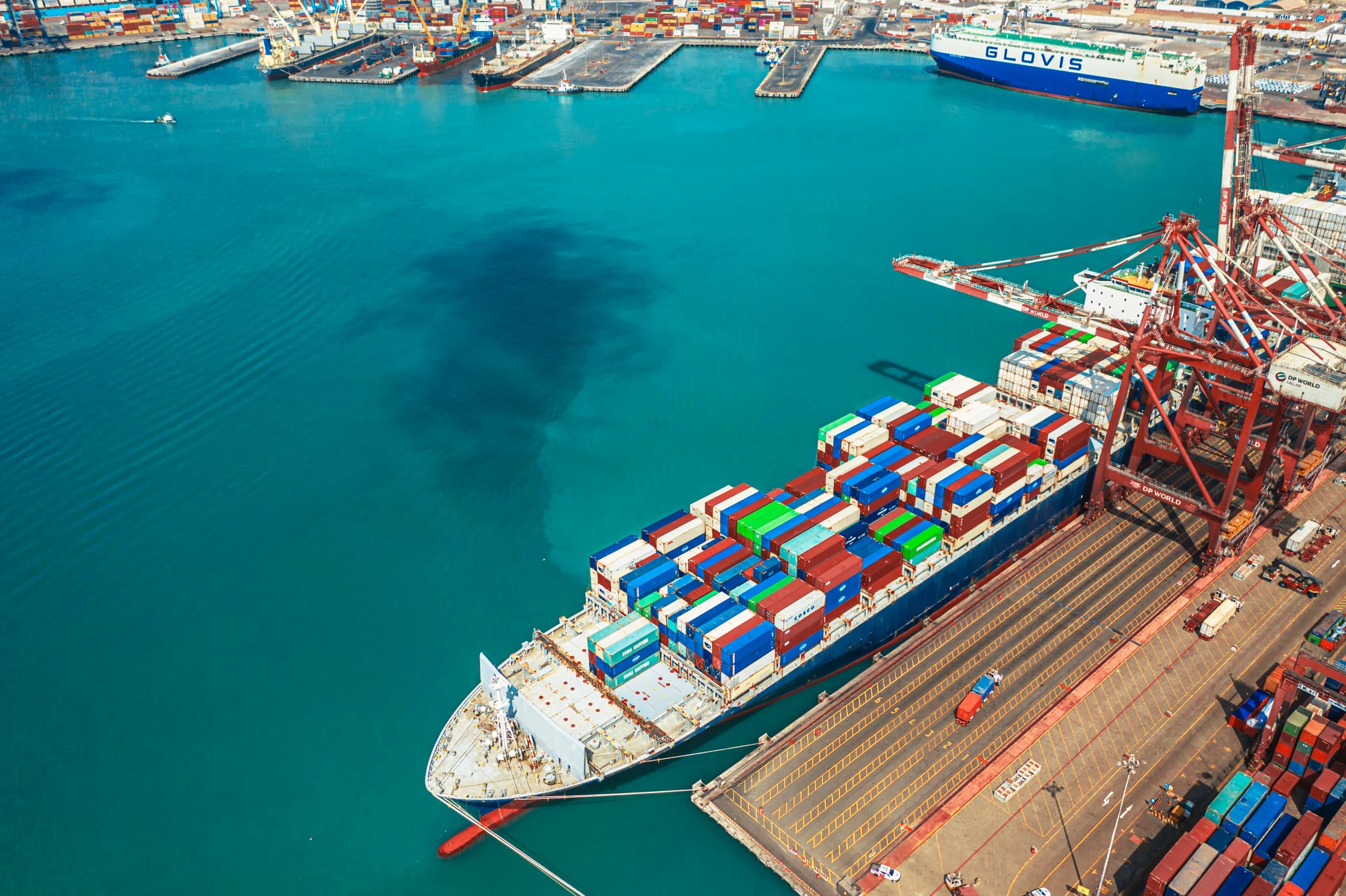
In one of history’s most audacious naval operations, Cochrane led a nighttime cutting-out expedition in 1820 to capture the heavily-guarded Spanish flagship Esmeralda from the protected harbor of Callao, Peru. Using boats with muffled oars and men wearing white armbands for identification in the dark, his force silently boarded the ship, overwhelmed its crew, and sailed it out past Spanish batteries that couldn’t fire for fear of hitting their own vessel.
This psychological blow devastated Spanish morale throughout South America.
Like Go2Tutors’s content? Follow us on MSN.
Liberation of Peru
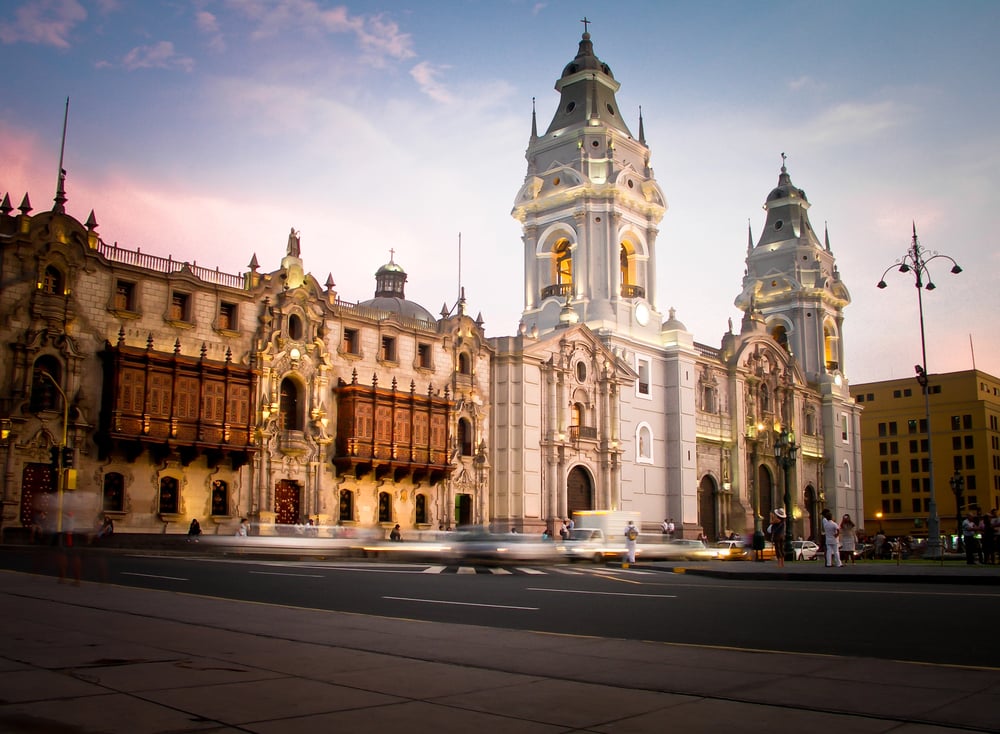
Cochrane’s naval support was instrumental in José de San Martín’s campaign to liberate Peru from Spanish rule. His effective blockade of Lima starved the Spanish forces of supplies while allowing revolutionary forces to move freely along the coast.
When San Martín was proclaimed Protector of Peru in 1821, he acknowledged that without Cochrane’s naval genius, the liberation would have been impossible.
Brazilian Independence
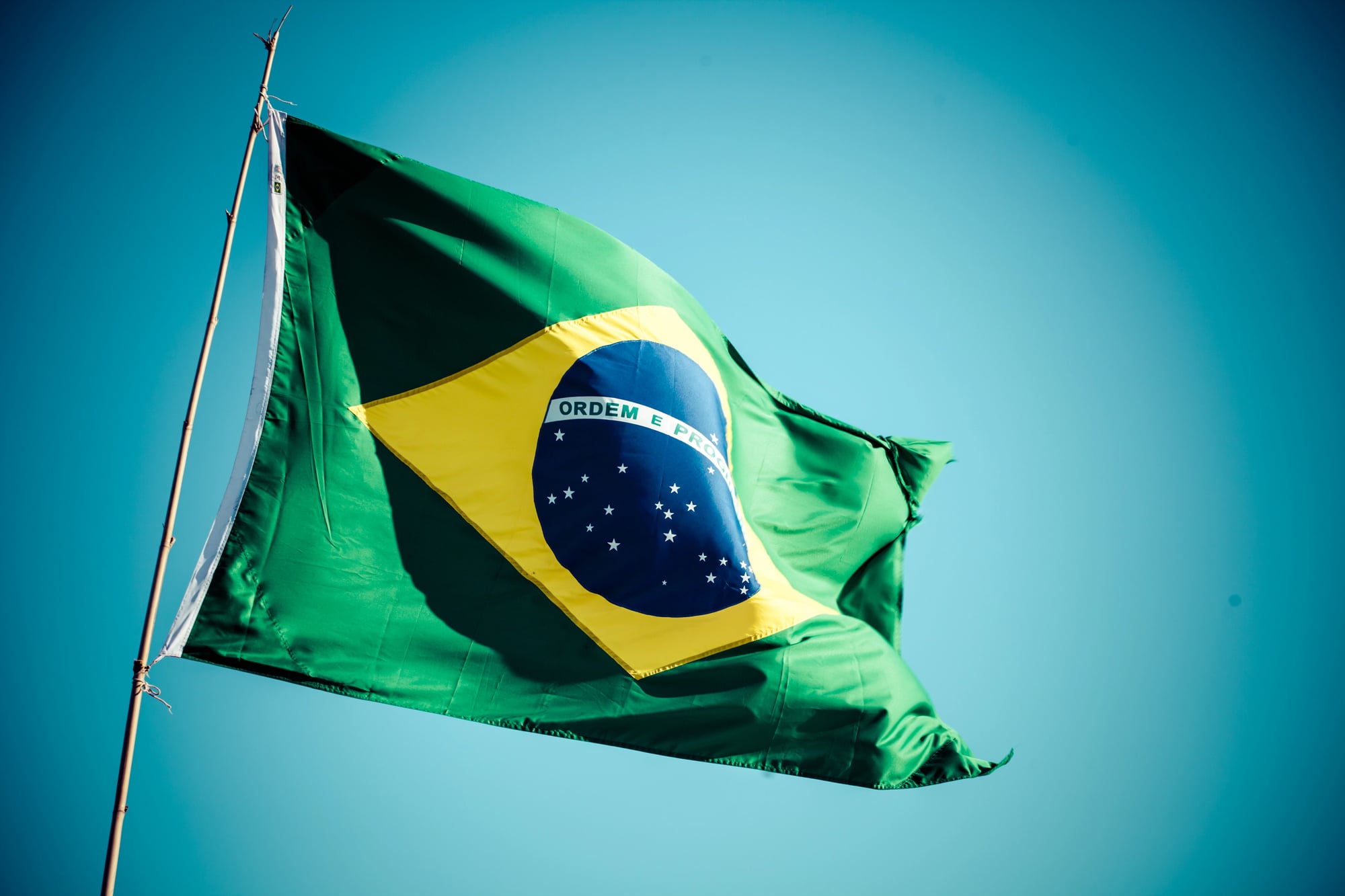
Emperor Pedro I recruited Cochrane to lead Brazil’s naval forces during their struggle for independence from Portugal in 1823. Within just five days of his arrival, Cochrane forced the Portuguese fleet to abandon their blockade of Bahia and retreat.
His subsequent naval campaign cleared Brazilian waters of Portuguese forces with remarkable speed, including an audacious 500-mile chase that forced an entire Portuguese convoy to surrender.
The Marble Tower Raid
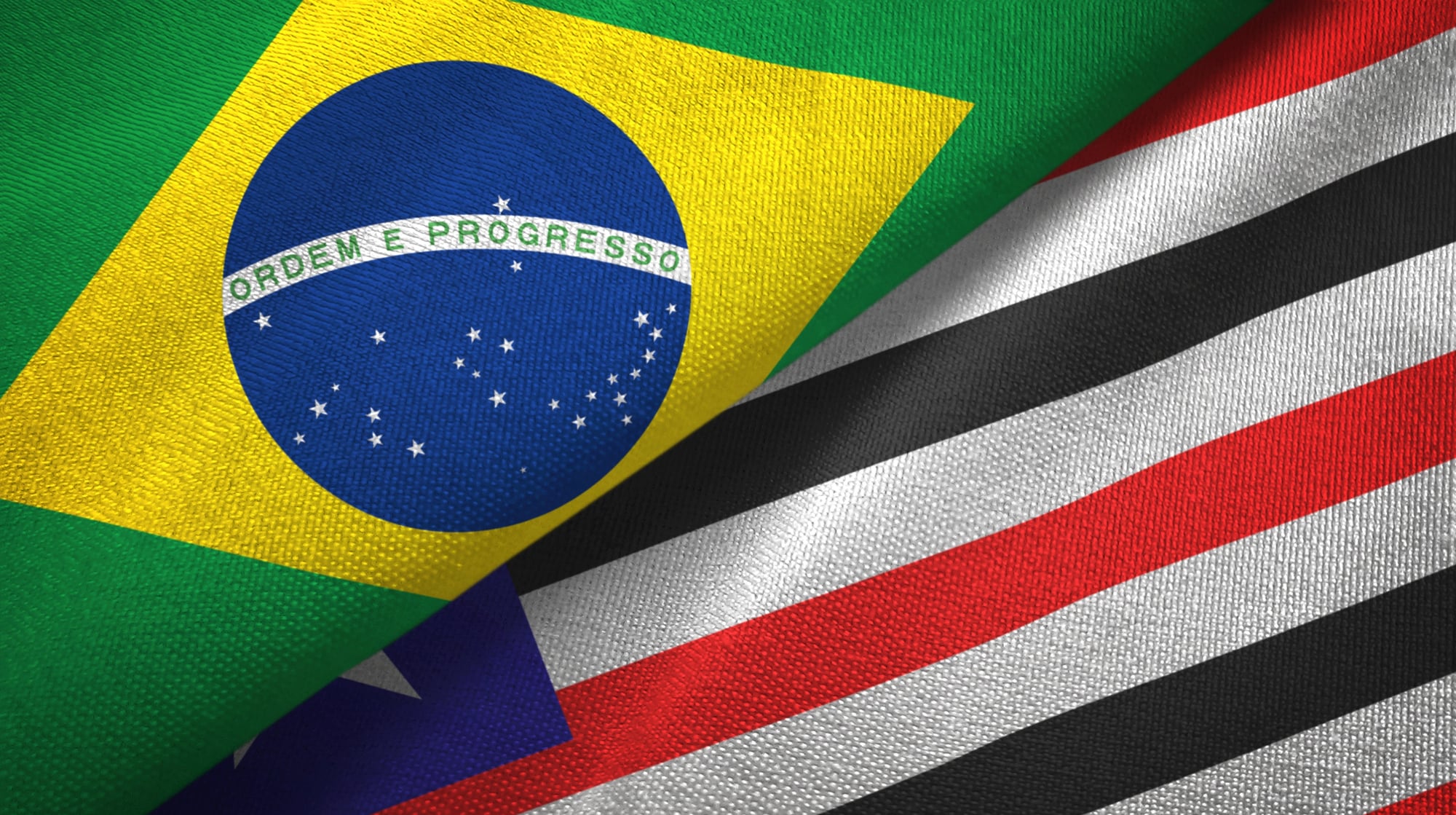
While serving Brazil, Cochrane conceived and executed an attack on Portugal’s prized colony of Maranhão despite having only a single ship at his disposal. He brazenly bluffed the Portuguese commander by claiming his lone frigate was merely the advance of a much larger Brazilian fleet just over the horizon.
The Portuguese surrendered the entire province without firing a shot, delivering a massive territory to Brazil through pure psychological warfare.
Like Go2Tutors’s content? Follow us on MSN.
Greek War of Independence
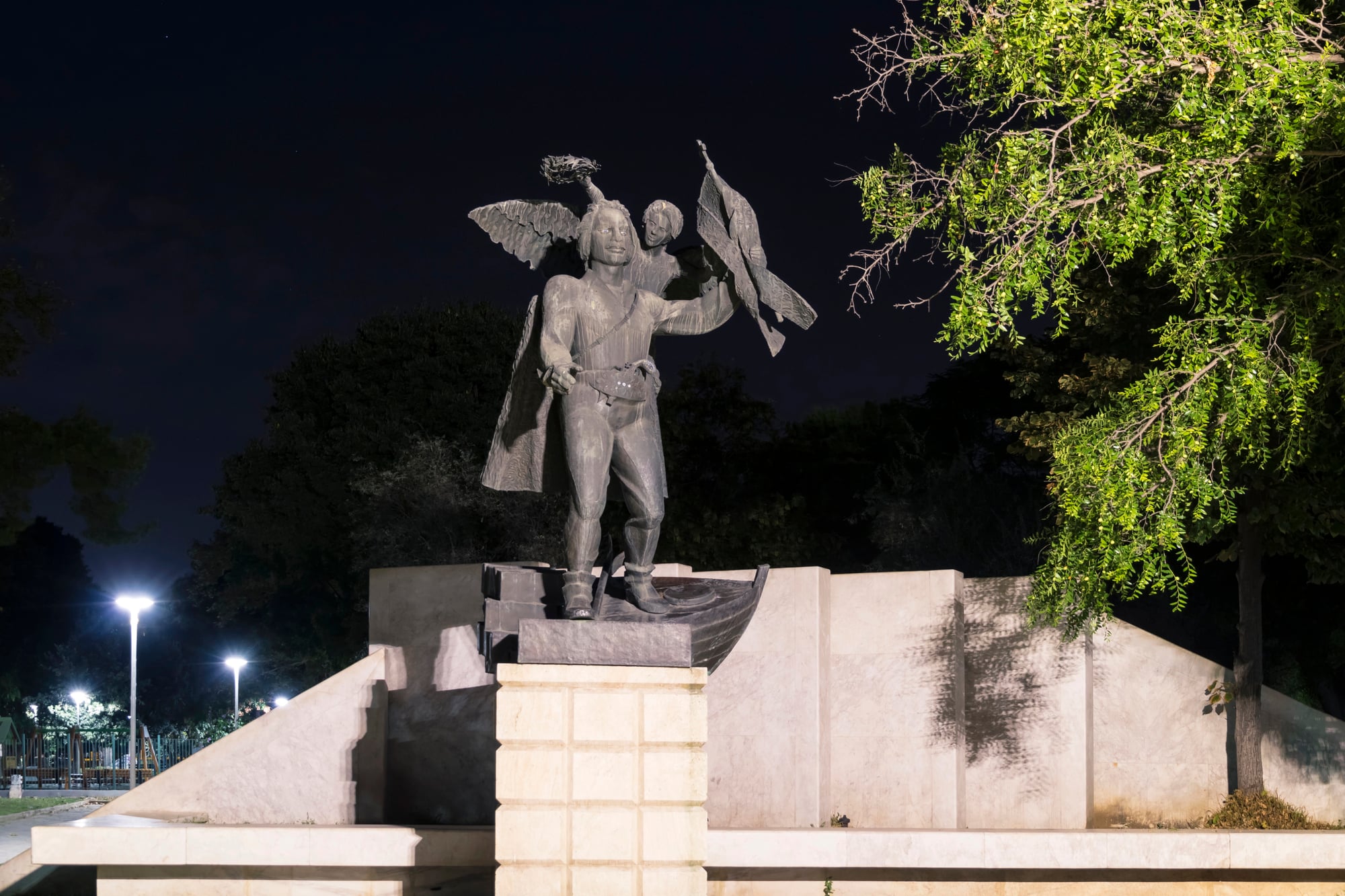
In 1827, Cochrane joined the Greek struggle against the Ottoman Empire when the revolution faltered. Though hampered by factionalism among Greek leaders, he still managed to coordinate naval operations that prevented Ottoman reinforcements from reaching key battles.
His mere presence boosted Greek morale while striking fear into Ottoman commanders who had heard of his formidable reputation.
The Battle of Poros

During the Greek civil conflicts that complicated their war of independence, Cochrane demonstrated remarkable diplomatic skills alongside his military prowess. At Poros in 1828, he mediated between warring Greek factions while simultaneously organizing defenses against Ottoman forces.
His ability to balance these competing demands kept the independence movement from fracturing completely during its most vulnerable period.
The Egyptian Campaign

Cochrane’s revolutionary tactics influenced operations against Egyptian forces supporting the Ottoman Empire during the Greek War of Independence. He introduced the use of steamships in combat operations and advocated for coordinated land-sea campaigns that proved highly effective.
His innovations helped secure Greek independence, finalized in the London Protocol of 1830.
Like Go2Tutors’s content? Follow us on MSN.
Reform Bill Crisis of 1832

Upon returning to Britain, Cochrane (now restored to his title as Earl of Dundonald) supported parliamentary reform and threatened to use his naval expertise to support potential revolutionaries if the House of Lords blocked the Reform Bill.
Given his military reputation, his warning that he could ‘take the Tower of London with a handful of men’ was taken seriously. The Lords ultimately passed the bill, avoiding what might have become a British revolution.
Spanish Constitution of 1837
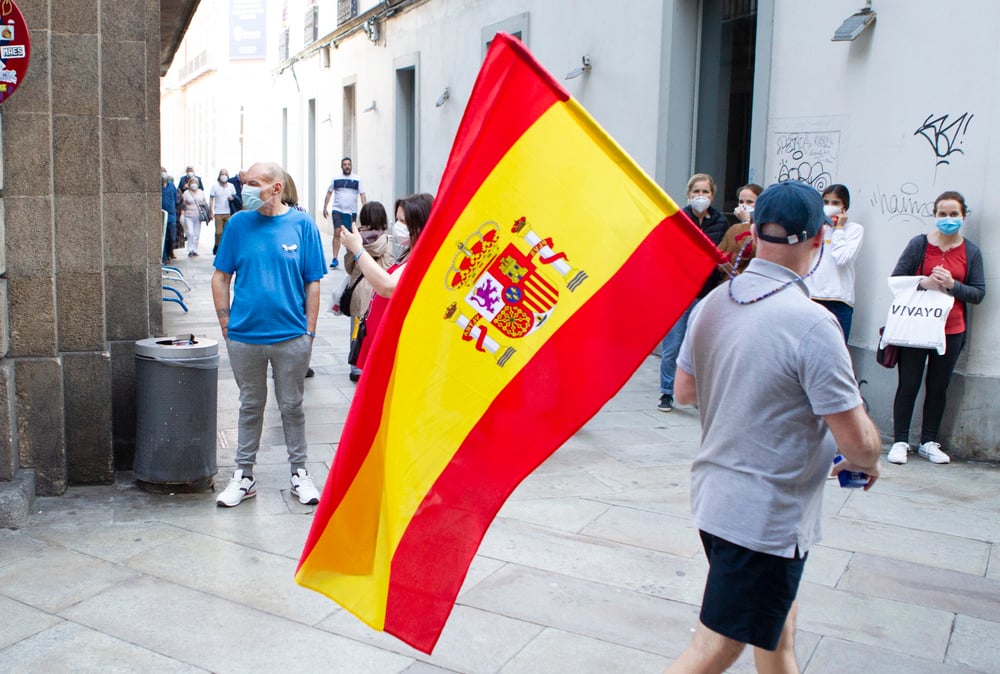
Though not directly fighting in Spain, Cochrane’s earlier successes against Spanish forces in South America served as powerful inspiration for Spanish liberals pushing for a constitutional monarchy.
His proven ability to defeat Spanish royalist forces emboldened reformers in the homeland. The resulting constitution established a more progressive government and reflected principles Cochrane had fought for across multiple continents.
Naval Reform in Britain
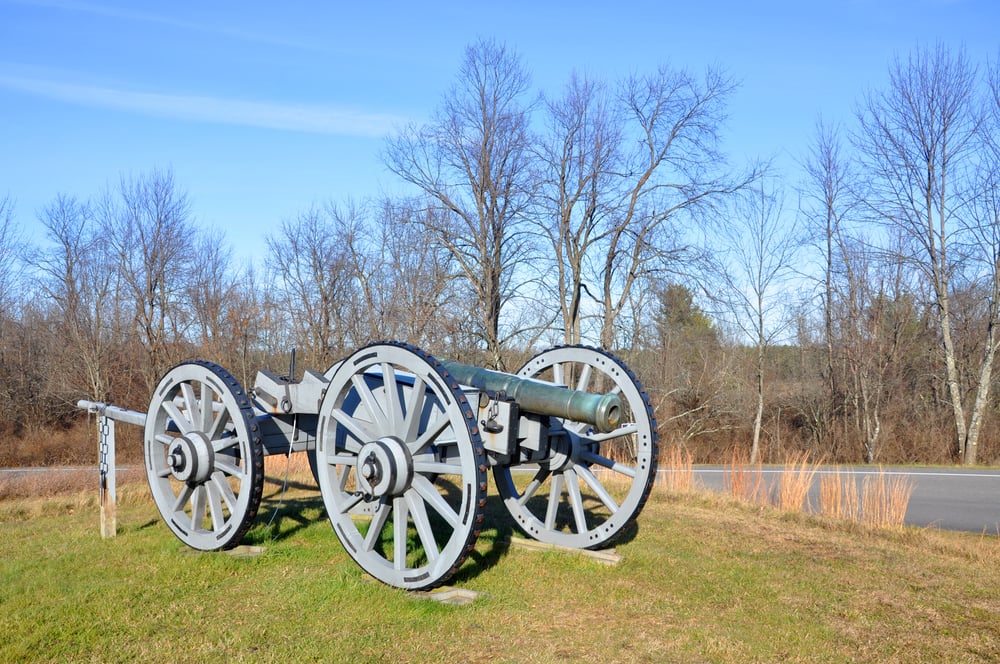
Cochrane waged a different kind of revolutionary battle within the British Admiralty, pushing for the adoption of steam power and screw propellers against institutional resistance. His demonstrations of steam-powered vessels in the 1820s-40s initially faced ridicule but ultimately revolutionized naval warfare.
This technological transformation rendered traditional sailing tactics obsolete and reshaped global power projection capabilities.
Like Go2Tutors’s content? Follow us on MSN.
The Crimean War
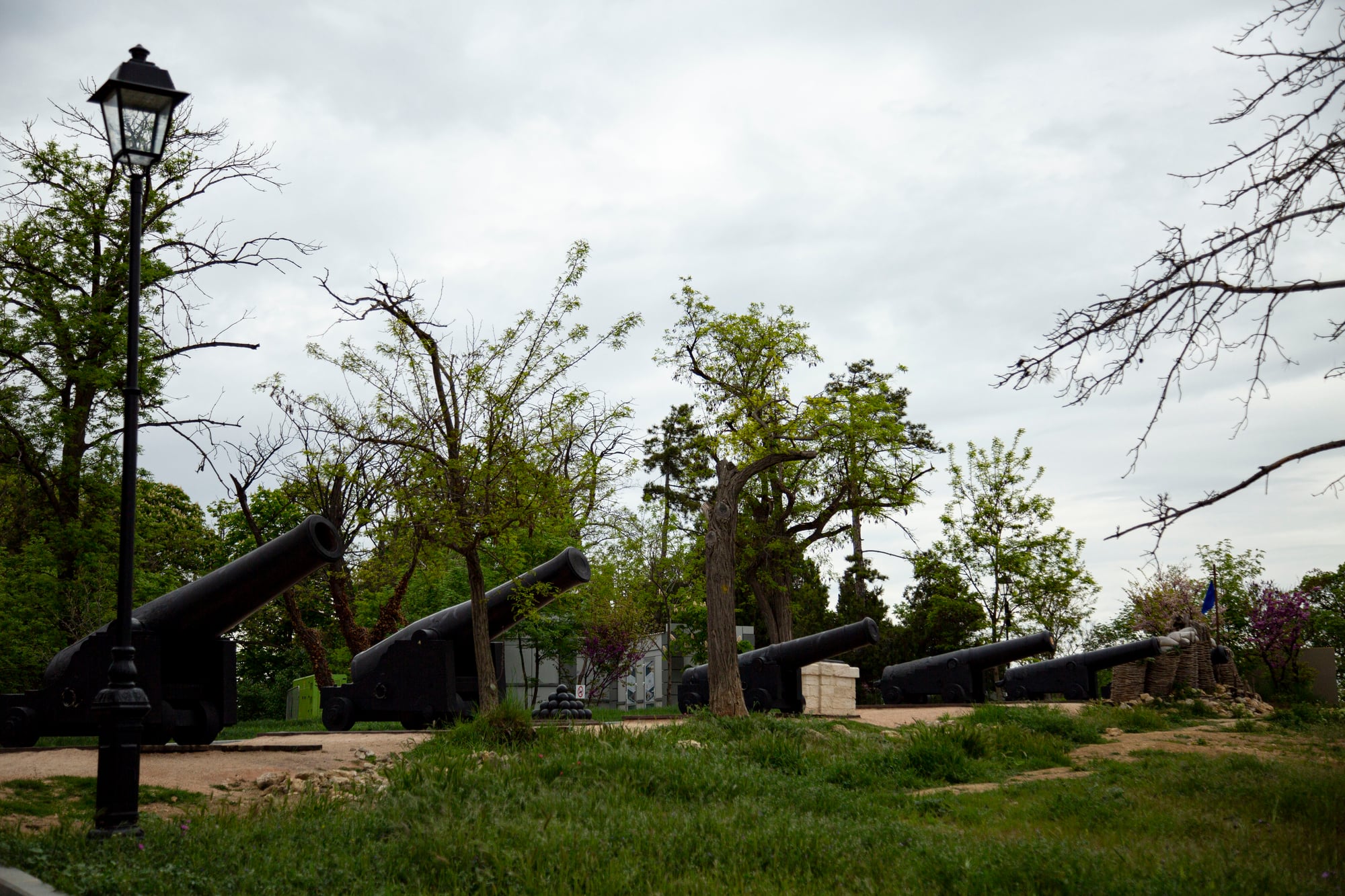
In his final military contribution, a 77-year-old Cochrane proposed using sulfur fumes to drive Russian defenders from the fortress of Sevastopol in 1854. Though his plan was ultimately not implemented, his strategic thinking influenced British planning in the conflict.
The innovative chemical warfare concept demonstrated that even in his elder years, Cochrane remained a revolutionary tactical thinker far ahead of his contemporaries.
The Naval Revolutionary
Thomas Cochrane’s extraordinary career spanned continents and transformed how naval warfare was conducted. His willingness to support legitimate independence movements around the world made him a revolutionary figure who transcended national boundaries.
Nations from Chile to Greece still honor him as a hero who arrived at critical moments to turn the tide of history. Cochrane’s legacy reminds us that sometimes the most effective revolutionaries aren’t those who seek to tear down institutions, but those who reimagine how they might function with greater freedom and effectiveness.
More from Go2Tutors!

- 18 Unexpectedly Valuable Collectibles You Might Have Lying Around
- 20 Little-Known Historical Battles That Had Huge Consequences
- 20 Historical Artifacts That Scientists Can’t Explain
- 15 Inventions That Were Immediately Banned After Being Created
- 20 Actors Who Were Almost Cast in Iconic Roles
Like Go2Tutors’s content? Follow us on MSN.