30 Prom Trends From The ’80s And ’90s
Somewhere in a closet or a shoebox, a photograph exists of a teenager in a rented pastel tuxedo standing beside a date whose sleeves are wider than her head. The hair is immovable, the shoes match the dress exactly, and the backdrop is a painted moonlit lagoon that never existed.
Nobody in the picture thought any of it was funny at the time.
Prom in the 1980s and 1990s was a highly ritualized event, and its rituals were sold by mall chains, florists, limo companies, and film manufacturers who knew exactly what a May weekend was worth. The trends that followed were shaped by products, songs, and habits that spread school by school until nearly every gym and hotel function room in the country looked the same.
Gunne Sax Lace Gowns From Jessica McClintock

For much of the 1980s, Gunne Sax was one of the recognizable labels in prom fashion, the San Francisco line that designer Jessica McClintock joined in 1969 before taking control of the company. Her gowns piled Victorian lace over satin, added ribbon trim and high collars, and offered a romantic alternative to simpler formalwear.
McClintock built the brand into a national name through department stores and her own boutiques, and she kept designing until she died in 2021 at age 90. Vintage examples now trade online by label and era, and prices depend heavily on condition, since the lace yellows and the satin linings tear easily.
Puffed Sleeves and Taffeta Ruffles
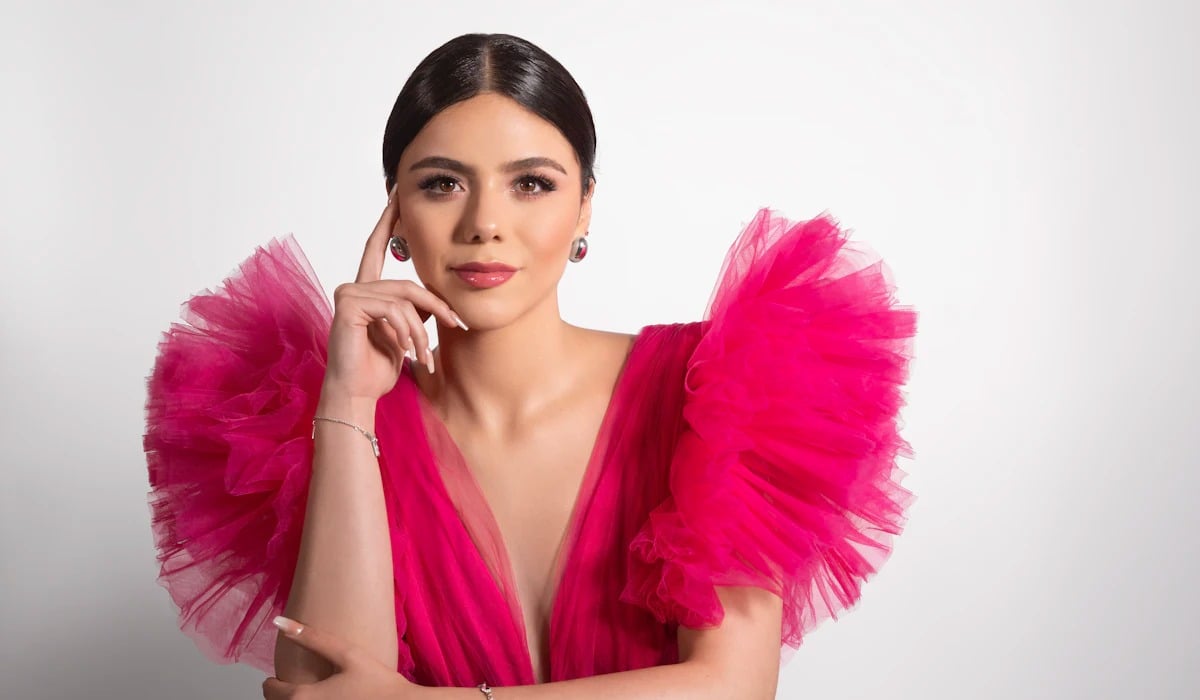
The puffed sleeve was a defining silhouette of much of the mid-1980s prom scene, and taffeta was the fabric that made it possible. The stiff, crisp weave held its shape without padding, which is why sleeves could be gathered into shapes as wide as a shoulder pad and a half.
Designers borrowed the look from the 1981 wedding gown of Diana, Princess of Wales, whose enormous sleeves helped reinforce the decade’s appetite for oversized formalwear. Taffeta also rustled loudly, so a crowded dance floor in 1986 sounded like a room full of wrapping paper.
Drop-Waist Bubble Skirts in Layers of Tulle
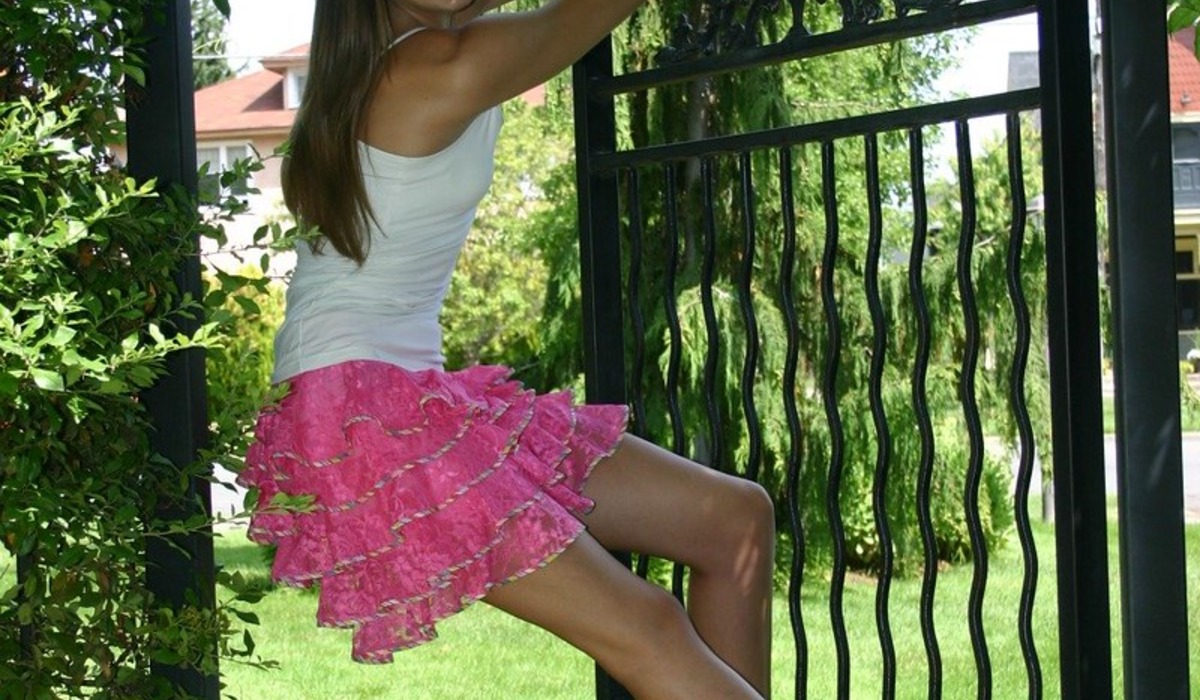
By the late 1980s, the floor-length gown was competing with a shorter, rounder shape: the bubble skirt, gathered at the hem so it puffed outward like a lampshade. Many versions paired it with a drop waist and a fitted satin bodice, then stuffed the skirt with layers of netting to keep the shape inflated.
The look was quick to sit down in and almost impossible to sit down gracefully in. It photographed well from the front and badly from the side, which made the carefully posed prom portrait especially useful for showing off the shape.
Hoop Skirts and the Southern Belle Revival
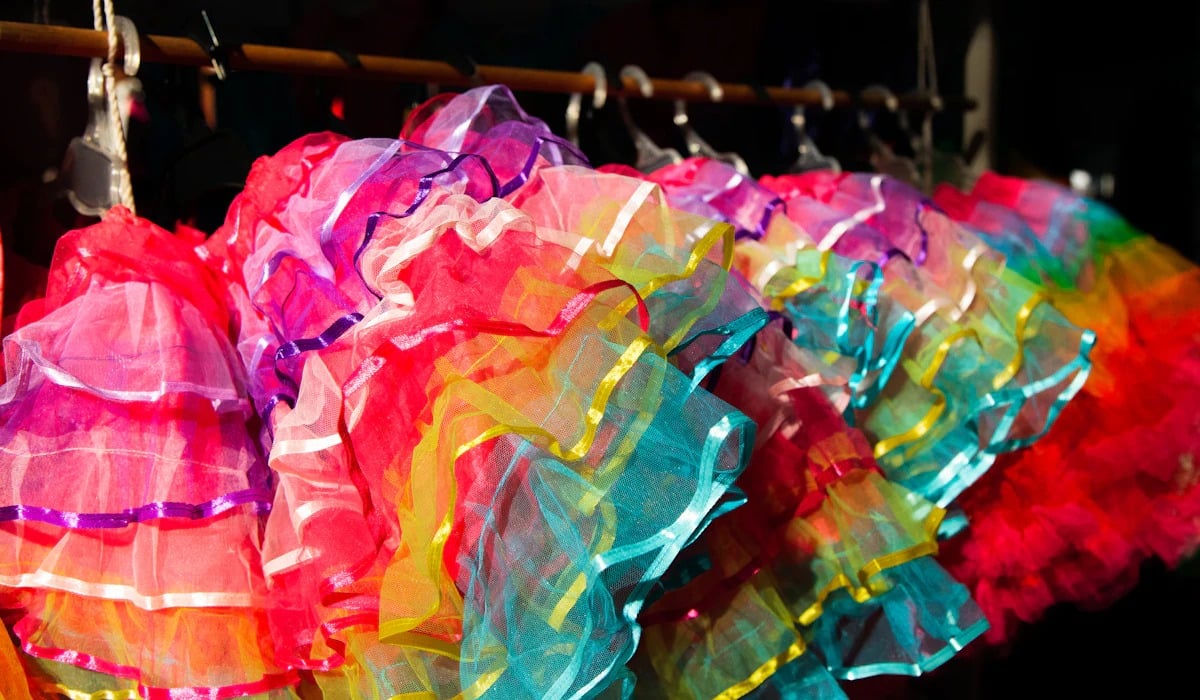
A specific subset of 1980s prom shoppers wanted the Scarlett O’Hara look, and manufacturers obliged with gowns built over hoop petticoats and trimmed with ruffles at every tier. The style drew on the popularity of pastel wedding fashion and a general taste for anything oversized.
The practical problems were real: a hoop skirt did not fit in a limo seat without being lifted, and it could not be worn through a standard doorway without turning sideways. The look appeared in prom fashion across different regions, although its popularity varied by school and community.
Satin Pumps Dyed to Match the Dress
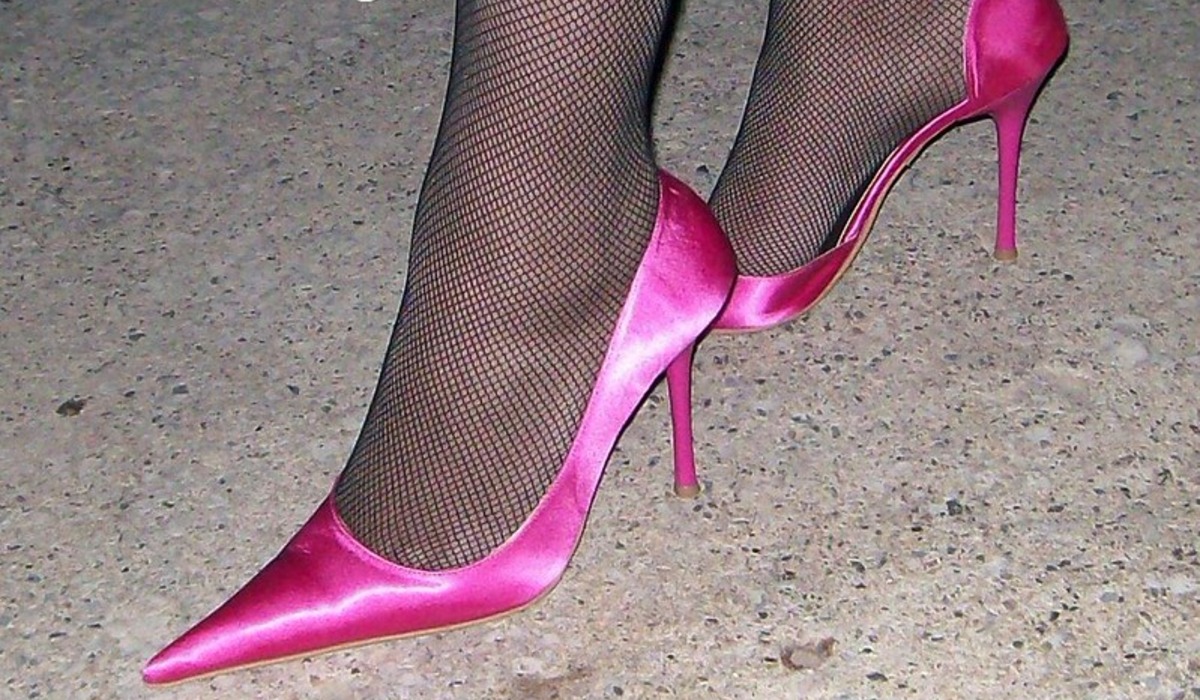
Shoe dyeing was a standard service at shoe stores and bridal shops, and the dyeable white satin pump was a familiar prom shoe for two decades. A shopper brought in a fabric swatch from the dress, and the store dyed a pair to match, usually within a week.
Brands such as Dyeables, sold through bridal retailers, made the pumps specifically for this purpose. The results could closely match the dress in color, but the shoes needed careful handling, since moisture could affect the dye and satin could scuff on a gym floor within the first hour.
Lace Fingerless Gloves and the Madonna Effect
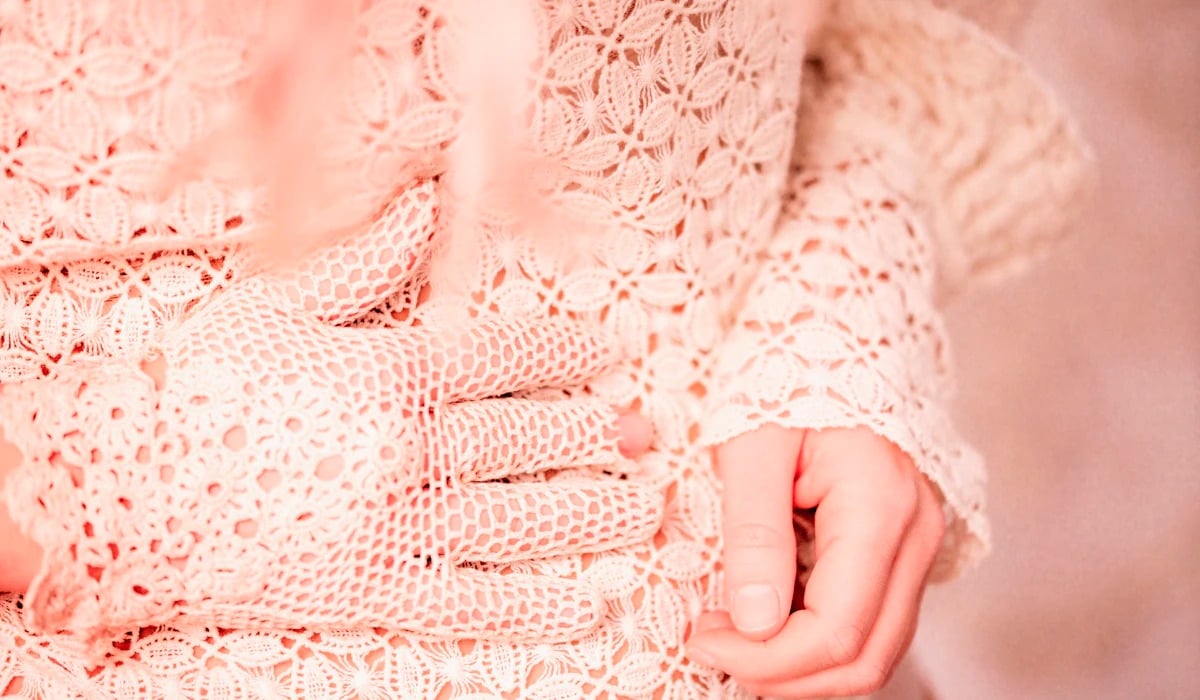
Madonna’s 1984 album Like a Virgin and its accompanying videos sent a wave of lace gloves, stacked rubber bracelets, and crucifix pendants into high schools, and prom was not exempt. Fingerless lace gloves in black or white were sold at mall accessory shops for a few dollars and paired with nearly any dress.
The look was a deliberate contrast to the pastel sweetness of the typical prom gown. The accessories also offered a way to bring pop-music style into an otherwise traditional formal outfit.
Big Hair Held Up With Aqua Net
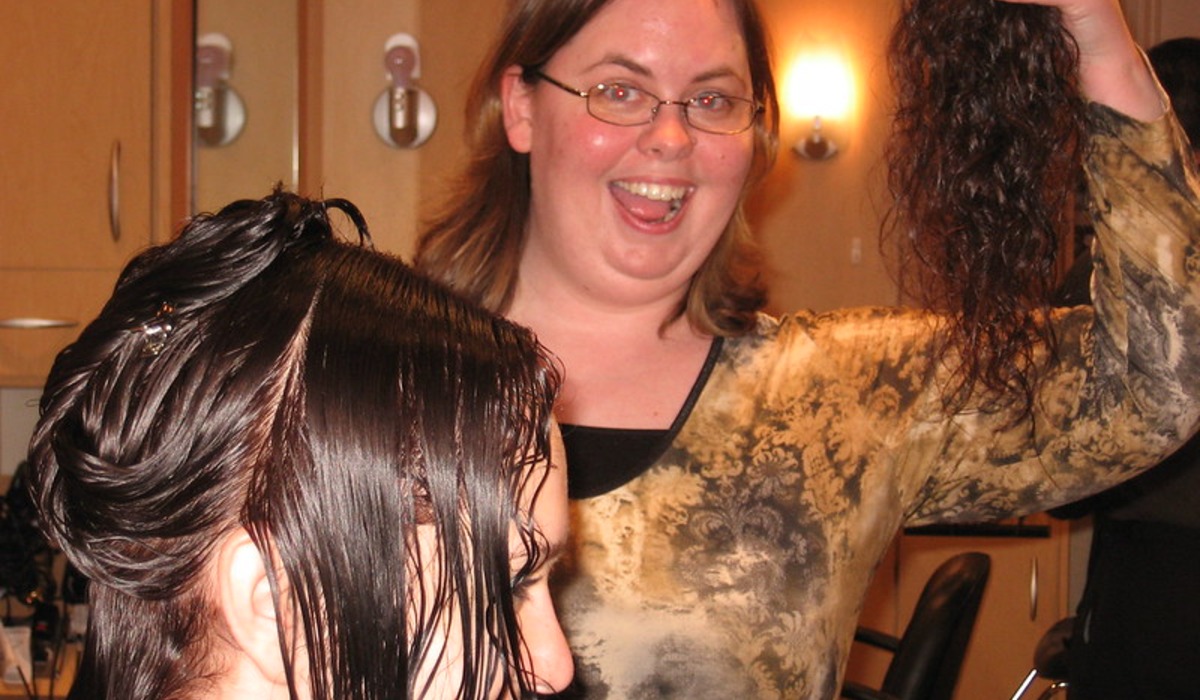
The towering, teased hairstyles of the 1980s required an industrial amount of hairspray, and the brand most often blamed was Aqua Net, a product that dates to the 1950s and became a punchline of the decade. Prom hair involved backcombing the crown, curling the bangs into a tall wave, and then spraying until nothing moved.
The purple can was cheap and sold in drugstores everywhere. A finished prom hairstyle could survive a convertible ride and a slow dance, but it also took considerable effort to wash and style the hair again the next morning.
Crimped Hair Straight From the Iron
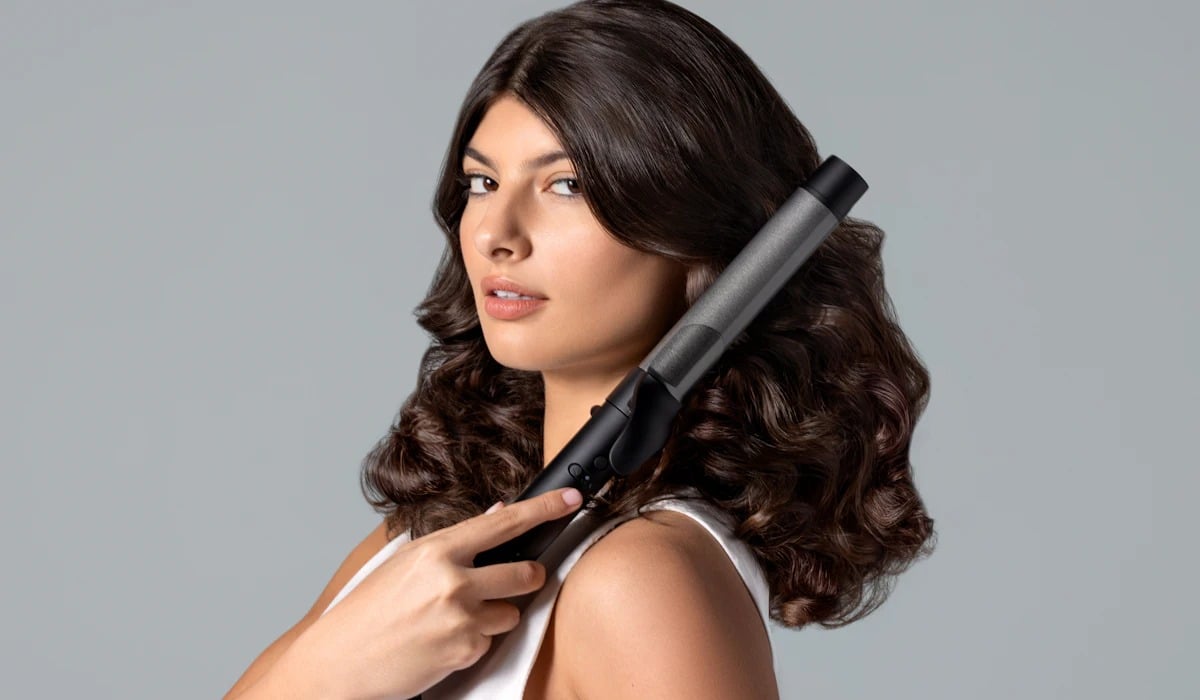
The crimping iron was developed in 1972 by hairstylist Geri Cusenza, who later co-founded the Sebastian hair care company, and the tool became especially popular in the second half of the 1980s. The zigzag plates pressed hair into tight waves, which added volume and caught light under a disco lamp.
For prom, crimped sections were often mixed with teased bangs and a side ponytail. The downside was damage: regular crimping and repeated heat styling could leave hair dry and brittle.
Homemade Dresses Inspired by Pretty in Pink
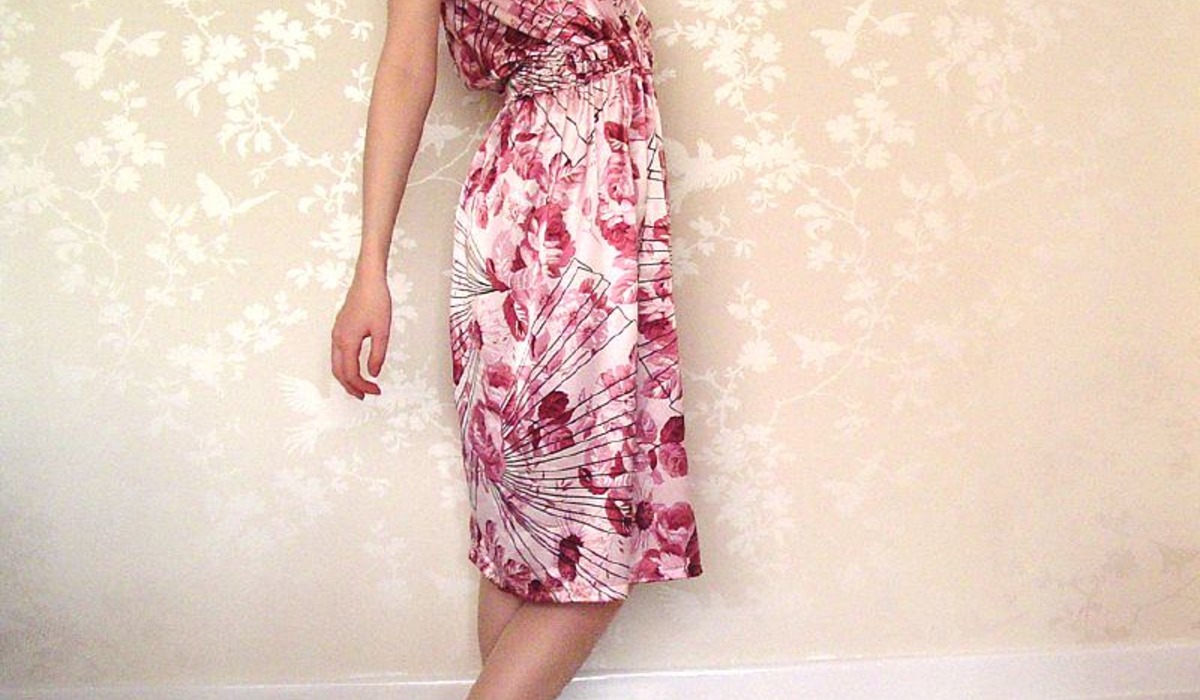
The 1986 film Pretty in Pink ended with Molly Ringwald’s character sewing her own prom dress from two older dresses, and the scene gave do-it-yourself prom fashion a cultural stamp of approval. Costume designer Marilyn Vance created the final pink dress, which polarized viewers then and now.
The film’s larger effect was to make the prom itself a subject of serious teen drama rather than comedy. Sewing-pattern companies had already been selling prom patterns for years, and the film remains a memorable reference point for teenagers who wanted a dress that felt individual rather than store-bought.
Pastel Tuxedos With Matching Cummerbunds
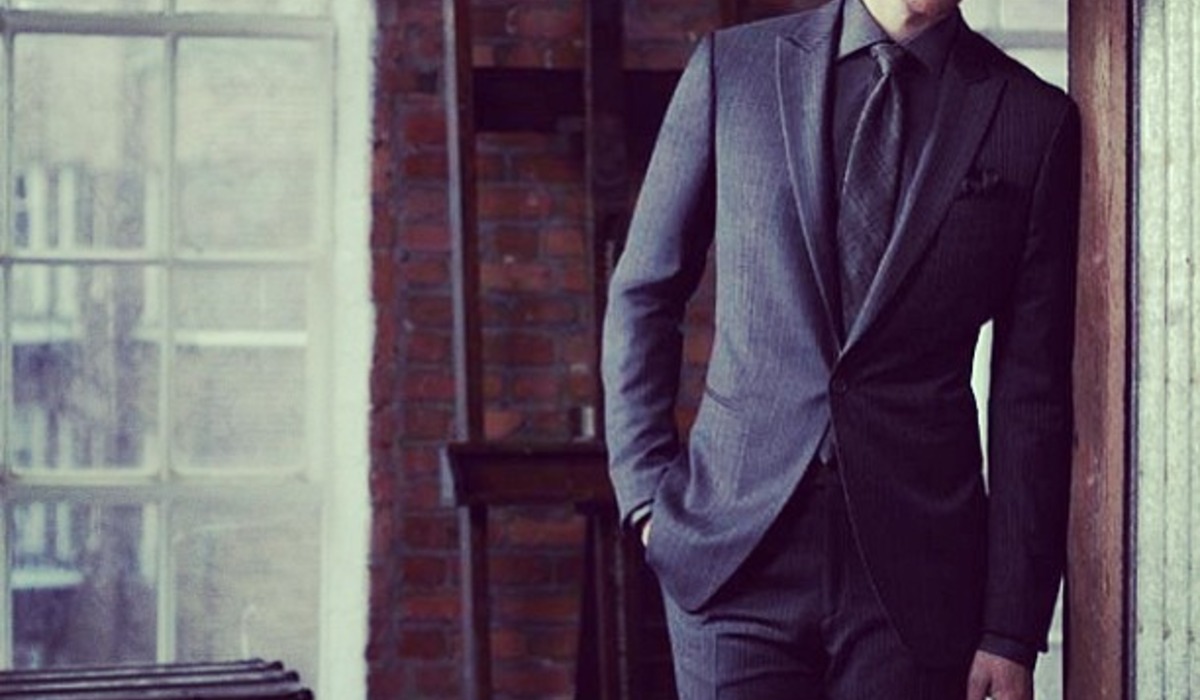
The powder blue, peach, and lavender tuxedo carried over from the 1970s into the first half of the 1980s and refused to go away quietly. The key ritual was matching: the cummerbund and bow tie were chosen in the exact shade of the date’s dress, so couples arrived looking color-coordinated from head to foot.
Rental shops kept entire walls of satin accessories organized by hue to serve this demand. By the end of the decade, the black tuxedo had reclaimed the mainstream, but the color-matched accessories survived well into the 1990s.
Mall Tuxedo Rentals From Gingiss Formalwear
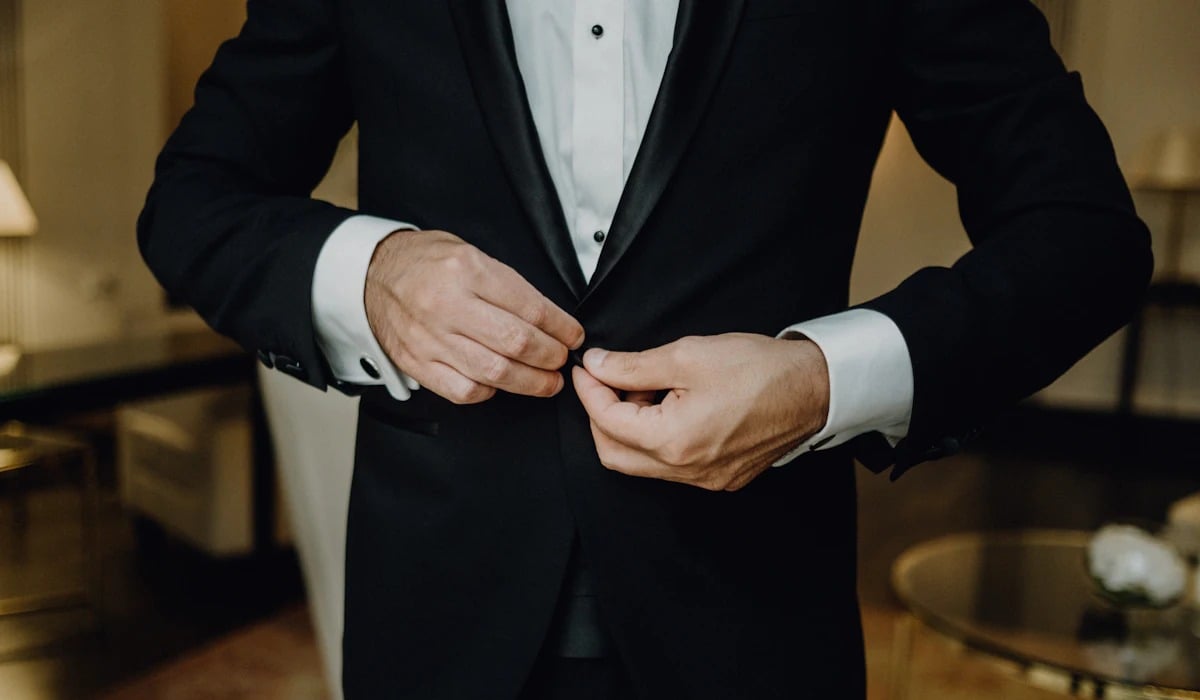
Renting a tuxedo meant a visit to the mall, and Gingiss Formalwear was one of the major names in the rental business. The Chicago company was founded in 1936 by Benjamin Gingiss and grew into a large franchised chain.
The process involved a fitting weeks in advance, a deposit, and a pickup on Friday afternoon with a return deadline on Monday. The suits were built for durability rather than fit, with adjustable waistbands and stiff polyester.
Late returns drew penalty fees that many graduates learned about the hard way.
Patterned Vests Replacing the Cummerbund
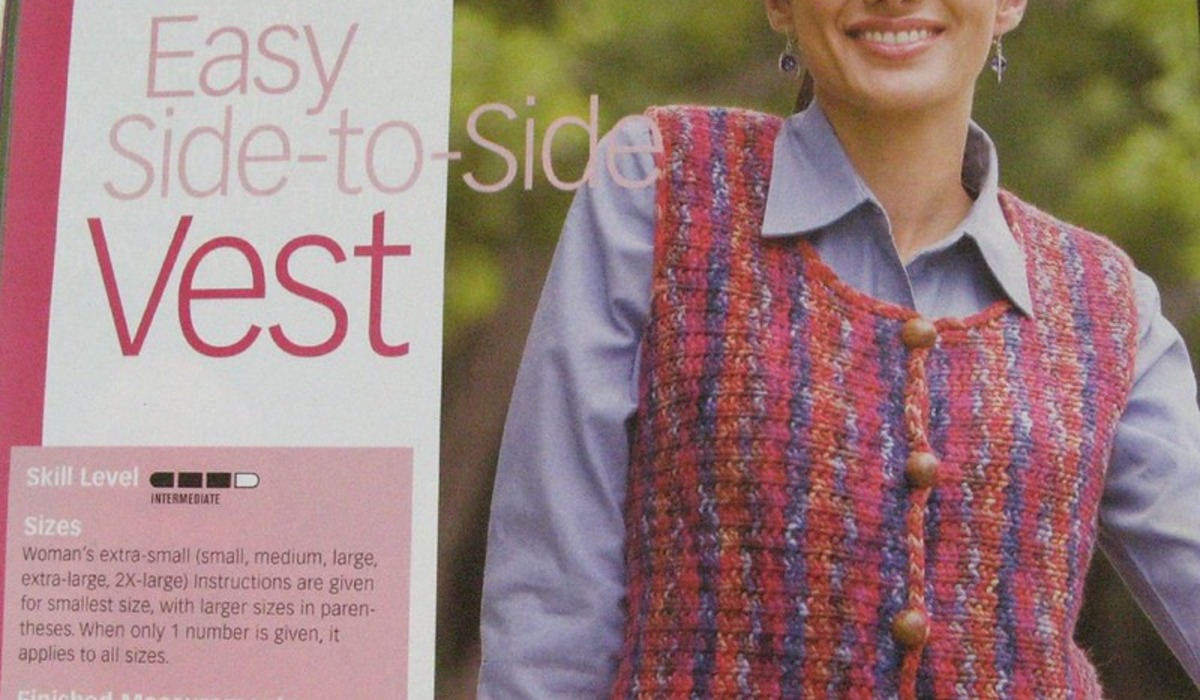
The 1990s tuxedo abandoned the cummerbund in favor of the vest, and the vest came in patterns: paisley, brocade, metallic jacquard, and bright jewel tones that matched a bow tie sold as a set. Rental chains promoted the vest-and-tie combination as a way to personalize an otherwise identical black suit.
Some vests were backless, held on with a strap, which saved fabric and cost. The look is now so tied to the decade that a paisley vest alone can make a prom photograph look unmistakably ’90s.
The Wrist Corsage Exchange
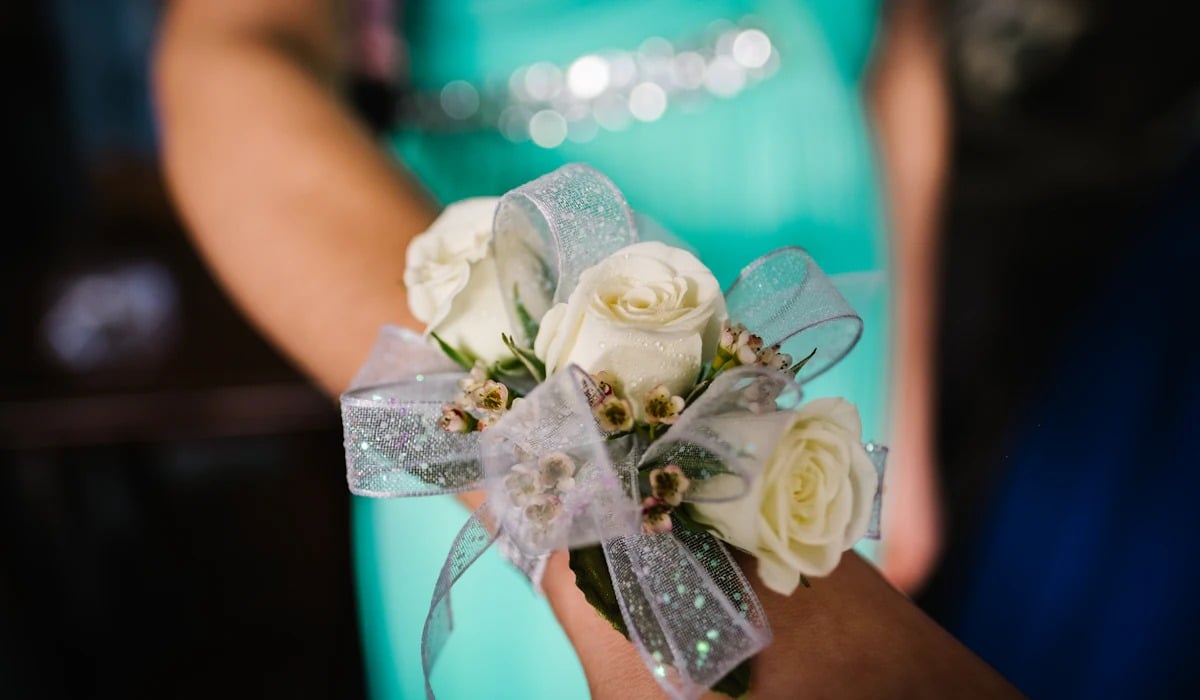
The corsage ritual required a trip to a florist, a conversation about dress color, and a pickup on prom day in a clear plastic box kept in the refrigerator. The 1980s favored the pin-on corsage, which risked puncturing an expensive dress, so the wrist corsage on an elastic band gained ground through the 1990s.
Roses, carnations, and baby’s breath dominated, often sprayed with glitter or wrapped in ribbon matched to the gown. The boutonniere was handed over in return, and the mutual pinning was a standard photo moment before leaving the house.
Stretch Limousines Built on Lincoln Town Cars

The stretch limousine became a prom expectation in the 1980s as rental companies multiplied and groups split the cost. The vehicle of choice through the 1990s was the Lincoln Town Car, whose body-on-frame construction made it practical for coachbuilders to cut and extend, which is why so many of them ended up as limos.
Inside, couples found tinted windows, a divider, colored lighting, and a bar stocked with soda. Many schools and parents added rules about chaperones and routes, and limo contracts often set a strict pickup time to limit after-prom detours.
Disposable Cameras on Every Table
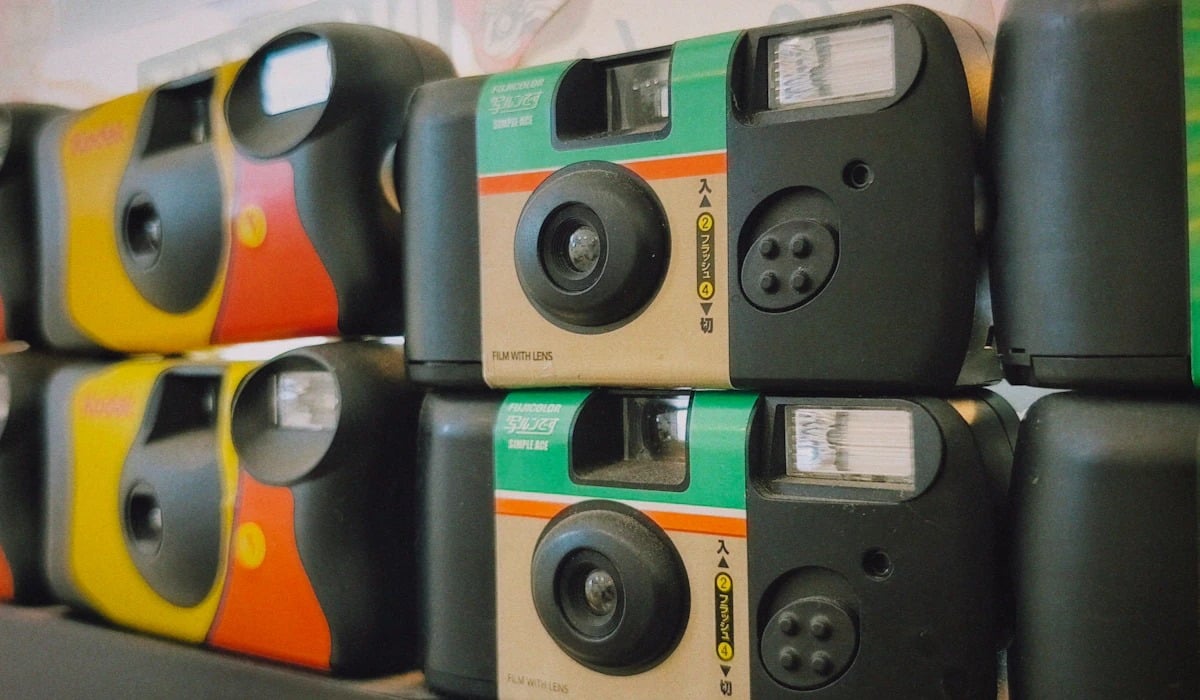
Fujifilm introduced the QuickSnap single-use camera in 1986, and Kodak followed in 1987 with the Fling, later renamed the FunSaver. By the early 1990s, some prom committees and guests were using disposable cameras to capture candid pictures.
Each camera held roughly 24 or 27 exposures with a built-in flash that fired whether or not the room needed it. The resulting photographs were grainy, overexposed, and frequently of the ceiling, and they are now some of the most honest records of what these nights actually looked like.
Studio Portraits Against Painted Backdrops
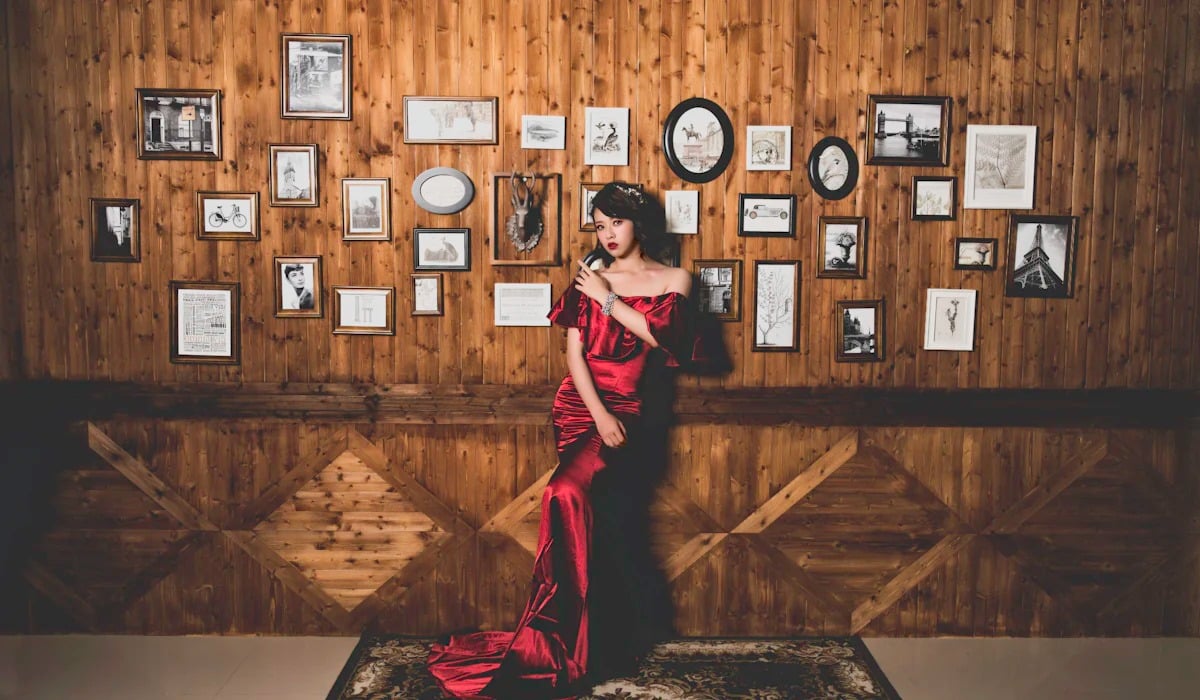
Every prom that offered formal portraits had a photographer stationed near the entrance with a painted backdrop, a lighting kit, and a price sheet. Couples posed in a standard arrangement, with one hand on a shoulder and heads tilted toward each other, in front of scenes such as a moonlit beach, a staircase, or a city skyline that often matched the night’s theme.
Packages included wallet prints, a five-by-seven, and a keychain. The photos arrived weeks later, long after the couple had sometimes broken up, which gave the keychains a short shelf life.
Proms Named After Alphaville’s Forever Young
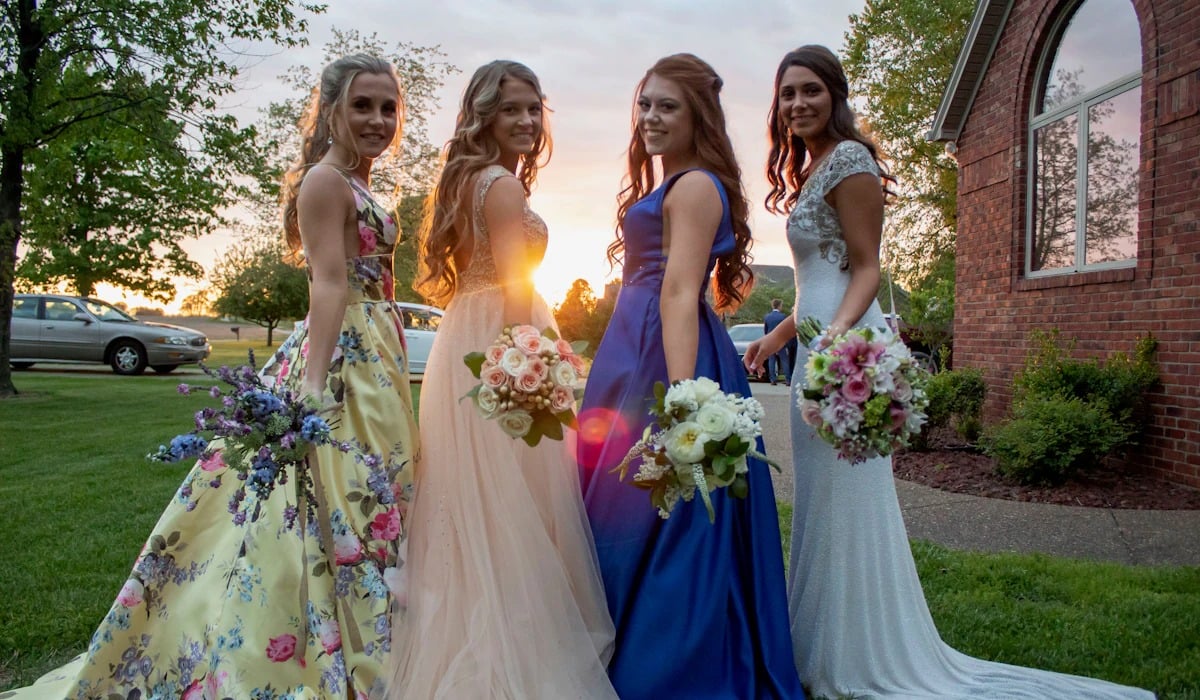
Alphaville, a German synth-pop group, released Forever Young in 1984, and the song became a familiar choice for prom themes and slow-dance playlists. The lyrics about wanting to stay young forever fit the event so precisely that committees adopted the title for banners, tickets, and the final slow dance.
The track was not a major US pop hit on release, which makes its long afterlife in school gyms more remarkable. It was later covered and sampled repeatedly, and it still appears on prom playlists decades after its release.
Take My Breath Away as the Slow-Dance Standard
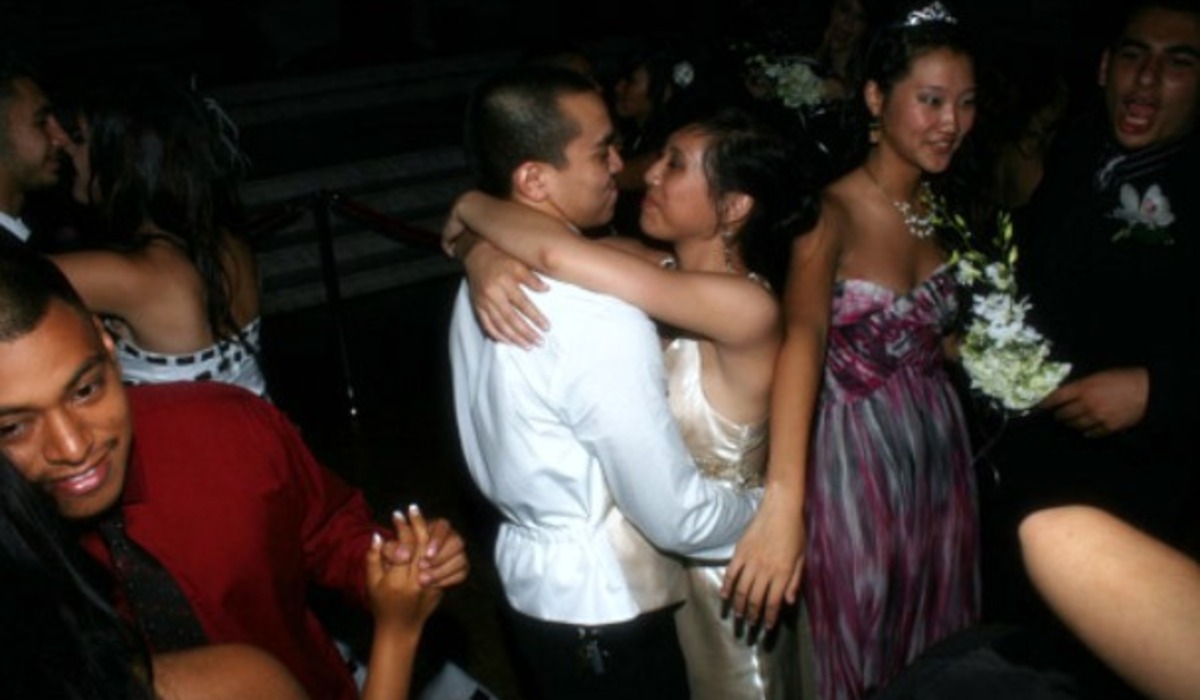
Berlin’s Take My Breath Away, written for the 1986 film Top Gun, reached number one on the Billboard Hot 100 and won the Academy Award for Best Original Song. Its slow tempo, synthesizer bass line, and movie association made it a natural choice for late-’80s prom playlists, and committees used the title as a theme throughout the late 1980s.
The song gave DJs a reliable way to clear the floor of fast dancers and fill it with couples. Decades later, it remains one of the most recognized slow-dance songs of the era.
The Lady in Red on Every Playlist

Chris de Burgh’s The Lady in Red was released in 1986 and reached number three on the US pop chart the following year, though its reach at proms outlasted its chart run by a decade. The song’s lyric describing a woman in a red dress on a dance floor made it a literal fit for the event, and DJs sometimes used it as a dedication to guests wearing red.
The track’s slow build gave couples a full four minutes of swaying. It remains divisive among listeners, which has not stopped it from being requested.
Lost in Your Eyes and the Teen Pop Slow Dance
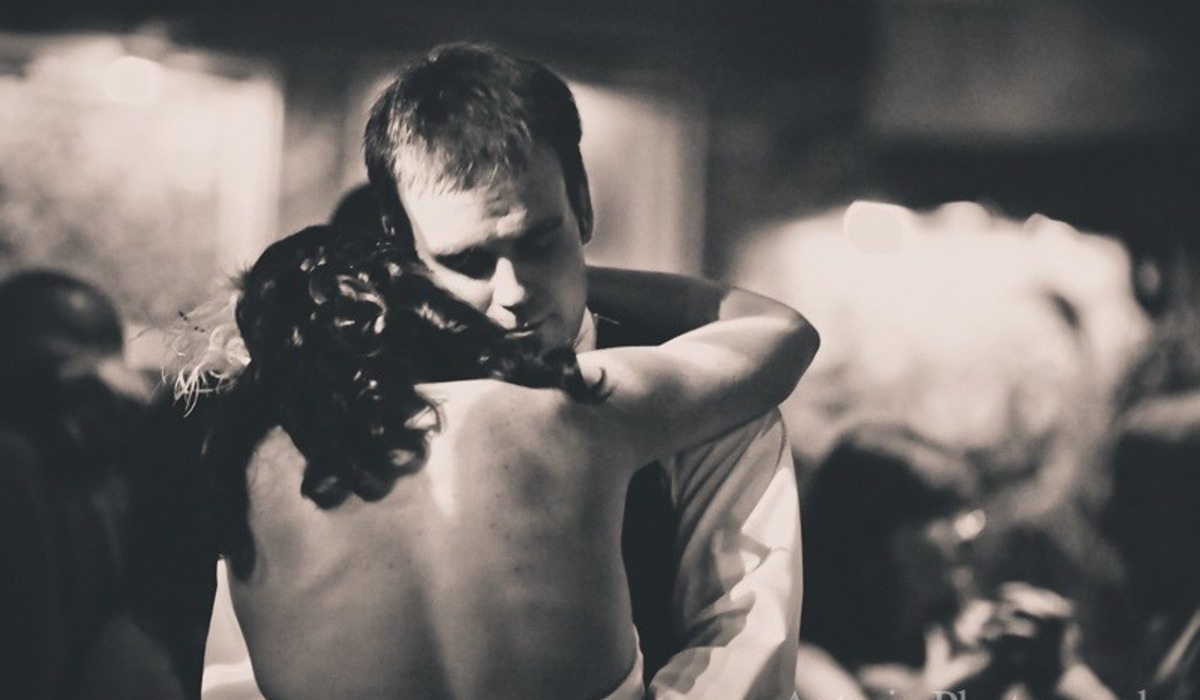
Debbie Gibson wrote and recorded Lost in Your Eyes while still a teenager, and it reached number one on the Billboard Hot 100 in March 1989. The piano-led track from the album Electric Youth was a slow dance written by someone the same age as the people dancing to it, which was rare.
Gibson had already become the youngest artist to write, produce, and perform a number one single with Foolish Beat the year before. At proms in the spring of 1989, the song was a prominent choice for slow dances.
End of the Road for the Last Dance
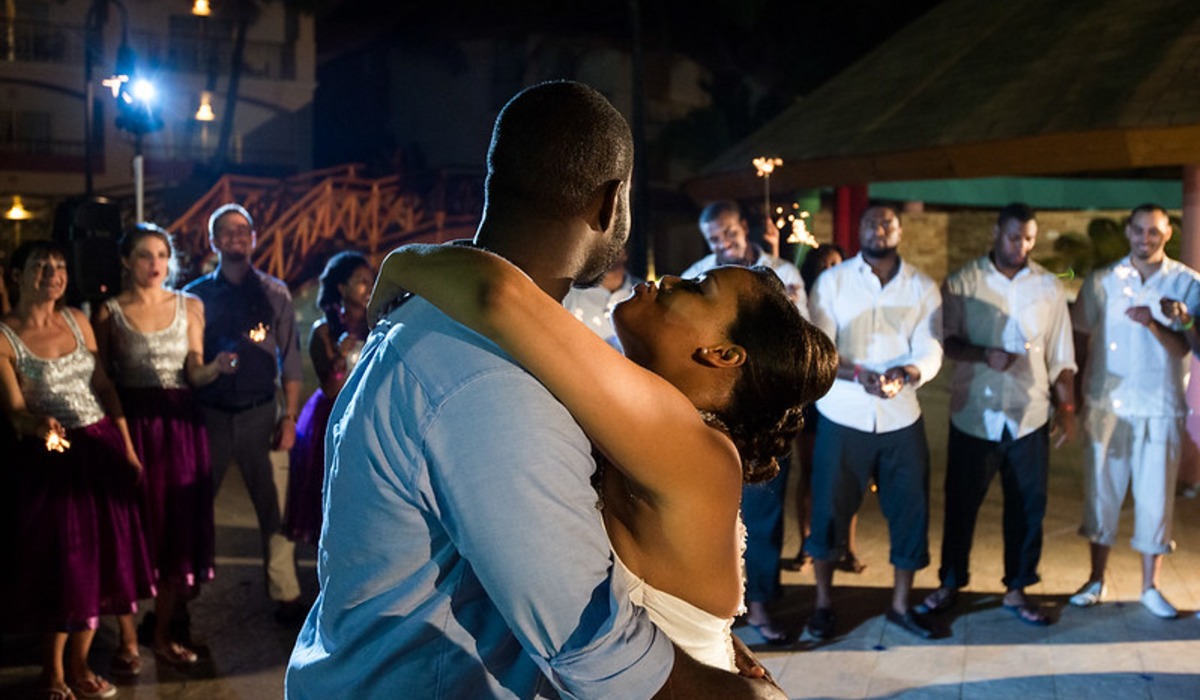
Boyz II Men’s End of the Road, released in 1992 for the film Boomerang, spent 13 weeks at number one on the Billboard Hot 100, setting a new record for the longest run at number one at the time. Its title and spoken-word bridge made it a fitting choice for the final song at some proms during the 1992 and 1993 seasons.
The harmonies also set the template for a decade of vocal groups whose slow songs filled prom playlists. DJs who played it before the end of the evening were corrected quickly by the dance floor.
Whitney Houston’s Bodyguard Theme at Full Volume
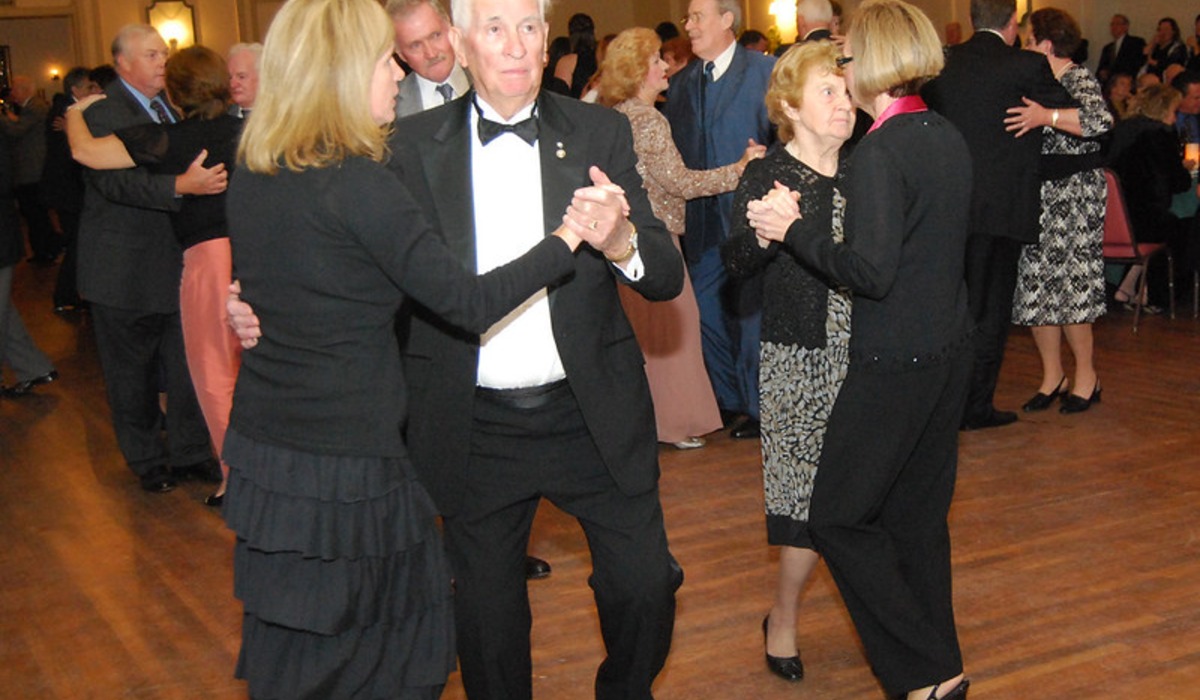
Whitney Houston’s cover of Dolly Parton’s 1974 love song, recorded for the 1992 film The Bodyguard, held the number one spot on the Billboard Hot 100 for 14 weeks, setting a record at the time. Parton had written the original as a quiet country farewell, but Houston’s arrangement, with its unaccompanied opening and key change, became a defining version of the song for a new generation.
The song was difficult to dance to and impossible not to sing along to, which created a specific scene of couples standing still while shouting the chorus. It remained on prom playlists for the rest of the decade.
Truly Madly Deeply as the Late-’90s Theme
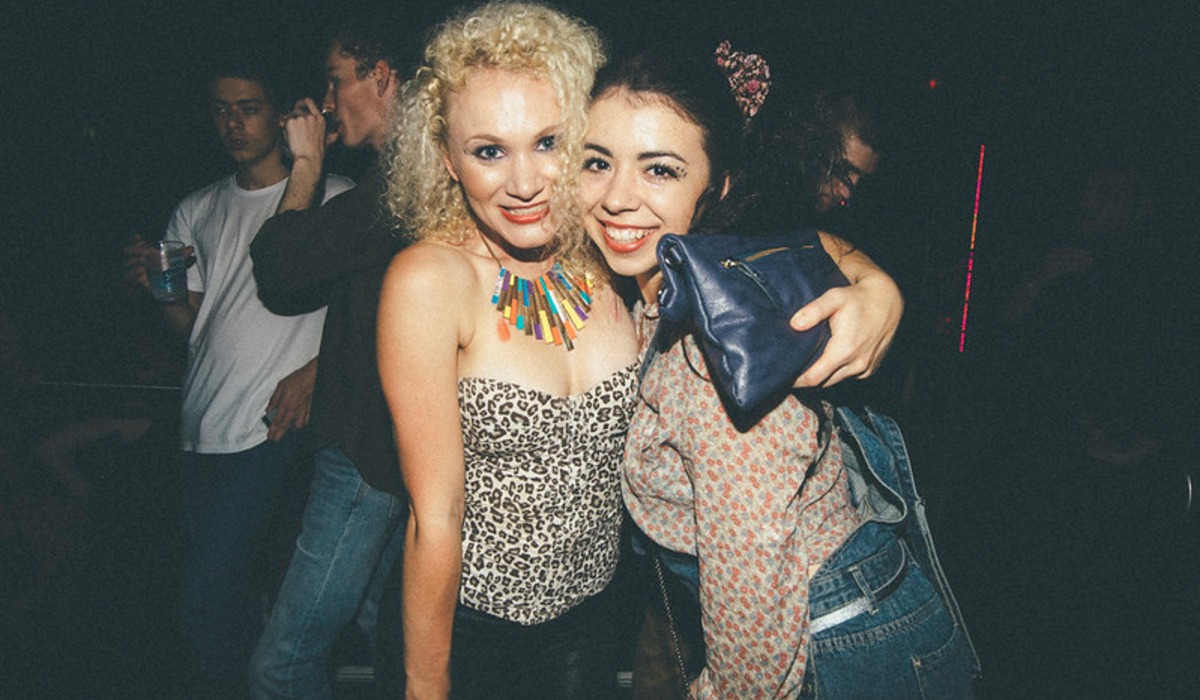
Savage Garden’s Truly Madly Deeply reached number one on the Billboard Hot 100 in January 1998 and then spent more than two years on the Adult Contemporary chart. Its lyrics about standing on a mountain and bathing in the sea were adopted as prom themes at some schools, and the song became a familiar choice for slow dances in 1998 and 1999.
The Australian duo’s sound was softer and more acoustic than the vocal-group slow songs that preceded it. It became one of the memorable prom anthems of the late 1990s.
The Macarena as a Group Dance
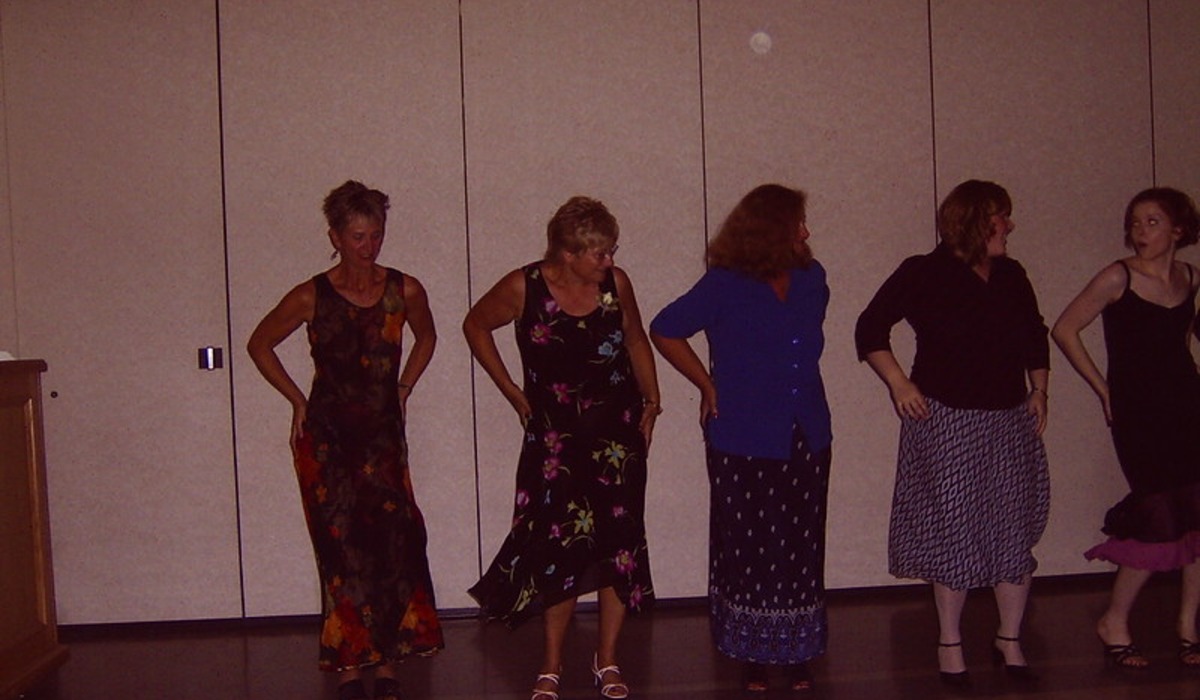
The Bayside Boys remix of Los del Río’s Macarena spent 14 weeks at number one on the Billboard Hot 100 in 1996, and its simple arm choreography turned it into a popular group-dance moment at school events that spring and the next. The dance required no partner and no skill, which meant teachers, chaperones, and the shyest students all ended up in the same line.
DJs used it as a floor-filler between slow songs. The song’s dominance was brief but total, and a prom in 1996 without it would have been less typical of the era’s party playlists.
Slip Dresses and ’90s Minimalism
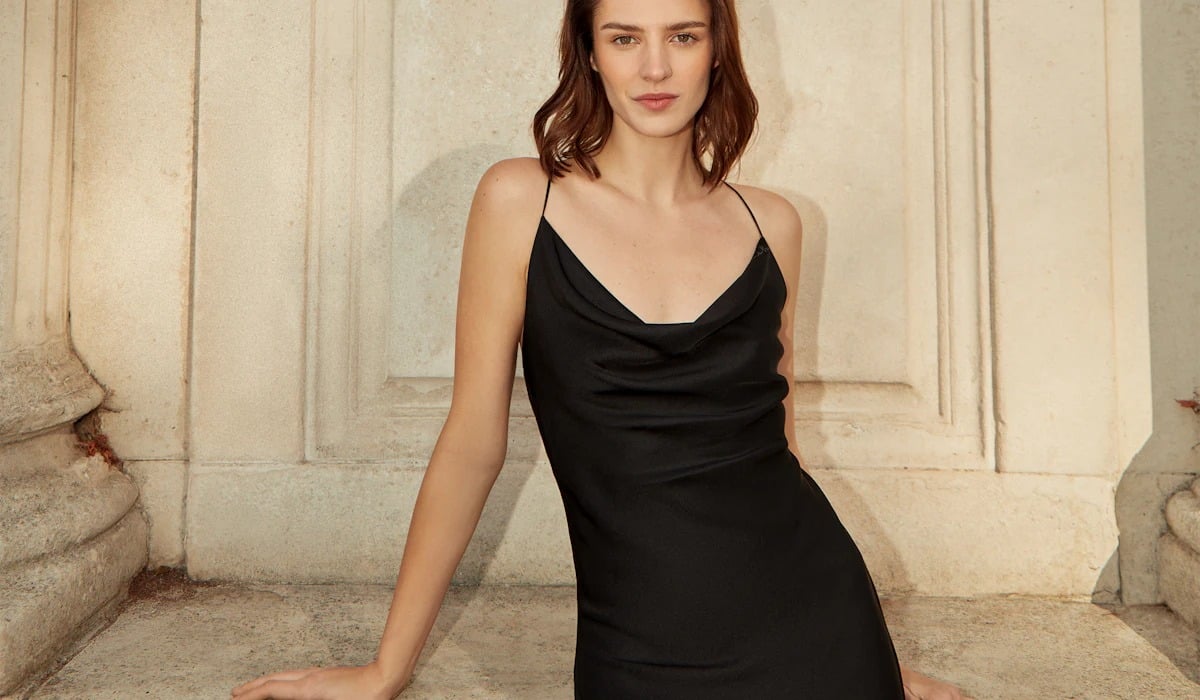
The mid-1990s swung hard against the ruffles of the previous decade, and the slip dress led the change. Thin spaghetti straps, a bias cut, and a plain satin or crepe fabric in black, silver, or champagne replaced the puffed sleeves and petticoats.
The look drew on runway minimalism from designers such as Calvin Klein and on the lingerie-inspired fashion of the era. Mall stores sold affordable versions by the thousand, and the dress was light enough to dance in without rustling, which made the gyms noticeably quieter.
Sequined and Glitter-Tulle Department Store Gowns
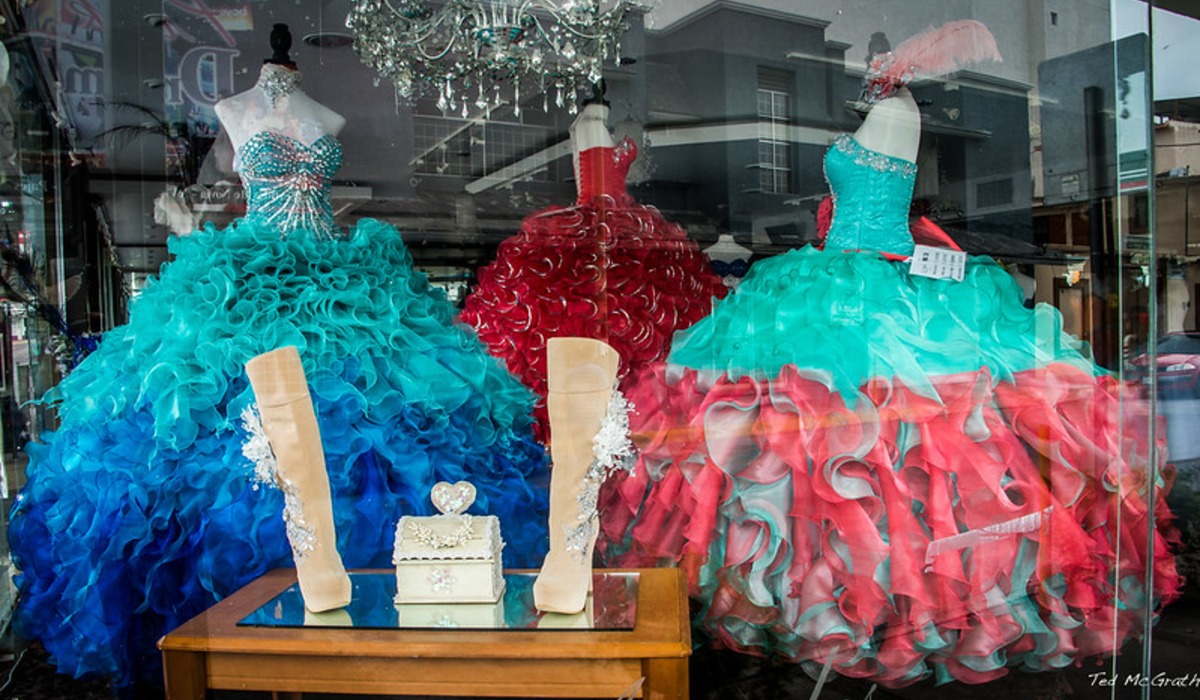
Brands such as Zum Zum by Niki Livas and the later Jessica McClintock lines filled department store juniors sections with 1990s gowns in sequins, iridescent fabric, and glitter-dusted tulle. The skirts were fuller than a slip dress but far lighter than the 1980s versions, often with a sheer overlay in a contrasting color.
Halter necklines and two-piece styles with a bare midriff appeared toward the end of the decade. Many of these dresses survive in good shape because the synthetics often hold their color better than some natural fabrics, and vintage buyers price them by condition and by whether the glitter has shed.
The Rachel and the Tendril Updo
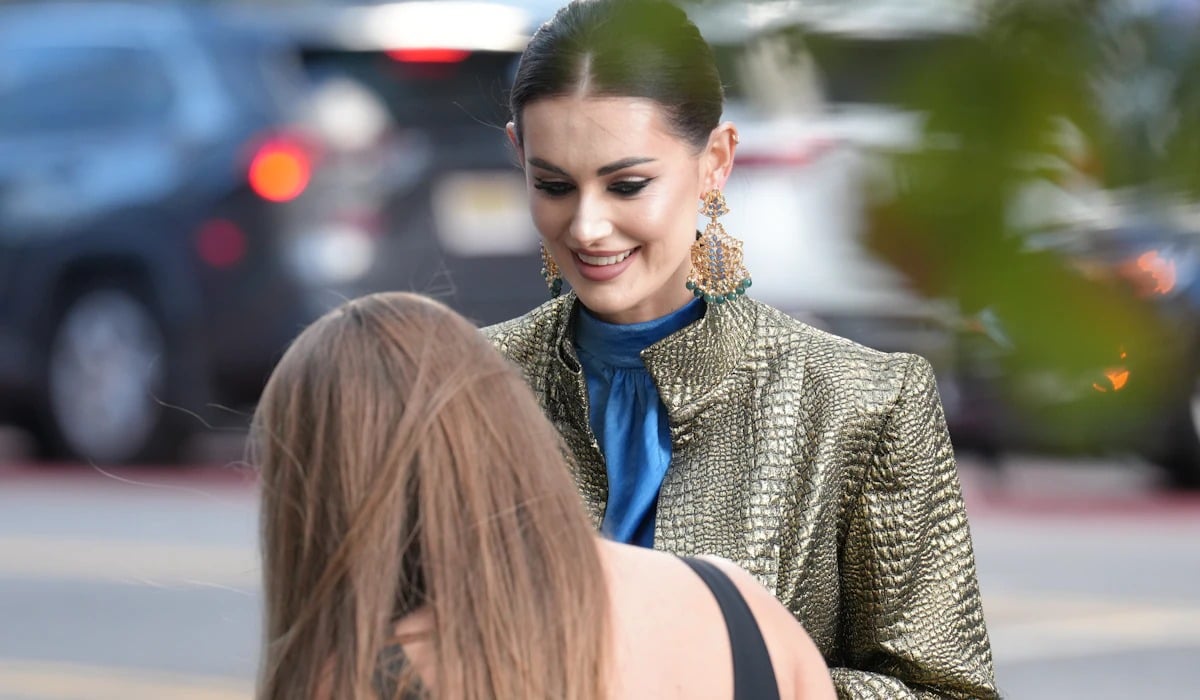
When Friends premiered in 1994, Jennifer Aniston’s layered, face-framing cut, created by stylist Chris McMillan, became known as The Rachel and was requested in salons nationwide. Aniston later said she disliked the cut and found it hard to style herself.
For prom, the layers were often pinned into an updo with two curled tendrils left loose at the temples, a look that fit the decade’s formal hairstyles. The tendrils were set with gel and hairspray so they held their curl through the night.
Butterfly Clips and Body Glitter
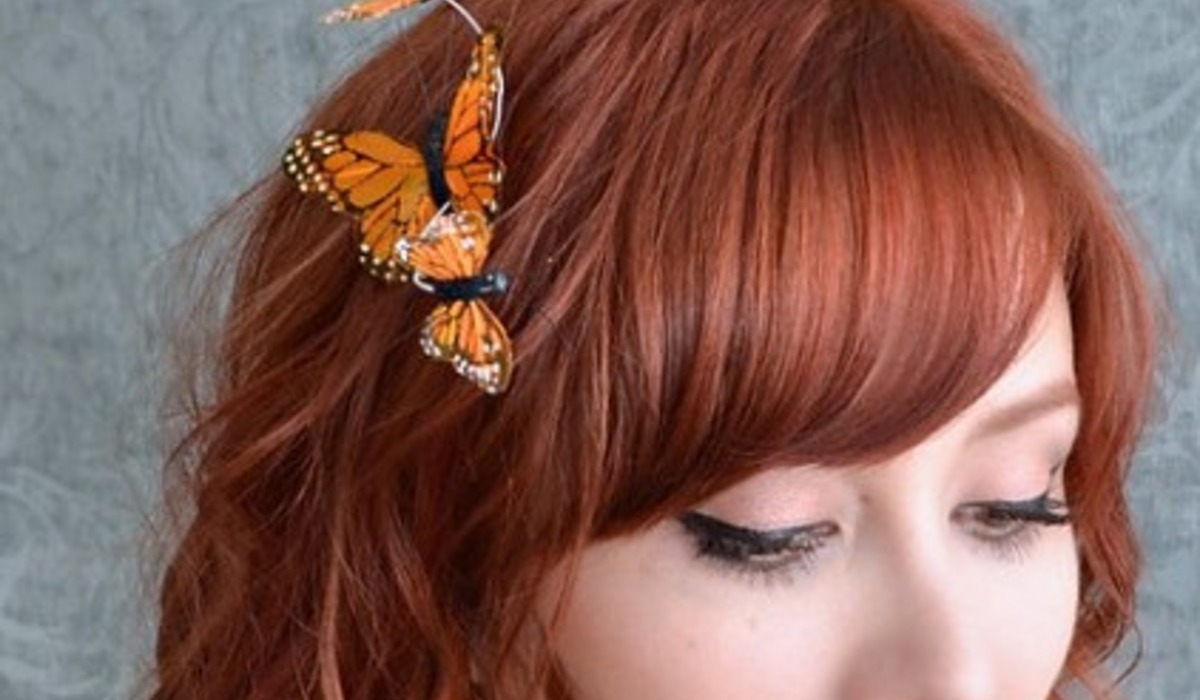
Late-1990s prom beauty was sparkly by rule. Small plastic butterfly clips in pastel and iridescent colors were scattered through twisted sections of hair, sometimes a dozen at a time.
Body glitter in roll-on and gel form went on shoulders, collarbones, and cheekbones, and drugstore brands sold it in tubes for a few dollars. Frosted lipstick and shimmer eyeshadow completed the look.
The glitter transferred to every tuxedo jacket on the dance floor, and rental shops could be left with the task of brushing it out of black polyester.
Project Graduation and the After-Prom Lock-In
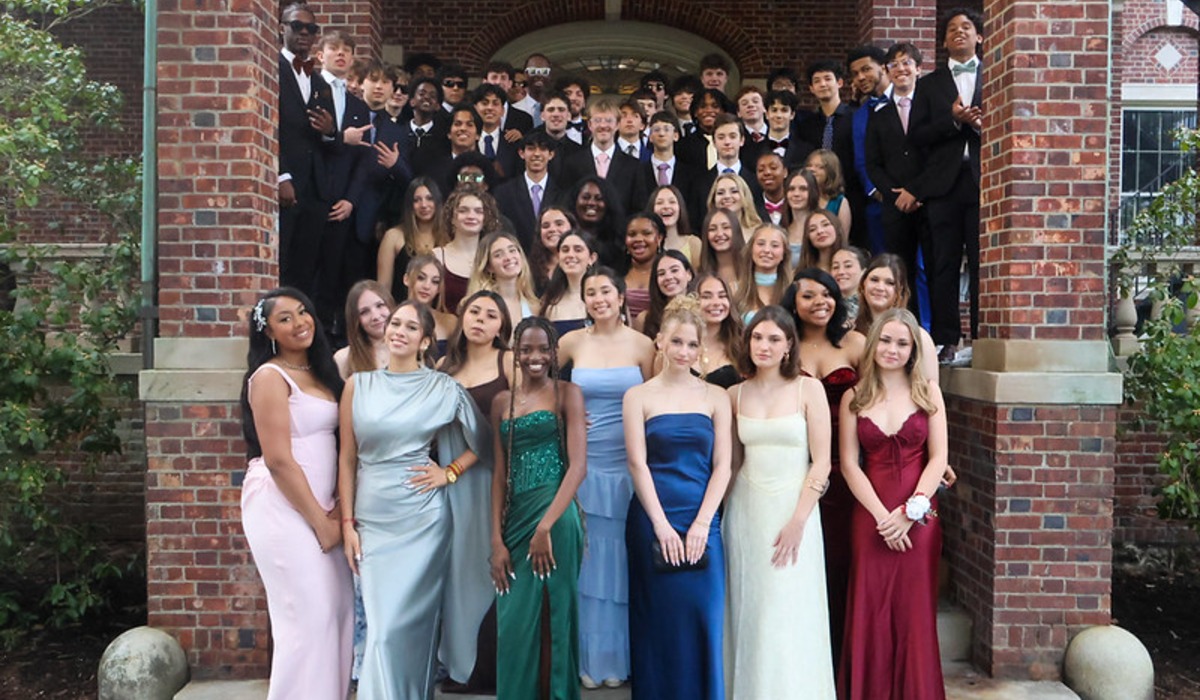
Project Graduation began in Maine in 1980 after a series of alcohol-related teen deaths around graduation season, and it spread across the country over the next decade as a model for supervised, alcohol-free after-prom and after-graduation events. Parent committees rented gyms, bowling alleys, or community centers, sometimes keeping the venues closed to outside visitors while students played games, ate, watched hypnotists, and entered raffles until dawn.
Prizes were often substantial, including televisions and, in some cases, cars, to encourage attendance. By the 1990s, the all-night lock-in had become a familiar alternative to unsupervised after-prom parties in many communities.
The Crowning of a Prom Court
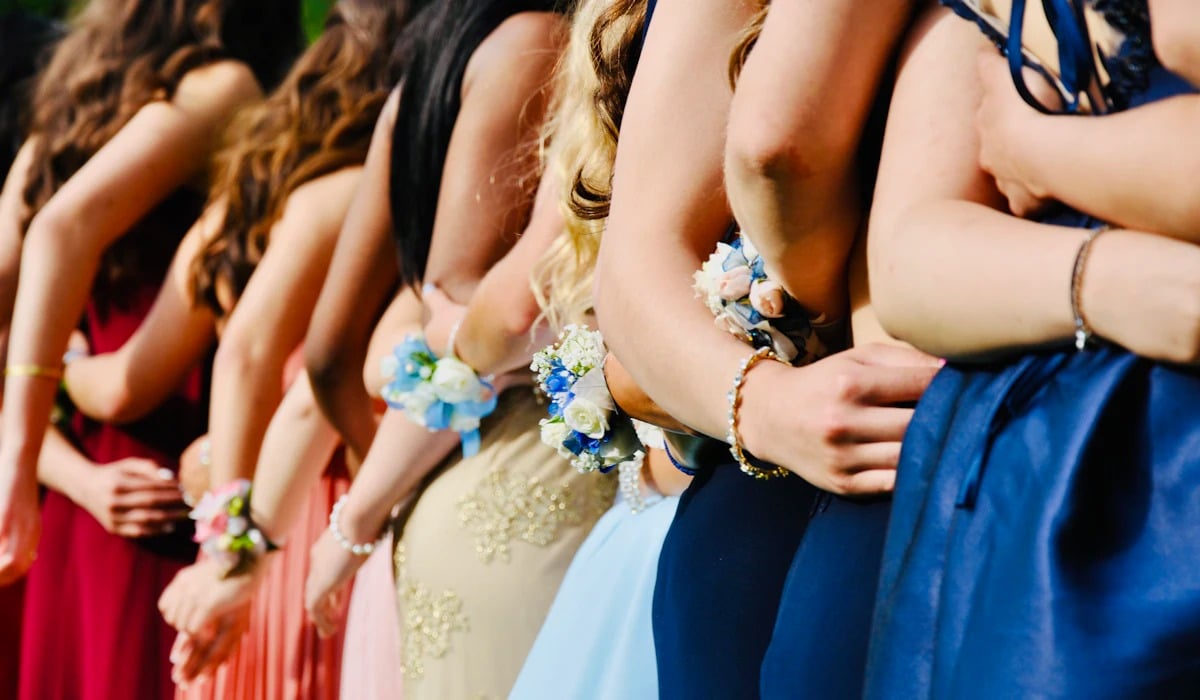
The selection of a prom king and queen, along with a court of attendants, was a fixture of both decades and followed a familiar script. Nominations came from the class, students voted in homeroom or at the door, and the winners were announced at a set moment in the evening, usually before the final slow dance.
The crowns were plastic and rhinestone, the sashes were satin, and the winning couple took a spotlight dance while the DJ played the theme song. Local newspapers often printed the names, which made the title a small-town matter of record.
When the Gym Became a Time Capsule
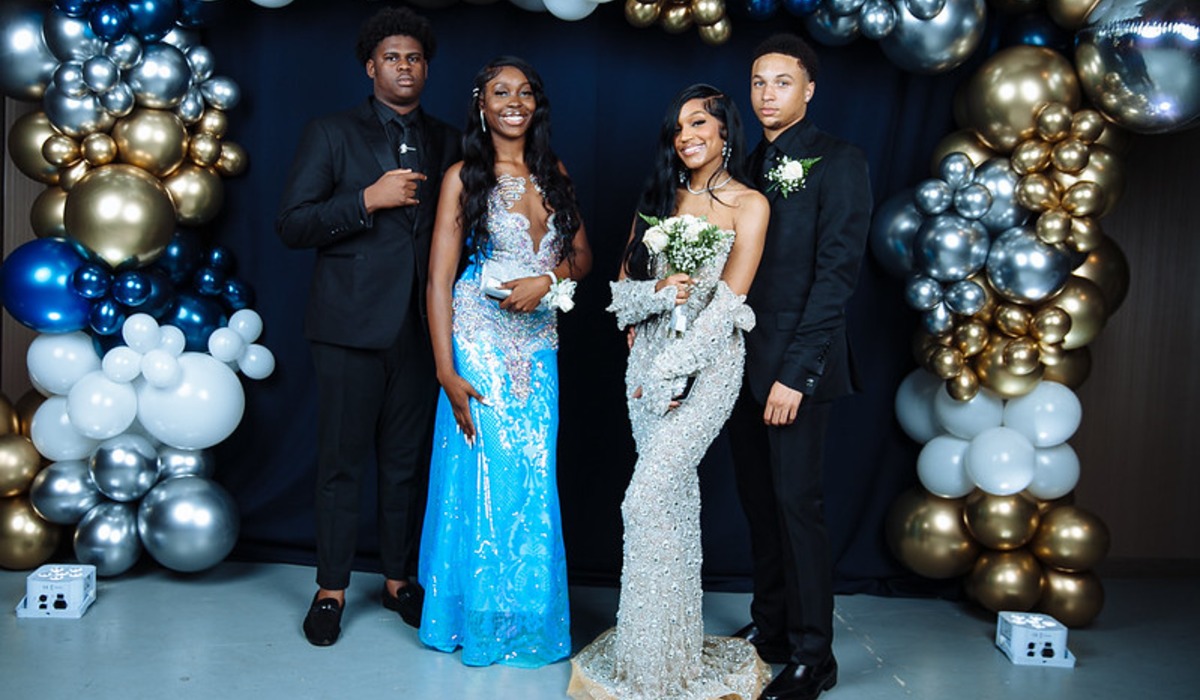
Nearly every item on this list was sold rather than invented by students, from the dyeable pump to the disposable camera to the limo contract with a midnight clause. The genius of the prom economy was that it convinced each class the rituals were theirs alone, when the same florists, rental chains, and record labels were supplying similar products and services to schools across the country.
The result was a remarkable uniformity: a 1988 prom in Ohio and one in Oregon could share many of the same looks, songs, and rituals.
That uniformity is exactly what makes the photographs valuable now. The sleeves, the vests, the crimped bangs, and the glitter are not just embarrassing; they are precise timestamps, often placing a photograph within a few years of its date.
A song title on a banner and a paisley vest in a wallet print can date a night more reliably than a memory can. The trends faded, but the record they left is unusually complete.
More from Go2Tutors!

- The Romanov Crown Jewels and Their Tragic Fate
- 13 Historical Mysteries That Science Still Can’t Solve
- Famous Hoaxes That Fooled the World for Years
- 15 Child Stars with Tragic Adult Lives
- 16 Famous Jewelry Pieces in History
Like Go2Tutors’s content? Follow us on MSN.