28 Accidental Inventions Used in Homes Today
A surprising share of the objects in an ordinary kitchen, bathroom, and junk drawer exist because somebody was trying to make something else and failed in a useful way. The chemist who wanted a stronger glue made a weaker one, the engineer who wanted a refrigerant made a non-stick coating, and the cook who ran out of an ingredient made a cookie that outsold the original.
The stories below are the ones with a documented person, a documented mistake, and a product that ended up in millions of homes. A few of them have grown legends around the edges, and where that is the case, the entry says so.
The Microwave Oven
9*********
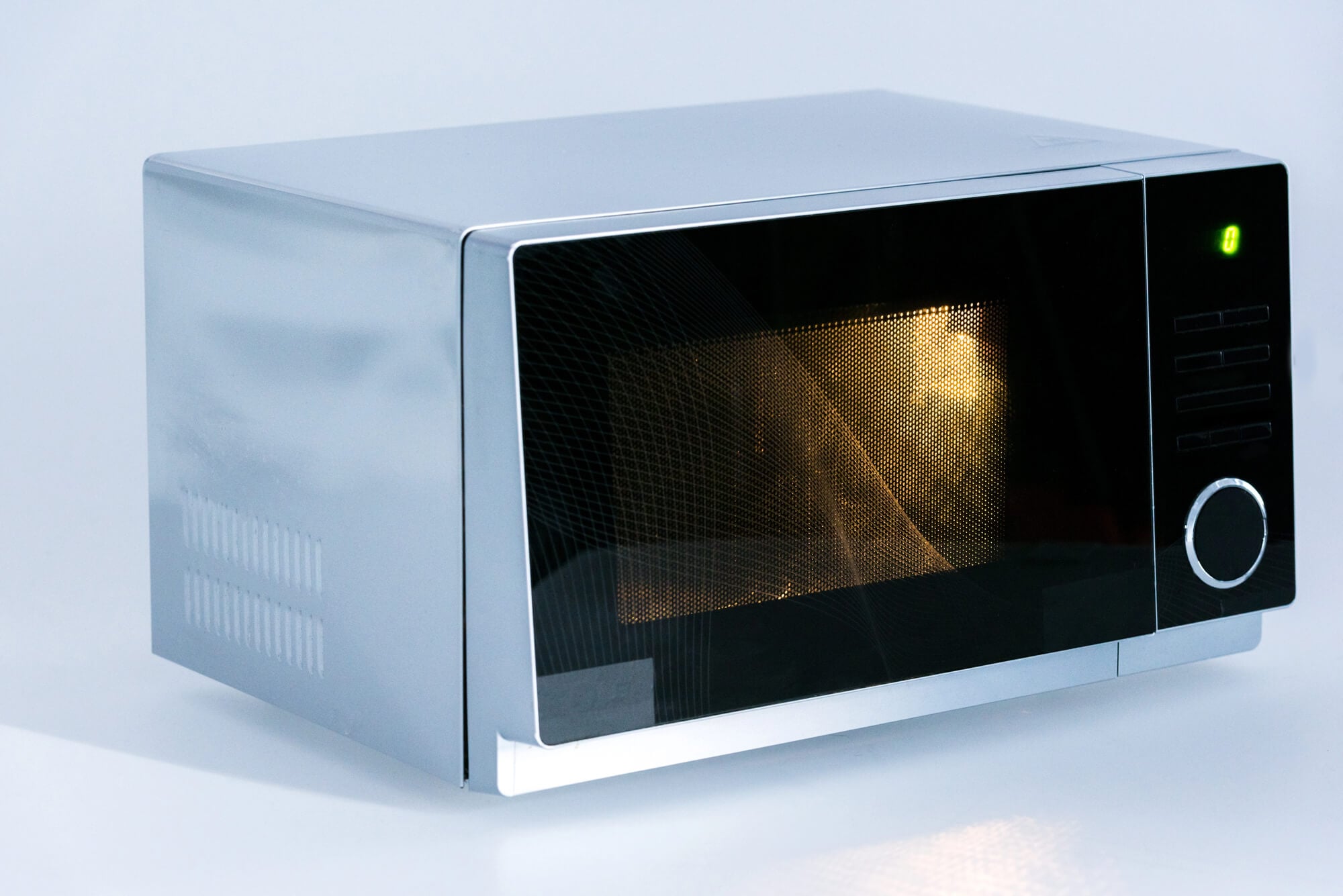
Percy Spencer, an engineer at Raytheon, was testing a magnetron for radar equipment in 1945 when he noticed a candy bar in his pocket had melted. He followed up by placing popcorn kernels and then an egg near the tube, and the company filed for a patent on microwave cooking that year.
The first commercial ovens were taller than a refrigerator and sold to restaurants, and the countertop version did not arrive until the late 1960s.
Teflon
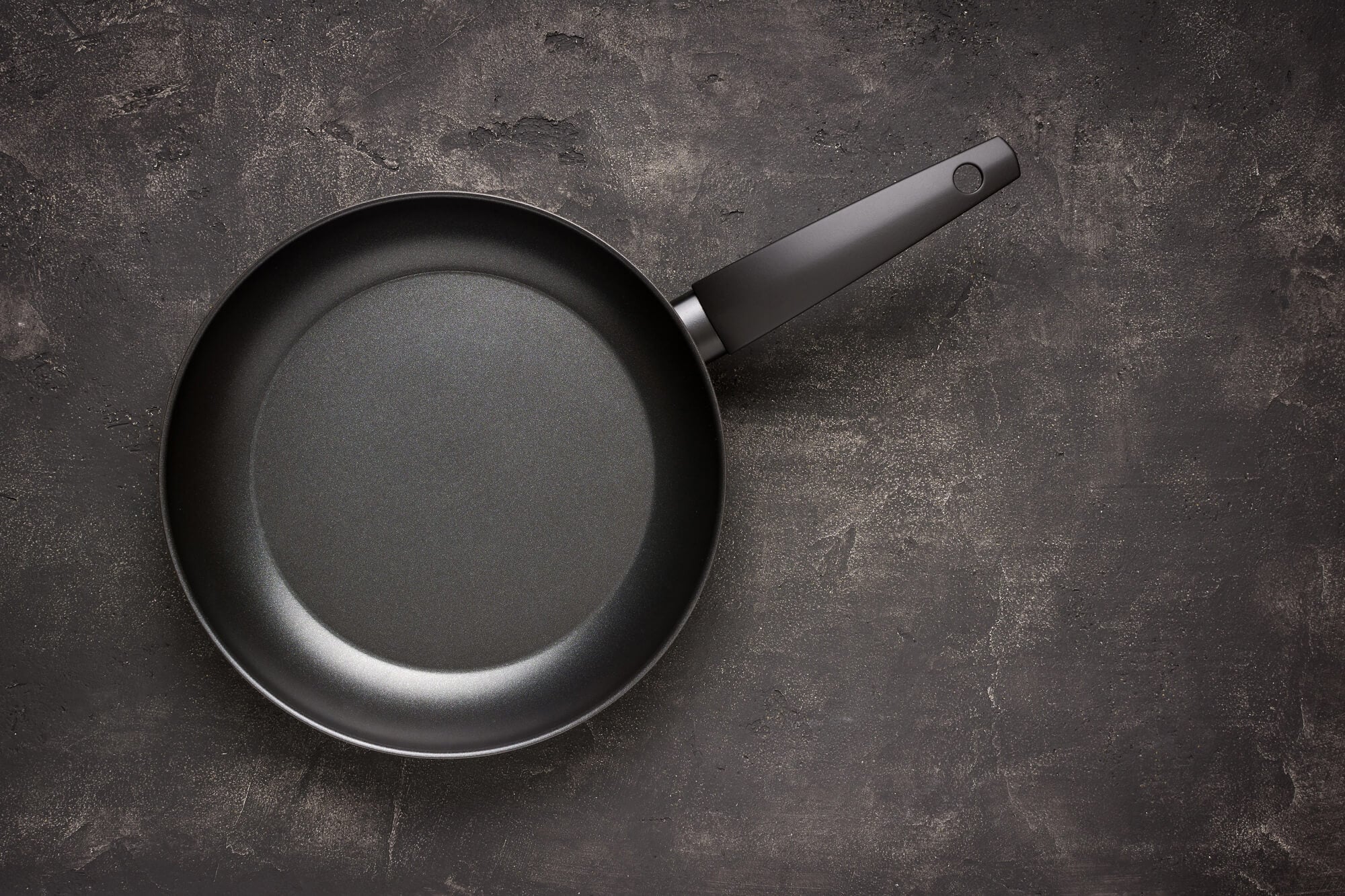
Roy Plunkett was working on refrigerant gases at DuPont in 1938 when a cylinder of tetrafluoroethylene appeared to be empty but still weighed as much as a full one. He cut it open and found a waxy white powder that was slippery, chemically inert, and resistant to heat.
The material was used in the Manhattan Project before anyone thought to coat a frying pan with it.
Post-it Notes

Spencer Silver, a 3M chemist, was trying to develop a strong adhesive in 1968 and instead produced one that was weak, reusable, and stuck lightly to almost anything. Nobody at the company could find a use for it until colleague Art Fry, frustrated that his bookmarks kept falling out of his church hymnal, coated slips of paper with it in 1974.
The product reached national stores in 1980.
Velcro
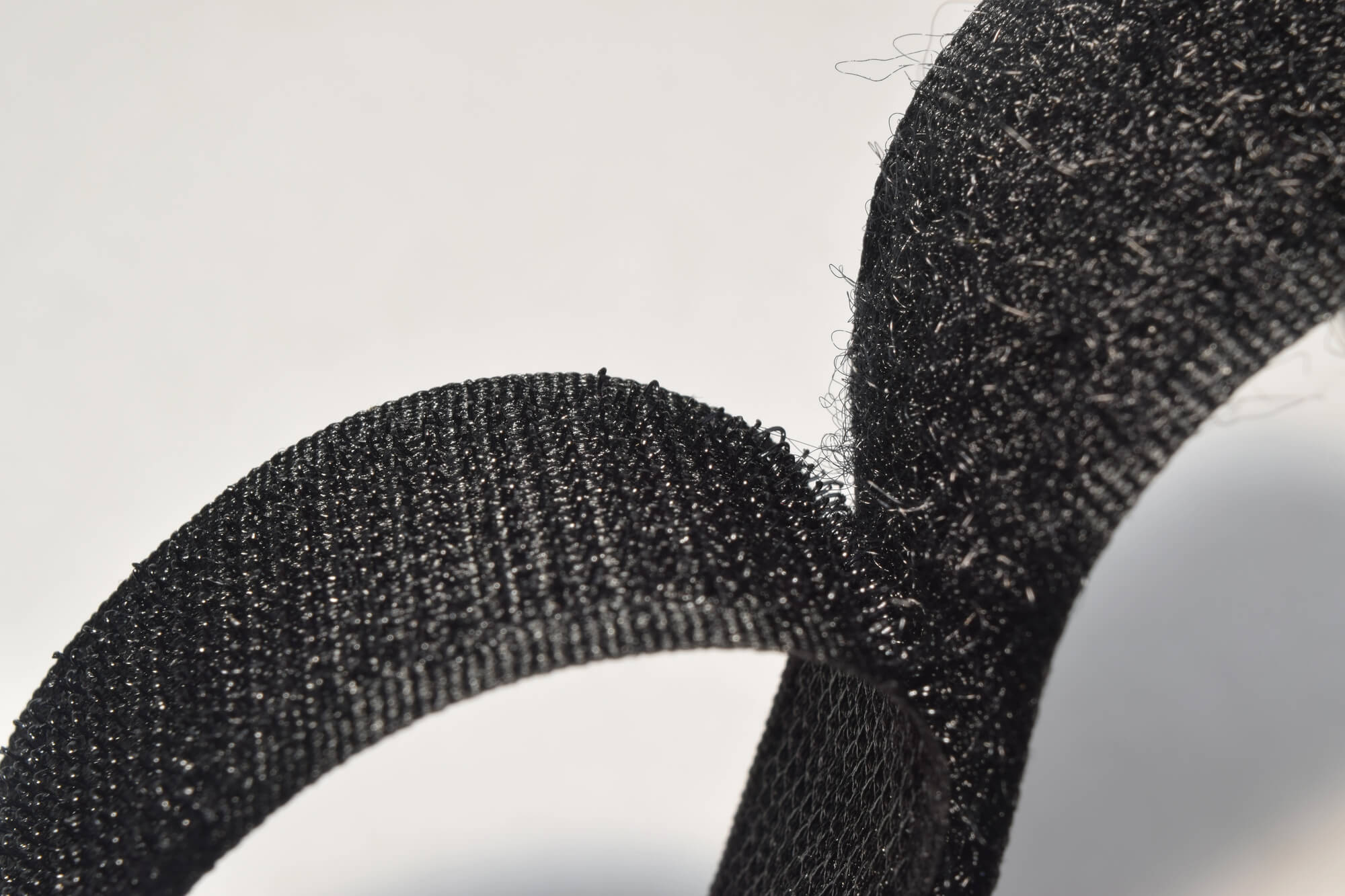
Swiss engineer George de Mestral returned from a hunting trip in 1941 and found his dog and his trousers covered in burrs. Under a microscope he saw that the seeds were covered in tiny hooks that caught on loops of fabric and fur, and he spent years working out how to reproduce the effect in nylon.
The name combines the French words for velvet and hook.
Super Glue
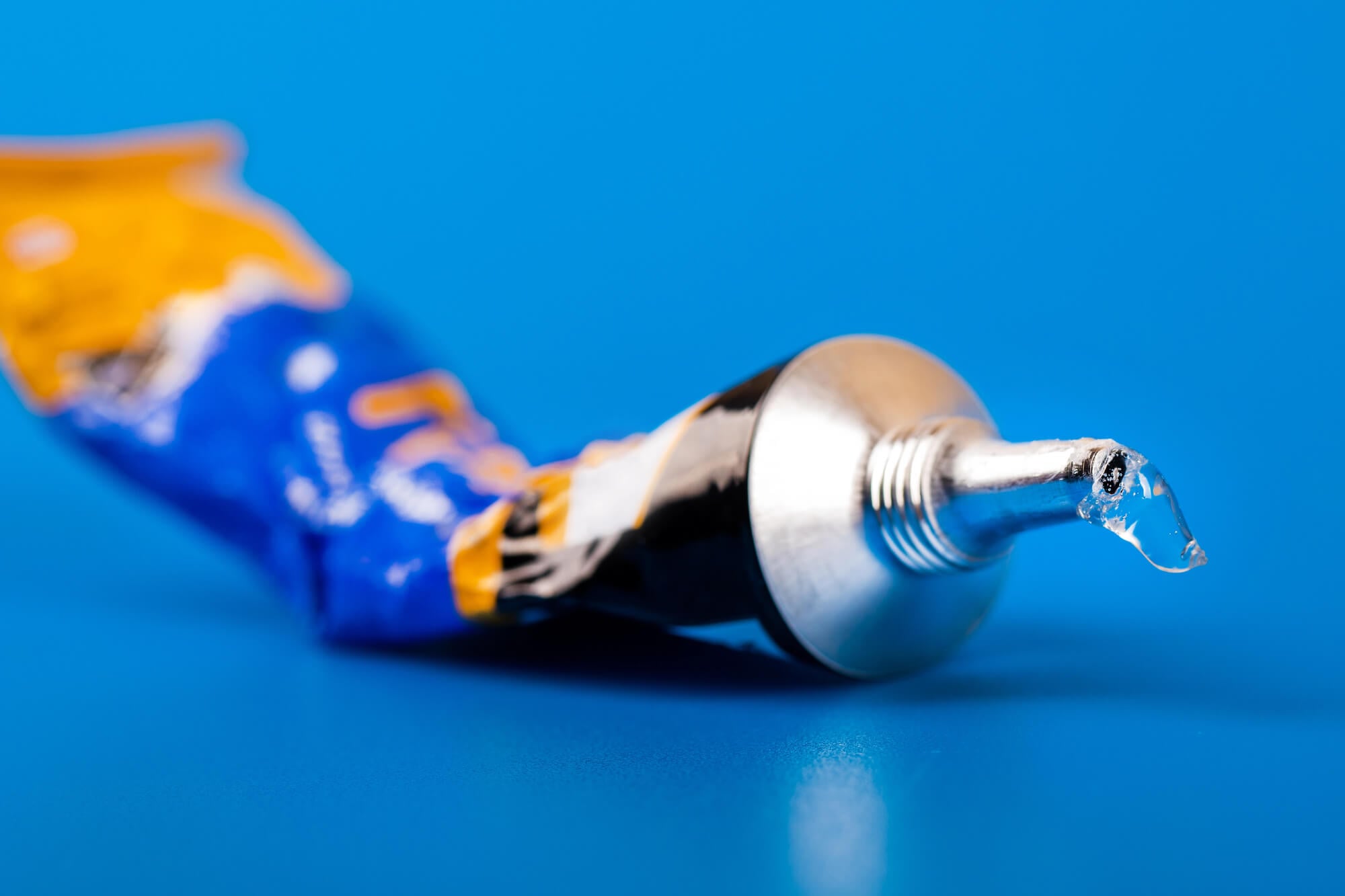
Harry Coover was trying to make clear plastic gun sights at Eastman Kodak in 1942 when he produced cyanoacrylate, a substance that stuck to everything it touched and was rejected as useless. He encountered it again in 1951 while working on jet canopies and realized the stubborn stickiness was the product.
It was sold as Eastman 910 in 1958 and later found use closing wounds in field hospitals.
The Slinky

Naval engineer Richard James was developing springs to stabilize shipboard instruments in 1943 when one fell off a shelf and walked end over end across the floor. His wife Betty came up with the name, and the couple demonstrated the toy at a Philadelphia department store in 1945, selling out their first batch in minutes.
The machine James designed to coil the wire is still the basic method of making them.
Play-Doh
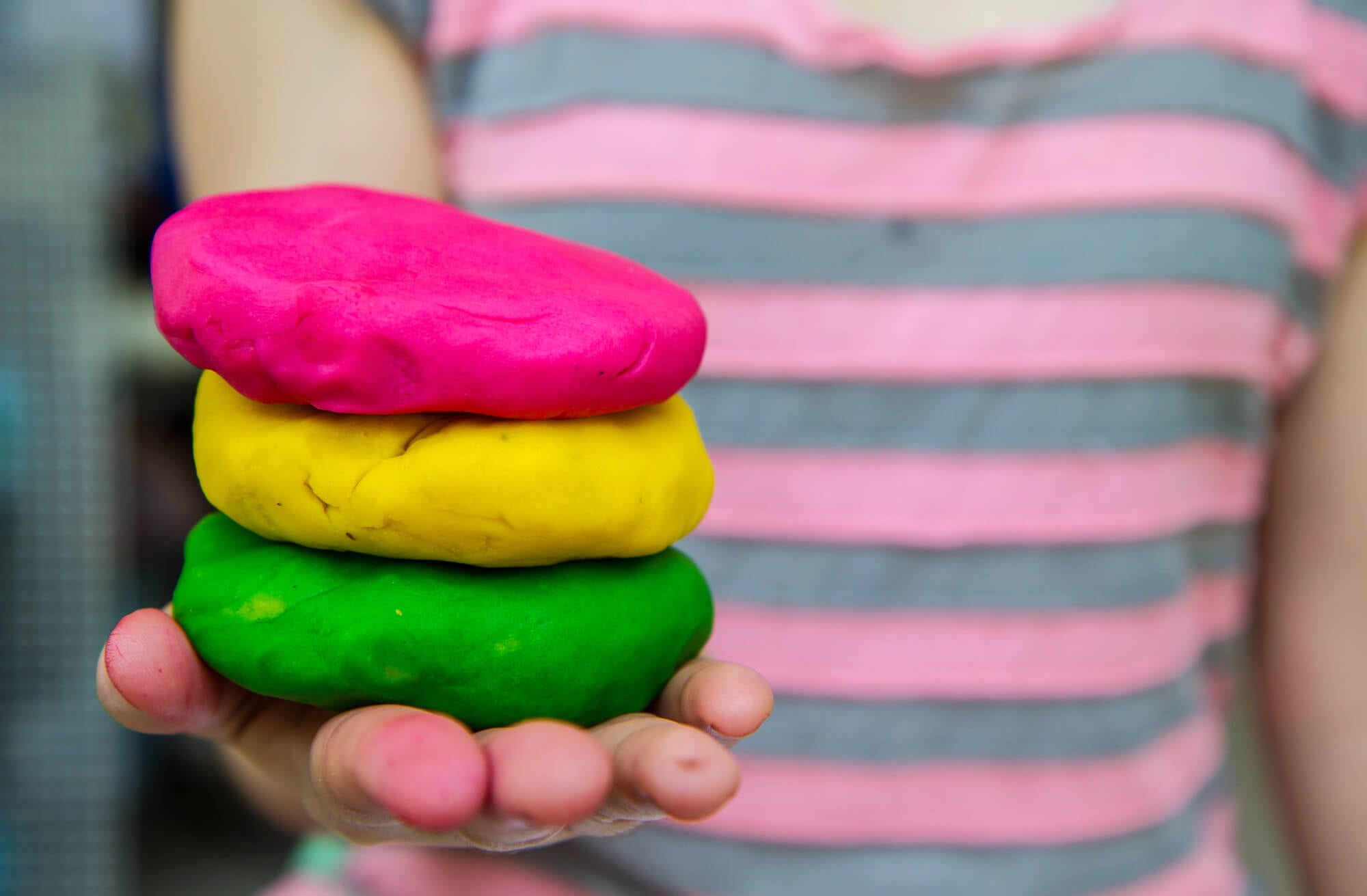
The soft modeling compound began as a wallpaper cleaner sold by a Cincinnati soap company, used to wipe coal soot off walls. When cleaner-burning heating made the product obsolete in the early 1950s, Joe McVicker learned from a relative who taught nursery school that children were using it as clay.
The company removed the detergent, added color and a scent, and sold it as a toy from 1956.
Safety Glass
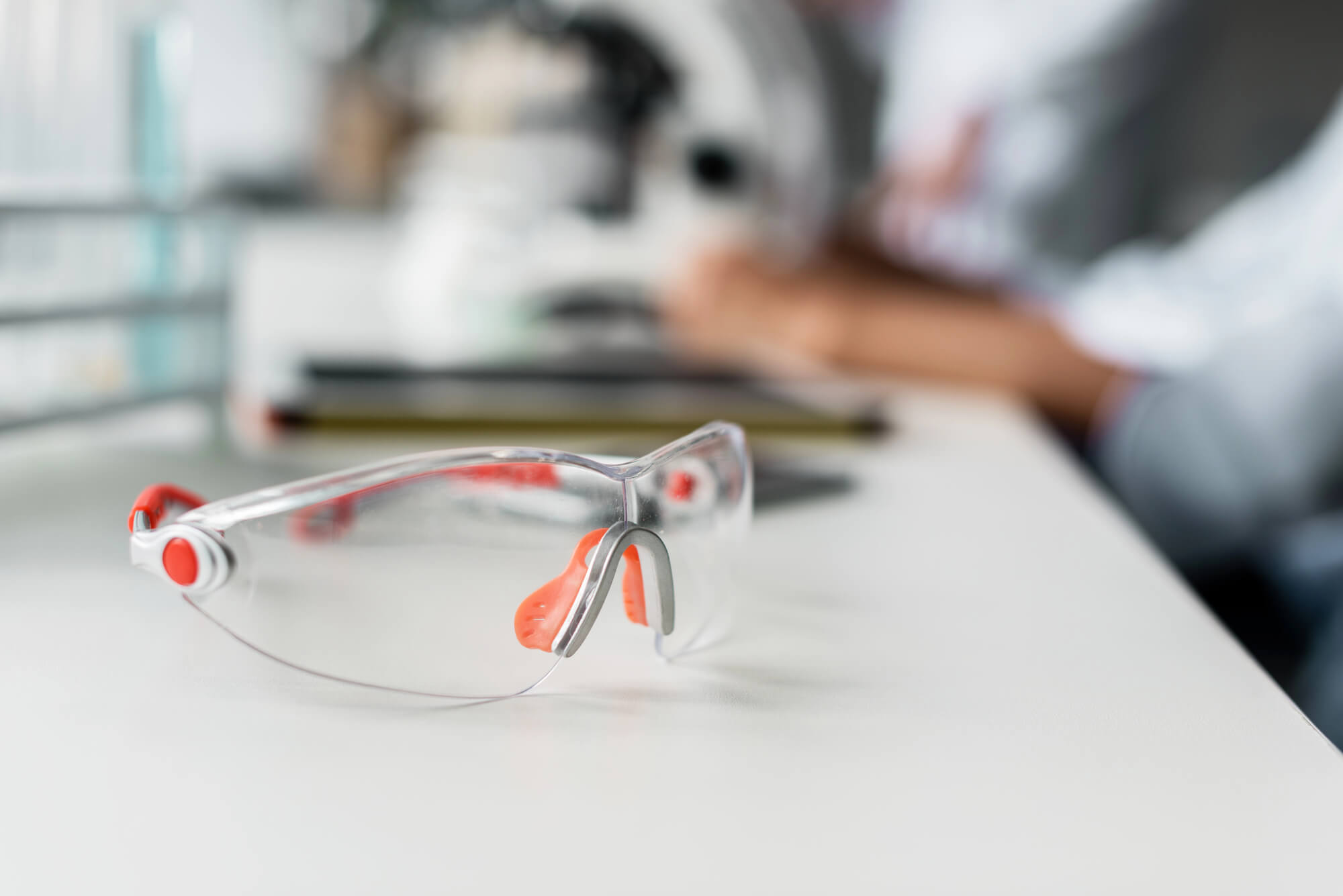
French chemist Edouard Benedictus knocked a glass flask off a shelf in 1903 and noticed that it cracked but held together, because a coating of cellulose nitrate had dried inside it. He patented laminated glass in 1909, and it was used in gas mask lenses during the First World War.
It became standard in car windshields in the 1920s and is now in every car on the road.
Vulcanized Rubber
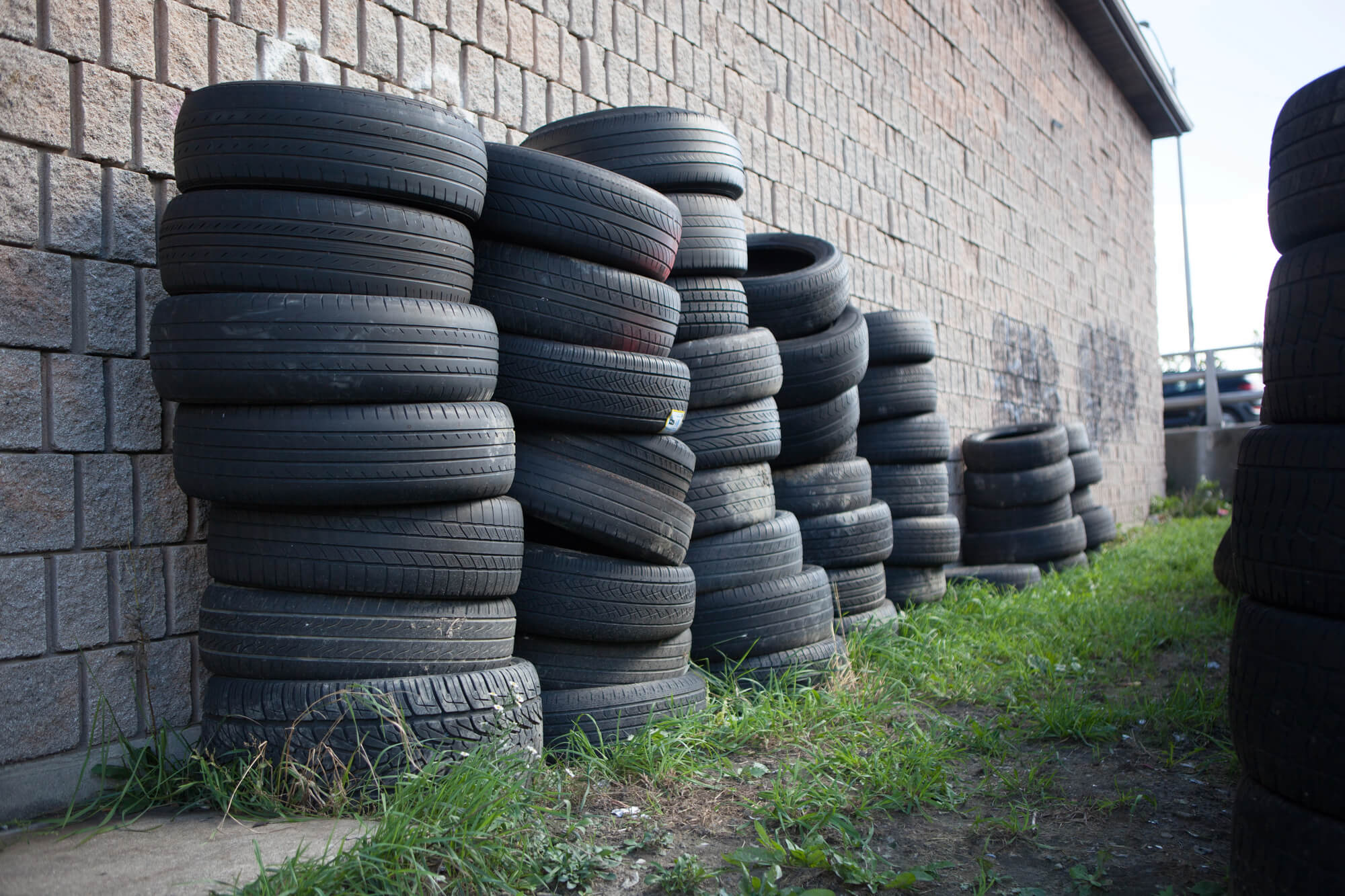
Charles Goodyear spent years trying to make natural rubber stable, since it melted in summer and cracked in winter. In 1839, by his own account, he accidentally dropped a mixture of rubber and sulfur onto a hot stove and found it had become firm and flexible rather than melting.
The vulcanization process he patented in 1844 made tires, hoses, and boots possible, though he died in debt.
Potato Chips
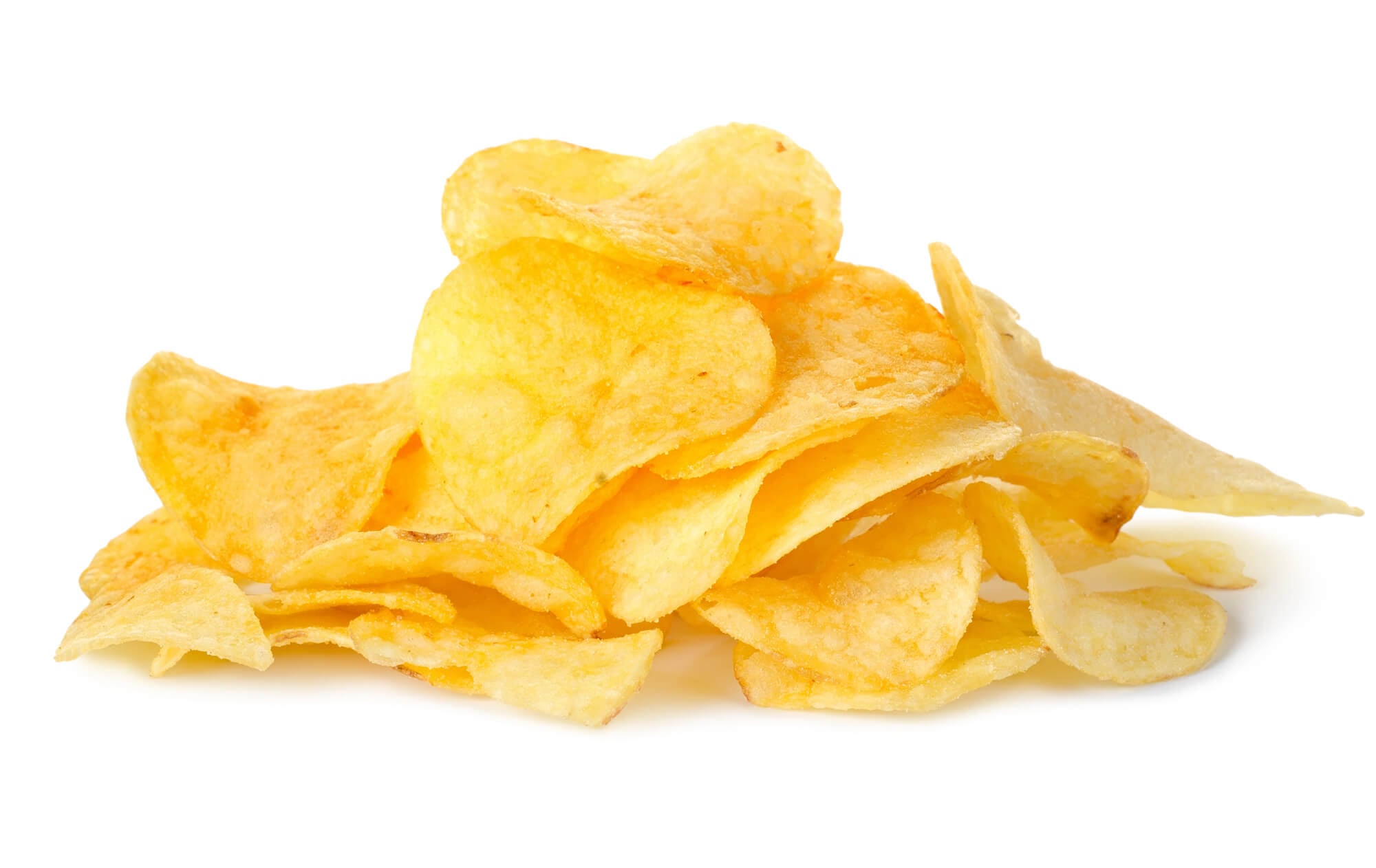
The widely repeated story credits George Crum, a cook at a Saratoga Springs resort in 1853, with slicing potatoes paper-thin and frying them crisp to spite a customer who kept sending back his fried potatoes. Historians have questioned the details, and thin fried potato recipes appear in earlier cookbooks.
Whatever the truth, Saratoga chips became a regional specialty and then a national snack.
Corn Flakes
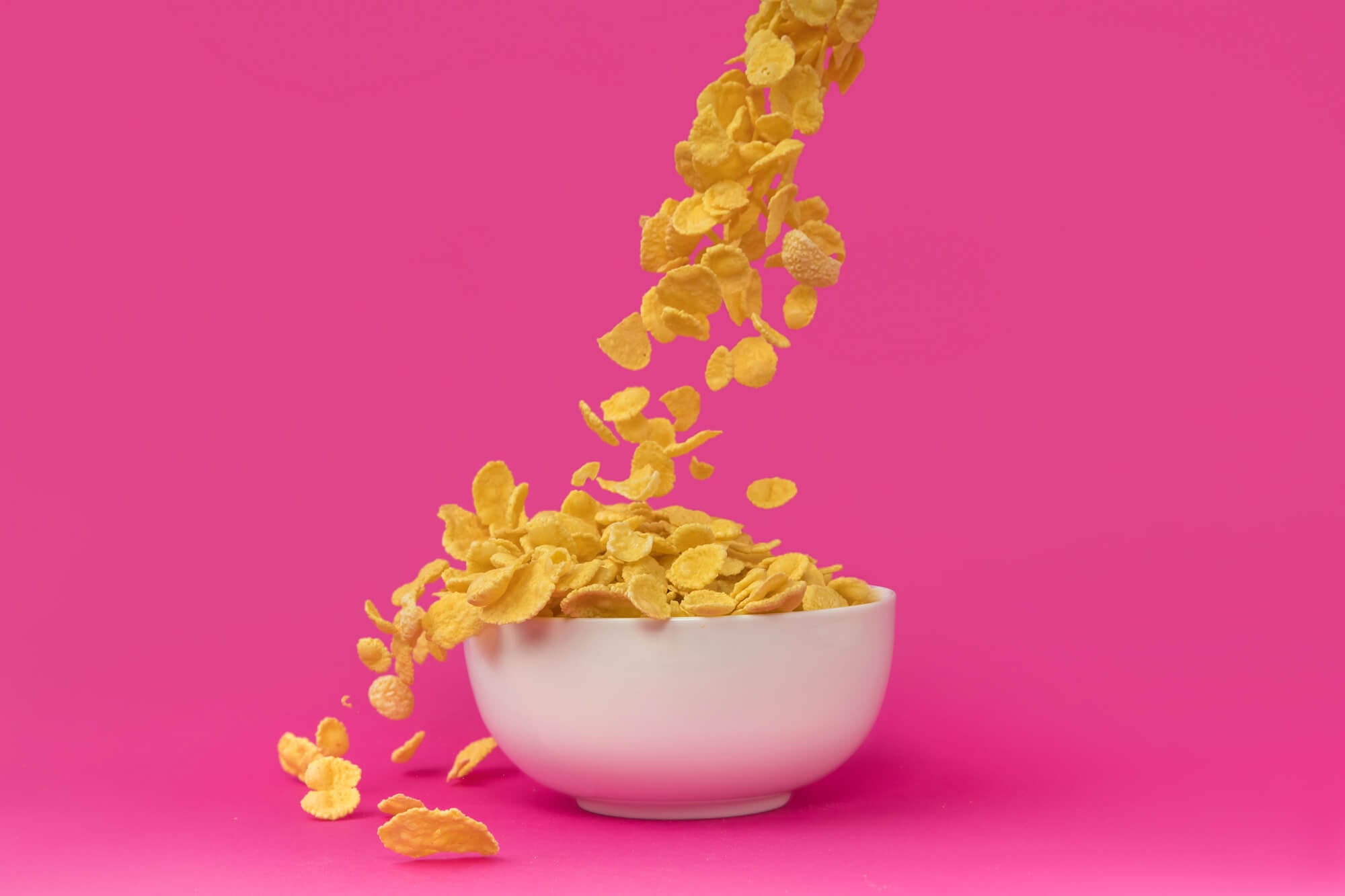
John Harvey Kellogg and his brother Will were experimenting with cooked grains for patients at their Battle Creek sanitarium in 1894 when a batch of boiled wheat was left out and went stale. They rolled it anyway and found it broke into flakes that could be toasted.
Will later applied the method to corn and built the cereal company that carries the family name.
Chocolate Chip Cookies
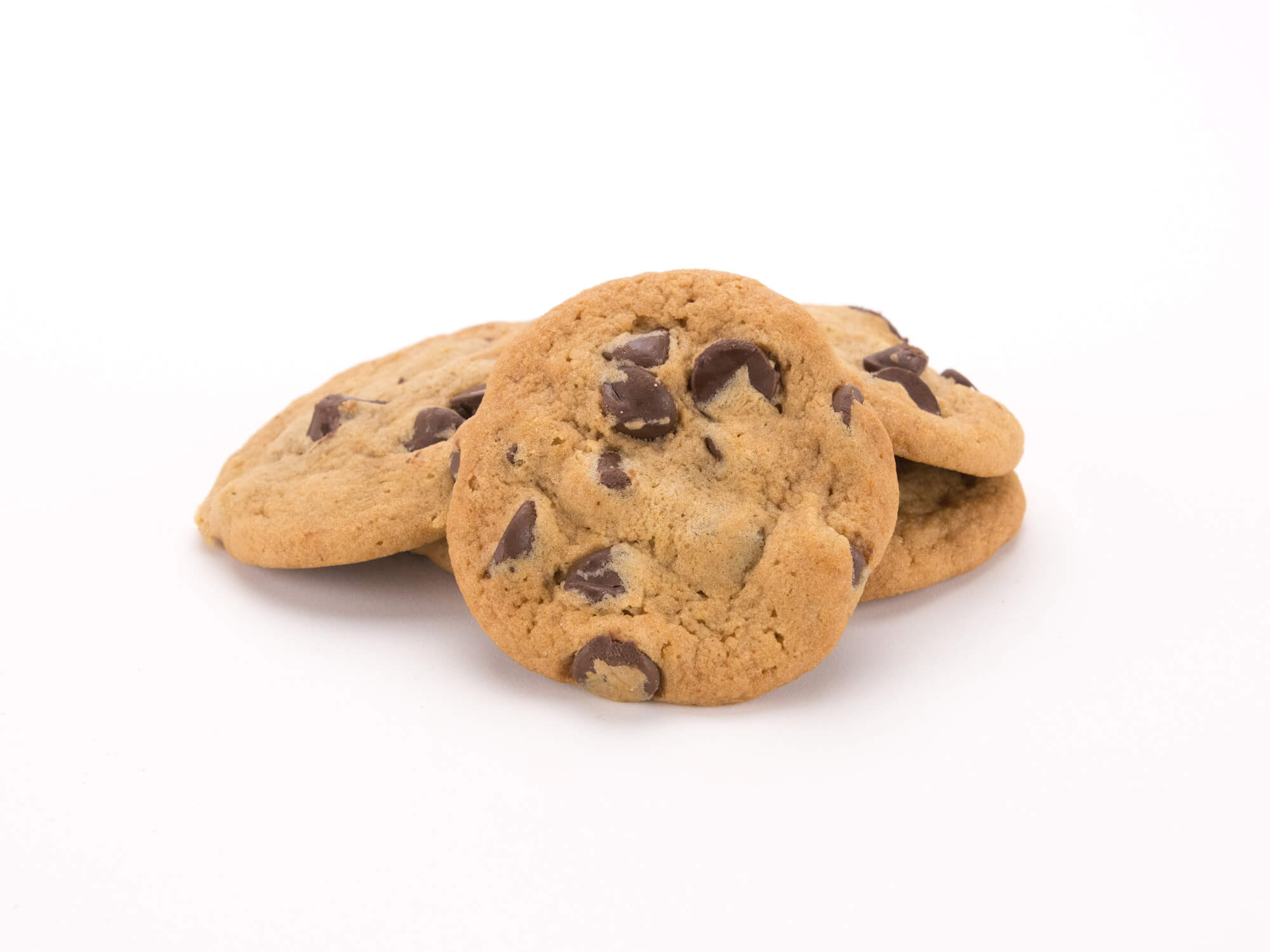
Ruth Wakefield, who ran the Toll House Inn in Massachusetts, is credited with inventing the chocolate chip cookie in 1938. The popular version of the story says she expected chopped chocolate to melt into the dough and was surprised when it held its shape, though Wakefield herself described it as a deliberate recipe.
Nestle bought the rights to the recipe and printed it on its chocolate packaging.
The Popsicle
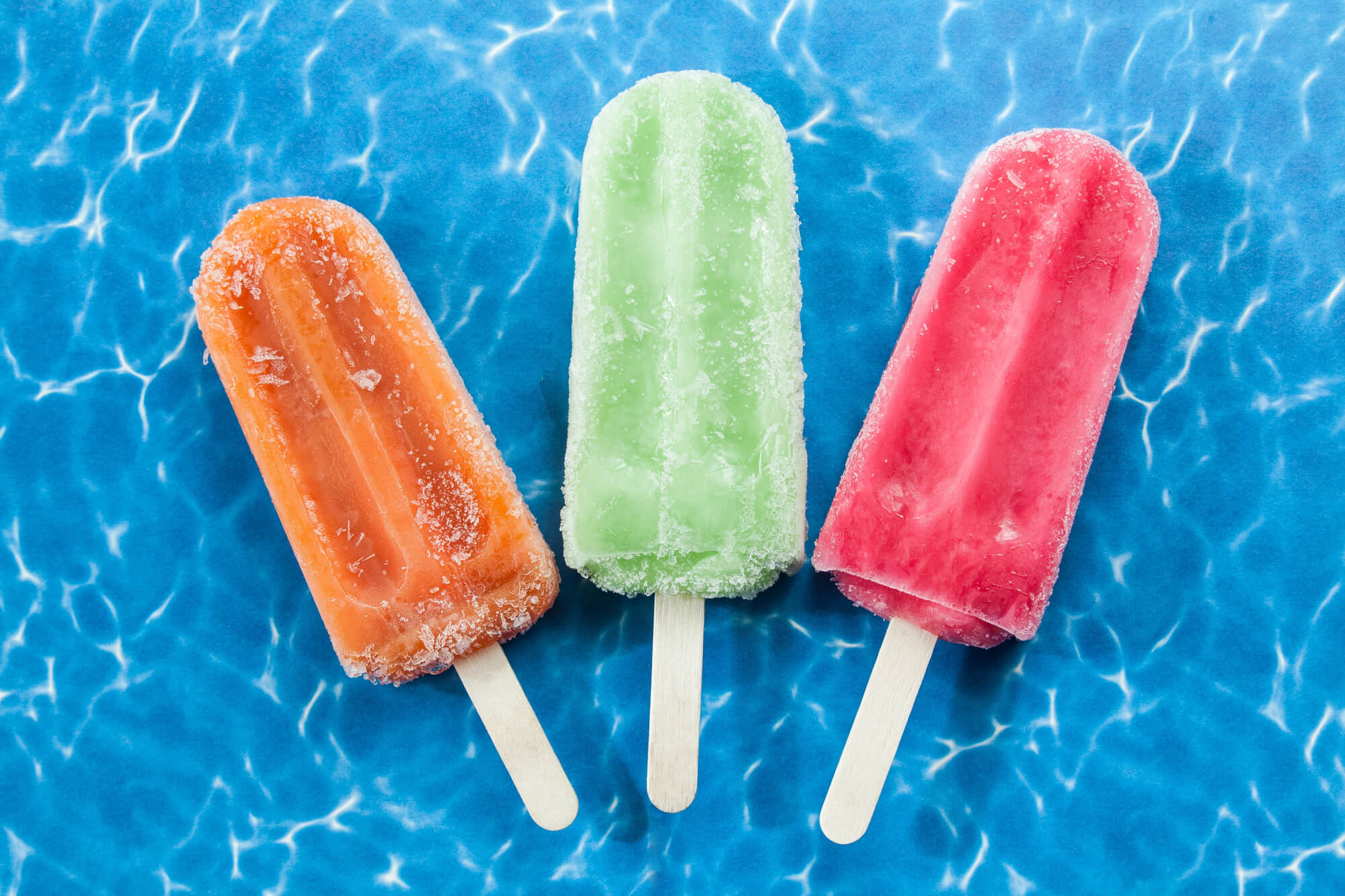
Frank Epperson was eleven years old in 1905 when, according to his later account, he left a cup of soda powder and water with a stirring stick on his porch in Oakland overnight and found it frozen solid in the morning. He began selling the frozen treats as an adult and patented them in 1924 under the name Epsicle.
His children renamed them Popsicles.
Saccharin
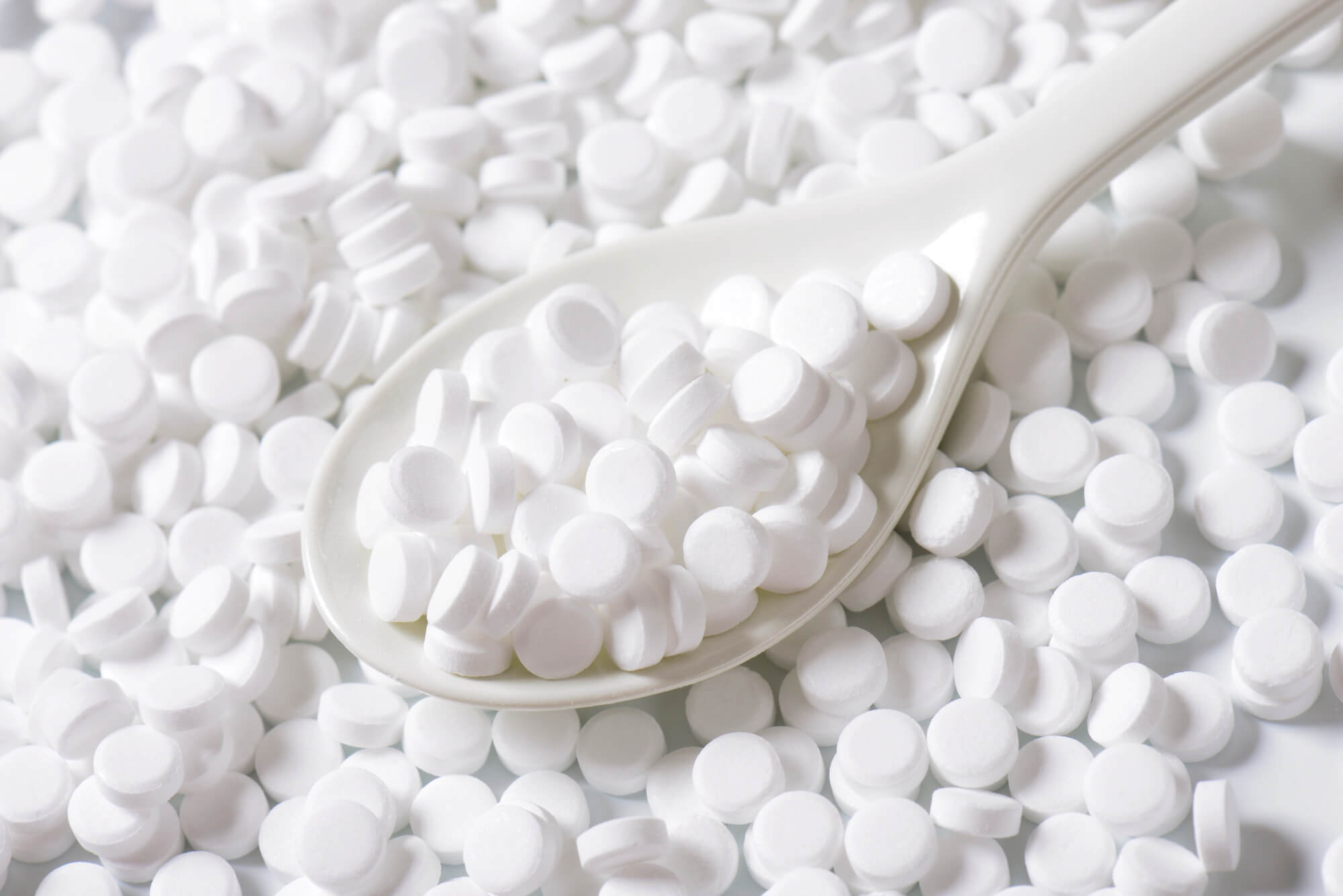
Constantin Fahlberg was working on coal tar derivatives at Johns Hopkins in 1879 and noticed at dinner that his bread tasted sweet, which he traced to residue on his hands from the lab. He went back and tasted his way through his experiments until he found the compound.
It was the first artificial sweetener and was widely used during sugar shortages in both world wars.
Aspartame
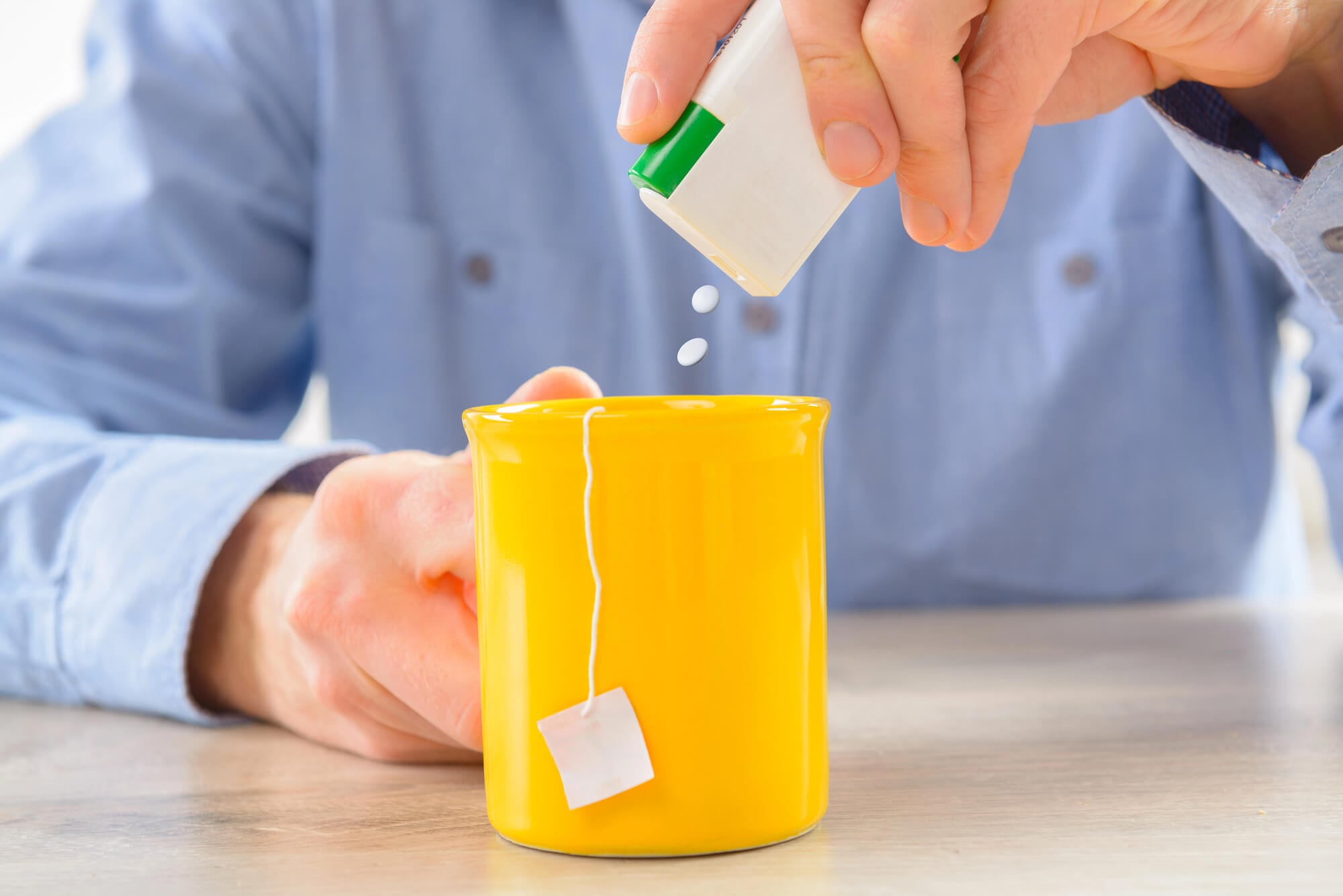
James Schlatter was working on an ulcer drug at G.D. Searle in 1965 when he licked his finger to pick up a piece of paper and noticed an intense sweetness. The compound was a combination of two amino acids, and it was approved as a sweetener in the United States in 1981.
It is now in countless diet sodas and tabletop packets.
Sucralose
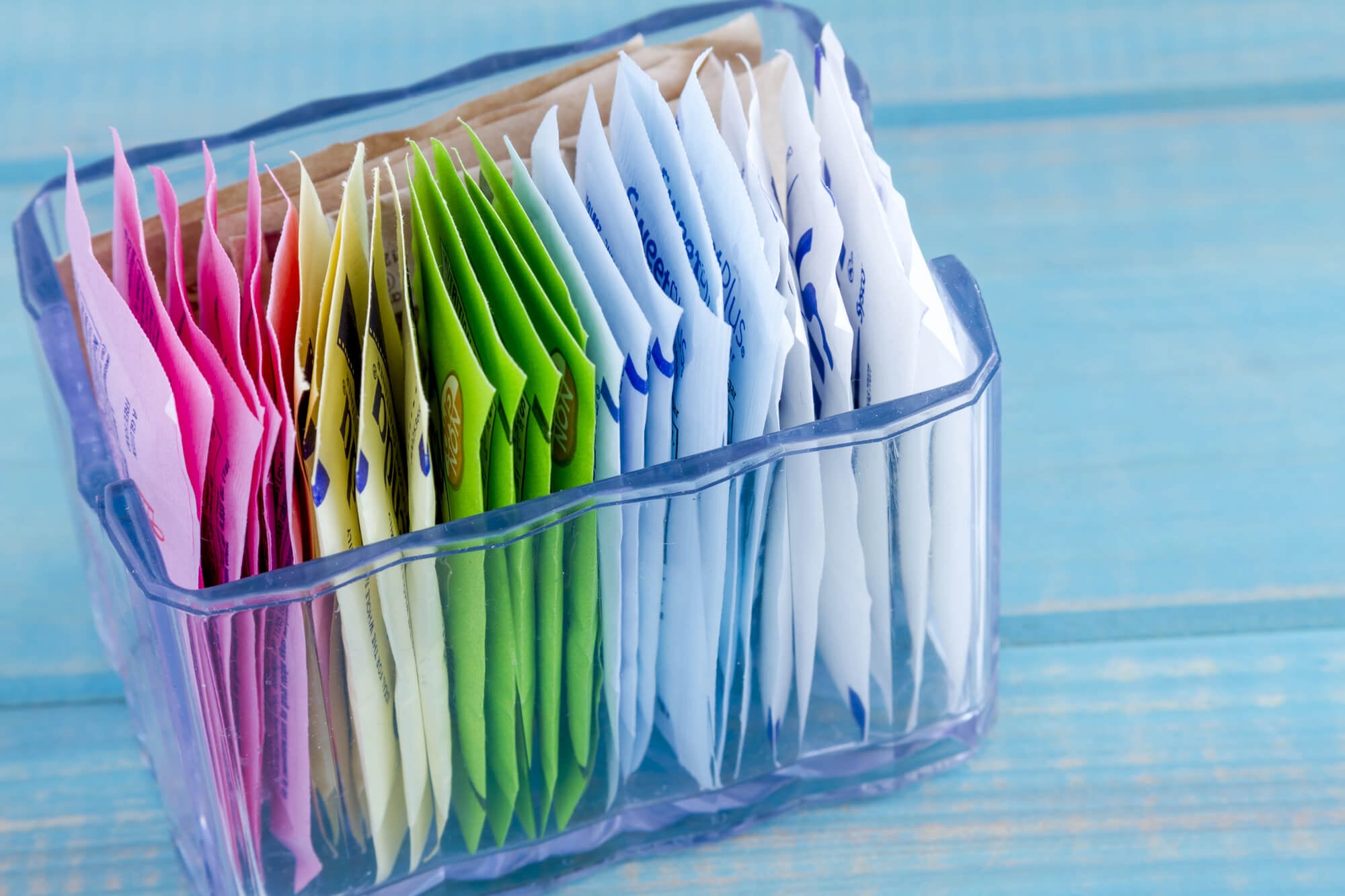
In 1976, a graduate student at Queen Elizabeth College in London was asked to test a chlorinated sugar compound and misheard the instruction as “taste” it. The compound was hundreds of times sweeter than sugar, and Tate and Lyle developed it into the sweetener sold as Splenda.
The story is told by the researchers themselves and is one of the better-documented accidents in food chemistry.
Cyclamate
Michael Sveda, a graduate student at the University of Illinois in 1937, was working on fever-reducing drugs when he noticed a sweet taste on his fingers after setting down something he had been holding. The compound was cyclamate, which became a popular sweetener in the 1950s and 1960s.
It was banned in the United States in 1969 but remains in use in many other countries.
Scotchgard
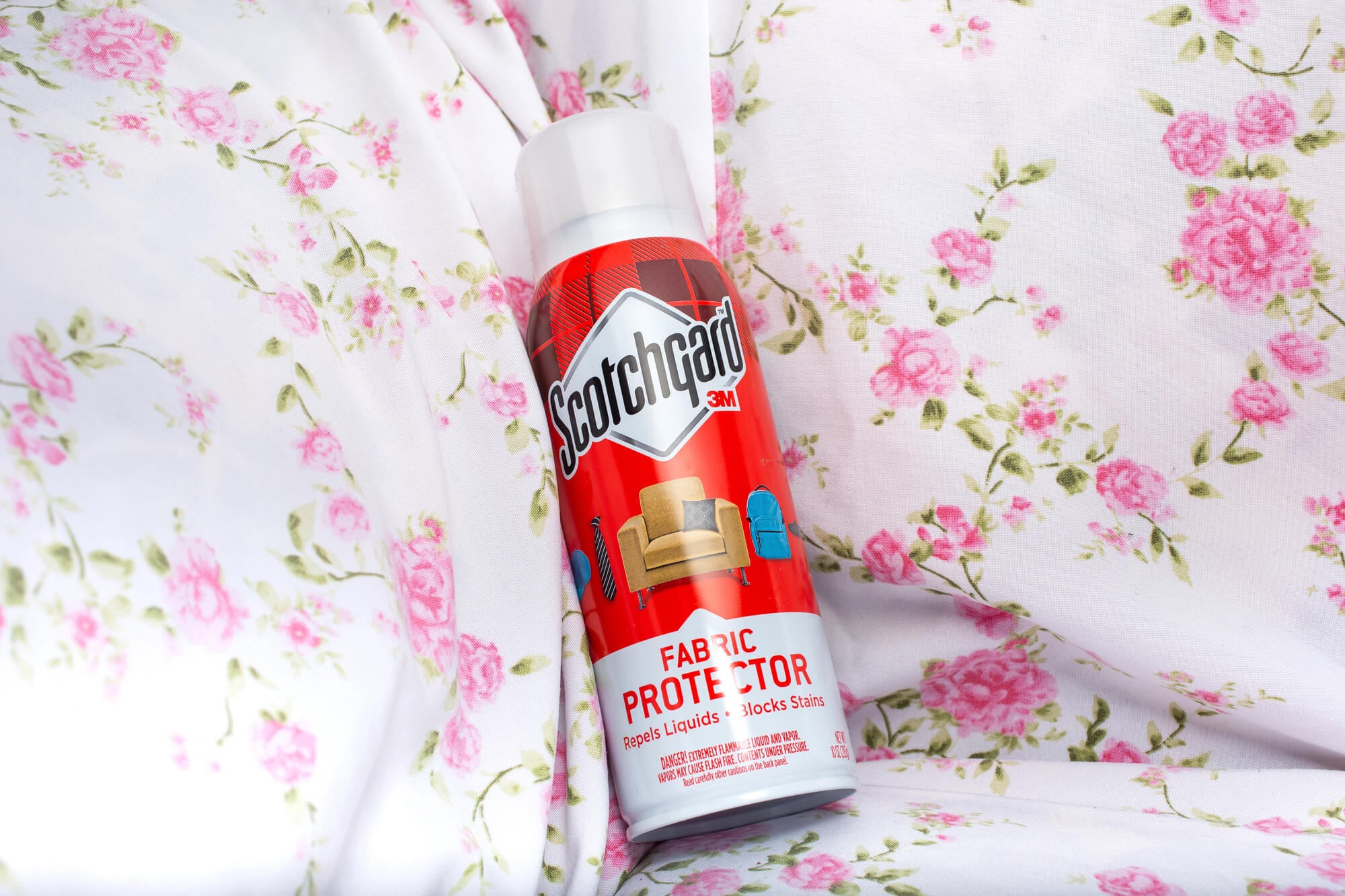
Patsy Sherman and Samuel Smith were working on a rubber for jet fuel hoses at 3M in 1952 when a lab assistant spilled an experimental compound on her canvas shoe. The spot would not wash off, but it also repelled water and oil.
The pair developed the compound into Scotchgard, the fabric protector that was sprayed on furniture and carpets for decades.
Silly Putty
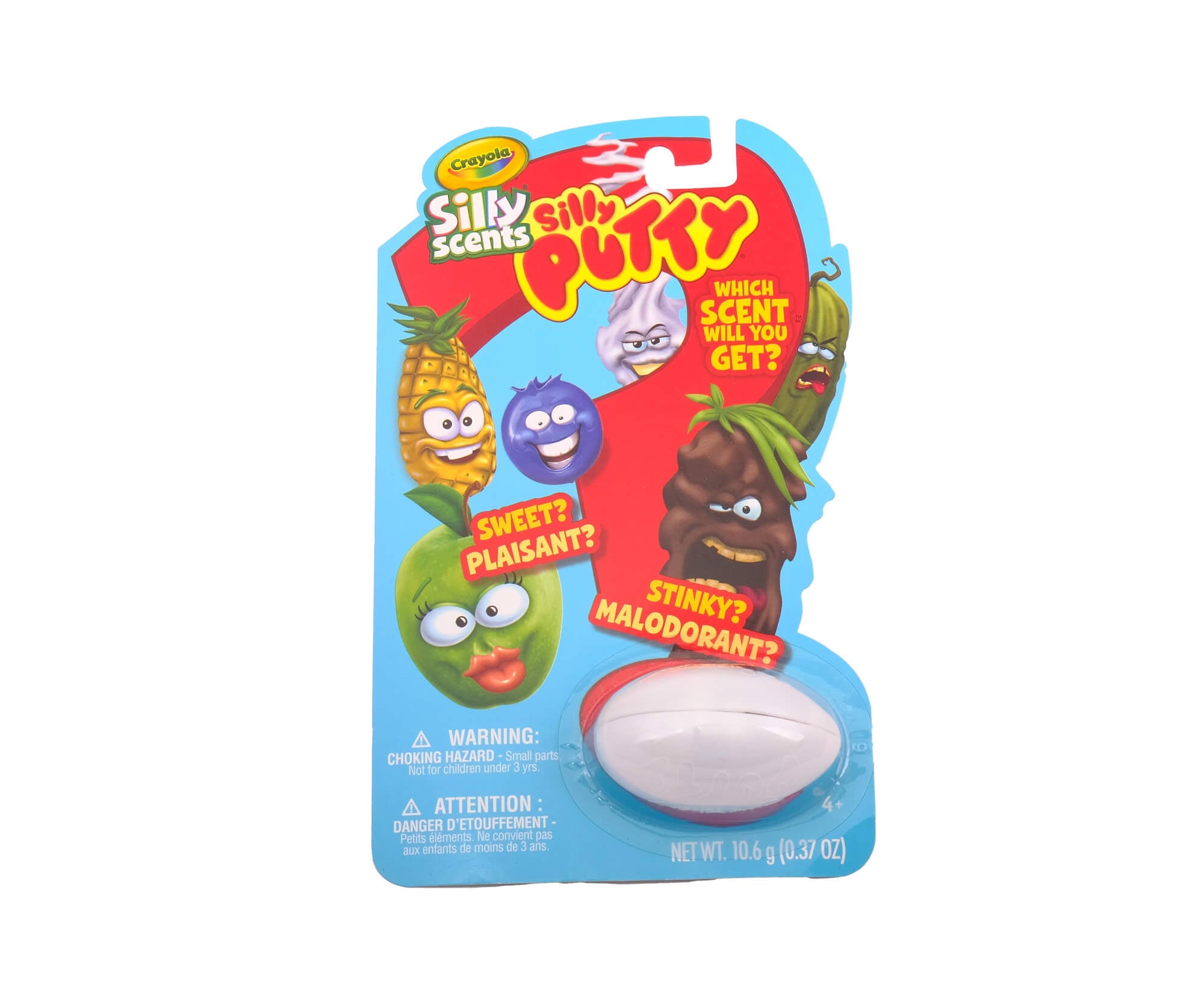
James Wright, an engineer at General Electric, was trying to develop a synthetic rubber substitute during the Second World War in 1943 and combined boric acid with silicone oil. The result bounced, stretched, and picked up newsprint, but had no obvious industrial use.
A toy store owner saw its potential, packaged it in plastic eggs in 1950, and sold millions.
Friction Matches
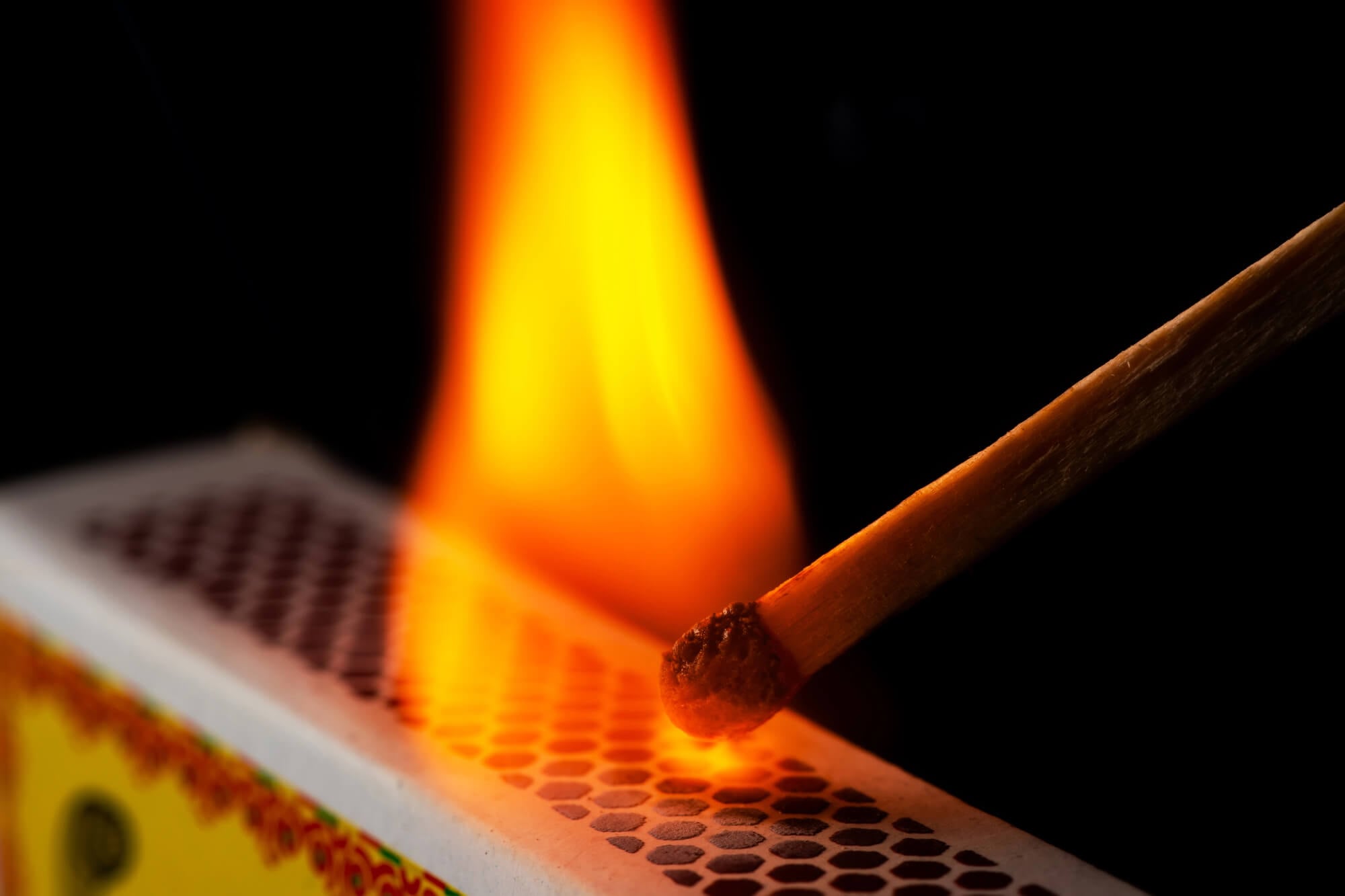
John Walker, an English pharmacist, was mixing chemicals in 1826 when a stick coated with the mixture scraped against the hearth and burst into flame. He sold the first friction matches from his shop in Stockton-on-Tees the following year and chose not to patent them.
Safer versions with the striking surface on the box followed within decades.
Stainless Steel
Harry Brearley was trying to develop a steel alloy that would resist erosion in gun barrels in Sheffield in 1913, and he noticed that one of his discarded chromium-rich samples had not rusted in the scrap pile. He realized the alloy could be used for cutlery, which had always needed constant polishing.
Stainless steel knives and forks were on the market within a few years.
The Super Soaker
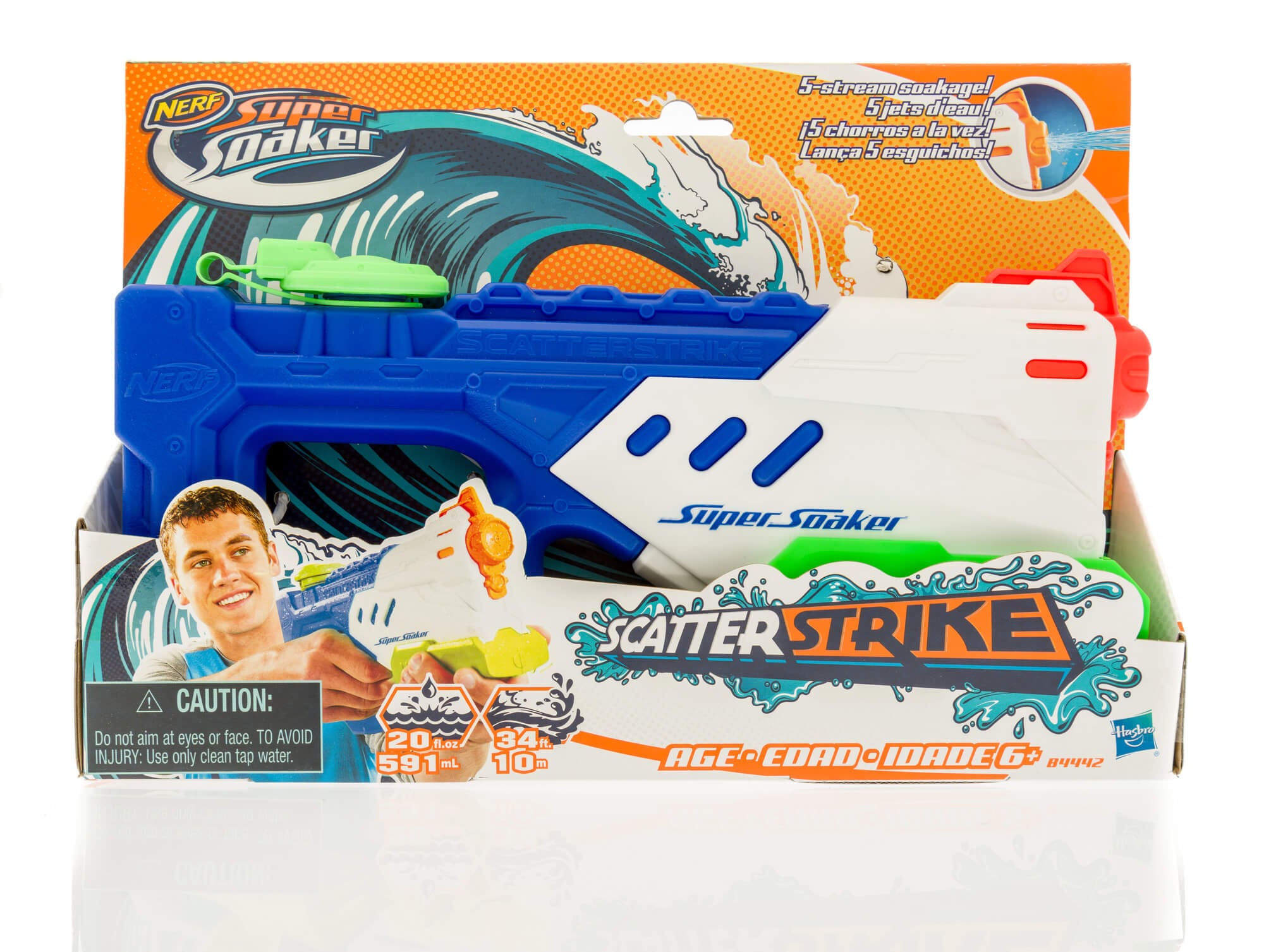
Lonnie Johnson, a NASA engineer, was working on a heat pump that used water instead of freon in 1982 and tested a nozzle in his bathroom sink, where it shot a powerful stream across the room. He realized the pressurized design would make a water gun far more powerful than anything on the market.
The toy was licensed to Larami and reached stores in 1990, and it became one of the best-selling toys of the decade.
Kevlar
Stephanie Kwolek was working on fibers for lighter tires at DuPont in 1965 when a polymer solution came out cloudy and thin instead of clear and thick, which normally meant a failed batch. She asked for it to be spun anyway, and the resulting fiber was five times stronger than steel by weight.
Kevlar is now in protective vests, gloves, tires, and cut-resistant kitchen tools.
Cheese Puffs
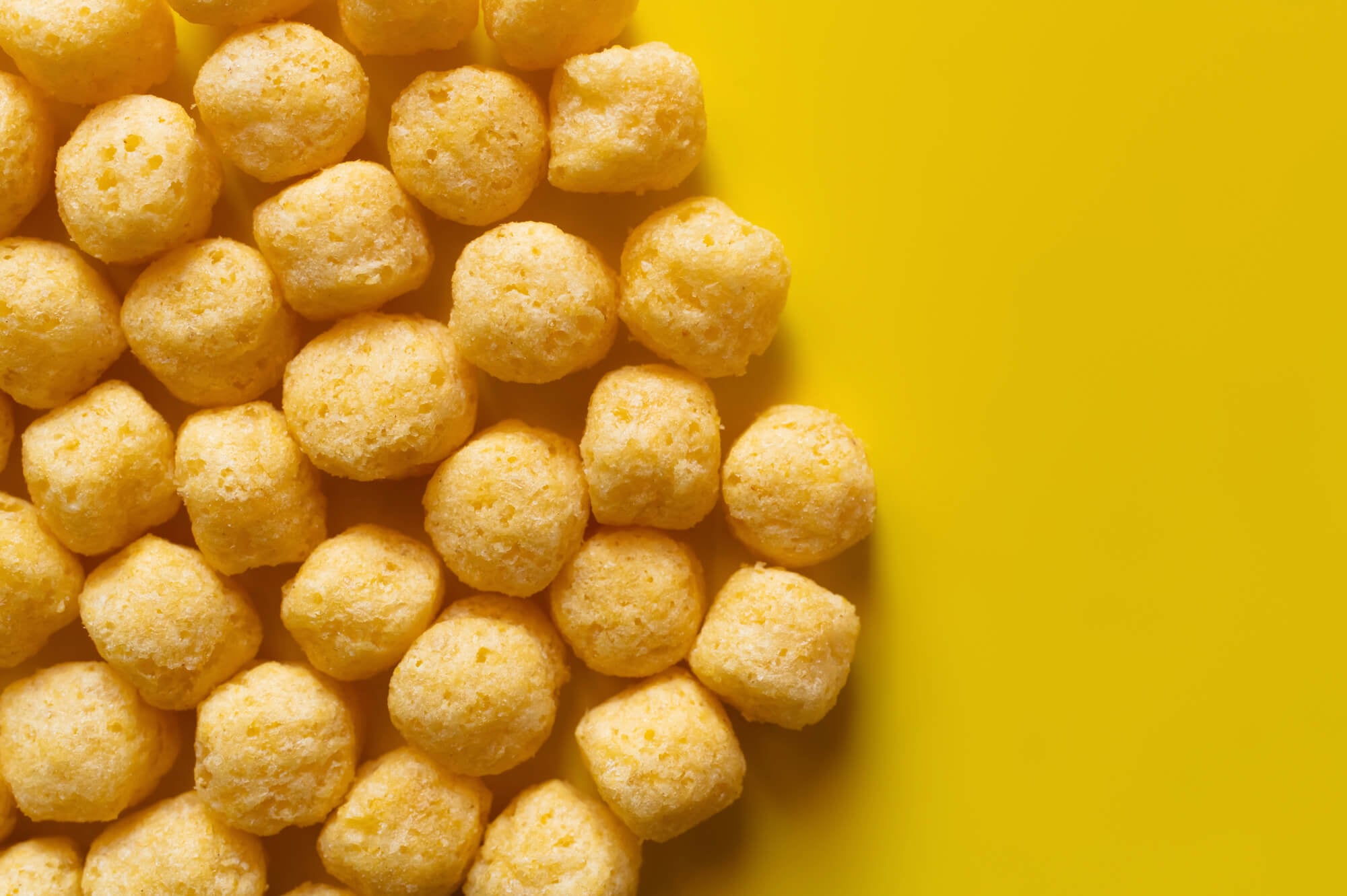
The Flakall Corporation of Wisconsin made a machine that ground corn into animal feed, and in the 1930s an employee named Edward Wilson noticed that moistened corn forced through the heated machine came out in puffed ribbons. He took some home, seasoned them, and the company sold them as Korn Kurls.
The puffed corn method is the basis of every cheese puff on the shelf today.
Bubble Wrap
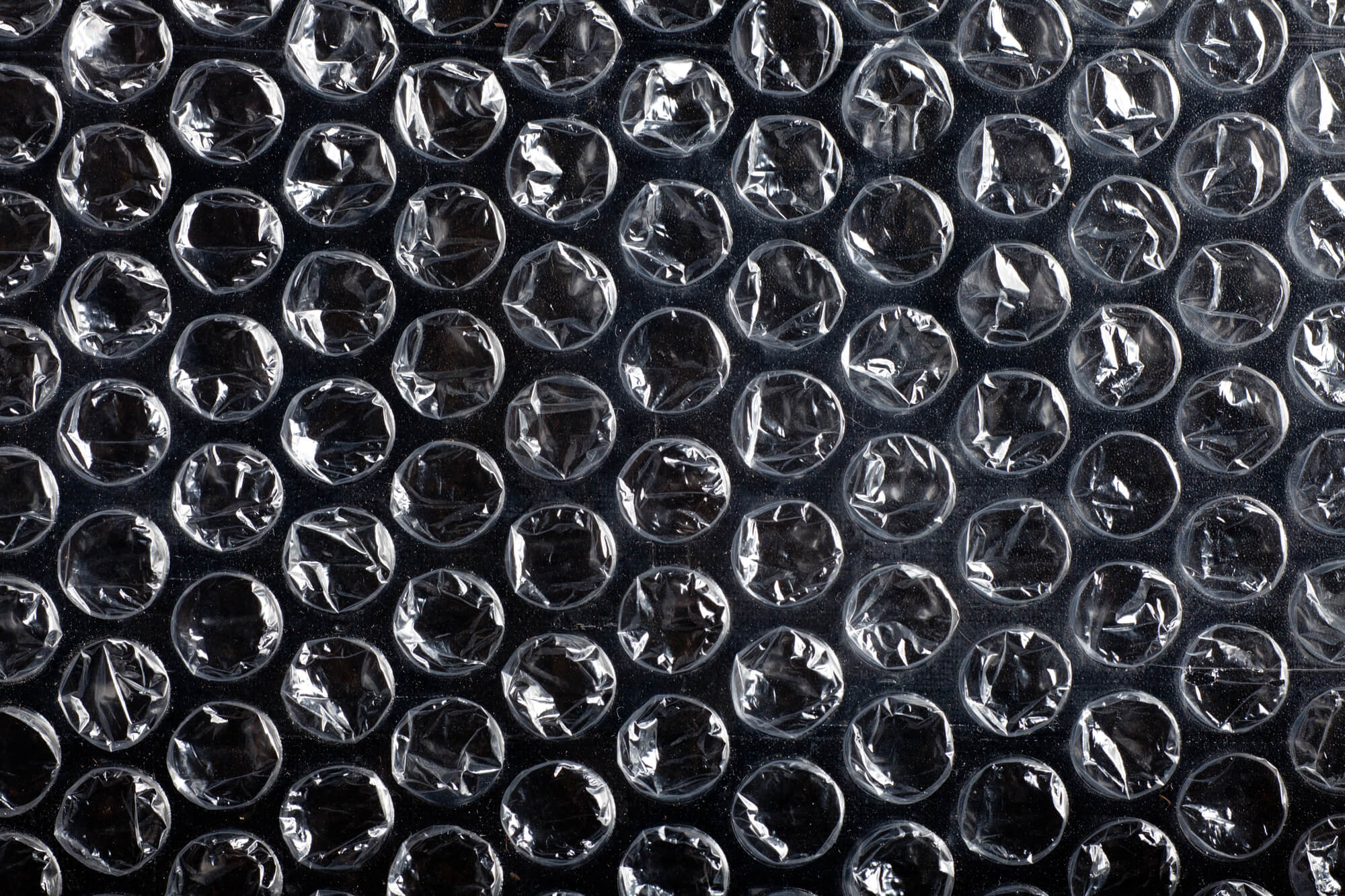
Alfred Fielding and Marc Chavannes sealed two shower curtains together in 1957, trapping air bubbles between them, in an attempt to create a textured wallpaper. The wallpaper flopped, and they tried selling the material as greenhouse insulation before realizing it made excellent packaging.
IBM used it to ship computers in 1959, and the Sealed Air Corporation grew from there.
Cellophane
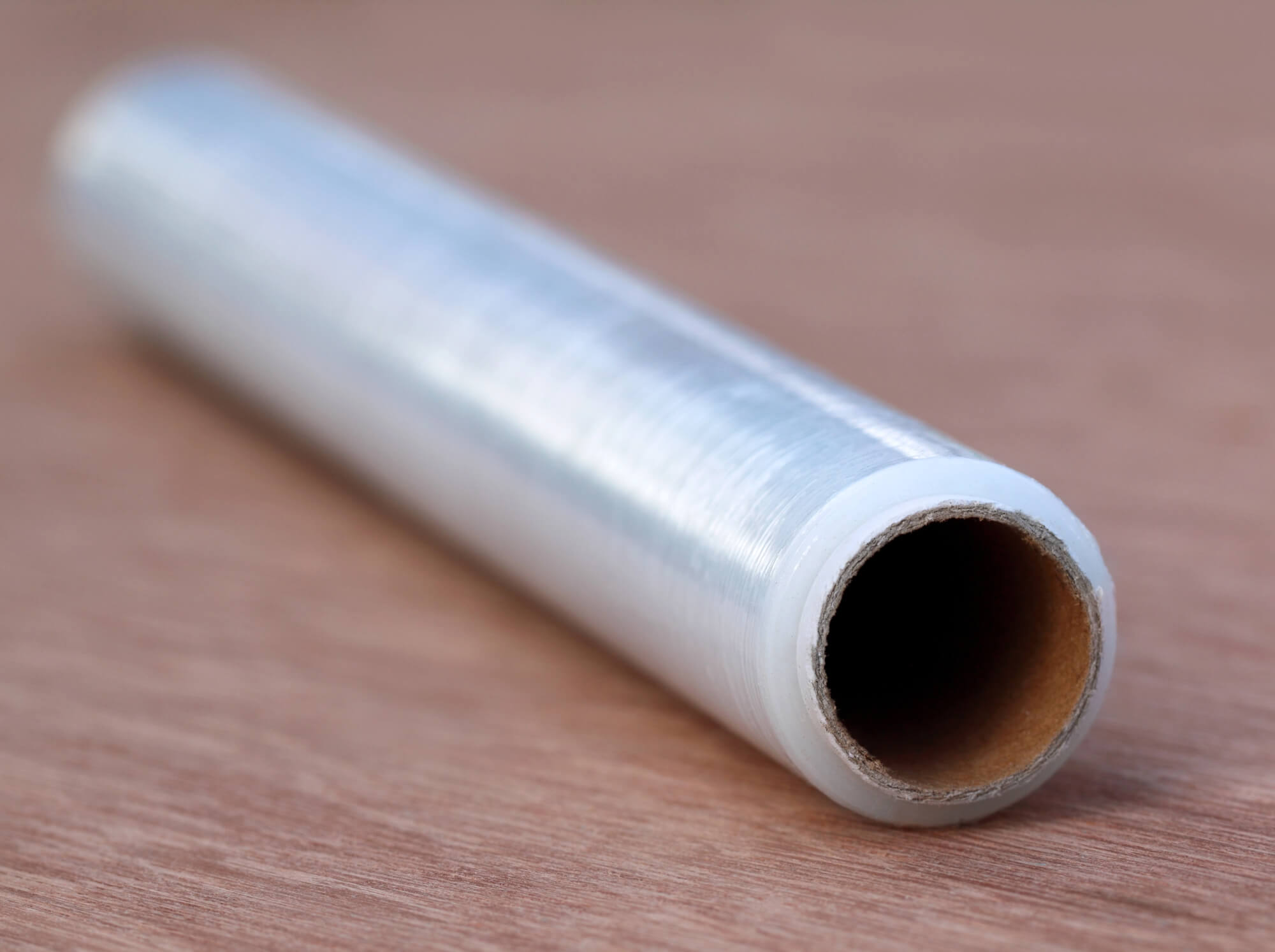
Swiss chemist Jacques Brandenberger watched wine spill on a restaurant tablecloth in 1900 and set out to create a fabric coating that would repel liquids. The viscose coating peeled off the cloth in a clear sheet, which was useless as a tablecloth but had obvious potential as a wrapping.
He patented cellophane in 1908, and it became the standard transparent packaging for decades.
The Smoke Detector

Duane Pearsall was developing a device to control static electricity in the 1960s when he noticed that the ionization sensor he was using reacted strongly to smoke drifting through the lab. He turned the sensor into a home smoke alarm, and his company produced the first affordable battery-powered models in the early 1970s.
Ionization detectors remain the most common type in American homes.
Tea Bags
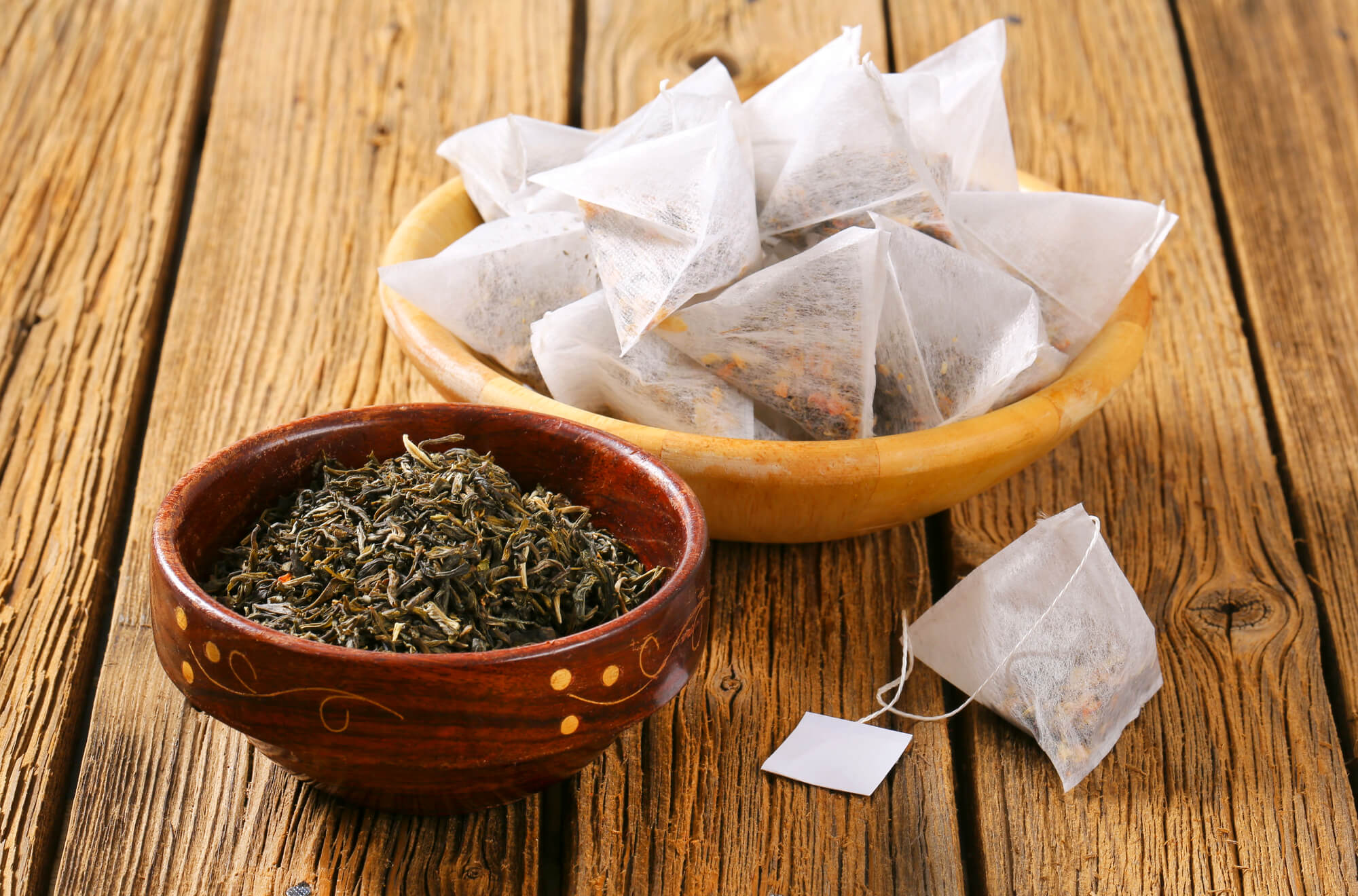
The usual story credits New York tea merchant Thomas Sullivan, who around 1908 sent samples to customers in small silk bags instead of tins. Customers assumed the bags were meant to be steeped unopened and asked for more.
Patents for tea bag designs actually predate Sullivan, but the silk sample story is the one that stuck, and it captures how the convenience caught on.
The Virtue Of Paying Attention
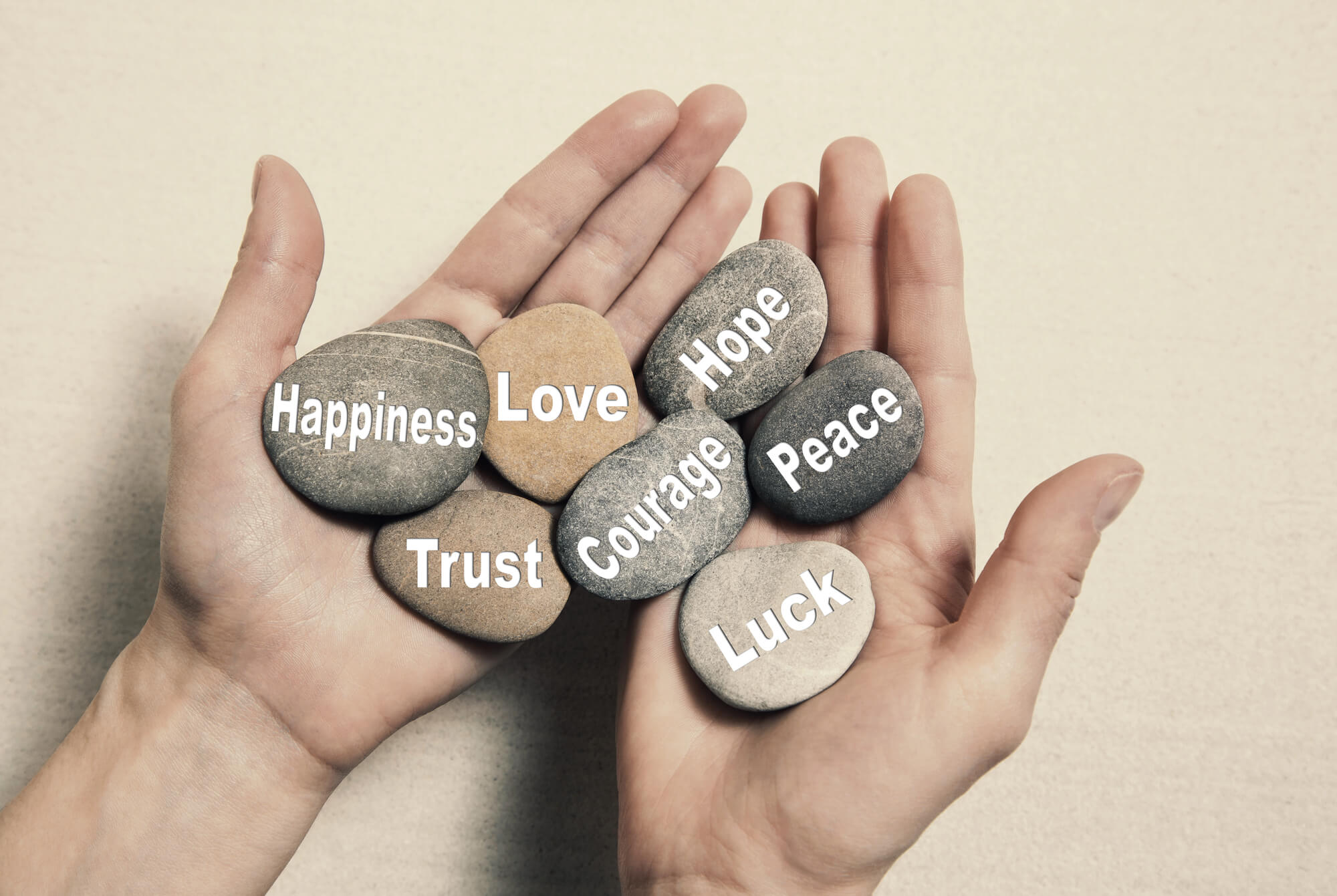
What links a non-stick pan to a sheet of bubble wrap is not luck but attention. In every case somebody noticed that the wrong result was interesting, took it seriously, and followed it somewhere the original plan would never have gone.
The accident was the easy part.
That habit of noticing is what makes these stories worth retelling. The products are ordinary now, so ordinary that nobody thinks about them, but each one is a reminder that the mistake on the bench or the spill on the stove is sometimes the real experiment.
More from Go2Tutors!

- The Romanov Crown Jewels and Their Tragic Fate
- 13 Historical Mysteries That Science Still Can’t Solve
- Famous Hoaxes That Fooled the World for Years
- 15 Child Stars with Tragic Adult Lives
- 16 Famous Jewelry Pieces in History
Like Go2Tutors’s content? Follow us on MSN.