25 After-School Rituals From the ’90s That Parents Today Wouldn’t Allow
There was a window of time, roughly between 3:15 and dinner, that belonged entirely to kids. No GPS tracking, no group chats, no parents watching from a ring doorbell camera mounted above the garage.
You came home, dropped your backpack somewhere near the door, and disappeared — into the neighborhood, into the television, into whatever the afternoon handed you. The ’90s after-school hours were a specific kind of freedom that modern parents look back on with equal parts nostalgia and mild disbelief.
Here’s what that window actually looked like.
Roaming the Neighborhood Until Dark

Nobody knew where you were. That was the whole point.
You left the house, wandered a few blocks in whatever direction felt right, and came home when the streetlights clicked on — an unspoken but absolute curfew that every kid understood without being told.
Calling the House Phone and Hoping Someone Answered

The ritual of dialing a friend’s number from memory and listening to it ring six, seven, eight times before giving up had a particular texture to it — patient in a way that nothing requires patience anymore, and faintly suspenseful, because there was no way to know if anyone was even home, or just ignoring it, or had maybe gone somewhere interesting without you. So you hung up.
And you either tried again in twenty minutes or you didn’t. That was the whole system.
Watching Whatever Was on TV
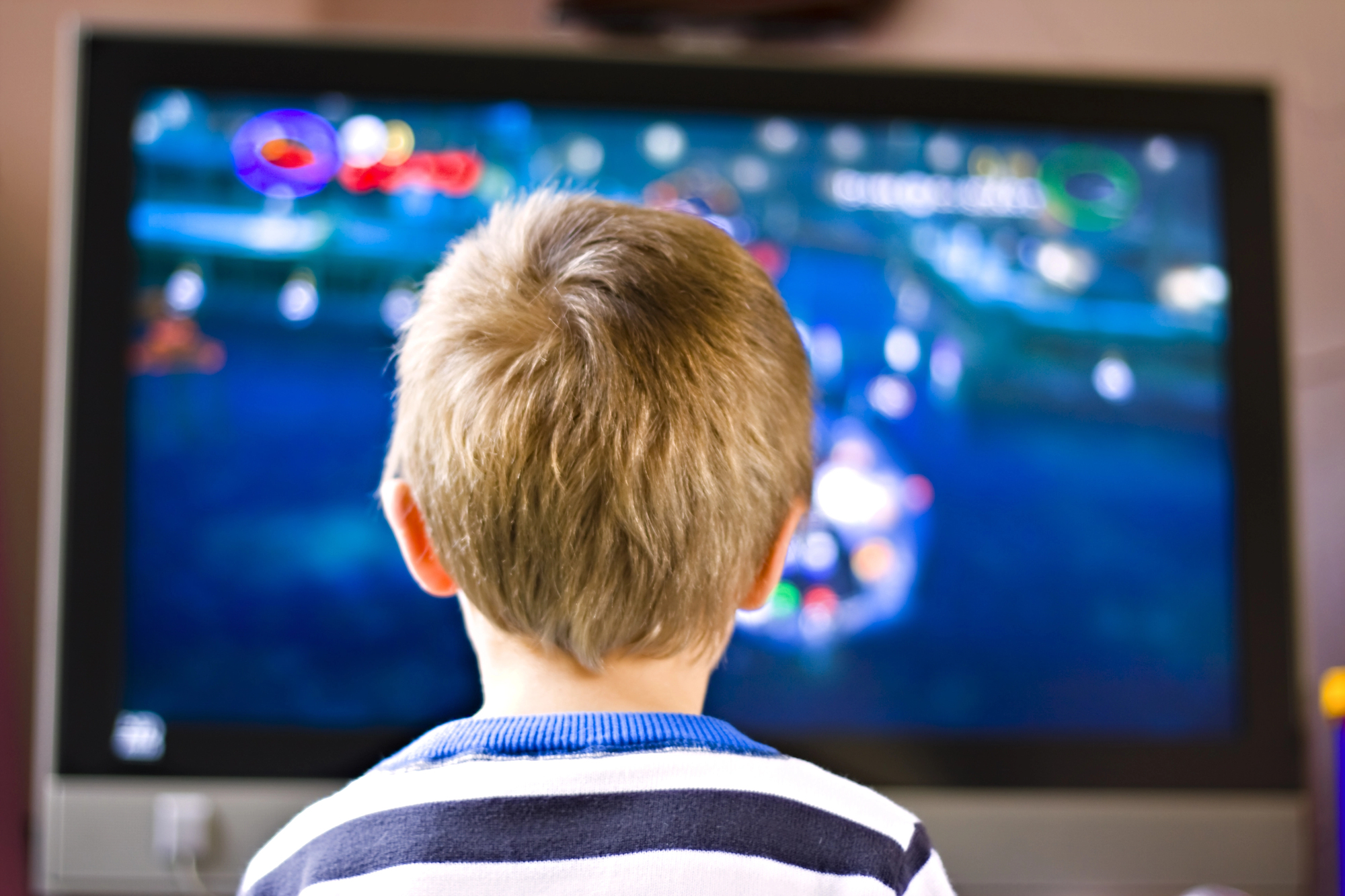
After-school television in the ’90s was its own ecosystem. “Animaniacs,” “Saved by the Bell” reruns, “Goosebumps,” “Bill Nye” — whatever the channel had scheduled was what you watched, full stop, no skipping, no algorithm deciding what came next.
There was something quietly authoritative about a TV schedule that didn’t care what you felt like watching.
Eating Snacks That Would Cause a Modern Nutritionist Physical Pain

Dunkaroos. Fruit by the Foot.
A bowl of Cocoa Puffs as an afternoon snack, not breakfast. The ’90s after-school snack drawer operated with complete indifference to sugar content, and nobody was reading a label or comparing it to a recommended daily allowance.
Playing Outside Without Helmets, Kneepads, or Adult Supervision

Rollerblading down a steep driveway with no protective gear wasn’t considered reckless — it was just Tuesday. The assumption that a child could sustain minor injuries without it becoming a crisis was built into the culture, and the skinned knees and bruised palms were just part of the data set.
Riding Bikes Miles From Home
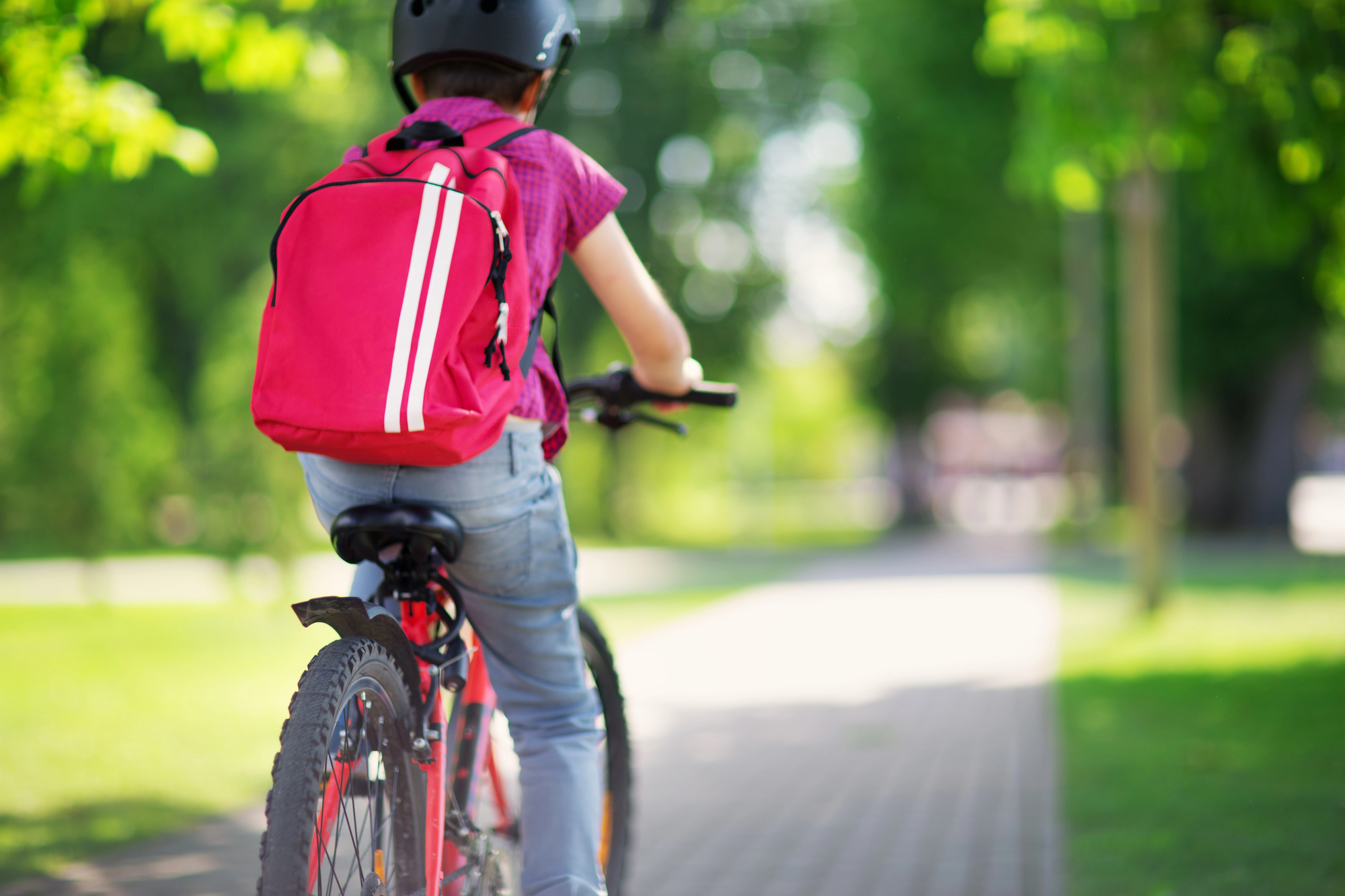
Ten years old, a Huffy, and absolutely no one tracking your location — that was the standard configuration. Kids regularly rode two, three, four miles from home to reach a friend’s house, a convenience store, or simply nowhere in particular, and the only rule was to be back before dark.
Making Prank Calls

Before caller ID became standard equipment, the landline was a tool of mischief as much as communication. There was something almost artful about it — the perfect setup, the pause before hanging up, the scramble to muffle laughter — a low-stakes bit of theater that required exactly zero dollars and one cooperative friend.
Staying Home Alone Starting at Age 8 or 9
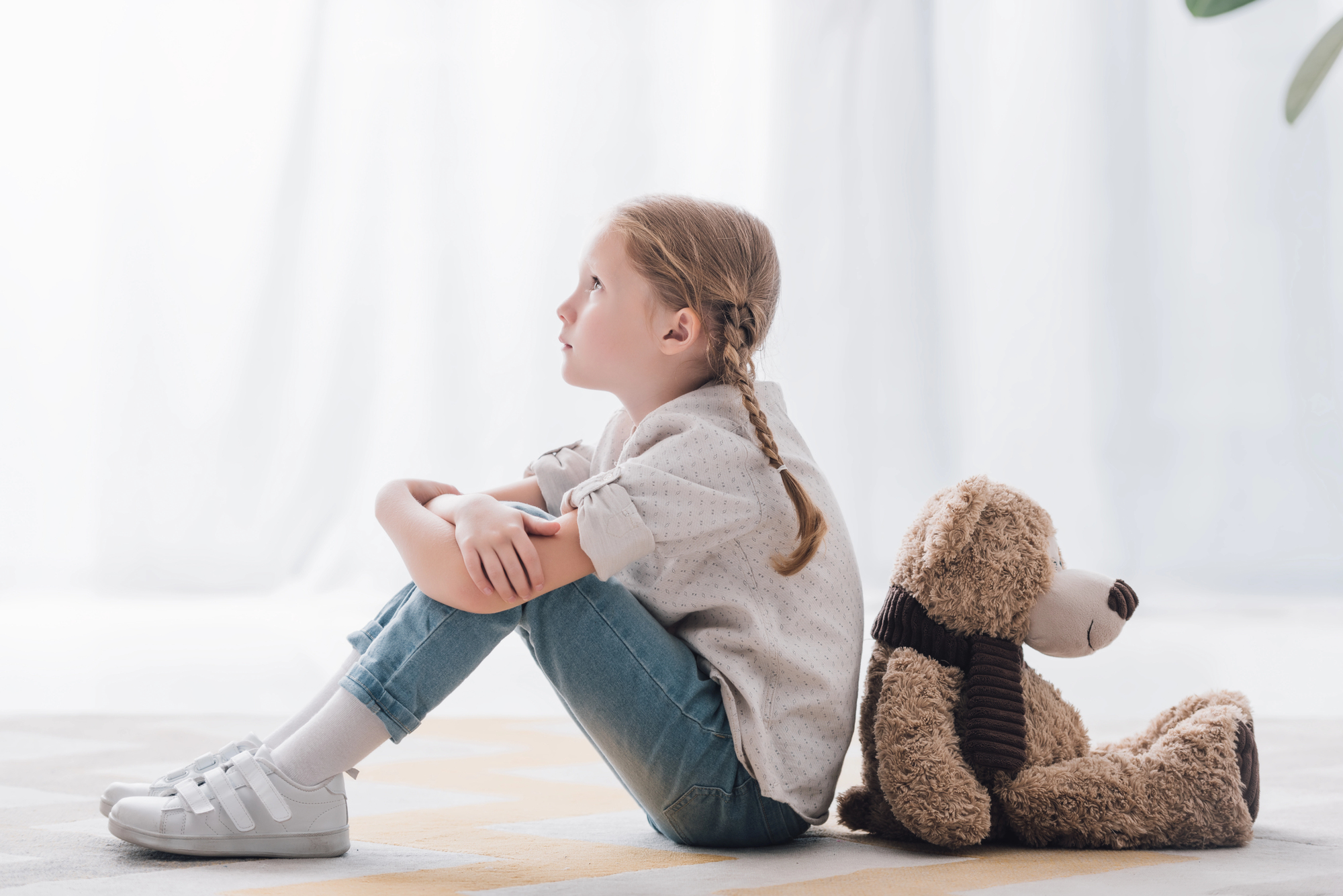
Eight years old, a house key on a lanyard, and a printed list of emergency numbers on the refrigerator — this was not considered neglect, it was considered practical. The concept of a child being alone in a house for two hours between school and a parent’s return was a completely unremarkable feature of ’90s childhood.
Renting a Movie Without Parental Pre-Approval
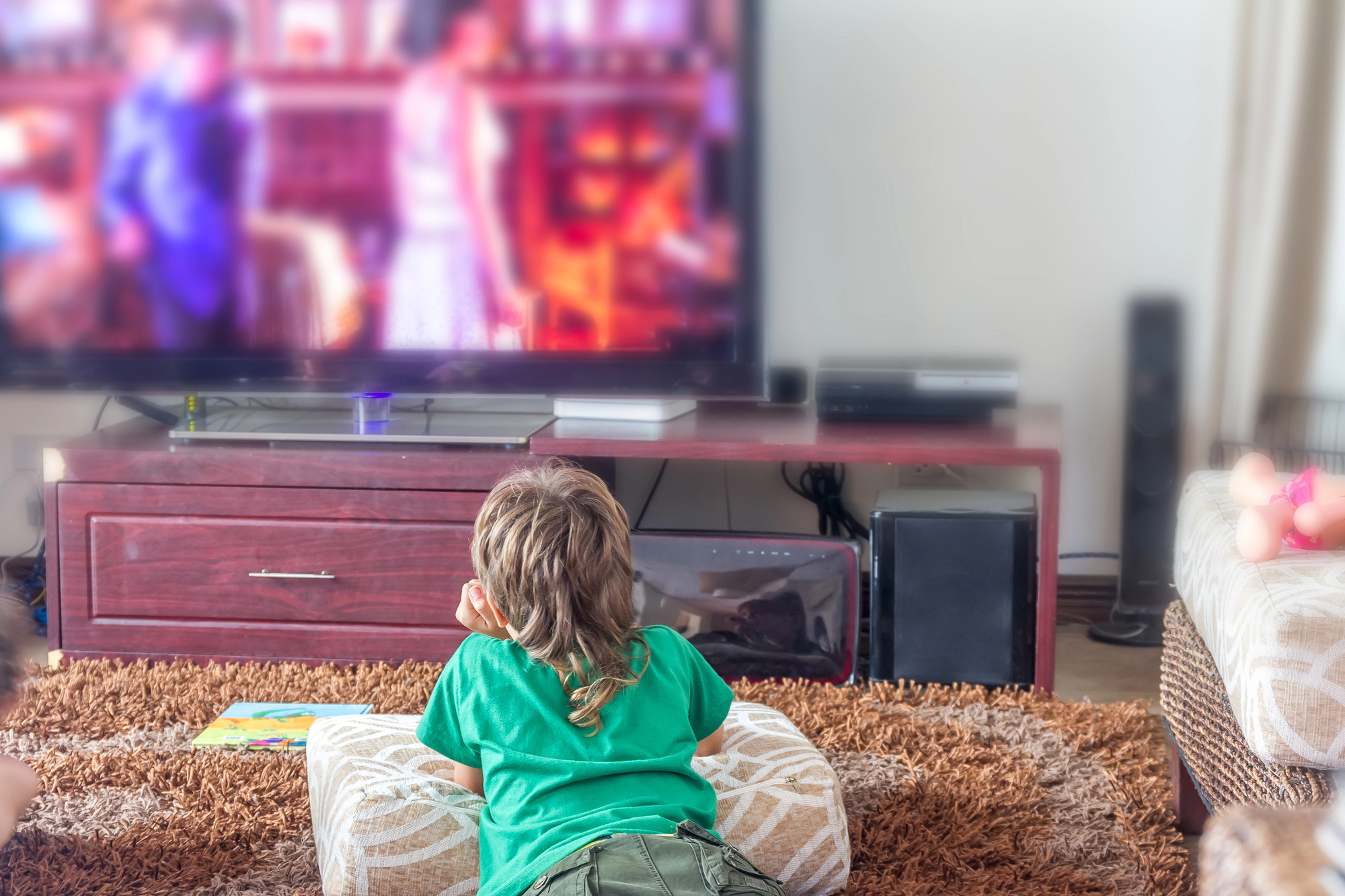
Blockbuster had a back section, and every kid knew it existed. But even outside that corner, a twelve-year-old could walk up to the counter with a couple of dollars and rent something rated PG-13 without anyone running it past a guardian first.
The video store clerk was the only gatekeeper, and that gatekeeper was nineteen and did not care.
Playing With Lawn Darts
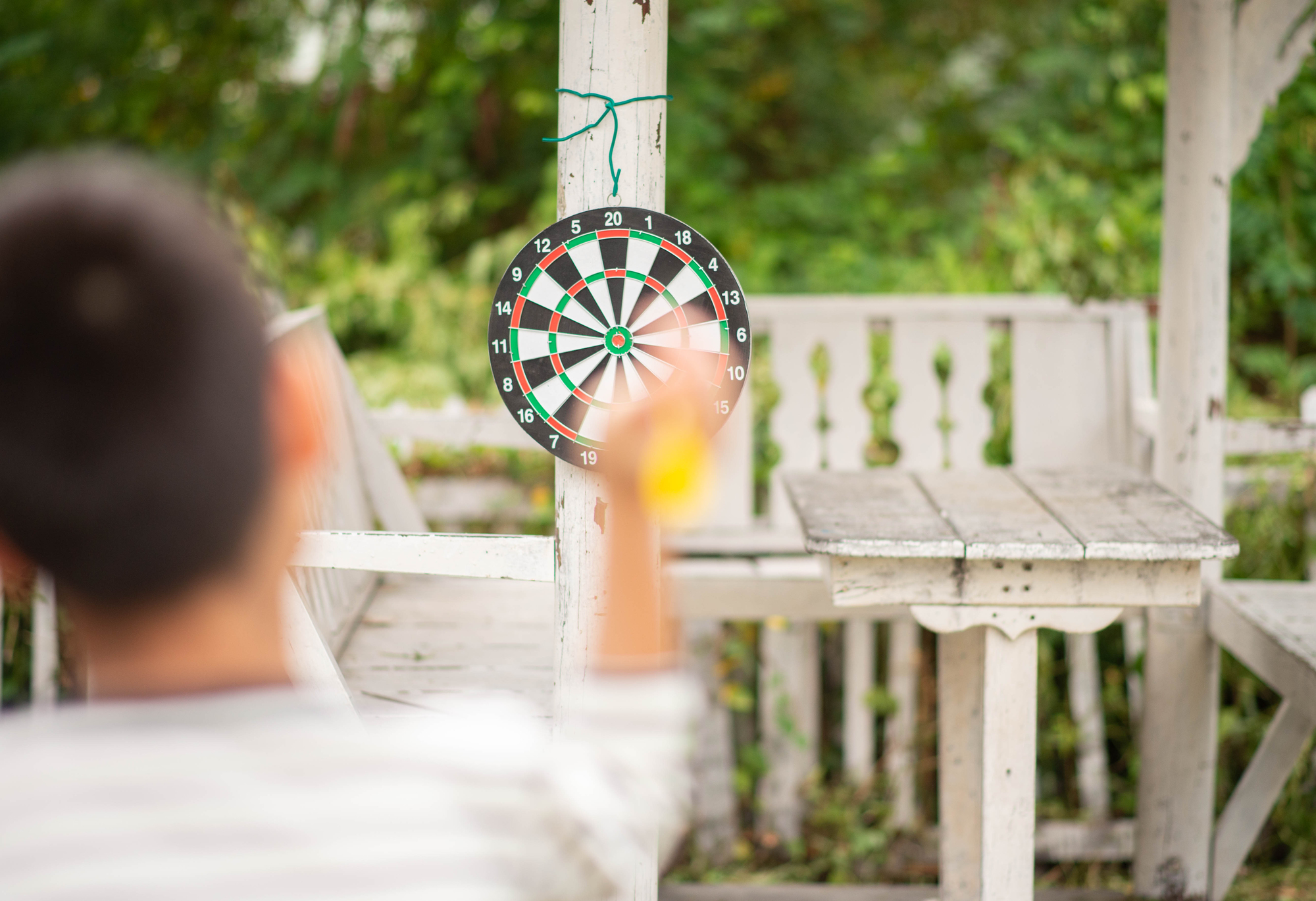
Lawn darts — weighted, metal-tipped projectiles designed to be thrown through the air toward a target — were sold as a family game, played in backyards across America, and taken out after school without a second thought. The Consumer Product Safety Commission eventually banned the original version in 1988, but plenty of sets lived in garages well into the ’90s, because parents are slow to throw things away and kids are efficient at finding them.
Talking to Strangers
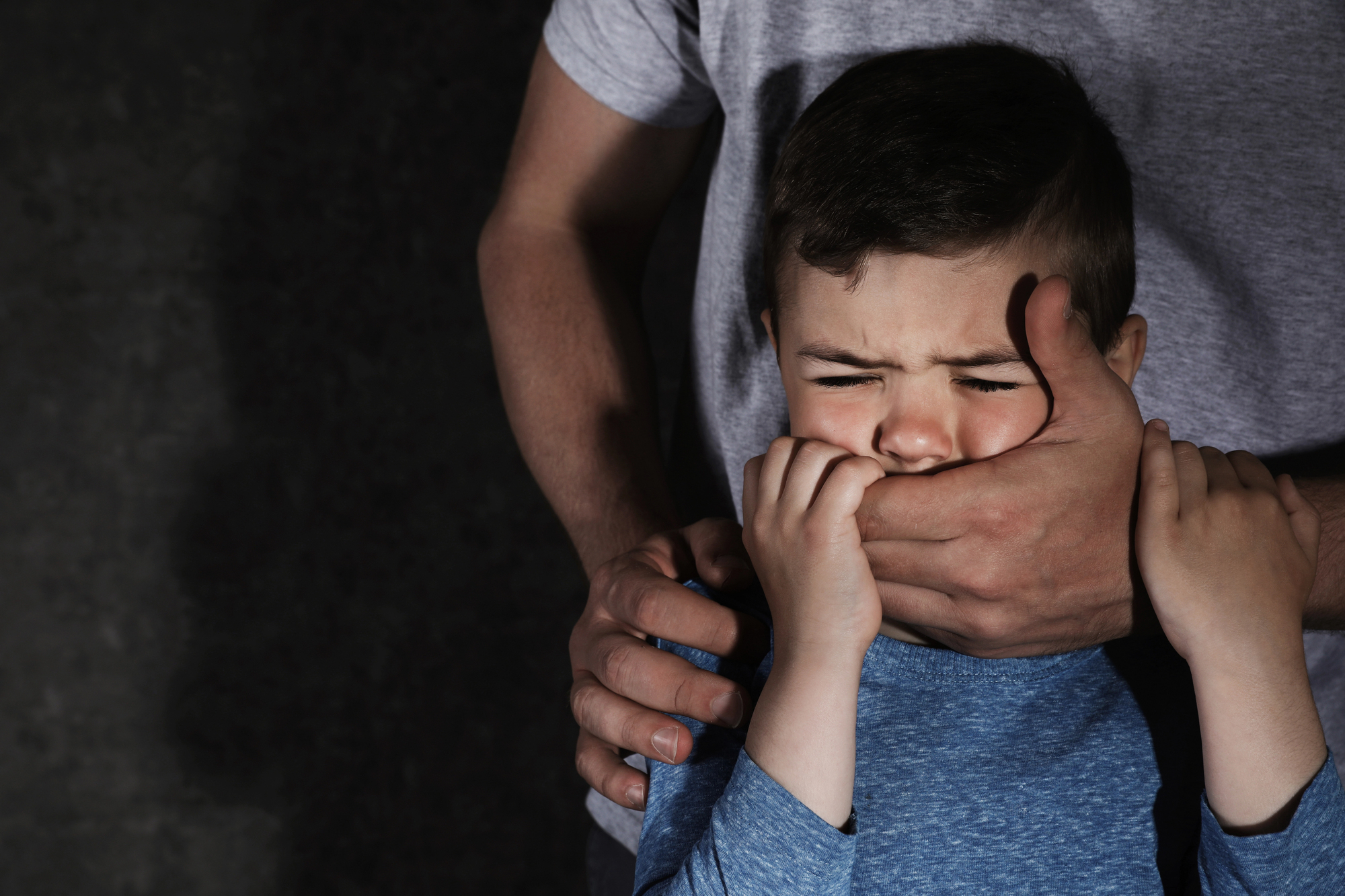
Not in a dangerous way — or at least, not intentionally. But the neighborhood in the ’90s was populated with adults you barely knew: the man down the street who always had a hose running, the woman who let you cut through her yard, the older couple who sat on the porch every afternoon.
Kids talked to them, and nobody considered that unusual.
Playing in Construction Sites
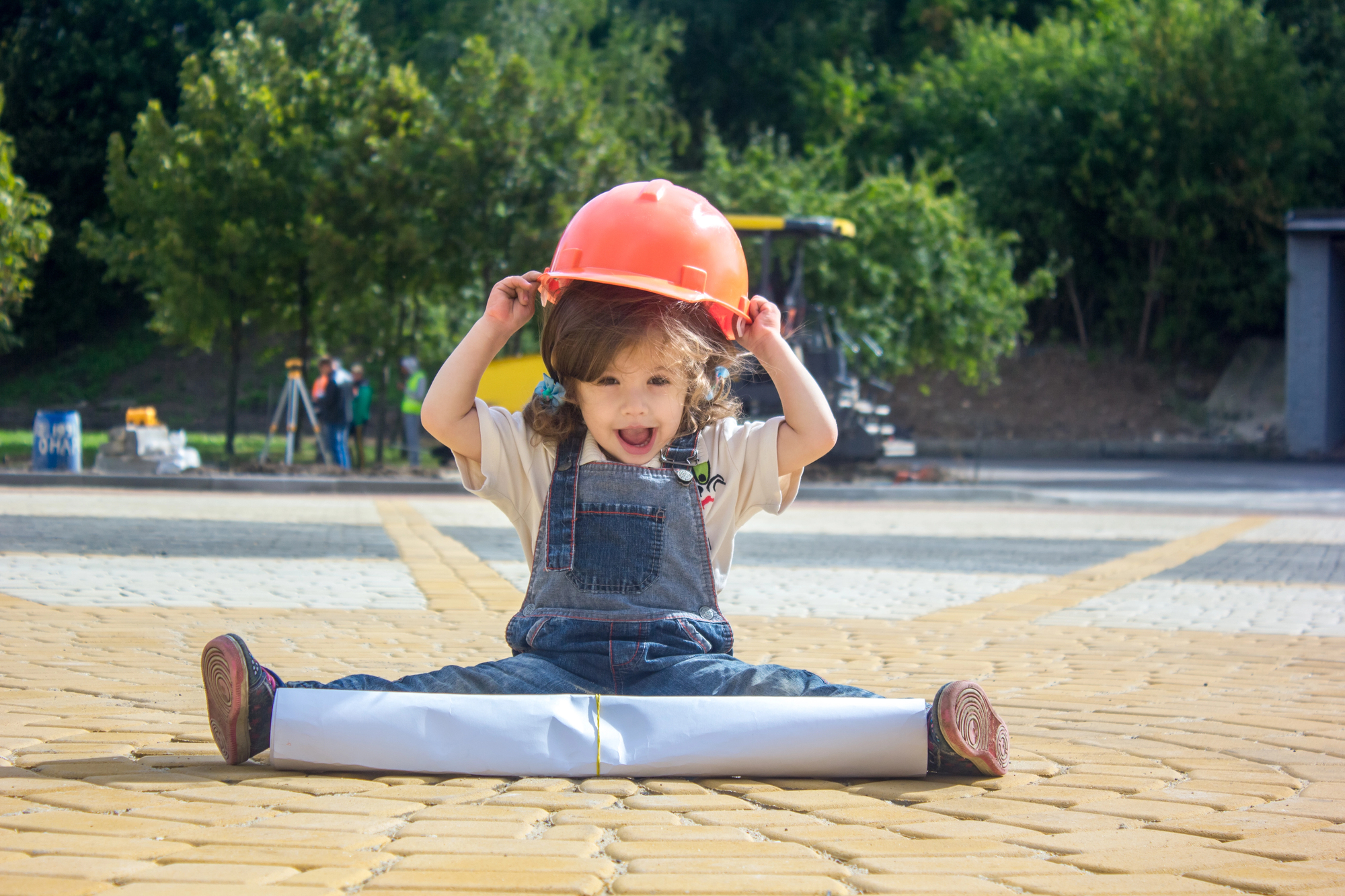
An unfinished house or an empty lot under development was basically a free playground — piles of dirt to climb, lumber to balance on, concrete foundations that made perfect tracks for bikes. The “No Trespassing” sign was decorative.
Everybody understood this.
Climbing Trees Without Anyone Spotting You
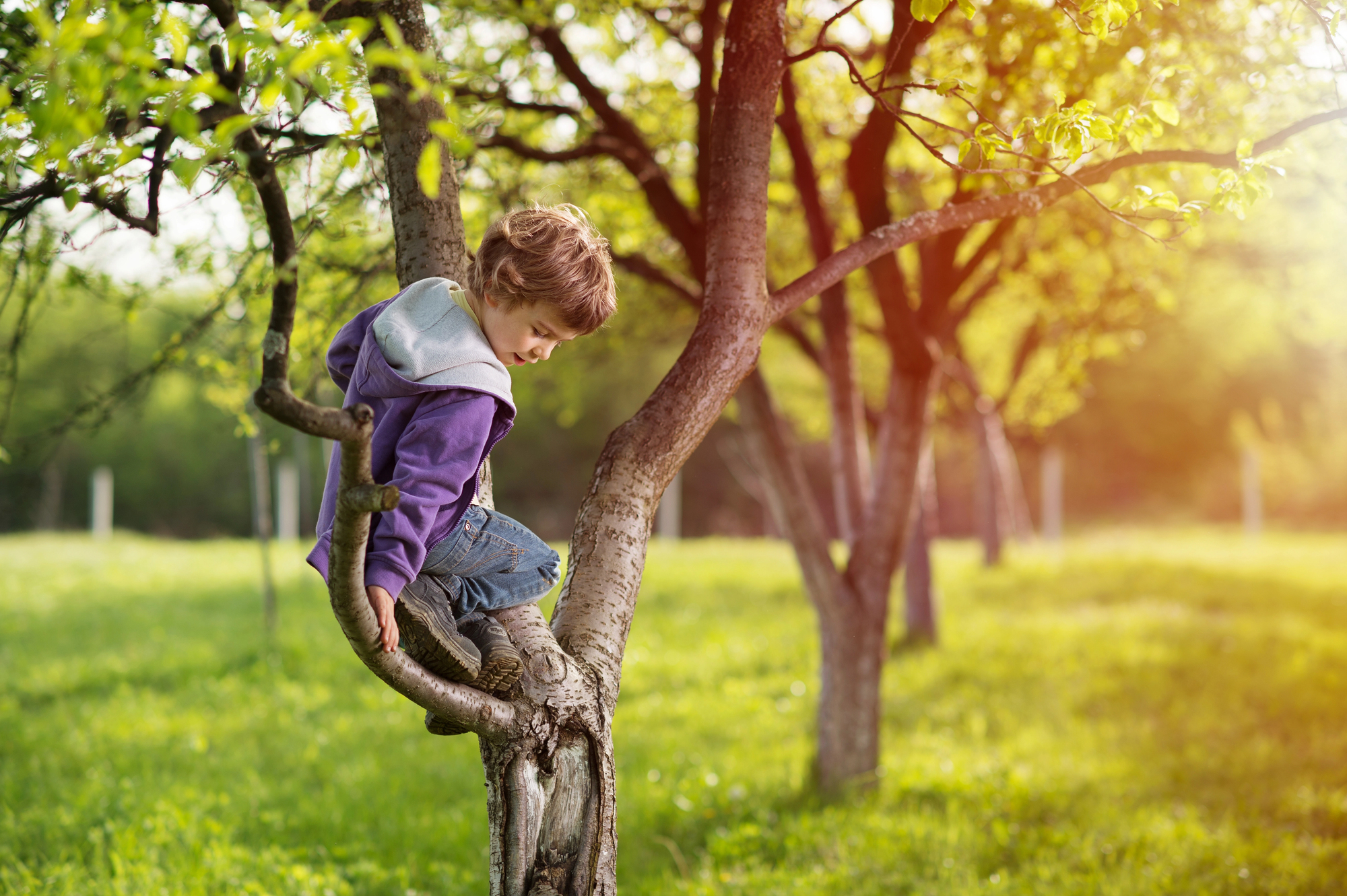
There is a specific pleasure in being twenty feet off the ground with no one below aware of your location, a pleasure that is quietly structuring — it corrects your sense of what your body can do, what height feels like, where the sturdy branch ends and the risky one begins. Modern playgrounds are designed to prevent a child from climbing higher than five or six feet.
The trees of the ’90s had no such opinions.
Settling Arguments With a Fight
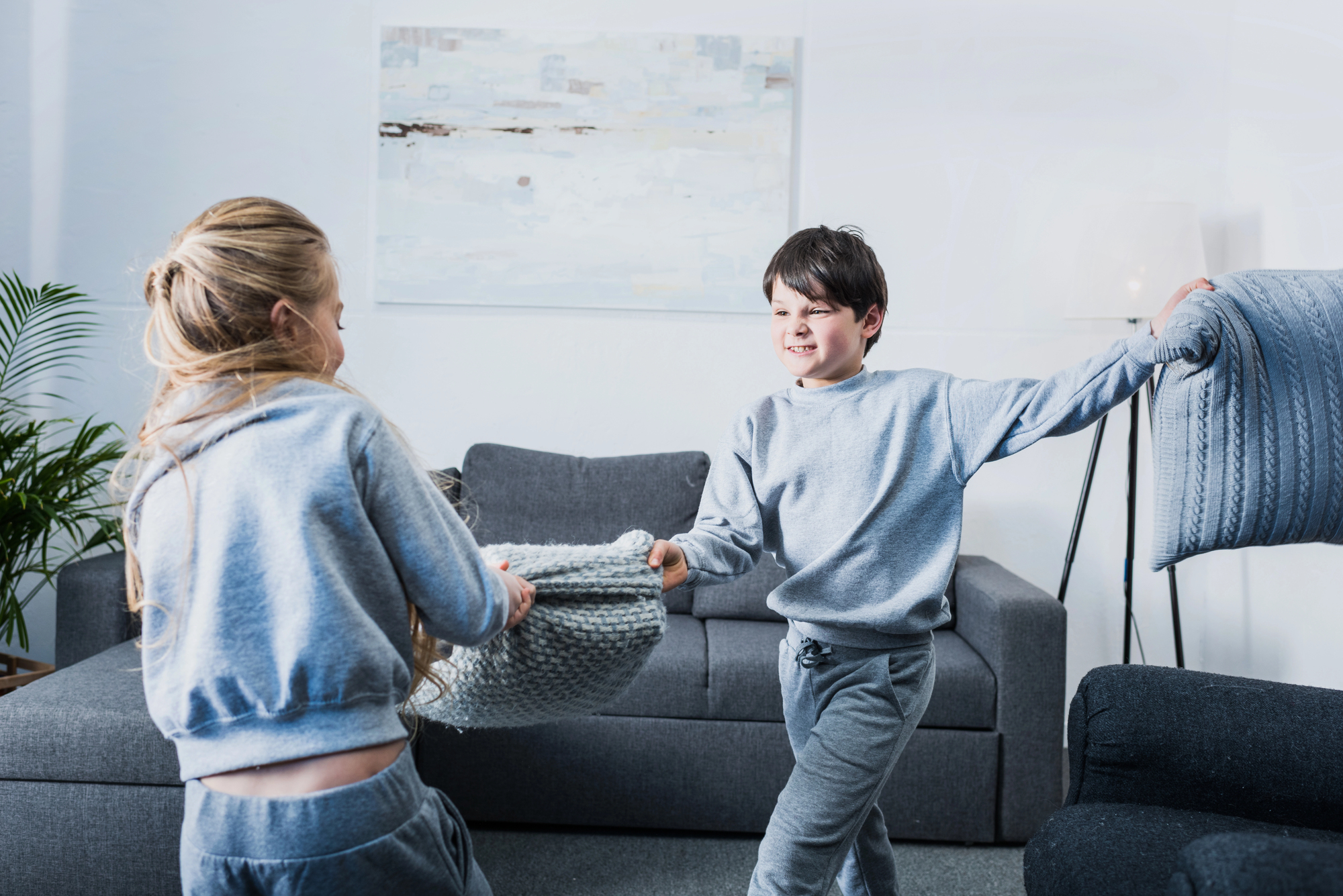
Not a brutal one — just the kind of scrap that ended in five minutes, resolved something, and was forgotten by the next day. Parents didn’t intervene because parents weren’t watching, and the two kids involved usually walked away with a clearer understanding of each other than any mediated conversation would have produced.
Buying Candy Cigs From the Corner Store

They were chalky, they were white, and they were shaped exactly like cigs — that was entirely the point. No one confiscated them at the register.
The corner store owner handed them over with the same energy as he’d hand over a pack of baseball cards, and you walked out eating a fake cig with complete social impunity.
Spending Hours on AIM Without Parental Oversight

By the late ’90s, AOL Instant Messenger had colonized the after-school hours entirely, and the conversations happening in those chat windows — with classmates, with people you barely knew, occasionally with complete strangers — were utterly unmonitored. Parents knew the computer was being used.
That was the extent of the visibility.
Playing Tackle Football in the Street
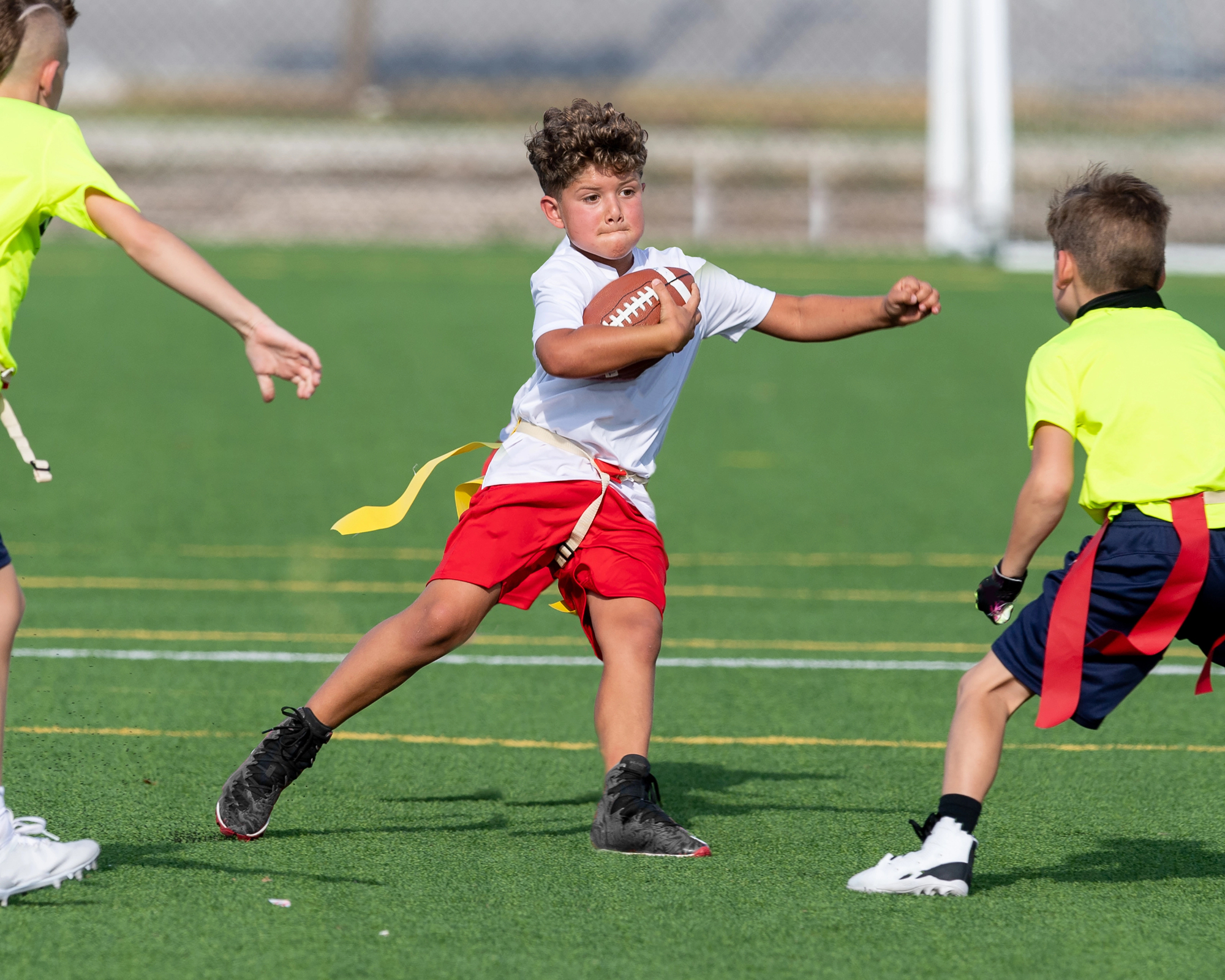
No pads, no referee, concrete or asphalt as the playing surface — the after-school street football game was a standard feature of ’90s neighborhoods. The cars that occasionally needed to pass through were an inconvenience, not a reason to stop.
Using the Microwave Unsupervised at Age 7

Hot Pockets, ramen, whatever the cabinet contained — the microwave was the great equalizer of after-school hunger, and a seven-year-old operating one alone while a parent was still at work was not a situation that required documentation or concern.
Exploring Storm Drains and Creeks
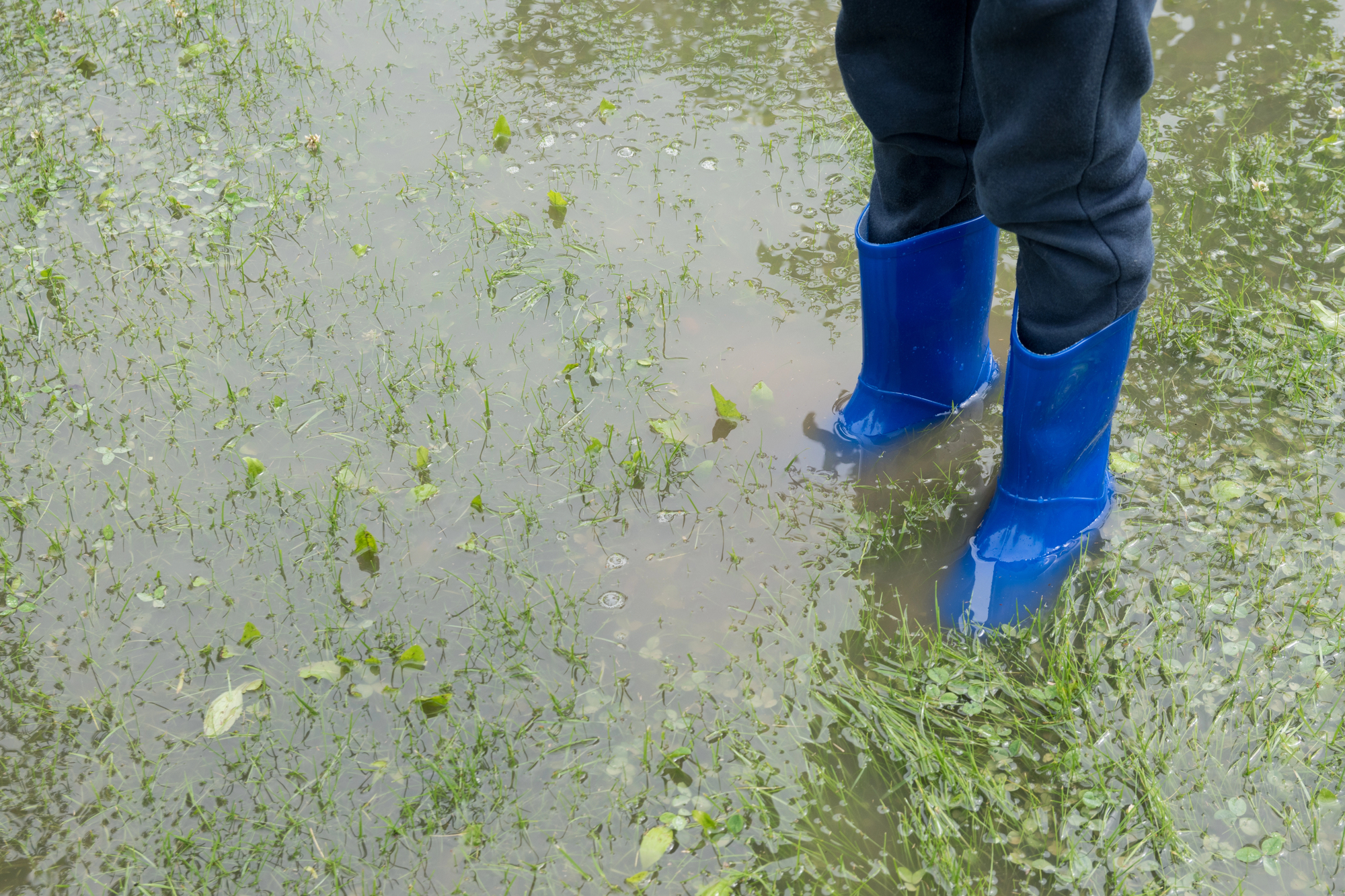
The drainage ditch behind the neighborhood, the creek at the edge of the park, the culvert that ran under the road — these were magnets. Muddy, occasionally unpleasant, almost always interesting, and completely outside adult awareness.
Reading Whatever Books Were in the House

Not assigned books. Not age-appropriate books someone had pre-selected.
Whatever was on the shelf — a paperback thriller left by a visiting relative, a Stephen King novel your parents had finished and forgotten about, a book that was clearly meant for adults. Nobody monitored the home library.
Doing Homework Completely Unsupervised

The ’90s parent trusted that if homework existed, the child would eventually do it — or wouldn’t, and would learn something from that consequence. There were no apps tracking assignment completion, no teacher portals a parent could log into.
The homework either got done or it didn’t, and the morning revealed which.
Making Up Games With No Rules

An empty afternoon and a group of kids is a physics experiment — something will always emerge, and in the ’90s, what emerged was often elaborate, self-governed, and completely improvised. Rules were invented, contested, renegotiated, and abandoned in real time, which turns out to be a remarkably efficient way to learn how disagreement works.
Walking to the Corner Store Alone

A dollar and a quarter and three blocks of unsupervised walking — this was the full architecture of the errand. The corner store was the after-school economy, stocked with things that cost between fifteen cents and a dollar, and you navigated it alone because that was just how it worked.
Playing Video Games for Three Hours Straight
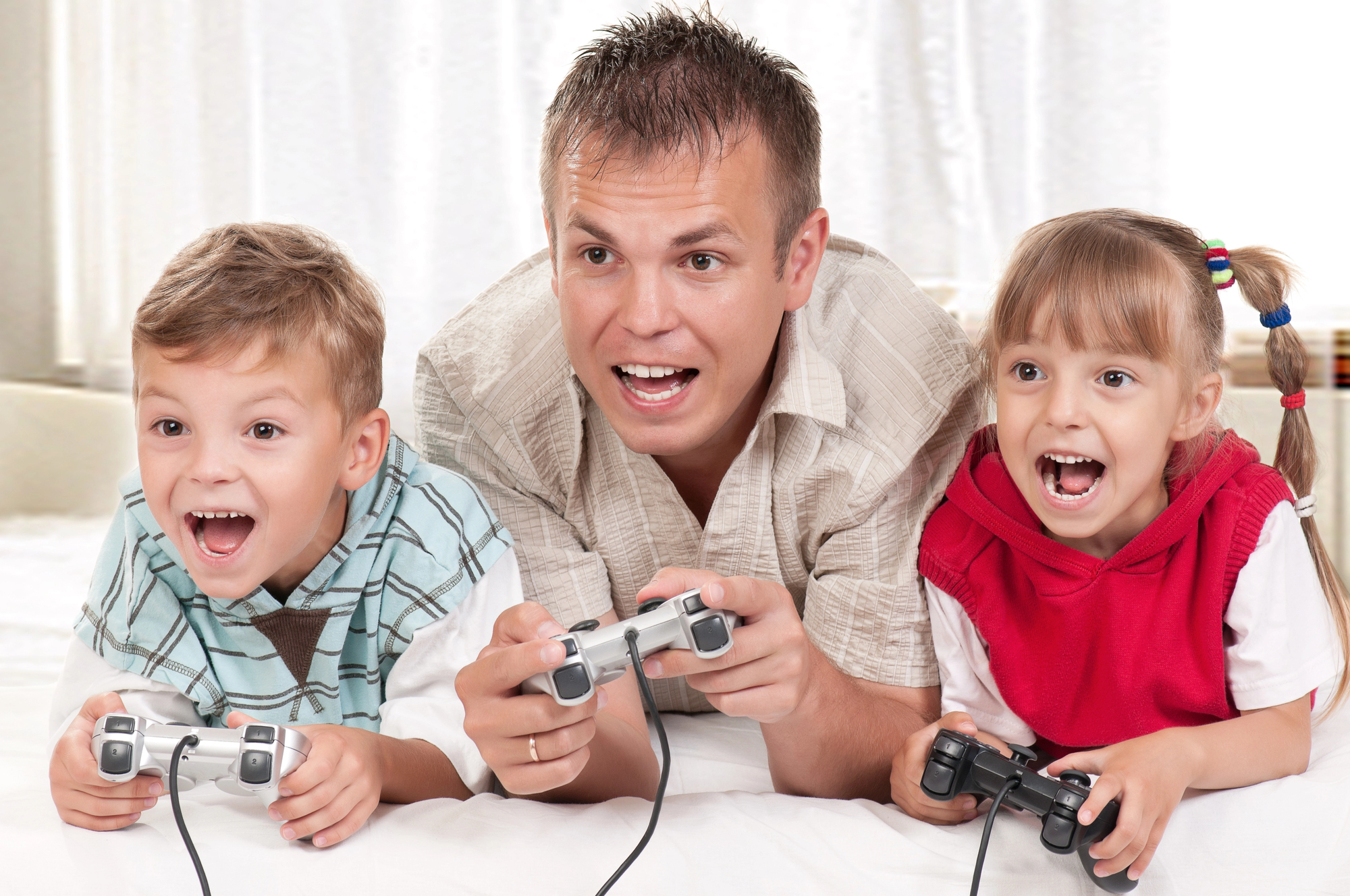
Three hours of “Mortal Kombat” or “GoldenEye” or “Street Fighter II” on a school afternoon, without a timer, without a parent setting limits, without anyone asking whether you’d had enough screen time. The only thing that ended the session was hunger or darkness or a friend going home for dinner.
Disappearing Into the Woods
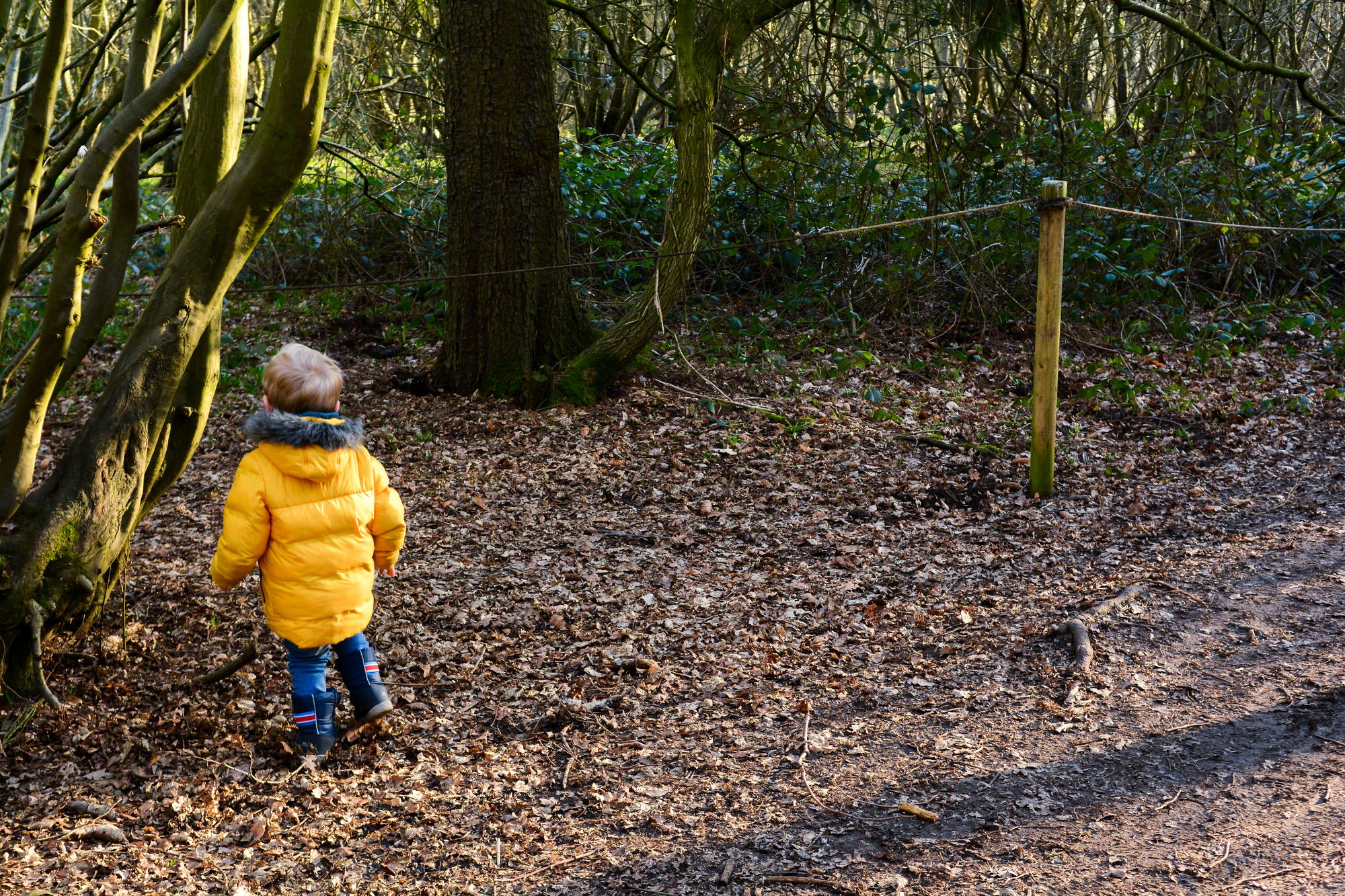
The woods at the edge of the neighborhood — every suburb in the ’90s seemed to have them — were a separate jurisdiction, ungoverned and uncharted by the adults who lived twenty yards away. You went in, you wandered, you built something or found something or just sat there for a while, and you came back when you felt like it.
No one sent a search party.
What Got Left Behind When the World Got Careful

The ’90s after-school hours weren’t perfect. Some of what happened in those unsupervised windows was genuinely risky, and not every outcome was a skinned knee that healed by morning.
But something real lived inside that freedom — a quality of selfhood that forms slowly, without instruction, in the hours when no adult is watching and the afternoon is yours to use badly or well. The rituals on this list look reckless through a modern lens, and some of them were.
Even so, the kids who grew up inside them learned something that’s harder to schedule or supervise: what it feels like to be responsible for your own afternoon.
More from Go2Tutors!

- The Romanov Crown Jewels and Their Tragic Fate
- 13 Historical Mysteries That Science Still Can’t Solve
- Famous Hoaxes That Fooled the World for Years
- 15 Child Stars with Tragic Adult Lives
- 16 Famous Jewelry Pieces in History
Like Go2Tutors’s content? Follow us on MSN.