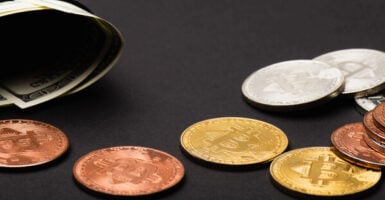
Old Gold Coins Families Inherit Worth Checking
Somewhere in a safe deposit box, a sock drawer, or an old biscuit tin, a family is about to find a small yellow coin and assume it is a trinket. Gold coins have a habit of surviving generations of neglect, and the ones that turn up in estates are often more interesting than the owners realized.
Some are worth the metal and little more, while others carry a collector premium that dwarfs their gold content.
The difference usually comes down to date, mint, design, and condition, which is why a coin should never be cleaned, polished, or sold on the first offer. A professional appraisal from a reputable dealer or grading service is the sensible first step.
These are the old gold coins most worth a second look.
Saint-Gaudens Double Eagle
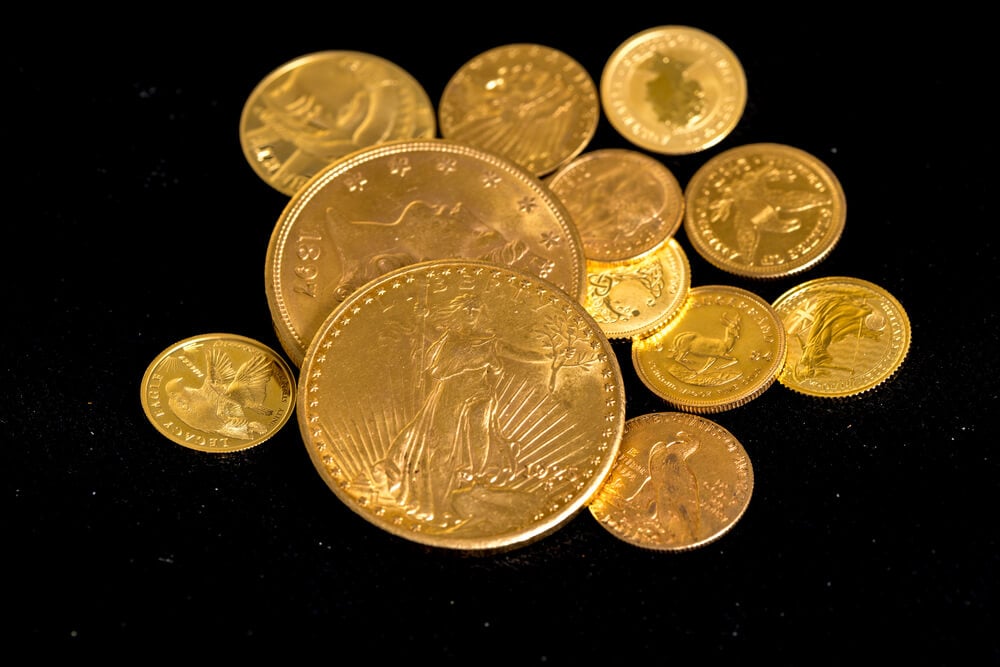
The $20 gold piece struck from 1907 to 1933 is widely considered one of the most beautiful American coins ever made. President Theodore Roosevelt personally pushed sculptor Augustus Saint-Gaudens to create it, and the 1907 high relief version with Roman numerals in the date was so difficult to strike that it required multiple blows from the press.
Common dates sell close to their gold value, while scarce dates and mint marks bring far more. Wear, scratches, and cleaning all cut into the price.
The 1933 Double Eagle
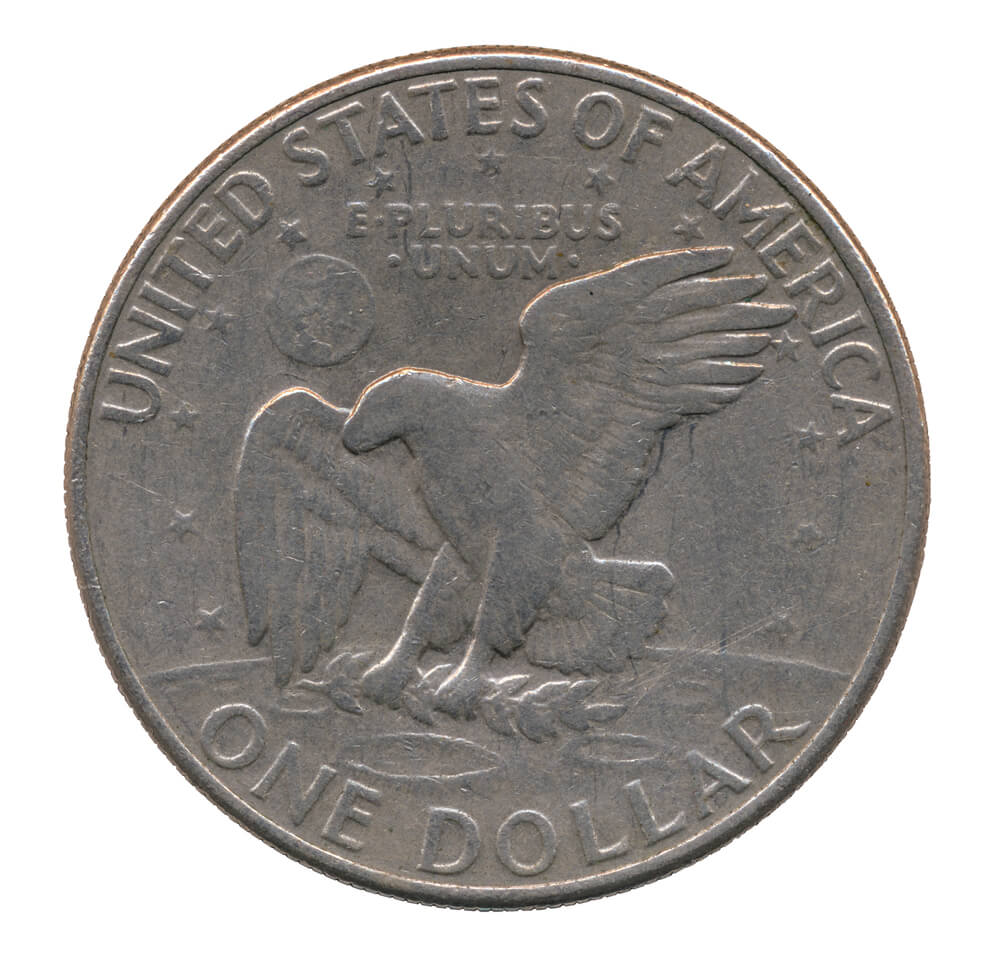
Nearly every double eagle dated 1933 was melted after the government ended gold coin circulation, which makes any survivor a legal and financial lightning rod. In 2021, a single example cleared for private ownership sold at Sotheby’s for about $18.9 million, the highest price ever paid for a coin at auction at that time.
The odds of finding one in a family drawer are essentially zero, but the story explains why dates matter so much on these coins. Anyone who suspects a 1933 specimen should contact an attorney and a numismatic authority before doing anything else.
Liberty Head Double Eagle
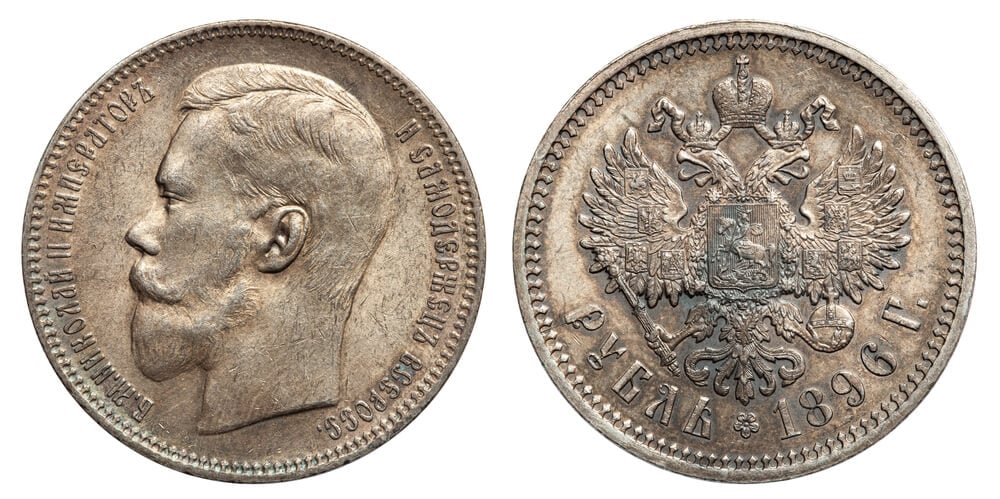
Designed by James Longacre, the Liberty Head $20 gold piece was minted from 1849 to 1907 and carried much of the gold from the California rush into commerce. Many of these coins came to light after the SS Central America sank in 1857 and its cargo was recovered in 1988, which gave collectors a view of coins that had sat in near-pristine condition for more than a century.
Mint marks such as S for San Francisco and CC for Carson City can raise values sharply. Heavily worn common dates trade closer to bullion.
Indian Head Eagle
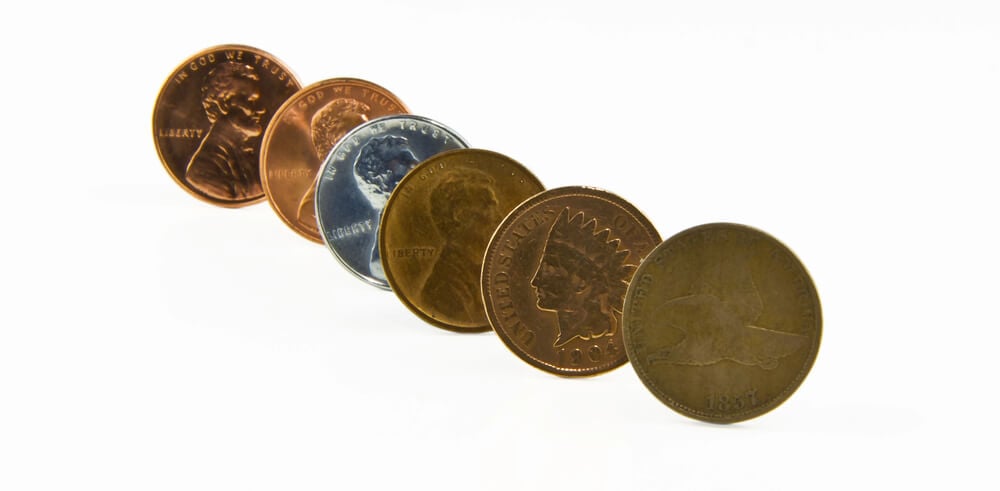
The $10 Indian Head eagle was designed by Augustus Saint-Gaudens and first struck in 1907. The original version omitted the religious motto at Roosevelt’s insistence, and Congress ordered it restored in 1908, so coins from the first year and the motto change draw particular interest.
Despite the name, the figure is Liberty wearing a Native American style headdress. Collectors pay premiums for sharp detail and original luster, and discount coins with rim dings or evidence of polishing.
Liberty Head Eagle
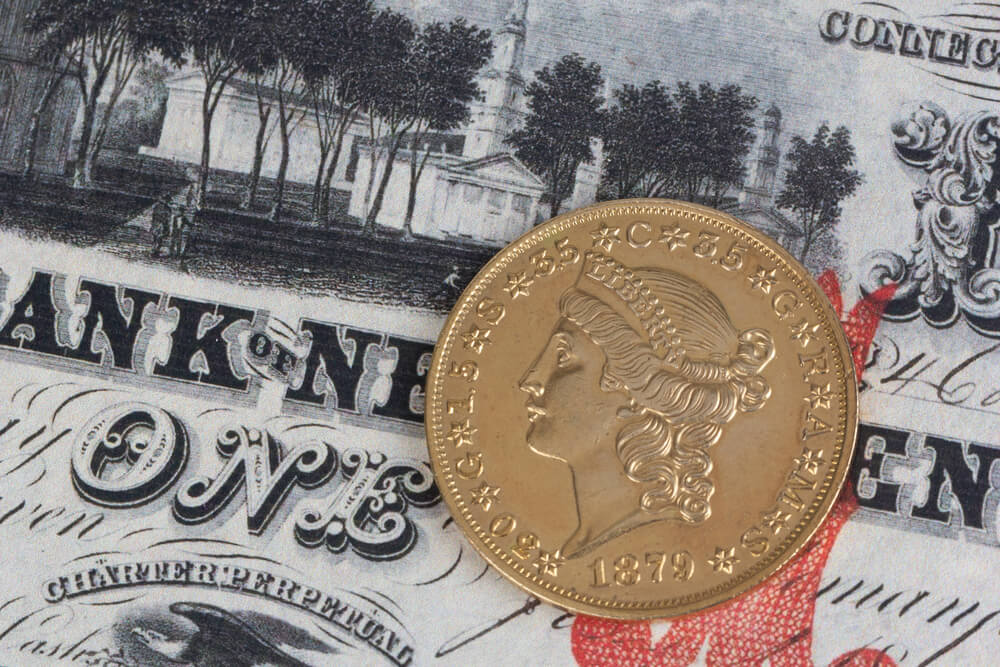
The earlier $10 eagle, designed by Christian Gobrecht, circulated from 1838 until 1907 and went through several design changes over those decades. A religious motto was added to the reverse in 1866, which divides the series into distinct types with different value ranges.
Branch mint issues from New Orleans and San Francisco tend to bring more than Philadelphia coins of the same date when the mintage was low. As with every old gold coin, cleaned surfaces are a reliable way to lose money.
Southern Branch Mint Half Eagles
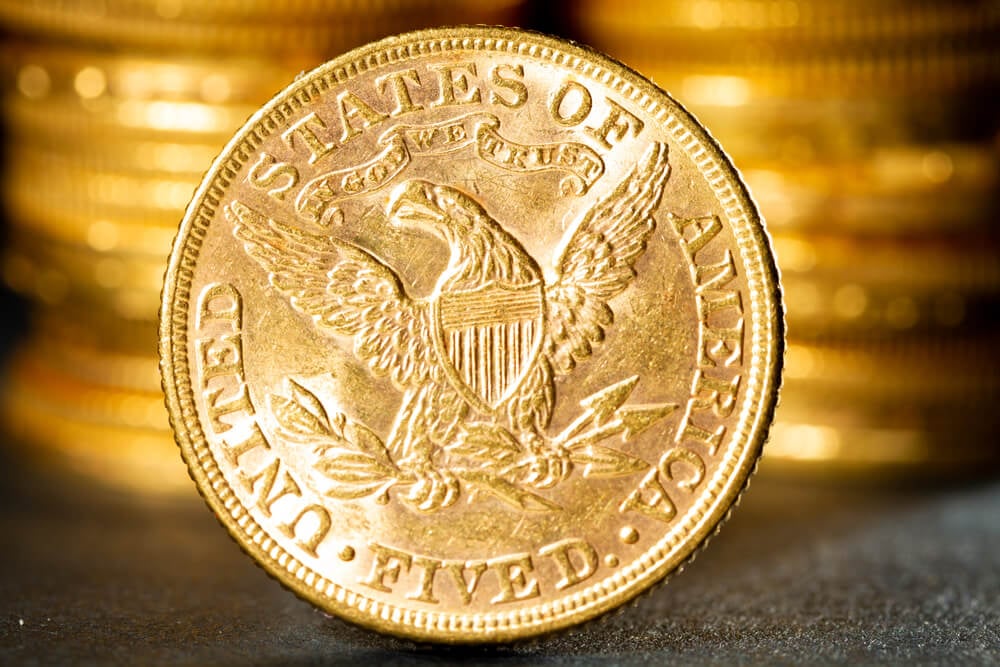
Gold found in North Carolina and Georgia led the federal government to open branch mints in Charlotte and Dahlonega, which struck coins from 1838 until the Civil War brought operations to a halt in 1861. Their $5 half eagles carry a small C or D above the date, and those tiny letters can be worth many multiples of an ordinary half eagle.
Mintages were small, and surviving examples are often worn from heavy circulation. A family with an old coin bearing one of those letters should have it authenticated.
Indian Head Quarter Eagle
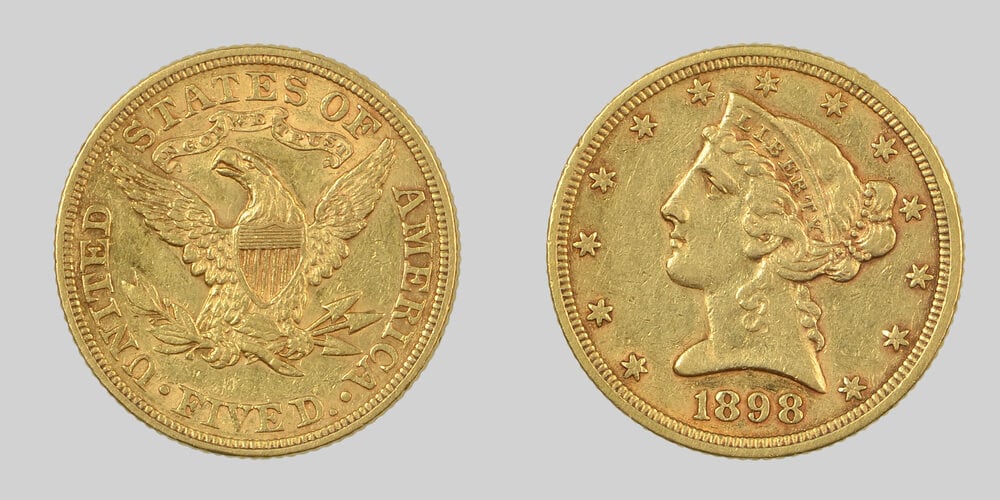
Boston sculptor Bela Lyon Pratt designed the $2.50 quarter eagle struck from 1908 to 1929 with an unusual feature: the design is incused, meaning it is sunk into the surface instead of raised. Critics at the time complained that the recessed fields would collect dirt, and some even claimed they would harbor germs.
The coin is small and easy to overlook in an estate, but the 1911-D from the Denver mint is known as a key date. Check for signs of cleaning, since the recessed surfaces show damage easily.
The $3 Gold Piece
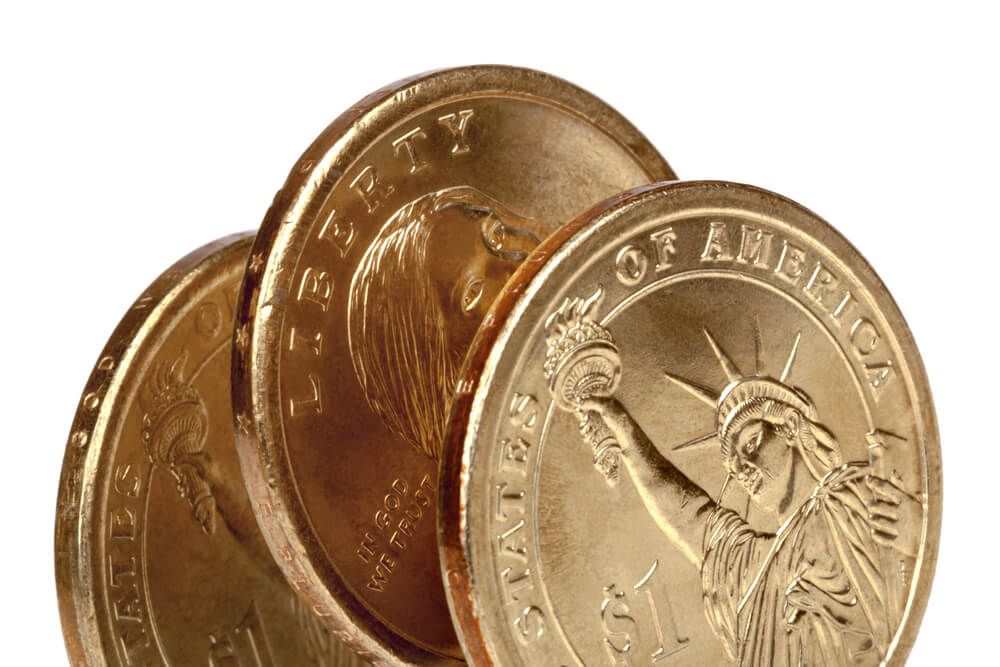
The United States issued a three-dollar gold coin from 1854 to 1889, designed by James Longacre and featuring a feathered headdress on Liberty. It was never widely used in commerce and is one of the odder denominations in American numismatics.
Only one example of the 1870-S is known, which sets the tone for how seriously collectors take rarity in this series. Even common dates draw more interest than their gold content suggests, provided they have not been mounted in jewelry or cleaned.
Gold Dollars
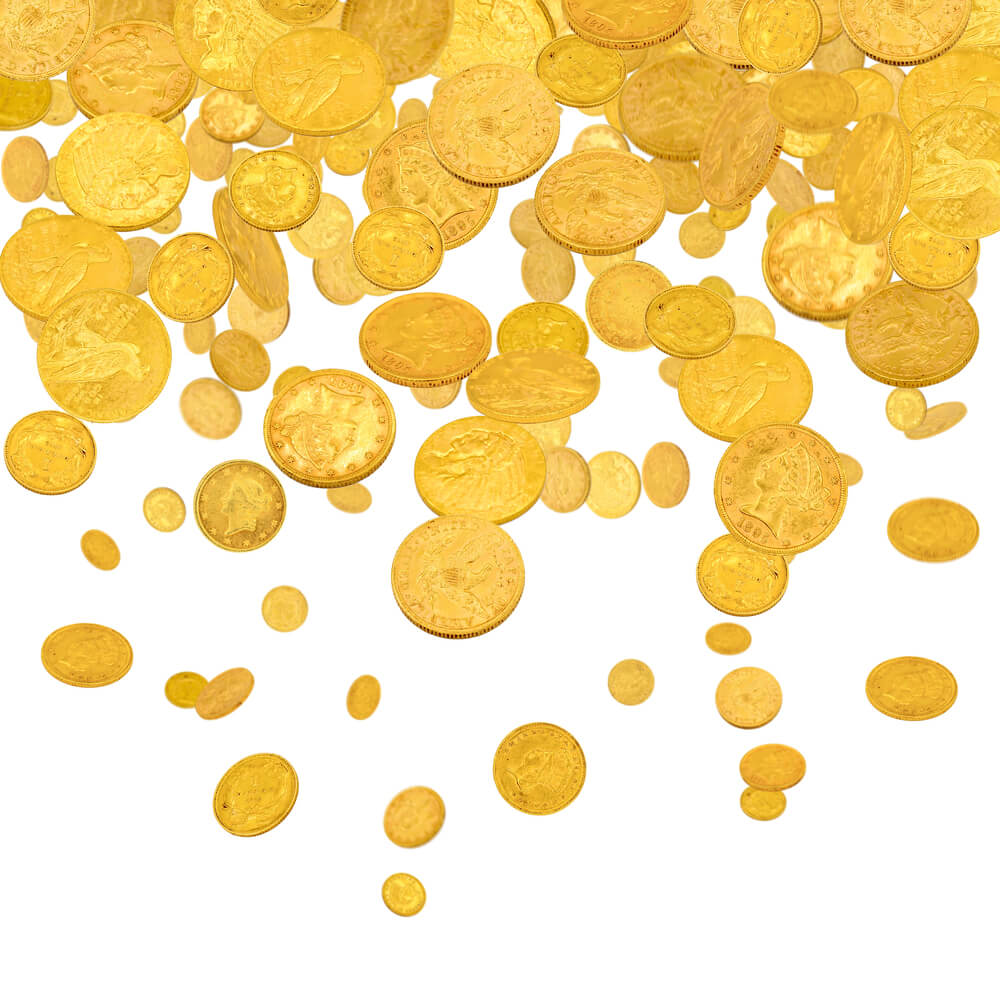
The U.S. gold dollar was struck from 1849 to 1889 and is the smallest gold coin the nation ever produced. It went through three design types, opening with a small Liberty head and ending with a larger Indian Princess headdress.
Because the coin is so tiny, it was often lost, bent, or turned into jewelry, so unmounted examples with clean surfaces are worth setting aside. Scarcer mint marks and early dates typically fetch the highest prices.
British Gold Sovereign
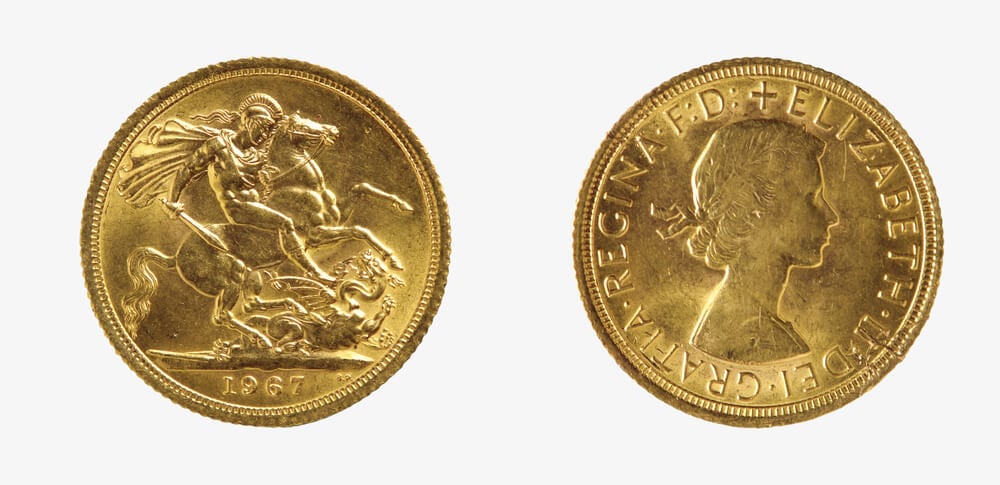
The sovereign was revived in 1817 with Benedetto Pistrucci’s design of Saint George slaying the dragon, and the Italian engraver’s initials BP appear on the coin. The design is still used today, which means old sovereigns can be hard to tell from new ones at a glance.
Dates, monarchs, and mint marks all influence value, and some early or scarce issues are worth far more than the gold alone. Examination of the date and portrait is the first thing an appraiser will do.
Sydney Mint Sovereigns
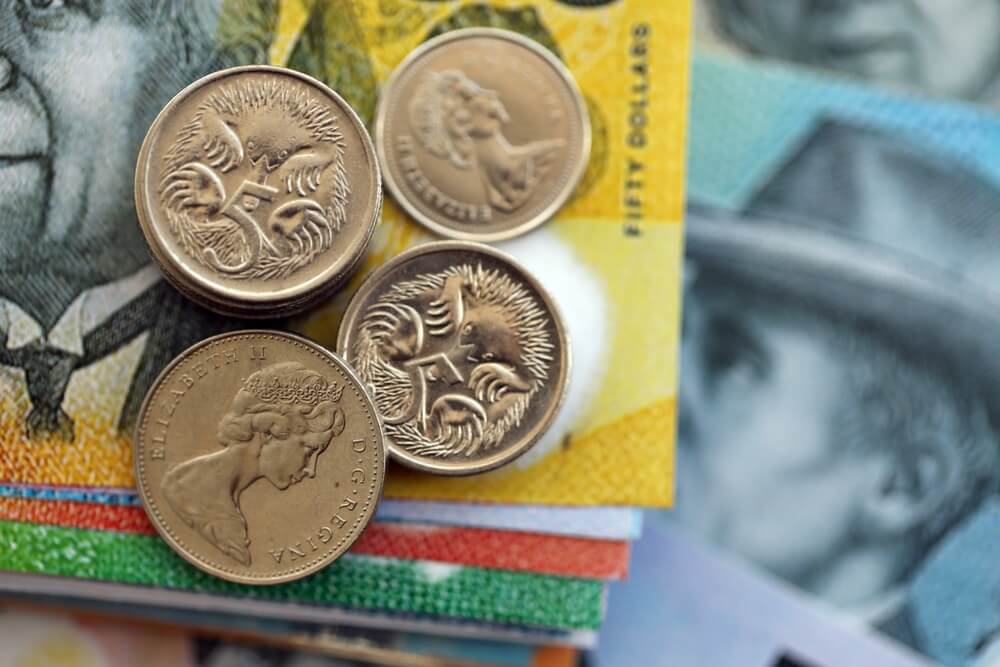
The Sydney Mint opened in 1855 as the first overseas branch of the Royal Mint, created to turn Australian gold into coin. Sovereigns it produced carry a Sydney mint mark on later issues and an early design that differs from the London version.
Surviving coins are valued by collectors in Australia and Britain, and early types can bring a notable premium. Families with ties to Australia should check old sovereigns carefully rather than assuming they match the standard British type.
South African Krugerrand
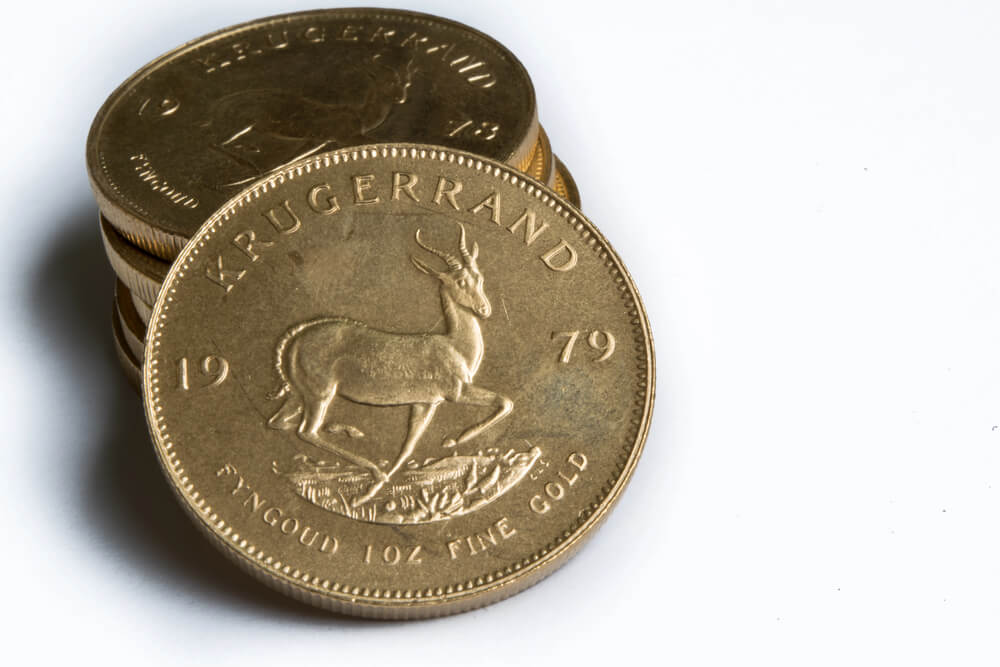
Introduced in 1967, the Krugerrand was the first modern bullion coin designed to hold one troy ounce of gold, and it is named for Paul Kruger and the rand. The coin is alloyed with copper for durability, which gives it a distinctive reddish tint.
Most Krugerrands sell near the value of their gold, but early years, proof versions, and original packaging can add a premium. Many families find these among inherited items because they were popular with investors beginning in the 1970s.
Canadian Gold Maple Leaf
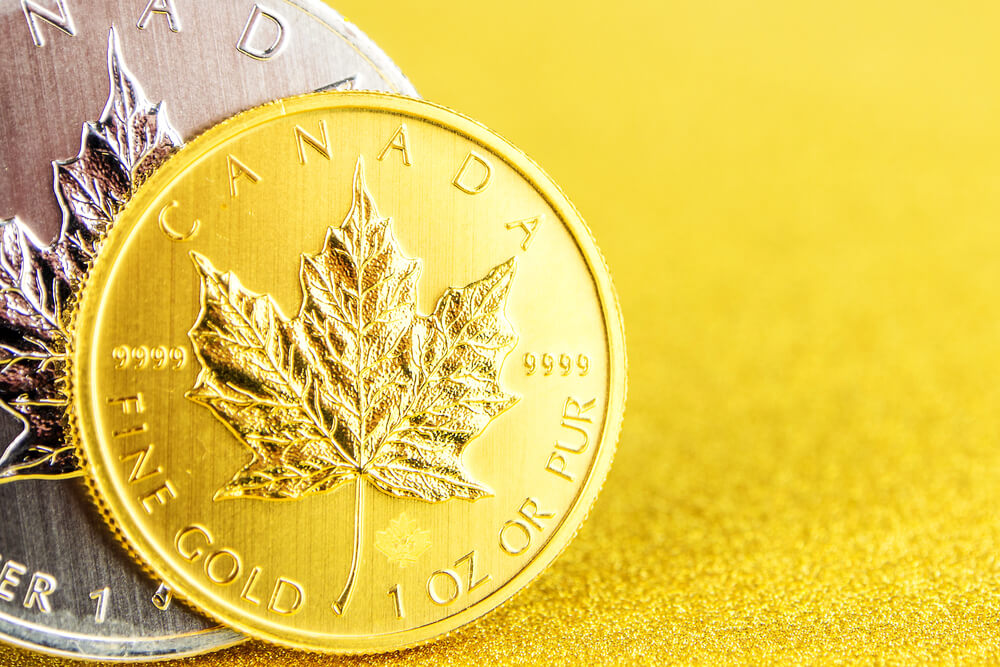
The Royal Canadian Mint launched the Gold Maple Leaf in 1979, and it soon became a staple of the bullion market. Purity was raised to 99.99 percent in 1982, so older and newer coins are not quite identical.
Most are worth their metal value, but proof editions, special privy marks, and limited releases can bring more when the original capsule and certificate are still intact. Scratches, spots, and missing paperwork reduce what a collector will offer.
Mexican 50 Peso Centenario
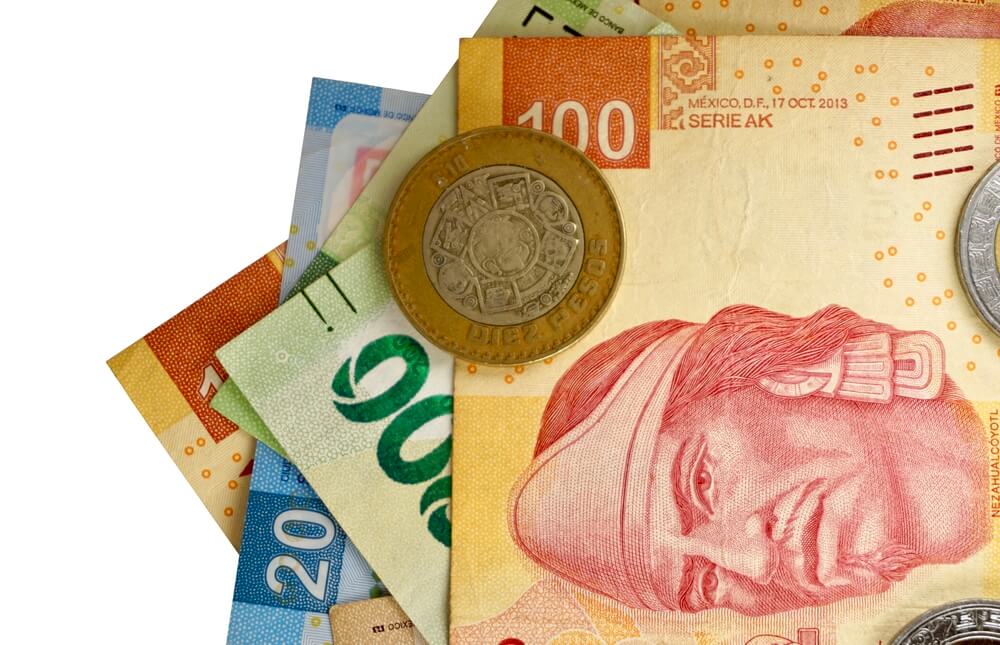
Mexico issued the 50 peso gold Centenario in 1921 to mark the centennial of independence, with the Winged Victory from Mexico City’s Independence Column on the front. The coin contains about 1.2 ounces of gold, so it is heavier than many other classic pieces.
Later restrikes were produced for decades, which makes dating and identification important. Original 1921 issues in good condition generally bring more than restrikes, which usually track the bullion price.
French 20 Franc Rooster
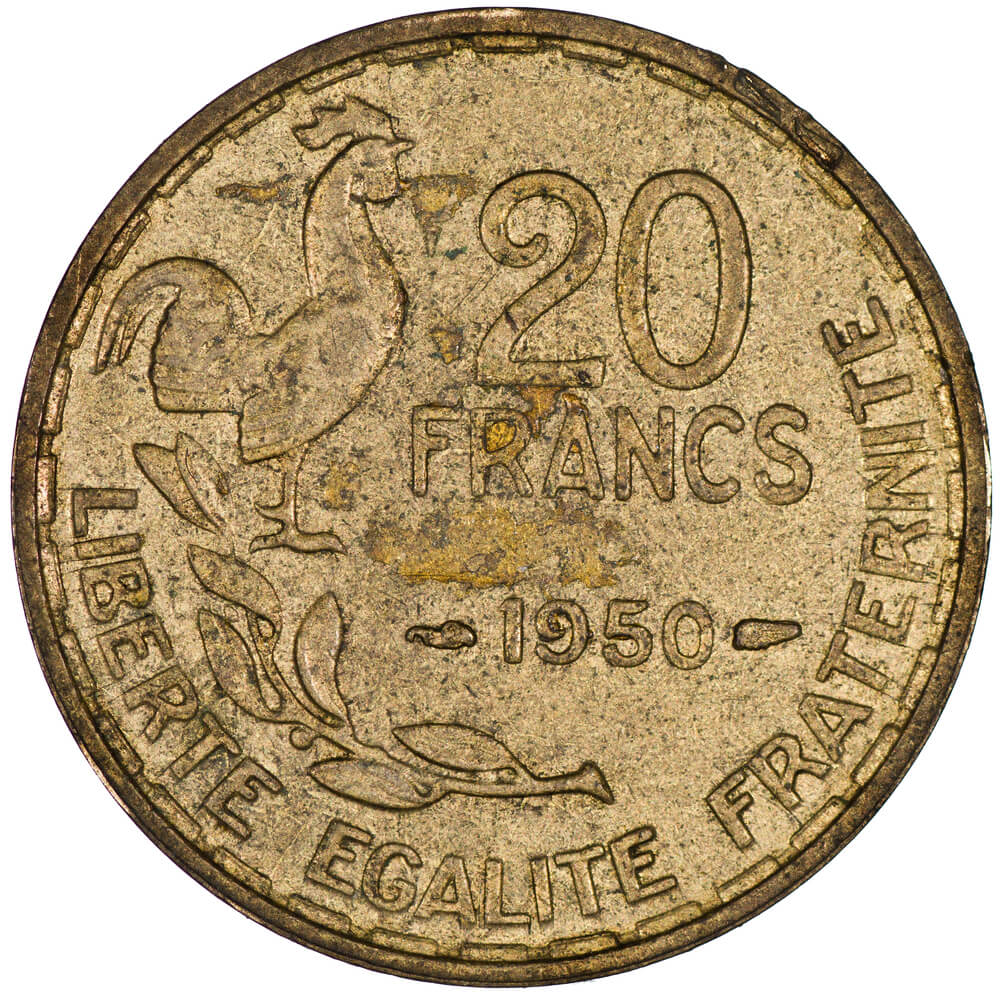
France struck the 20 franc gold piece with a rooster on the reverse, known as the Coq, between 1899 and 1914. It contains about 0.1867 troy ounces of gold, the same amount as other coins in the Latin Monetary Union, which also included Switzerland and Italy.
These coins turn up often in estates because they circulated widely and were saved as a store of value. Common dates sell near melt value, while scarce dates and sharper examples earn a modest premium.
Swiss Vreneli
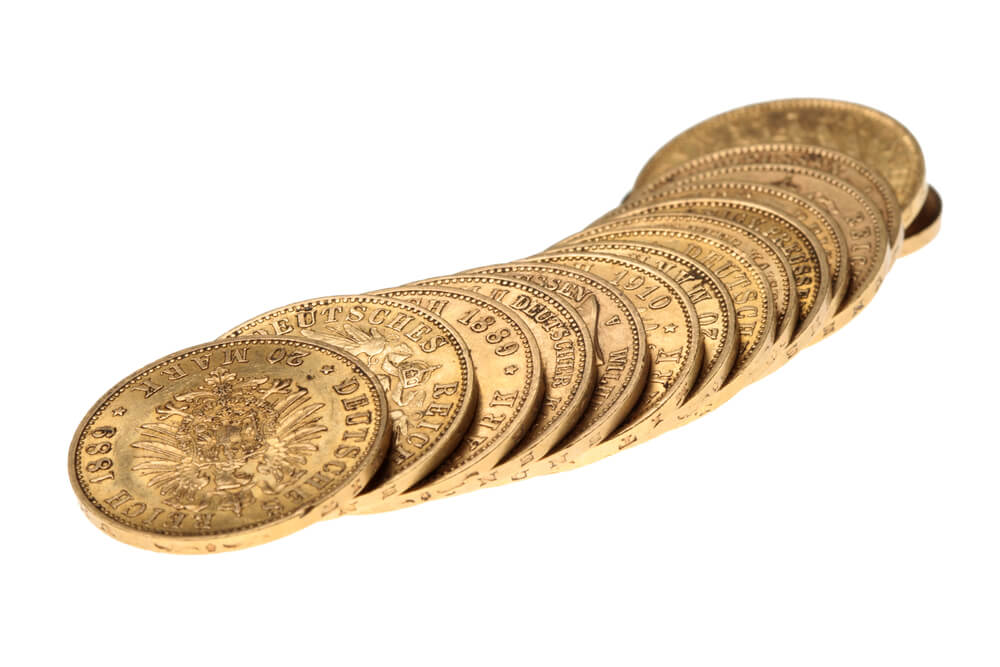
The Swiss 20 franc gold piece, nicknamed the Vreneli after a diminutive form of the name Verena, was struck from 1897 to 1949. It holds the same 0.1867 troy ounces of gold as the French coin, and it features a portrait of a young woman with a ring of Alpine flowers.
Some dates are scarce, notably the 1896 pattern strikes and the low-mintage issues from the 1930s. As a result, a quick date check can separate an ordinary coin from a valuable one.
Austrian 100 Corona
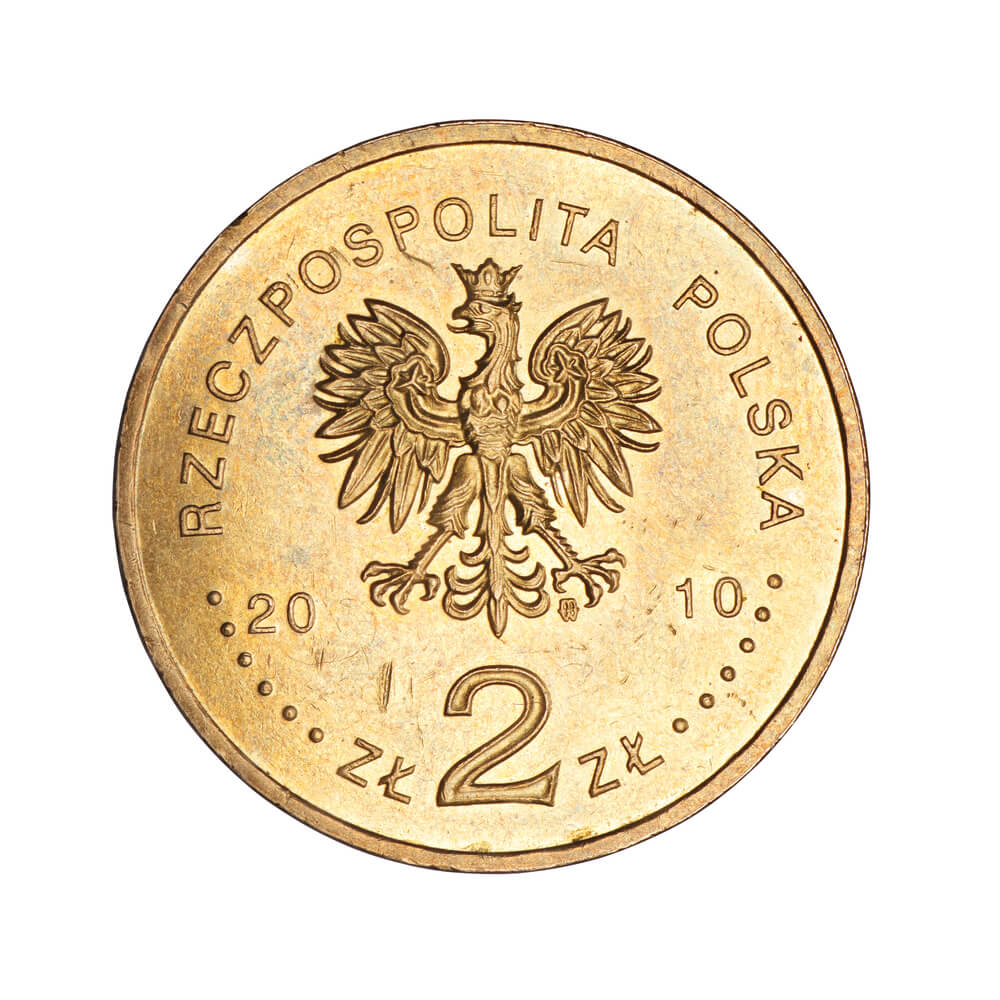
Austria issued the 100 corona gold coin in 1908 to celebrate the 60th anniversary of Emperor Franz Joseph’s reign. The Austrian Mint later produced restrikes dated 1915, and those versions are far more common than the original 1908 issues.
The two are easy to confuse, but their values differ because the originals are rarer and carry more collector interest. A gold content of nearly one ounce makes either version a meaningful find in an estate.
American Gold Eagle
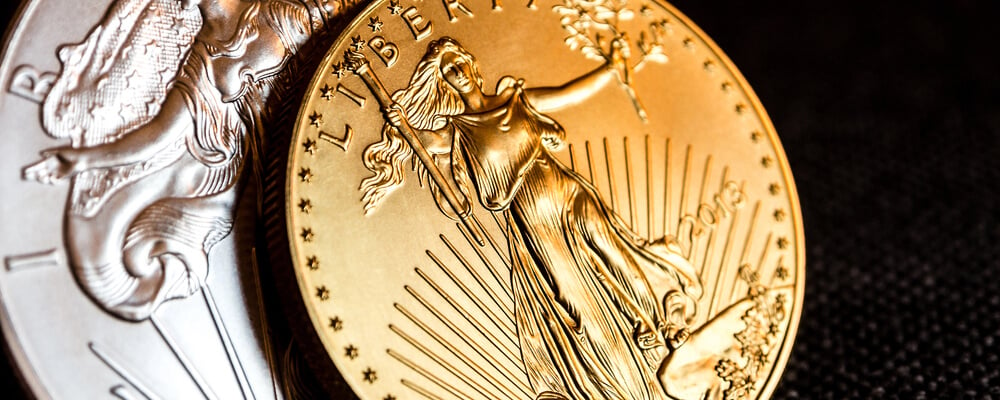
Authorized by Congress in 1985 and first sold in 1986, the American Gold Eagle is a 22 karat coin alloyed with copper and silver. It reuses Augustus Saint-Gaudens’s walking Liberty design from the double eagle on its front, while the reverse shows a family of eagles by Miley Busiek.
Standard coins sell near the gold price, but certain dates, proof versions, and original mint packaging add a premium. Families who inherit sealed boxes should keep the paperwork and capsules.
American Gold Buffalo
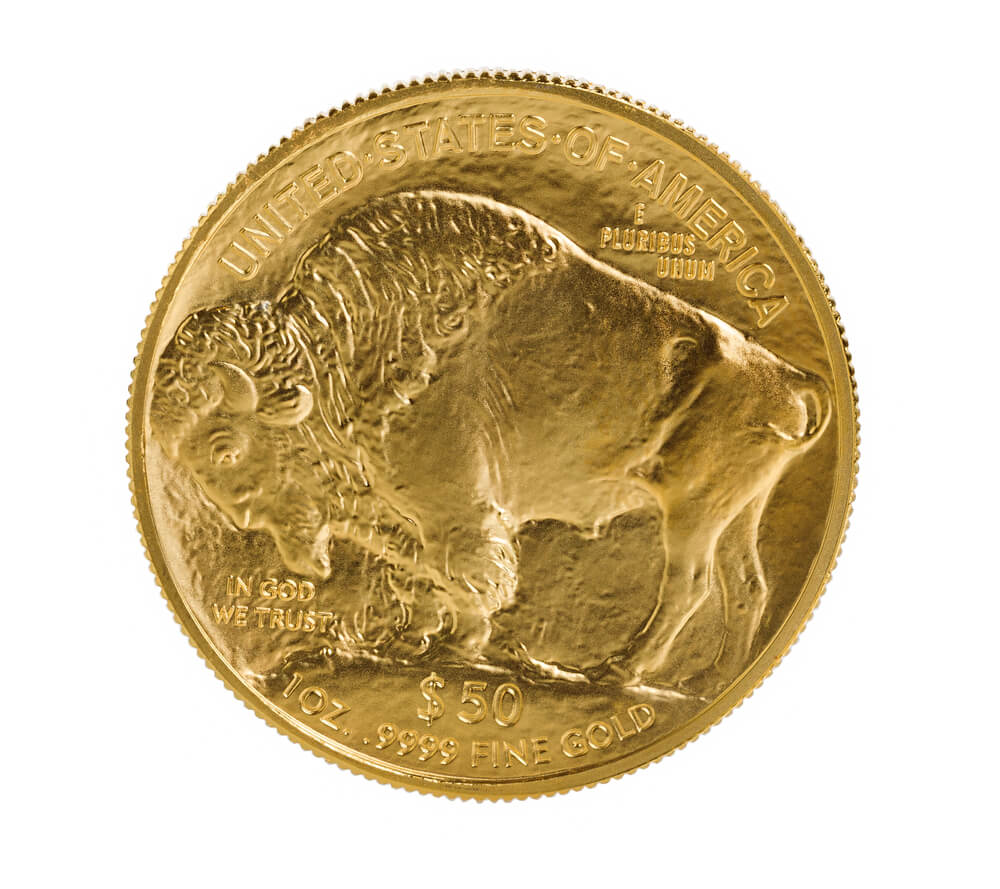
The U.S. Mint introduced the Gold Buffalo in 2006 as its first 24 karat gold bullion coin, with a purity of 99.99 percent. The design borrows from James Earle Fraser’s well-known Buffalo nickel from 1913.
Because it is soft pure gold, it scratches more easily than alloyed coins, so condition matters. Most examples track the metal price, though proof versions and low-mintage years can bring more when the original packaging and certificates remain.
The 1933 Gold Recall

DepositPhotos
On April 5, 1933, Franklin Roosevelt signed Executive Order 6102, which required Americans to turn in most gold coins, with exceptions for pieces of special value to collectors. That exemption helps explain why some old gold coins survive in family hands.
Coins with documented family histories, original receipts, or ties to the period can be of additional interest to buyers. The order is a reminder that old gold has a legal backstory as well as a financial one.
What the Drawer Was Hiding
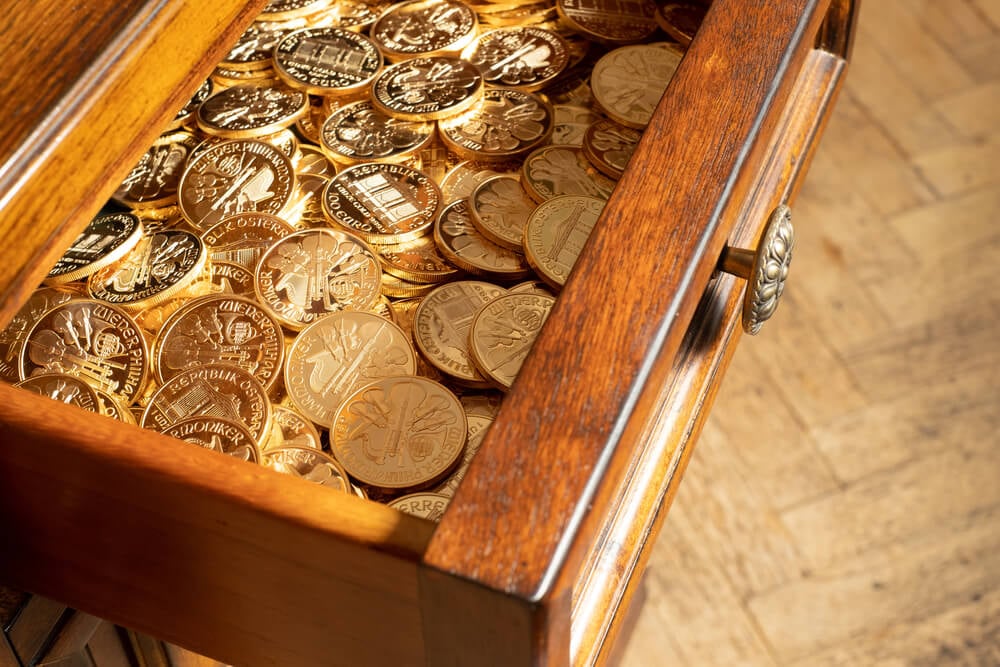
Most inherited gold coins will turn out to be worth their metal and not much more, which is still a respectable surprise for a forgotten keepsake. A smaller share, defined by date, mint mark, and condition, can be worth several times that figure.
The only way to know which pile a coin belongs in is to examine it carefully, without polishing it, rubbing it, or guessing.
Documentation matters nearly as much as the coin itself. Receipts, family letters, original holders, and certificates of authenticity can all increase interest and confidence.
Treat each piece gently, photograph it, store it away from moisture, and get more than one opinion before selling.
More from Go2Tutors!

.DepositPhotos
- The Romanov Crown Jewels and Their Tragic Fate
- 13 Historical Mysteries That Science Still Can’t Solve
- Famous Hoaxes That Fooled the World for Years
- 15 Child Stars with Tragic Adult Lives
- 16 Famous Jewelry Pieces in History
Like Go2Tutors’s content? Follow us on MSN.