Chores Kids Did Before Modern Appliances
A farmhouse in 1890 ran on muscle, and a surprising share of that muscle belonged to people under twelve. Water did not arrive through a pipe, heat did not arrive through a vent, and light did not arrive at the flip of a switch.
Somebody had to carry, chop, crank, scrub, and polish every single day, and that somebody was often a child in the household.
The tasks below were not occasional favors. They were daily or weekly obligations that structured a kid’s morning before school and evening after it.
Many became less common as electricity, running water, and modern appliances spread, although the timing varied widely by region and household.
Hauling Water From the Pump
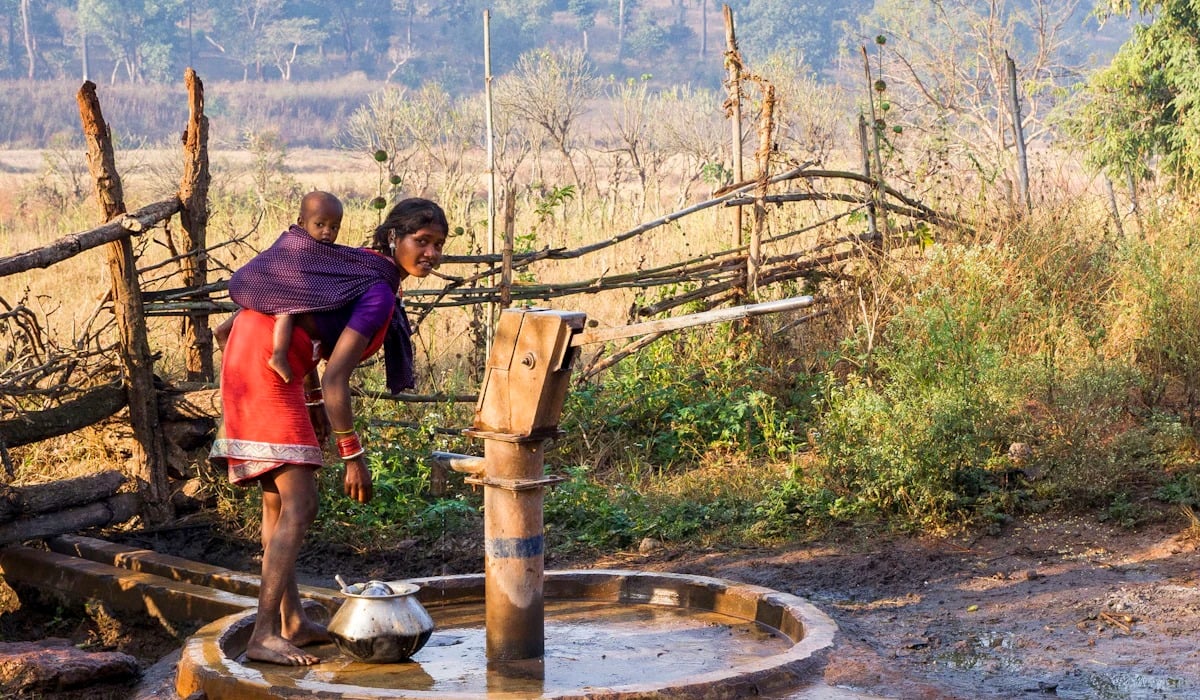
Before indoor plumbing, many households relied on wells, outdoor pumps, or other sources of water that had to be carried inside for cooking, washing, and drinking. This was one of the jobs given to children strong enough to lift a bucket.
A household could use dozens of gallons on a wash day, which meant repeated trips to the yard pump or well with buckets. In freezing weather, a pump could stop working if water inside its mechanism froze, and some pumps needed priming to operate again.
Kids learned quickly not to fill a bucket to the brim, because sloshing water on the kitchen floor meant extra cleanup on top of the first chore.
Chopping Kindling
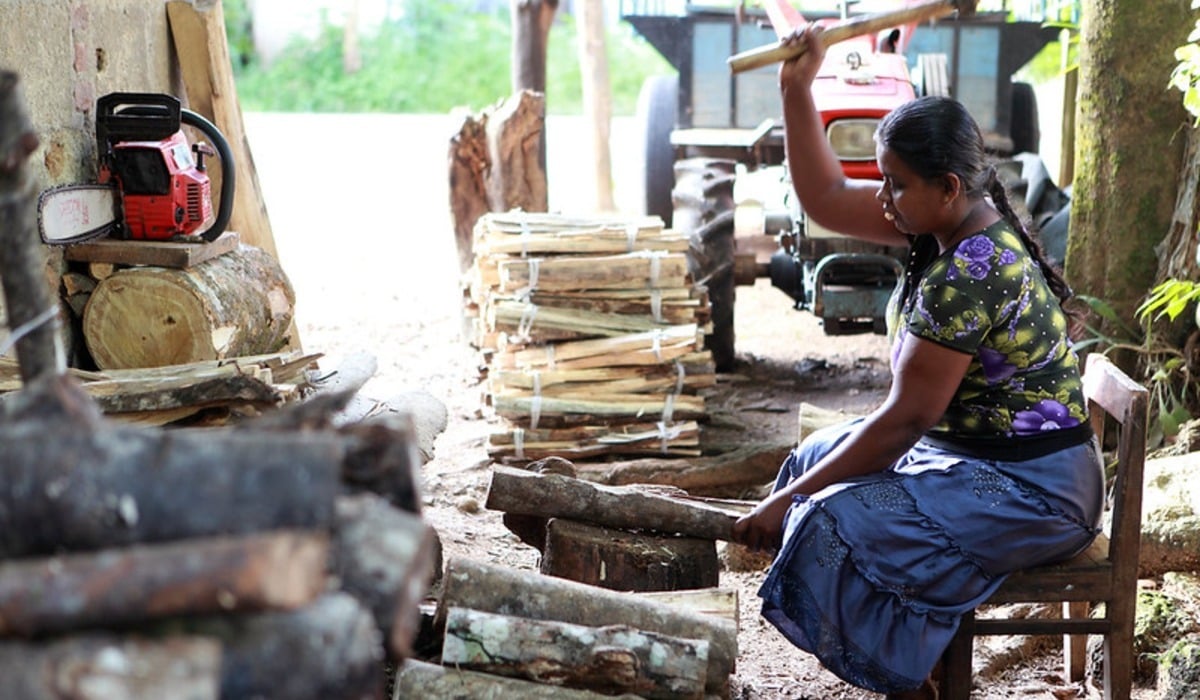
A cookstove or fireplace would not catch from a match and a large log alone, so someone had to split a supply of thin, dry sticks for starting the fire. This work could fall to boys as young as eight or nine, who might be trusted with a small hatchet and a chopping block despite the obvious risk of injury.
The trick was splitting pine or cedar along the grain into pieces no thicker than a finger. A kindling box might also hold shavings or dried corncobs, which caught fire readily and were used as tinder or fire starters in some regions.
Keeping the Woodbox Full
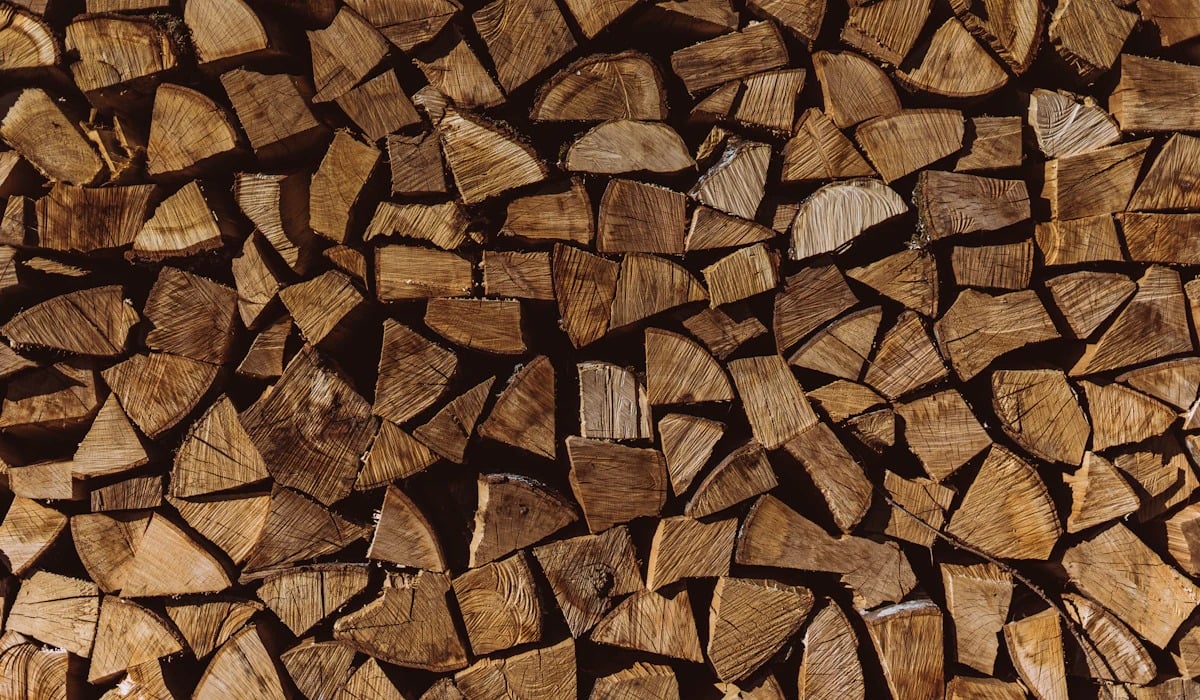
Separate from chopping kindling was the repeated job of keeping the kitchen woodbox stocked with split firewood for the stove. A cookstove in steady use could consume a substantial amount of wood throughout the day, and an empty box at suppertime could leave the cook scrambling for more.
Children carried wood in from the pile or shed several times a day, stacking it neatly so the cook could grab pieces without looking. Some families kept a second, larger box on the porch so the inside supply could be refilled without a trip into the snow after dark.
Emptying the Chamber Pots
Nobody wanted to walk to the privy in the middle of a January night, so a lidded ceramic pot often sat under or beside the bed in homes without indoor toilets. In the morning, the pots had to be carried out, emptied into the privy or another designated place, rinsed, and returned.
This was a routine job for older children in some households, especially where there were no servants. Chamber pots came in plain and decorative designs, including ceramic versions with floral patterns.
The chore became less common as indoor bathrooms spread, but chamber pots remained in use in some rural homes well into the 20th century.
Trimming the Lamp Wicks
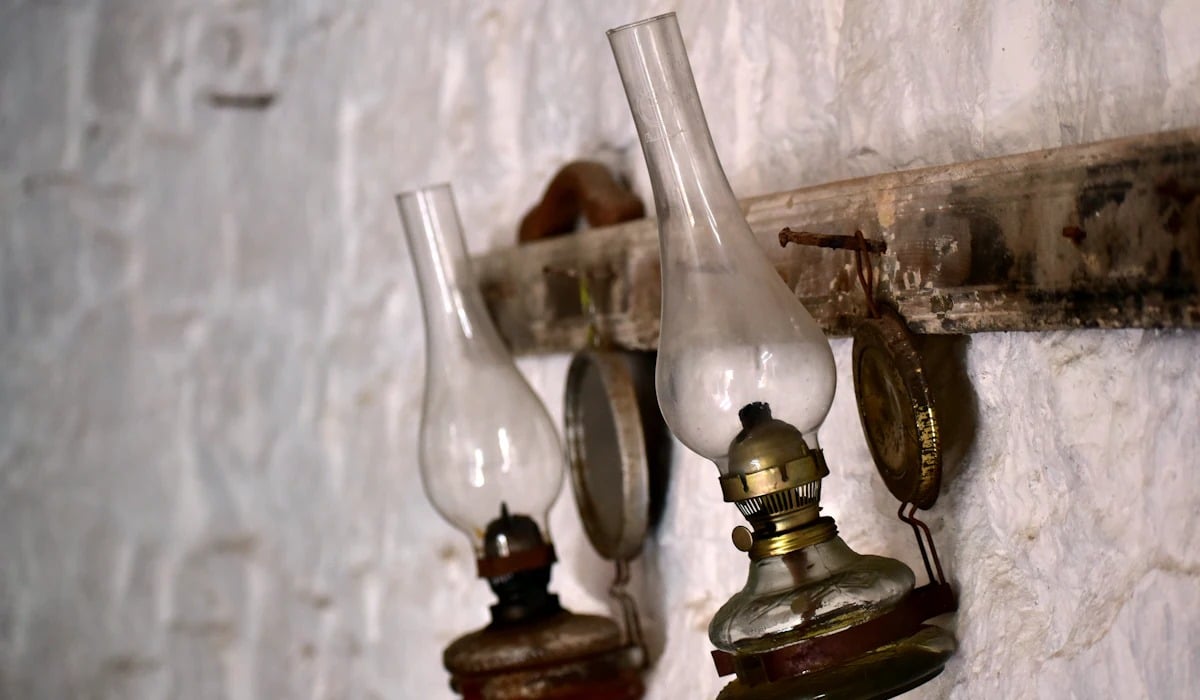
Kerosene lamps became widely used in the second half of the 19th century, although lighting methods varied by household and region. They needed regular attention to burn cleanly.
A ragged or charred wick could produce a sooty, uneven flame, so someone had to trim it and check the fuel reservoir. Children might help with this work, but the method depended on the type of lamp; not every wick was trimmed in the same way.
Fuel spills were dangerous because kerosene was flammable, and lamps had to be handled carefully around open flames.
Washing the Lamp Chimneys
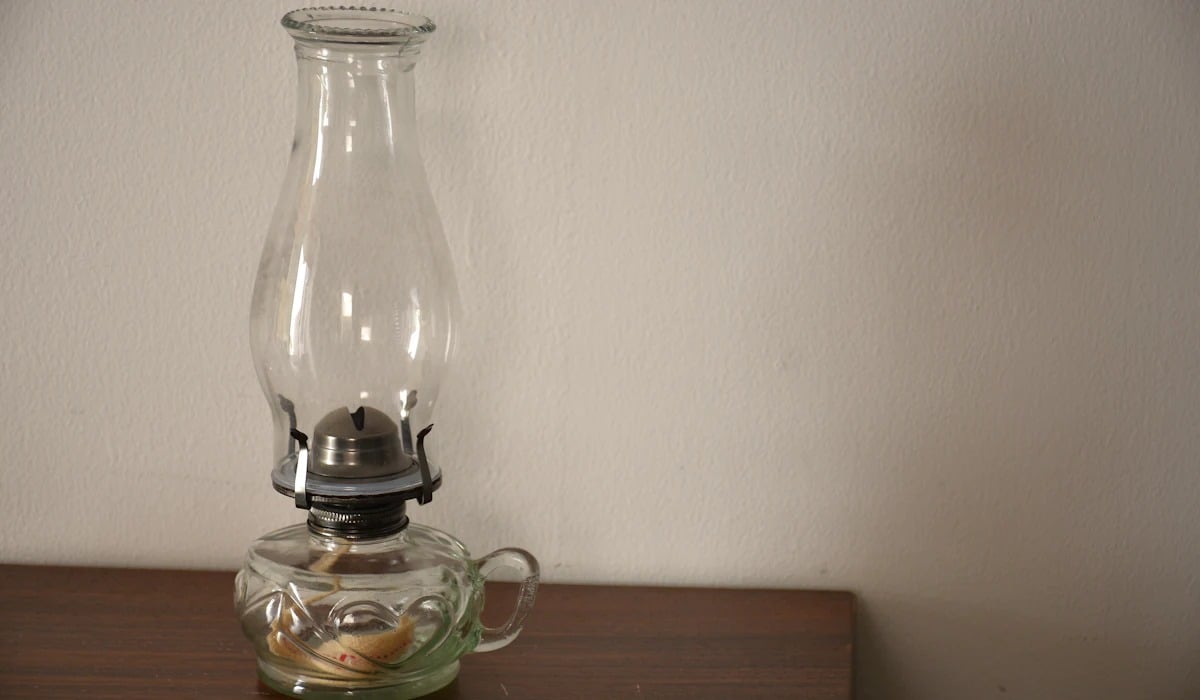
The glass chimneys on kerosene lamps collected soot and dust and needed cleaning to keep the light clear. This was fussy work with fragile glass, so it could be assigned to children old enough to handle the pieces carefully.
Chimneys were washed in warm, soapy water, dried, and then buffed with a soft cloth until they were clear. A streaky chimney could reduce the light, which mattered in a house where the family read, sewed, and did homework by a lamp on the table.
Blacking the Stove
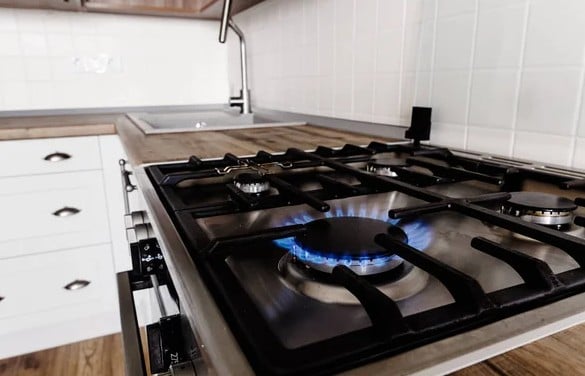
Cast-iron cookstoves could rust and become dull, so their surfaces were sometimes treated with a graphite-based paste known as stove blacking or stove polish. One well-known brand was Rising Sun, associated with Elijah Adams Morse and his stove-polish business in Canton, Massachusetts.
The product became an established commercial brand during the 19th century. A child might spread the paste over the cold stove with a rag or brush and then polish it to a dull sheen, a job that could leave hands and clothes gray.
The task might be done before a busy household day or ahead of Sunday visitors, when a tidy stove was part of keeping the kitchen presentable.
Beating the Rugs

Carpets could not be vacuumed with modern machines, so a few times a year they were hauled outside, hung over a clothesline or fence rail, and beaten with a rug beater until the dust stopped flying. This was heavy, dusty work that children might be assigned because it required more stamina than specialized skill.
Melville Bissell patented a push carpet sweeper in Grand Rapids, Michigan, in 1876, helping households manage everyday dirt and crumbs. However, sweepers did not eliminate the need to beat rugs or clean them outdoors.
Many families treated rug beating as a spring or fall chore, sometimes timing it with other seasonal housecleaning.
Turning the Wringer
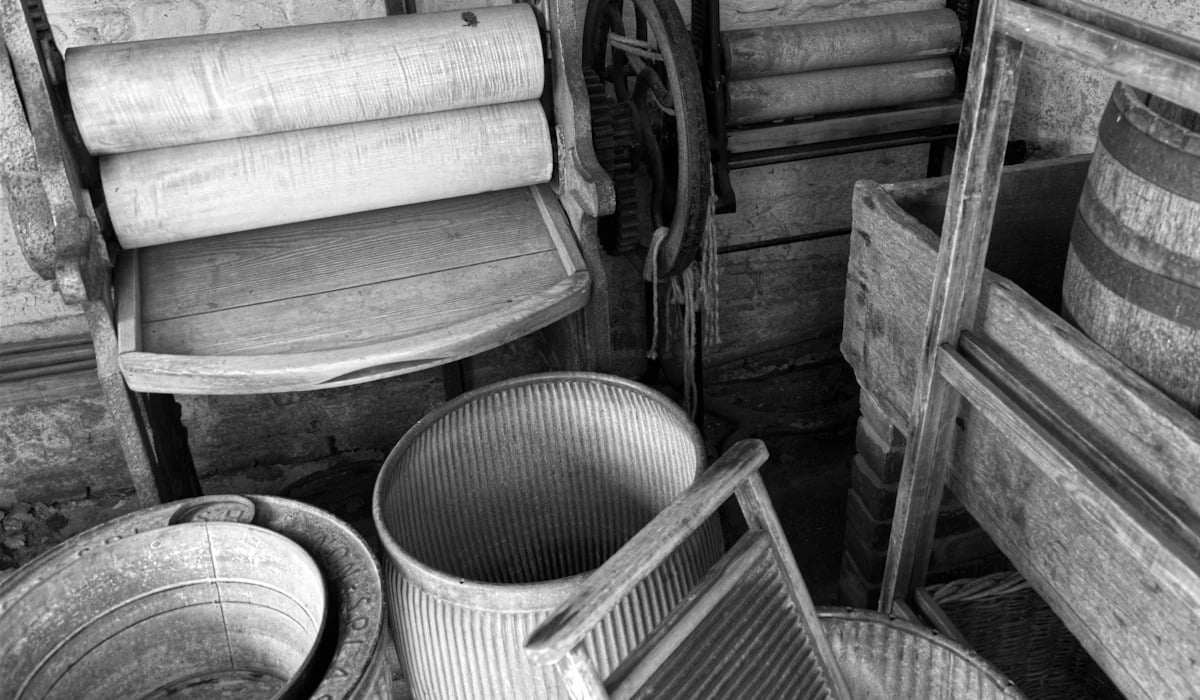
Wet laundry had to be squeezed before it could be hung, and the hand-cranked wringer, with its two rollers, made the job faster than pressing water out by hand. One person fed the clothes in while another turned the crank.
The rollers had to be used carefully to avoid catching fabric or fingers. Manufacturers sold wringers in different designs, and some were attached to washing machines while others were used separately.
Fingers caught between the rollers were a serious hazard, so children helping with laundry needed to keep their hands clear.
Churning the Butter

Cream that had been collected and allowed to ripen under suitable conditions was poured into a churn and agitated until the fat separated into butter and buttermilk. This tedious task was well suited to a child who could sit on a stool and keep working the churn.
In a dash churn, a wooden plunger was pumped up and down, sometimes for twenty minutes or longer. The Dazey glass jar churns that became popular around the turn of the 20th century used a hand crank and paddle.
The payoff was watching the cream break into yellow lumps surrounded by buttermilk. The buttermilk could be saved for drinking or baking, and the butter was worked with a paddle to press out the remaining liquid.
Scrubbing on the Washboard
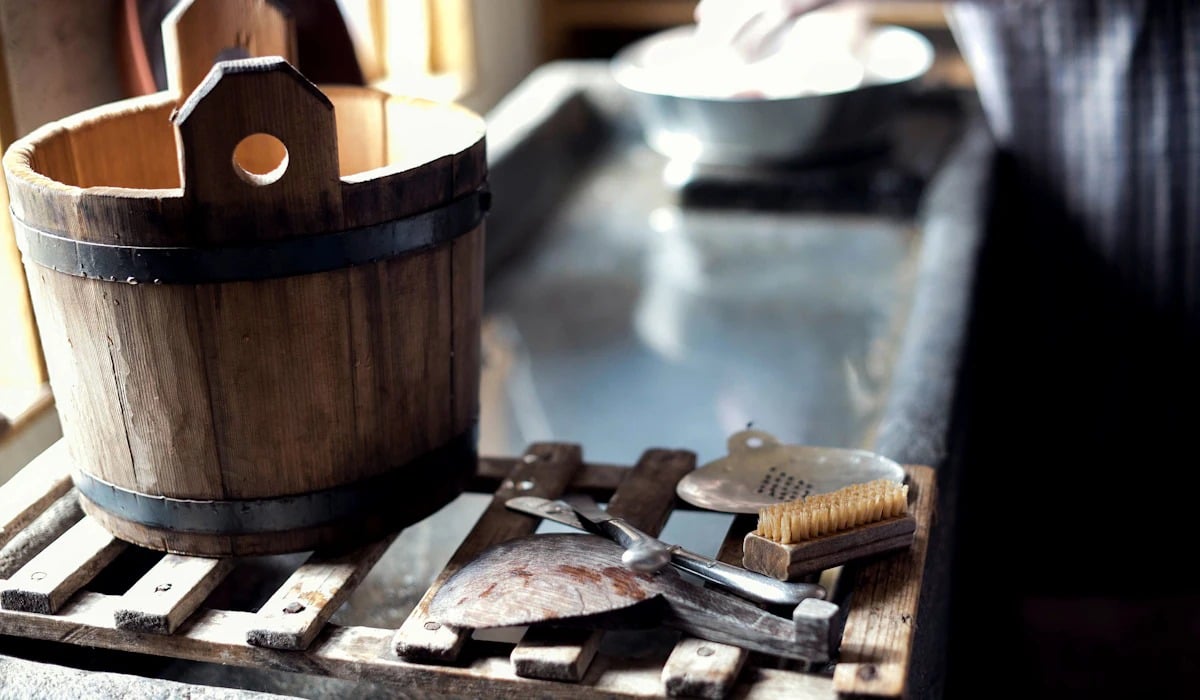
Laundry day was a major weekly undertaking in many American households, and the washboard was one of its main tools. Clothes were soaked, soaped, and rubbed up and down the ridged metal or glass surface by hand, one item at a time, with dirty collars and cuffs getting extra attention.
Children might be given smaller pieces, such as stockings and handkerchiefs, while adults handled sheets and work pants. The job could raise blisters on knuckles, and water heated in a boiler on the stove had to be carried to the tub.
The workload depended on the size of the family, the amount of laundry, and the equipment available.
Carrying the Coal Scuttle
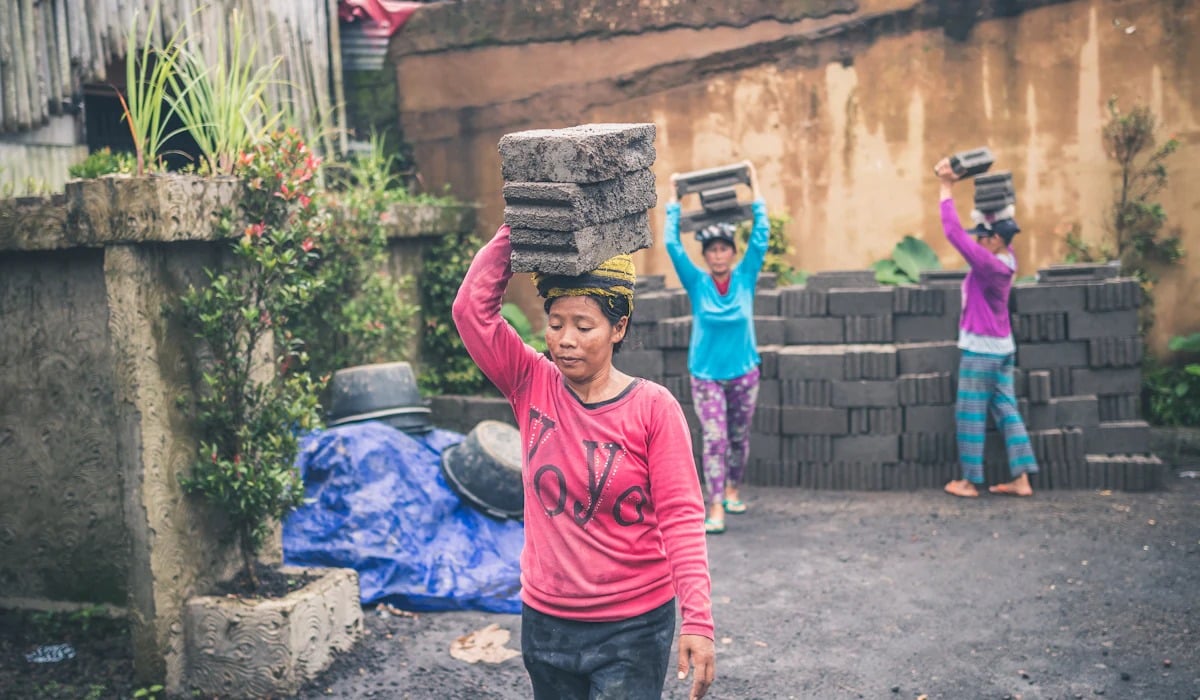
In towns and cities, coal became an important household heating fuel during the 19th century, although wood remained common in many places. The coal scuttle became a familiar sight beside stoves and fireplaces.
A scuttle filled with coal had to be carried from a cellar bin or coal storage area to the parlor stove or kitchen range, sometimes several times a day in cold weather. Coal dust left black smudges on hands and nearby surfaces, which is why coal containers were often kept near the stove or entrance.
In apartment buildings, the trip might involve several flights of stairs with a full load each way.
Emptying the Icebox Drip Pan

Before electric refrigerators became common, many households kept food cool in an icebox supplied with a block of ice. As the ice melted, water drained into a pan or reservoir that needed to be emptied.
Forgetting to empty it could mean a puddle across the kitchen floor, so the task might become a nightly chore for a dependable child. A large block of ice could produce a surprising amount of water, especially in summer.
Ice customers sometimes used cards in their windows to indicate the amount they wanted delivered, and children could help change the cards before the iceman arrived.
Gathering the Eggs

Collecting eggs from the henhouse sounds pleasant until a brooding hen decides to defend her nest. This chore suited children because it required patience more than strength, and it usually had to be done regularly.
Eggs left in nests for too long could freeze in winter or become dirty or spoiled in warm weather. A hen might also hide her nest in the barn or under a hedge, turning the job into a daily search.
Eggs were counted and sometimes sold or traded at the general store, so a dropped basket could mean a loss the family noticed.
Grinding the Coffee

Coffee was often bought as roasted beans, and making the morning pot meant grinding them in a hand mill. Wall-mounted cast-iron grinders from manufacturers such as the Enterprise Manufacturing Company of Philadelphia appeared in American kitchens during the 19th and early 20th centuries.
The crank was often mounted at a convenient height, and the ground beans fell into a small drawer or cup below. Grinding enough coffee for a large family took several minutes of steady turning.
It was one of the few chores with a pleasant smell, which might have made it easier to assign.
Sweeping With a Straw Broom
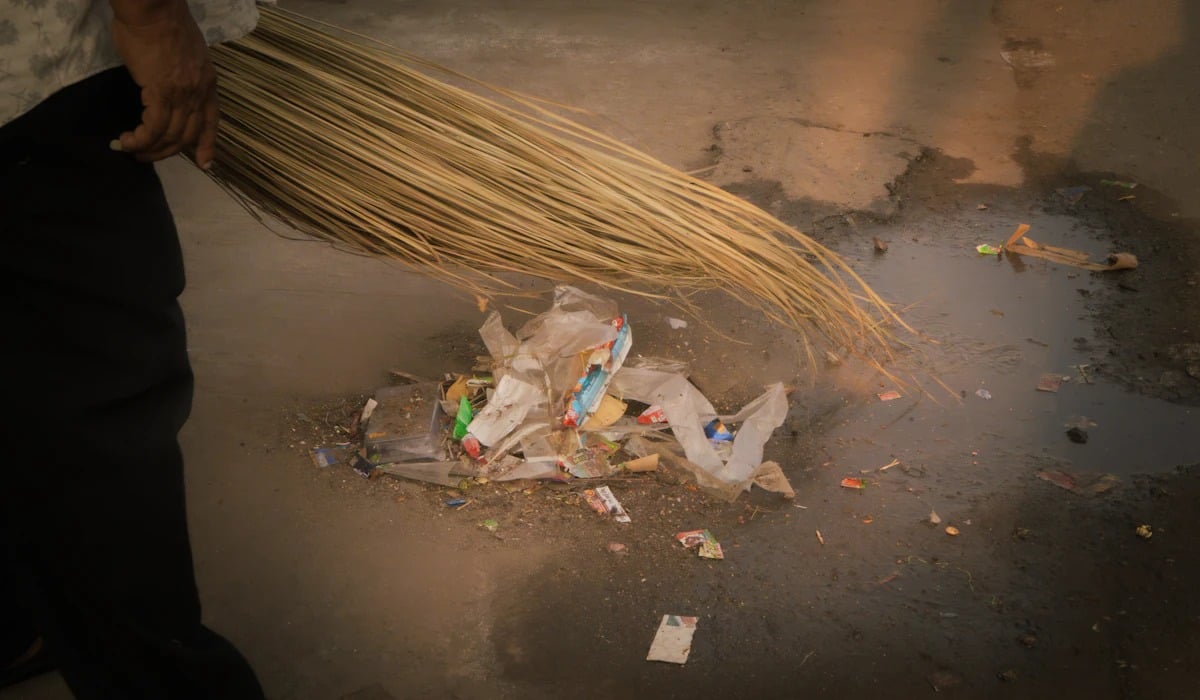
Floors were swept daily, sometimes more often, and a common tool was a broom made from broomcorn, a type of sorghum grown for its stiff seed heads. The flat broom familiar today developed through improvements in broommaking, including a technique associated with the Shakers in the late 18th century.
Children might sweep the kitchen after meals and the porch each morning, working dirt toward the door and out. On farms where the floor was packed earth or rough plank, sweeping could also mean sprinkling damp sawdust or tea leaves first to keep dust from rising.
Ironing With Sad Irons

Ironing meant heating a solid cast-iron weight on the stove, and the word sad in sad iron comes from an old term meaning solid or heavy. Several irons could be heated at once so a hot one could replace a cooling one.
Mary Florence Potts received a patent in 1871 for an improved sad iron with a detachable wooden handle, allowing users to switch handles between hot iron bases. Older children might help with ironing or carry items to and from the stove, although handling hot irons required care.
There was no single universal method for testing an iron’s temperature, and using spit to test it would have been risky. A scorched Sunday shirt, however, could still be a household tragedy.
Cranking the Ice Cream Freezer

Homemade ice cream was a summer treat that depended on someone willing to turn a crank for an extended period. Nancy Johnson of Philadelphia patented a hand-cranked ice cream freezer in 1843, using an inner container surrounded by ice and salt in an outer vessel.
The basic design remained recognizable for generations. The crank became harder to turn as the mixture stiffened, a sign that the ice cream was nearing completion.
The reward for the cranker was often the dasher, the paddle pulled from the can with ice cream clinging to it.
Polishing the Silver
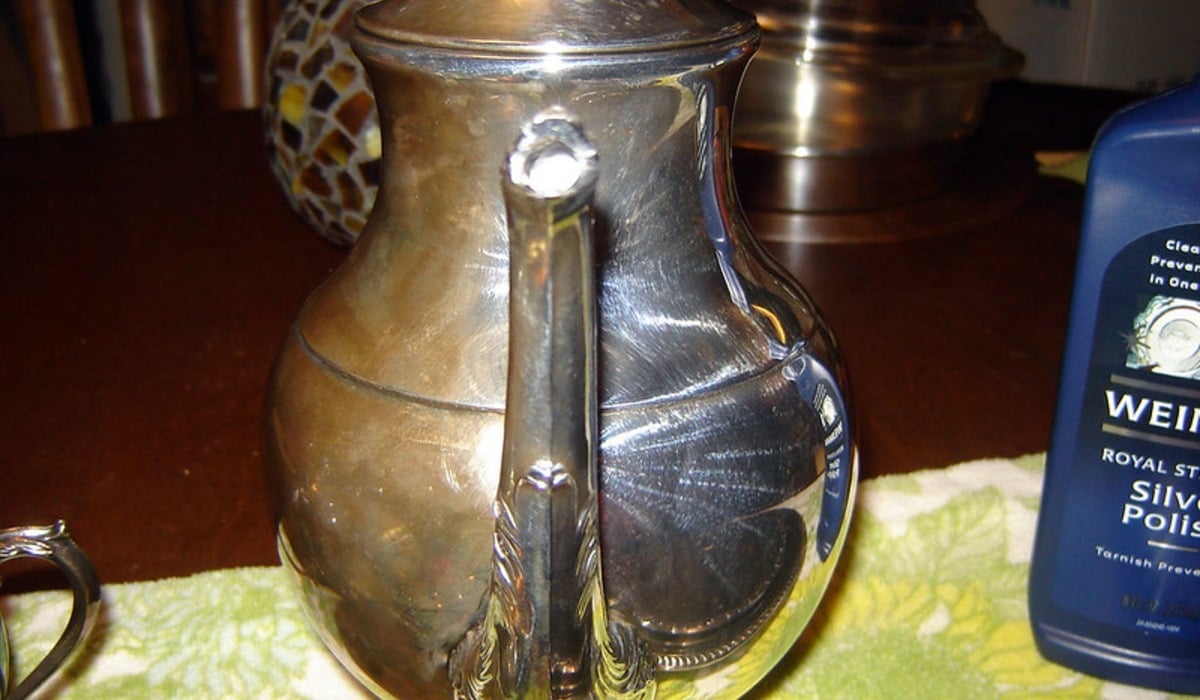
Silver tarnishes when it reacts with substances in the air, and a family that owned a tea service or silver flatware needed to polish it before company arrived. Children might be handed silver polish or plate powder, along with a damp cloth and a soft chamois for buffing.
Each fork and spoon was rubbed until the tarnish came off, then rinsed and dried so no polish remained in the engraving. The work was slow and repetitive, making it a chore for a rainy afternoon when a child could not be sent outside.
The products used depended on the household, the type of silver, and the period.
Helping With the Canning
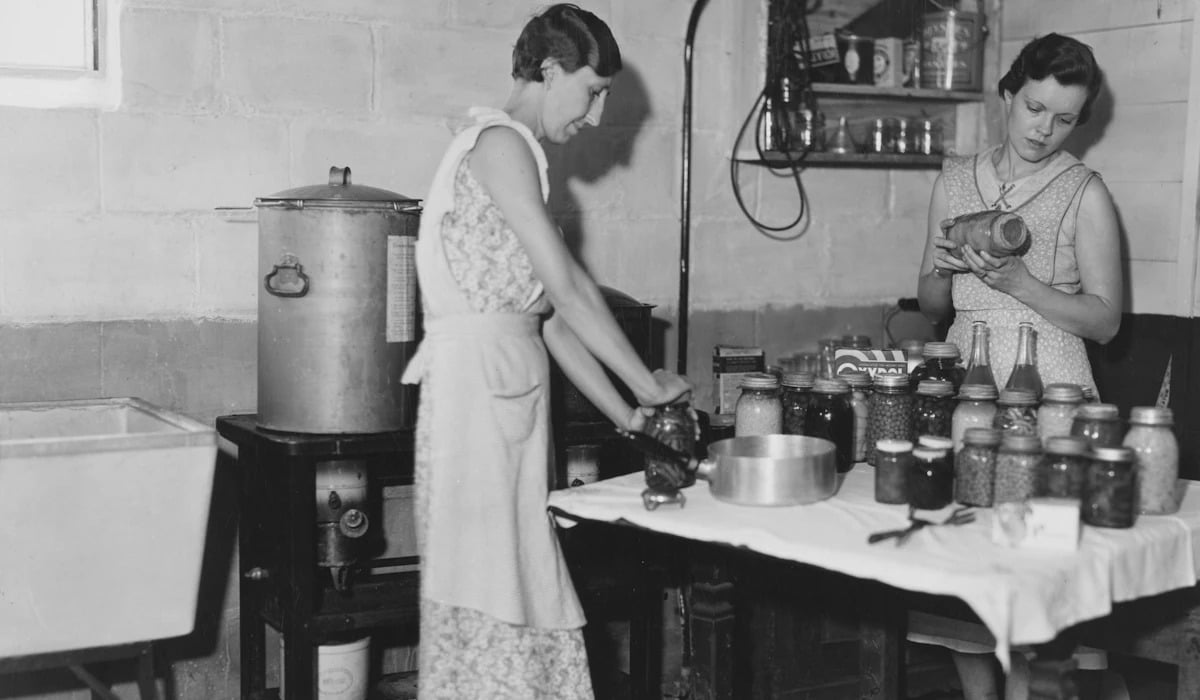
Late summer meant preserving fruit and vegetables for winter, and the kitchen could become a factory for a few sweltering weeks. John Landis Mason patented his screw-top glass jar in 1858, and home canning became an important way to preserve seasonal food.
Children snapped beans, pitted cherries, peeled peaches, washed jars, and carried filled jars to cellar shelves. The stove could run for hours to heat jars and process food, making the kitchen uncomfortable in hot weather.
Safe canning methods depended on the food being preserved and the processing method; simply sealing a jar did not guarantee that its contents were safe.
Picking Rocks From the Fields

Every spring, frost and cultivation could bring stones to the surface of fields in New England and parts of the upper Midwest, and children on some farms were sent out to pick them up. The rocks were tossed onto a stone boat, a flat sledge without wheels that could be dragged by a horse, and hauled to the field edge.
Over time, some of these stones became part of the walls that still line roads and divide fields across the region. The amount of stone varied widely by field and year.
Farm children could consider rock picking one of the most hated jobs of the season, and rural memoirs sometimes describe the work as a lasting childhood grievance.
Plucking Chickens

Sunday dinner could begin on Saturday with a bird that had to be killed, scalded, and plucked, and children might be assigned the plucking. The carcass was dipped in hot water to loosen the feathers, which were then pulled out by hand, with pinfeathers removed one at a time.
The smell of wet feathers was memorable in the worst way. Feathers were not always wasted: clean down and soft body feathers could be saved for stuffing pillows and feather beds.
Banking the Fire at Night
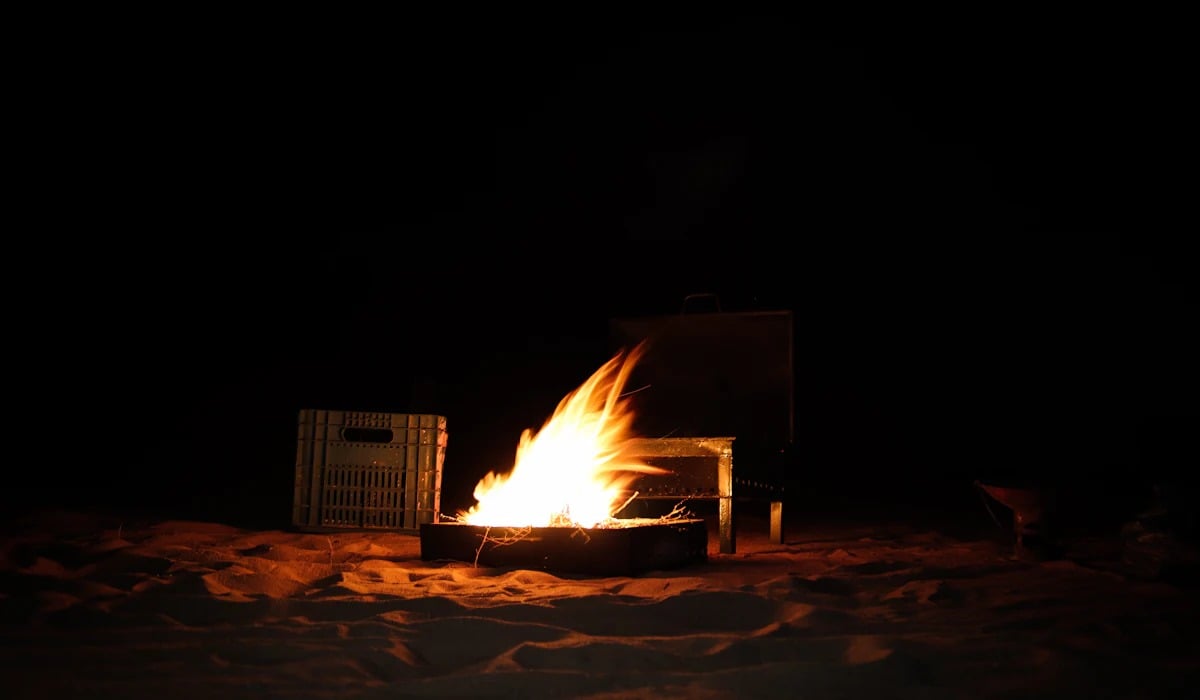
Letting a stove go cold overnight could mean a chilly kitchen and a slow relighting in the morning, so someone in the household might be responsible for banking the fire. This involved raking the coals into a compact pile, covering them with ashes to slow the burn, and adjusting the dampers to reduce the airflow.
The exact method depended on the stove or fireplace, and banking a fire improperly could create a safety hazard. An older child trusted with the task might earn a sense of responsibility because the family depended on having embers ready in the morning.
The ashes could be raked aside and fresh kindling laid on the remaining coals.
Carrying Slop to the Pigs

Kitchen scraps, dishwater, sour milk, and vegetable peelings might go into a slop bucket by the back door, and a child on a farm could be expected to carry it out to the pigpen. The bucket was heavy, sloshing, and foul, and spilling it on the path meant extra cleanup.
Pigs often learned the schedule and squealed when they heard the door, which at least made the trip short. Using food scraps as pig feed was a familiar practice on many farms, though the contents of the bucket and the feeding routine varied.
Slop pails remained a recognizable feature of rural kitchens well into the 20th century.
Winding the Clocks

Household clocks ran on springs or weights and had to be wound by hand, often daily or weekly depending on the mechanism. The task could be given to a trusted older child as a mark of responsibility, since mishandling a clock could damage it.
Weight-driven clocks were wound by pulling chains or using a crank to raise the weights. Some households made winding the clocks part of a regular weekly routine, ensuring that their timepieces kept running.
The schedule depended on the clock, and there was no universal tradition of winding every household clock on Sunday evening.
Scouring the Knives
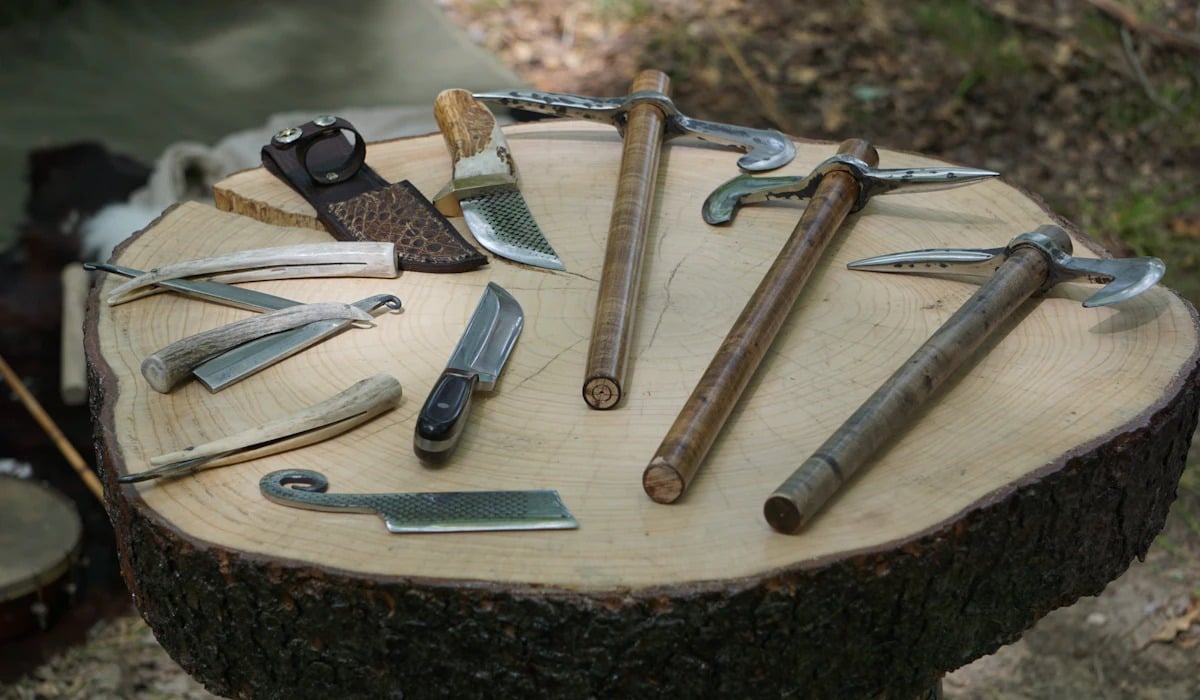
Steel table knives could rust and stain, and before stainless steel became widely available, some household knives needed regular scouring after washing. One traditional cleaning material was bath brick, a block of fine abrasive clay associated with Bridgwater in England.
It could be scraped into powder and rubbed along a blade on a wooden board. Children might do this at the kitchen table, working on each knife until it looked clean.
Larger homes sometimes had a rotary knife cleaner with a crank, which could make the work easier, though it still required care.
Carrying Out the Ashes
Every stove and fireplace produced ash that had to be removed regularly, making it a dusty, cold, and repetitive chore. Children might shovel ashes into a metal bucket and carry them outside, taking care not to spill hot embers.
Wood ash also had uses around the household and farm. When processed with water, it could produce an alkaline solution used in traditional soapmaking, although preparing lye required knowledge and care.
A child who spilled an ash bucket in a draft learned to carry it low and walk slowly.
When the Switch Replaced the Child

Many of these jobs involved repetitive labor, but they also required practical knowledge, patience, and care. In households where children were expected to help, they might carry, chop, crank, scrub, and polish because the work had to be done and adult hands were already occupied.
The spread of electric lighting, running water, gas and electric stoves, and refrigerators gradually changed domestic life. These technologies arrived at different times, however, and did not eliminate household chores all at once.
What remains is a strange nostalgia for labor that few people would choose to repeat. Accounts of rural life describe the misery of beating rugs and picking rocks, yet some writers also recall the feeling of contributing something important to the household.
A kid who kept the lamps clean knew the family would have less light without that effort.
MORE FROM GO2TUTORS!

- The Romanov Crown Jewels and Their Tragic Fate
- 13 Historical Mysteries That Science Still Can’t Solve
- Famous Hoaxes That Fooled the World for Years
- 15 Child Stars with Tragic Adult Lives
- 16 Famous Jewelry Pieces in History
Like Go2Tutors’s content? Follow us on MSN.