29 Bike Accessories Kids Had in the ’80s
Before the phone, the helmet law, and the tracking app, a kid’s bike was a personal statement. A few dollars at the hardware store could turn a plain frame into a rolling billboard for its owner’s taste.
These 29 accessories bring back memories for anyone who spent summers pedaling through the cul-de-sac in the 1980s.
Banana Seats
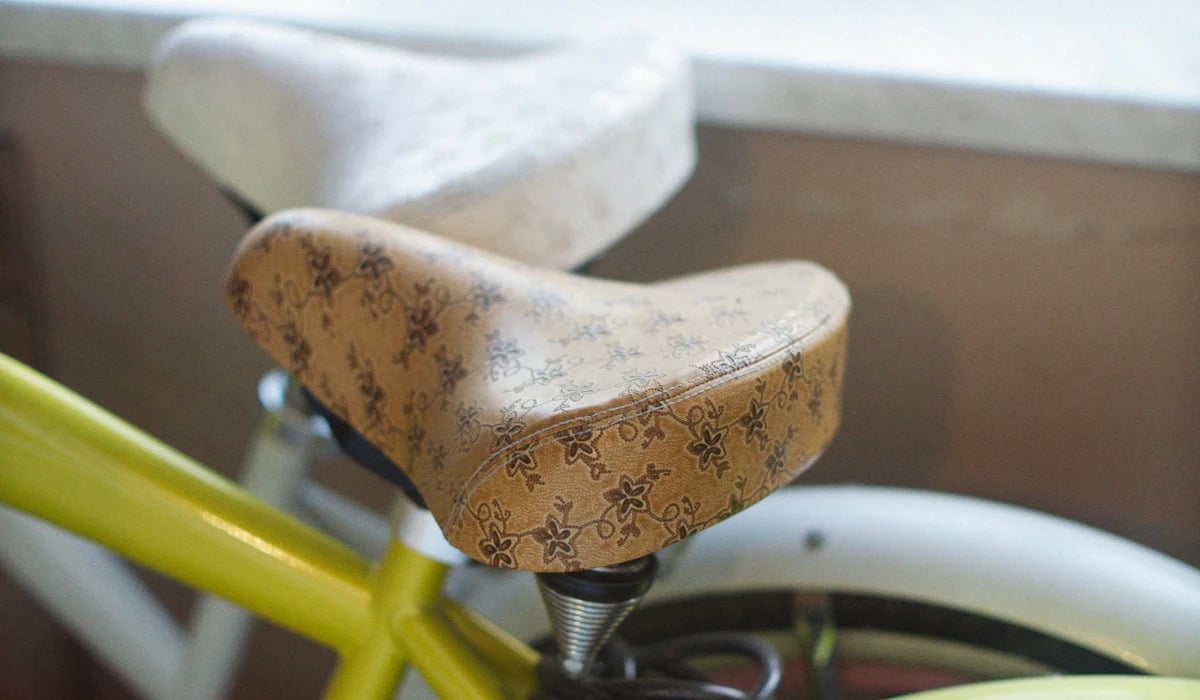
The long, narrow seat arrived with the Schwinn Sting-Ray in 1963, after Schwinn’s Al Fritz saw California kids customizing bikes to look like choppers. Banana-seat bikes remained popular in the following decades, often featuring glitter vinyl or bold patterns.
The elongated seats could accommodate a second rider, which parents hated and kids considered the point.
Sissy Bars
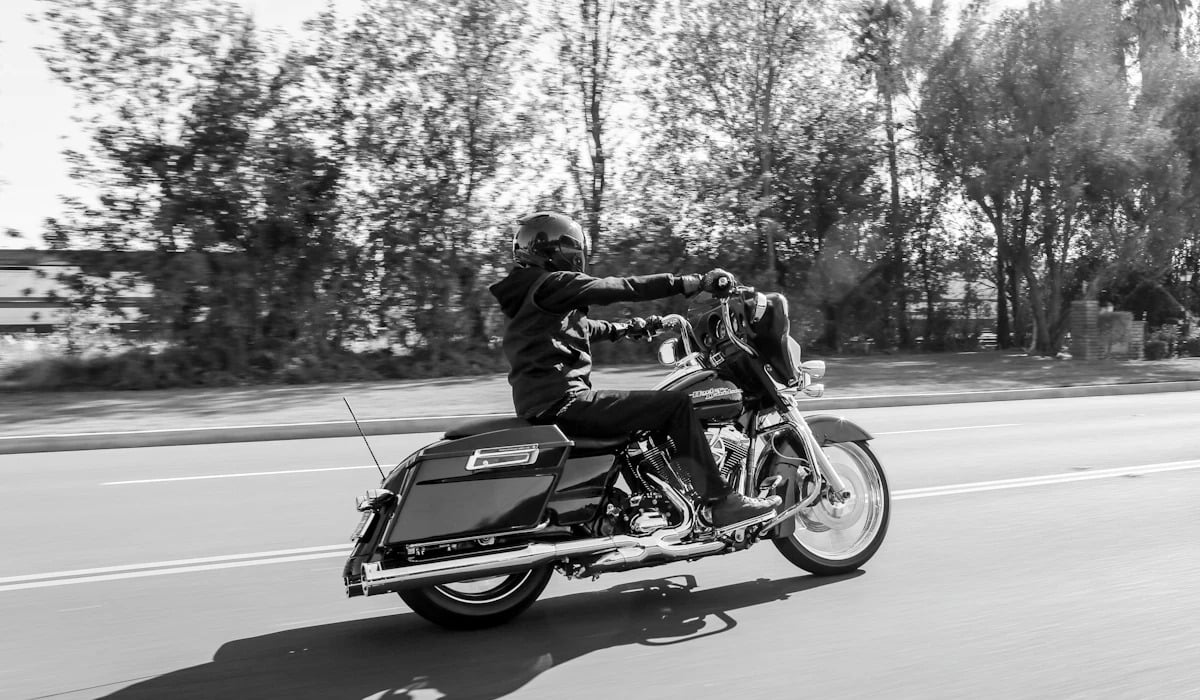
A tall rod behind the banana seat gave a passenger something to lean against. The name came from motorcycles, where bikers mocked the safety bars that some states required in the early 1960s.
On kids’ bikes, sissy bars also became mounting points for flags, license plates, and the occasional lunch bag.
Handlebar Streamers
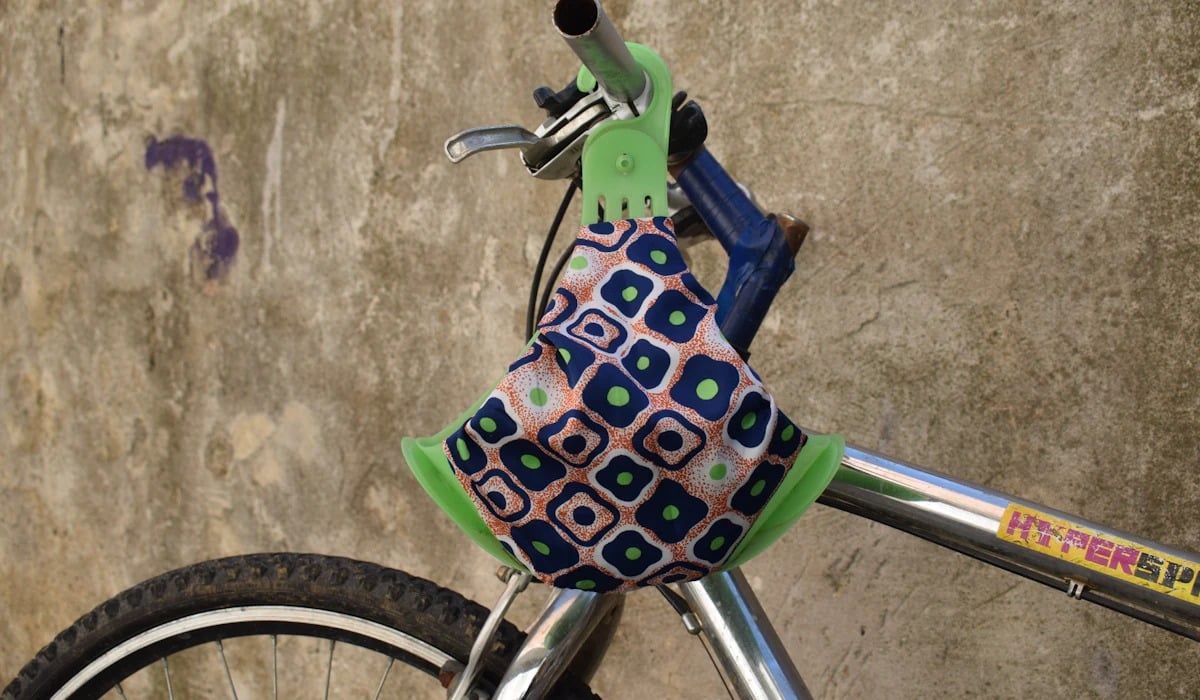
Plastic streamers in red, white, and blue or neon colors sprouted from the ends of the handlebar grips and whipped in the wind. They added no speed, but riders swore the bike looked faster.
A few weeks of sun and wind left them frayed, and replacement pairs were a standard impulse buy at the drugstore.
Playing Cards in the Spokes
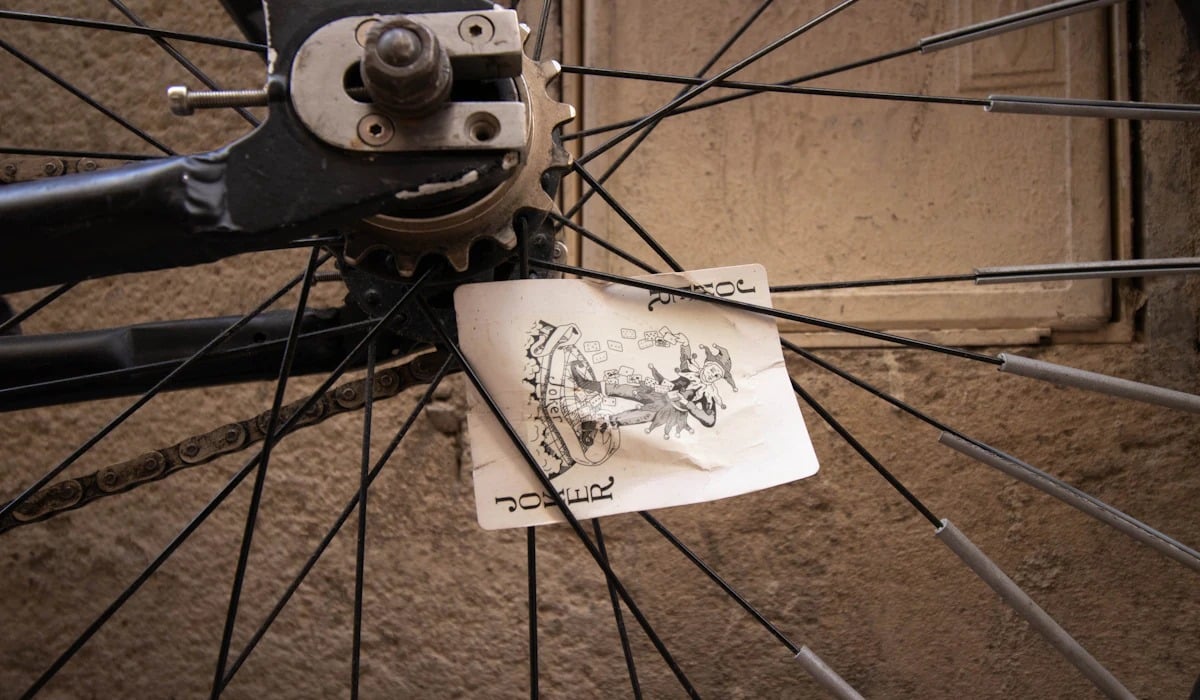
A clothespin, a playing card, and a spoke turned any bike into a rumbling motorcycle. The sound rose with speed, so a rider could judge velocity by ear.
The missing card was usually discovered later, when family game night came up one short.
Bike Bells
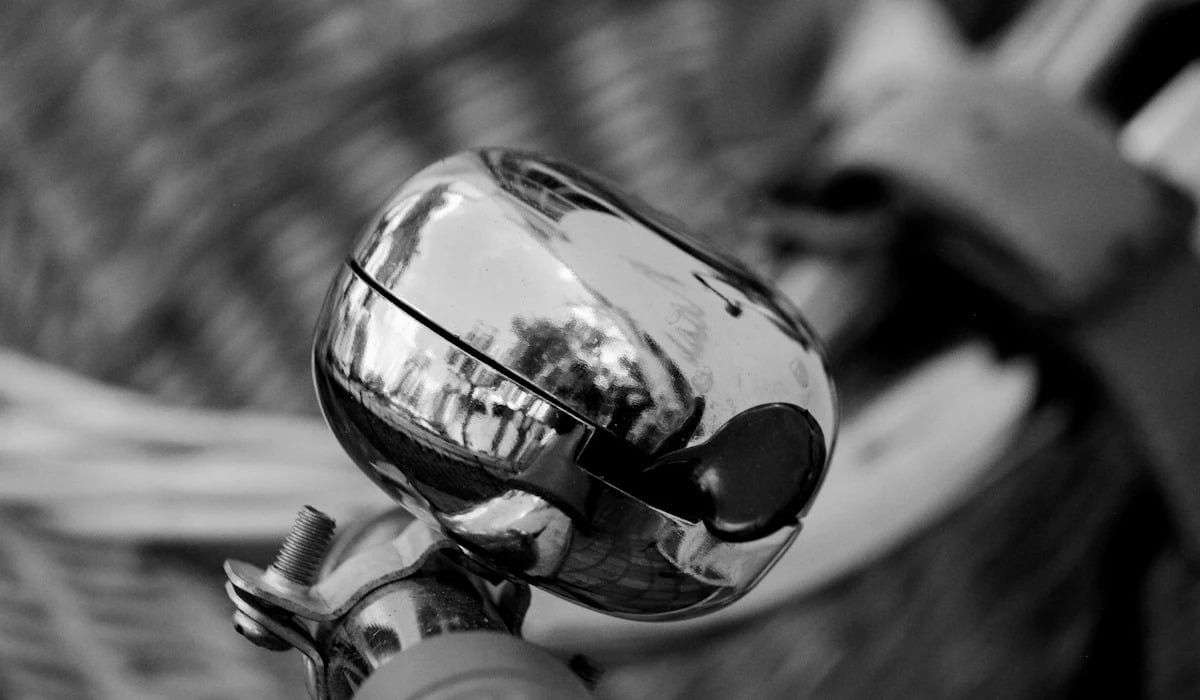
A thumb lever on the handlebar rang a small chrome bell with a cheerful ding. Kids rang them at pedestrians, at siblings, and at nothing at all.
The bell was one of the few accessories parents encouraged, since it announced a rider’s approach on crowded sidewalks.
Bulb Horns
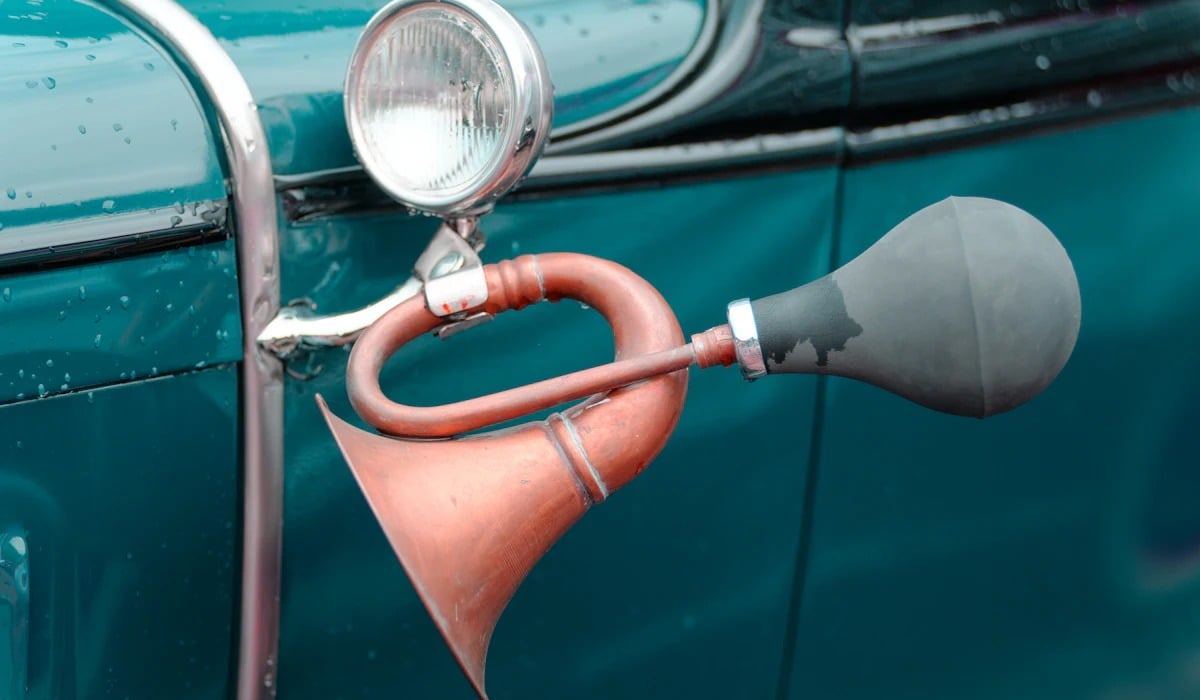
A black rubber bulb on a chrome horn produced a honking sound when squeezed. The rubber stiffened and cracked within a few seasons, which turned old bulb horns into wheezing relics.
They were most popular on younger kids’ bikes, and the sound carried for blocks.
Wire and Wicker Baskets
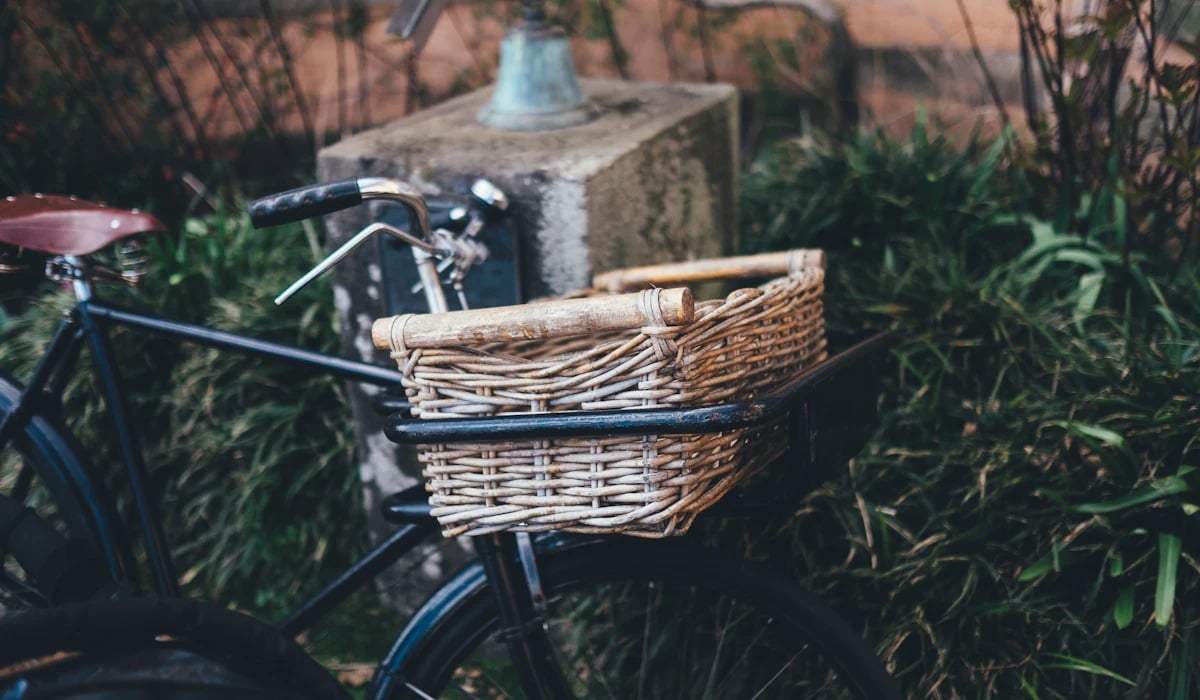
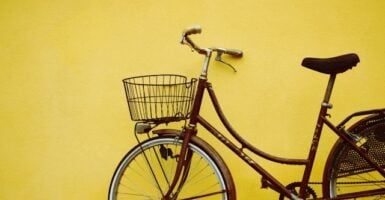
A clip-on basket in front carried schoolbooks, library books, and groceries. Wicker baskets looked charming and could fall apart after a season of use; wire ones generally lasted longer.
A plastic liner with a flower pattern counted as the ultimate upgrade.
Personalized License Plates
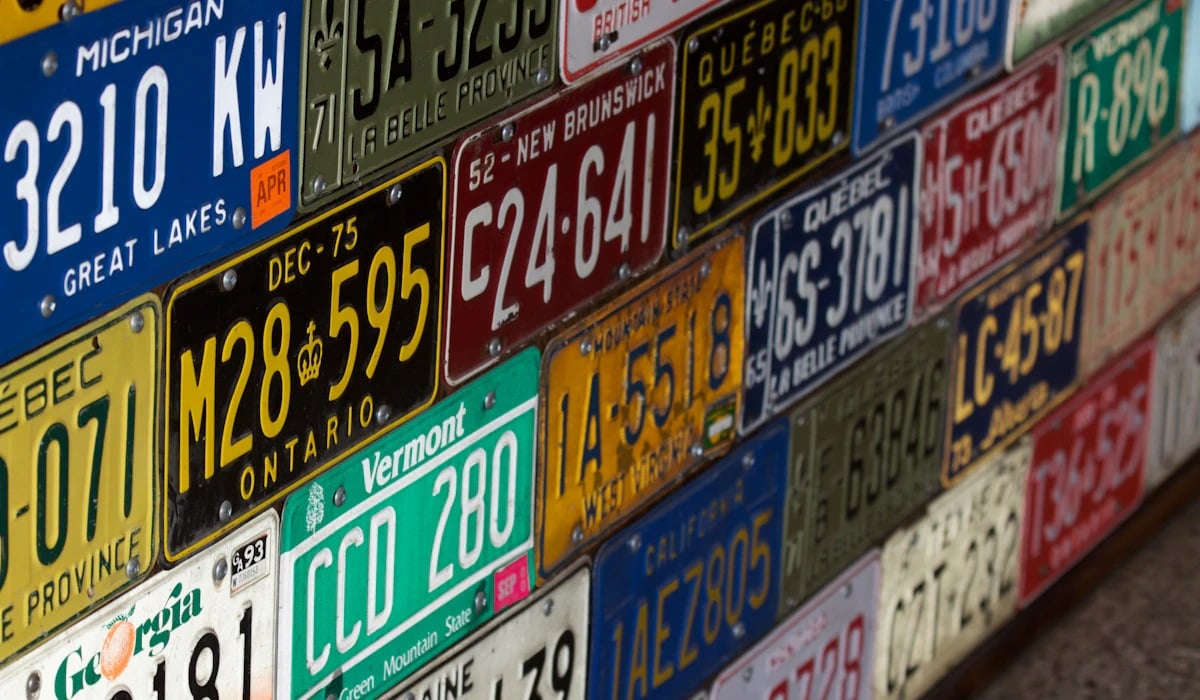
Metal or plastic plates stamped with a first name hung from the seat post or back fender, a staple of souvenir shops, state fairs, and gift stands. Common names like Michael and Jennifer were always in stock, while unusual names meant a special order that never arrived.
A kid with an unusual name learned early to stop reading the rack.
Spoke Reflectors
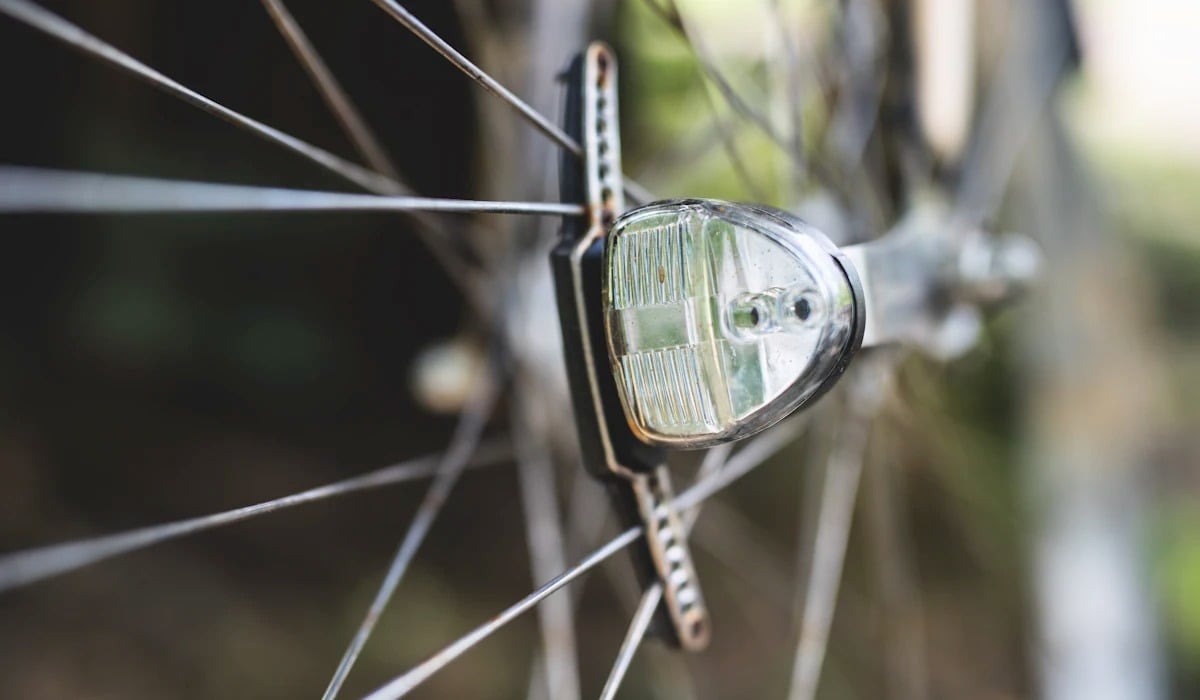
Orange and clear plastic reflectors clipped to the spokes and caught headlights at dusk. Their job was safety, but kids also noticed they made a quiet ticking sound as they spun.
They had short lifespans, popping off over curbs and vanishing into storm drains.
Spoke Beads
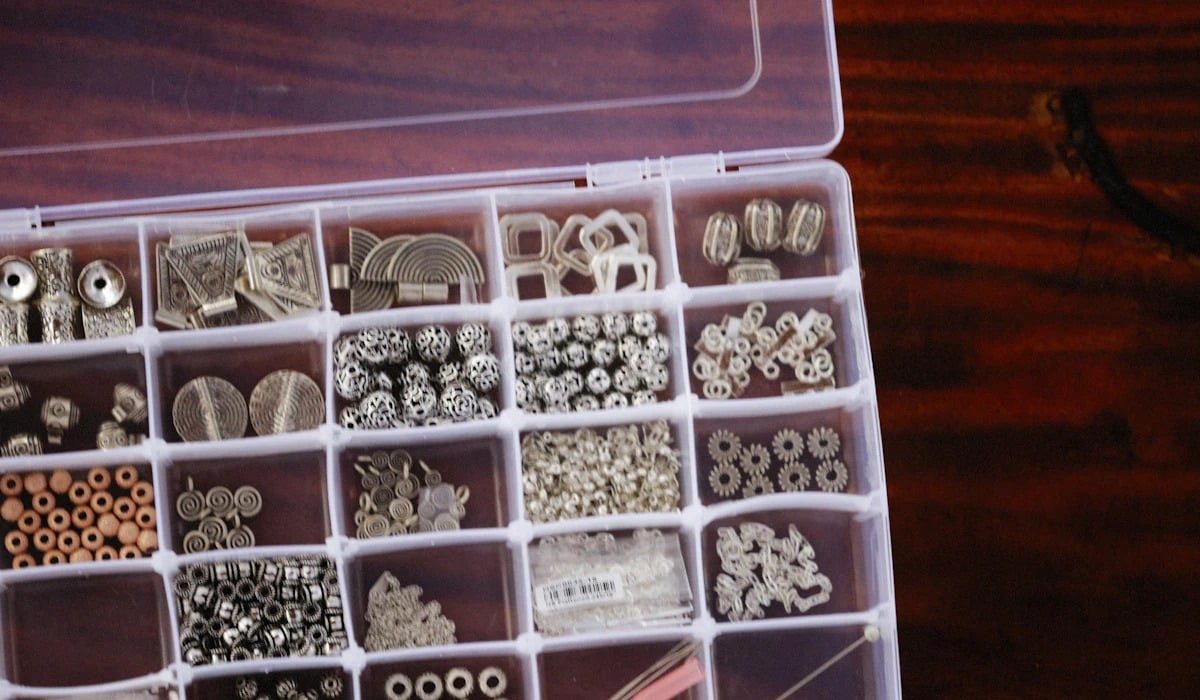
Plastic beads in neon colors slid onto spokes and blurred into color at speed. They clacked softly, shifted around corners, and needed constant rearranging.
A bike with a full set of beads looked like it had been decorated by a very ambitious candy store.
Safety Flags
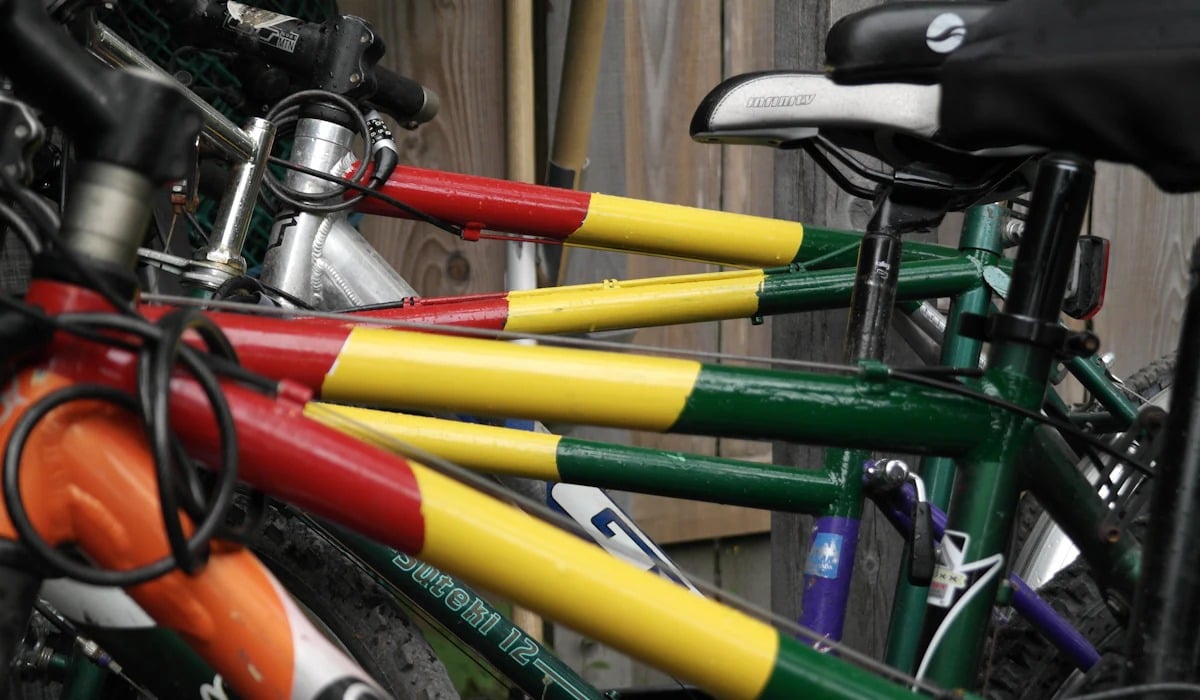
A tall fiberglass whip with an orange triangular flag attached to the rear of a bike or trailer made kids more visible to drivers. Most children considered the flag embarrassing and removed it within a week.
The whips often survived as swords.
Hard-Shell Helmets
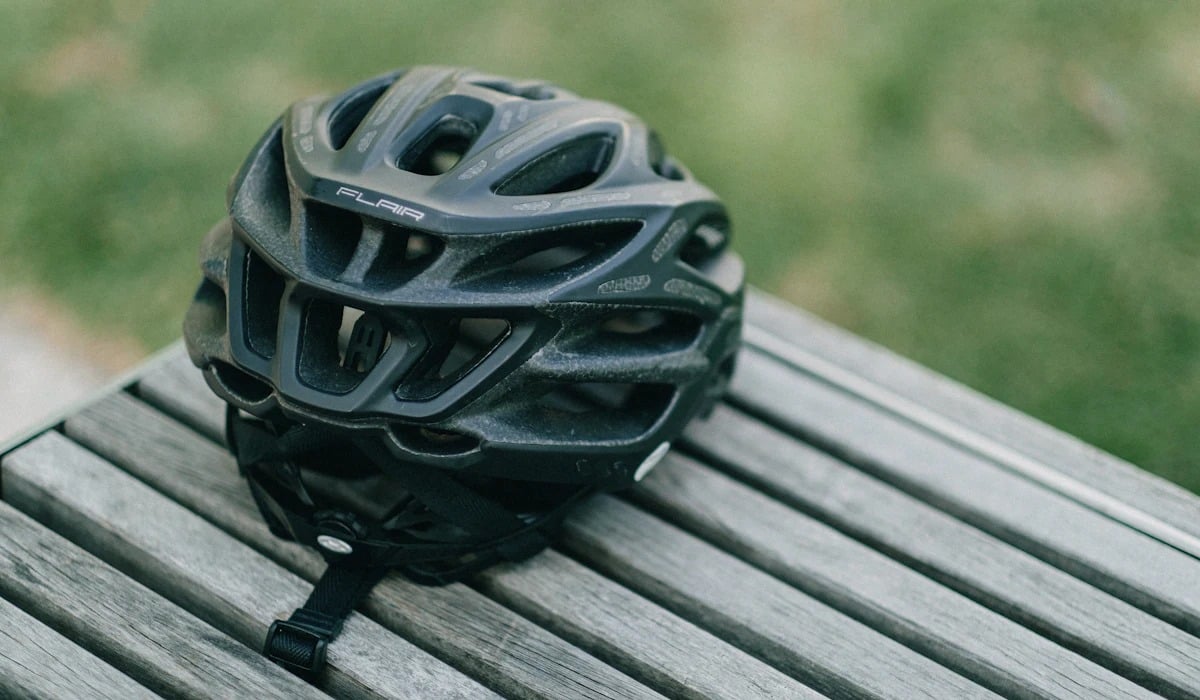
The first commercially successful, purpose-designed bicycle helmet, the Bell Biker, arrived in 1975 with a polystyrene liner and a hard shell. In 1984, Bell followed with the Li’l Bell Shell, a children’s helmet without a hard outer shell.
Even so, helmets were far from universal among kids for much of the decade, and the ones that existed were sometimes passed down from older siblings.
U-Locks
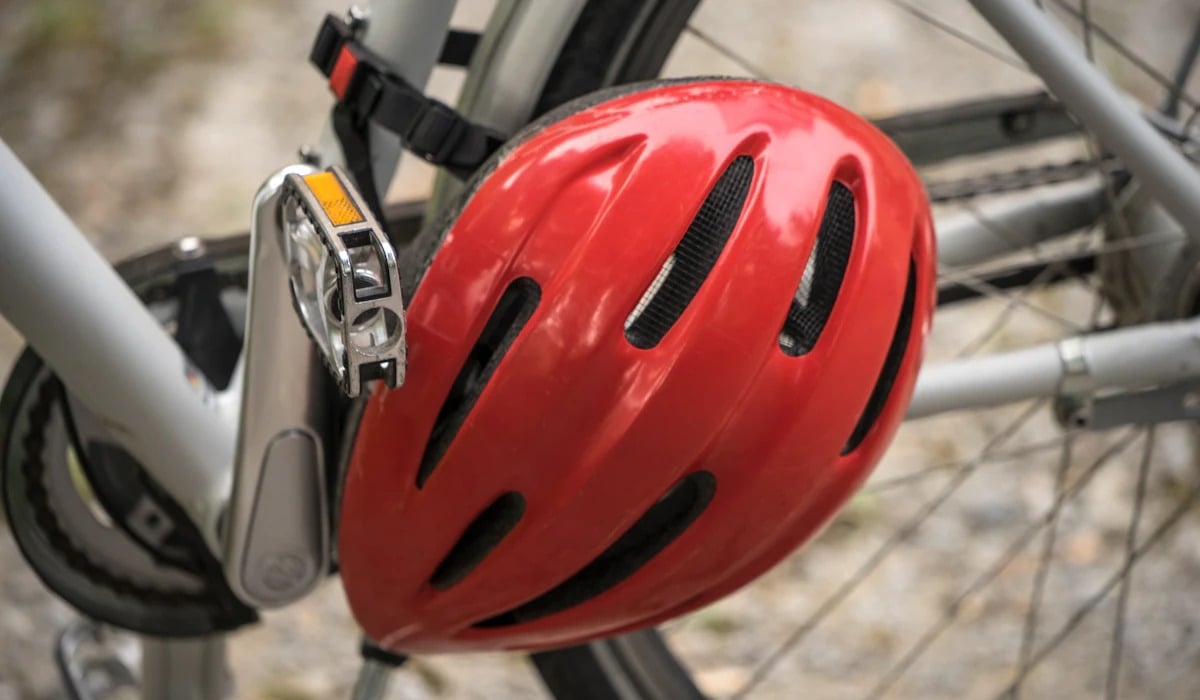
A steel U-shaped shackle offered a sturdier alternative to a thin chain lock for bikes that mattered. A kid with an expensive BMX frame might carry one slung from the seat post, with the key on a shoelace around the neck.
The weight of the lock sometimes bothered riders more than the thought of theft.
Combination Cable Locks
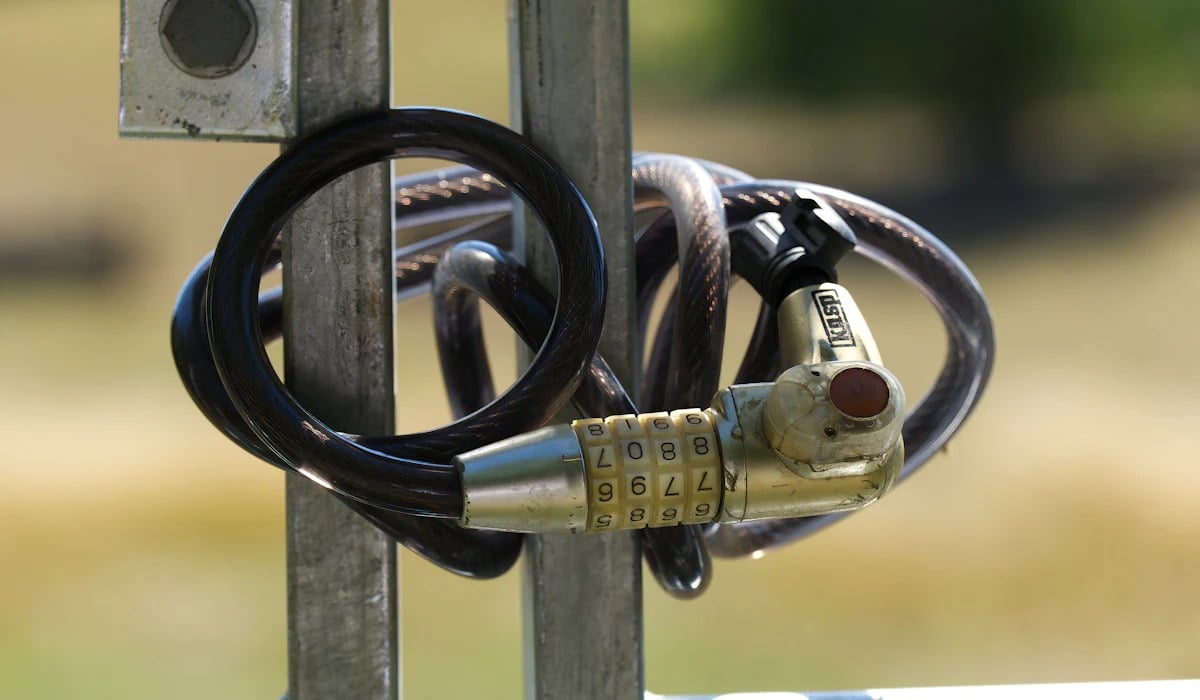
A coil of vinyl-coated steel cable with a four-digit combination lock ended in the same failure again and again: forgetting the numbers. Many kids chose their birth year or 1-2-3-4.
Parents helped by writing the combination on masking tape and sticking it under the seat.
Crossbar Pads
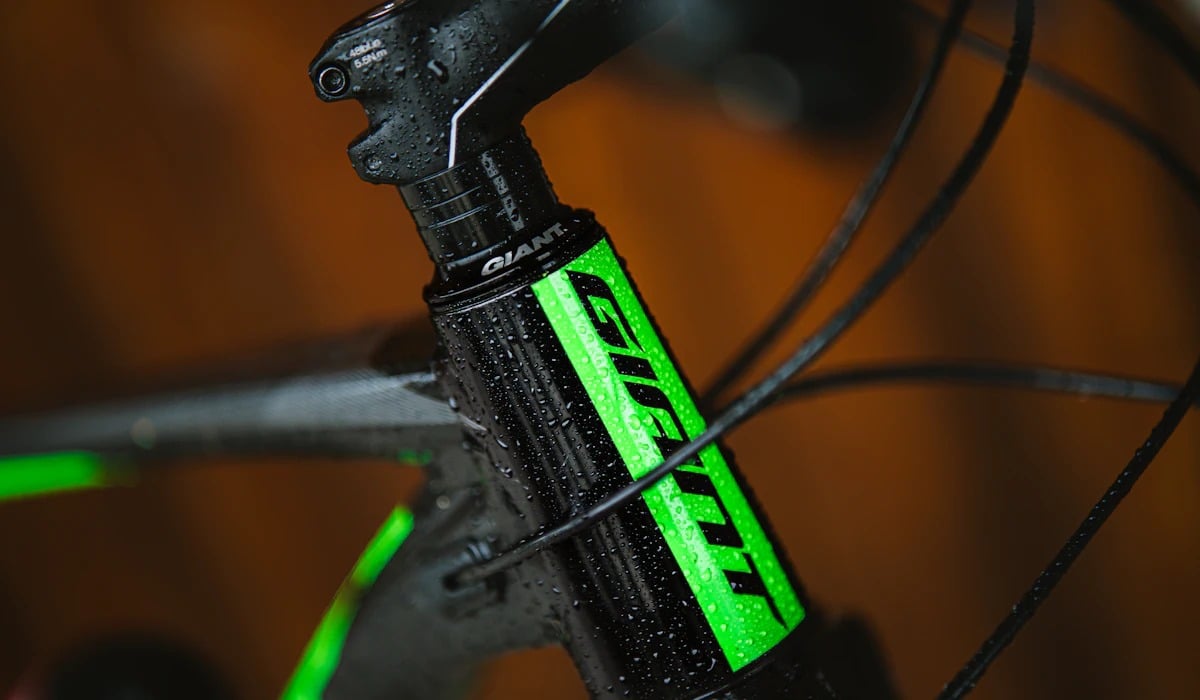
Foam pads wrapped around the BMX crossbar and handlebar stem cushioned bumps and reduced scrapes during the inevitable crash. They also served as billboards for brand names.
A pad with a torn corner and a faded logo marked a rider who took jumps seriously.
BMX Number Plates
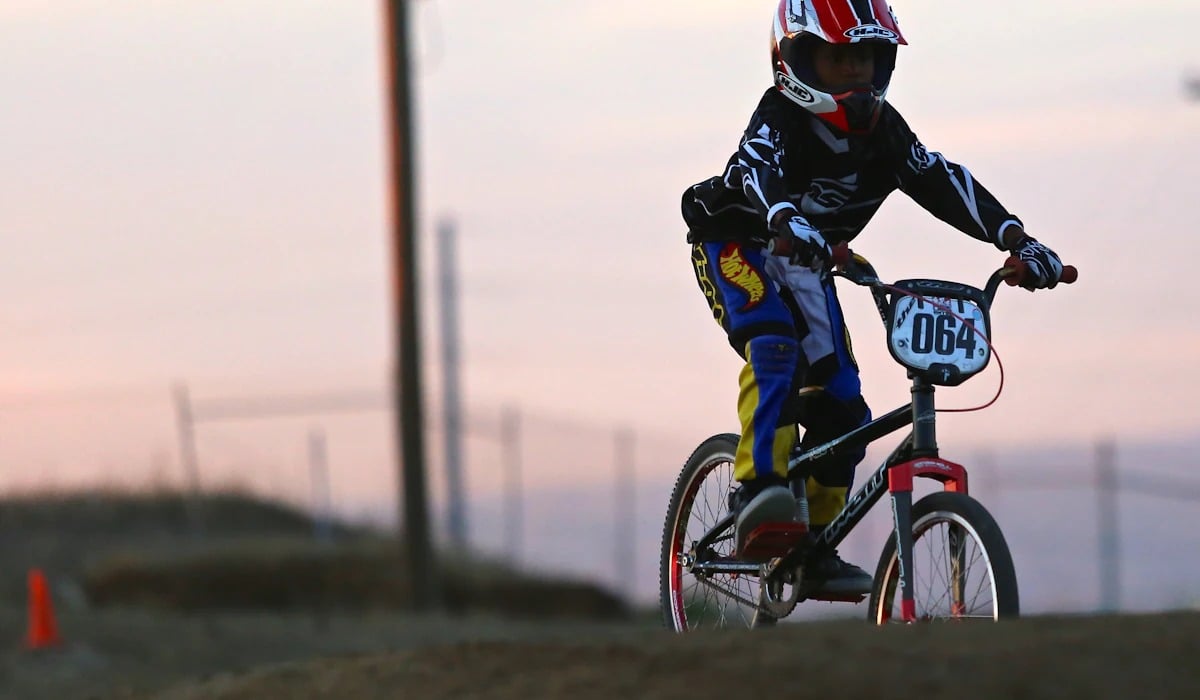
A plastic plate fixed to the handlebars carried a racing number, and kids who had never entered a race picked a lucky number anyway. The number one was the most coveted.
A homemade version drawn with a marker worked just as well.
Kickstands
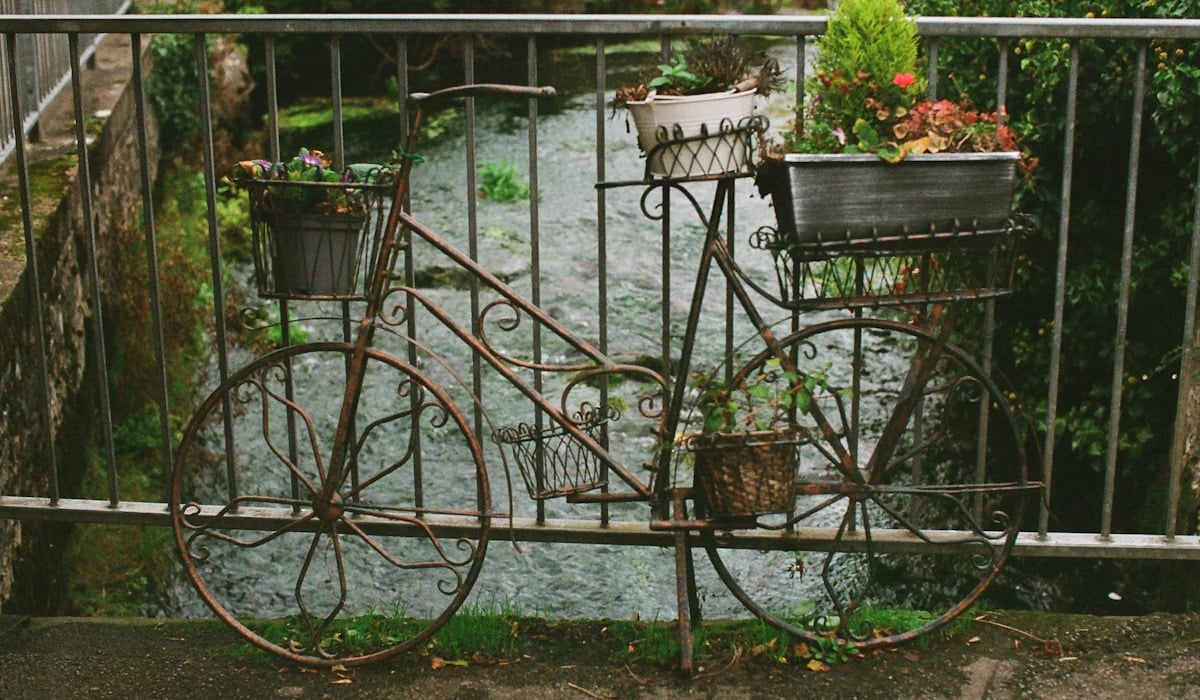
A spring-loaded metal leg flipped down to hold the bike upright. Kids ignored them and threw bikes on the lawn instead, which explains why so many kickstands ended up bent or missing.
When they worked, they saved paint.
Training Wheels
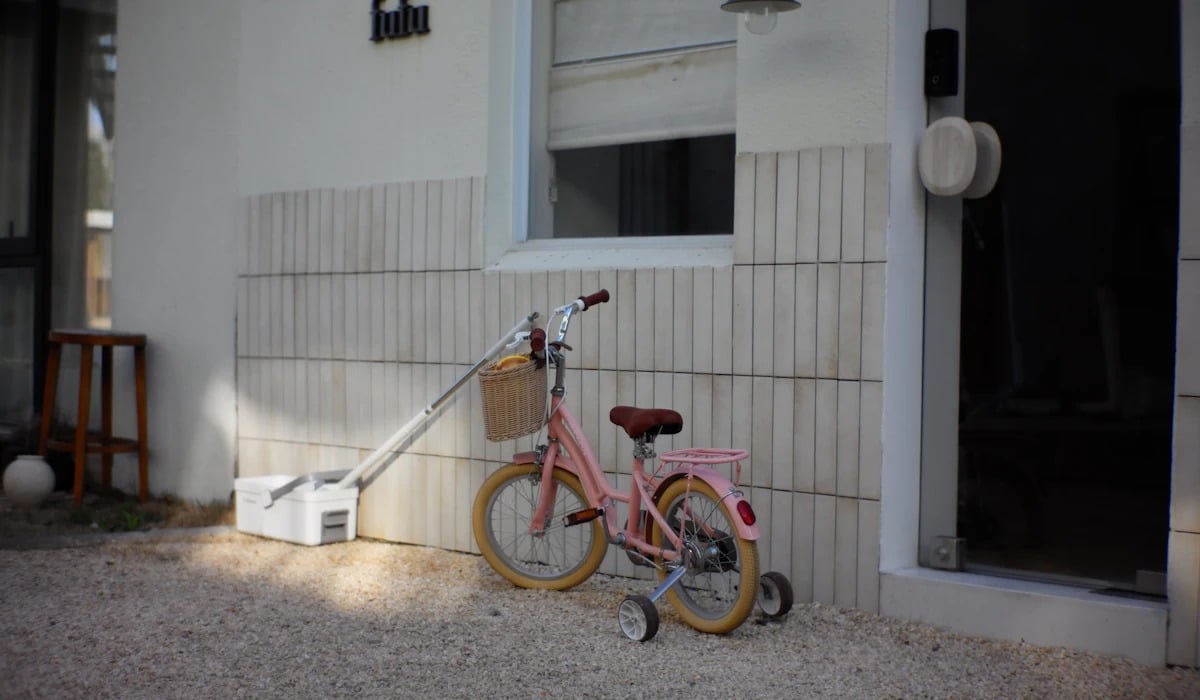
Small side wheels bolted to the rear axle gave first-time riders a safety net. The day they came off was a family event, often with a parent running behind holding the seat.
A bent training wheel with a wobble became a rite of passage in its own right.
Cable-Driven Speedometers
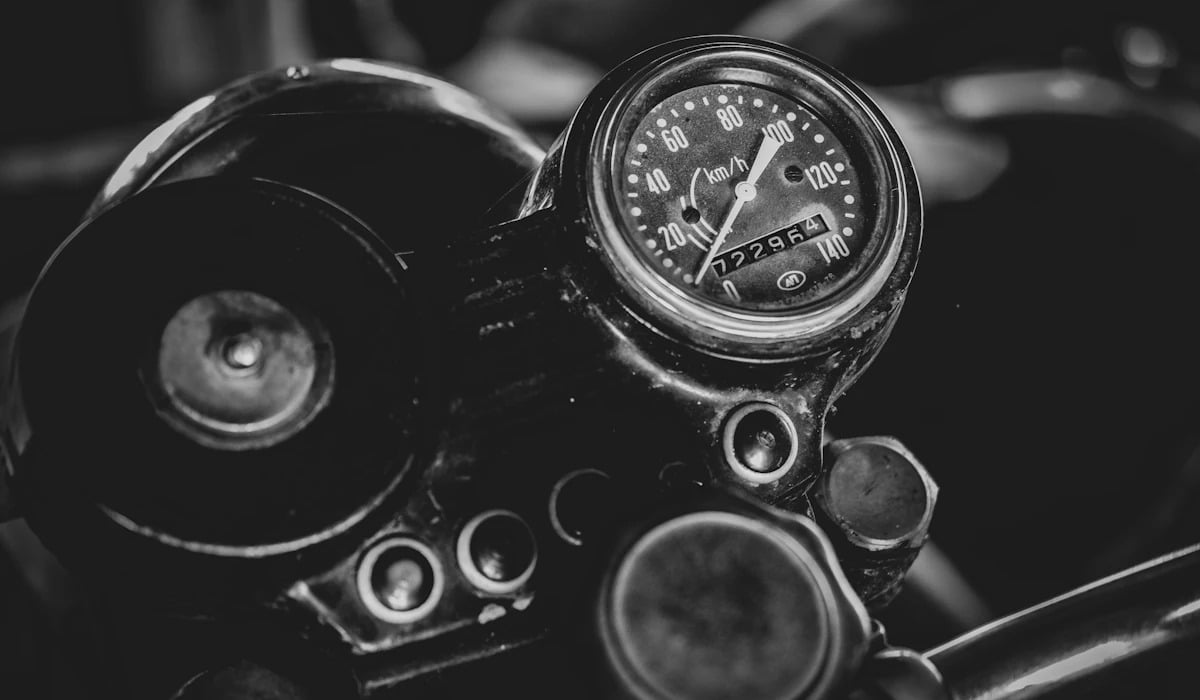
A small gear against the front wheel spun a cable that moved a needle on a dial mounted to the handlebars. The readout was not always accurate.
A kid who reached 25 miles per hour on a driveway slope was either very brave or reading a bad dial.
Battery Headlights
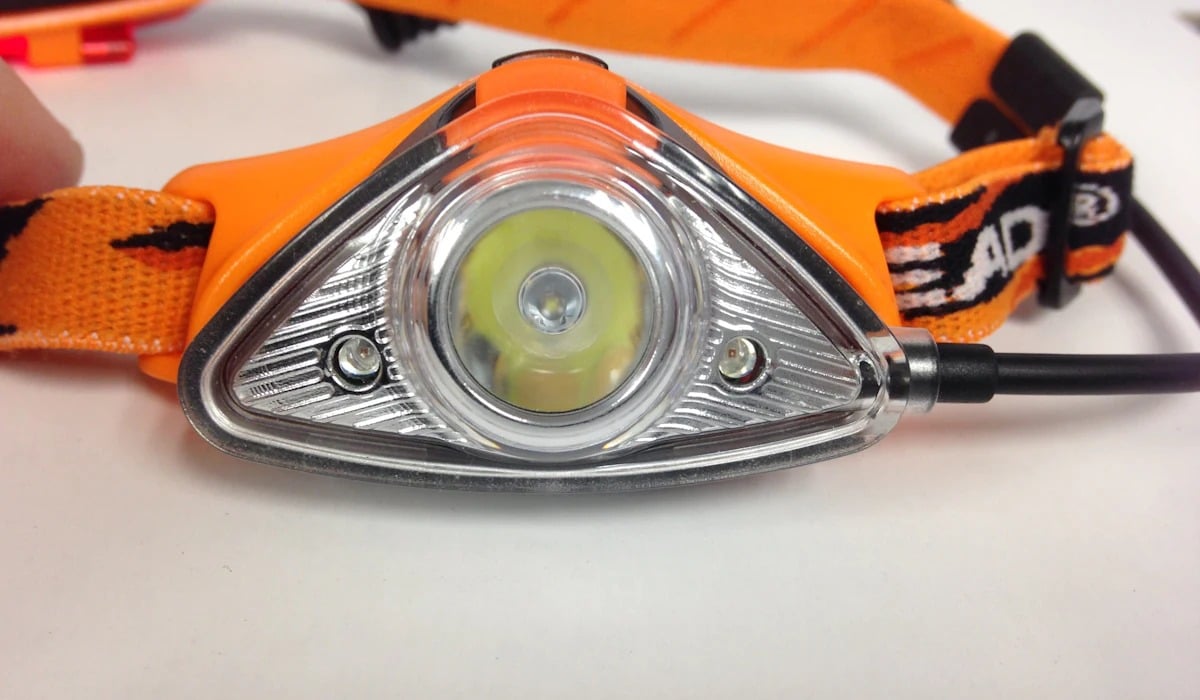
A clip-on lamp powered by D batteries helped illuminate the road on dusk rides. The beam was dim, the batteries drained fast, and the bracket slipped.
Parents bought them; kids forgot to switch them off.
Fenders and Mud Flaps
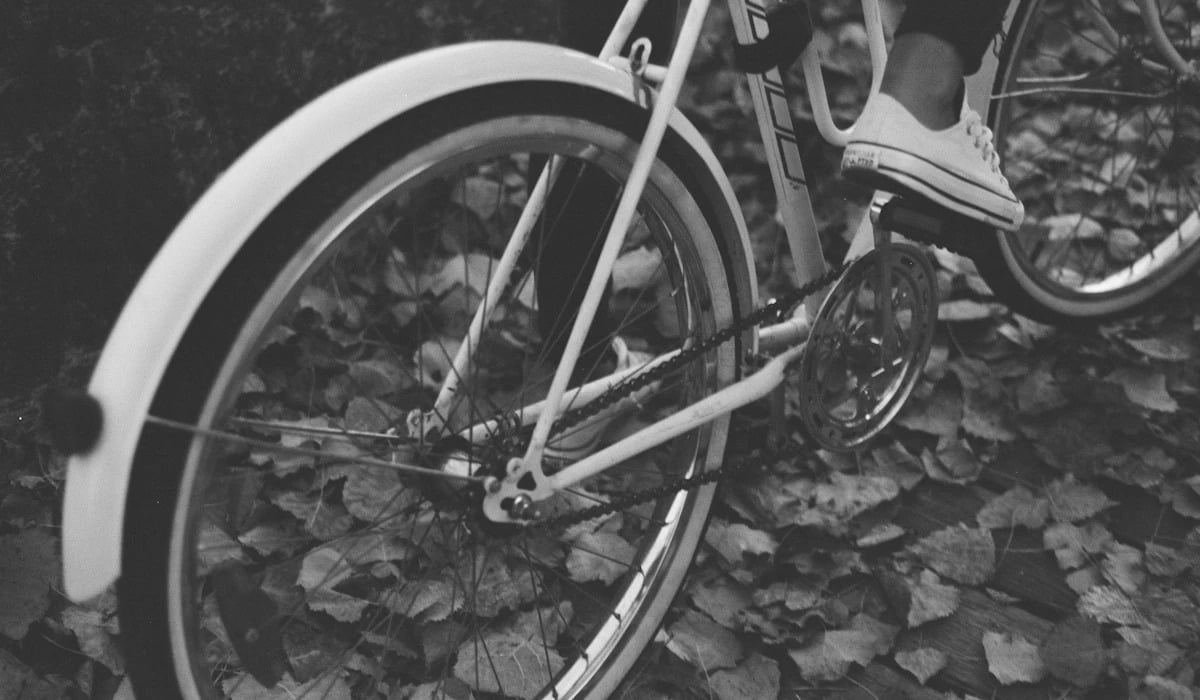
Plastic or steel fenders kept puddle water and gravel off the rider. BMX kids removed them for the look, while kids who rode in wet weather appreciated the protection.
The rear mud flap often carried a printed name or logo.
Saddle Bags
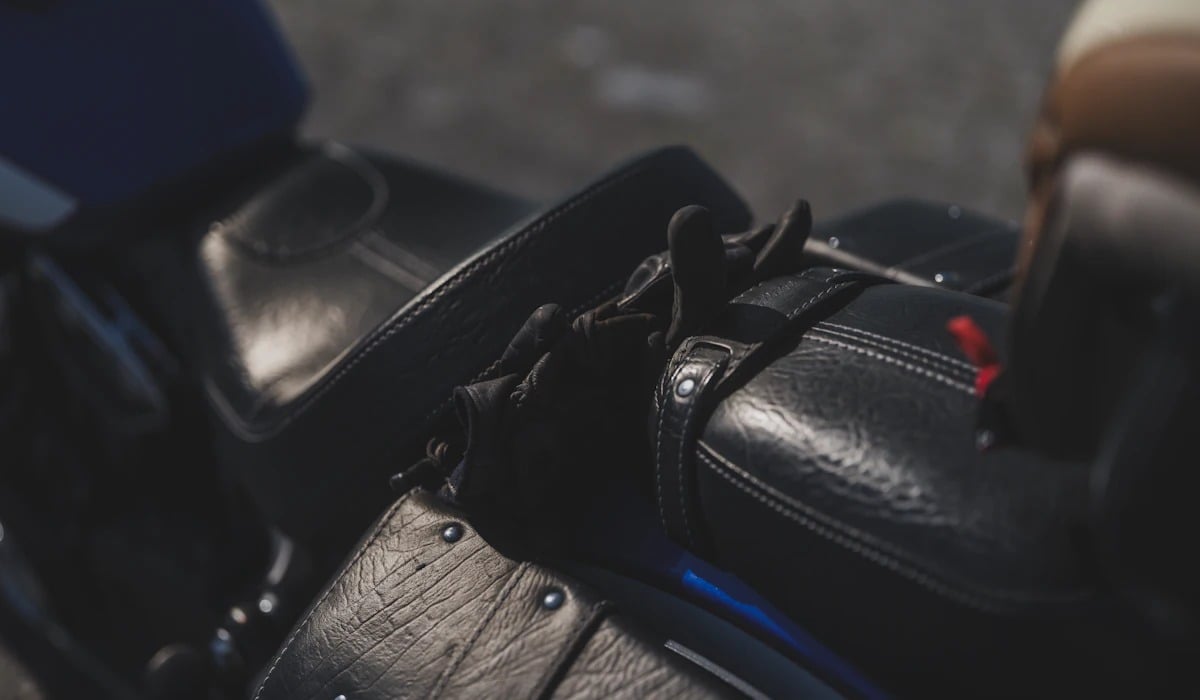
A small vinyl pouch under the seat held a patch kit, a wrench, and spare change. Nobody remembered to patch a tire, but the quarter for the ice cream truck was always there.
The bag also served as the bike’s glove box for lost trading cards.
Water Bottles and Cages
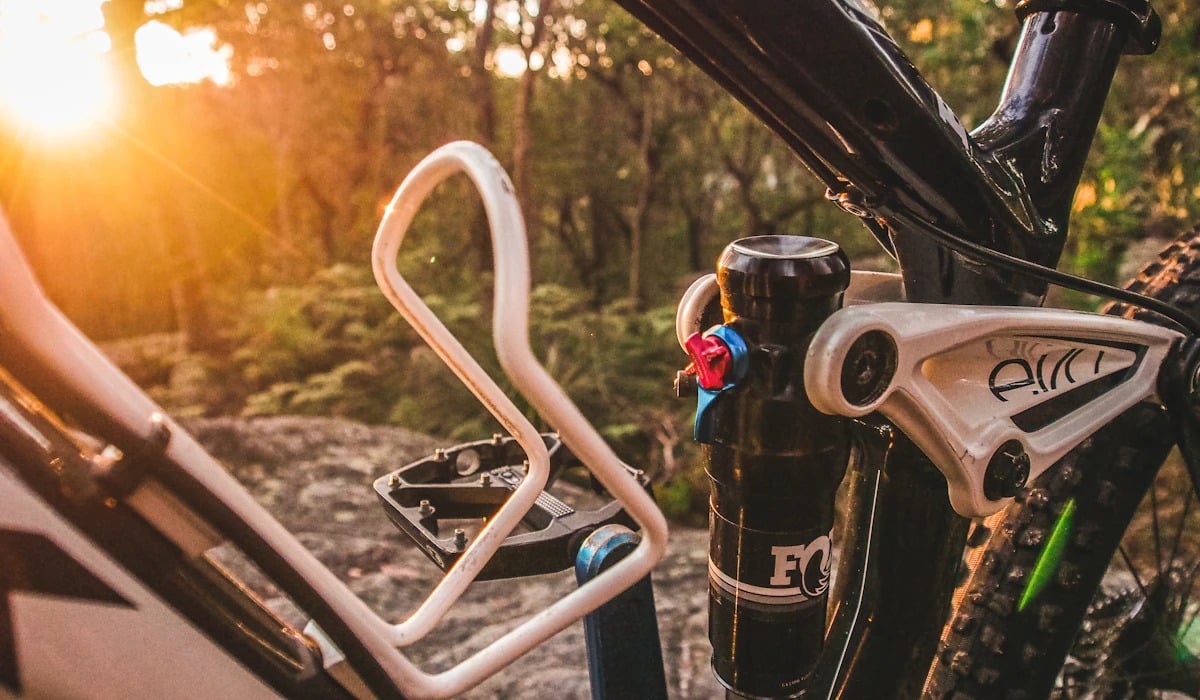
A plastic bottle in a wire cage on the frame brought racing style to suburban streets. The bottles held about half a pint and tasted faintly of plastic.
A kid with a bottle cage was either training for something or pretending to.
Foot Pegs
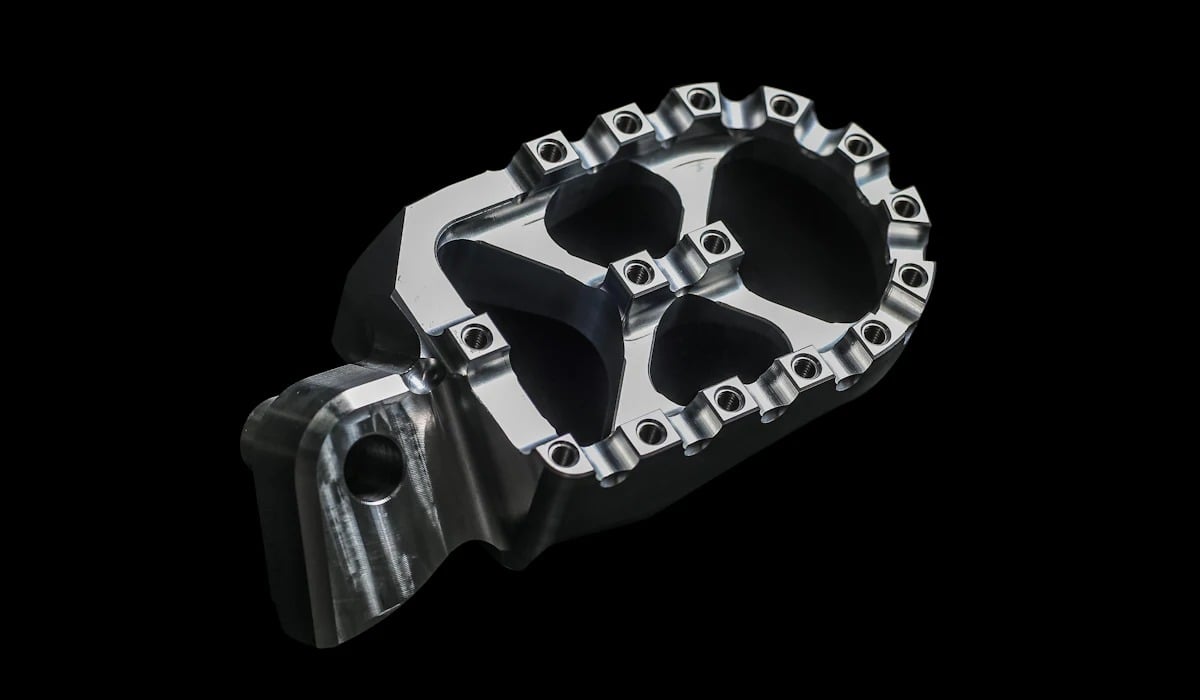
Metal pegs bolted to the axles let BMX and freestyle riders stand on the wheel hubs for tricks, or carry a friend standing on the back. Pegs also scraped ankles with remarkable accuracy.
Riders learned the pattern of bruises the way other kids learned multiplication tables.
Frame Decals and Stickers
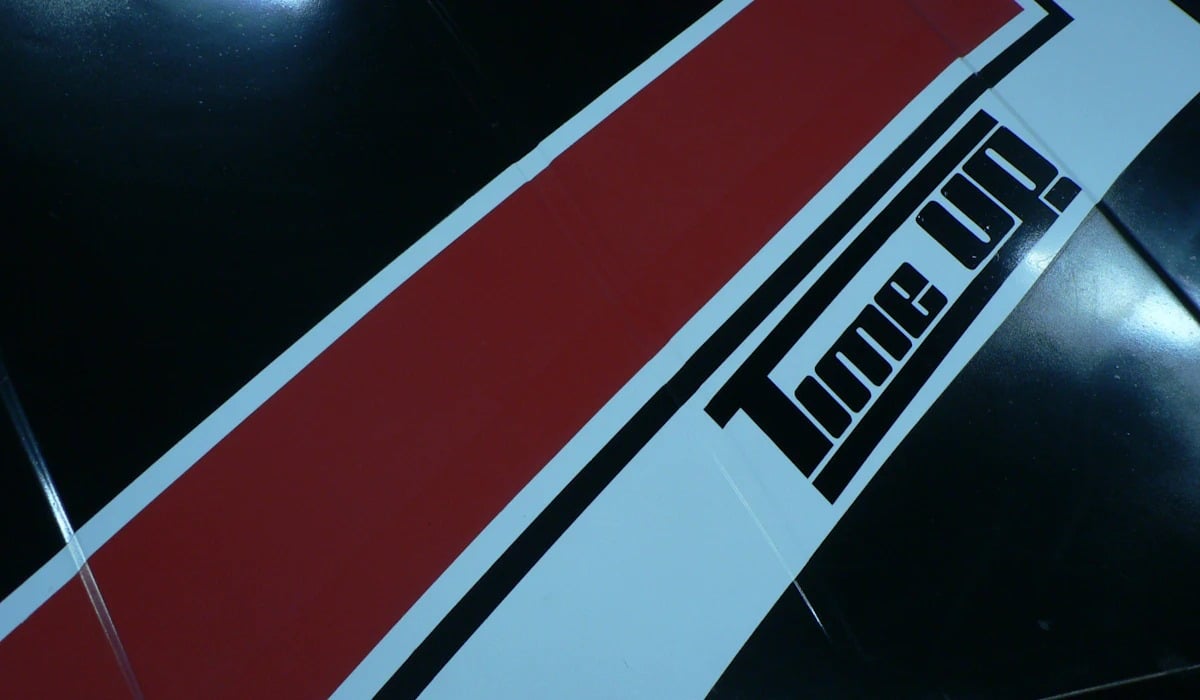
Racing stripes, brand logos, and sticker collections covered frames and fenders. A scratched-up bike with layers of stickers looked well-traveled.
Peeling them later left a gummy outline that took some effort to clean.
Handlebar Mirrors
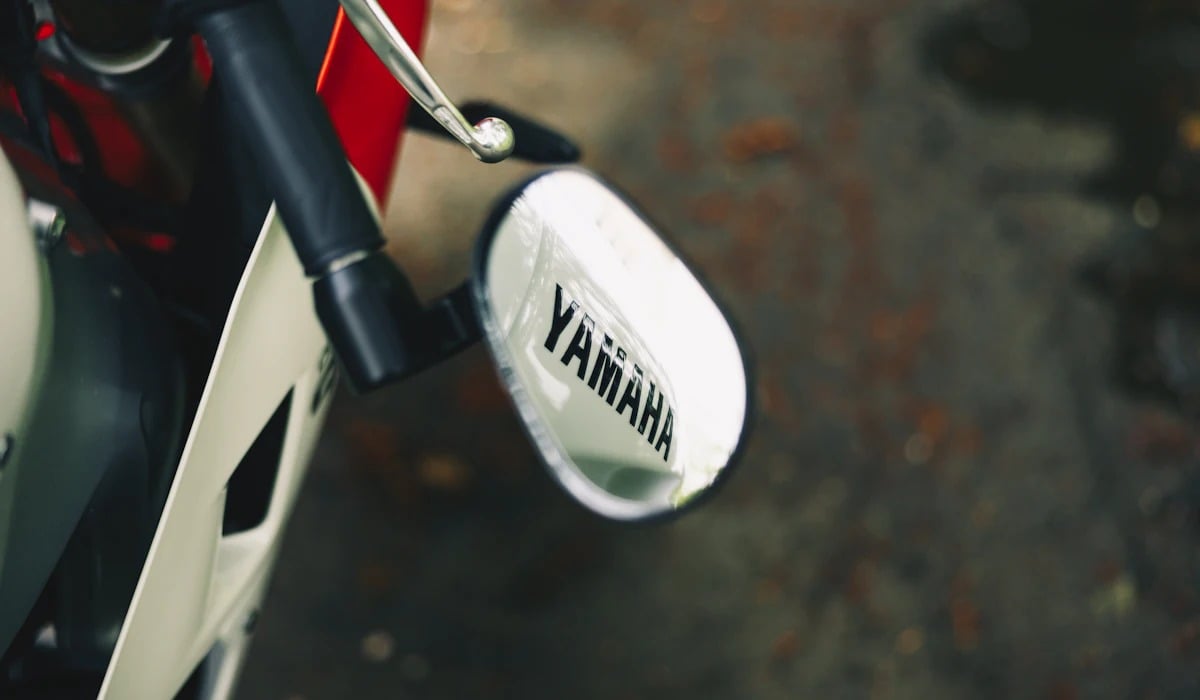
A small round mirror on a stalk let kids see who was behind them, at least in theory. In practice, it showed mostly their own elbow.
The mirror was most popular with kids who had watched too many detective shows.
Frame-Mounted Tire Pumps
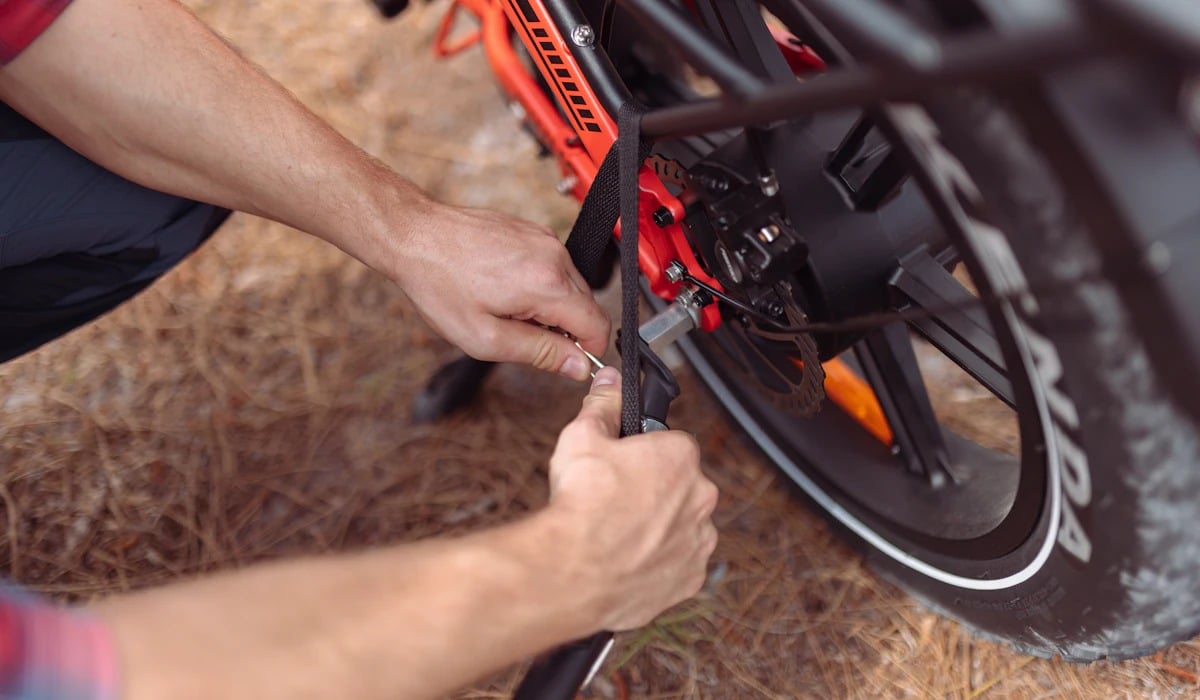
A plastic pump clipped under the top tube provided a way to inflate tires away from home. The pump head fit the valve if the rider aimed carefully.
It was more often used to top off a friend’s tires than to fix an actual emergency.
Rear Carrier Racks
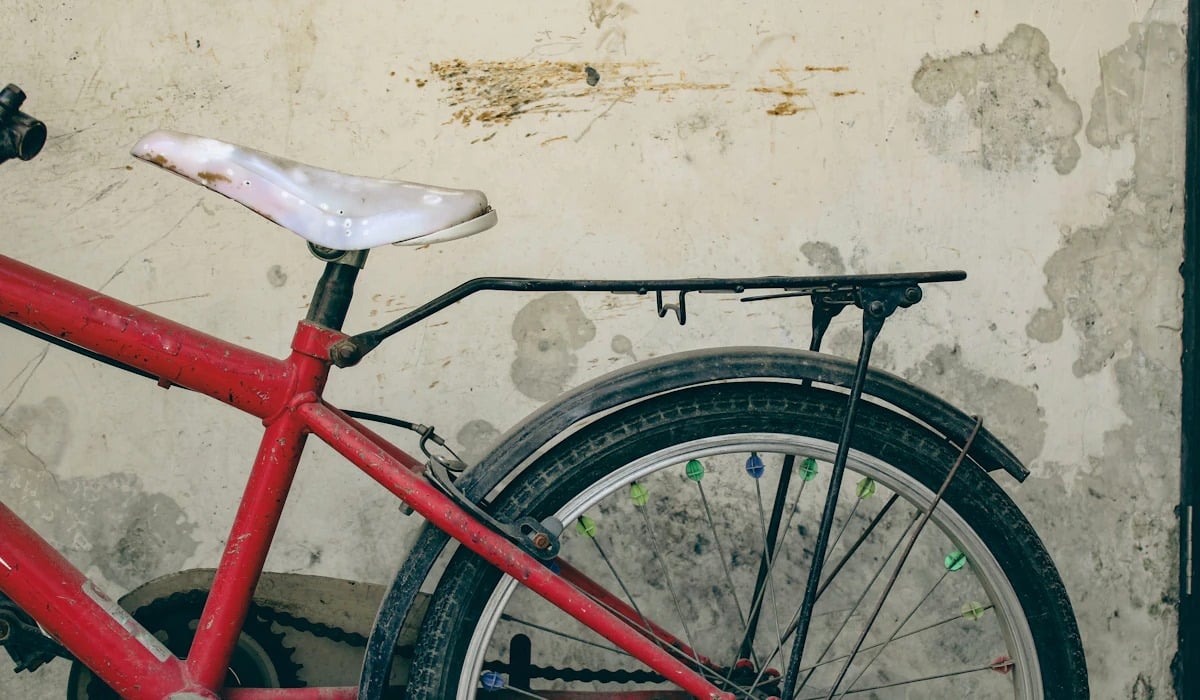
A metal rack over the back wheel held a newspaper bag, a gym bag, or a sibling riding on the back. Paper routes used them heavily, and a bungee cord was the universal fastener.
The rack also made a decent shelf for a lunch cooler on long summer rides.
Ankle Straps and Pants Clips
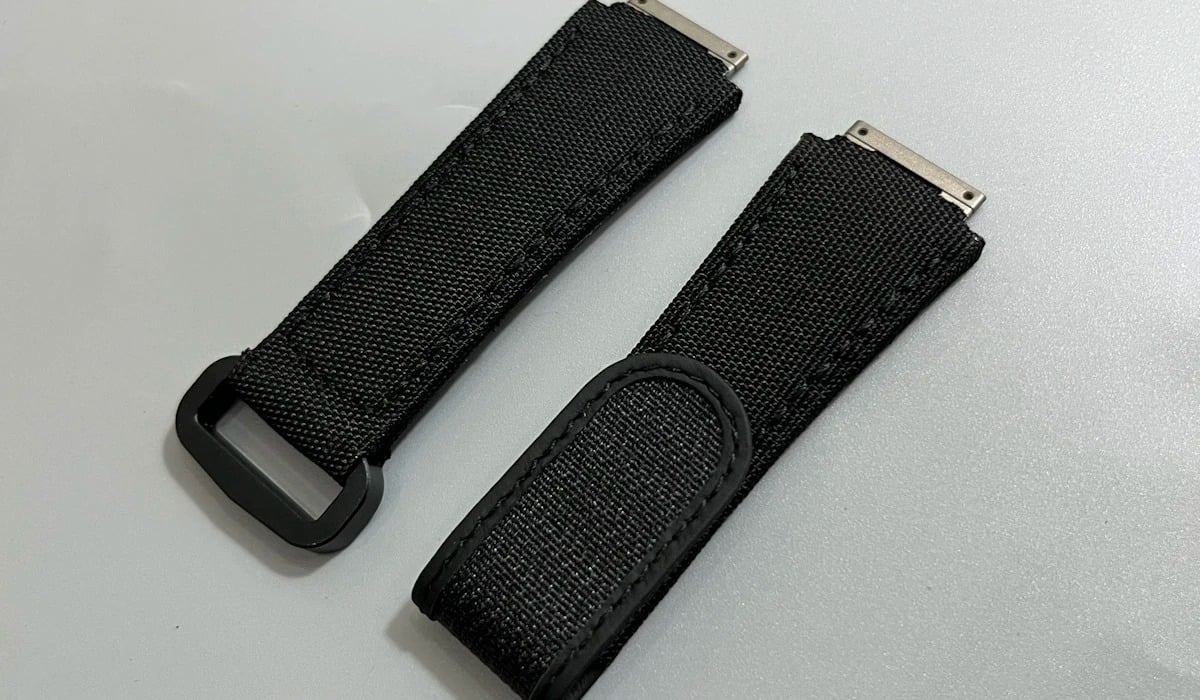
Elastic straps, Velcro bands, and metal clips kept pant legs out of the chain. Kids without them rolled their cuffs or tucked jeans into tube socks.
The grease stain on the right cuff was the only sign of failure.
Freedom Priced in Plastic
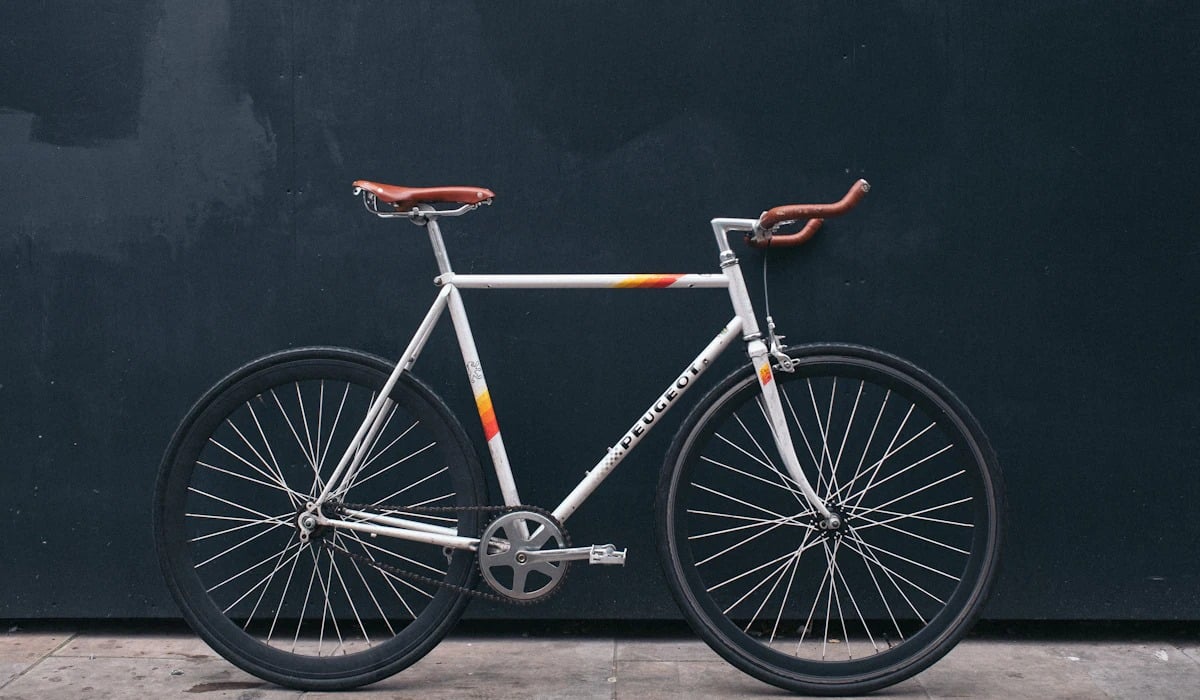
Most of these accessories cost a few dollars, broke easily, and served no real purpose beyond personalization. Kids bought them anyway, because a bike without them looked like everyone else’s.
The chance to customize a machine was a first taste of ownership.
A generation later, the pieces are mostly in landfills or tucked away in boxes in garages, but the memory of the sound of a card in the spokes is still sharp. The gear changed the ride less than it changed the rider.
MORE FROM GO2TUTORS!

- The Romanov Crown Jewels and Their Tragic Fate
- 13 Historical Mysteries That Science Still Can’t Solve
- Famous Hoaxes That Fooled the World for Years
- 15 Child Stars with Tragic Adult Lives
- 16 Famous Jewelry Pieces in History
Like Go2Tutors’s content? Follow us on MSN.