Soda Fountain Treats Nobody Orders Anymore
The soda fountain was once the social center of the corner drugstore. A white-uniformed soda jerk could mix syrups, seltzer, and ice cream into dozens of drinks and desserts, and customers ordered by name.
Most of those names have slipped off everyday menus. These 20 treats recall the era when a stool at the counter was the best seat in town.
Egg Cream
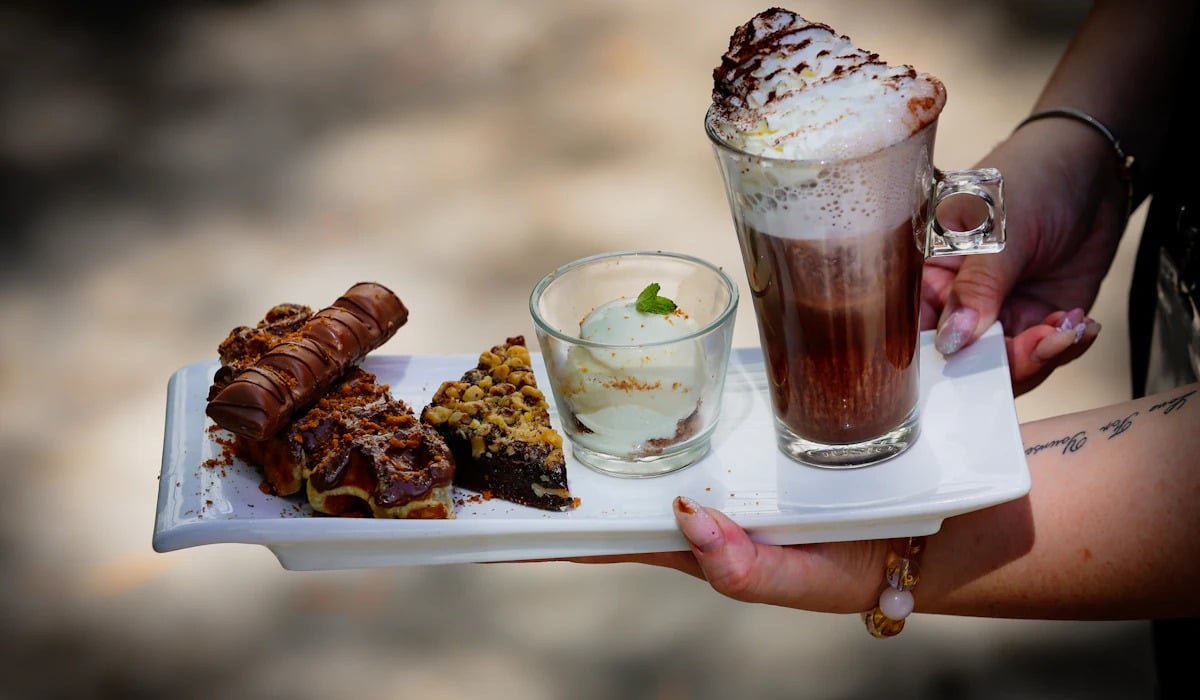
The egg cream contains neither egg nor cream. It is made from milk, seltzer, and chocolate syrup, with Fox’s U-Bet the brand Brooklyn purists insist on.
Although its exact origins remain disputed, the drink became a New York City staple during the 20th century. Its appeal lies in the contrast between the chocolate syrup, creamy milk, and lively carbonation.
Cherry Phosphate
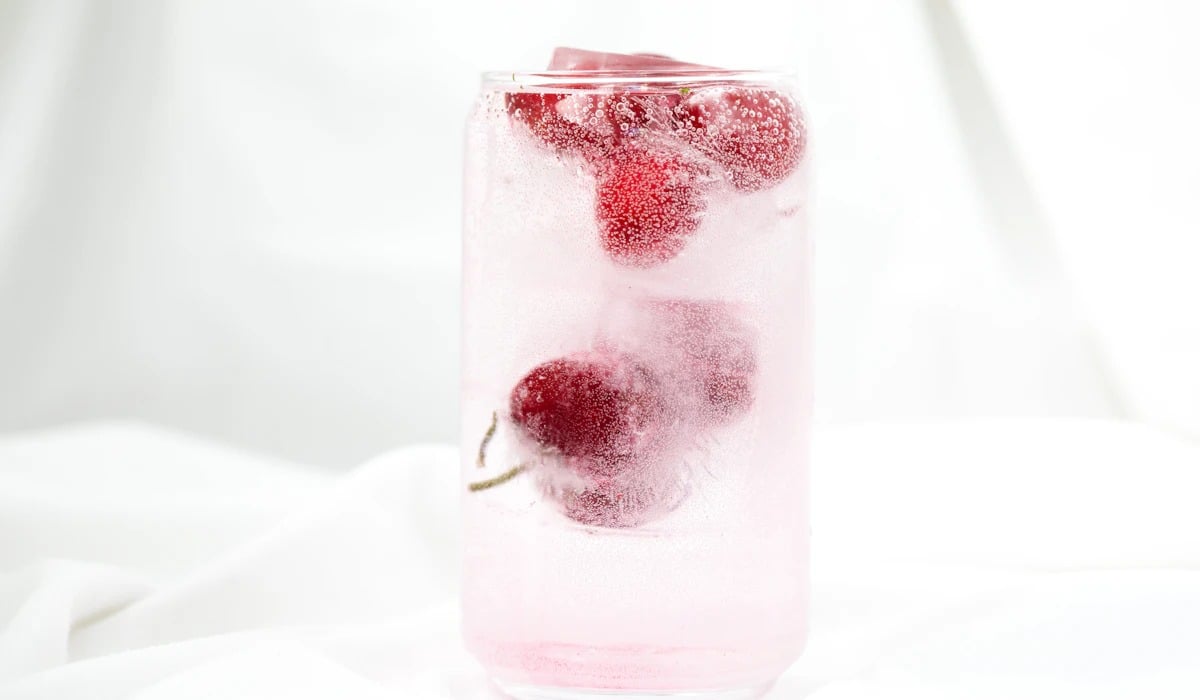
The phosphate gets its tang from acid phosphate, a sour solution added to flavored syrup and carbonated water. The drink gave soda fountains their biting, citrus-like edge long before mass-market fruit sodas became commonplace.
A cherry phosphate with a maraschino cherry on top was a standard after-school order.
Malted Milk
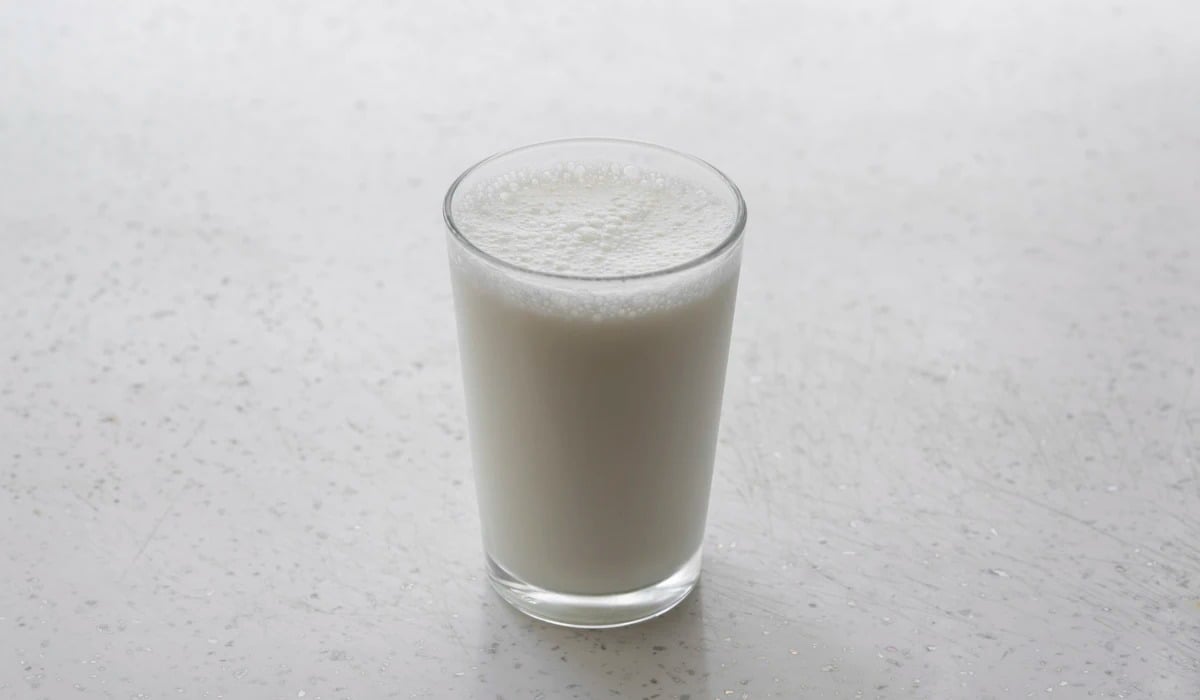
Malted milk powder was developed by the Horlick brothers of Racine, Wisconsin, and gave milkshakes a toasty, slightly savory flavor. A malt at the counter came with whatever remained in the metal mixing cup, giving the customer an extra helping.
The thick drink became a soda fountain favorite, combining milk, ice cream, and malted milk powder.
Banana Split
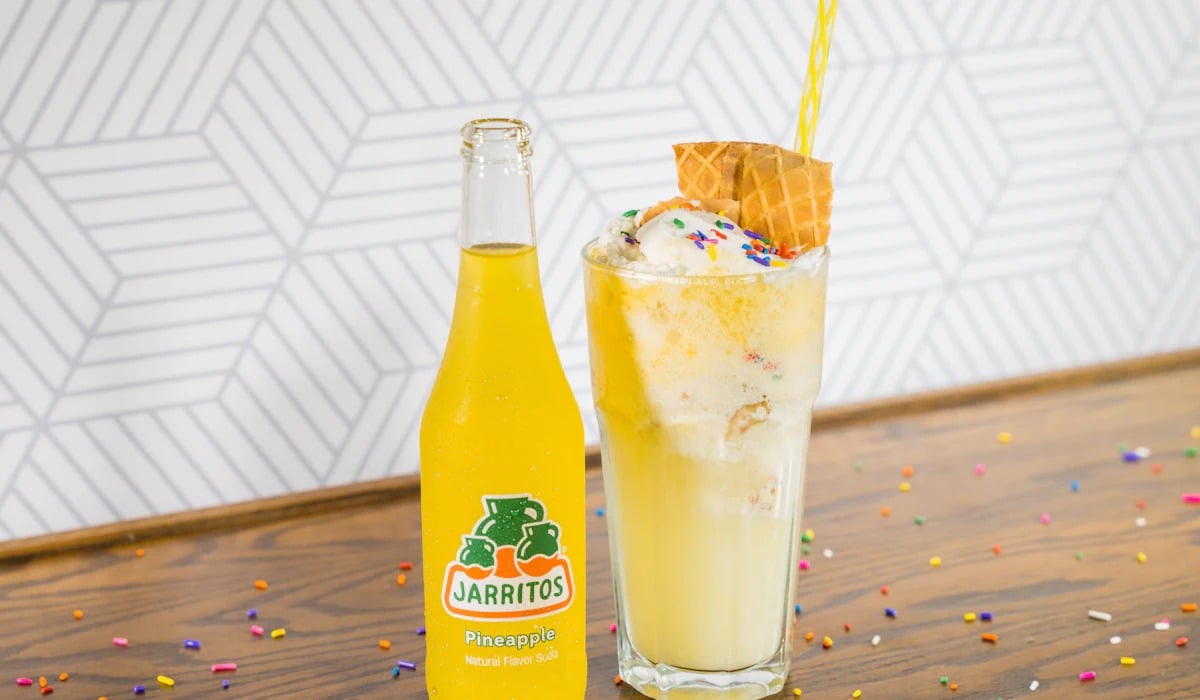
David Strickler, a 23-year-old apprentice pharmacist at the Tassell Pharmacy in Latrobe, Pennsylvania, is credited with creating the banana split in 1904. It cost ten cents, twice the price of a regular sundae, and Strickler ordered long, narrow glass dishes made for it.
Latrobe was recognized as the birthplace of the banana split by the National Ice Cream Retailers Association in 2004.
Green River
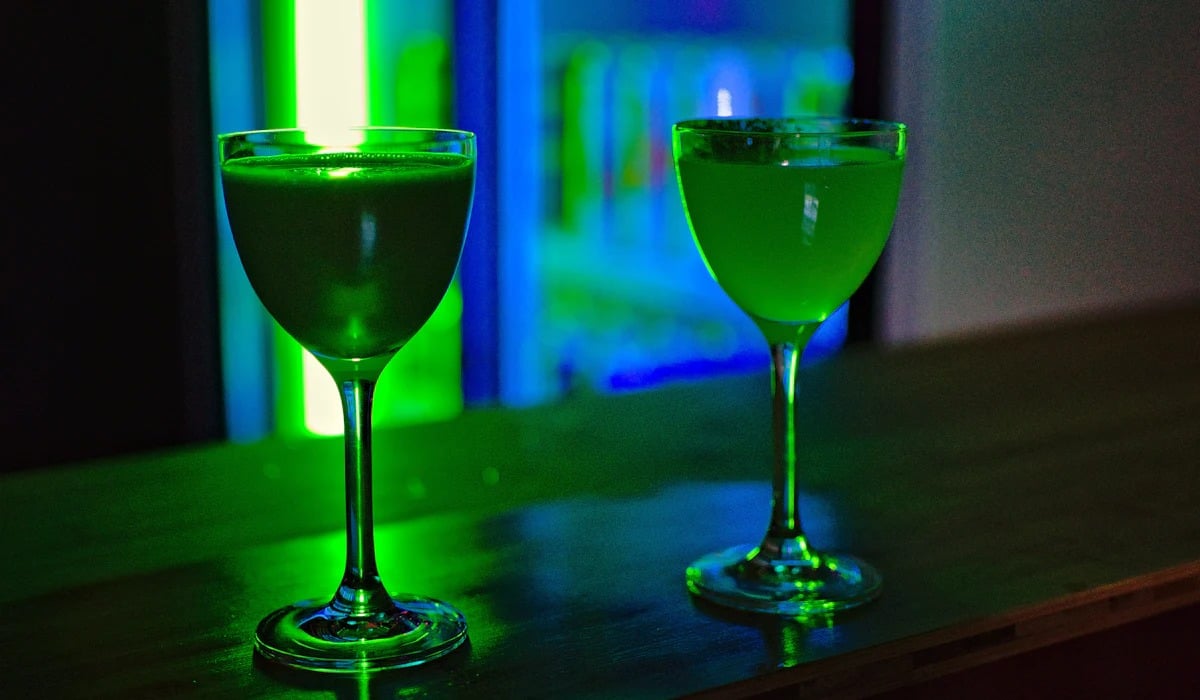
Richard C. Jones, a confectioner in Davenport, Iowa, created Green River as a lime-flavored soda and sold the recipe in 1919 to Schoenhofen Edelweiss Brewing in Chicago.
When Prohibition began, the brewery turned to soft drinks as an alternative to alcoholic beverages. The bright green soda remains available in some Midwestern markets, where it retains a loyal following.
Black Cow
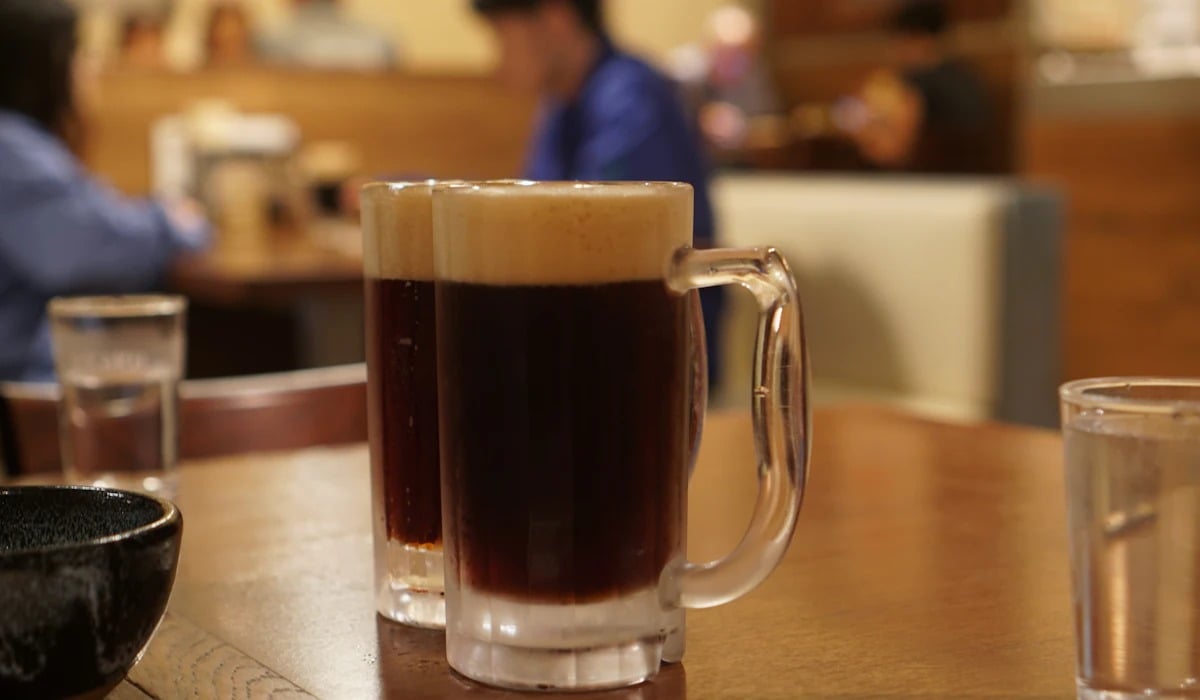
A black cow combines root beer and vanilla ice cream in a tall glass. The name varied by region, and in some places a brown cow meant a different mix.
Kids stirred the foam with a long spoon and tried to finish the ice cream before it melted.
Ice Cream Soda
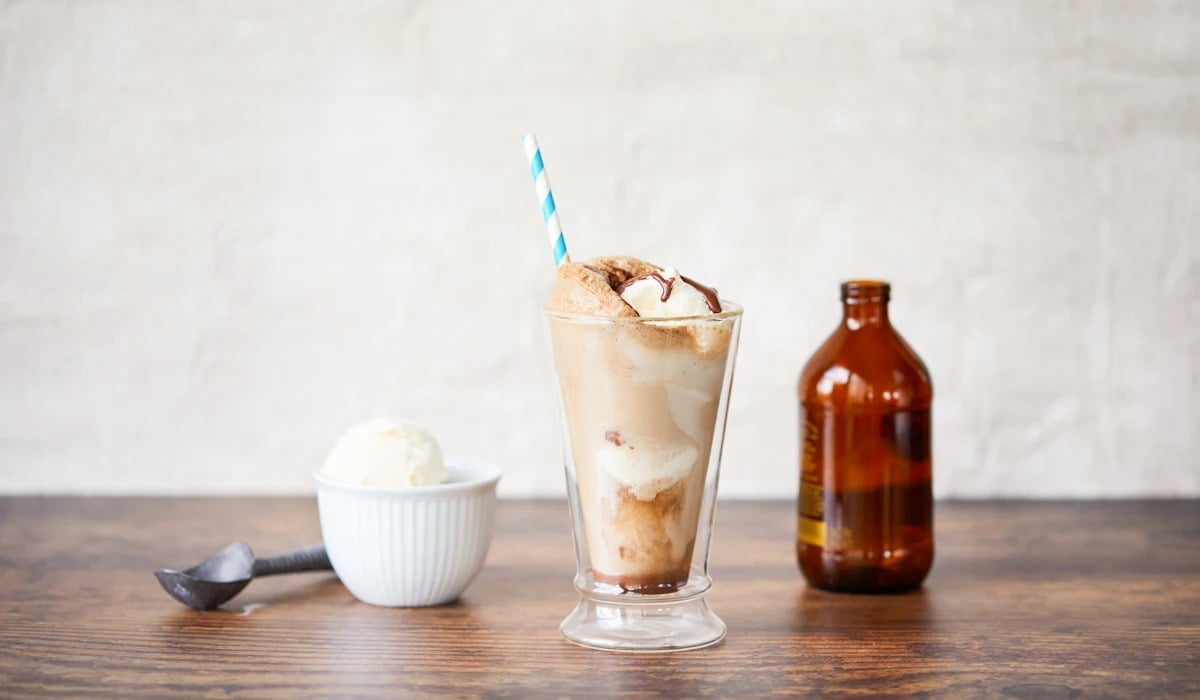
Flavored syrup, carbonated water, and a scoop of ice cream in a tall glass became popular in the 1870s. Counter staff mixed it in layers so that the foam rose to the rim and the ice cream floated in the middle.
A paper straw and a long spoon completed the classic presentation.
Lime Rickey
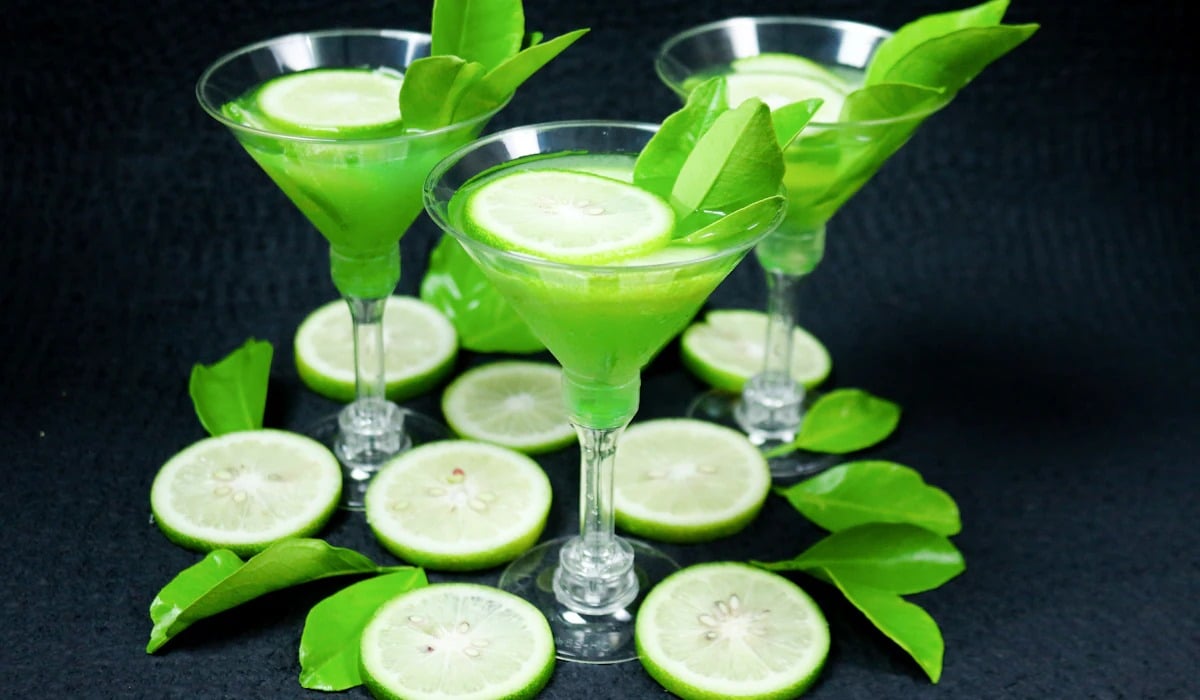
The rickey took its name from Colonel Joe Rickey, a Washington, D.C., figure who liked his drink made with bourbon. The soda fountain version dropped the liquor and kept the lime, syrup, and sparkling water.
The sharp, clean flavor made it a summer favorite.
Boston Cooler
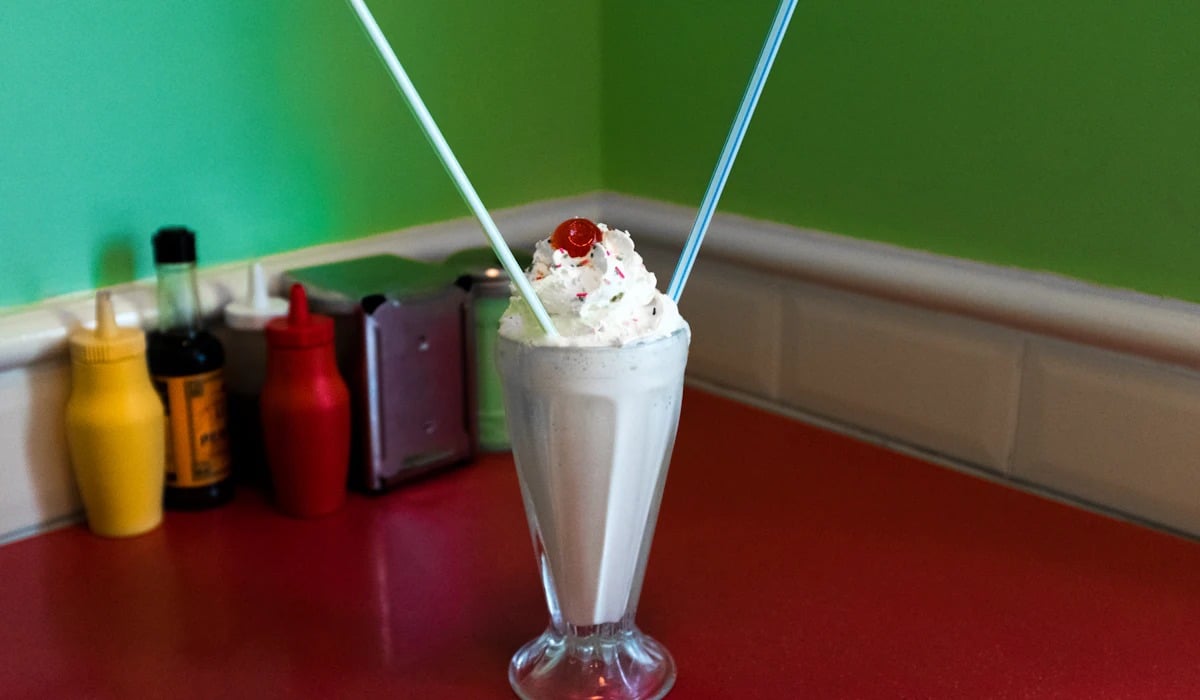
In Detroit, a Boston Cooler is typically made by blending Vernors ginger ale with vanilla ice cream. The name goes back to the late 19th century, when it referred to a different mixture, and its meaning varied over time and by location.
The Vernors company copyrighted the name in 1967 for a ginger ale-flavored ice cream bar, while the blended drink became a Detroit favorite.
Nectar Soda
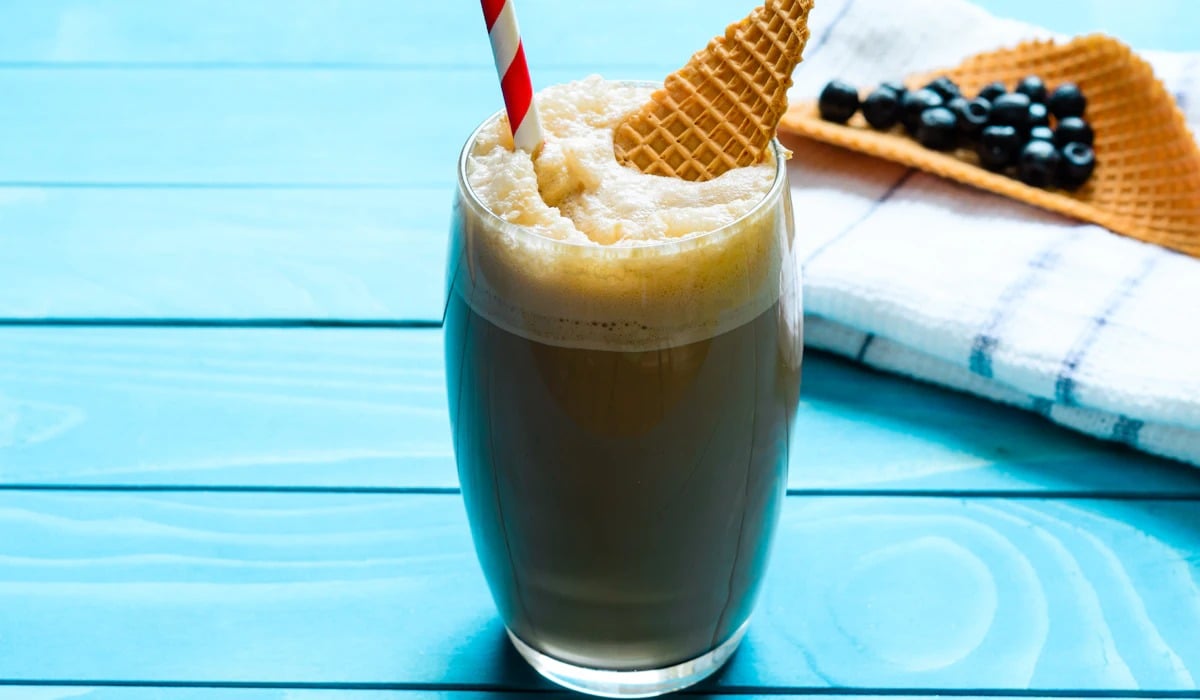
New Orleans soda fountains served a pink nectar soda flavored with vanilla and almond syrup and finished with cream. The result tasted like a liquid dessert.
It remains a regional specialty and a reminder of the city’s old-fashioned soda fountain culture.
Orange Julius
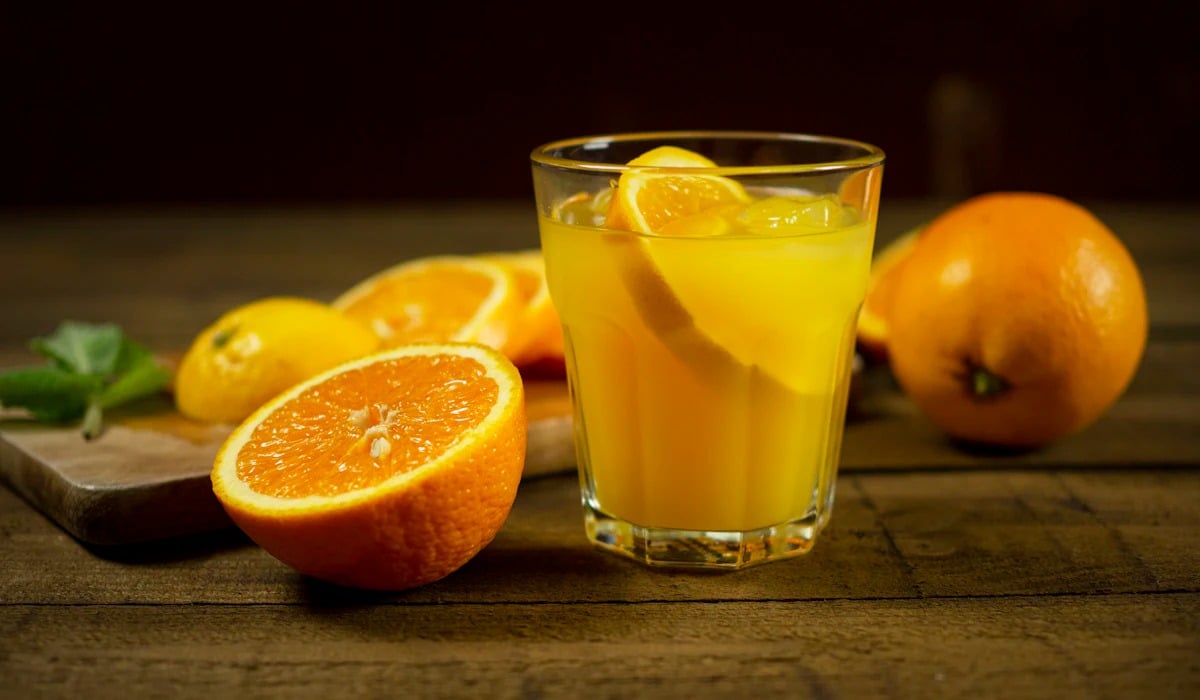
Julius Freed opened an orange juice stand in downtown Los Angeles in 1926, and a friend, real estate broker Willard Hamlin, developed a frothy blended drink that was easier on the stomach. The stand’s devil mascot and slogan, “A Devilish Good Drink,” became familiar sights at shopping centers and food courts.
International Industries acquired the business in 1967, and Dairy Queen acquired the Orange Julius brand in 1988.
Coffee Milk
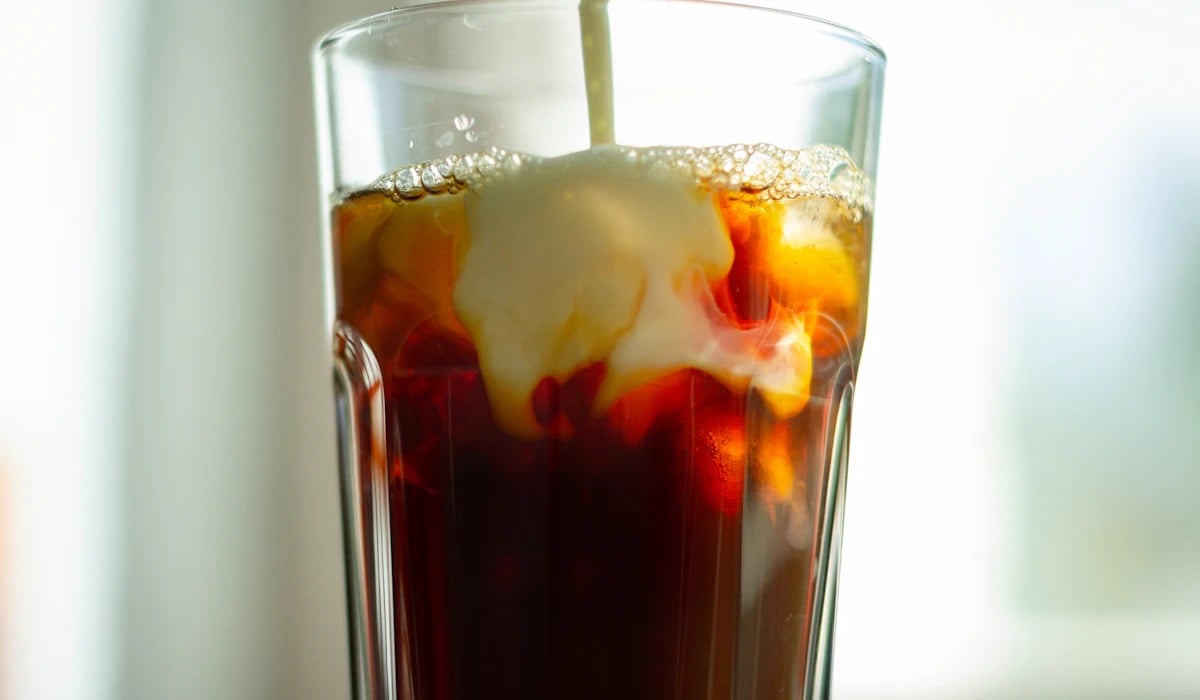
Rhode Island’s official state drink is coffee milk, made by stirring coffee syrup into cold milk. Soda fountains and diners served it by the glass, and kids drank it long before coffee was allowed.
The syrup still sells in local supermarkets.
Charlotte Russe
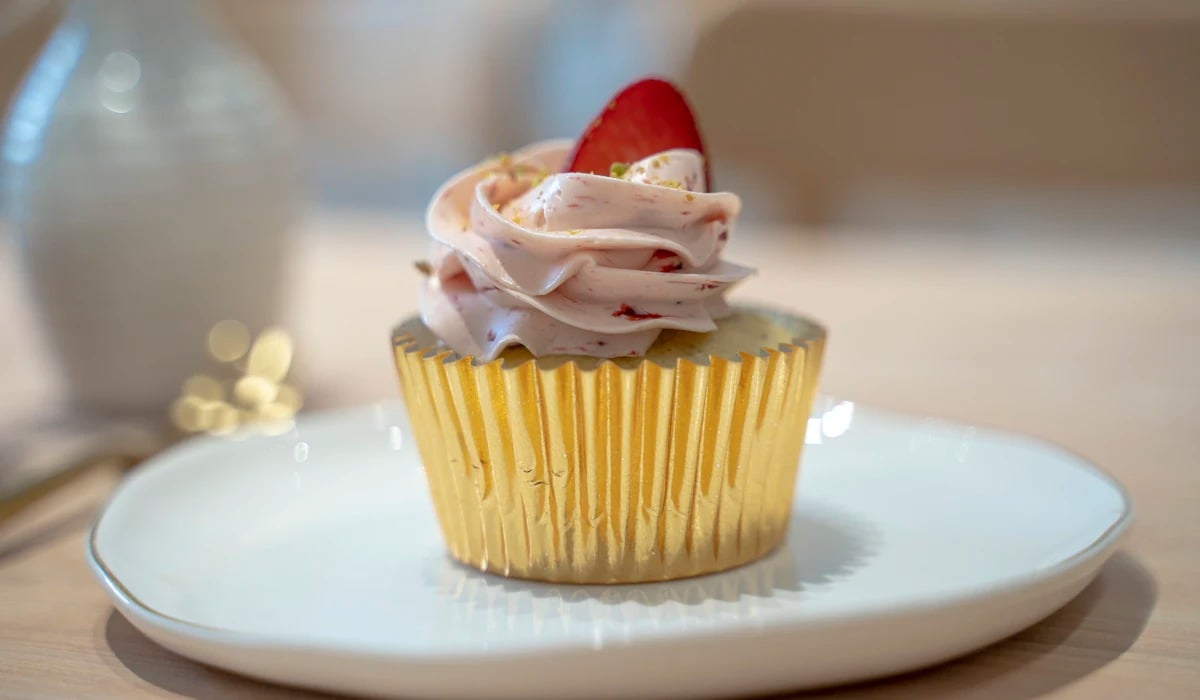
A charlotte russe was a paper cup holding a round of sponge cake topped with whipped cream and a cherry. Candy stores sold them as an inexpensive treat.
The paper cup had a push-up bottom that lifted the cake as the customer ate.
Wet Walnut Sundae
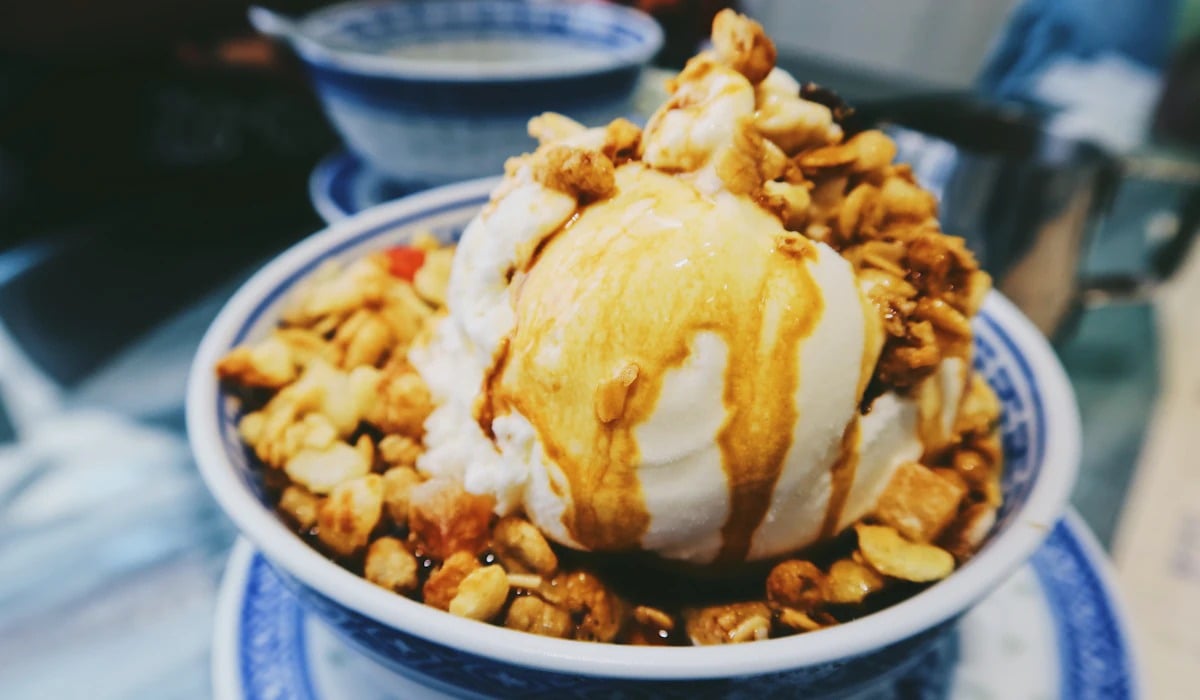
Wet walnuts, chopped nuts soaked in sweet syrup, topped vanilla ice cream in a classic sundae. The syrup soaked into the nuts and gave them a soft texture.
The topping was a staple at the counter and is less common on modern ice cream menus.
Cherry Cola From Syrup
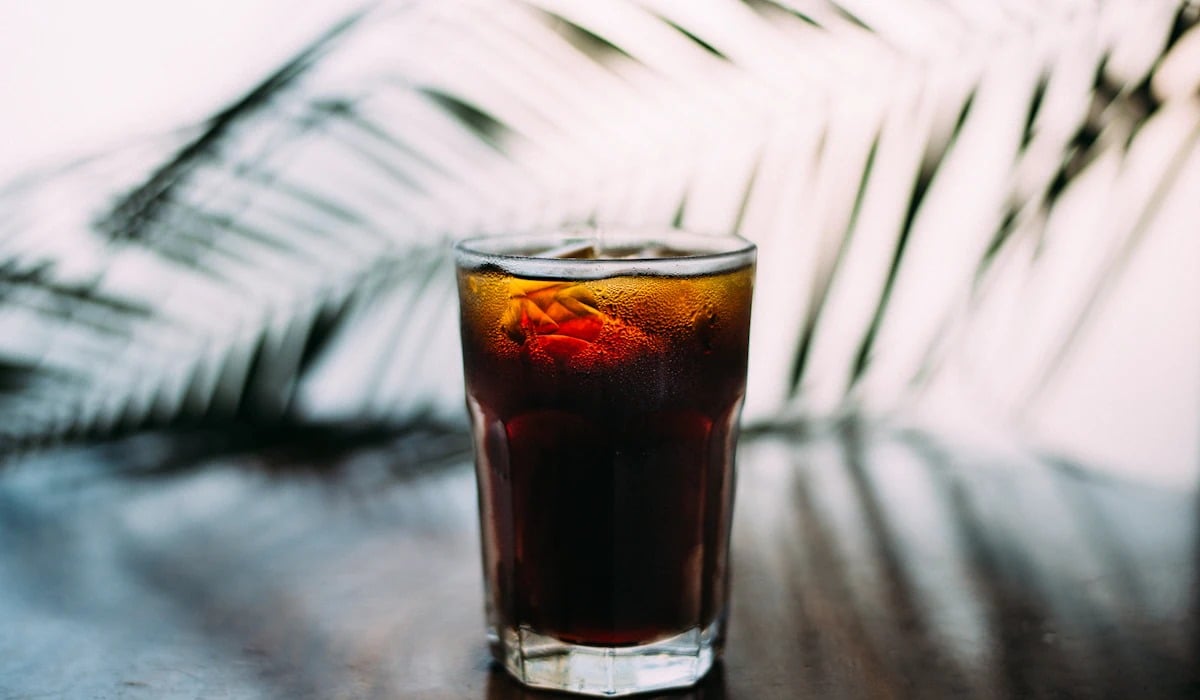
Cola at the fountain was made by mixing syrup with carbonated water, a process that goes back to Coca-Cola’s origins in 1886, when pharmacist John Pemberton introduced the drink in Atlanta. A shot of cherry syrup turned it into a cherry cola.
Customers who asked for one got a drink with a deep red color and a distinctive aroma.
Frappe
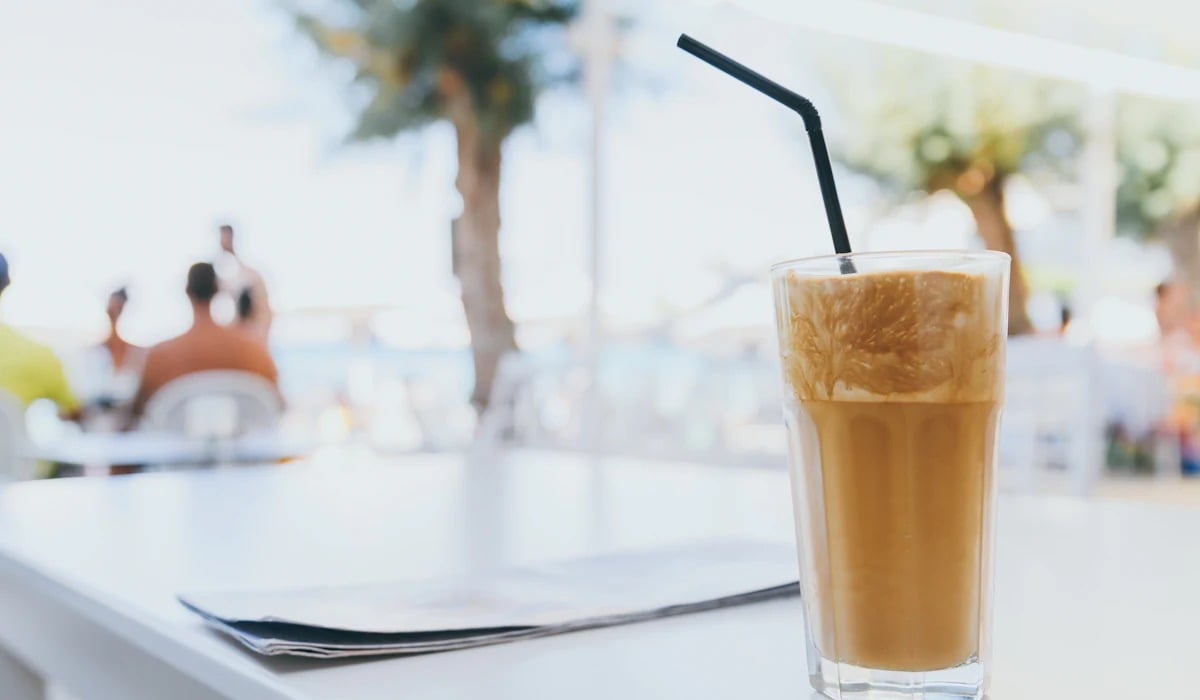
In New England, a frappe is a thick drink made with ice cream, milk, and syrup, similar to what many other Americans call a milkshake. Visitors learn the local vocabulary when they order and get something different from what they expected.
The word is pronounced “frap.”
Birch Beer
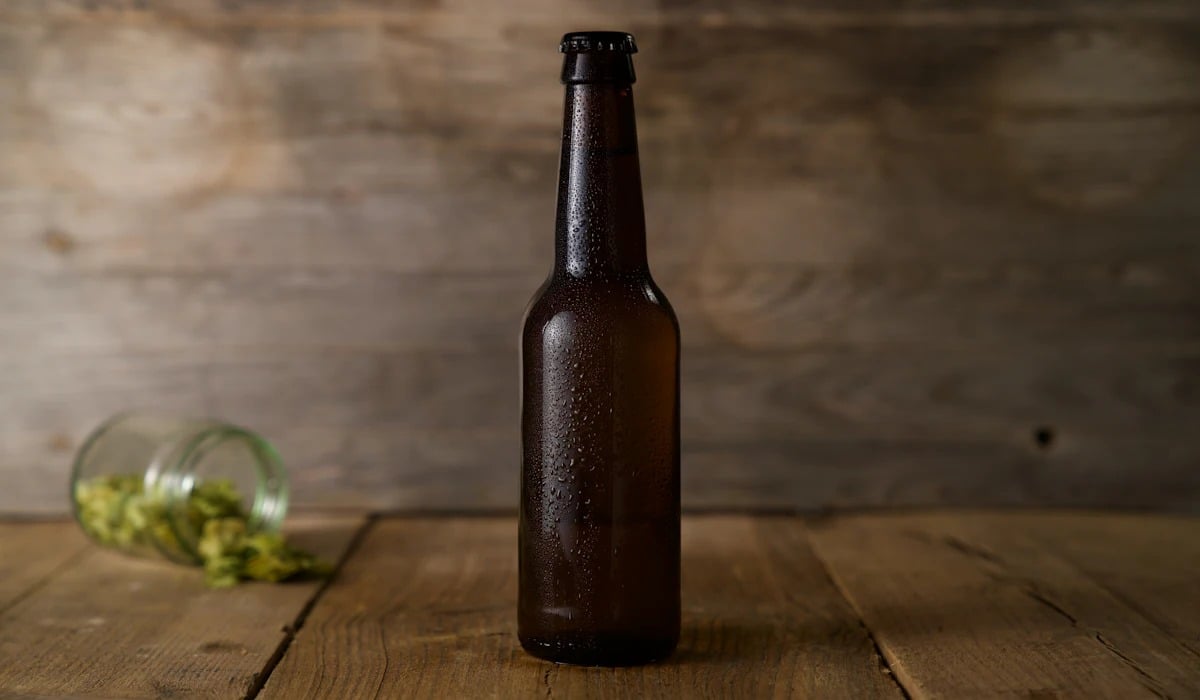
Birch beer is a root beer cousin flavored with birch bark or oil and sold in red, clear, and brown versions. Pennsylvania and other parts of the Northeast kept it popular long after the rest of the country became more familiar with nationally distributed soft drinks.
It makes a distinctive float with vanilla ice cream.
Pineapple Sundae
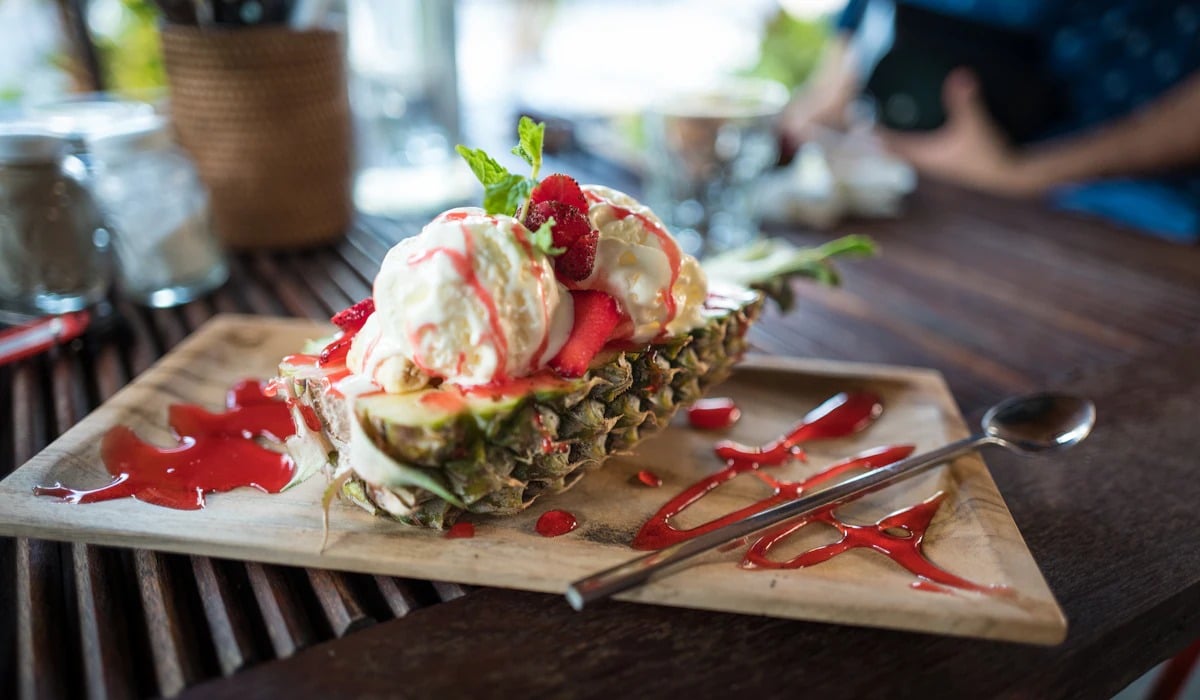
Crushed pineapple topping spooned over vanilla ice cream made a bright, tangy sundae. Many soda fountains offered it alongside strawberry and chocolate.
The pineapple chunks were sometimes served warm, creating a contrast with the ice cream.
Strawberry Soda
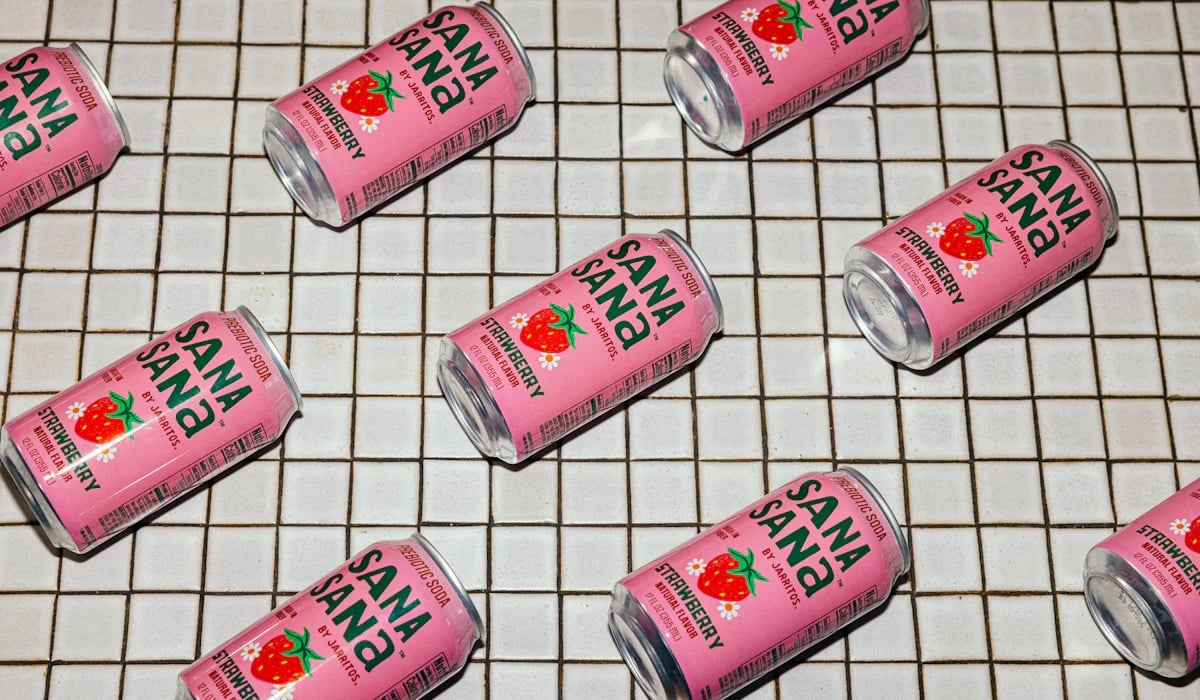
Strawberry soda at the fountain began with crushed fruit and syrup poured over ice and filled with carbonated water. A scoop of ice cream turned it into a strawberry ice cream soda.
The fruit seeds floated to the top, which kids found either charming or annoying.
Chocolate Soda
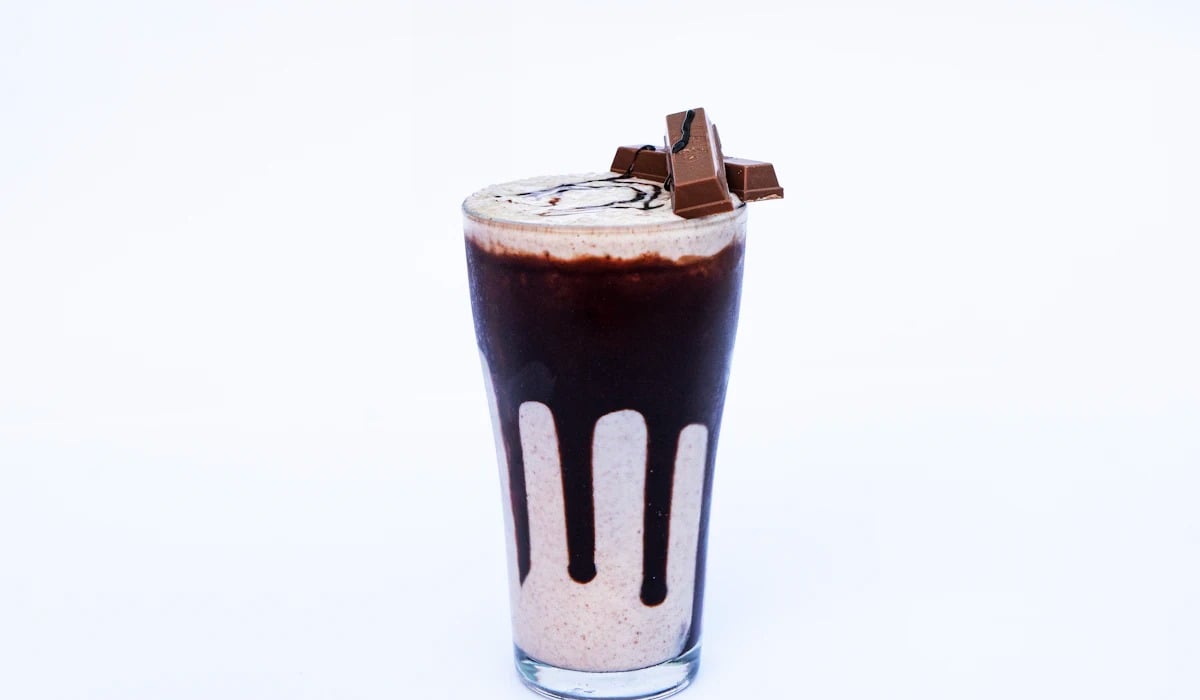
A chocolate soda is chocolate syrup mixed with carbonated water, sometimes with a scoop of chocolate ice cream. It was a popular fountain drink in its own right and is often discussed alongside the egg cream, another chocolate-flavored drink made with milk and seltzer.
Many New Yorkers consider the chocolate soda the father of the egg cream.
The Fizz That Never Came Home
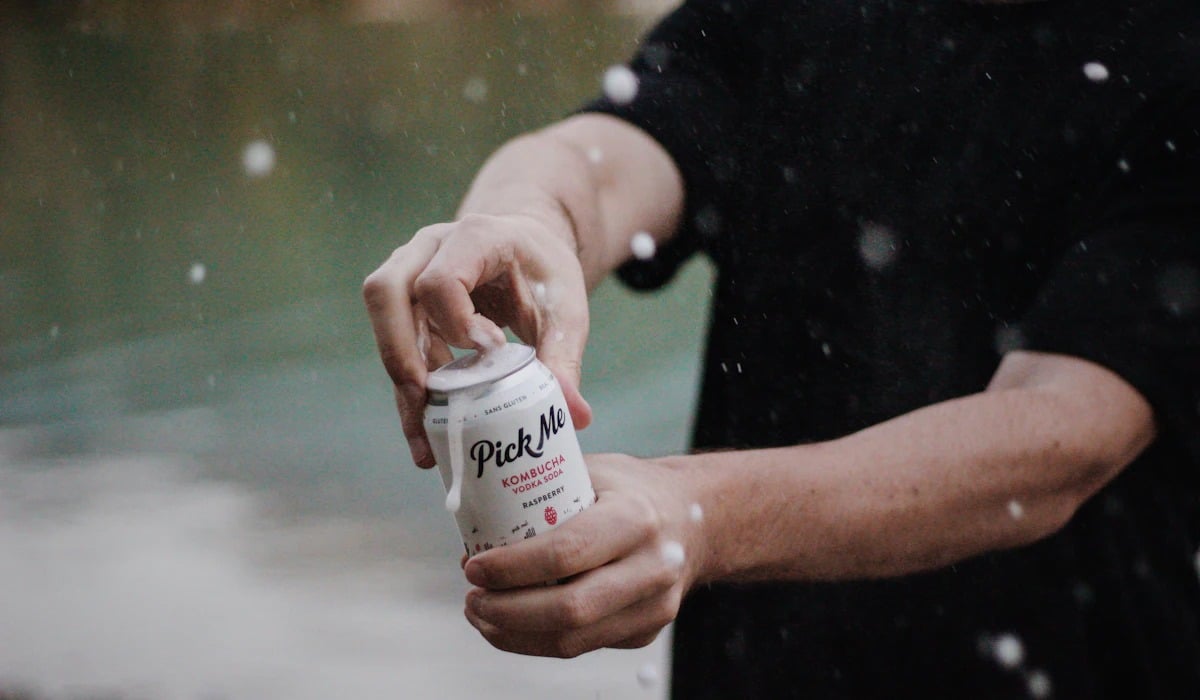
Soda fountains disappeared as drugstores turned into chain pharmacies and supermarkets sold bottled sodas by the case. The counter mixed each drink to order, which made it slow and labor-intensive.
A can of soda costs less and does not need a trained worker.
What gets lost in the trade is the ritual of watching someone assemble a drink in front of you. A few revived fountains keep the menu alive, and diners who order a phosphate or an egg cream at one of them taste something the supermarket cannot match.
MORE FROM GO2TUTORS!

- The Romanov Crown Jewels and Their Tragic Fate
- 13 Historical Mysteries That Science Still Can’t Solve
- Famous Hoaxes That Fooled the World for Years
- 15 Child Stars with Tragic Adult Lives
- 16 Famous Jewelry Pieces in History
Like Go2Tutors’s content? Follow us on MSN.