22 Viking Artifacts Unearthed in Modern Times
For centuries, the Vikings lived mostly in sagas and rumor. Then farmers, detectorists, and archaeologists started pulling their belongings out of burial mounds, riverbanks, and bogs, and the stories acquired physical evidence.
The finds below range from ships big enough to carry a crew across open water to a tiny silver figure that fits in the palm of a hand. Together they show a people who traded, farmed, fought, and buried their dead with remarkable care.
The Oseberg Ship, Buried With Two Women
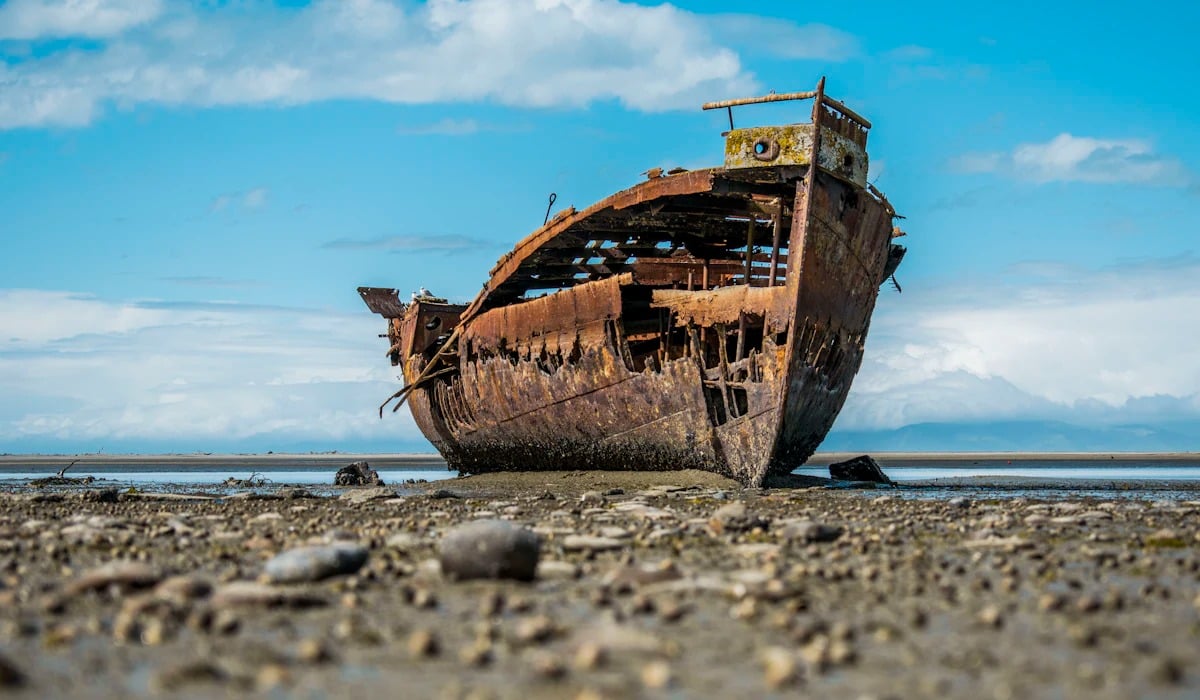
The Oseberg ship was excavated from a burial mound in Norway in the early twentieth century and is now one of the best-preserved Viking vessels in existence. It was buried in the year 834 and held the remains of two women.
The grave goods included sleds, textiles, and richly carved wooden objects. The sheer quantity of offerings suggests that at least one of the women held very high status, although their identities and exact roles remain unknown.
The Gokstad Ship and Its Animal Companions

Found in a burial mound at Sandefjord, Norway, the Gokstad ship held the grave of a man buried with a remarkable collection of animals, including horses and dogs. The vessel was built for rowing and sailing, and its sturdy hull made it a favorite subject for naval historians.
A full-size replica named Viking later crossed the Atlantic and reached Chicago in 1893. The voyage showed that a ship of this design could handle open ocean.
The Mästermyr Chest Full of Tools
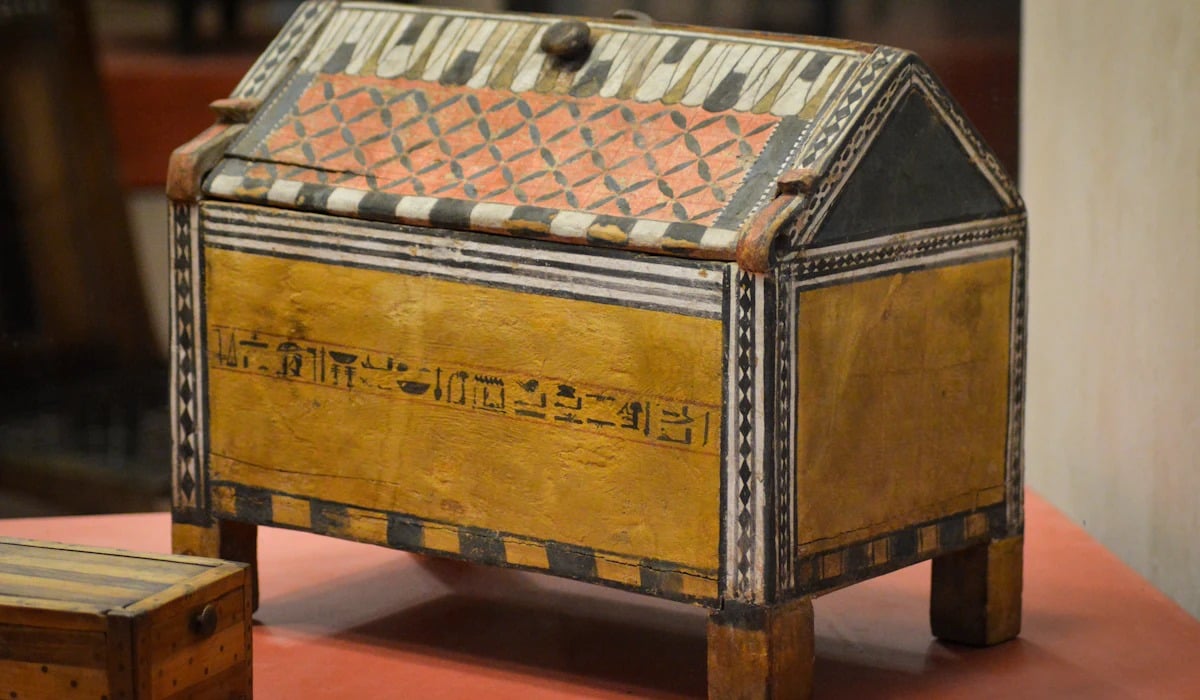
A chest of iron tools was uncovered in a wet field at Mästermyr on the Swedish island of Gotland. It held a large assortment of blacksmithing and carpentry implements, making it one of the most complete Viking Age toolkits ever recovered.
The chest was probably lost while being carried across the water, perhaps by a traveling craftsman. Modern smiths still study the tools to copy their shapes.
The Cuerdale Hoard, Dumped Beside a River

Workmen found this hoard on the bank of the River Ribble near Preston, England, in 1840. It is one of the biggest Viking silver hoards ever found, and much of it is now held by the British Museum.
The silver came as coins, ingots, and chopped-up jewelry known as hacksilver, which Vikings weighed out as currency. The reason for the burial remains uncertain; one possibility is that the hoard was hidden during a period of conflict and never recovered.
The Galloway Hoard and Its Wrapped Surprises

Metal detectorist Derek McLennan found this hoard in Dumfries and Galloway, Scotland, in 2014. National museums later raised £1.98 million to acquire it for Scotland.
The buried treasure mixed Viking objects with Anglo-Saxon and continental pieces, and several items had been carefully wrapped before burial. That variety made it unusually revealing about how different cultures’ wealth ended up in a single pit.
The Vale of York Hoard in a Carolingian Cup
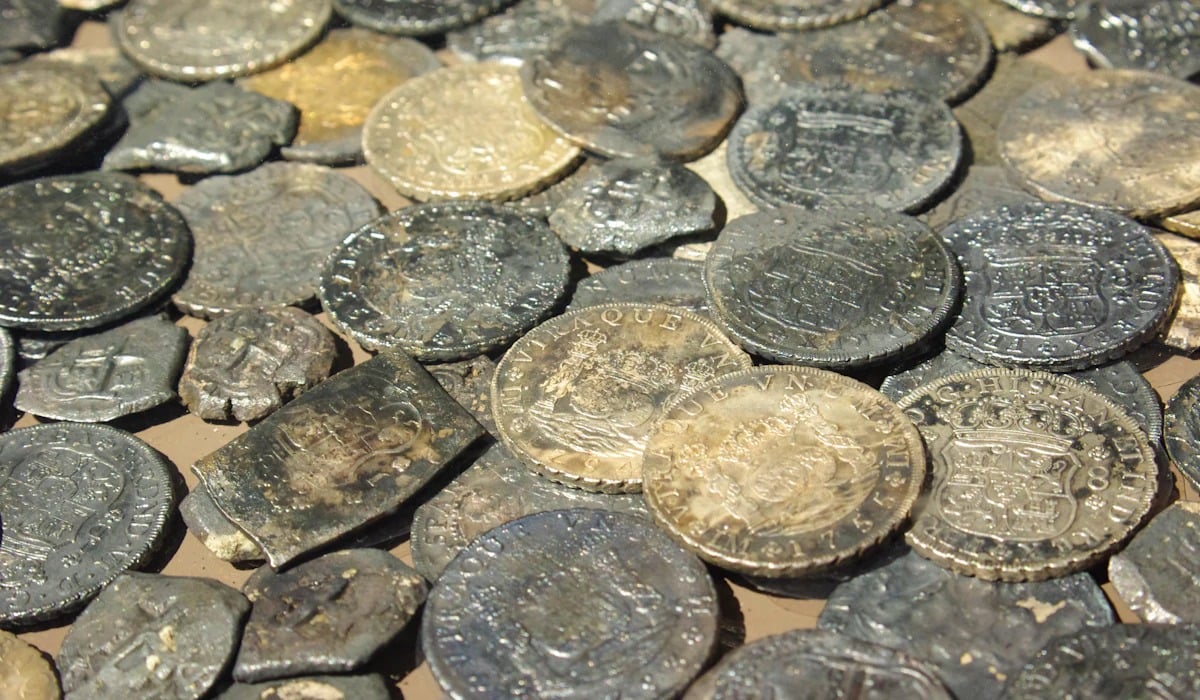
Two metal detectorists found this hoard near Harrogate, England, in 2007. It included a silver cup of continental Carolingian origin, which had been used to hold the treasure when it was buried.
The coins and objects inside came from across the Viking and Anglo-Saxon worlds. British museums later raised more than £1 million to keep the hoard in Yorkshire.
The Spillings Hoard of Gotland
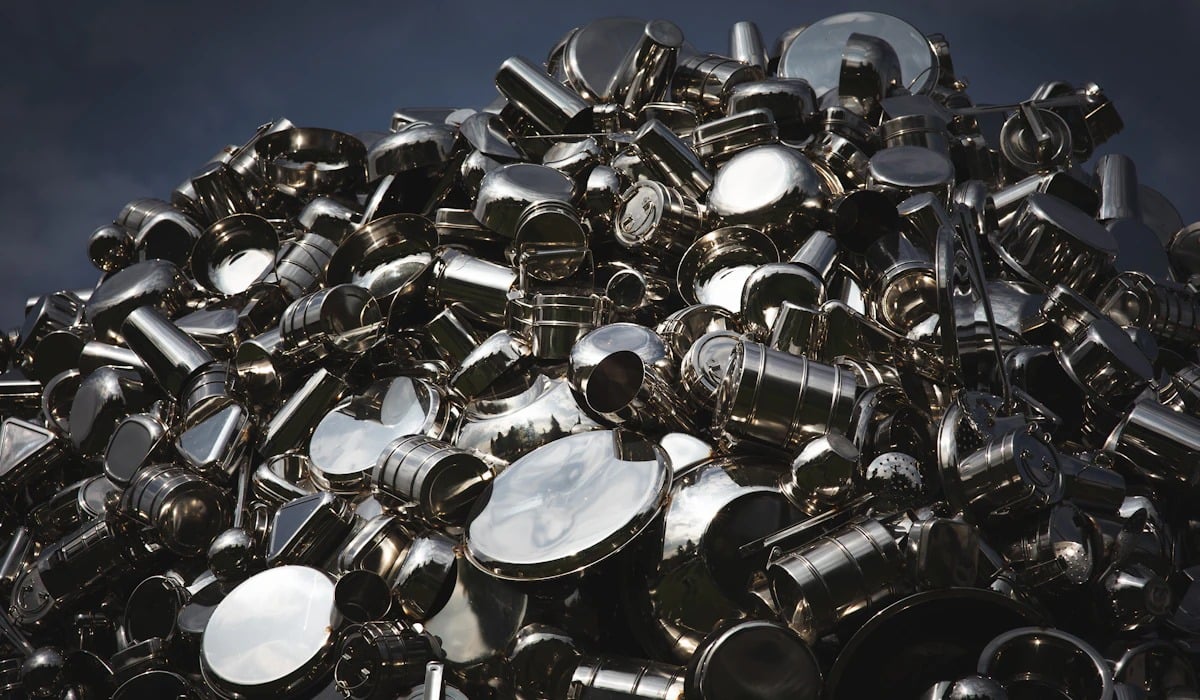
Discovered at Spillings farm on the Swedish island of Gotland, this deposit has been described as the largest Viking Age silver hoard ever found. It held a vast amount of silver in the form of coins and heavy jewelry.
Many of the coins were Arab dirhams, a reminder of how far east Viking trade reached. Researchers continue to study the objects because the hoard preserved so many different types of silver in one place.
The Gjermundbu Helmet From Ringerike

A burial mound at Gjermundbu in Ringerike, Norway, yielded an iron helmet that counts among the very few Viking Age helmets ever found in nearly complete form. It has a rounded cap and a spectacle-shaped guard around the eyes.
The same grave held weapons and armor, suggesting a warrior of real standing. Despite popular imagery, nothing about it has horns.
The Tiny Silver Figure Found at Lejre

A small silver figurine was discovered near Lejre, Denmark, and became known as the Odin from Lejre. It shows a seated figure on a high-backed chair with a bird on each armrest.
Many scholars read it as Odin on his throne, while others argue the long dress and posture point to a woman, perhaps a goddess. Lejre was a major royal center, which only adds to the mystery.
The Birka Ring Inscribed With Arabic Script
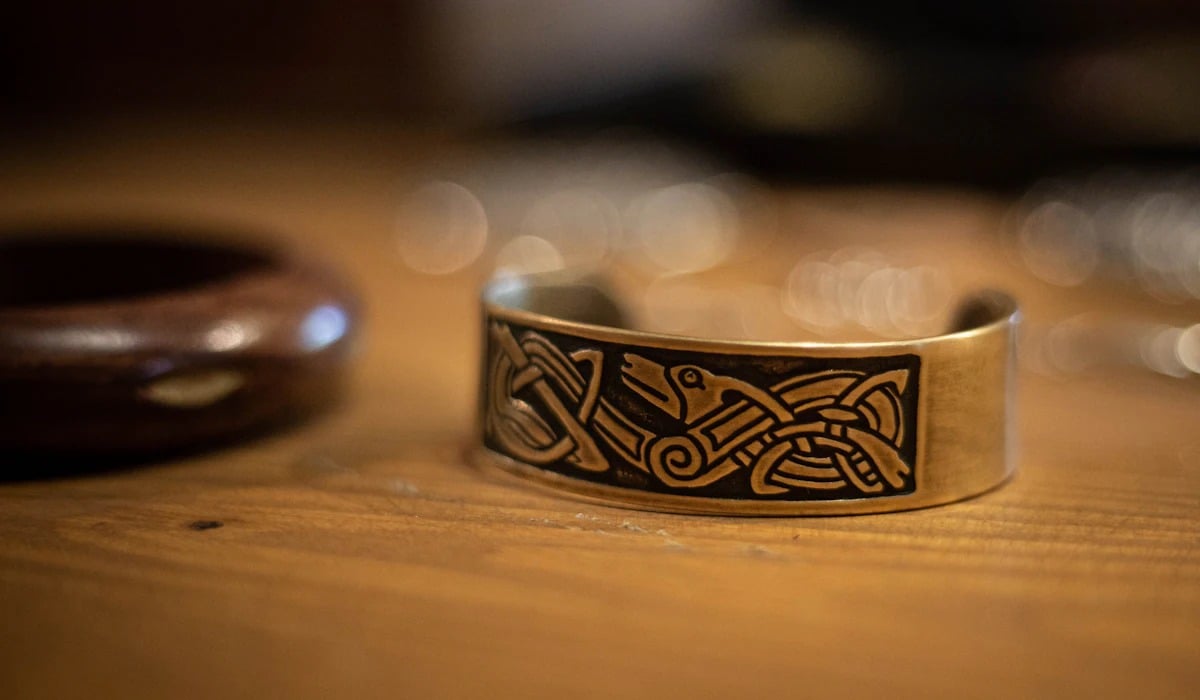
In the nineteenth century, excavators at the Viking trading town of Birka, Sweden, lifted a silver ring from a woman’s grave. Researchers published an analysis of the ring in 2015 and reported that its glass setting carried an Arabic inscription interpreted as meaning “for Allah.”
The setting is colored glass, not amethyst. The ring shows that objects from the Islamic world were reaching Scandinavia during the Viking Age.
It also raises questions about what a woman buried in Sweden understood about the words on her finger.
The Birka Warrior Who Turned Out to Be a Woman
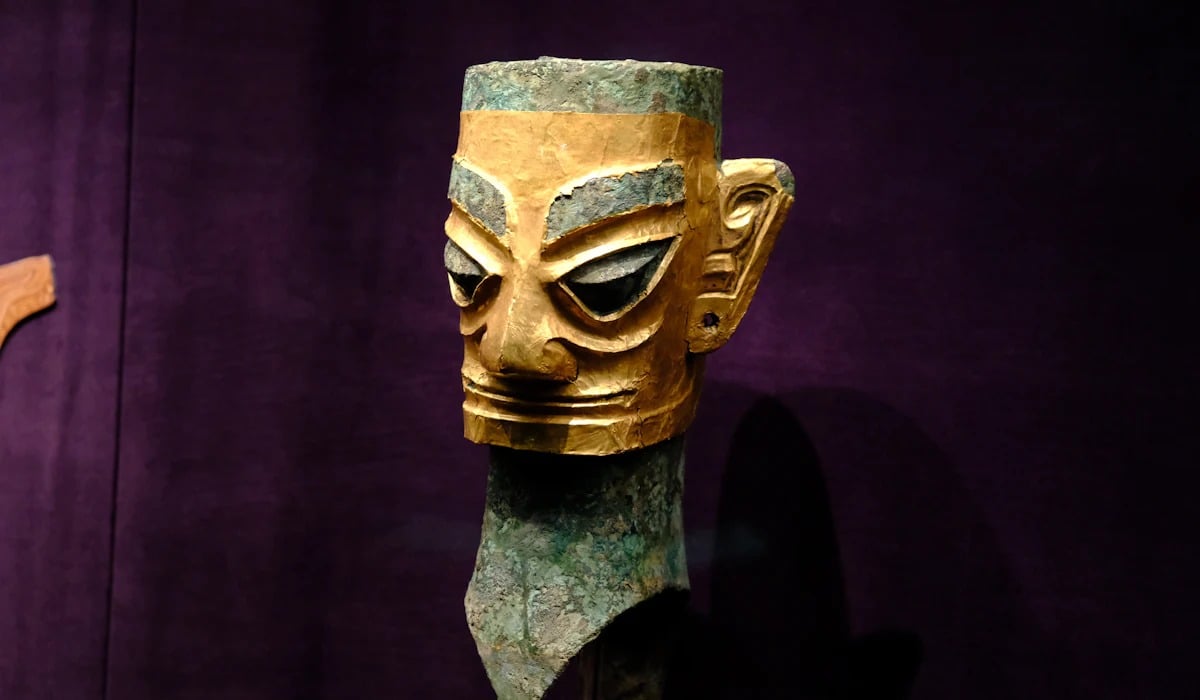
Archaeologist Hjalmar Stolpe excavated a lavish grave at Birka, Sweden, in the nineteenth century and assumed its occupant was a male warrior. The grave held weapons and a gaming set, items long associated with a high-ranking fighter.
Genome analysis published in 2017 showed the skeleton was biologically female. The finding set off a lasting debate about how Viking society treated gender and rank.
The Butternuts of L’Anse aux Meadows

Helge Ingstad and Anne Stine Ingstad located the Norse site at L’Anse aux Meadows, Newfoundland, in 1960. Excavations turned up evidence of buildings of a distinctly Norse design, confirming a Viking presence in North America.
Butternuts found at the site do not grow that far north, suggesting someone had traveled farther south. A study published in 2021 dated cut marks on wood from the site to the year 1021, providing a precise date for Norse activity there.
The Ulfberht Swords and Their Mystery Steel
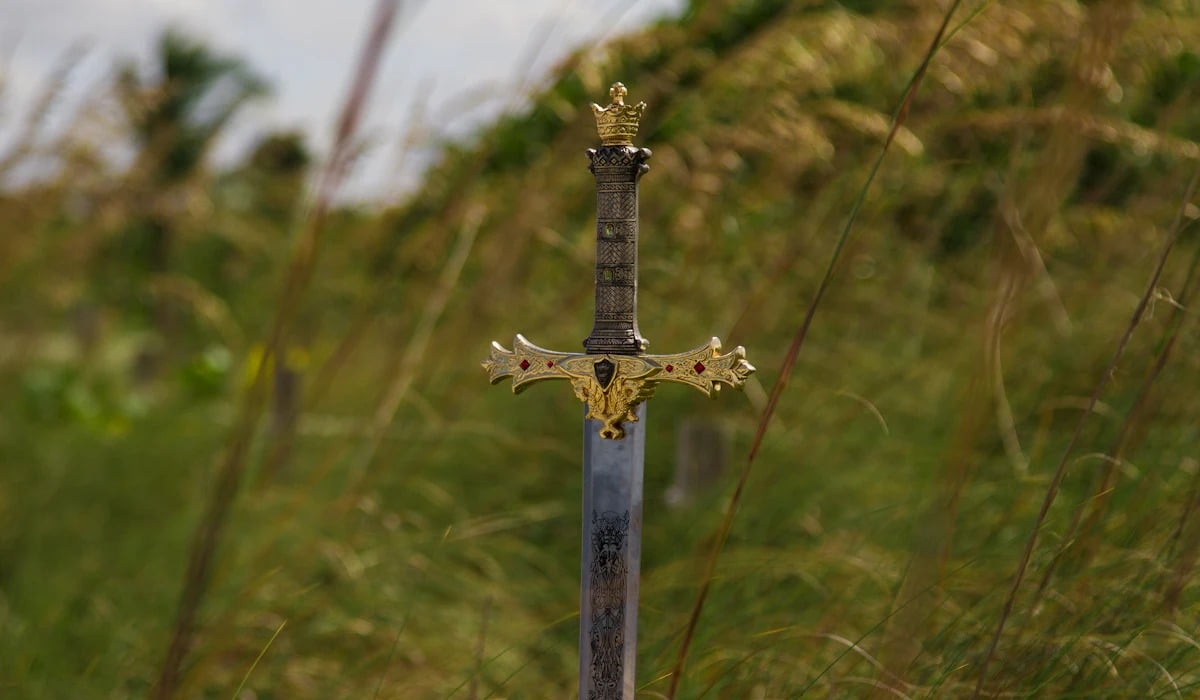
Hundreds of medieval swords carry the inscription +VLFBERH+T, found in rivers, graves, and fields across Europe. Metallurgical studies suggest that some of the best examples were made from high-carbon crucible steel, likely obtained through long-distance trade.
This material was unusual in western European swordmaking at the time, although the blades vary in quality. Many blades are of poorer quality and carry misspelled inscriptions, hinting that imitators were already copying the brand.
The name remains a puzzle, since no one knows who Ulfberht really was.
The Ladby Ship That Left Only a Ghost
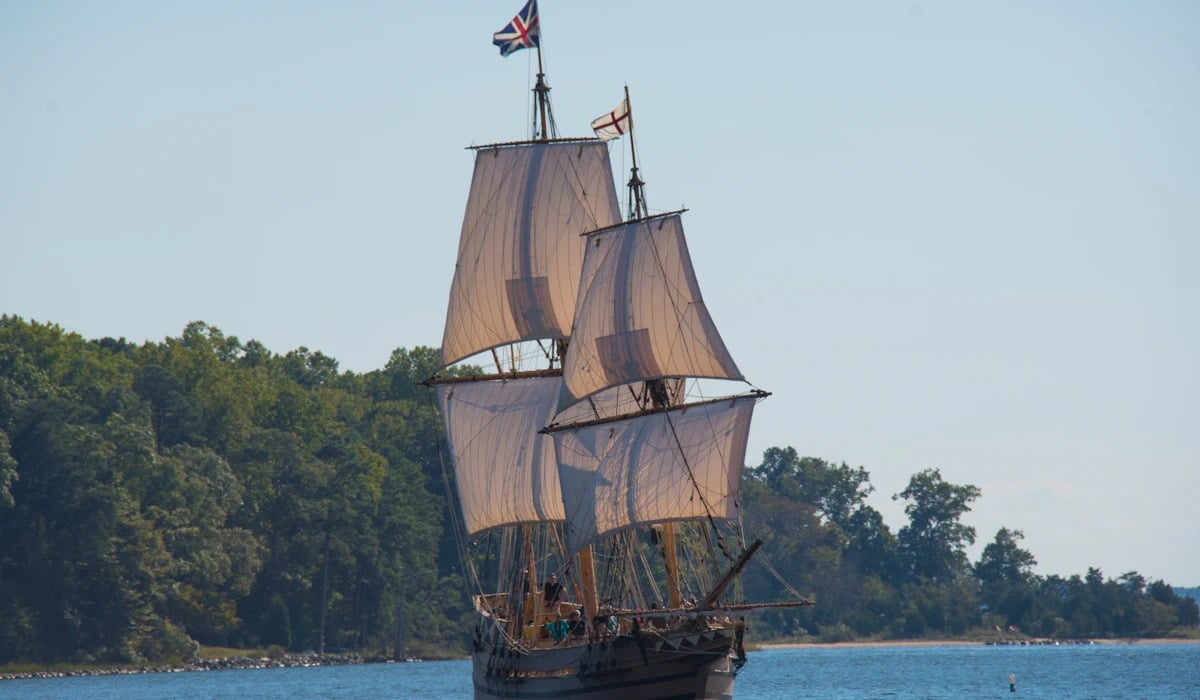
A ship burial near Kerteminde on the Danish island of Funen was excavated in the 1930s. The wooden hull had long since rotted away, leaving only an outline of iron rivets pressed into the soil.
A chieftain had been buried there with animals, though the grave had been broken into long ago. It remains Denmark’s only known Viking Age ship burial.
The Great Army’s Graves at Repton
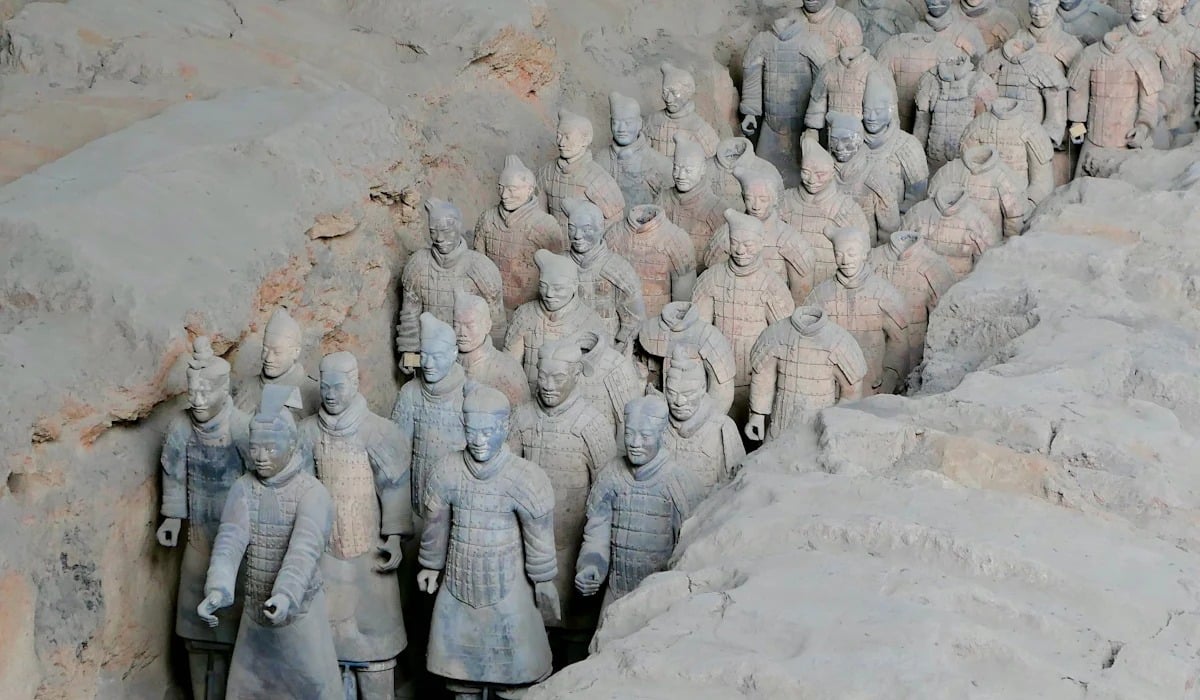
Excavations at Repton, Derbyshire, uncovered evidence of the winter camp of the Viking Great Army in the 870s. The archaeologists found a burial with a sword and a Thor’s hammer pendant.
Nearby lay a charnel deposit holding the bones of many individuals, which later radiocarbon work helped place in the era of the Great Army. The site revealed how an invading force turned a church into a fortified base.
The Torksey Camp Found by Detectorists

At Torksey, Lincolnshire, the Great Army spent the winter of 872 and 873. Metal detectorists working the fields uncovered hacksilver, coins, and gaming pieces, which archaeologists then mapped.
The scattered items showed that the camp was a trading and manufacturing site as much as a military one. The finds gave researchers a rare look at the daily routines of the army.
The Lloyds Bank Coprolite of York
During a 1972 dig at the Lloyds Bank site in York, archaeologists found a large lump of preserved human feces. It dates to the Viking Age city of Jorvik.
Analysis of the sample revealed the eggs of intestinal parasites, giving direct evidence of the diet and health of a medieval resident. The find later became a famous exhibit at the Jorvik Viking Centre.
The Five Ships of Skuldelev

Five Viking ships were excavated from Roskilde Fjord, Denmark, in the 1960s. They had been deliberately sunk to block the channel and protect Roskilde from raiders.
The five vessels included warships, a cargo ship, and a smaller craft, giving a rare cross-section of Viking shipbuilding. Replicas of these vessels have since sailed the seas to test how they handled.
Roskilde 6, the Giant Longship
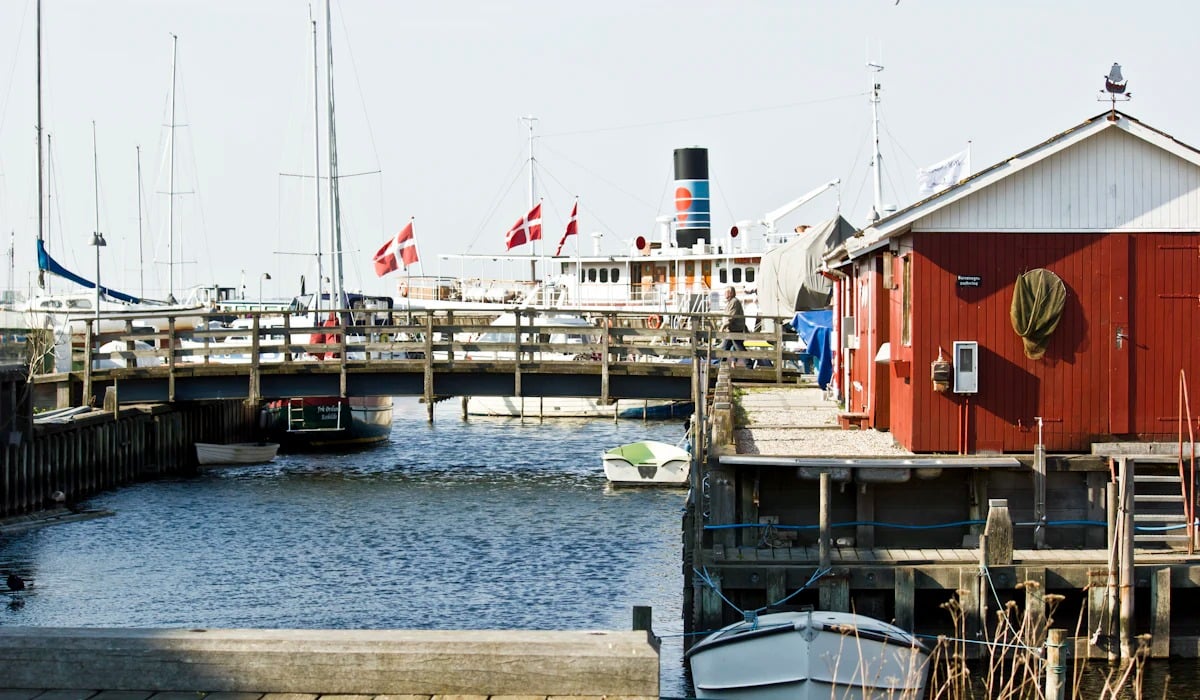
During harbor construction at Roskilde, Denmark, workers found the remains of another large vessel. Known as Roskilde 6, it is among the longest Viking warships ever discovered.
Its size suggests a ship built for a powerful ruler rather than for a local chieftain. The discovery came decades after the Skuldelev ships were raised nearby.
The Gjellestad Ship Spotted by Radar
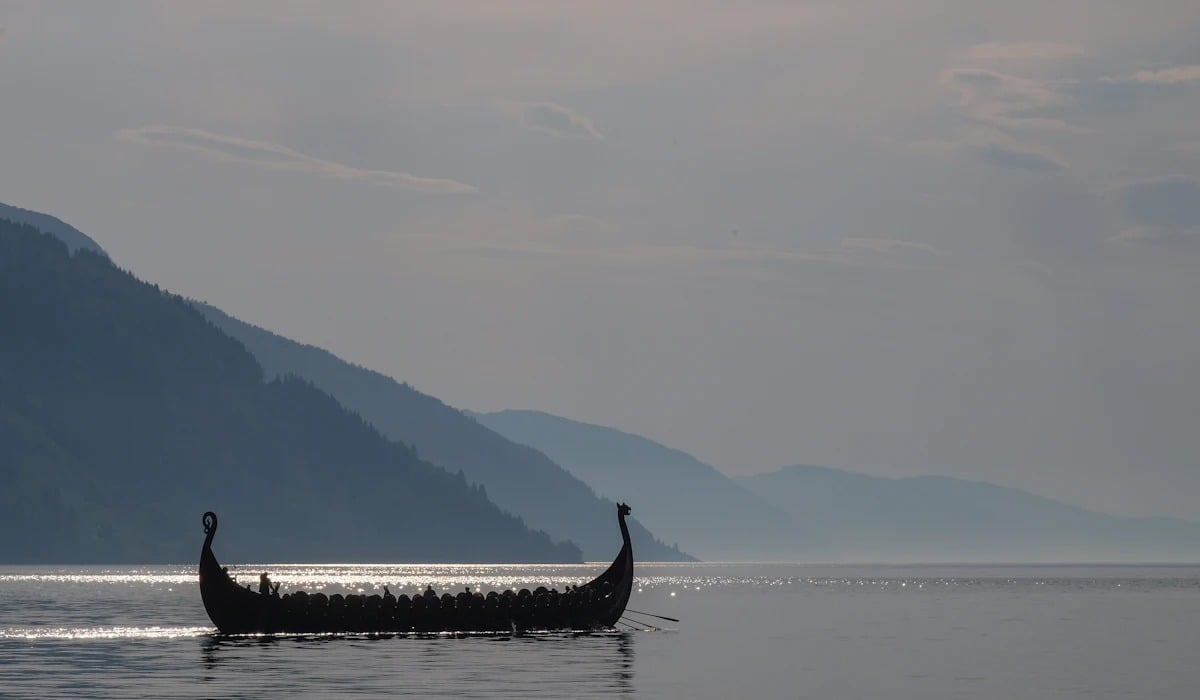
Ground-penetrating radar revealed the outline of a buried ship at Gjellestad, in southeastern Norway. Archaeologists excavated it in 2020 and found a vessel that had been placed in a burial mound.
The wood was badly decayed because of water, farming, and fungus over the centuries. The find showed how many ship burials might still lie undetected under Scandinavian fields.
The Scar Boat Grave on Orkney

A winter storm exposed a Viking boat burial in the dunes at Scar on the island of Sanday, Orkney. The boat held the remains of a man, a woman, and a child, buried with a sword and other grave goods.
The grave sat so close to the shoreline that further erosion could have swept it out to sea. Its discovery gave a rare glimpse of a Viking family buried together in Scotland.
The Hiddensee Gold Jewelry

In 1872, a collection of gold jewelry came to light on Hiddensee, a German island in the Baltic Sea. The hoard is often described as one of the most significant discoveries of Viking Age gold jewelry in Germany.
The pieces are often linked to the court of Harald Bluetooth, king of Denmark in the tenth century. Few Viking Age hoards contain so much gold rather than silver.
What the Ground Keeps Handing Back
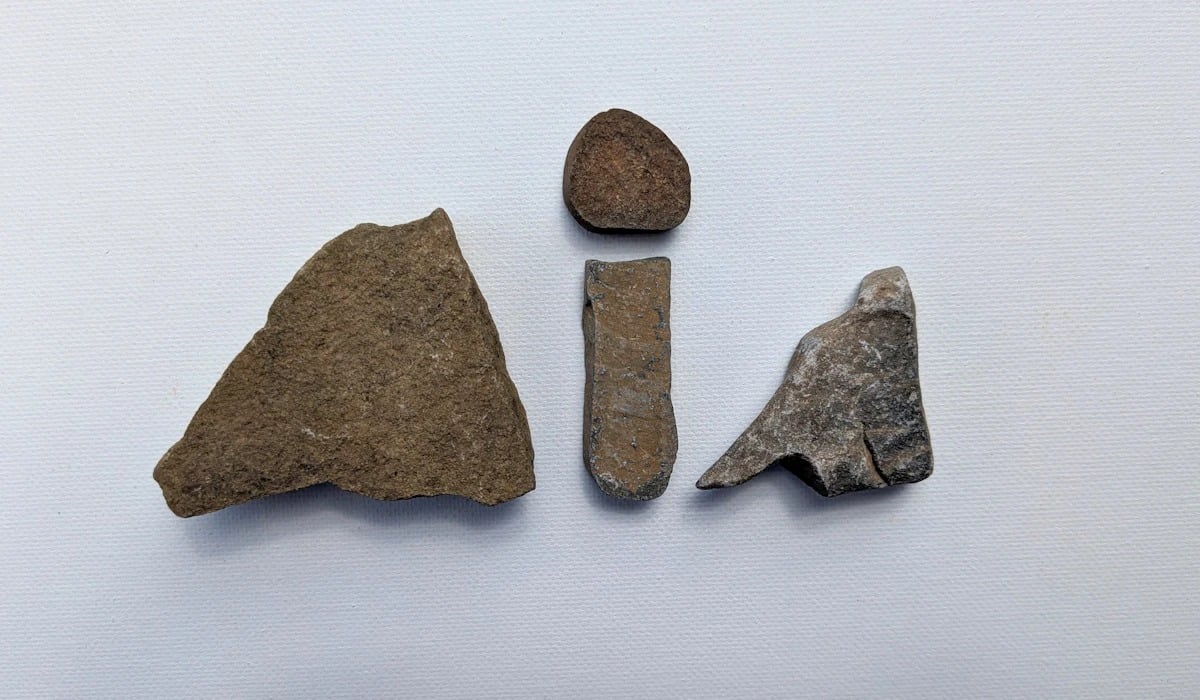
Most of these discoveries came by accident: a plow, a storm, a metal detector, a road project. That randomness is part of the story, because it means the known Viking world is only a sample of what once existed.
Each new find tends to overturn a comfortable assumption about who the Vikings were and where they went.
The pattern is likely to continue. Radar, DNA analysis, and hobbyist detectorists are finding things that earlier generations walked directly over.
The next great Viking discovery may already be sitting a few feet below somebody’s field.
MORE FROM GO2TUTORS!

- The Romanov Crown Jewels and Their Tragic Fate
- 13 Historical Mysteries That Science Still Can’t Solve
- Famous Hoaxes That Fooled the World for Years
- 15 Child Stars with Tragic Adult Lives
- 16 Famous Jewelry Pieces in History
Like Go2Tutors’s content? Follow us on MSN.