Strange Tasks Royal Servants Perform
Working for royalty means stepping into a world where tradition trumps common sense and protocol matters more than practicality. Behind the gilded gates and marble corridors, an army of servants carries out duties that would seem absurd in any other workplace.
These aren’t your typical household chores or administrative tasks — they’re bizarre remnants of centuries-old customs that have somehow survived into the modern era. From the person whose sole job is to squeeze toothpaste onto the royal toothbrush to the individual who must walk backward everywhere they go, royal service demands a special kind of dedication.
These roles exist because monarchy itself is performance art, and every detail must be choreographed to maintain the illusion of divine authority.
The Toothpaste Squeezer

Someone actually gets paid to squeeze toothpaste. Not manage a household budget or coordinate state dinners — just squeeze paste onto a brush every morning and evening.This person knows exactly how much pressure to apply, which direction to squeeze from, and the precise angle the tube should rest at afterward.
They’ve probably squeezed more toothpaste with professional precision than most dentists see in a decade.
Swan Marker

(The Crown owns all unmarked swans in open water, which means someone has to mark them — a task that sounds simple until you consider that swans are notoriously aggressive and marking them requires catching them first.) This ancient role dates back to the 12th century when swan meat was considered a royal delicacy, and while the culinary aspect has largely disappeared, the marking tradition continues because, well, tradition.
Swan marking involves rowing down the Thames each July, capturing cygnets, weighing them, measuring them, and placing rings on their legs — all while avoiding the wrath of protective parent swans who can break human bones with their wings. And yes, there’s an official ceremony for this called Swan Upping, complete with traditional uniforms and formal protocols that must be followed to the letter, because apparently even swan harassment requires proper etiquette.
The Royal Piper
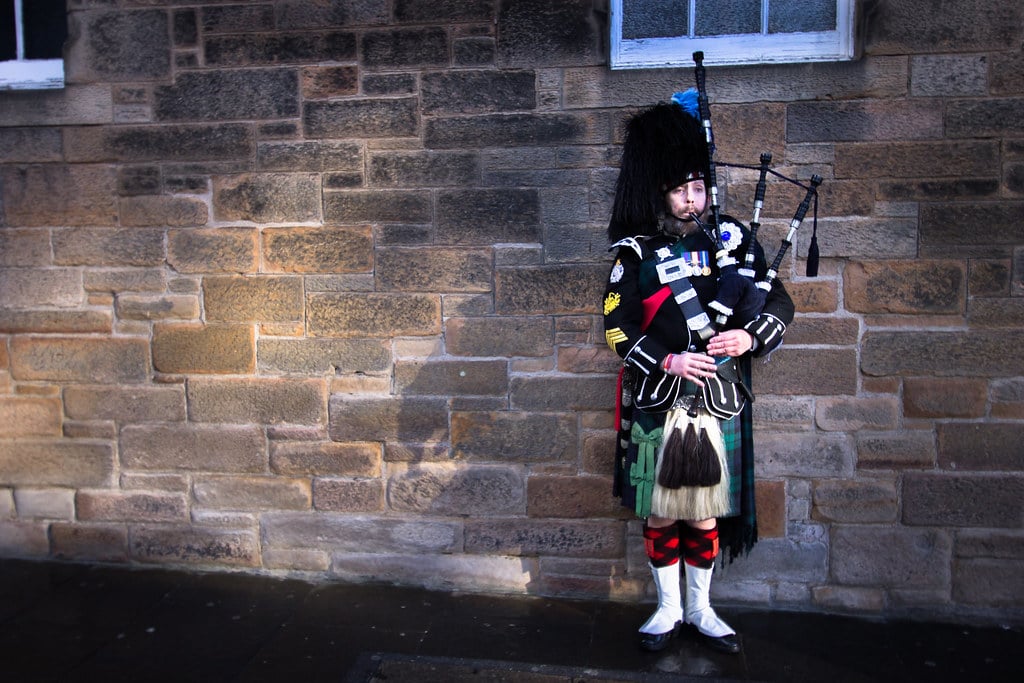
Every morning at 9 AM sharp, a bagpiper stands beneath the Queen’s window and plays for exactly fifteen minutes. Rain or shine, hangover or health, the pipes must sound.
This tradition started with Queen Victoria, who developed a fondness for Highland music. The piper doesn’t get to choose the songs — there’s an approved repertoire of Scottish airs and marches that have been played for over a century.
The strangest part isn’t the daily performance itself. It’s that the piper must memorize the exact walking pattern around the grounds, stopping at predetermined spots for specific measures of each tune.
Clockmaster
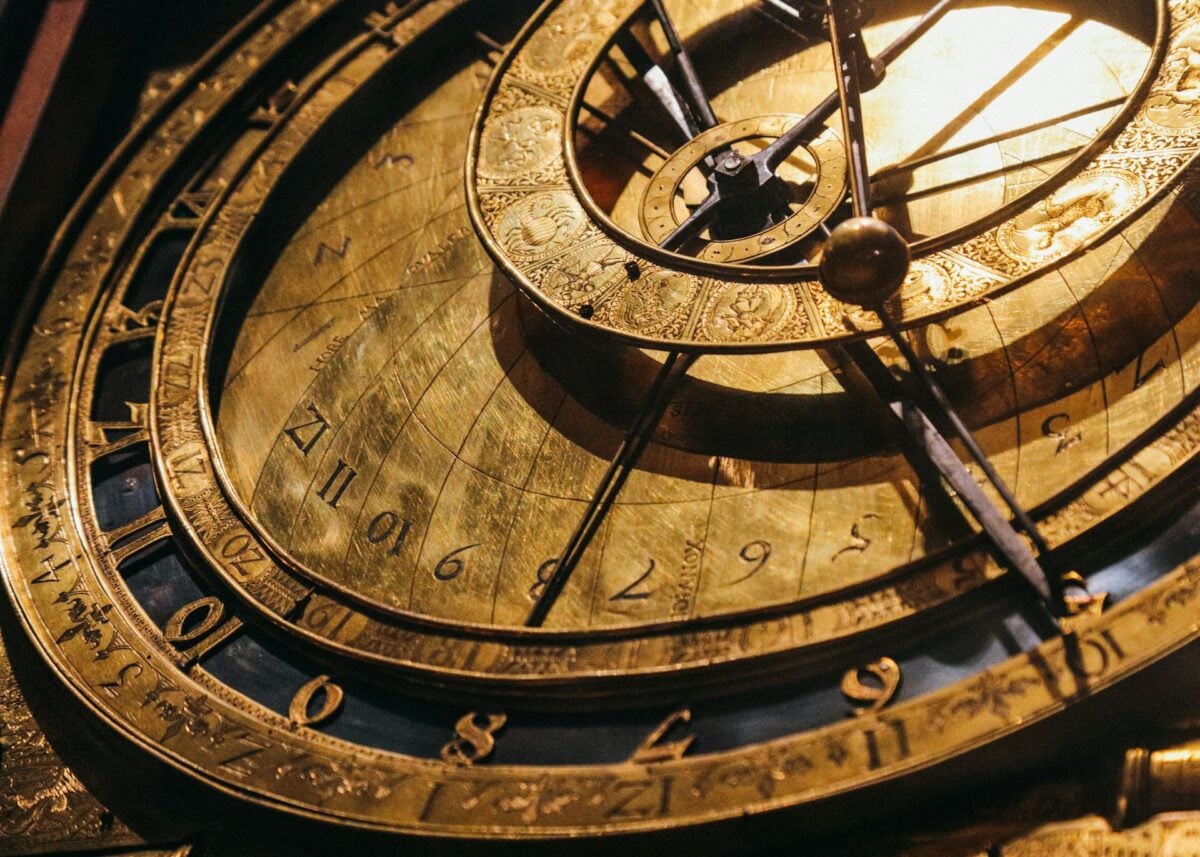
Royal residences contain hundreds of antique clocks, each requiring individual attention. The clockmaster doesn’t just wind them — they must ensure every timepiece shows the exact same time, down to the second.
This person spends their days walking predetermined routes through palace corridors, adjusting mechanisms that were built before electricity existed. Some clocks require winding every day, others weekly, and a few run on monthly cycles.
The Corgi Walker

Walking the royal dogs sounds pleasant enough until you learn the protocols involved. Each corgi has its own leash (no sharing), specific walking routes they prefer, and dietary restrictions that must be monitored during walks.
The walker carries a detailed chart noting which dog prefers which path, how long each walk should last, and what to do if two corgis get into a disagreement. There are backup routes planned for rainy days and alternative schedules for when visiting dignitaries are present.
Food Taster

Poison paranoia never went out of style in royal circles — it just got more sophisticated, like a sommelier’s approach to potential death, where every meal becomes an elaborate ritual of mistrust dressed up as tradition. The food taster doesn’t just take a bite and wait; they must sample each dish in a specific order, wait prescribed intervals between tastes, and follow detailed protocols for different types of cuisine that read like a chemistry textbook written by someone deeply afraid of their dinner.
It’s a job that transforms every meal into a performance of mortality, where someone else’s appetite becomes your occupational hazard, and the phrase “how’s your dinner” carries weight that most people never have to consider. The taster knows the menu better than the chef, understands the timing of each course better than the servers, and approaches food with the kind of clinical attention usually reserved for laboratory work.
Master of the Household’s Wine Cellar
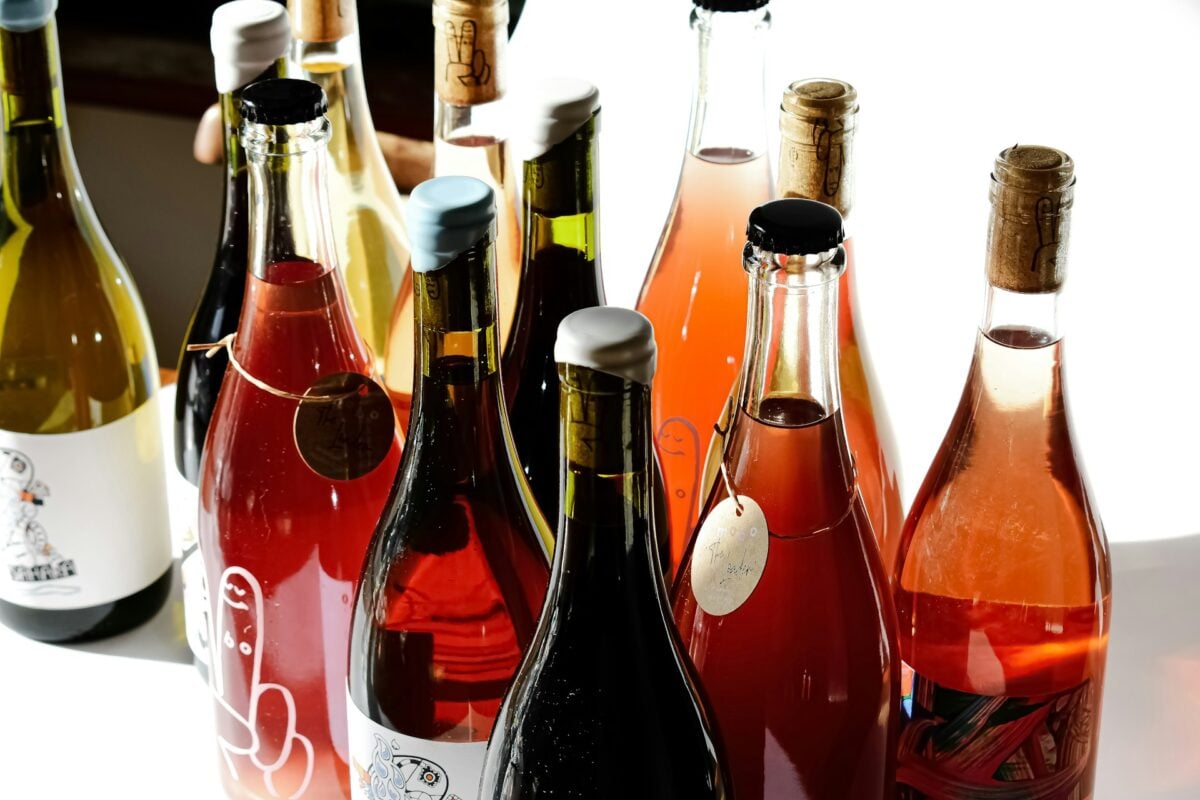
Royal wine collections require someone who can distinguish between vintages that cost more than most people’s cars. This person doesn’t just manage inventory — they curate liquid history.
Every bottle has provenance documentation, optimal serving temperatures, and specific glasses designated for its consumption. The wine master knows which bottles were gifts from which heads of state and exactly when each should reach peak maturity.
The real expertise lies in matching wines to visiting dignitaries’ tastes while navigating diplomatic sensitivities about which countries’ vintages can be served together.
Royal Bedsheet Folder

Someone’s entire job revolves around folding sheets. Not just any sheets — royal linens require precise creasing patterns that have remained unchanged for generations.
Each sheet must be folded the same way, stored in the same position, and rotated through use according to schedules that account for thread count, seasonal weight, and which royal family member will be using them. The folder knows the difference between sheets designated for state visits versus family use.
The Dress Rehearser

Before any royal outfit appears in public, someone else wears it first. This person has measurements identical to their royal counterpart and spends hours testing how garments move, sit, and photograph under various conditions.
They practice walking in each pair of shoes, sitting in every skirt, and waving in each jacket to ensure no wardrobe malfunctions occur during public appearances. The dress rehearser knows how each outfit photographs from every angle and which accessories create unwanted shadows.
Master of Horse Transportation
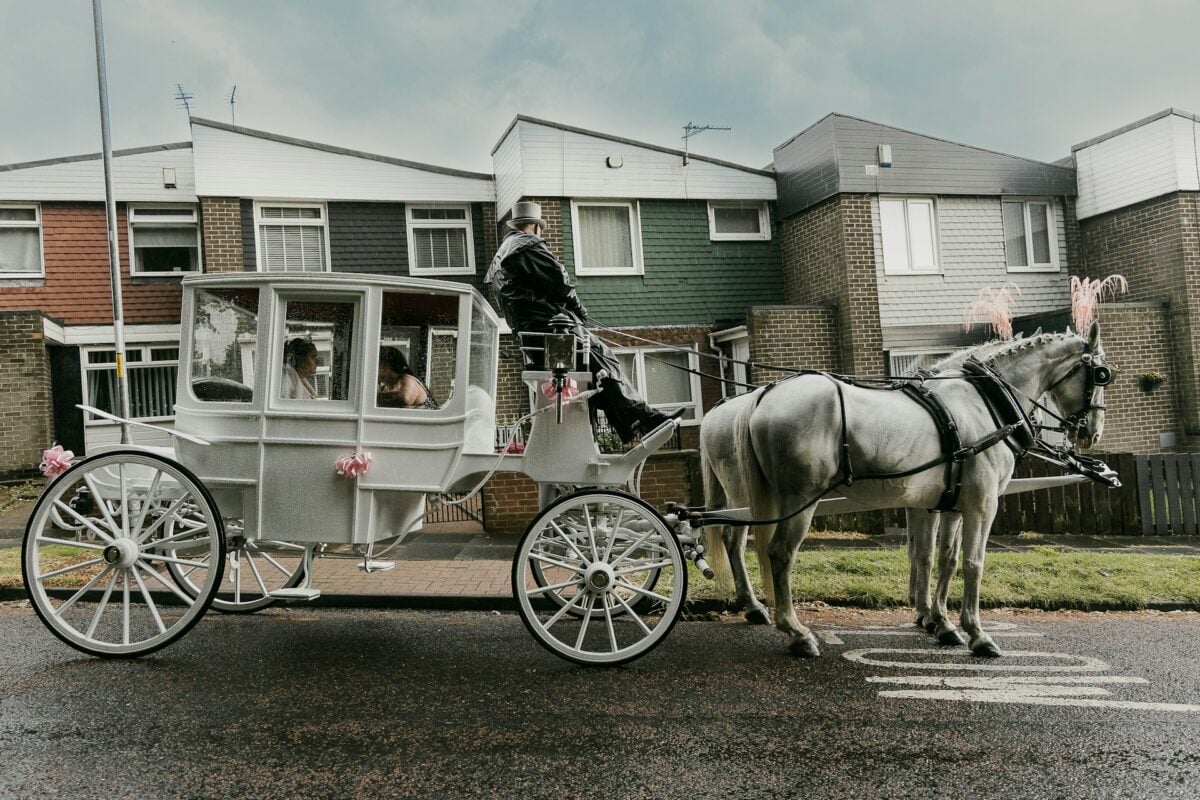
Modern royal stables still employ someone whose primary responsibility is maintaining carriages that see use maybe twice per year. These aren’t museum pieces — they’re working vehicles that must be road-ready for state occasions.
This person knows the maintenance schedules for wheels that were crafted using centuries-old techniques, how to preserve leather that costs more per square foot than most people’s rent, and the proper protocols for hitching horses that have been trained specifically for ceremonial duties.The strangest aspect is the emergency protocols.
There are backup carriages, backup horses, and detailed contingency plans for mechanical failures during state processions.
Royal Watcher
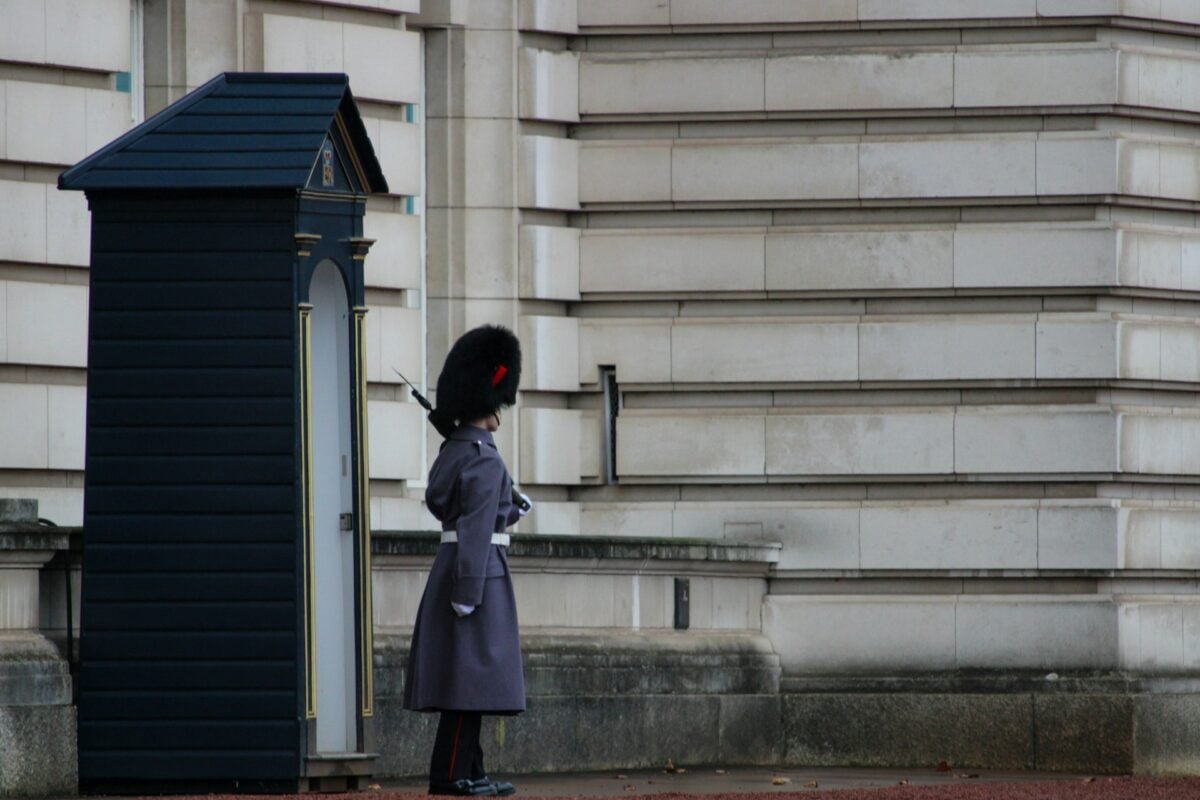
Someone sits in the palace throughout the night, ensuring the royal family sleeps undisturbed. Not security — that’s handled separately.
This person monitors household functions, responds to any requests, and maintains vigilance over domestic details.They know which family members are light sleepers, who might need assistance during the night, and how to move through the palace without creating any sound.
The night watcher coordinates with kitchen staff for unusual requests and ensures appropriate staff are available if needed.
Flag Protocol Specialist
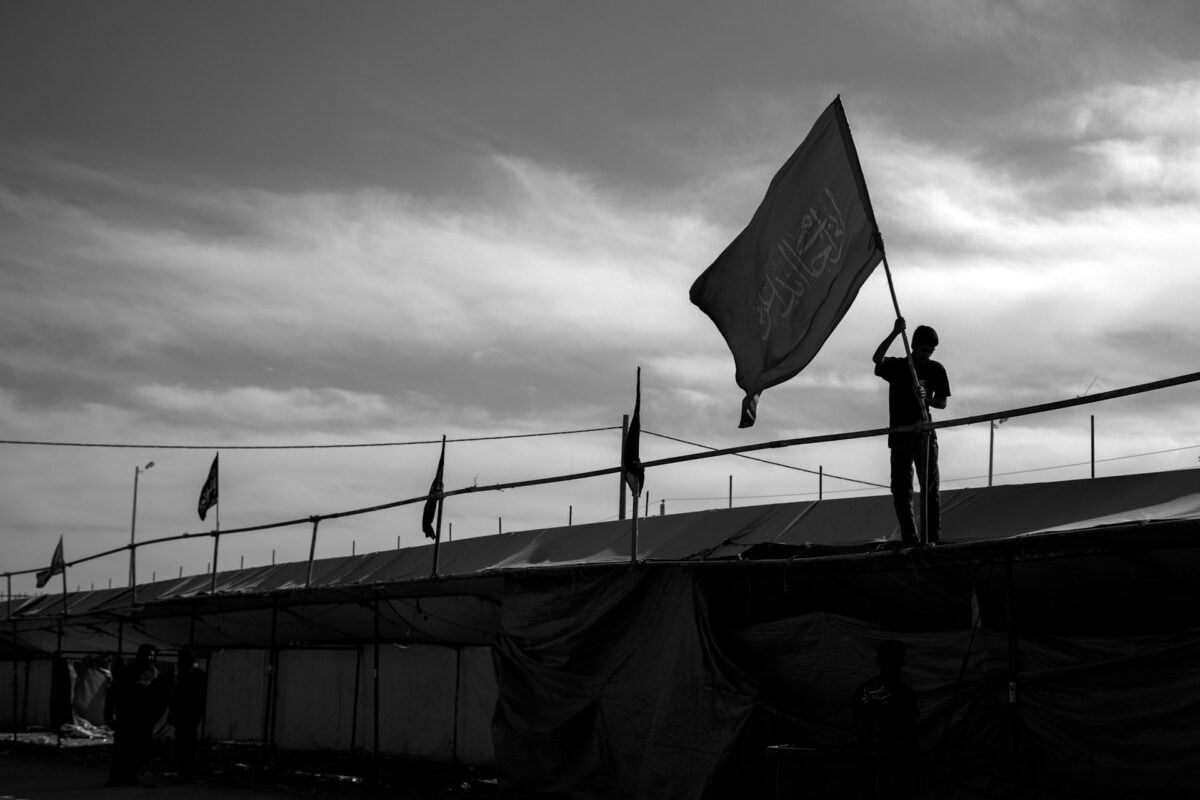
Royal residences fly different flags depending on who’s present, what day it is, and which ceremonies are occurring. Someone must ensure the correct flag flies at the correct time, raised and lowered according to precise protocols.
This person maintains detailed schedules of which flags are appropriate for which occasions, how they should be folded when not in use, and the proper ceremonies for raising or lowering them. Weather conditions affect flag protocols, as do visits from foreign dignitaries who bring their own flag requirements.
The Royal Button Polisher
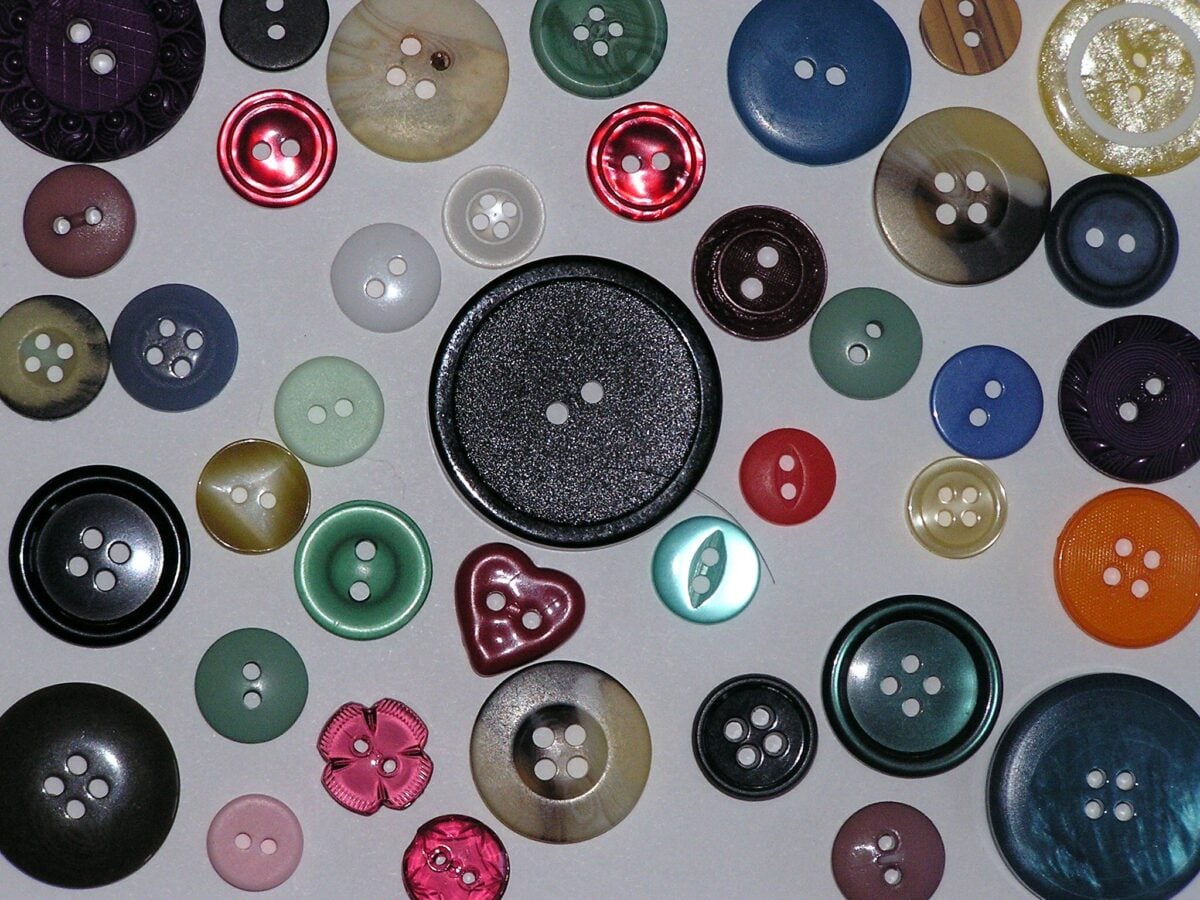
Every button on every royal garment receives individual attention from someone whose sole expertise lies in metalwork maintenance. Military dress uniforms alone contain hundreds of buttons, each requiring specific polishing techniques depending on the metal composition.
This person knows which polishes work on which metals, how to clean intricate designs without damaging detailed work, and the proper storage methods to prevent tarnishing. They maintain supplies of polishing cloths designated for different types of buttons and keep detailed records of which garments require attention on which schedules.
A Life Measured in Details
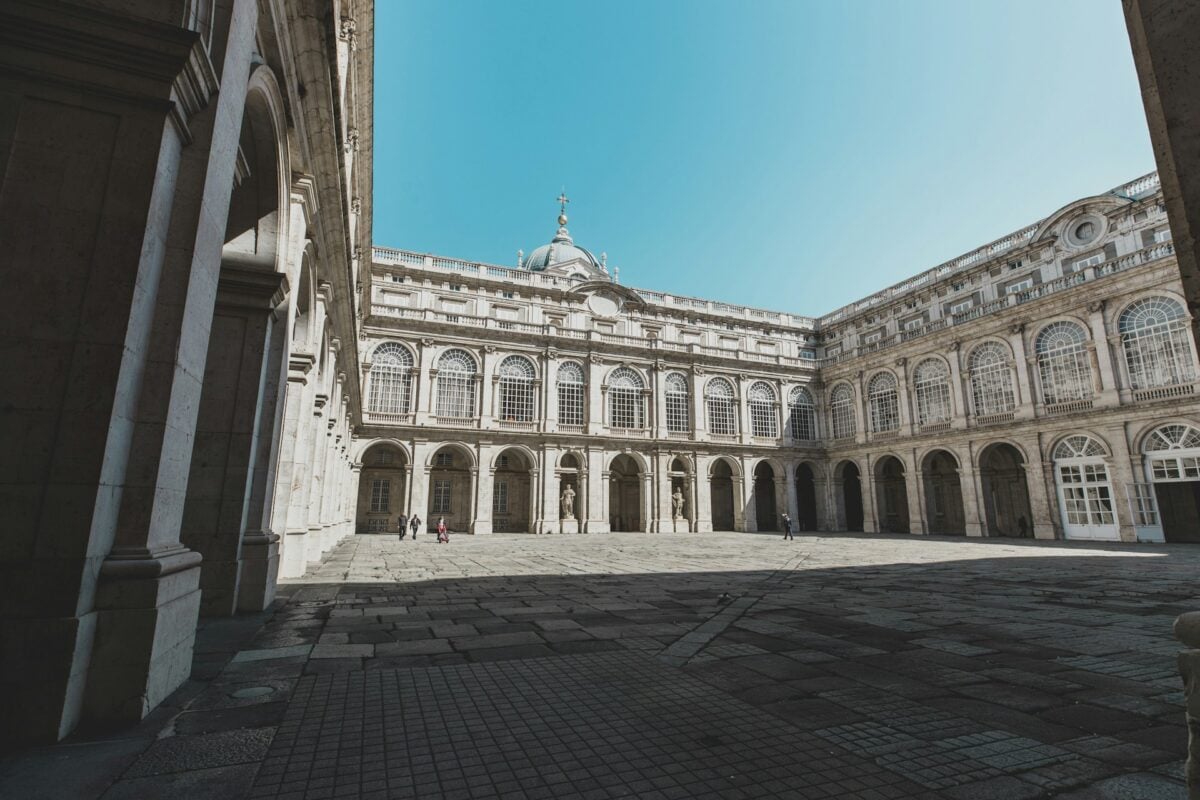
These roles exist because monarchy operates on the principle that perfection in small things creates the illusion of divine order. Every strange task serves the larger performance of royal authority, where nothing can be left to chance and every detail must reinforce the carefully constructed image of effortless superiority.
The servants who perform these duties aren’t just employees — they’re custodians of an elaborate fiction that requires absolute commitment to absurd precision.
More from Go2Tutors!

- The Romanov Crown Jewels and Their Tragic Fate
- 13 Historical Mysteries That Science Still Can’t Solve
- Famous Hoaxes That Fooled the World for Years
- 15 Child Stars with Tragic Adult Lives
- 16 Famous Jewelry Pieces in History
Like Go2Tutors’s content? Follow us on MSN.



