16 Codebreakers Who Changed the Course of Wars
Throughout history, wars have been won not just on battlefields but in quiet rooms where brilliant minds cracked enemy codes. These unsung heroes wielded pencils and mathematics like weapons, turning encrypted messages into strategic advantages that could shift entire conflicts. From ancient cipher wheels to modern computer algorithms, codebreakers have consistently proven that information truly is power in warfare.
The art of breaking codes has evolved dramatically over the centuries, though the impact remains constant. Here is a list of 16 codebreakers whose intellectual prowess literally changed the course of major wars.
Alan Turing

Turing’s work at Bletchley Park during World War II fundamentally altered the war’s trajectory. His improvements to the Enigma-breaking machine — called the Bombe — helped decrypt thousands of German communications daily.
Historians estimate that his contributions shortened the war by at least two years, saving countless Allied lives in the process.
Marian Rejewski

This Polish mathematician cracked the German Enigma machine years before World War II even began. Working in secret from 1932 to 1939, Rejewski and his team figured out Enigma’s internal wiring and daily key systems.
When Poland fell, they shared their breakthroughs with Britain and France — laying the groundwork for all future Enigma decryption efforts.
Colossus Team
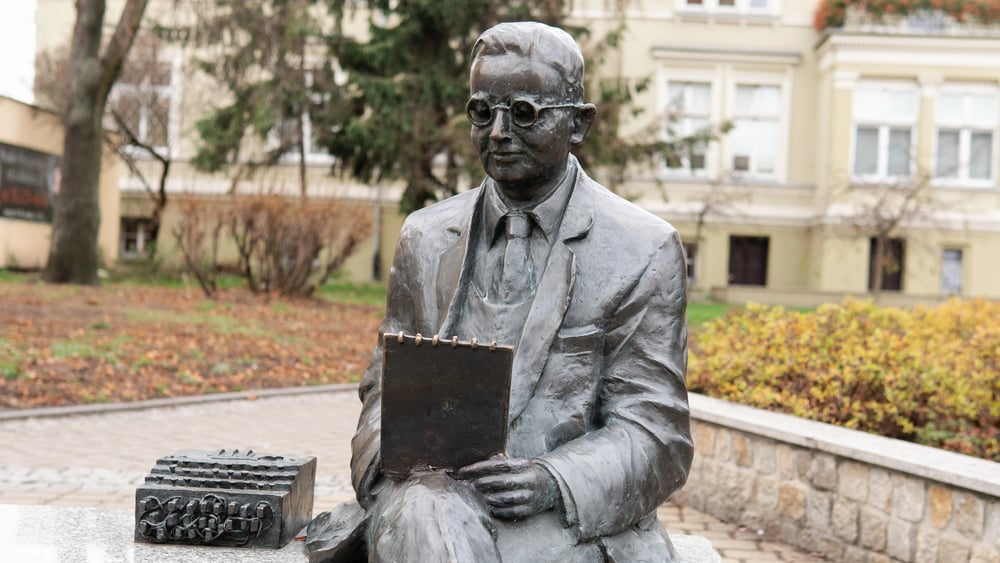
The programmers and engineers who built and operated Colossus, the world’s first programmable electronic computer, tackled Germany’s most complex cipher system. They broke the Lorenz cipher used for Hitler’s personal communications with his top generals.
Their work provided the Allies with unprecedented insight into German strategic planning during the war’s final years.
Herbert Yardley

Known as the father of American cryptanalysis, Yardley established the first official U.S. codebreaking organization during World War I. His team intercepted and decoded thousands of diplomatic cables — including crucial intelligence about German submarine warfare plans.
After the war, he continued breaking diplomatic codes, most notably cracking Japanese diplomatic ciphers during the 1921 Washington Naval Conference.
William Friedman
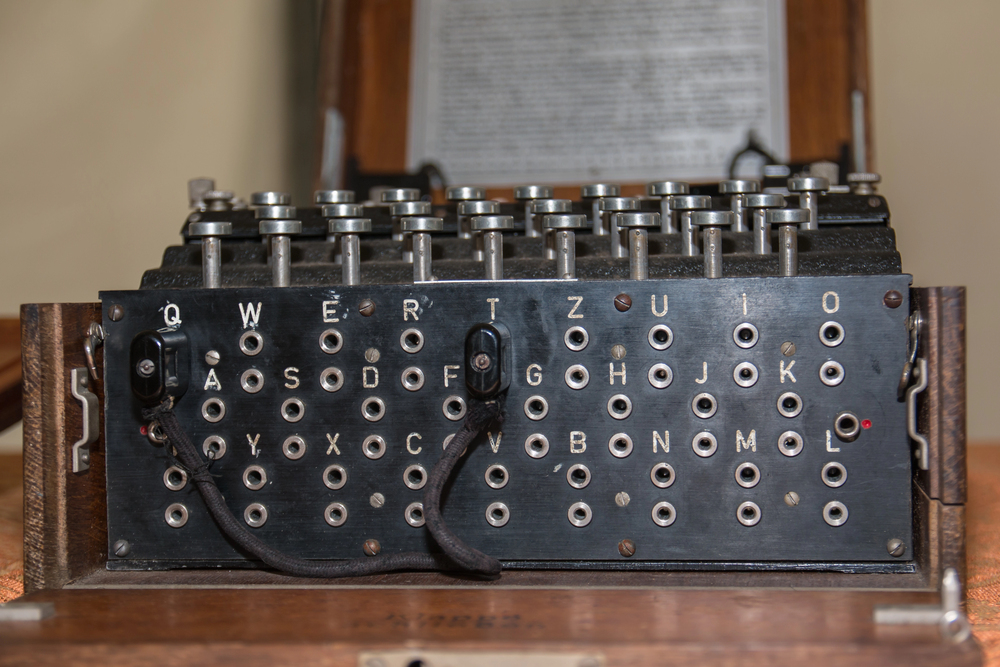
Friedman revolutionized American cryptography and trained generations of codebreakers. During World War II, he led the team that broke Japan’s Purple diplomatic cipher machine, giving the U.S. access to high-level Japanese diplomatic communications.
His systematic approach to cryptanalysis turned codebreaking from an art into a science.
Elizebeth Smith Friedman
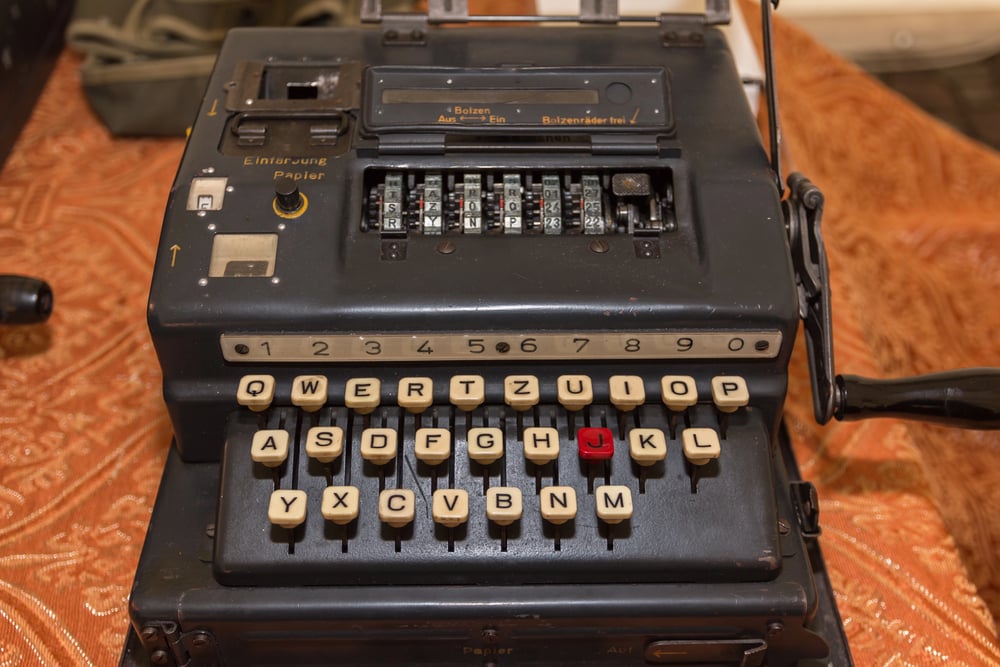
While her husband William gets most of the credit, Elizebeth was equally brilliant — breaking codes for multiple government agencies. During World War II, she single-handedly dismantled Nazi spy networks in South America by cracking their radio communications.
Her work intercepted over 4,000 radio transmissions and led to the arrest of numerous German agents.
Mavis Batey
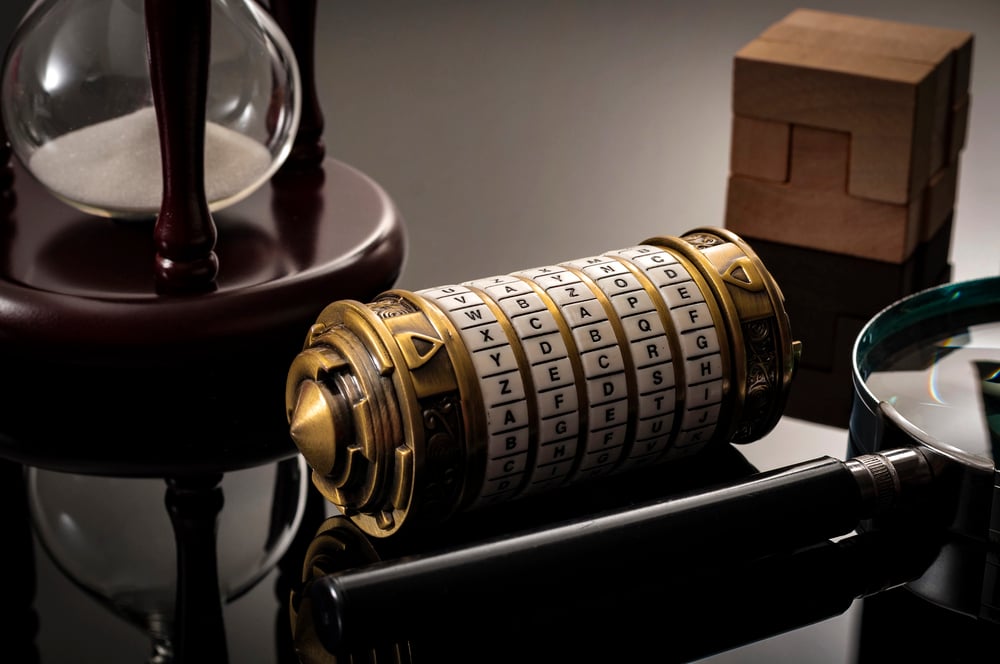
This British codebreaker specialized in Italian naval codes during World War II, providing crucial intelligence for Mediterranean operations. Her work helped secure Allied victories in several naval battles — including the critical Battle of Cape Matapan in 1941.
Batey’s decrypts revealed Italian ship movements and tactical plans, giving the Royal Navy decisive advantages.
Joe Rochefort
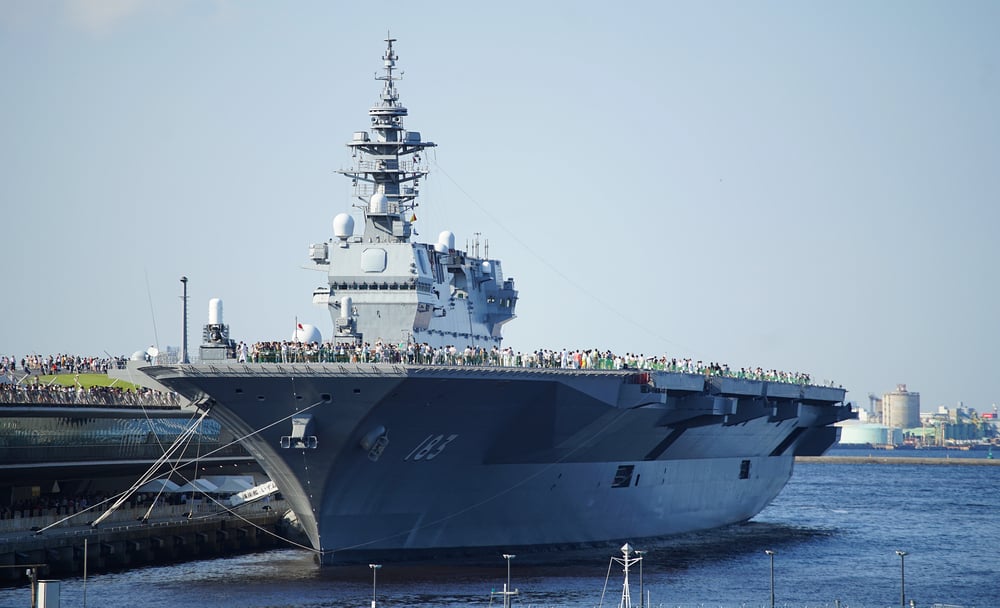
As head of Station HYPO in Hawaii, Rochefort broke Japanese naval codes that led to the decisive American victory at Midway. His team’s decryption of Japanese communications revealed the exact timing and location of the planned attack on Midway Island.
This intelligence allowed the U.S. Navy to position its forces perfectly — turning what could’ve been a devastating defeat into a war-changing victory.
Ann Mitchell

Mitchell led a team of female codebreakers who tackled Japanese diplomatic and military codes during World War II. Working in extremely classified conditions, her group processed thousands of intercepted messages daily.
Their work provided crucial intelligence about Japanese troop movements and strategic planning throughout the Pacific Theater.
Knox Brothers
Dillwyn and Frank Knox, along with their colleagues, formed the core of Britain’s early code breaking efforts. They worked on everything from German diplomatic codes to intercepted Bolshevik communications during the Russian Revolution.
Their pre-war intelligence gathering helped Britain understand German military capabilities — plus their intentions before World War II began.
Tadayoshi Nakajima

This Japanese codebreaker worked for the Imperial Navy’s communications intelligence unit during World War II. He successfully broke several Allied codes, including some American naval communications systems.
His work provided Japan with valuable intelligence about Allied ship movements and planned operations, particularly in the early stages of the Pacific War.
Arthur Scherbius
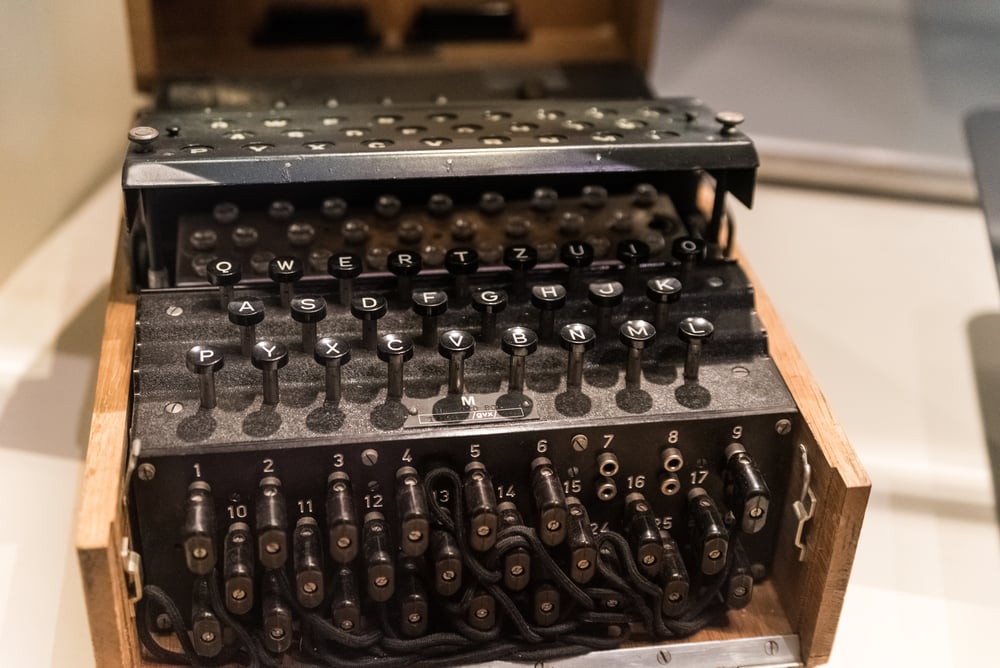
The inventor of the Enigma machine ironically became his own worst enemy when Allied codebreakers eventually cracked his creation. Scherbius designed Enigma to be unbreakable, yet flaws in its implementation and usage protocols made it vulnerable.
His machine’s widespread adoption by German forces made breaking it a top Allied priority.
Ruth Briggs
Working at Arlington Hall during World War II, Briggs specialized in breaking Japanese army codes. Her meticulous work on the Japanese diplomatic code system helped reveal Japan’s strategic thinking and diplomatic negotiations.
She continued her codebreaking career into the Cold War, working on Soviet communications systems.
Max Newman

Newman led the team that developed the theoretical foundation for Colossus, the world’s first programmable computer. His mathematical insights into the Lorenz cipher system made automated codebreaking possible.
Newman’s work bridged the gap between pure mathematics and practical cryptanalysis, creating methods still used today.
Genevieve Grotjan
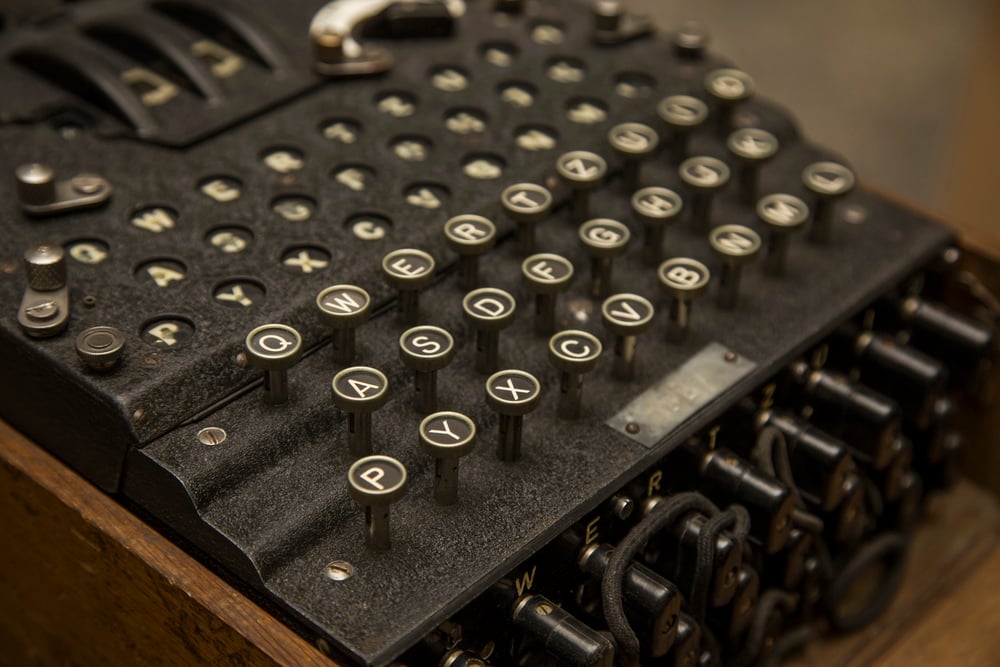
This American mathematician made the crucial breakthrough that led to cracking Japan’s Purple cipher system. Working with minimal resources and under intense pressure, she identified the key patterns that unlocked the entire system.
Her discovery gave the U.S. access to Japan’s most sensitive diplomatic communications throughout World War II.
Leo Rosen
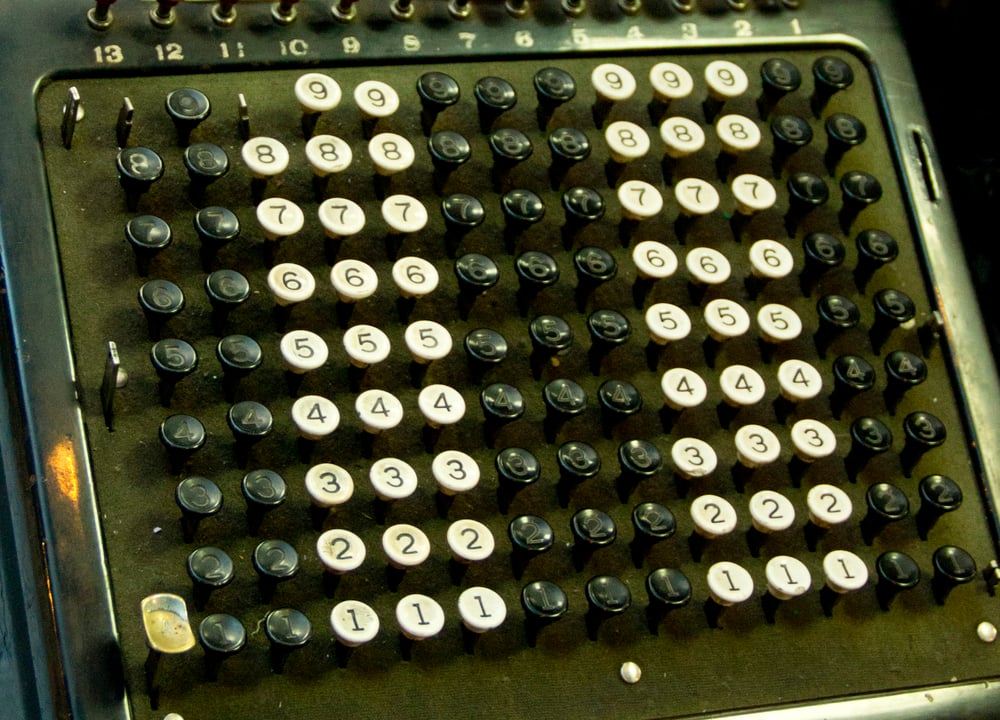
Rosen built the first American replica of Japan’s Purple cipher machine based solely on intercepted messages and mathematical analysis. His engineering expertise translated cryptanalytic breakthroughs into practical machines that could decode messages in real-time.
The Purple machine replicas he constructed processed thousands of Japanese diplomatic messages during the war.
The Ripple Effect Continues
These codebreakers didn’t just change individual battles — they transformed how nations approach intelligence and warfare. Their work laid the foundation for modern cybersecurity, computer science, and digital communications.
Today’s internet security protocols, military communications systems, and even online banking all trace their roots back to techniques pioneered by these wartime codebreakers, proving that their intellectual battles continue protecting us decades later.
More from Go2Tutors!

- The Romanov Crown Jewels and Their Tragic Fate
- 13 Historical Mysteries That Science Still Can’t Solve
- Famous Hoaxes That Fooled the World for Years
- 15 Child Stars with Tragic Adult Lives
- 16 Famous Jewelry Pieces in History
Like Go2Tutors’s content? Follow us on MSN.